

Is your morning glass of water tasting unusually savory? "Why does my water taste salty?" is a question we hear from both city dwellers and well owners alike. While water should be neutral, high concentrations of dissolved minerals or specific plumbing setups can turn your tap water into something resembling a weak brine. Let’s dive into the science behind salty water and how to fix it.
Salty water is almost always caused by high TDS (Total Dissolved Solids), specifically Chloride and Sodium ions. Common sources include "Salty Tides" in coastal areas, salt intrusion in wells, or—most frequently—a water softener adding excess sodium. Standard filters cannot remove salt; only Reverse Osmosis technology can strip these ions away.
Scenario 1: Why Does My Tap Water Taste Salty? (Coastal & City)
If your municipal water suddenly turns savory, the cause is usually geographic or seasonal:
- (1) Salty Tide (Saltwater Intrusion): In coastal regions, during droughts or low river levels, seawater can push upstream into freshwater intakes.
- (2) Seasonal Municipal Adjustments: Some treatment plants may change their chemical balance seasonally, which can spike chloride levels near the EPA’s secondary limit of 250 mg/L.
Scenario 2: Salty Well Water (Environmental Intrusion)
For well owners, the "5+ causes" are often found in the surrounding soil and environment:
- (3) Natural Salt Deposits: Your well may have tapped into an underground pocket of rock salt or ancient mineral deposits.
- (4) Winter Road Salt Runoff: De-icing salts used on roads in cold climates can leach into the groundwater during spring thaws.
- (5) Agricultural Fertilizer Leaching: Many fertilizers are heavy in potassium chloride, which can migrate into shallow wells after heavy rainfall.
Never try to boil the salt out of water. Boiling evaporates pure water and leaves the salt behind, making the remaining liquid even more concentrated and saltier than before.
Scenario 3: Salty Water After a Water Softener
This is the most frequent cause for homeowners who already use water treatment systems:
- (6) High Sodium Exchange: Softeners replace Calcium with Sodium. If your water is "extremely hard," the high volume of sodium ions can produce a perceptible salty tang.
- (7) System Malfunction (Brine Leak): If a valve is stuck or a drain line is clogged, the system may fail to rinse the brine tank salt out of the resin bed, sending "seawater" straight to your kitchen tap.
The Solution: How to Remove Salt from Drinking Water
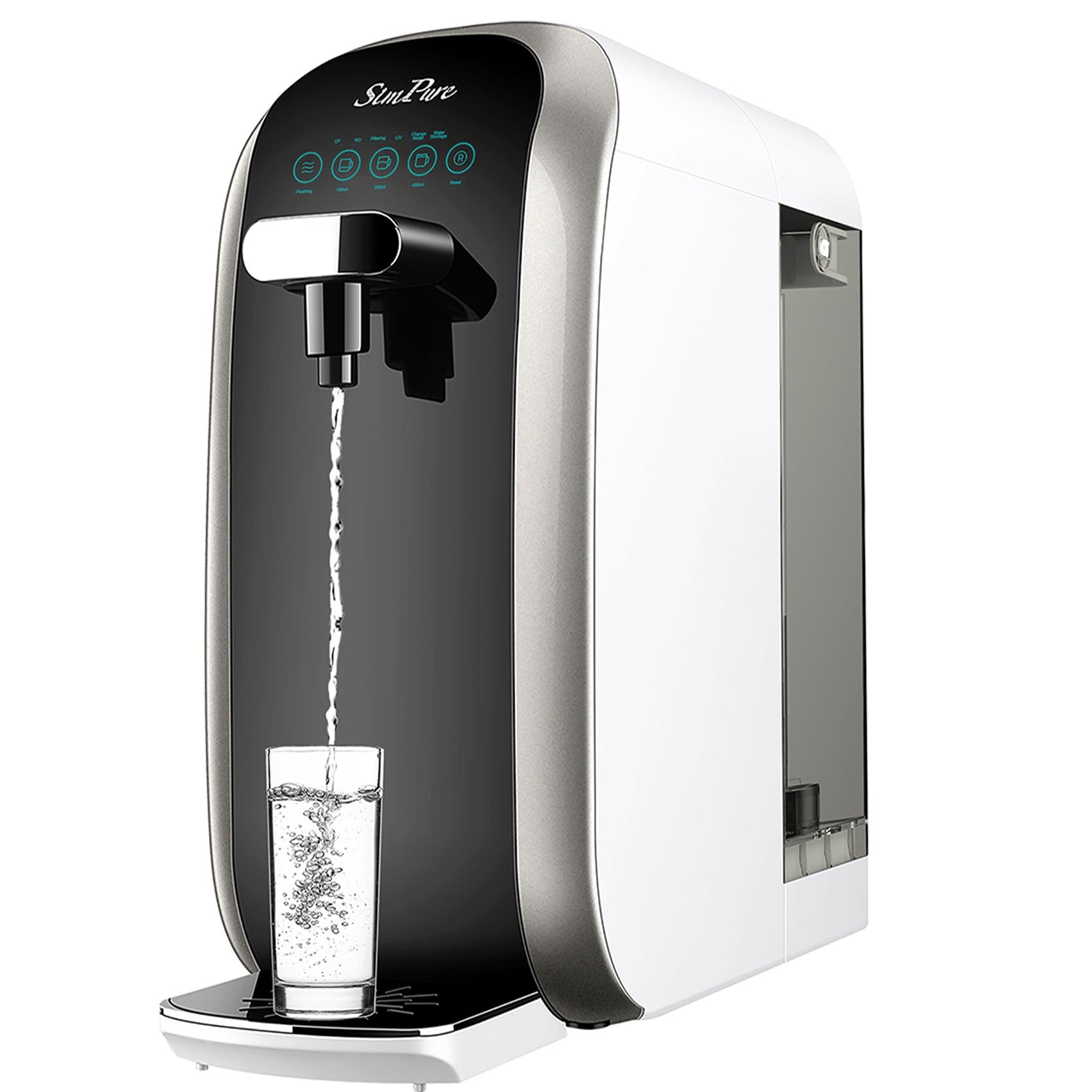
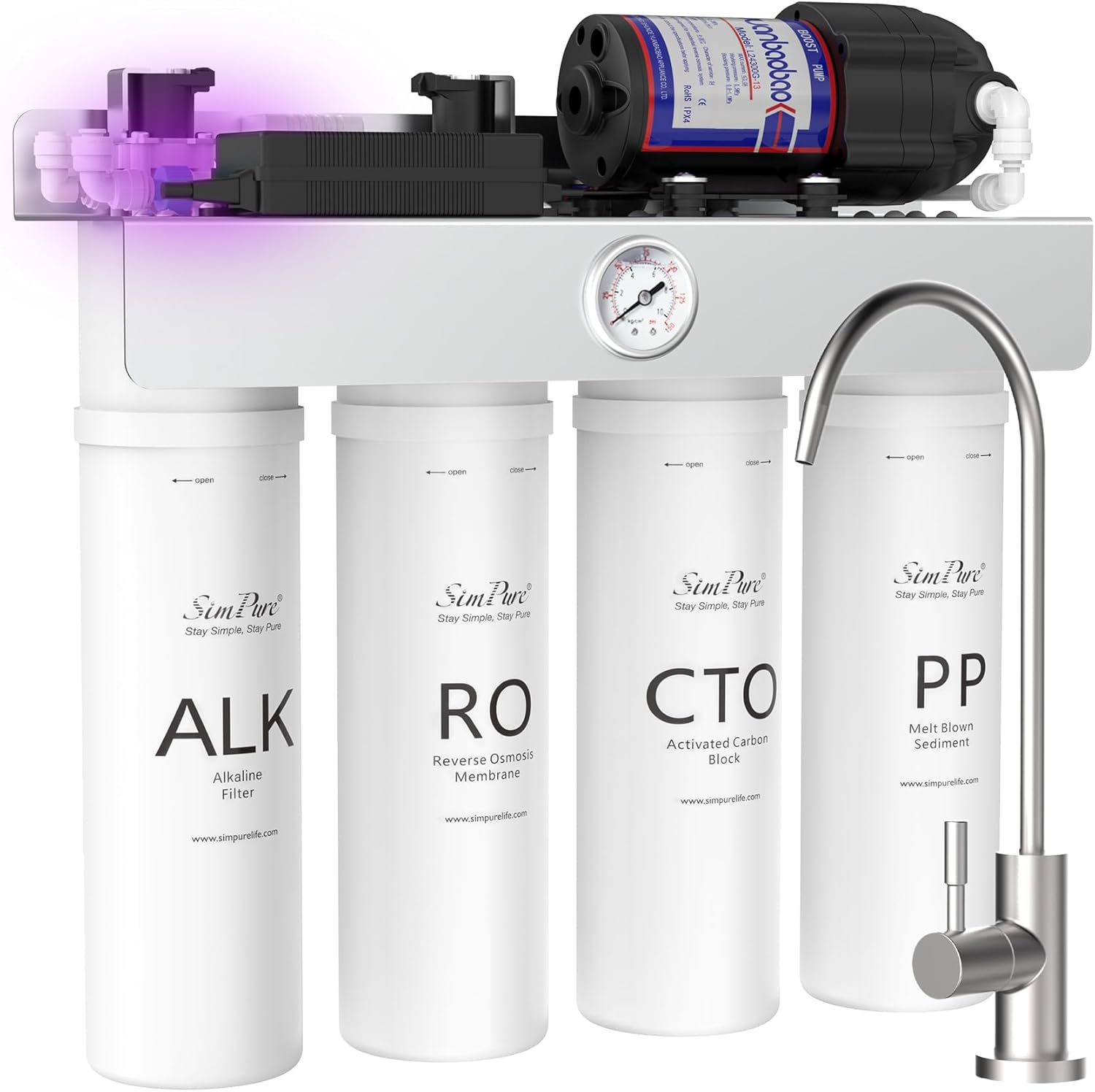
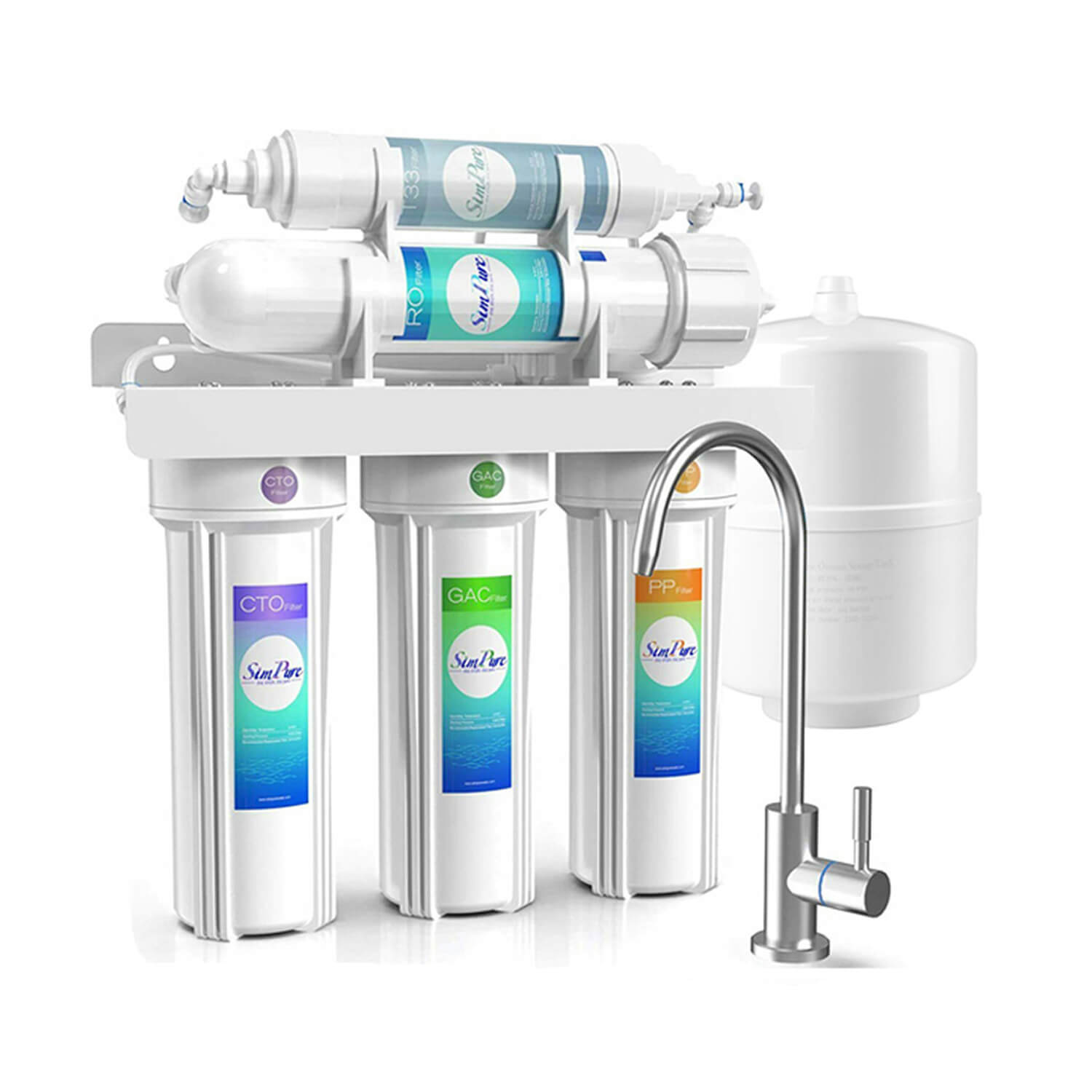
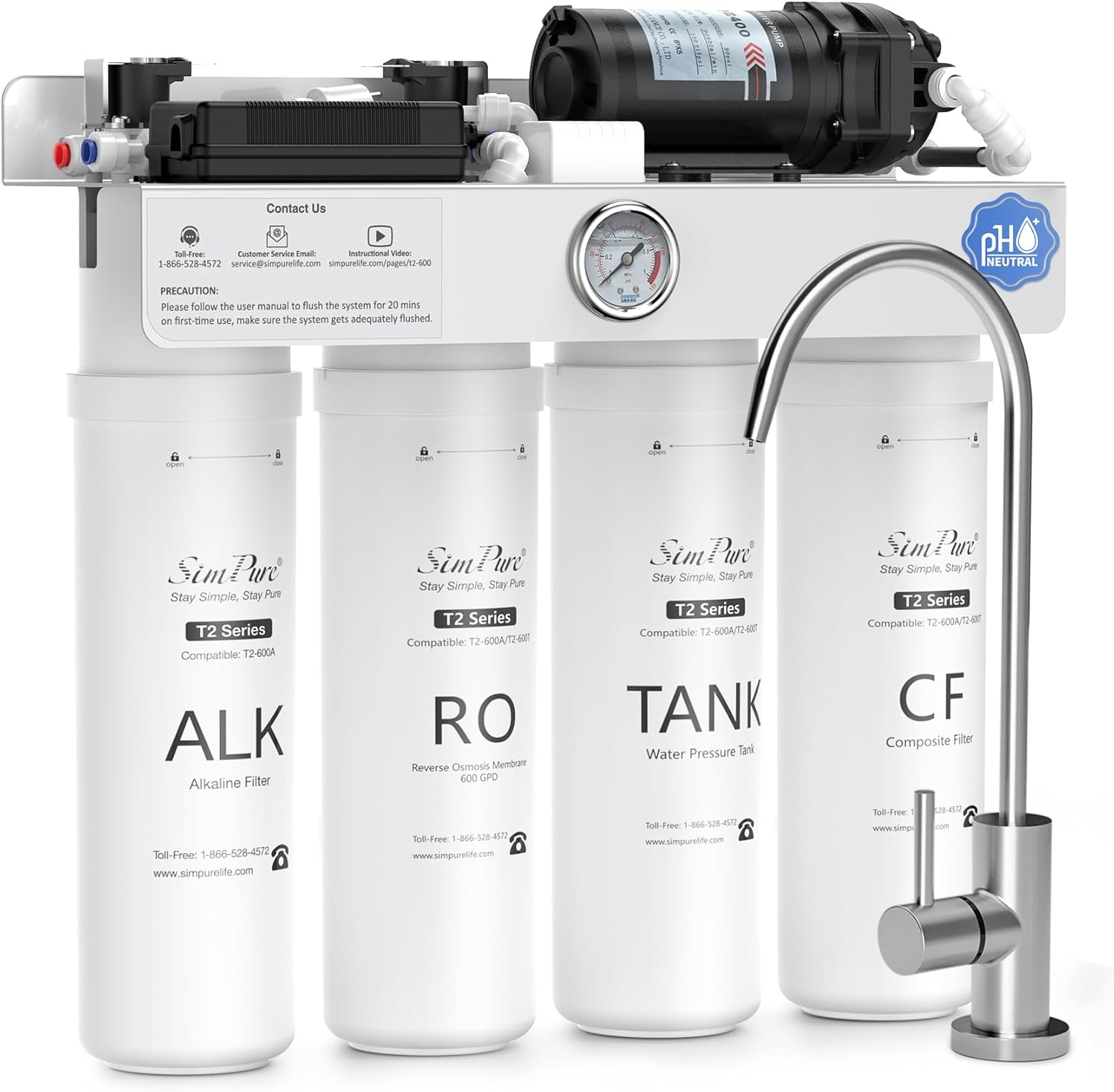
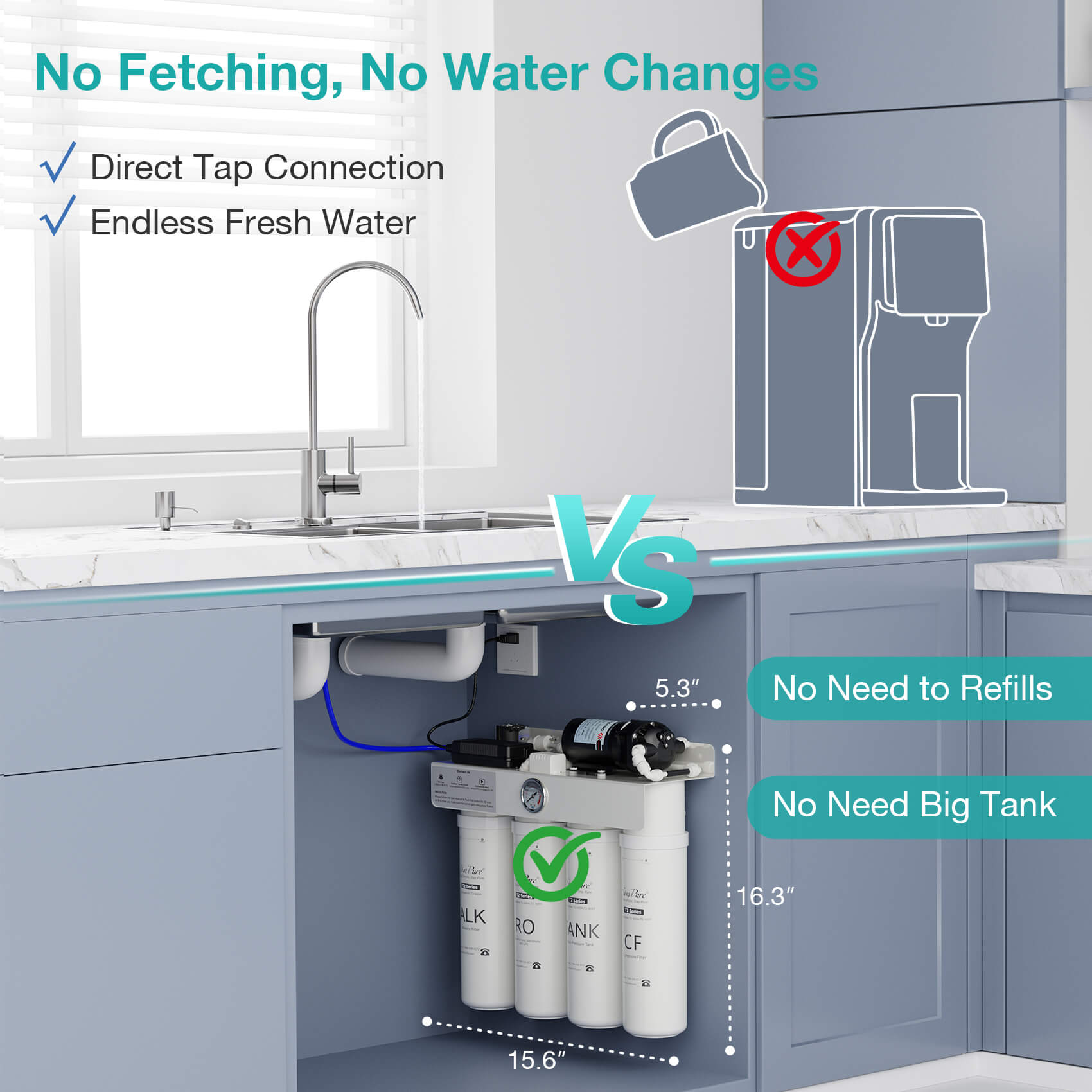
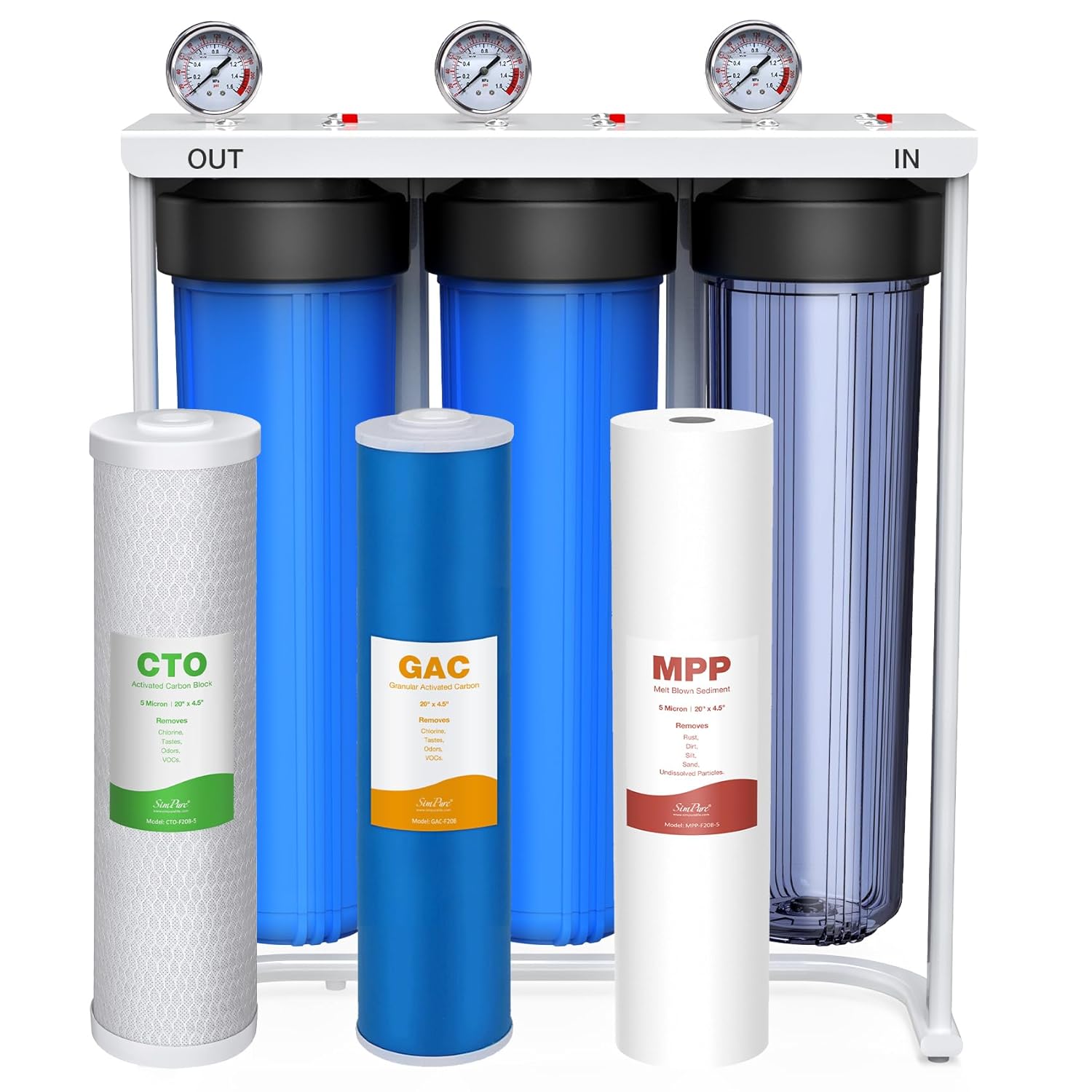
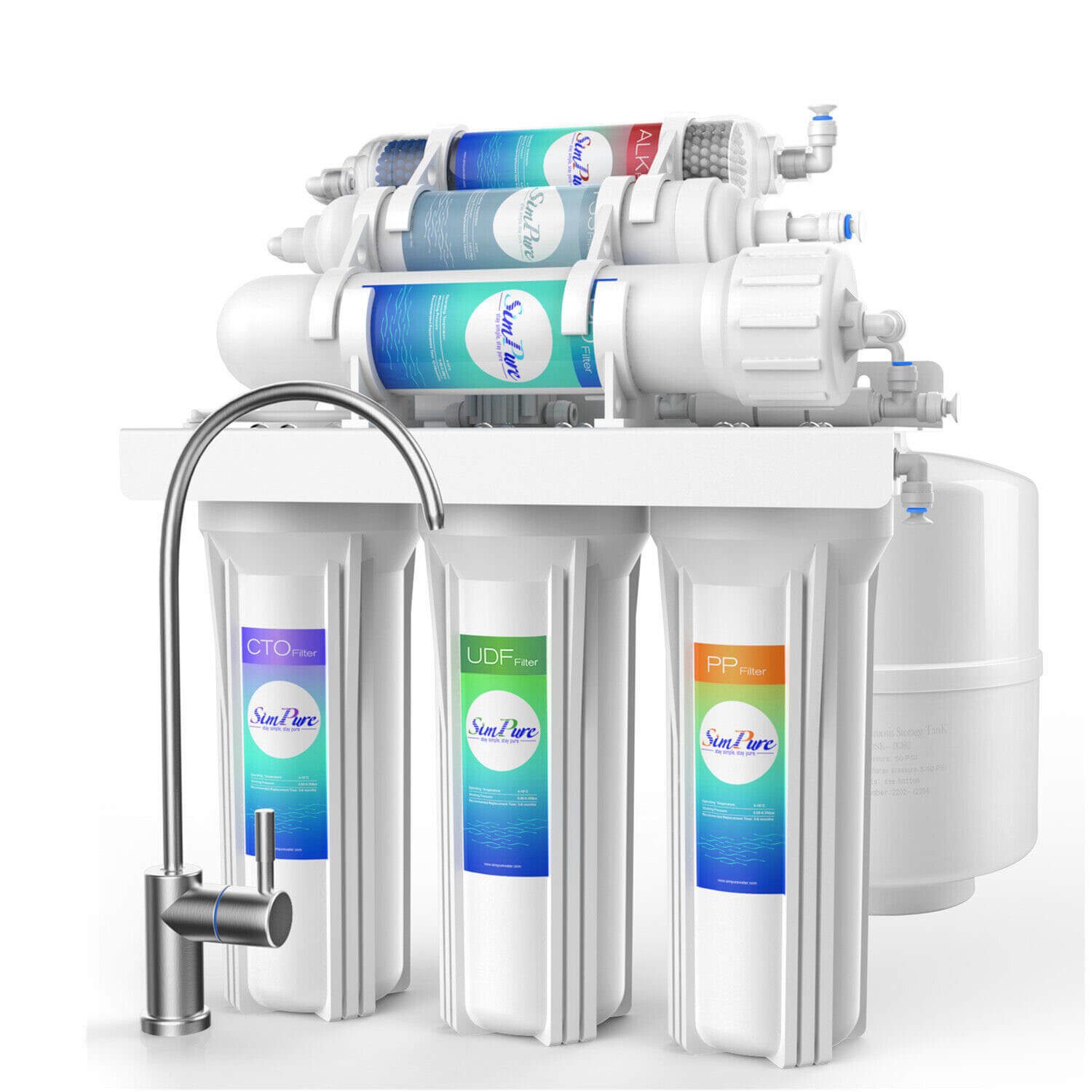
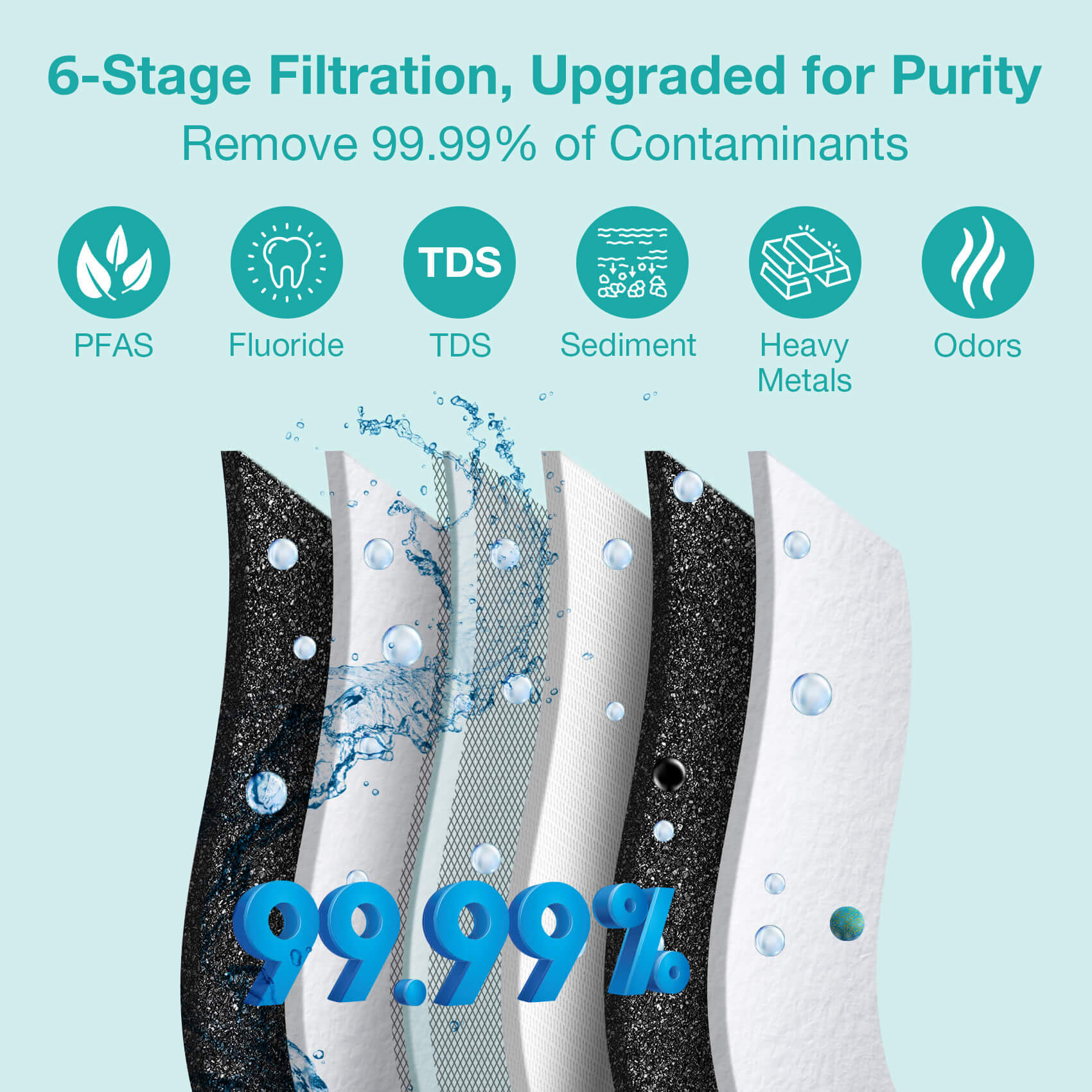
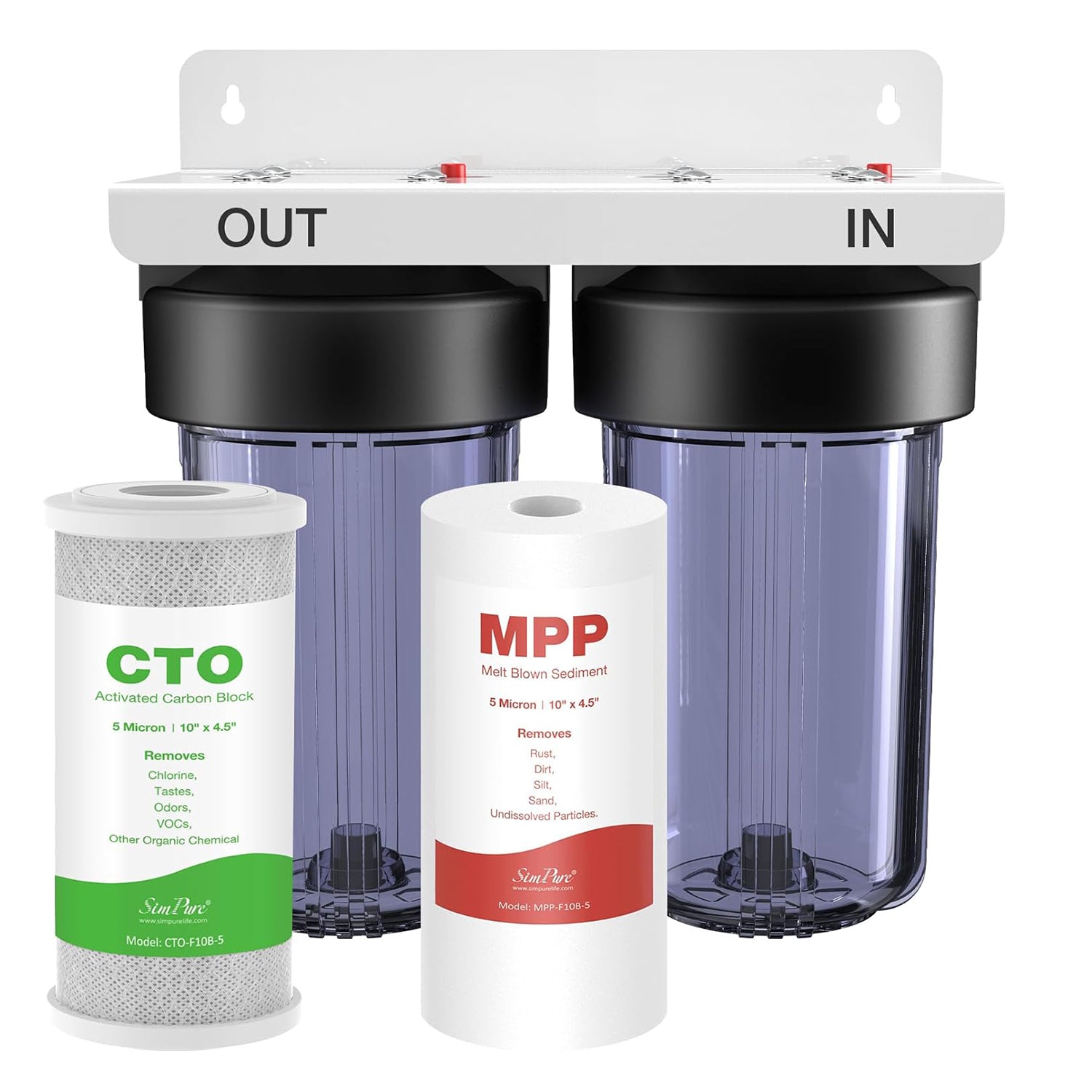
Since salt is dissolved at the molecular level, it passes straight through carbon pitchers and sediment filters. You need a system that can physically reject ions. This is where SimPure's RO technology excels.
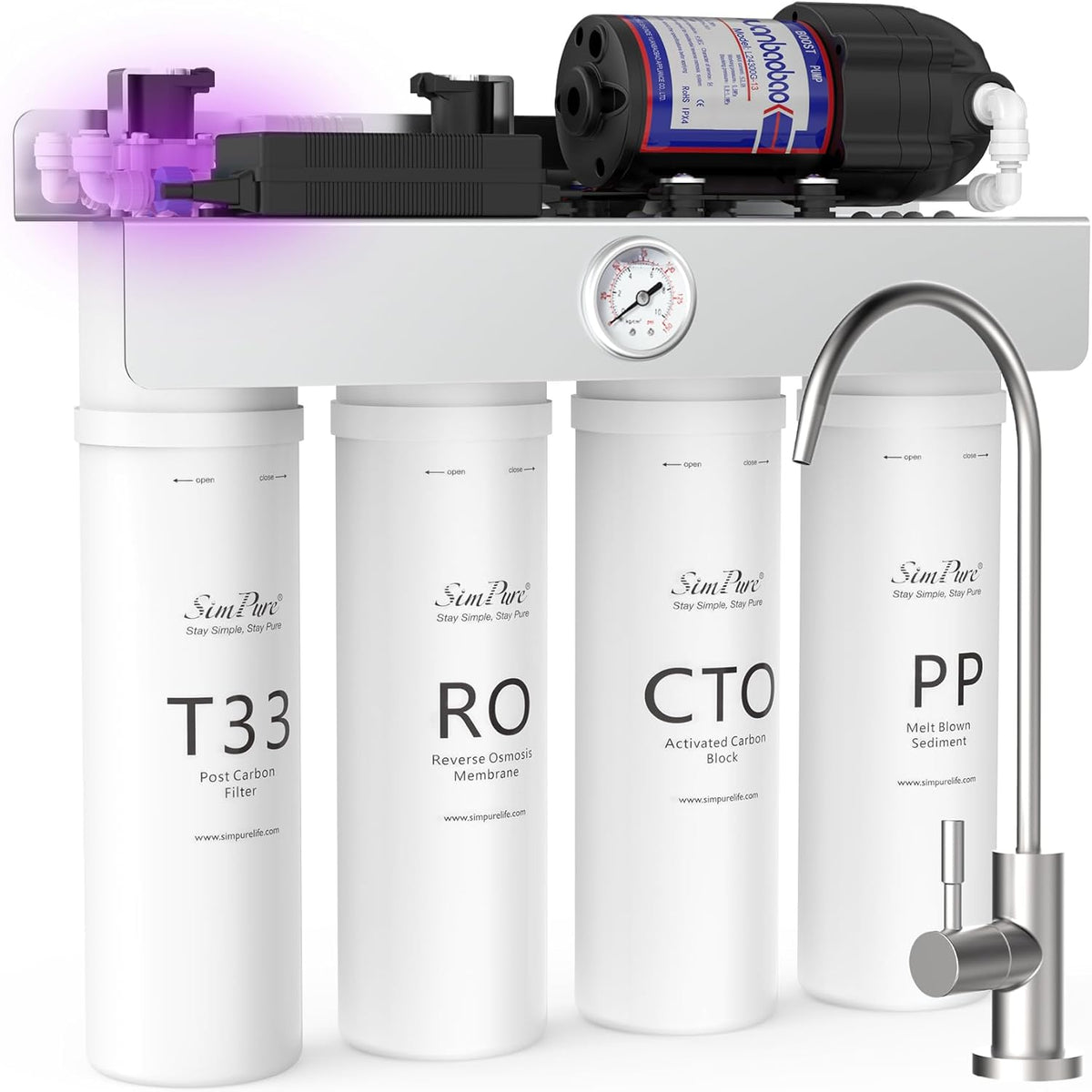
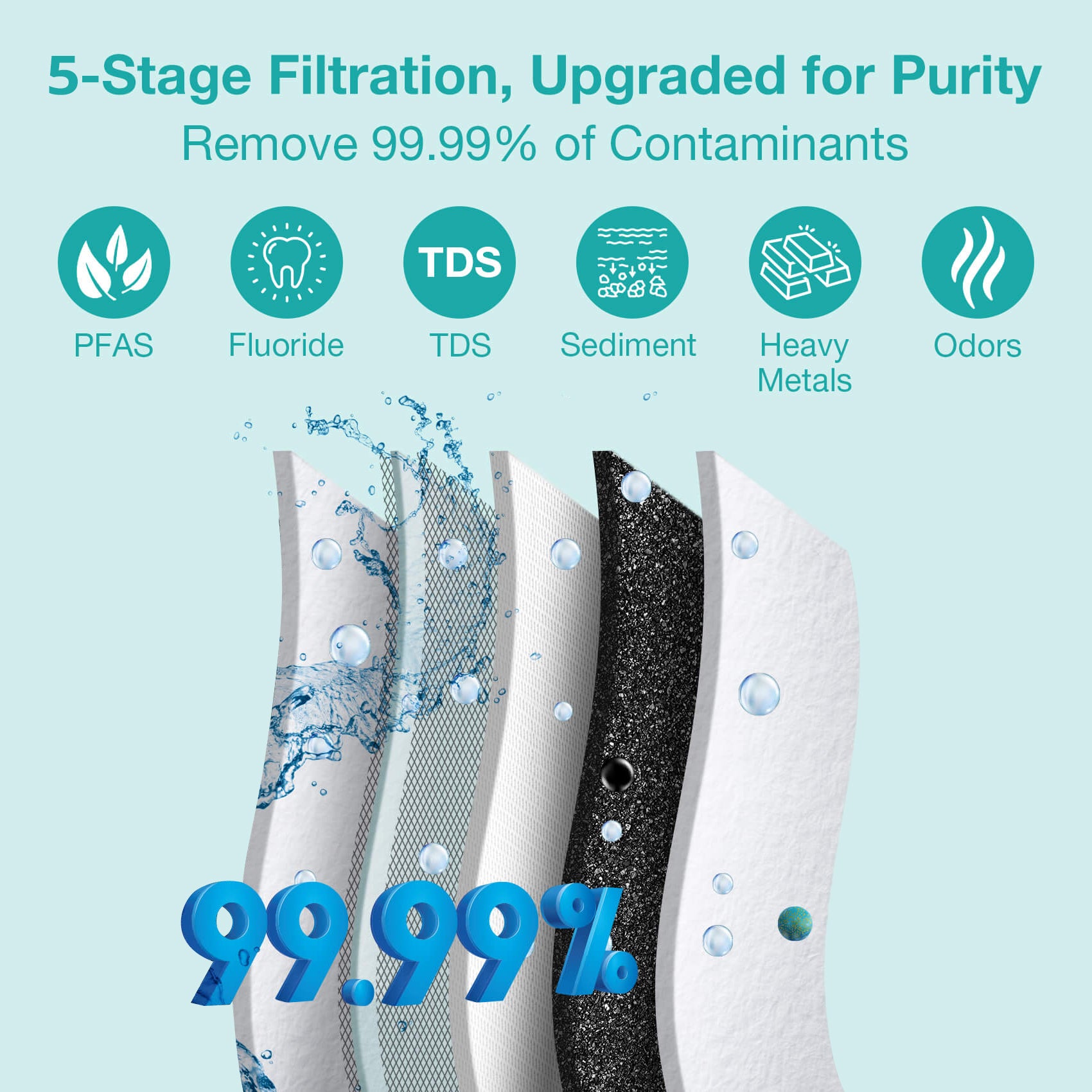
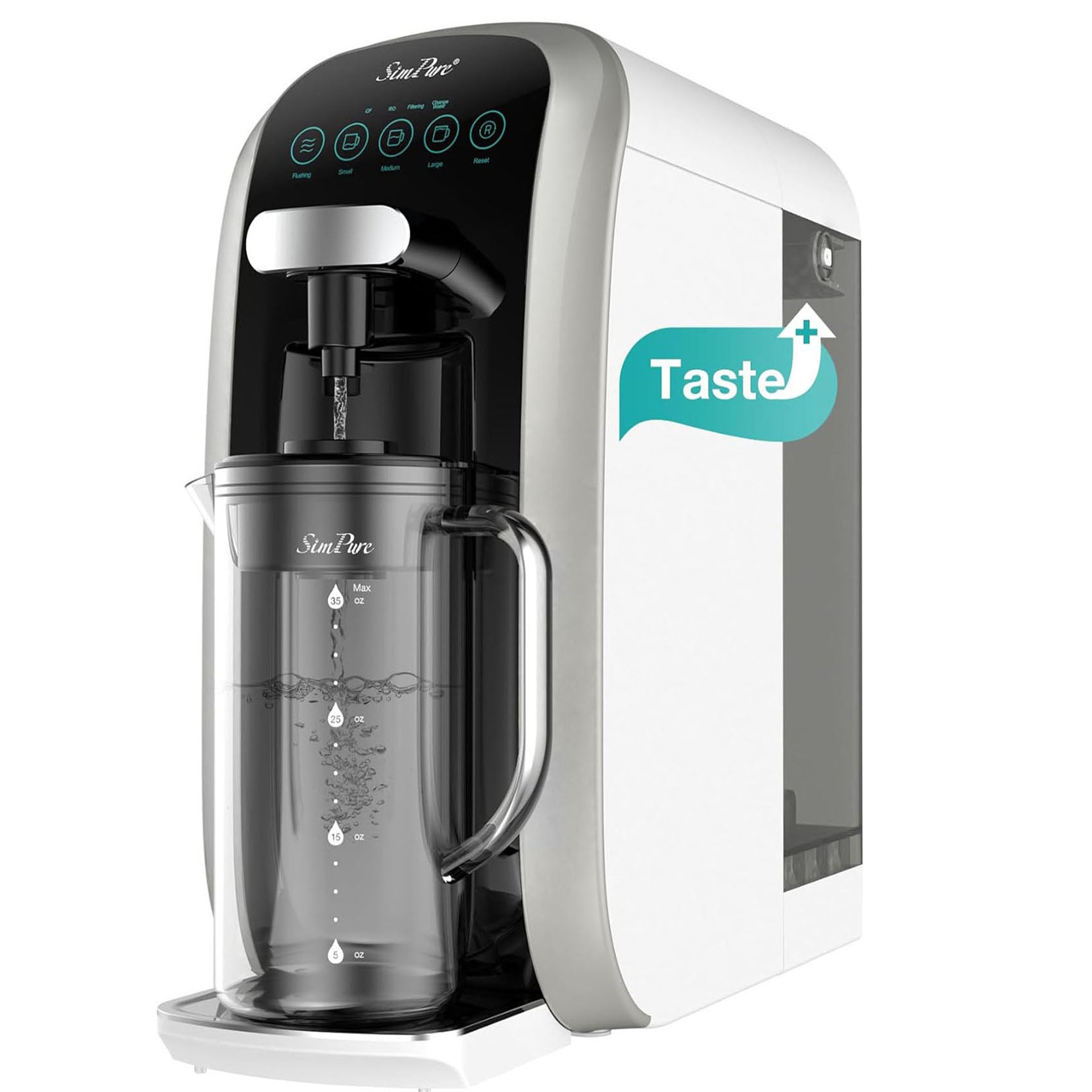
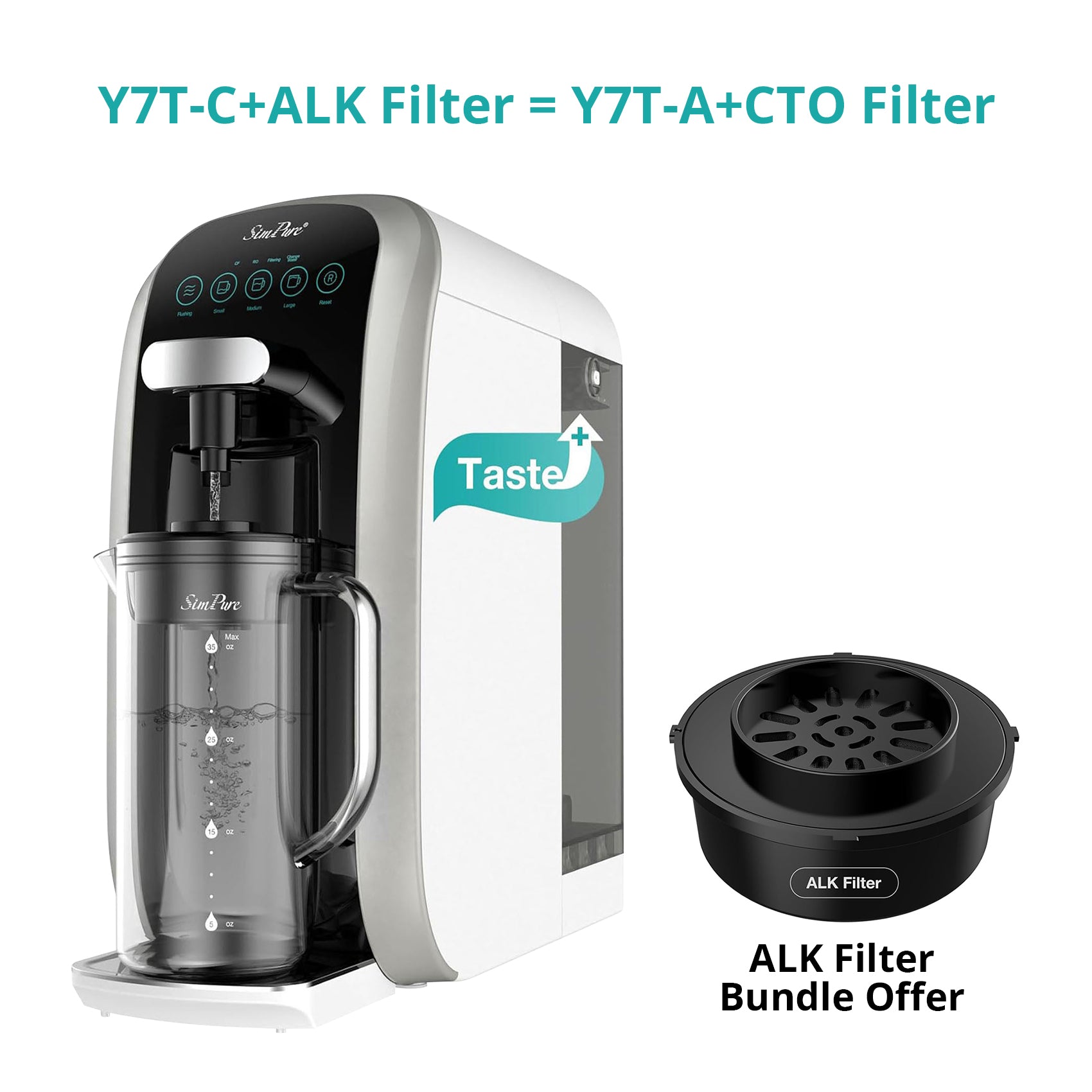
Equipped with a high-rejection RO membrane and SimPure exclusive filtration technology, the T1-400 removes up to 99% of salt and chlorides. The perfect companion for a water softener to restore neutral taste.
Remove Salty Ions →
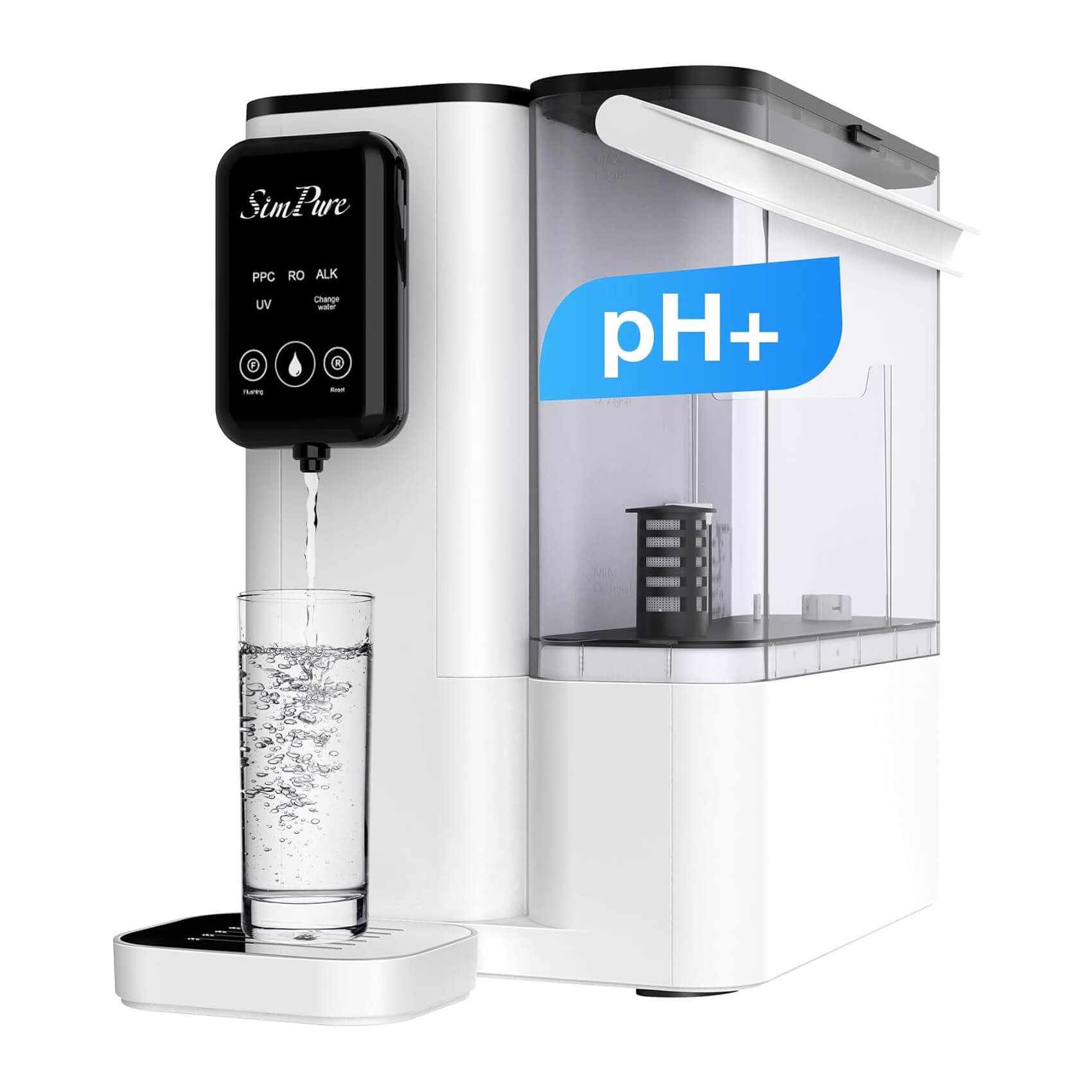
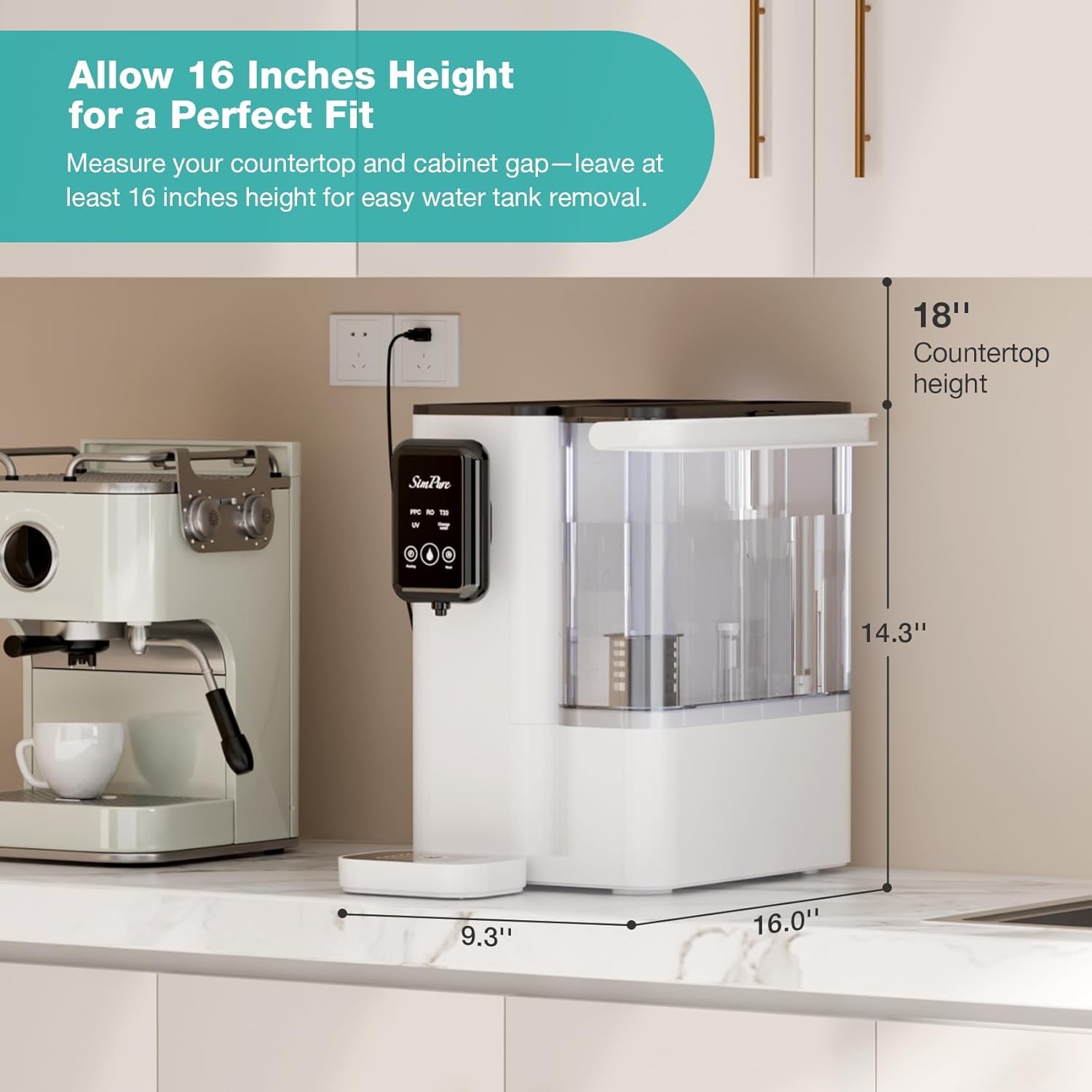
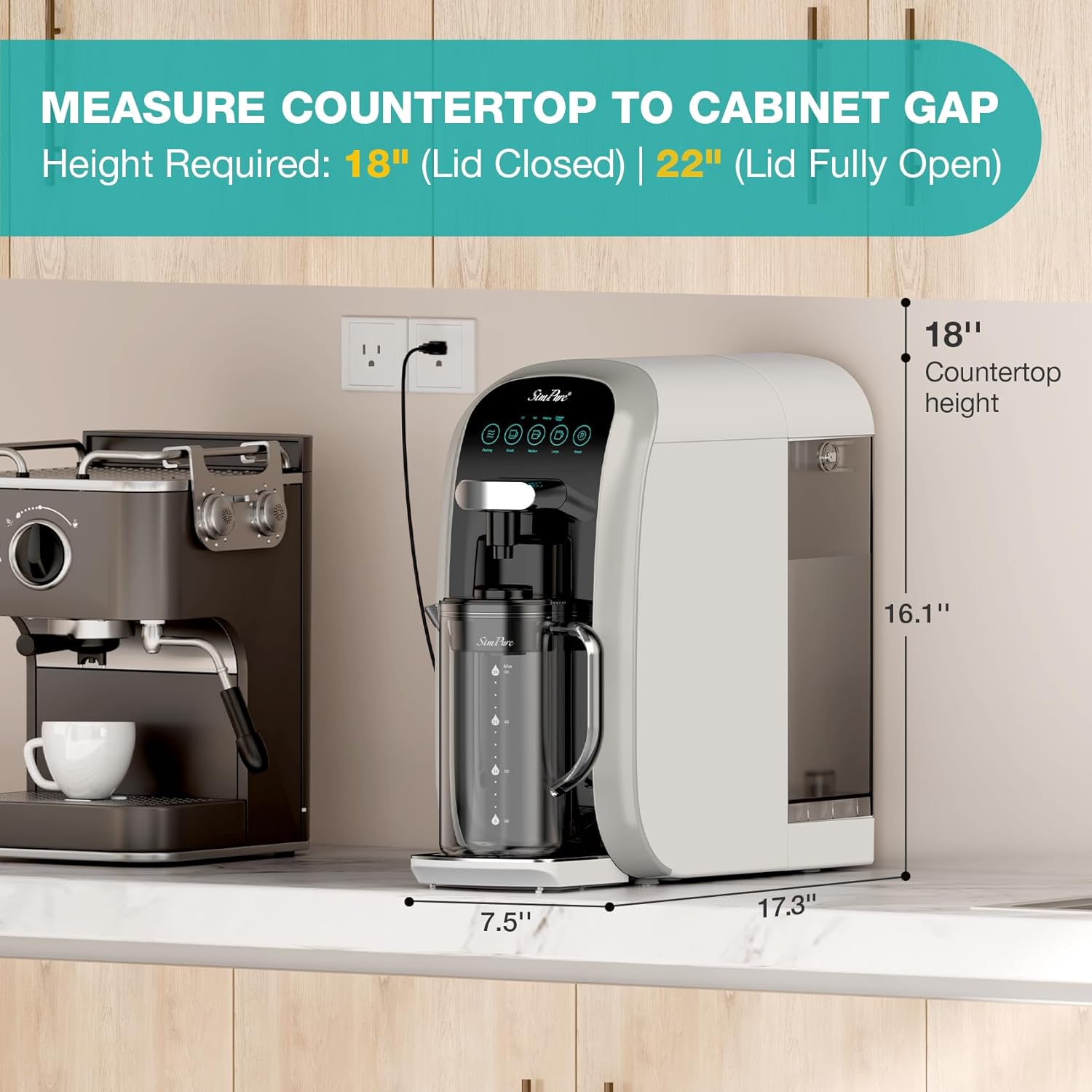
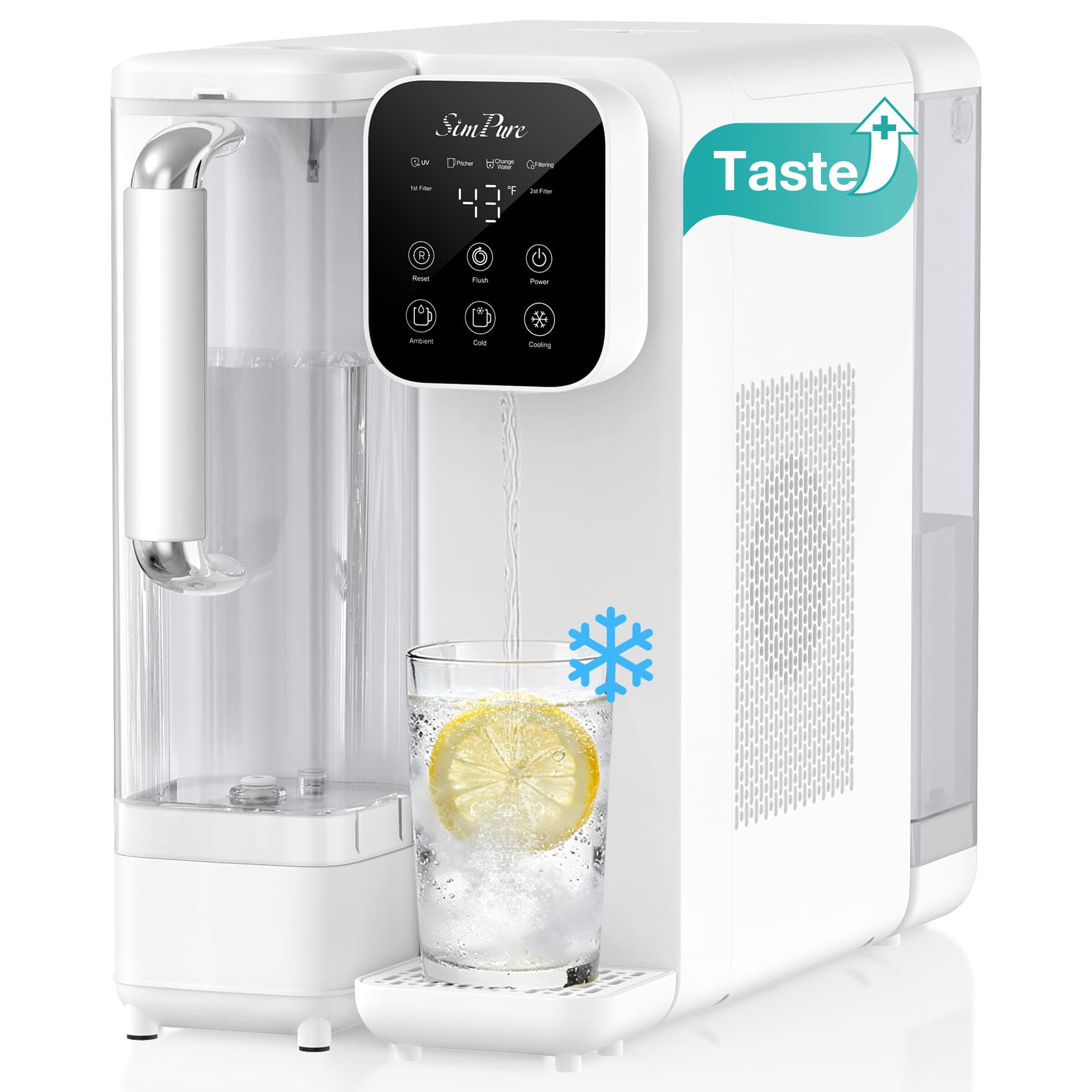
No plumbing needed. Ideal for coastal residents facing seasonal salty tides. Just fill the tank and enjoy 0.0001-micron purified water instantly.
Get Pure Water Now →Health Impacts of High-Chloride Water
While drinking slightly salty water isn't typically an acute health risk for healthy adults, it is a significant concern for individuals on low-sodium diets or those with hypertension (high blood pressure). Long-term consumption of high-chloride water can also corrode your household appliances and plumbing fixtures, leading to secondary issues like the metallic taste we discussed in our Metallic Water Guide.
Salty Water FAQ: Your Questions Answered
No. Boiling is effective for killing bacteria, but it cannot remove dissolved salts or minerals. In fact, boiling causes some water to evaporate as steam, which increases the concentration of salt in the remaining liquid, making it taste even saltier.
No. Standard activated carbon filters are designed to remove chlorine taste and odor, but they cannot trap tiny salt ions (Sodium and Chloride). Only a Reverse Osmosis (RO) membrane with a pore size of 0.0001 microns is capable of desalination.
If your RO water tastes salty, it usually means the membrane is either exhausted, damaged, or incorrectly installed. Check your system's TDS rejection rate; if it's below 90%, it’s time to replace the RO membrane filter.
Yes, water softeners add sodium ions in exchange for calcium and magnesium. While it's not "salt" in the traditional sense (sodium chloride), the increased sodium can be tasted by sensitive individuals and should be removed by an under-sink RO system for drinking.
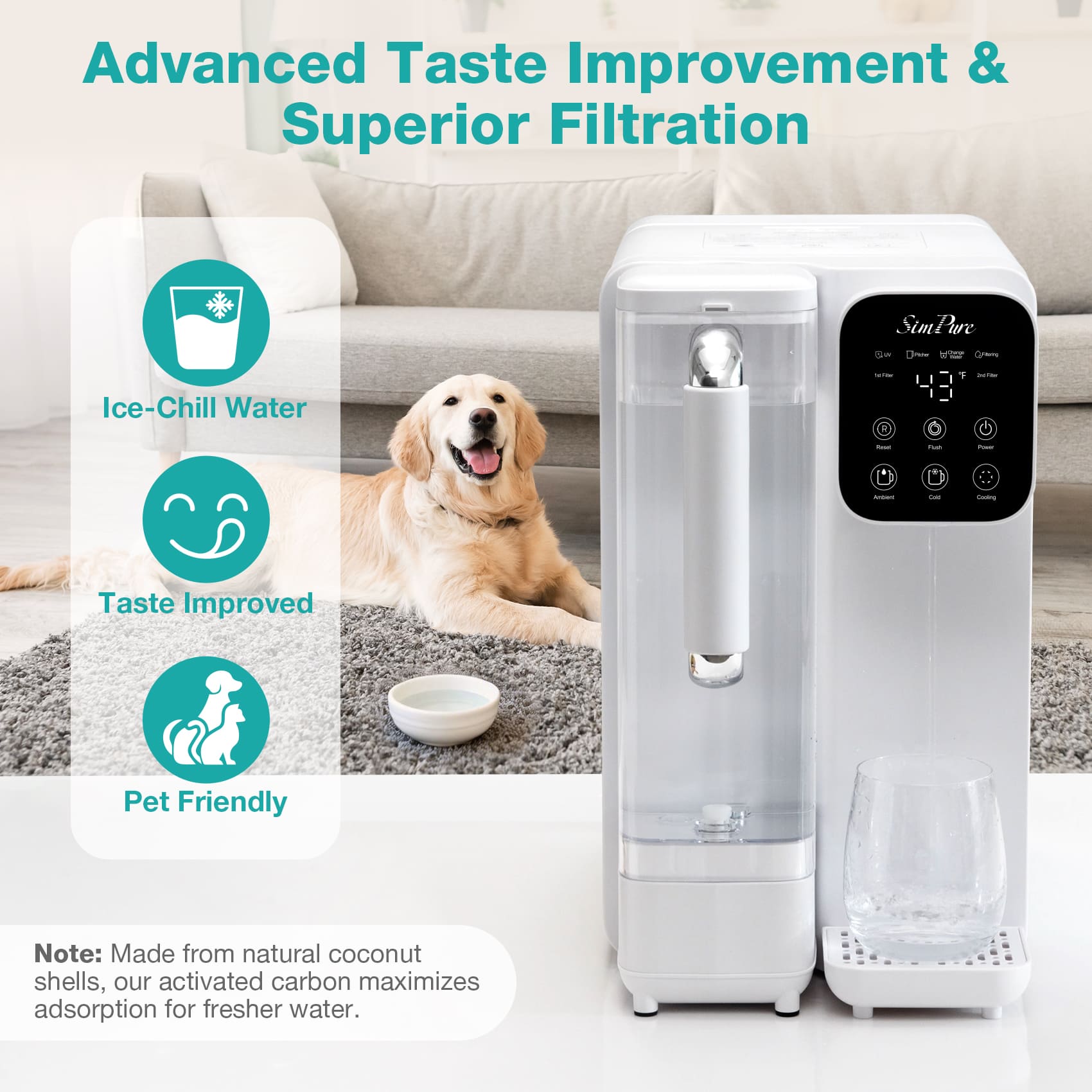
Experience the crisp, neutral taste of 99% mineral-free water with SimPure's industry-leading Reverse Osmosis technology.