As we all know, the water we drink should not contain sugar. But in our daily life, sometimes it feels like a sweet taste in water when you drink it, and you feel that the water is particularly delicious at that moment. So why does my bottled water taste sweet? What are the causes of tap filtered purified water tasting sweet, and what substance in the water affects the taste? Let us figure out these questions in this article.
1. You Suffer from a Disease.

From a medical point of view, if you drink water and find it sweet, you are considered to be a patient with spleen deficiency. In the daily diet, it is recommended to eat more nutritious and digestible foods, eat more dried fruits, and avoid cold foods and greasy foods. People who find a sweet taste in drinking water are also seen in diabetic patients. The blood glucose metabolism in the patient's body will be abnormal, so the sugar content in the blood is relatively high, and it is often accompanied by symptoms of sweetness in the mouth; That is, it leads to digestive system dysfunction, resulting in abnormal secretion of digestive enzymes and clinical symptoms. Patients are advised to ask the hospital for a blood glucose test and determine the treatment plan based on the results of the examination.
2. You Have Eaten Many Sweet Foods Before Drinking.
If you do not rinse your mouth in time after eating a large number of sweets, some sugar will remain in the mouth for a long time, and the saliva is also a sweet feeling. It may also result that you eating a piece of sugar before drinking water or eating something sweet, and at this time there is still the sweetness of sugar in your mouth, so when you drink water, you will feel that the water is sweet.
3. Your Body Is Extremely Dehydrated.

why does water taste sweet when dehydrated? Because your body is extremely short of water, that is, particularly thirsty, at this time you drink a cup of boiled tap water as if you have drunk a bottle of beverage, so that the water you drink will also feel sweet.
4. Strongly Comparison Makes You Feel the Water Is Sweet.
You may have eaten something too bitter before. Then if you drink a glass of water at this time, it feels like the water has a sweet taste. After this strong taste comparison, you will feel that the water is sweet.
5. Bottled Water Contains Some Minerals or Sweeteners.

This is why bottled water tastes sweet. The water quality of some bottled water is very good, containing some minerals, and there may be some sweet substances like aspartame, which make people feel sweet after drinking water. The sodium element of bottled mineral water reacts with oral enzymes, so it feels sweet. Bottled Mineral water is a natural product, after a series of purification treatments, it contains more mineral elements, including sodium, zinc, iron, and other material elements. In general, the presence of a moderate amount of minerals in the water will taste good, and the water will have a slight sweetness. The best example is the difference between pure water and mineral water. Pure water is just water without any impurities, so there is no taste. But the taste of mineral water is better than pure water. Mineral water is added magnesium sulfate, potassium chloride, and other minerals. These minerals are added as food additives, in order to adjust the taste of water, so bottled mineral water tastes sweet and better than the taste of pure water.
6. Salivary Amylase Can Make Your Filtered Water Taste Sweet.

The salivary amylase is the main cause of your filtered water tastes sweet. The human mouth is able to produce saliva for chewing food. Saliva contains saliva amylase, which reacts with substances in food and gives people a different taste sensation. When saliva amylase and sodium react, a sweet feeling will be produced, fed back to the brain, and people will feel that water is sweet. There is a type of amylase in saliva called saliva amylase, which can be broken down into glucose if the content of saliva amylase increases, and there is a sweet taste.
So What Exactly Influences the Taste of Water--TDS and pH Value in Water

Why does water taste different? This is actually determined by the concentration in the water, which is what we often call the TDS value. The so-called TDS value is actually an abbreviation of "Total dissolved solids". The TDS measures milligrams per liter (mg/L) to indicate how many milligrams of dissolved solids are dissolved in 1 liter of water. In general, the higher the TDS value, the more dissolved matter is contained in the water, and the lower the TDS value, indicating that the water quality is purer.
1. Why TDS Value Affects the Sweetness of Water?
Dissolved solids in the water will bring different taste sensations, so the lower the TDS value, the closer the taste of water is too tasteless, and the contrast between taste buds is sweet.
1. Carbonate: Carbonic acid is carbon dioxide dissolved in water. If there is a moderate amount of carbonated root dissolved in the water, the water will have a refreshing and delicious taste. However, if the content is too high, the water smell will produce irritation, resulting in the feeling of soda, so that the water loses its proper taste.
2. Chloride ions: If there are more chloride ions dissolved in the water, people will have a salty feeling when drinking water.
3. Sulfate: Sulfate is common in natural water, and when its content is high, the water will have an astringent taste.
4. Silicate: Silicate is a component of rocks dissolved in water, especially volcanic rocks, which are more easily dissolved in silicate. The concentration of silicate in natural water is high, and it will feel a little hard when drinking water.
5. Converting calcium and magnesium into calcium carbonate concentration is what we often call the hardness of the water. Too hard, bad taste and peculiar smell, individual drinkers will also have adverse gastrointestinal reactions; Too hard, the water has no sweet taste.
2. Why pH Value Affects the Sweetness of Water?
Compared with TDS, the pH value does not have much effect on the taste of water. In general, water with a high pH may taste a little sweet and have a slippery feel. That is also a reason why does water taste sweet. Water below 7 will make you feel sour, feel more crisp and clean to drink, and lower acidity can make the originally more crisp and fresh, which is similar to the role of lemons. In addition, some water has a metallic taste when drunk, and one of the possible reasons is its low pH.
In addition to the substances mentioned above, many dissolved substances also affect the taste of water, such as manganese, magnesium, and so on. Apart from the question "why does water taste sweet", some also ask why does my water taste bitter and funny. If you have this kind of question, you can also read our blog--why does my filtered water taste funny. What's more, if you have salty taste in your water, you can also read our blog--why does my water taste salty;If you have metal taste in your water, please read why does my water taste like metal.
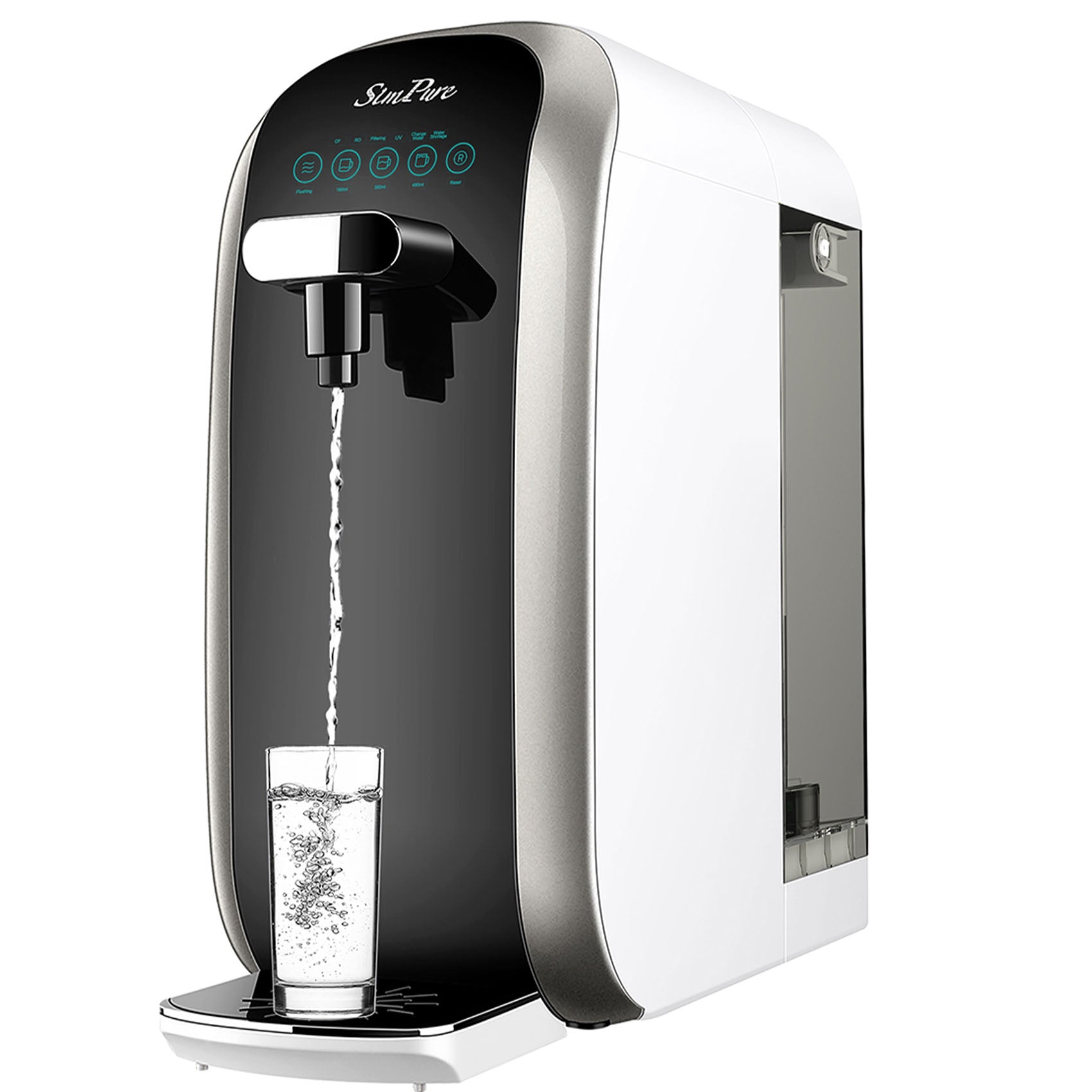
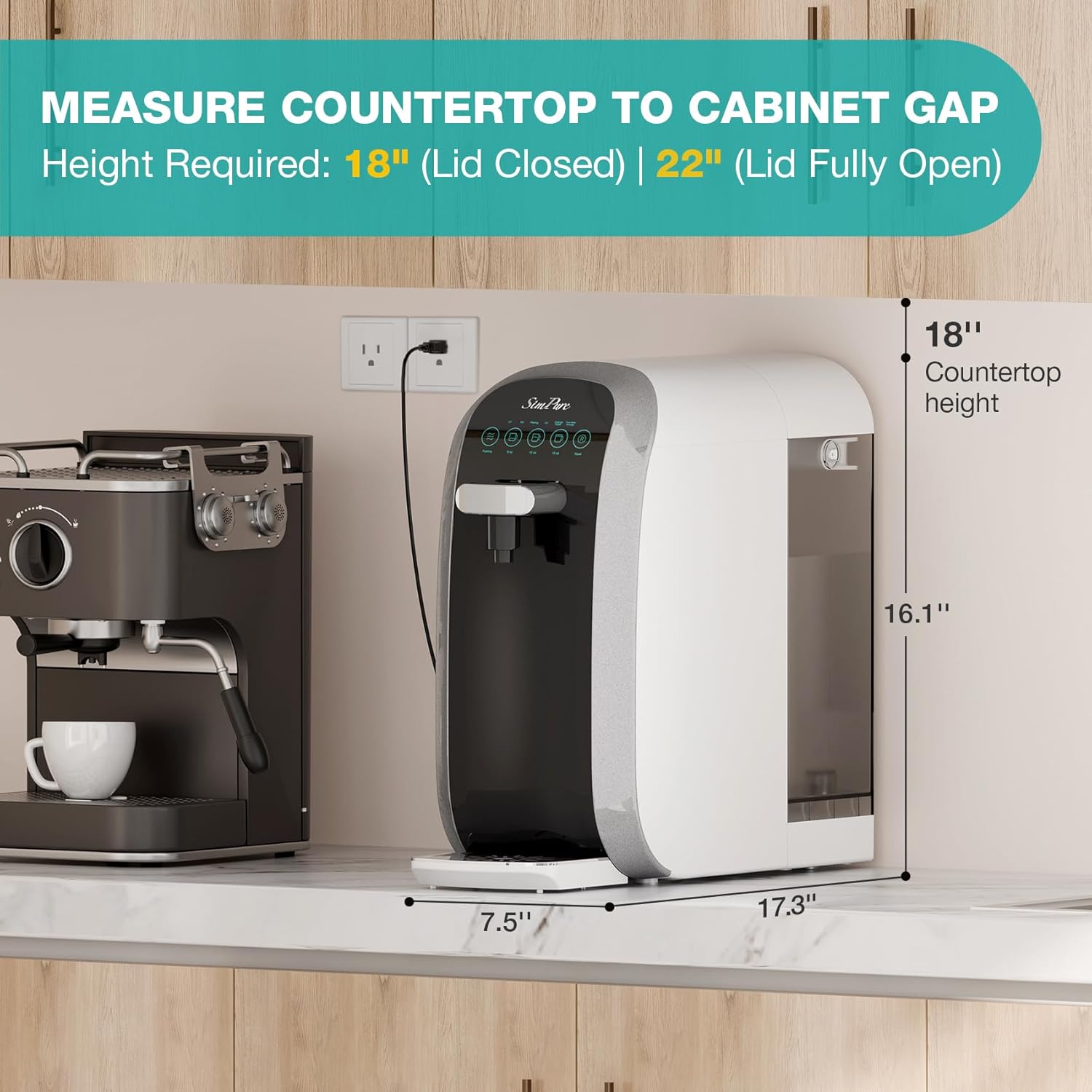
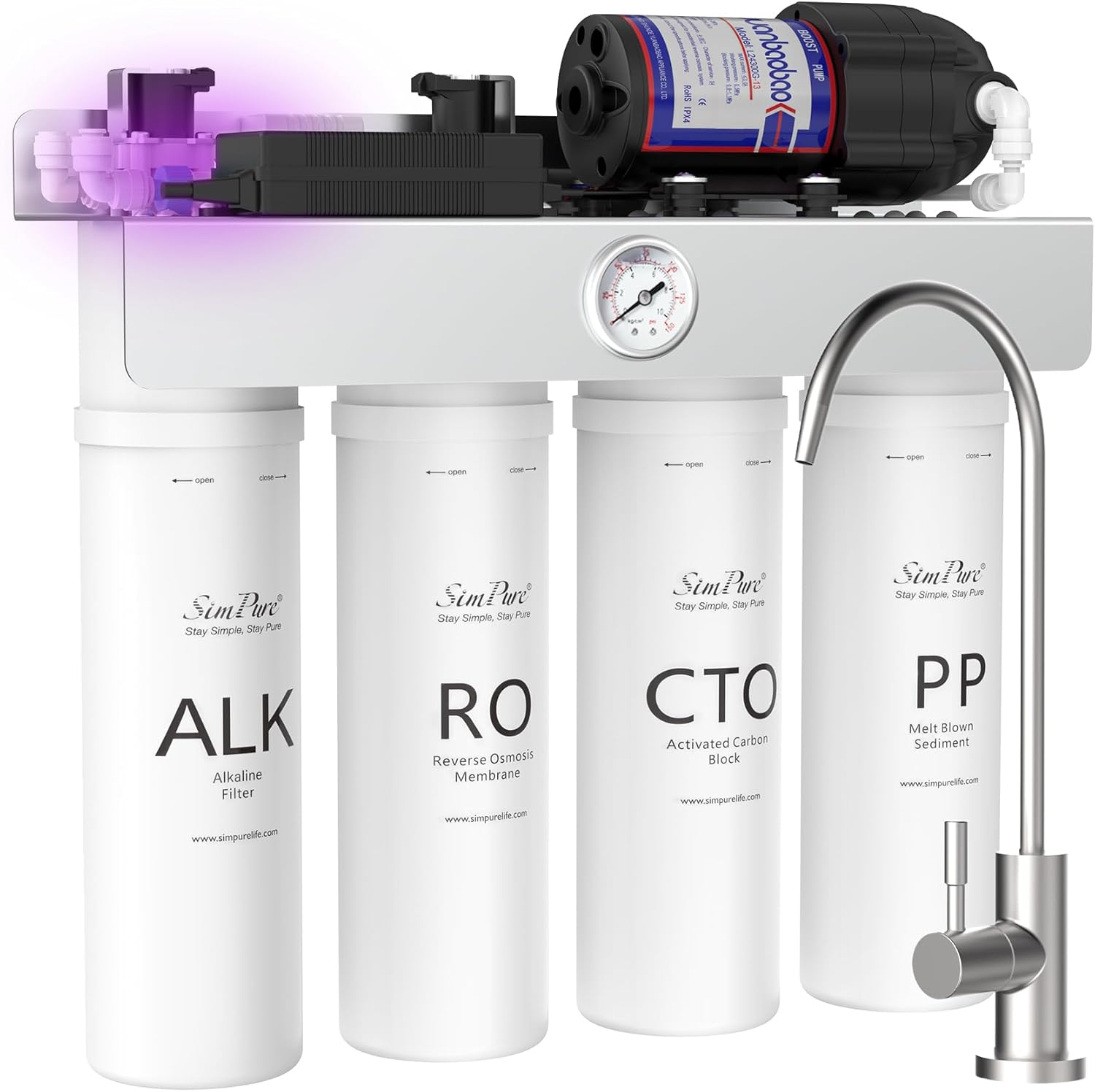
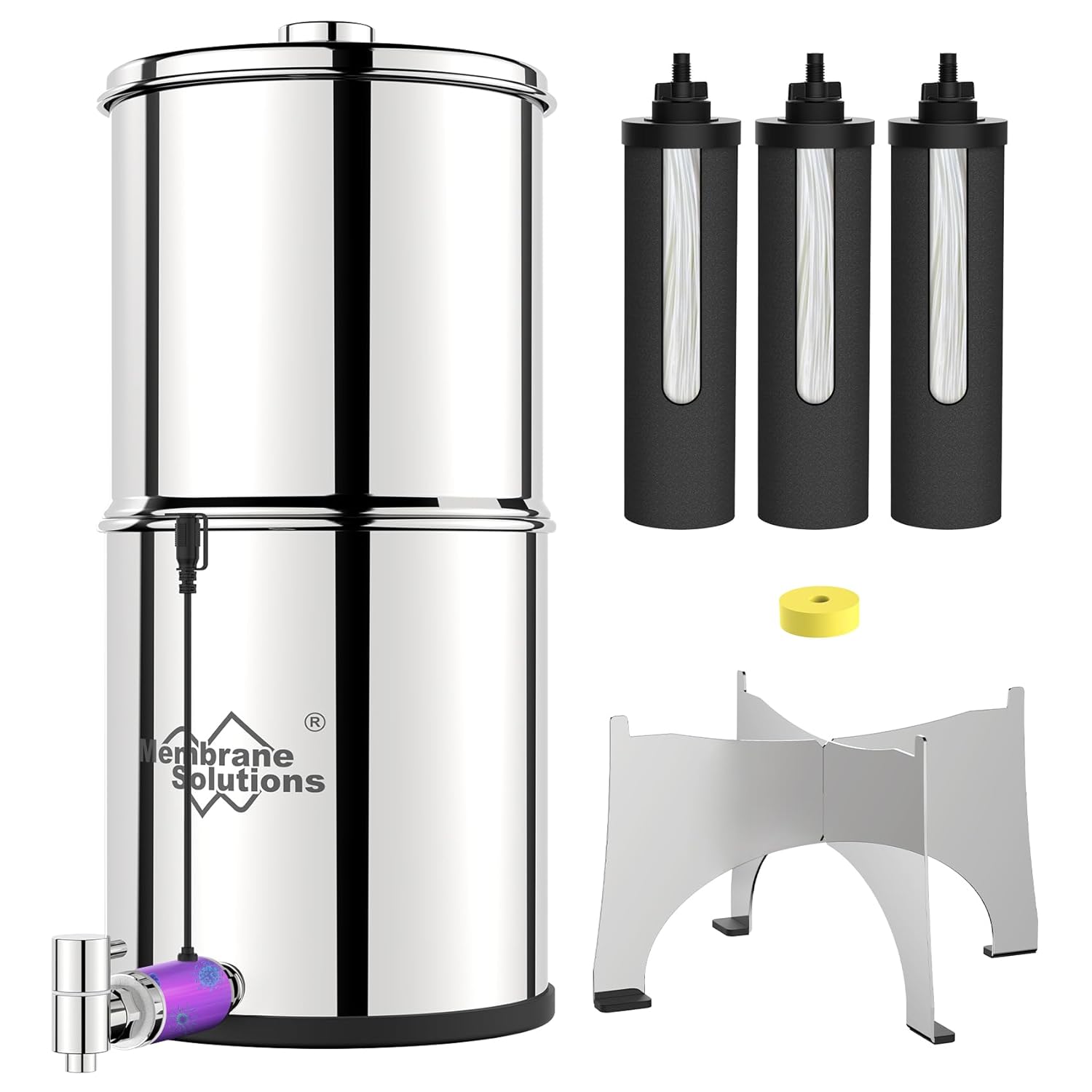
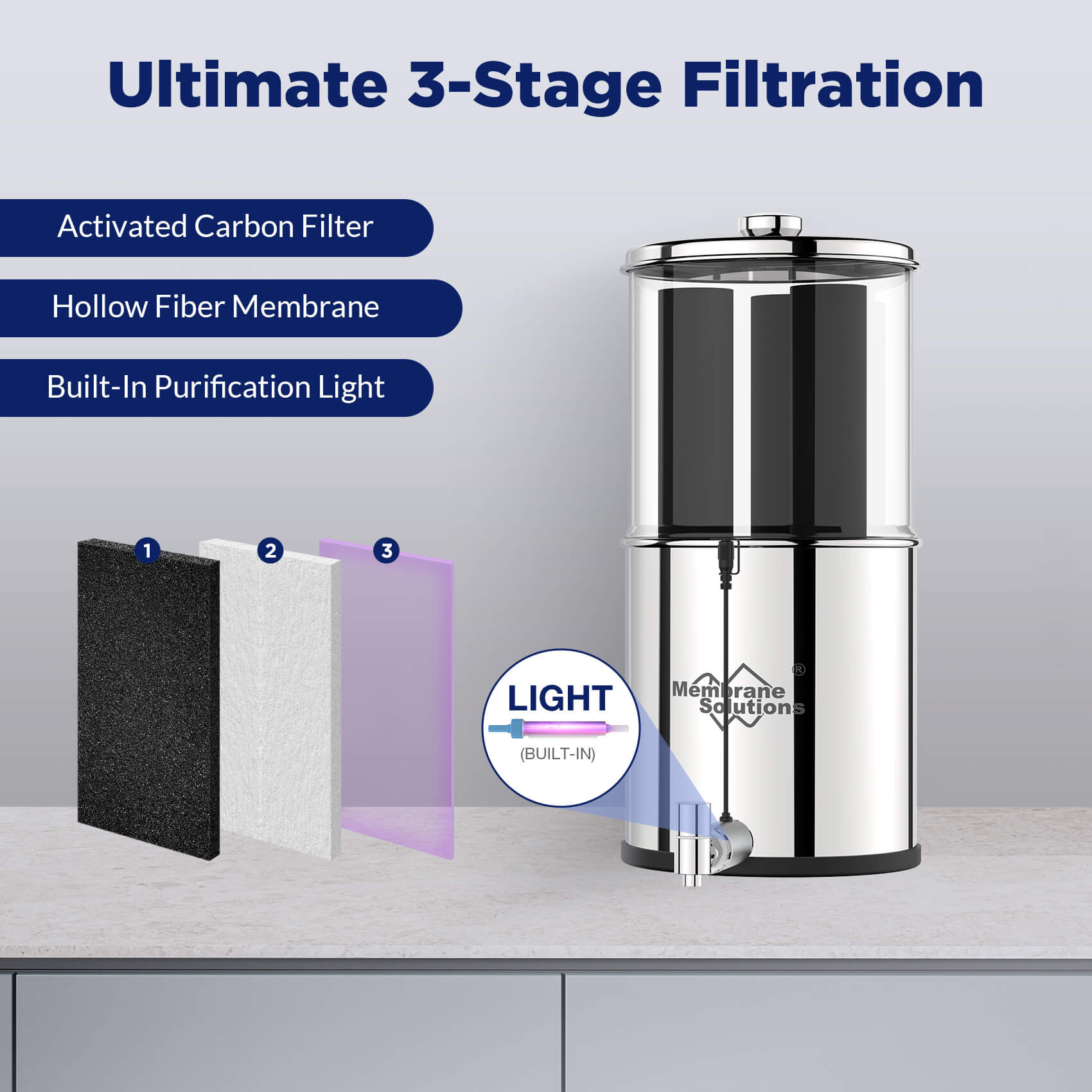
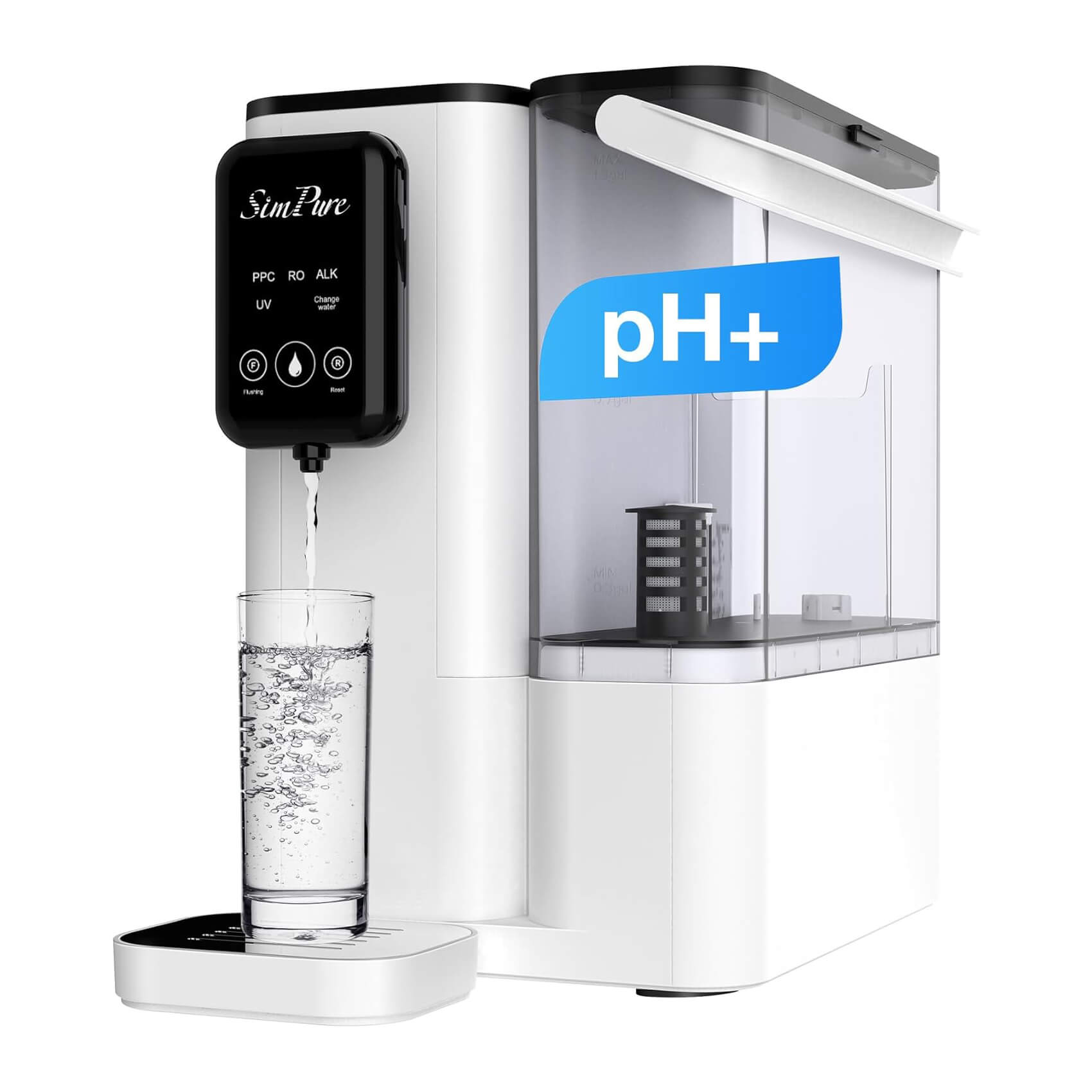
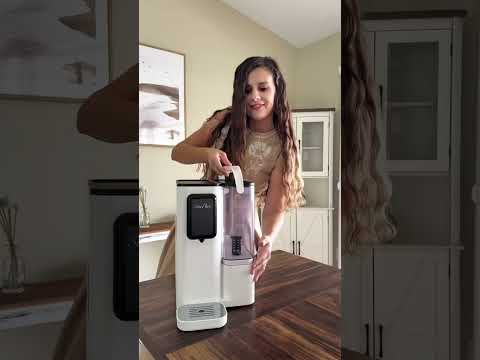
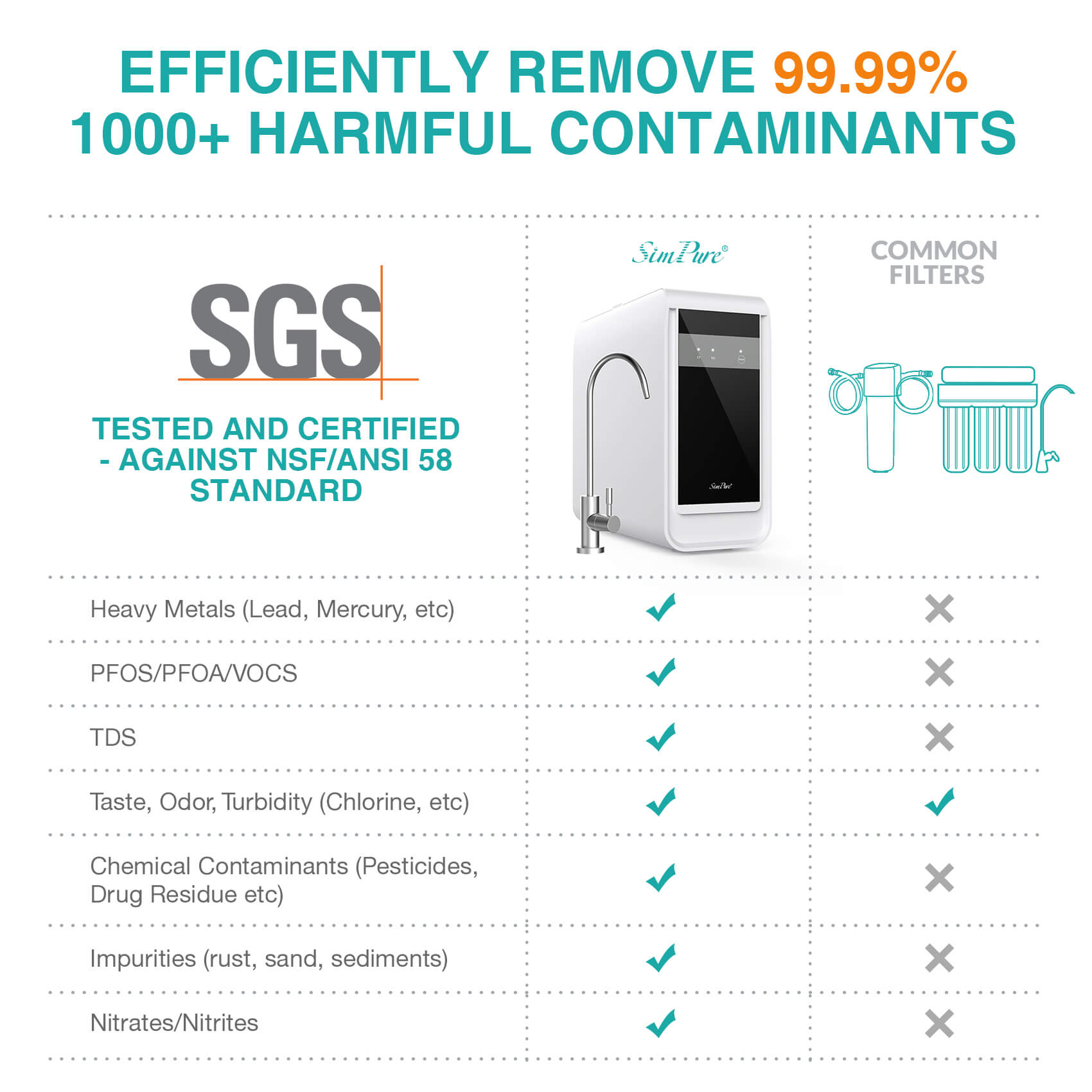
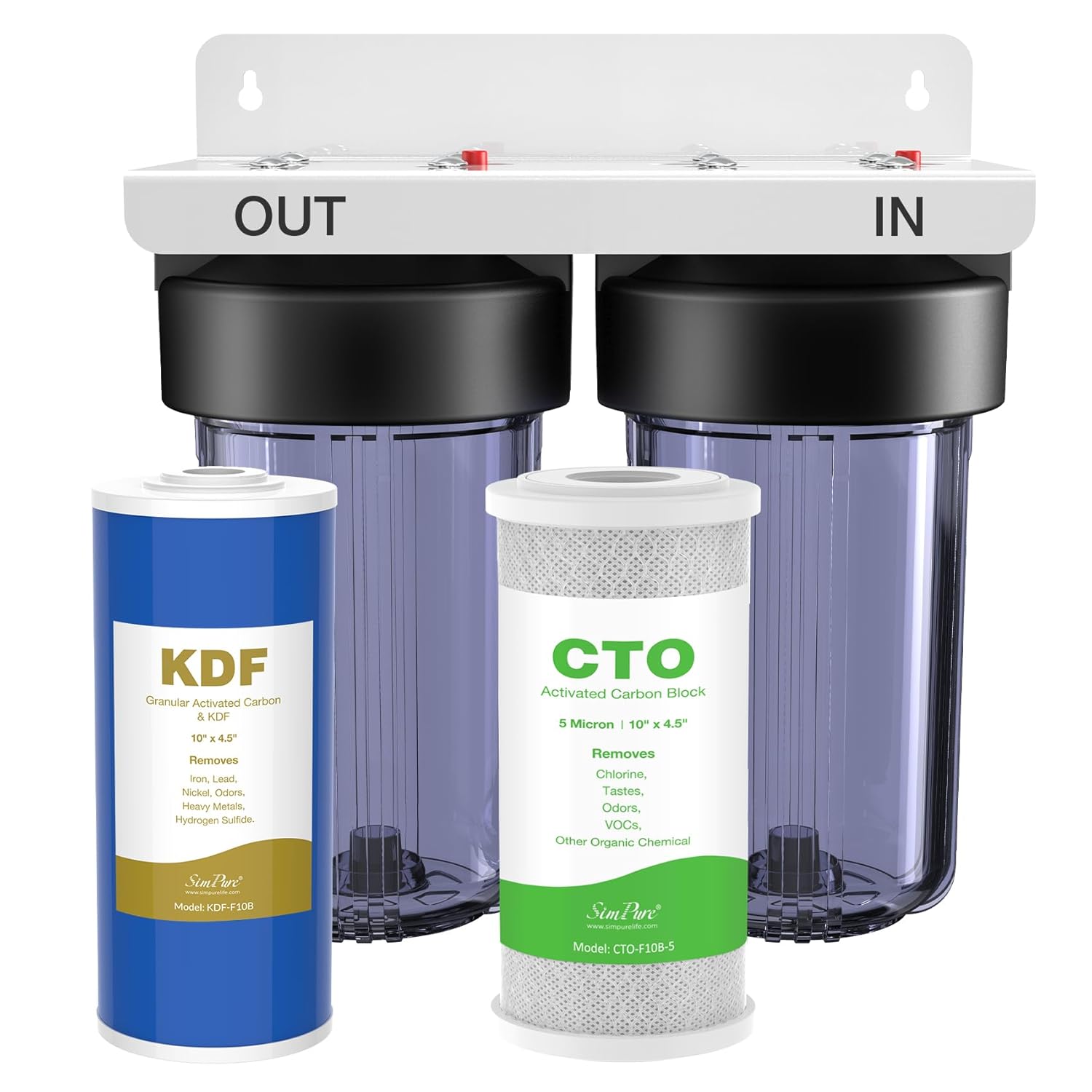
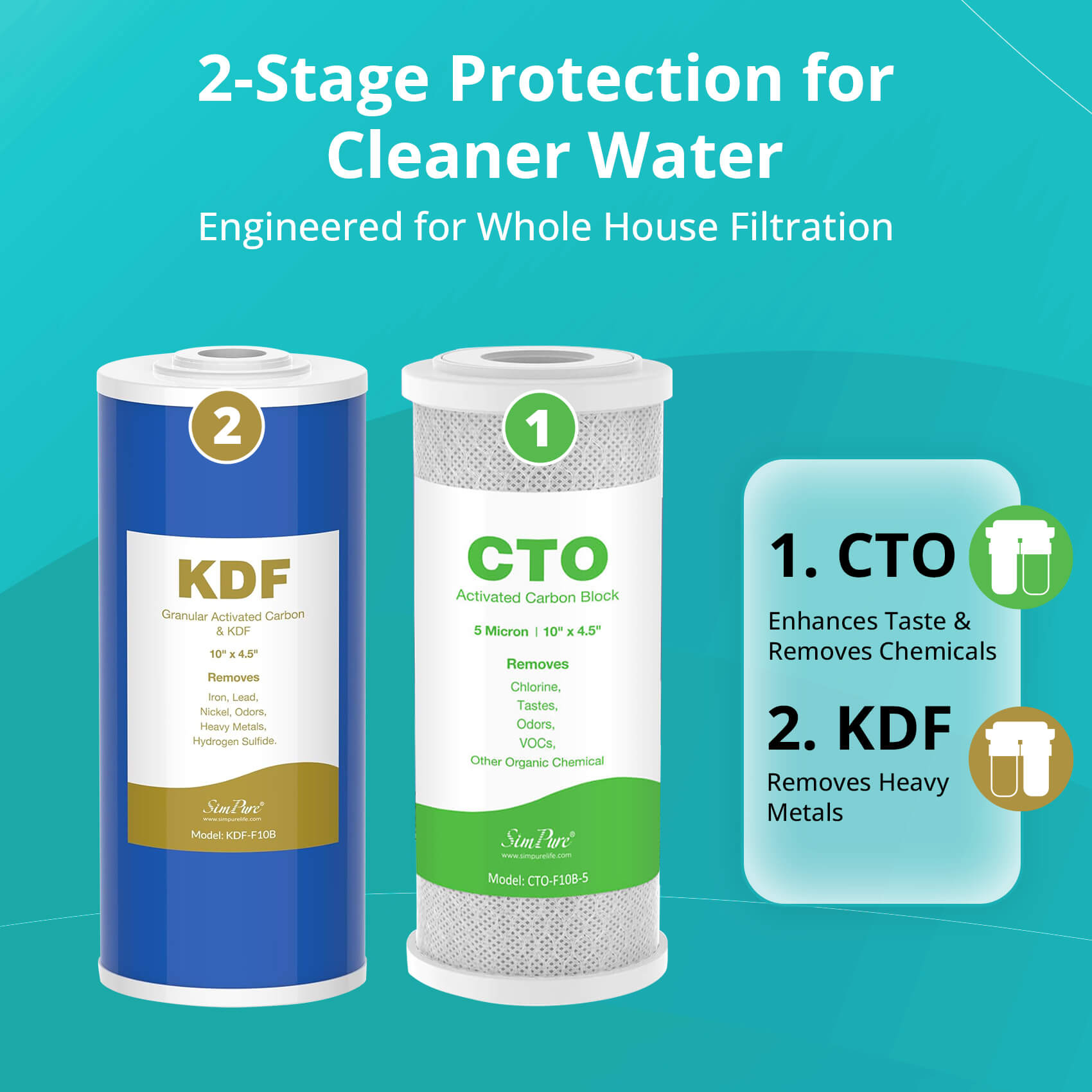
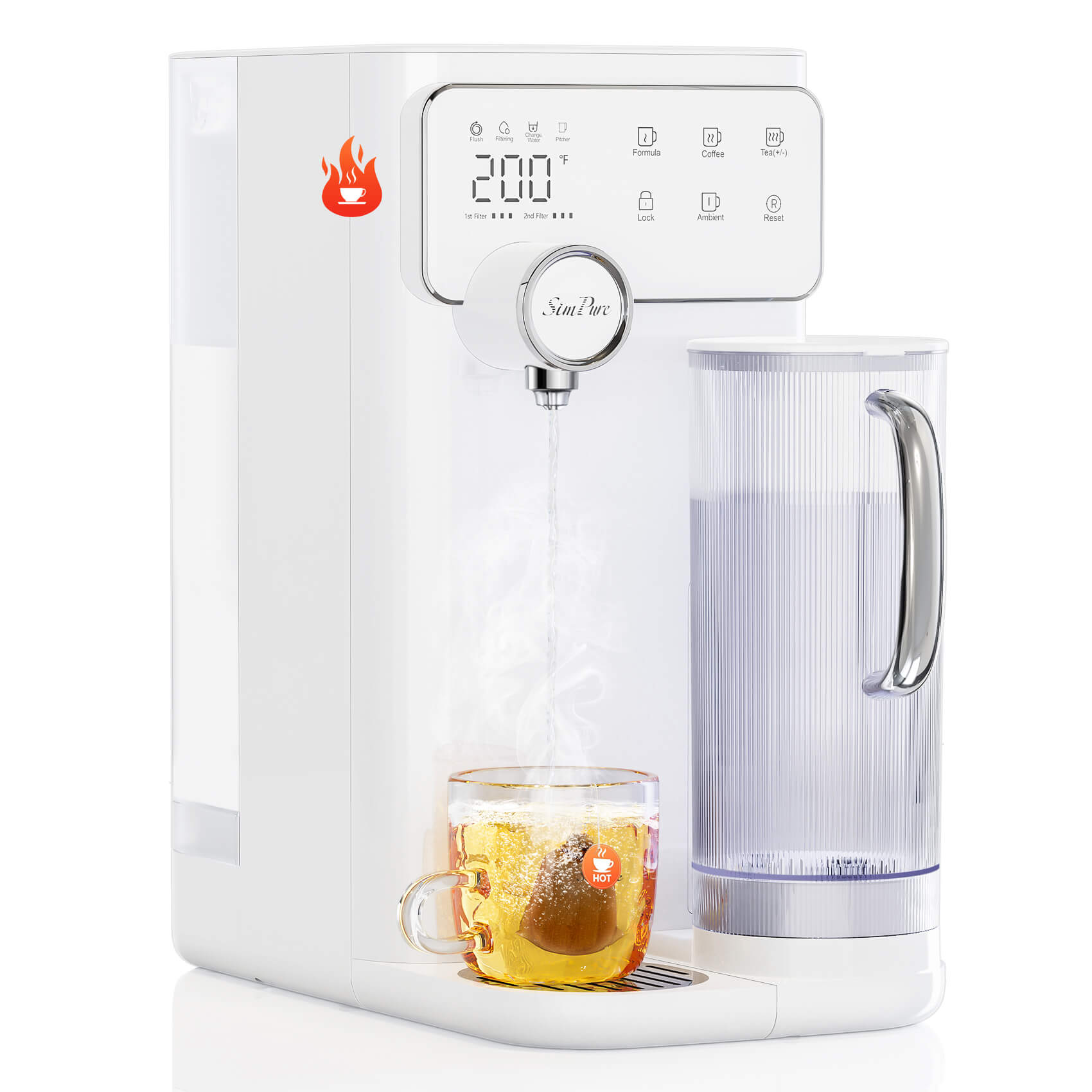
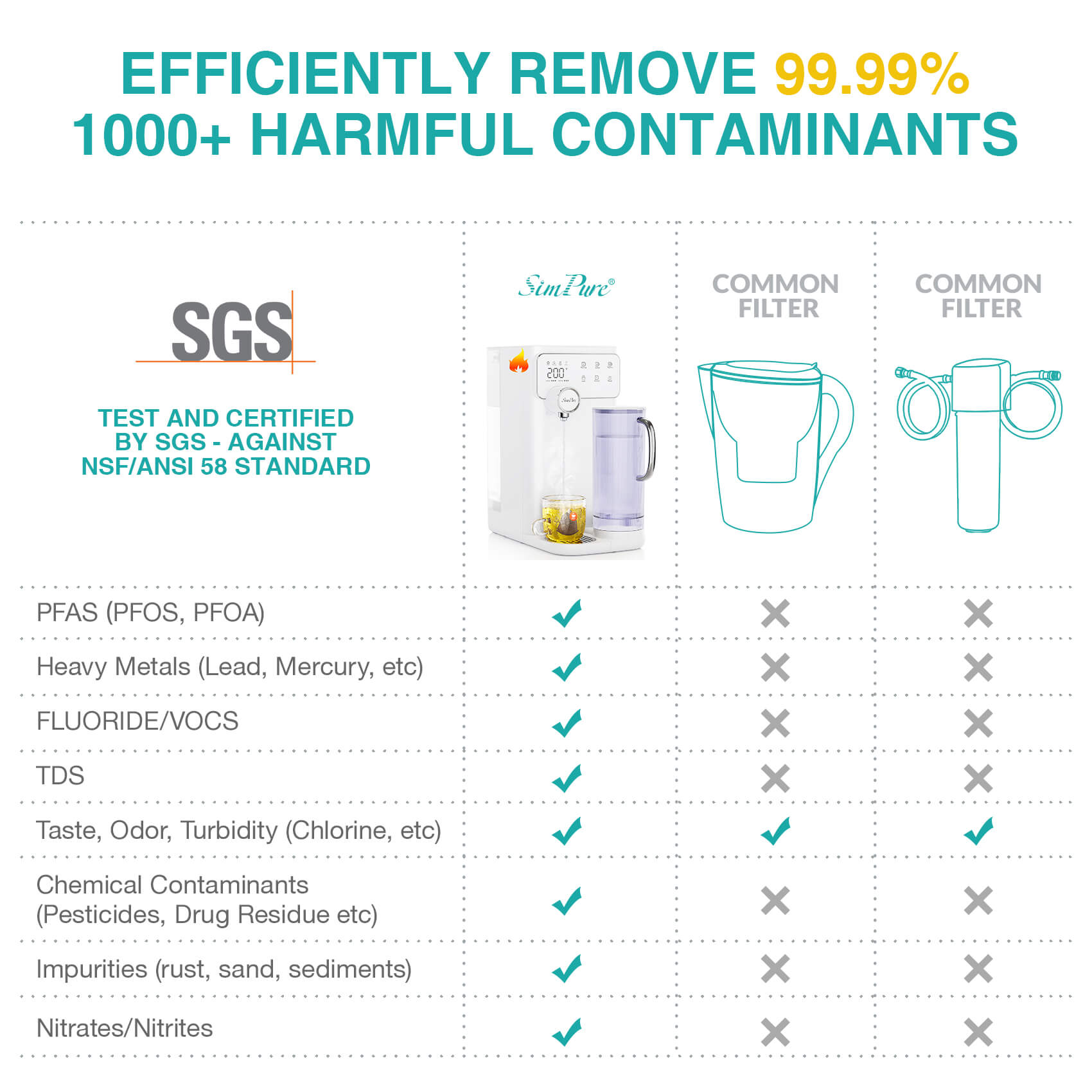
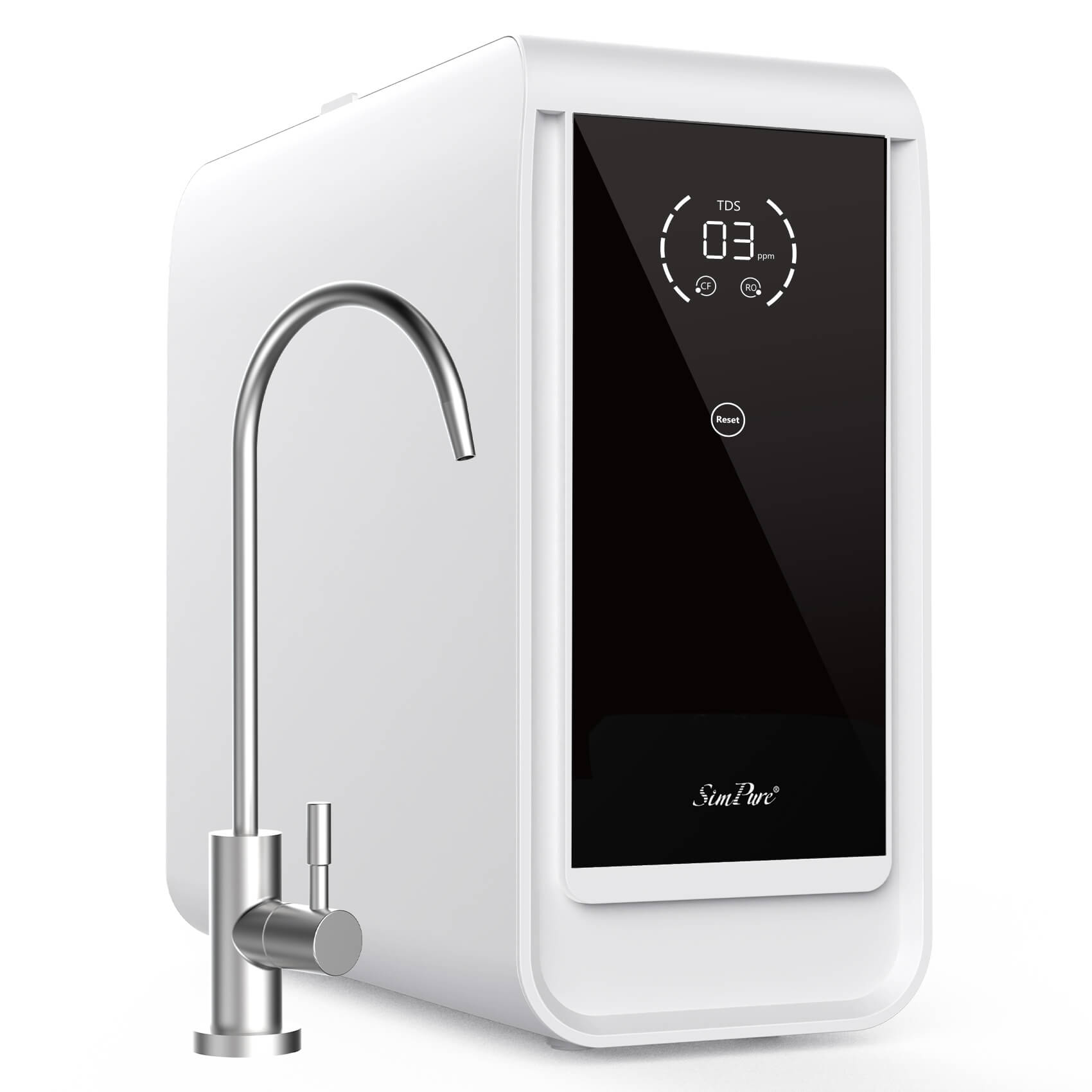
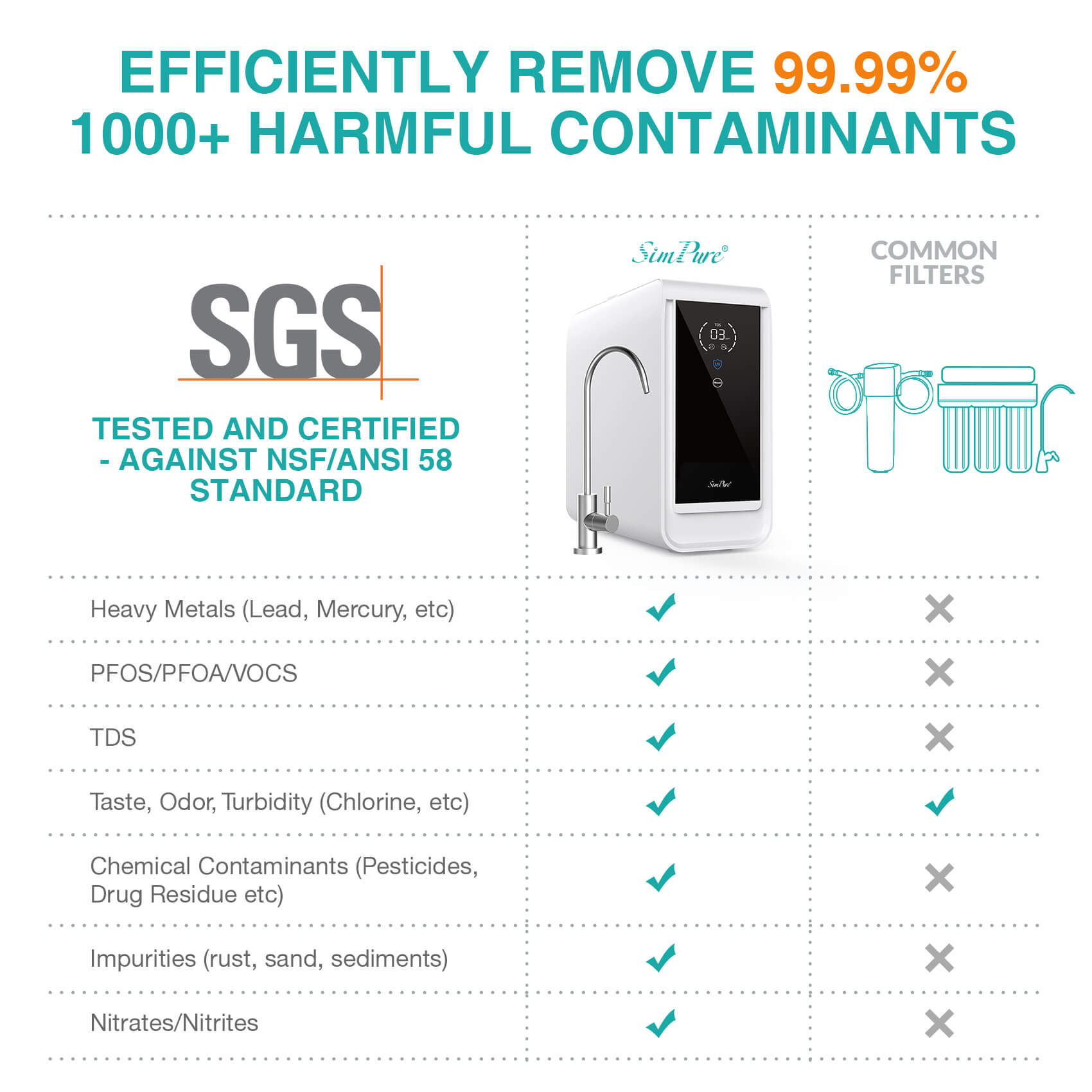
In conclusion, we have discussed the casues of why does my water taste sweet and the TDS/ph value's influence on the water taste. From this article, you may find why your water taste sweet. If you want to have a better water taste, you can consider to install a water filter machine for home. Our SimPure water purifier machine with UV light use no chemicals and emits absolutely no by-products, effectively destroying 99.99% of microorganisms, bacteria, germs more thorough from your water with UV sterilization. Just click the button and buy one to taste the difference!