Logically, water should be colorless and tasteless. However, many homeowners find themselves asking, "Why does my water taste like metal?" This unpleasant metallic tang is more than just a nuisance—it’s a signal that the chemistry of your water has shifted. Whether it's iron, copper, or low pH levels, understanding the source is the first step to restoring pure, crisp hydration.
Metallic taste is usually caused by iron, manganese, or zinc, or by old pipes corroding into your supply. If your water is also yellow or brown, it’s likely rust. If it's clear but tastes like pennies, you may have low pH water (acidic) leaching minerals from your plumbing. High-quality RO filtration is the most effective solution.
The Science: What Causes a Metallic Taste in Water?
The water we drink daily is rarely "H2O" alone; it is a complex solution containing minerals and dissolved solids. A metallic taste typically arises from two main environmental factors:
1. Aging Infrastructure and Pipe Corrosion
This is the most common culprit in residential areas. As water sits in or travels through decades-old galvanized iron or copper pipes, the inner walls eventually corrode. These oxidized metal particles (rust) flake off into your tap water. If your water appears yellowish or leaves reddish stains in your sink, pipe corrosion is the primary suspect.
2. Low pH Levels (Acidic Water)
If your water’s pH is lower than 6.5, it is considered acidic. While acid itself doesn't taste like metal, it acts as a solvent, aggressively "leaching" copper and lead out of your plumbing fixtures and into your glass. This results in a sharp, bitter metallic tang even if your pipes aren't strictly "old."
At SimPure, our testing shows that even EPA-compliant tap water can develop a metallic taste during the "last mile" of delivery due to secondary pollution in household plumbing. Filtration at the point of use is essential for true purity.
Common Pollutants and Their Effects
| Contaminant | Visual Sign | Taste Profile |
|---|---|---|
| Iron / Rust | Orange/Brown Stains | Blood-like / Harsh Metal |
| Copper | Blue/Green Ring in Tub | Bitter / Medicinal |
| Zinc / Manganese | Oily Film on Surface | Astringent / Dry Mouth |
The Hidden Danger: Is Metallic Water Harmful?
While minerals like iron and zinc are necessary for human health in small doses, their presence in tap water often indicates a larger contamination issue. Heavy metals like Lead and Arsenic can accompany the more "tasteable" metals, posing serious long-term risks to the nervous system and kidneys.
Chronic exposure to heavy metal ions through drinking water can lead to bioaccumulation. Since these elements cannot be decomposed by the body, they may interfere with protein and enzyme functions, potentially leading to chronic fatigue, joint pain, or more severe cellular damage over time.
How to Eliminate Metallic Taste for Good
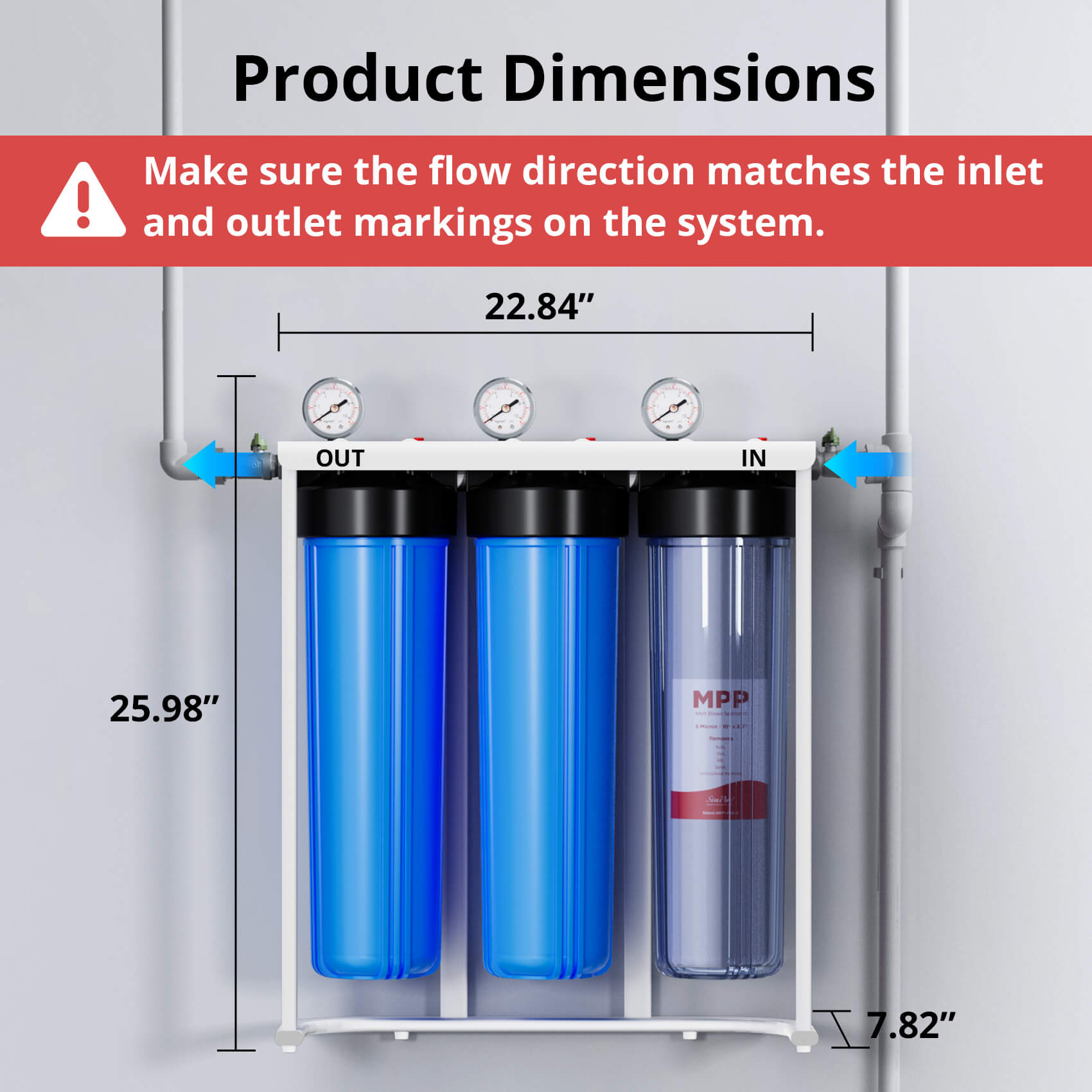
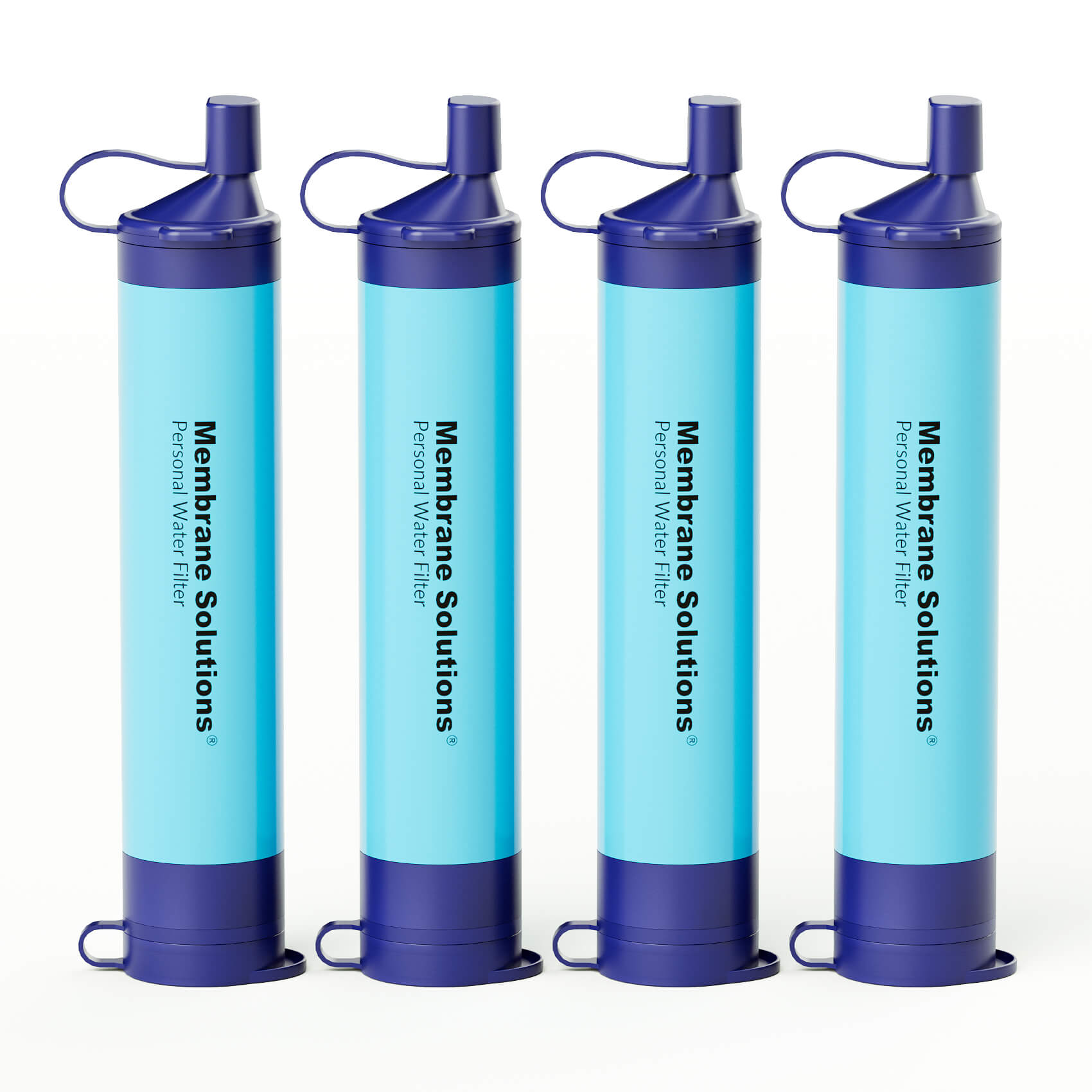
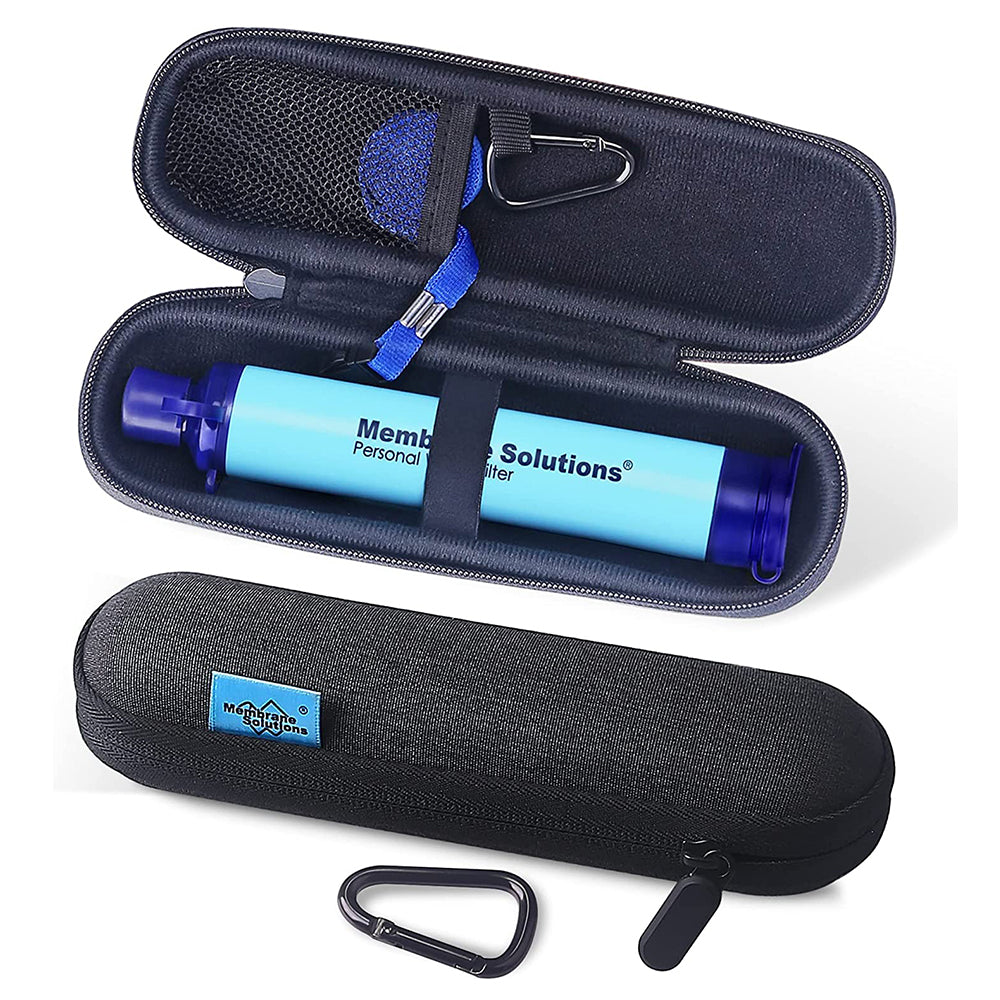
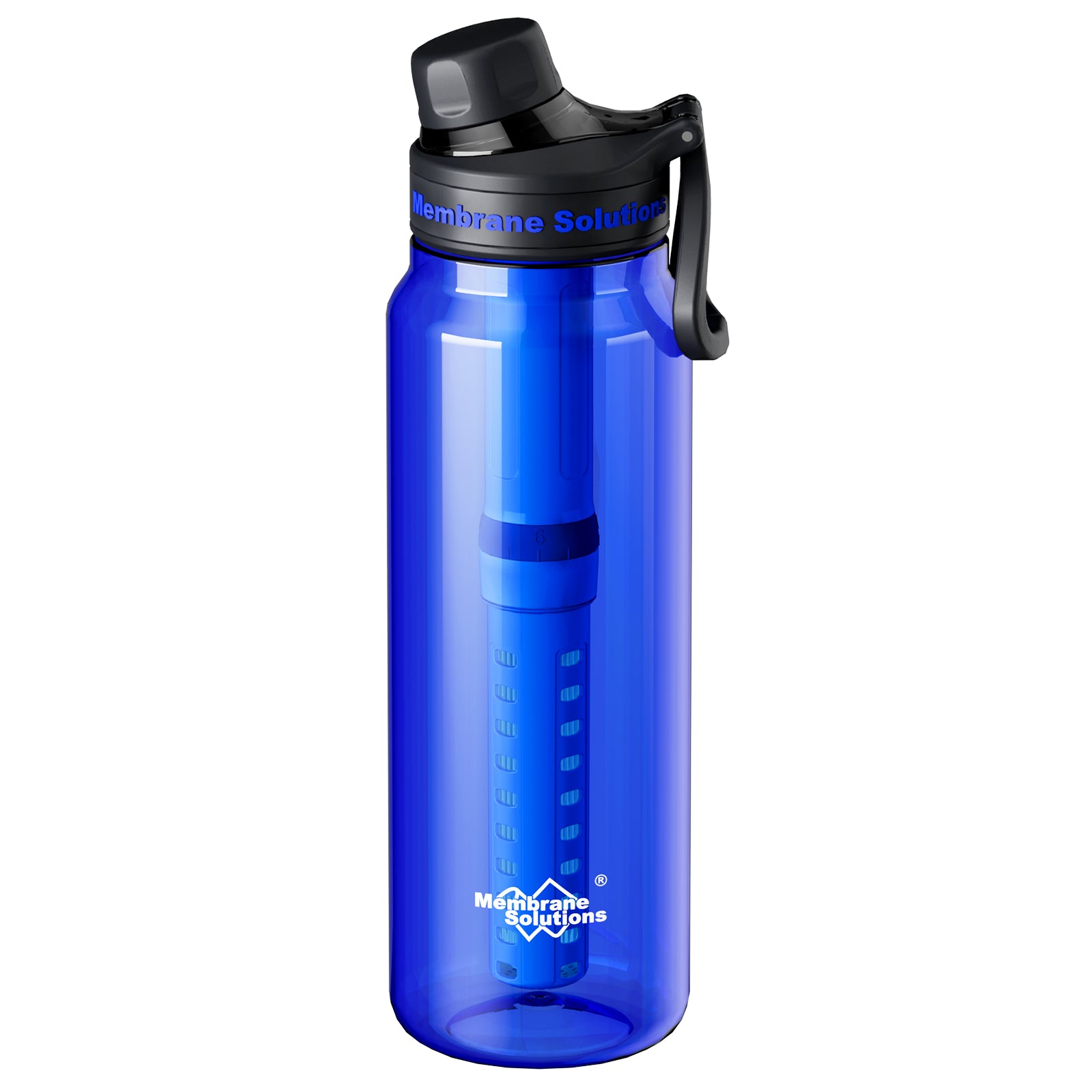
Treating metallic water requires more than just a simple charcoal pitcher; it requires a membrane capable of physical and chemical separation. Depending on your home setup, here are the two most effective ways to restore pure taste from SimPure:
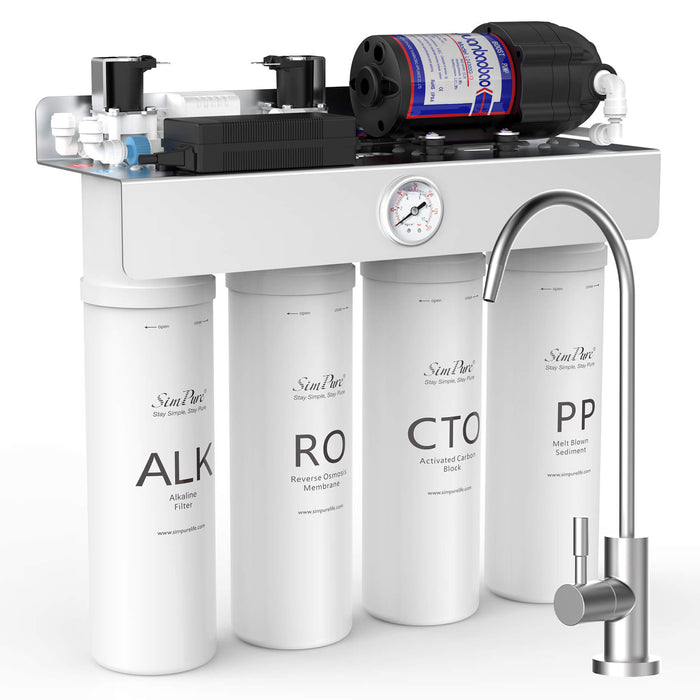
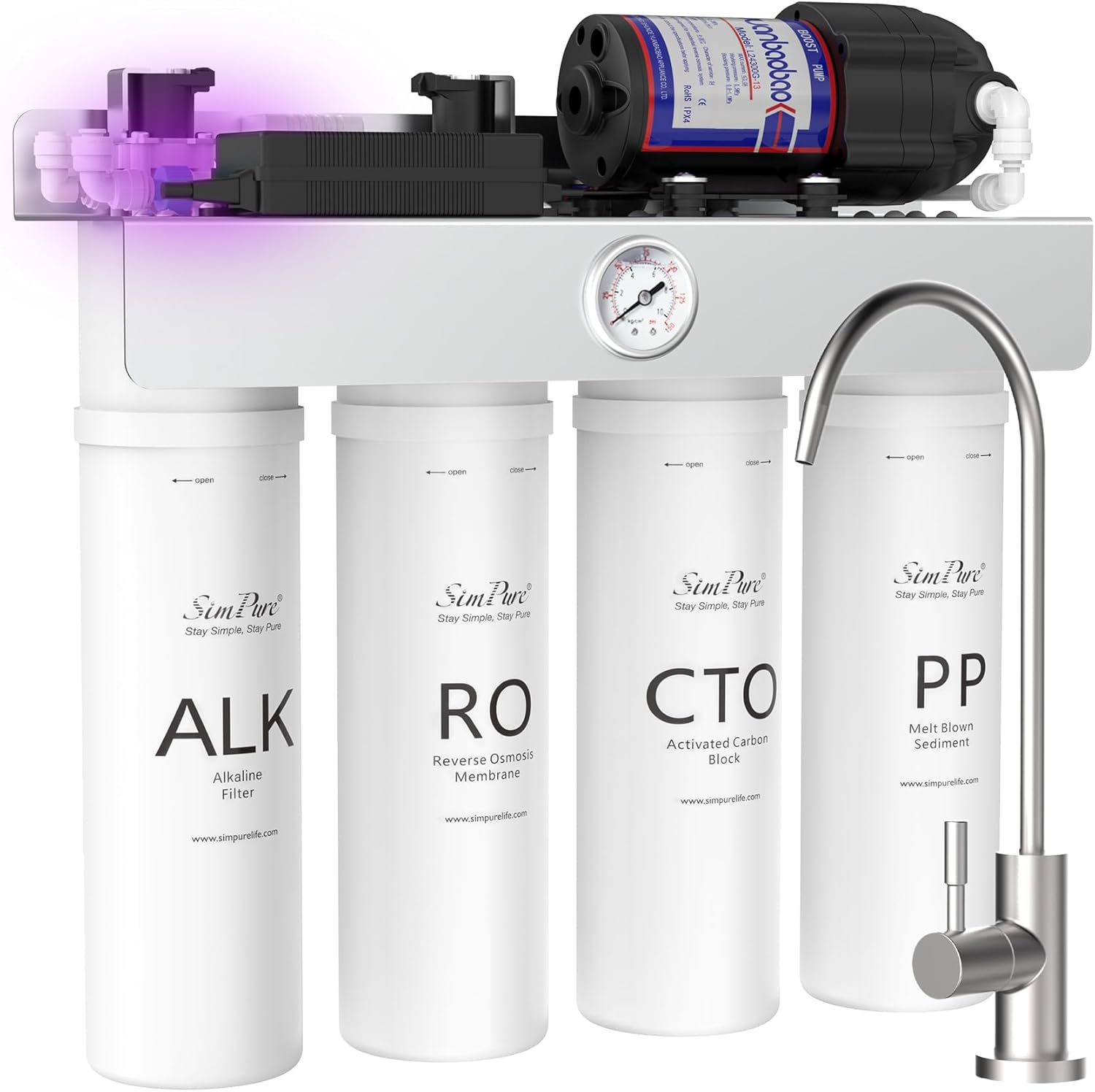
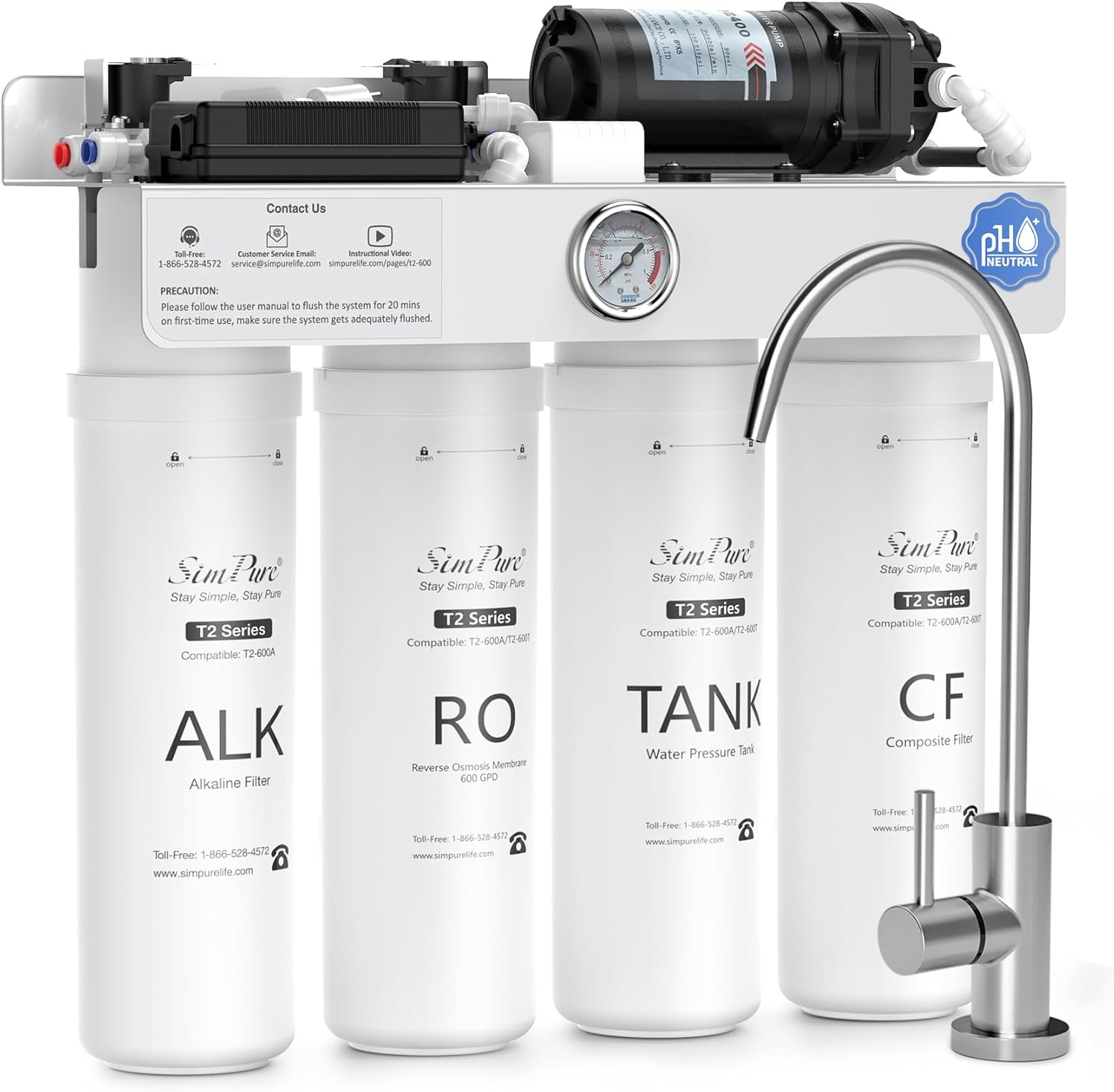
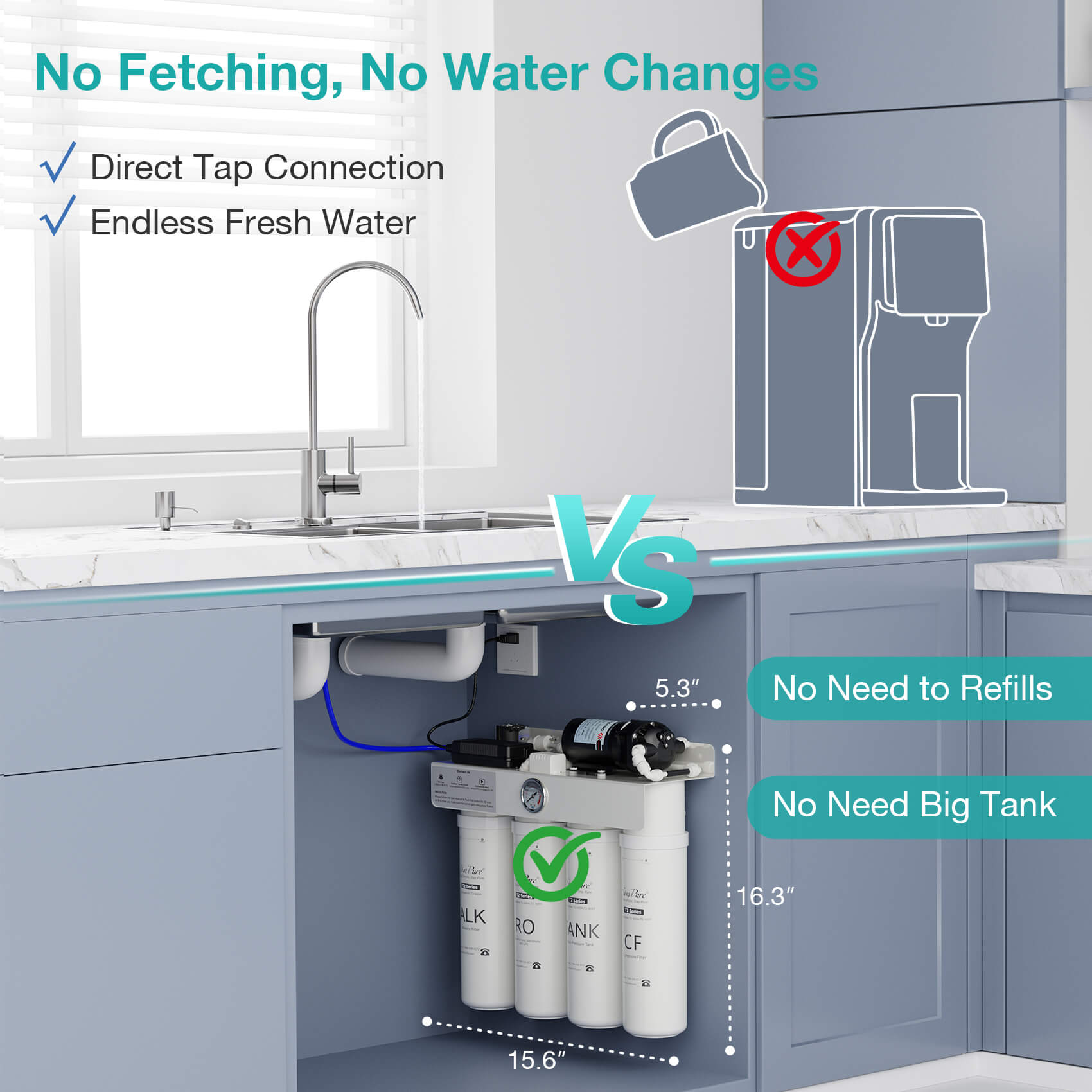
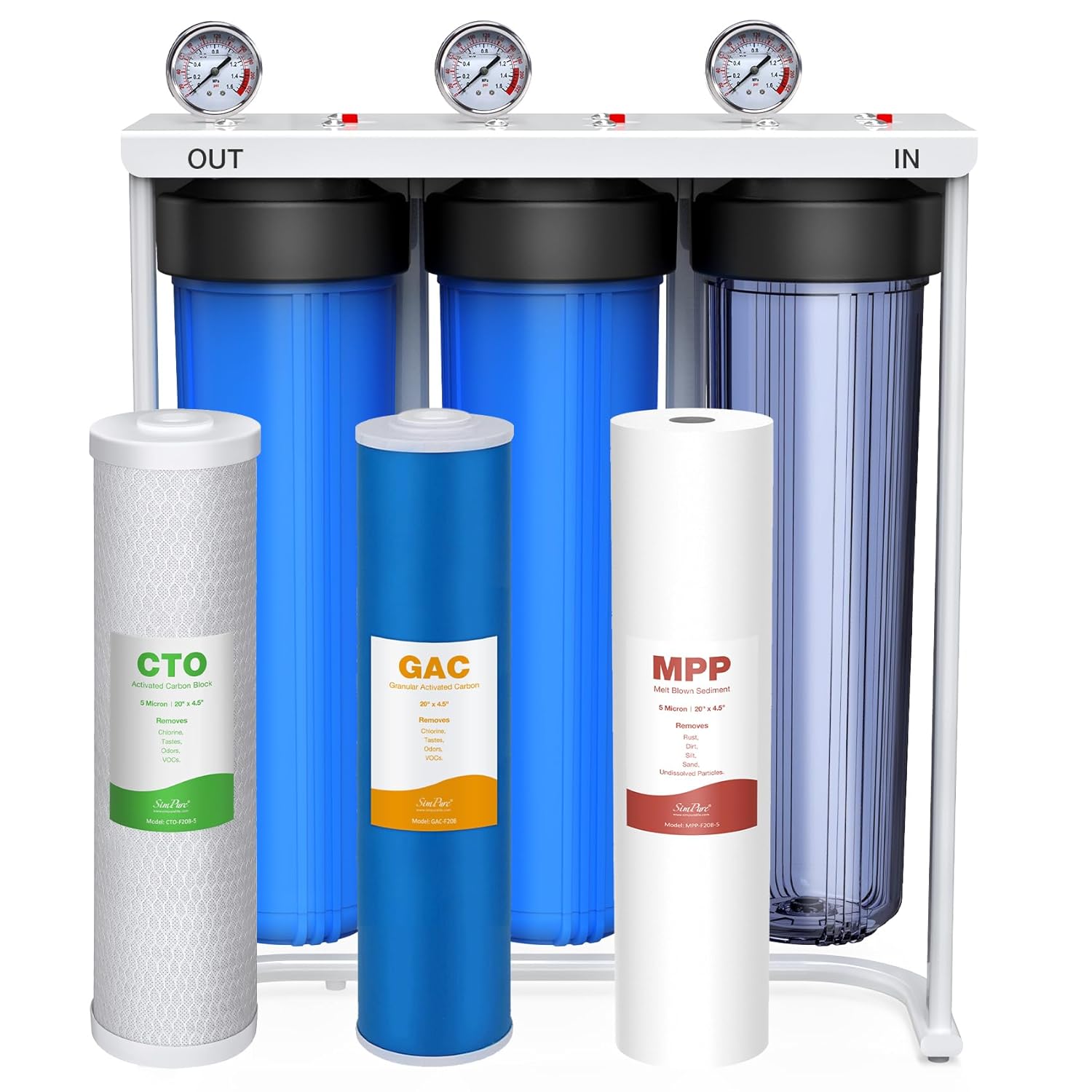
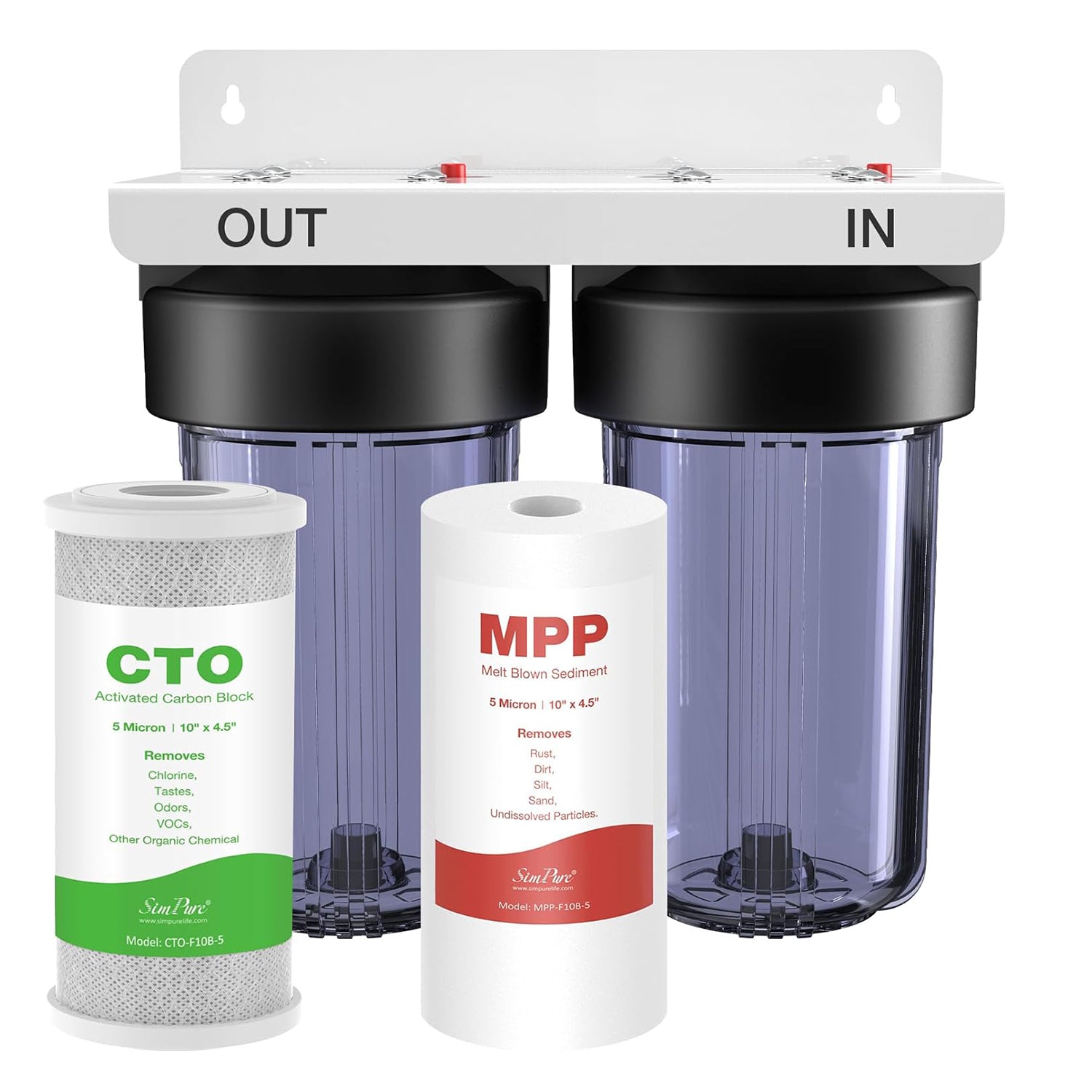
An 8-stage under-sink system that intercepts rust and heavy metals at the source. Ideal for families wanting a permanent fix for metallic tap water without sacrificing counter space.
Explore Under-Sink RO →
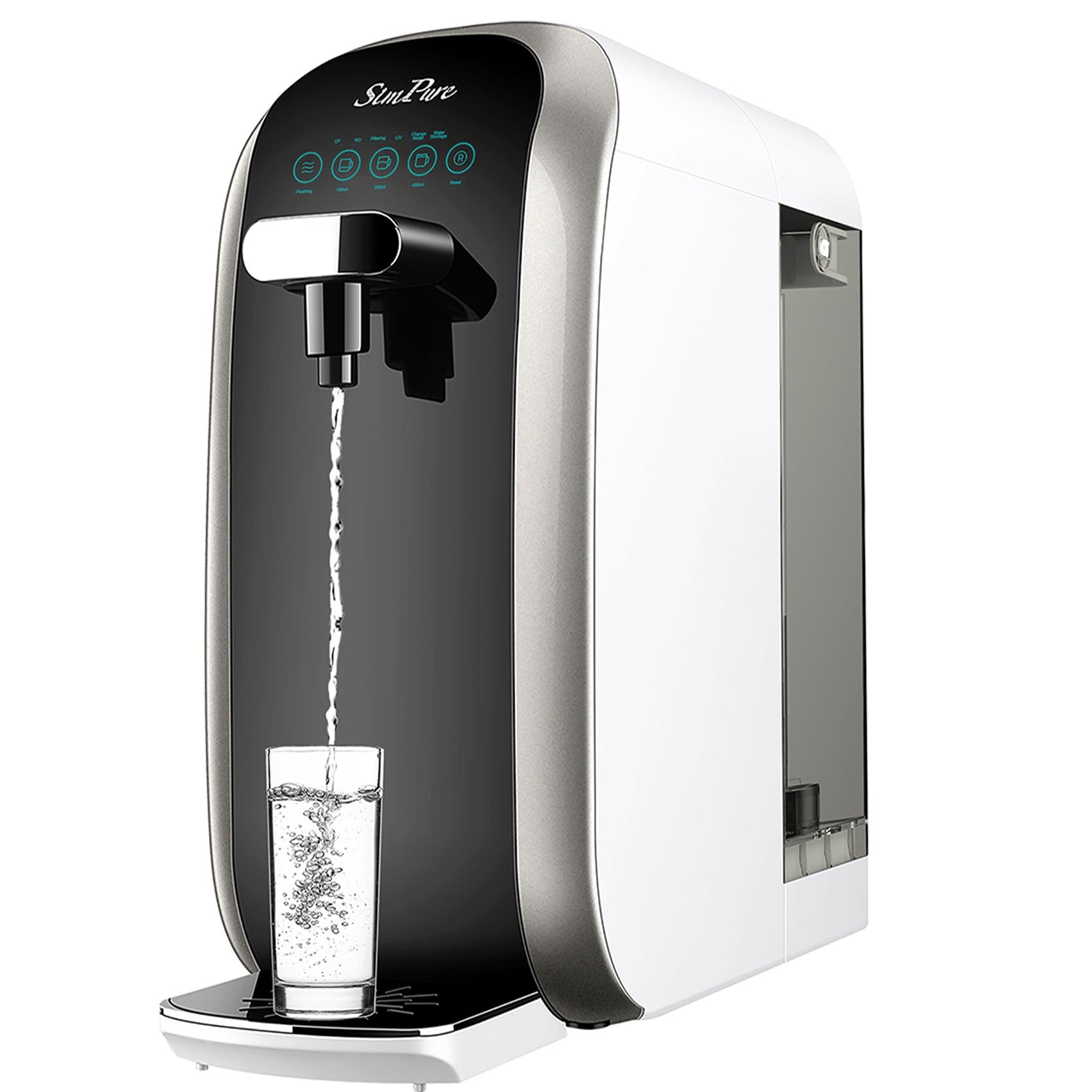
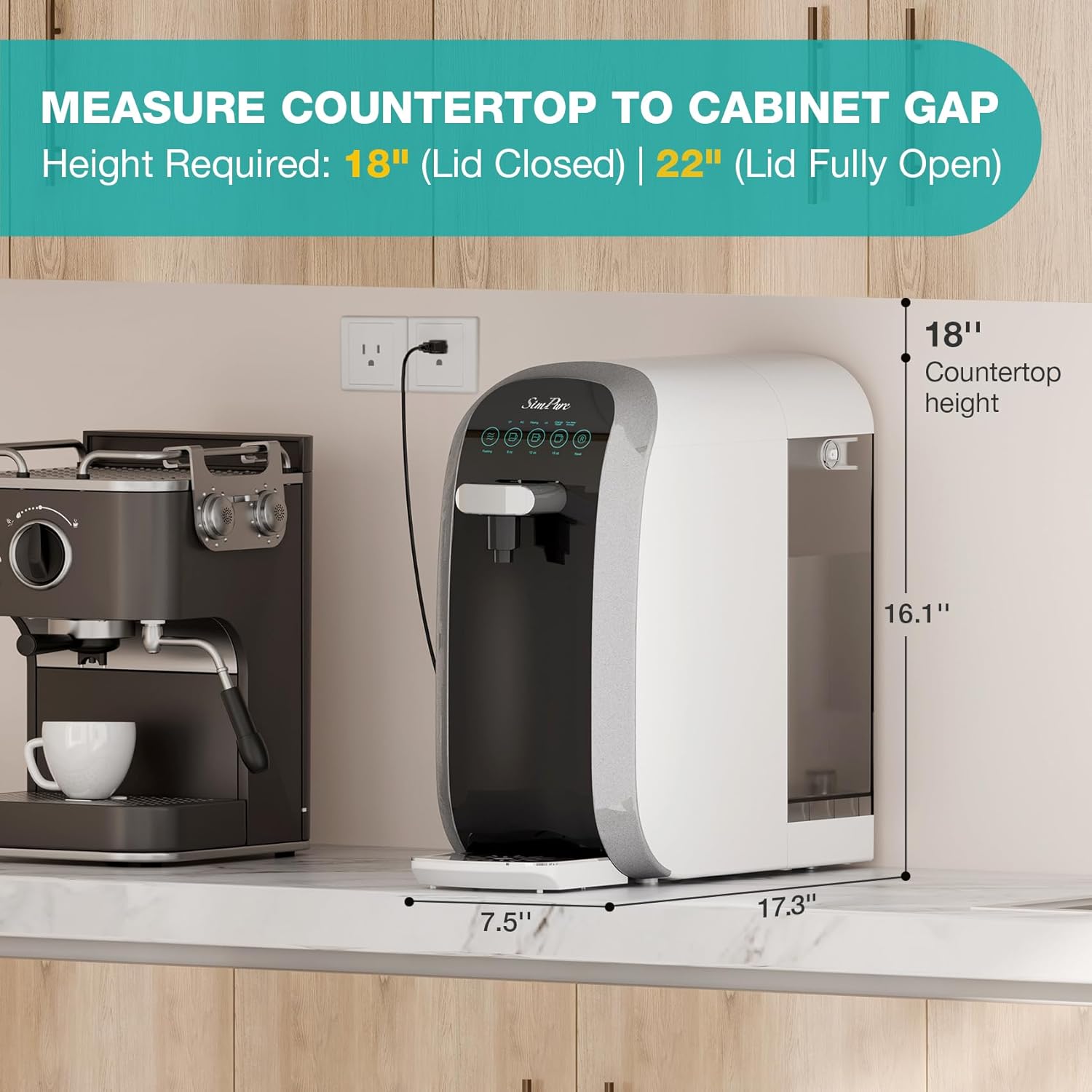
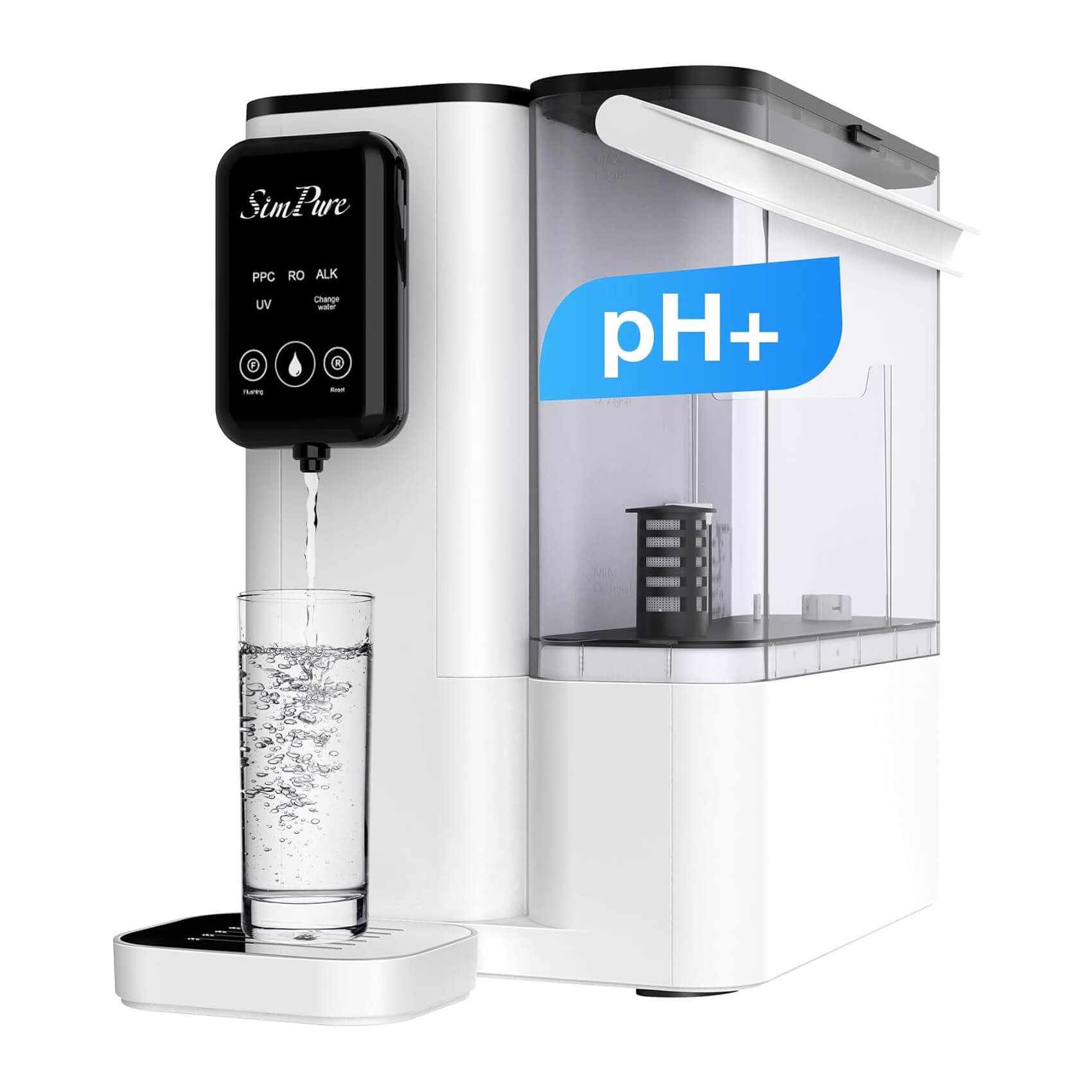
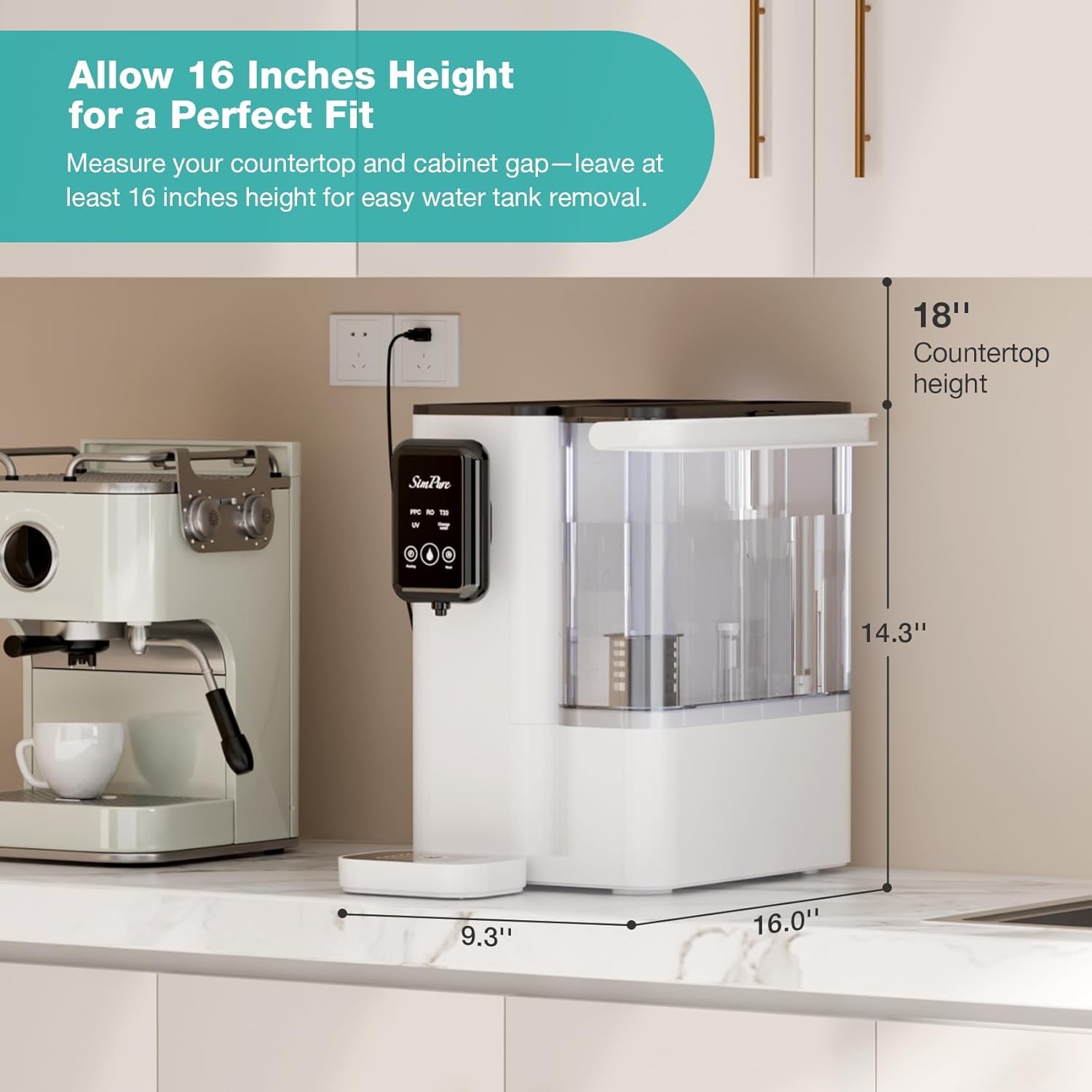
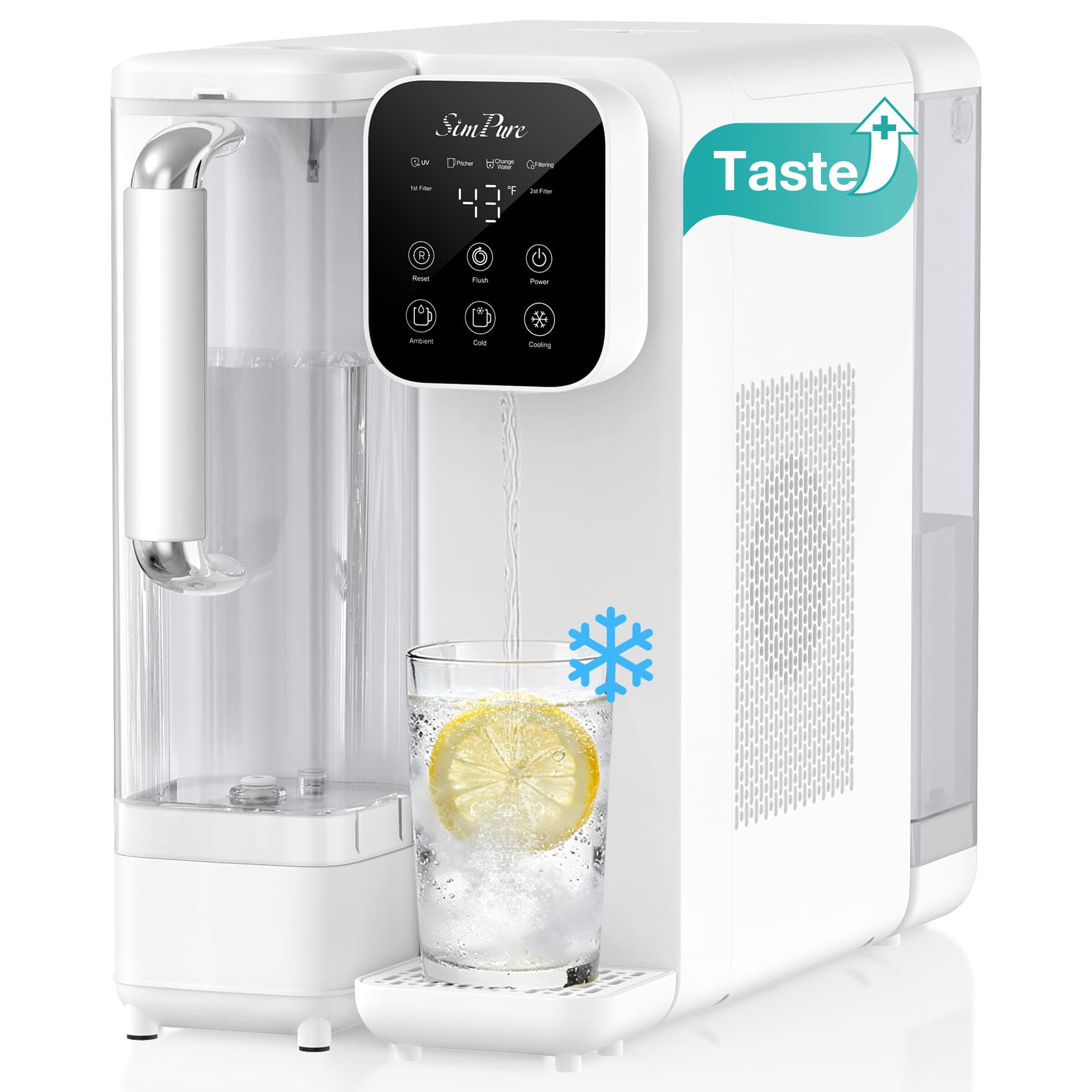
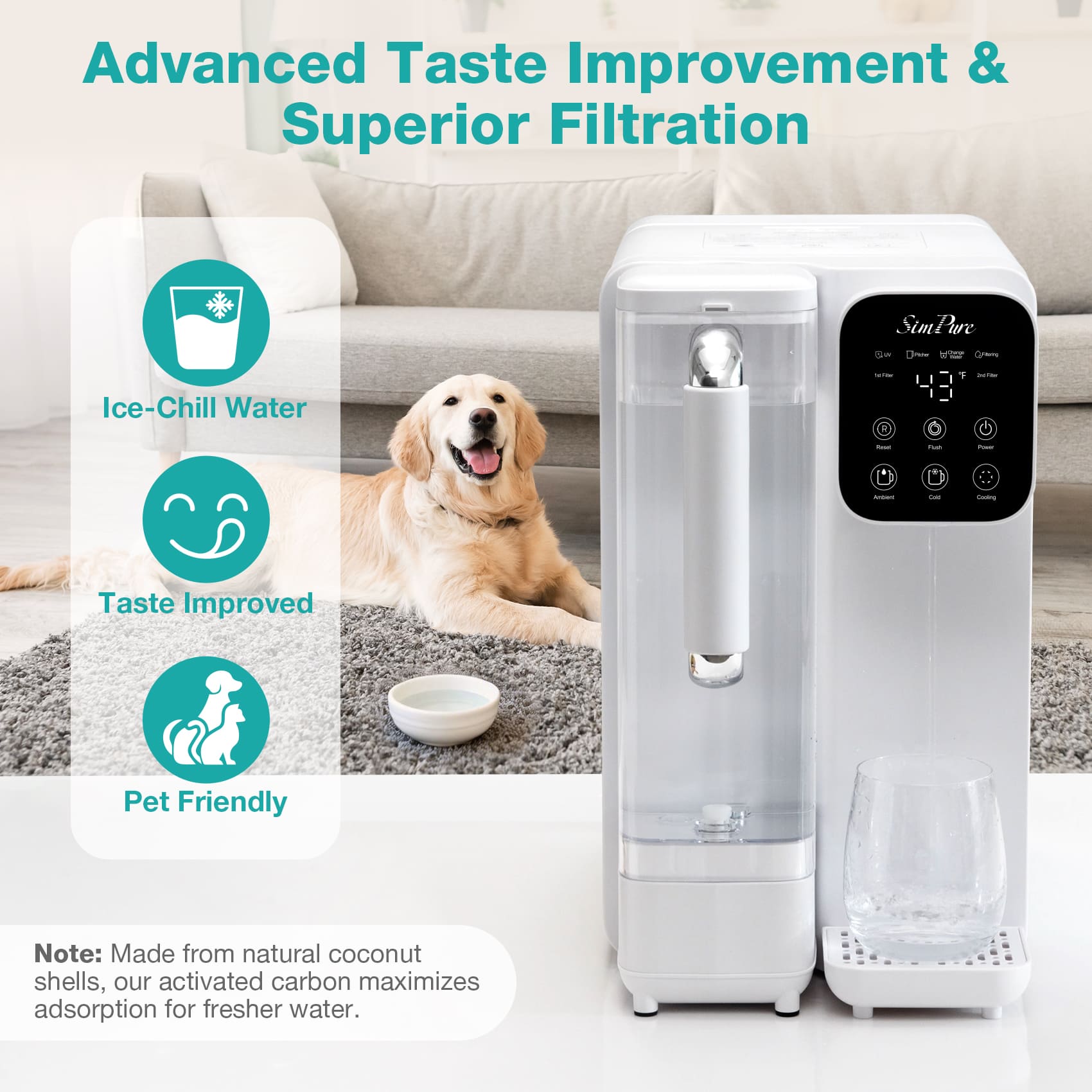
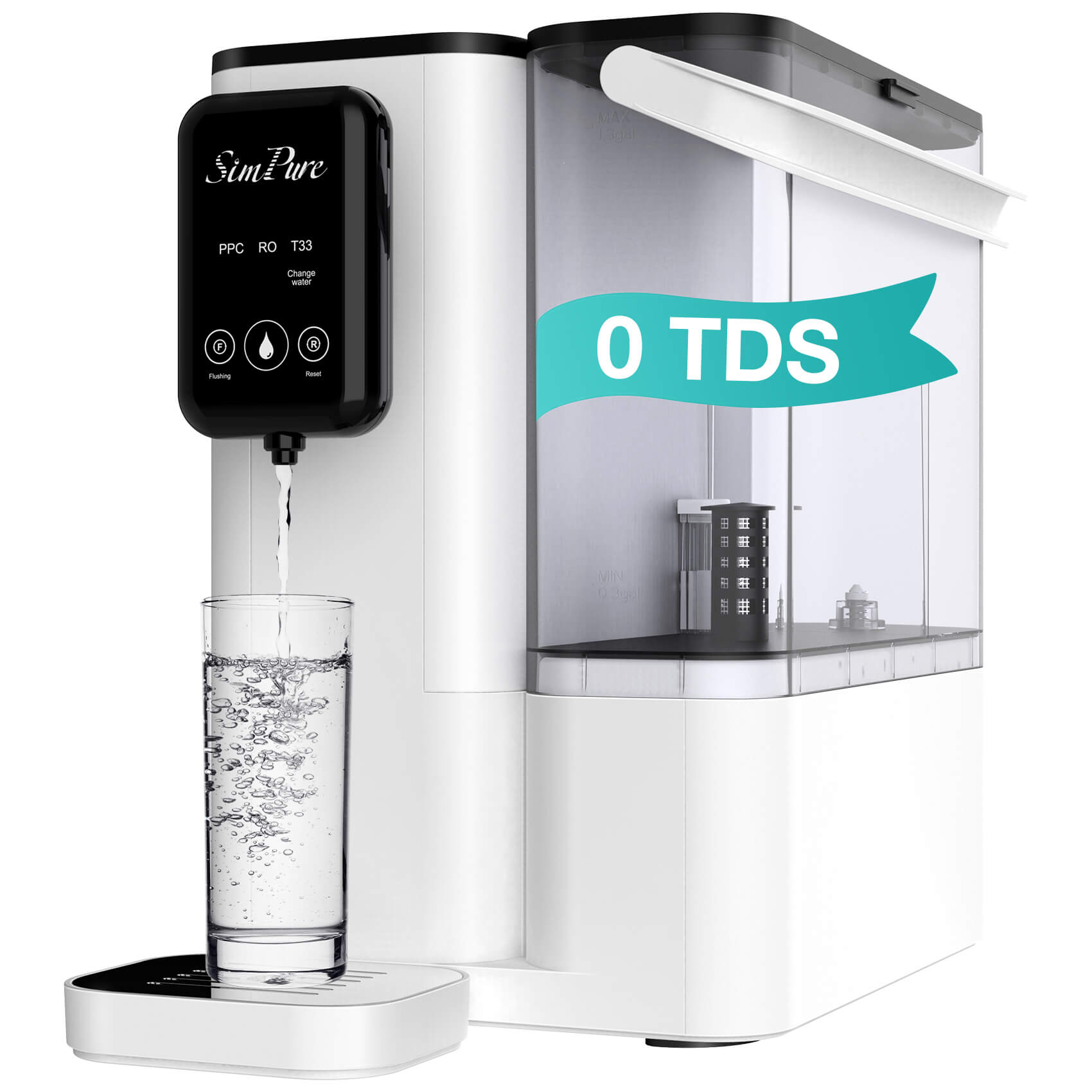
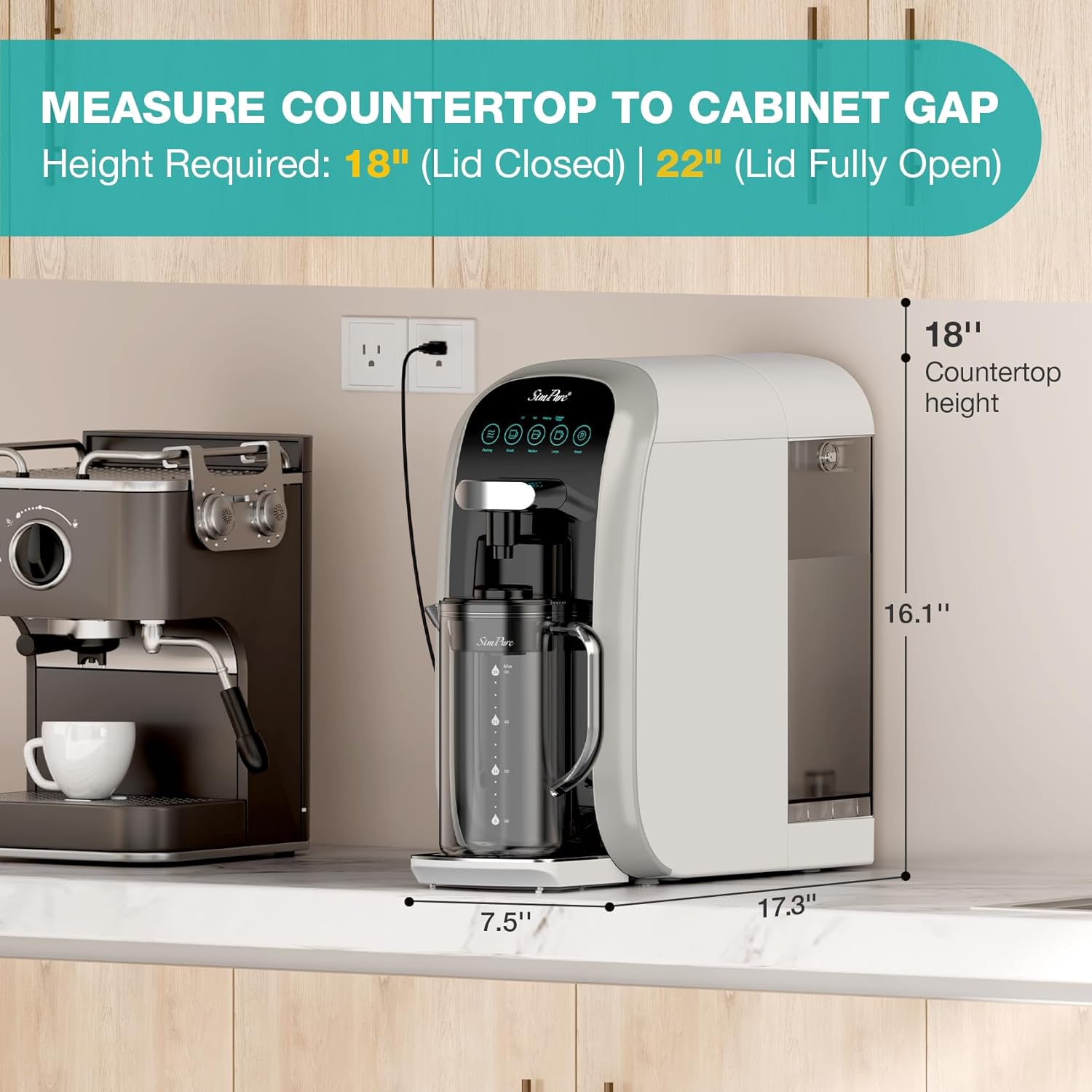
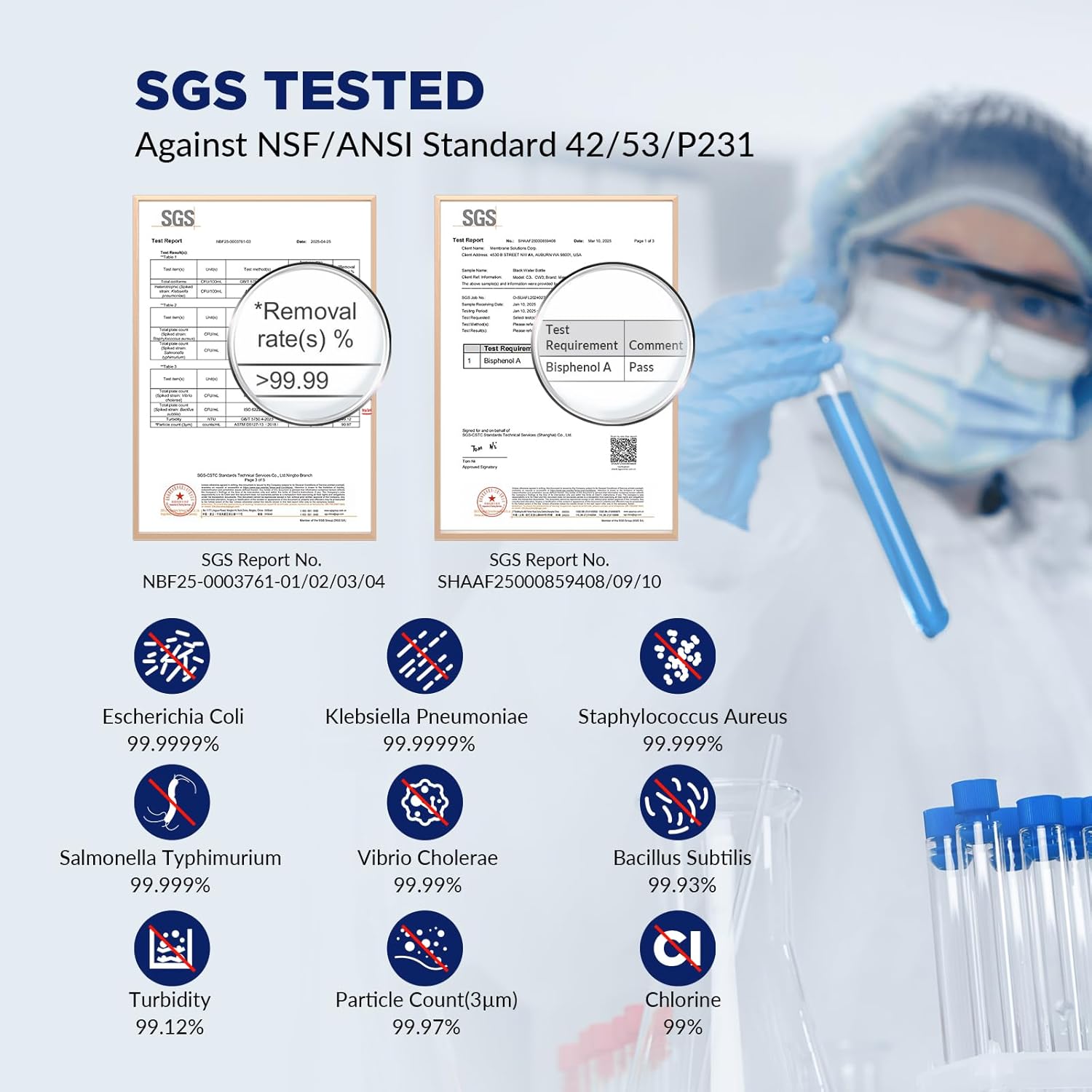
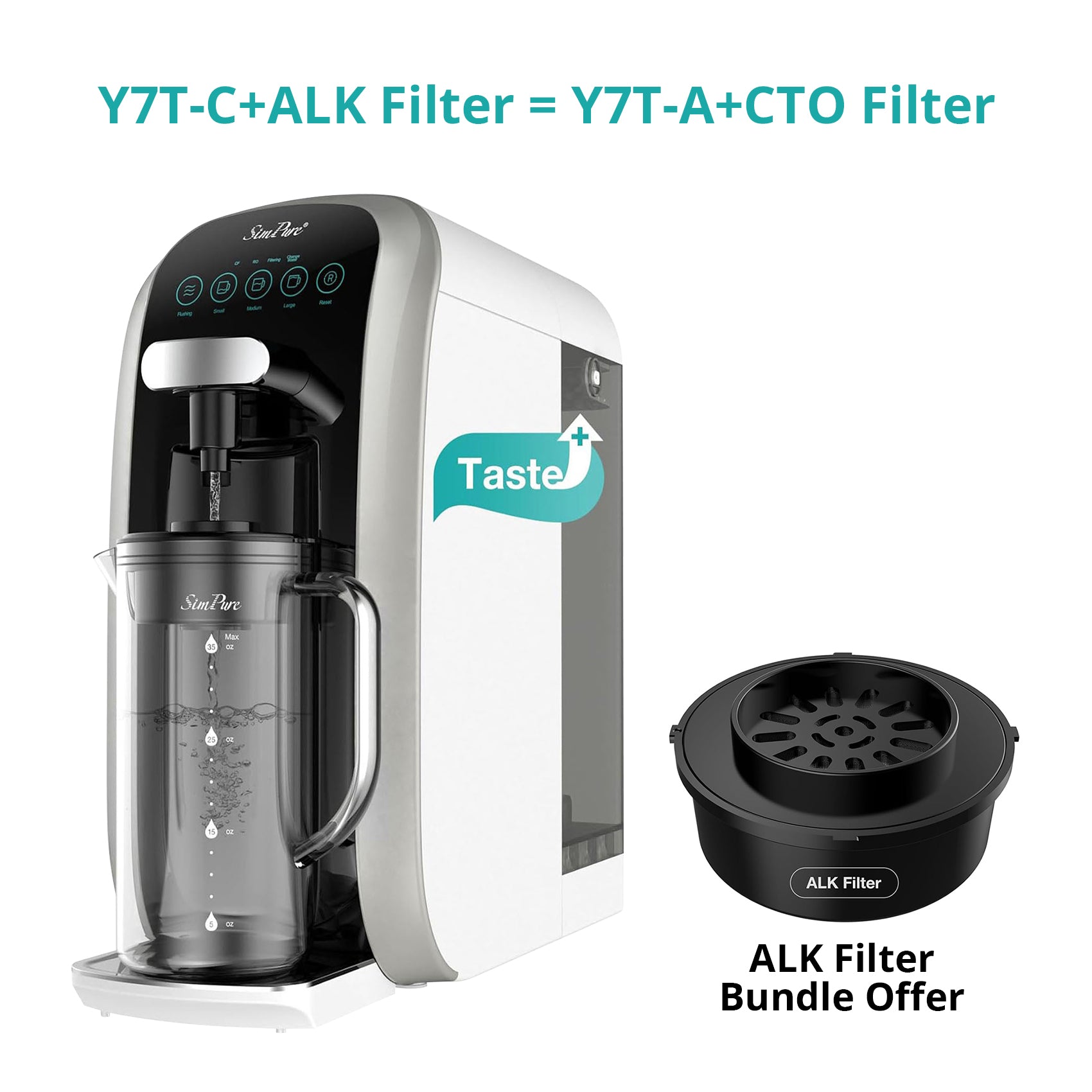
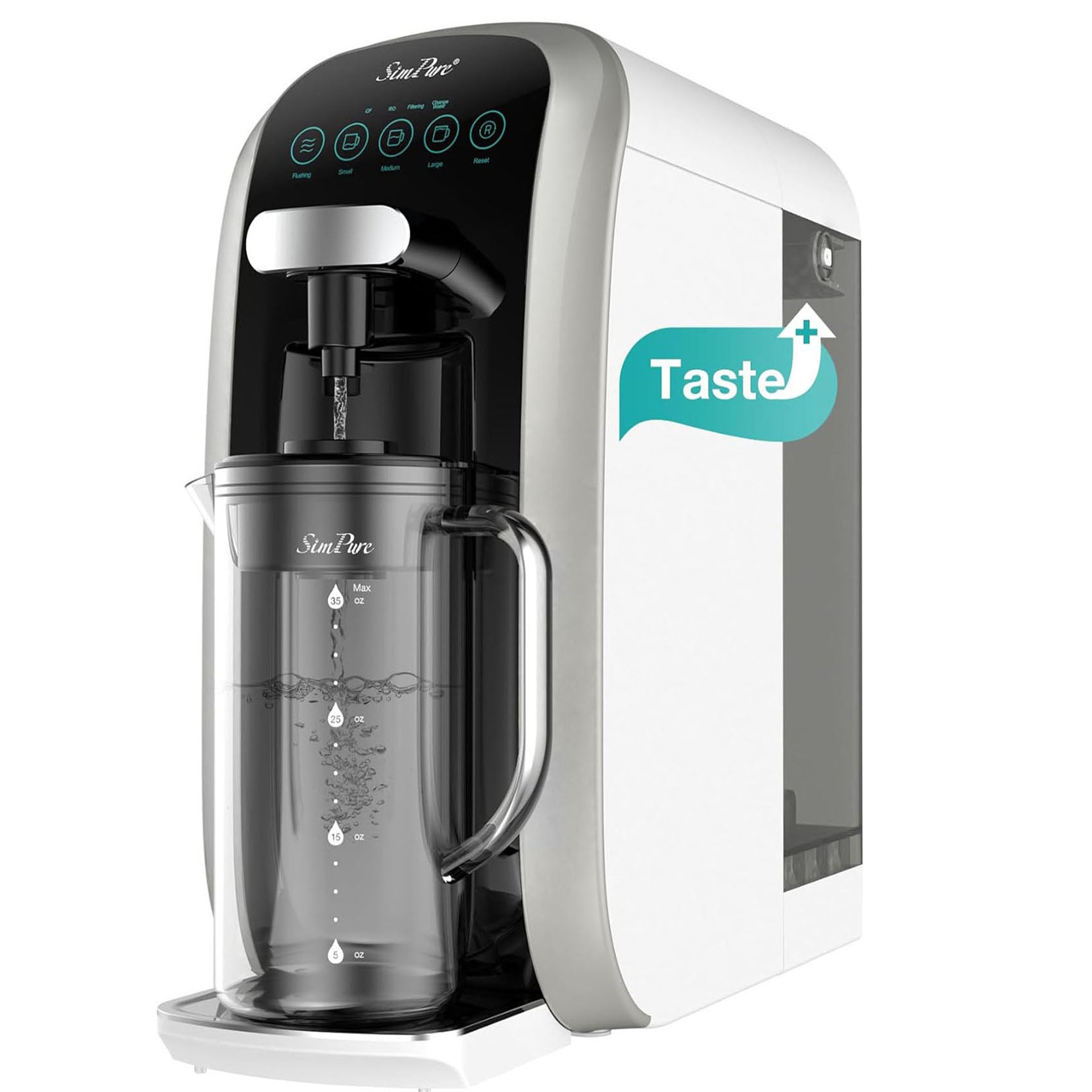
The ultimate plug-and-play solution. Its 0.0001-micron RO membrane strips away the bitterest metallic tang instantly with no plumbing required.
Explore Portable RO →Whether you choose a permanent under-sink installation or a flexible countertop unit, both systems utilize Point-of-Use (POU) Reverse Osmosis. This technology is the gold standard for removing the heavy metal ions (like Lead, Copper, and Iron) that standard carbon filters often miss.
FAQ: Why Does My Water Taste Like Metal?
While a slight metallic taste from iron isn't usually an immediate health threat, it indicates that your water is reacting with metals. This could mean lead or copper is also leaching into your water, which can be toxic over time. It is best to filter it before consumption.
No. In fact, boiling can actually concentrate the metallic taste because some of the pure water evaporates, leaving the heavy metal ions behind in a higher concentration.
This is a classic sign of pipe corrosion. When water sits in your plumbing overnight, it has more time to react with the metal walls. Running the tap for a few minutes can help, but a permanent filter is the only reliable fix.
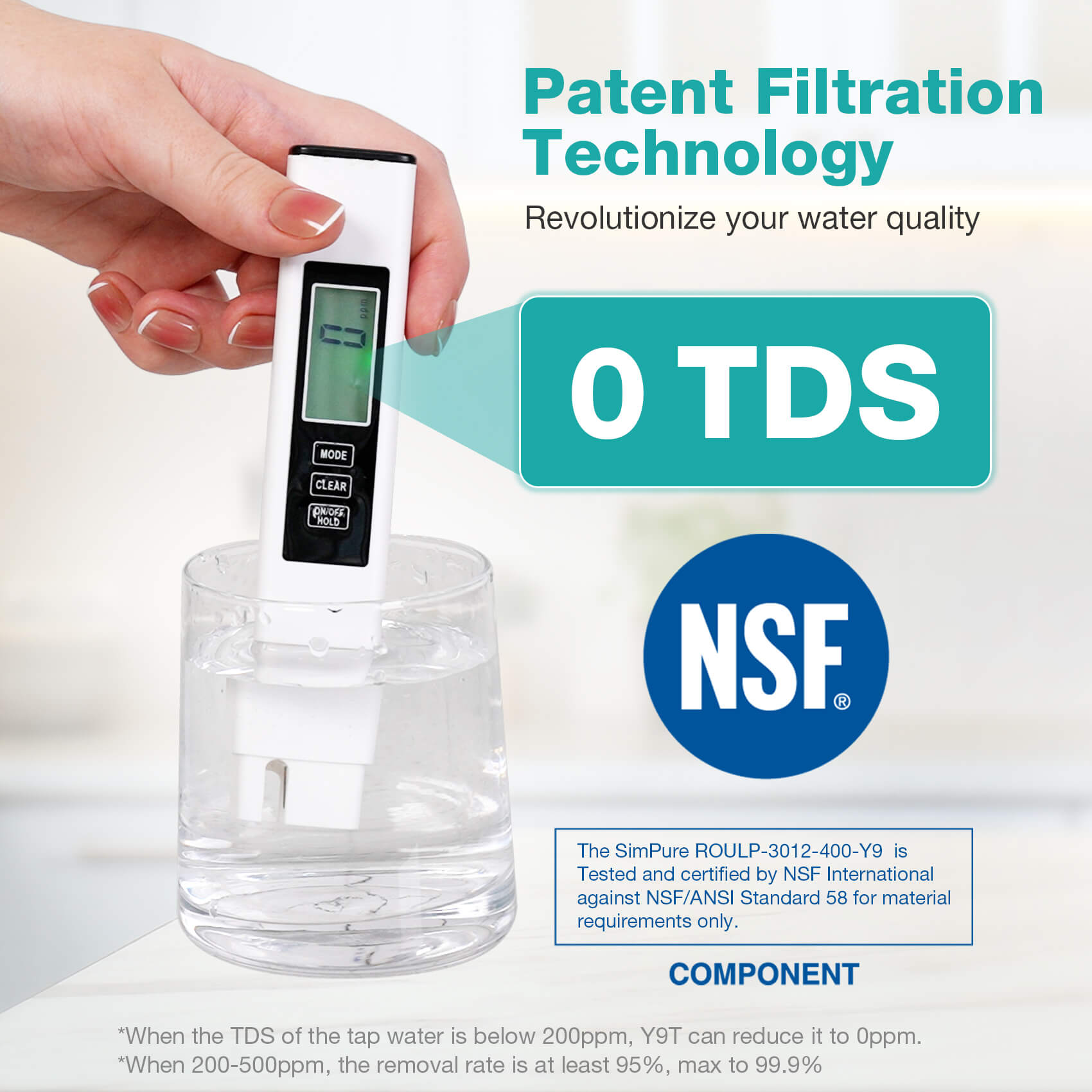
Experience the difference of 0.0001-micron filtration with SimPure's advanced RO systems.
Browse All RO Systems