Quick Diagnosis: Fill a clear glass with the white water. If it clears from the bottom upward, it is trapped air bubbles (harmless). If the cloudiness persists or clears from the top downward, you are likely dealing with mineral precipitation, sediment, or chemical residues.
Many homeowners overlook the role of Henry’s Law: the solubility of gas in a liquid is proportional to the pressure. When water is under high pressure in city mains, it holds more air. The moment you open the tap, the pressure drops to atmospheric levels, and that excess air "precipitates" as millions of micro-bubbles, creating that milky appearance.
Deep Dive: Why Is Your Water White?
1. Entrained Air Bubbles (Pressurized Micro-bubbles)
This is the most frequent cause. Water in your pipes is under significant pressure, which keeps air in a dissolved state. When the water exits your faucet, the sudden decrease in pressure causes the air to come out of the solution, much like the carbonation in a soda. This is especially prevalent during winter months, as cold water holds more dissolved oxygen than warm water. As it heats up within your home’s internal plumbing, the air is released, resulting in temporary "white water."
2. High Mineral Concentration (Calcium Carbonate)
If you live in a hard water region, the white color may be caused by Calcium and Magnesium ions. When hard water is heated—either in your water heater or through temperature fluctuations—these minerals can precipitate out of the liquid state and form solid, microscopic white particles. Unlike air bubbles, these particles do not disappear when left to sit. Over time, this "white water" leads to limescale buildup, which can reduce the efficiency of your appliances and clog faucet aerators.
3. Municipal Maintenance & Pressure Spikes
Whenever your local water utility performs maintenance—such as fixing a water main break or flushing fire hydrants—air and sediment are inevitably introduced into the system. Sudden pressure surges can also stir up "biofilms" and mineral coatings from the inner walls of older galvanized pipes. This results in a milky or greyish tint. While the air component is harmless, the stirred-up sediment can carry heavy metals or bacteria, making a pre-filtration system essential.
4. Excess Chlorine & Disinfection Byproducts
Occasionally, water treatment facilities increase chlorine dosages to combat seasonal bacteria blooms. High concentrations of Chlorine can react with organic matter or simply release gas as it leaves the tap, contributing to a cloudy, white appearance accompanied by a distinct "swimming pool" odor. This is more than just an aesthetic issue; excessive chlorine can strip natural oils from your skin and hair and affect the taste of your food.
Is It Safe? Identifying the Threshold of Concern
While air bubbles are chemically benign, you should investigate further if:
- The water has a metallic or bitter taste (indicates pipe corrosion).
- There are solid white flakes that settle at the bottom (indicates severe hard water scale).
- The cloudiness is accompanied by a musty or chemical smell (indicates treatment issues or bacterial growth).
Restore Clarity with SimPure Filtration
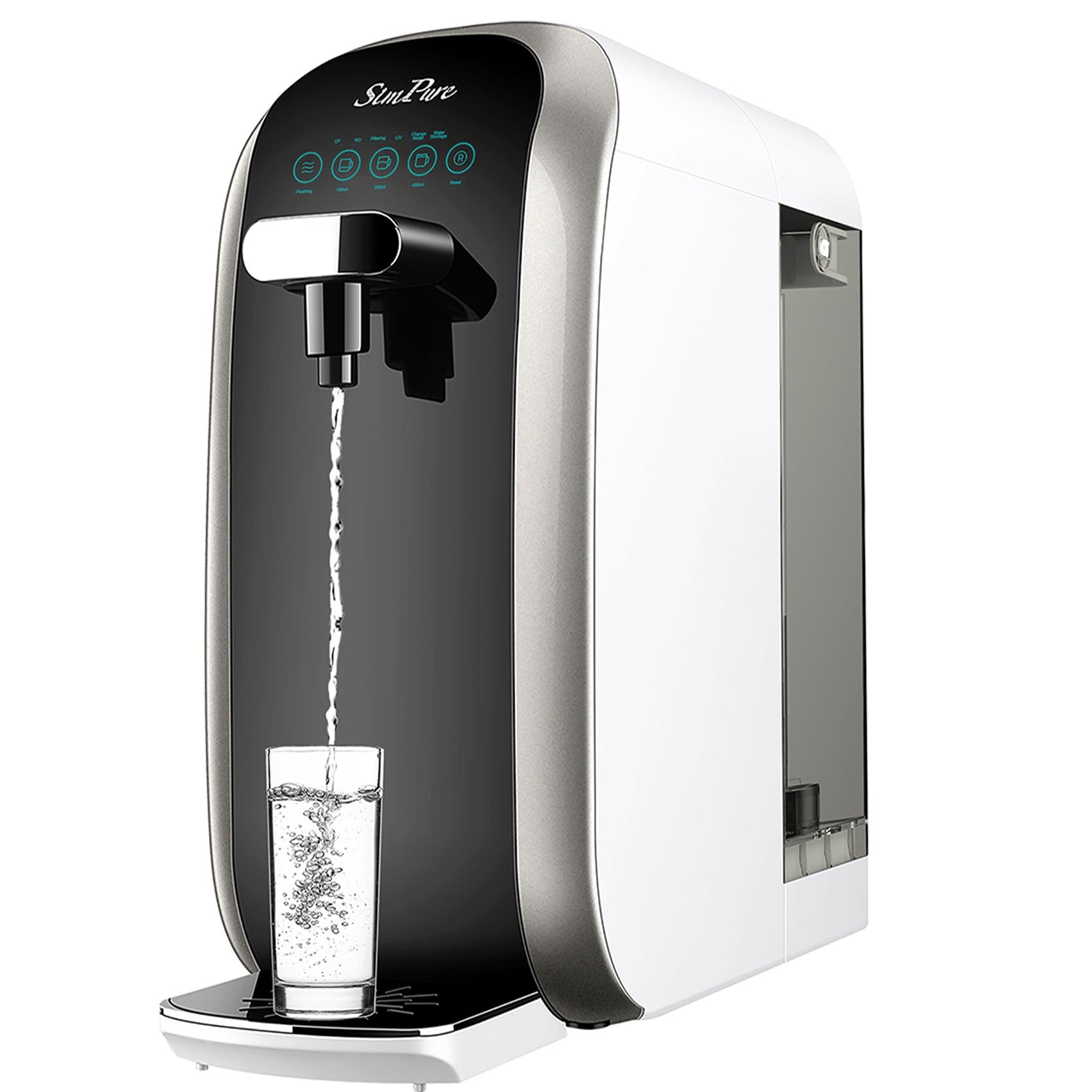
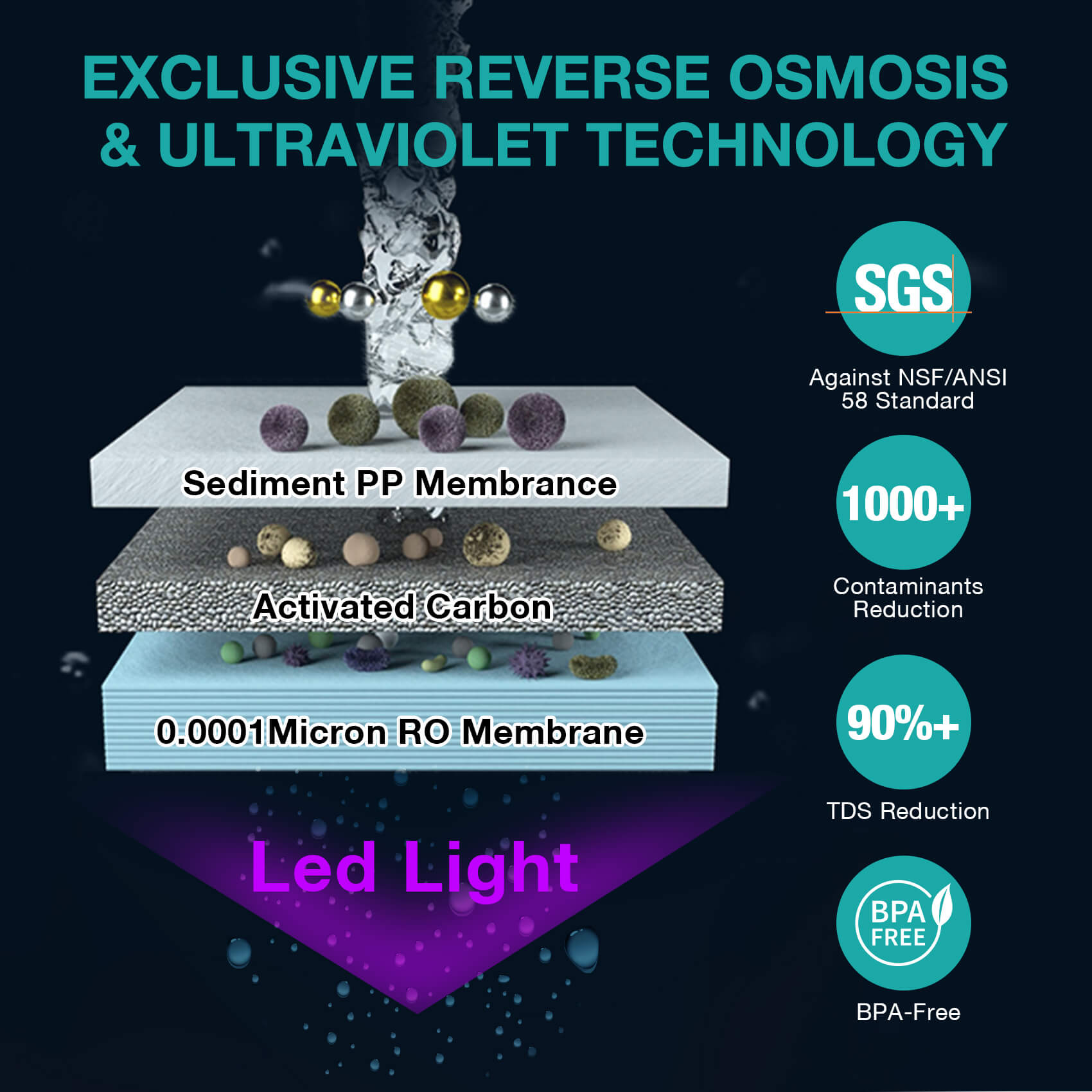
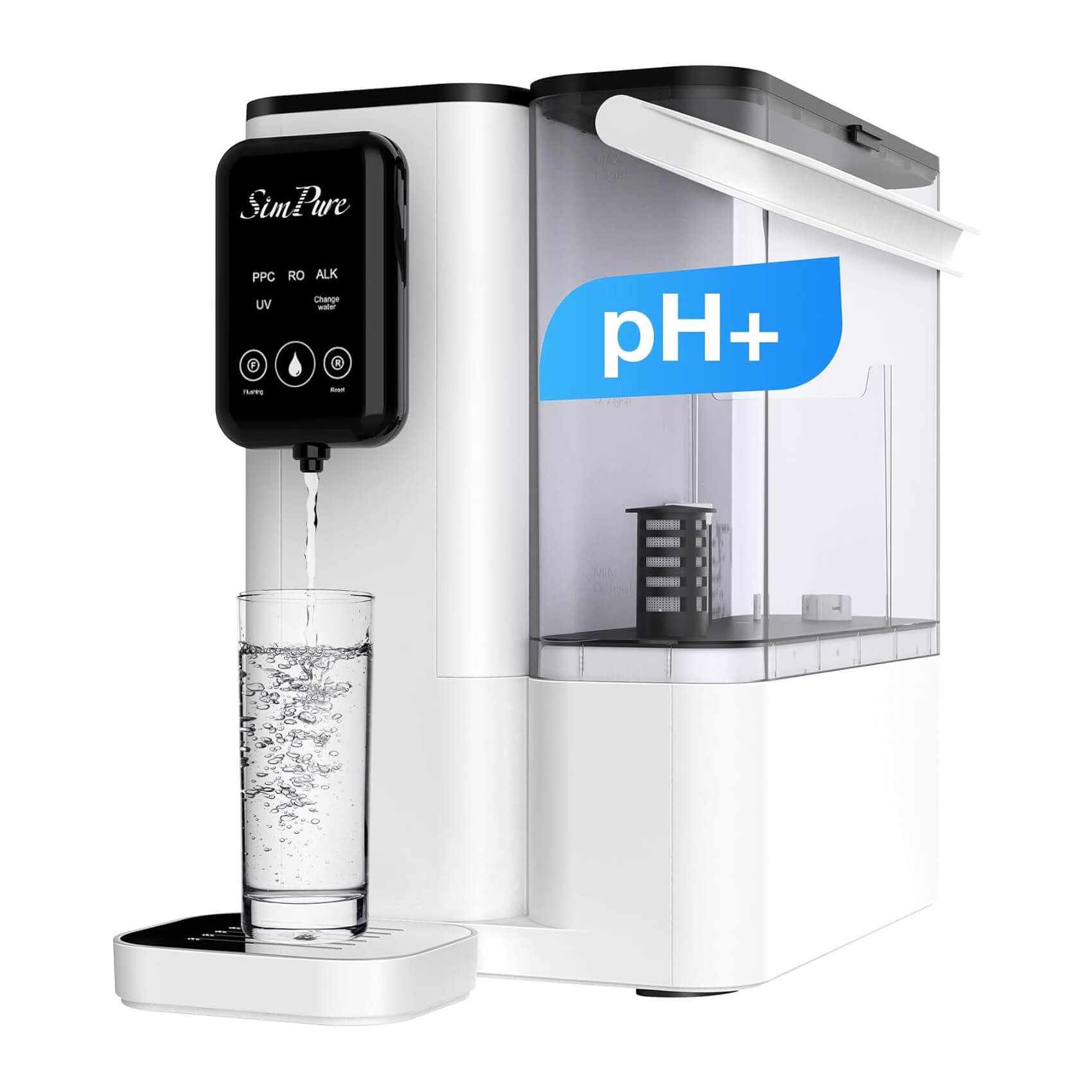
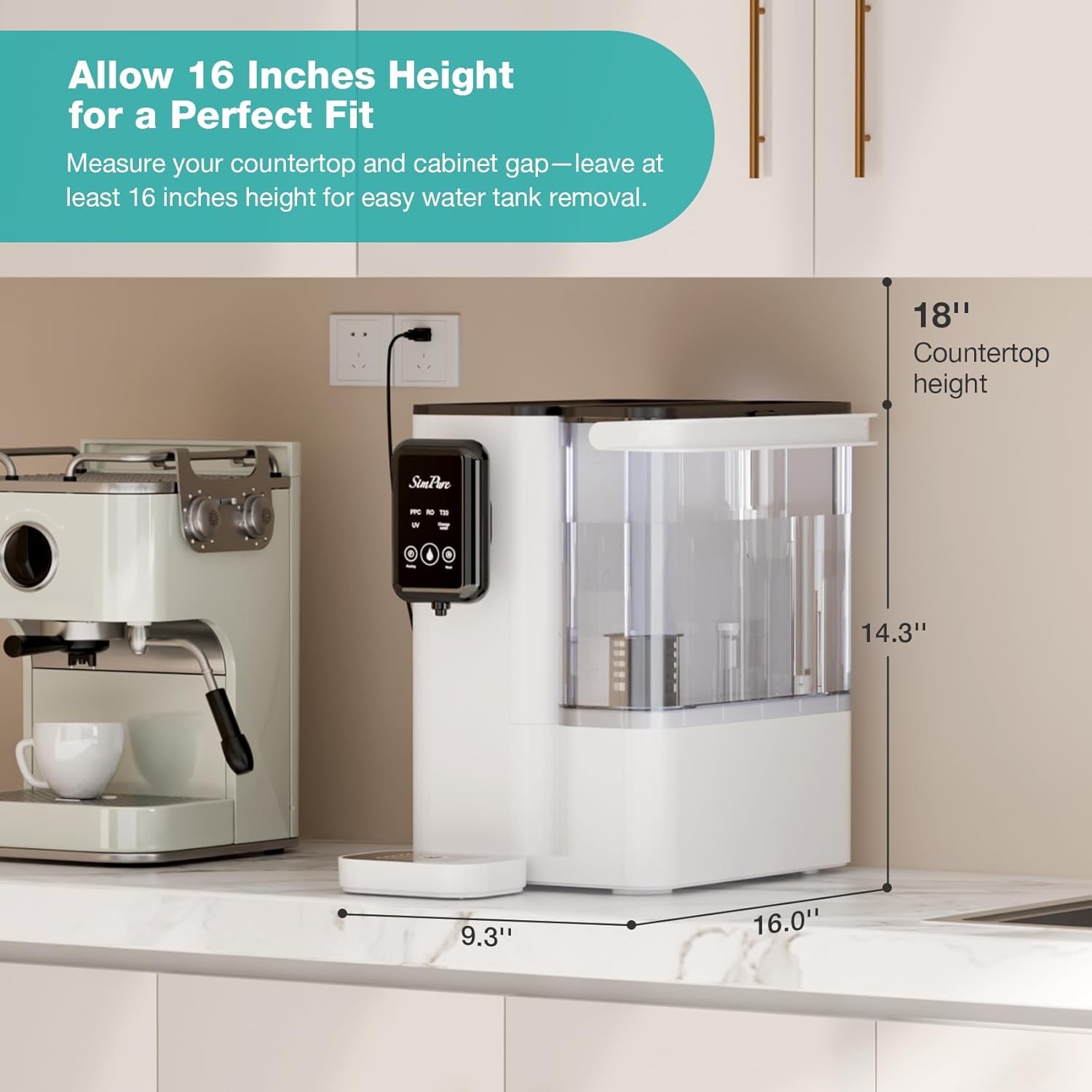
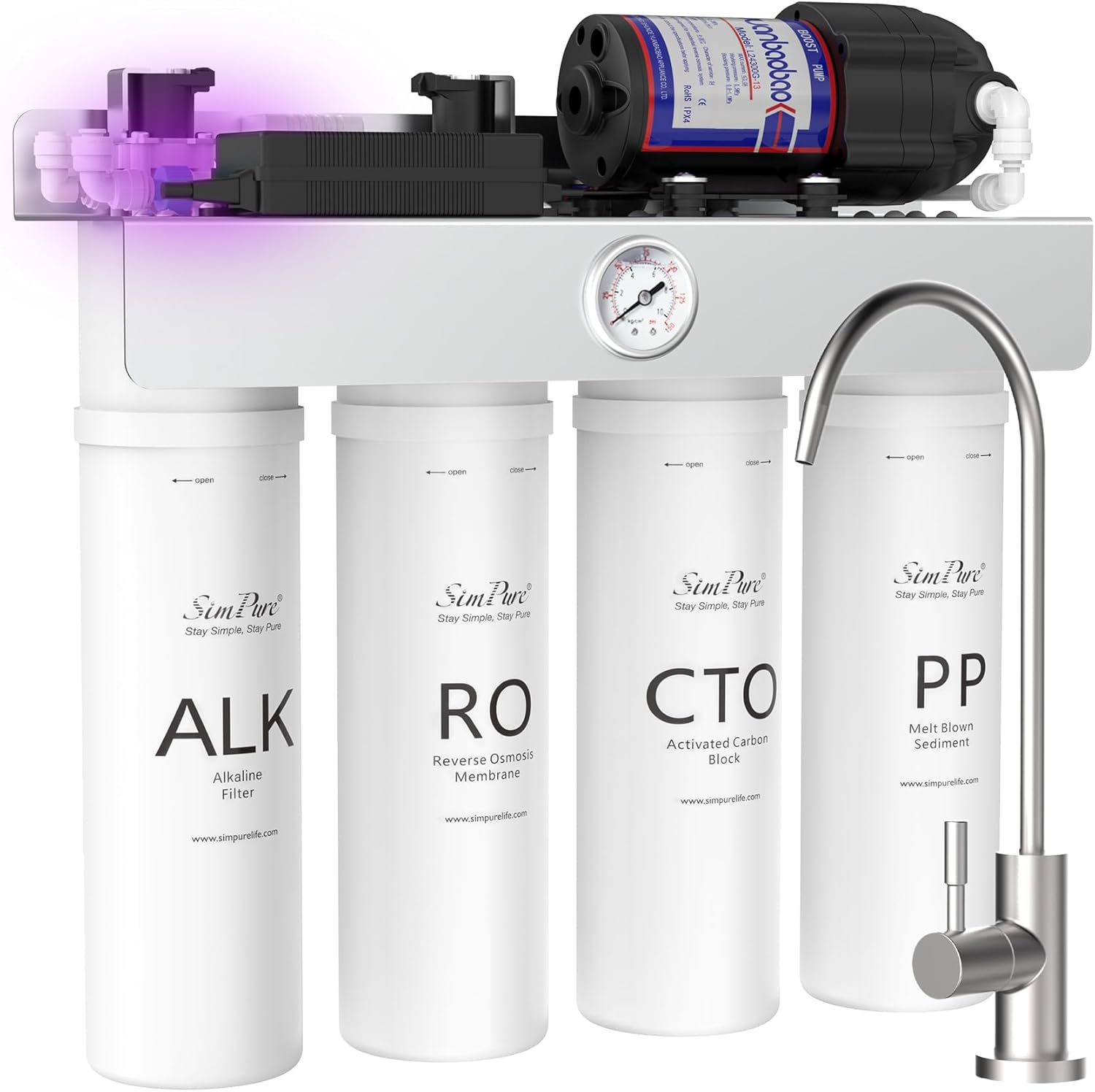
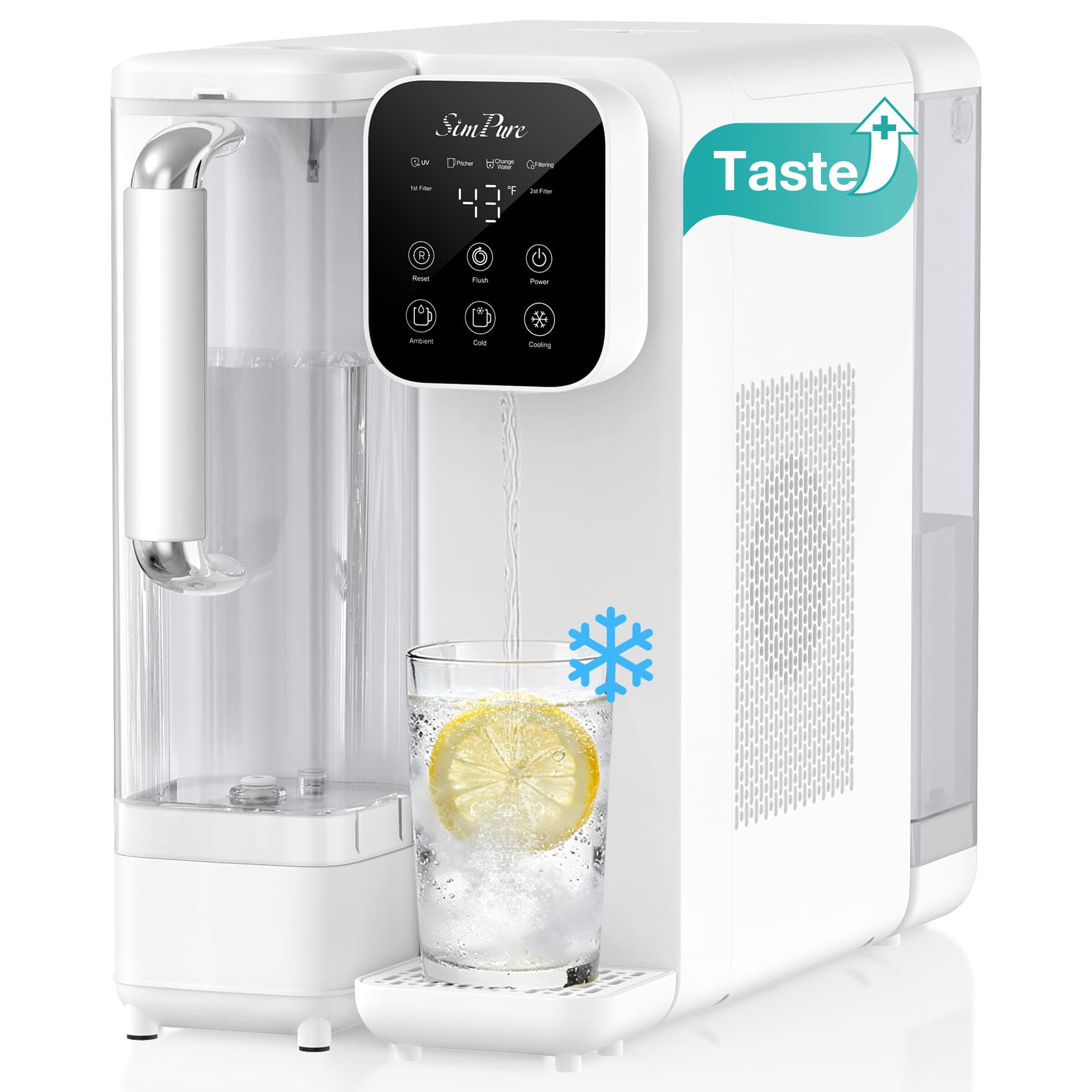
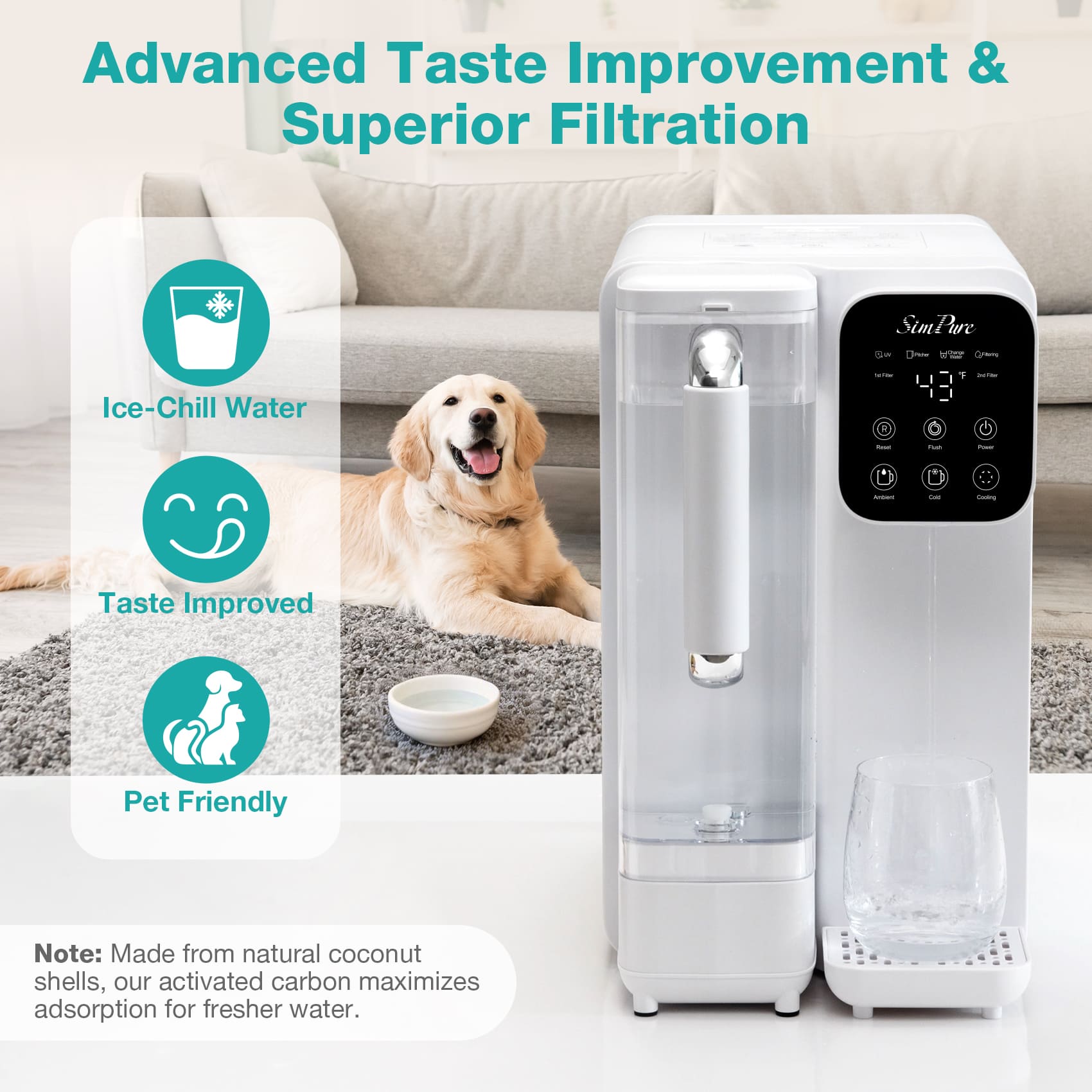
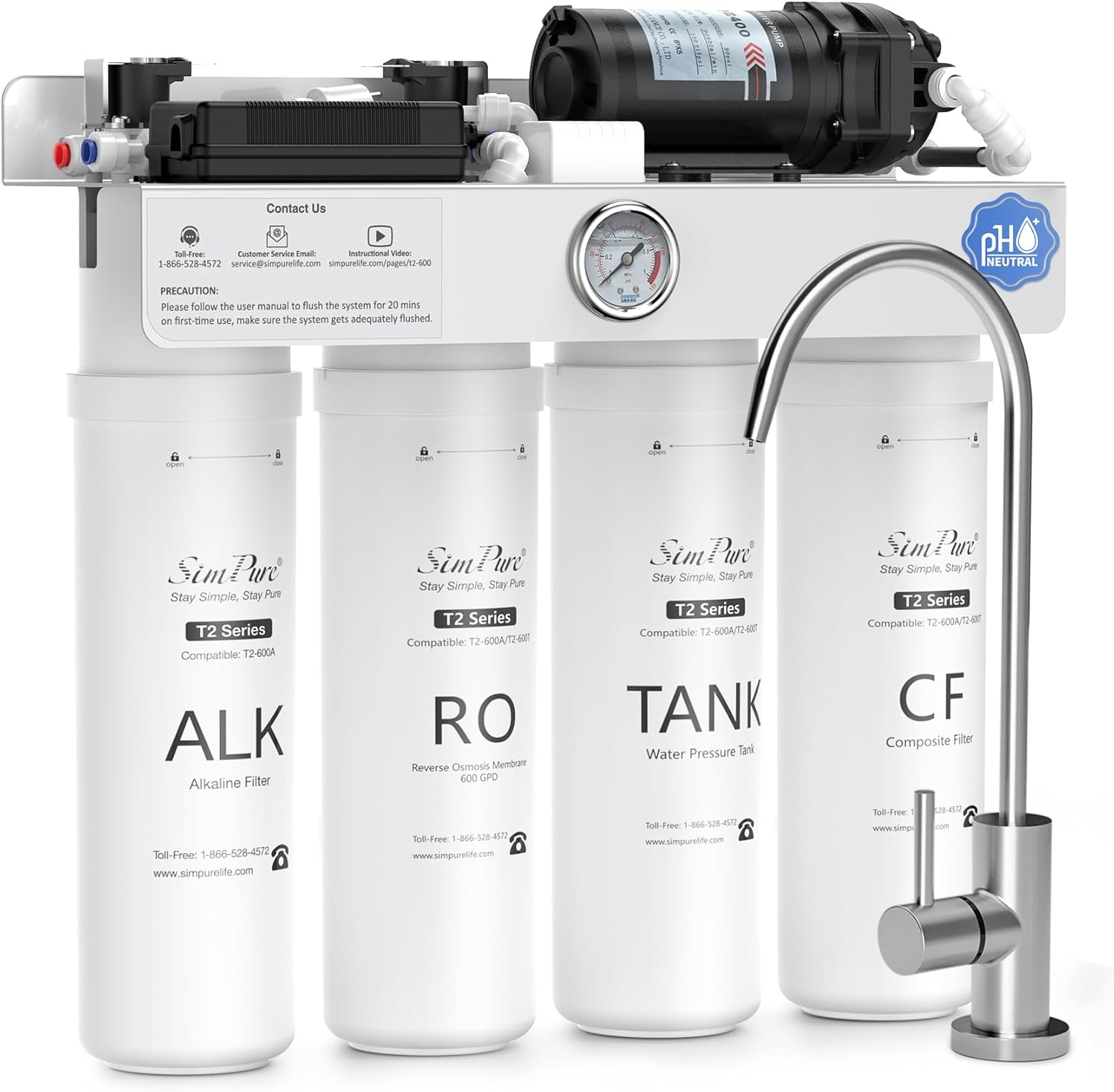
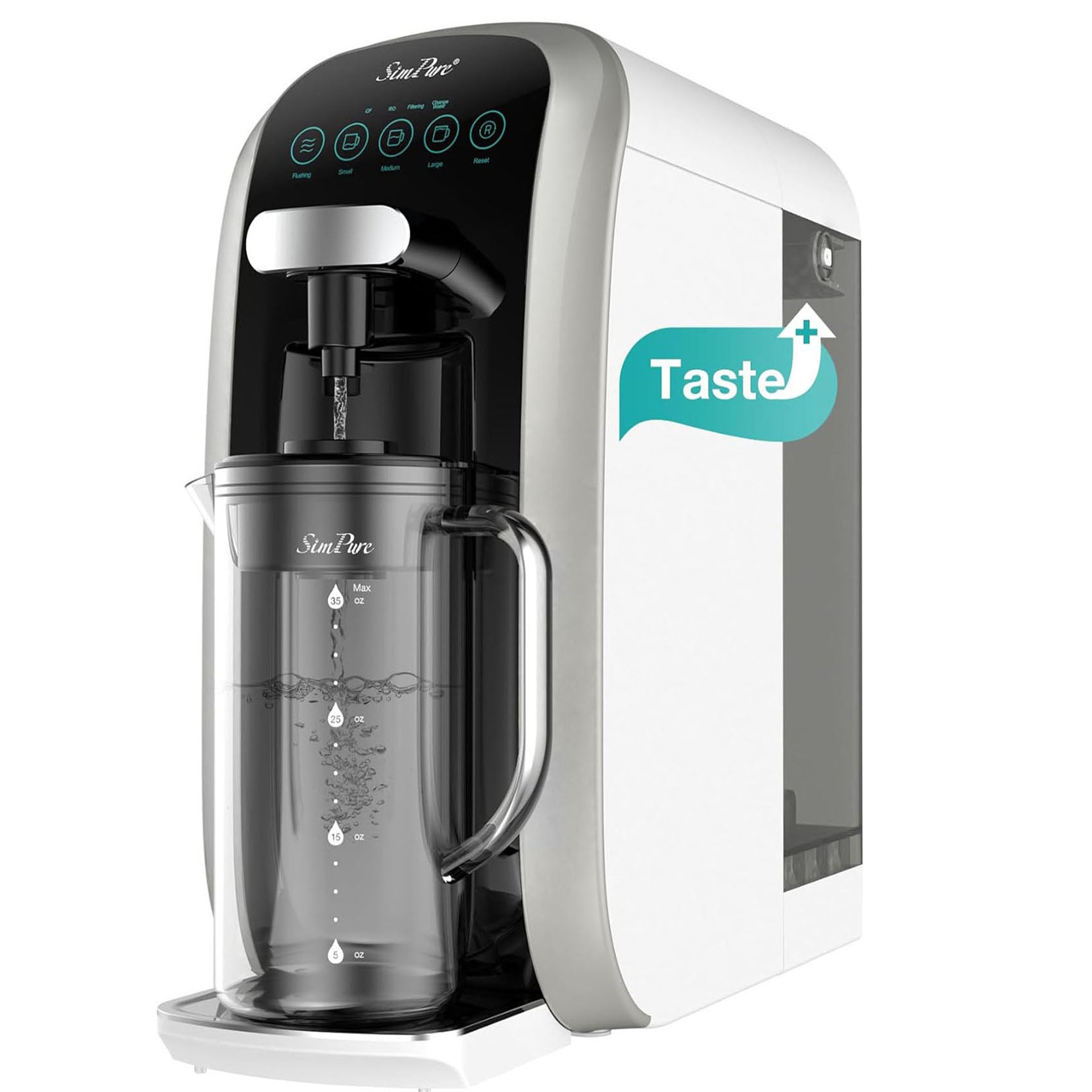
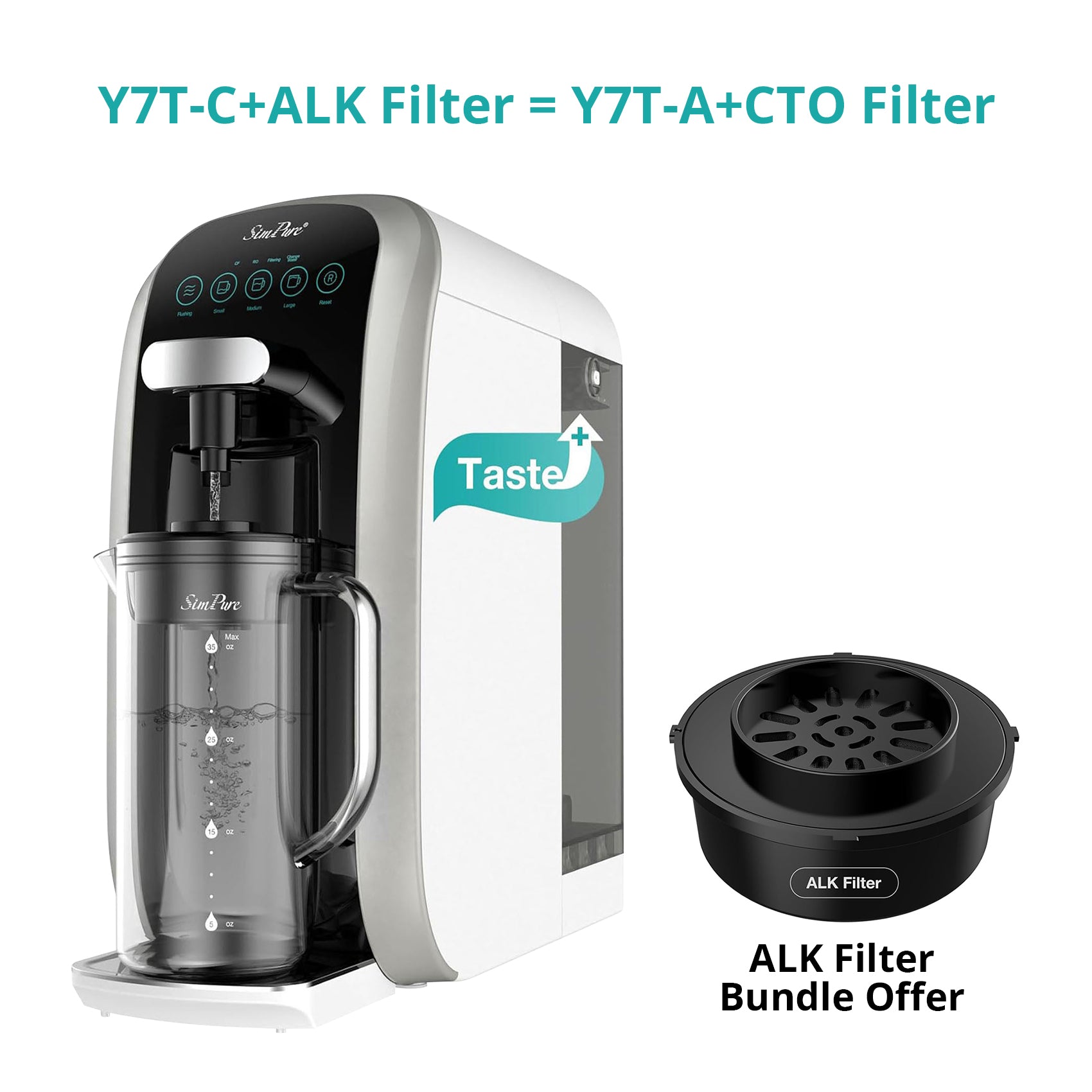
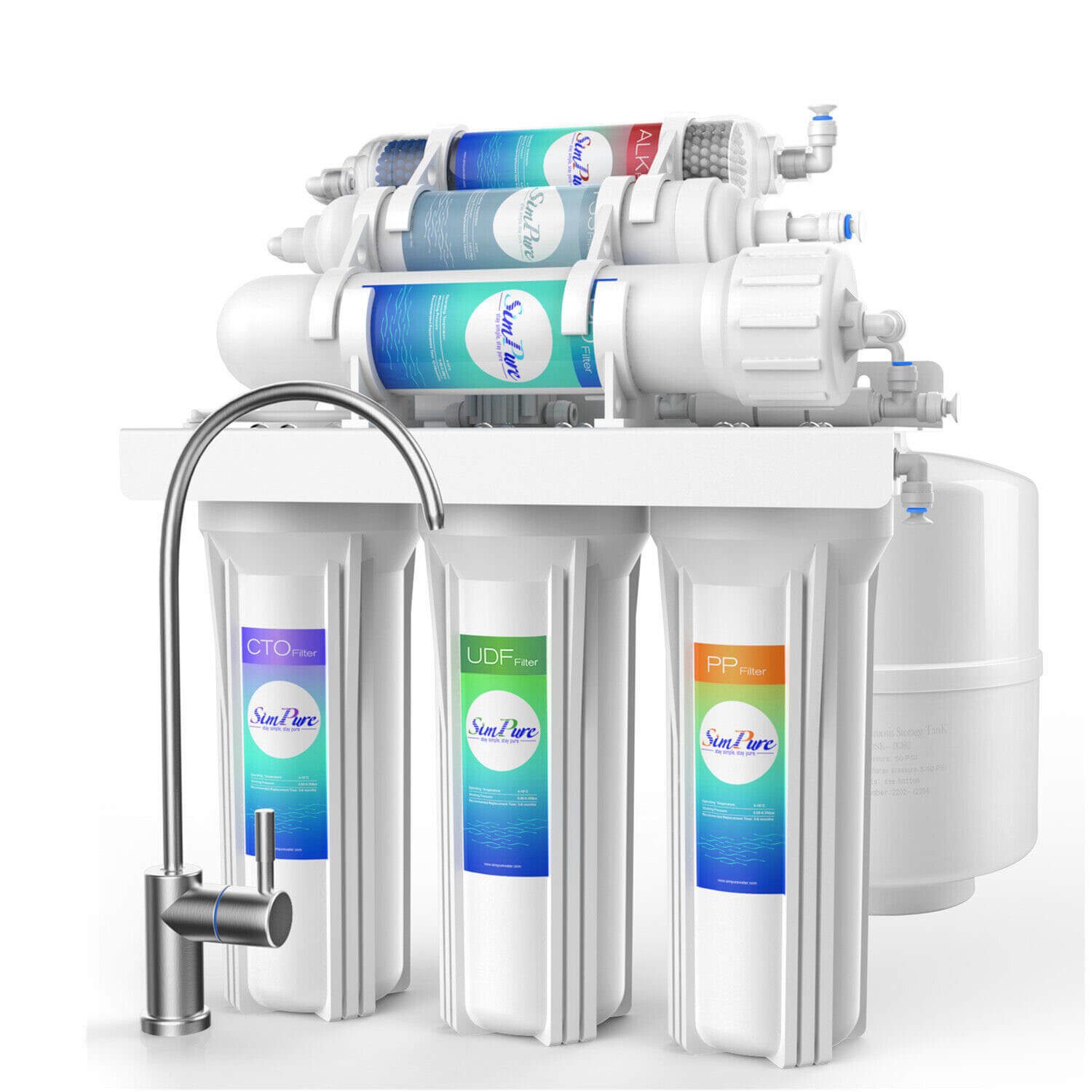
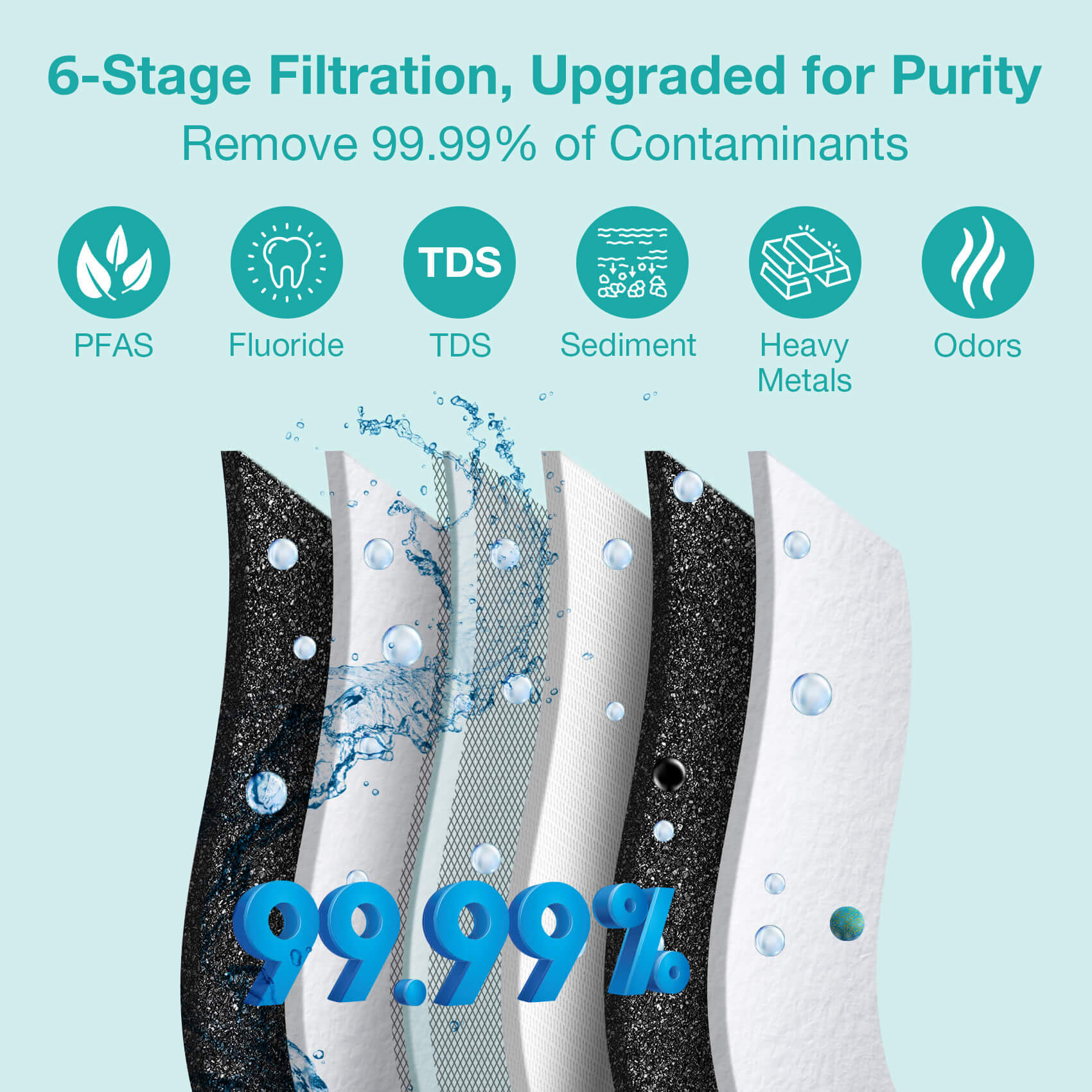
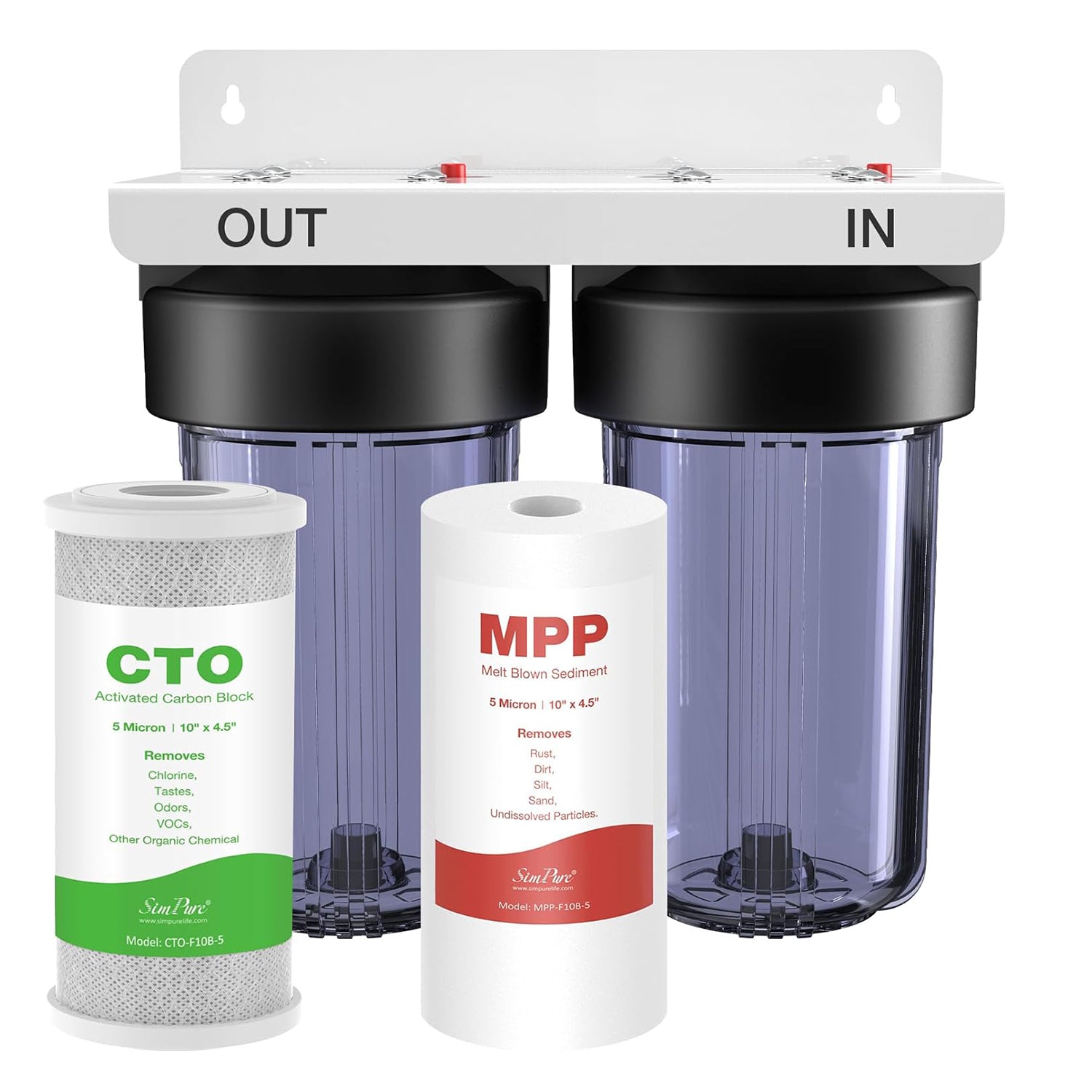
Don't guess your water quality. SimPure’s multi-stage systems are designed to address both the physical (sediment/air) and chemical (chlorine/minerals) causes of cloudy water.
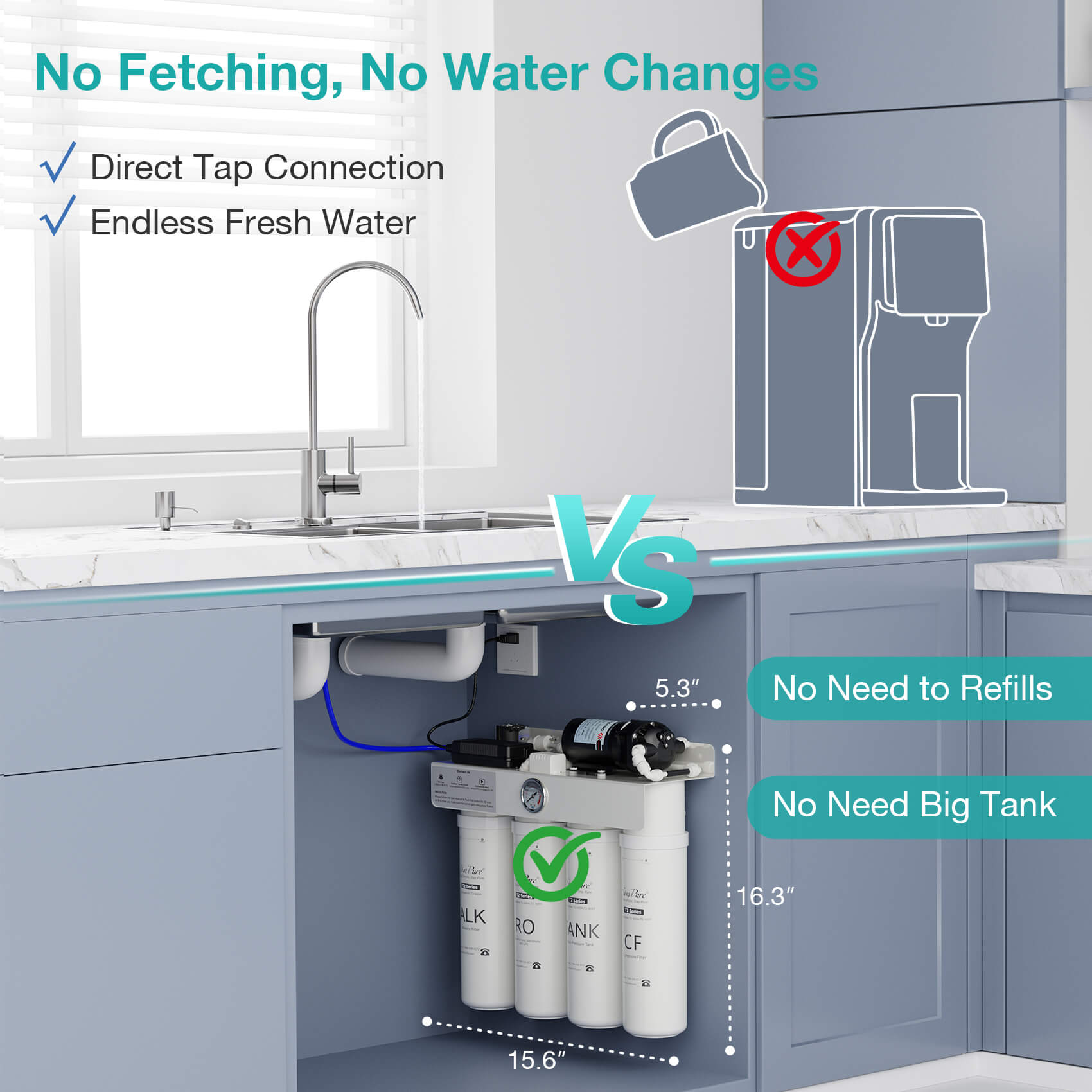
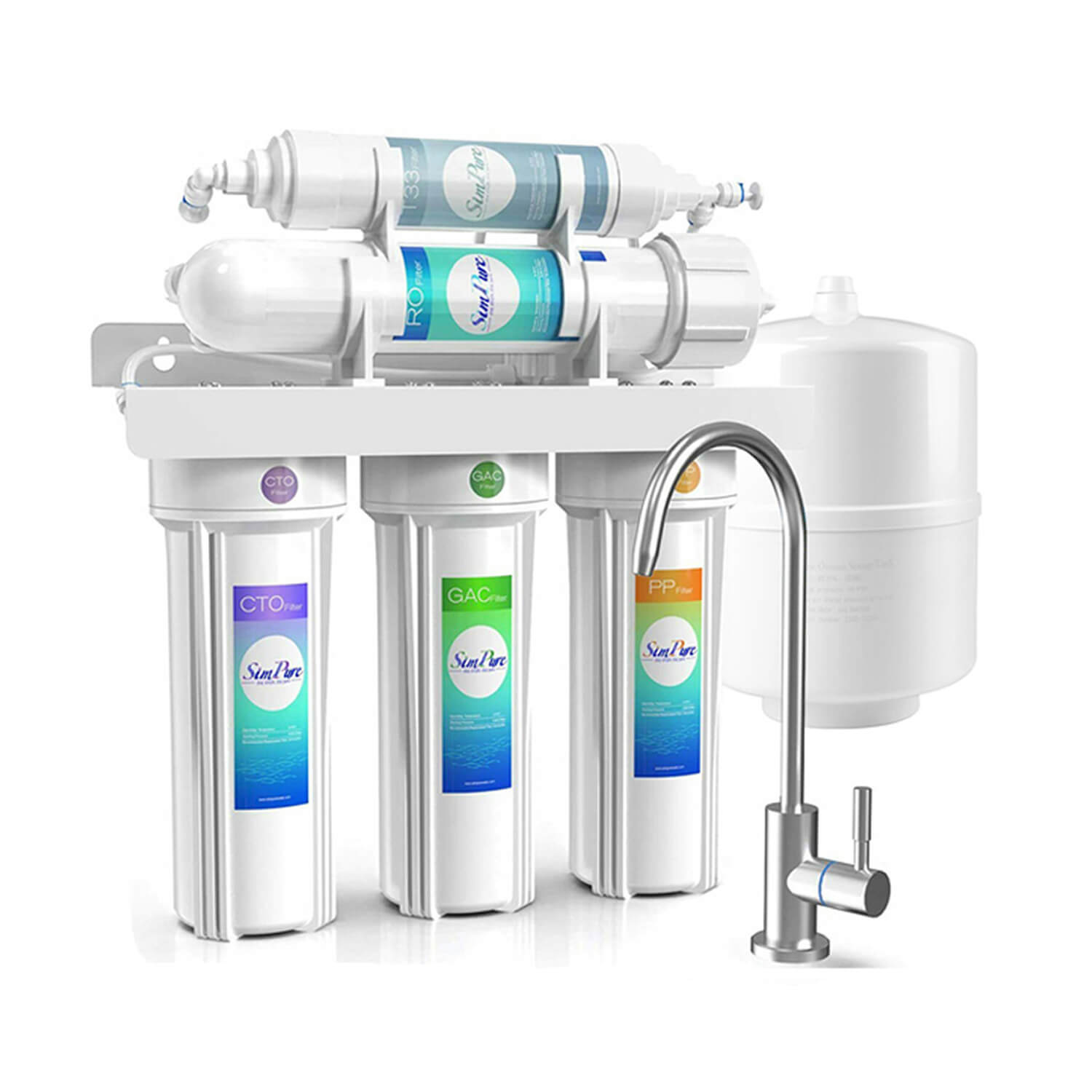
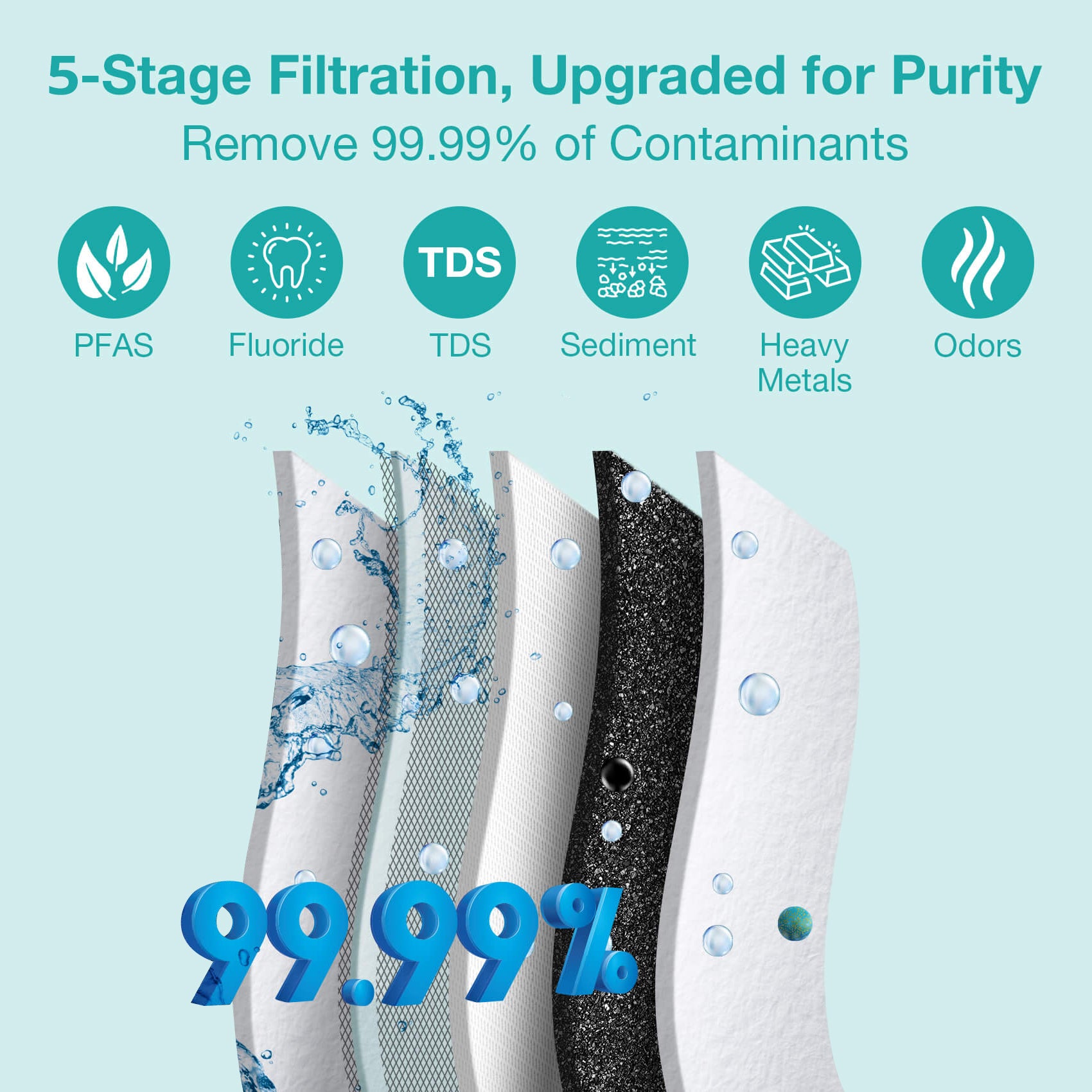
- SimPure RO Systems: 0.0001μm precision to eliminate 99% of minerals and chemicals.
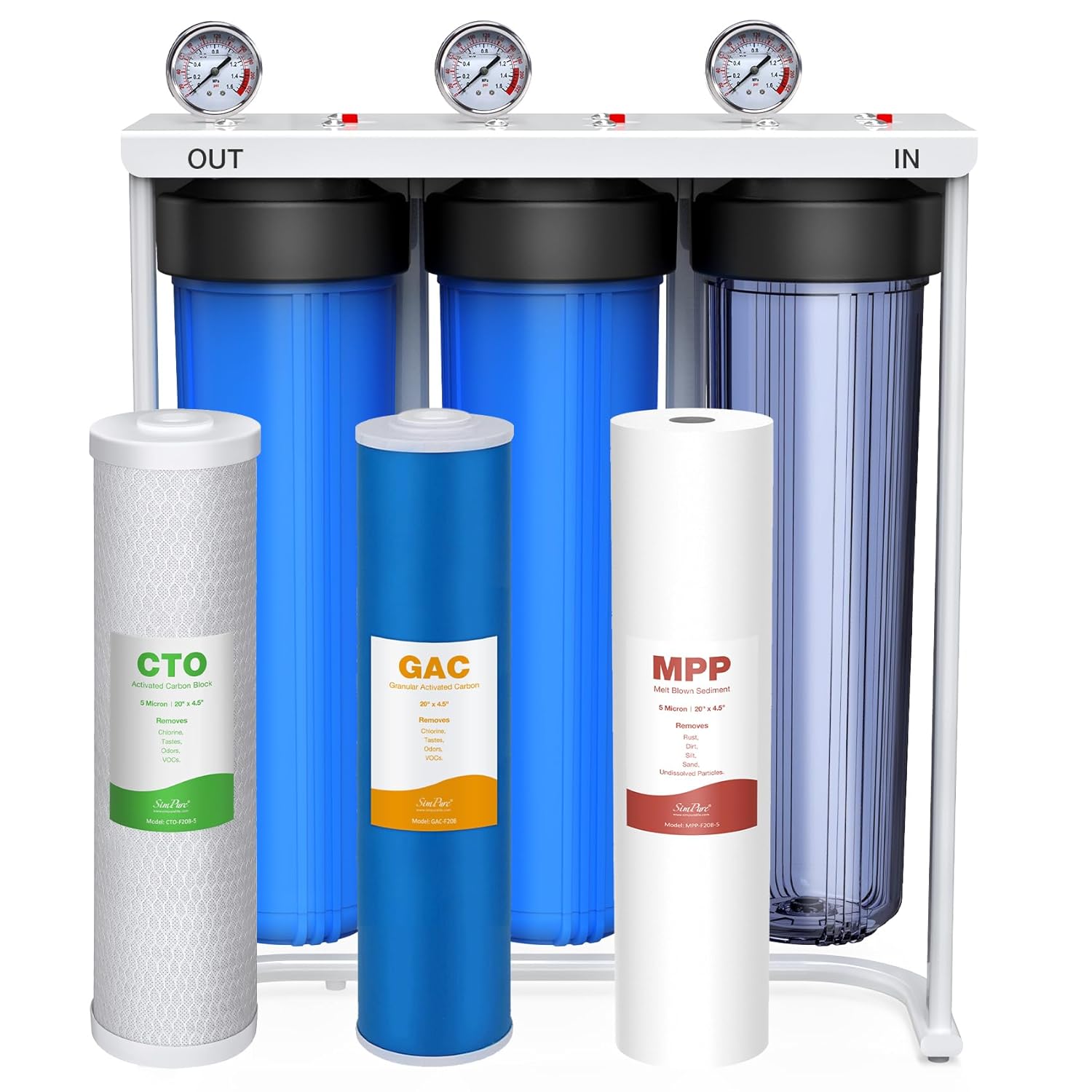
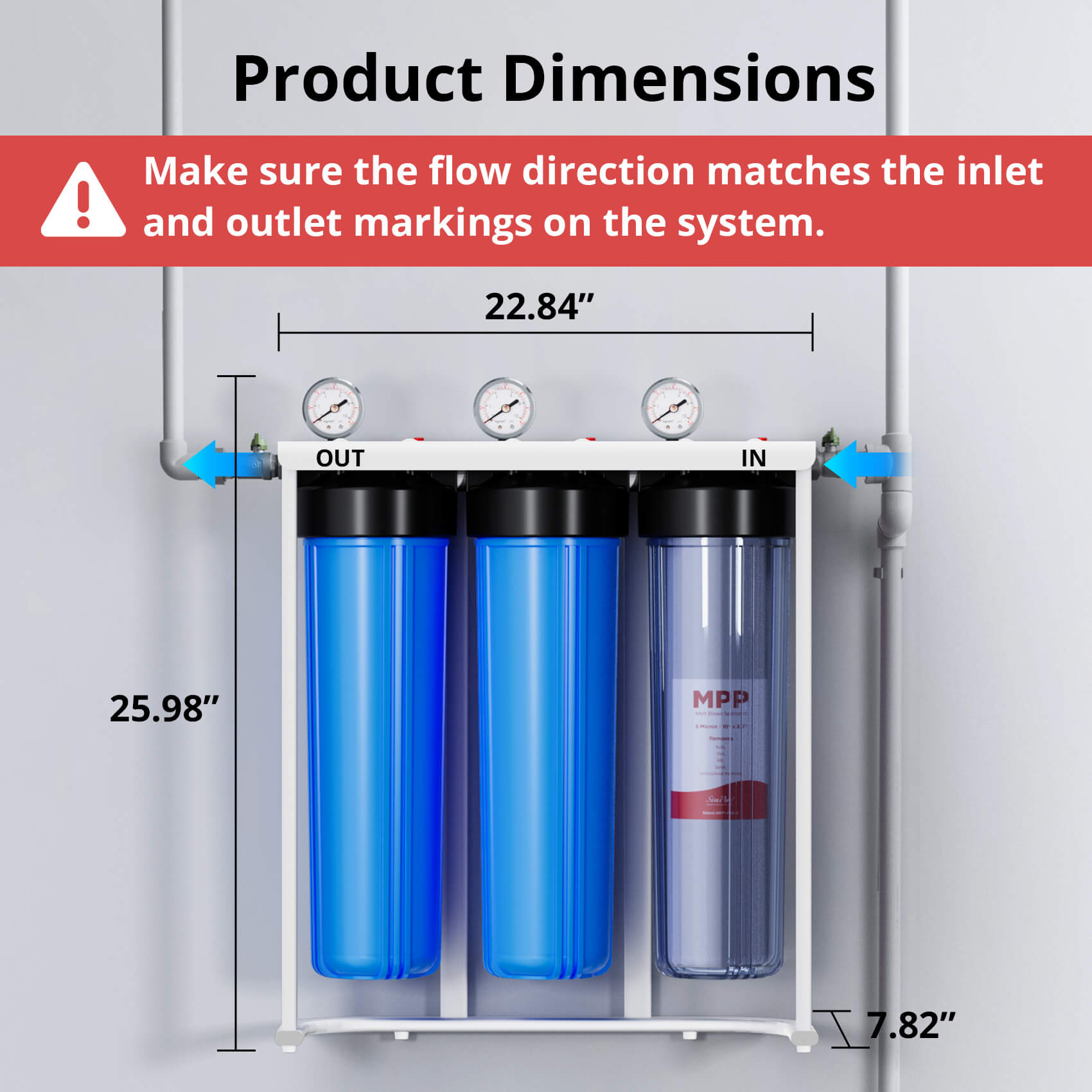
- Whole-House Solutions: Protects your entire plumbing from sediment and scale.
- UV Sterilization: Provides a final barrier against any biological disturbances during pipe maintenance.

Recommended Reading
- Why Is My Tap Water Bubbly? (Understanding Aeration)
- Why Is My Water Brown? (Dealing with Rust & Iron)
- Why Does My Water Smell Musty? (Identifying Bacteria)
- Why Does My Water Taste Like Metal? (Pipe Corrosion Tips)
- How to Dechlorinate Tap Water Safely at Home
- Top 5 Ways to Make Your Tap Water Taste Better
Common Questions About White Water
A: This is almost always caused by your water heater. Heating water accelerates the precipitation of calcium carbonate and forces dissolved air out of the solution. It could also indicate that your water heater's anode rod is corroding or there is significant sediment buildup at the bottom of the tank. Flushing your heater annually can resolve this.
A: Not necessarily, but it’s possible. While air bubbles are the most common cause, a strong "bleach-like" smell accompanying the cloudiness suggests a high chlorine dose from the municipal plant. A Carbon Block Filter is the most effective way to neutralize this chemical white tint and odor.
A: If the whiteness is caused by air, it is harmless. However, if it’s caused by hard water minerals (limescale), it will eventually cause mineral buildup in the heating elements of your appliances, leading to reduced efficiency and potential mechanical failure. A water softener or RO system is highly recommended for appliance longevity.
A: Generally, running your cold water taps for 3 to 5 minutes should clear any temporary air or sediment disturbed by local maintenance. If the water remains white after 10 minutes of flushing, the issue is likely rooted in your home's internal plumbing or a consistent hard water problem.
Summary
Understanding the science behind "white water" is the first step toward a healthier home. Whether it's the harmless physics of dissolved air or the long-term threat of mineral scale, SimPure has the expertise and technology to provide crystal-clear water for your family. Explore our range today and stop worrying about your tap water's appearance.