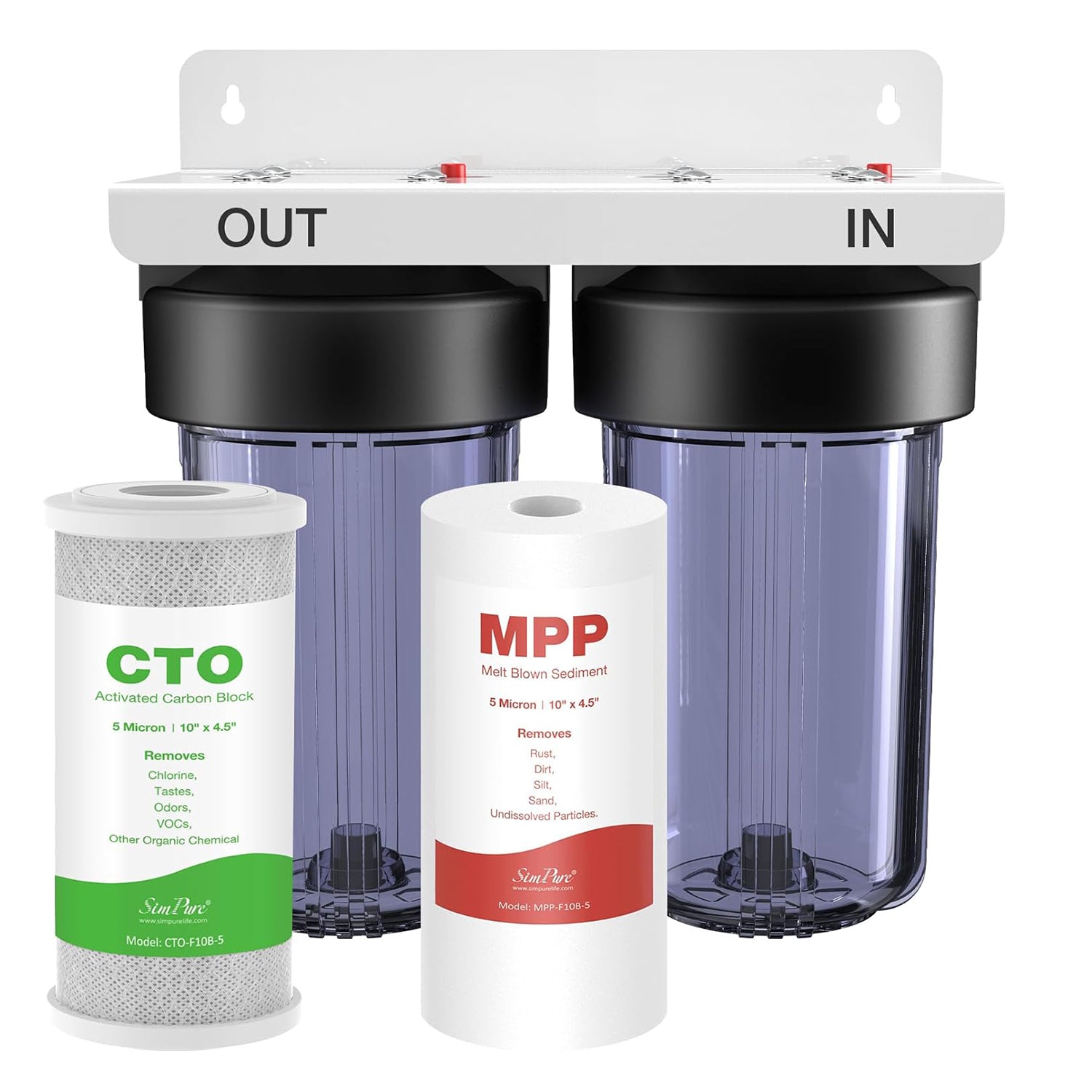
As the primary hub for food safety, your kitchen demands the highest quality water for cooking and drinking. Tap water often contains invisible chemical residues, odors, or microscopic particles. A professional kitchen filtration system addresses these issues at the source, ensuring every recipe and glass of water is built on a foundation of purity.
Why Your Kitchen Needs Quality Water
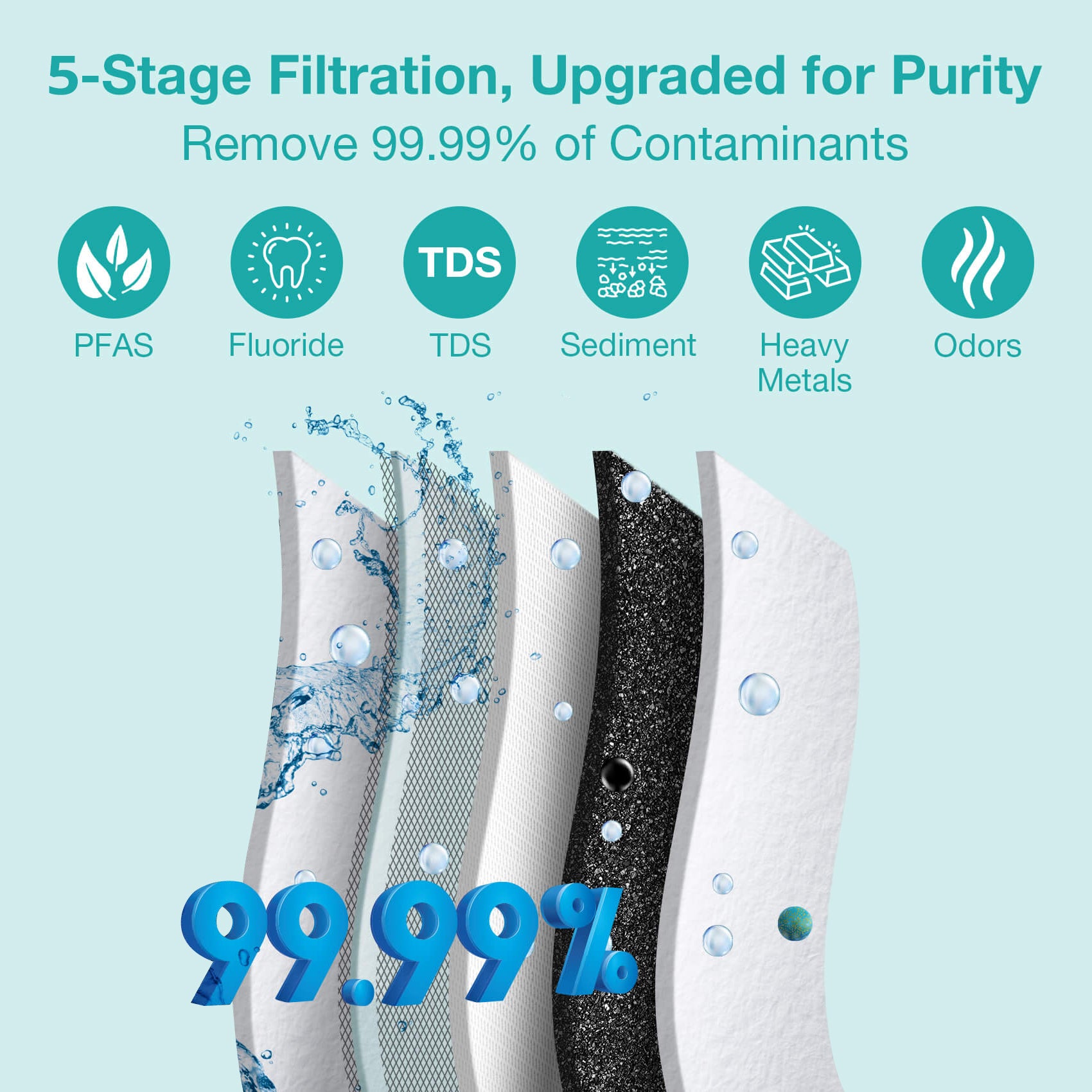
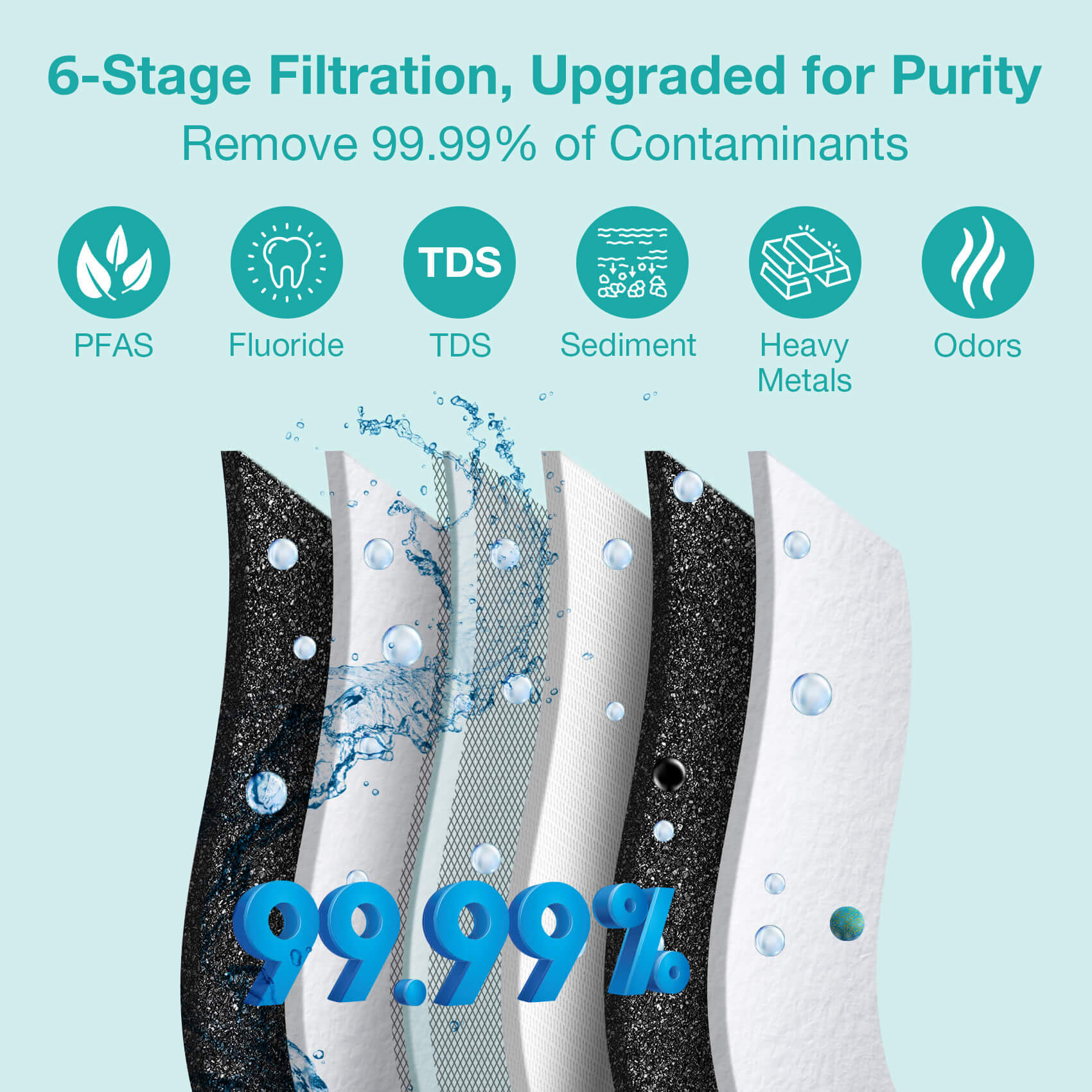
Water quality is a key indicator of household wellness. Untreated tap water can act as a carrier for heavy metals, microplastics, and PFAS. Contaminants like lead or arsenic don't just compromise the purity of your water; they alter the delicate flavor profiles of coffee, tea, and home-cooked meals. By filtering out chlorine and sediment, you also protect the internal components of appliances like kettles and coffee makers from mineral buildup.
But How to Choose the Best Kitchen Water Filter?
1. Assess Your Local Water Quality
- High TDS Levels: If your Total Dissolved Solids (TDS) reading is high, a Reverse Osmosis (RO) system is the only certified method to significantly reduce these minerals.
- Hard Water Challenges: Areas with high calcium and magnesium cause scale buildup. Choose an RO system or a system with softening pre-filtration to protect your faucets.
- Chemical Odors: If you notice a strong chlorine smell, prioritize systems with high-grade Activated Carbon Fiber (ACF) to improve taste and aroma.
2. Consider Your Space and Installation
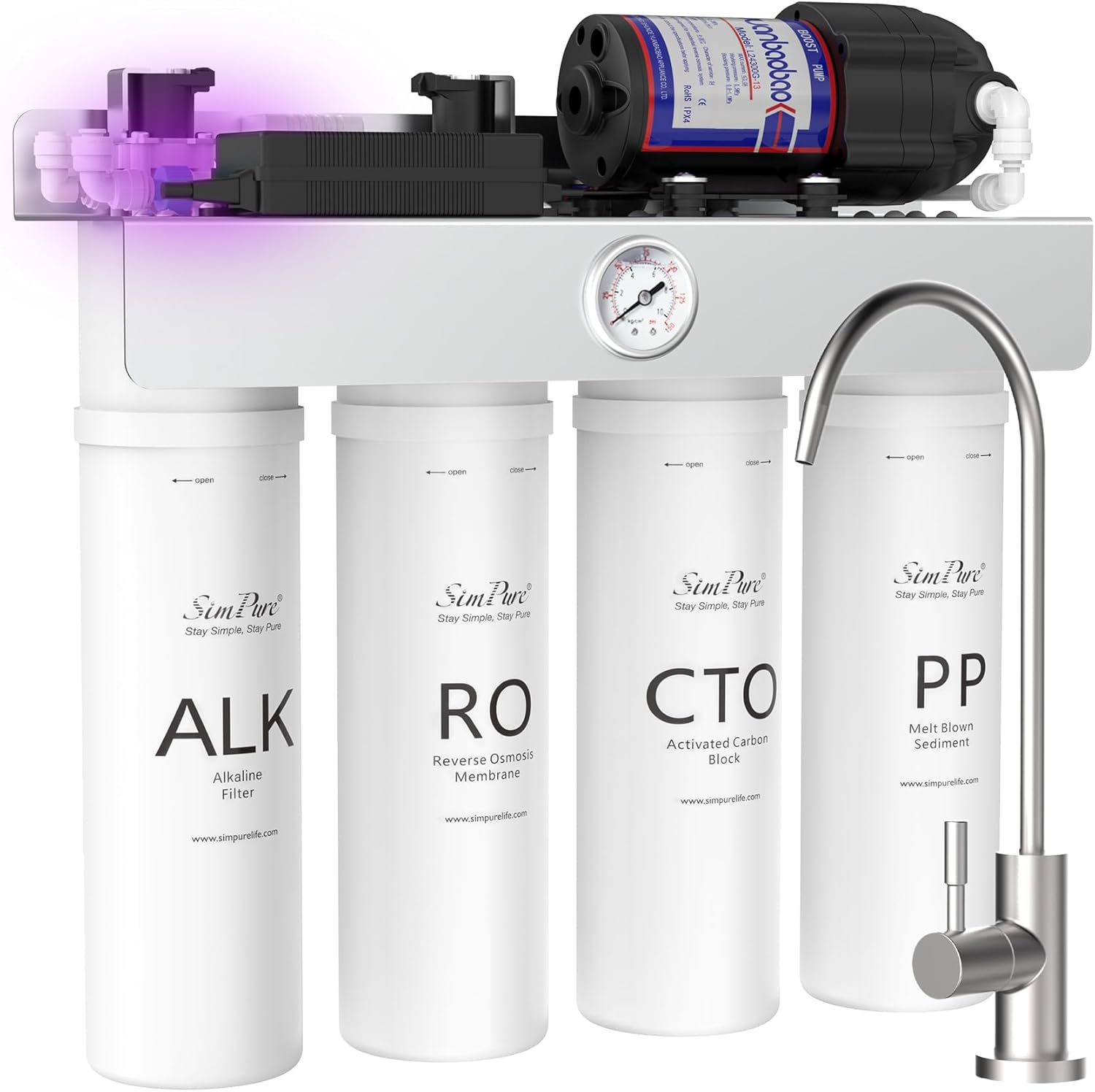
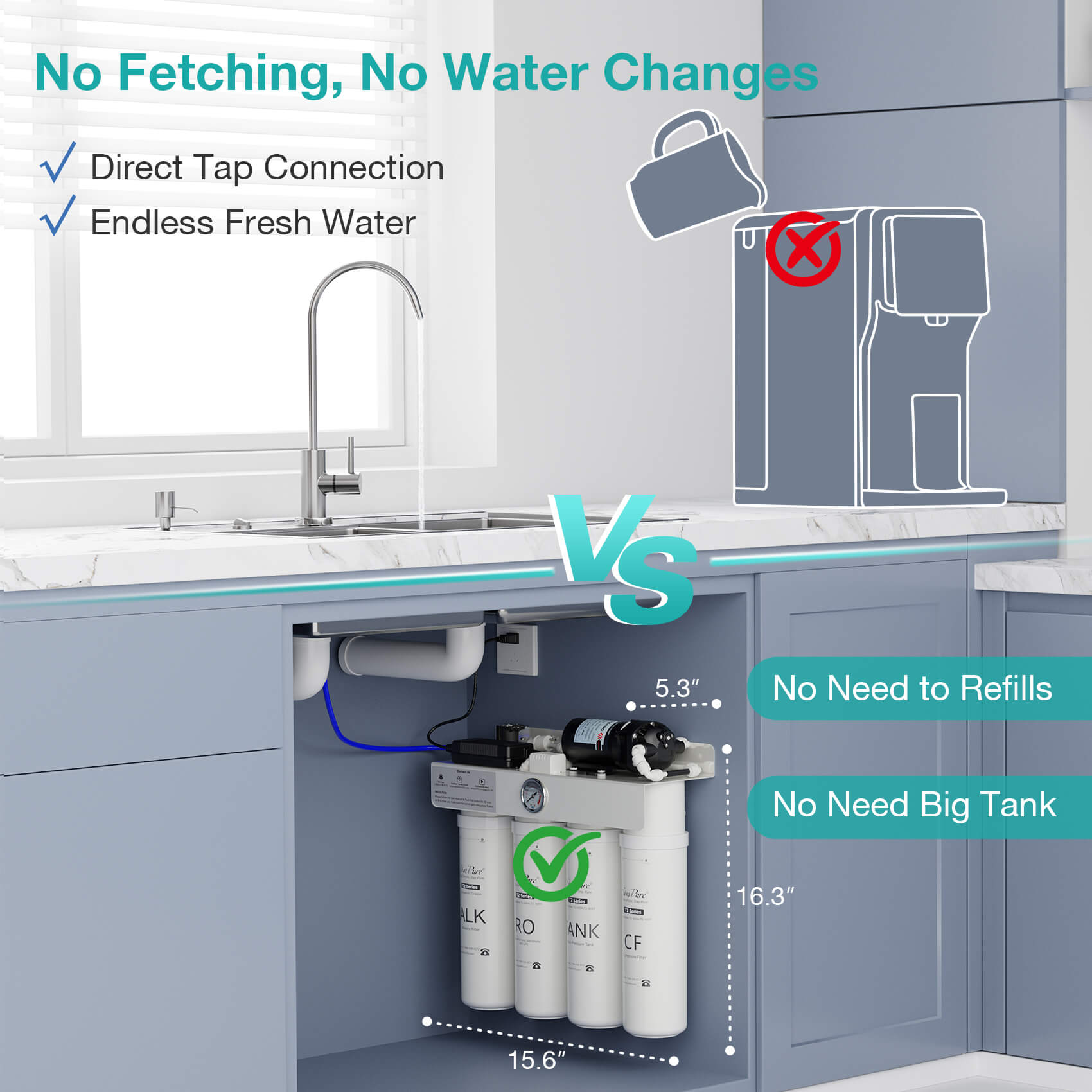
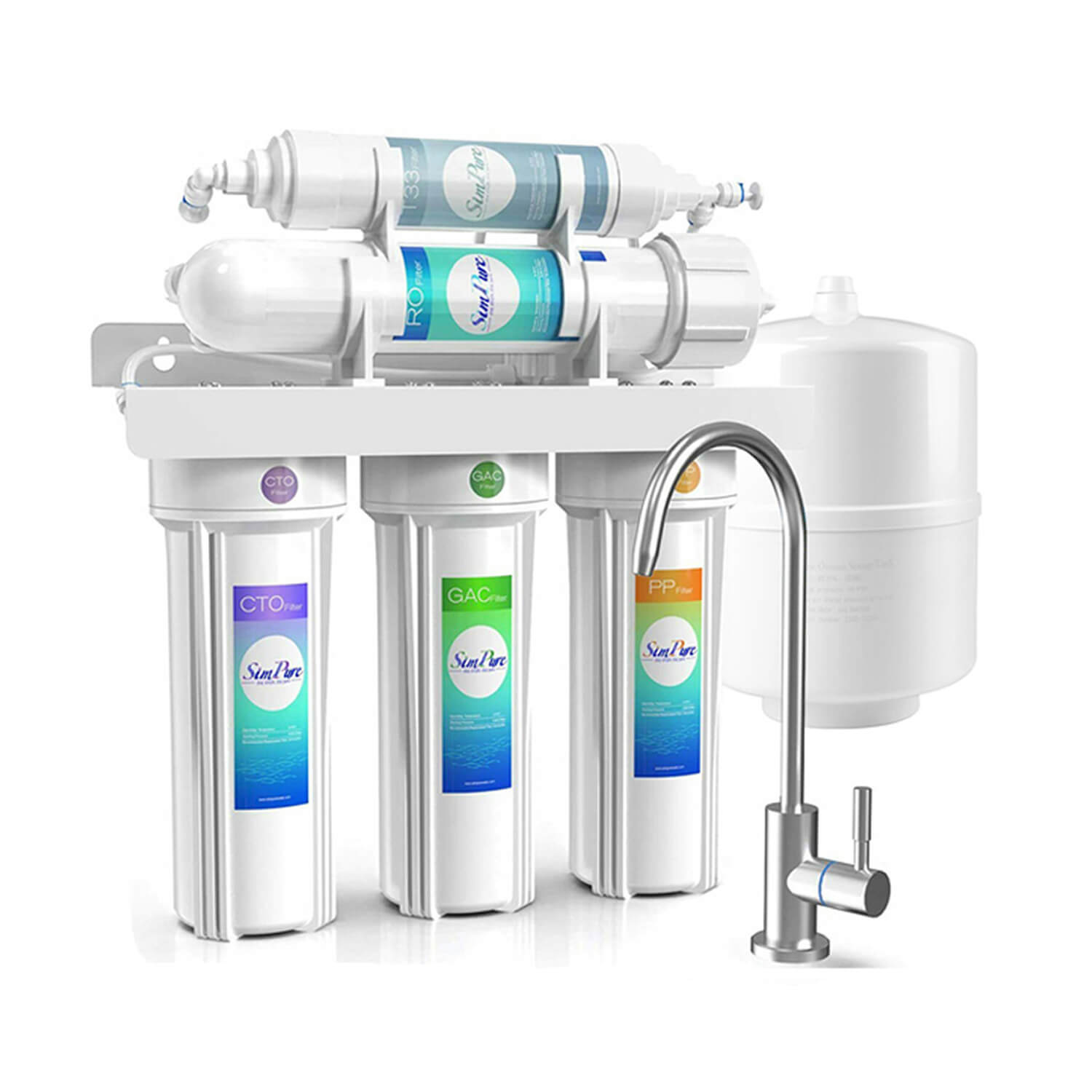
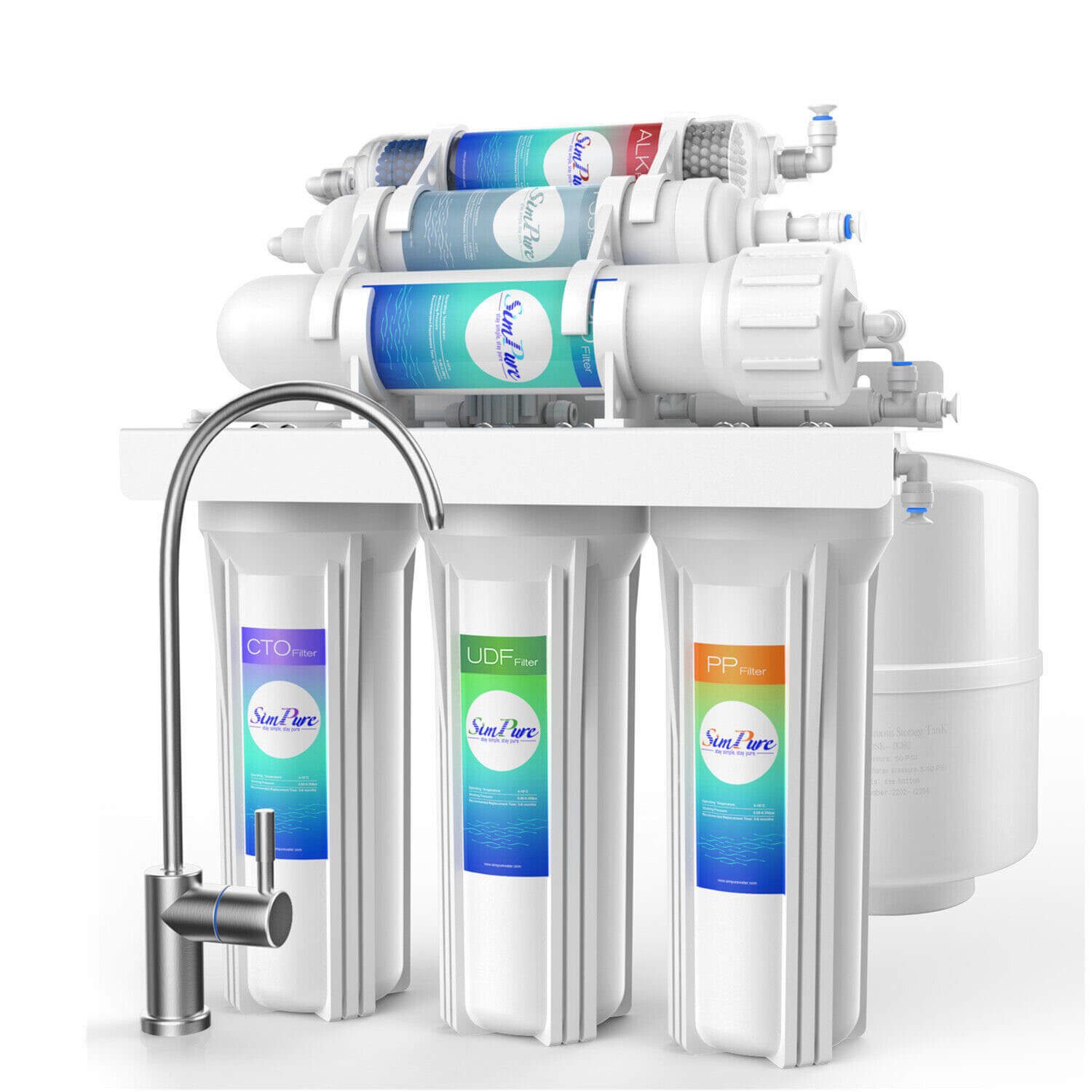
- Under-Sink Systems: Ideal for homeowners who want to save counter space. Modern Tankless designs are compact and offer a continuous flow without the risk of secondary contamination.
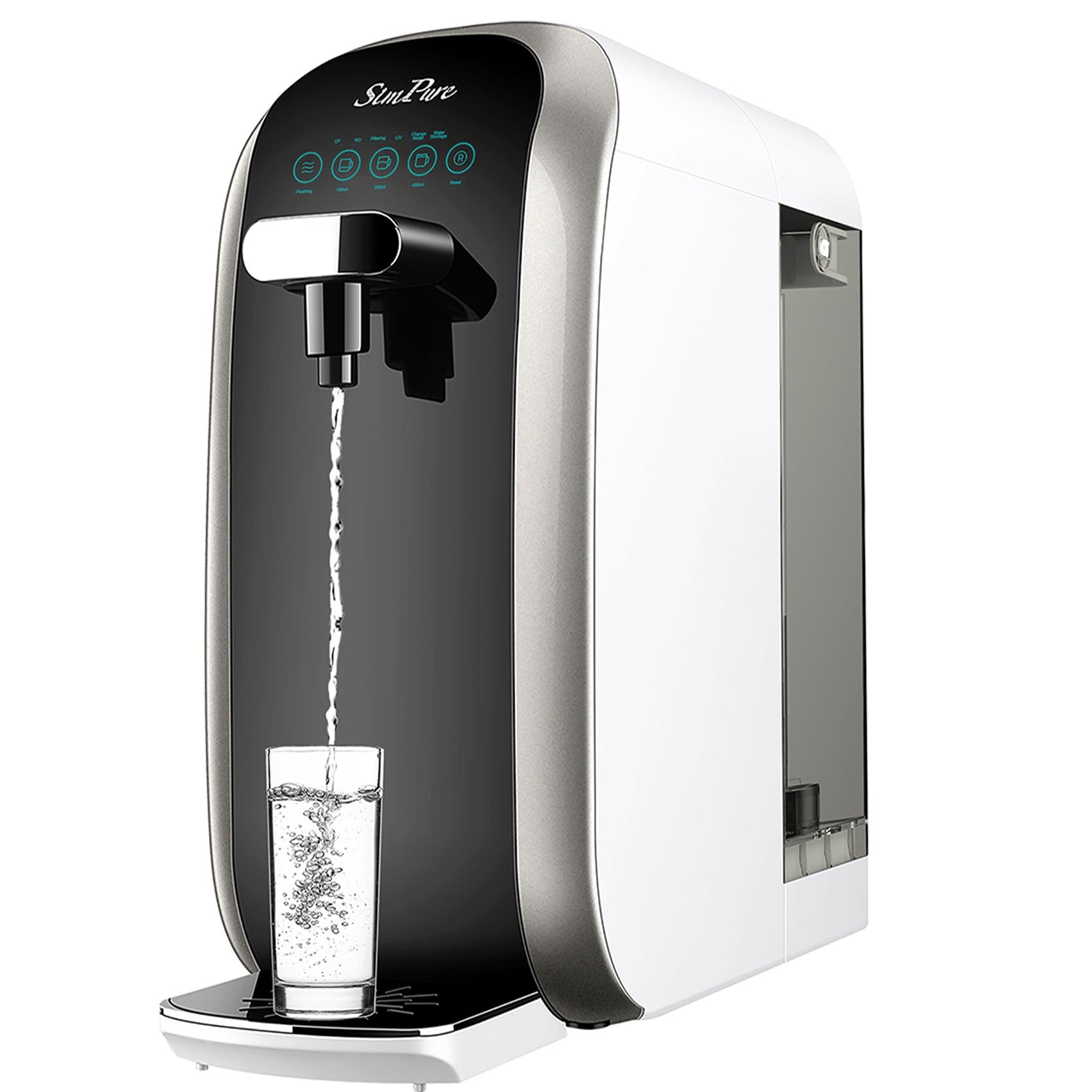
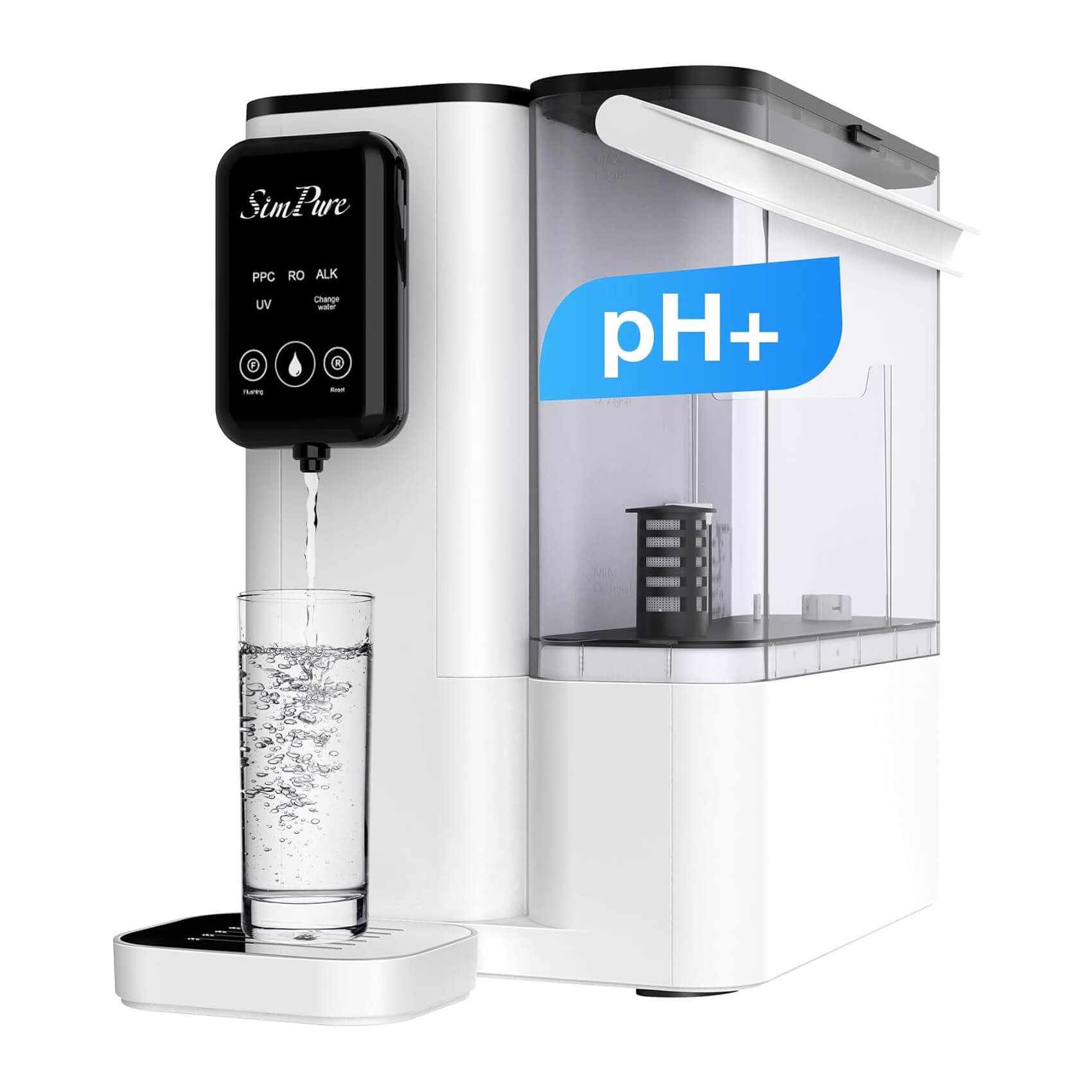
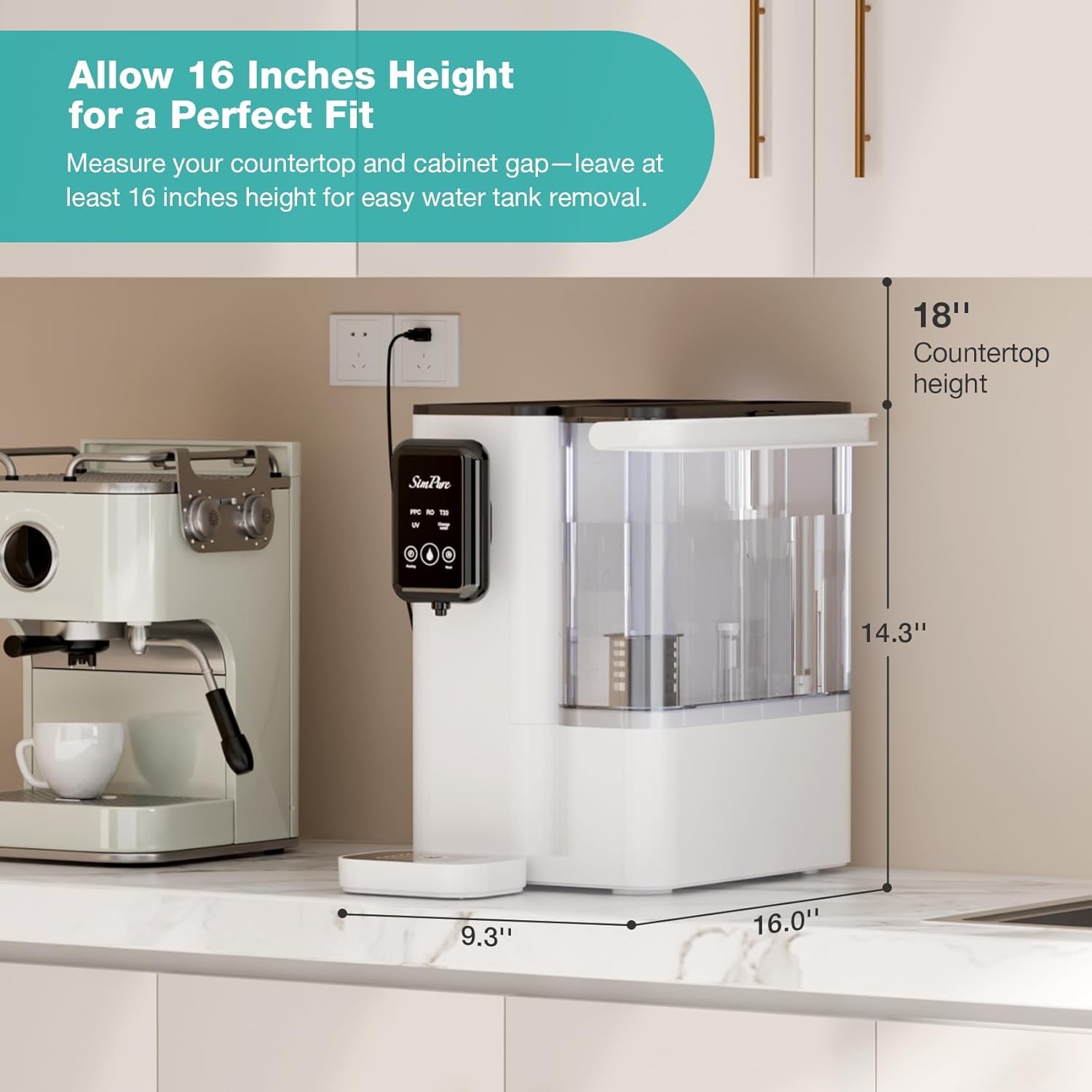
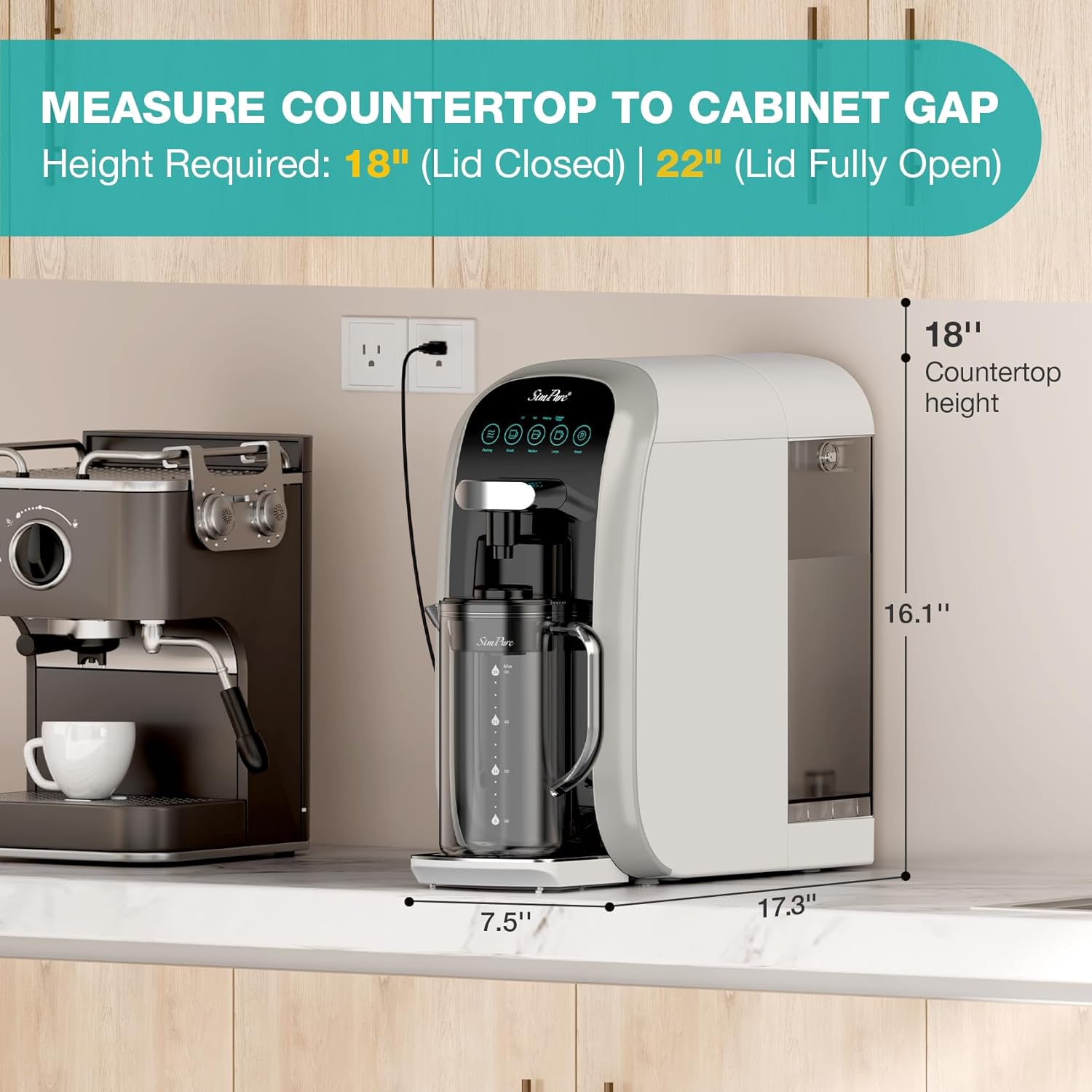
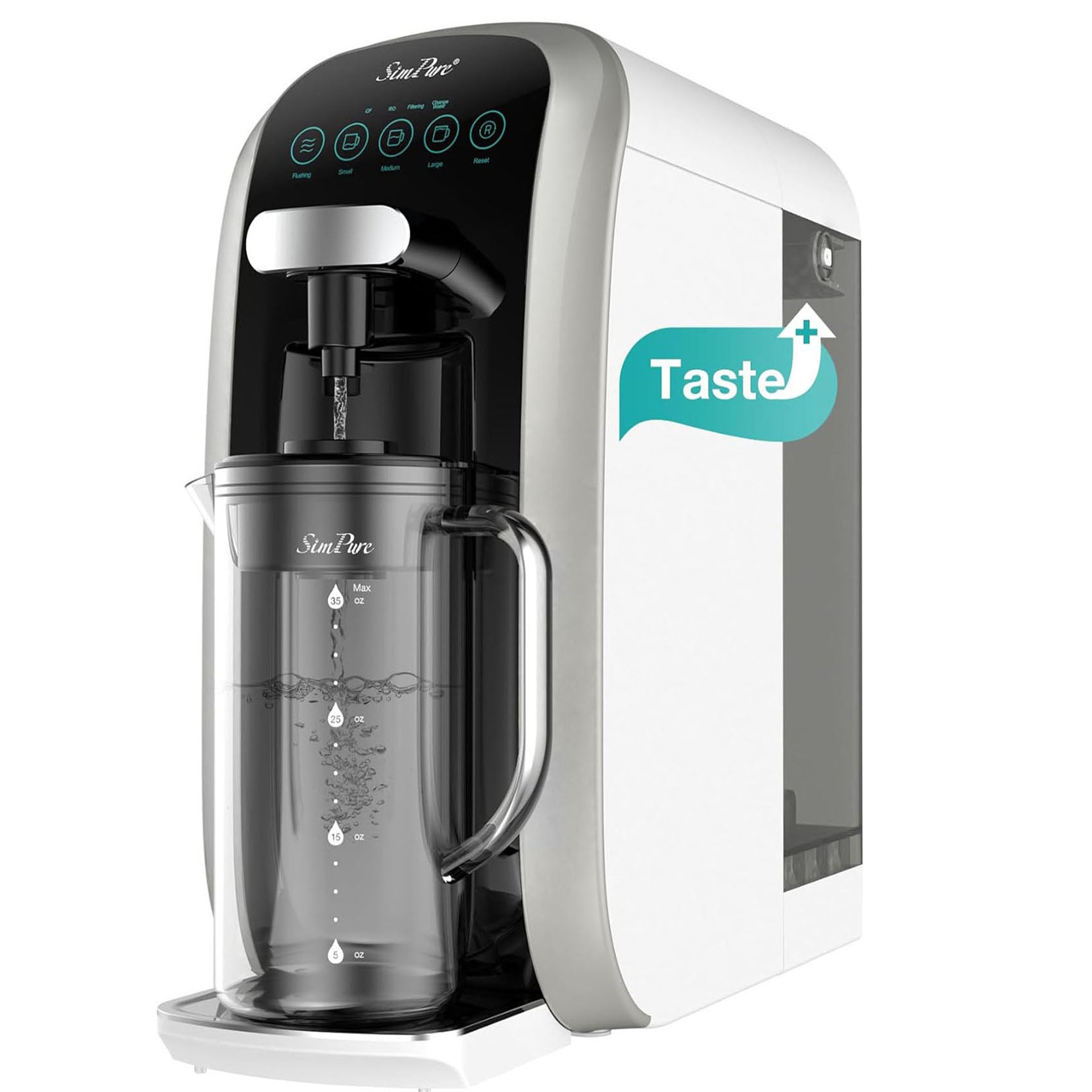
- Countertop Systems: The perfect solution for renters or those who want a plug-and-play experience. No drilling or plumbing is required, making them highly portable.
- Faucet-Mounted Filters: A low-cost, quick-install option for removing basic sediments and chlorine, though they offer less depth in filtration compared to RO.
3. Align with Household Usage Patterns
- Large Families: Look for systems with 400GPD to 800GPD (Gallons Per Day) to ensure high-flow access for multiple users without waiting.
- Specialty Beverage Lovers: If you frequently brew tea or coffee, consider a countertop system with instant heating to reach precise temperatures in seconds.
- Maintenance Preference: Check the filter life. Choosing systems with "twist-and-lock" long-life filters (12–24 months) reduces the frequency and hassle of maintenance.
5 Top-Rated SimPure Water Filters for Your Kitchen
Whether you need chilled hydration or high-capacity under-sink purification, SimPure offers engineered solutions for every kitchen workflow.
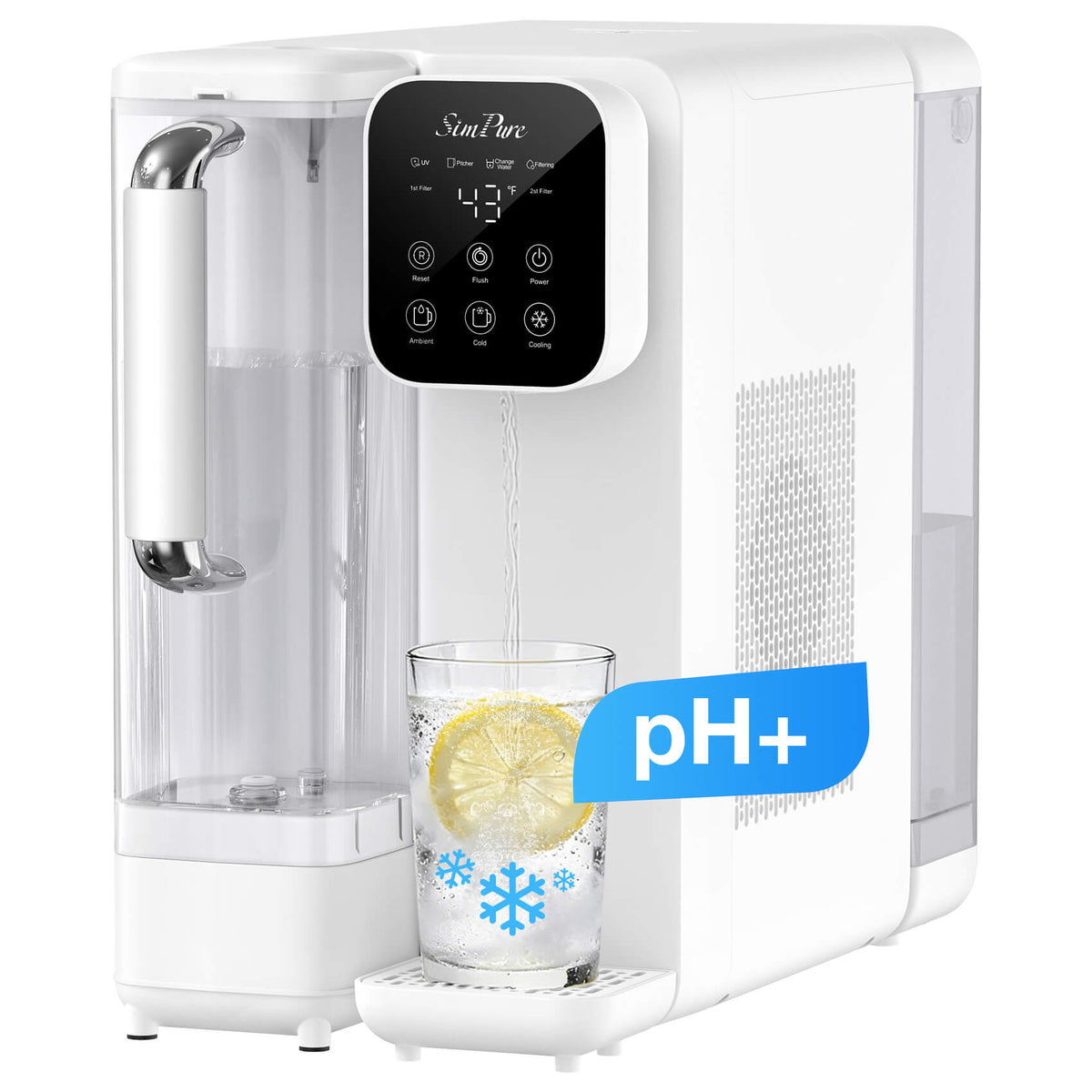
SimPure Y11C-A
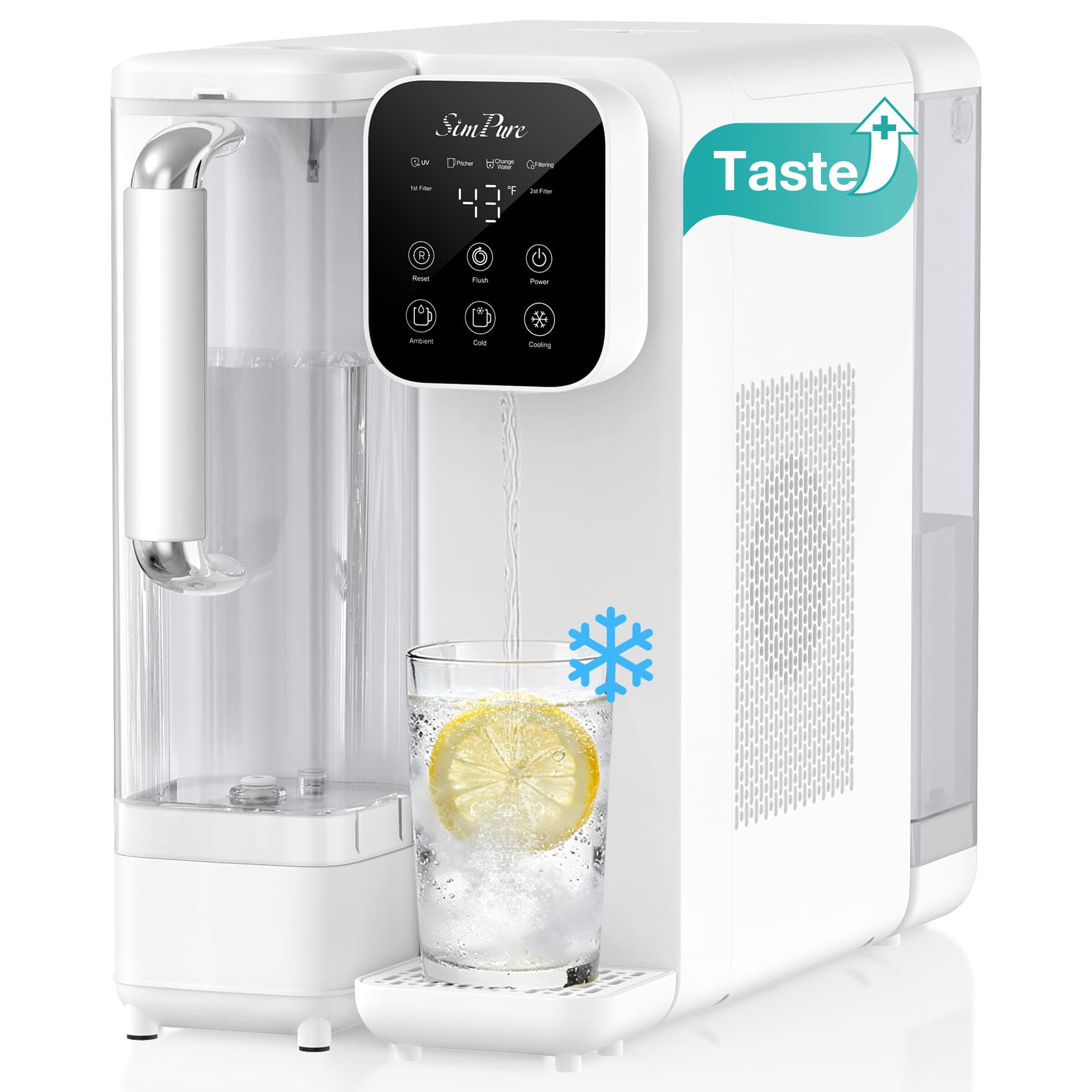
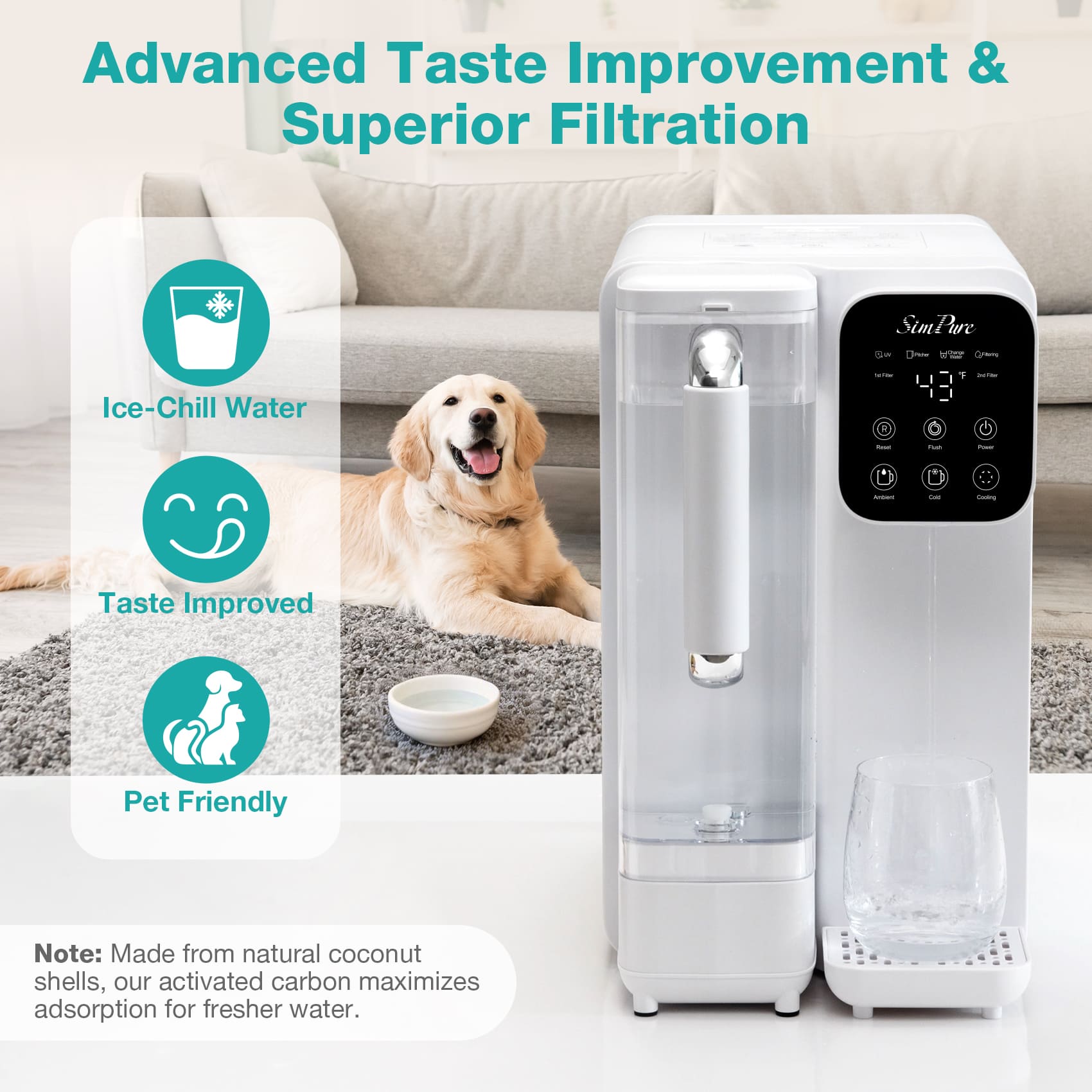
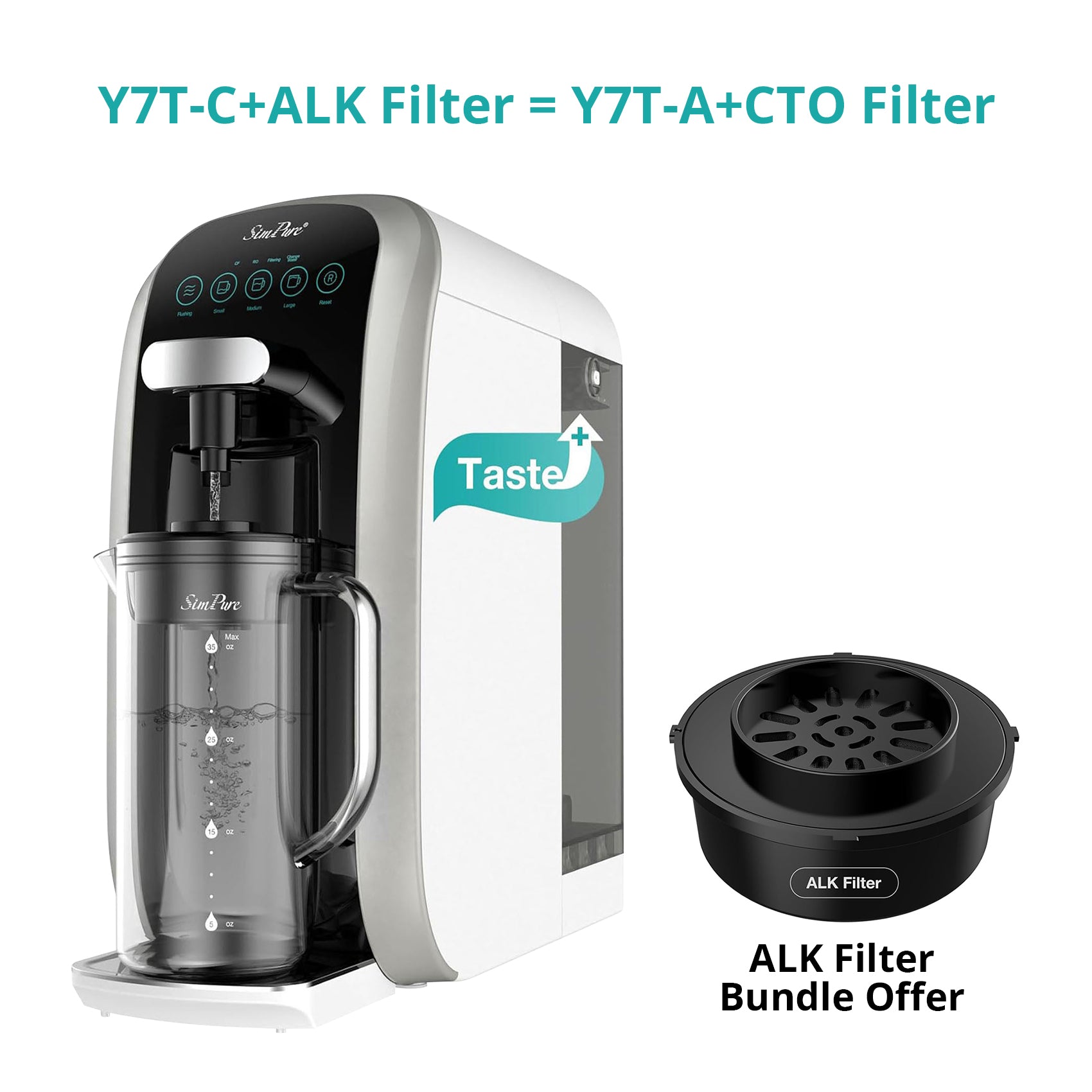
6-Stage Cold Countertop RO System. Features adjustable temperatures and an alkaline mineral formula with a portable pitcher design.
View Product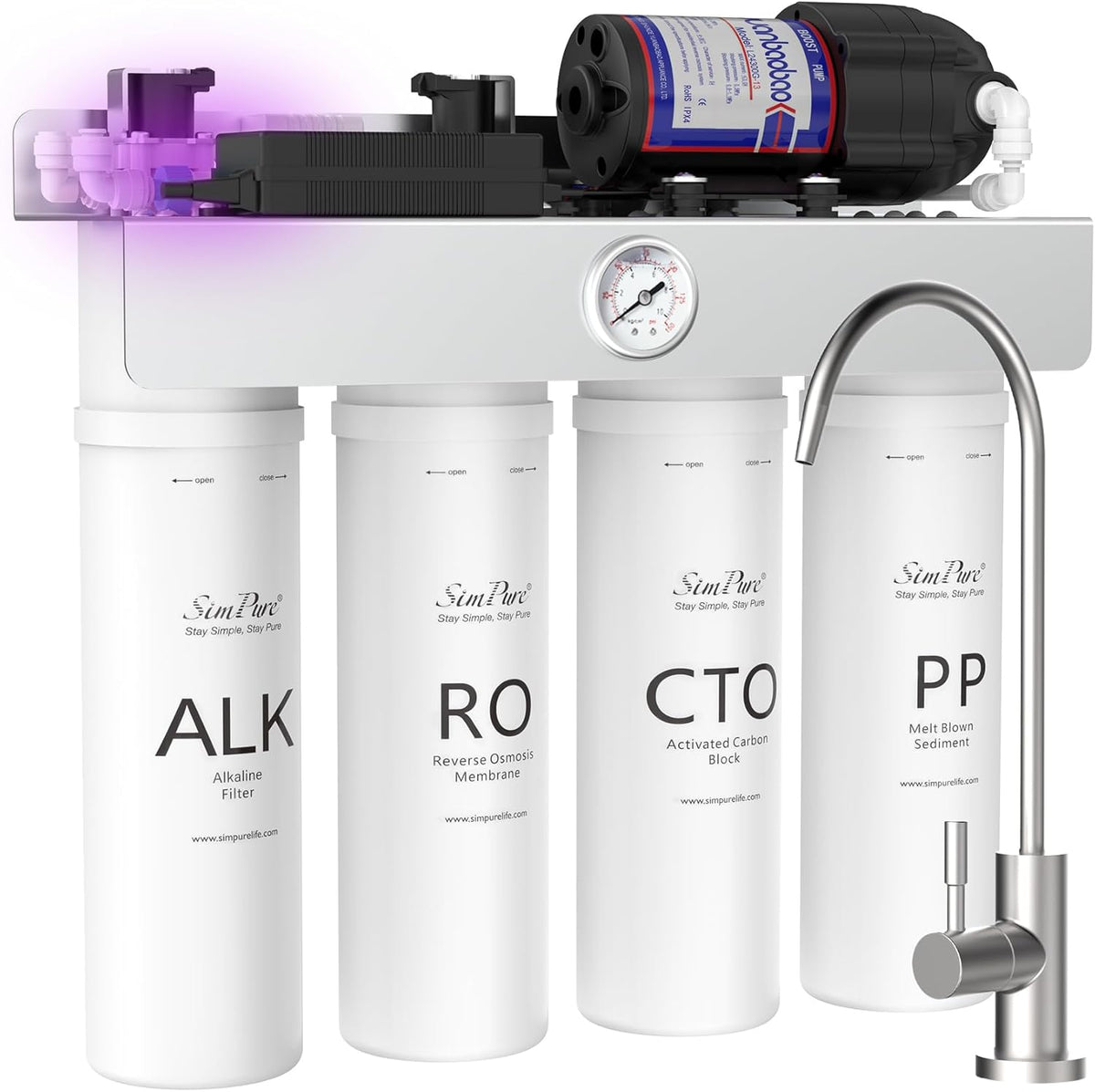
SimPure T1-400ALK
8-Stage Under-Sink Tankless RO System. Features remineralization for balanced alkalinity and 400GPD high-flow on demand.
View Product
SimPure T2-600A
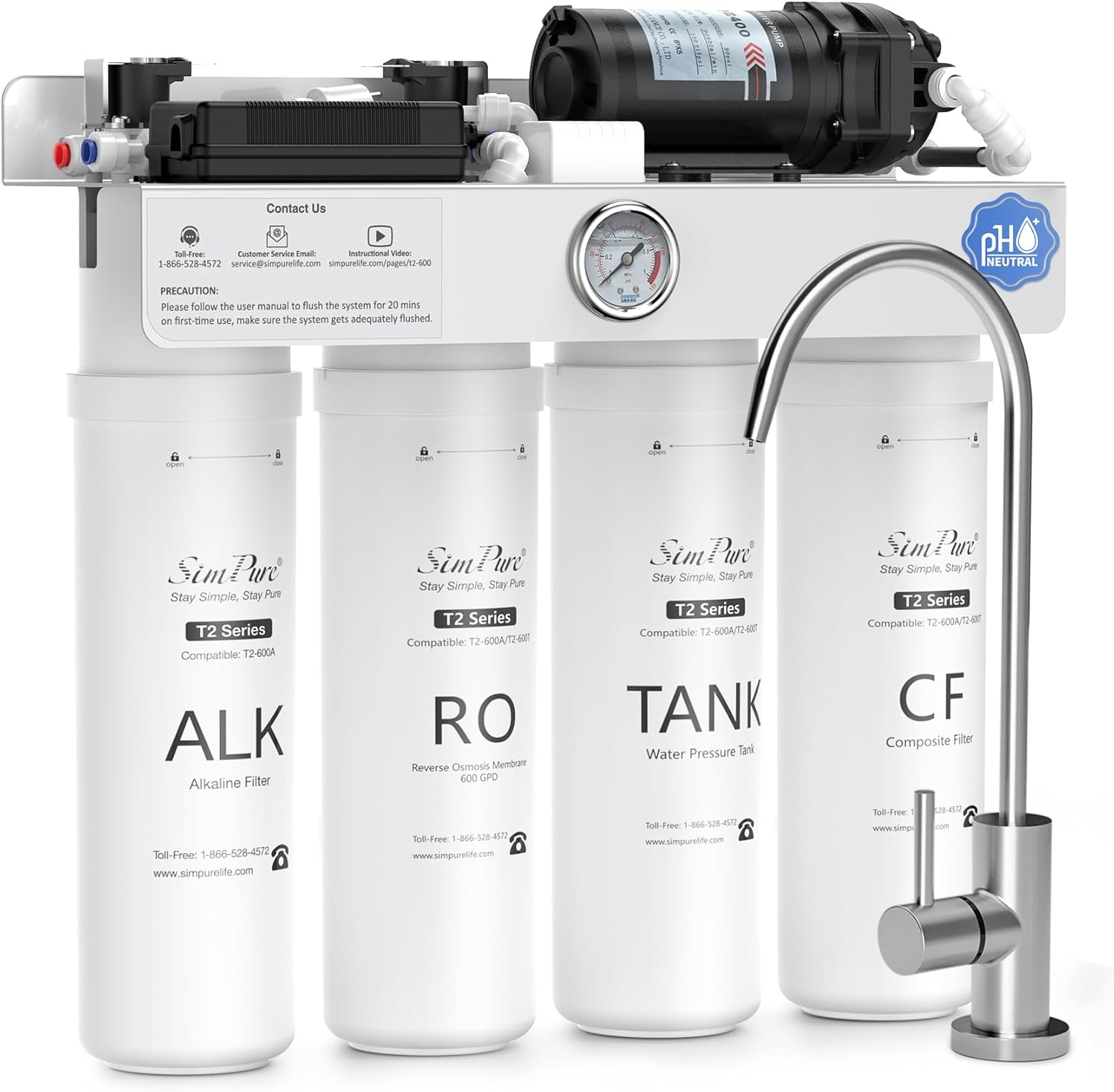
600GPD High-Flow Tankless System. Offers a highly efficient 2:1 waste ratio and fills a cup in just 10 seconds.
View Product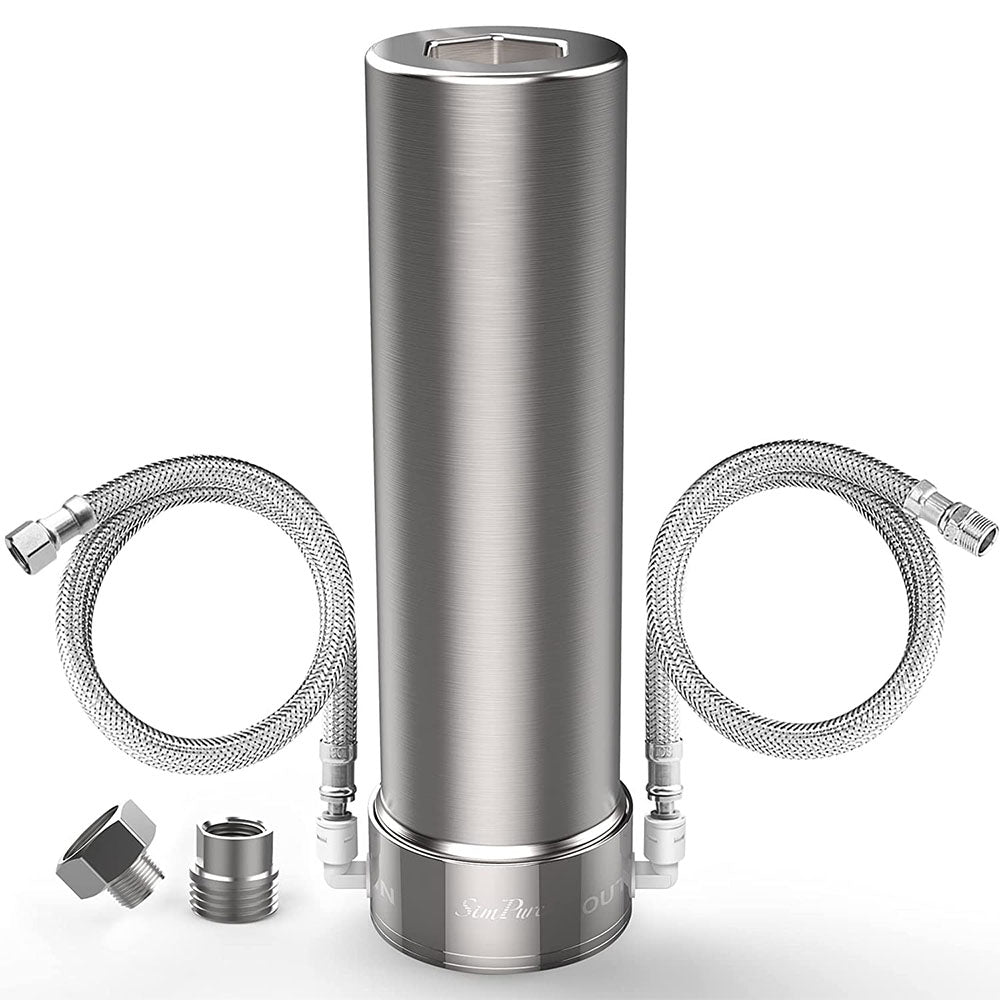
SimPure V7
5-Stage Direct Connect Under-Sink Filter. Features a 20,000-gallon filter life and a no-drill installation process.
View ProductExpert FAQ: Kitchen Filtration Guide
A: Yes. High-quality RO membranes with a 0.0001-micron rating are designed to intercept lead and PFAS to non-detectable levels. Read our detailed technical analysis here.
A: It represents efficiency. A 2:1 ratio (like in the T2-600A) means the system produces two cups of pure water for every one cup of waste, significantly reducing water consumption compared to traditional 1:1 units.
A: No. SimPure systems are engineered for DIY enthusiasts with quick-connect fittings. Under-sink models usually take 30 minutes, and countertop models are ready out of the box.