With water pollution incidents becoming more frequent, choosing the right water filter is no longer a luxury—it's a health necessity. While various technologies like ultrafiltration and microfiltration exist, the most common question remains: Does Reverse Osmosis remove heavy metals effectively? Let's dive into the science.
The Hidden Danger of Heavy Metals
Heavy metals (such as lead, mercury, cadmium, and arsenic) are particularly dangerous because they cannot be catabolized by the liver. Instead, they accumulate in the brain, kidneys, and other vital organs. Over time, these toxins can lead to gene mutations, organ failure, and even cancer.
The Verdict: Yes, RO Removes Heavy Metals
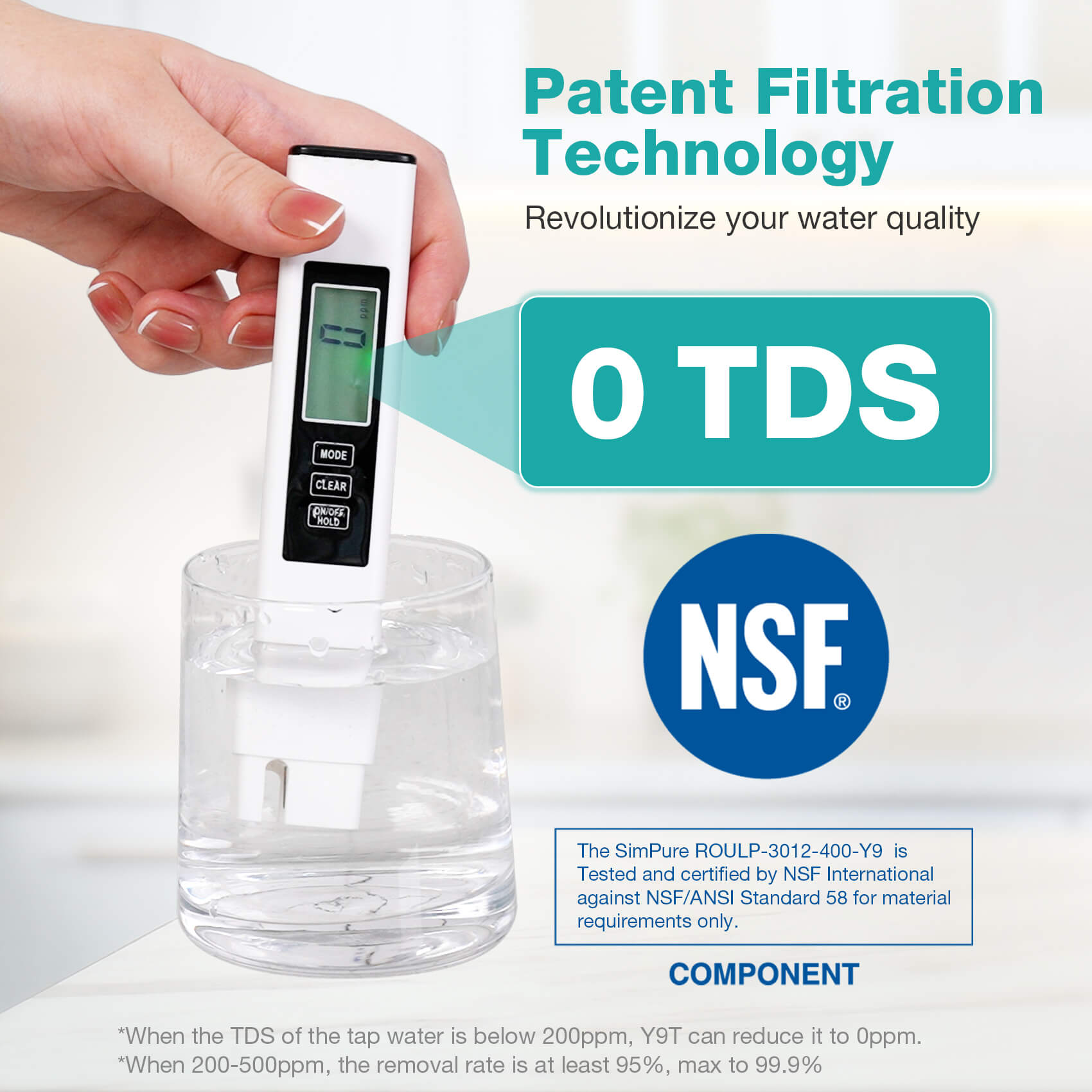
Reverse Osmosis (RO) is currently the most effective household technology for removing heavy metals. Why? Because the pore size of an RO membrane is incredibly small—approximately 0.0001 microns.
Under pressure, water molecules are forced through this semi-permeable membrane, while larger heavy metal ions, bacteria, and viruses are blocked and flushed away as concentrated water. This technology is so powerful it is used globally for seawater desalination and hospital-grade purification.
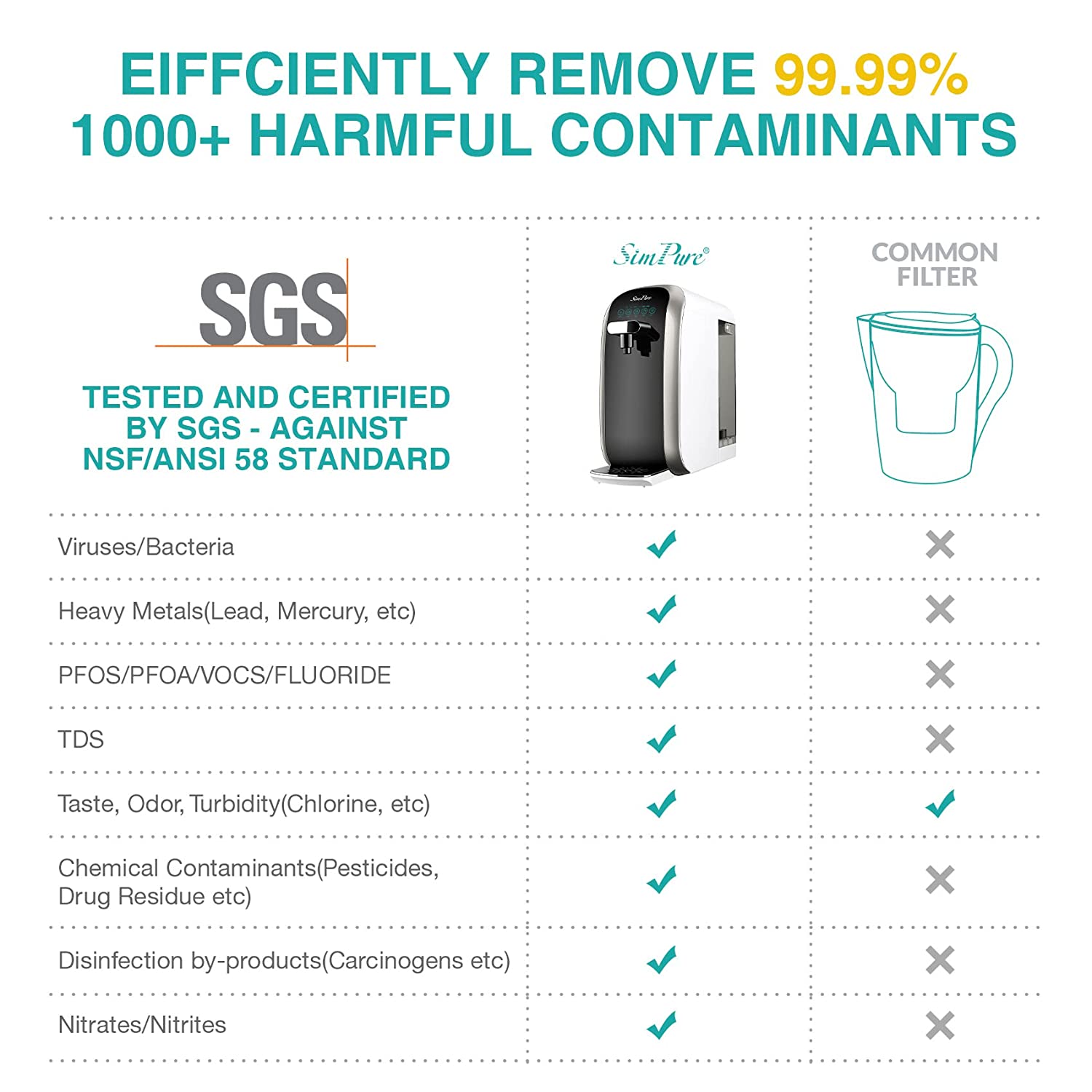
Filtration Comparison: RO vs. Others
To understand why RO is the "Best Pick" for heavy metals, compare its precision with other common filtration methods:
| Technology | Filtration Precision | Removes Heavy Metals? |
|---|---|---|
| Reverse Osmosis (RO) | 0.0001 Microns | ✅ Yes (Up to 99%) |
| Ultrafiltration (UF) | 0.01 Microns | ⚠️ Partial / No |
| Activated Carbon | Chemical Adsorption | ❌ No (Removes Odor/Chlorine only) |
The Role of Activated Carbon
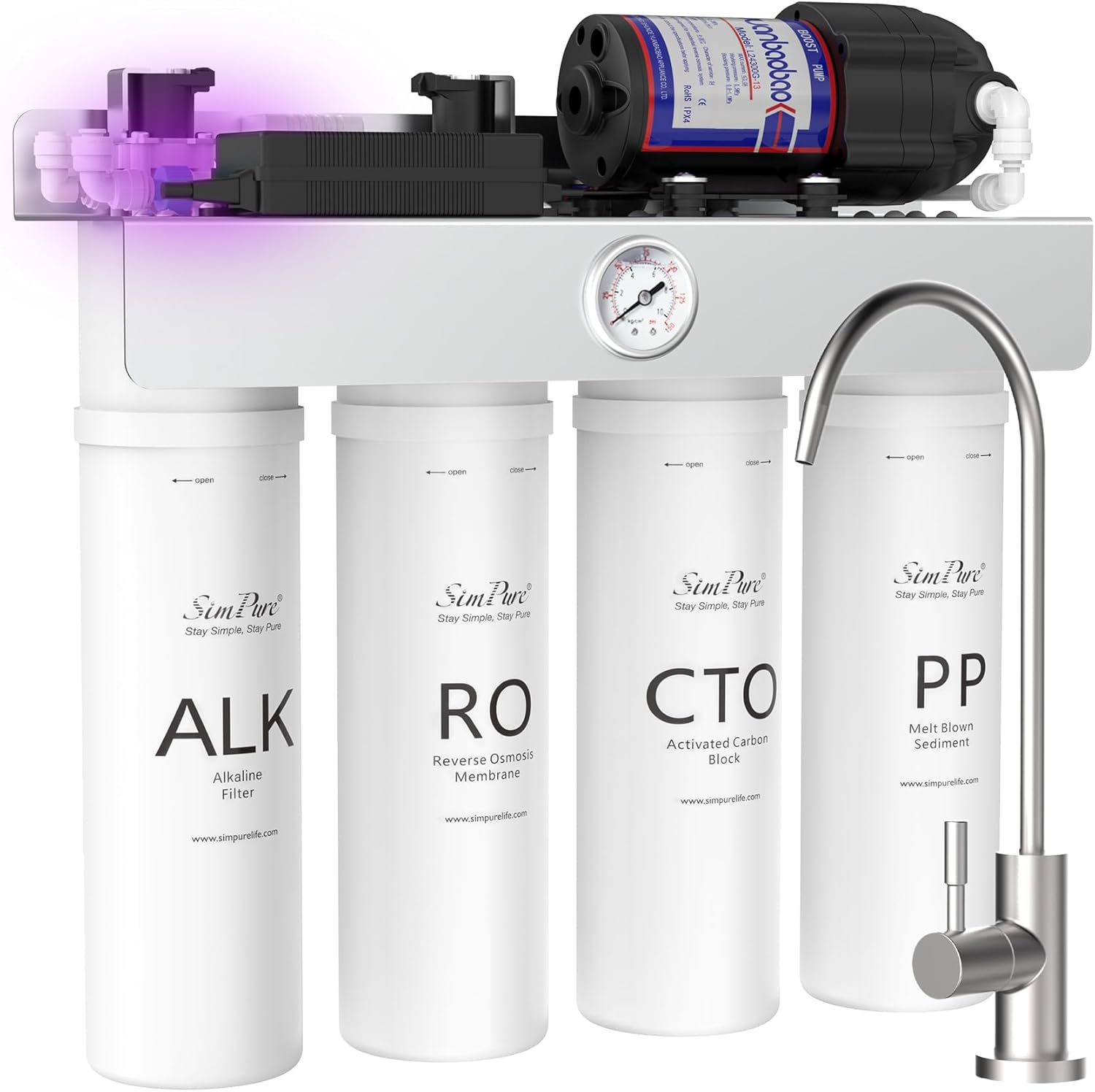
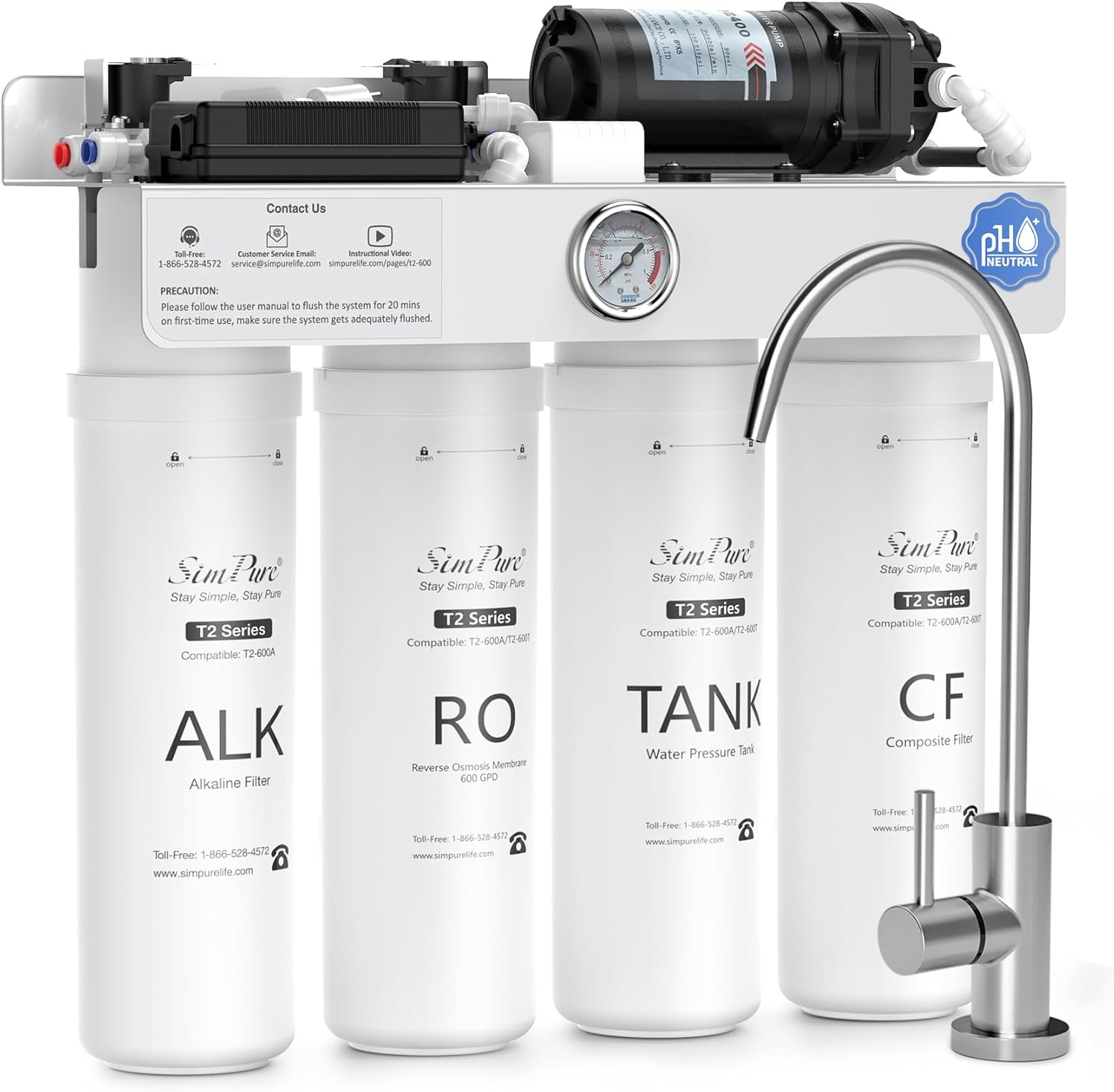
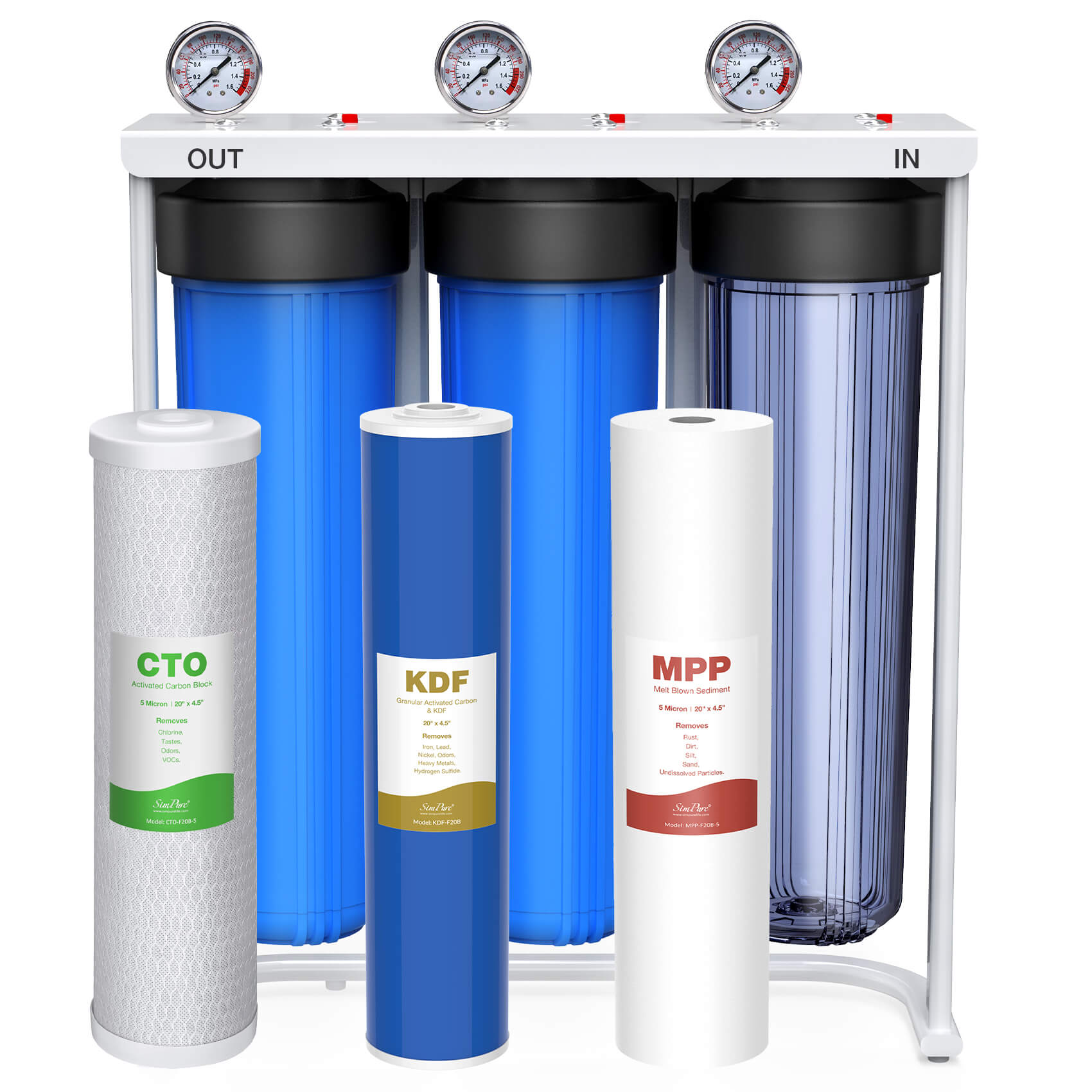
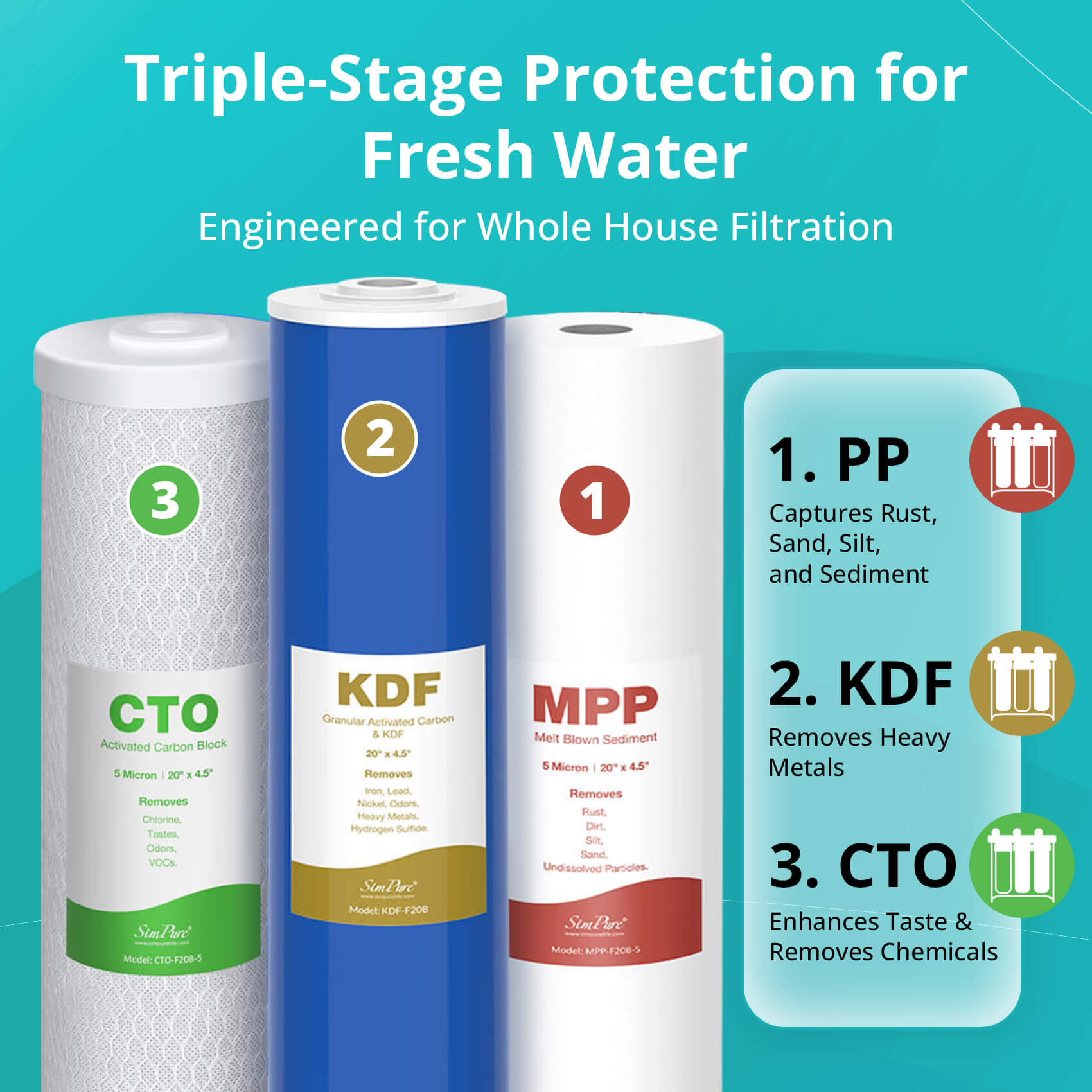
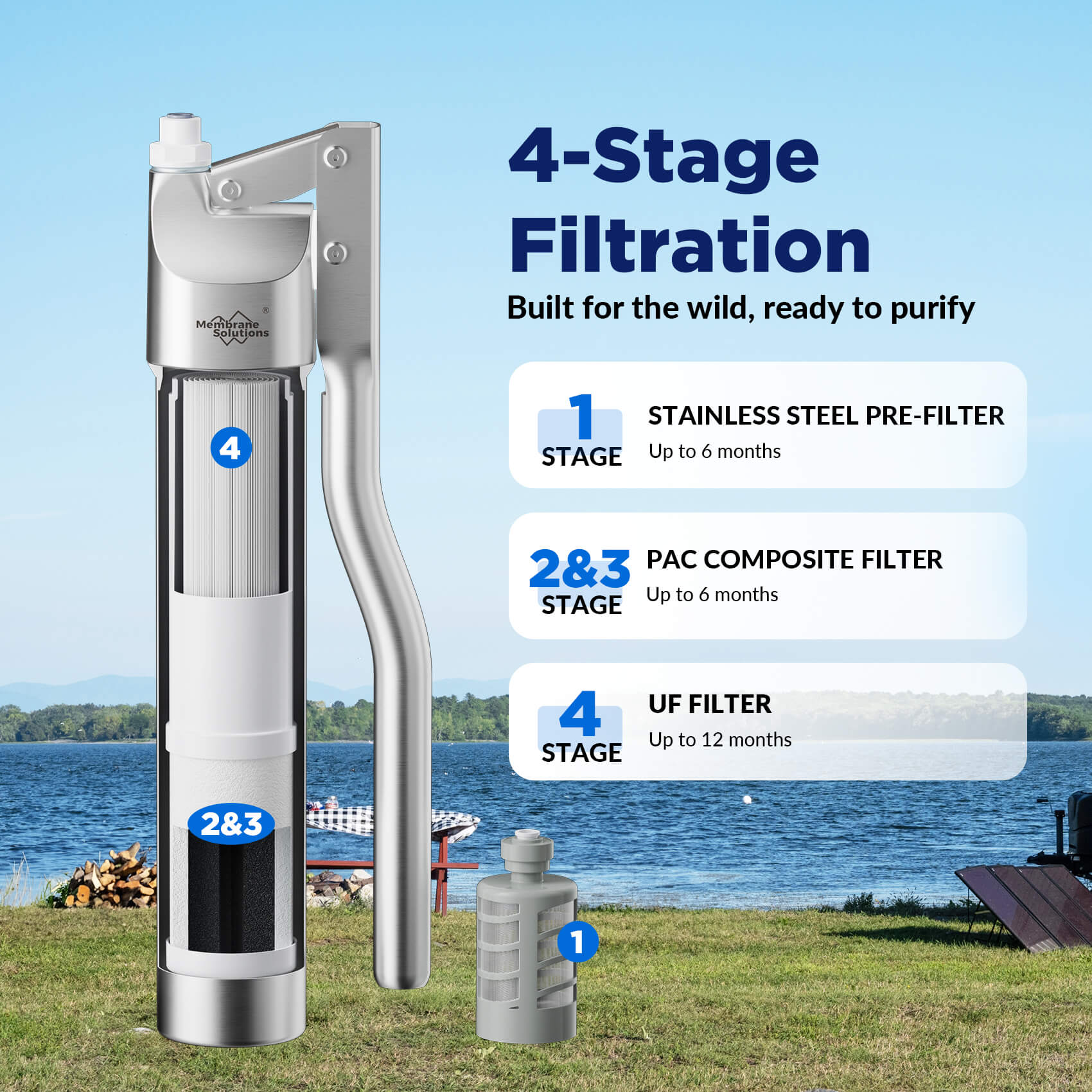
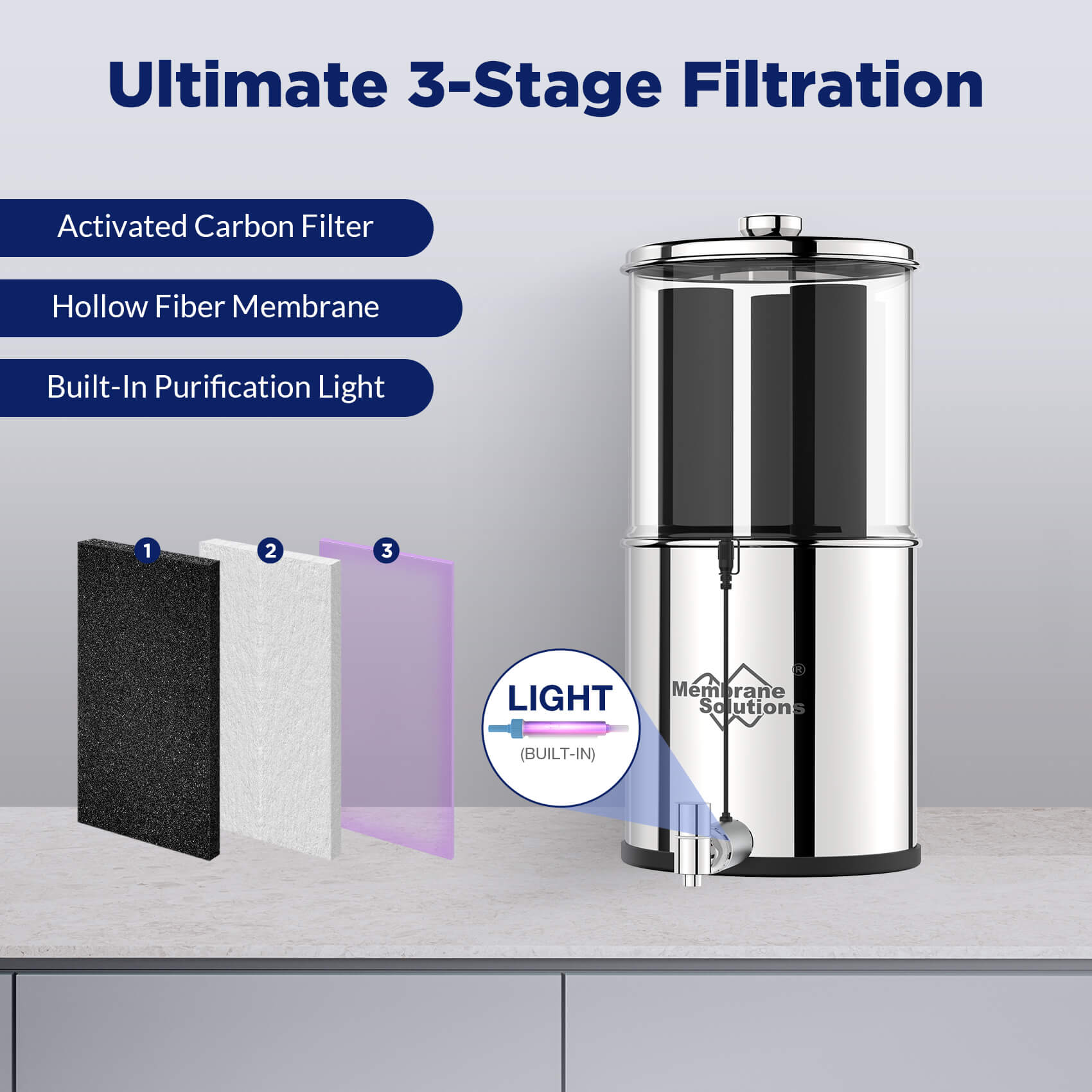
You may see "Activated Carbon" in many filters. While it is excellent at removing chlorine, bad tastes, and pesticides, it cannot effectively remove heavy metal ions on its own. However, when combined with Reverse Osmosis, it acts as a perfect pre-filter to protect the RO membrane and improve the final taste of the water.

FAQs: Heavy Metals & Water Filtration
Yes. RO systems are highly efficient at removing lead and arsenic. High-quality systems must meet standards requiring an arsenic removal rate of >80%, and most SimPure RO systems exceed this significantly.
Most standard pitcher filters use only activated carbon and will not remove dissolved heavy metals like lead. You need a multi-stage system that includes an RO membrane for true protection.
The "reject water" contains the concentrated contaminants (including the heavy metals) that were blocked by the membrane. While not suitable for drinking, it can be used for mopping floors or watering non-edible plants.
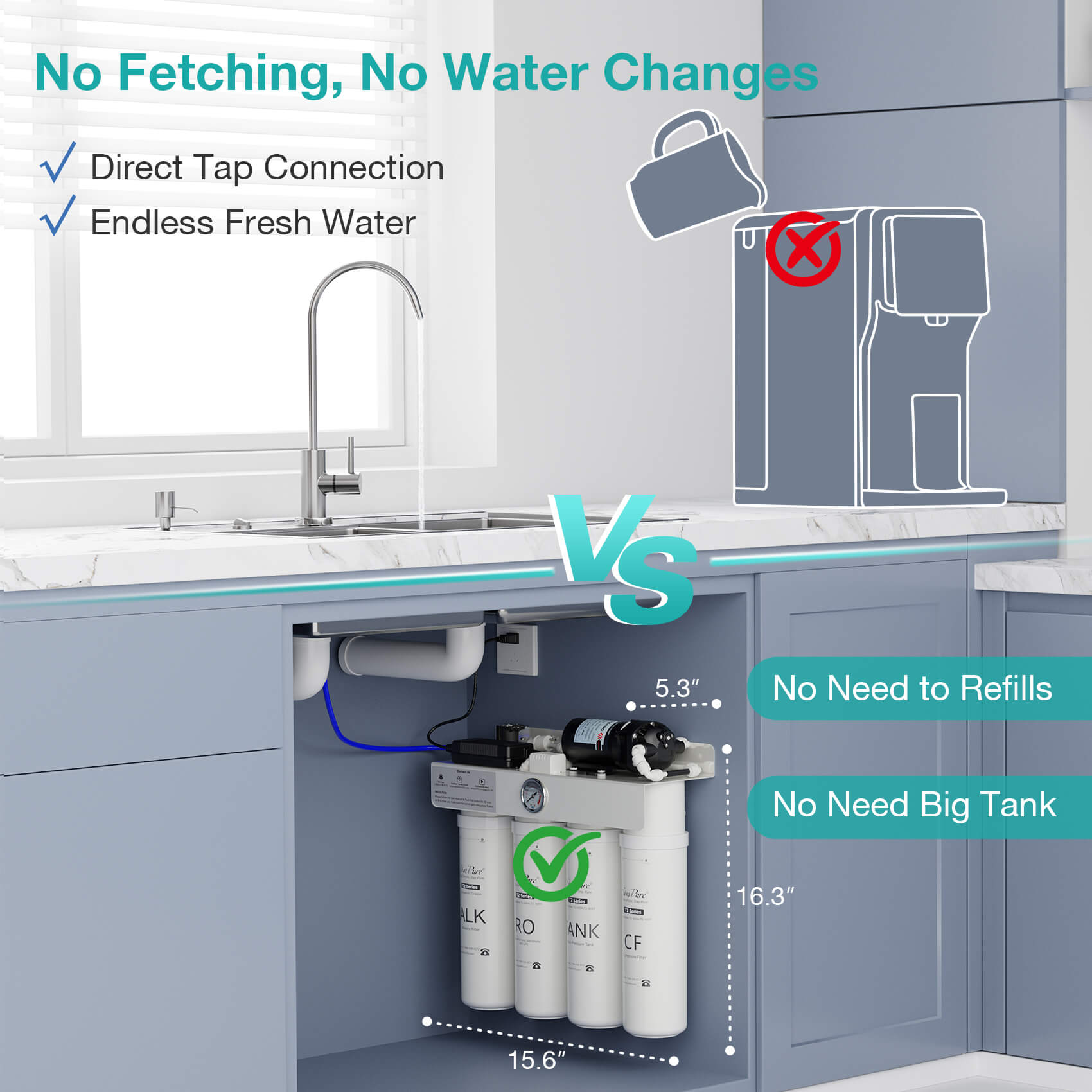
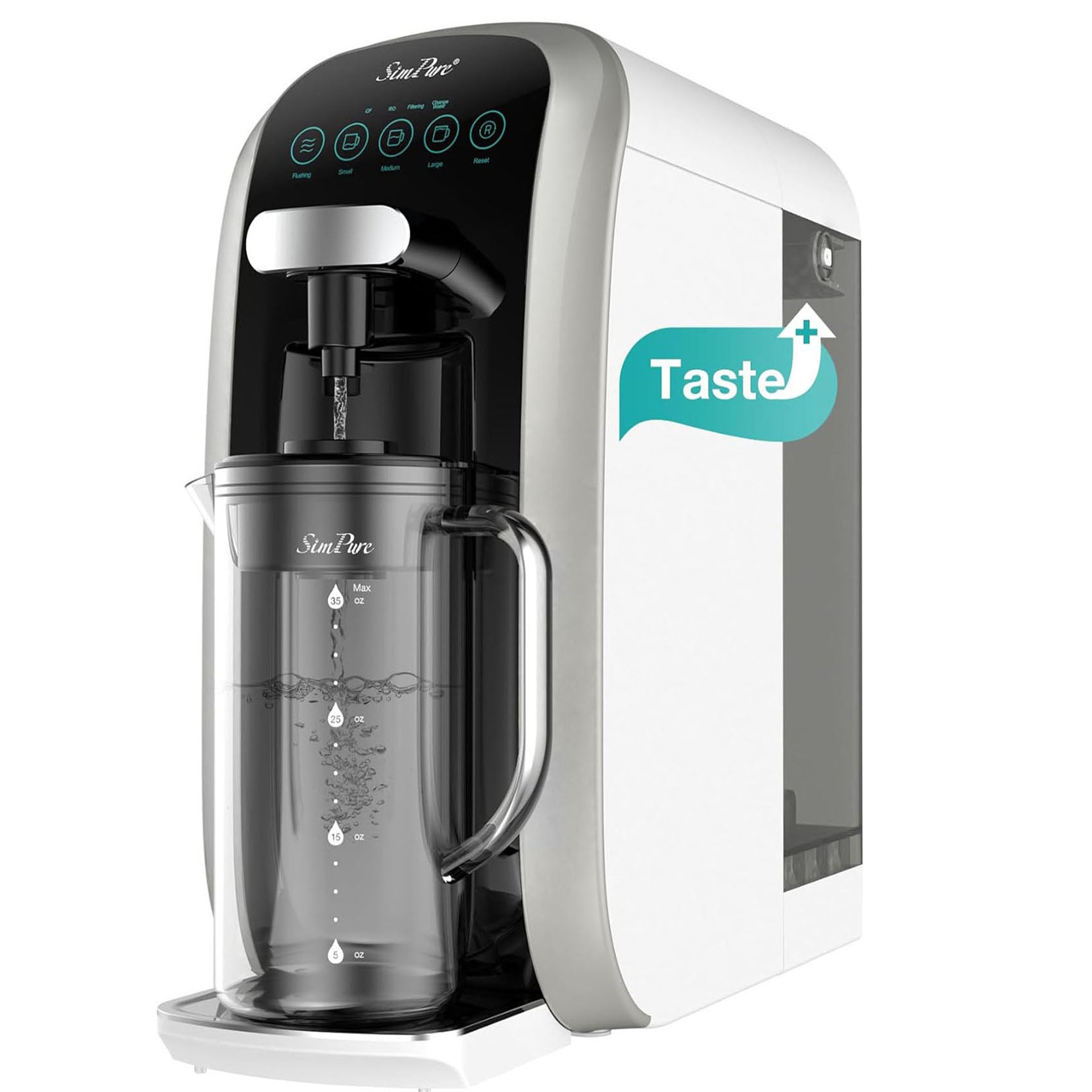
Ensure your family's safety with a stable and reliable RO system.
Explore SimPure RO Systems Now! →