
When you're miles into the backcountry and your water bottle runs dry, the sound of a rushing river can feel like a lifesaver. However, before you dip your cup, you must ask: Can you drink river water safely? Even the most clear-looking water can hide dangers that ruin a trip—or lead to serious health issues. In this 2026 guide, we explore why natural water requires treatment and the most reliable ways to stay hydrated.
Is It Safe to Drink River Water, Lake Water, or Stream Water?
In short: No, it is generally unsafe to drink untreated water from any natural source. Even if the water looks crystal clear, it is often teeming with invisible contaminants that pose severe health risks. To understand why, we have to look beyond what we can see:
1. Microorganisms (Biological Hazards)
The most common threats in the wild are microscopic parasites like Giardia (often called "Beaver Fever") and Cryptosporidium. These are typically introduced through animal feces. Because these organisms form protective shells known as cysts, they are highly resistant to cold and chemical treatments like chlorine, allowing them to survive for weeks in even the most pristine-looking mountain streams.
2. Bacteria (Bacterial Pathogens)
Natural water bodies serve as breeding grounds for harmful bacteria such as E. coli, Salmonella, and Campylobacter. While some bacteria occur naturally in the ecosystem, most dangerous strains are introduced via wildlife activity or upstream agricultural runoff. Bacterial infections often cause rapid-onset symptoms of severe food poisoning.
3. Environmental Runoff & Chemical Pollutants
This is a hidden danger that boiling alone cannot fix. As rainwater flows over the terrain, it picks up pesticides from farms, petroleum from roads, and industrial chemicals from distant commercial sites. Heat treatment does not remove these inorganic chemicals—only high-quality filtration can reduce these risks.
River vs. Lake vs. Stream: Which Water is Riskier?
While all natural water carries risks, the environment and movement of the water play a massive role in what kind of contaminants you're likely to face. The safety of a water source isn't just about its clarity—it's about the surrounding ecosystem. Different water sources present unique challenges for filtration:
- Rivers (Flowing Water): Flowing water is usually better oxygenated, but its quality depends on what is happening upstream. Even if your campsite looks clean, there could be a farm or a road a few miles up the river. The current brings those contaminants directly to you.
- Lakes (Still Water): Because lake water doesn't flow, it tends to collect and hold onto everything that washes into it. In the summer, the sun can warm the water and cause algae blooms. Some of these algae produce toxins that stay in the water even after it is boiled.
- Streams (Mountain Water): Many people assume high-altitude streams are as pure as bottled water. However, wildlife live near these water sources and can pass parasites like Giardia into even the clearest, coldest stream.
When it comes to which one is the riskiest: Lakes and stagnant ponds are generally the riskiest. Because the water doesn't move, bacteria and algae can thrive, and pollutants have nowhere to go. While large rivers carry more industrial waste and mountain streams can still have parasites, the "stillness" of lake water makes it a breeding ground for the widest range of invisible dangers.
How to Make River Water Drinkable: 4 Proven Methods
Understanding the risks is one thing, but knowing how to handle them in the wild is what keeps you safe. Depending on your gear and how much time you have, here are four main ways to turn raw river water into something safe to drink. Here is how they compare:
1. Boiling
Effective Against: Bacteria, Viruses, Protozoa
Practicality: Reliable but slow; requires fuel and a heat source.
Keep in Mind: It is the most reliable way to kill everything biological, but it’s time-consuming. You have to wait for the water to cool down and it uses up cooking fuel.
2. 0.1 Micron Filtration (Top Choice)
Effective Against: Bacteria, Protozoa, Microplastics
Practicality: Instant hydration; lightweight and convenient.
Keep in Mind: This is best for active hikers because it's instant. You can drink directly from the source or fill a bottle and go.
3. UV Purification
Effective Against: Bacteria, Viruses, DNA
Practicality: Fast; requires clear water and a power source.
Keep in Mind: Very effective but only works if the water is clear. Muddy or cloudy water blocks the UV light from reaching the bacteria.
4. Chemical Tablets
Effective Against: Bacteria, Most Viruses
Practicality: Emergency backup only; leaves a chemical taste.
Keep in Mind: Great for emergency kits because they weigh nothing. But they take about 30 minutes to work and often leave a pool-water taste.
Top-Rated Outdoor Water Purification Gear
To make water treatment as simple as possible, it helps to have gear that is proven to work. Membrane Solutions has become a go-to brand for outdoor enthusiasts because of their high-precision filtration and durable designs. Here are 2 top-rated tools we recommend:

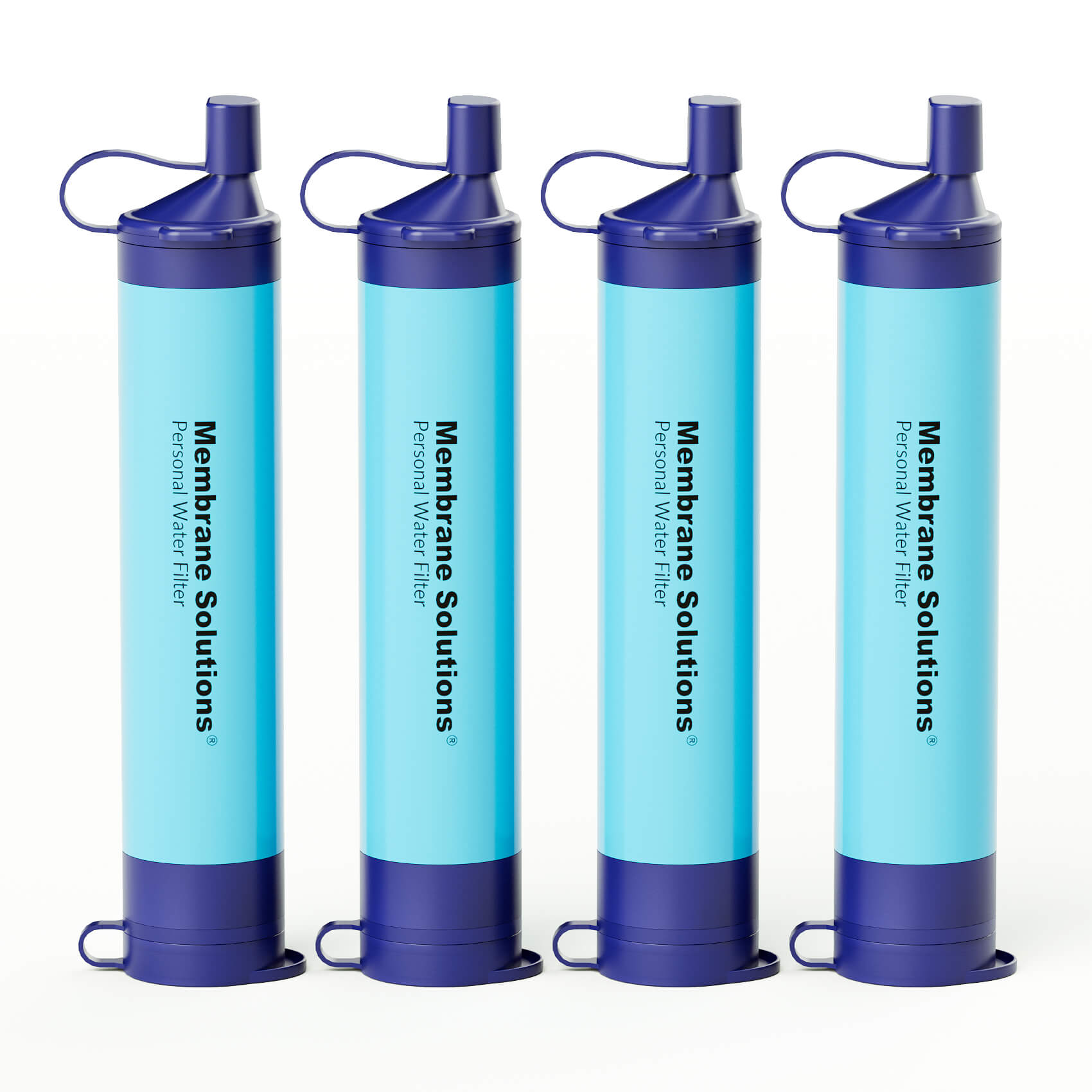
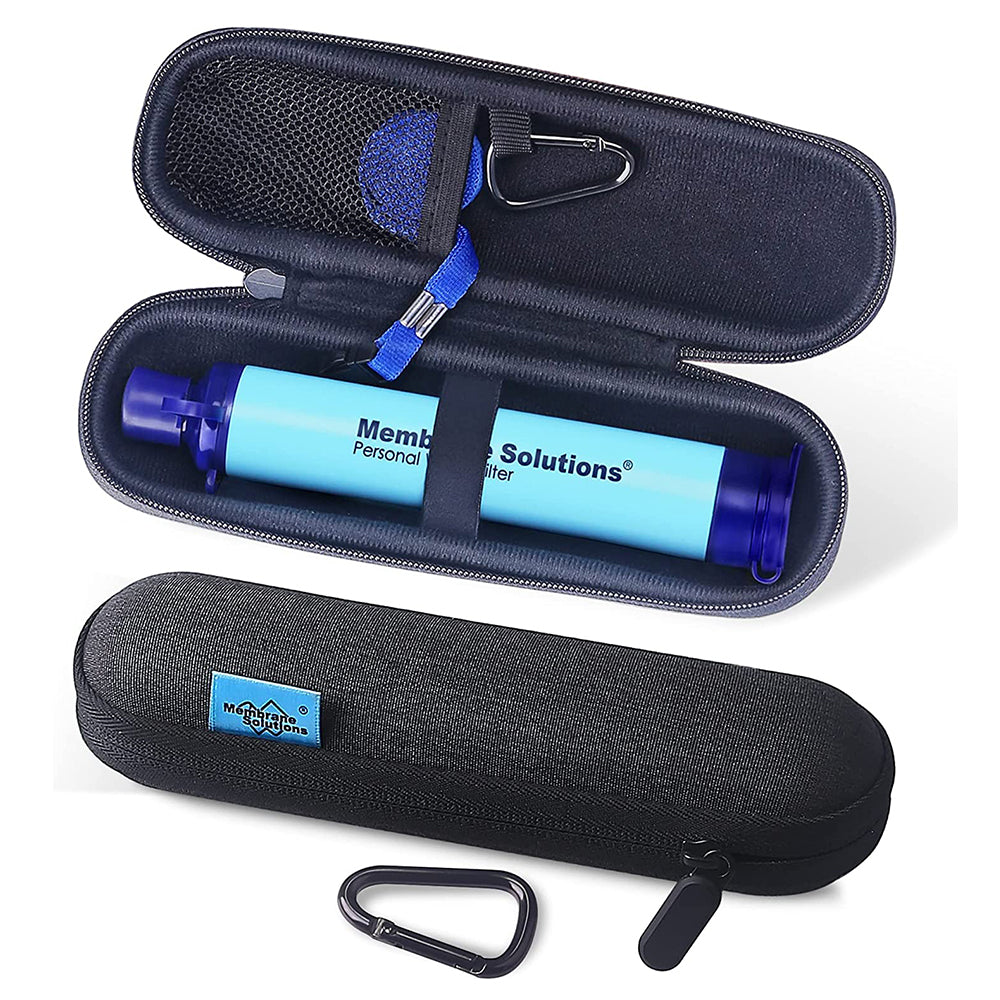
Membrane Solutions Personal Straw Filter
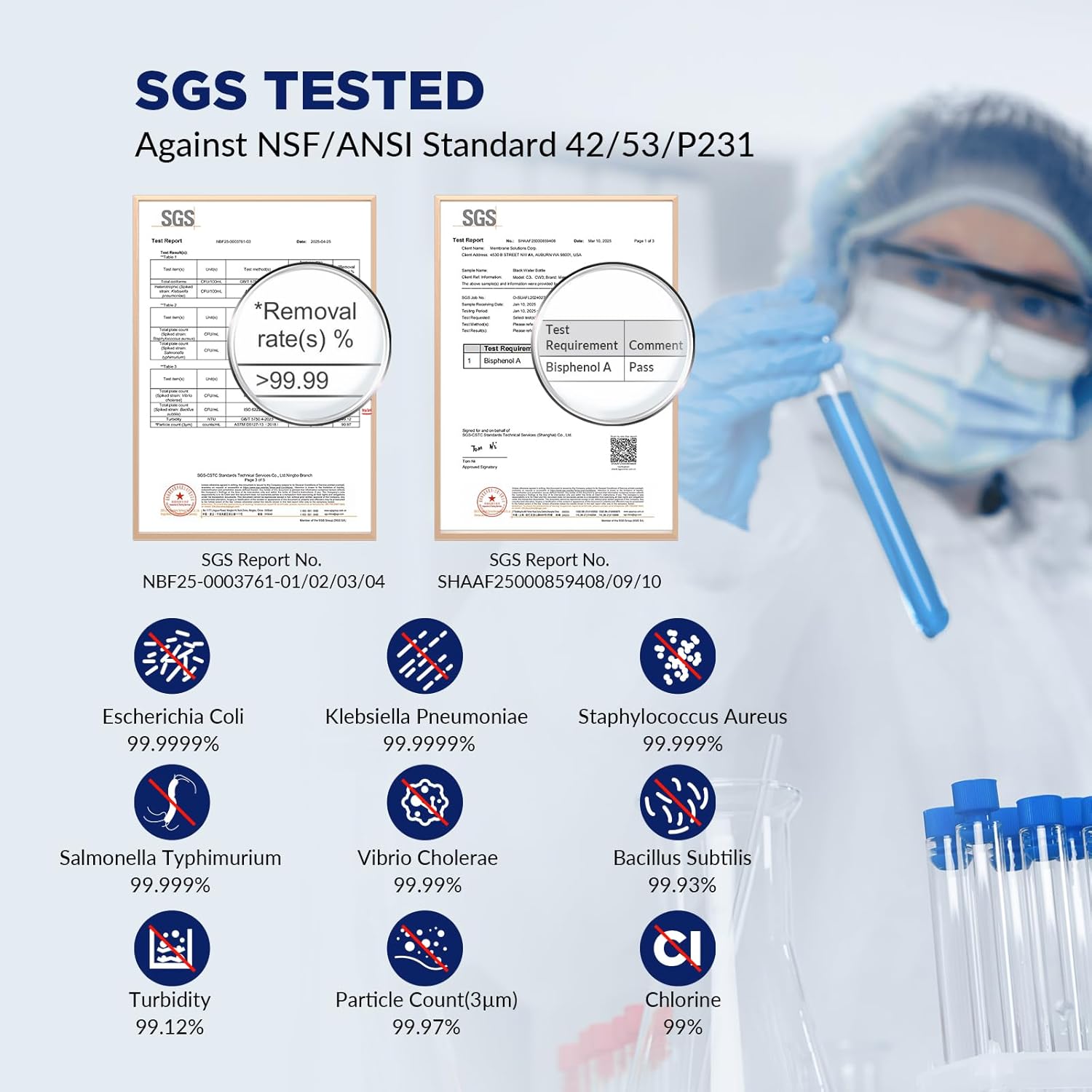
Perfect for drinking directly from streams or rivers during a hike. This NSF & SGS tested 0.1-micron filter removes 99.99999% of impurities. It is ultra-lightweight, durable, and fits easily into any pocket or emergency kit.
Shop Personal Straw →
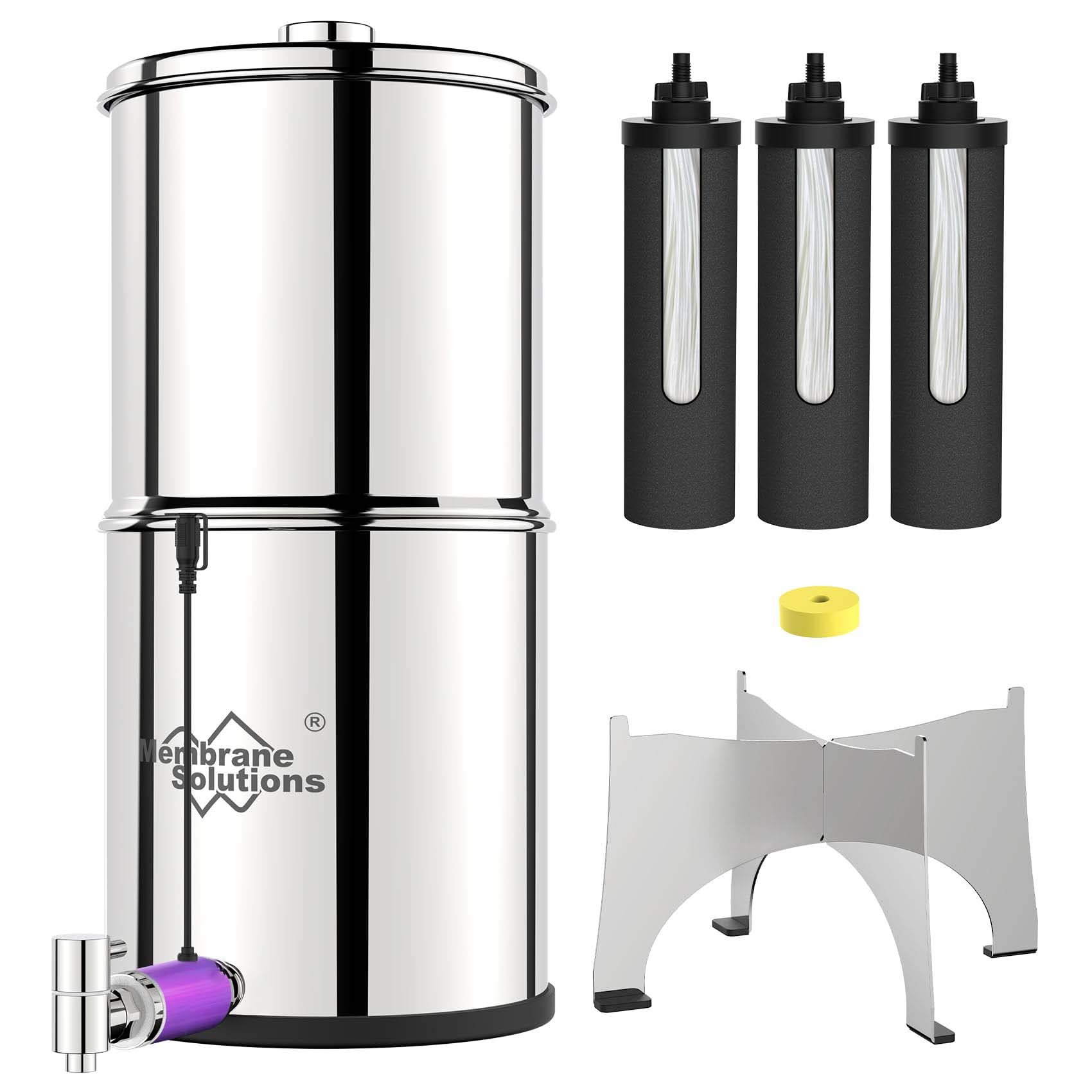
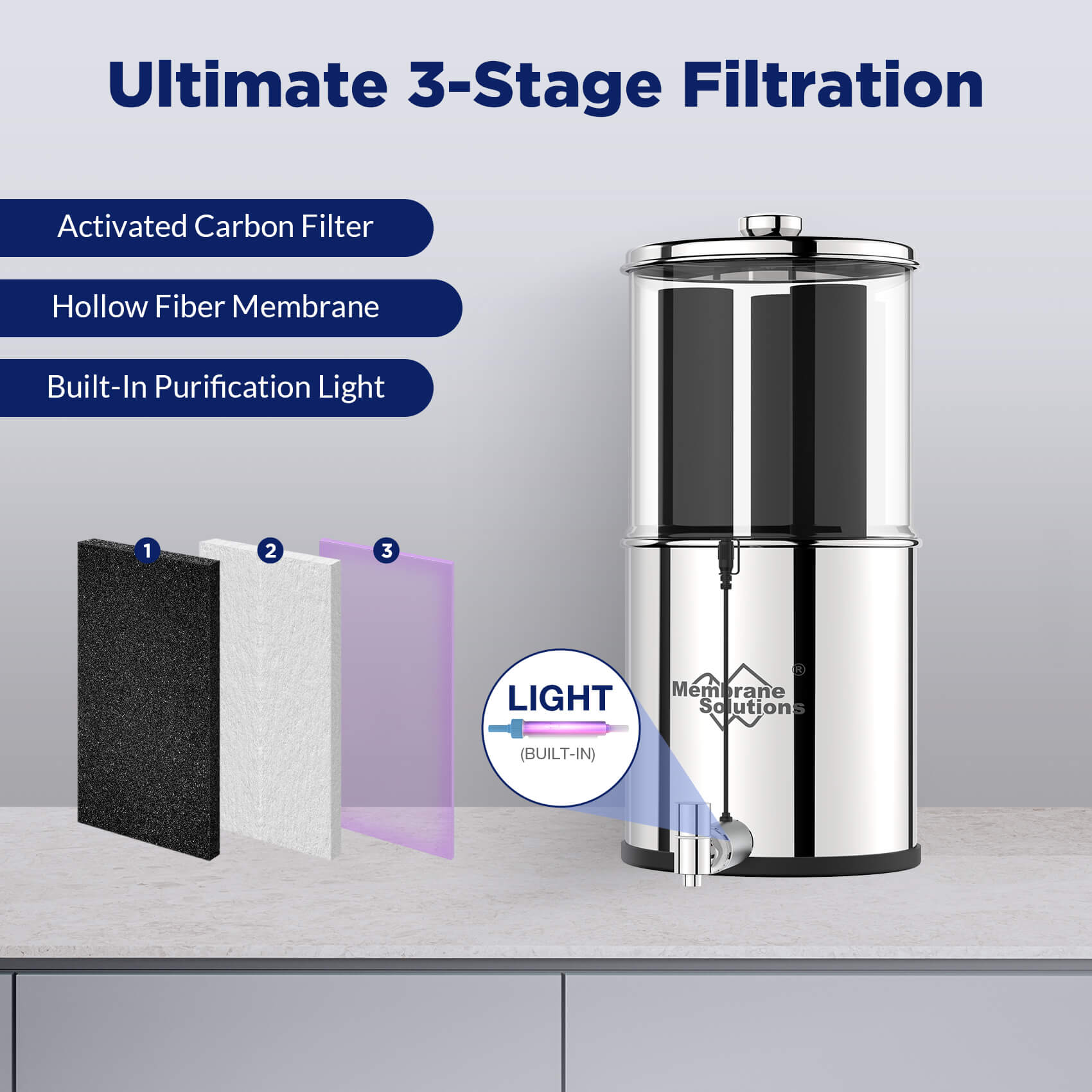
U3P 2.25-Gallon Stainless Steel Gravity System
High-volume hydration for river-side camping. Delivering 1.5x faster flow with a smart Purification Light faucet to monitor status. A rugged SUS304 stainless steel essential for turning wild water into clear refreshment.
Shop Gravity System →Frequently Asked Questions
A: No. Boiling only kills biological organisms. It will not remove chemicals, pesticides, or heavy metals. For these, you need a filter with activated carbon or a high-precision RO system.
A: Even "pristine" mountain streams can carry Giardia from animal feces. We always recommend using a filter straw or boiling the water first.
A: Monitor your health closely. Most waterborne illnesses take a few days to manifest. If you experience severe symptoms, consult a medical professional immediately.
Conclusion
Exploration shouldn't come at the cost of your health. While natural water sources are beautiful to look at, they are rarely safe to drink without help. By carrying a reliable outdoor water filter, you turn every river and stream into a safe hydration station. Stay hydrated and enjoy your next adventure!
View All Survival GearRelated Posts
- • Top Outdoor Portable Water Filters: Which One is Right for You?
- • Essential Water Filters for Emergency Preparedness & Survival
- • How to Choose a Travel Water Filter for International Trips
- • The Ultimate Review of Best RV Water Filters for 2026
- • How Much Does a Litre of Water Weigh? Why It Matters for Hikers