
Discovering sediment in your well water can be a frustrating surprise, leaving you wondering about its origins and how to address the issue. In this guide, we delve into the common causes behind sediment buildup in well water across the United States. From geological factors to human activities, we explore why sediment finds its way into your water supply. But worry not! We provide practical solutions too, from simple maintenance tips to advanced filtration systems, ensuring your well water flows clear and clean.
Quick Diagnosis: What Does Your Sediment Mean?
| Sediment Appearance | Potential Origin/Cause |
|---|---|
| Coarse Sand / Grit | Well screen failure or Aquifer depletion |
| Fine Silt / Muddy | Heavy rainfall or Nearby construction runoff |
| Red / Orange Flakes | Geological minerals (Iron) or Pipe corrosion |
Here we will start with the 7 specific causes for why is there sediment in my well water:
1. Geological Formations Leach Minerals Into Groundwater.
In many regions of the United States, geological formations contain various minerals, such as iron, manganese, and calcium carbonate. Over time, these minerals dissolve into the groundwater due to natural processes like weathering and erosion. When groundwater is pumped from wells, it carries these dissolved minerals along with it. However, once the water reaches the surface or encounters changes in pressure or temperature, it can no longer hold onto these minerals in the same quantities, leading to their precipitation and the formation of sediment. This sediment can accumulate in well casings, pipes, and filtration systems, resulting in cloudy or discolored water.
2. Aging Infrastructure Disturbs Sediment Buildup in Pipes.
The aging infrastructure across the USA's water distribution systems poses a significant challenge. Over time, pipes degrade due to corrosion, rust, and mineral deposits. As these pipes deteriorate, they become prone to cracks and leaks. Consequently, sediment from the surrounding soil can seep into the water supply, especially during periods of high pressure or flow. This sediment then accumulates within the pipes, eventually reaching individual wells connected to the system. Residents may notice sediment particles in their well water, leading to concerns about water quality and safety.
3. Heavy Rainfall Increases Runoff, Carrying Sediment Into Wells.
During heavy rainfall, the ground becomes saturated, leading to increased runoff. As water flows over the land, it picks up sediment, including soil particles, debris, and contaminants from various sources such as agricultural fields, construction sites, and roads. This sediment-laden runoff then makes its way into nearby wells, especially if the well is shallow or located in an area prone to flooding. Once in the well, the sediment settles at the bottom, causing it to become murky and affecting the water's quality.
4. Agricultural Activities Introduce Soil Erosion Contaminants.
Agricultural activities such as tilling, planting, and irrigation can disturb the soil, leading to erosion. When soil erosion occurs, it often carries with it various contaminants such as fertilizers, pesticides, and animal waste. These contaminants, along with the eroded soil particles, can be washed into nearby water sources, including groundwater reservoirs accessed by wells. In regions where agriculture is prevalent, this process can significantly contribute to sediment buildup in well water.
5. Nearby Construction Disturbs Soil, Leading to Sediment Runoff.
Construction activities near your property can disturb the soil in several ways, contributing to sediment runoff and potential contamination of your well water. Heavy machinery used in construction can compact soil, reducing its ability to absorb water and increasing surface runoff. Excavation work can expose previously undisturbed soil layers, allowing sediment to wash into nearby water sources during rain events. Furthermore, inadequate erosion control measures such as silt fences or sediment traps can fail to contain sediment on the construction site, allowing it to be carried by runoff into groundwater sources like wells.
6. Well Casing Deterioration Allows Sediment Infiltration.
Well-casing deterioration refers to the gradual degradation of the protective lining surrounding a well, which can result from factors such as age, chemical exposure, or mechanical wear. When the casing deteriorates, it becomes susceptible to damage, including cracks, fractures, or corrosion-induced perforations. These openings provide pathways for sediment-laden water from surrounding layers to enter the well, compromising the water quality.
7. Aquifer Depletion Increases Sediment Concentration in Remaining Water.
As aquifers are depleted, the water level drops, exposing more of the sediment-laden layers at the bottom of the aquifer to pumping. This sediment, composed of fine particles like sand, silt, and clay, gets stirred up and enters the water pumped from the well. With less water available in the aquifer, the velocity of groundwater flow increases, further agitating the sediment and allowing it to be transported more easily into the well.
How to Solve Sediment in My Well Water?
After learning the reasons causing sediment in well water, we will explore the comprehensive solution for you to solve this annoying problem:
1. Install Sediment Filters at Well Entry Points.
This initial step involves placing a whole house pre-filters at the entry points of your well system. These whole house pre-filters for well water are designed to capture sediment particles before they enter the well, thus preventing them from contaminating your water supply.

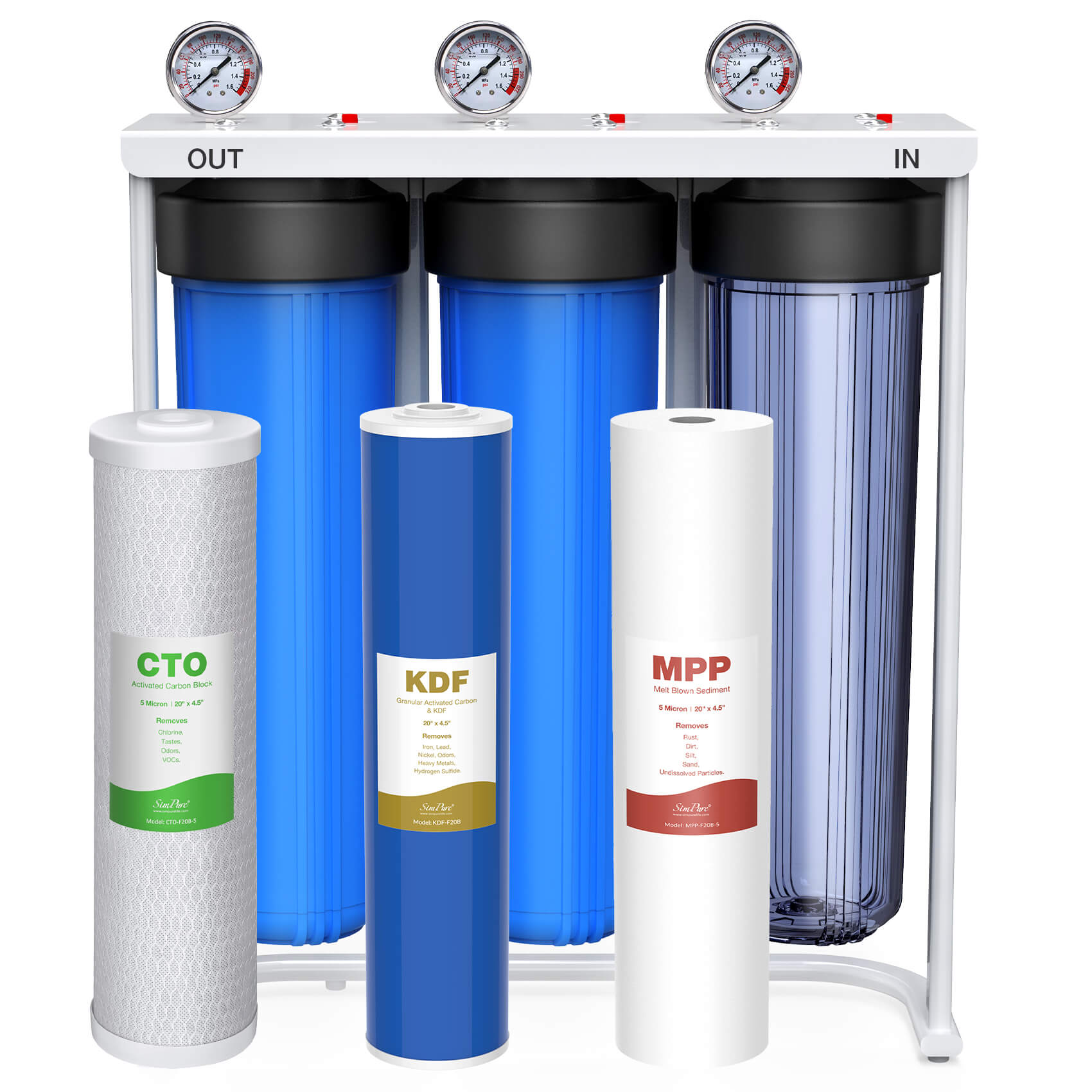
Recommended Solution: SimPure DB20P-3KDF
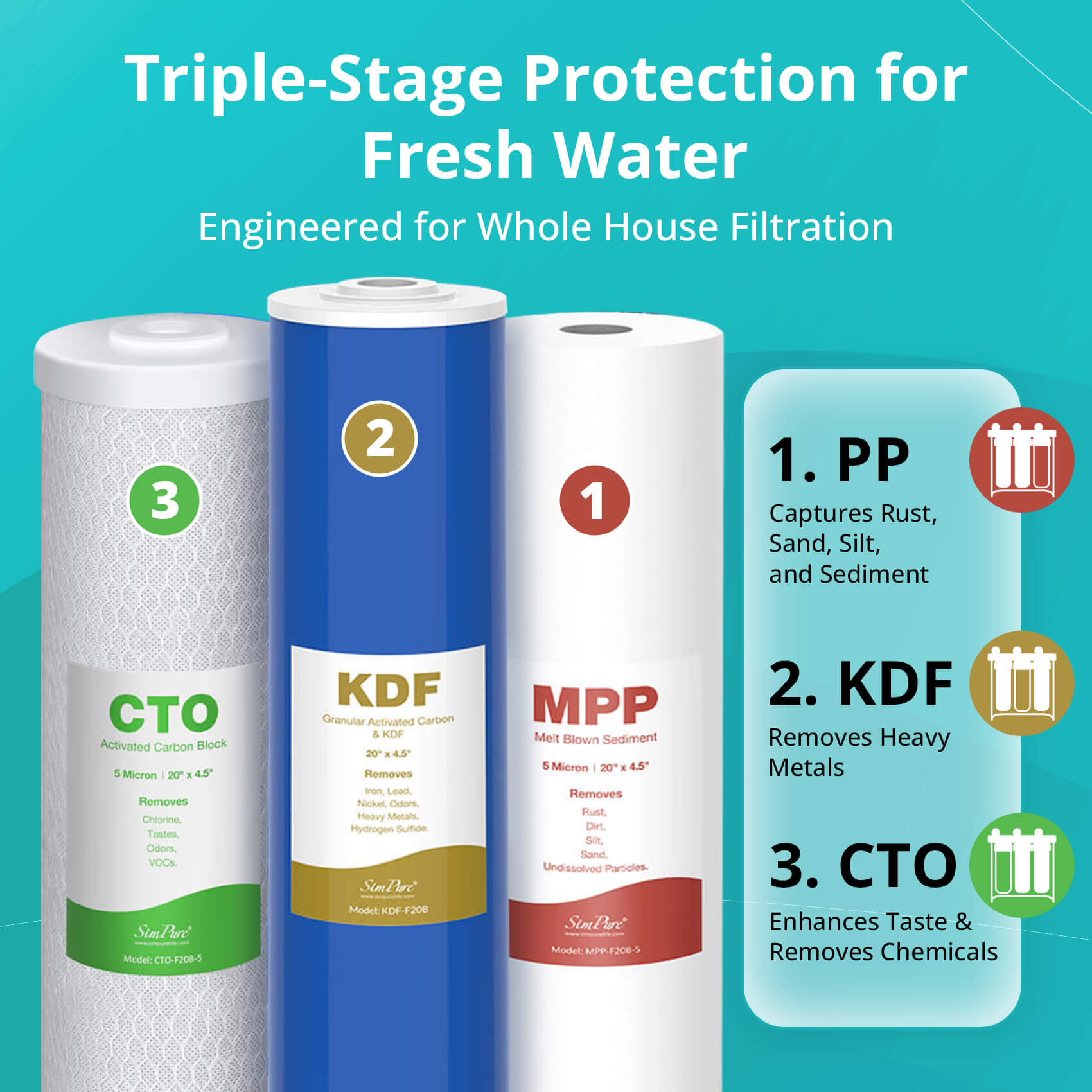
This 3-stage filtration system effectively removes sediment, dust, sand, and rust. With food-grade materials and a 100,000-gallon service life, it's a cost-effective solution for safeguarding your family's health.
Shop SimPure DB20P-3KDF →2. Regularly Clean and Maintain Well Screens.
Well screens are essential components that prevent larger debris and sediment from entering the well. Regular cleaning and maintenance ensure that these screens remain clear and effective, allowing water to flow freely while keeping sediment out.
3. Implement Erosion Control Measures on Property.
By addressing soil erosion on your property, you can reduce the amount of sediment runoff that could potentially enter your well. This may involve strategies such as planting vegetation, creating buffer zones, or installing erosion control barriers.
4. Upgrade Well Casing to Prevent Sediment Intrusion.
Upgrading the casing of your well can provide additional protection against sediment intrusion. A secure and properly sealed casing helps to prevent sediment from seeping into the well from surrounding soil layers.
5. Use Settling Tanks to Allow Sediment to Settle.
Settling tanks allow water to sit undisturbed, allowing sediment to settle to the bottom. This separated sediment can then be periodically removed, ensuring that only clear water continues into your plumbing system.
6. Employ Water Softeners to Reduce Mineral Content.
Water softeners are effective at reducing the mineral content in water, including sediment-forming minerals like calcium and magnesium. By removing these minerals, water softeners help prevent the formation of sediment in your plumbing system and appliances. Should the filter go before or after a softener? Read our guide.
7. Install Whole-House Water Filters for Comprehensive Filtration.

Whole-house water filtration systems offer a comprehensive solution for removing sediment and other contaminants. These systems typically consist of multiple filtration stages designed to address various impurities.
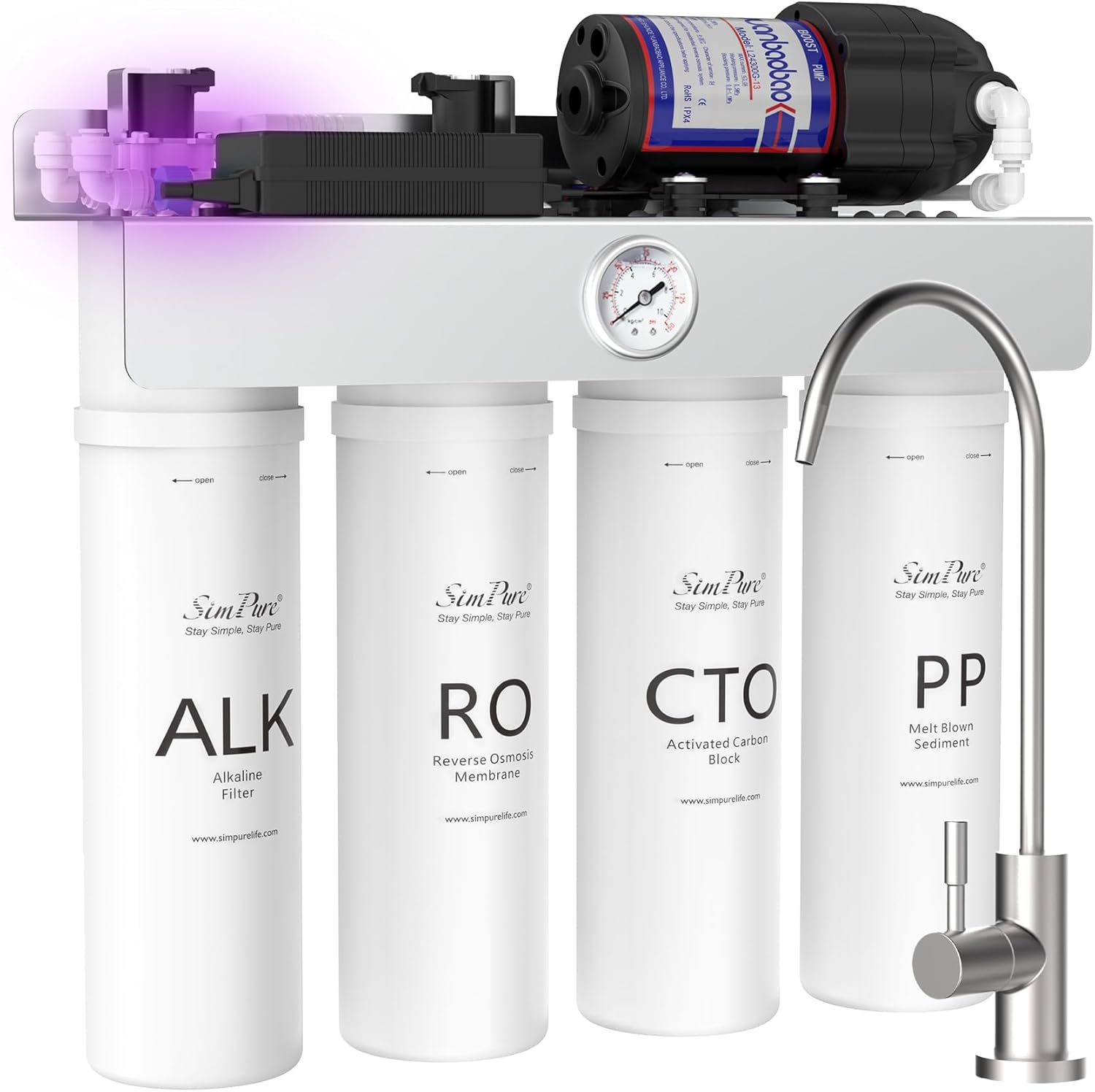
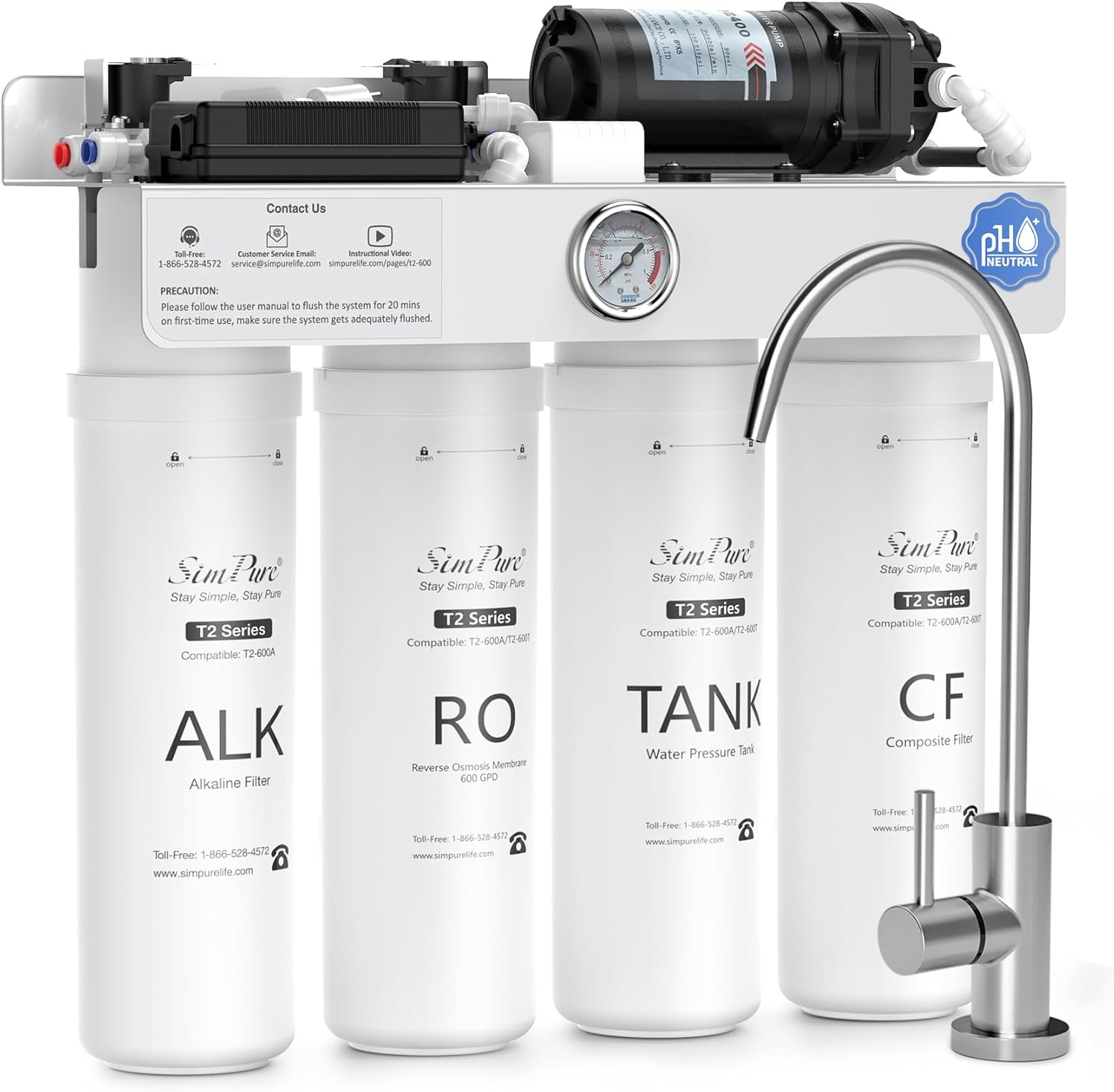
Conclusively, addressing sediment in your well water requires a multi-faceted approach. By implementing solutions like well maintenance and erosion control, you can mitigate sediment buildup. Just click the below picture for SimPure quality water filter system!