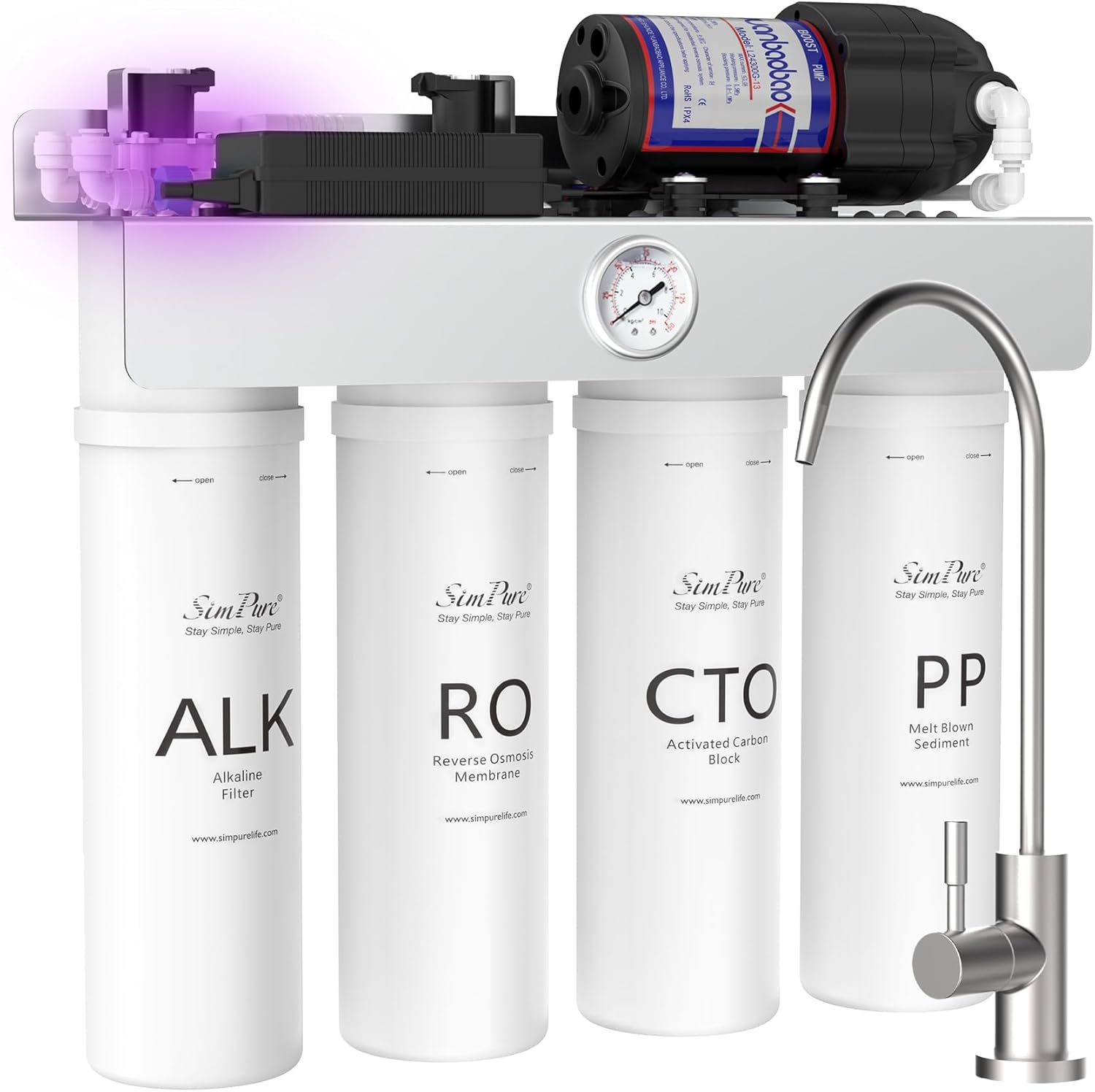
Discovering a leak in your Reverse Osmosis (RO) system can be frustrating. Beyond wasting water, it risks damaging your cabinetry and flooring. Understanding why your system is dripping is the key to a quick, reliable fix.
If you spot water pooling, don't panic. Follow these three steps instantly:
- Cut the Power: Unplug the system if it uses an electric pump.
- Shut Off Water: Close the cold water supply valve.
- Drain the Lines: Open the RO faucet to release any remaining pressure.
7 Common Causes of RO System Leaks
Once the RO system is stable, use this guide to identify the source of the filtered water leak.
1. Improper Installation
Loose connections or over-tightened filter housings are common culprits. If a rubber O-ring is squeezed too hard, it deforms and leaks; too loose, and water seeps through. Solution: Hand-tighten connections and ensure the O-ring is seated flat.
2. Unstable Water Pressure
High water pressure (water hammer) can rupture the membrane housing. Solution: Ensure your home pressure is between 40-80 PSI. If it's higher, install a pressure-reducing valve to protect your high-quality system.
3. Worn Faucet Gaskets
Is water dripping from the faucet base? The internal shaft gasket or triangular gasket may be worn out. Solution: Replace the internal rubber gaskets using pliers to loosen the gland bolt.
4. Poor Pipe Quality
Low-grade PE tubing can develop micro-cracks over time due to climate changes or pressure spikes. Solution: Always use reliable, food-grade tubing from a reputable brand like SimPure.

Upgrading to a Leak-Free Experience
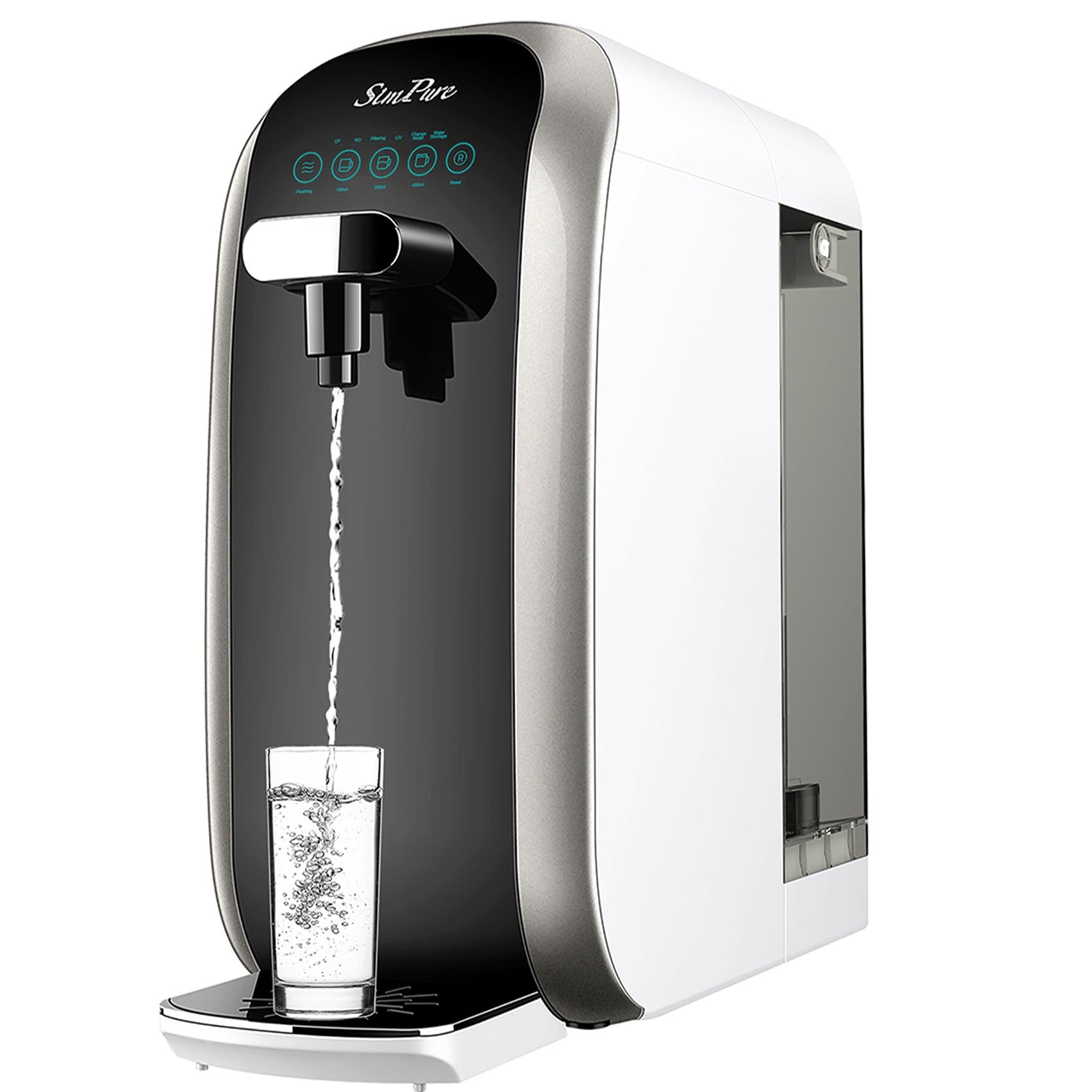
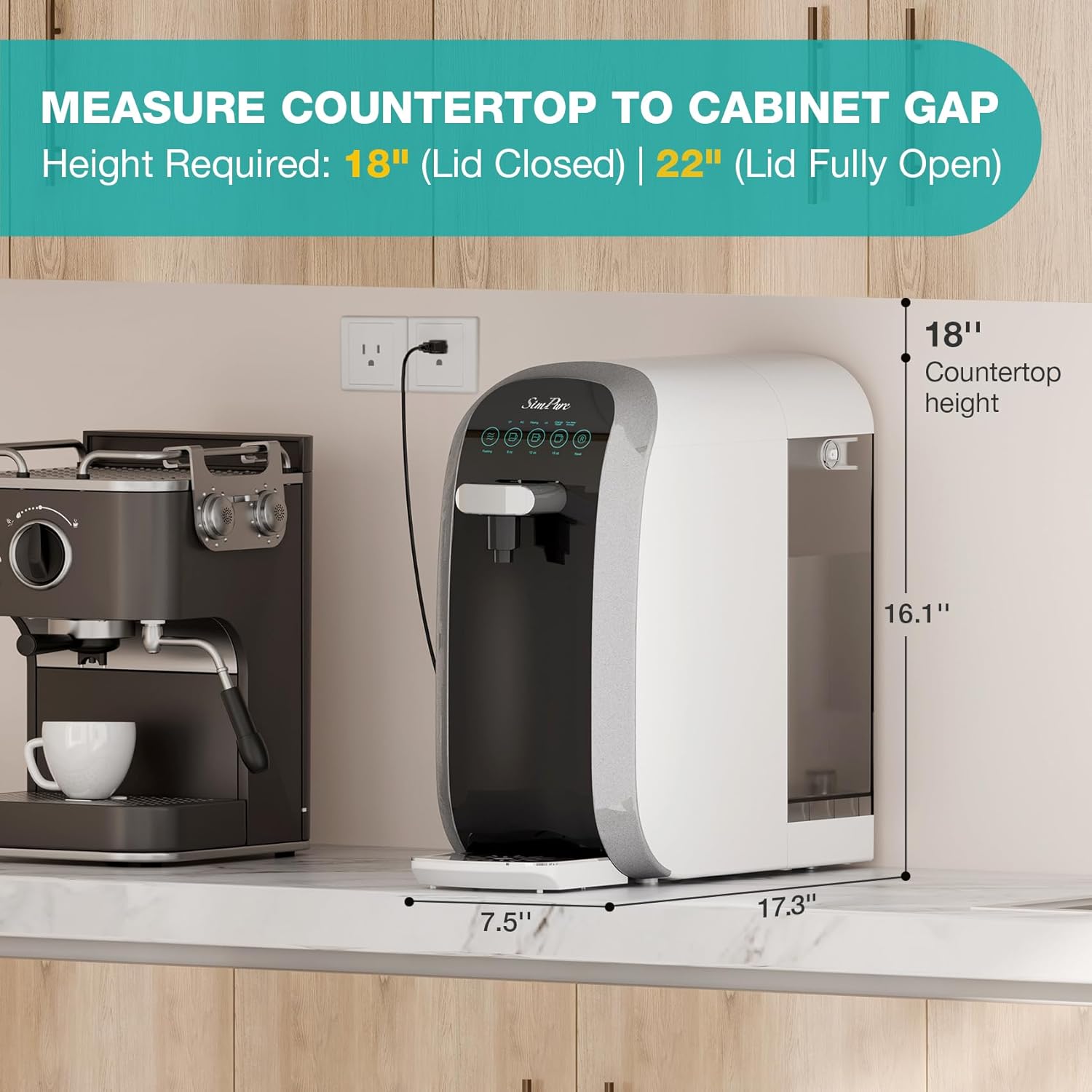
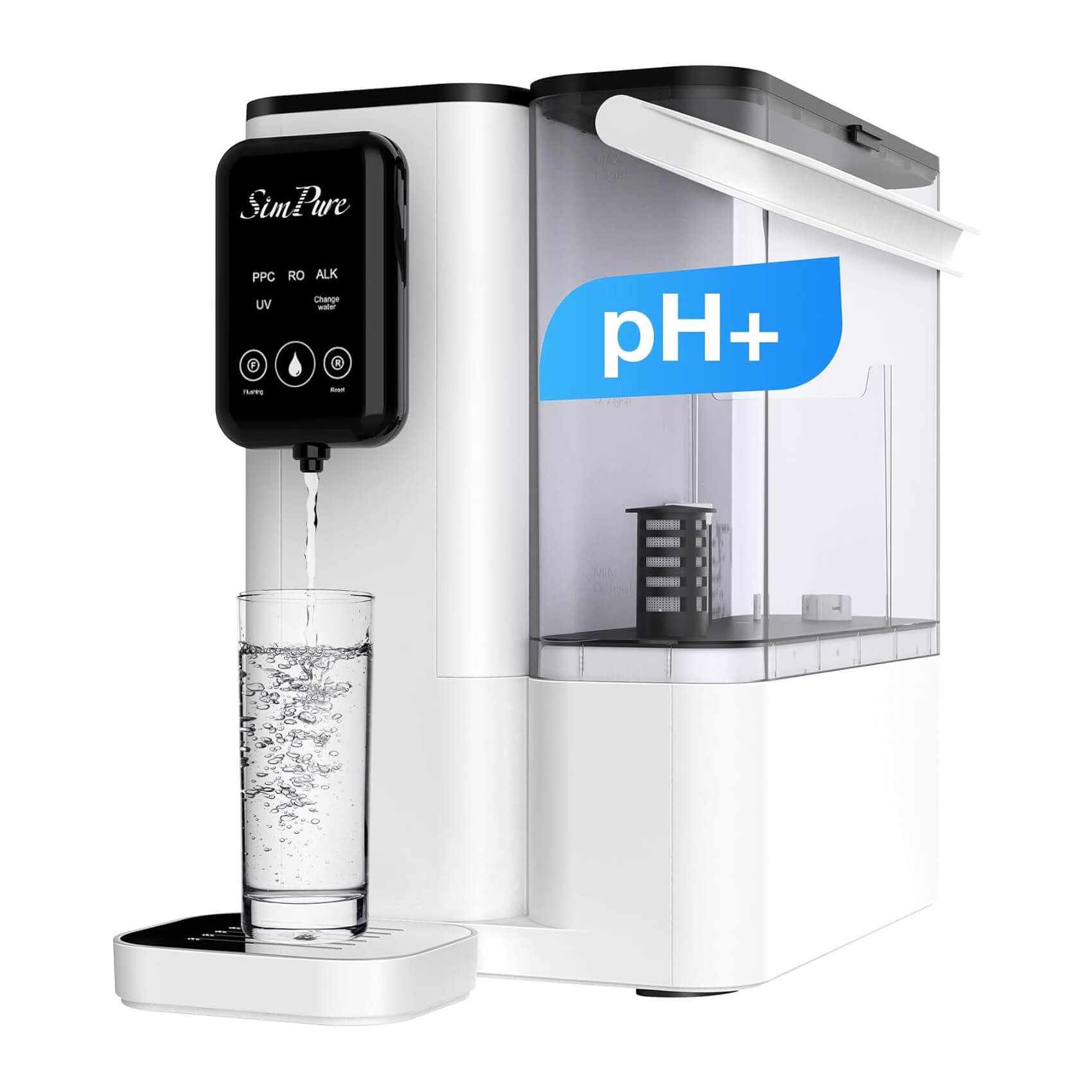
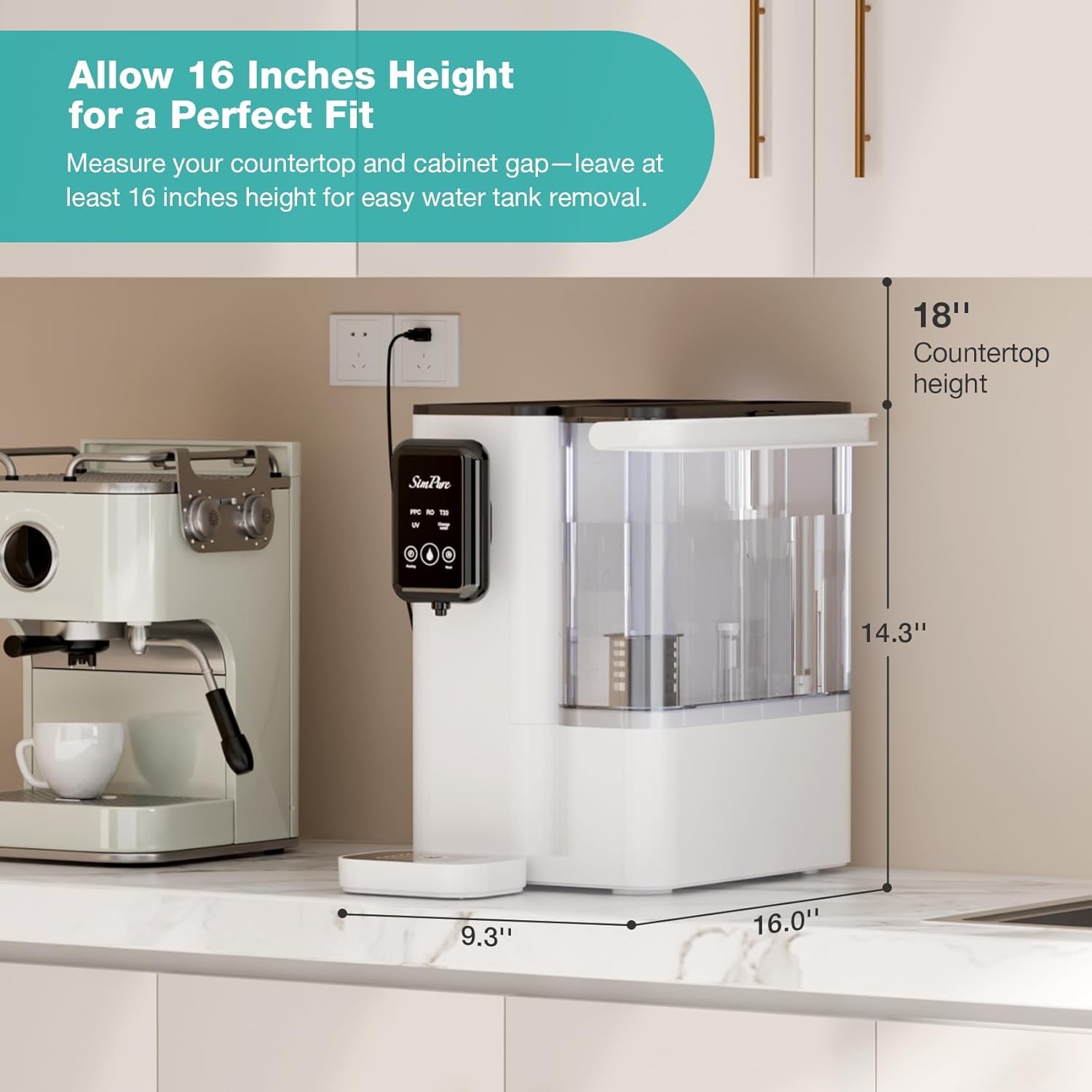
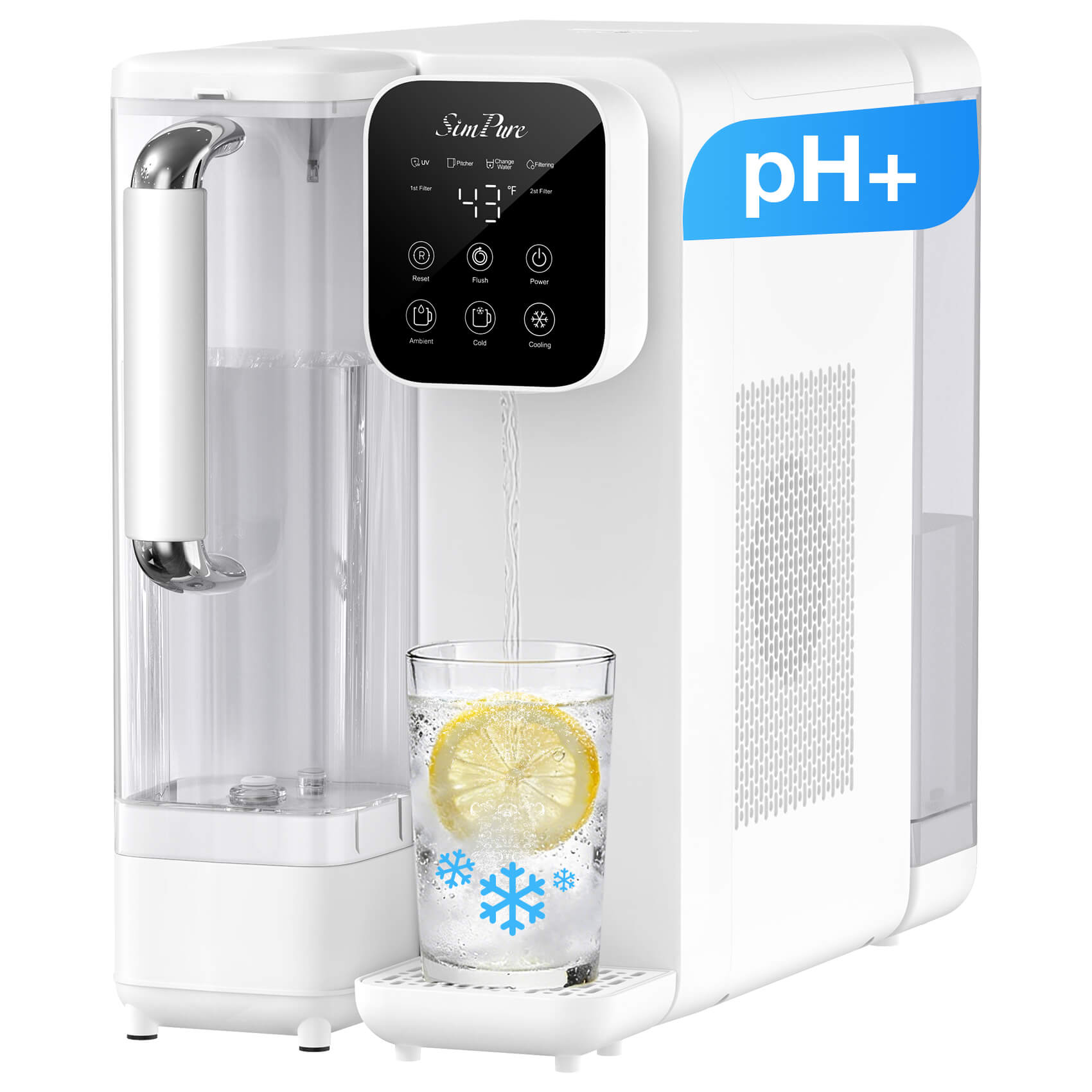
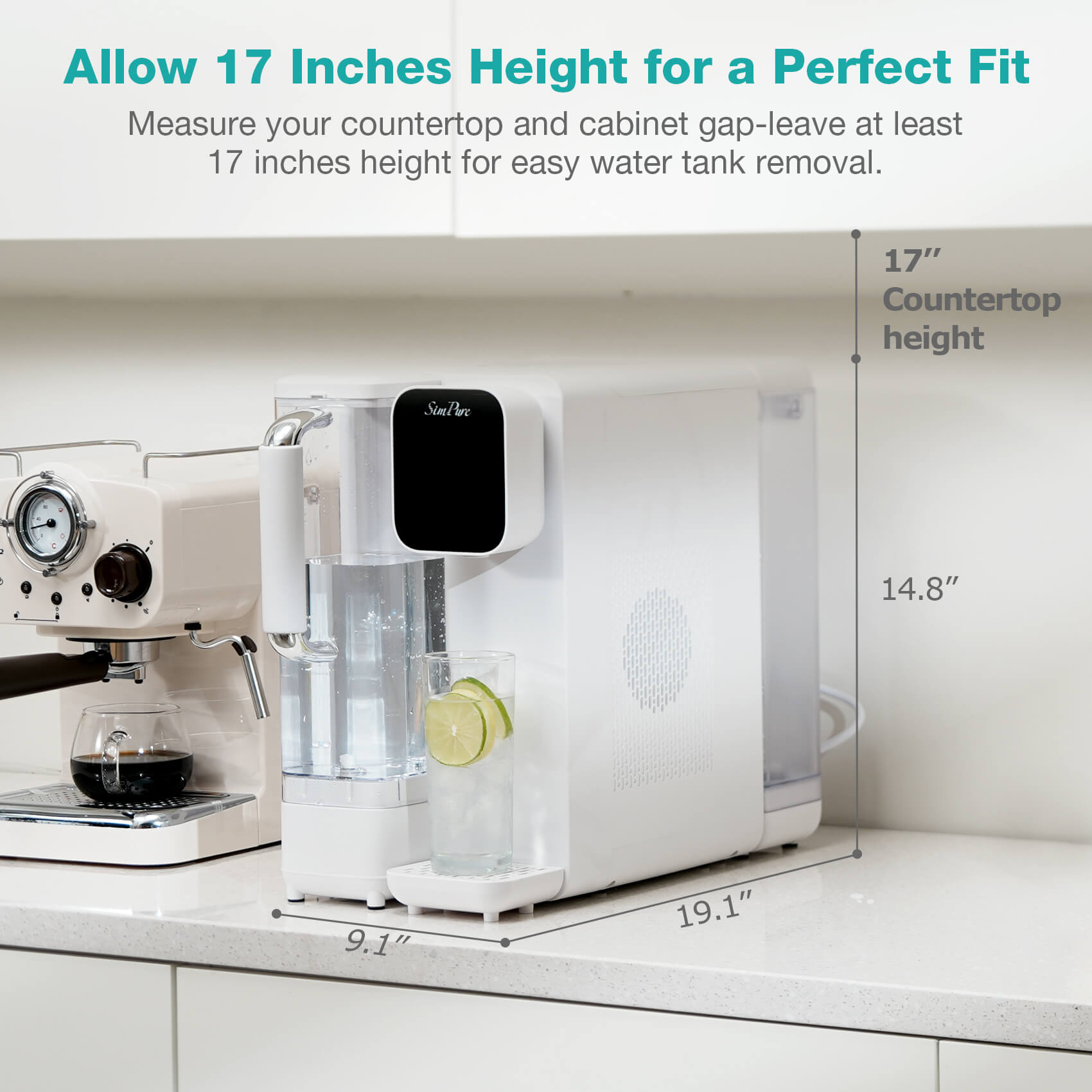
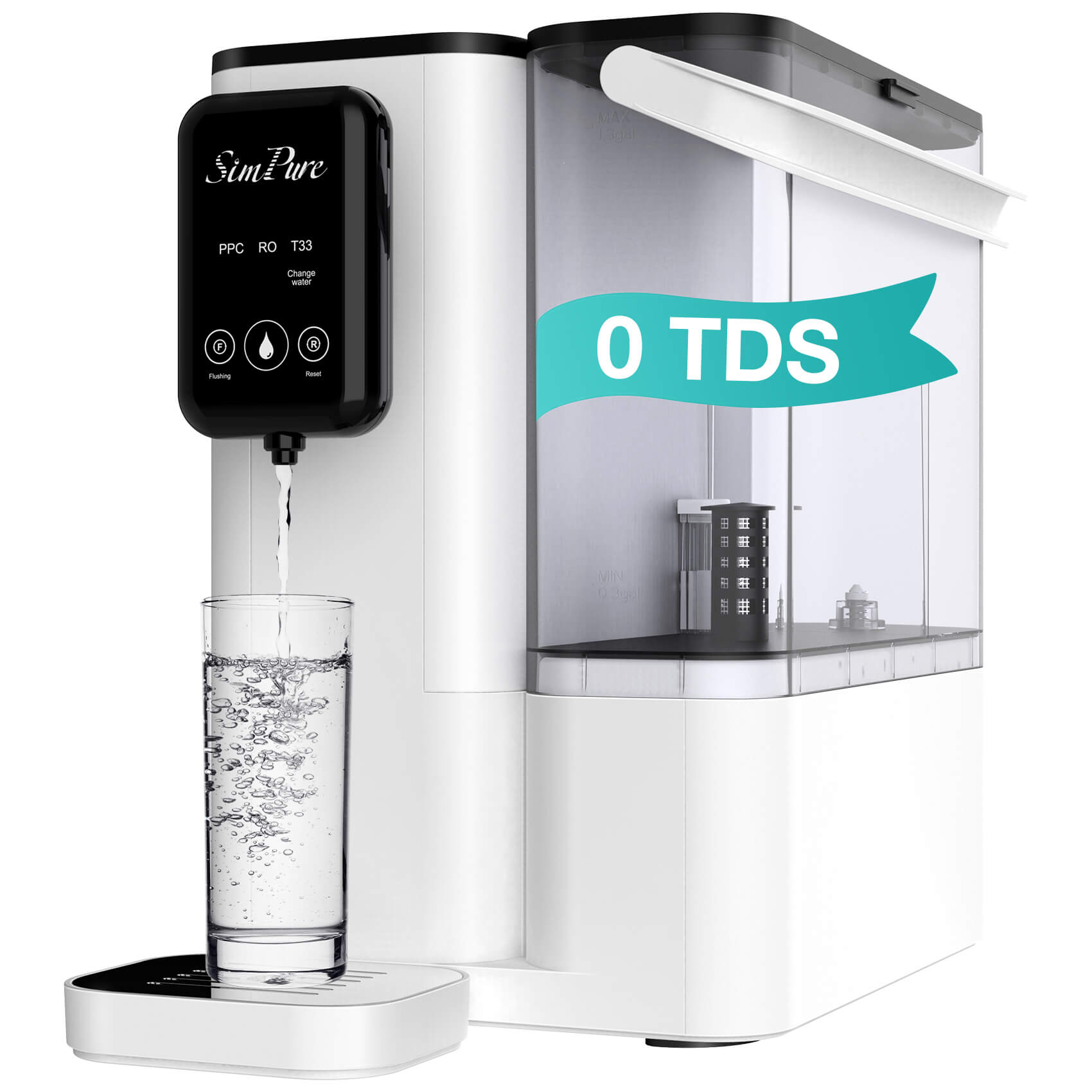
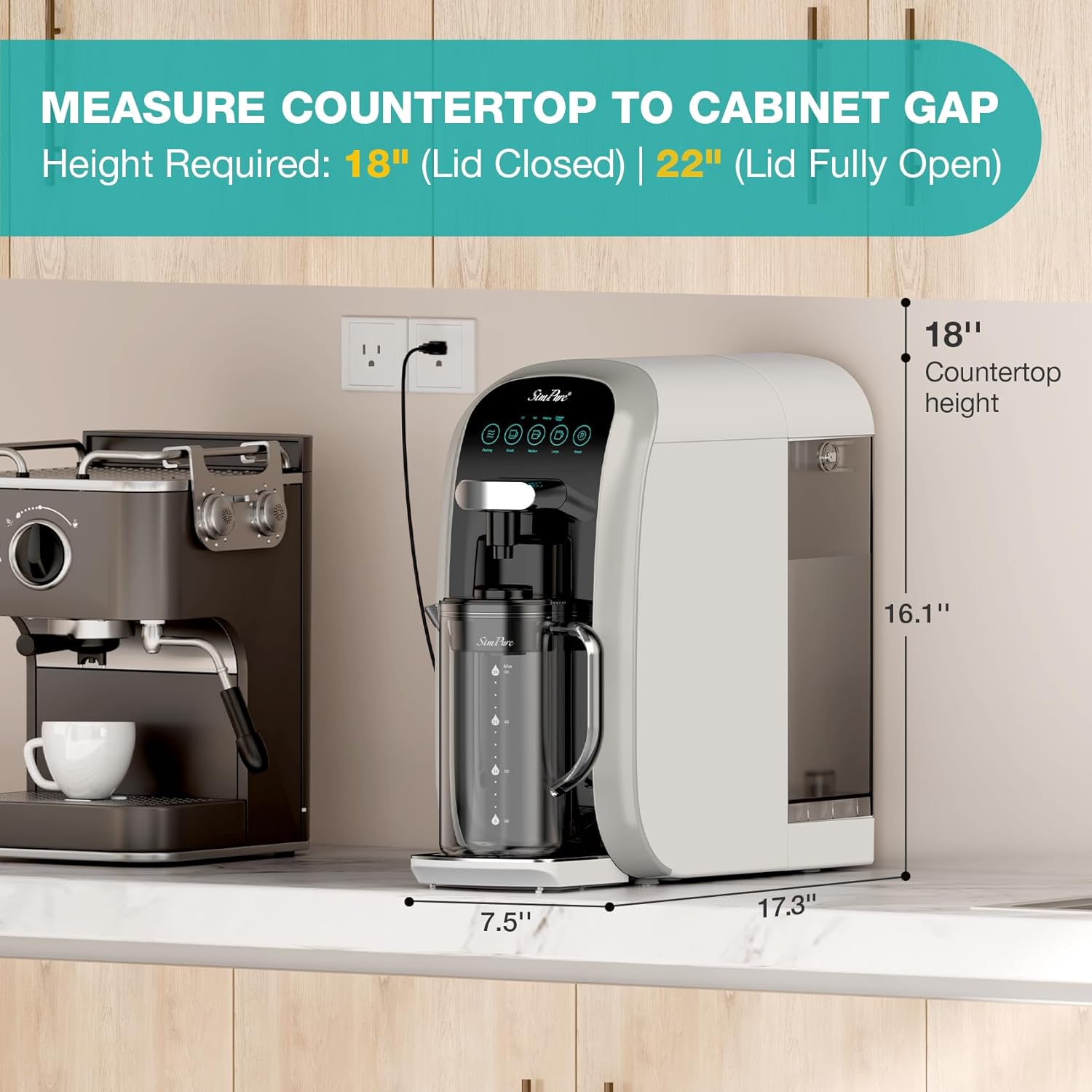
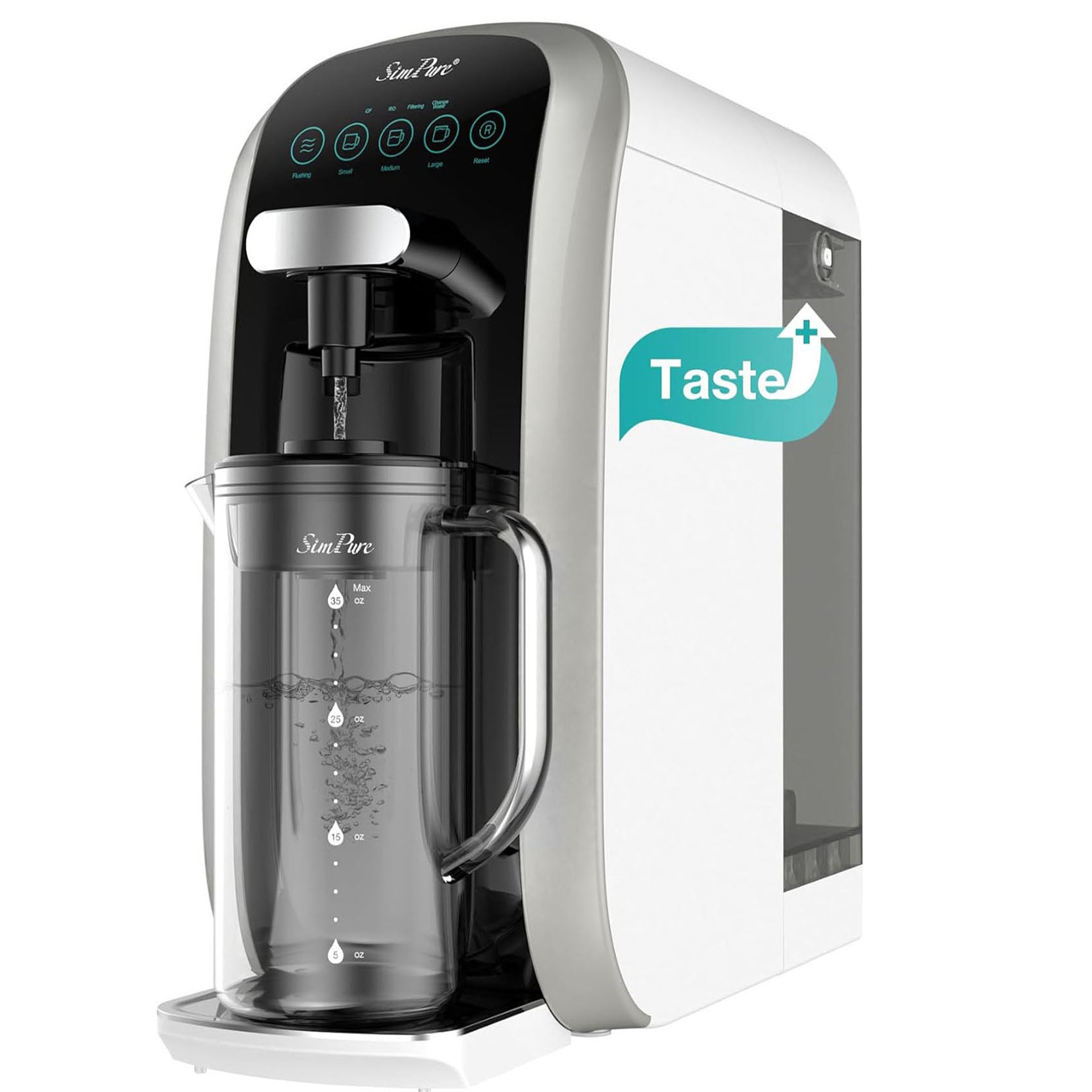
If your current system is aging and prone to frequent drips, it might be time for an upgrade. Modern units, like the SimPure Y7P Countertop RO System, are engineered with integrated waterways to minimize connection points—the #1 cause of leaks.
Explore Leak-Resistant RO Systems →
FAQs: Fixing RO Leaks
A small amount of water from the air gap hole usually means there is a blockage or kink in the drain line. Ensure the black drain tube is clear of debris.
For dependable performance, O-rings should be inspected during every filter change and replaced every 2-3 years, or if they appear stretched or cracked.
While TDS doesn't directly cause leaks, heavy mineral buildup can stress the seals and valves over time. Regular filtered water maintenance helps prevent this pressure.
Don't let a leak damage your home. Trust SimPure for reliable, high-performance filtration solutions that stay dry and effective.