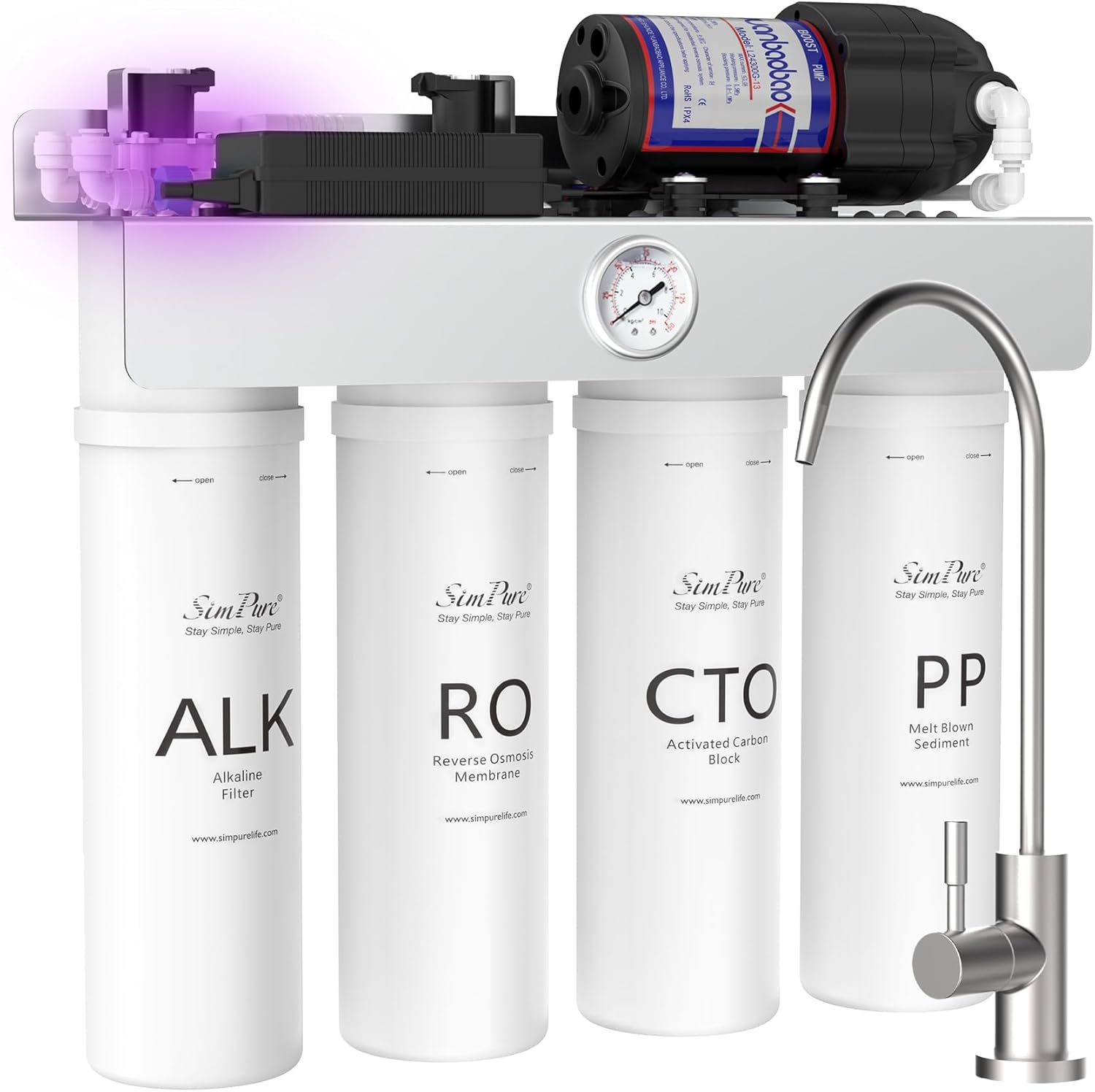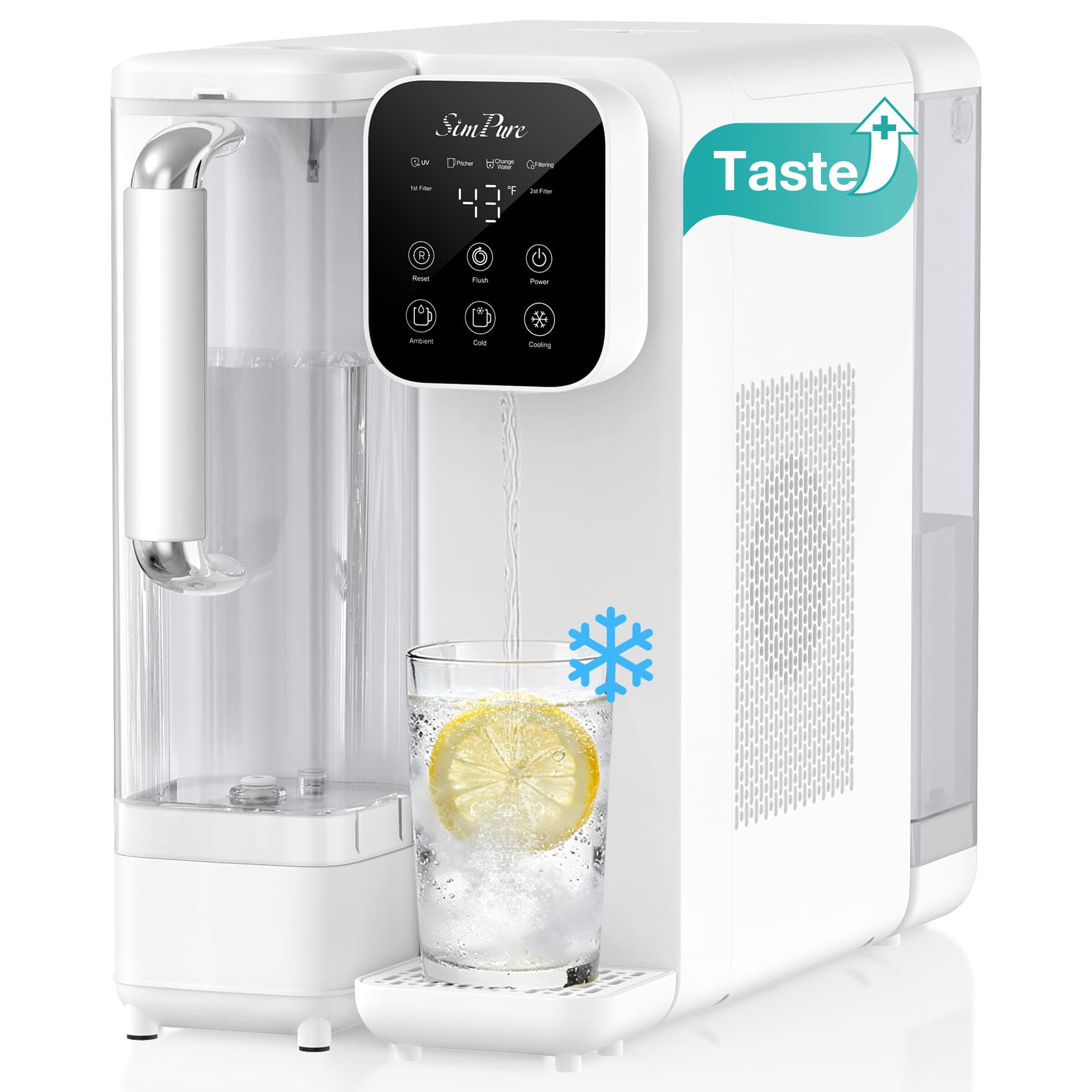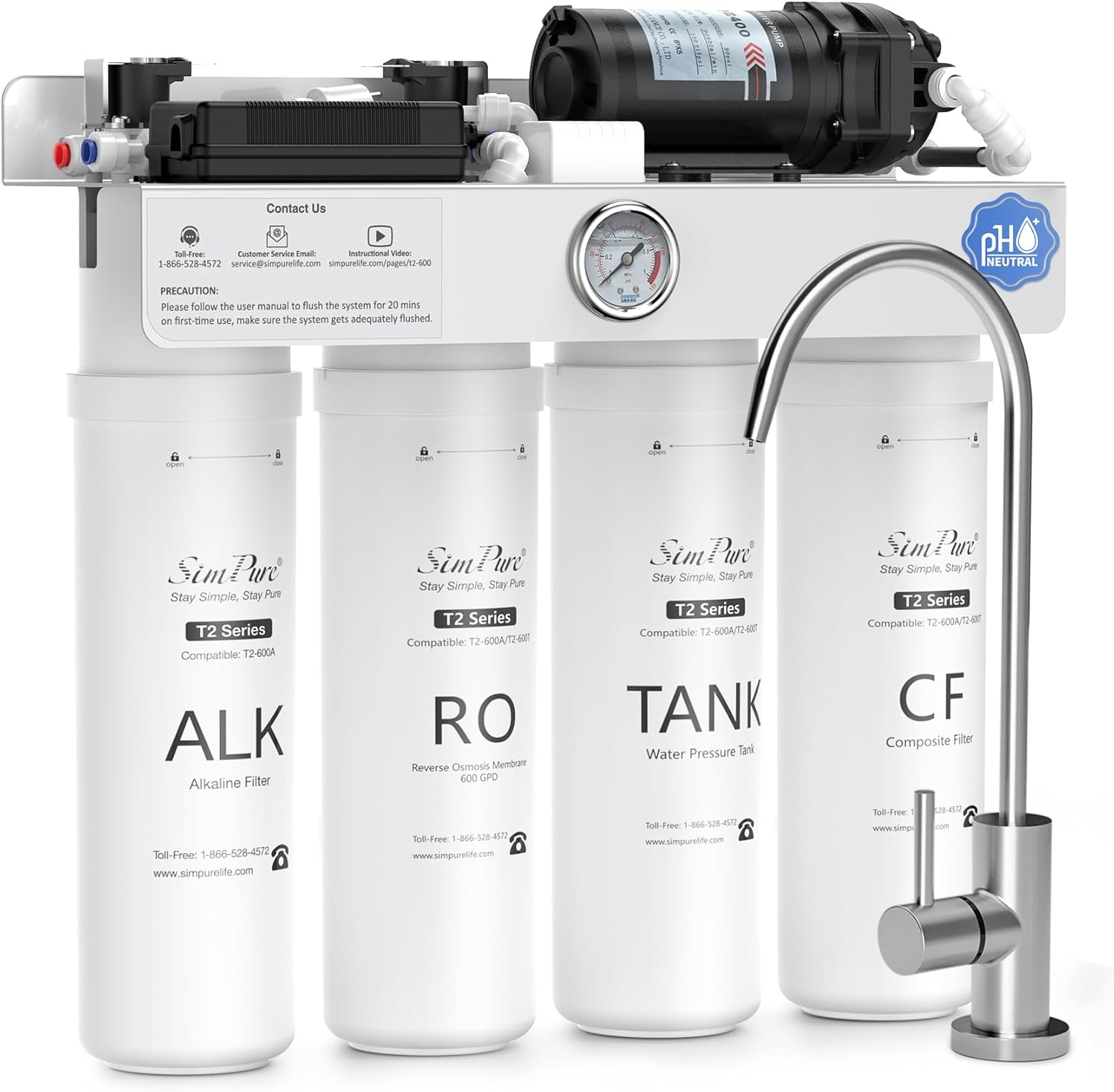
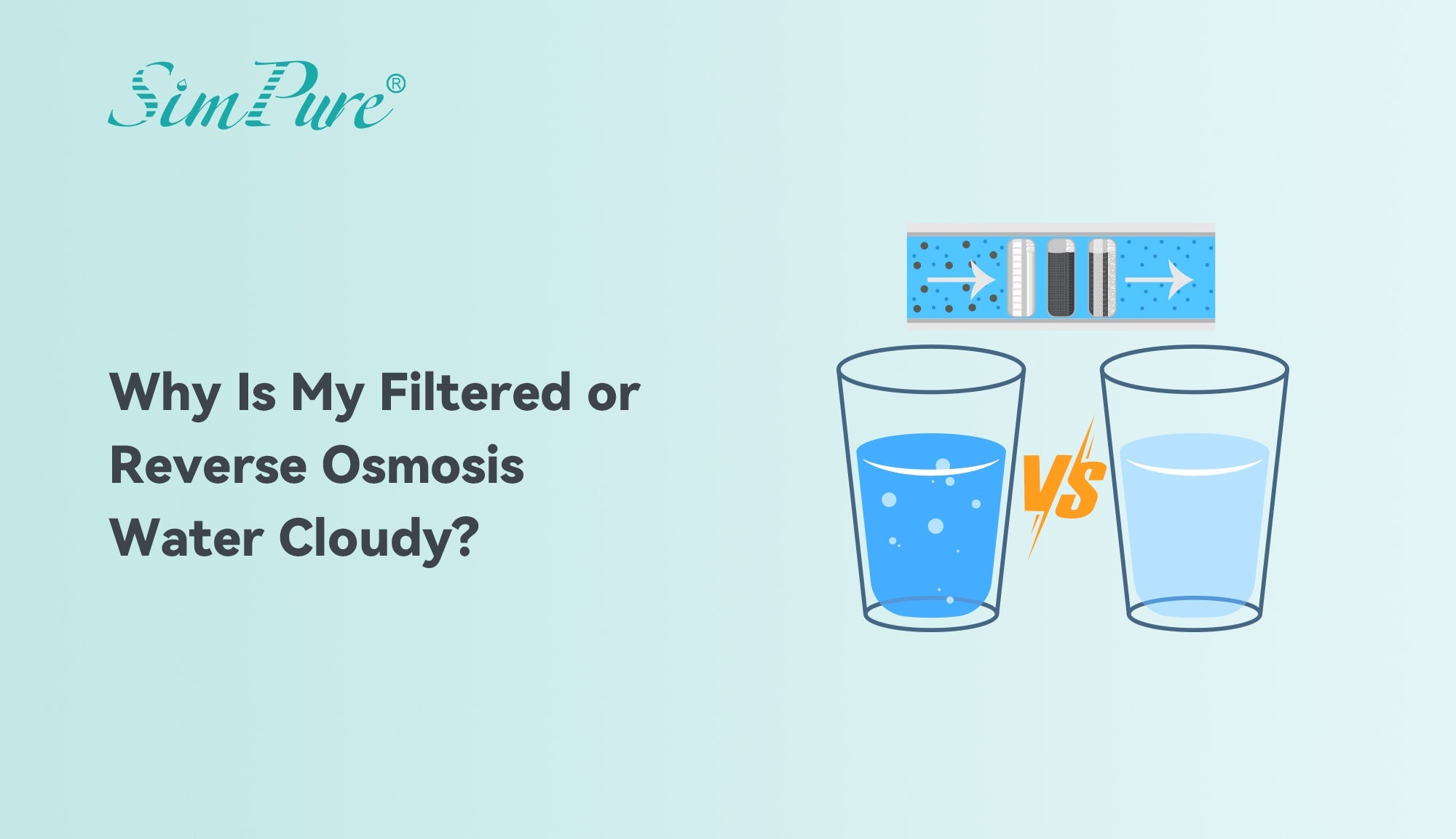
Seeing cloudy or milky water from a high-end filtration system can be concerning. Whether it is white particles in reverse osmosis water or a gray tint immediately after a filter change, the cause is usually related to entrained air, carbon fines, or mineral precipitation. This guide provides a technical breakdown of why these issues occur and the exact steps to restore water clarity.
To identify the root cause, fill a clear glass with the cloudy water and observe:
- Clears from bottom up: Microscopic Air Bubbles (Entrained air). Safe and normal.
- Particles settle at the bottom: Physical Sediment or Scale. Indicates bypass or exhaustion.
- Stays cloudy or has dark specks: Carbon Fines or Membrane Compromise.
Why Is My Filtered Water Cloudy? (Root Causes)
1. Entrained Air Bubbles (Common After Filter Change)
This is the primary reason for cloudy water after a filter change. New filter media contains dry air pockets. As water enters under pressure, it shears the air into microscopic bubbles. This creates a milky appearance that clears rapidly once the water sits.
Action: Flush the system for 5–10 minutes to stabilize internal pressure and purge trapped air.
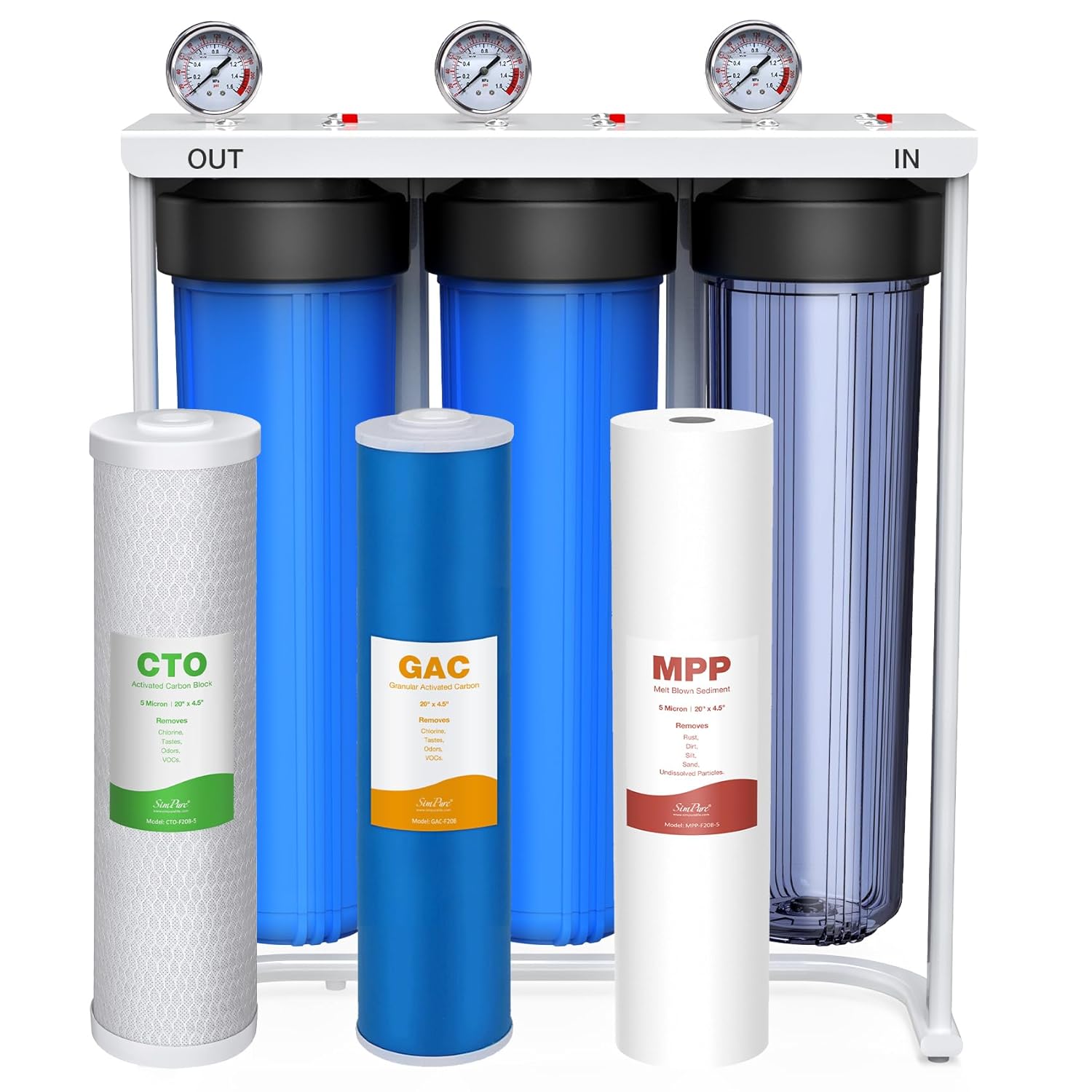
2. Migration of Activated Carbon Fines
Carbon filters consist of ground activated charcoal. During initial use, loose "carbon fines" may wash out, causing gray water or black specks. These fines are food-grade and safe, but indicate the system requires an initial purge.
Action: Run the water for 10 minutes until the effluent is crystal clear.
3. Hard Water Scale & Mineral Precipitation
If you observe white particles in filtered water, your source water is likely high in calcium and magnesium. Traditional carbon filters do not remove these minerals. Especially after boiling, minerals can precipitate into visible white flakes or transparent scale.
Persistent Cloudy Water Issues?
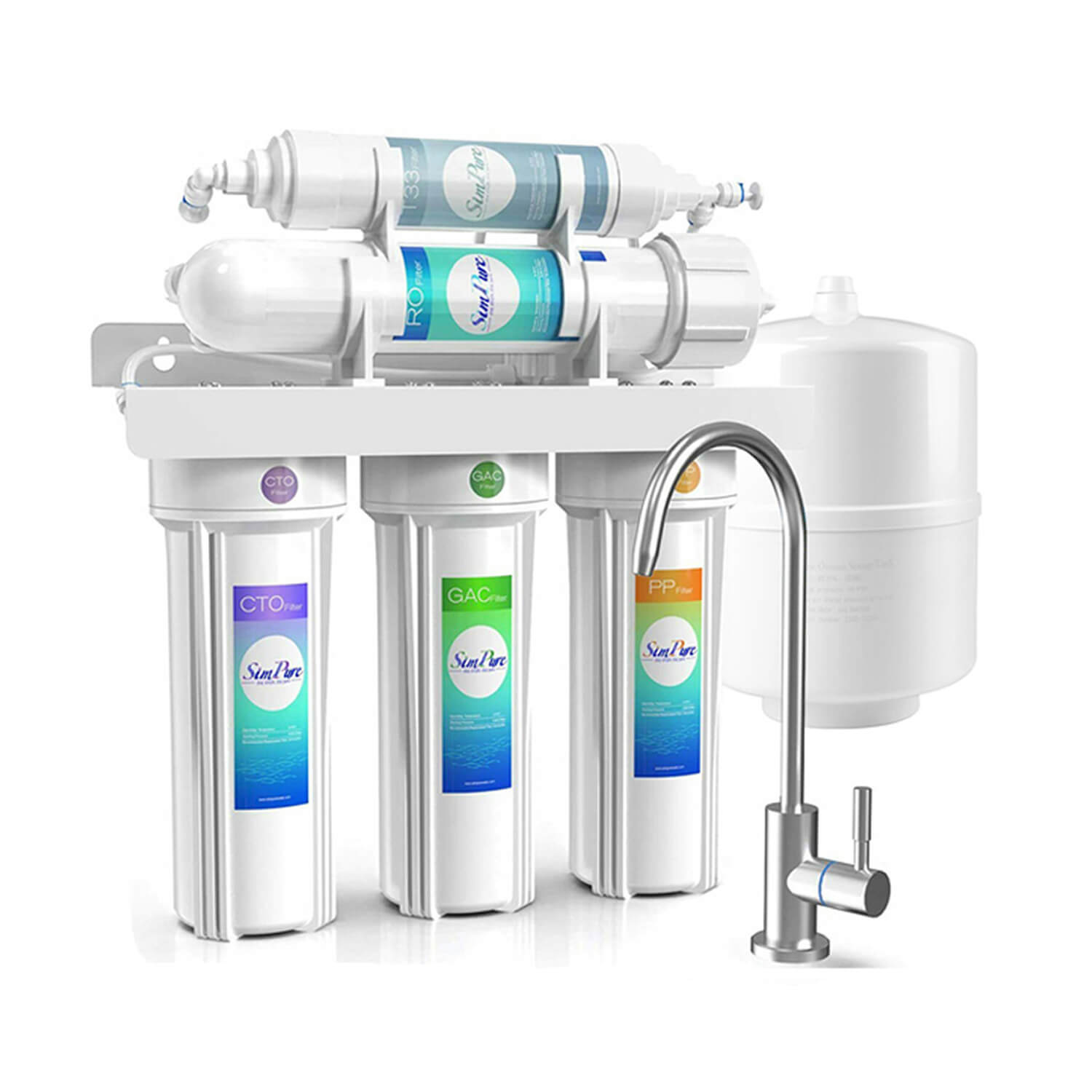
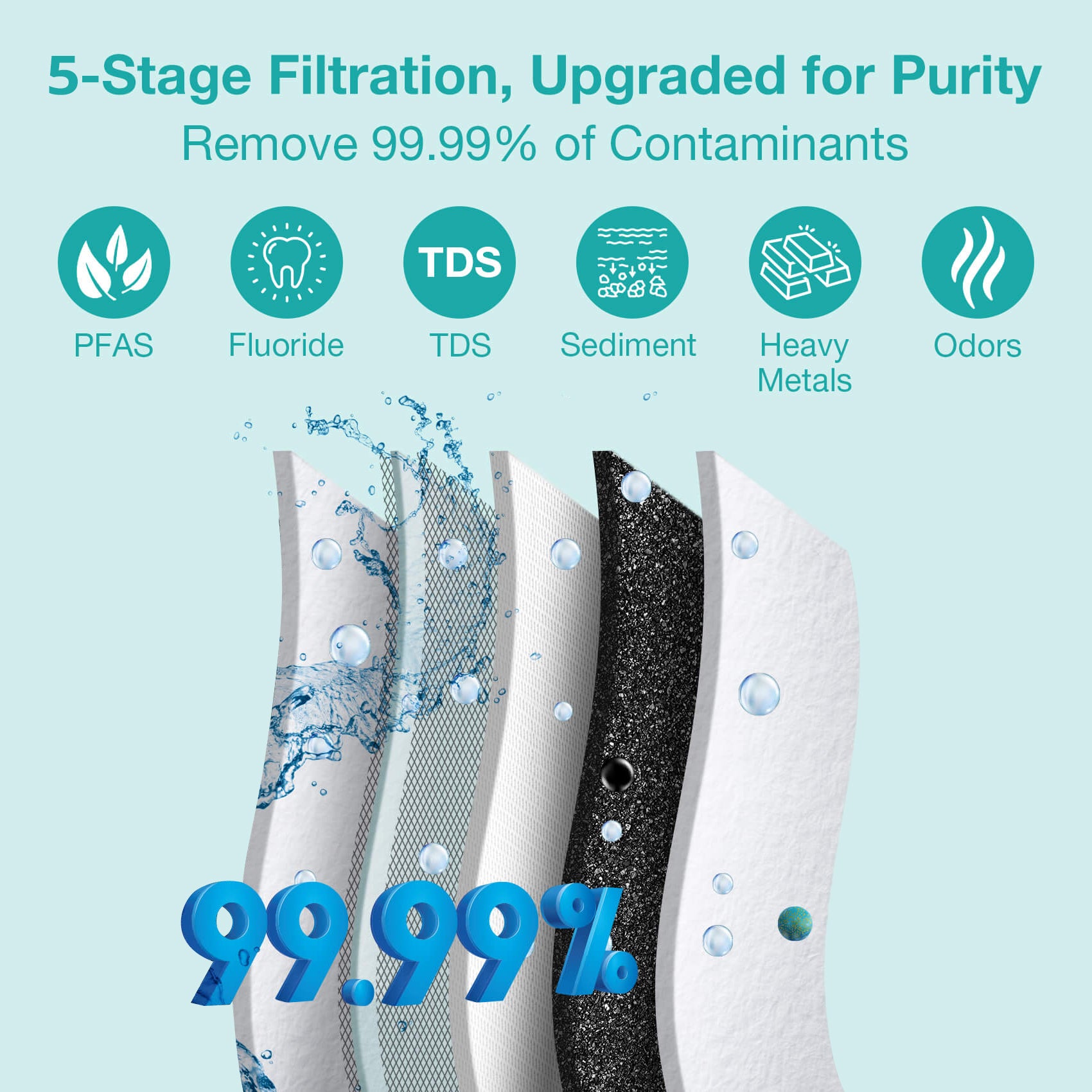
Standard filters struggle with high TDS and mineral content. Upgrade to a professional-grade RO system for guaranteed purity.
Explore RO SystemsThen Why Is My Reverse Osmosis (RO) Water Cloudy?
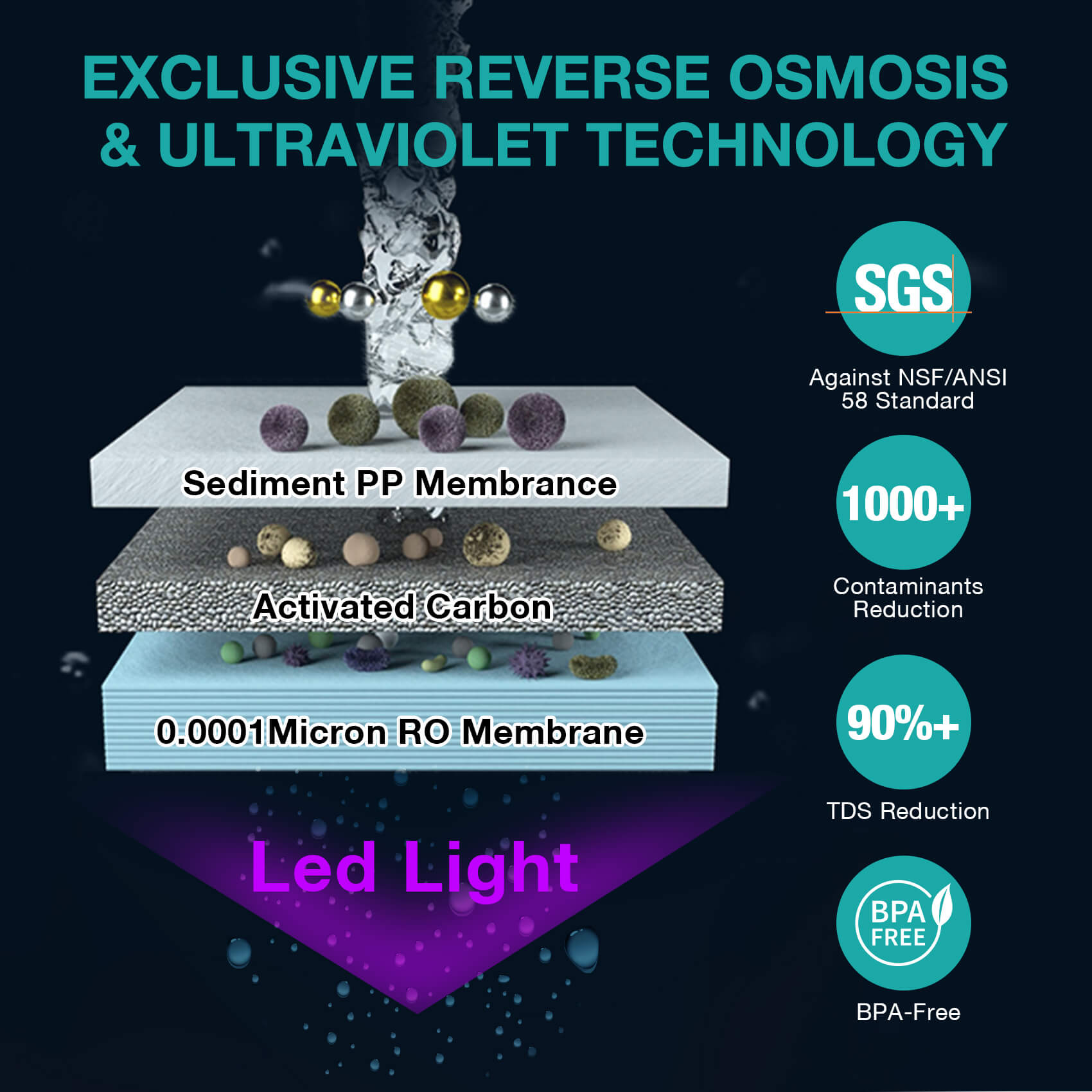
Reverse Osmosis systems utilize semi-permeable membranes. It is critical to distinguish between Turbidity (visible cloudiness) and TDS (dissolved solids). Monitoring TDS is the only way to confirm if the "cloud" is harmless air or a filtration failure.
4. Membrane Damage and O-Ring Failure
If the RO membrane deteriorates or the sealing O-ring is compromised, unfiltered water "leaks" through (TDS Creep). This results in persistent cloudiness that will not clear with flushing.
Action: Check TDS levels. If the rejection rate is below 90%, replace the RO membrane immediately.
5. KDF Media Interaction
Advanced systems use KDF media to treat heavy metals. In brand-new systems, this copper-zinc alloy can release trace zinc ions, creating a temporary milky suspension. This is a byproduct of high-efficiency filtration and subsides after the initial break-in period.
Technical Comparison Table
| Visual Symptom | Likely Cause | Correction Needed |
|---|---|---|
| Milky White (Clears fast) | Trapped Air Bubbles | Flush 15 Mins |
| Black/Gray Particles | Carbon Fines Migration | System Purge |
| White Flakes/Grit | Mineral Precipitation | Upgrade to RO |
| Persistent Turbidity | Broken RO Membrane | Replace Membrane |
Frequently Asked Questions
A: This is almost always caused by air pockets in the new filter media. As pressure stabilizes, the microscopic bubbles will disappear. Simply flush the system.
A: Usually, yes. They are typically calcium or magnesium deposits. However, their presence indicates your RO membrane may be failing to reject minerals effectively.
A: Bubbles occur when dissolved oxygen is released due to pressure changes within the system, common in new installations. For more, read this.
How to Prevent Cloudy Water Long-Term?
While most cloudiness is temporary, persistent issues stem from manual maintenance oversights. If you are tired of frequent flushing or worrying about membrane bypass, the key is to choose a system designed with automated maintenance protocols.
The Solution: Active Self-Maintenance
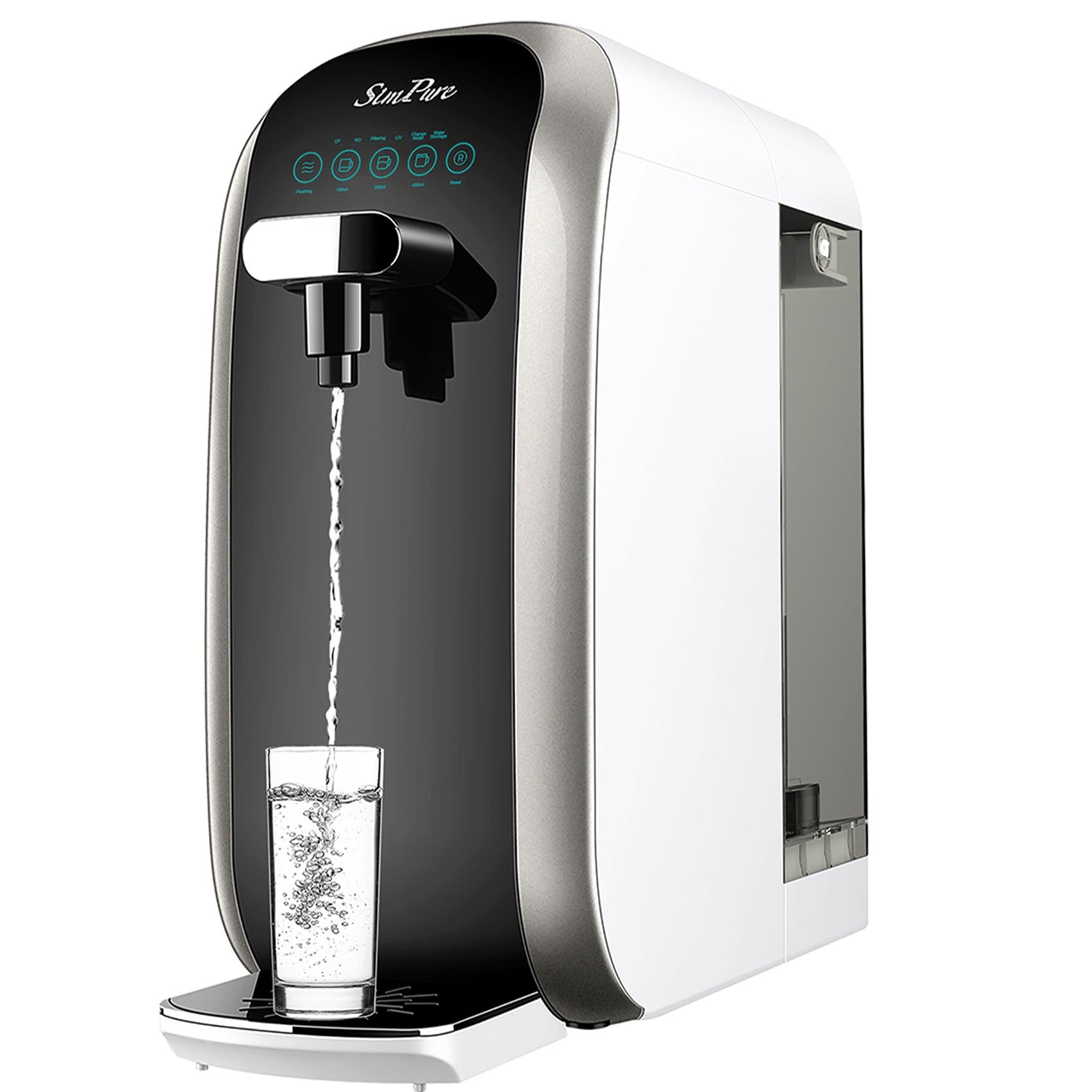
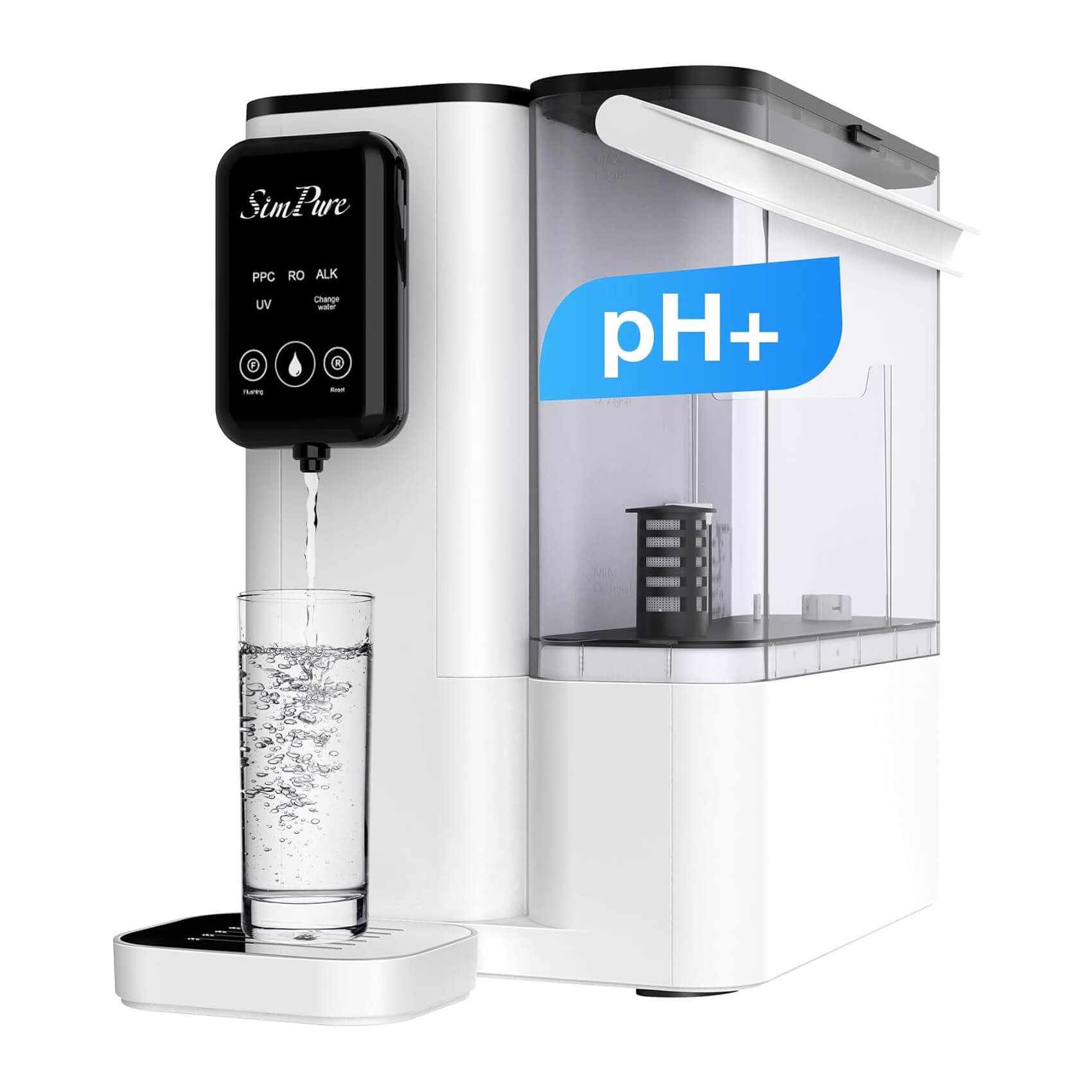
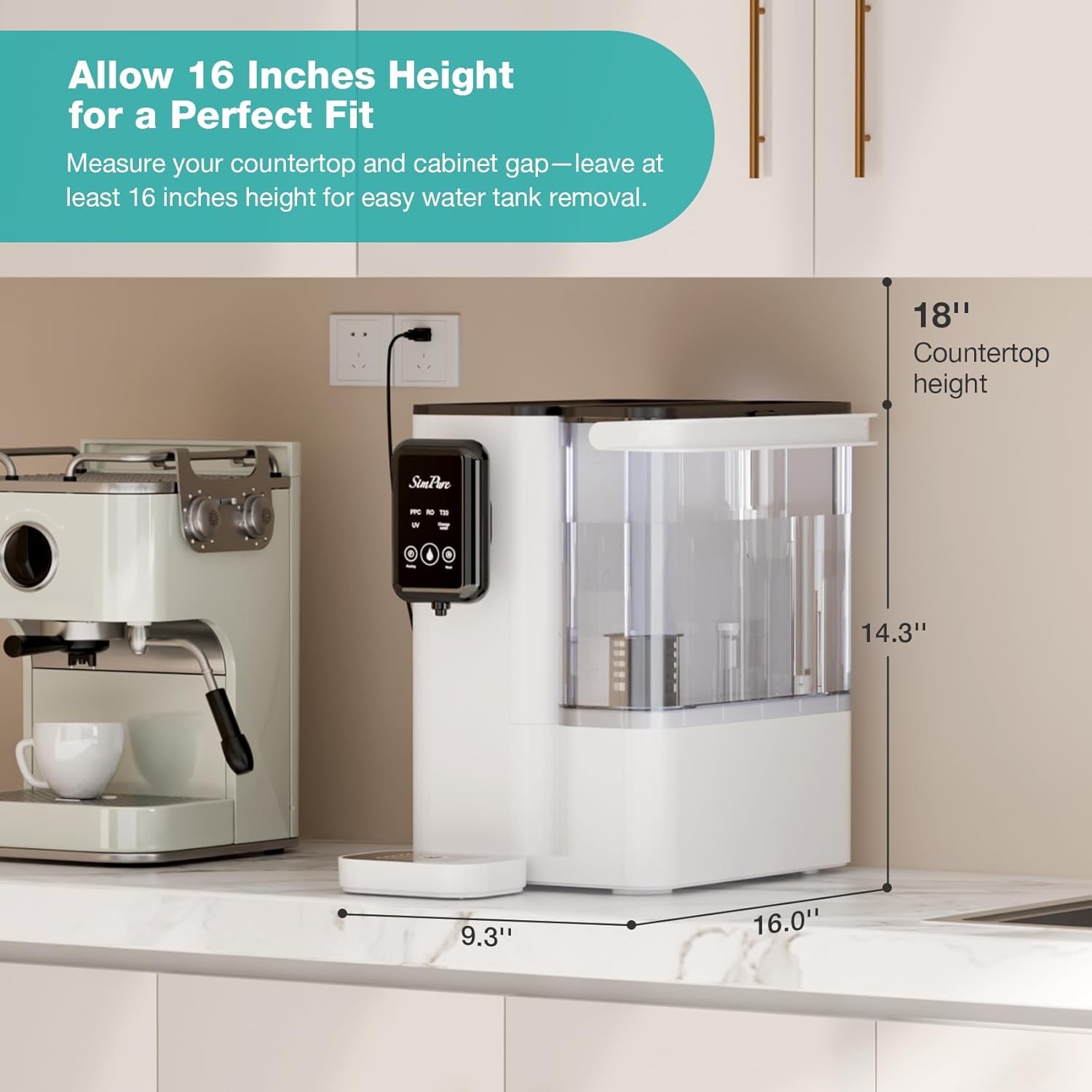
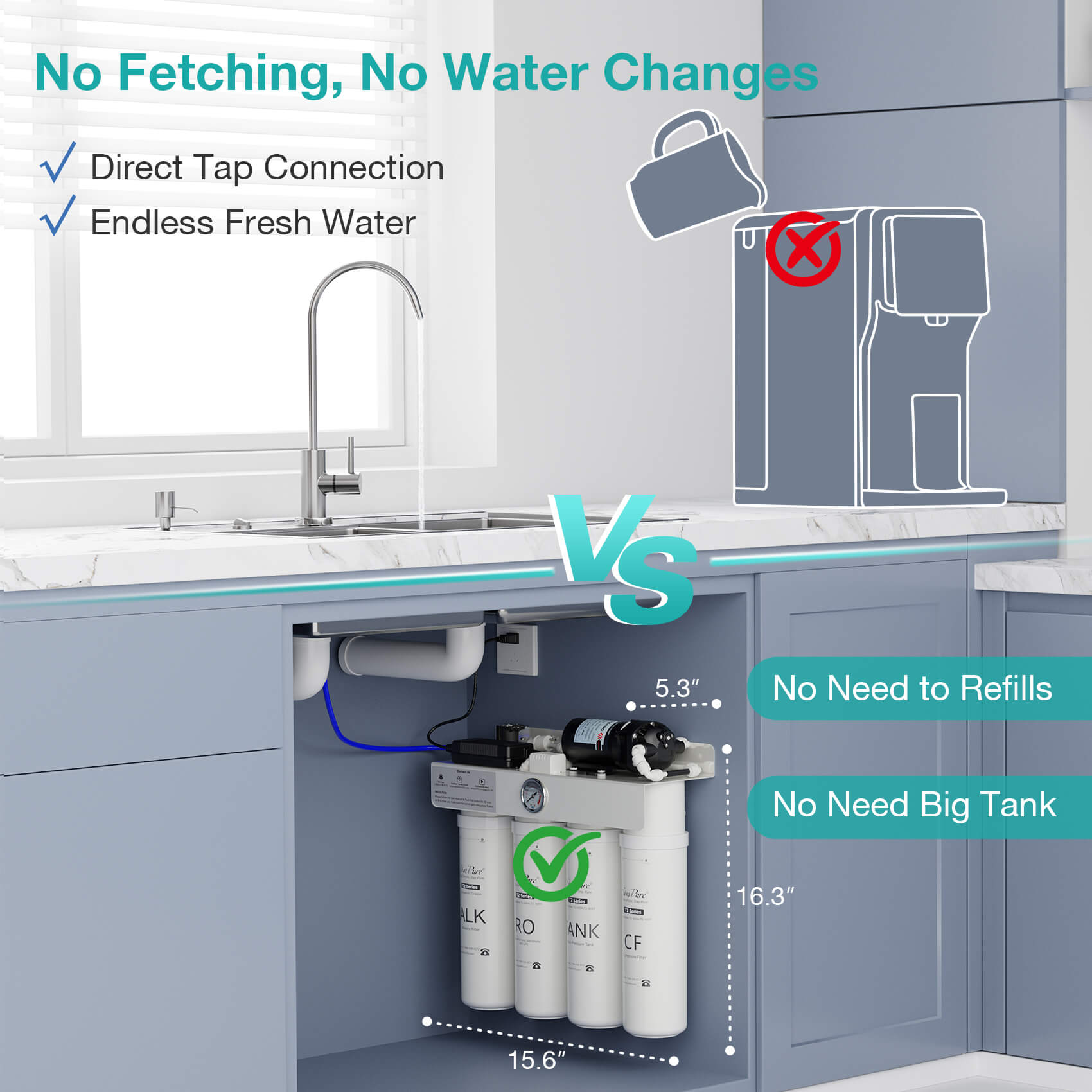
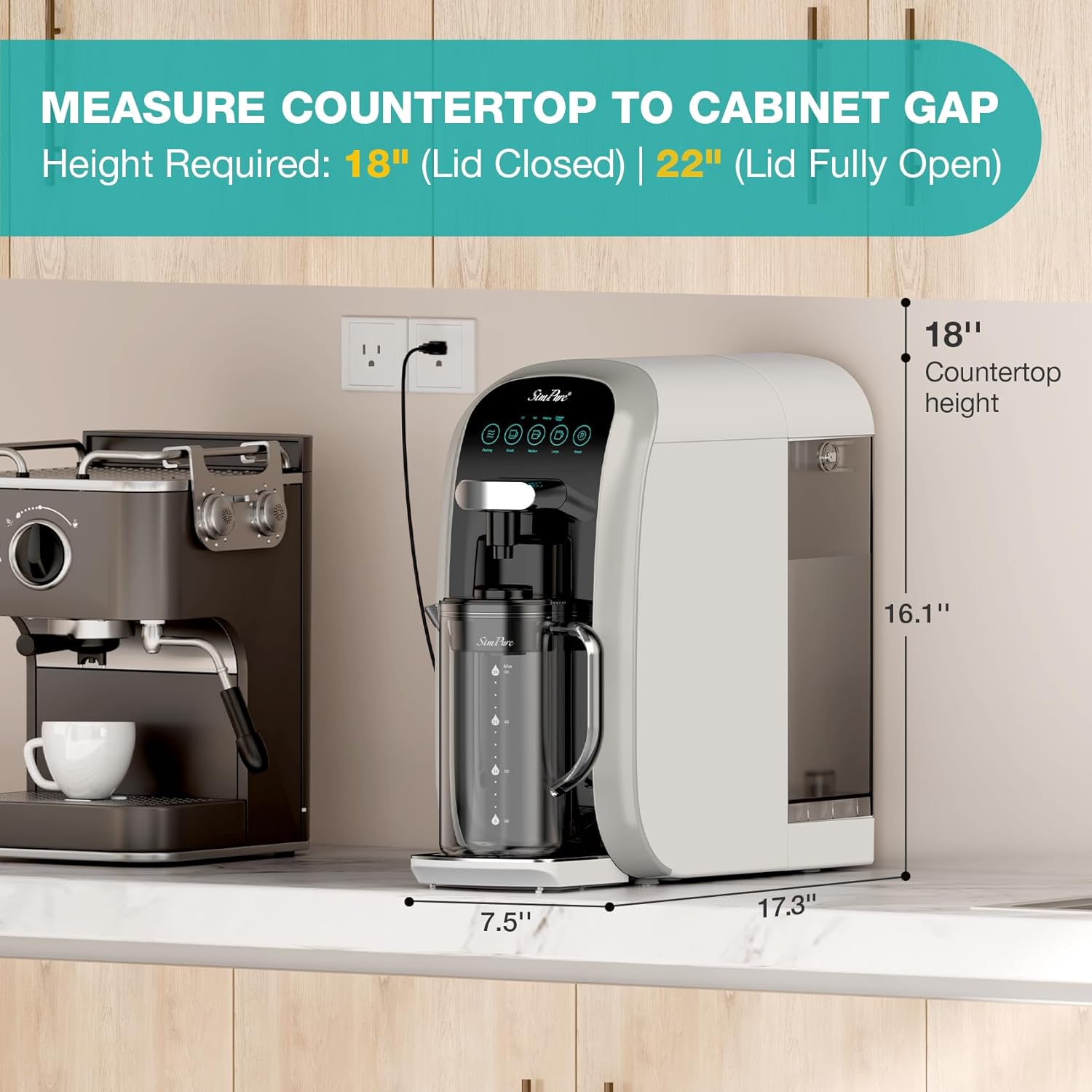
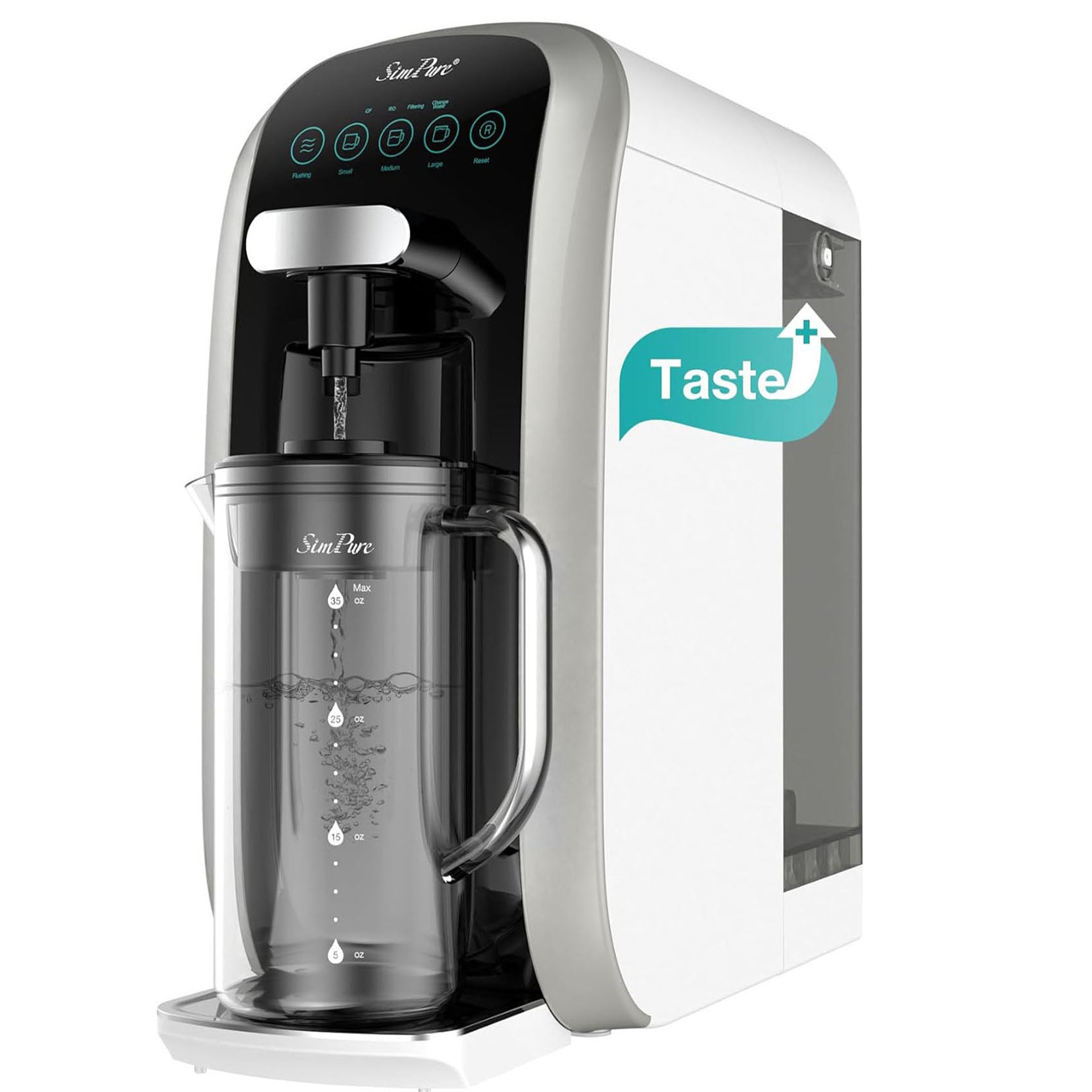
Advanced RO systems such as SimPure Y7P Countertop RO System is engineered with an Automated Flushing Cycle.
This feature regularly clears air pockets and mineral buildup before they can affect water clarity, ensuring your first glass is as crystal clear as your last.
View Product