
You turn on the faucet, fill a glass of water, and notice something looks off.
Instead of being clear, the water looks cloudy, white, or hazy.
That can be surprising the first time it happens, but it’s actually a common issue in many homes. In most cases, cloudy tap water is caused by harmless air bubbles or naturally occurring minerals. Sometimes, though, it can point to plumbing problems or water quality issues that should be checked.
In this guide, we’ll explain the most common reasons faucet water looks cloudy, how to tell what’s causing it, and what you can do to improve it.
What Does Cloudy Faucet Water Mean?
Cloudy water can appear in different ways:
-
Milky white
-
Tiny bubbles throughout the glass
-
Hazy or dull-looking
-
Floating particles
-
Water that clears after sitting for a minute
The appearance often gives clues about the cause.
1. Air Bubbles in the Water (Most Common Cause)
If the water looks cloudy right away but clears within 30 to 60 seconds, trapped air bubbles are usually the reason.
This happens when pressurized water carries dissolved air. Once the water leaves the faucet, the pressure drops and tiny bubbles become visible.
Common Reasons:
-
Changes in city water pressure
-
Water main work nearby
-
Seasonal temperature changes
-
Recent plumbing repairs
-
Cold water holding more dissolved gas
Easy Test:
Fill a clear glass and let it sit.
If the cloudiness disappears from the bottom upward, it’s air bubbles and usually nothing to worry about.
2. Sediment or Mineral Particles
If the water stays cloudy or leaves particles behind, sediment may be the issue.
Common examples include:
-
Calcium
-
Magnesium
-
Rust particles
-
Sand
-
Pipe scale
This is more common in older homes or areas with hard water.
3. Hard Water Minerals
Hard water contains higher levels of dissolved minerals like calcium and magnesium.
While generally safe to drink, it can cause:
-
Hazy-looking water
-
White spots on dishes
-
Scale buildup on faucets
-
Reduced appliance efficiency
4. Water Heater Problems
If only hot water looks cloudy, the issue may come from the water heater.
Possible causes:
-
Sediment inside the tank
-
Heating-related air bubbles
-
Mineral buildup
-
Aging equipment
Try comparing hot and cold water from the same faucet.
5. Aging Pipes or Plumbing Issues
Older pipes can corrode over time and release particles into your water.
You may notice:
-
Yellow or brown tint
-
Metallic taste
-
Water discoloration after sitting overnight
-
Ongoing cloudiness
If this happens regularly, it may be time for a plumbing inspection.
Is Cloudy Faucet Water Safe to Drink?
Sometimes yes, sometimes it depends on the cause.
If the cloudiness disappears quickly, trapped air is usually the reason and the water is commonly safe to use.
If the water stays cloudy, contains particles, smells unusual, tastes metallic, or changes color, it’s a good idea to investigate further or have the water tested.
How to Fix Cloudy Faucet Water
1. Let the Water Run Briefly
Sometimes standing water in household pipes can look cloudy at first.
2. Compare Hot and Cold Water
This helps identify whether the source is the water heater.
3. Use the Glass Test
-
Clears quickly = air bubbles
-
Particles settle = sediment
-
Stays hazy = minerals or another issue
4. Clean the Faucet Aerator
Mineral buildup at the faucet tip can affect water flow and appearance.
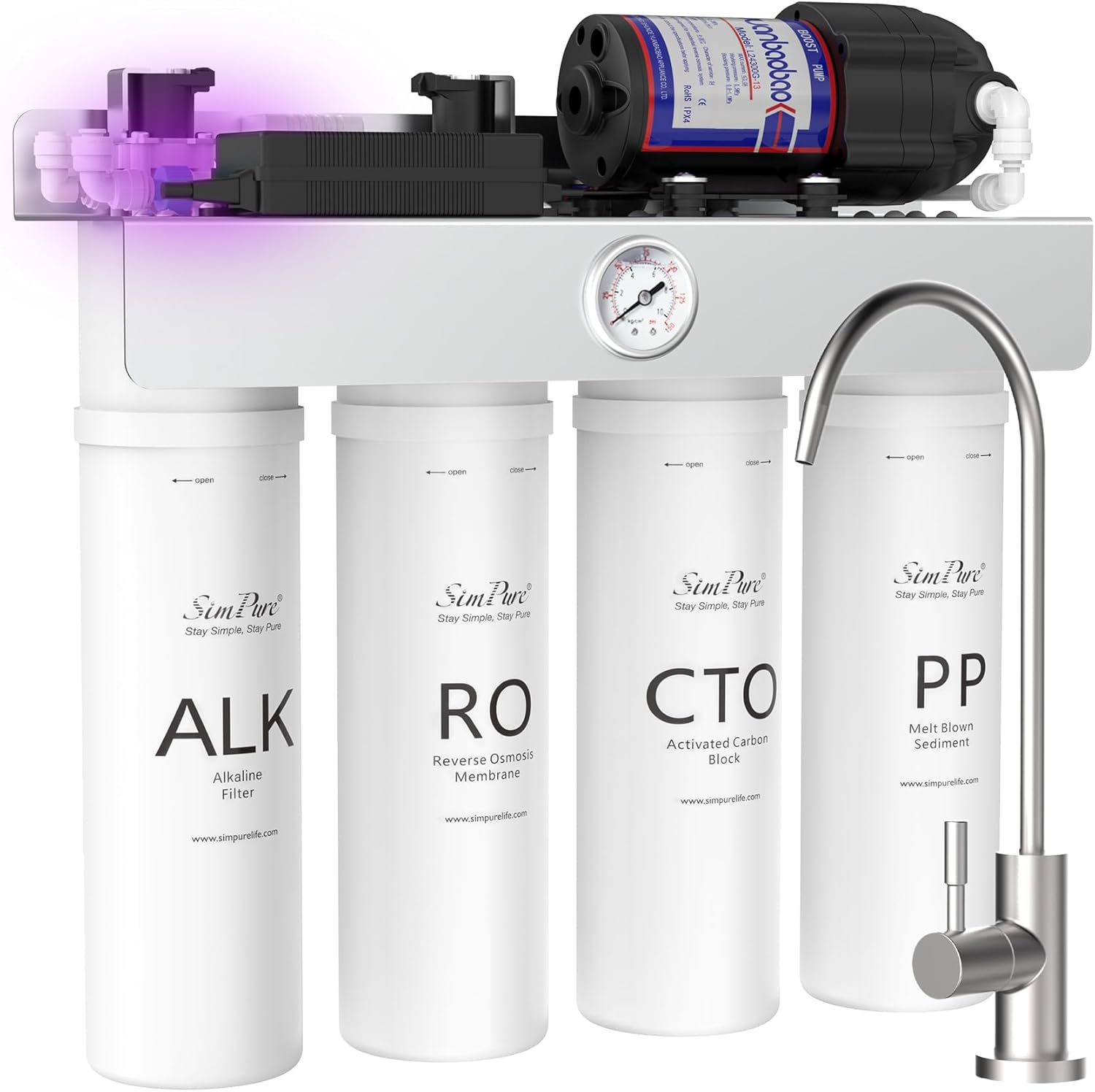
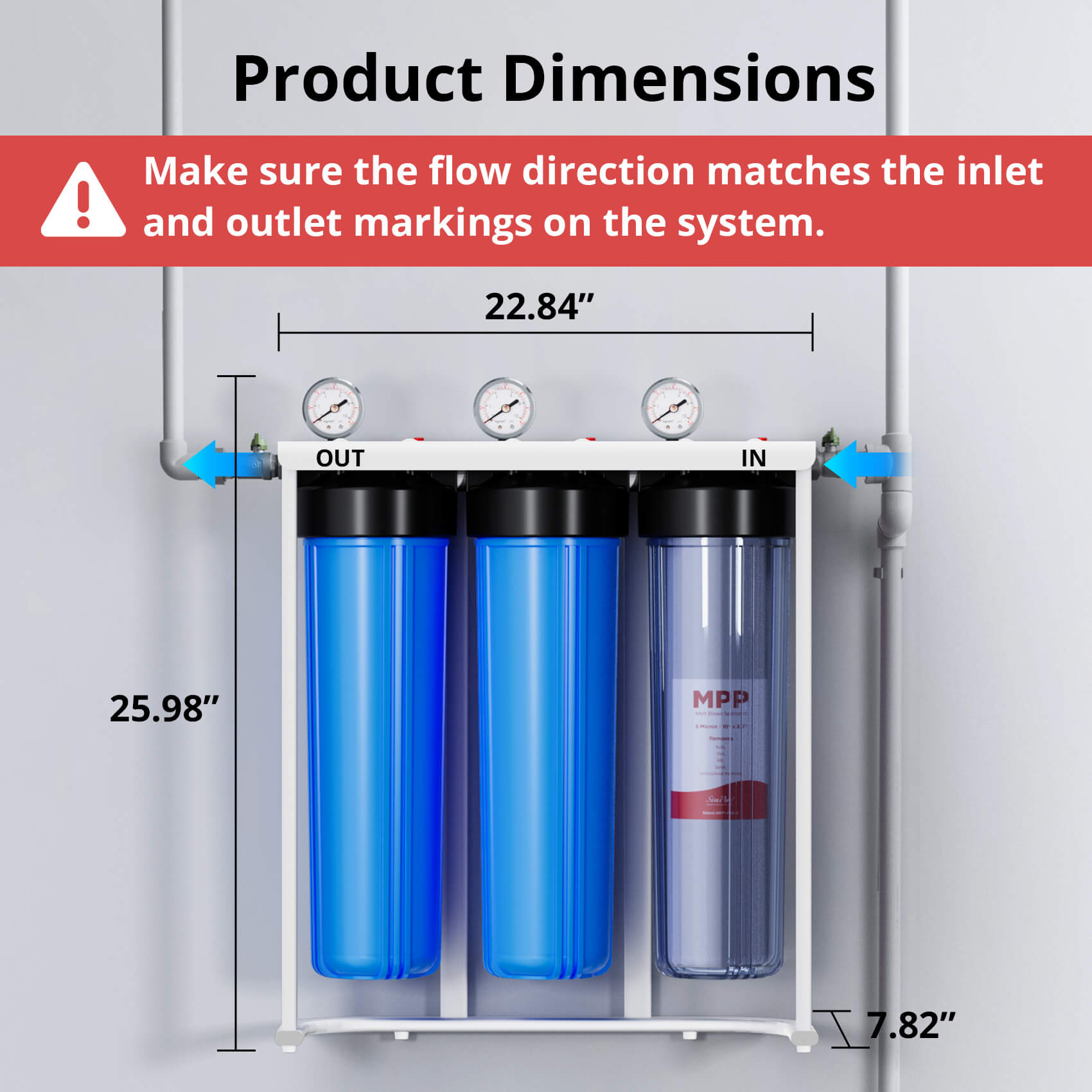
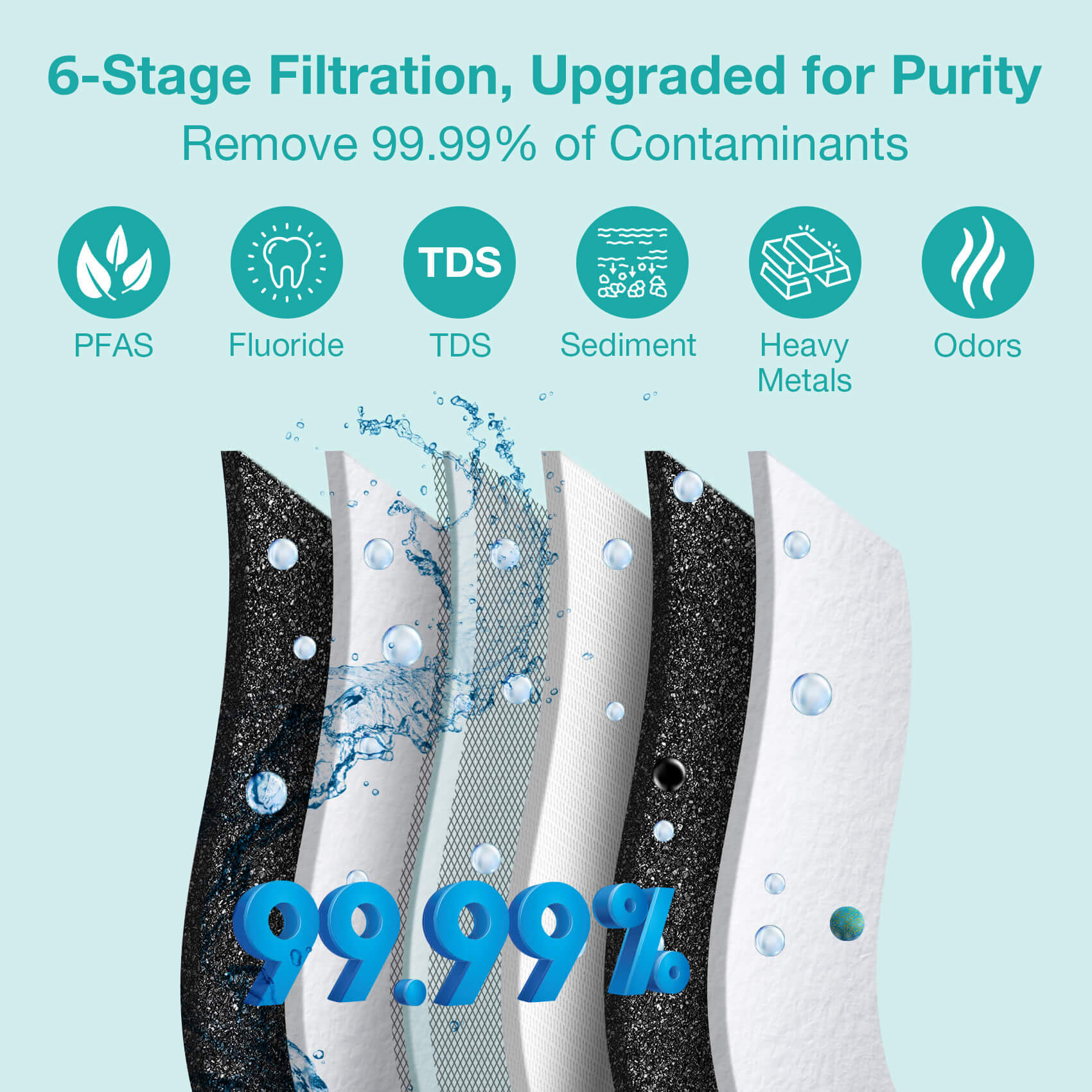
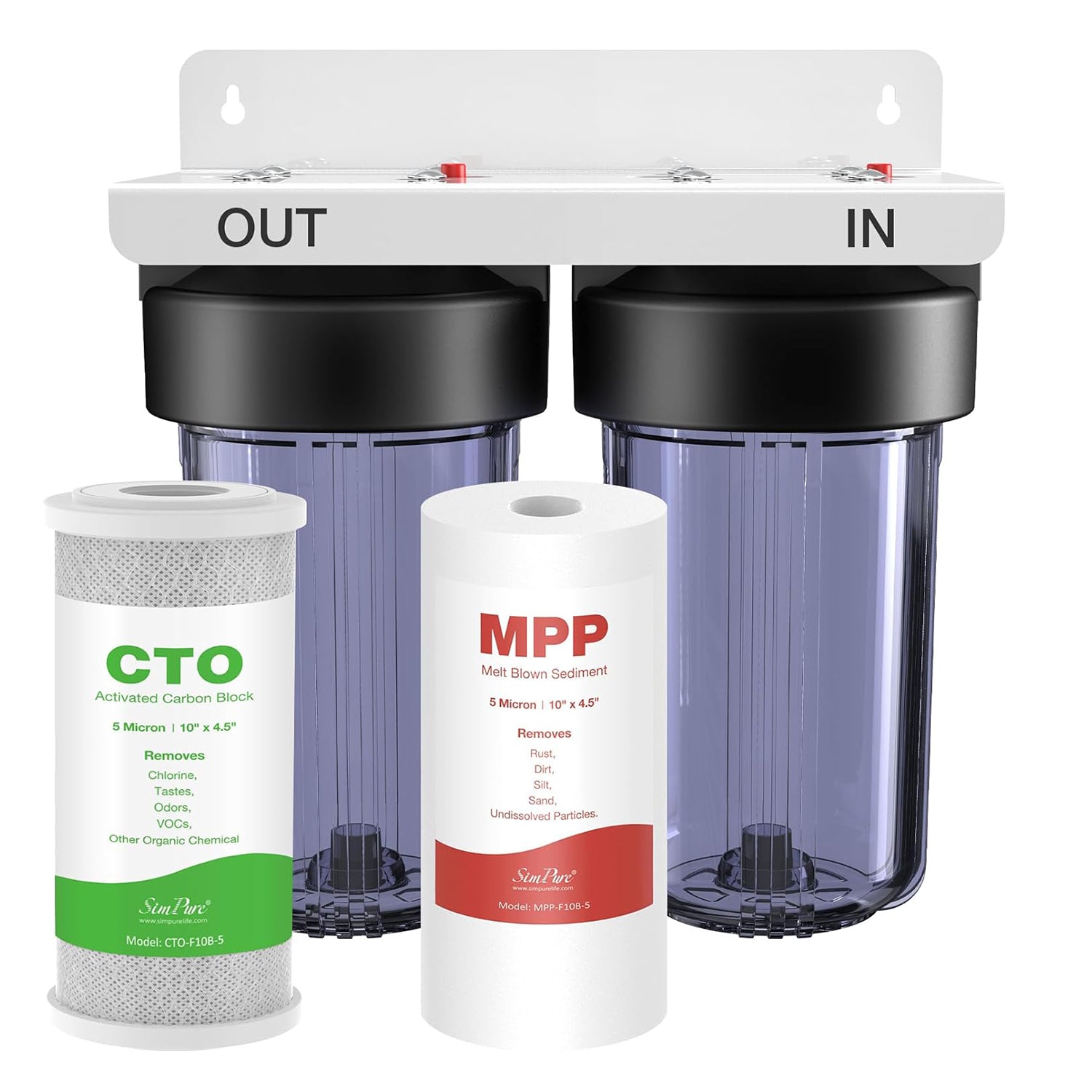
5. Install a Water Filtration System
If cloudy water happens often, filtration can be one of the best long-term solutions.
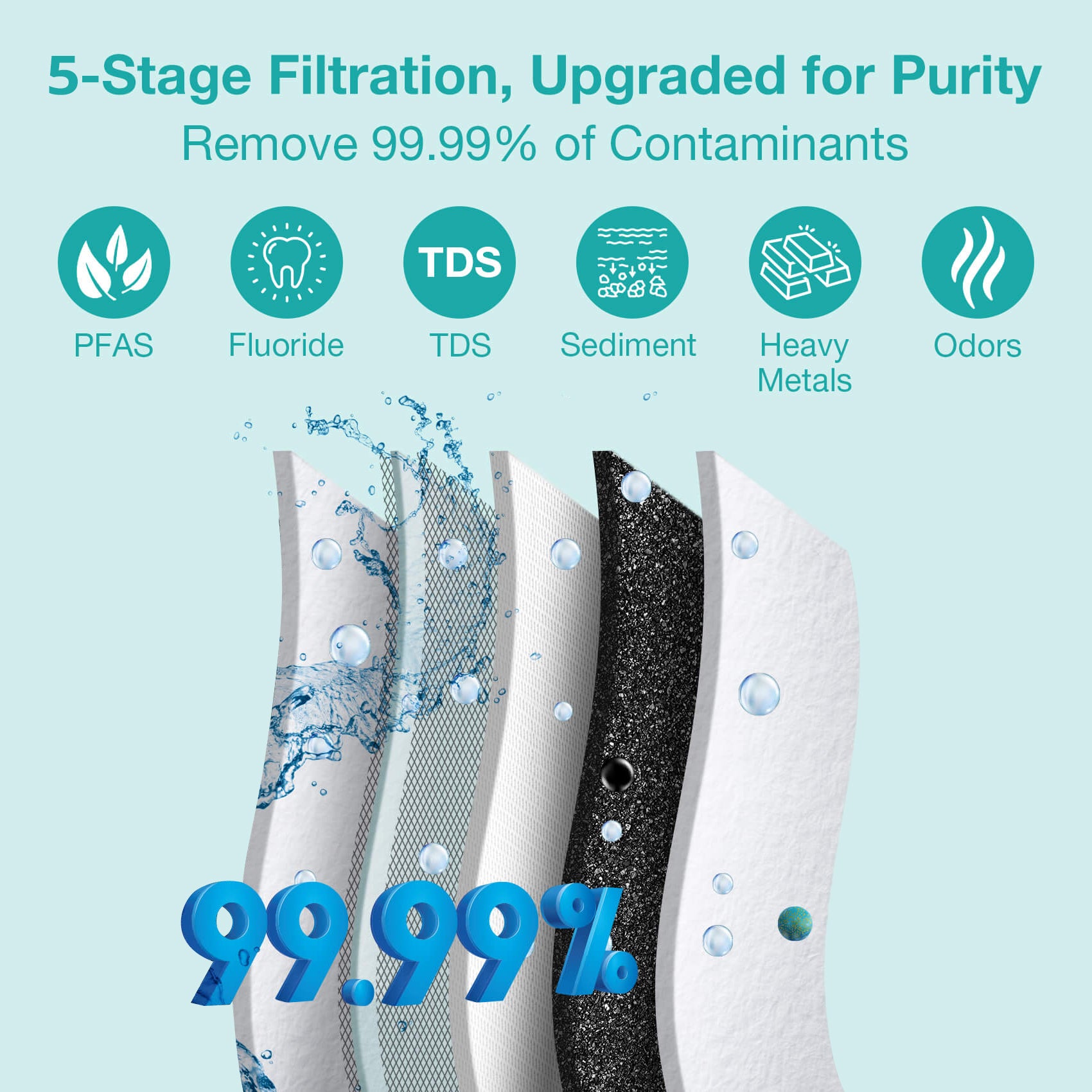
A quality filtration system can help reduce:
-
Sediment
-
Rust
-
Chlorine taste and odor
-
Heavy metals (depending on model)
-
Many common impurities
A Simple Upgrade for Better Drinking Water
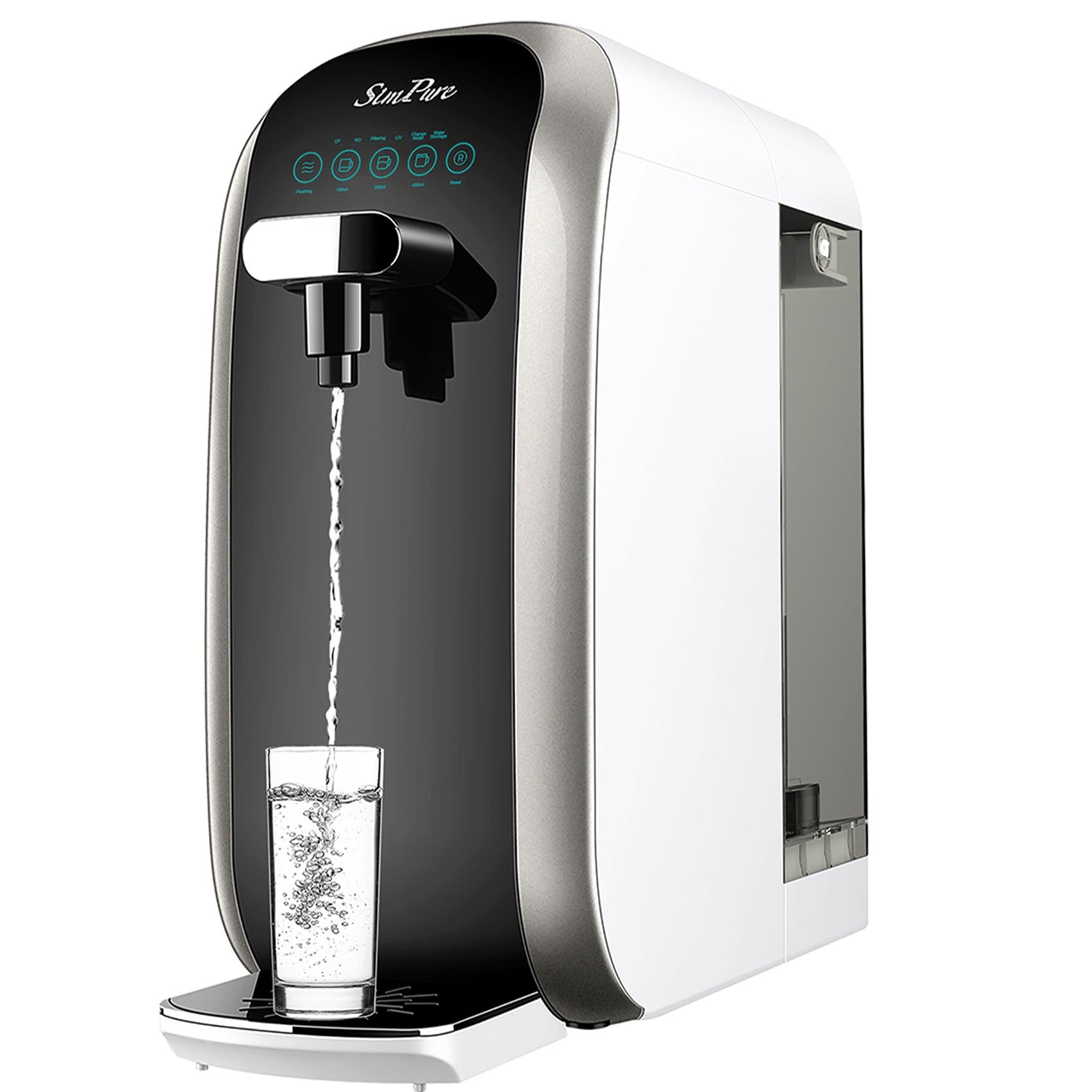
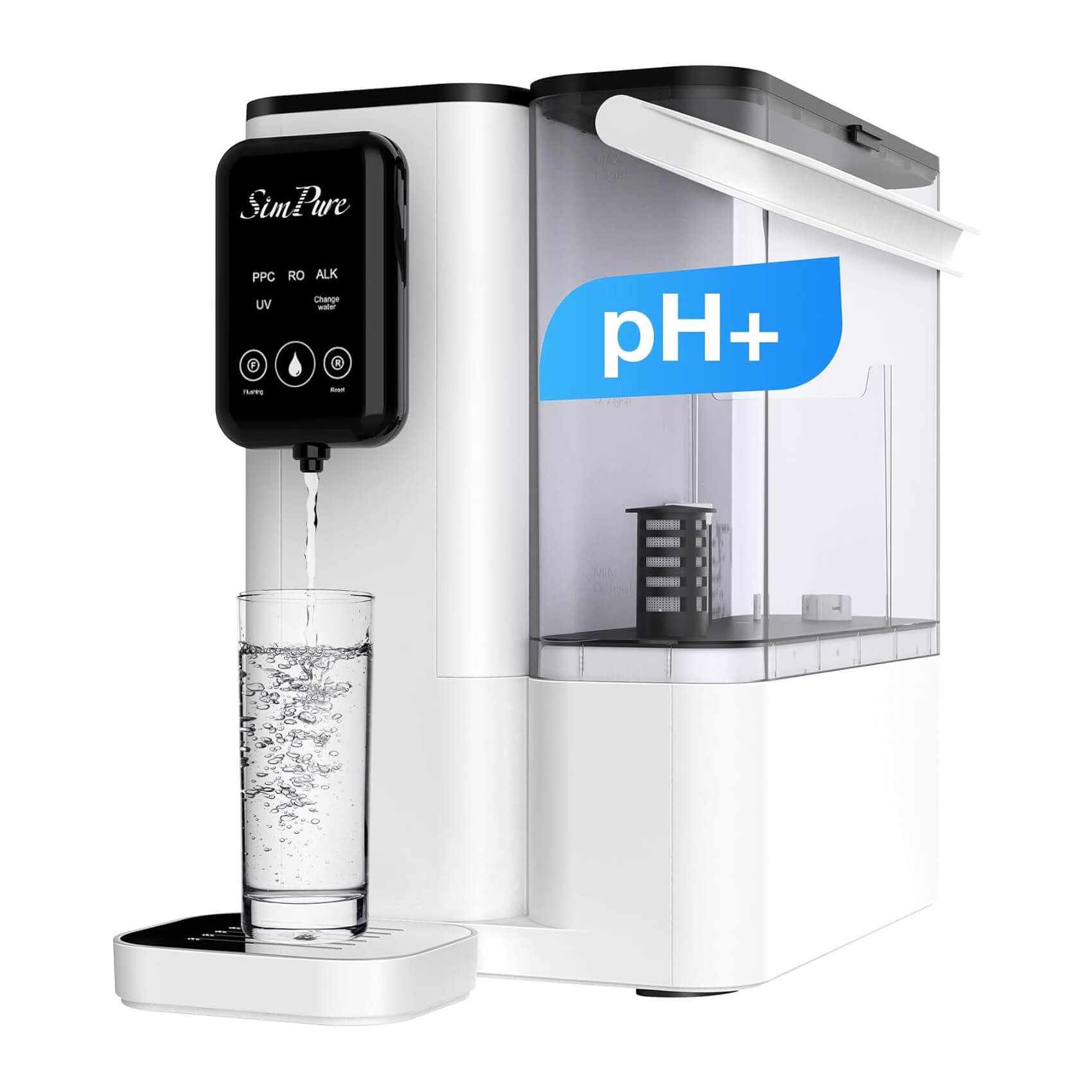
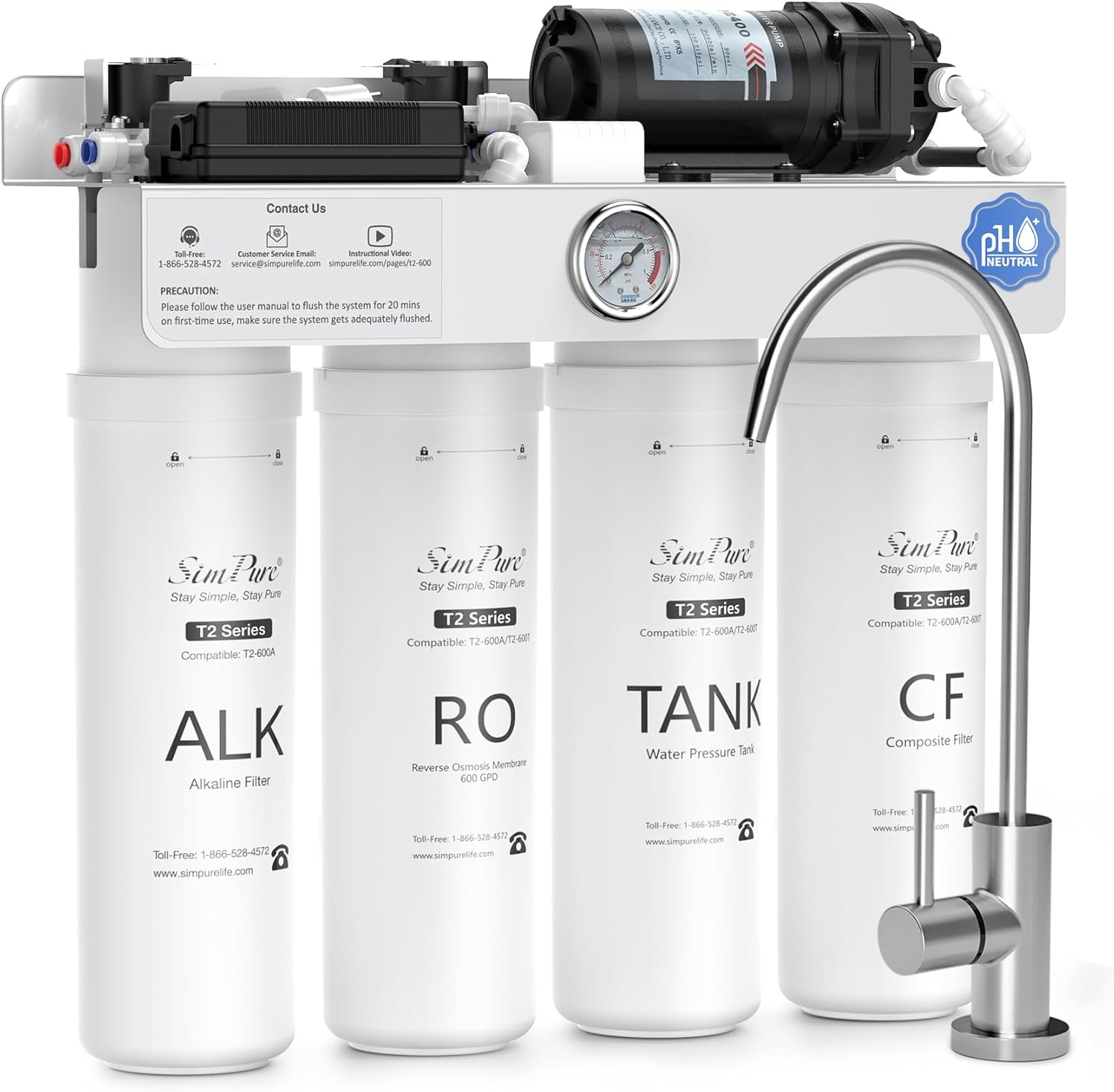
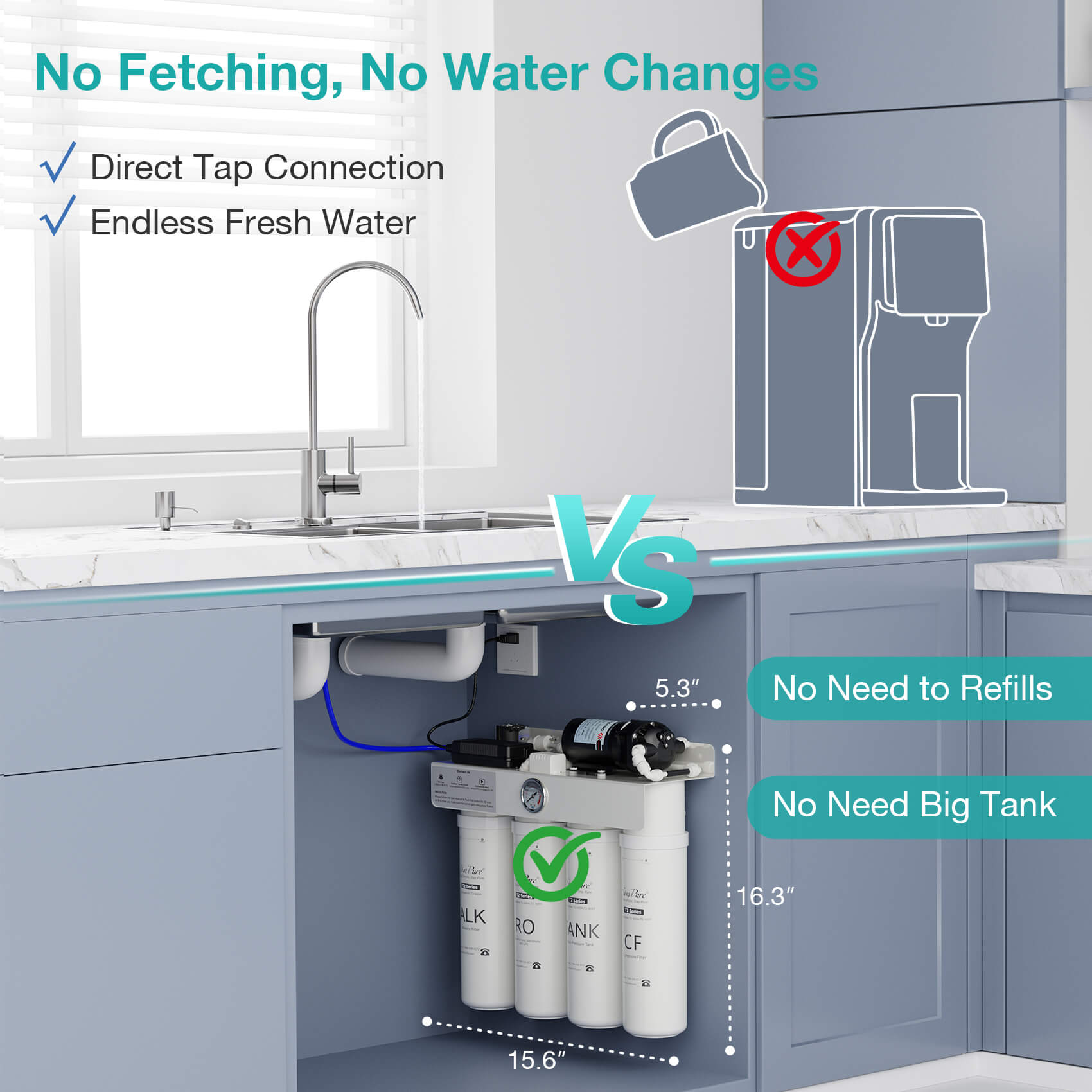
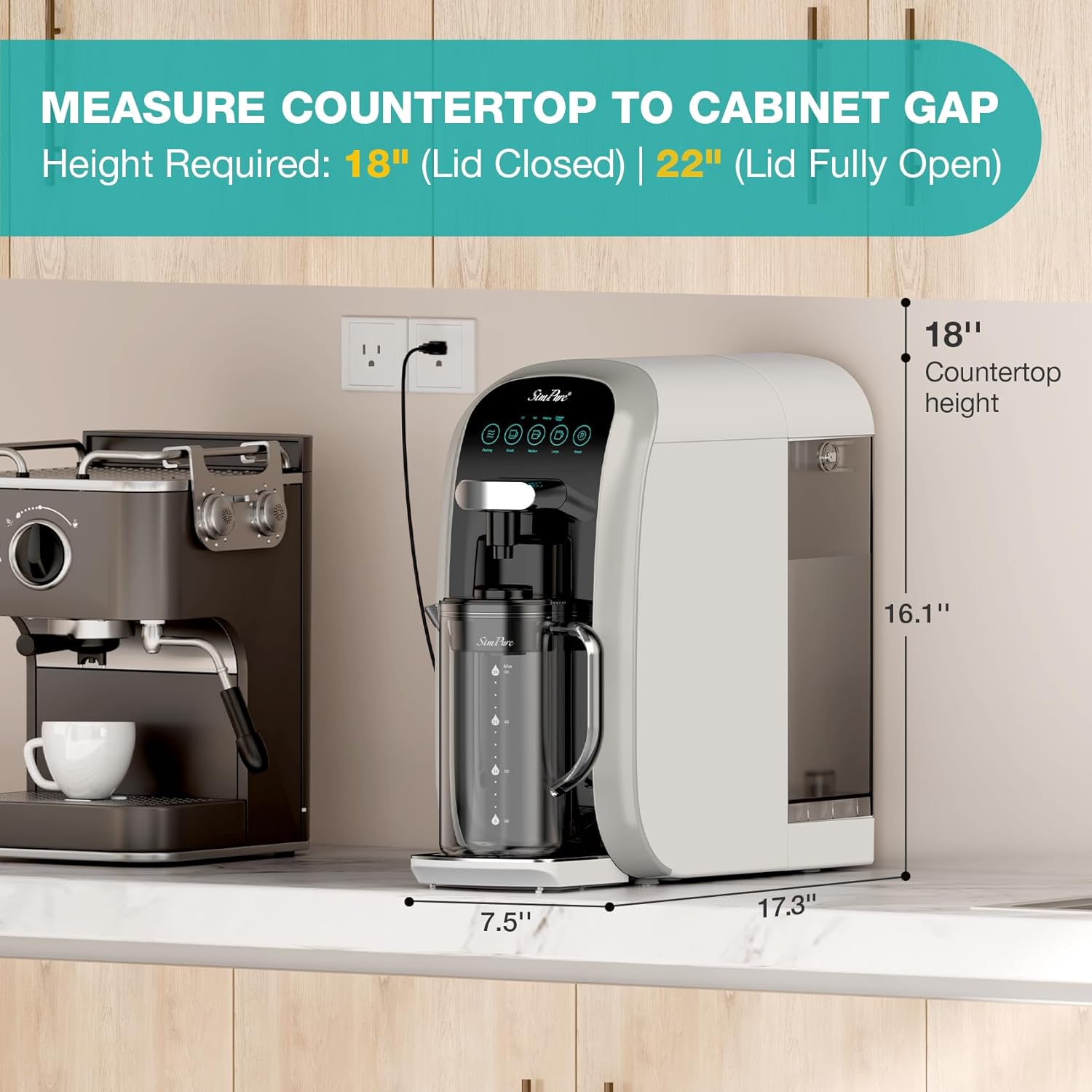
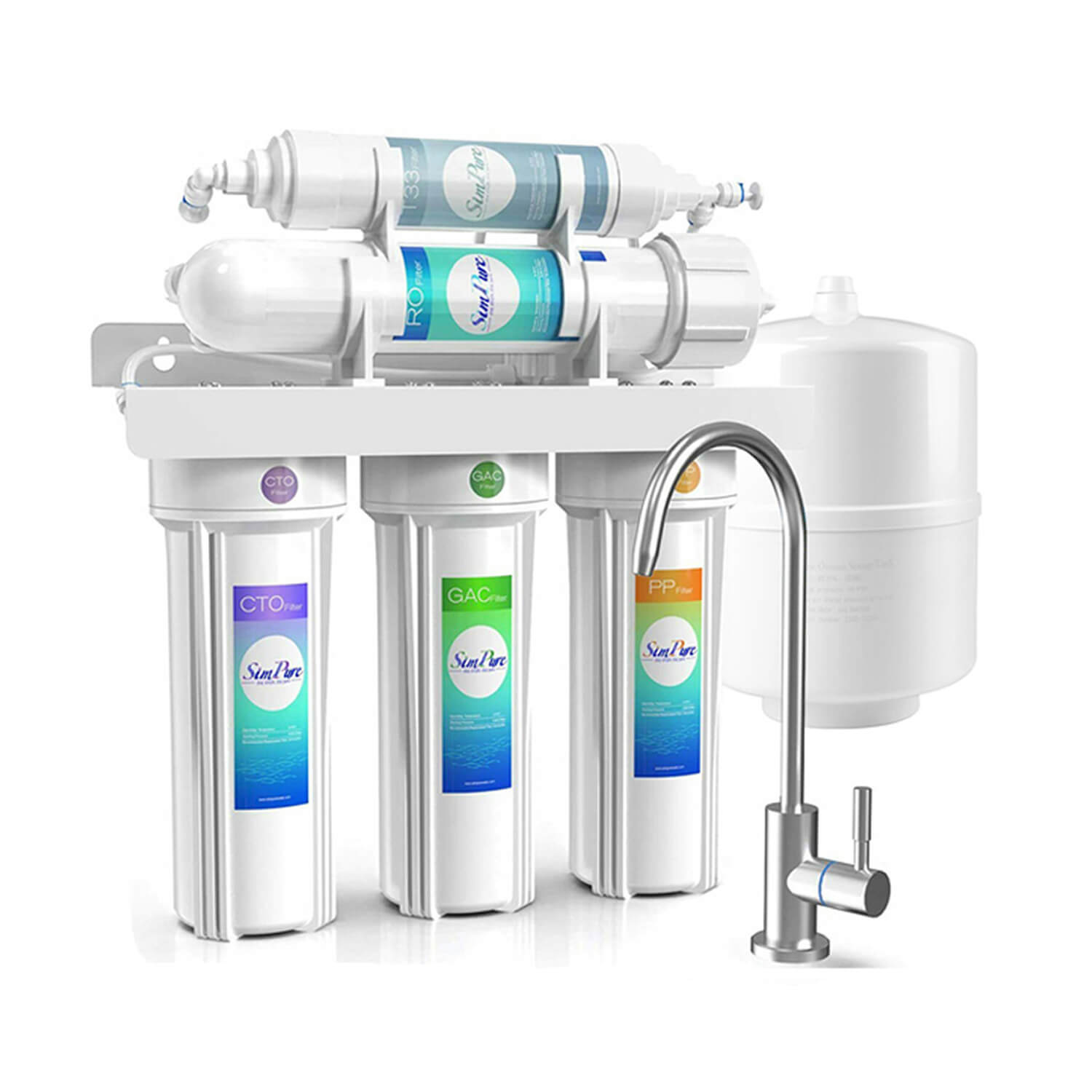
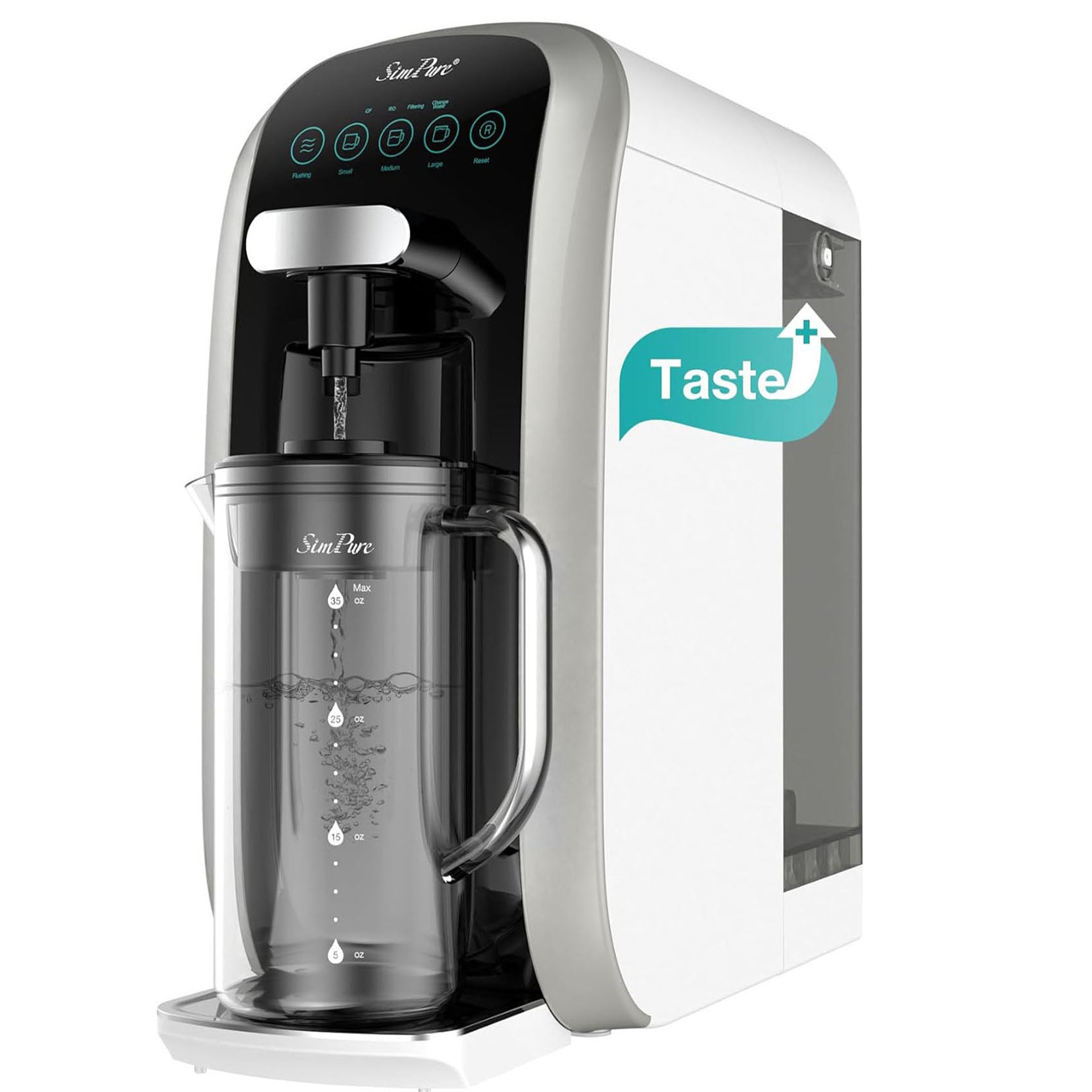
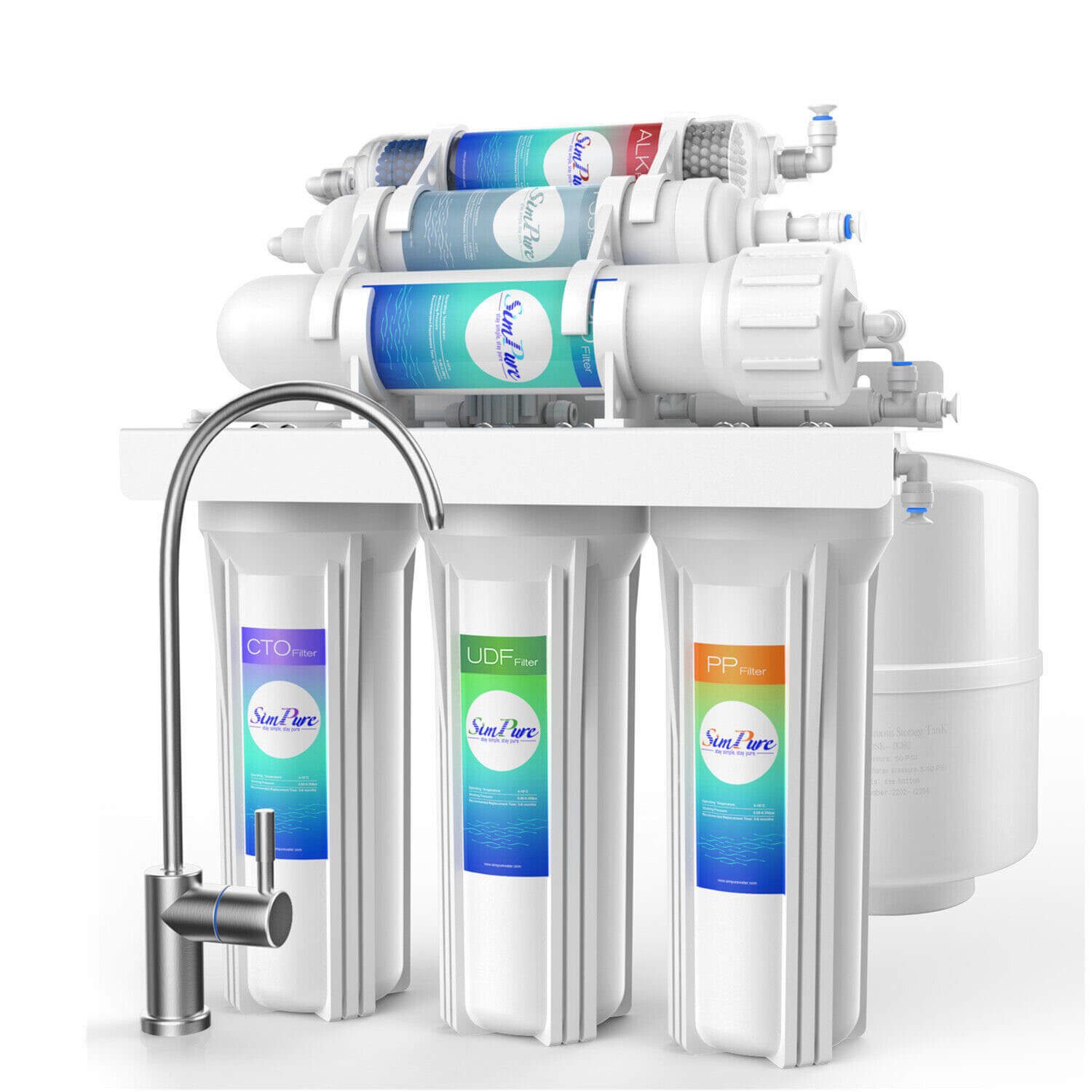
If you’d rather not guess what’s in your tap water, a reverse osmosis system can be a smart upgrade.
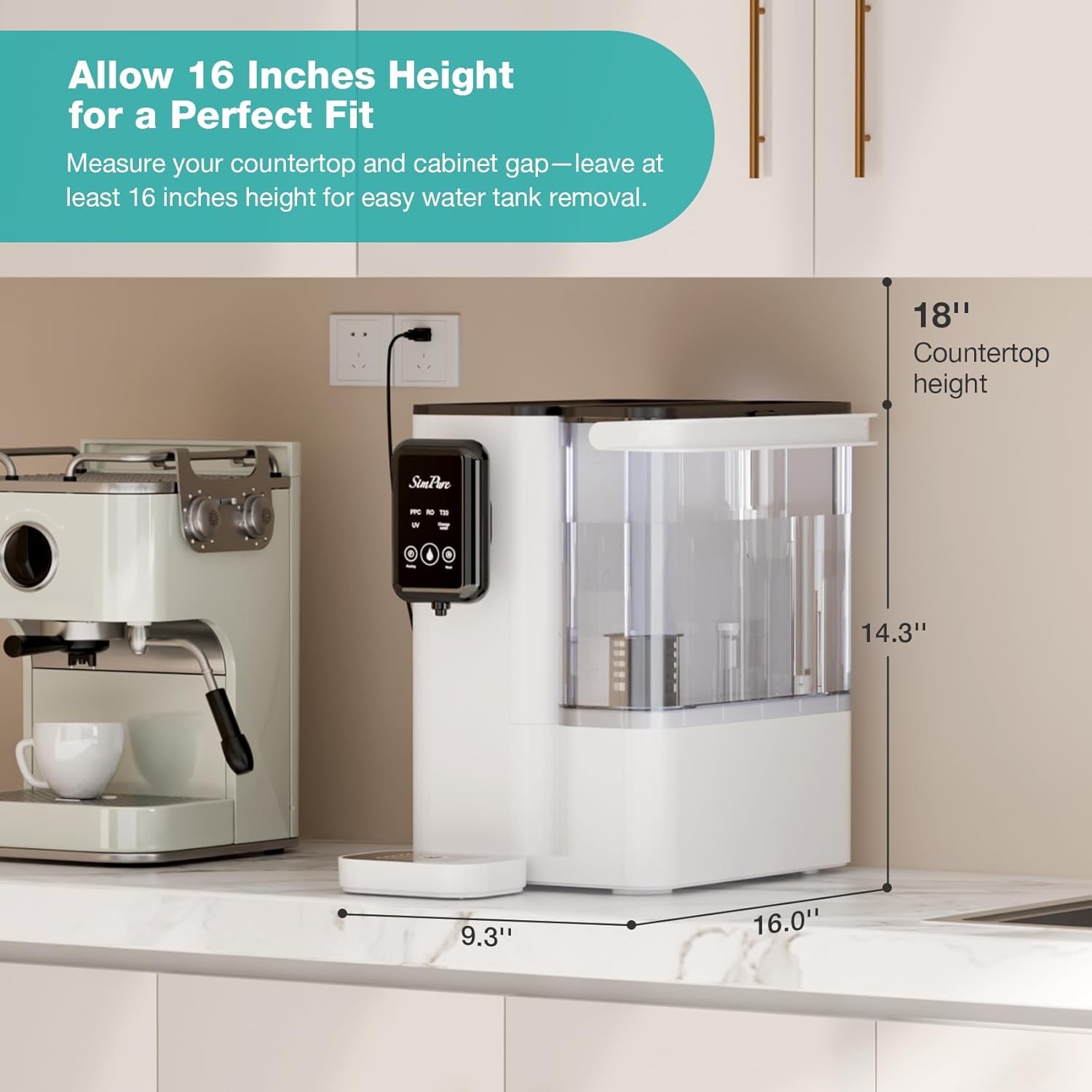
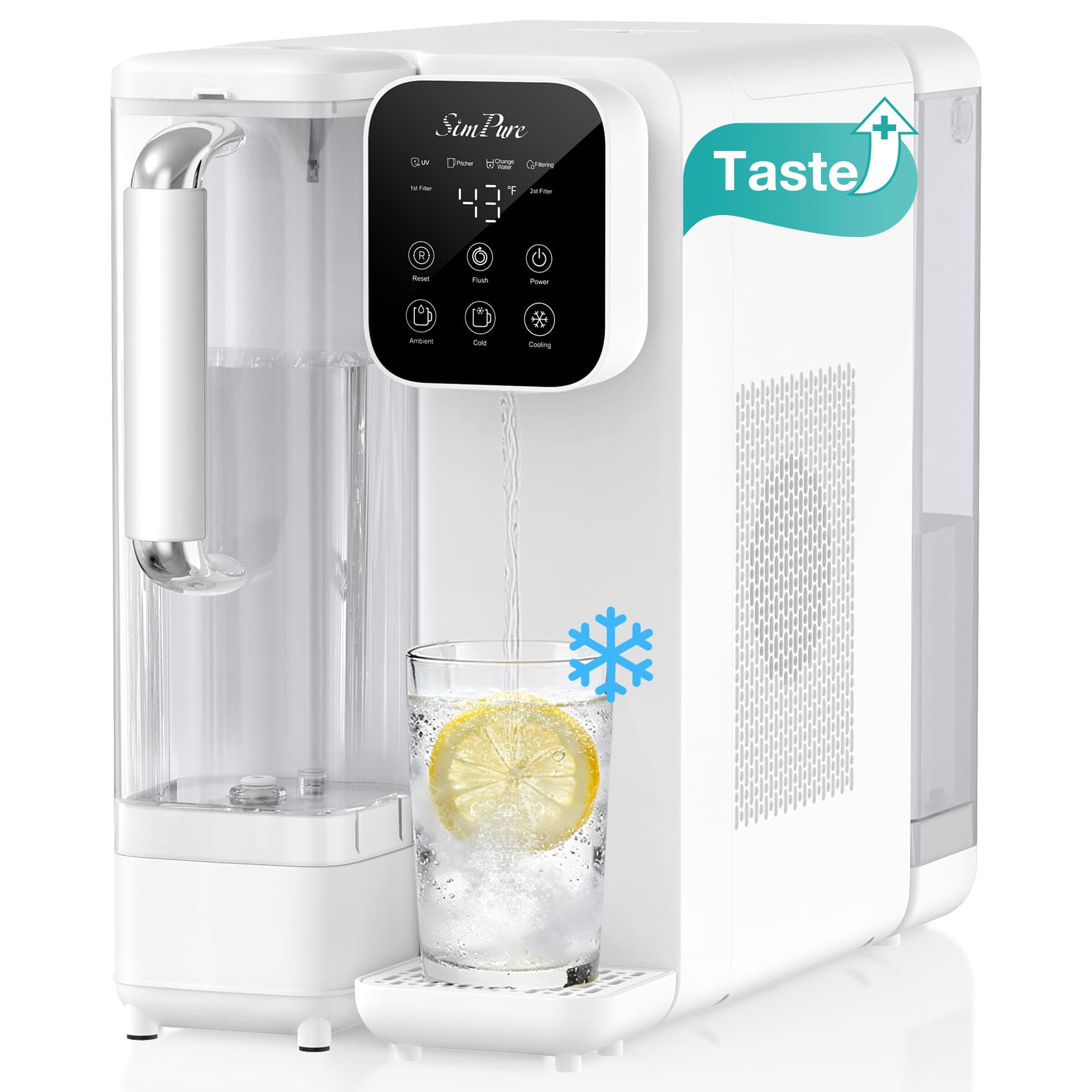
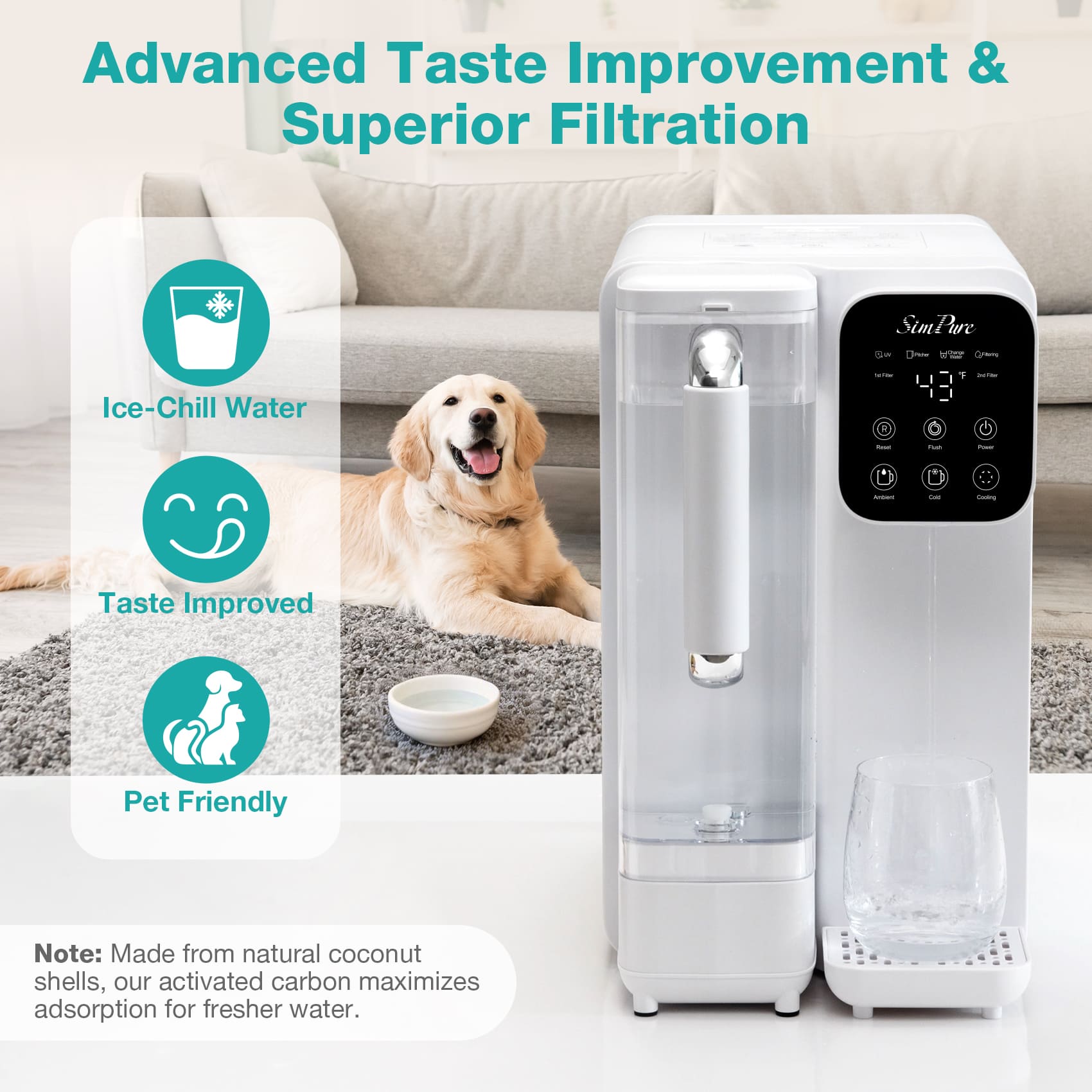
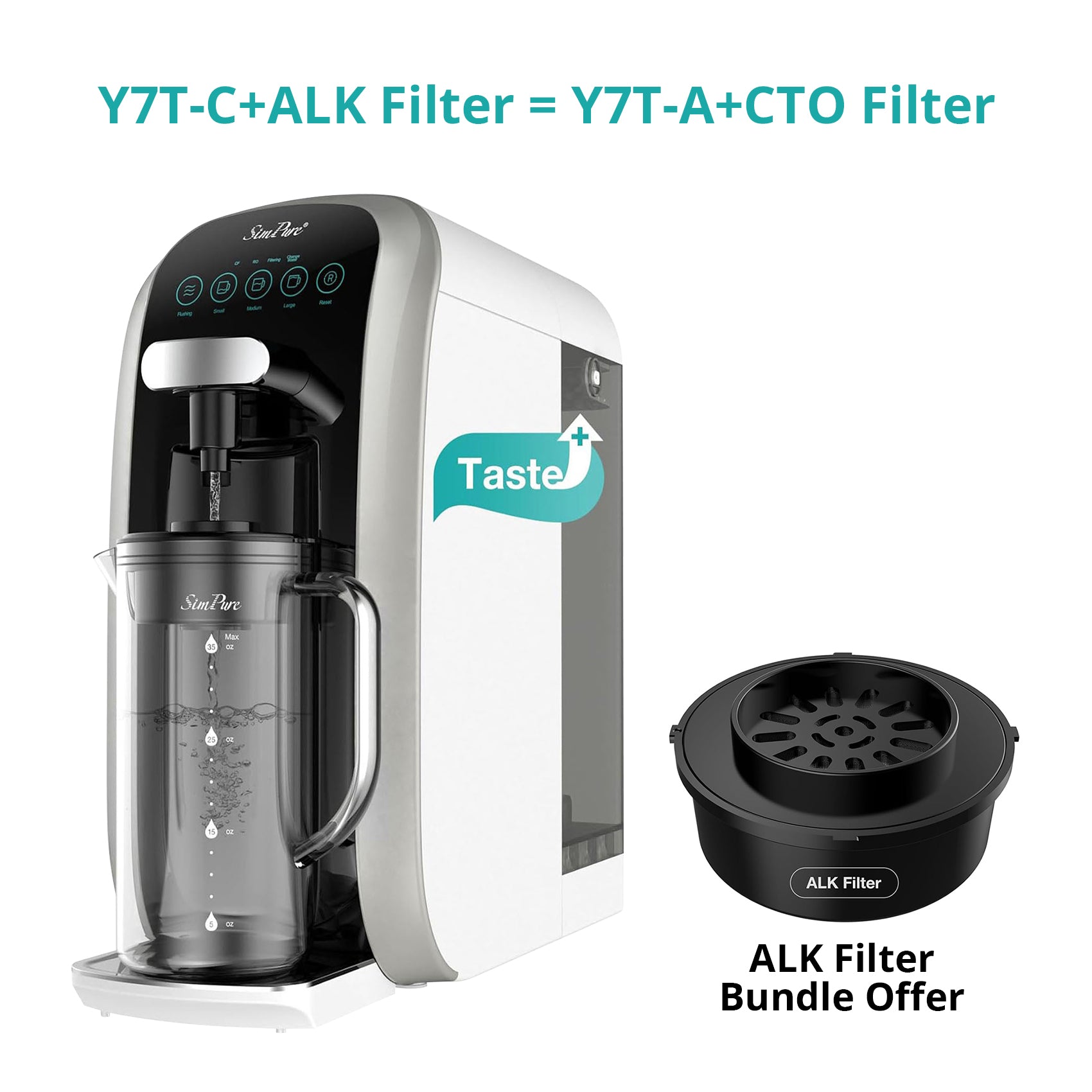
SimPure Life offers convenient countertop RO systems designed for daily home use. They can help improve water clarity, reduce many common contaminants, and enhance taste.
Countertop models are especially popular because they:
-
Require little or no installation
-
Fit apartments, rentals, and kitchens
-
Save counter space
-
Reduce bottled water use
When to Contact Your Water Utility
Reach out to your local provider if:
-
Neighbors have the same issue
-
Water changed suddenly
-
There was nearby construction
-
Water smells chemical-like
-
The problem lasts several days
Final Thoughts
If your faucet water looks cloudy, the cause is often something simple like trapped air, minerals, or minor sediment. In many cases, it’s temporary and harmless.
But if the cloudiness does not go away, has a strange smell, unusual taste, or comes with discoloration, it’s worth taking a closer look.
Clean water should be something you feel confident about every day. If cloudy tap water keeps happening, upgrading to a trusted filtration system like a SimPure Life countertop reverse osmosis system can help bring more clarity, better taste, and peace of mind.