
Have you ever wondered why your filtered water smells like fish? If so, you're not alone. While water is meant to be odorless and tasteless, certain organic materials like cadmium, barium, or algal blooms can slip through, creating an unpleasant experience. As this problem is common in many households, tackling it promptly is key to ensuring your family's hydration stays refreshing. In this blog, we explore the potential causes and provide detailed solutions to eliminate that fishy odor for good.
Why Does My Filtered Water Smell or Taste Like Fish?
If your filtered water has developed a fishy scent, it’s crucial to investigate the root cause. Here are the most common culprits:
1. Expired or Contaminated Water Filters
When filters reach the end of their lifespan, they become clogged and lose their ability to trap contaminants. Over time, bacteria can accumulate within the filter media, releasing organic compounds that produce a distinct fishy smell. This is the first thing you should check when the odor appears.

2. Natural Organic Matter (Barium & Cadmium)
A frequent reason for fishy-smelling water is the presence of natural metals. Barium occurs in mineral ores and can seep into pipes, while Cadmium often enters the water supply via industrial waste or fertilizer runoff. Both can create a foul, metallic-fishy odor.
3. Algal Blooms
During summer, high temperatures and sunlight lead to increased algal blooms in water catchments. While municipal plants treat this water, residual particles can remain, making your water smell like a pond or fish market.
4. Chloramine By-products
Chloramine is a common disinfectant. When it reacts with certain filter types or organic matter in a Reverse Osmosis system, it can trigger a chemical reaction that results in a fishy odor.
How Water Filters Can Sometimes Cause Odors
While filters are designed to purify, poor maintenance can turn them into the source of the problem:
- Poor Maintenance: Accumulated residue becomes ineffective and smelly.
- Filter Age: Exceeded lifespans lead to a decline in filtration capabilities.
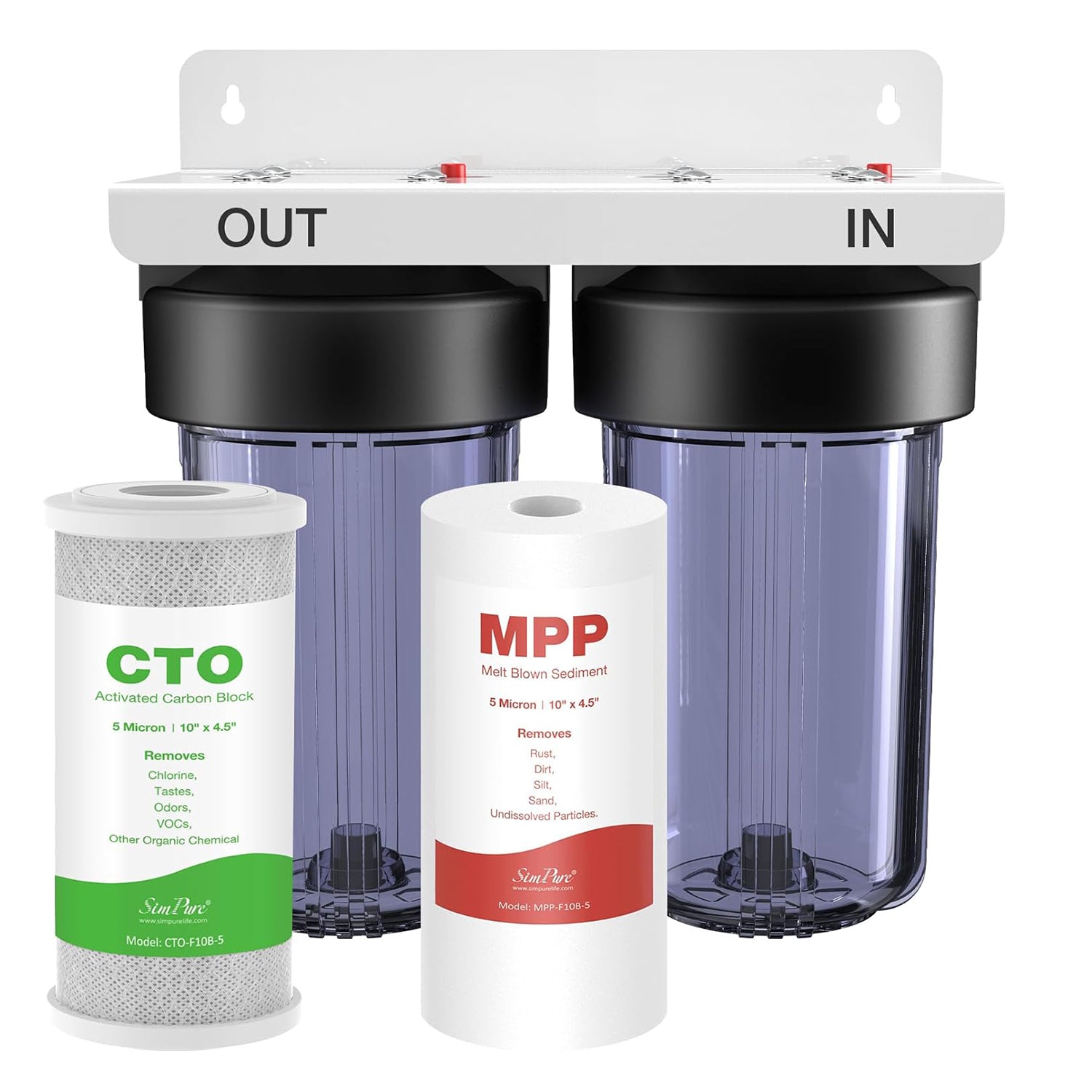
- Incorrect Filter Type: A standard chlorine filter won't stop heavy metals like cadmium.
- Stagnation: Water sitting in a filter for long periods (e.g., after a vacation) allows bacteria to grow.
Is It Okay to Drink Water That Smells Like Fish?
Health Guidance: In most cases, municipal water with a fishy smell is considered "safe" because the EPA regulates these organic compounds. However, it is not recommended to drink it. A fishy smell is a warning sign of filter saturation or bacterial growth, which can eventually lead to health hazards if ignored.
How Do You Get the Fish Smell Out of Water?
Immediate Steps
- Replace Your Filter: This solves 90% of fishy odor issues. Check for algae buildup during replacement.
- Flush Your System: Run your taps for 5-10 minutes to clear stagnant water and biofilm from the pipes.
- Test Your Water: Use a home TDS meter or kit to identify if the culprits are heavy metals.
Long-Term Solutions
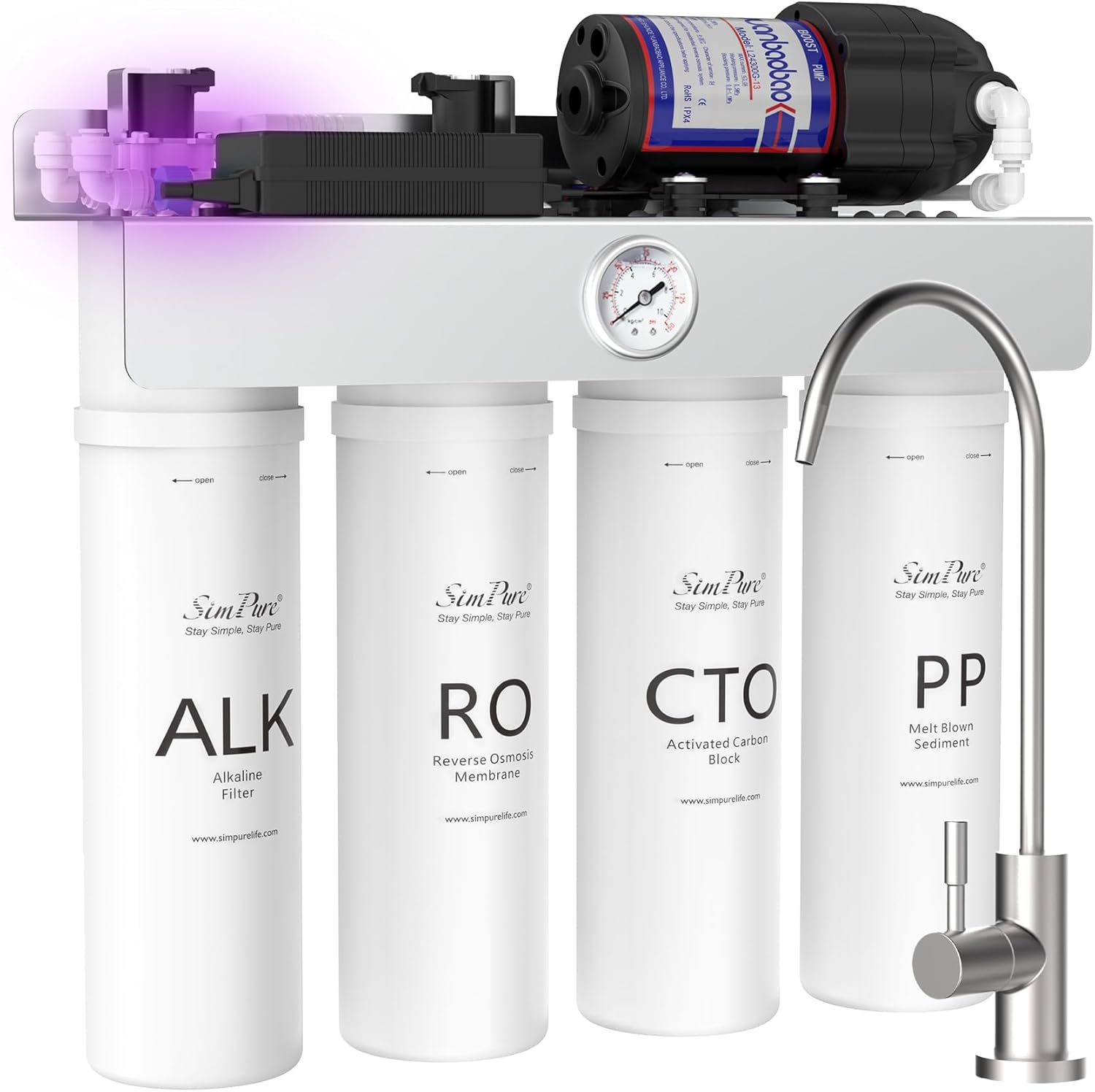
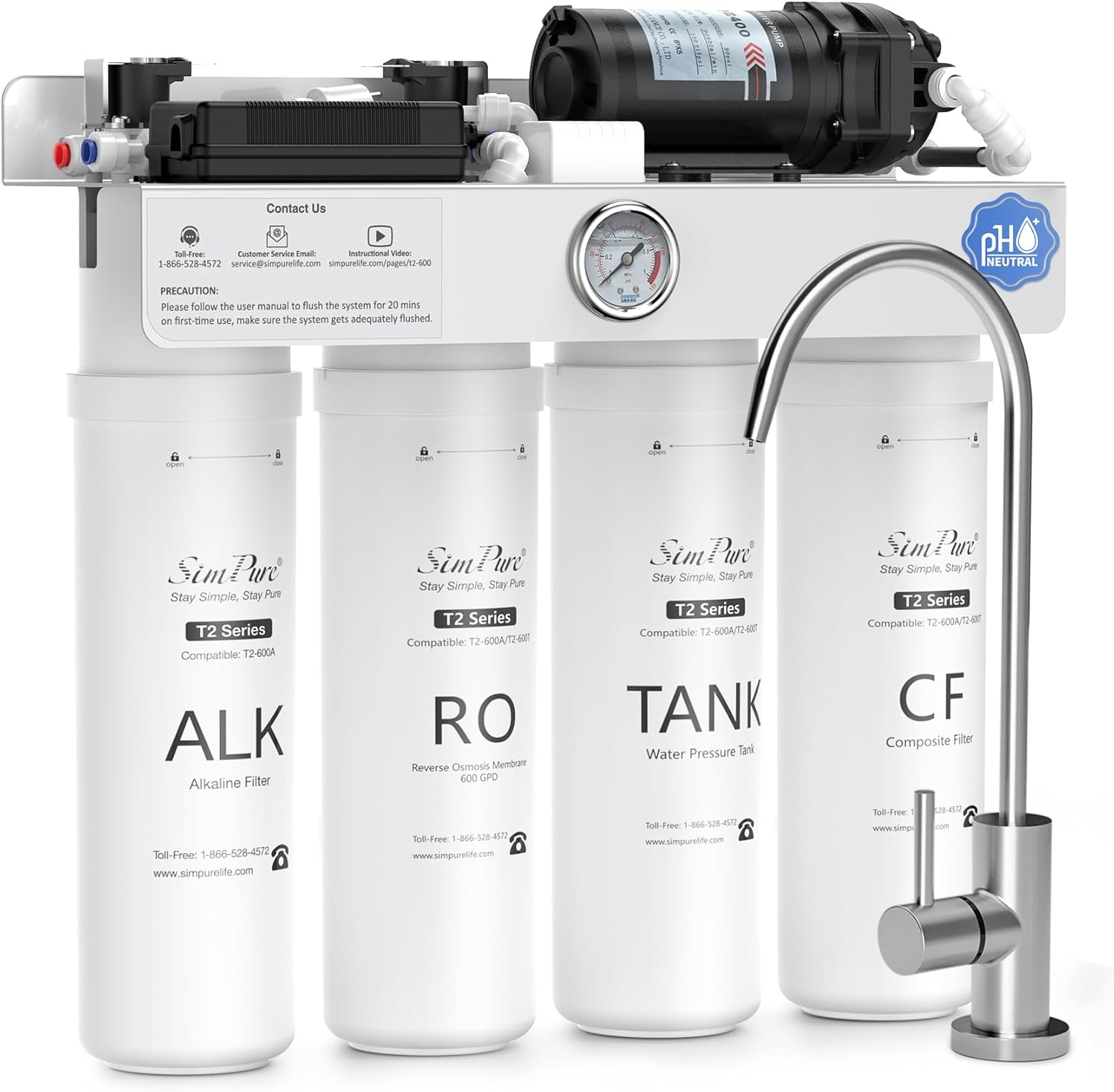
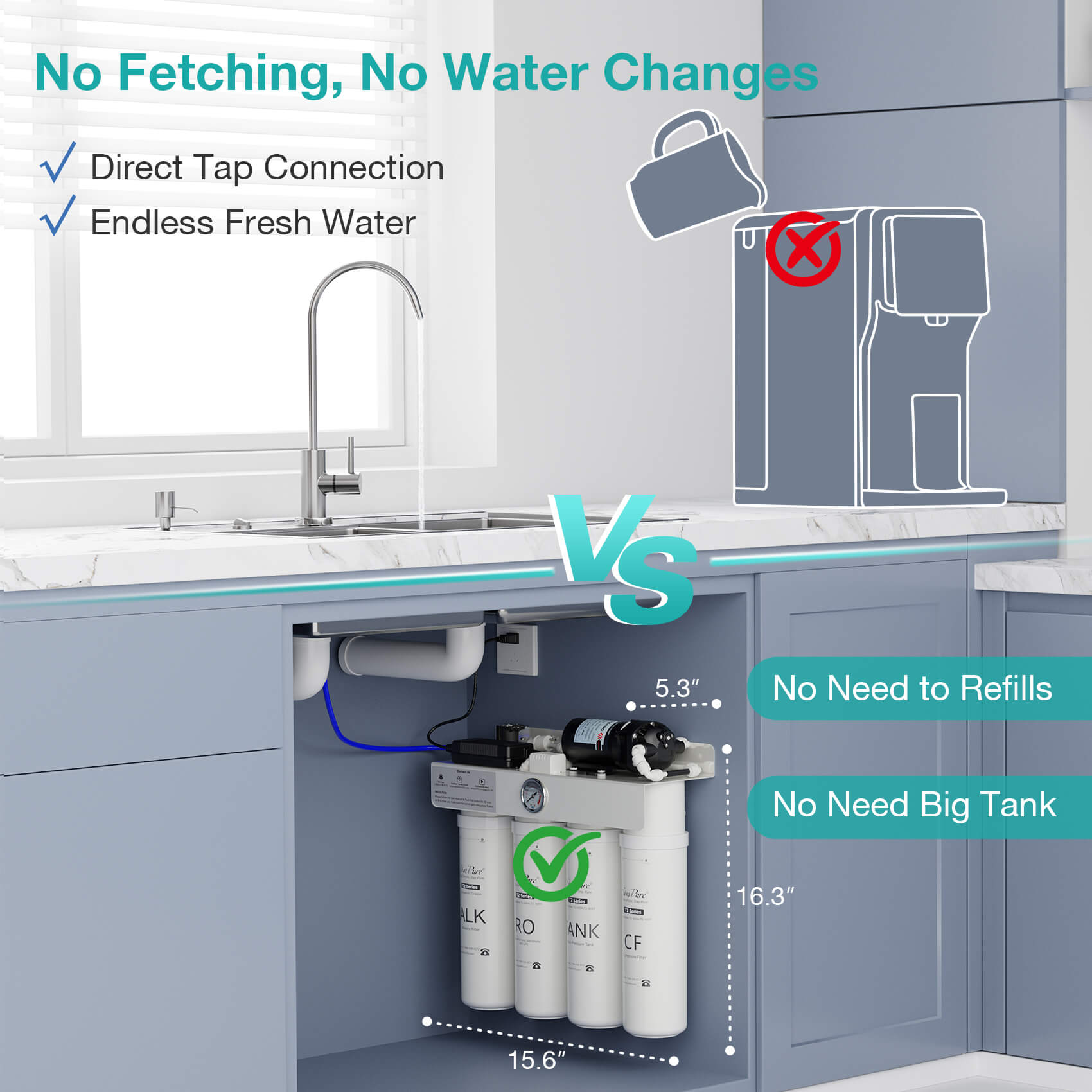
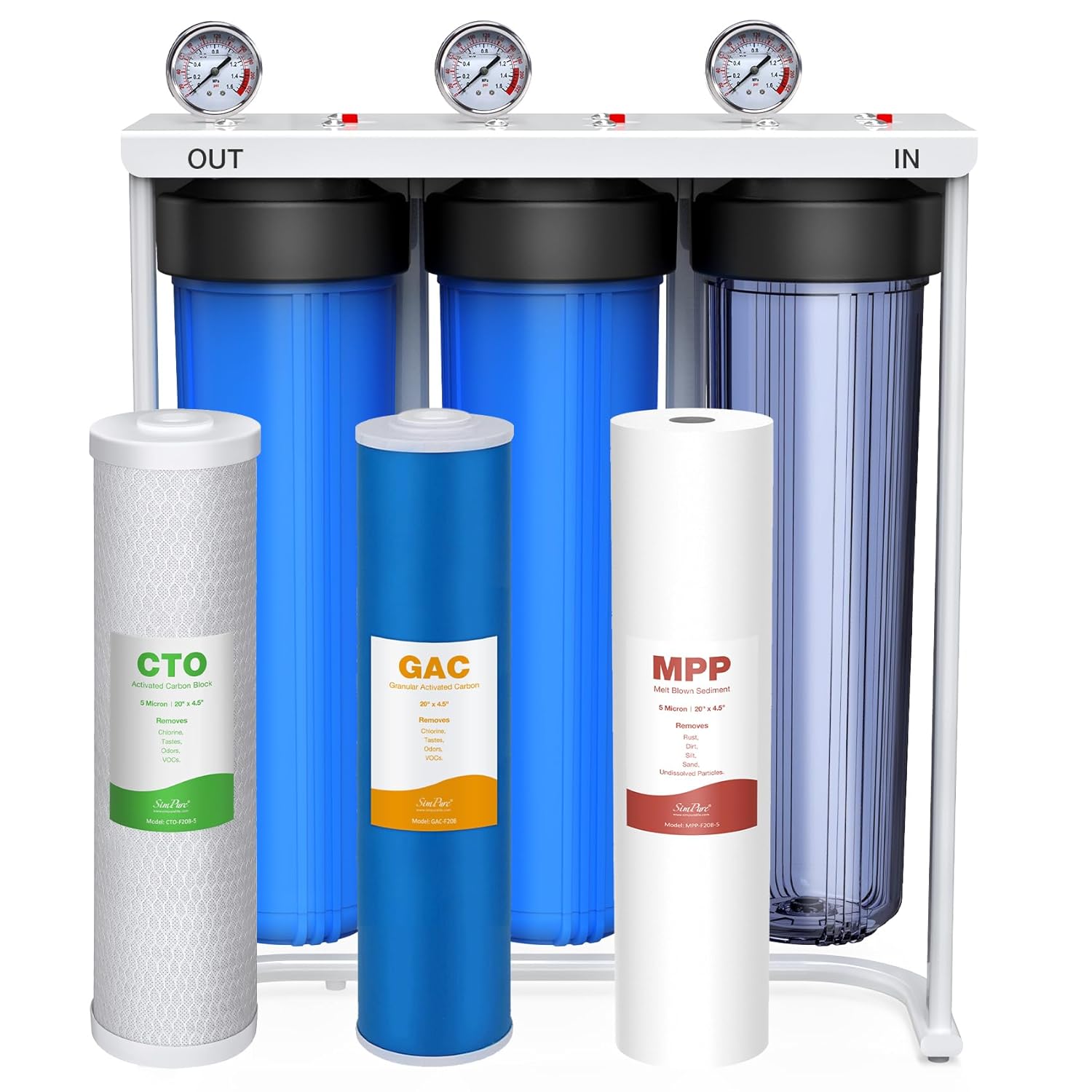
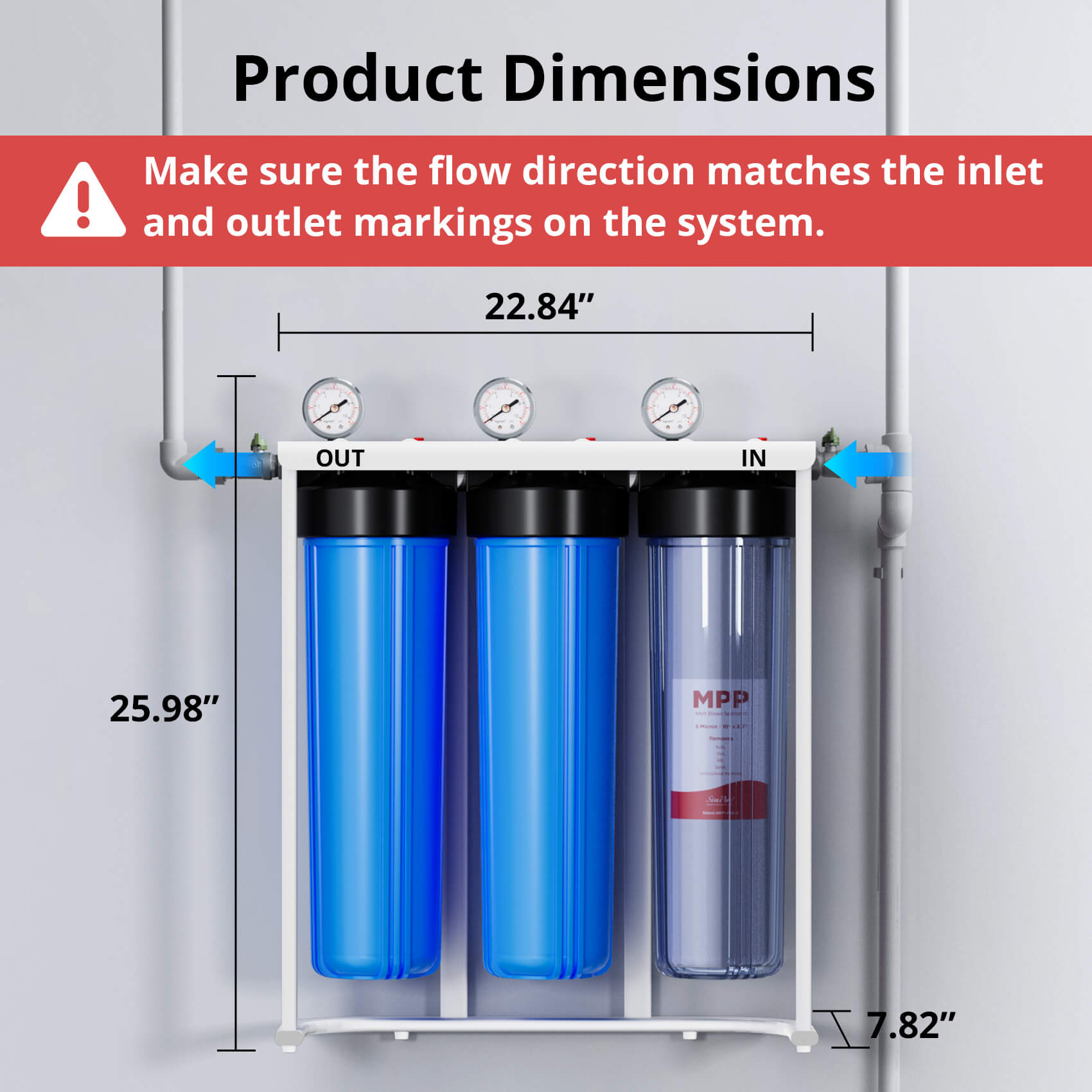
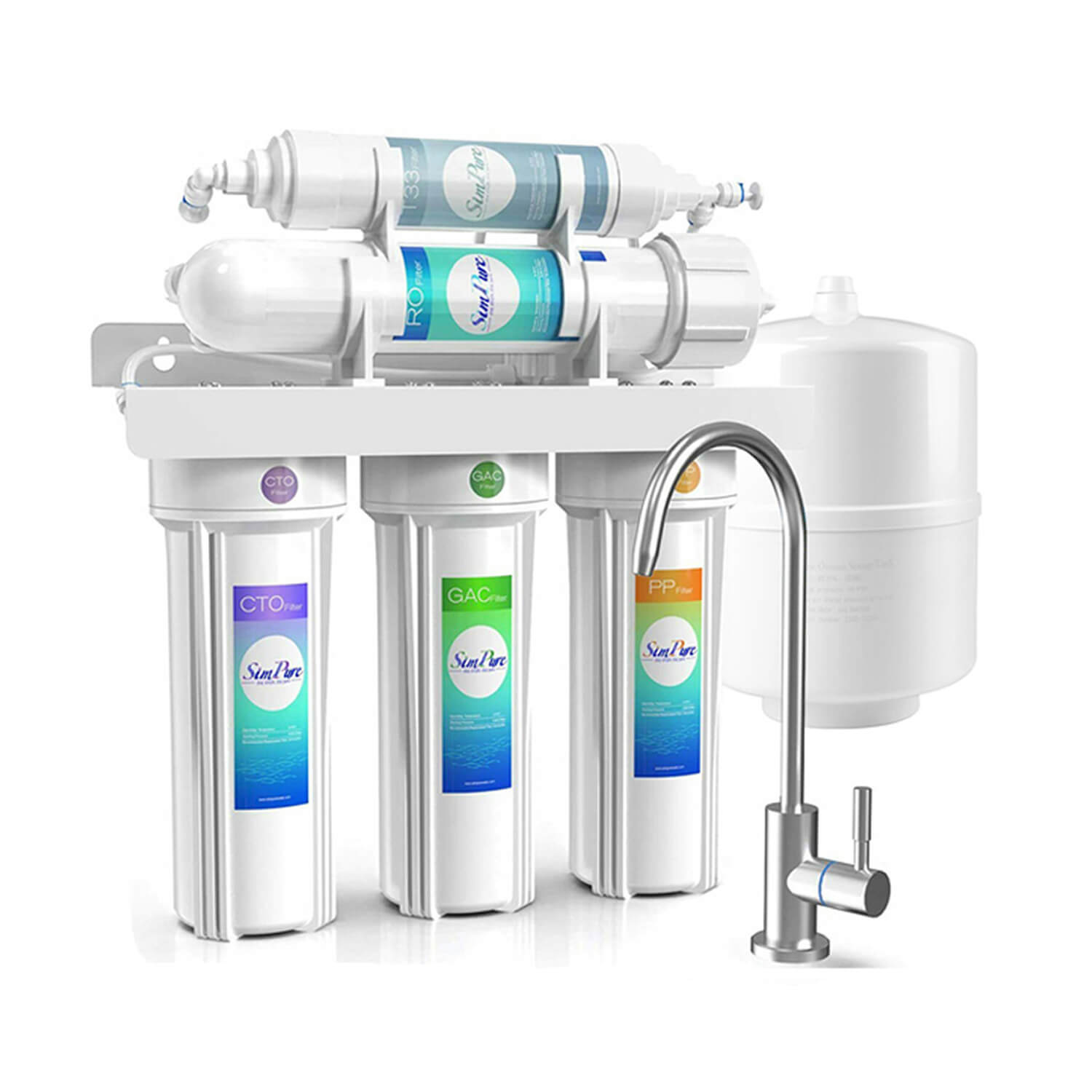
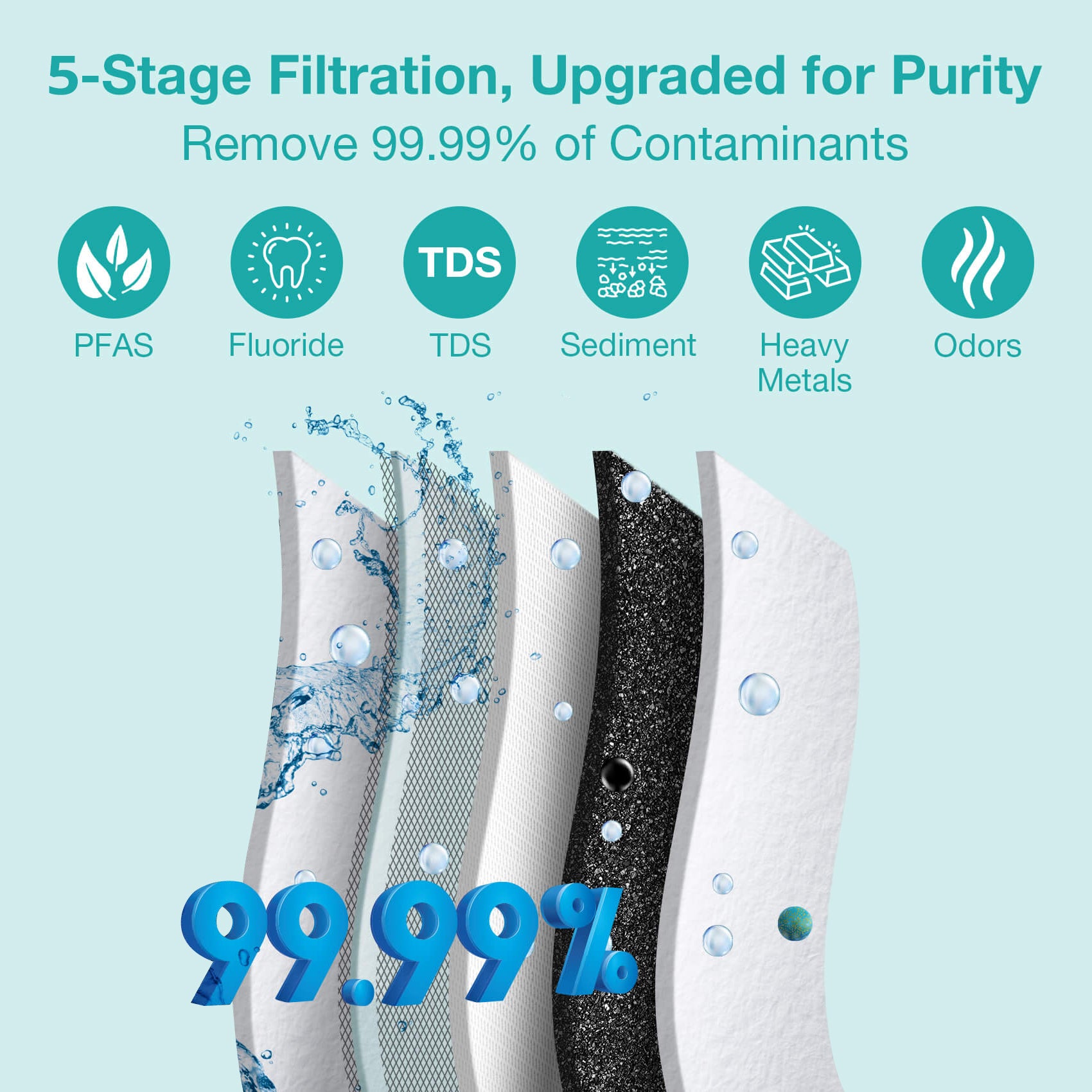
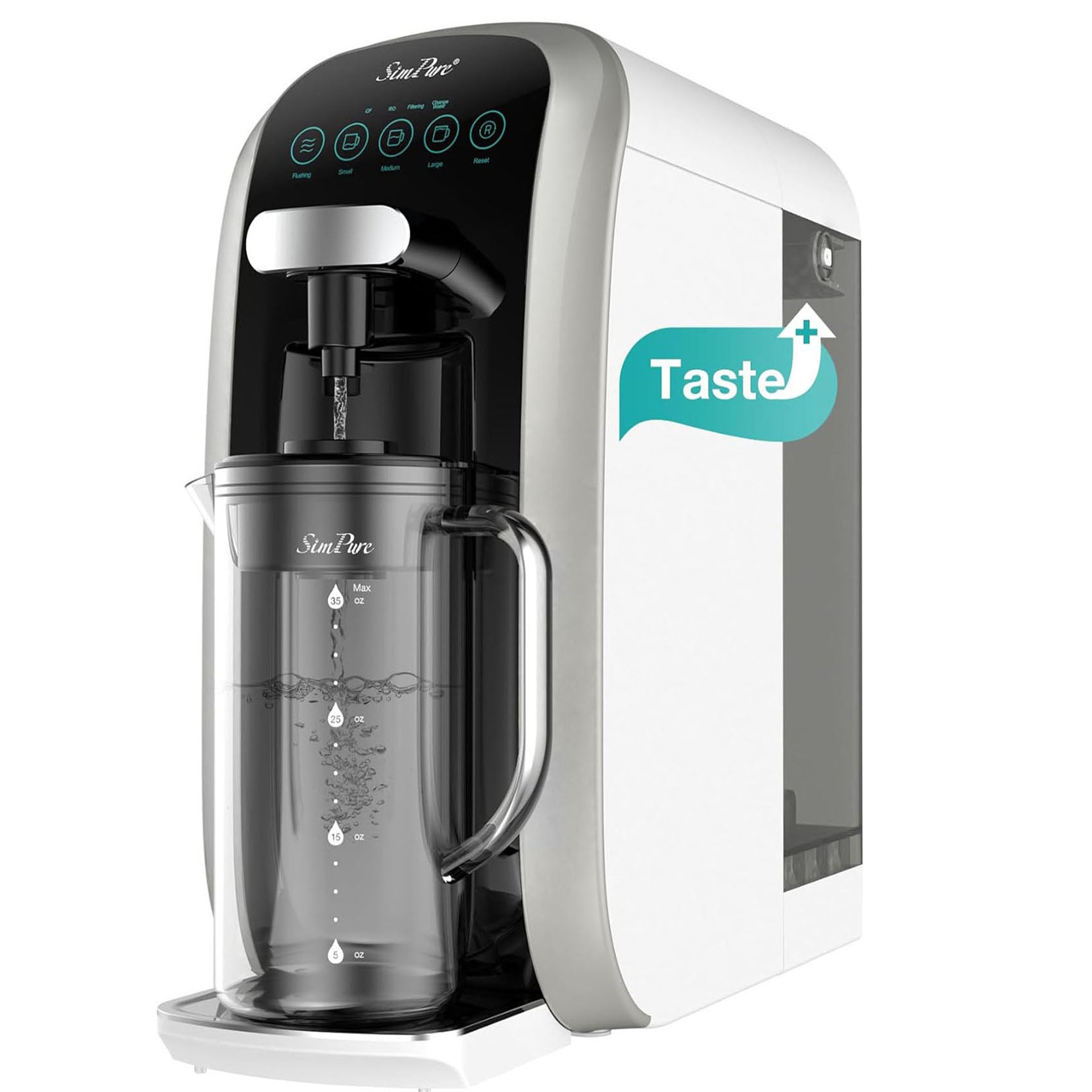
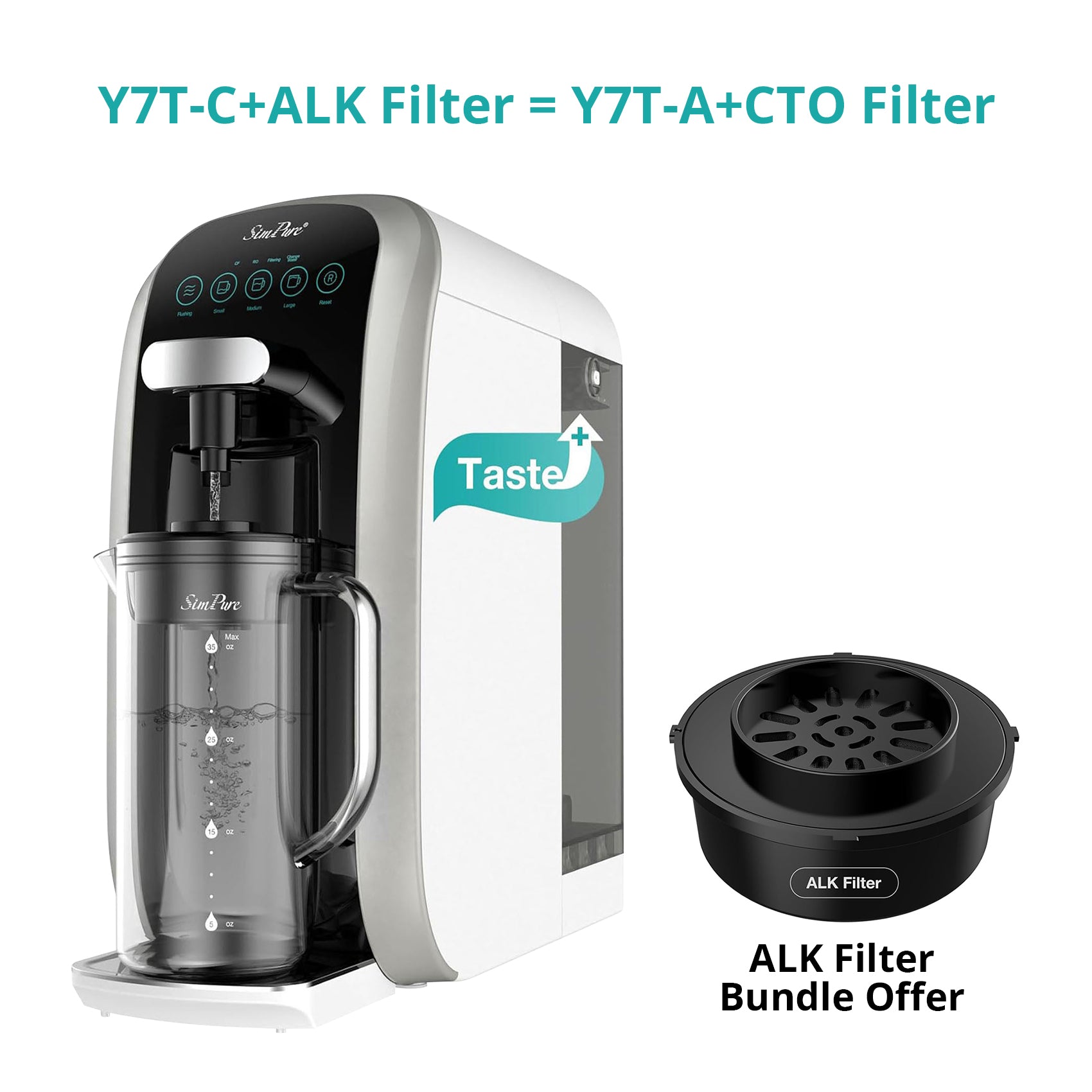
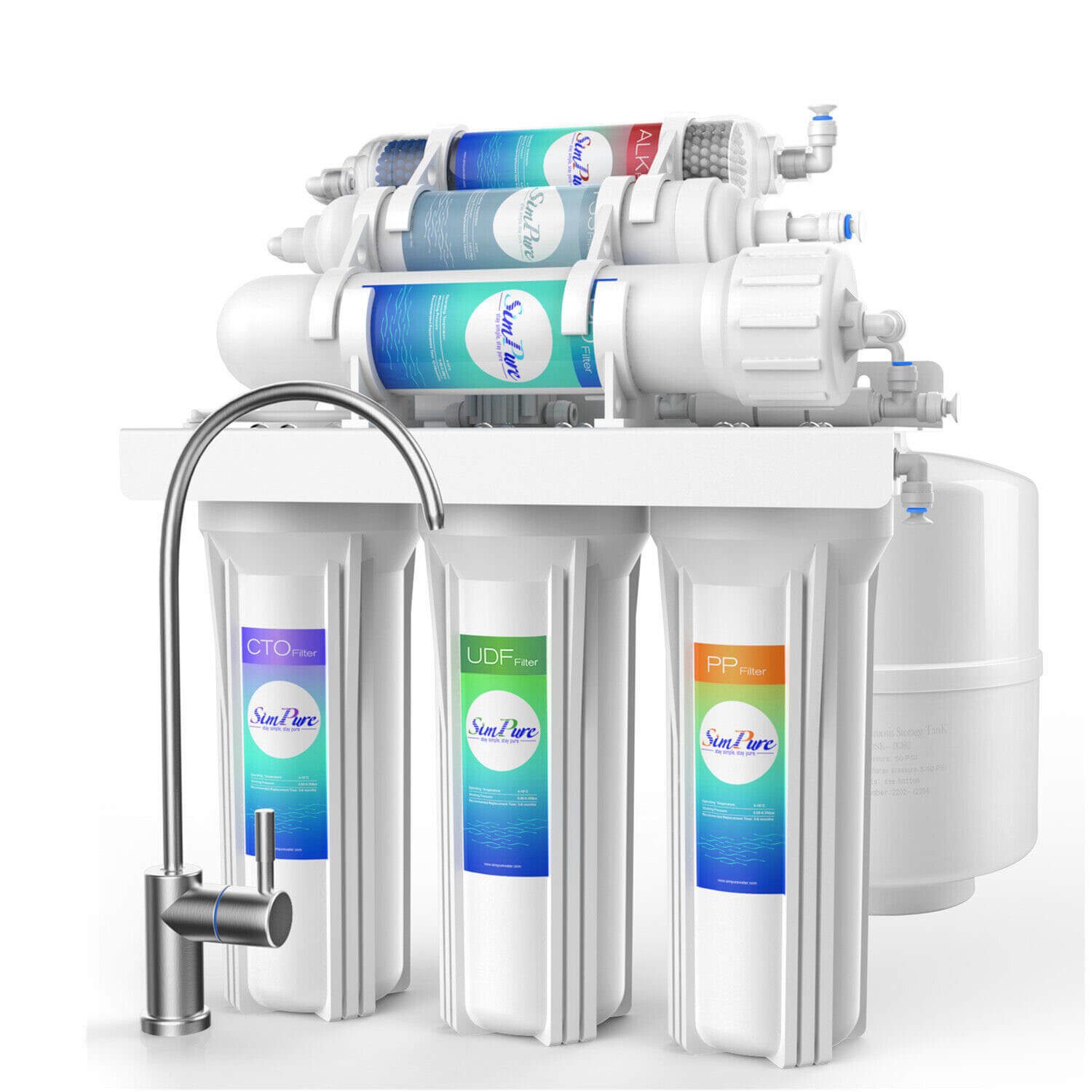
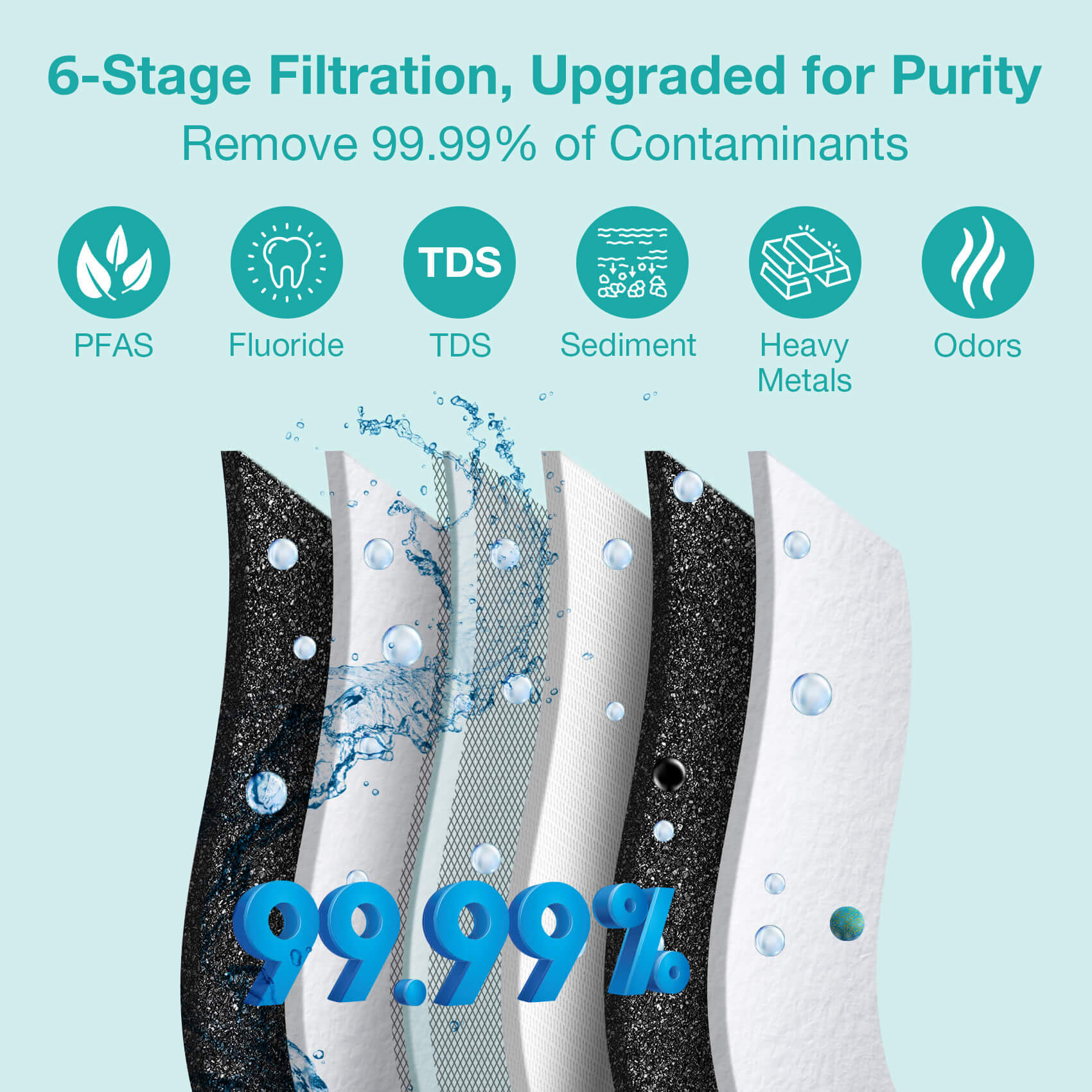
- Use High-Quality Filters: Invest in multi-stage systems like SimPure RO Systems that are specifically designed to reduce VOCs and odors.
- Inspect Plumbing: Corroded pipes can contribute to metallic tastes. Replace old copper or lead plumbing if necessary.

Additional Tips for Fresh-Smelling Water
- 💧 Clean Pitchers: Wash water carafes weekly to prevent residue.
- 💧 Avoid Sunlight: Store filtered water in a cool, dark place to stop algae.
- 💧 Daily Use: Run water daily; don't let it sit in the system for days.
- 💧 Humidity Control: Keep the area around your under-sink system dry to prevent mold.
Frequently Asked Questions
This is a common issue with ion-exchange filters. When the resin becomes completely exhausted, it releases a compound called trimethylamine, which has a strong fishy odor. This is a clear signal that the filter must be changed immediately.
It can. While natural minerals cause odors, a "pond-like" fishy smell often points to algal blooms or bacterial biofilm growing on an old filter element.