Is your Reverse Osmosis system making a humming, gurgling, or vibrating sound that’s impossible to ignore? While most water purifiers operate with a subtle hum, sudden loud noises usually signal an underlying issue—from air trapped in the lines to a struggling booster pump. Understanding why your system is noisy is the first step to restoring peace and quiet to your kitchen.
The main sources of noise in RO systems typically involve the booster pump, the wastewater valve, or water pipe vibrations. Let’s break down the most common culprits.
Common Sources of Noise in RO Purifiers
RO systems filter water down to 0.0001 microns. This high precision requires a booster pump to force water through the membrane. The higher the flow rate (GPD), the more power the pump uses, which naturally creates a baseline of sound. However, if the noise becomes harsh or repetitive, check the table below:
| Noise Source | Explanation & Symptoms |
|---|---|
| High Water Velocity | Pressurized water (~0.8 MPa) rotating at high speeds through narrow valves can create a sharp, whistling sound. |
| Unstable Input Pressure | Low tap water pressure causes the system to start and stop repeatedly, triggering vibrations or alarms. |
| Electrical Faults | Damaged high/low-voltage switches can cause the inlet valve to click or pulse continuously. |
| Air in Pipelines | Trapped air or gas bubbles colliding with the pipe walls create "popping" or rattling sounds. |
| Pipe Vibration | Long, unsecured pipes may swing and hit the cabinet walls when the booster pump kicks in. |
Deep Dive: Troubleshooting the Loudest Sounds From Filtration System
1. The High-Speed "Throttle" Noise
In many systems, the concentrated wastewater discharge valve plays a key role. When the water is intercepted by this valve, it transitions from a high-pressure state to an open space. This sudden expansion of high-speed rotating water can produce a harsh, whistling noise. Adjusting the concentrated water ratio can sometimes mitigate this.
2. Repeated Alarms & "Dry Run" Noises
If your source water pressure is unstable or too low, the system may struggle to fill. This often results in a loud vibrating sound as the pump "idles." Refer to our guide on low water pressure in RO systems for fixes. We recommend waiting until house pressure stabilizes before running the purifier.
3. Component Vibration & Placement
Check the physical placement of your unit. An unstable base will amplify the motor's natural vibration. Additionally, if your tap water inlet pipe is excessively long and unsecured, it can swing like a whip when the pump starts, banging against the sink or cabinet.
How to Silence Your Reverse Osmosis System
1. Implement Vibration Damping
Place rubber padding or acoustic foam under the RO unit and the booster pump. This simple insulation absorbs the kinetic energy of the motor, preventing the cabinet from acting like a speaker for the vibrations.
2. Maintain Filters & Check for Trapped Air
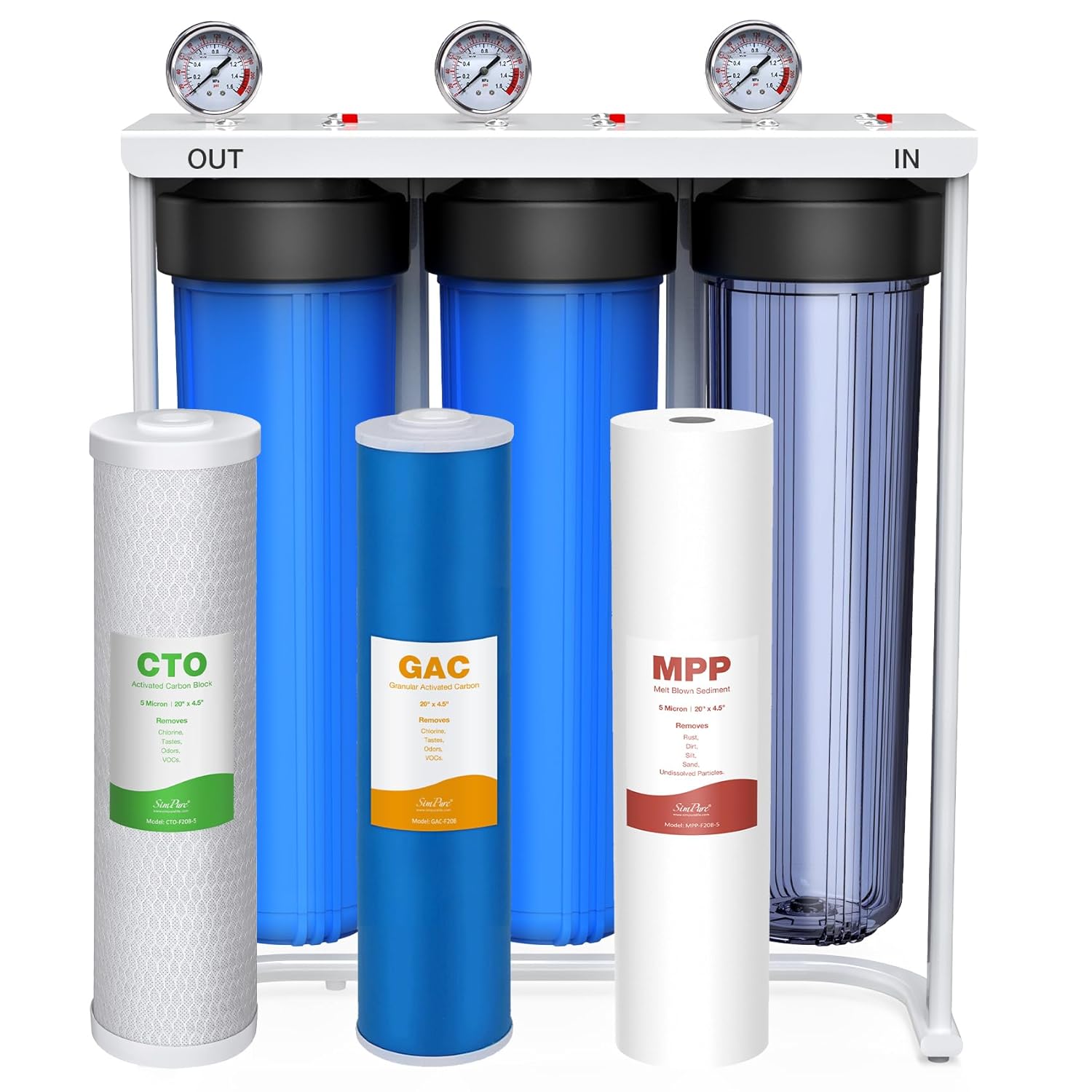
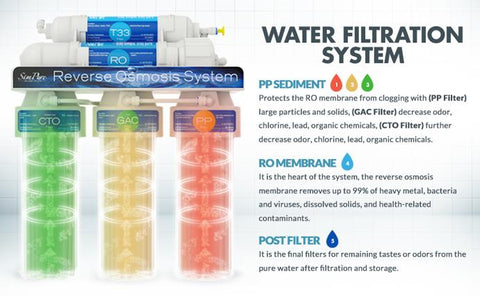
Clogged filters force the pump to work harder, increasing decibel levels. Regularly replacing your sediment and carbon filters ensures smooth water flow. If you hear "gurgling," try tilting the system slightly (if applicable) to help trapped air escape through the drain line.
3. Upgrade to a High-Quality, Quiet RO System
If your current system is simply too old or loud, investing in a modern, precision-engineered unit is the best long-term fix. 2026 models from SimPure are designed with noise-reduction technology, featuring dampened pump mounts and optimized water paths.
Quiet RO Operation Picks for 2026

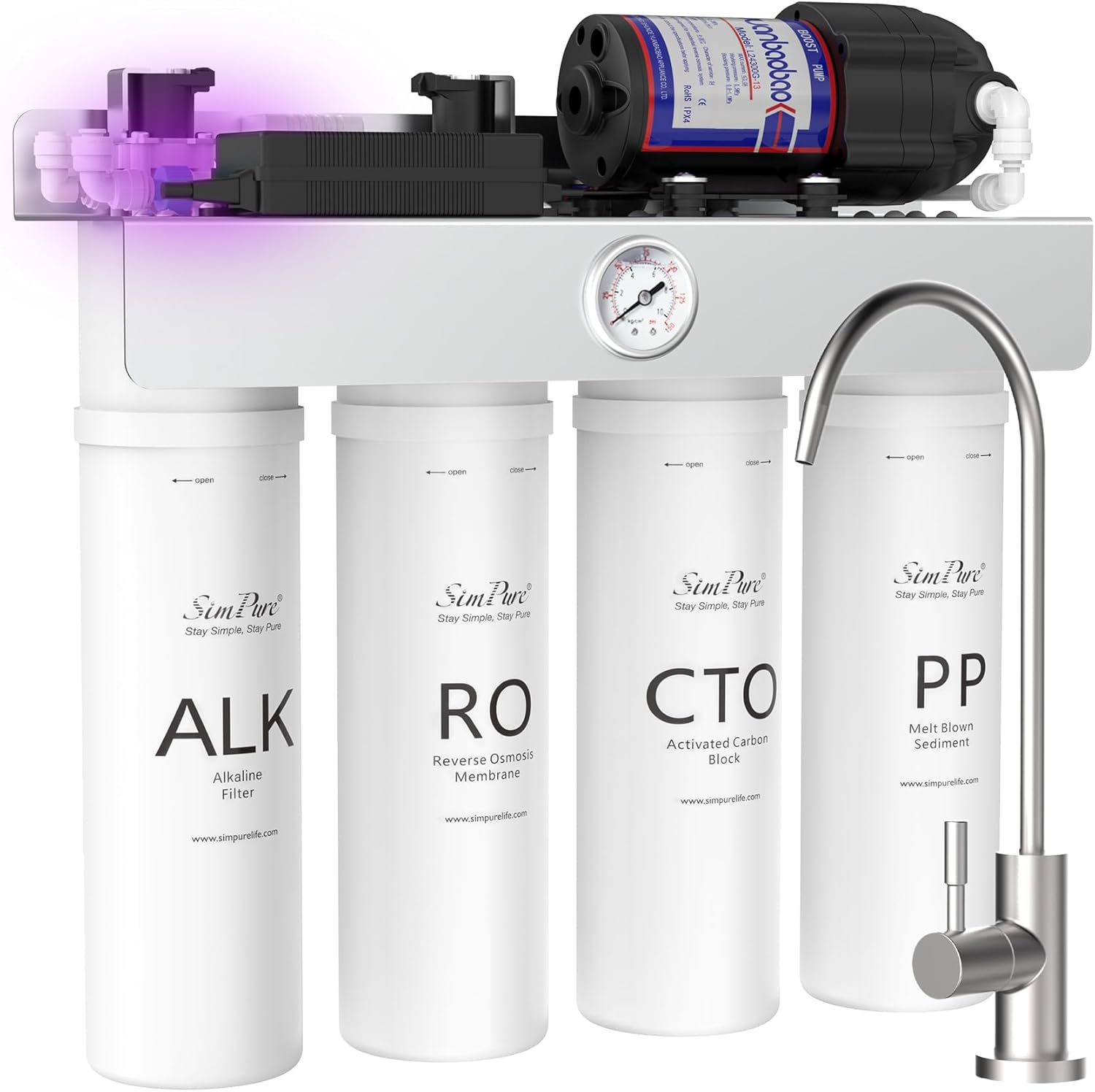
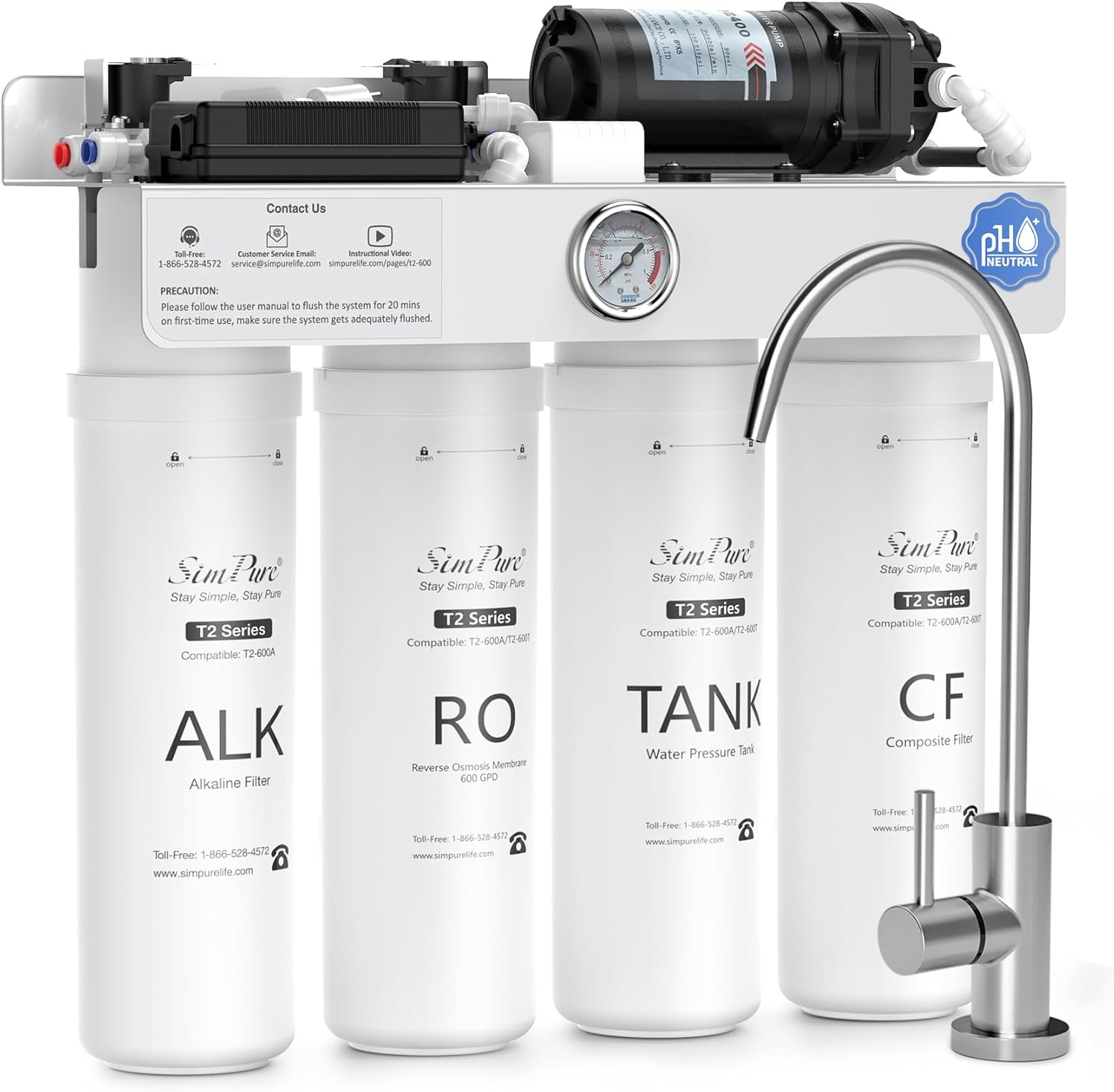
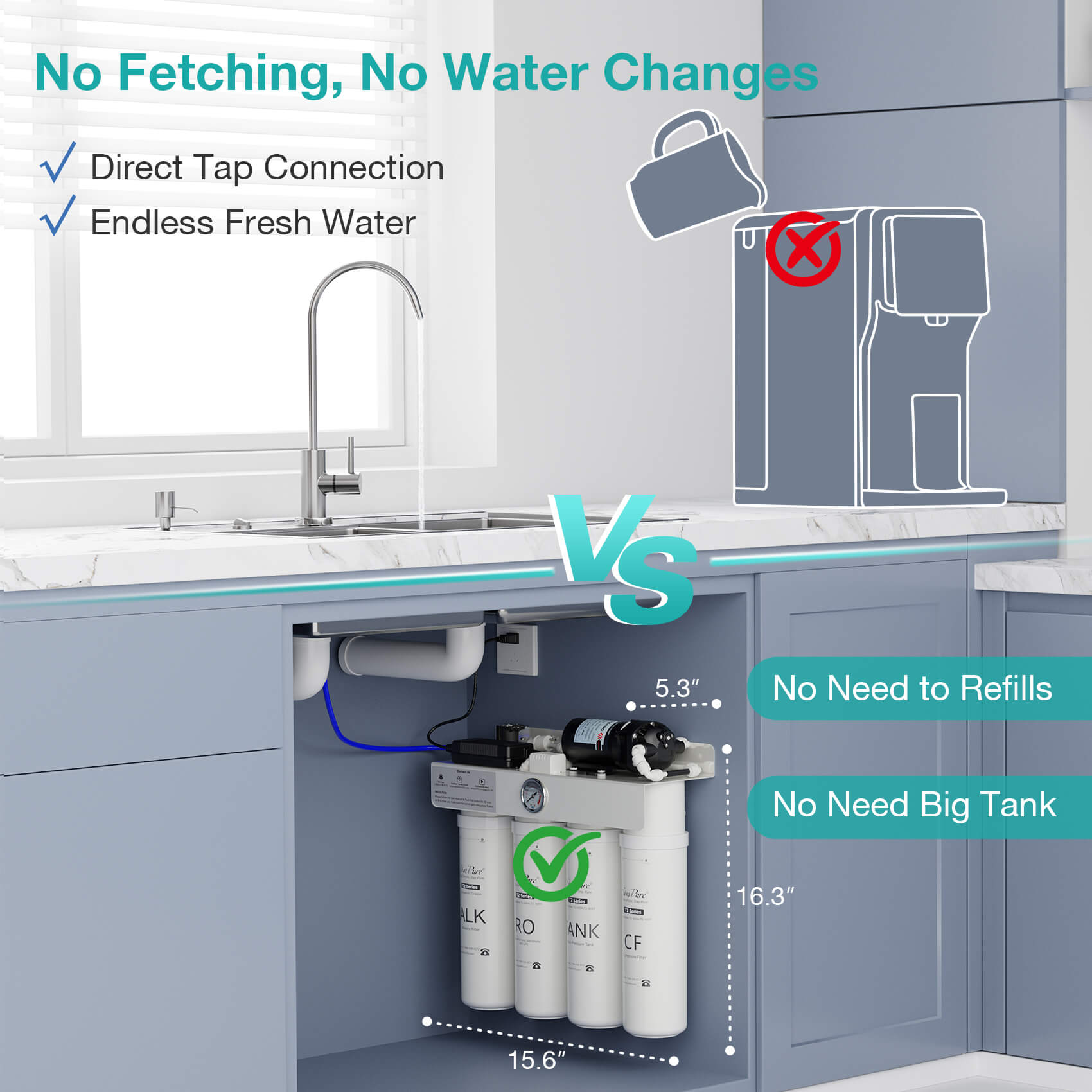
SimPure T2-600A (Ultra-Quiet Under Sink)
• Advanced dampened booster pump minimizes cabinet vibration.
• Tankless design avoids "pressure tank gurgling."
• High-flow 600GPD - fast, smooth water delivery without the rattle.
View Quiet Specs →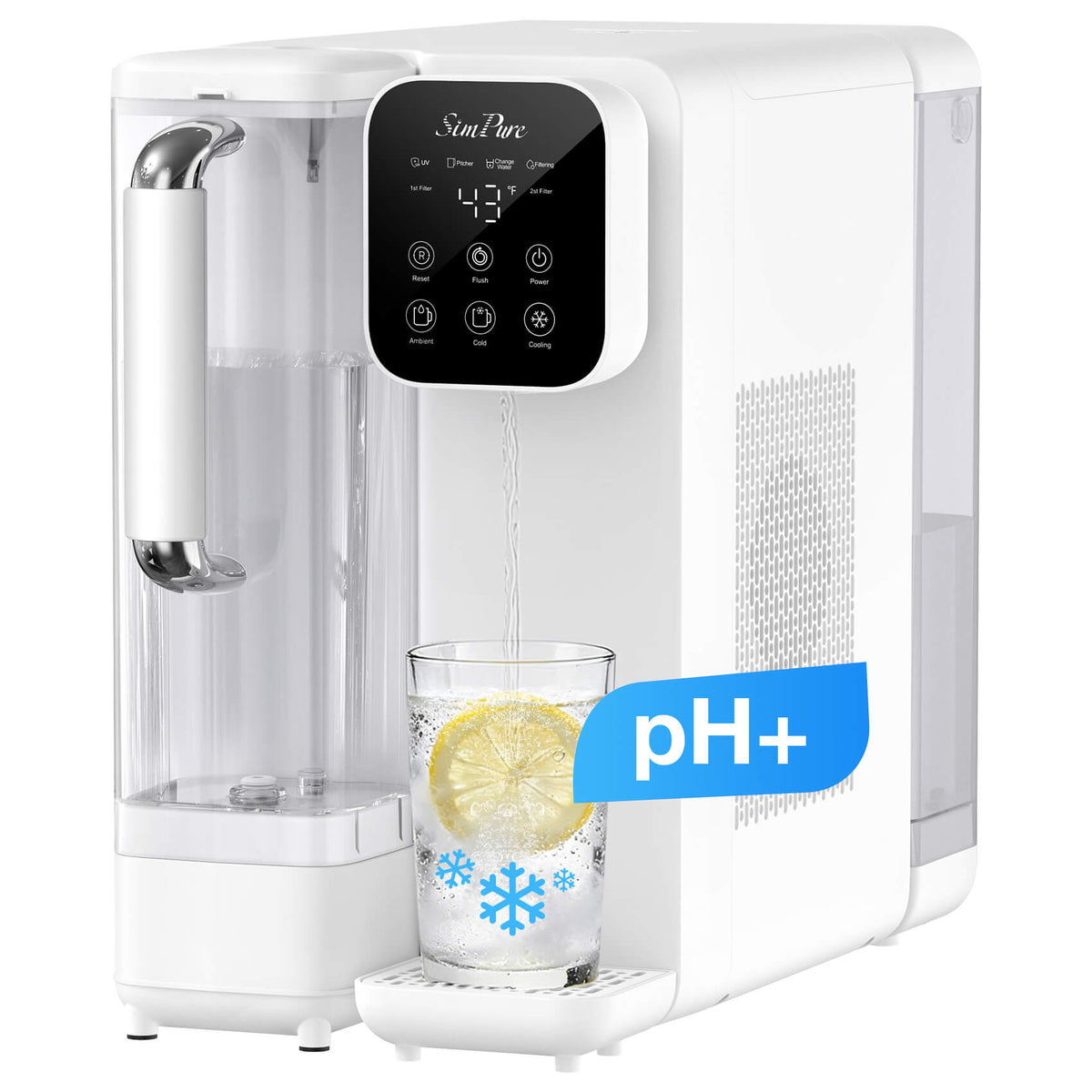
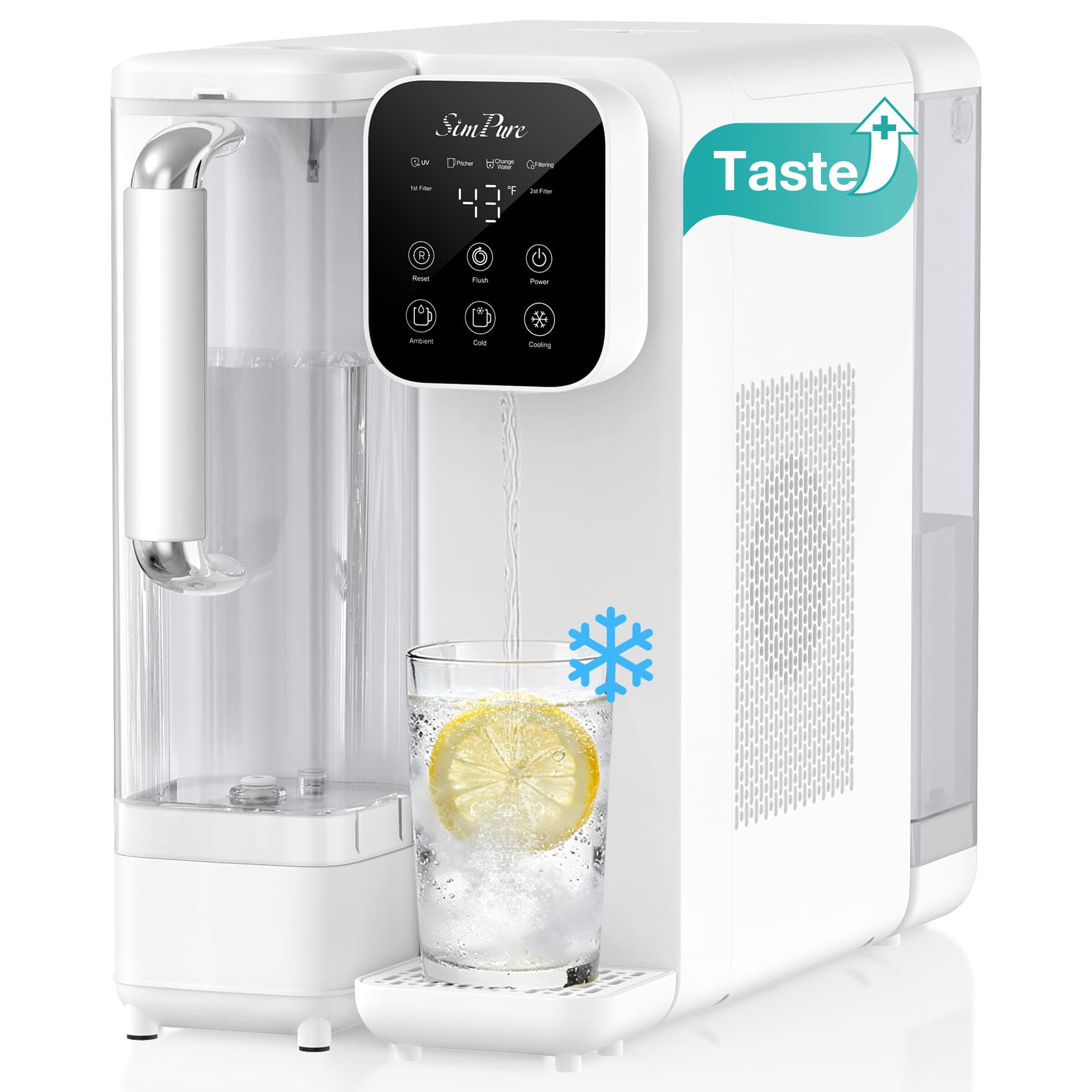
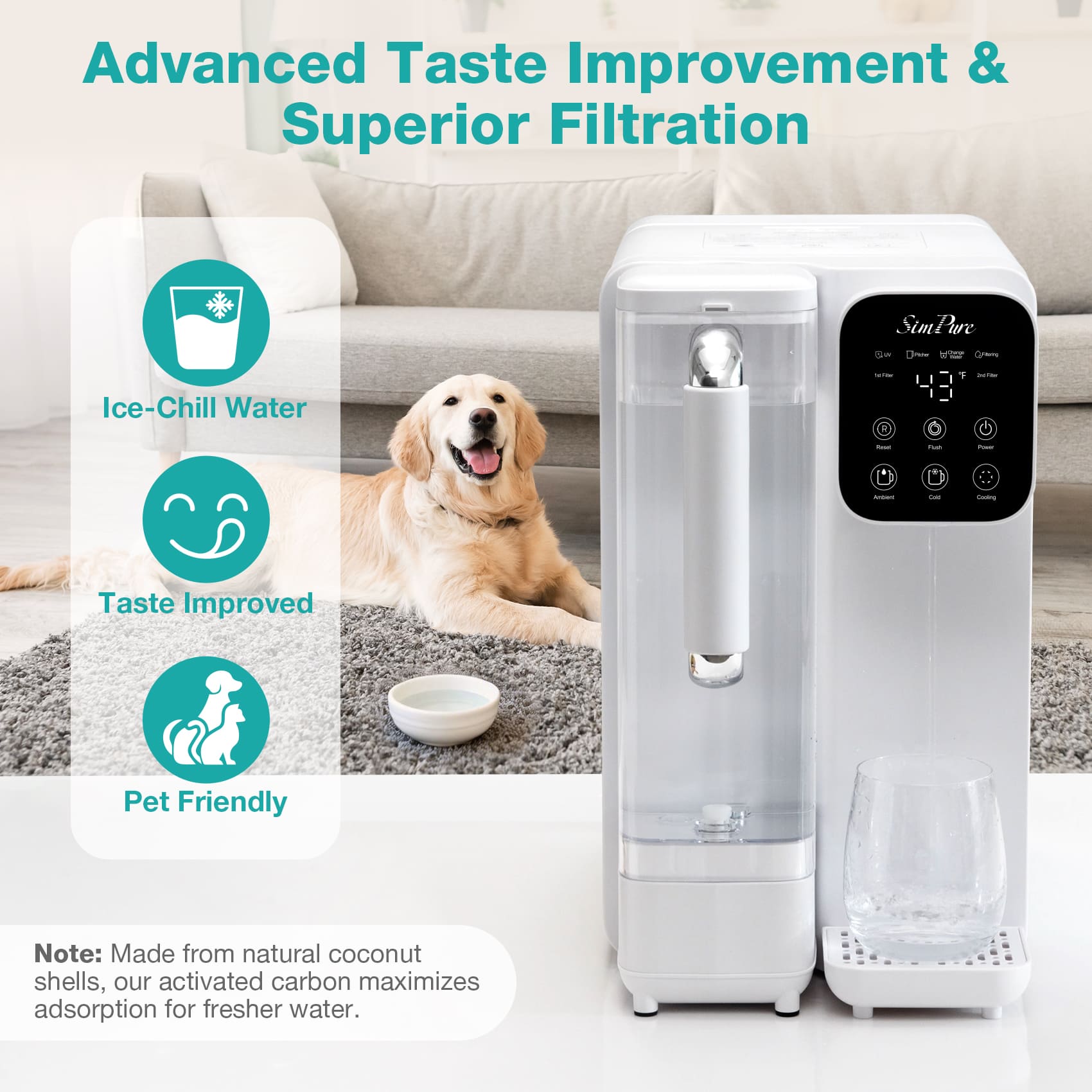
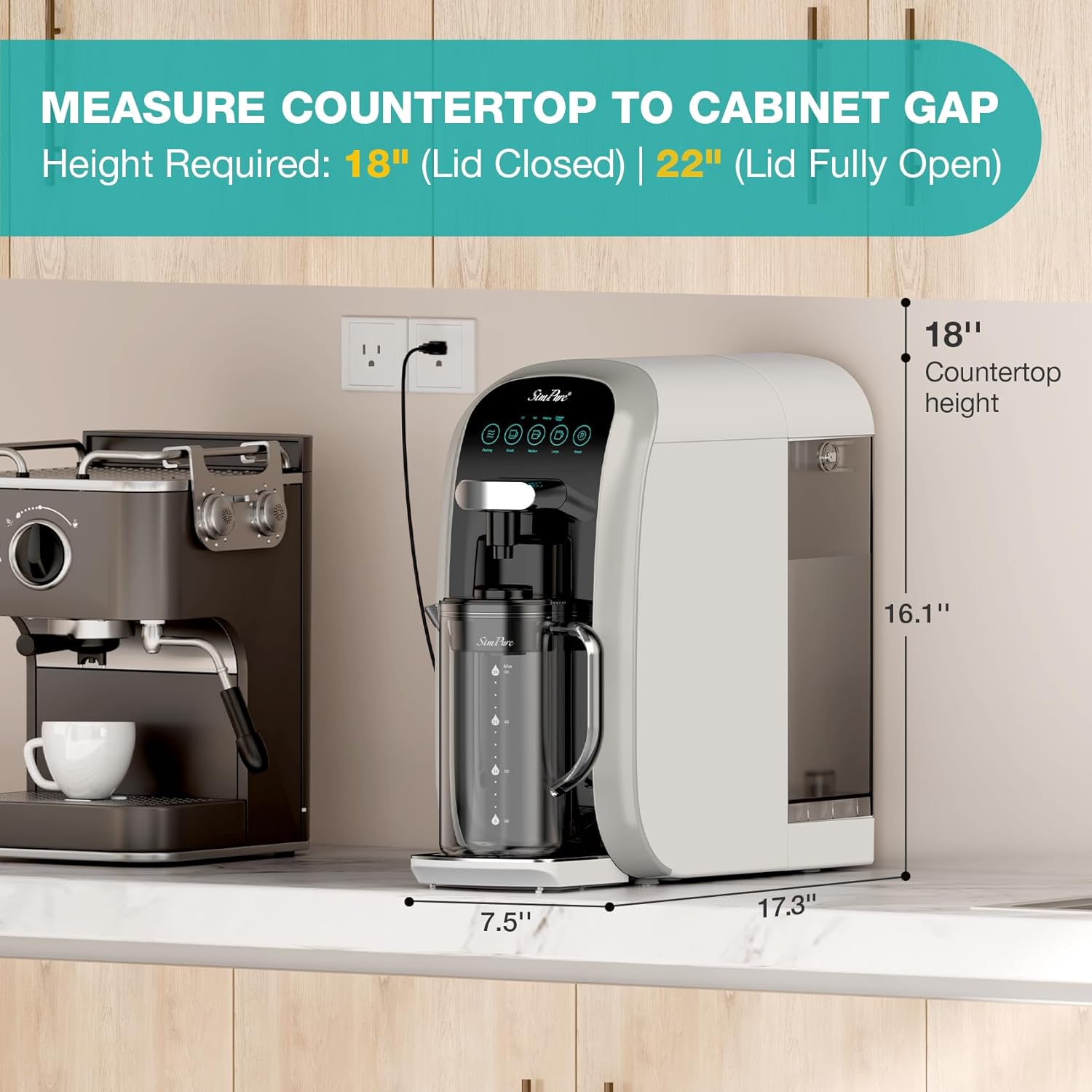
SimPure Y11C-A Cold RO (Countertop)
• Intelligent noise-control during the cooling cycle.
• No plumbing required - eliminates pipe-hammering noise.
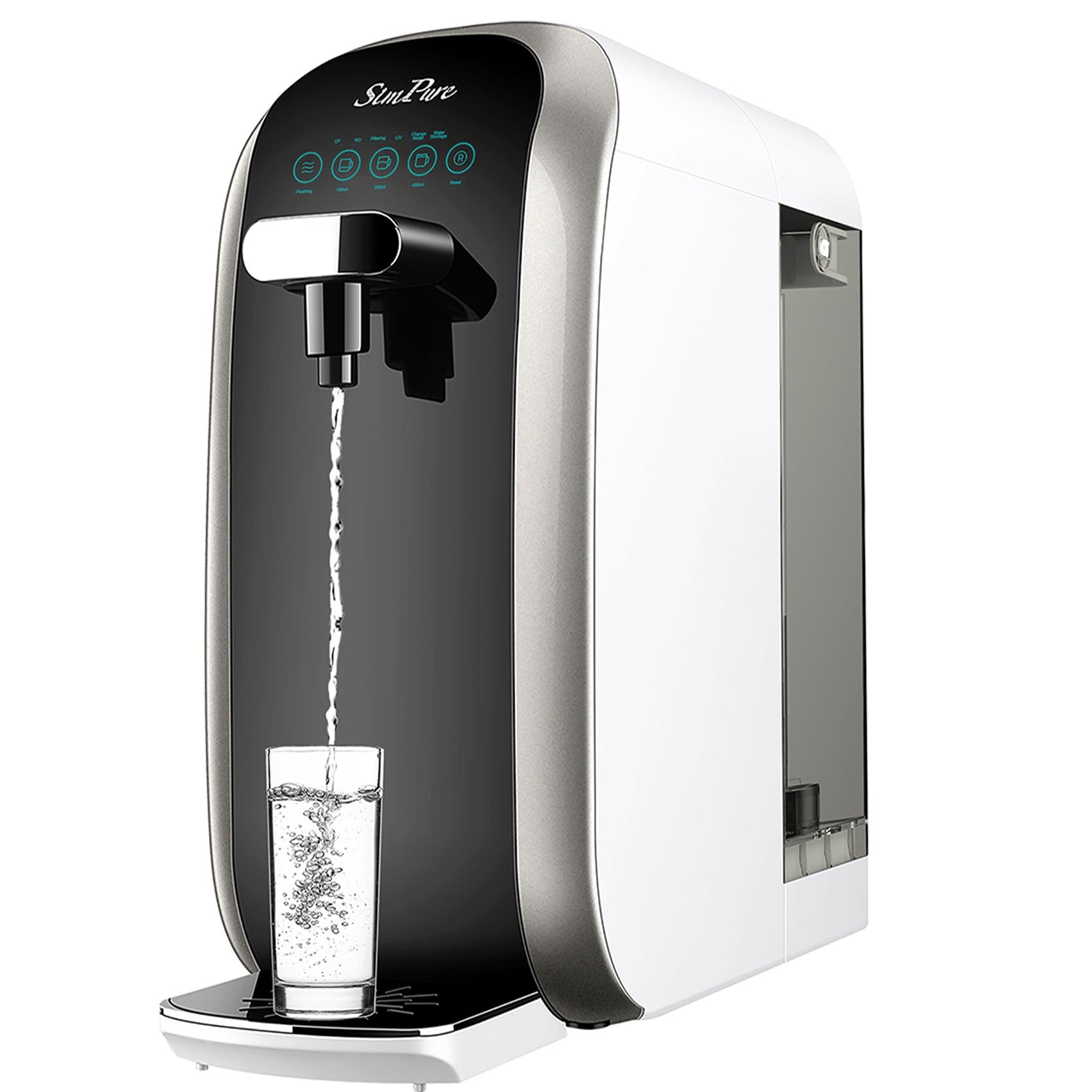
• Sleek, stable base prevents countertop rattling.
Shop Y11C-A →FAQs: Troubleshooting RO Noise
Q1: Is a humming sound normal? Yes. A low-level hum indicates the booster pump is working correctly to push water through the RO membrane. It should only occur while the system is actively producing water. Q2: Why does my RO system make a "gurgling" sound? This is usually air trapped in the system or the sound of wastewater flowing into the sink drain. Check the "drain saddle" to ensure it is positioned correctly. Q3: Why is my system making a loud vibrating noise after a filter change? This is almost always due to trapped air. Run the water for 5-10 minutes to flush the system and allow the air to clear the pipelines. Q4: Can a noisy pump be fixed? If the noise is caused by vibration, rubber pads will help. However, if the pump is making a grinding or screeching sound, the bearings may be worn out, and the pump should be replaced.Maintaining a quiet RO system is about stability and regular care. Don't let a noisy purifier disrupt your home peace. Check your connections, insulate your pipes, or upgrade to a modern, silent-optimized system today.