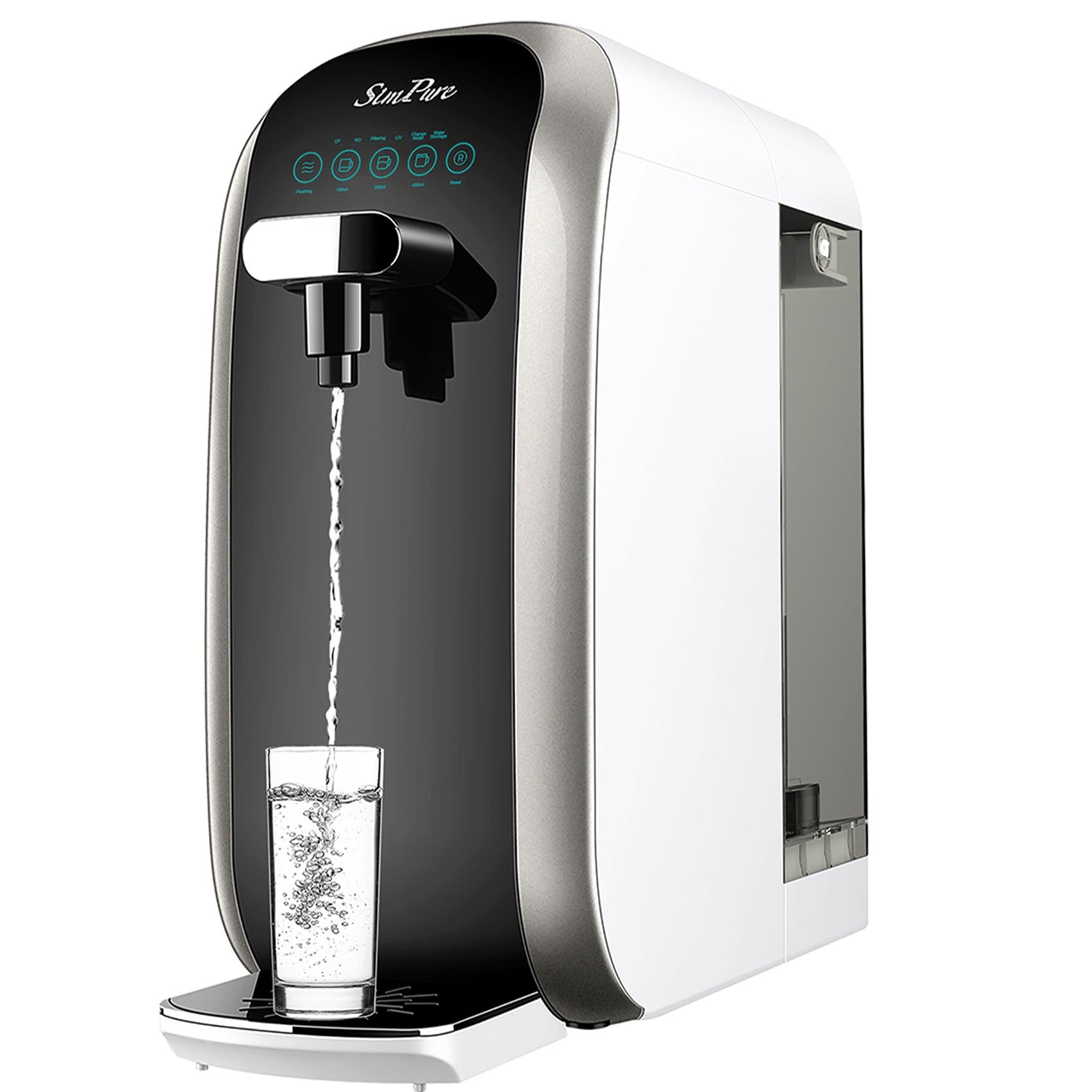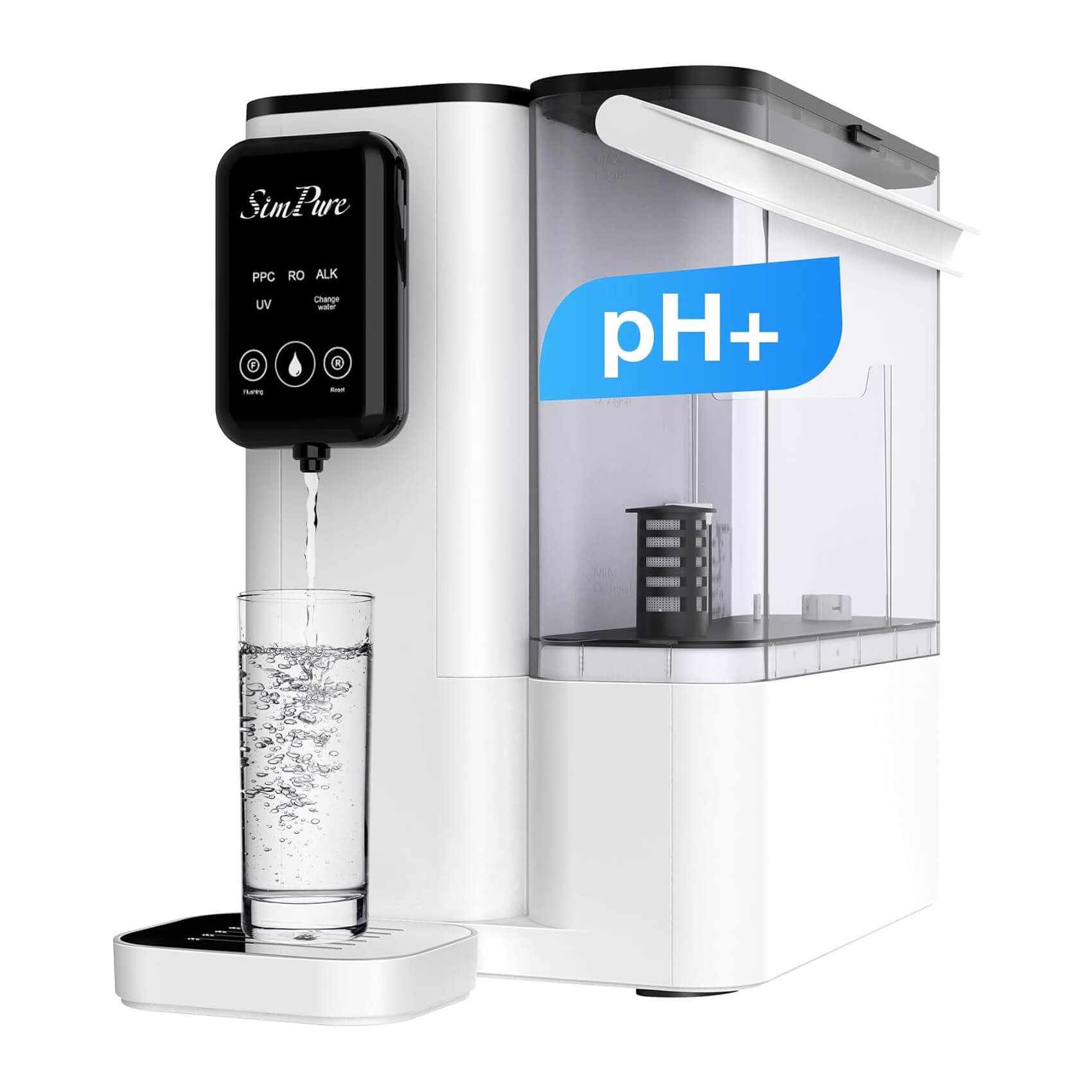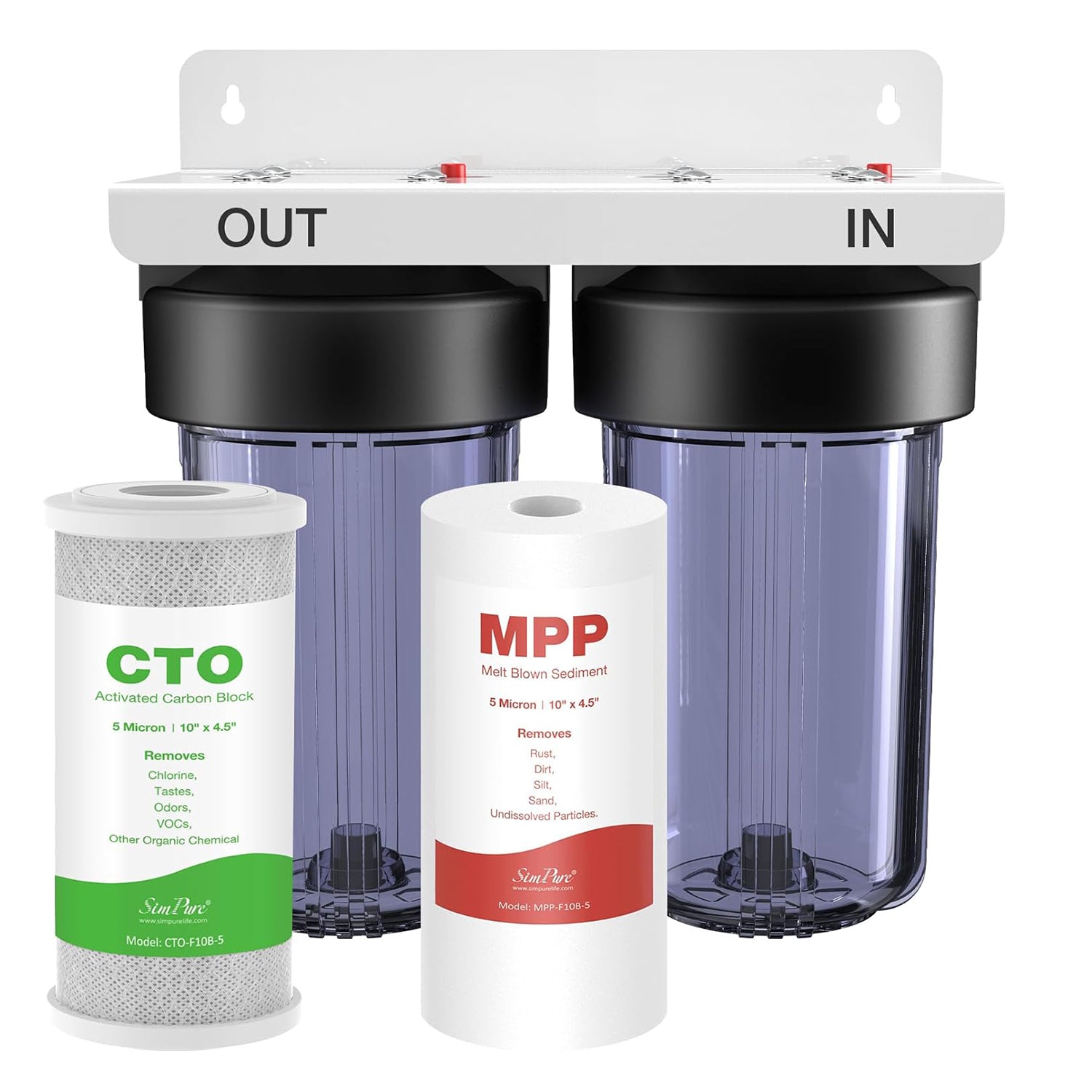


Fostering dental health is a primary reason why fluoride is introduced into municipal water. However, the debate over its long-term safety—particularly regarding skeletal health and systemic accumulation—has led many to seek ways to remove fluoride from water naturally. If you are looking for eco-friendly or high-efficiency alternatives to fluoridated tap water, this guide explores the most effective removal techniques for every budget.
Unlike chlorine, fluoride is not a volatile gas. Boiling water will not remove fluoride. Since fluoride has a higher boiling point than water, the concentration actually increases as water evaporates. To truly eliminate it, you need molecular-level filtration.
Understanding Fluoride: Benefits vs. Risks
Fluoride is a mineral found naturally in soil and certain foods. While the WHO recommends a limit of 1.5 mg/L, excessive intake can lead to several health complications that prompt homeowners to filter their supply:
- Dental Fluorosis: Cosmetic staining or pitting of tooth enamel, especially in developing children.
- Skeletal Fluorosis: A serious condition where fluoride builds up in the bones over decades, leading to stiffness, joint pain, and increased fracture risk.
- Acute Sensitivity: Some individuals report nausea or inflammation when consuming water at the higher end of legal fluoride limits (4.0 mg/L in some regions).
Top Methods to Remove Fluoride at Home
1. Reverse Osmosis (The Most Reliable)
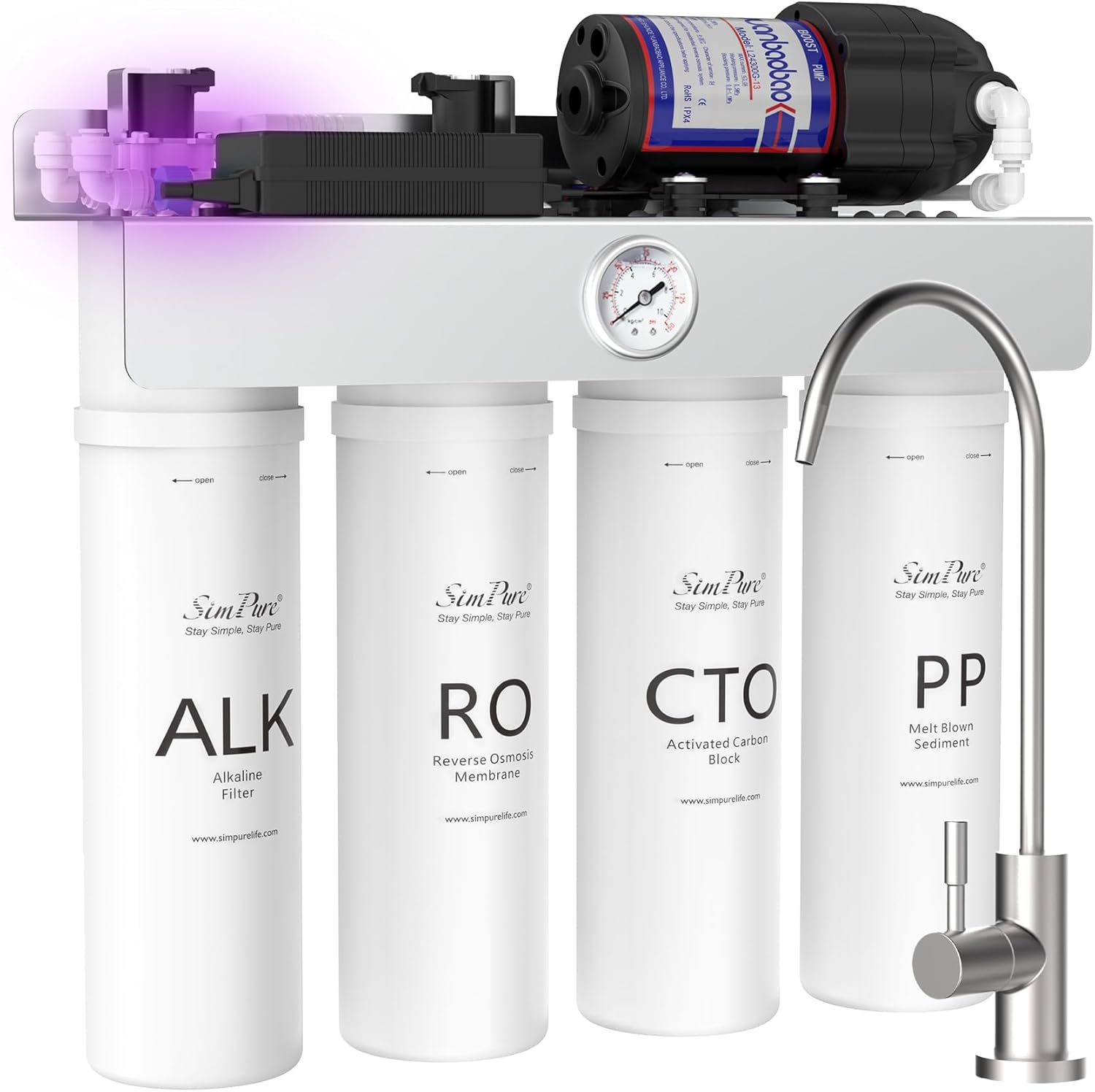
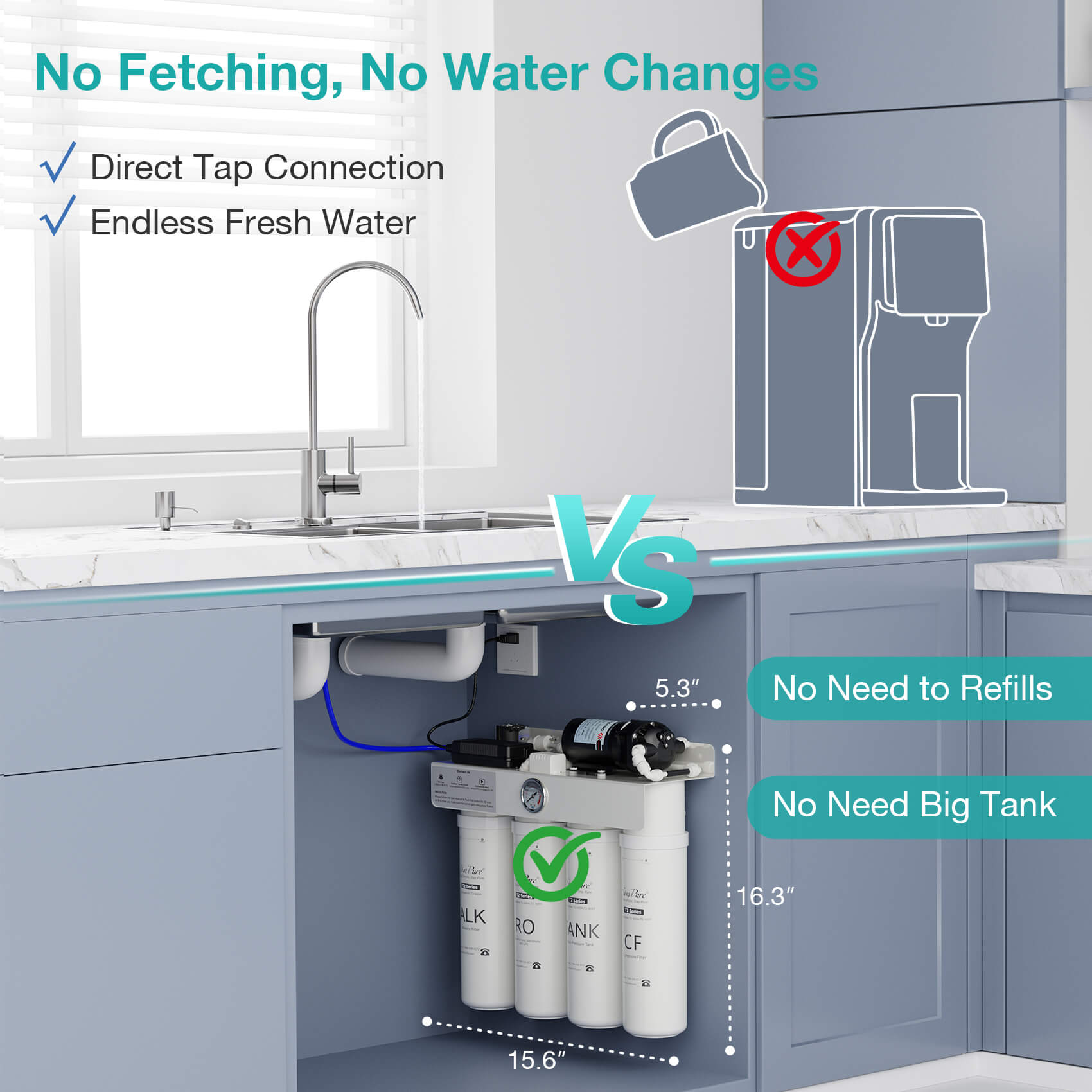
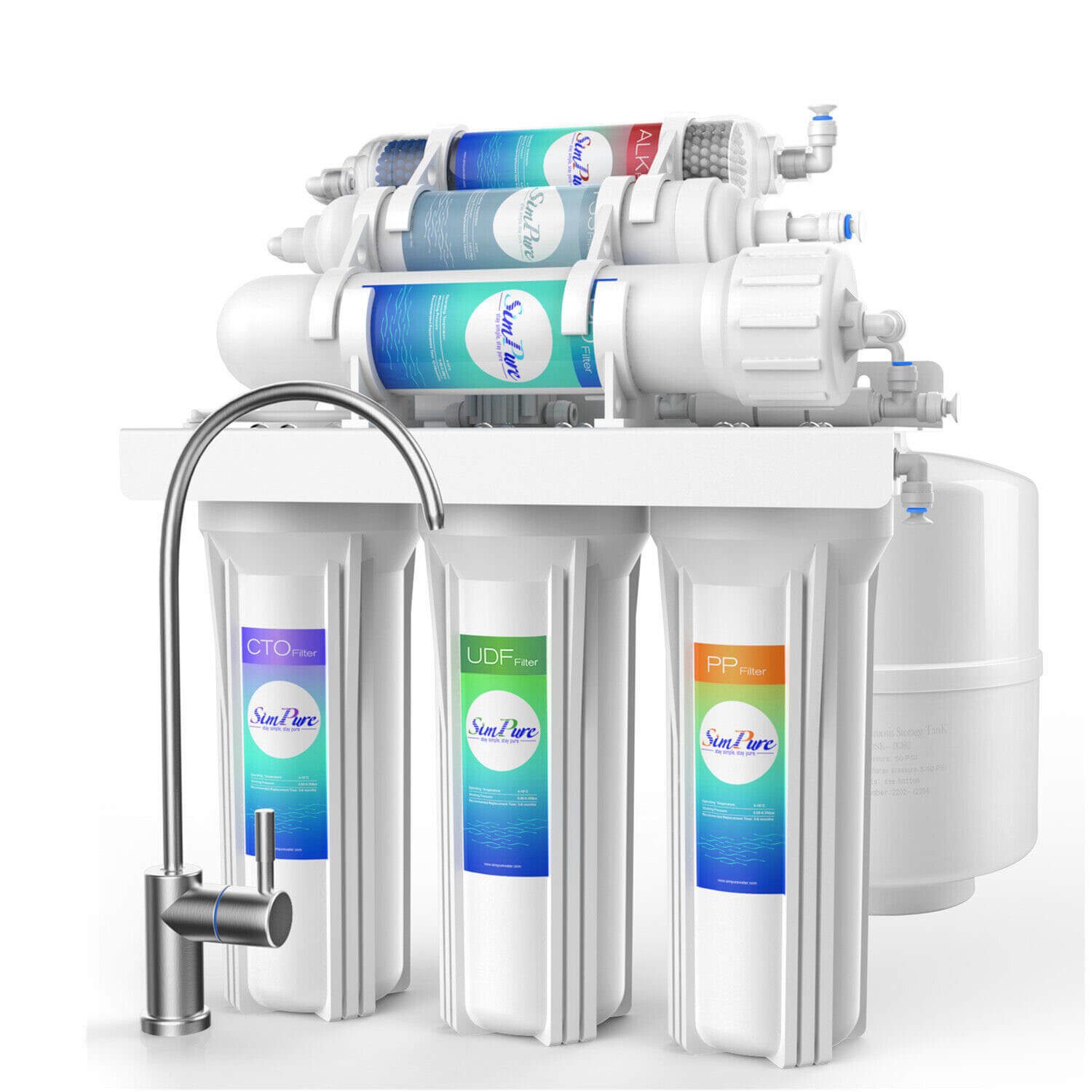
Reverse Osmosis (RO) systems use a semi-permeable membrane with pores as tiny as 0.0001 microns. Because fluoride ions are physically larger than water molecules, they are effectively rejected. This is the most "set-it-and-forget-it" method for consistent fluoride-free water.
2. Distillation (The Natural Cycle)
Distillation is the only "free" way to remove fluoride naturally—provided you have a heat source. By turning water into vapor and then condensing it back to liquid, you leave the non-volatile fluoride minerals behind in the boiling chamber.
3. Activated Alumina (Targeted Removal)
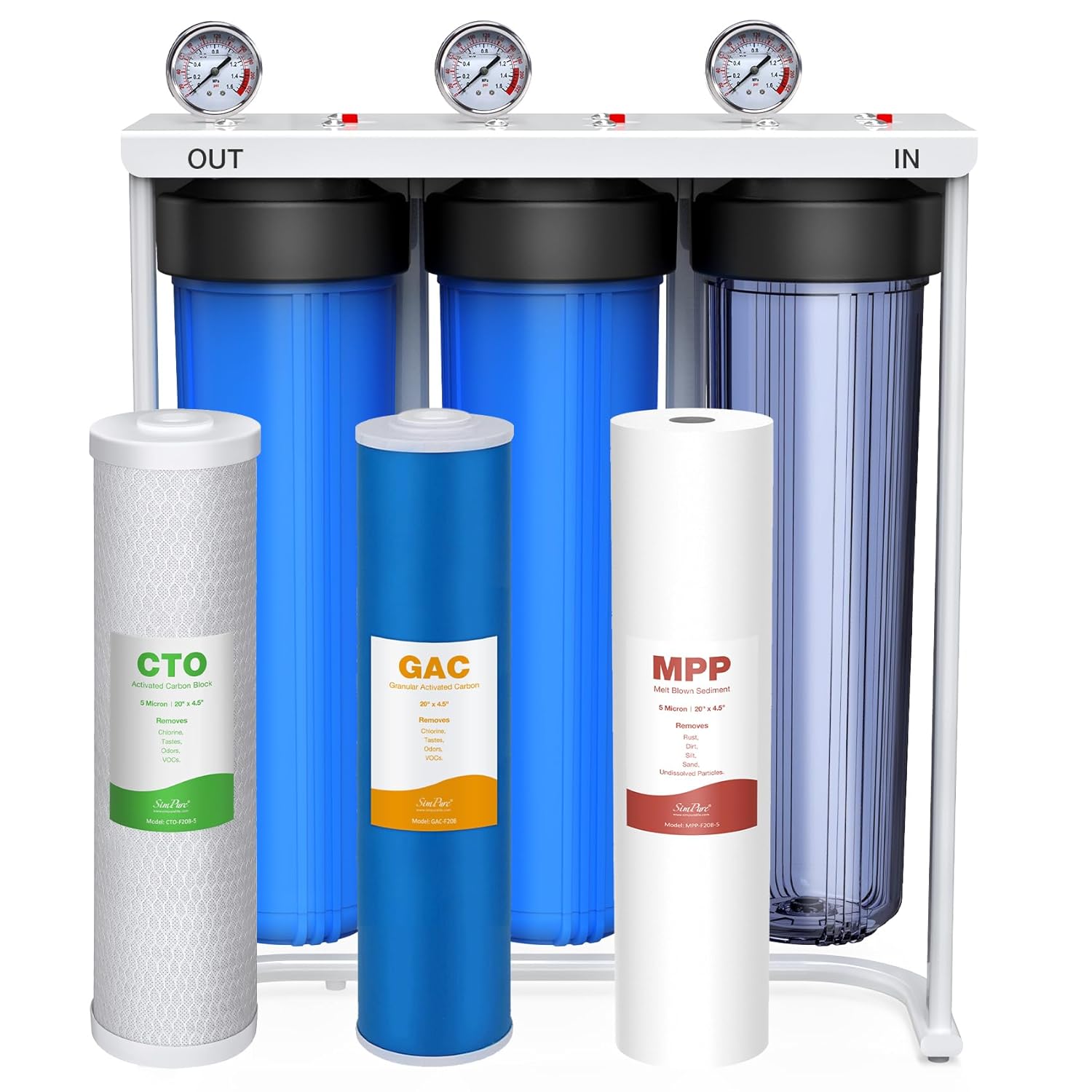
Activated alumina is a highly porous form of aluminum oxide. It is specifically engineered to adsorb fluoride. As water passes through the filter, fluoride ions bind to the alumina surface. This is often used in whole-house fluoride filters.
Eliminate Fluoride Today
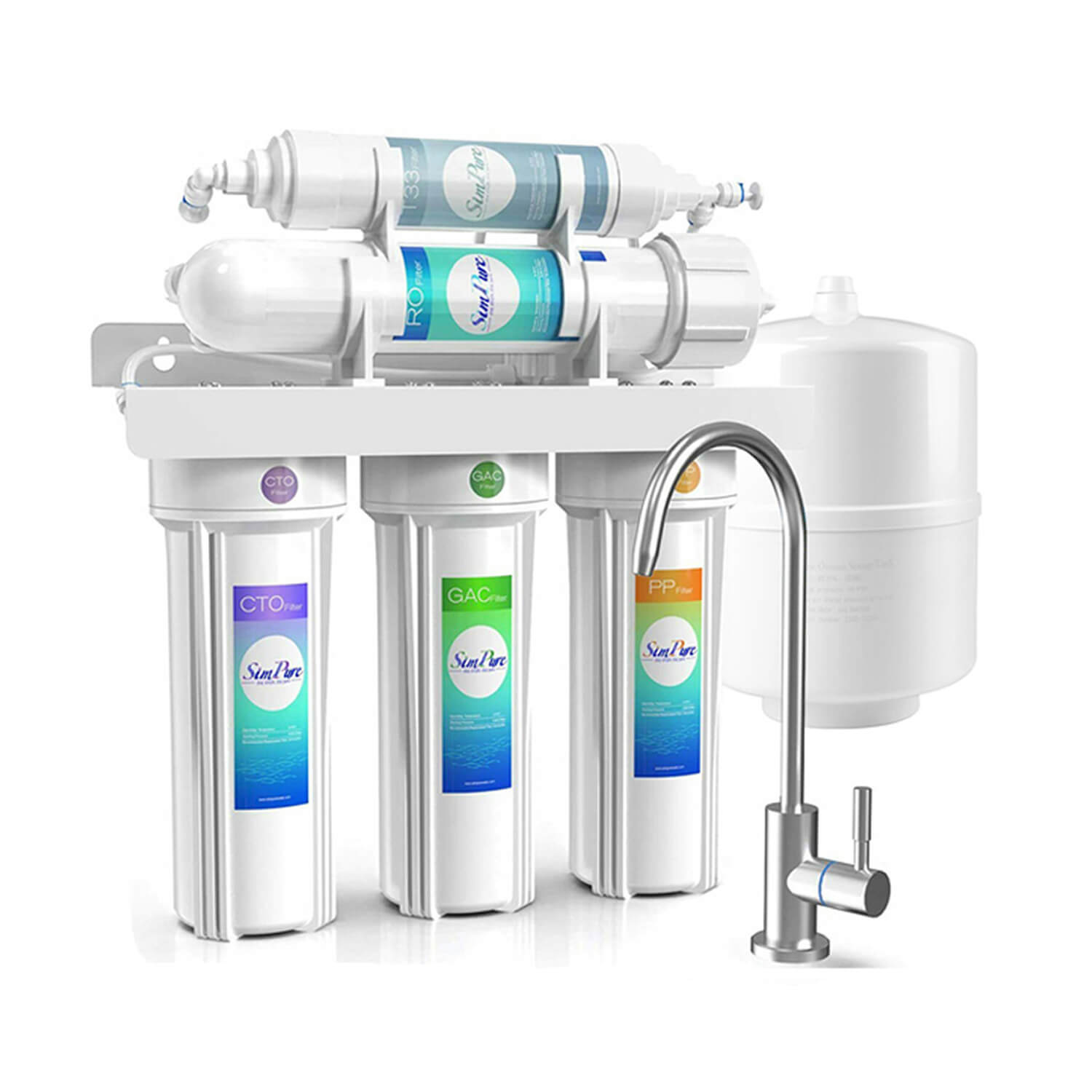
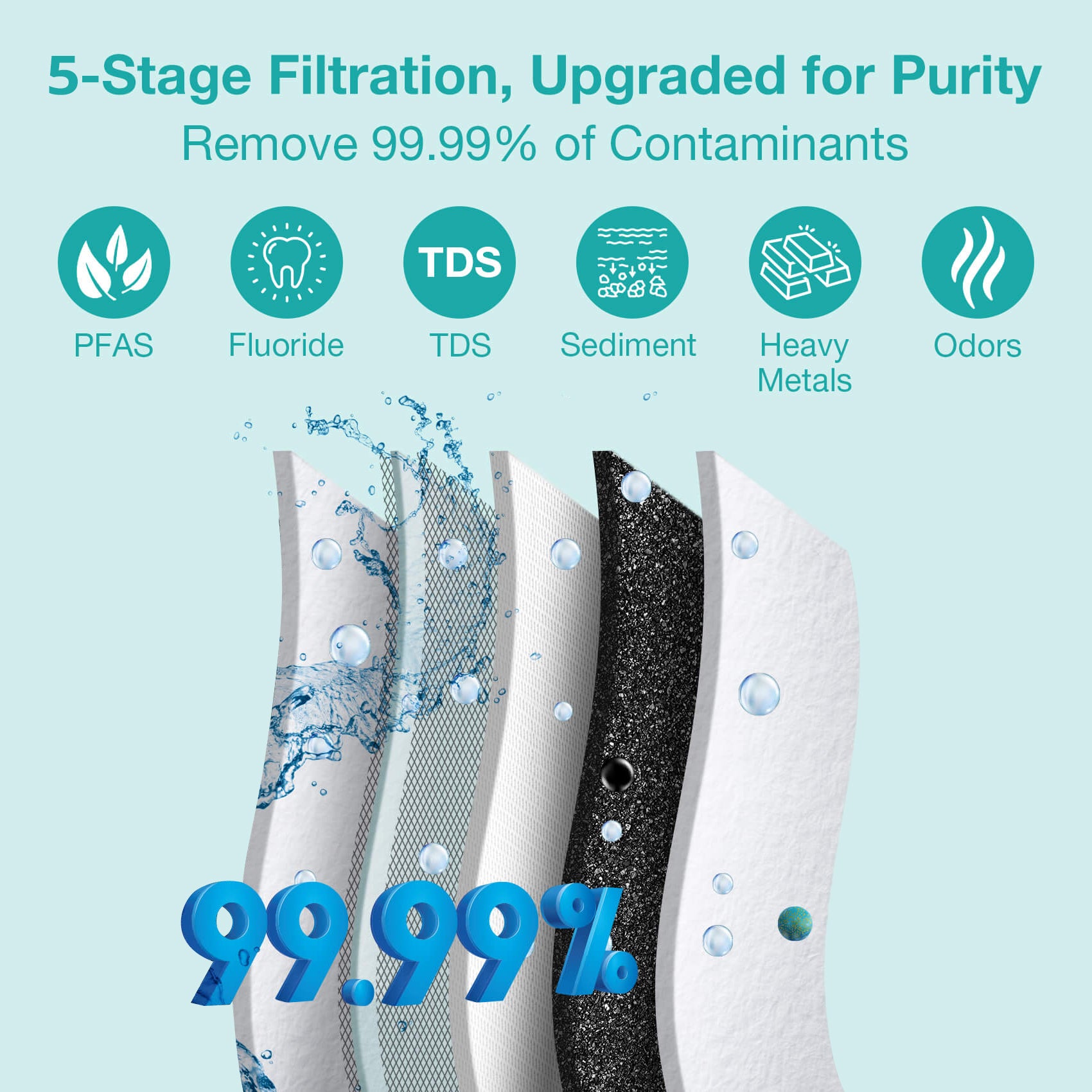
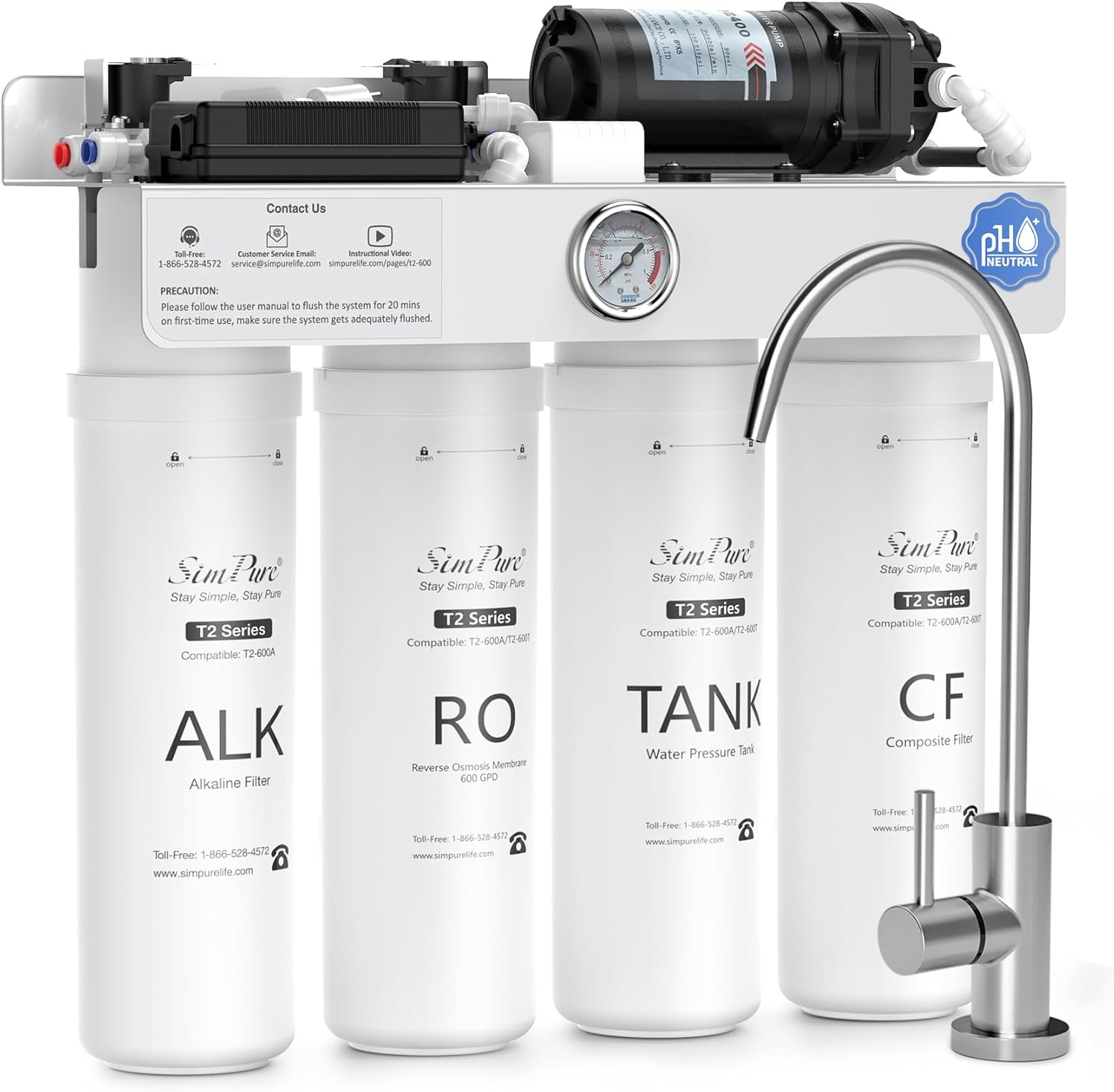
Upgrade to a SimPure RO system and remove up to 99% of fluoride, lead, and microscopic contaminants instantly.
Explore RO SolutionsTechnical Efficiency Comparison
| Method | Removal Rate | Cost Profile | Process Speed |
|---|---|---|---|
| Reverse Osmosis | 95% - 99% | Investment-Heavy | Fast / Instant |
| Distillation | 99% | Affordable | Very Slow |
| Activated Carbon | Low to Moderate | Low Cost | Moderate |
Fluoride Removal FAQs
A: Most standard activated carbon pitcher filters are not effective at removing fluoride. You specifically need filters labeled with "Activated Alumina" or a Reverse Osmosis system.
A: Common signs of chronic over-exposure include tooth enamel discoloration (white or brown spots), persistent headaches, and in severe cases, joint pain or abdominal discomfort.
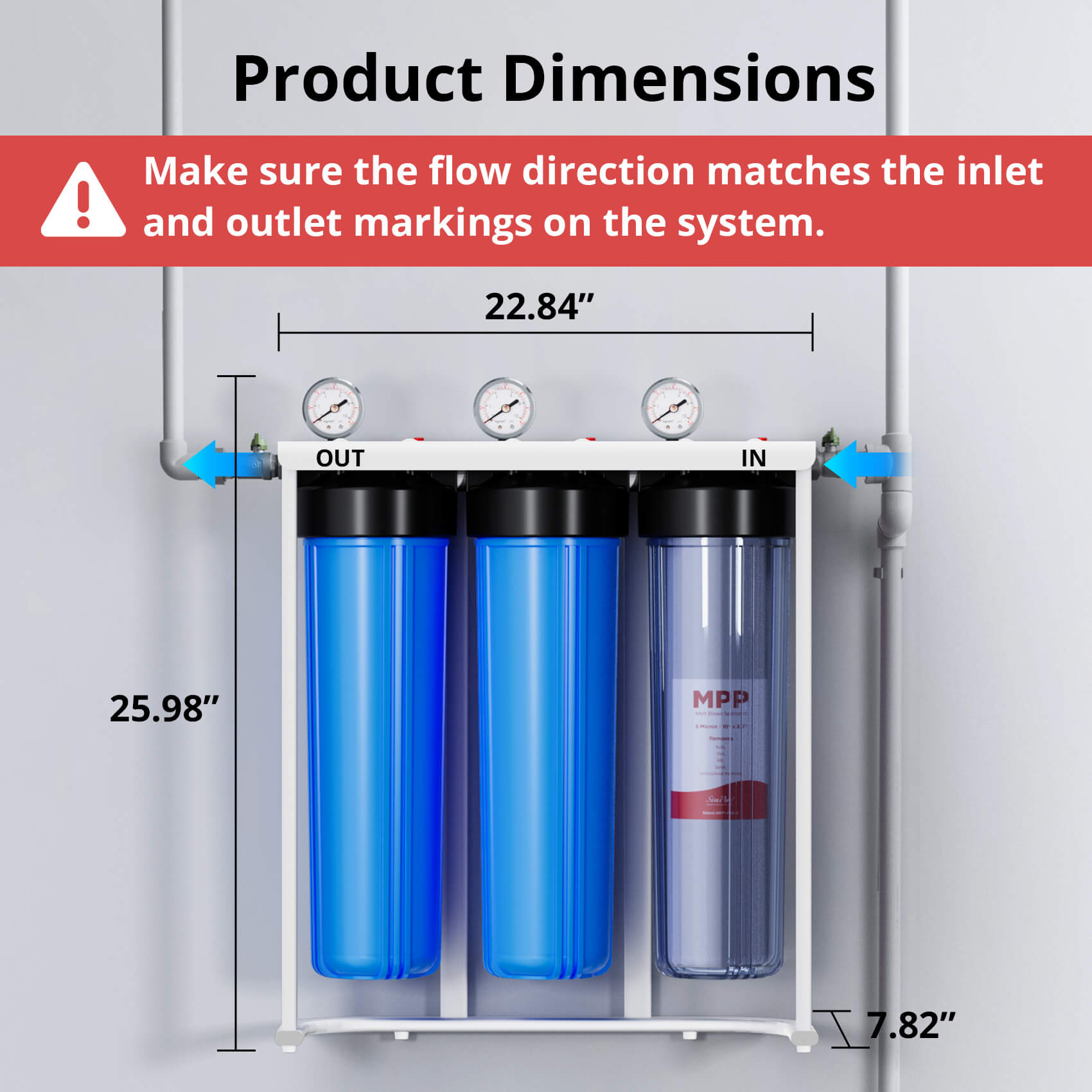
A: To treat your entire home, a whole-house activated alumina or bone char carbon system is required. However, for drinking water, an under-sink RO system is more cost-effective.
The Best Choice for Your Health
While distillation is a natural way to remove fluoride, its slow production rate—often taking hours for a single gallon—is impractical for most households. To achieve professional-grade fluoride removal without sacrificing convenience, a certified Reverse Osmosis system from SimPure is the most reliable long-term investment for your health.
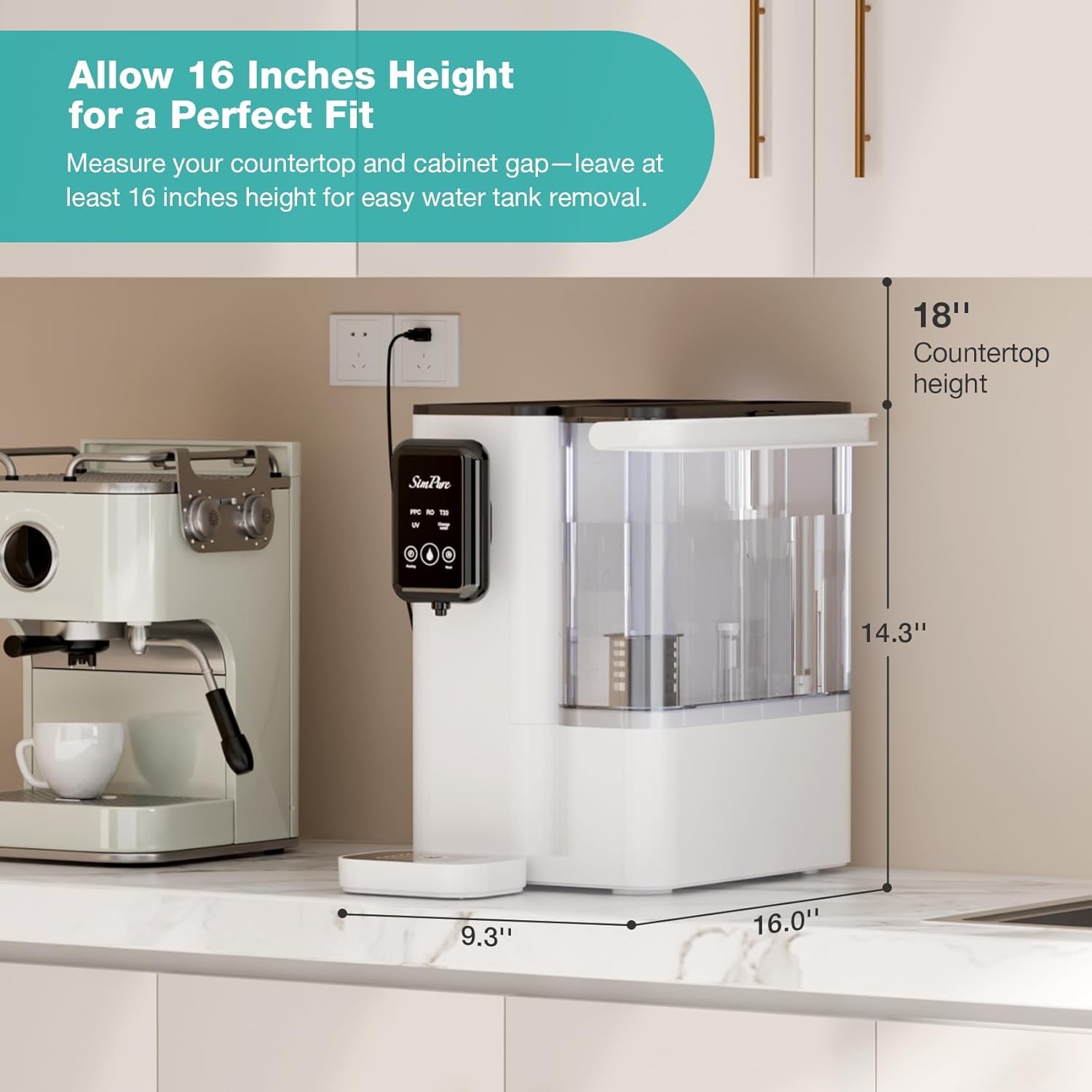
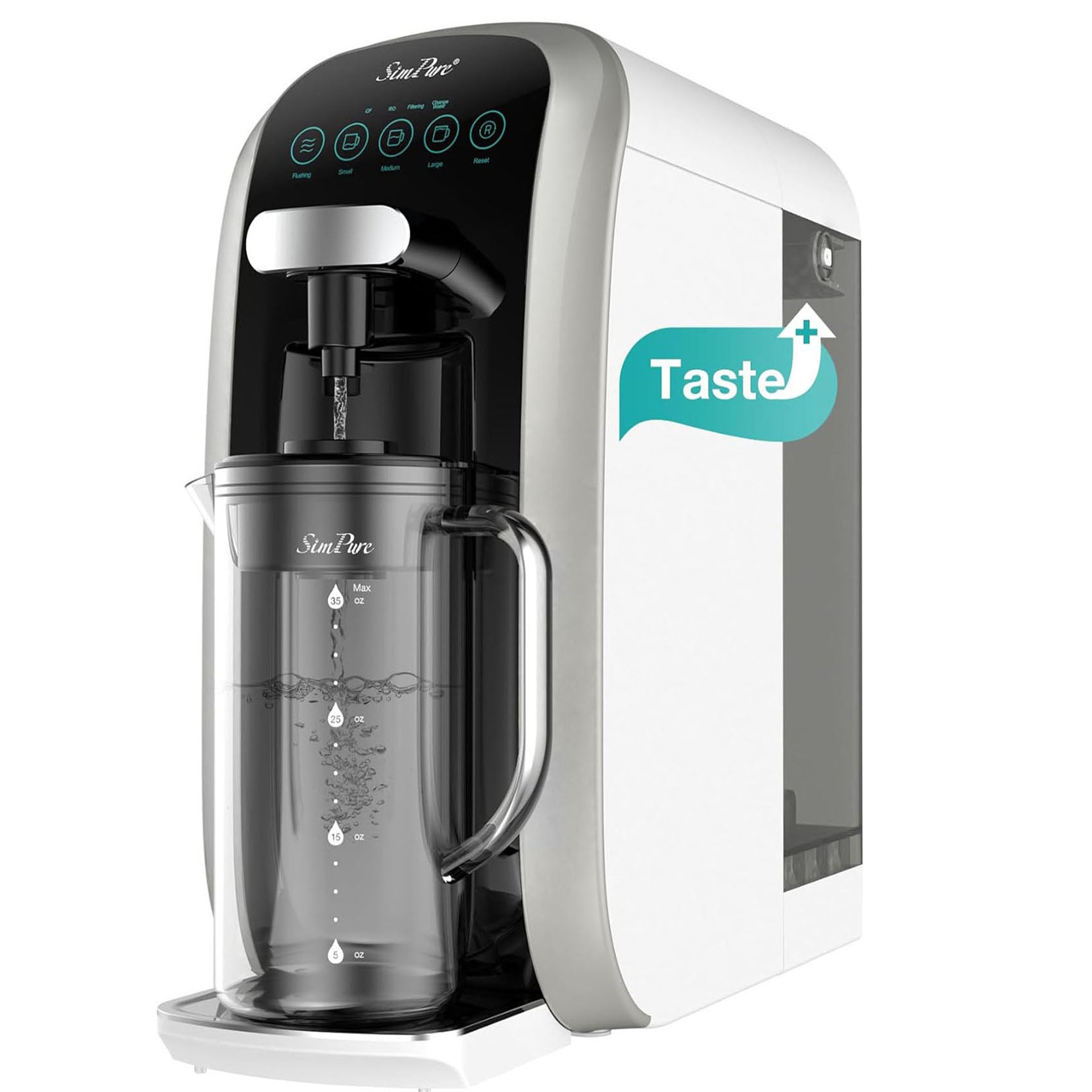
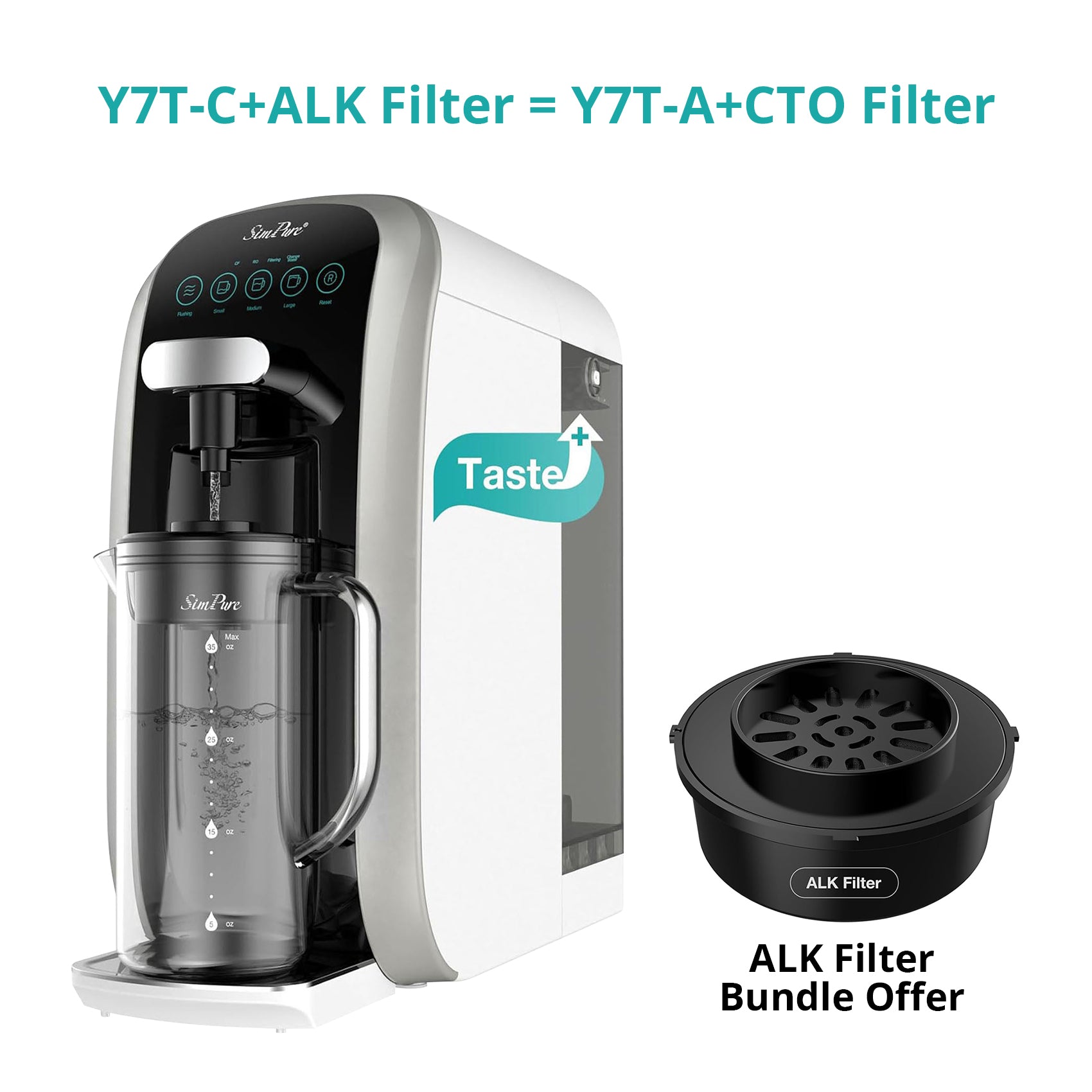
The Proven Solution: SimPure Y7P-BW
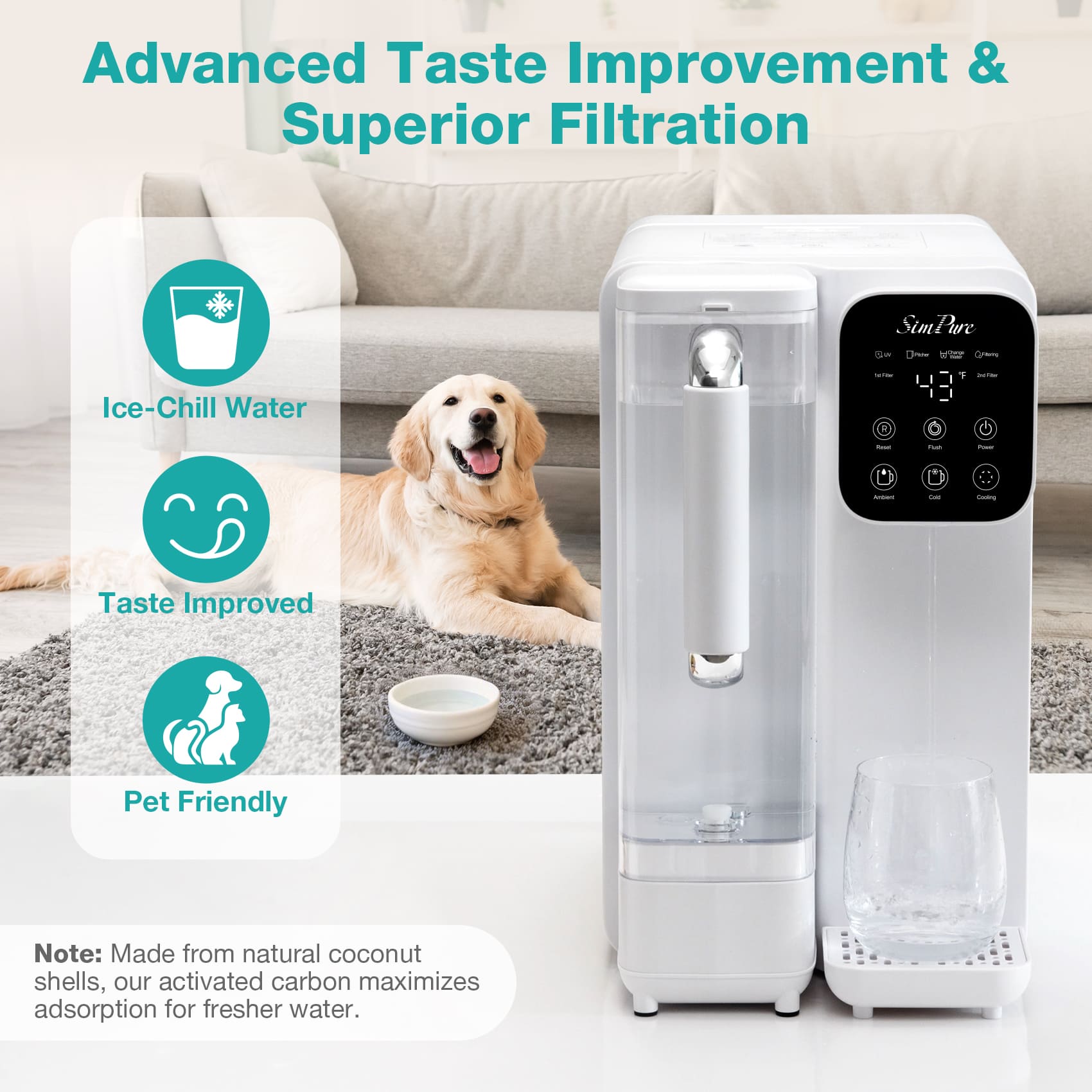
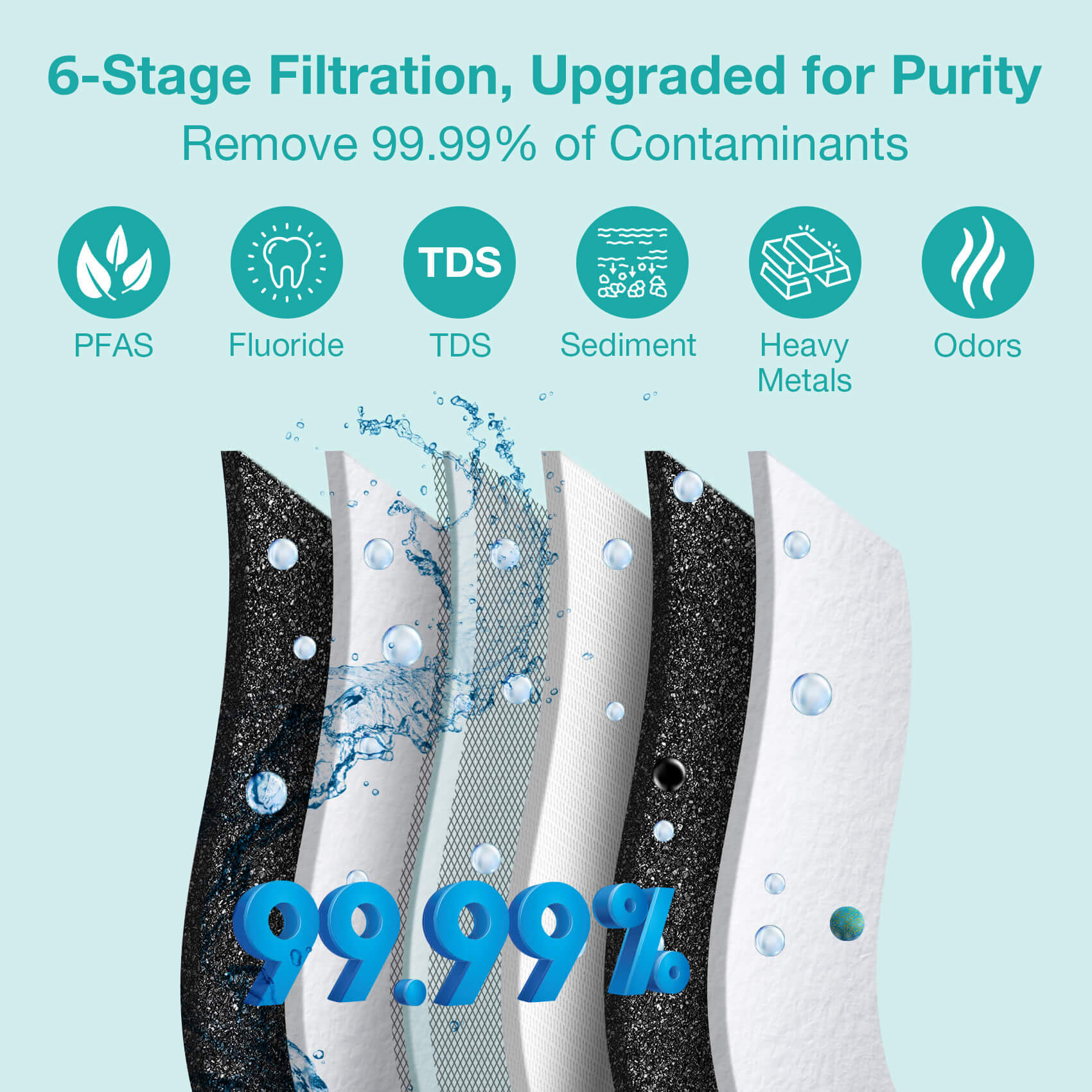
SimPure Y7P-BW is a high-performance countertop RO system that delivers refreshing, great-tasting water. It is independently verified by SGS to meet NSF/ANSI 58 standards, ensuring elite reduction of the following contaminants:

Full lab reports and removal details are visible on every product page for total transparency.