

If you have ever looked under your kitchen sink, you already know how quickly that little cabinet can get crowded.
There are pipes, cleaning supplies, a trash bin, maybe a garbage disposal, and sometimes barely enough room to reach anything. So when you start looking at an undersink reverse osmosis water filter, one of the first questions is pretty practical: Will it actually fit down there?
An under-sink RO system can be a convenient way to get filtered water without putting another appliance on the kitchen counter. But before buying one, it helps to understand how the system works, what installation involves, and what you will need to maintain later.
What Is an Undersink Reverse Osmosis Water Filter?
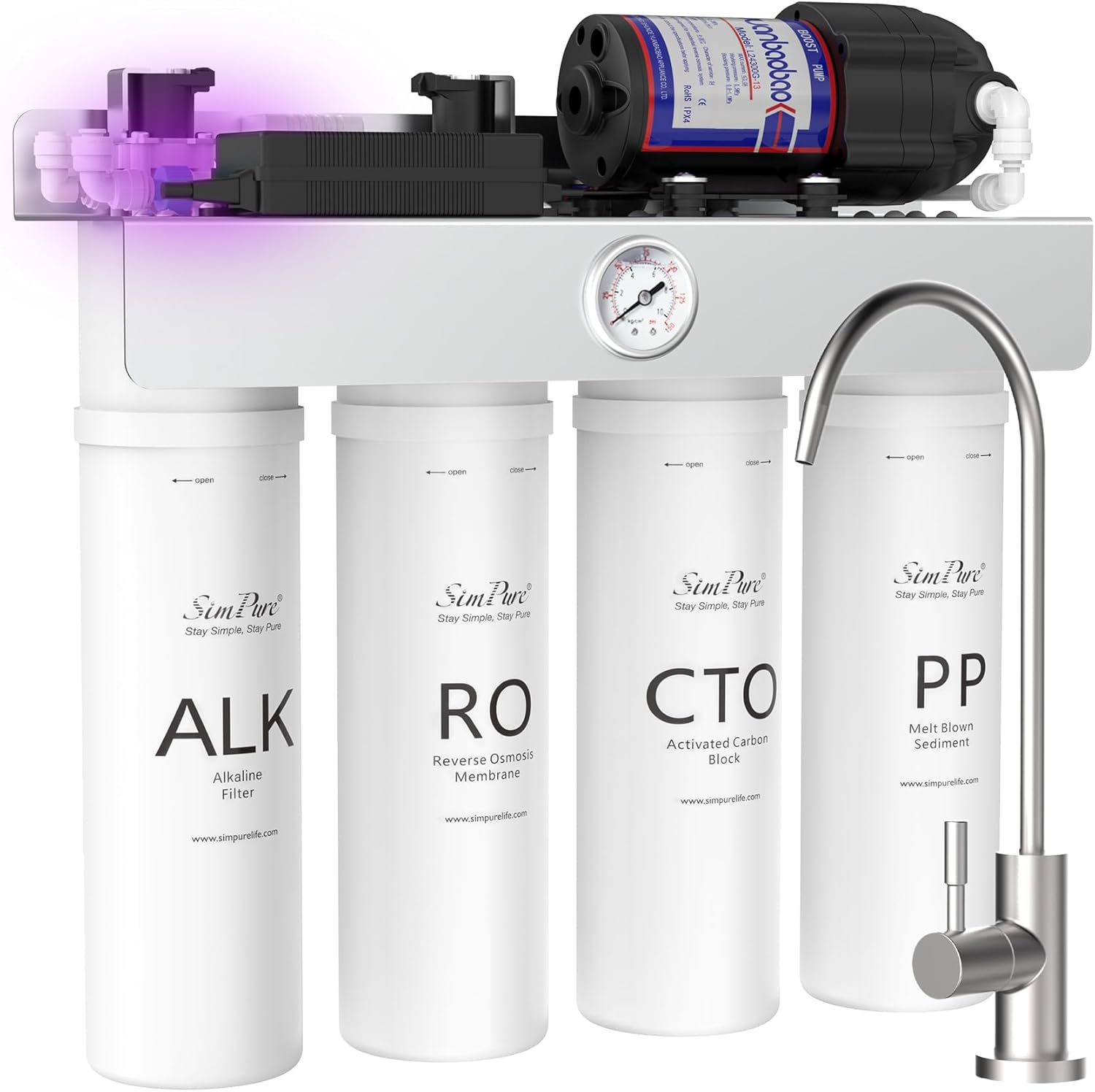
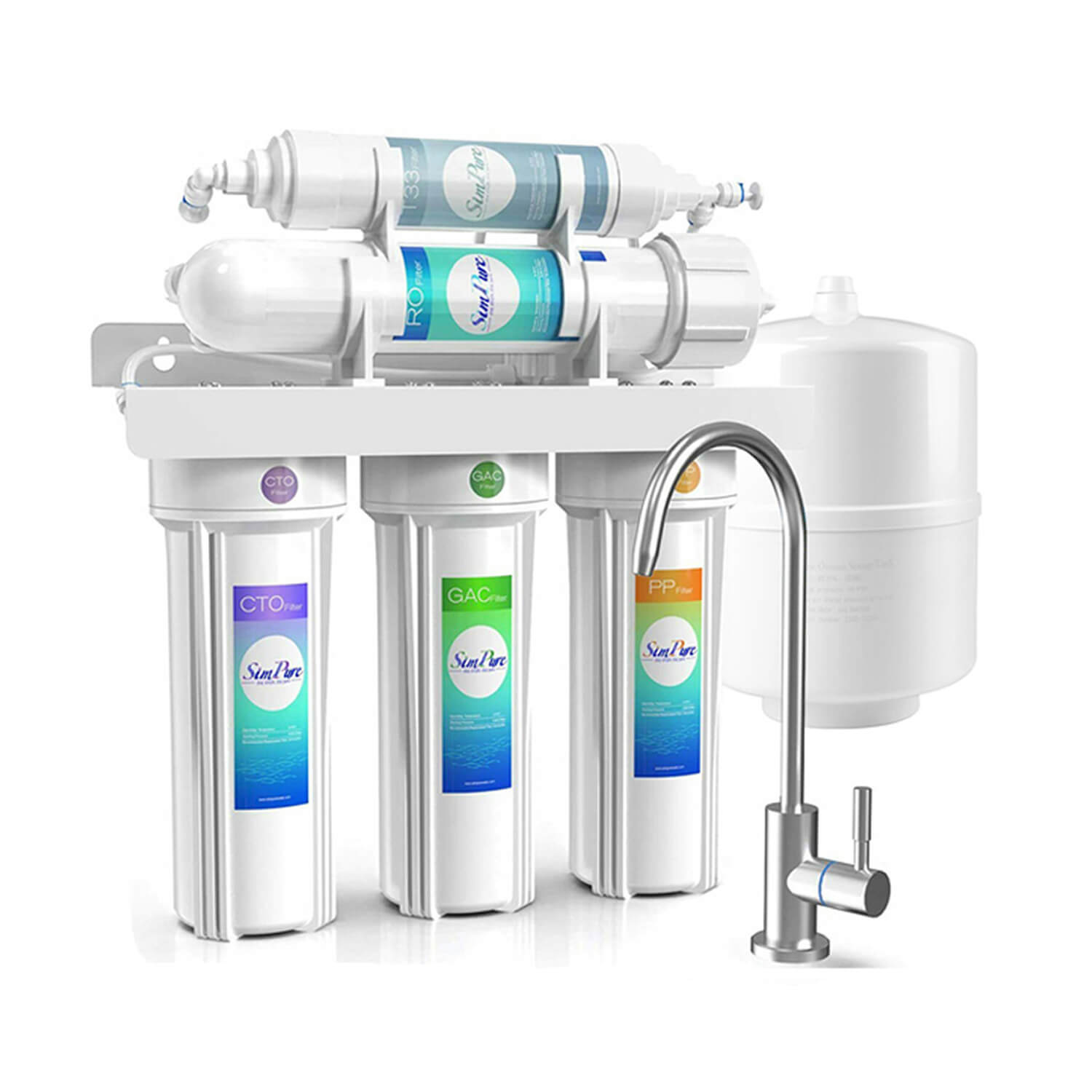
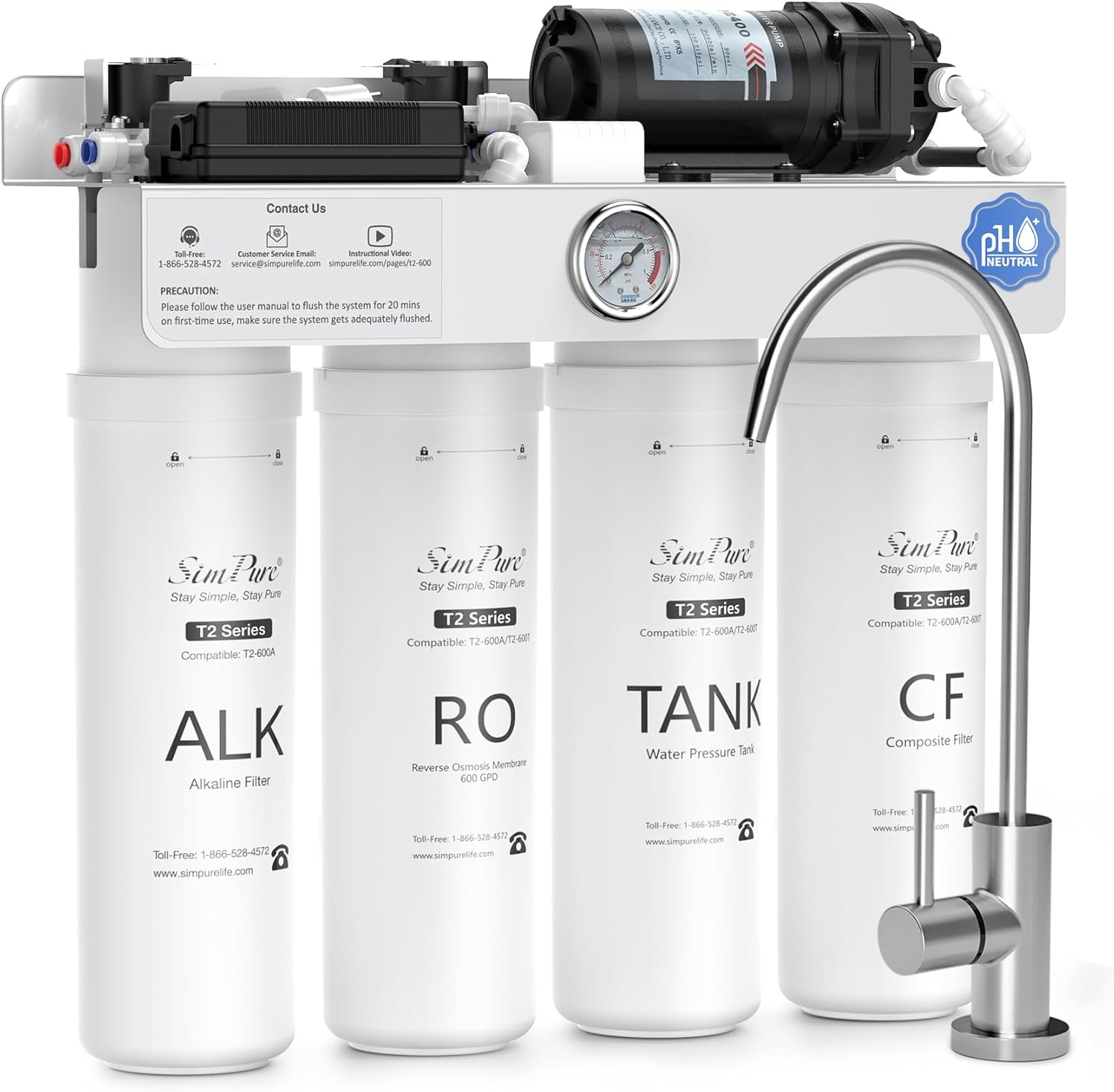
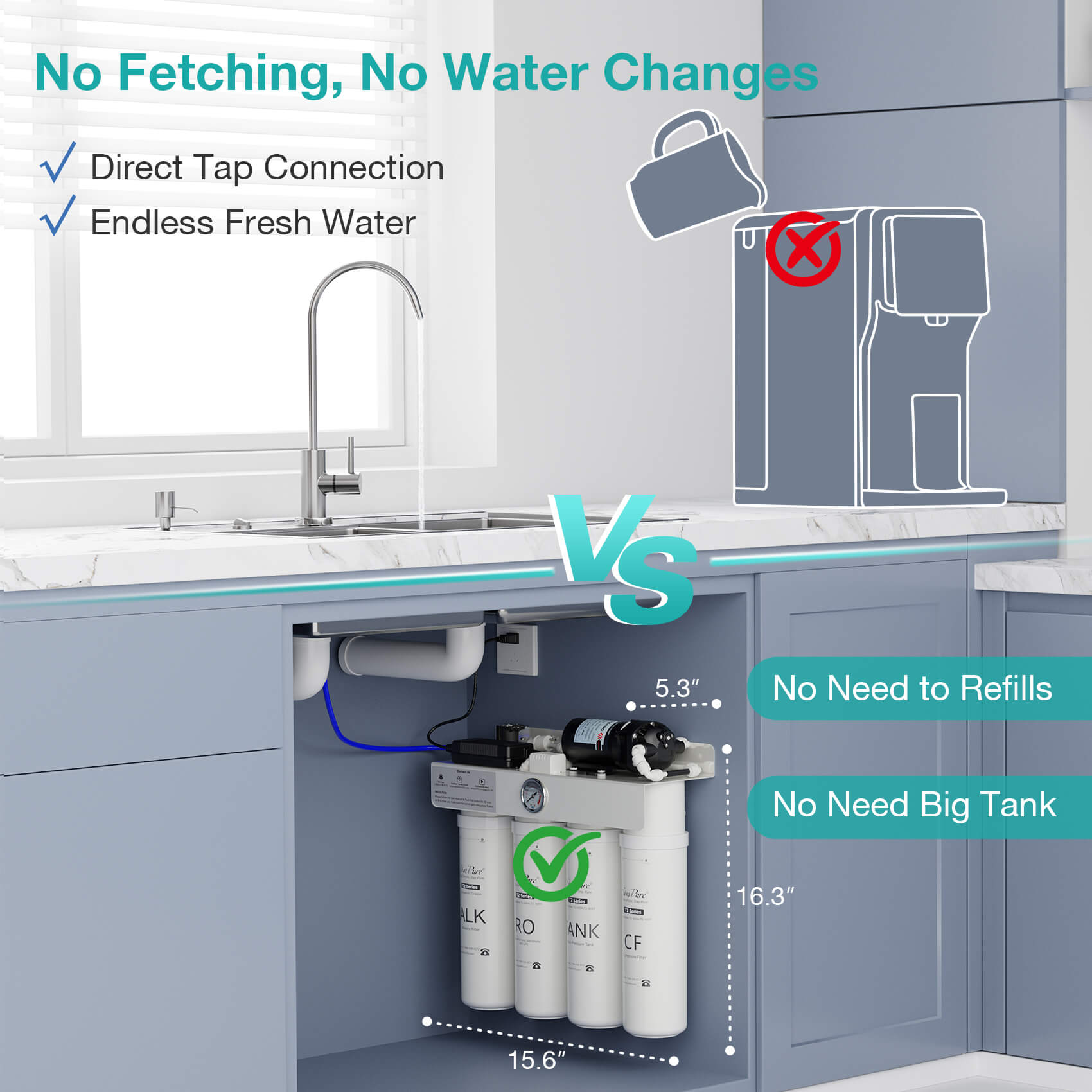
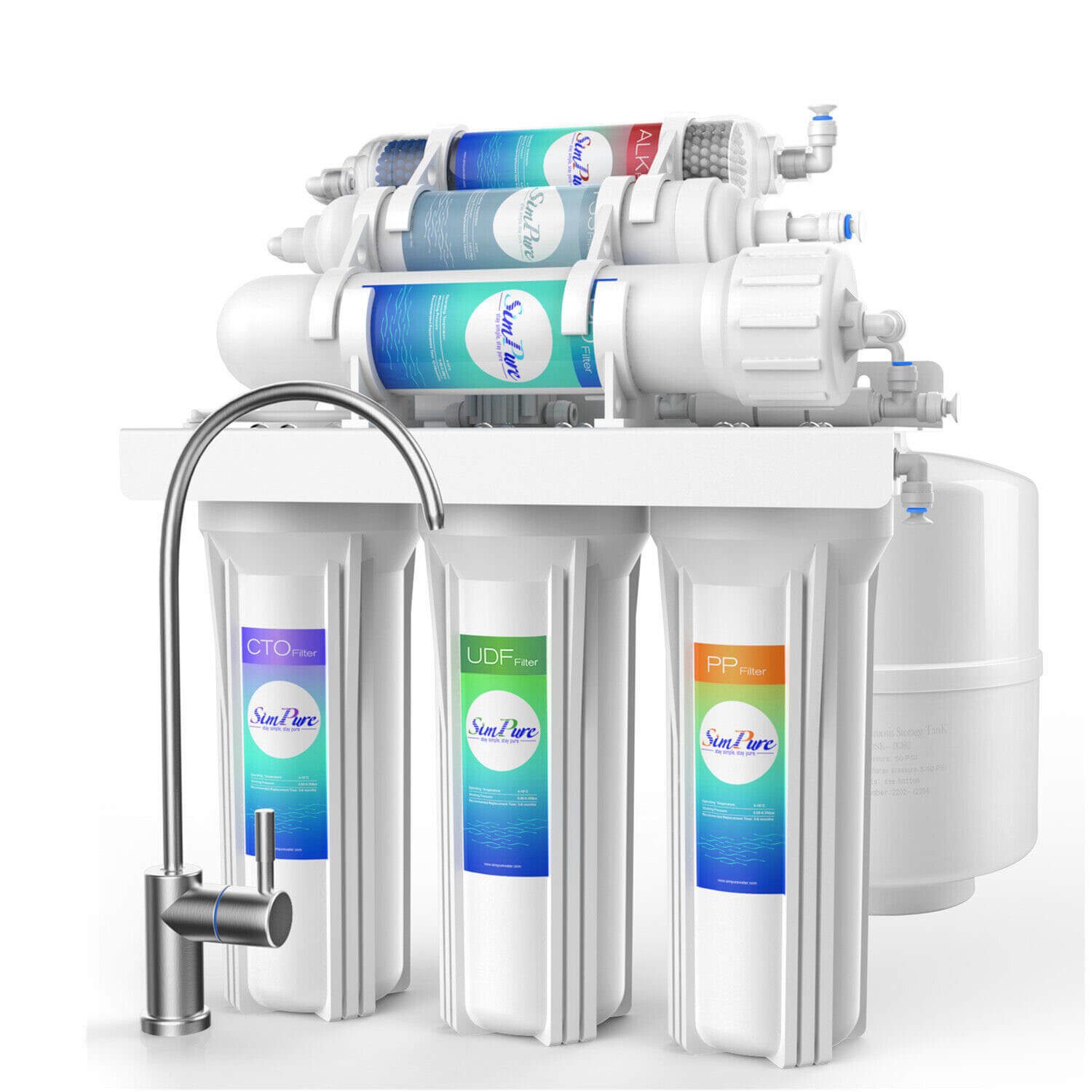
An undersink reverse osmosis water filter is installed inside the cabinet beneath your kitchen sink.
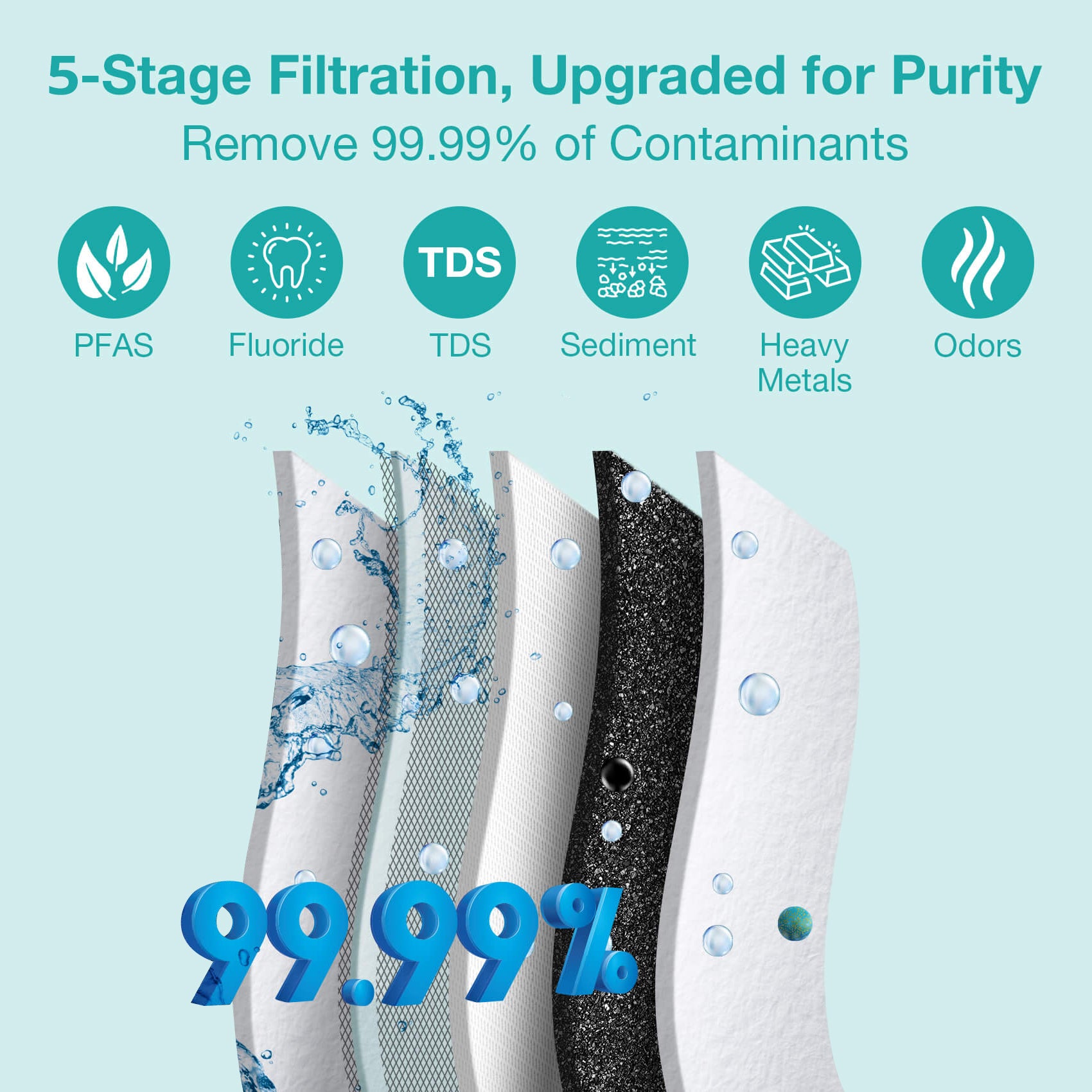
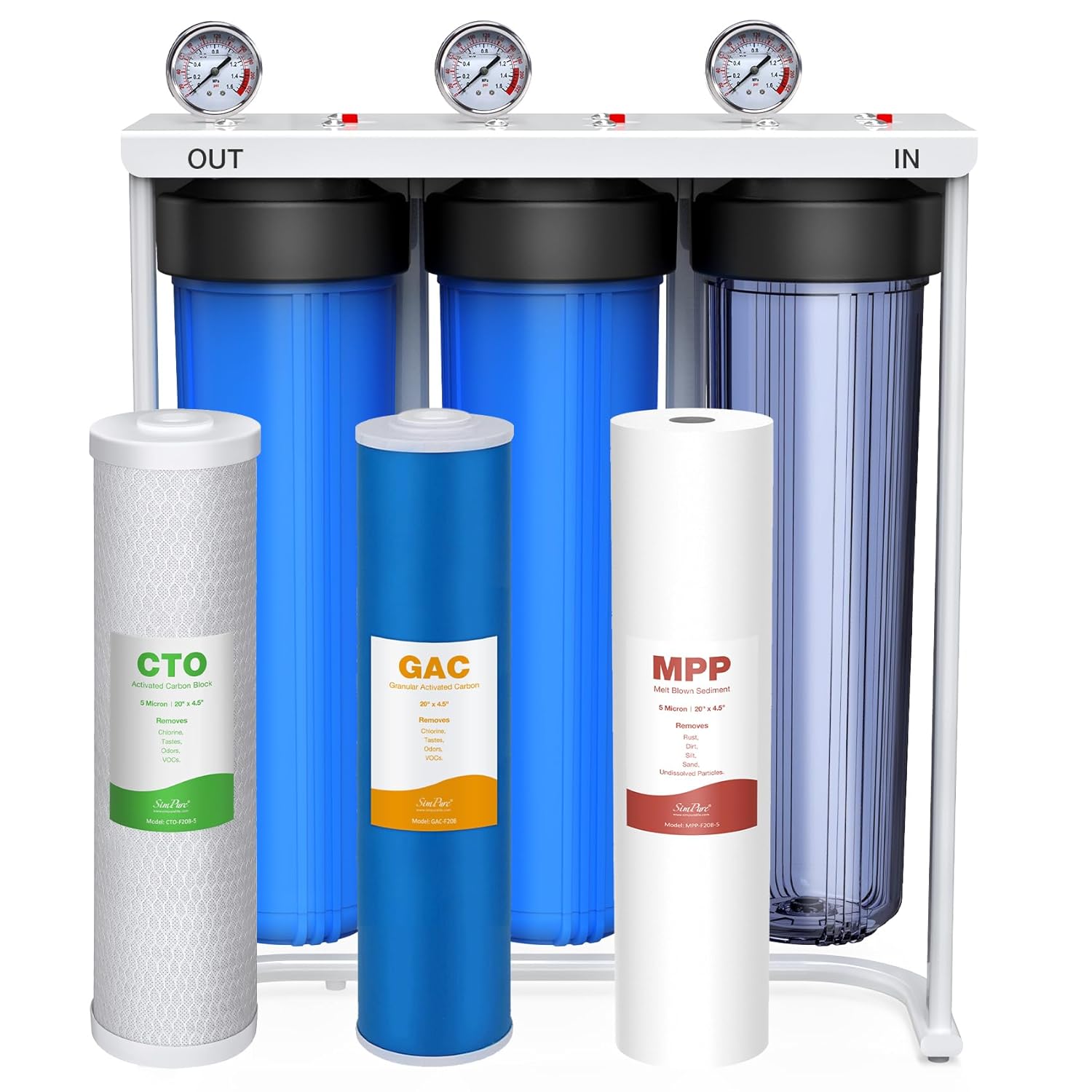
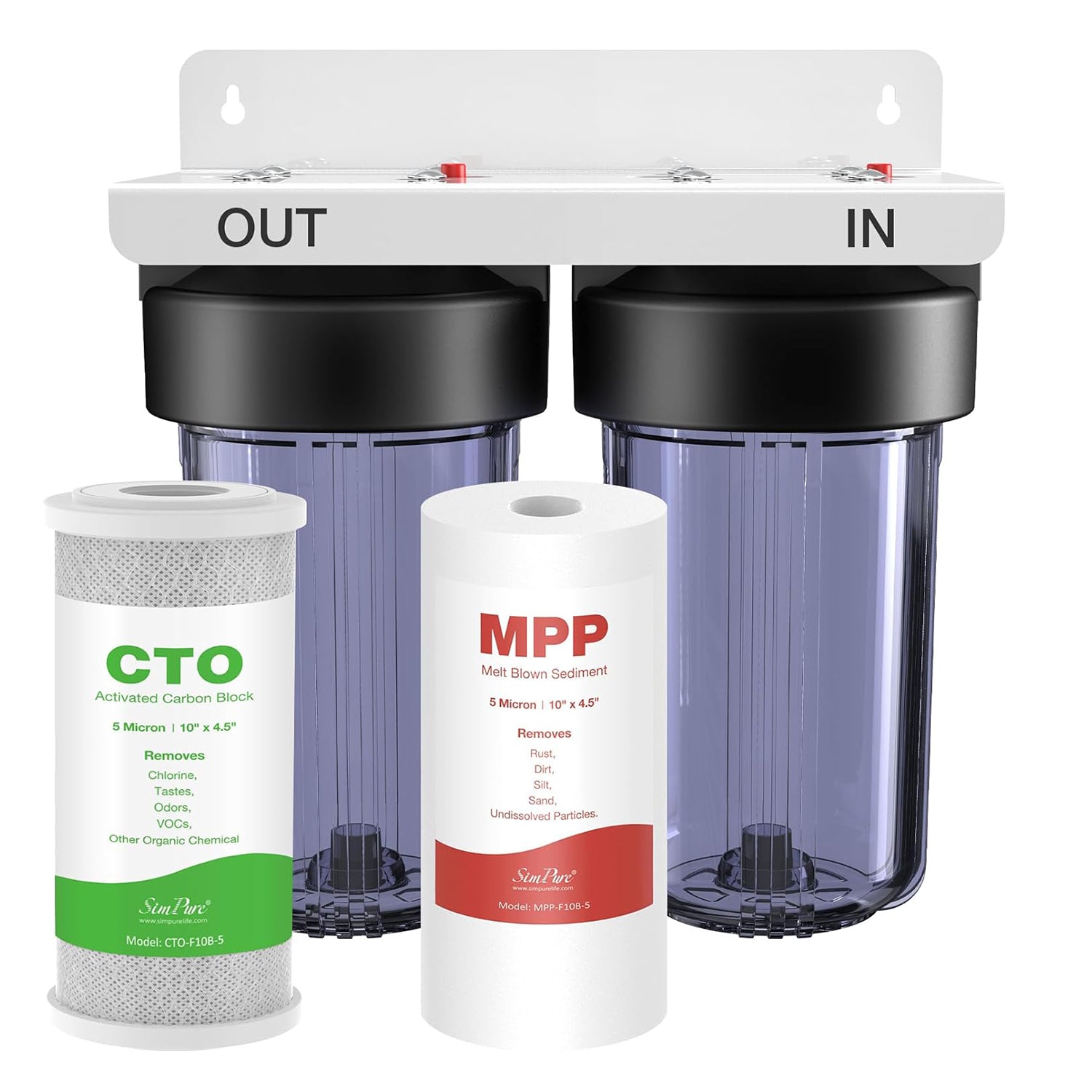
Water usually passes through several filters before reaching the RO membrane. The first filters deal with sediment and other larger particles. The RO membrane then reduces many dissolved substances from the water. Depending on the model, there may also be a final filter before the water reaches the drinking faucet.
Most under-sink systems have a separate faucet installed beside the regular kitchen faucet. So you might use tap water for washing dishes while using RO water to fill your glass, make coffee, or cook.
Once everything is installed, the system is mostly out of sight. That is probably one of its biggest advantages.
How Does an Under-Sink RO System Work?
You don't really need to understand every technical detail to use one, but the basic process is worth knowing.
Tap water enters the system and goes through the pre-filters first. These filters help prepare the water before it reaches the RO membrane.
The water is then pushed through the reverse osmosis membrane. The membrane is designed to let water pass through while reducing many dissolved solids and other substances. Some of the concentrated water is sent down the drain during this process.
After the RO stage, the water may go through another filter before reaching the storage tank or faucet.
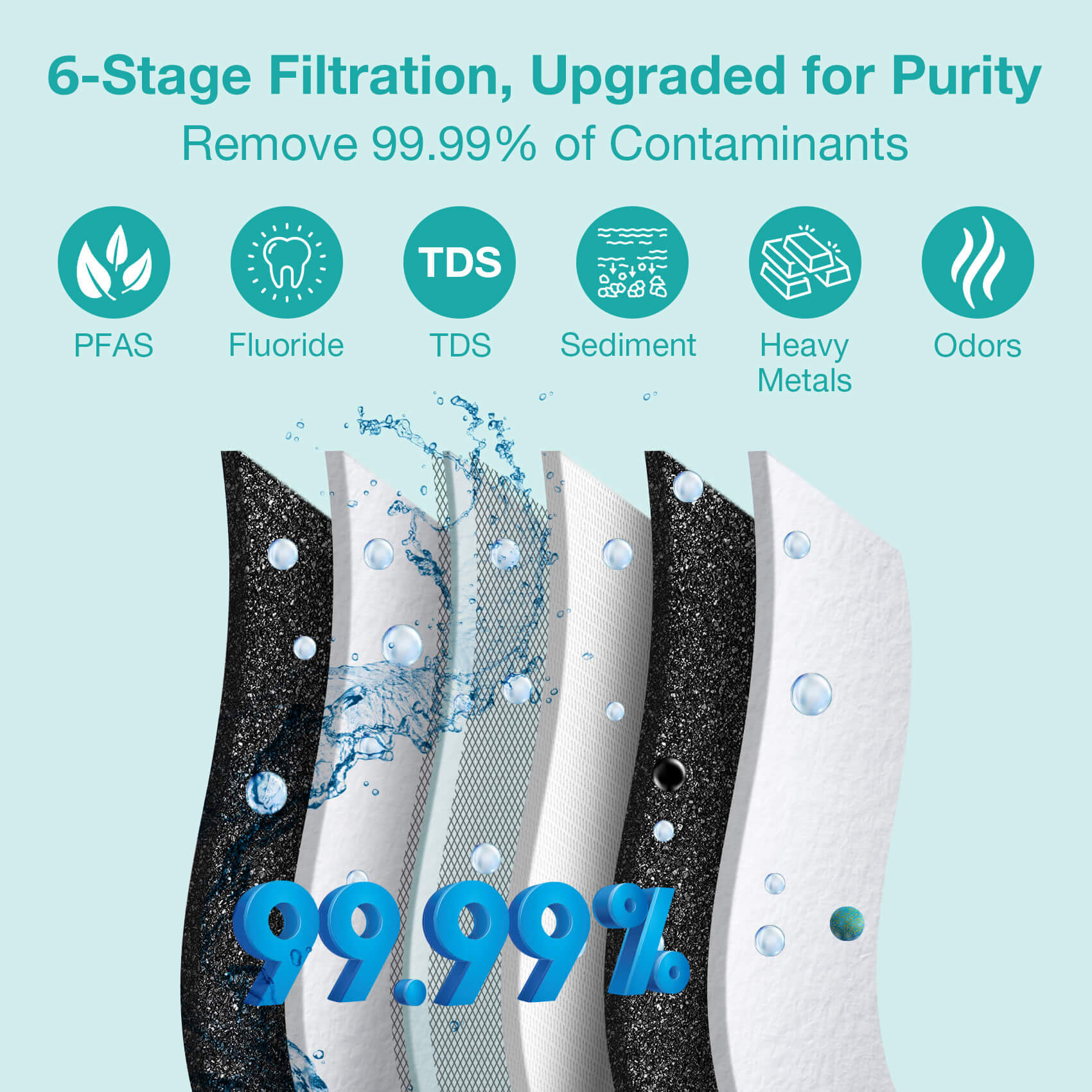
The number of stages can vary from one product to another. A system advertised as “5-stage” isn't automatically better than a 4-stage system. The actual filter types and membrane design matter more than the number printed on the box. 
Do You Need to Change Your Kitchen Faucet?
Usually, you don't have to replace your existing kitchen faucet.
Most traditional undersink RO systems use a small, separate drinking-water faucet. It is often installed through an extra hole in the sink or countertop.
For homeowners, this usually isn't a big deal. For renters, however, drilling a hole into a countertop is a different story.
If you don't want to make permanent changes to the kitchen, a countertop RO system can be worth considering instead. It gives you a similar type of filtration without requiring the same kind of plumbing work.
Is There Enough Room Under Your Sink?
This is an easy thing to overlook.
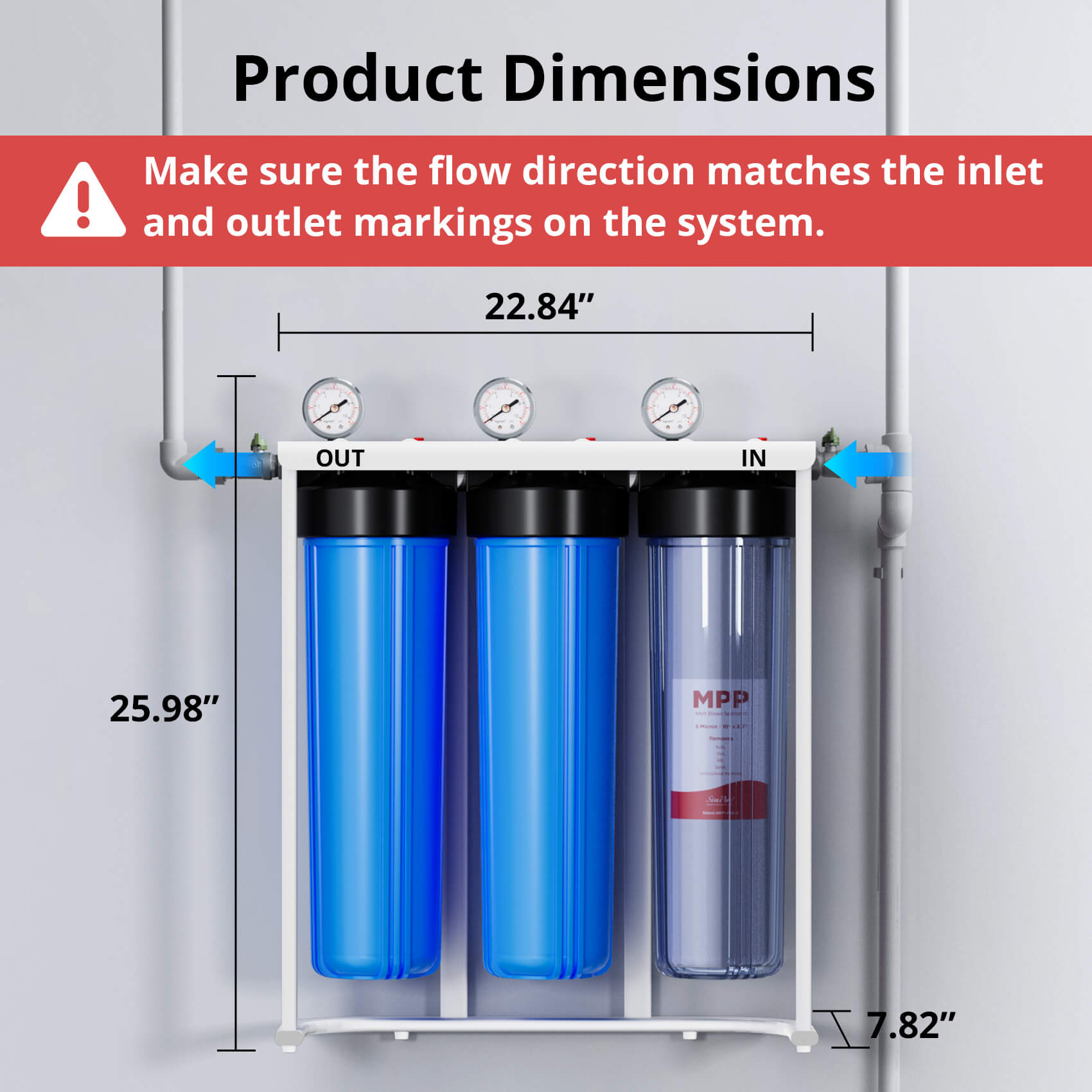
Before ordering an under-sink RO system, take a quick look inside the cabinet. Measure the available space, especially if you have a garbage disposal or large plumbing pipes taking up room.
Some systems also come with a storage tank, which needs its own space.
If your cabinet is already packed, getting the system installed may turn into a frustrating puzzle. In a larger kitchen cabinet, you may barely notice it. In a small apartment kitchen, every inch matters.
This is one area where countertop systems have an obvious advantage: you don't have to find room for the equipment underneath the sink.
What About RO Water Waste?
Water efficiency is another point worth checking.
During the RO process, some water is sent to the drain along with the concentrated substances separated by the membrane. How much water is used can vary quite a bit between different systems.
Instead of assuming every RO system has the same water usage, check the manufacturer's stated recovery ratio.
If you are comparing two models, this number can tell you more than a general statement such as “low water waste.” Just keep in mind that actual performance can vary depending on water pressure, temperature, and other conditions.
How Often Do the Filters Need to Be Replaced?
An RO system is not something you install and completely forget about.
The filters need to be replaced from time to time. The exact schedule depends on the filter, your water quality, and how much water your household uses.
For example, a couple who mainly uses the system for drinking water may go through filters differently from a family that also uses RO water for cooking every day.
It's also worth checking how easy the replacement process is before buying. A filter that takes a few minutes to change is much less annoying than one that requires a complicated service visit.
Keeping a simple replacement schedule on your phone or calendar can also help. You don't have to remember everything in your head.
Does an Undersink RO System Make Sense for Everyone?
Not really.
If you own your home and use a lot of filtered water, an under-sink system can be a very practical setup. The equipment stays hidden, the faucet is always there, and you don't need to refill a countertop tank every time you want drinking water.
But if you're renting, have limited cabinet space, or don't want to deal with installation, it may feel like more work than it's worth.
Think about your kitchen rather than just the product specifications.
Do you have room under the sink? Are you comfortable with plumbing work? Do you want a permanent setup? How much filtered water do you use each day?
Those questions will probably tell you more than a long list of features. 
What About Countertop RO Systems?
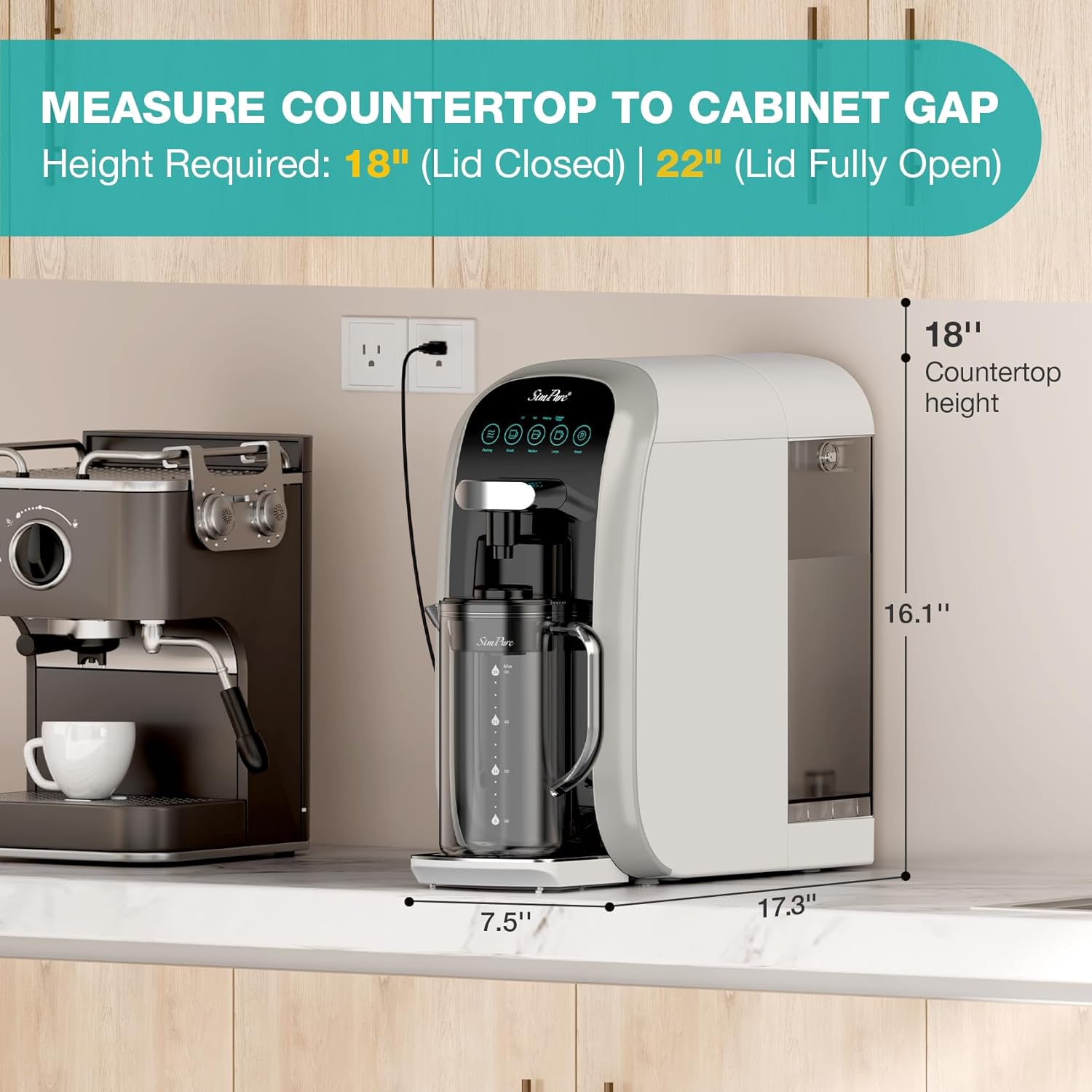
For some households, a countertop RO system is simply easier.
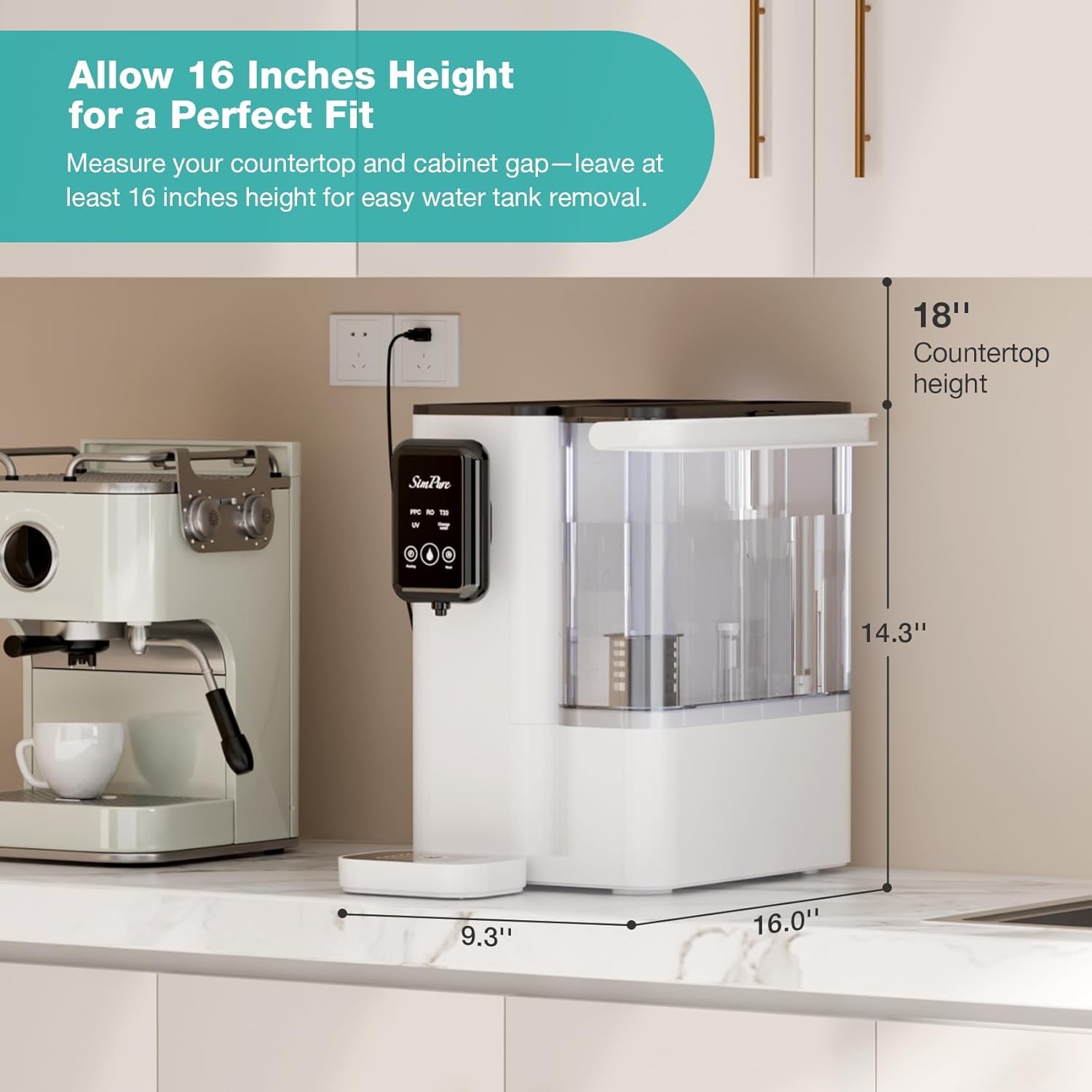
There is no need to find space inside an already crowded cabinet, and installation is generally less involved. You can also take the unit with you if you move.
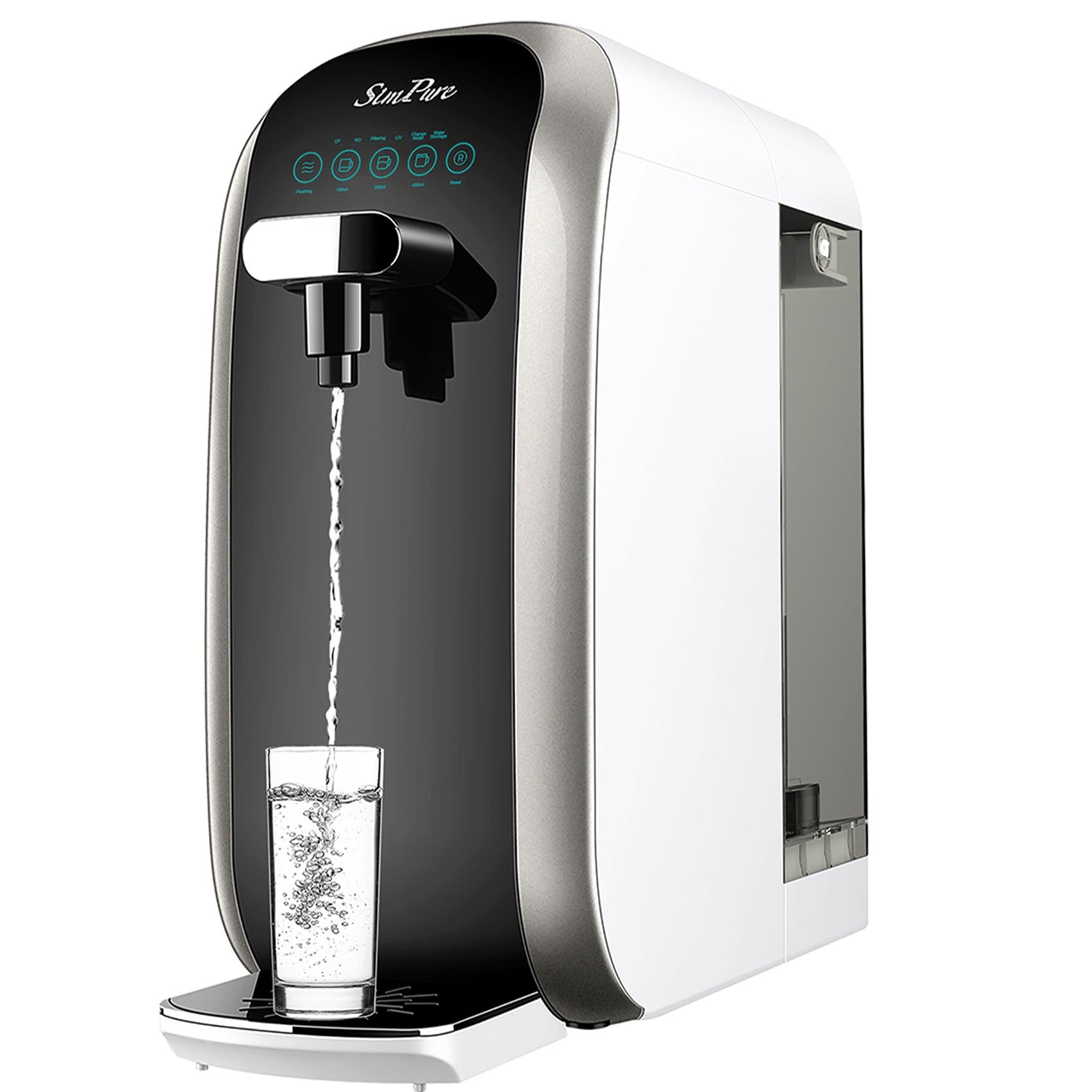
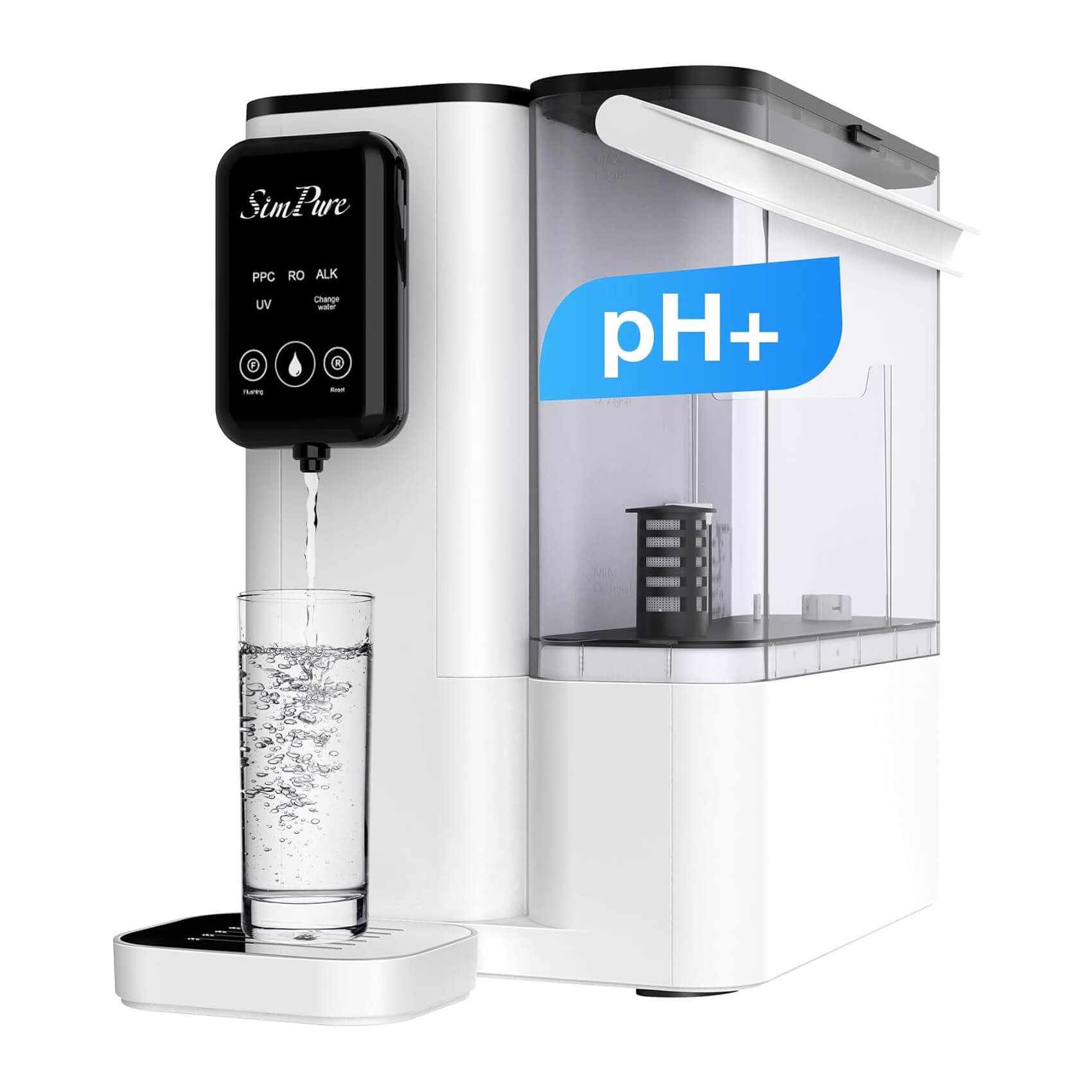
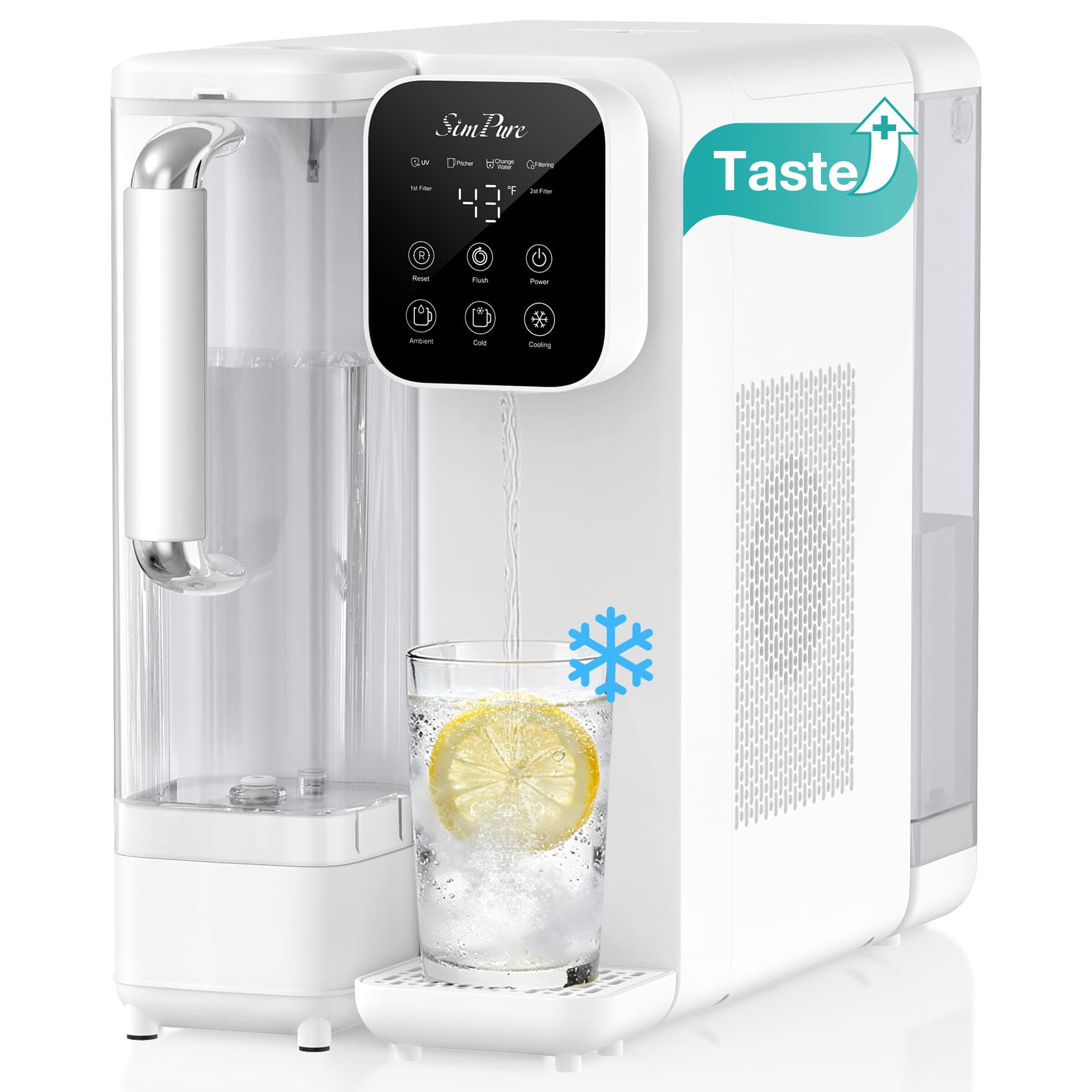
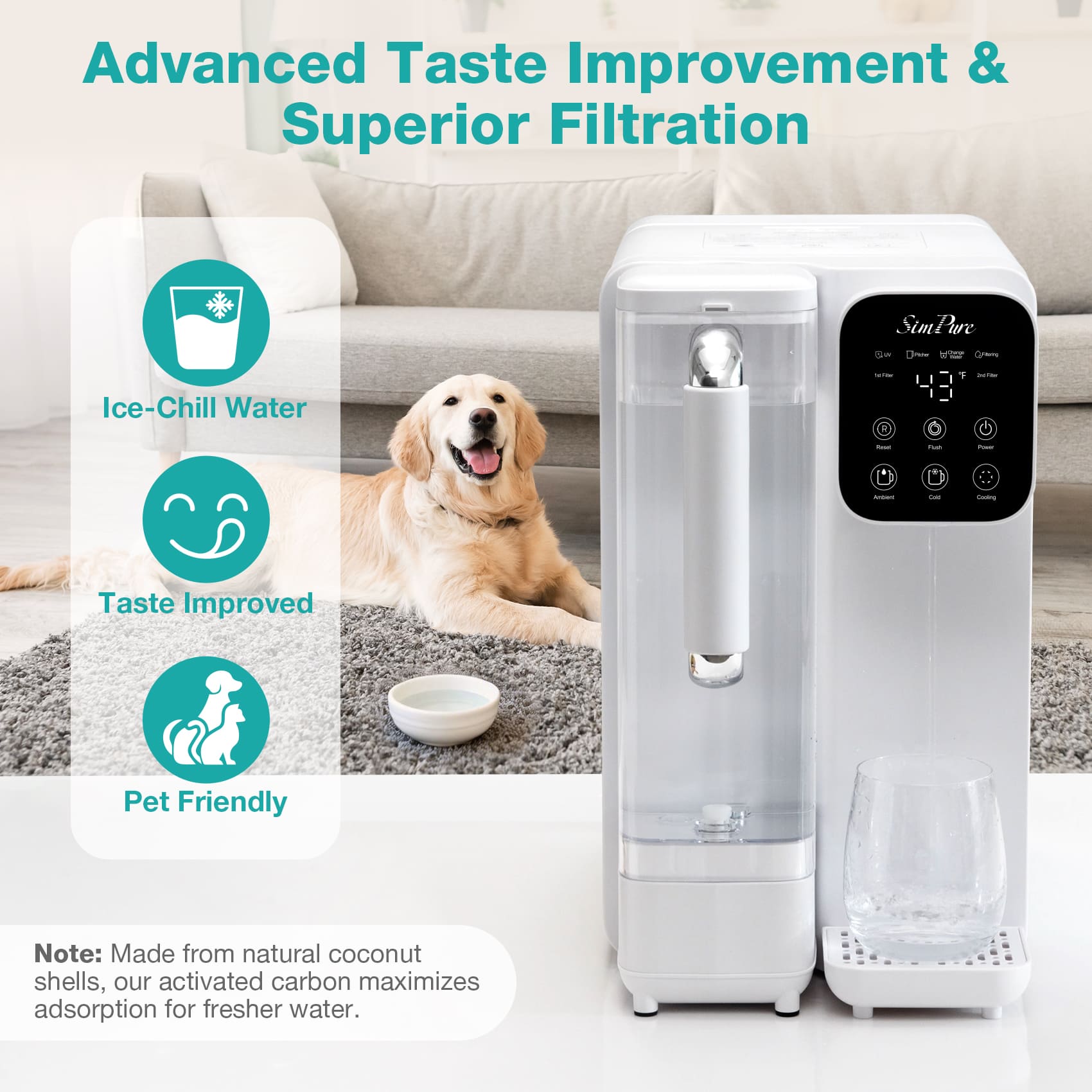
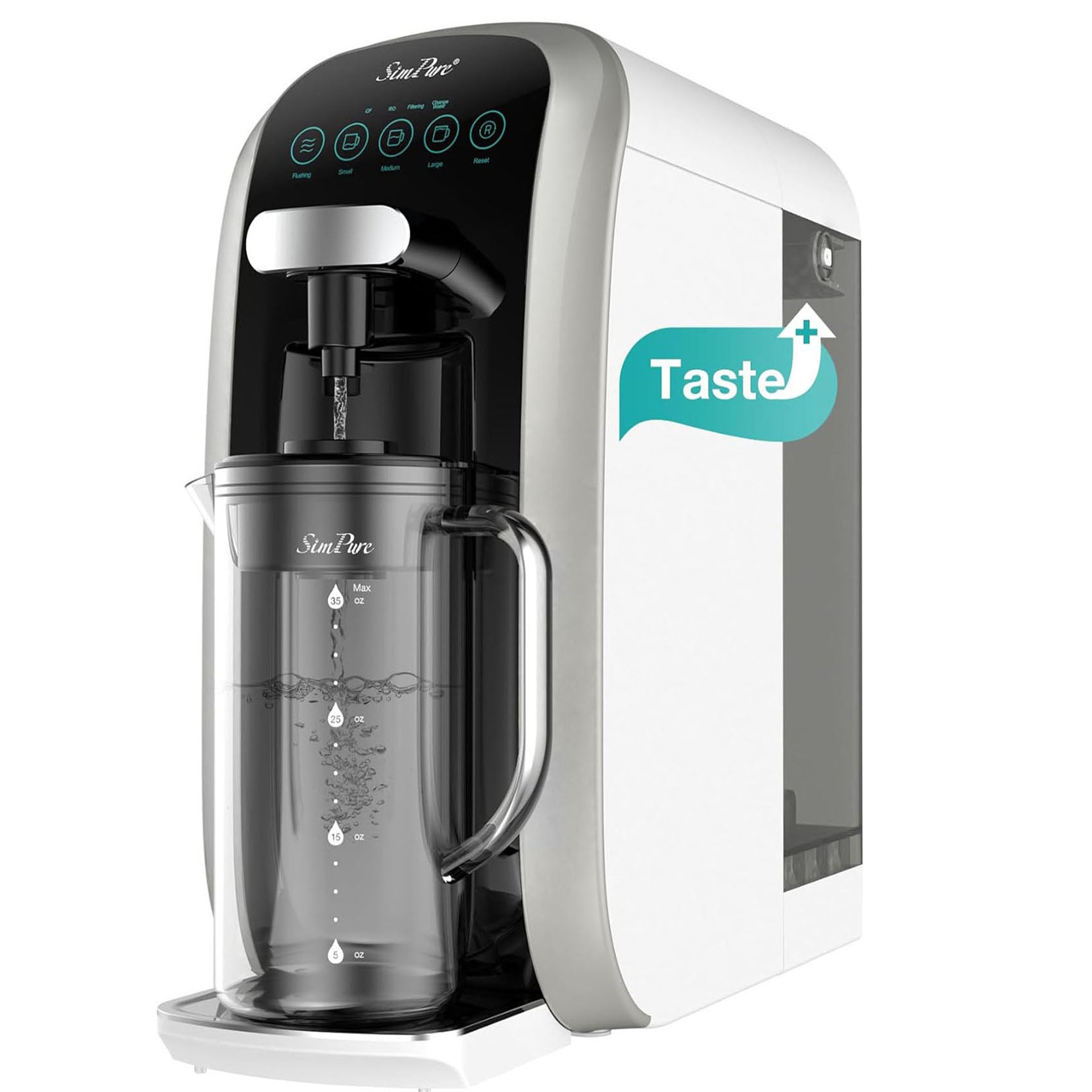
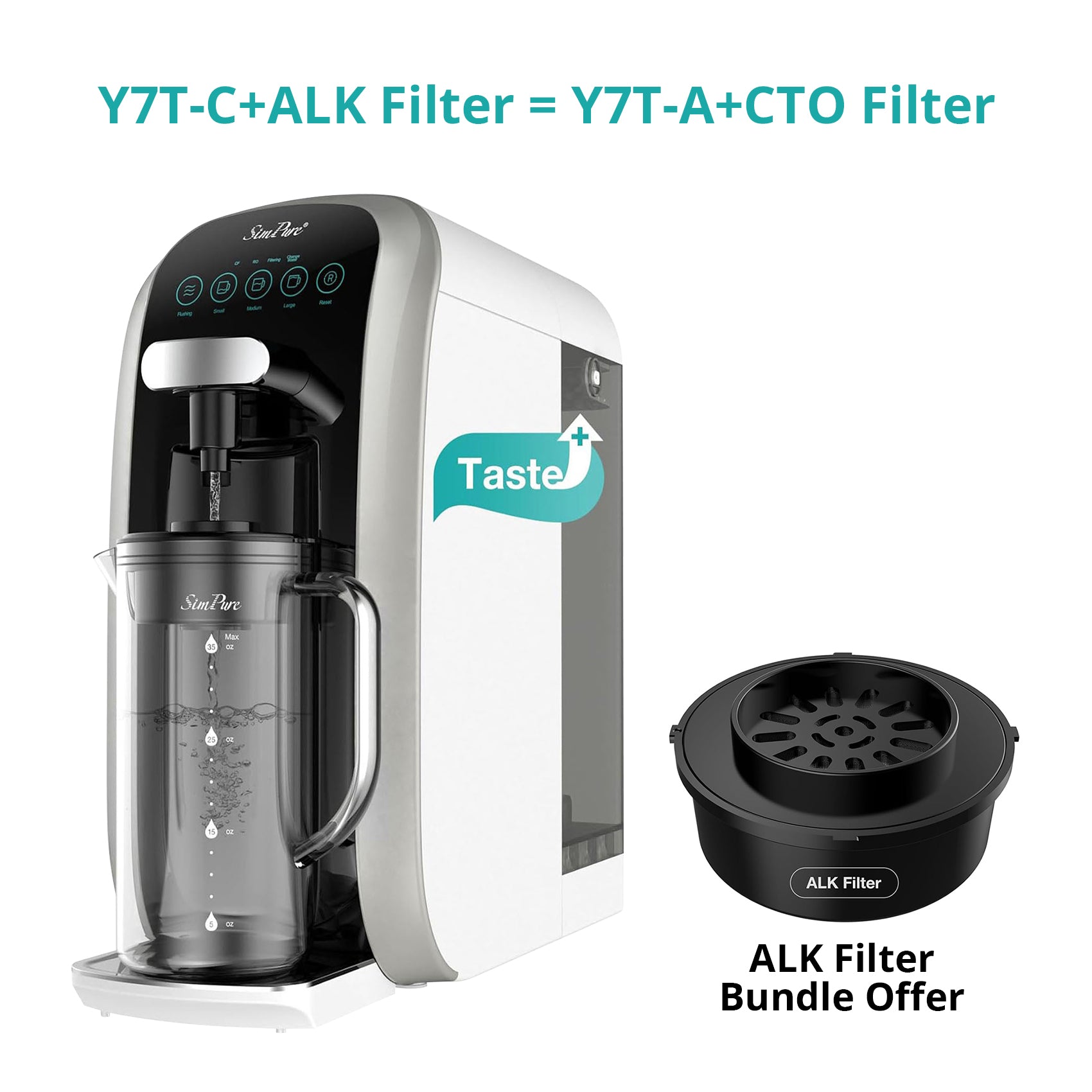
SimPure, for example, offers countertop RO systems such as the Y7P-BW for people who want RO filtration without installing a traditional under-sink system. Its compact design can be useful for apartments, rental homes, and smaller kitchens.
That doesn't mean countertop RO is automatically better. An under-sink system has its own advantage: once installed, it stays out of the way and is ready whenever you need water.
The better choice comes down to how your kitchen is set up and how you actually use filtered water.
So, Is an Undersink Reverse Osmosis Water Filter Worth It?
For the right kitchen, yes.
An under-sink RO system can give you a dedicated source of filtered water without taking up valuable counter space. If you drink water throughout the day, make coffee regularly, or cook with filtered water, having it available right beside the sink can become one of those things you stop thinking about because it simply works.
The installation is the part that deserves more thought.
Measure the cabinet first. Check whether you need a separate faucet. Look at the filter replacement schedule and water efficiency. And if you're renting or working with a very small kitchen, don't rule out a countertop RO system just because under-sink models are more traditional.
The best system is usually the one that fits your kitchen—and your daily routine—without creating another chore.
FAQ
Is an undersink reverse osmosis water filter difficult to install?
It depends on the model and your existing plumbing. Some systems are designed for DIY installation, while others may be easier with professional help.
Does an under-sink RO system take up a lot of space?
The equipment varies in size. Systems with storage tanks generally need more room, so measure your cabinet before purchasing.
Does an undersink RO system need a separate faucet?
Most traditional systems use a dedicated drinking-water faucet. Installation may require an additional hole in the sink or countertop.
How much water does an under-sink RO system waste?
There is no single number for every system. Water usage depends on the system design and operating conditions, so check the manufacturer's recovery ratio.
How often should I replace the RO filters?
There is no universal schedule. Filter life depends on the filter type, incoming water quality, and household usage. Follow the replacement recommendations for your specific system.
Is countertop RO better than undersink RO?
Neither option is automatically better. Under-sink systems save counter space and stay installed, while countertop systems are easier to move and can be more convenient for renters.
Can I install an RO system in a rental apartment?
A countertop RO system is usually easier for renters because it doesn't require permanent plumbing changes. An under-sink system may require modifications to the sink or water lines.