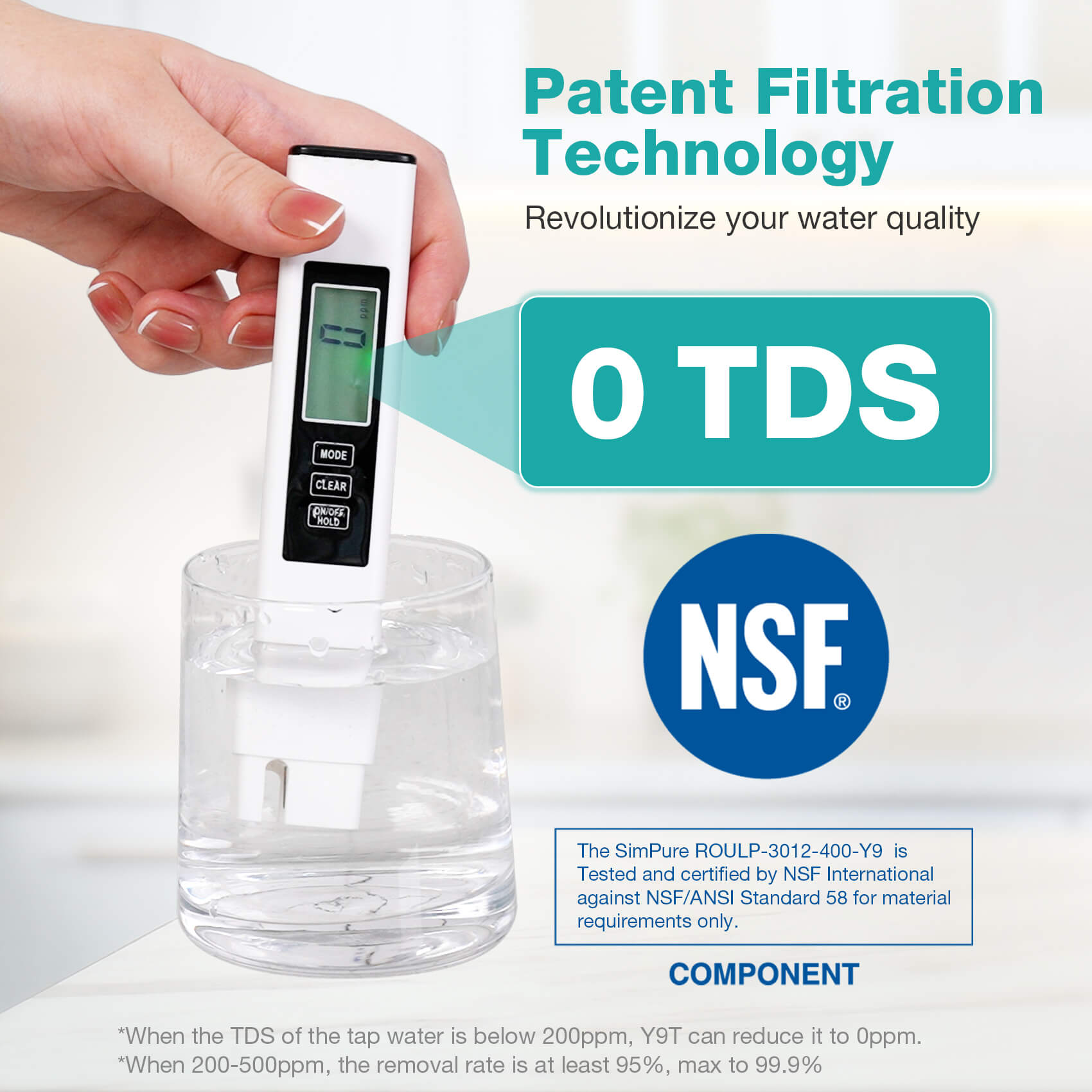
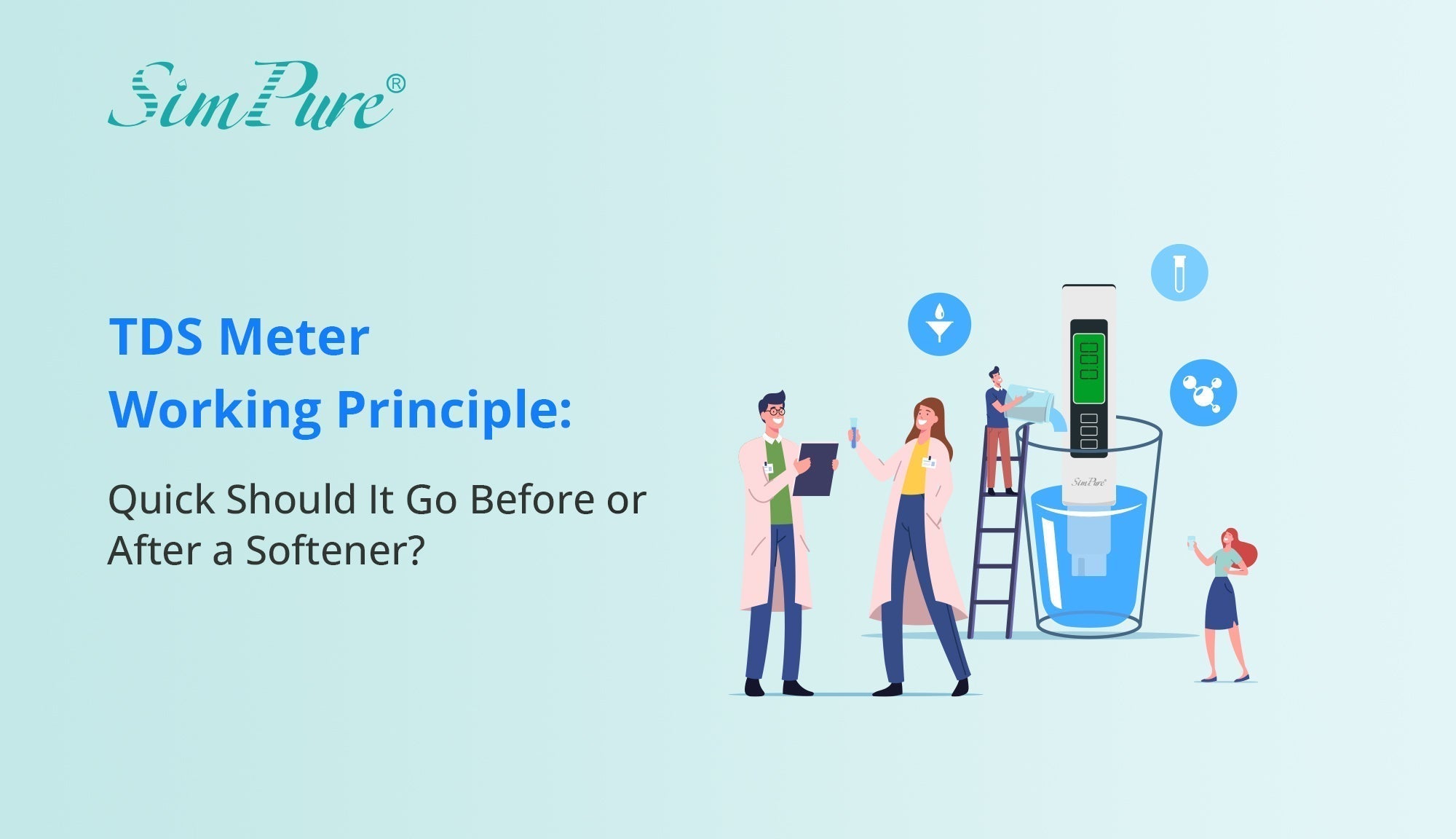
A TDS meter works by measuring the electrical conductivity (EC) of a liquid to estimate the concentration of dissolved inorganic salts and organic matter. Since pure water is a poor conductor, the presence of dissolved ions like calcium, magnesium, and sodium increases conductivity, which the meter converts into a TDS value in parts per million (ppm). In this blog, let us learn more details of TDS.
What Is TDS (Total Dissolved Solids)?
Total Dissolved Solids (TDS) refers to the combined weight of all organic and inorganic substances dissolved in a given volume of water. These substances include minerals, salts, and metals that are small enough to pass through a 2-micrometer filter. In our lab analysis, we use TDS as a primary indicator for Reverse Osmosis membrane performance, as a high TDS reading often signals the presence of high mineral hardness or potential contaminants.
TDS Meter Working Principle: How It Works
The working principle of a TDS meter is based on the correlation between ion concentration and electrical resistance. The device features two internal electrodes that apply a small voltage to the water sample. As the dissolved ions facilitate the flow of electricity between the electrodes, the meter measures the current and calculates the conductivity. This conductivity value is then multiplied by a conversion factor (typically 0.5 to 0.7) to display the result in ppm or mg/L.
It is important to note that a TDS meter does not measure water quality directly—it only measures conductivity. It cannot detect neutral contaminants like bacteria, viruses, or uncharged chemicals (e.g., motor oil).
Step-by-Step: How to Use a TDS Meter
For accurate results, follow this standardized testing procedure utilized by SimPure technicians during field audits:
1. Calibrate the Device: Ensure your meter is zeroed or calibrated using a standard NaCl solution.
2. Rinse the Probe: Clean the electrodes with distilled water to remove residual ions from previous tests.
3. Submerge properly: Dip the probe into a clean glass of sample water, ensuring you do not exceed the immersion line.
4. Stir and Wait: Gently stir the meter to remove air bubbles and wait 5-10 seconds for the reading to stabilize.
5. Record PPM: Read the digital display. The WHO recommends a TDS below 50-70 ppm for optimal purity.

Monitor your water purity with ±2% accuracy. A must-have tool for every household to verify RO filter life and tap water safety.
Shop TDS tester →Interpreting Your TDS Results
A significant drop in TDS levels indicates effective filtration, particularly in Reverse Osmosis systems. Based on international standards, here is how to interpret your ppm readings:
- 0 - 50 ppm: High-purity water (Ideal for RO systems).
- 50 - 150 ppm: Excellent drinking water quality.
- 150 - 300 ppm: Good, typical tap water range.
- Above 500 ppm: EPA Secondary Standard limit; indicates high mineral content or potential contamination.
TDS is specifically vital for monitoring RO reverse osmosis effluent. According to global standards, the maximum TDS for direct drinking water is:
- WHO Standard: < 50 PPM
- European Union (EU): < 70 PPM
- United States (EPA Recommendation): < 50 PPM
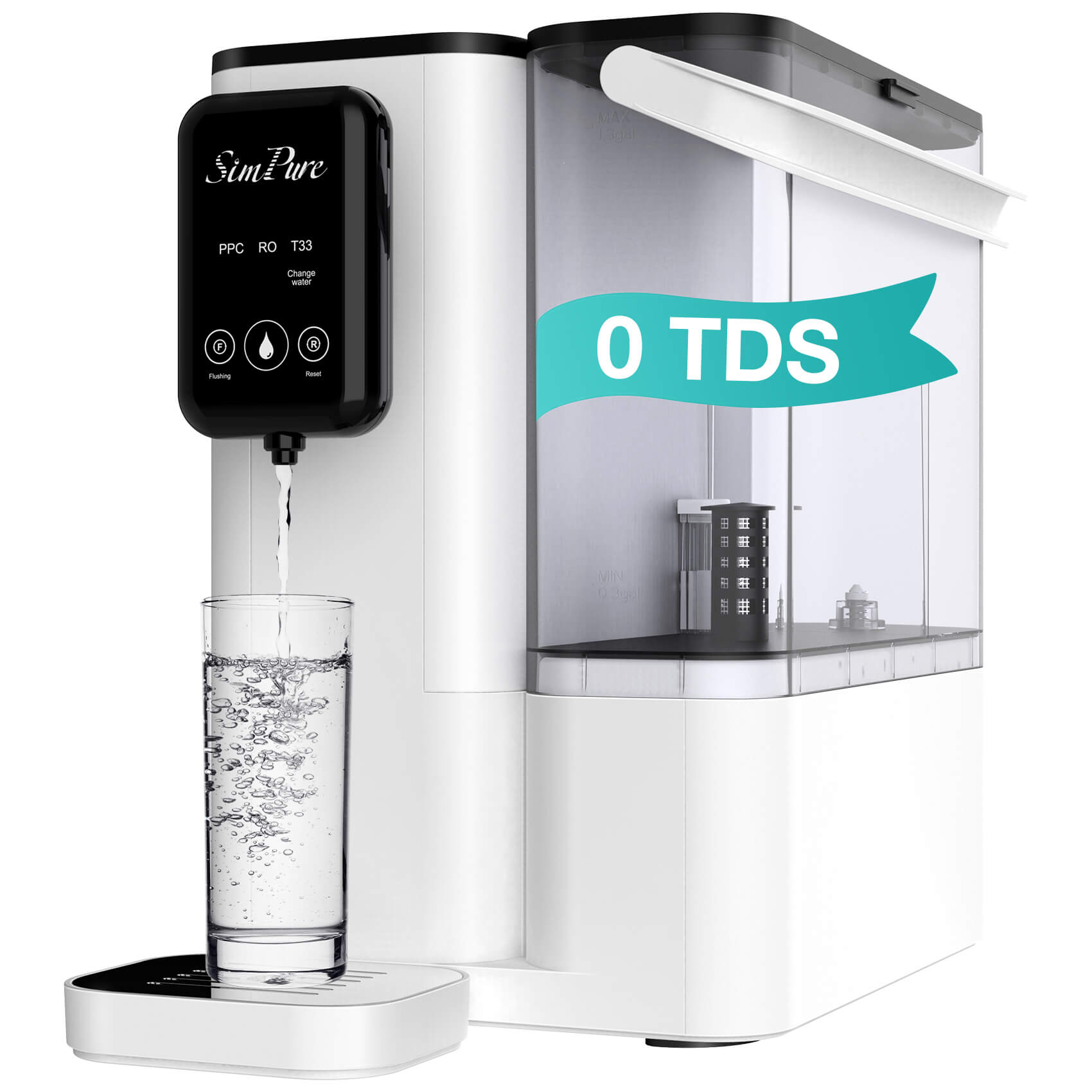
If your TDS reading exceeds 300-500 ppm, your water is considered "Hard" or contaminated. In this condition, a professional RO systems like SimPure is the only reliable way to bring the value down to safe drinking levels (<50 ppm). We have exclusive Patent Filtration Technology: Achieve Near 0 TDS.


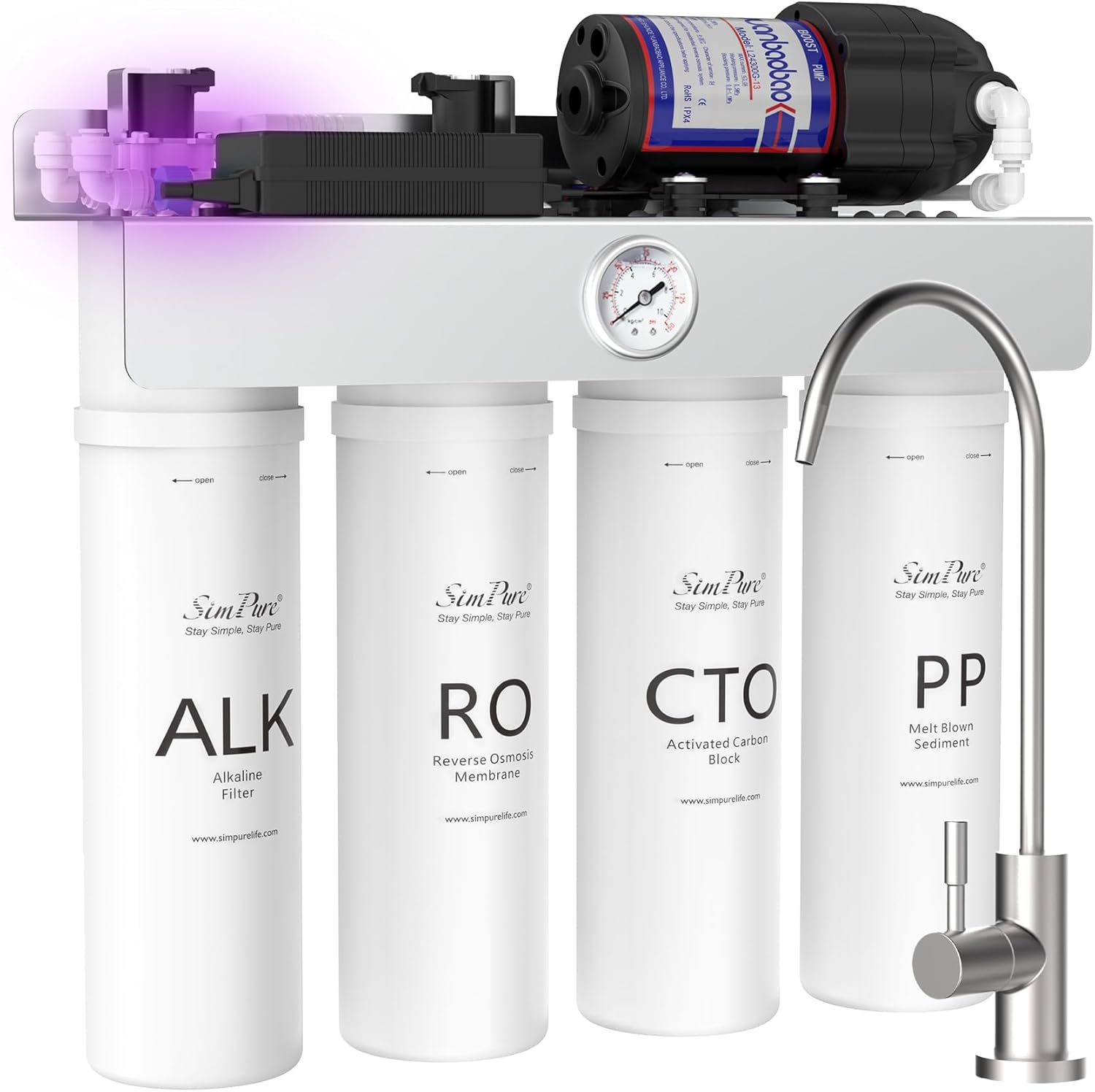
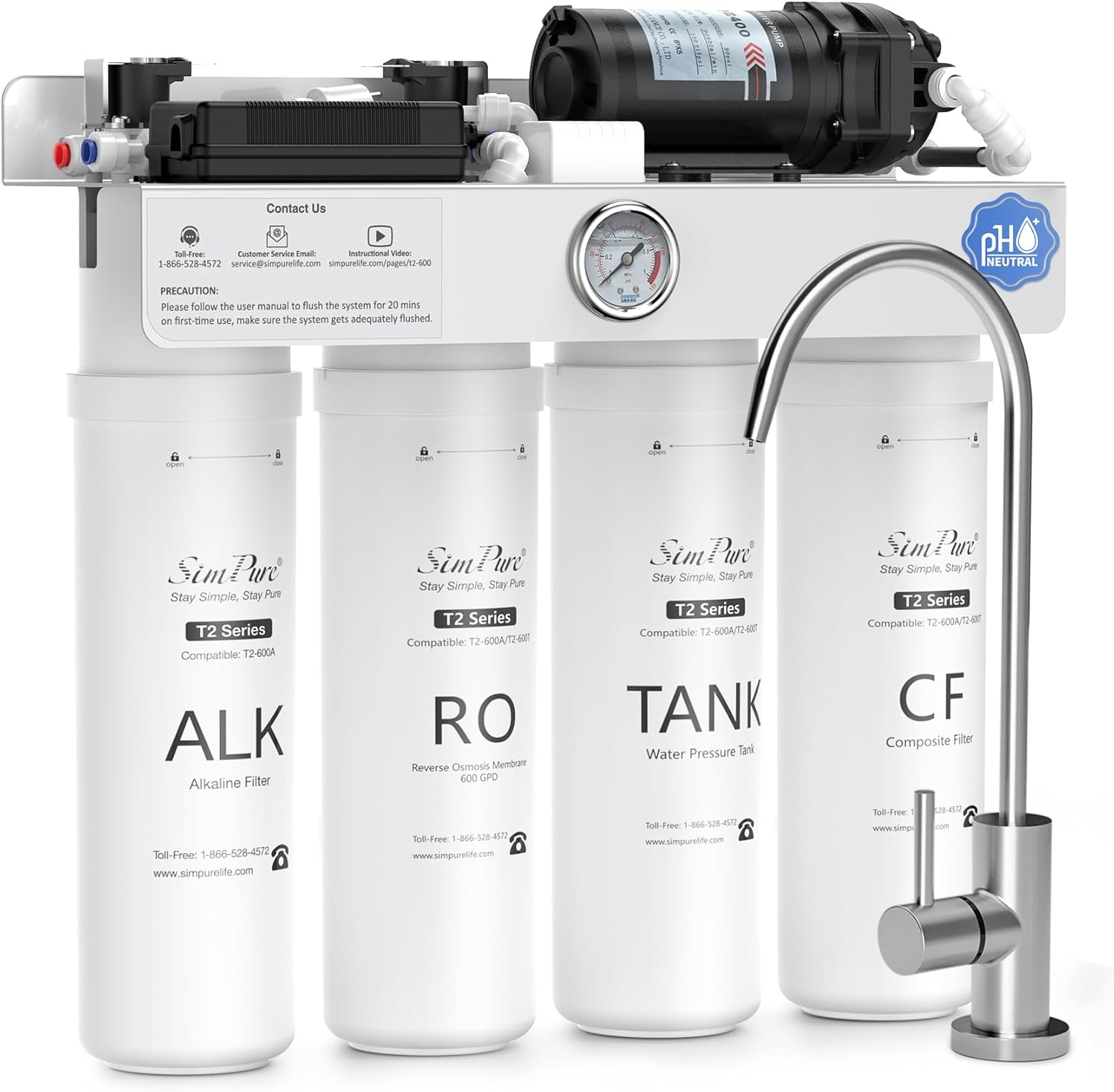
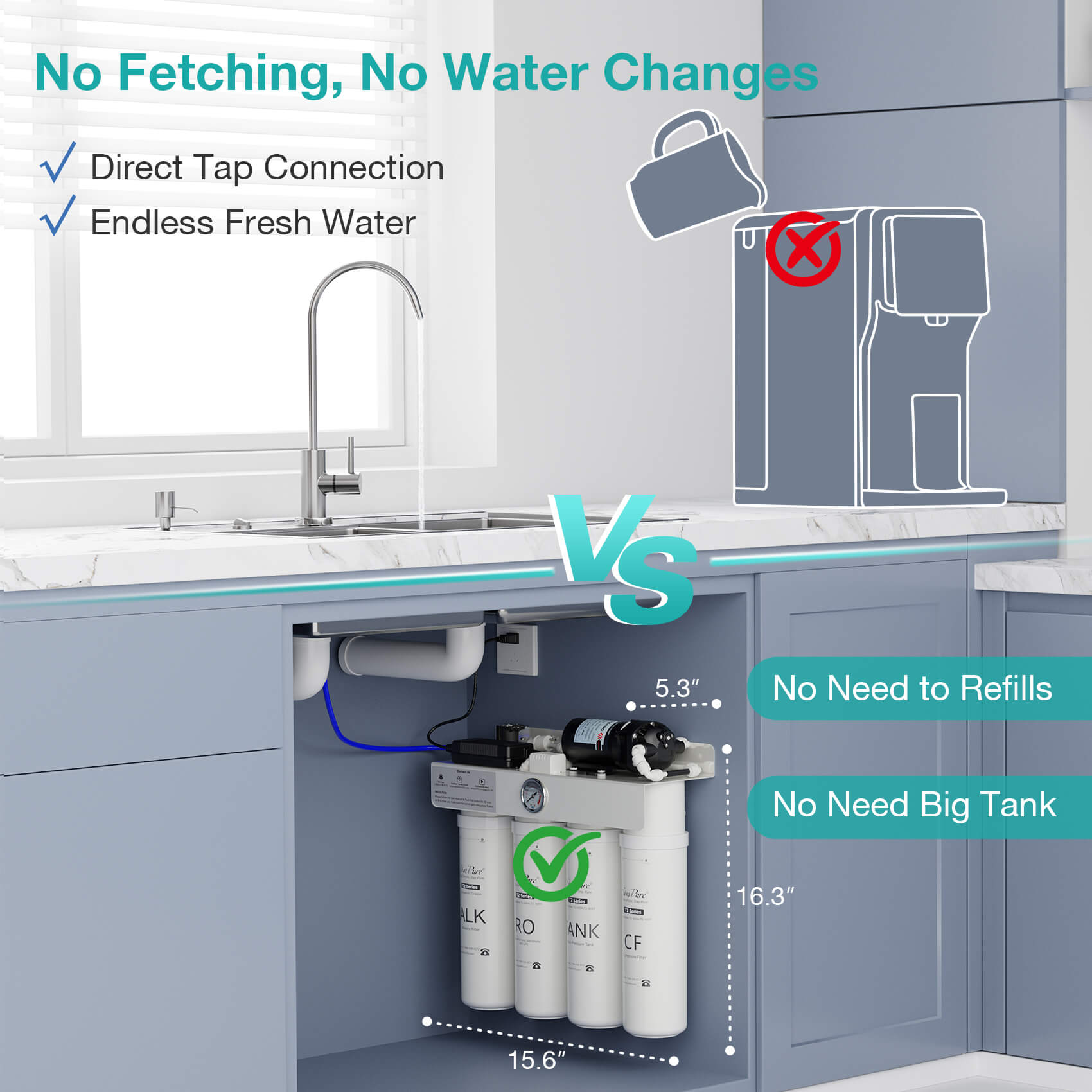
The best water filter for hard water. This tankless under-sink system features 400 GPD high flow, specifically designed to tackle high TDS and heavy metals.
Explore under-sink solution →
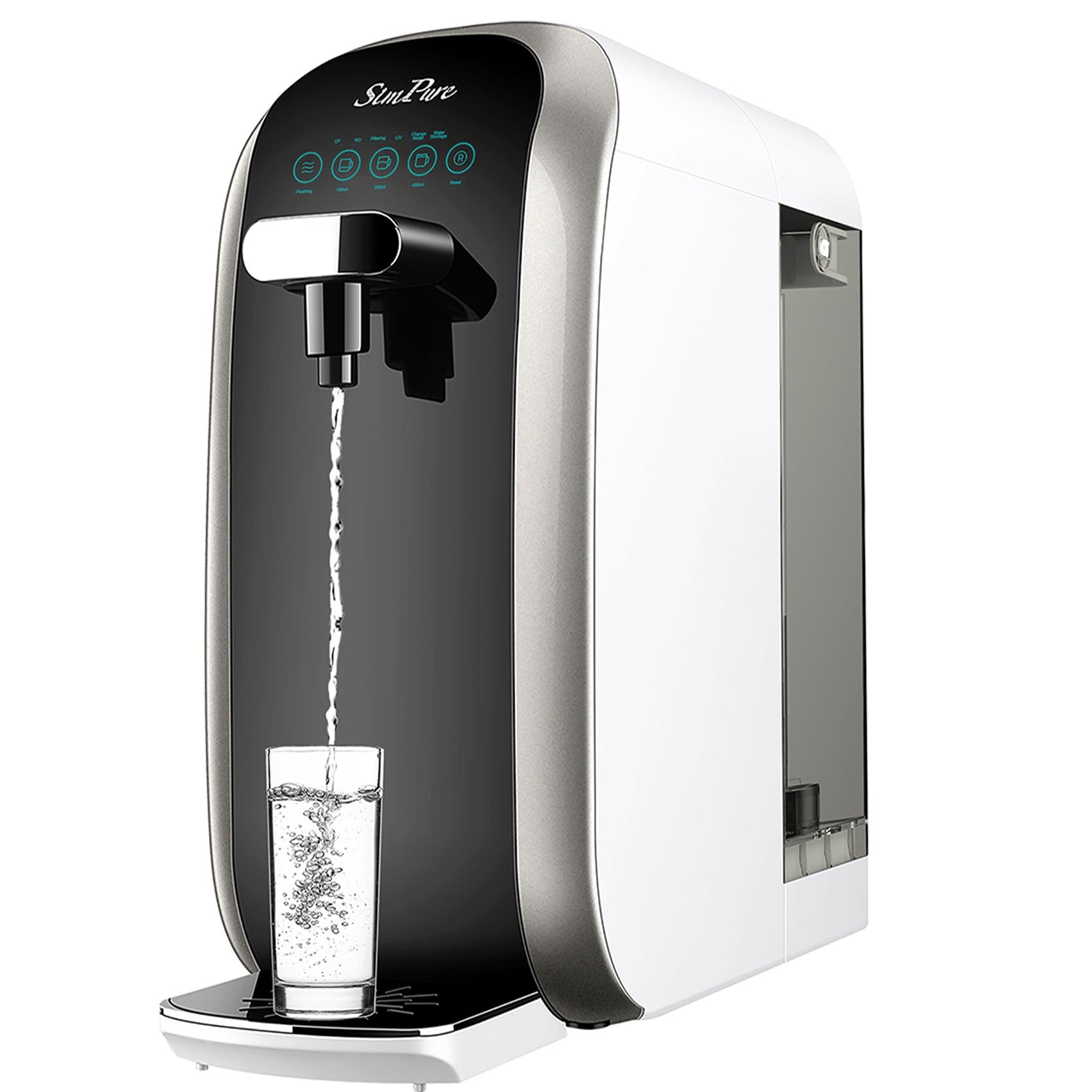
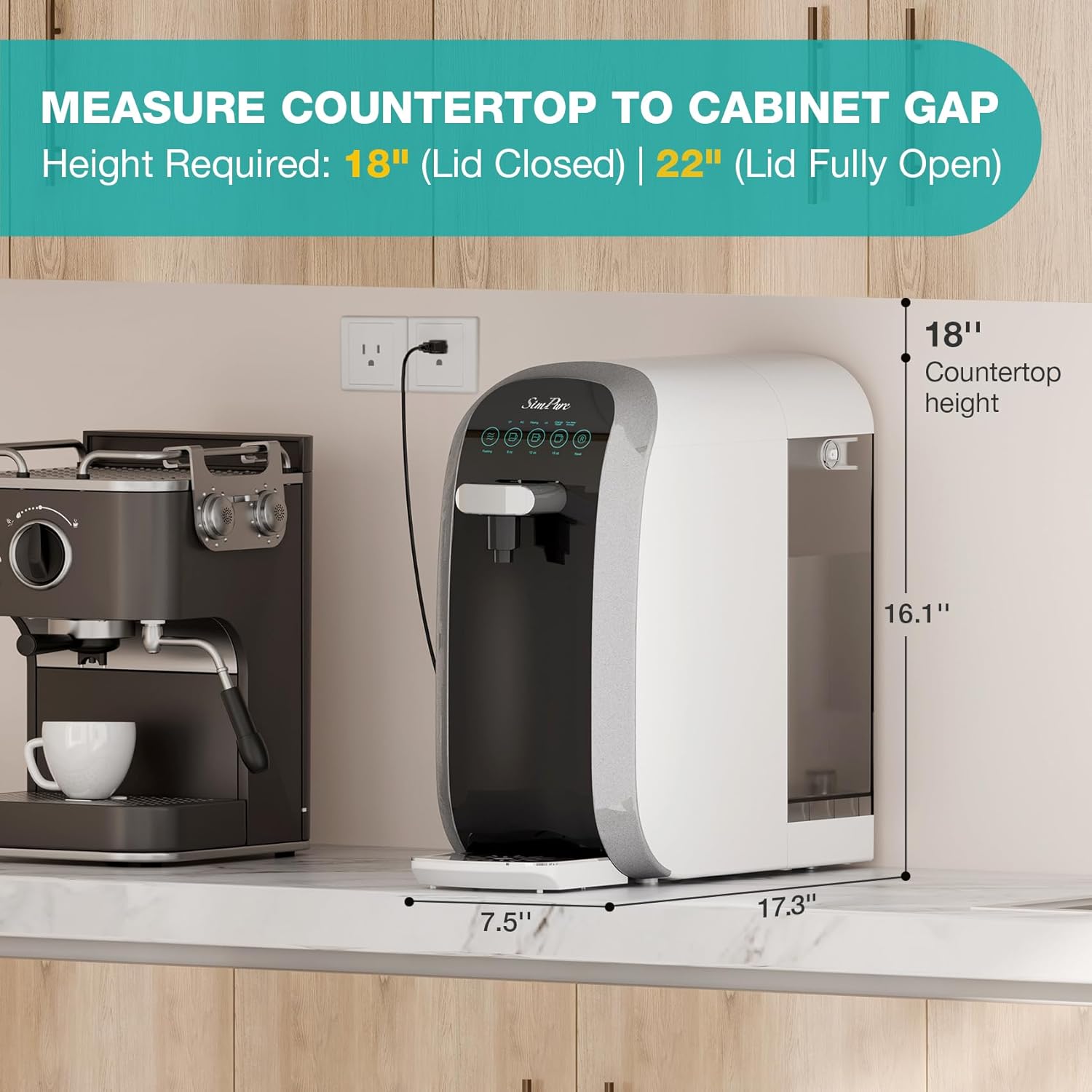
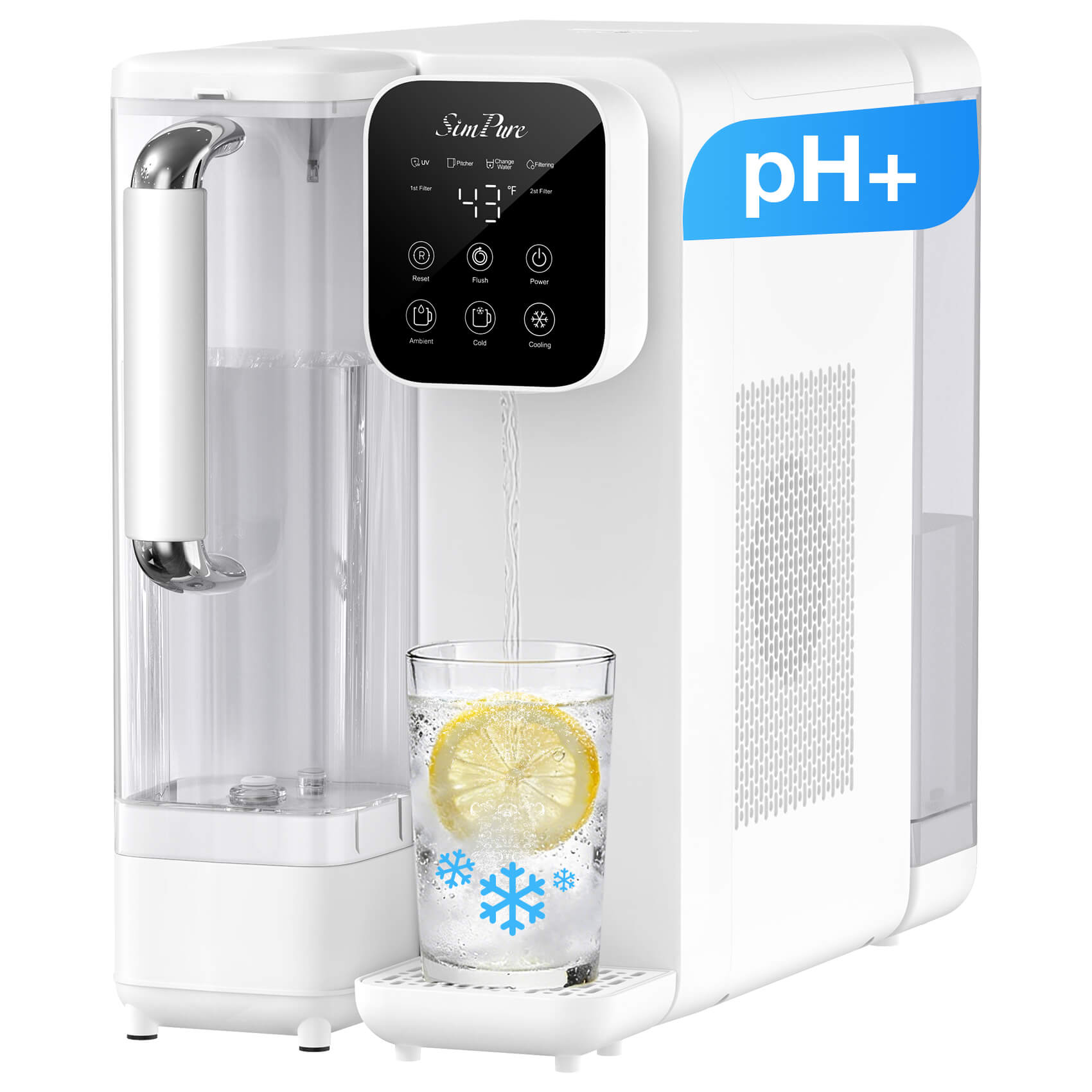
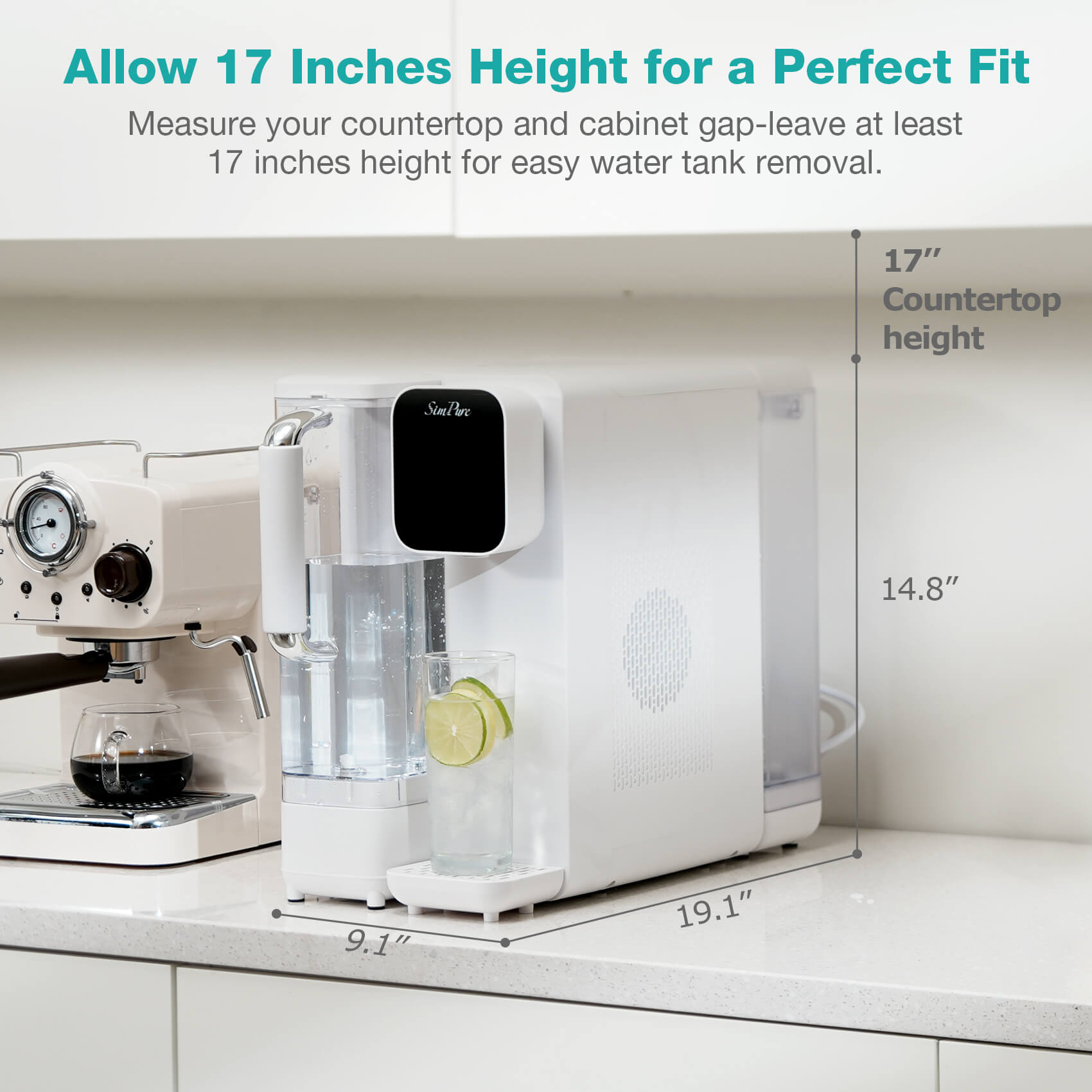
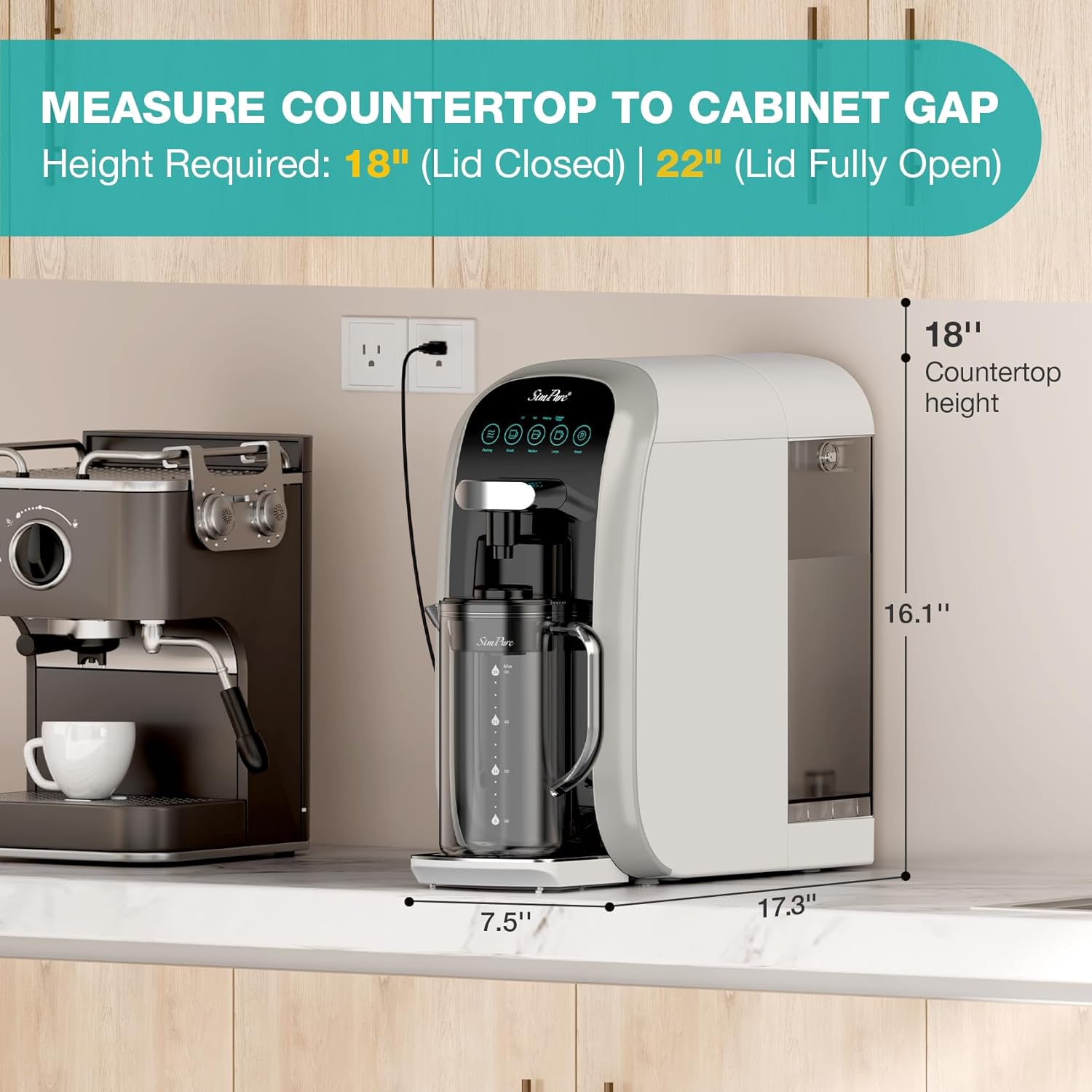
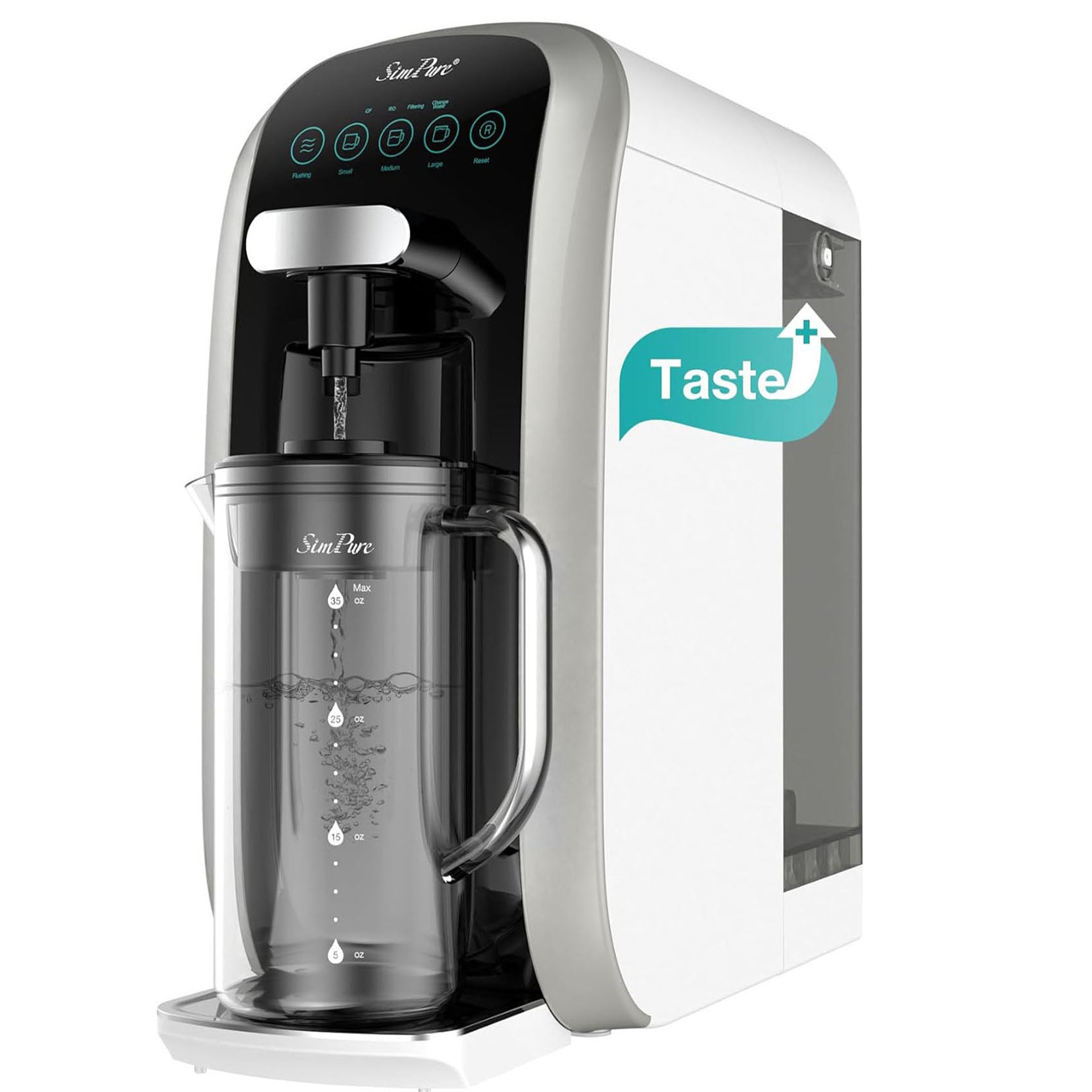
Prefer a no-installation countertop-one? The Y9T's 6-stage filtration is rigorously tested to meet EPA 537 standards, removing 99.99% of contaminants.
Get instant 0 TDS now →FAQ: Common Questions About TDS Meters
Yes, significantly. Water with a high TDS (above 300 ppm) often tastes salty, metallic, or bitter due to the high concentration of minerals like sodium and chlorides. Achieving a Near 0 TDS reading with a system like the SimPure Y9T results in a "crisp" and "clear" taste similar to premium bottled water.
This is normal. TDS readings can fluctuate due to temperature changes or "TDS Creep" in RO systems (where ions diffuse through the membrane while the system is idle). We recommend letting the water run for 10-20 seconds before taking a final reading to ensure the electrodes are measuring the most accurate, stabilized flow.
No, a standard TDS meter measures conductivity. It cannot detect non-conductive pollutants like bacteria, viruses, or uncharged organic chemicals. While it detects some heavy metals like lead (as ions), a low TDS reading does not guarantee biological safety.
Electrical conductivity increases as water temperature rises. Most professional SimPure meters include Automatic Temperature Compensation (ATC) to adjust the reading to a standard 25°C (77°F), ensuring accuracy across different seasons.
For Reverse Osmosis water, a reading below 50 ppm is ideal. For tap water, a range of 50-300 ppm is common. Anything above 500 ppm is considered "High TDS" by the EPA and may require a specialized hard water filter.
Other 3 Simple DIY Water Testing Methods
1. Visual Inspection: Clarity & Sediments
Clarity: Clear water indicates low suspended solids. Cloudy or turbid water often suggests high sediment levels or colloidal contamination. Check for Color: Drinking water should be colorless. Any brown or yellow hues might signal organic matter or rusting pipes.
2. Smell Test: Detecting Unusual Odors
Odors are a direct warning sign of chemical or bacterial issues. A "rotten egg" smell typically indicates hydrogen sulfide, while musty odors suggest algae or organic decay. For detailed solutions, explore our guides on Why Well Water Smells Like Sulfur and How to Fix Smelly Tap Water.
3. DIY pH Test: Acidity & Alkalinity
Using pH test strips or a digital pH water tester, you can ensure your water is in the neutral to slightly alkaline range (pH 7-8.5). This is crucial not only for drinking but also for protecting your plumbing from corrosion.
Conclusion
Understanding the TDS meter working principle is vital for maintaining water safety. Remember, regular calibration and combining TDS testing with visual and olfactory checks will provide the most reliable defense for your family’s health.
For a complete defense against heavy metals and microplastics, a multi-stage filtration system like the SimPure Whole House series is recommended.
From digital testers to advanced RO systems, SimPure provides the technology you need for total water clarity.
Explore Water Filters