Is your water filter actually keeping you safe, or has it become the very source of contamination? Many of us buy a water purifier for peace of mind, yet we skip the most critical step: timely replacement. A neglected filter doesn't just stop working—it starts collecting organic sludge, becoming a breeding ground for bacteria that can lead to unexpected stomach flu, skin rashes, or worse. Here is the hidden reality of what happens when you drink from an expired filter.
4 Dangers of Not Changing Your Water Filter
1. Filter Element Overload & Cascading Failure
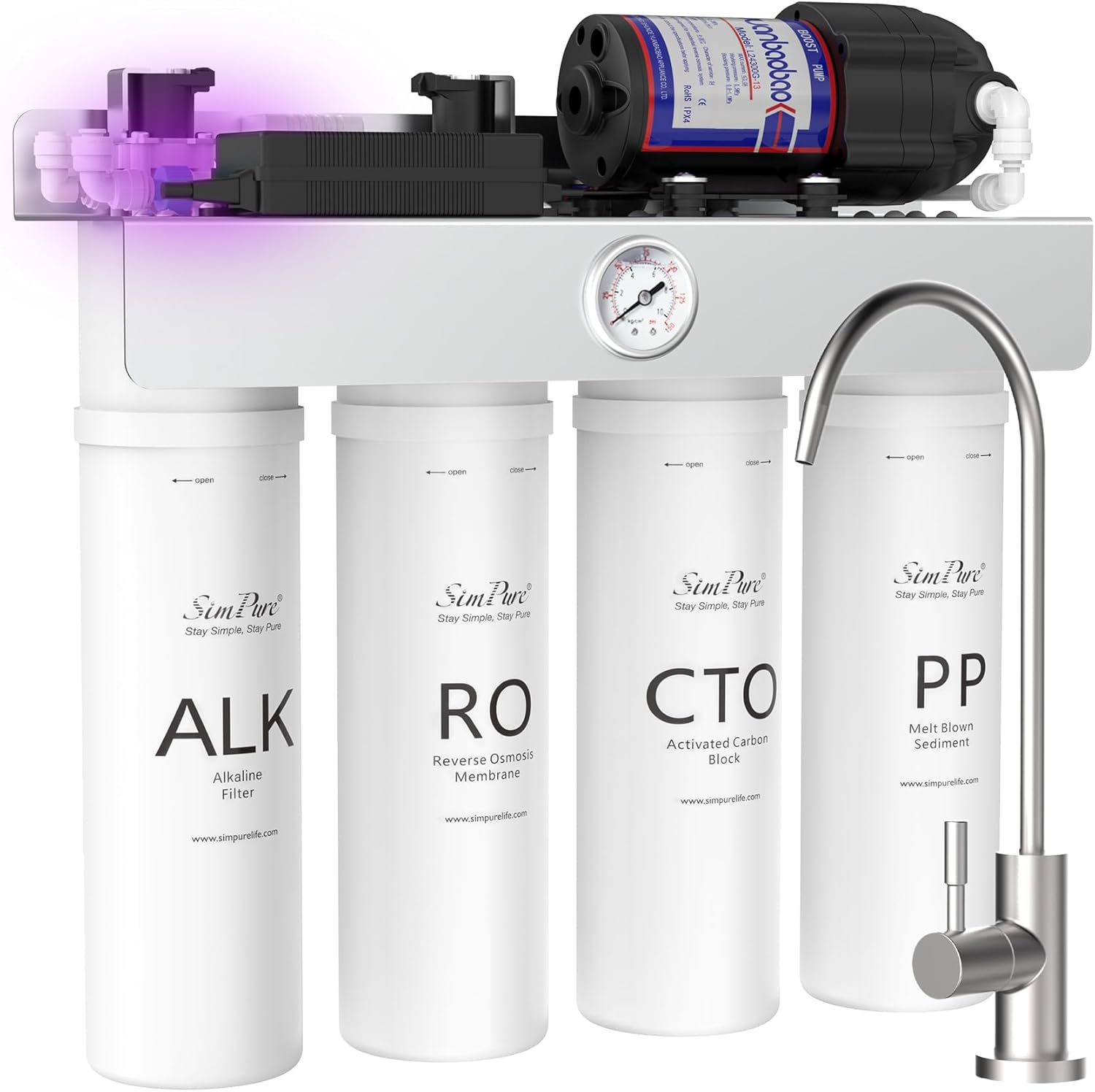
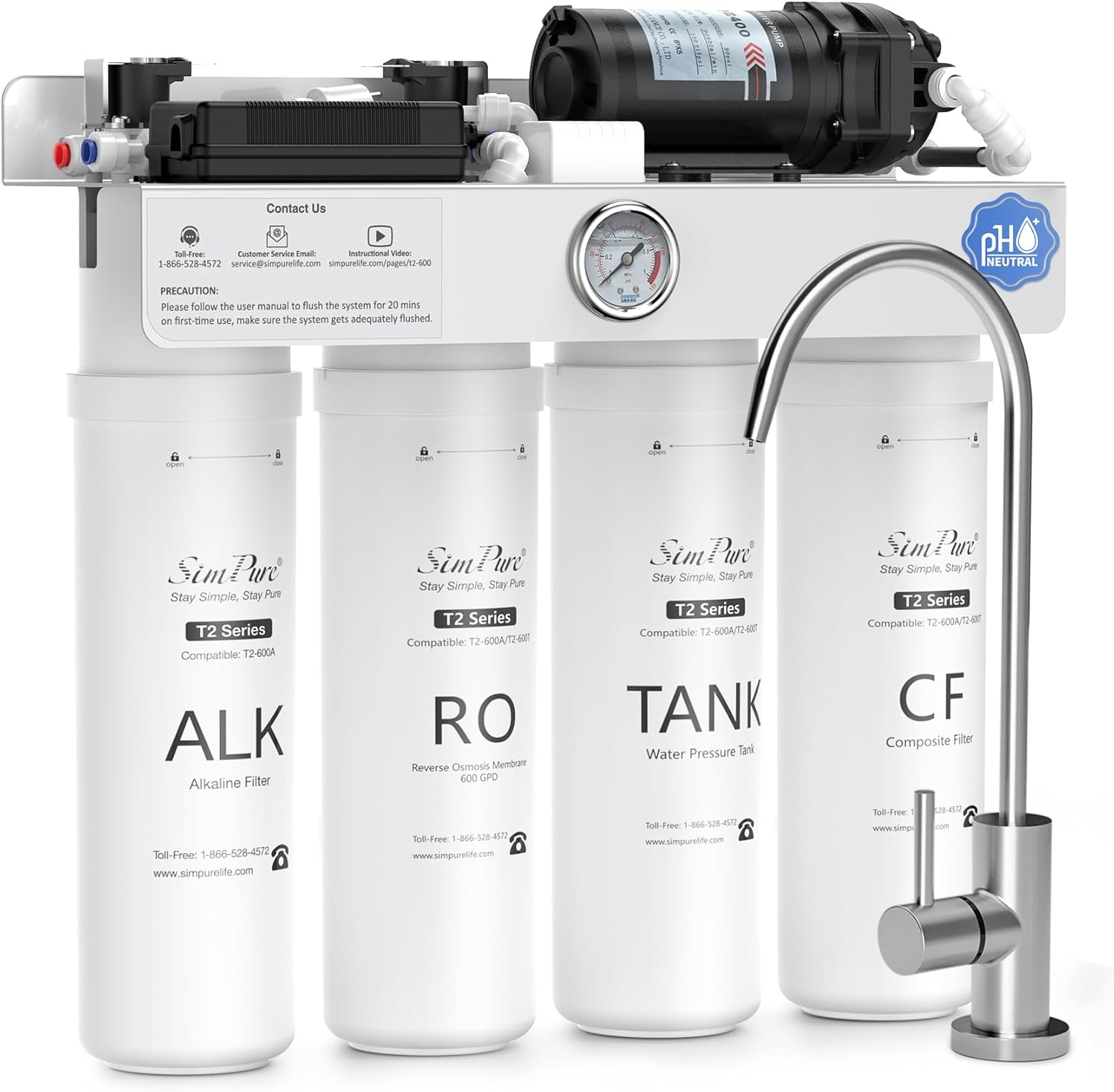
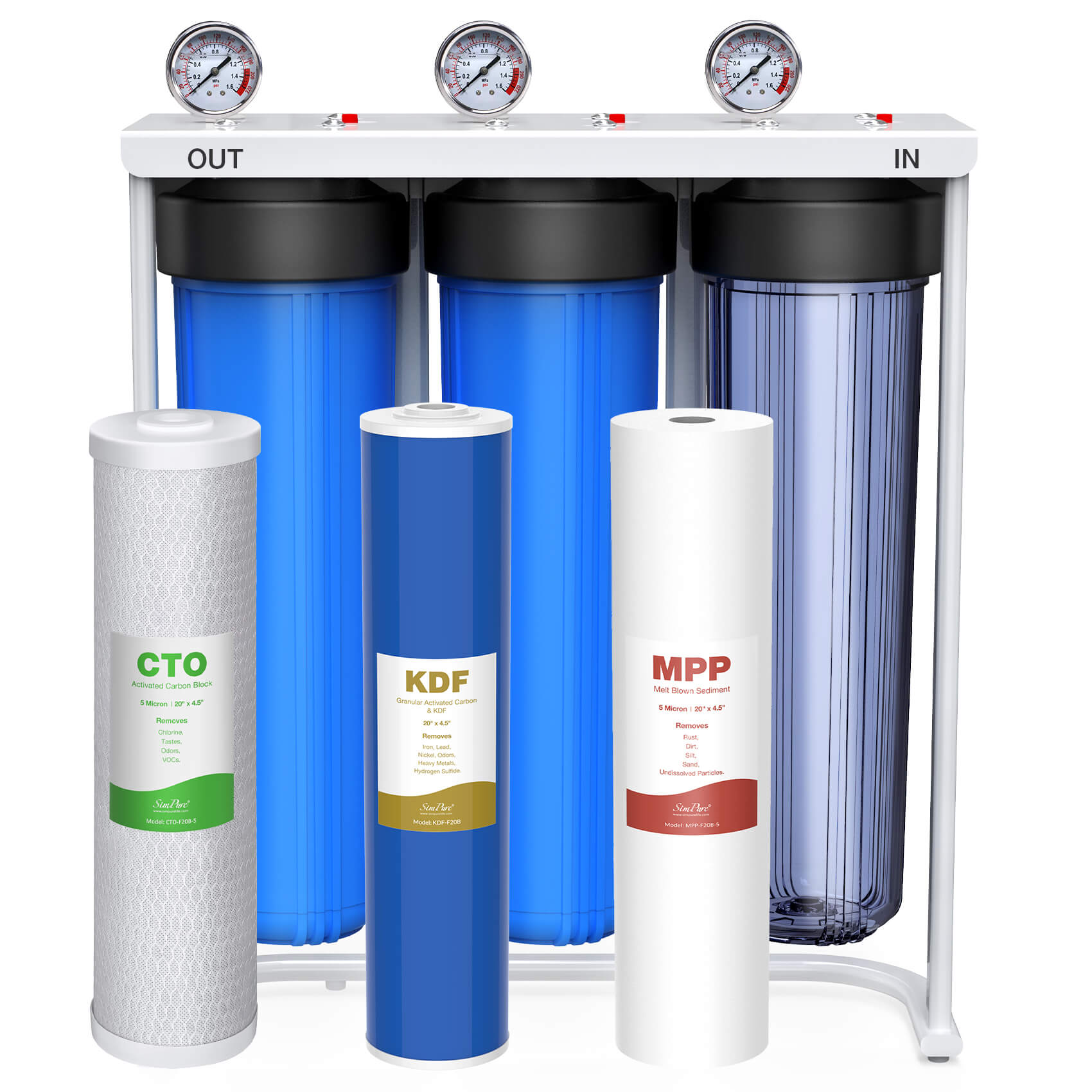
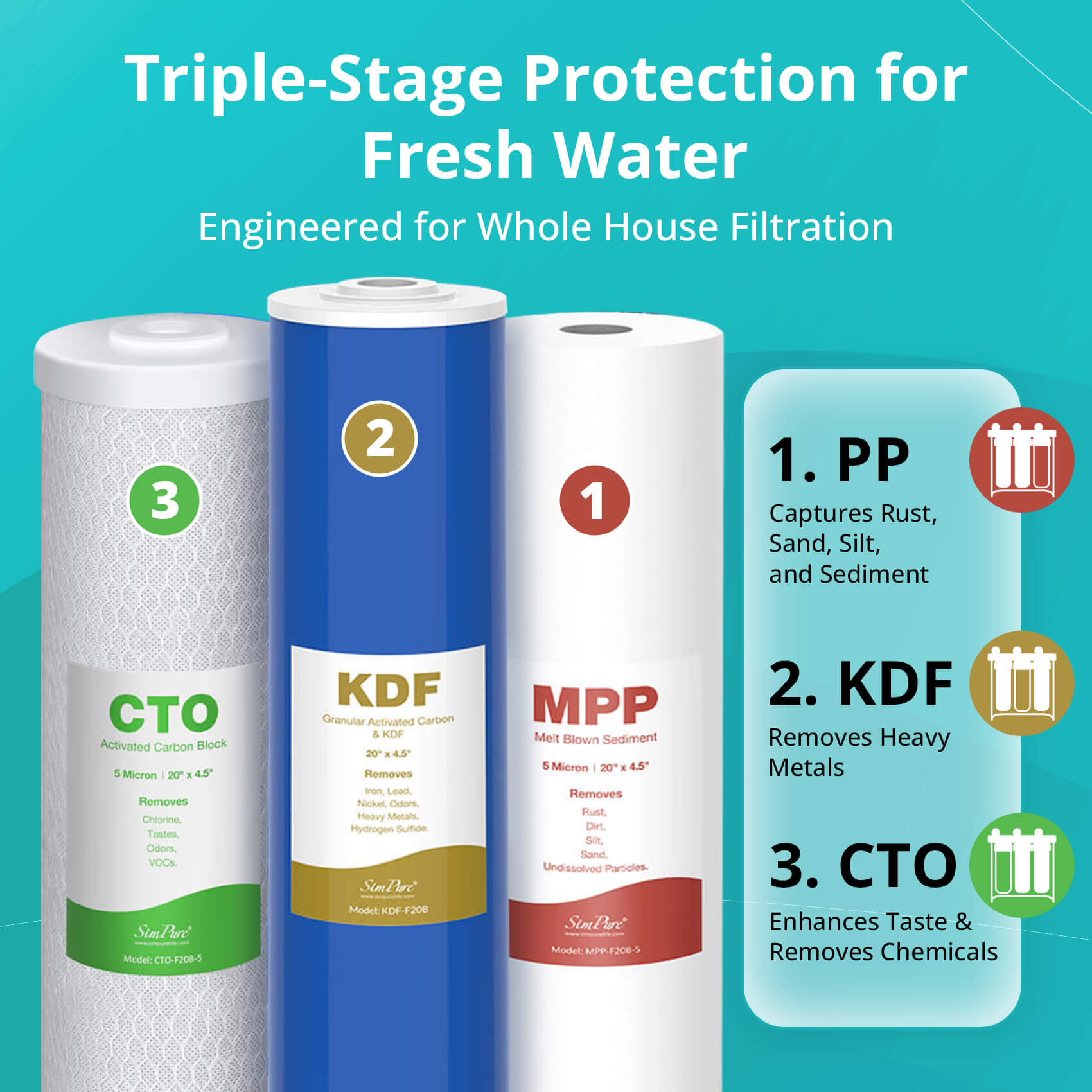
Modern water purifiers operate through a step-by-step filtration process. If the first-level filter becomes overloaded, it directly impacts the subsequent stages. When the primary PP filter clogs, sediment and rust reach the sensitive activated carbon or RO membranes, drastically reducing their lifespan and increasing your long-term maintenance costs.
2. Contaminant "Breakthrough"
Once a filter is saturated, it hits a "tipping point." Instead of catching pollutants, it may release them back into your water in high concentrations—a phenomenon known as breakthrough. This compromises the purity of your drinking water and exposes you to the very toxins you tried to avoid.
3. A Breeding Ground for Pathogens
A clogged filter is essentially a damp, dark environment filled with trapped organic matter—the perfect nursery for Legionella, E. coli, and mold. As these contaminants accumulate, they form a "Biofilm" on the filter surface, leading to secondary pollution where the purifier itself becomes the primary source of contamination.
4. Deterioration of Water Quality & Biofilm
As microorganisms multiply, they form a "biofilm" that creates undesirable odors and a "swampy" taste. If you notice your water smells musty or metallic, your filter has likely become a bio-hazard.

Specific Symptoms of Sickness from Dirty Filters
Health Alert: Drinking water from a neglected filter can lead to waterborne illnesses, particularly affecting those with sensitive immune systems.
- Severe diarrhea and stomach cramps
- Gastrointestinal infections
- Nausea or persistent vomiting
- Itchy skin or unexplained rashes (if used for showering)
How to Handle Filter-Related Sickness
If you suspect your illness is linked to contaminated water from an expired filter, follow these immediate steps to recover and sanitize your home water system:
- Consult a Professional: Seek medical advice immediately, especially for infants, the elderly, or those with weakened immune systems.
- Hydrate Safely: Switch to bottled water or water boiled for at least 1 minute to prevent further exposure while recovering.
- Monitor Symptoms: Keep a log of symptoms (fever, cramps, etc.) to help your doctor identify the potential pathogen (e.g., E. coli or Giardia).
- Discard Old Filters: Remove and bag the expired filter elements immediately. Do not attempt to wash them.
- Sanitize the Housing: Clean the filter canisters/housing with a mild bleach solution (approx. 1 tsp per quart of water) and rinse thoroughly.
- System Flush: After installing new filters, run the water for 5-10 minutes to clear any Biofilm or residual bacteria from the internal lines.
- Check Tank Storage: If you have an RO system with a tank, drain the tank completely twice to ensure the stored water is fresh.
Prevention: Smart Filtration Solutions
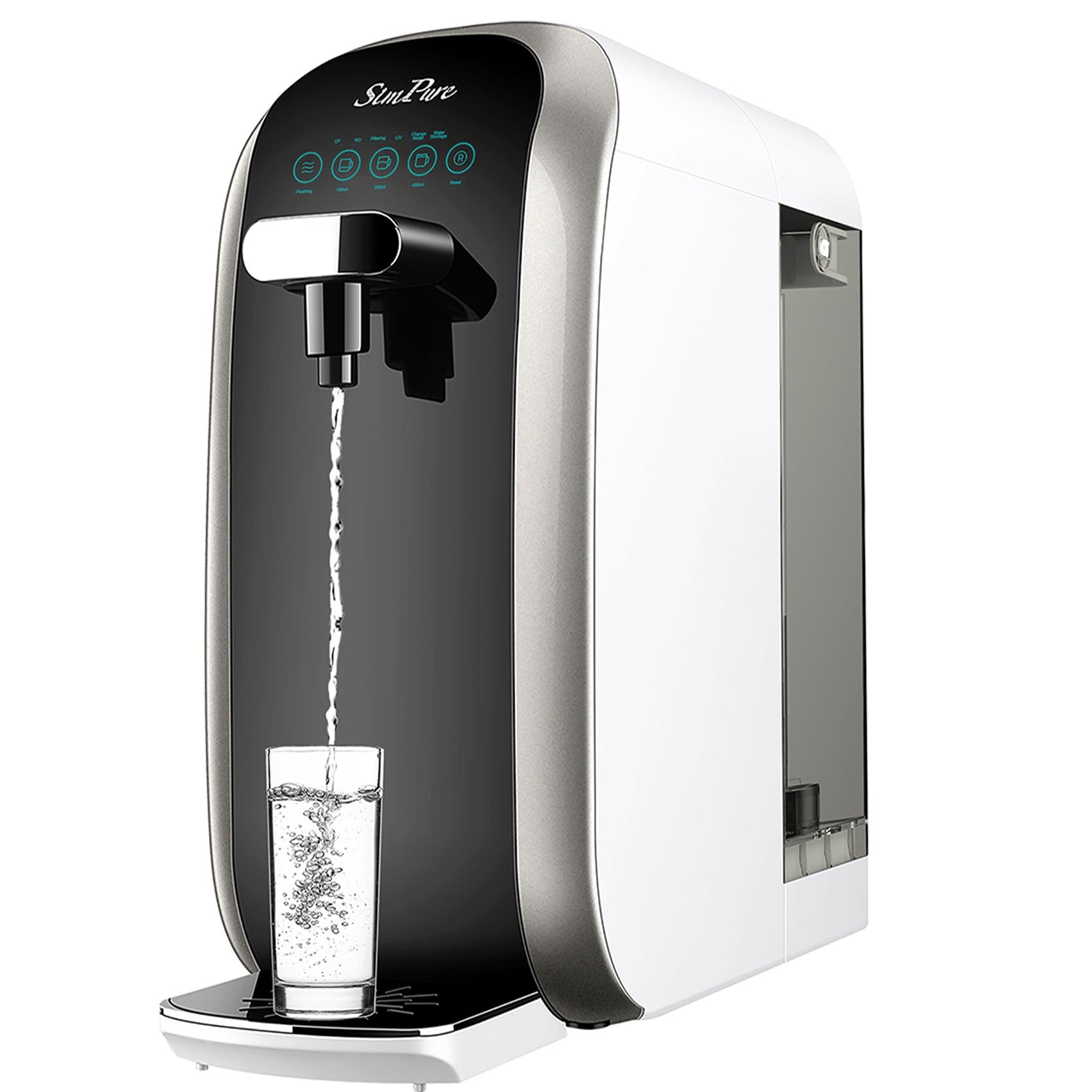
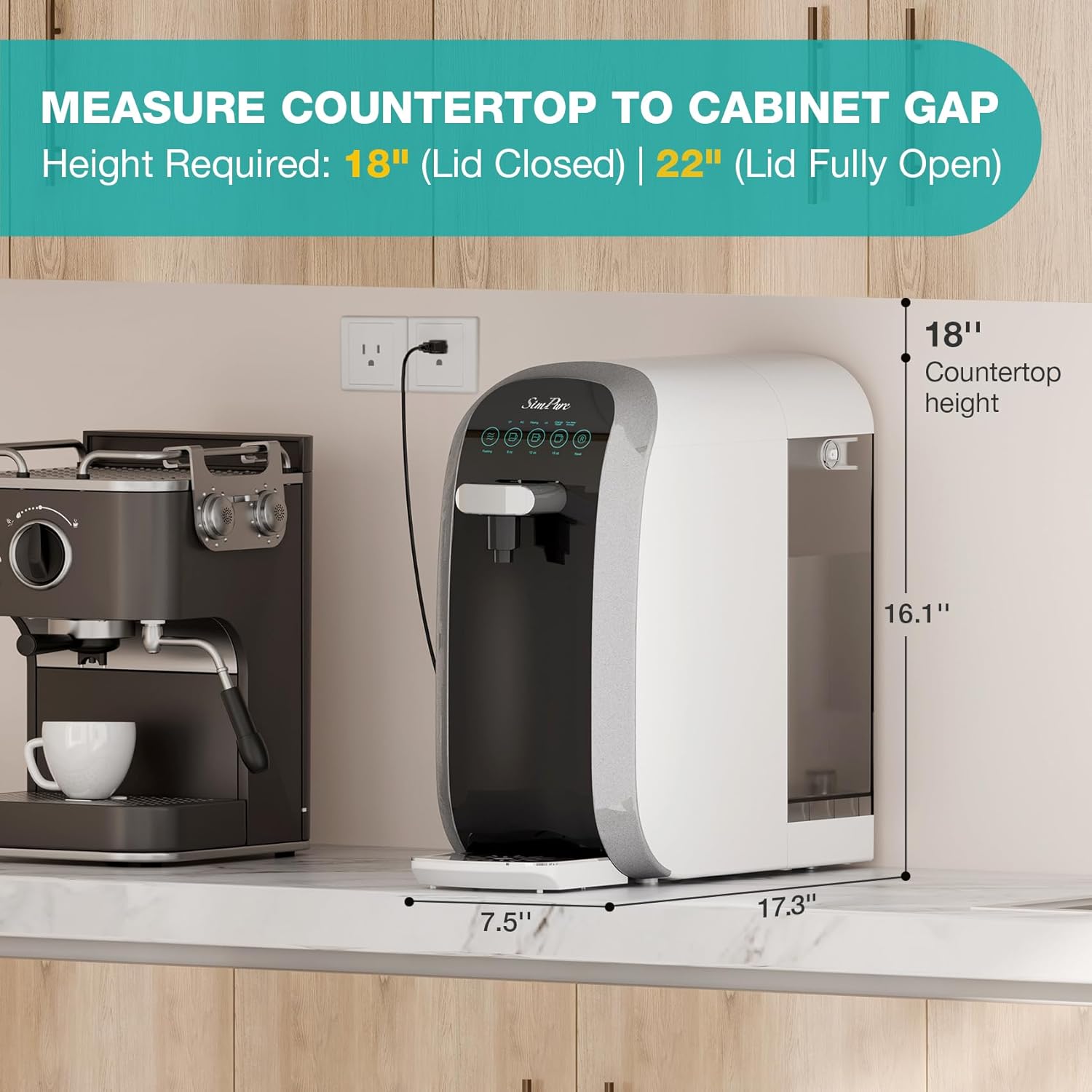
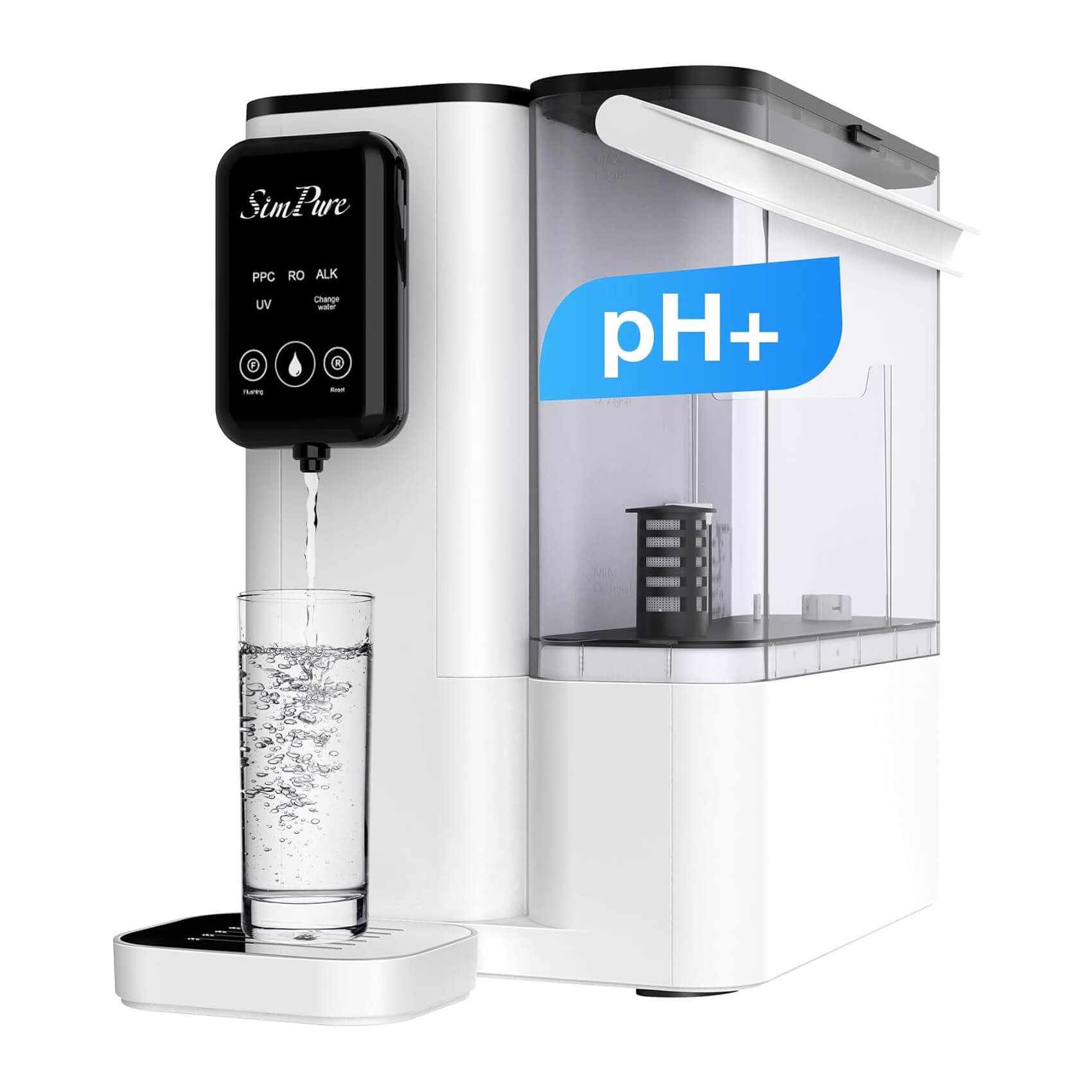
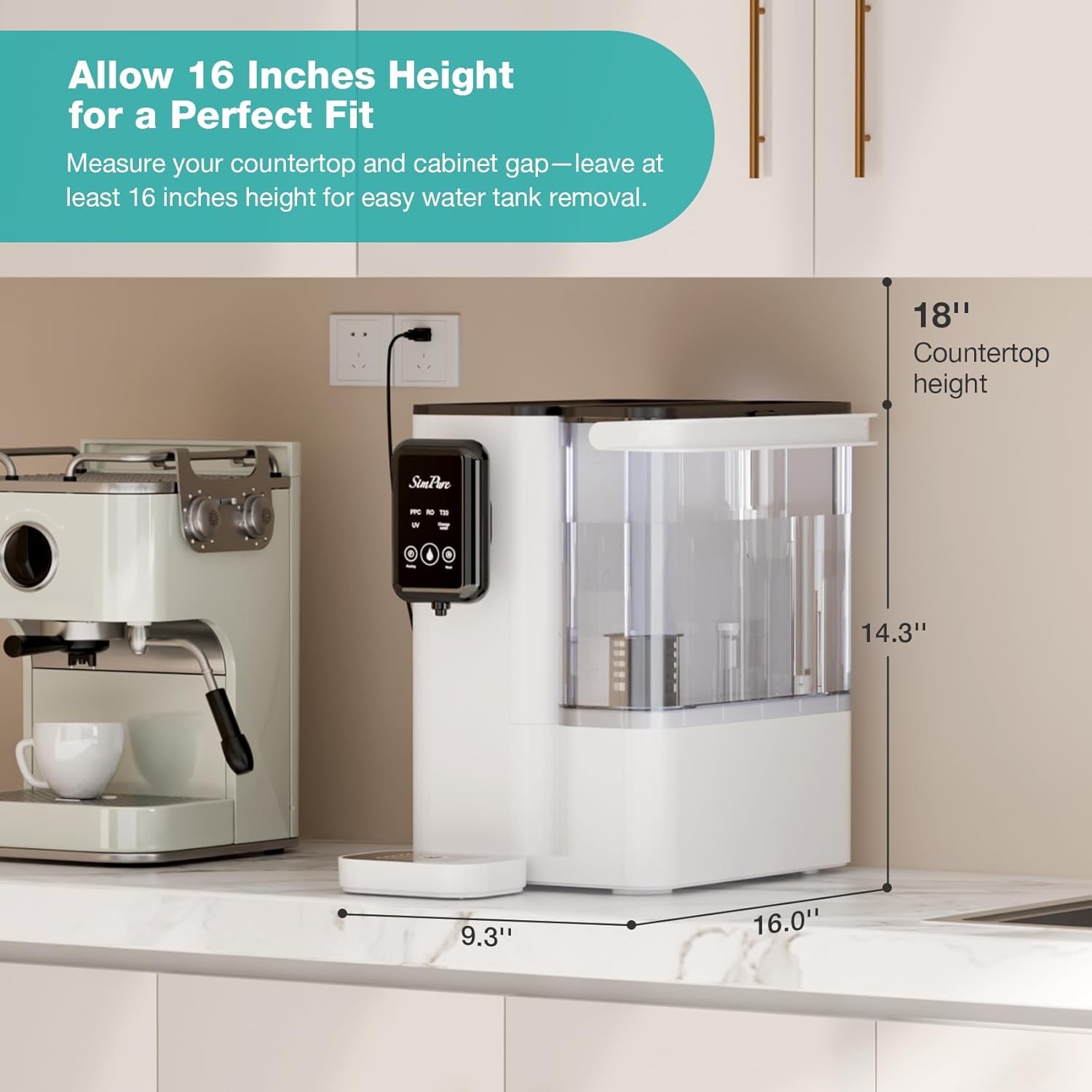
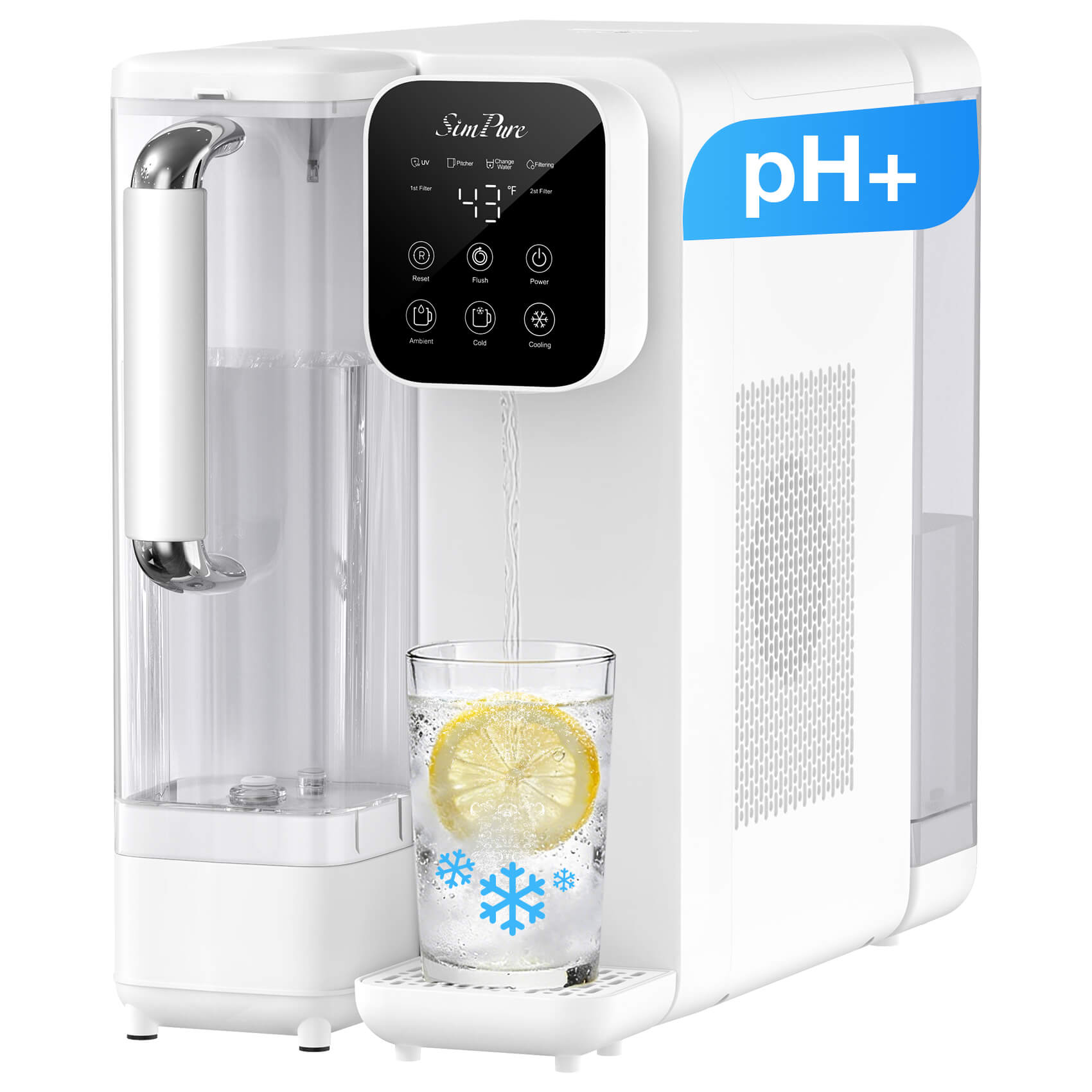
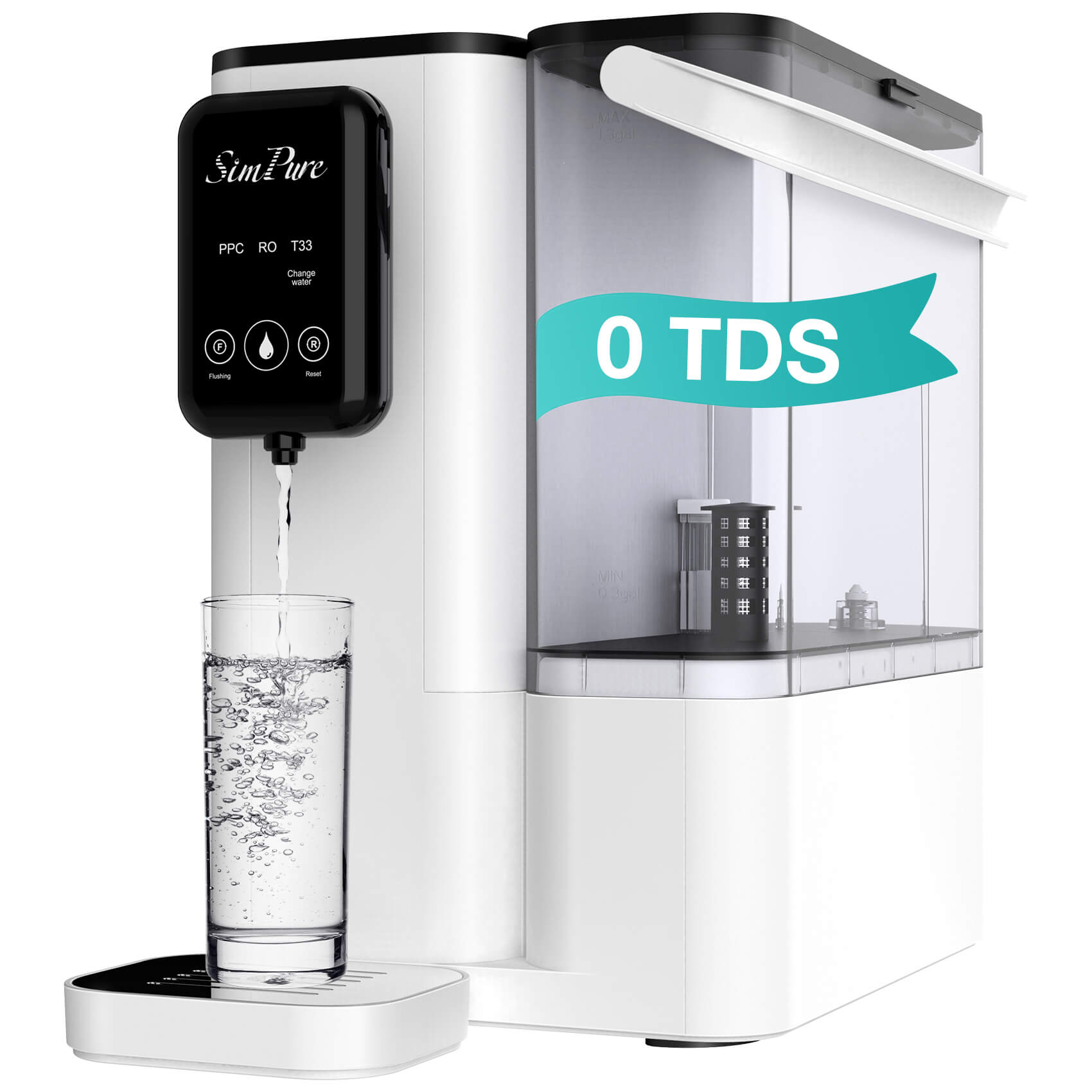
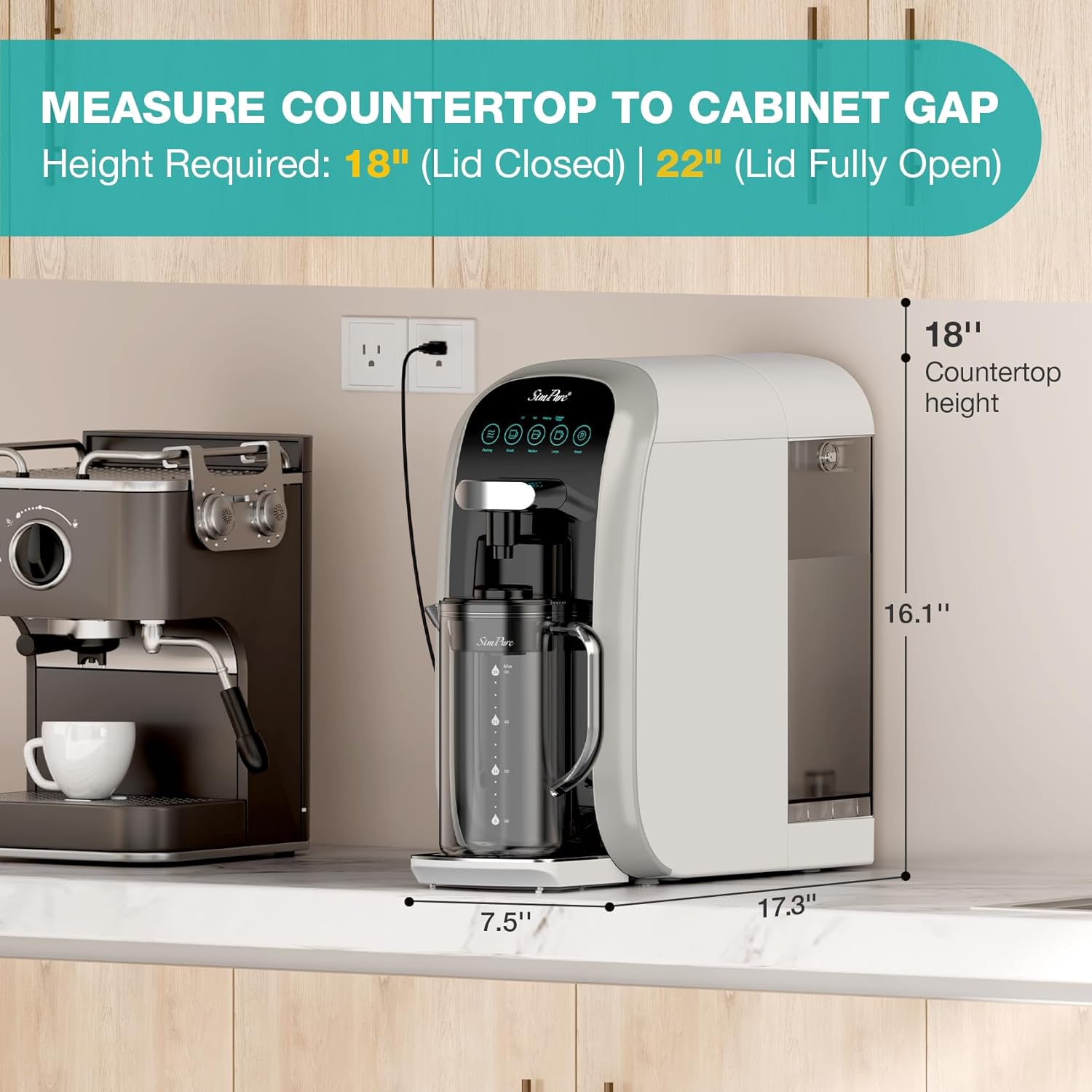
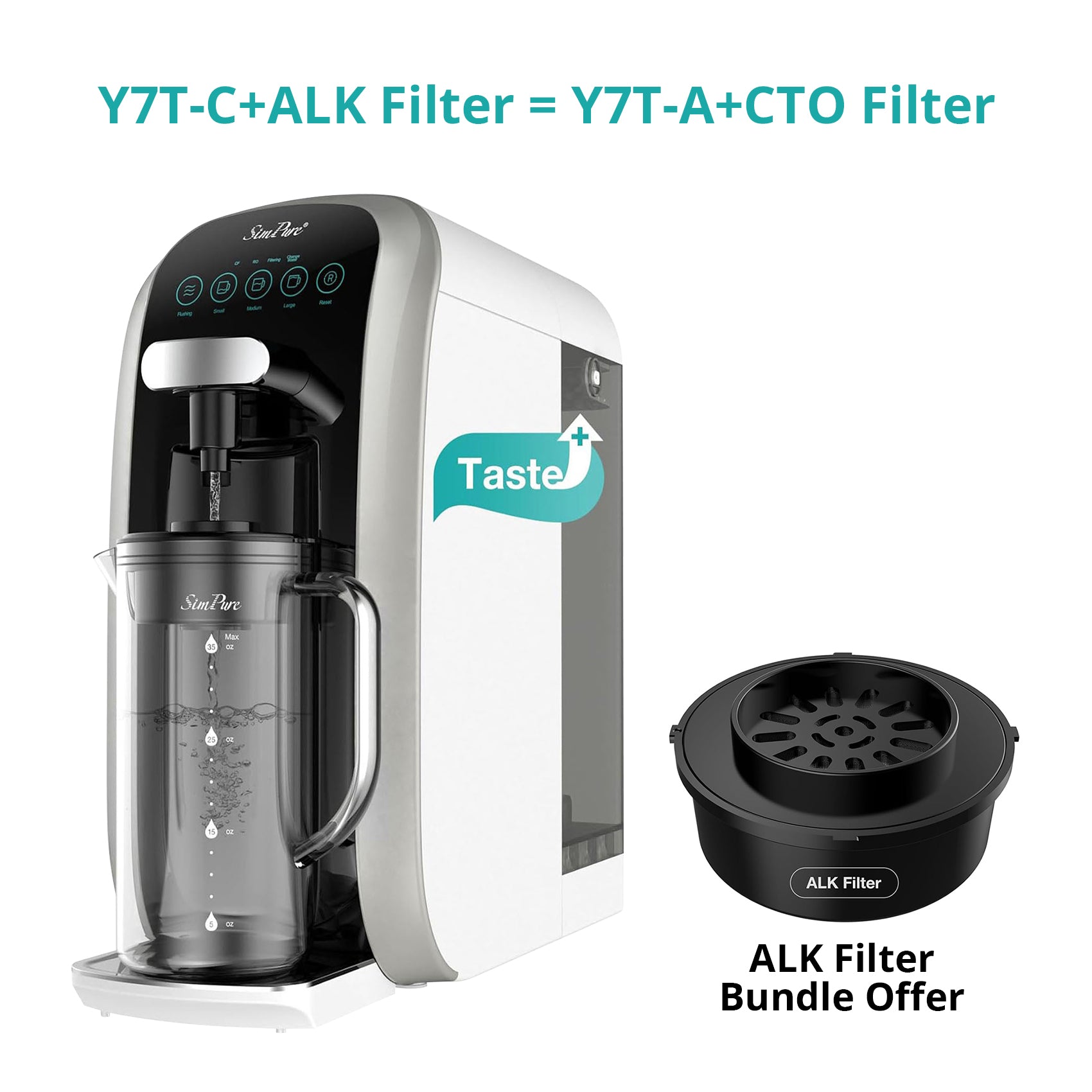
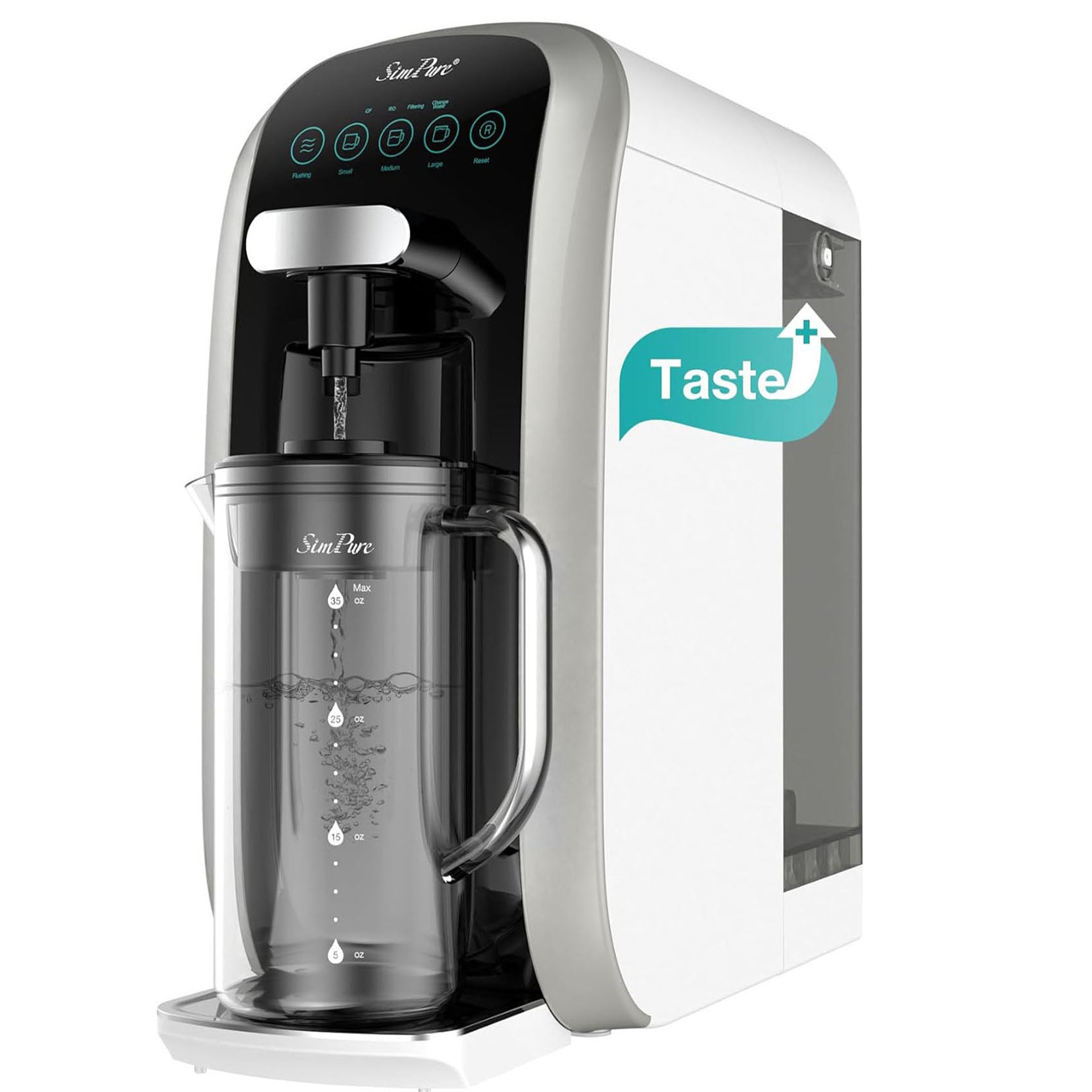
At SimPure, we believe that clean water shouldn't require constant guesswork. That’s why our engineering team has integrated advanced filter-life monitoring systems across our entire range of countertop Reverse Osmosis systems.
Example: SimPure Best Seller
The biggest reason people get sick from filters? They simply forget. SimPure Y7P eliminates the guesswork by tracking every drop for you in real-time.
 Shop SimPure Y7P Now →

Frequently Asked Questions
Yes. Old filters can harbor coliform bacteria and mold. When the media becomes saturated, it can no longer protect you from pathogens like Giardia, leading to stomach flu-like symptoms.
Watch for a significant drop in water pressure, visible sediment in your glass, or a noticeable change in taste (metallic or chlorine-like).
No. Most modern filters (especially RO and Activated Carbon) use internal chemical bonding. Washing cannot remove trapped microscopic contaminants and may damage the filter structure.
Secure Your Family's Health
Don't wait for the symptoms to appear. Explore our easy-to-maintain RO systems with smart filter replacement alert.
Shop All RO Systems