

Wondering when to replace your reverse osmosis water filter? Learn how often to change RO filters, what signs to watch for, and how to choose the right replacement.
If you've been using a reverse osmosis system for a few months or even a couple of years, you may eventually wonder whether the filters are due for a change.
The tricky part is that RO filters usually don't give you an obvious warning. There is no light on a standard filter that suddenly turns red, and the system may keep producing water even when a filter is past its recommended service life.
Instead, you may notice smaller changes. The water doesn't taste quite the same. A glass takes longer to fill. Or you realize you can't remember when the filters were installed in the first place.
Fortunately, reverse osmosis water filter replacement is usually straightforward once you know what to look for. The key is understanding that the different filters in an RO system don't all need to be replaced on the same schedule.
How Often Should You Replace Reverse Osmosis Filters?
There isn't a single replacement schedule that works for every RO system.
How long a filter lasts depends on several factors, including the type of filter, your incoming water quality, how much water your household uses, and the specific RO system you own.
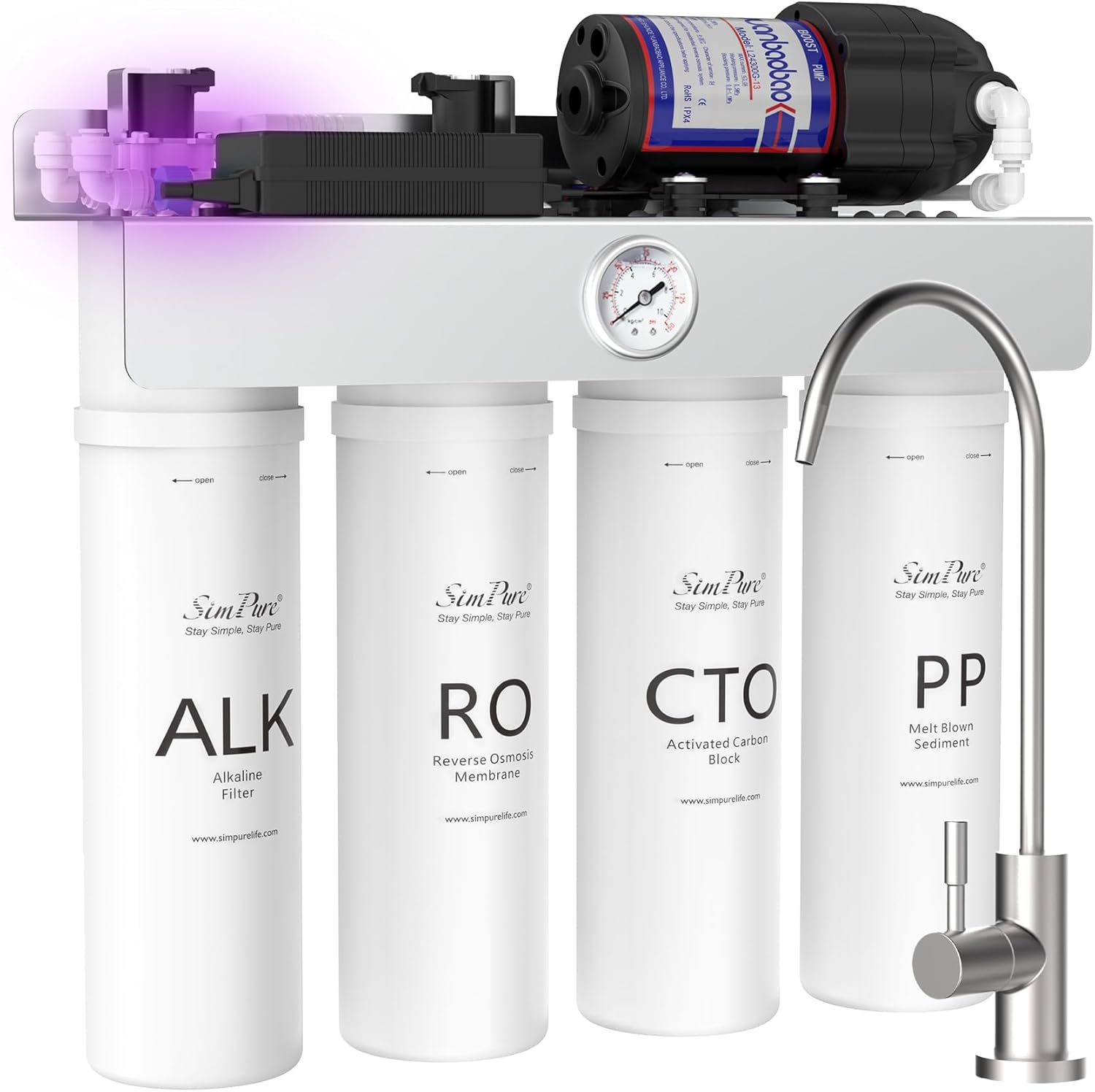
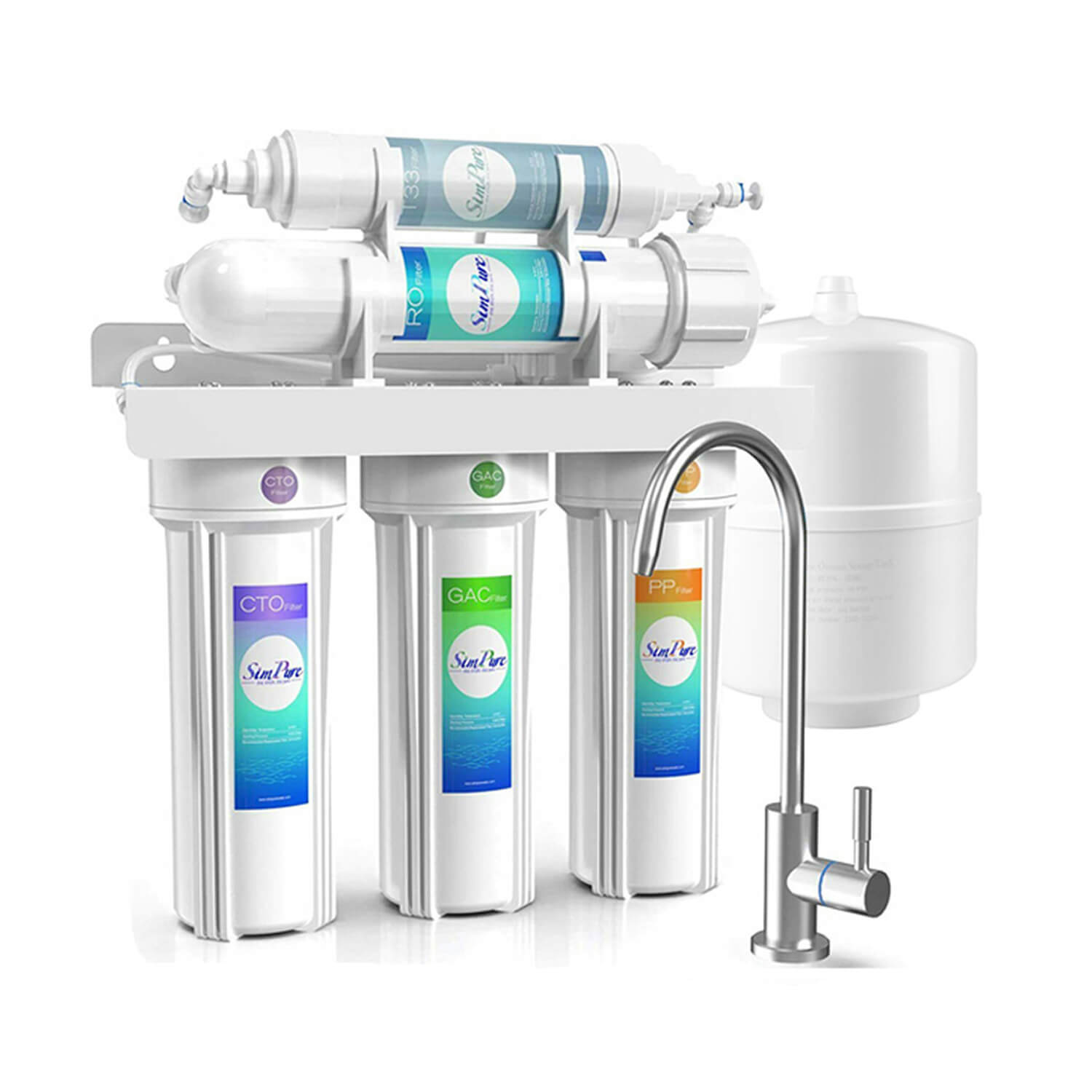
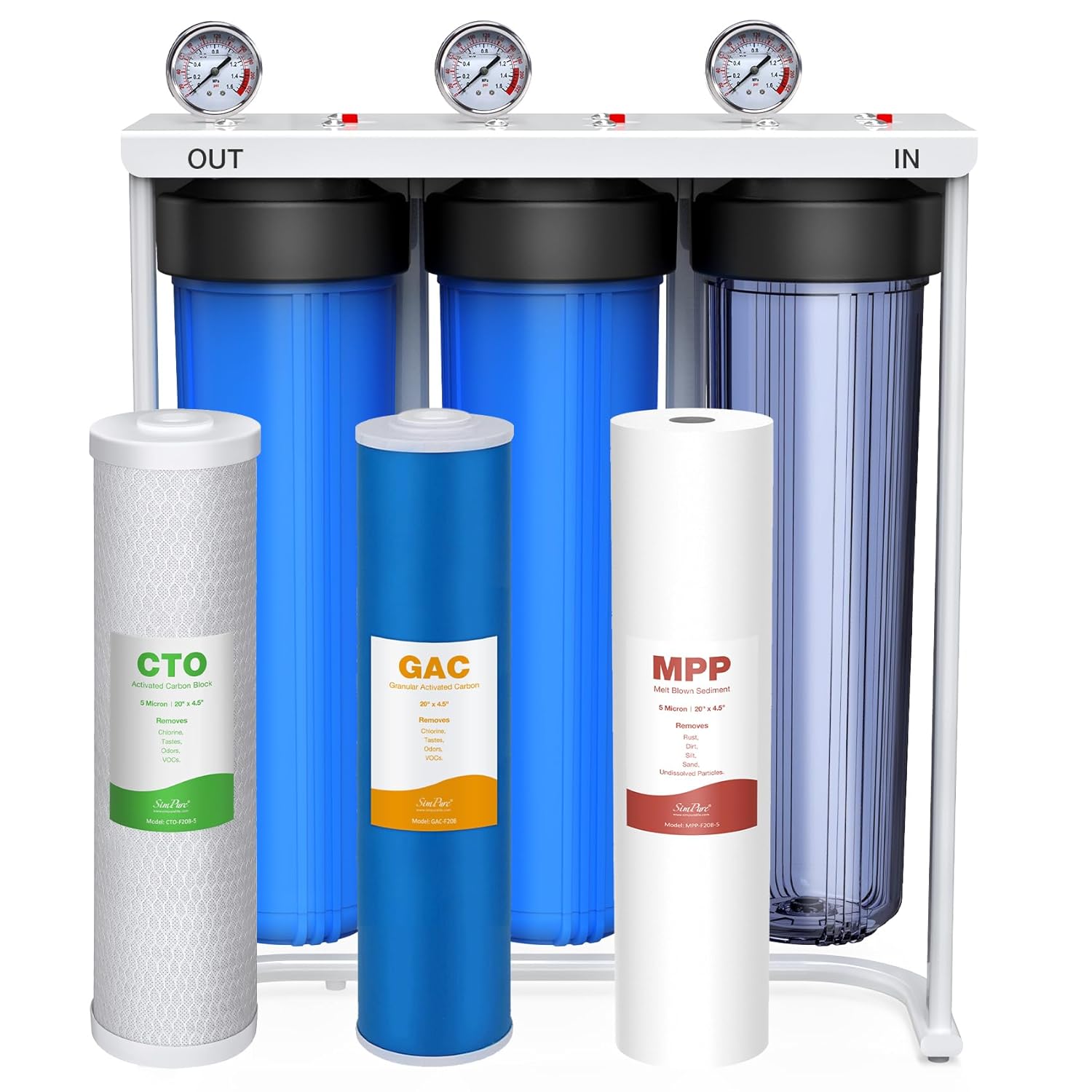
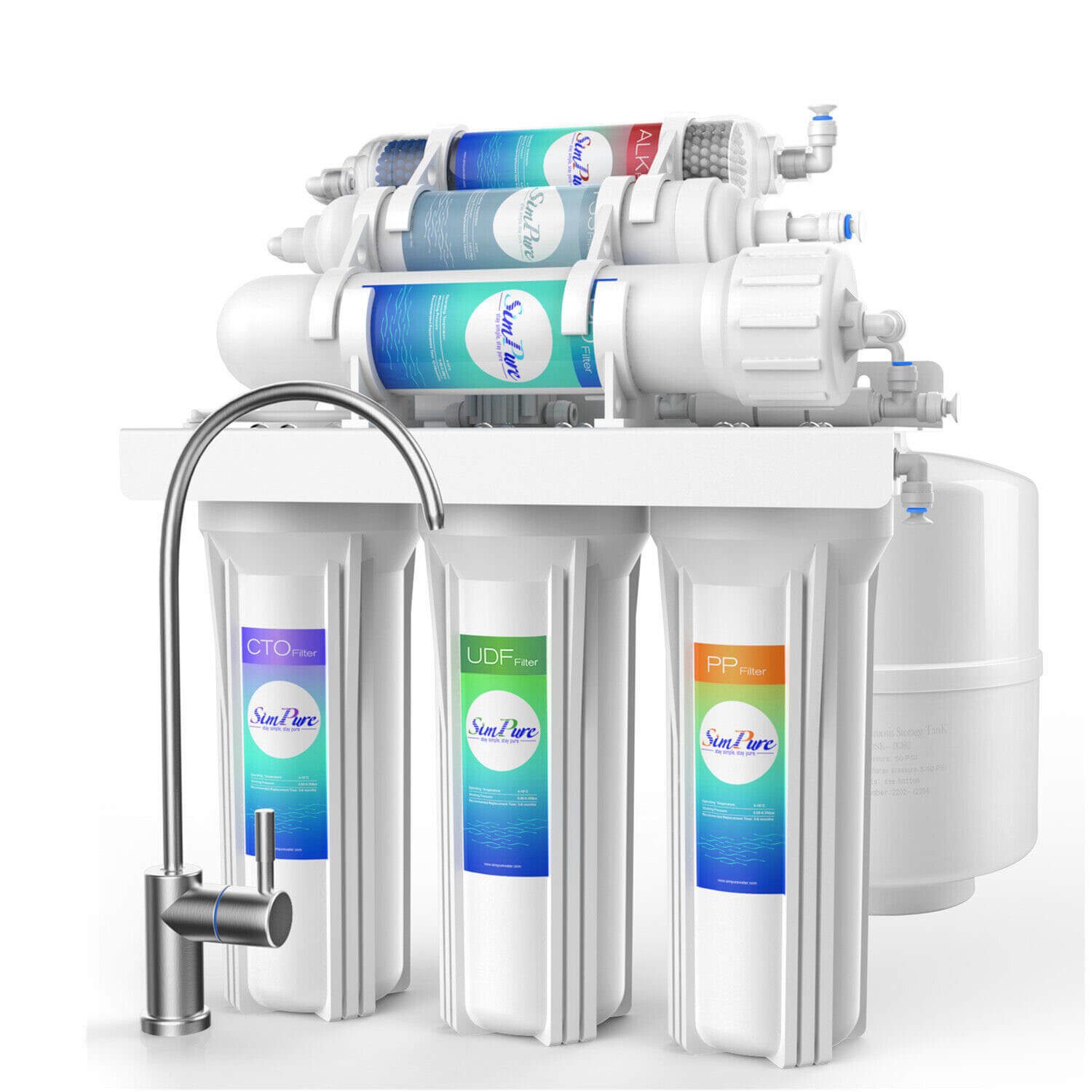
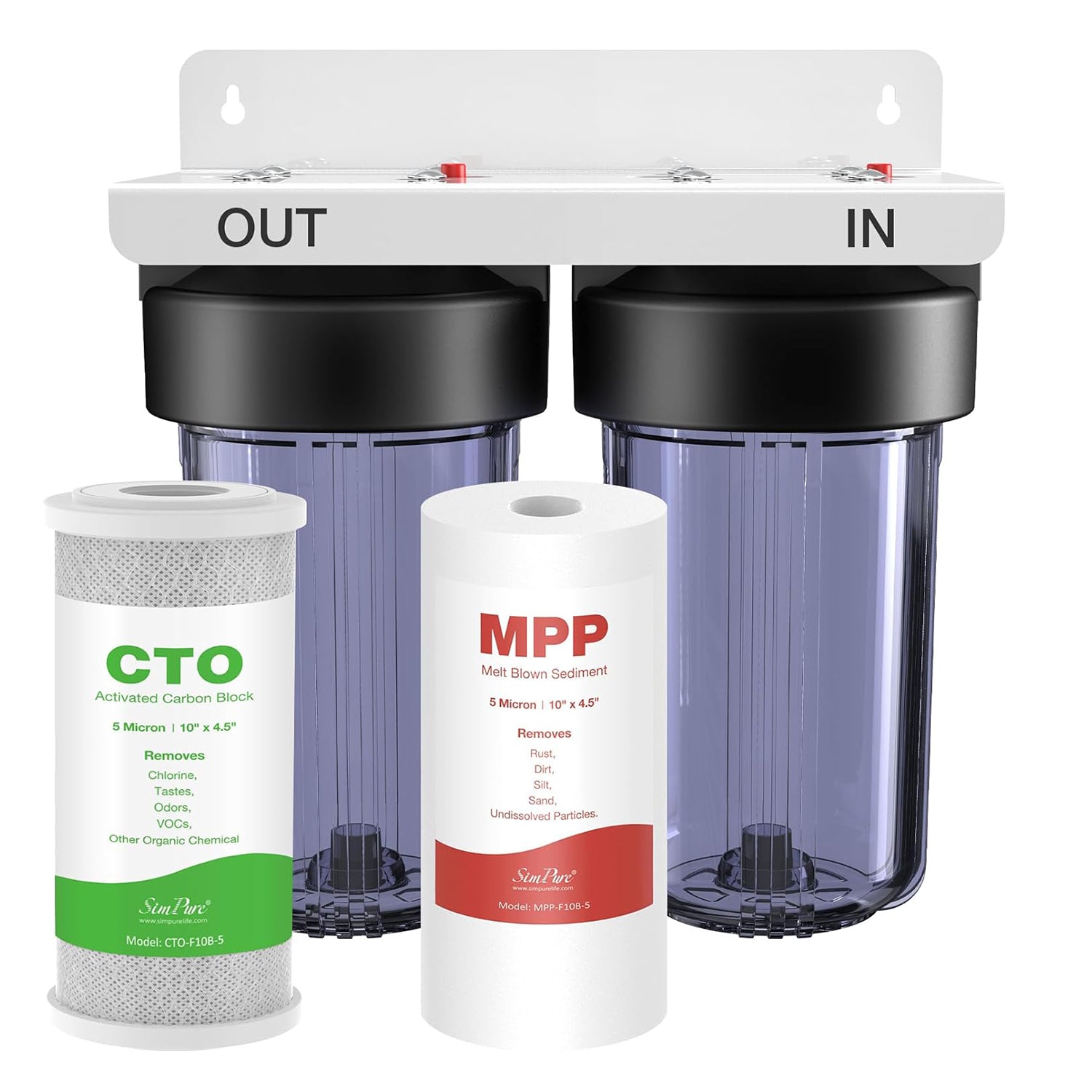
Sediment and carbon pre-filters are generally replaced more often than the RO membrane. These filters handle things such as sediment and chlorine before water reaches the membrane, so their service life can be shorter, especially in homes with heavier water use.
The RO membrane usually lasts longer when the system is properly maintained. Some systems also include a post-filter or remineralization stage, which has its own replacement interval.
For that reason, the manufacturer's recommended schedule is the best place to start. Your actual usage can then help you decide whether your filters may need attention sooner.
For example, a two-person household that mainly uses RO water for drinking and coffee may go through filters much more slowly than a larger family that uses the system throughout the day.

What Happens If You Don't Replace the Filters?
An overdue filter doesn't necessarily stop working overnight.
That's part of the problem.
Your RO system may still produce water, so it can be easy to put off maintenance. Over time, however, a filter can become less effective as it collects the material it was designed to reduce.
A heavily used sediment filter may restrict water flow. An old carbon filter may not provide the same level of protection for the RO membrane. As the membrane ages, you may also notice changes in water production or overall system performance.
If your system suddenly seems slower, don't assume the membrane is automatically the problem. Water pressure, temperature, clogged filters, and other maintenance issues can affect production as well.
In short, continued water production doesn't necessarily mean the filters are still within their recommended service life.
Signs That Your RO Filters May Need Replacing
The replacement date isn't the only thing worth paying attention to. Your system's performance can also give you clues.
1. The Water Tastes Different
Taste is often one of the first changes people notice.
If your RO water used to have a neutral taste but now seems noticeably different or closer to your regular tap water, it's worth checking the filter condition and replacement schedule.
Taste changes can have several causes, though, so it's better to look at the whole system rather than immediately assuming the filter has failed.
2. Water Production Has Slowed Down
Does it take noticeably longer to fill a glass, pitcher, or tank?
A clogged filter or aging membrane can contribute to slower water production. However, low inlet pressure, water temperature, and other system conditions can cause similar symptoms.
If the slowdown is new, check the filters along with the rest of the system.
3. The Filter Has Reached Its Recommended Service Life
Sometimes there isn't a noticeable change in taste or flow.
The filter has simply reached the replacement interval listed by the manufacturer.
That's a good enough reason to replace it. Regular replacement is part of normal RO system maintenance, rather than something you need to wait on until a problem appears.
4. You Can't Remember When You Last Replaced It
This is probably one of the easiest situations to avoid.
If you have no record of when the filters were installed, take a few minutes to check your order history, maintenance notes, or the system's filter indicator if it has one.
If you still can't find the date, starting a new record with your next replacement is a simple solution.
Do All RO Filters Need to Be Replaced at the Same Time?
No. In fact, replacing every filter at once isn't always necessary.
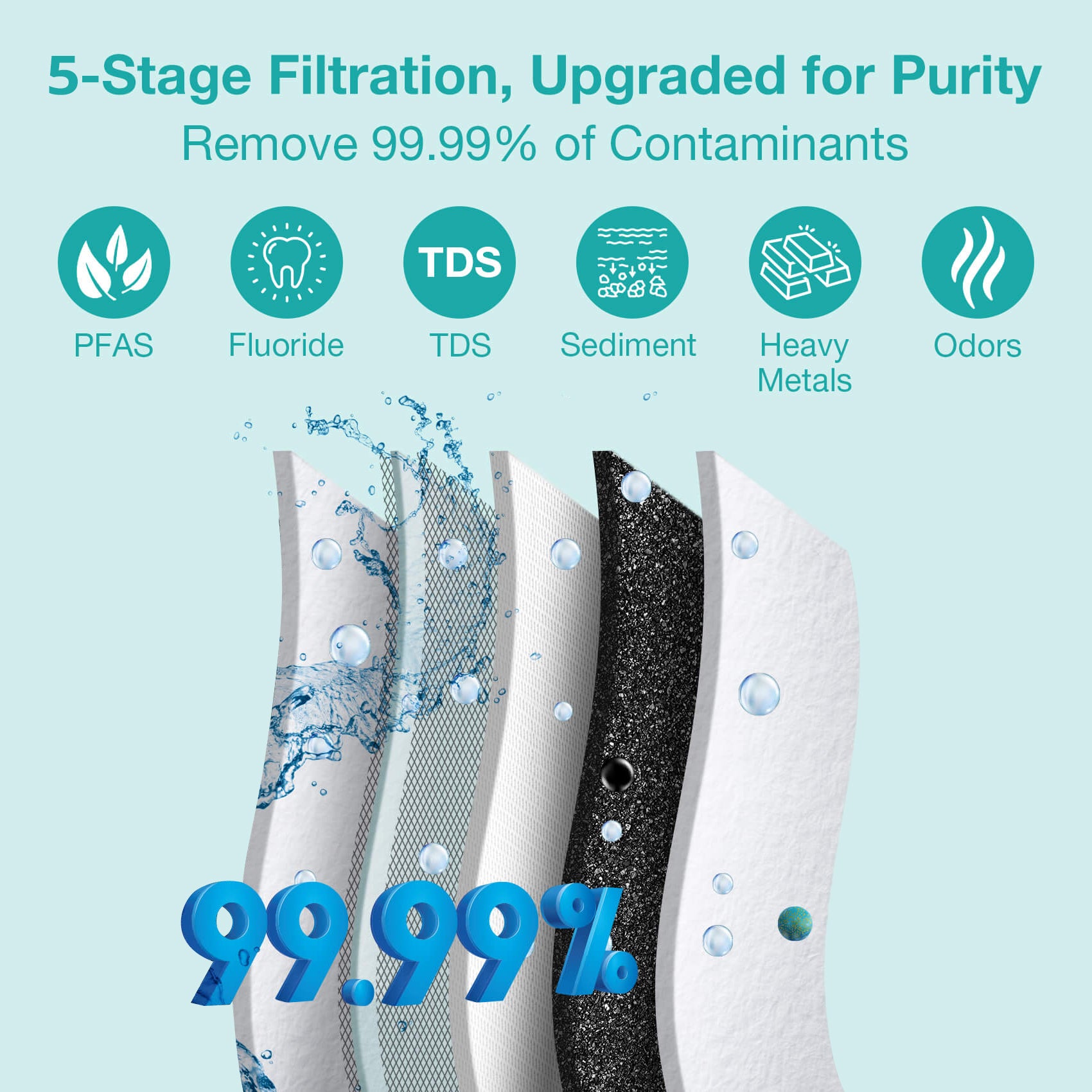
Each stage of an RO system has a different purpose and, in many cases, a different service life.
A sediment filter may need to be changed relatively often, while carbon filters may last longer depending on water quality and usage. The RO membrane typically has a longer replacement interval.
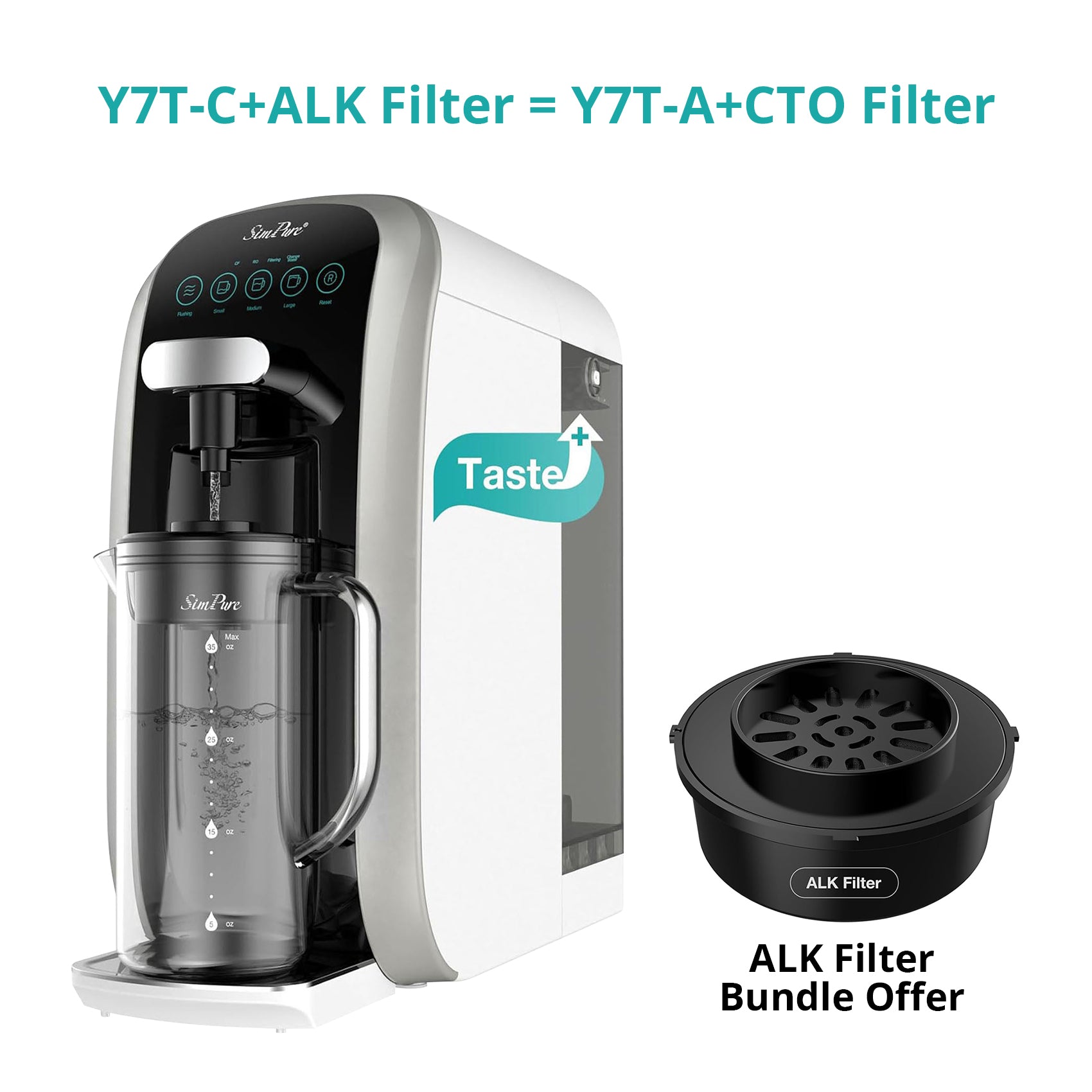
Some systems also use a post-filter or remineralization filter, which should be replaced according to its own instructions.
Replacing everything together can be convenient if you're doing a full system refresh, but it isn't a requirement for every maintenance cycle.
One simple habit helps: write down the installation date whenever you put in a new filter. A note in your phone is more than enough.
How Do You Choose the Right Replacement Filter?
This is where buying a replacement can get confusing.
Search online for reverse osmosis water filter replacement, and you'll find plenty of filters that look nearly identical. But similar appearance doesn't mean two filters are compatible.
Before placing an order, check:
-
Your RO system model
-
The specific filter stage or type
-
Filter dimensions and connection type
-
The replacement part recommended by the manufacturer
-
Whether the filter is compatible with your particular system
If you're using a branded RO system, buying the manufacturer's recommended replacement is usually the easiest way to avoid compatibility issues.
A filter that fits physically may still not be the correct option for the system.
What About Countertop RO Filter Replacement?
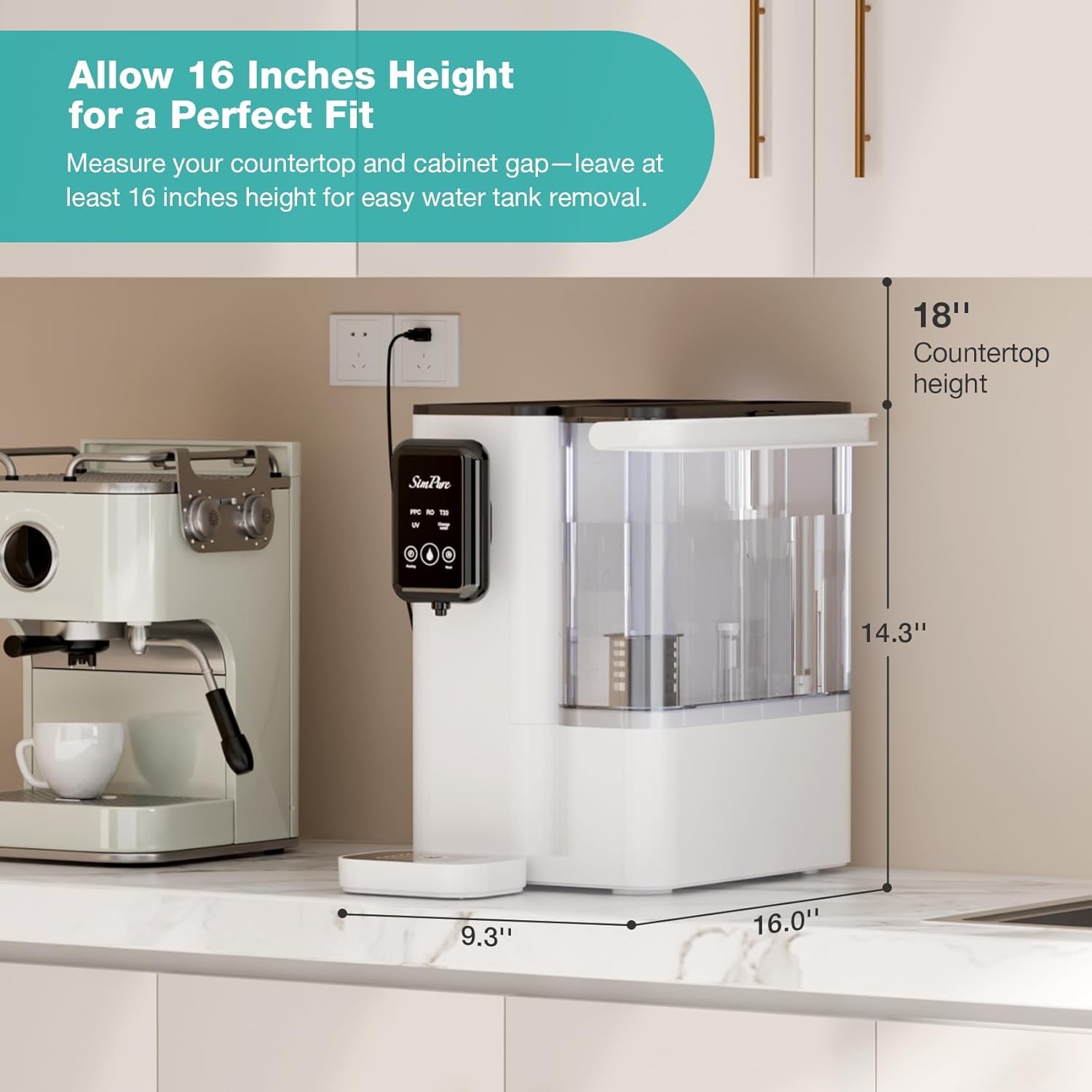
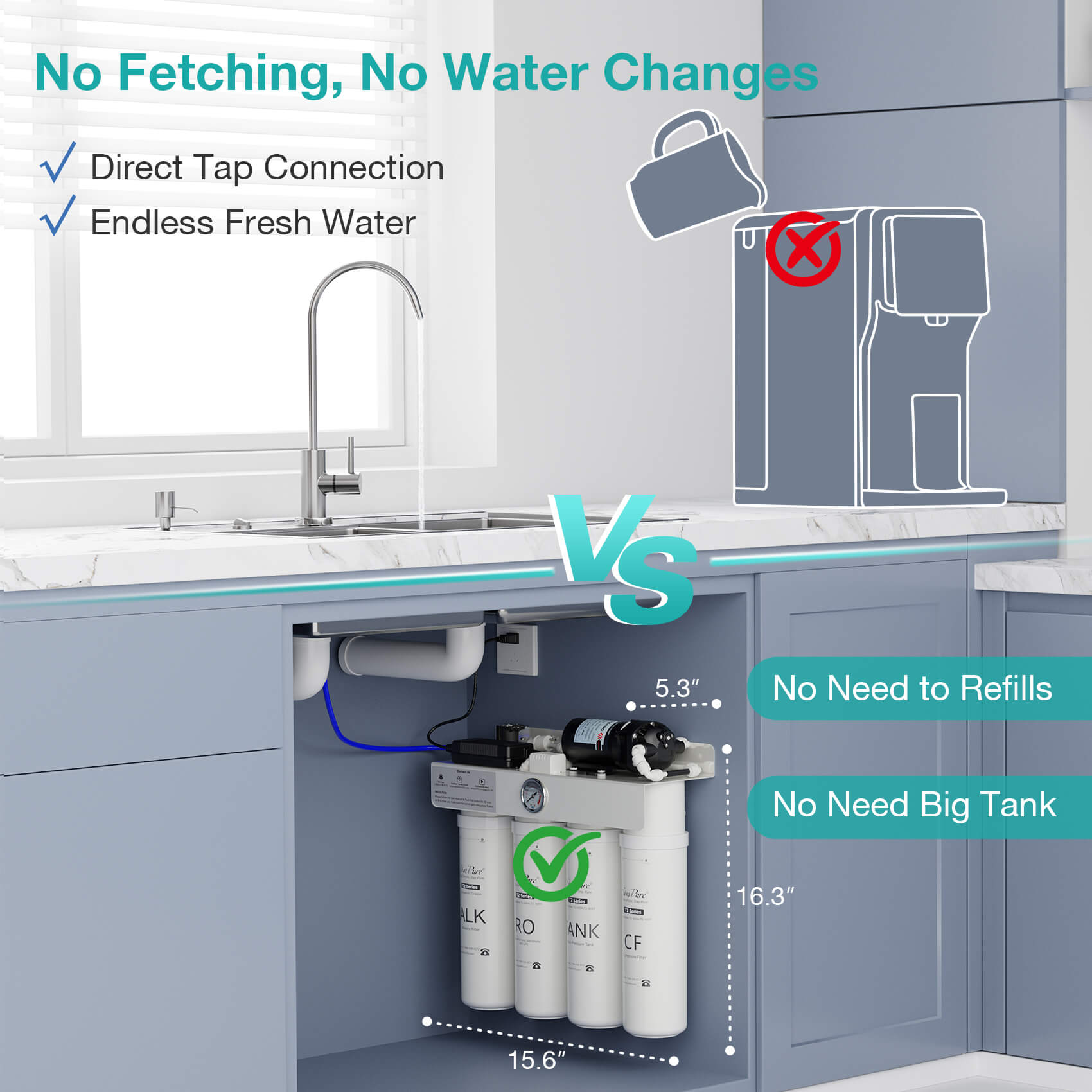
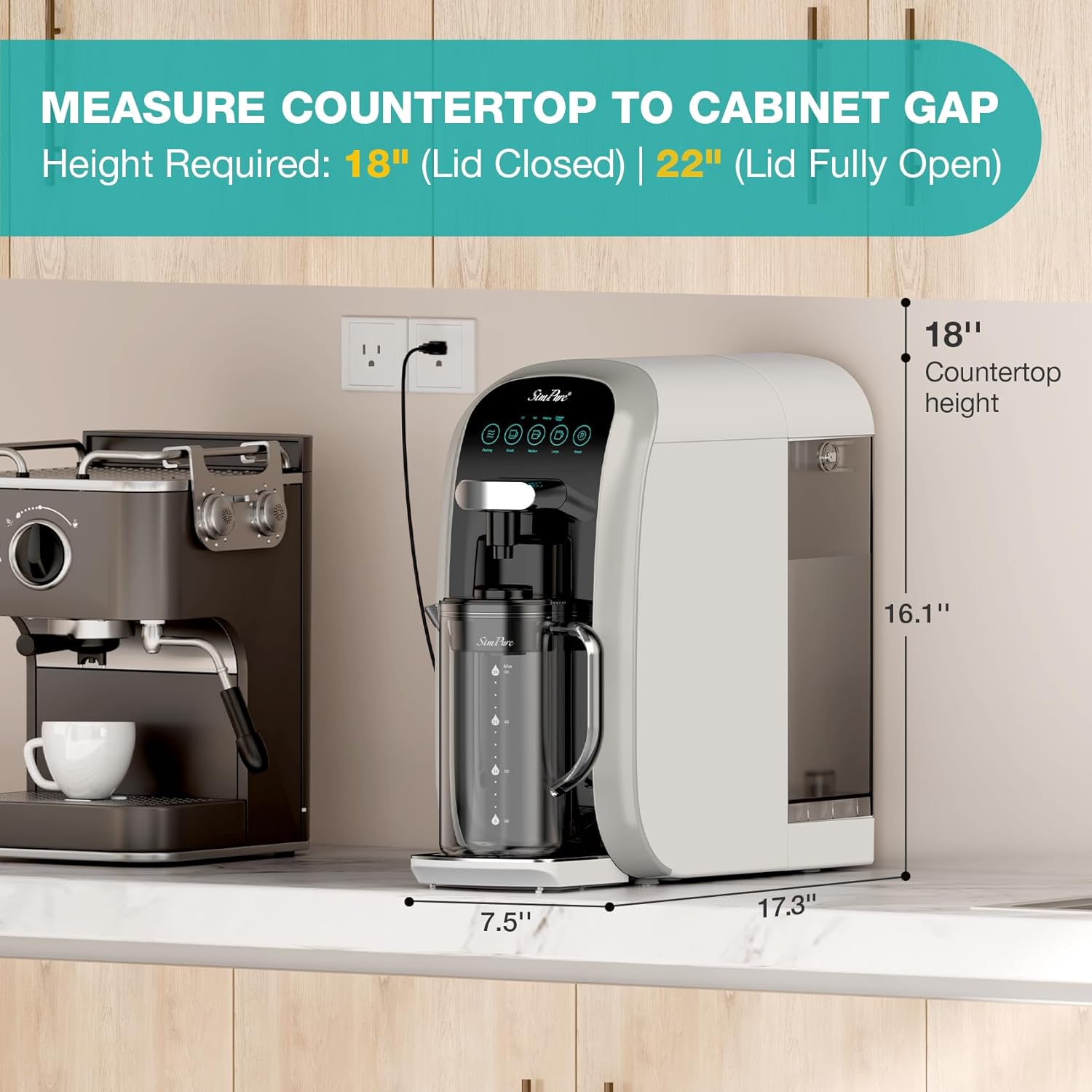
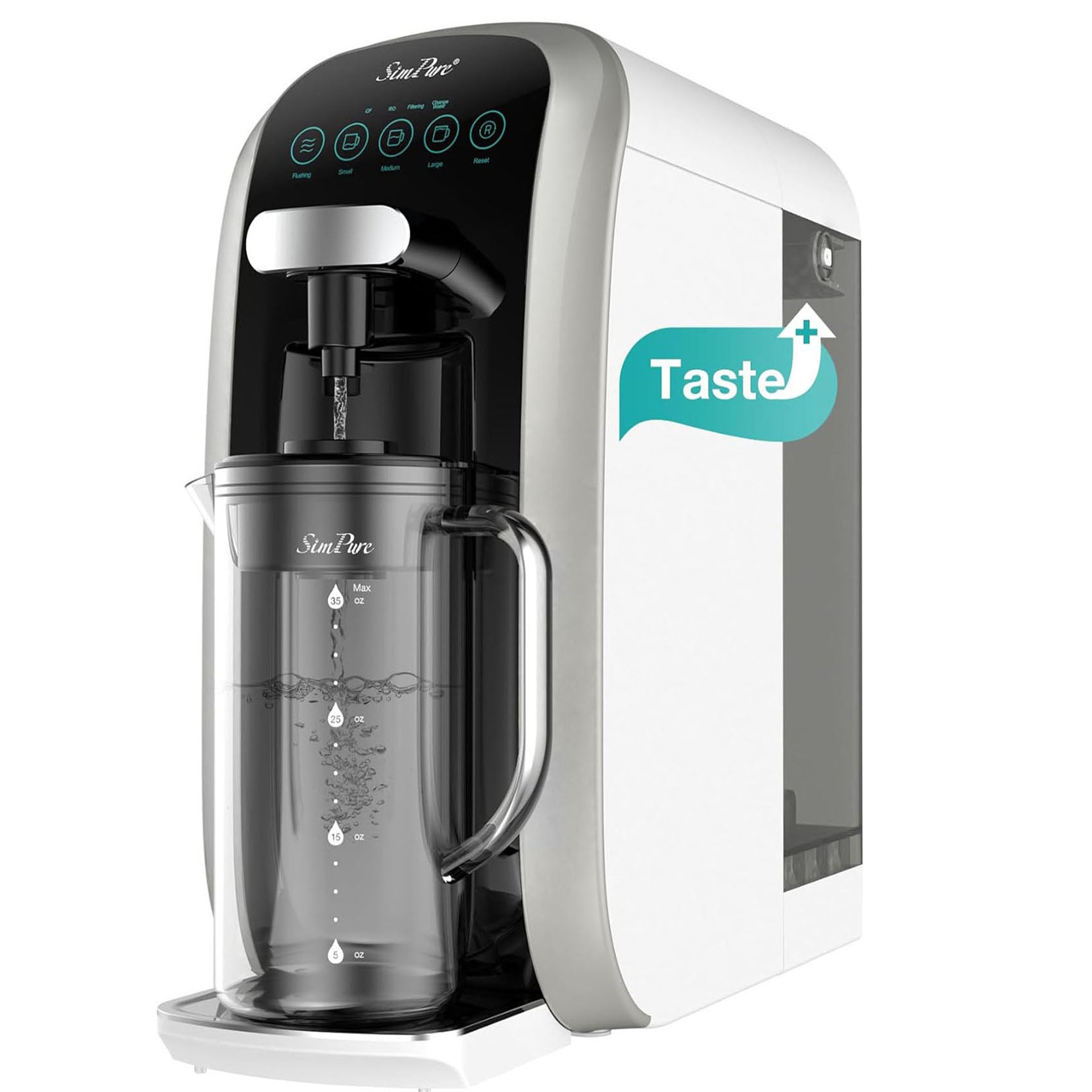
Countertop RO systems can make routine maintenance easier because the filtration unit is self-contained and doesn't require access to the plumbing underneath a sink.
That can be especially convenient for renters or anyone who doesn't want to deal with a permanent under-sink installation.
The maintenance principle is still the same, though. A countertop RO system has filters that need to be replaced according to the manufacturer's instructions.
If your system has a filter-life indicator, use it as a reminder. Otherwise, keeping track of the installation date on your phone works just as well.
A Simple Maintenance Habit Can Save You Trouble Later
You don't need a complicated maintenance spreadsheet.
For most households, keeping track of three things is enough:
-
When was the filter installed?
-
How much RO water does the household normally use?
-
Has the system's performance changed recently?
That information gives you a much better idea of when to check the filters.
If your RO system includes filter-life reminders, take advantage of them. If it doesn't, set a recurring reminder on your phone based on the manufacturer's recommended schedule.
It takes less than a minute to record a replacement date, and it can save you from wondering six months later when you last changed the filter.

Where SimPure Fits In
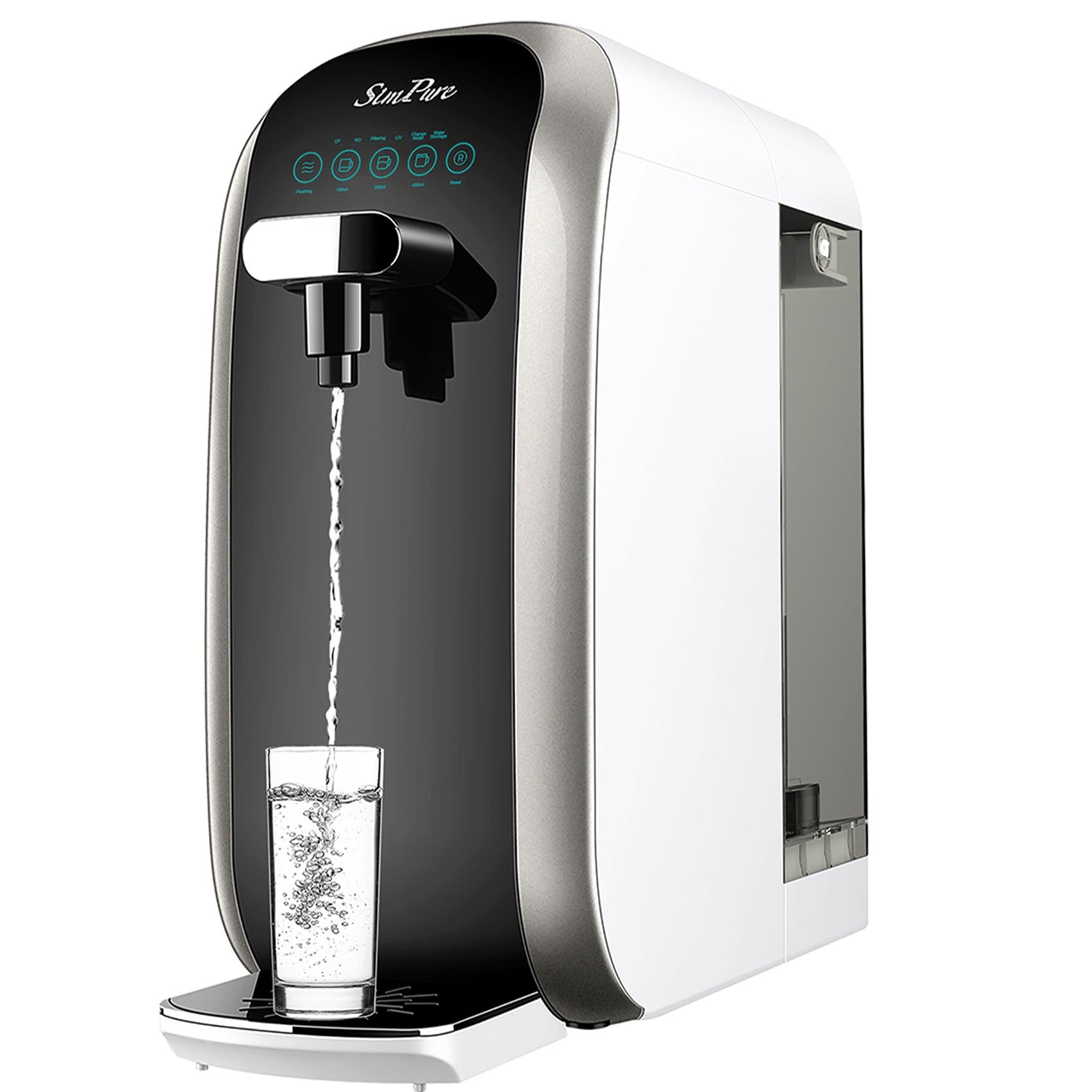
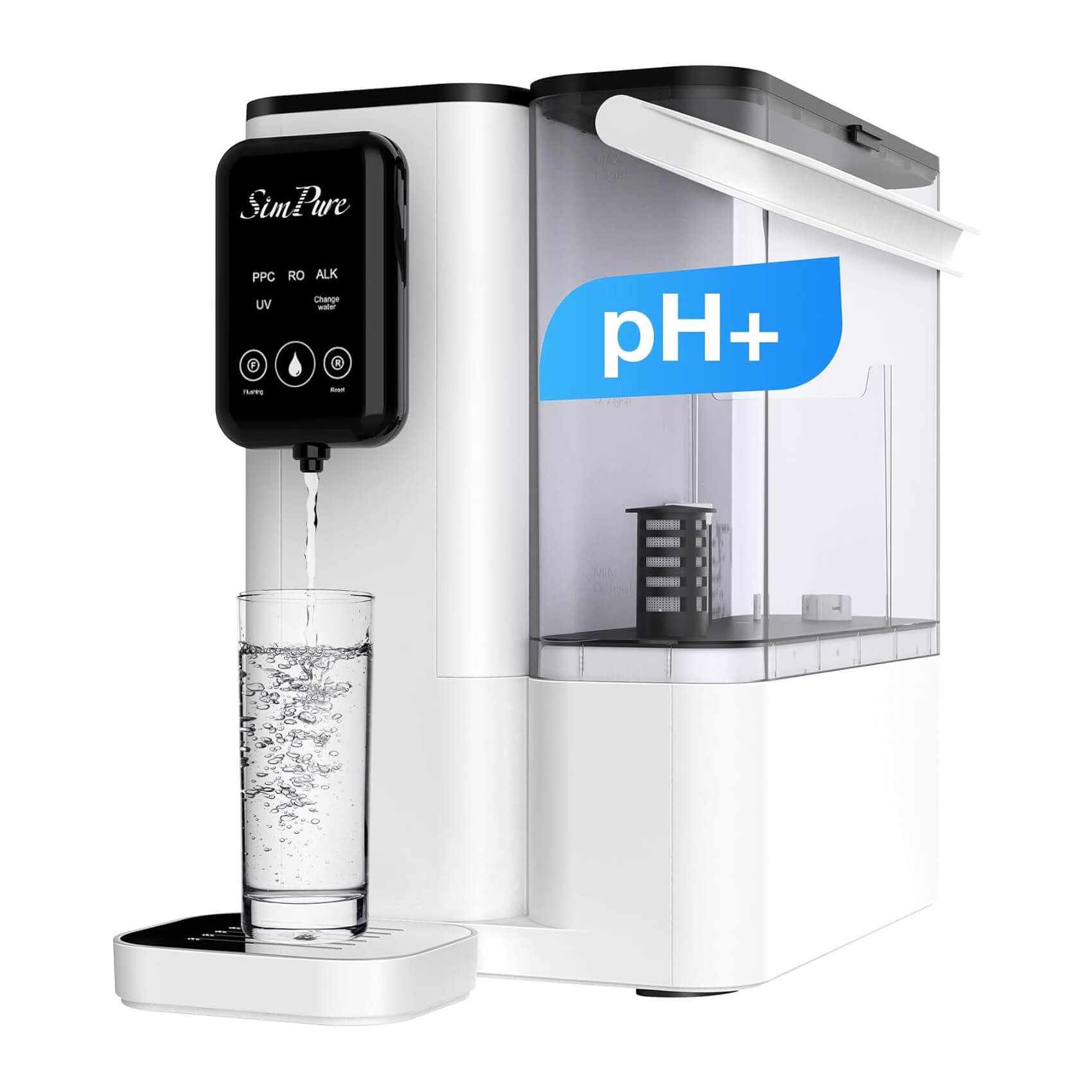
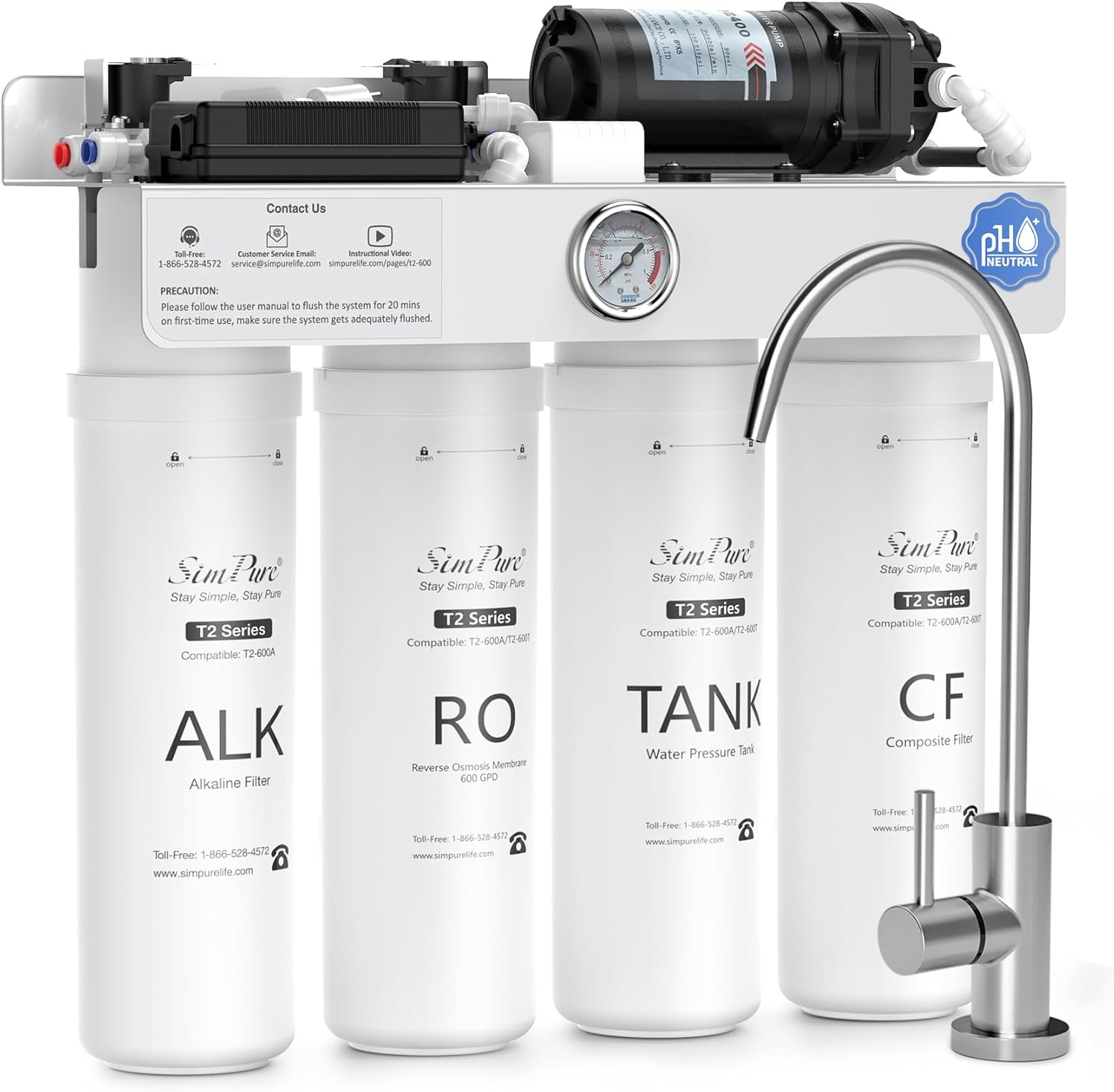
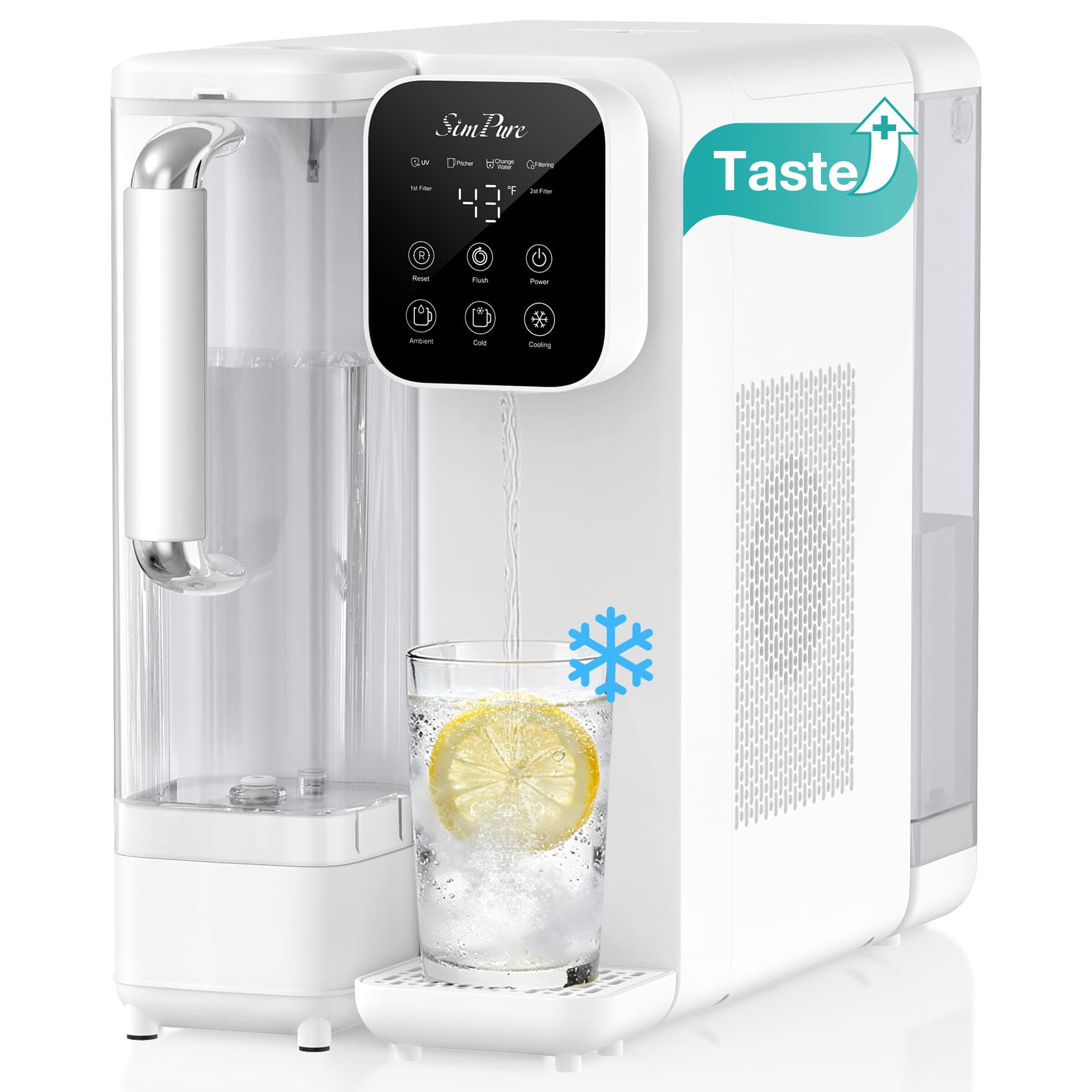
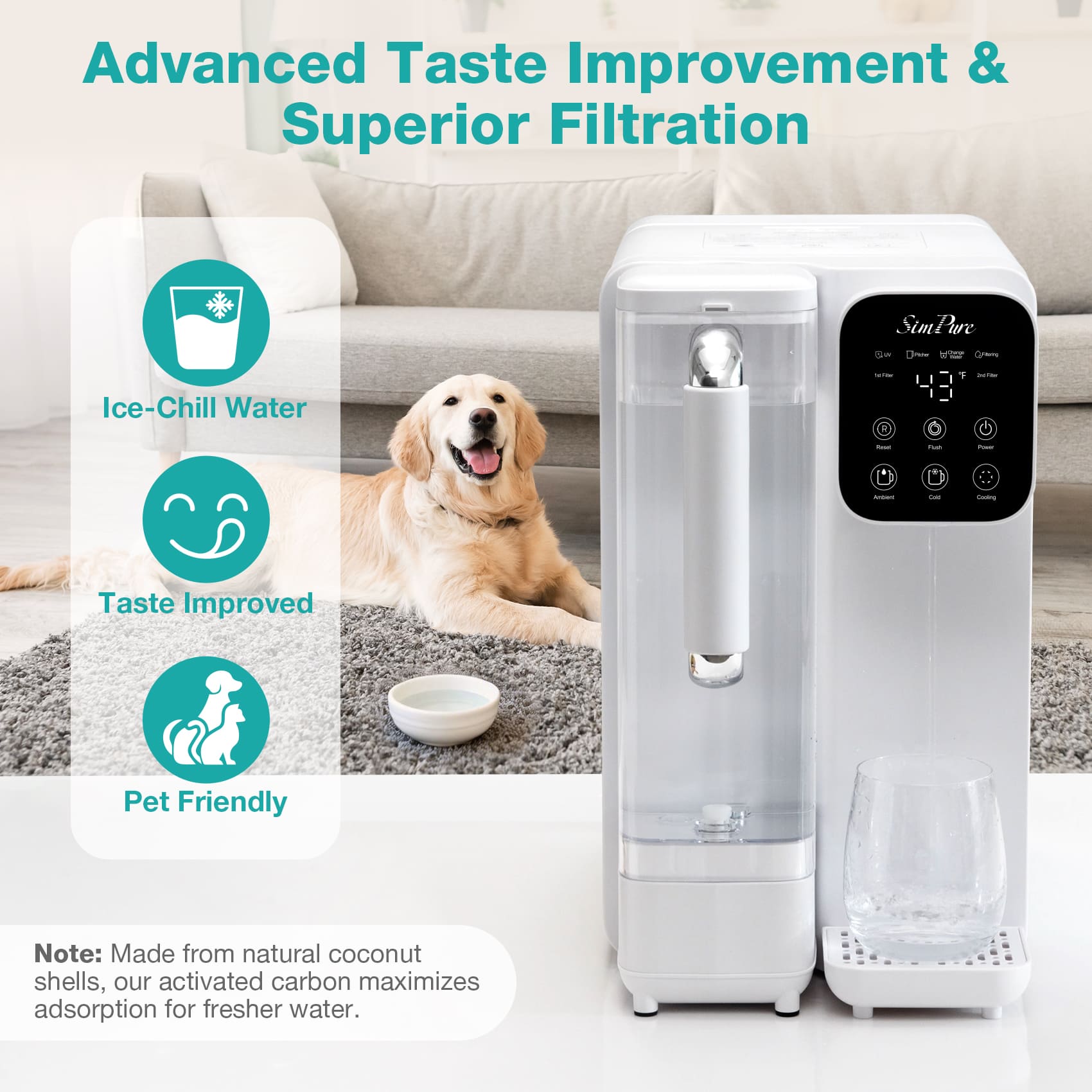
If you're looking for a countertop RO system that's easier to manage as part of a normal kitchen routine, SimPure offers several countertop RO options for everyday household use.
With a countertop design, the filtration system stays in one compact unit, so replacing a filter doesn't require reaching into the back of a cabinet or working around under-sink tubing.
The exact replacement process and filter interval depend on the model, so check your specific SimPure system before ordering a replacement.
The goal isn't to replace every filter as frequently as possible. It's to use the right replacement filter and change it when the system's maintenance schedule calls for it.
So, When Should You Replace Your RO Filters?
There isn't one universal date for every RO system.
Start with the replacement schedule provided by the manufacturer, then consider how much water your household uses and the quality of the water entering the system.
If the water tastes different, production has slowed, or a filter has reached its recommended service life, it's time to check the system.
And if you genuinely can't remember the last time you replaced the filters, that's another good reason to take a look.
RO systems are easy to forget when they're working normally. That's one of the reasons people like them. You turn on the tap, fill your glass, and move on with your day.
Just don't forget about the maintenance happening behind the scenes.
Filters have a job to do, and sooner or later, they need to be replaced.
FAQ
How often should I replace my reverse osmosis water filters?
It depends on the filter type, water quality, household water use, and the specific RO system. Sediment and carbon filters generally need to be replaced more often than the RO membrane. Always check the manufacturer's recommended replacement schedule.
How do I know when my RO filter needs replacing?
Changes in water taste, slower water production, and reaching the recommended replacement interval are common signs. Keep in mind that slower flow or taste changes can also be caused by water pressure or other system issues, so check the entire system before replacing a filter unnecessarily.
Do I need to replace the RO membrane every year?
Not necessarily. RO membranes generally last longer than sediment and carbon filters. Their actual service life depends on water conditions, usage, and system maintenance. Check the replacement recommendations for your specific RO model.
Can I use any replacement filter for my RO system?
No. RO filters are not universally interchangeable. Before buying a replacement, confirm your system model, filter type, dimensions, connection, and the replacement part recommended by the manufacturer.
Is replacing countertop RO filters difficult?
Many countertop RO systems are designed to make routine filter replacement relatively simple. The exact steps vary by model, so follow the manufacturer's instructions and make sure you're using the correct replacement filter.