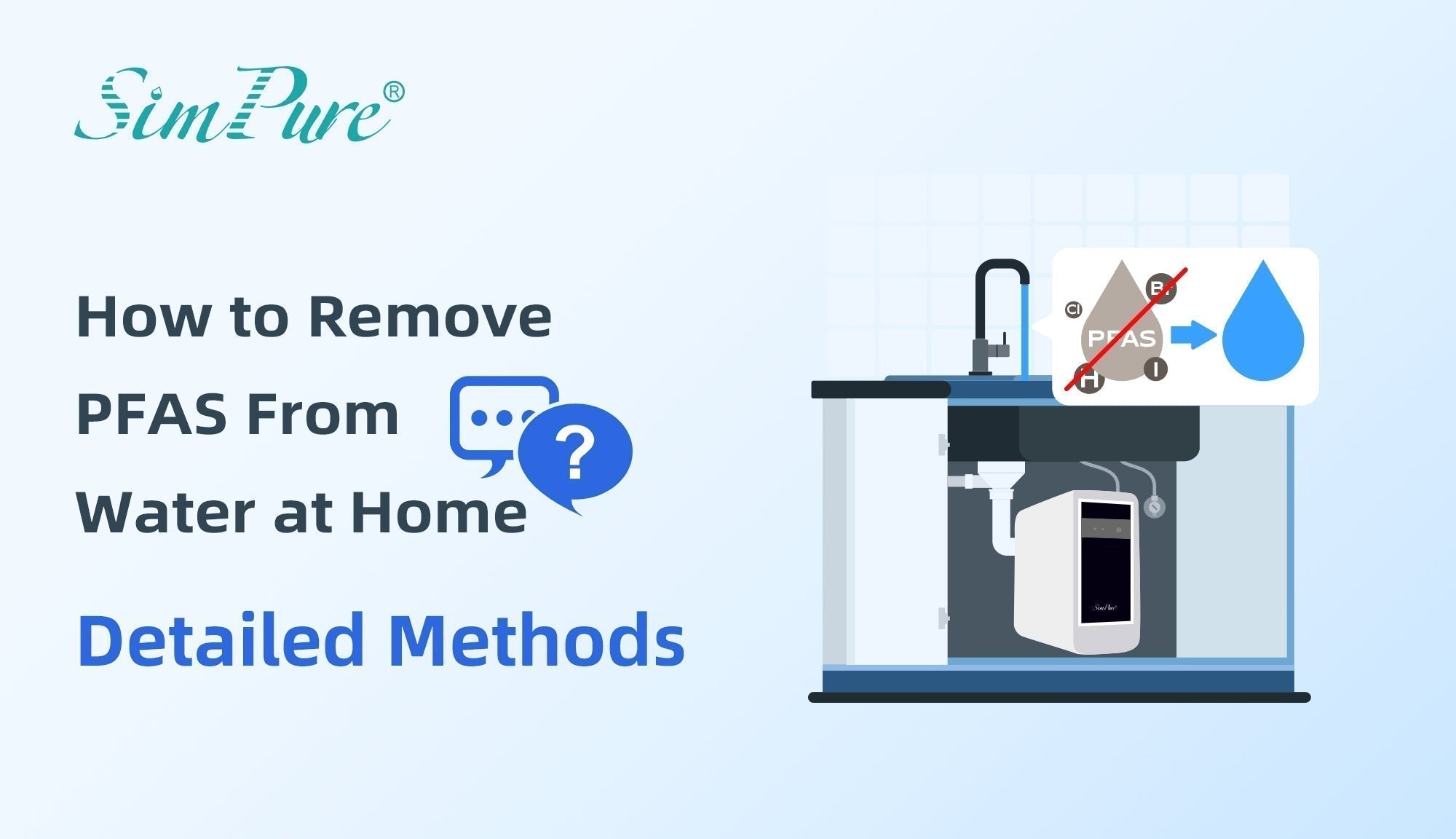
PFAS, often referred to as “forever chemicals,” are synthetic compounds increasingly detected in drinking water across the United States. Their extremely stable chemical structure makes them difficult to break down in the environment or the human body, making basic household filtration methods largely ineffective.
If you’re searching for how to remove PFAS from water at home, luckily, this guide explains scientifically backed household PFAS removal methods, common misconceptions, and practical solutions homeowners can implement. Just keep reading~
What Are PFAS and Why Are They Hard to Remove?
PFAS (per- and polyfluoroalkyl substances) include well-known compounds like PFOA and PFOS. Widely used in industrial and consumer products, they resist heat, oil, and water. Their chemical stability, while useful in manufacturing, also makes them persistent in the environment. PFAS are not effectively removed by standard disinfection processes like chlorination or boiling.
Long-term exposure to elevated PFAS levels may be associated with adverse health effects, including endocrine disruption, liver toxicity, and developmental issues, which is why reducing PFAS in drinking water is increasingly critical.
Common Household Methods That Do NOT Effectively Remove PFAS
- Boiling Water
Boiling does not destroy PFAS. Heat-stable compounds remain intact, and concentration may increase as water evaporates.
- Basic Pitcher Filters
Pitcher filters improve taste and reduce chlorine or odor but provide inconsistent or limited PFAS removal, especially for short-chain compounds.
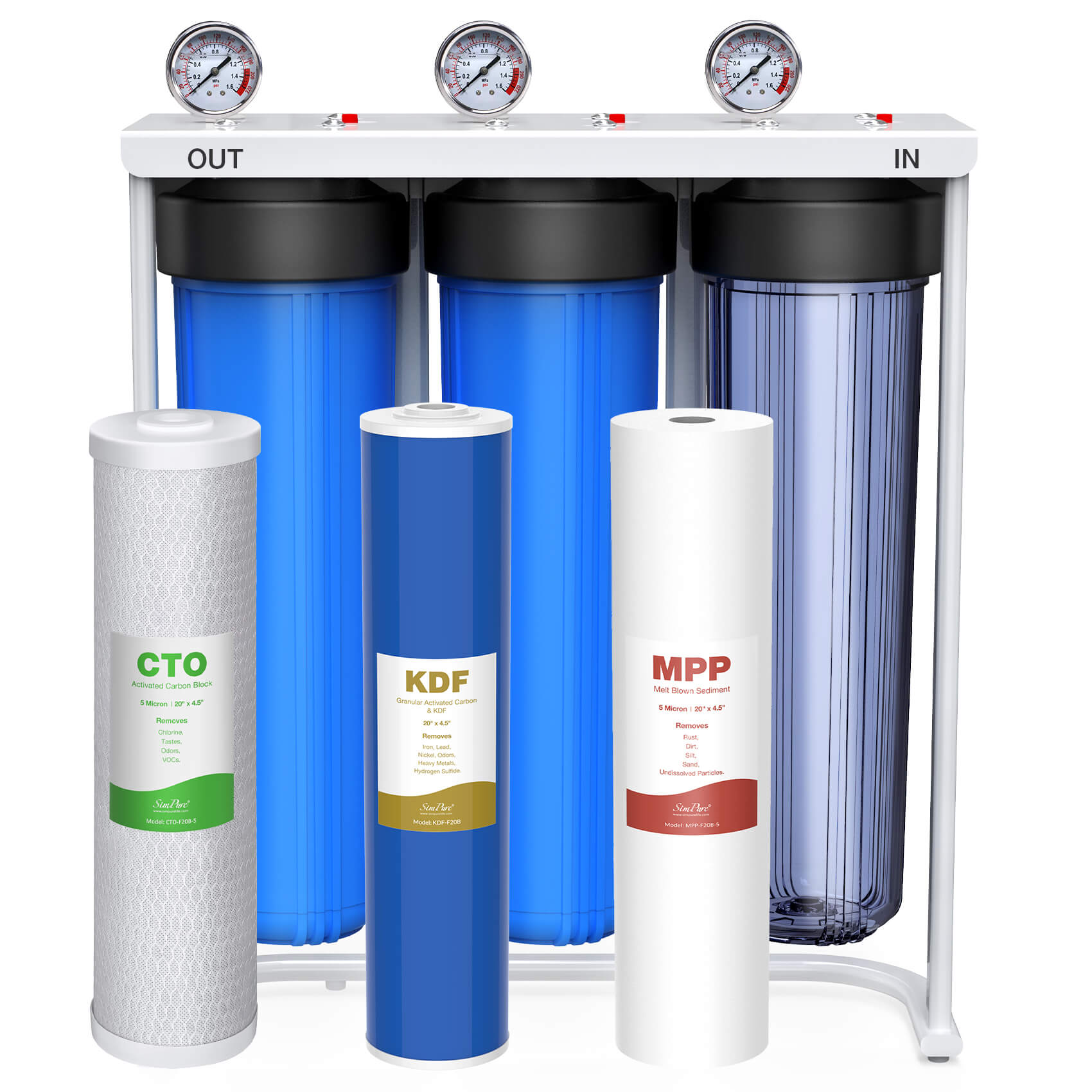
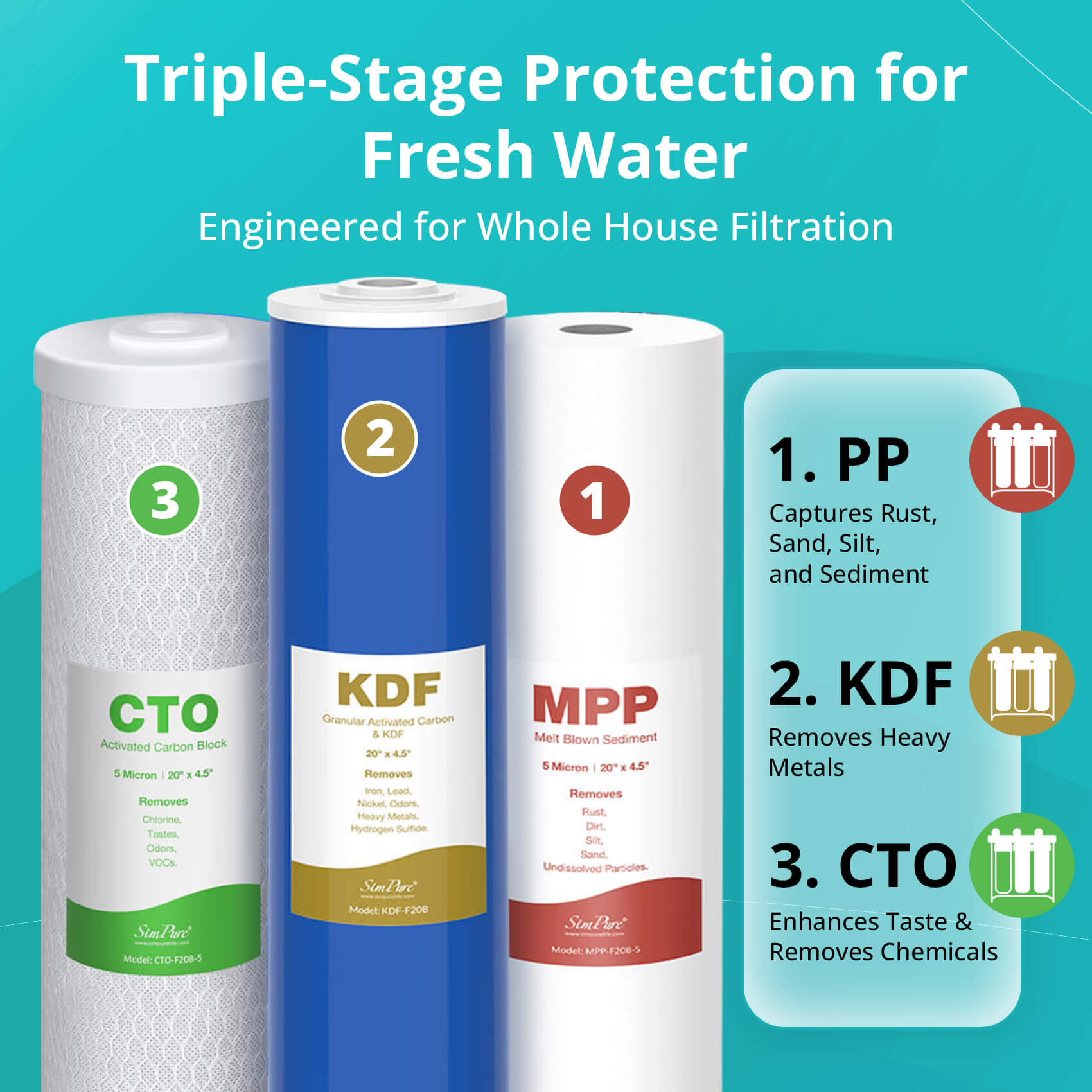
- Ceramic or KDF Filters
Effective for bacteria, sediment, and some heavy metals, but not designed to reliably remove PFAS molecules.
Proven Ways to Reduce PFAS in Home Drinking Water
Since common household methods like boiling or basic filters are largely ineffective against PFAS, homeowners need proven technologies that reliably remove these persistent chemic. Here are the proven ways:
1. Reverse Osmosis (RO) Filtration
RO membranes block extremely small contaminants, including long-chain and short-chain PFAS. Studies and regulatory agencies identify RO as a reliable point-of-use solution due to its high rejection rate and consistent performance.
Learn more on related topics:
2. Activated Carbon (GAC & PAC)
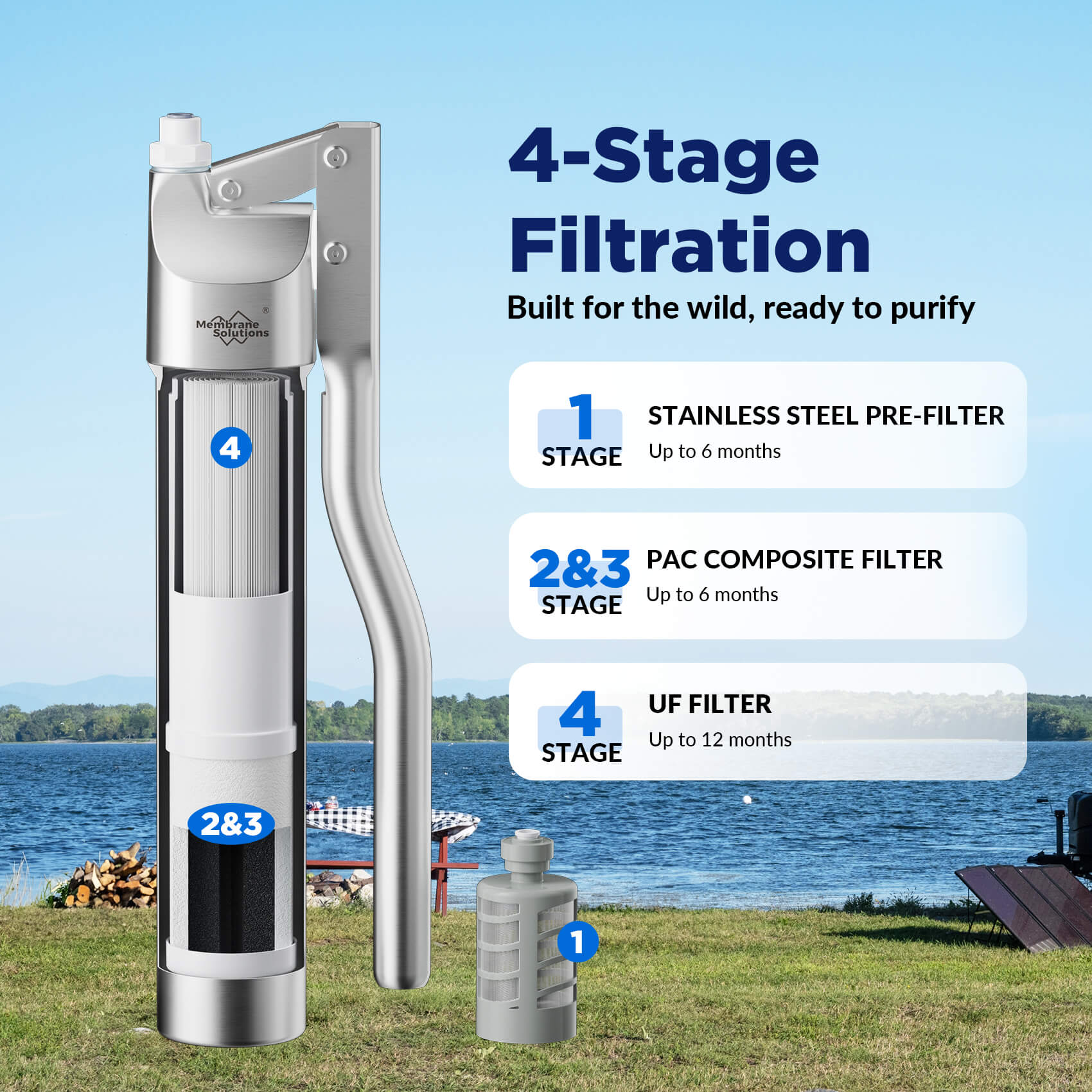
Granular activated carbon (GAC) and powdered activated carbon (PAC) filters can reduce certain long-chain PFAS such as PFOS and PFOA. Effectiveness depends on water chemistry, contact time, and filter maintenance. Short-chain PFAS are less effectively removed by carbon alone.
How to Know If PFAS Is in Your Water
- Check local water quality reports or utility disclosures
- Review state or EPA PFAS monitoring data
- Use certified laboratory testing for confirmation
Step-by-Step: How to Reduce PFAS at Home
- Identify potential PFAS exposure through local water reports
- Test drinking water if contamination is suspected
- Select a filtration system designed for PFAS reduction
- Maintain filters and replace cartridges on schedule
Common Misconceptions About PFAS Filtration
❌ "Clear water means safe water"
PFAS are invisible and odorless. Water that looks clear can still contain harmful PFAS compounds. For reliable removal, consider RO filtration or high-quality activated carbon systems.
❌ "All carbon filters remove PFAS"
Performance varies by design, contact time, and PFAS type. Only certified granular or powdered activated carbon filters with tested PFAS removal rates are effective.
❌ "Boiling water helps"
PFAS are heat-stable and are not destroyed by boiling. Boiling may slightly concentrate PFAS in water as it evaporates.
❌ "Pitcher filters are enough"
Standard pitcher filters mainly improve taste and odor, and have limited PFAS removal capacity, especially for short-chain compounds.
❌ "Well water is always safe"
Private wells may still be contaminated, especially near industrial, military, or landfill sites. Testing is recommended to confirm PFAS presence.
❌ "TDS or clarity indicates PFAS levels"
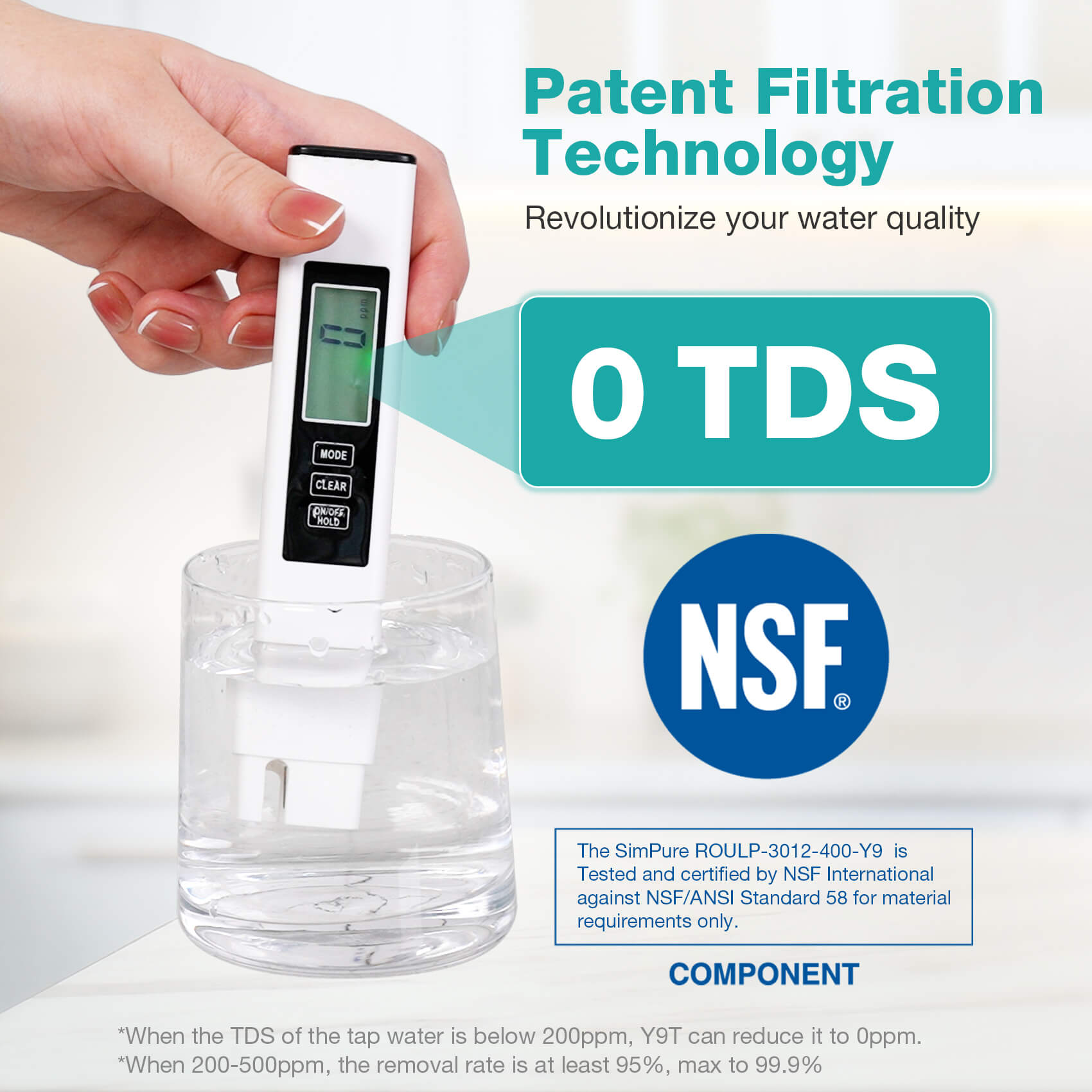
Total dissolved solids (TDS) or water clarity do not reflect PFAS contamination. Only certified lab testing or approved filtration methods provide reliable protection.
SimPure Practical Home Filtration Options for PFAS Reduction

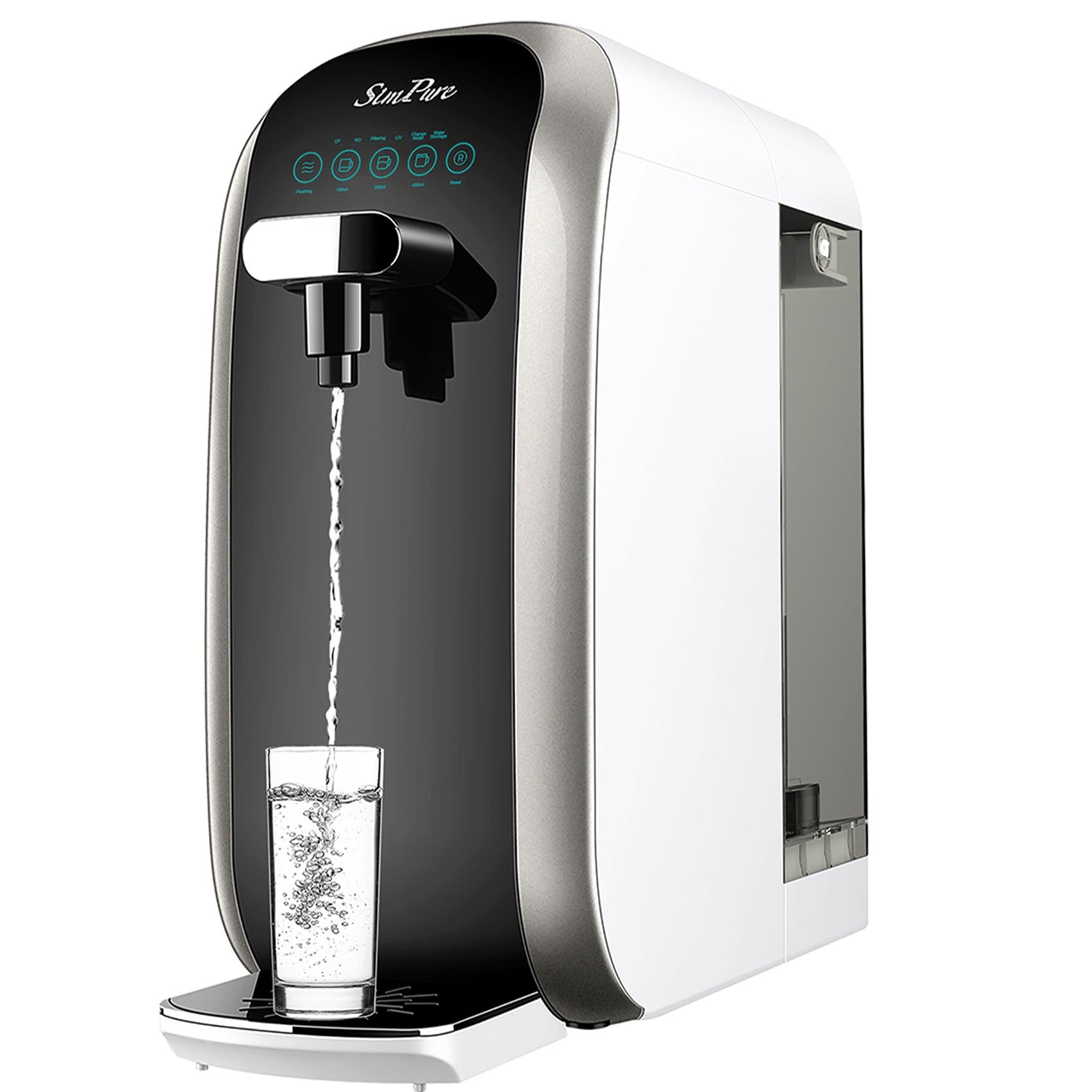
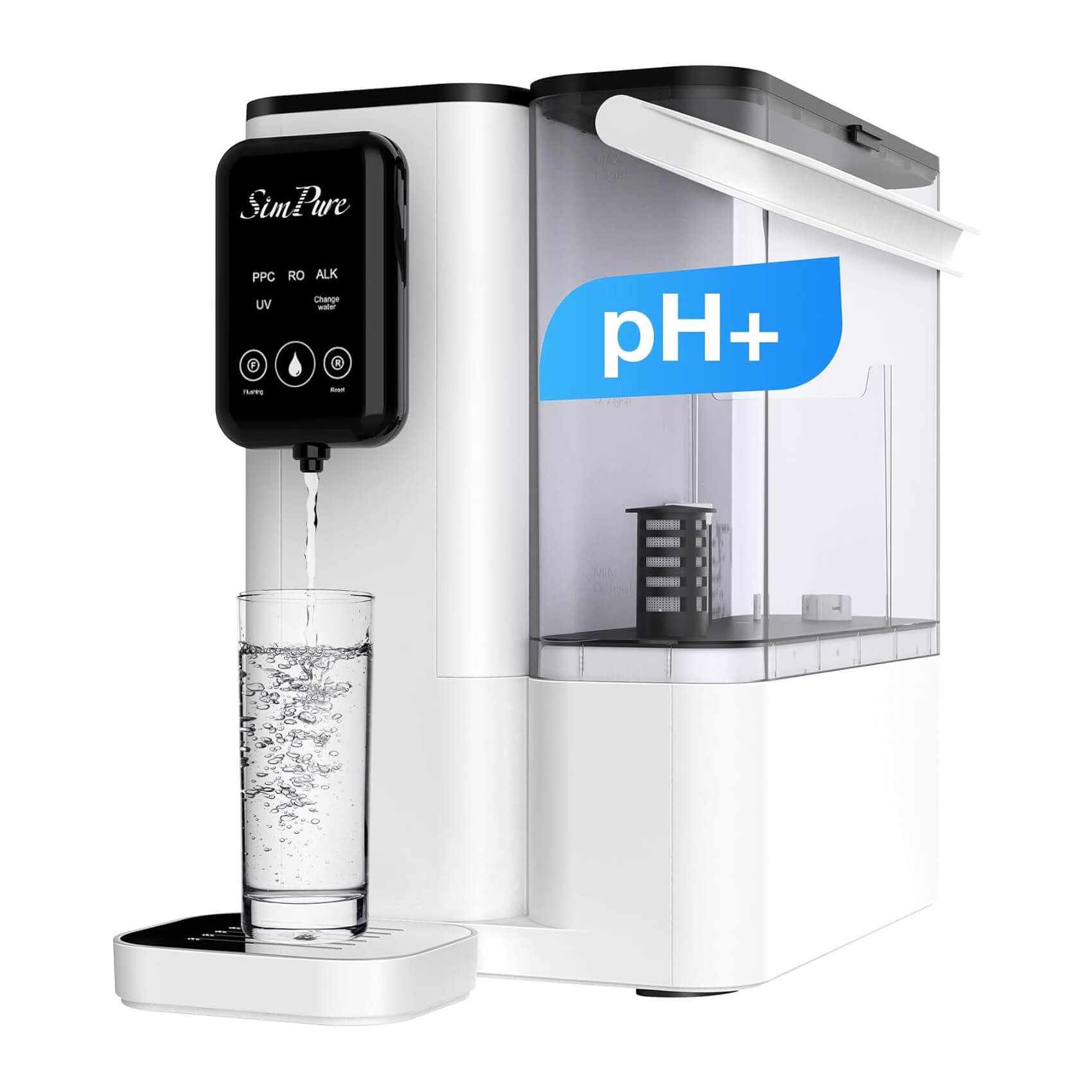
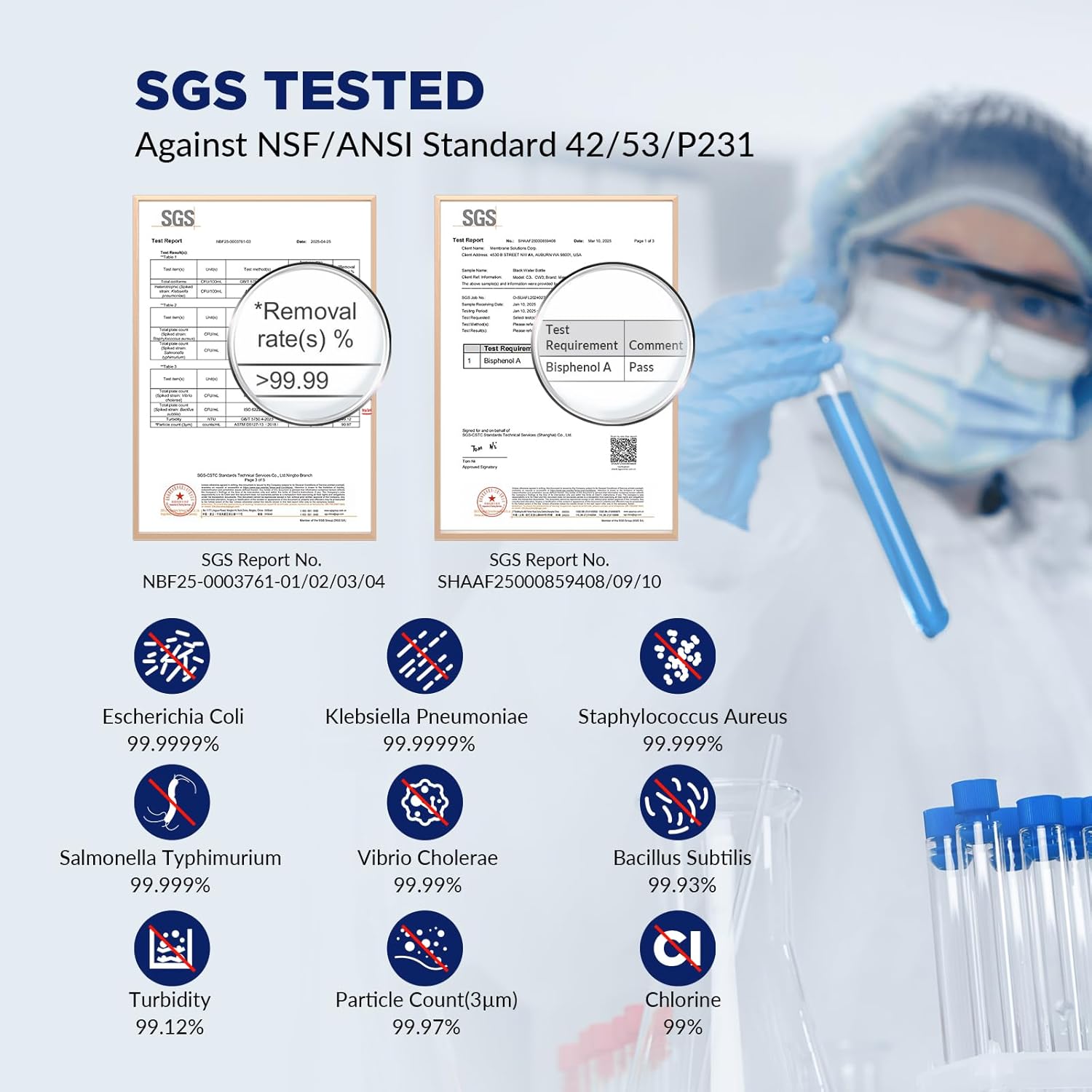
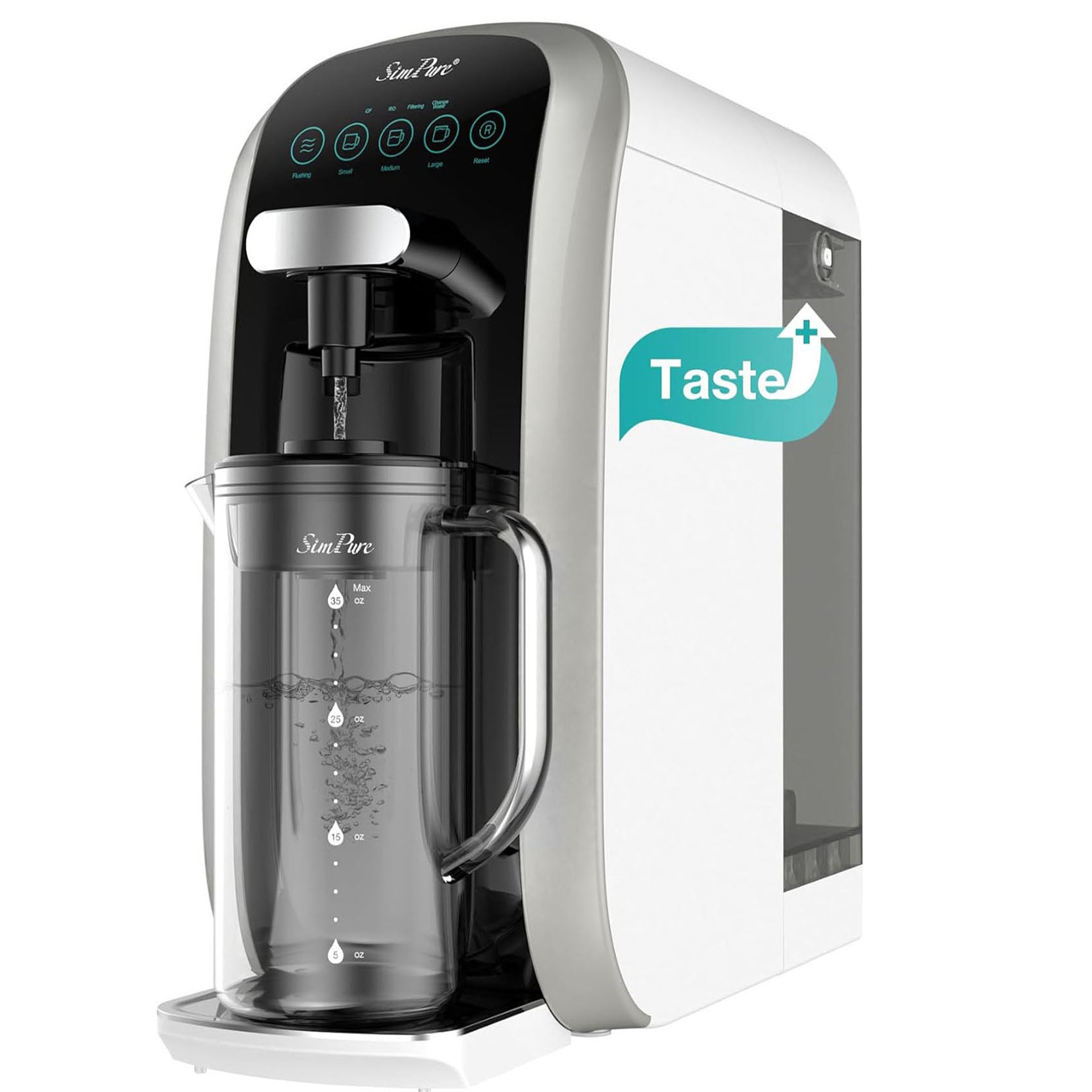
To address PFAS effectively at home, SimPure offers practical RO-based solutions for both countertop and under-sink setups. Each reverse osmosis membrane is NSF-certified, ensuring reliable filtration performance. Most complete units have undergone SGS testing for multiple contaminant removals. Detailed performance results and certifications are available on product pages.
SimPure RO systems are designed for high precision PFAS reduction, long-lasting performance, and convenient use.

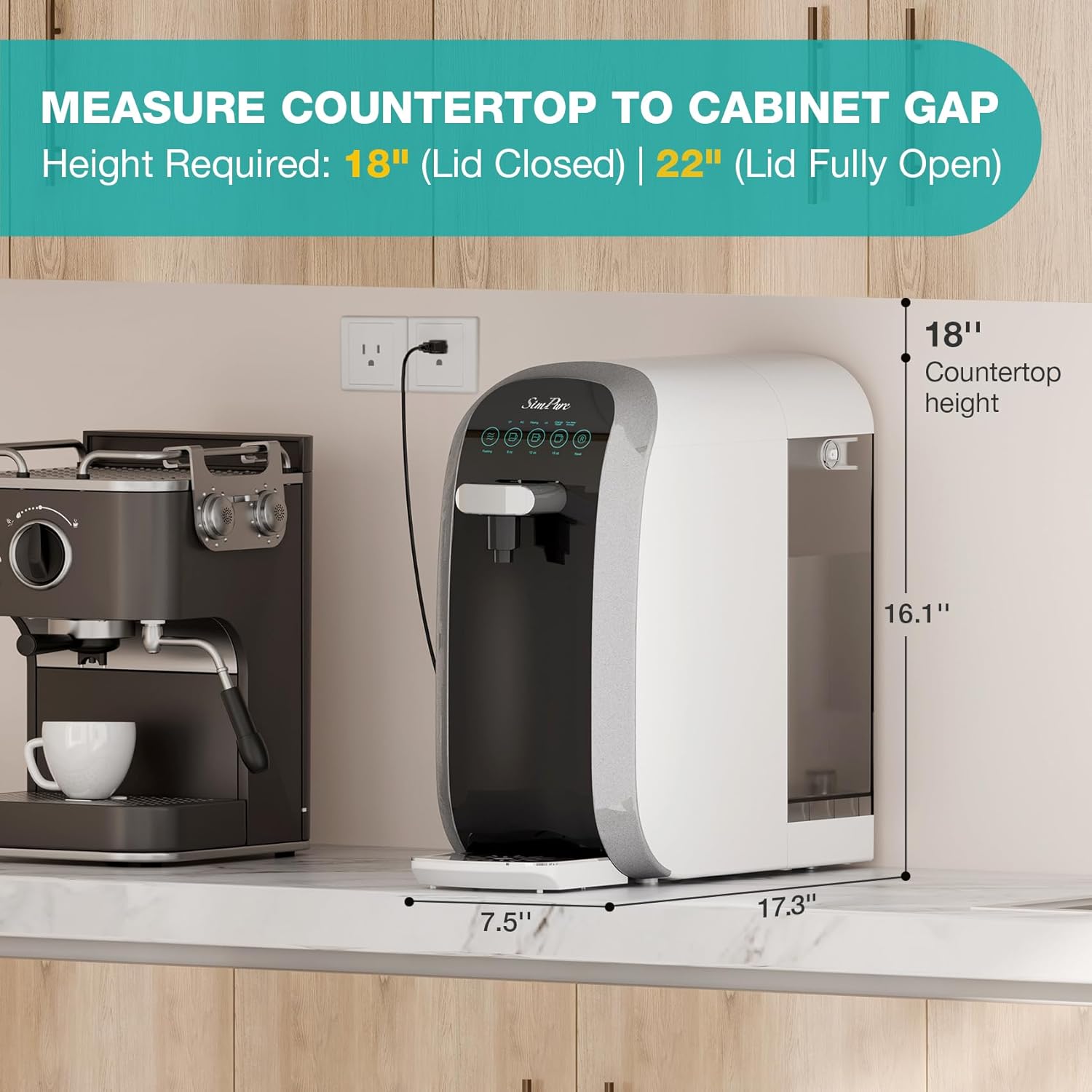
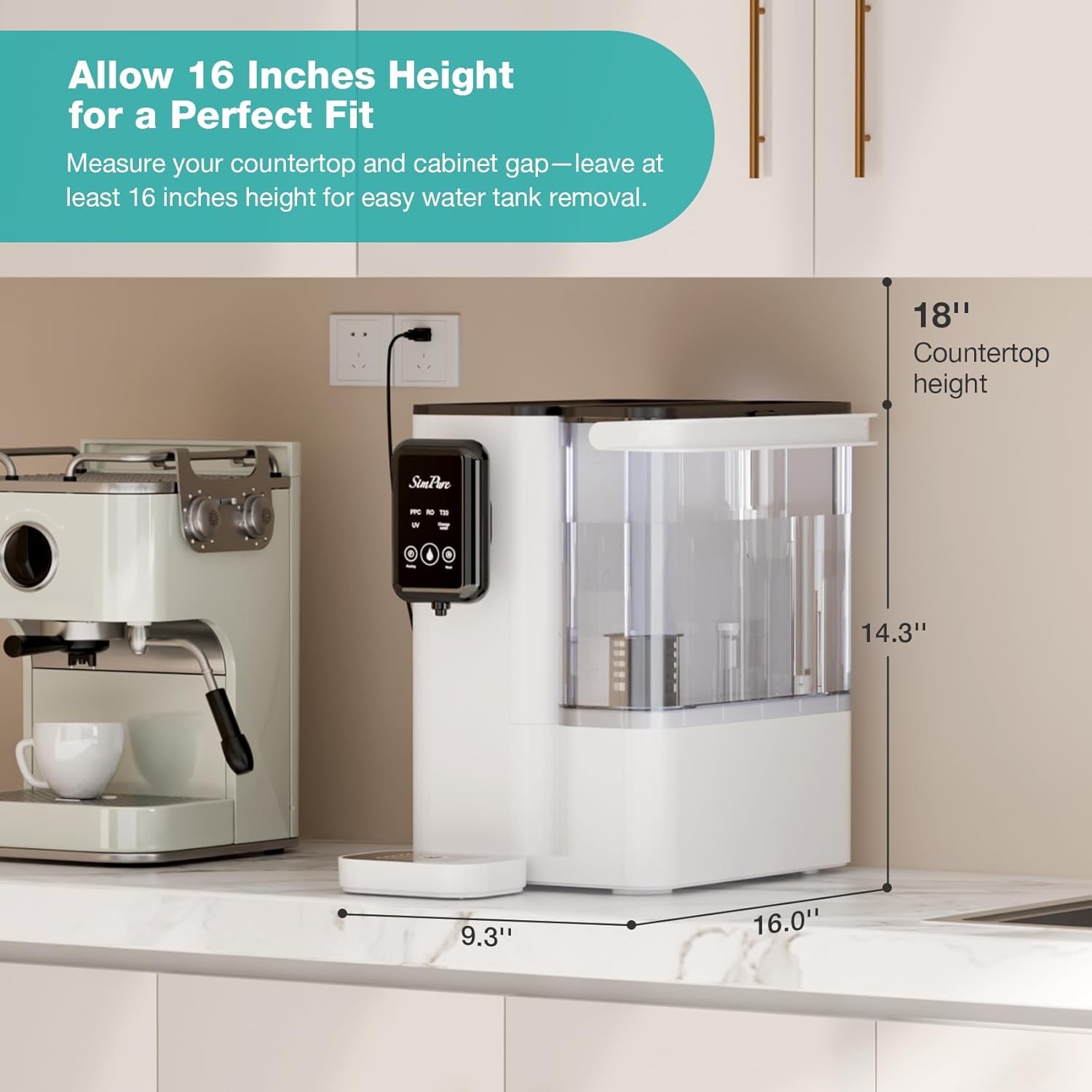
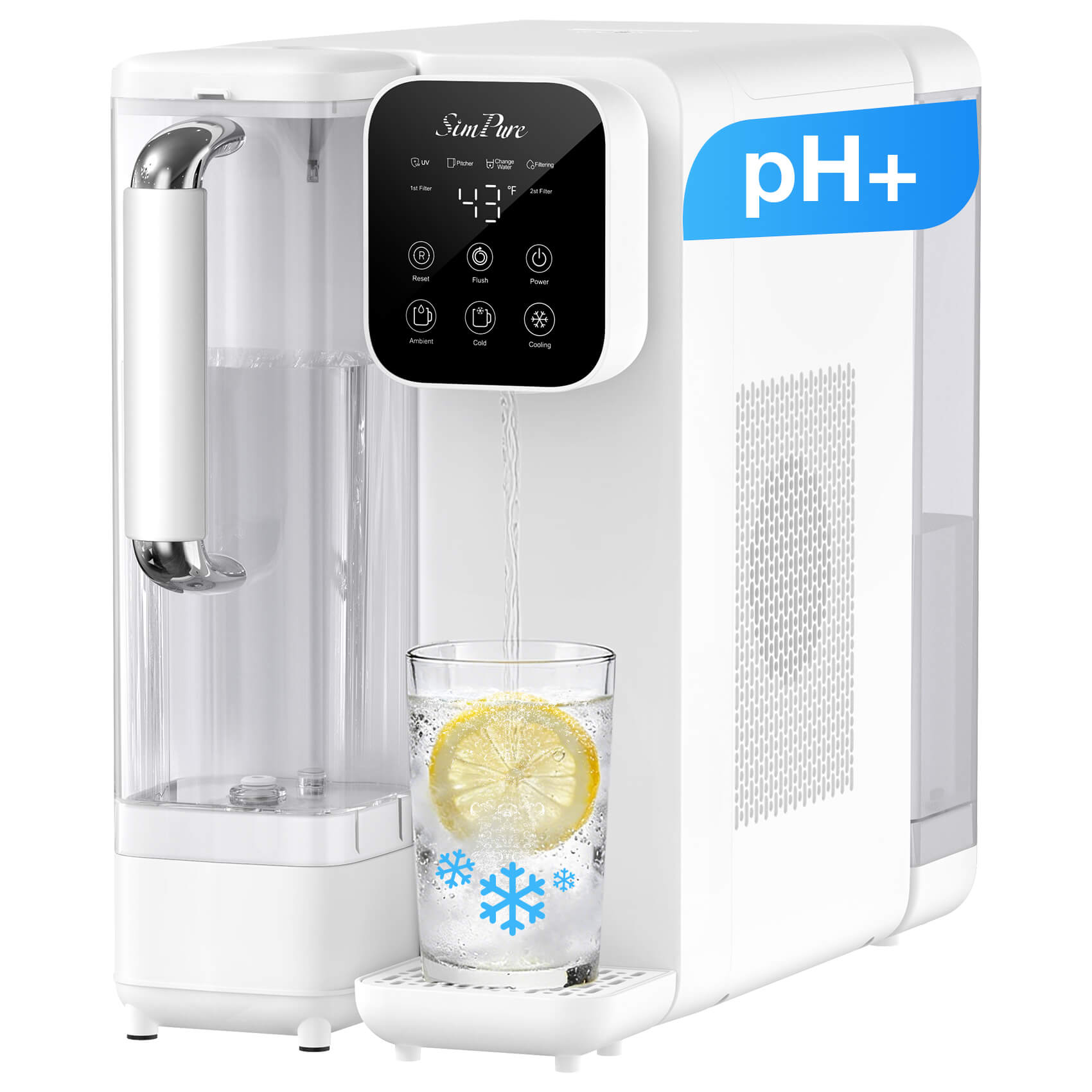
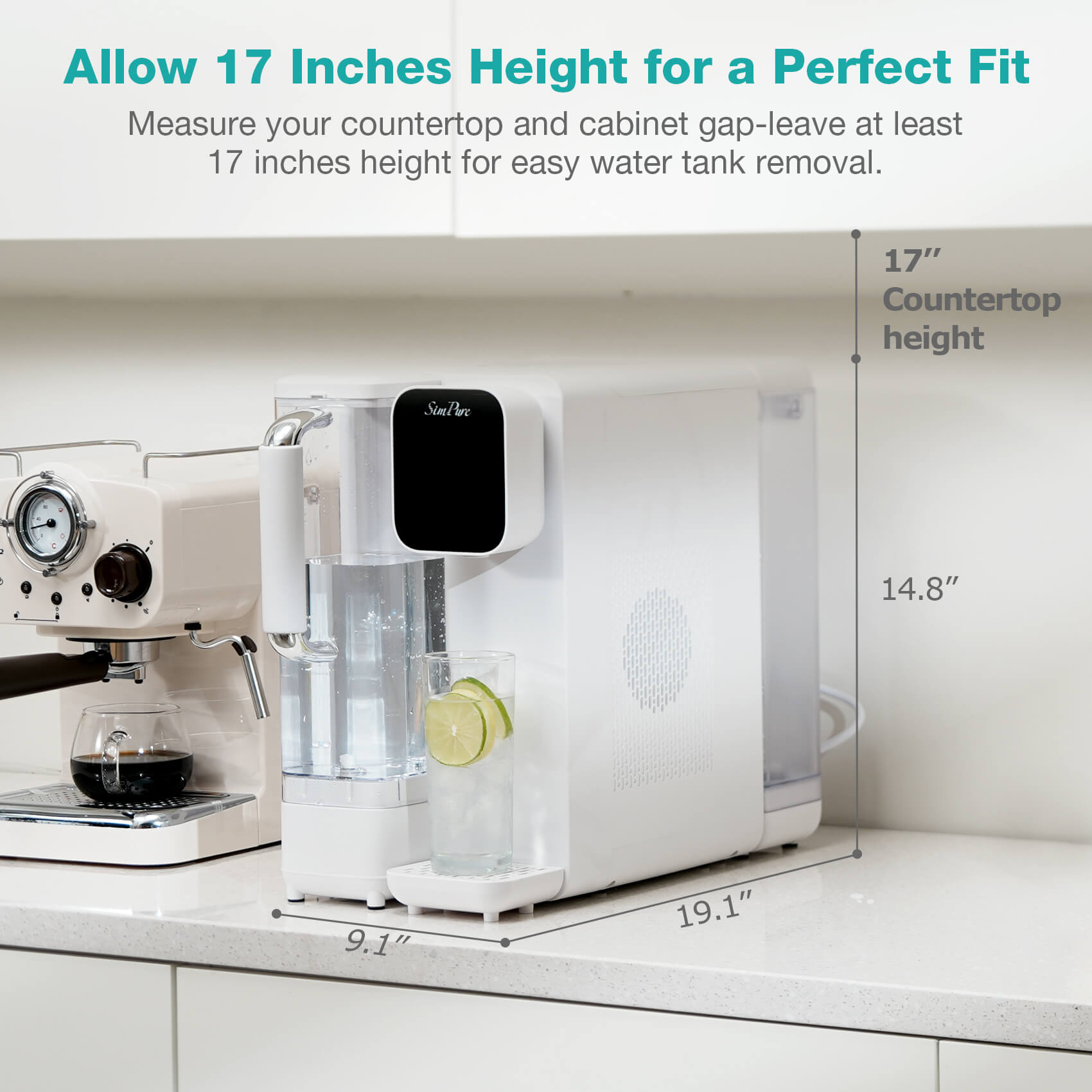
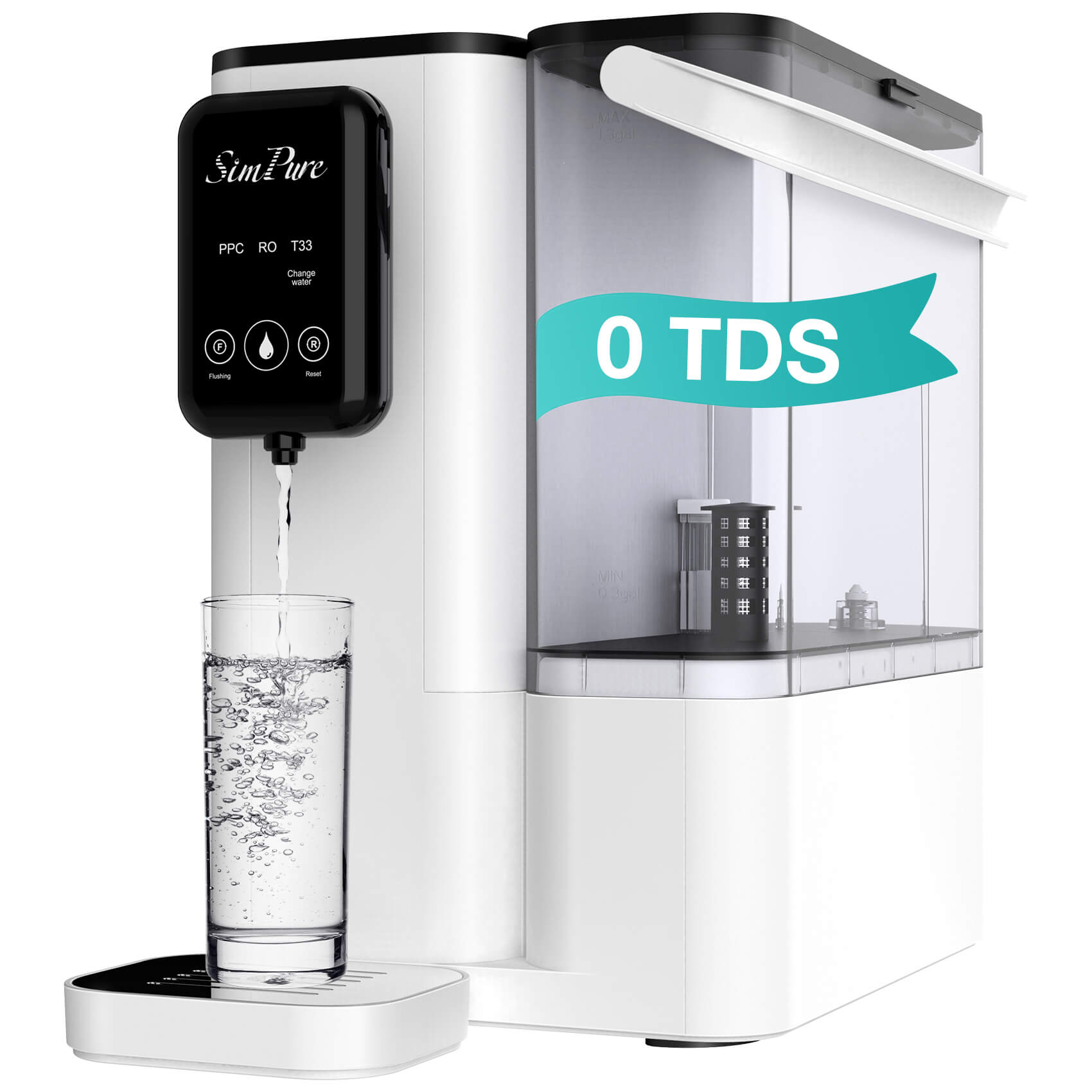
Countertop RO System
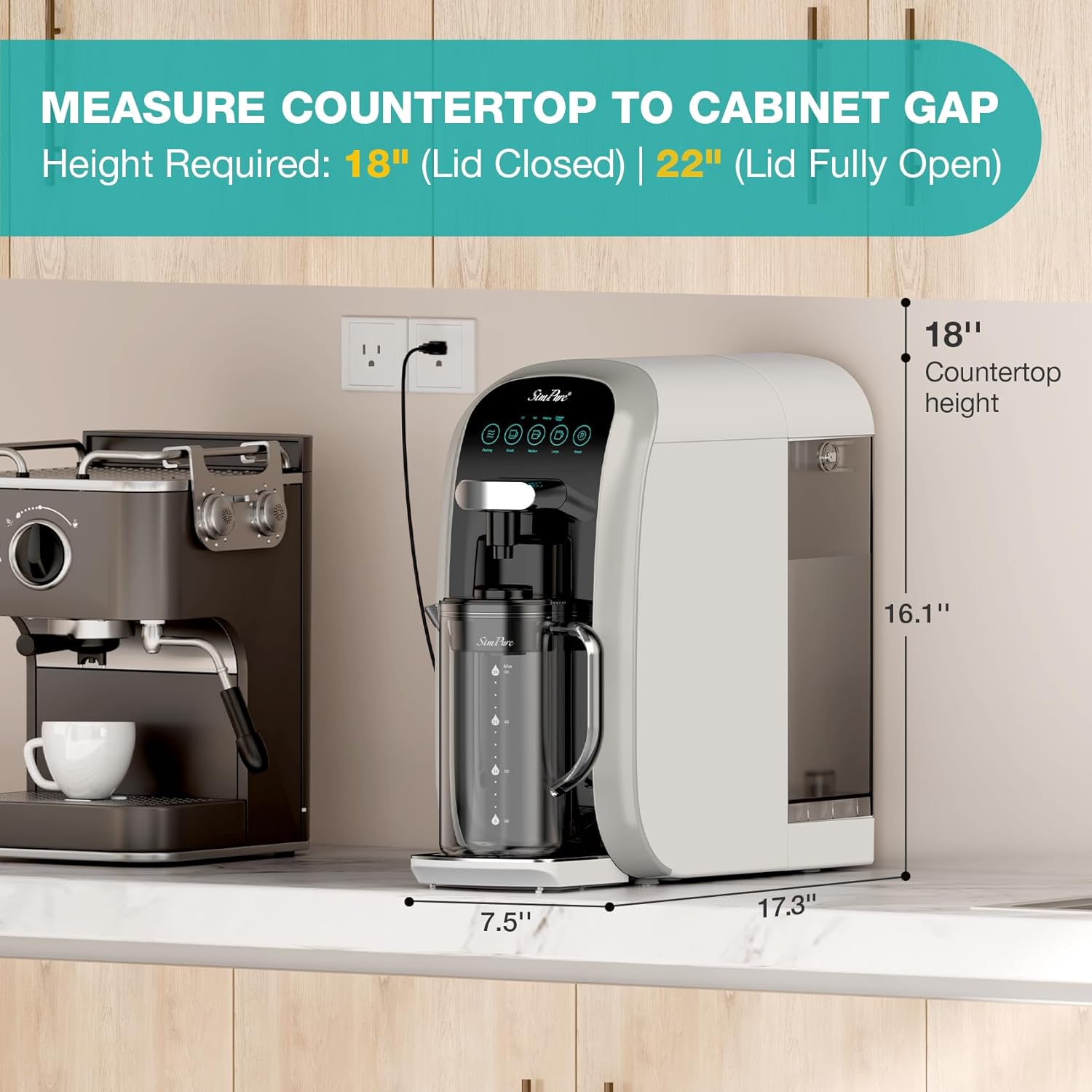
SimPure provides effective PFAS reduction without installation hassle. Ideal for renters or plug-and-play use.
View Countertop Systems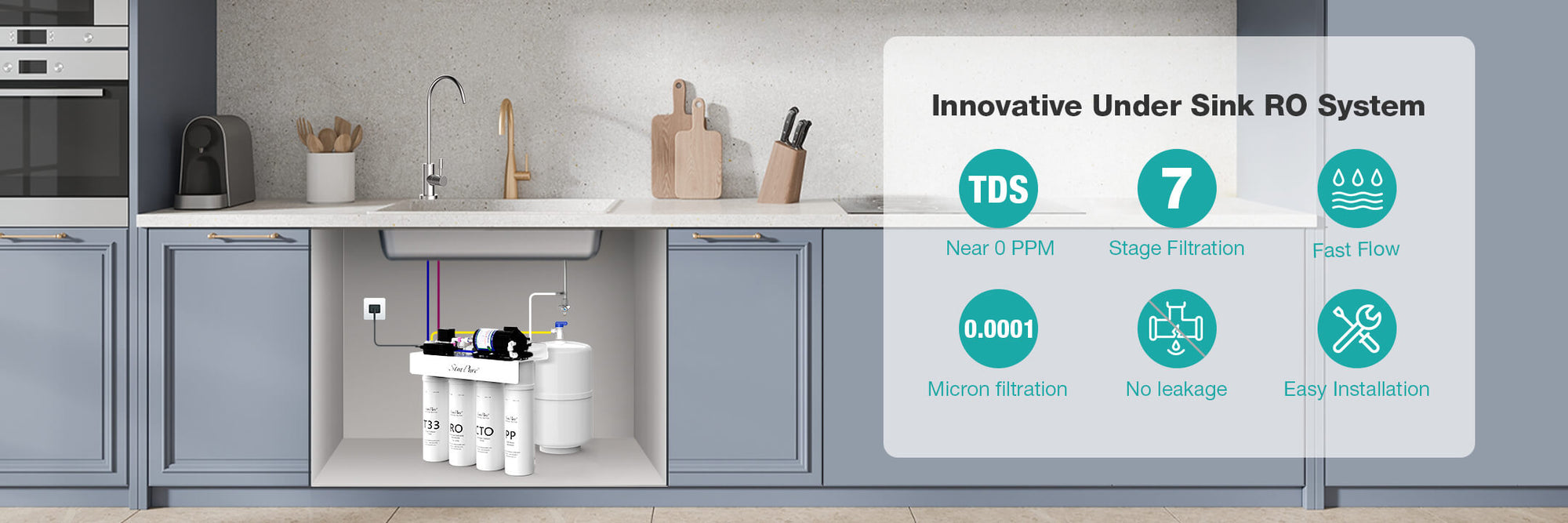
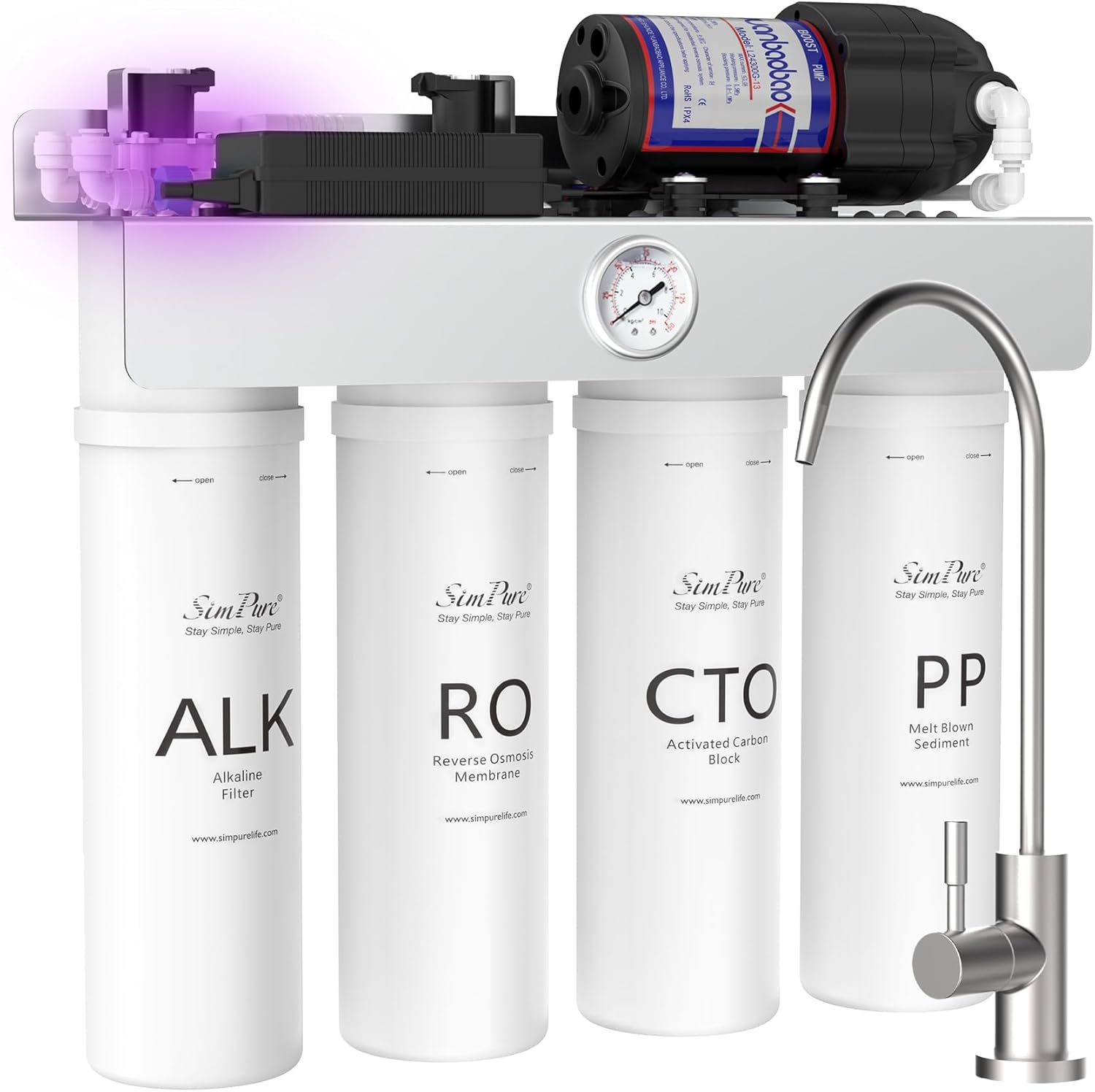
Under-Sink RO System
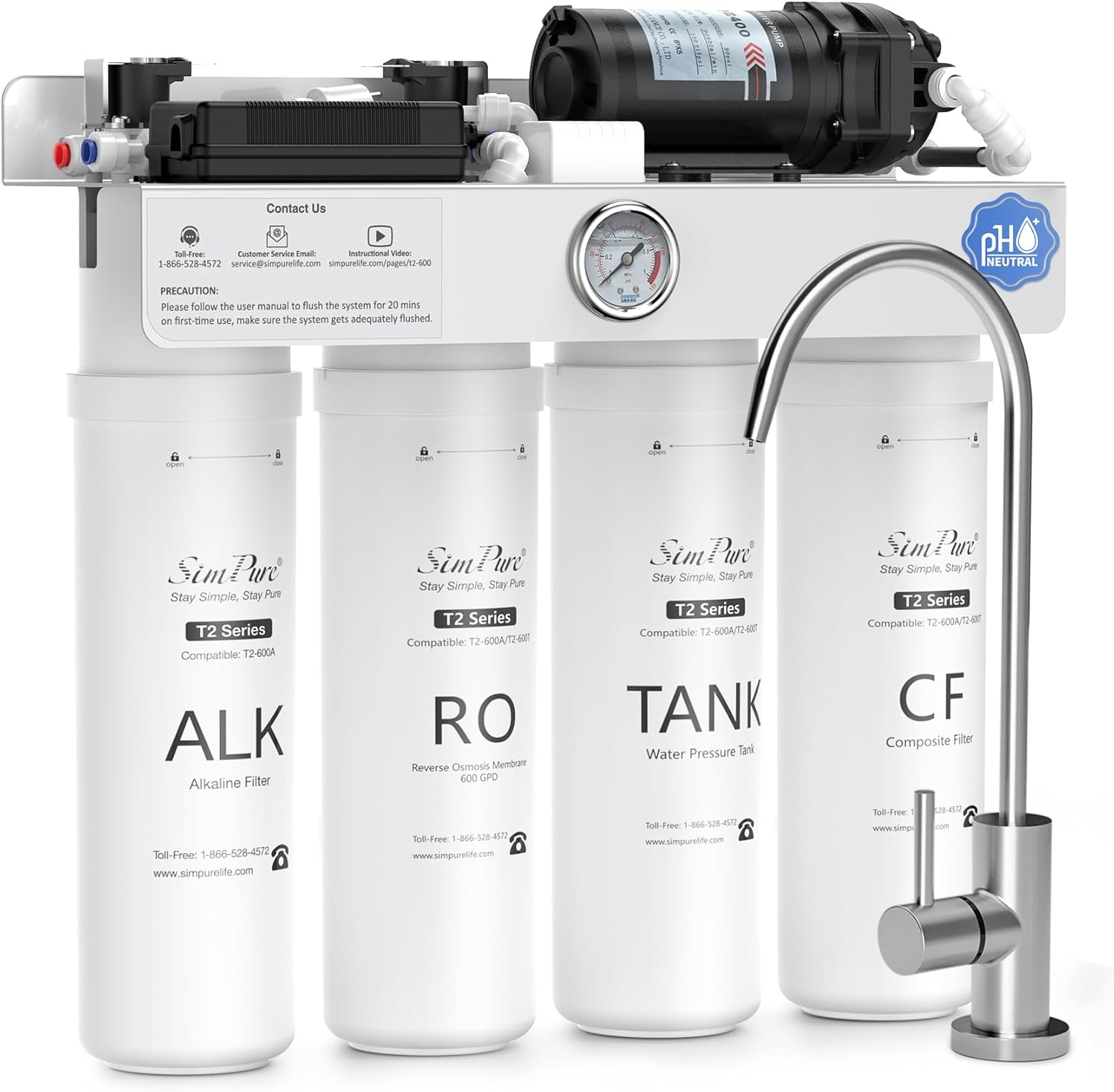
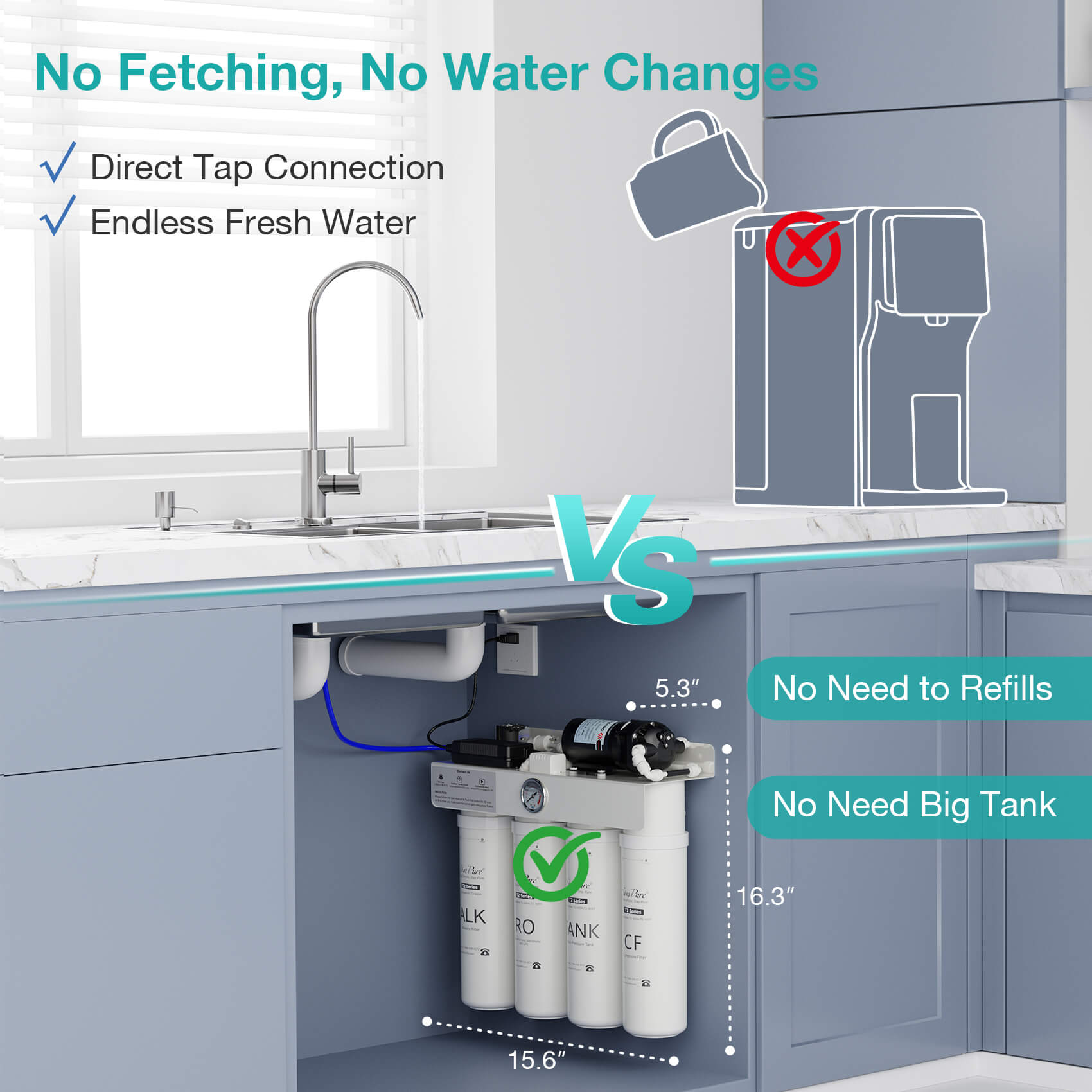
SimPure tankless under-sink system offers continuous PFAS protection for cooking and drinking water with high output.
View Under-Sink Systems
Additional FAQs on PFAS Removal at Home
1. Can activated carbon remove all types of PFAS?
Activated carbon (GAC or PAC) is more effective on long-chain PFAS such as PFOA and PFOS. Short-chain PFAS are harder to remove and may require RO or specialized filtration media.
2. How can I test my water for PFAS at home?
PFAS cannot be detected by taste, smell, or clarity. Certified laboratory testing is recommended. Some states provide PFAS testing services or certified home test kits.
3. Are countertop RO systems as effective as under-sink systems?
Countertop RO systems are effective for point-of-use filtration and PFAS removal but typically have smaller capacity. Under-sink systems often provide higher output and continuous filtration for the whole kitchen.
4. Does boiling or UV treatment remove PFAS?
No. PFAS are highly stable molecules. Boiling water or standard UV disinfection does not degrade PFAS. Only advanced filtration technologies like RO or specialized adsorption media are effective.
5. How do I maintain my RO system for optimal PFAS removal?
Regular filter replacement, cleaning, and checking the membrane according to manufacturer instructions ensure consistent PFAS removal efficiency.
6. Can PFAS accumulate in well water even if it looks clean?
Yes. PFAS are invisible and odorless. Private wells near industrial sites, military bases, or landfills can have PFAS contamination even if water appears clear.
7. Are there certified standards for PFAS removal in home filters?
Yes. Look for NSF/ANSI certifications relevant to PFAS or chemical reduction. Some products also undergo SGS or independent lab testing for multi-contaminant removal, including PFAS.
Conclusion
PFAS are challenging to remove with basic methods, but point-of-use filtration technologies such as RO and high-quality carbon filters can significantly reduce exposure. Homeowners should assess local water quality, select appropriate filtration systems, and maintain filters properly to ensure your drinking water.
References: