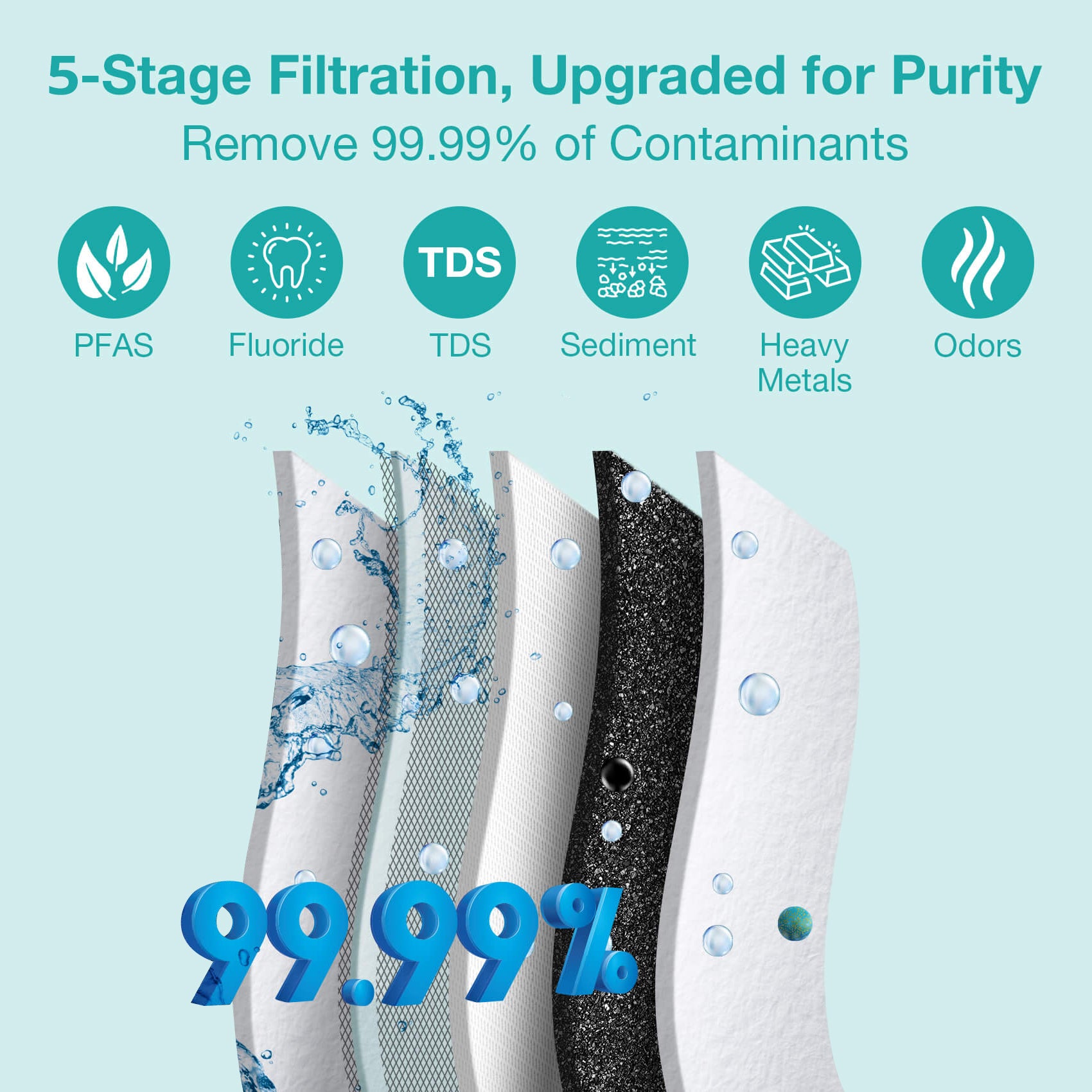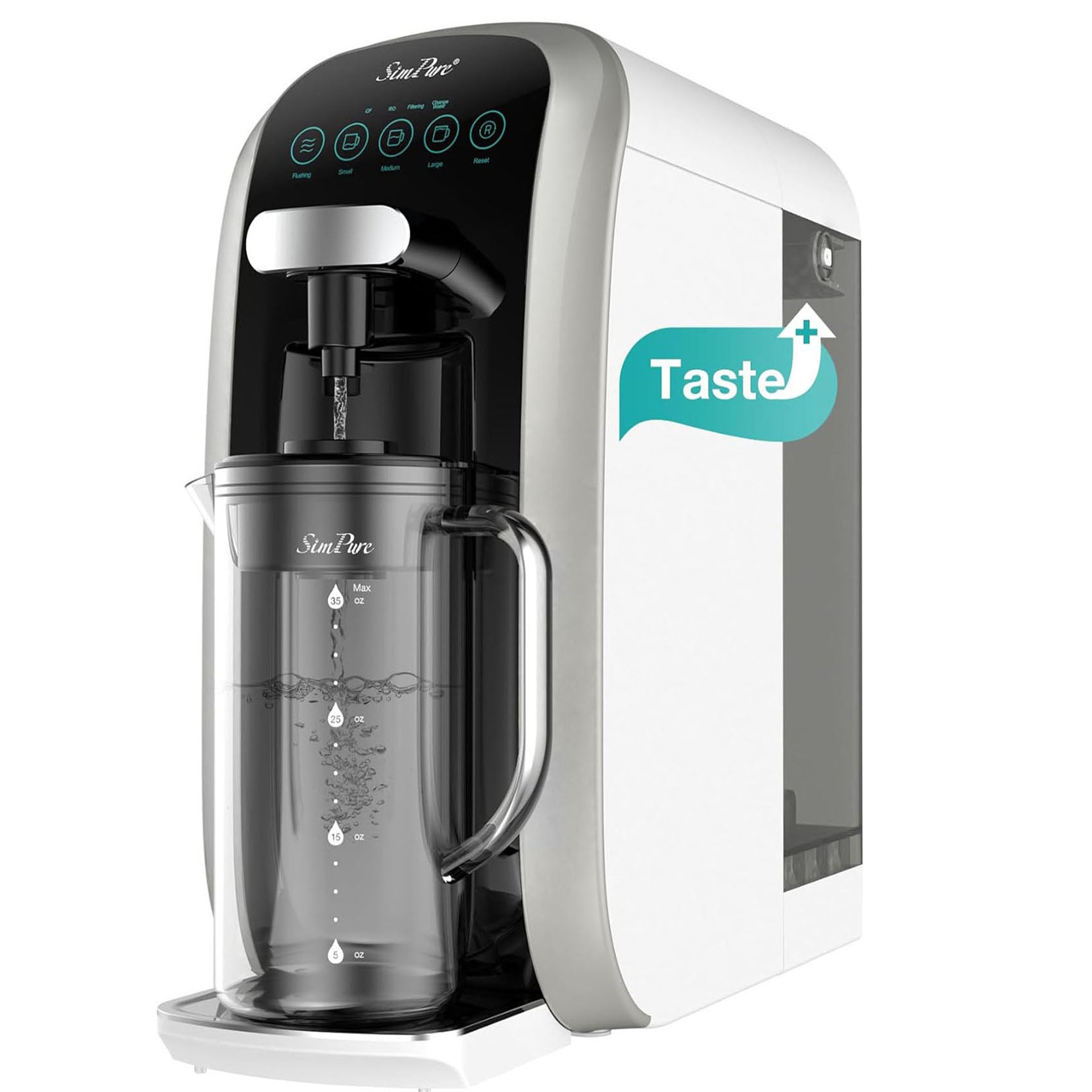
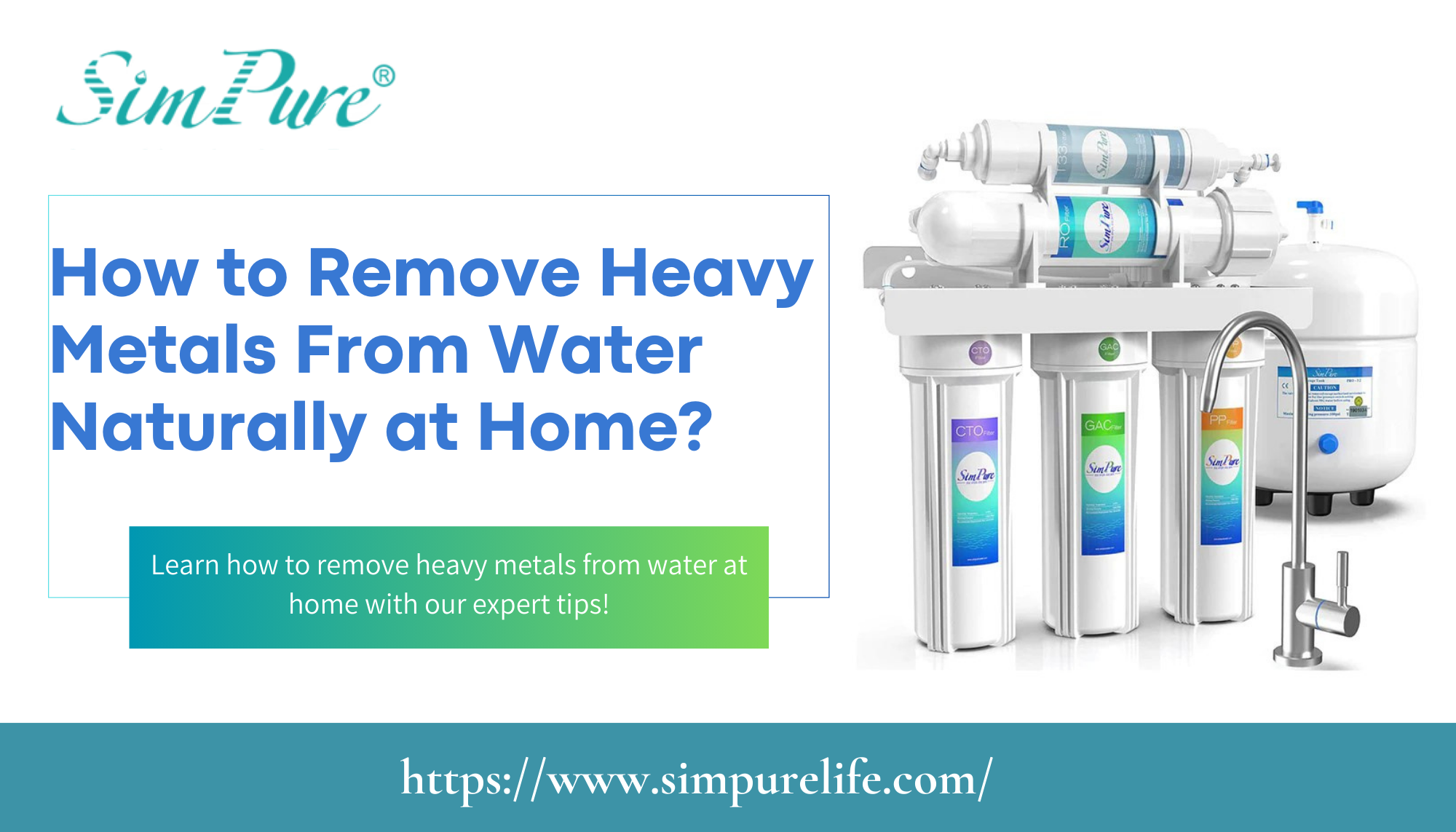
With increasing industrial activity, the presence of heavy metals like lead, mercury, and arsenic in tap water has become a growing concern for many households. Finding a reliable way to manage these impurities at home is essential for maintaining high-quality hydration for your family.
Effective Methods to Target Heavy Metals in Water
While there are several technical approaches, the effectiveness varies significantly depending on the filtration medium used.
1. Reverse Osmosis Membrane Separation
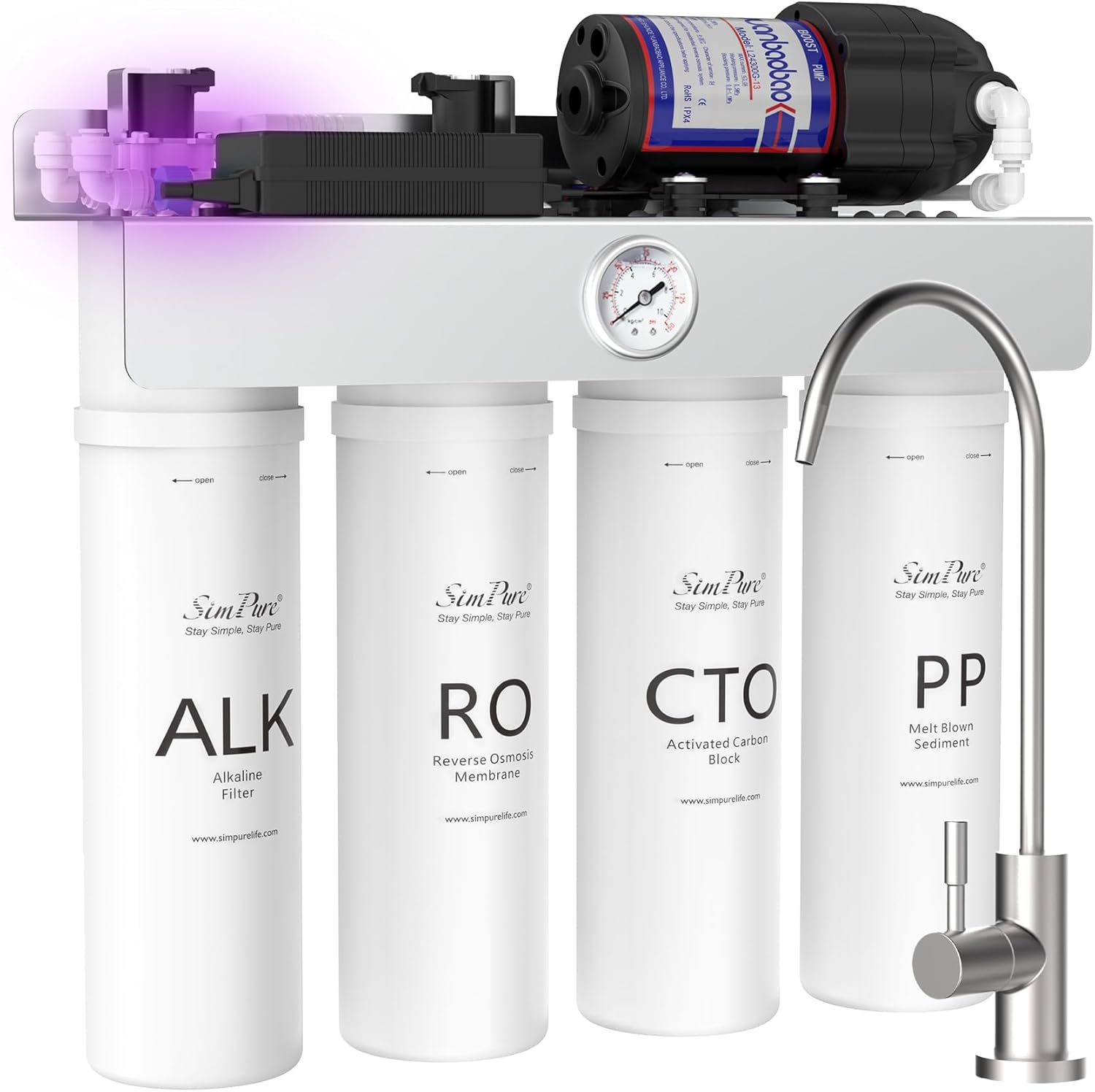
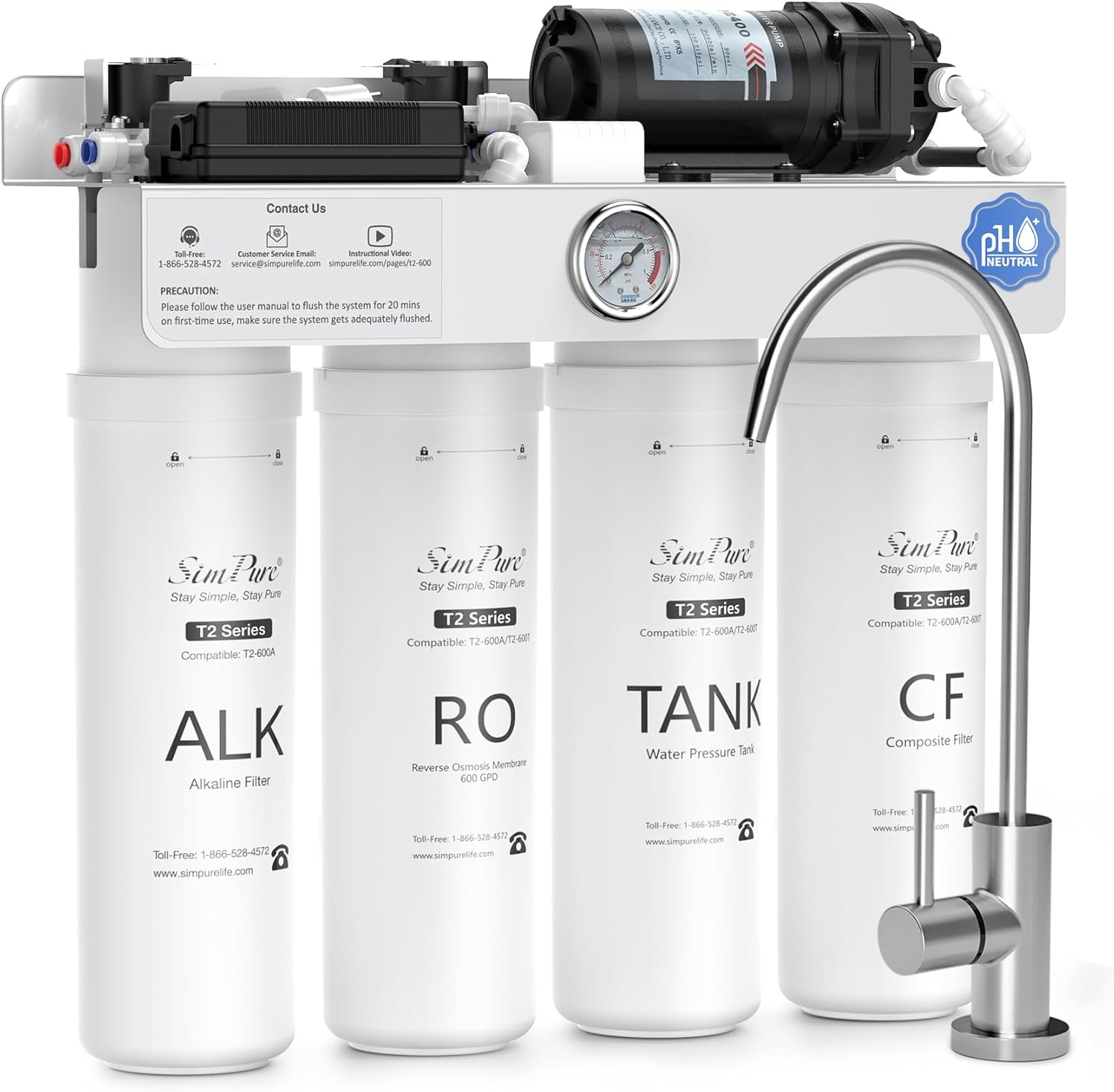
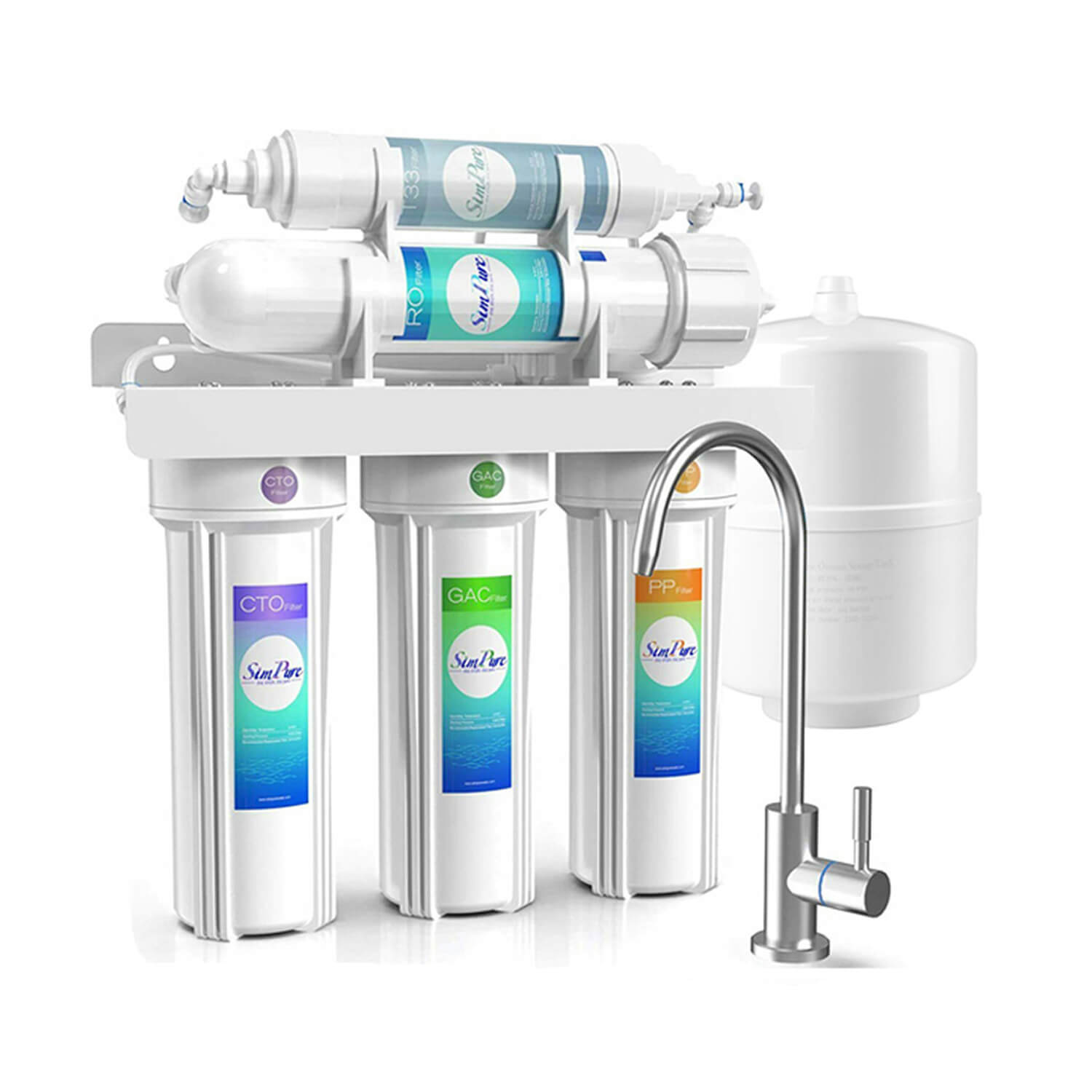
Reverse Osmosis is widely regarded as the most dependable residential technology for heavy metal reduction. With a filtration precision of 0.0001 microns, the RO membrane physically blocks metal ions, allowing only water molecules to pass through. It typically offers a reduction rate of 97% to 99% for lead, chromium, and cadmium.
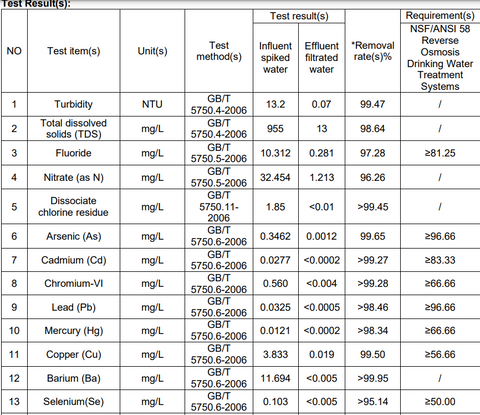
Verified Performance: SimPure RO systems are tested for rigorous pollutant reduction by SGS.
2. KDF (Kinetic Degradation Fluxion)
KDF is a high-purity copper-zinc alloy that utilizes an electrolytic replacement process. As water passes through the medium, a micro-electrochemical reaction occurs, exchanging electrons with heavy metal ions like lead and mercury. This converts them into harmless solids or bonds them to the medium, providing an efficient, wastewater-free solution.
3. Ion Exchange Resins
This method involves specialized resins that attract and "trap" heavy metal ions in exchange for sodium or hydrogen ions. It is highly effective for softening water and targeting specific dissolved metals, though the resin requires regular replacement to maintain its quality performance.
4. Activated Carbon Adsorption
Activated carbon utilizes a vast network of micro-pores to adsorb contaminants. While excellent for removing odors and chlorine, its ability to target heavy metals is limited unless specifically treated or combined with other media like KDF or RO membranes.
Contrary to popular belief, boiling water does not remove heavy metals. In fact, as water evaporates during boiling, the concentration of lead, arsenic, and nitrates actually increases. Physical filtration is the only reliable way to reduce metal content at home.
Verified Results for Your Peace of Mind
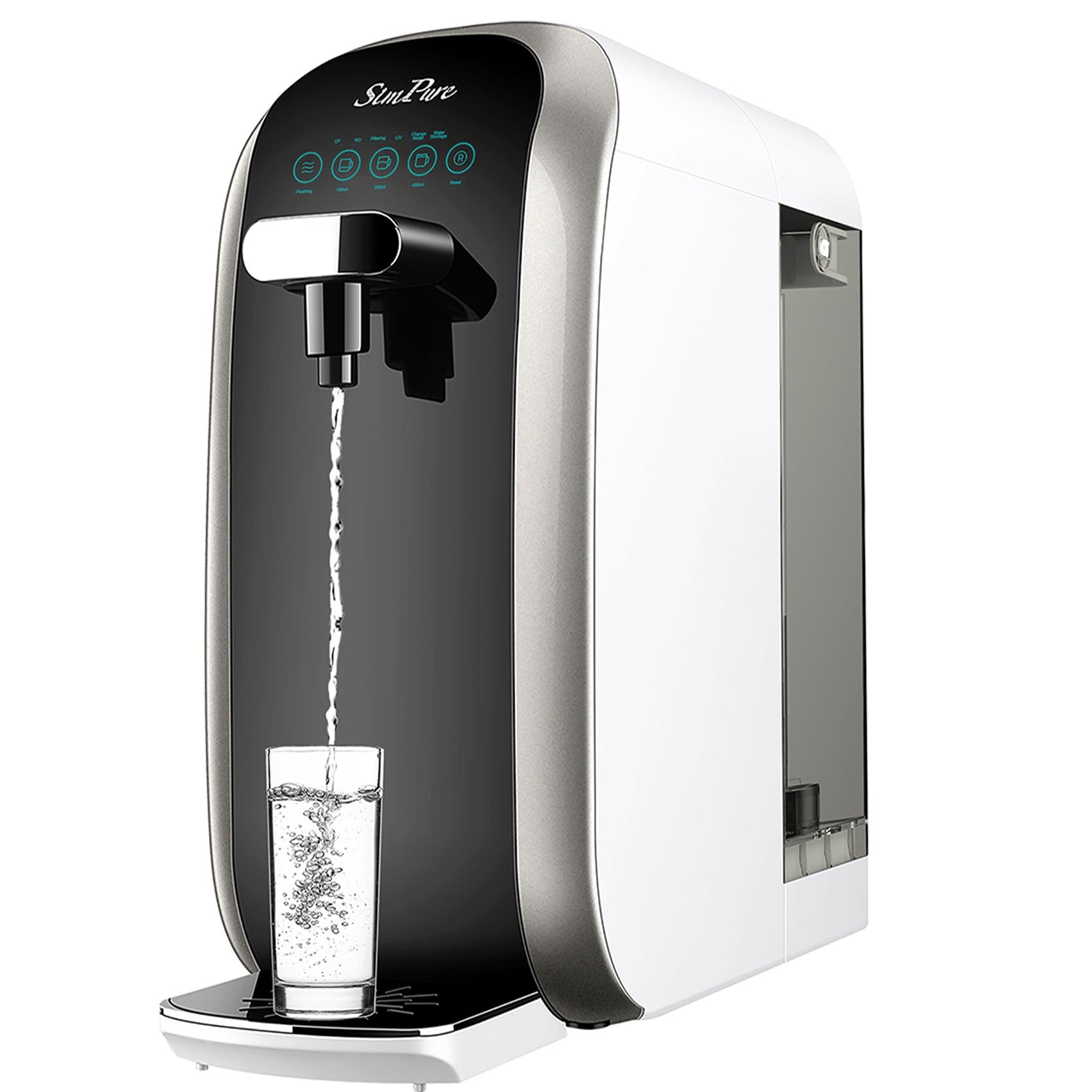
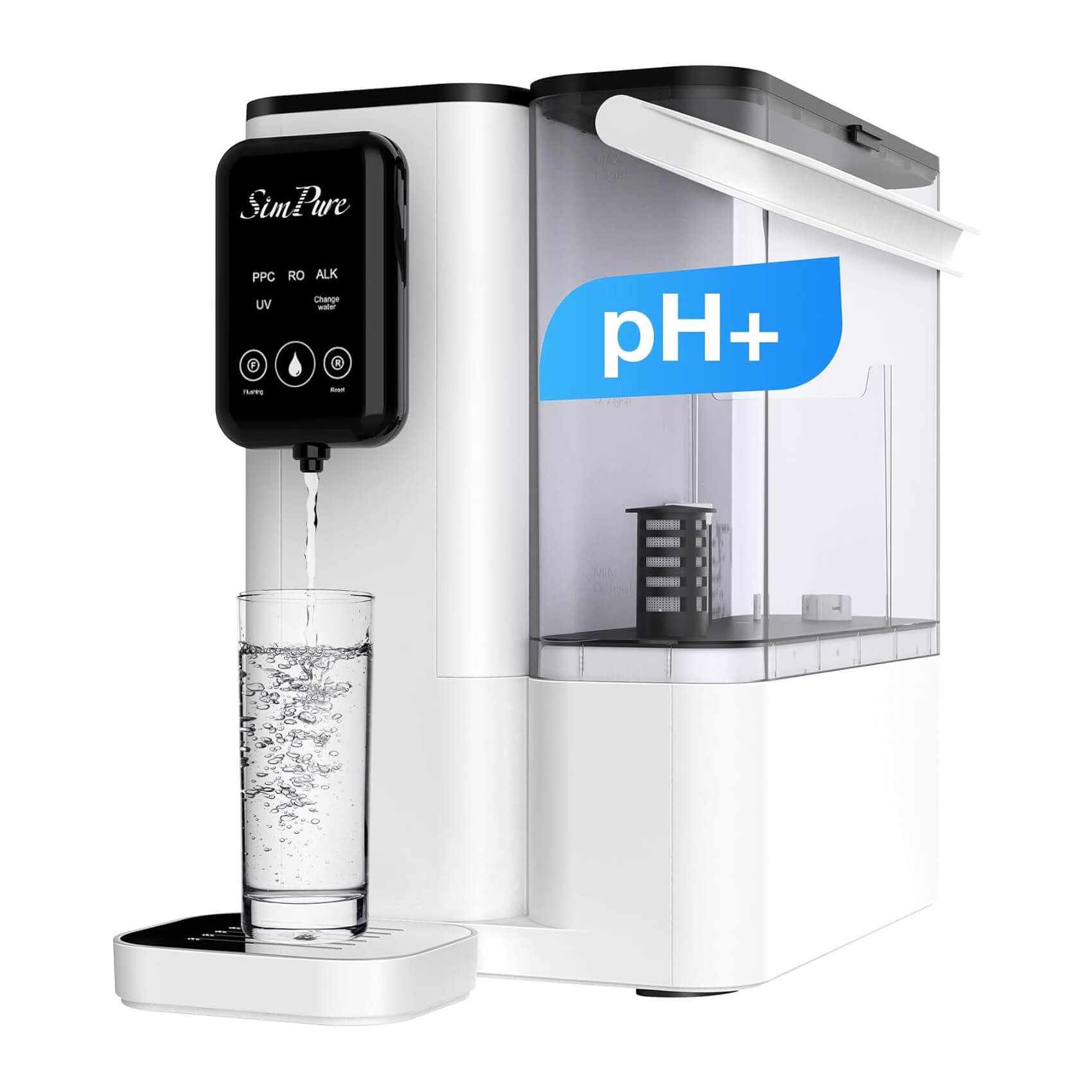
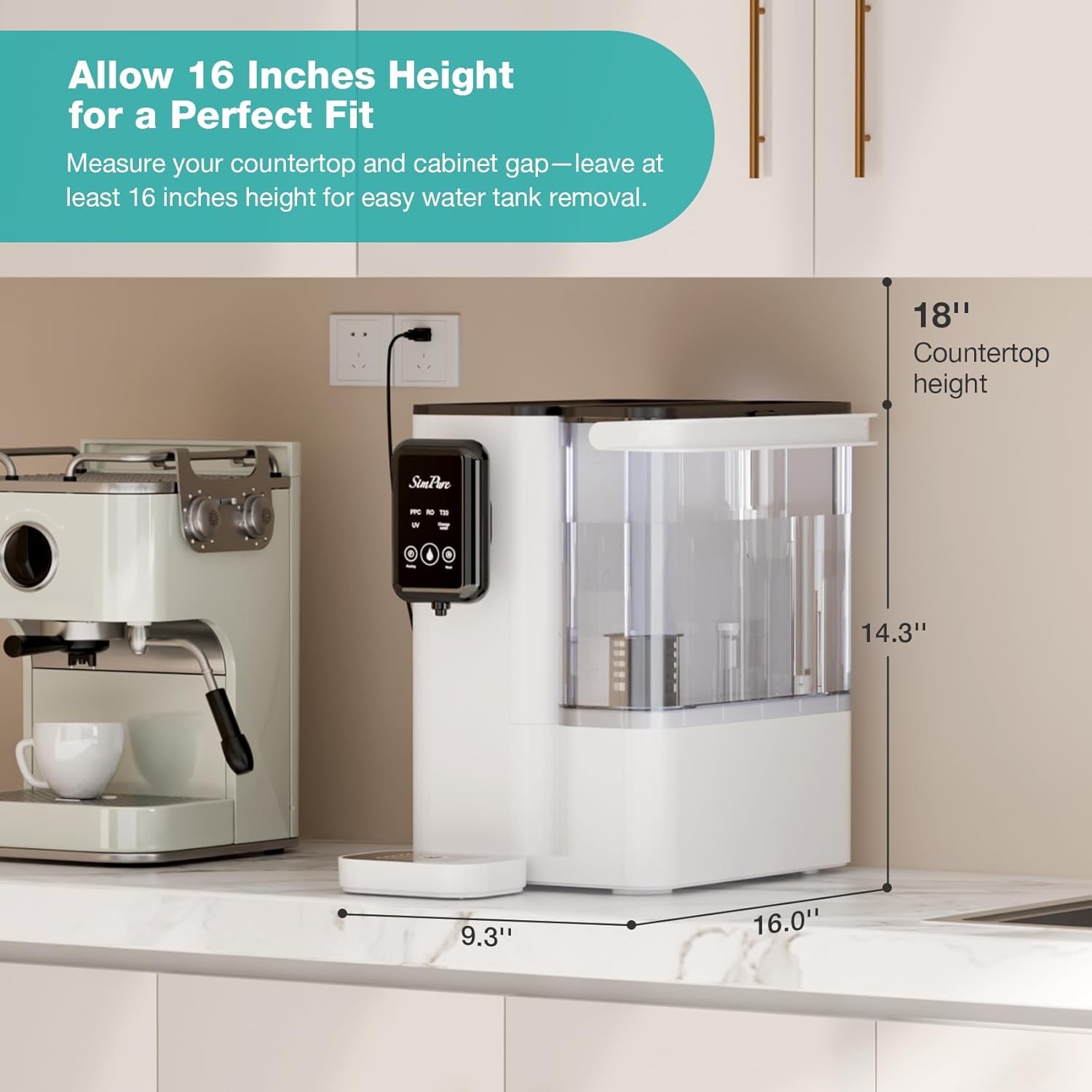
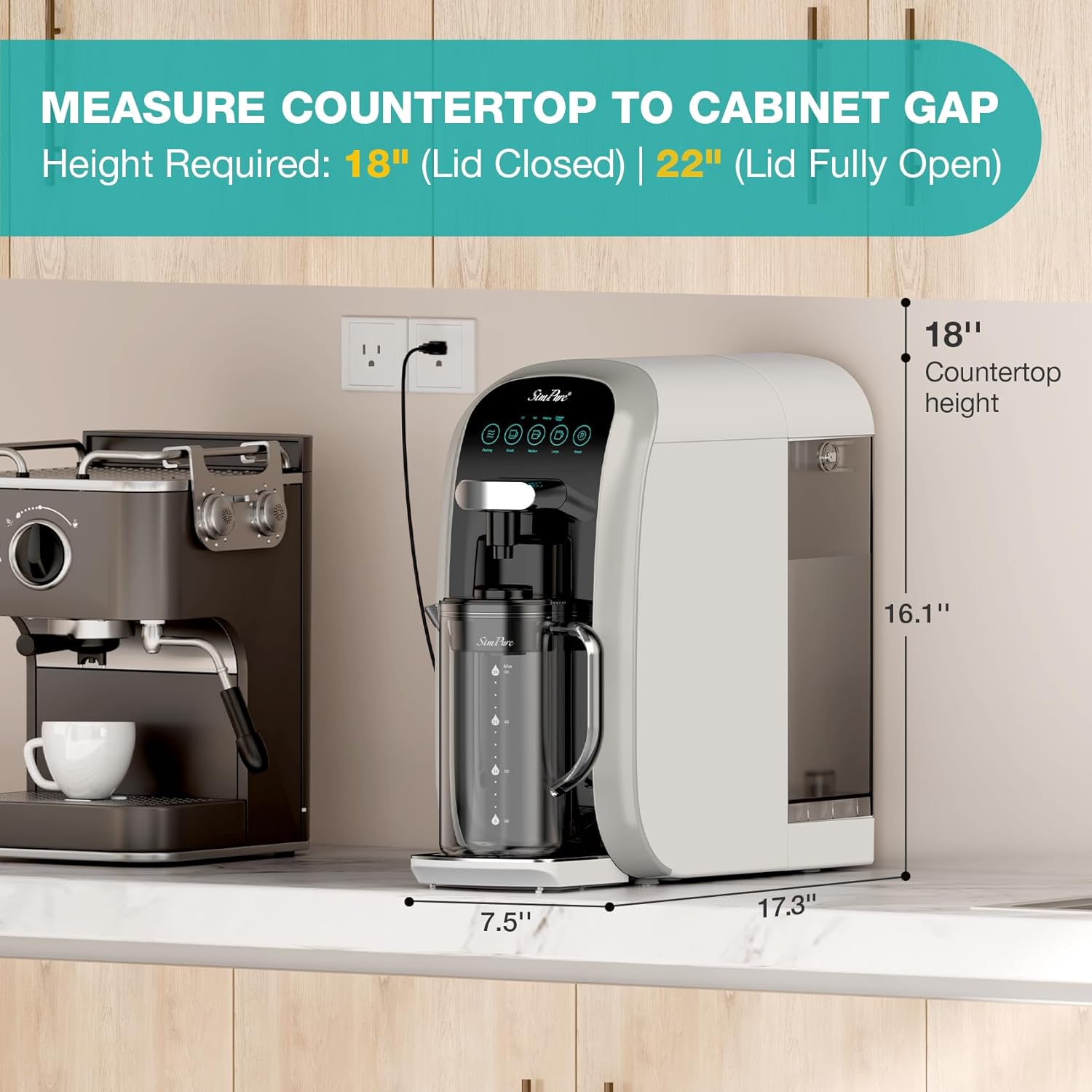
When selecting a system, always look for independent laboratory verification. For instance, the SimPure Y7P RO System has been subjected to rigorous SGS testing to confirm its superior efficiency in targeting various dissolved solids and metals.
Conclusion: Choosing the Right Filter
While chelating agents or "natural" fixes are often discussed, they are rarely practical for daily household use. For consistent and dependable results, a multi-stage heavy metal water filter remains the gold standard.
Ready to upgrade your home water quality?
Explore Reliable RO Solutions →