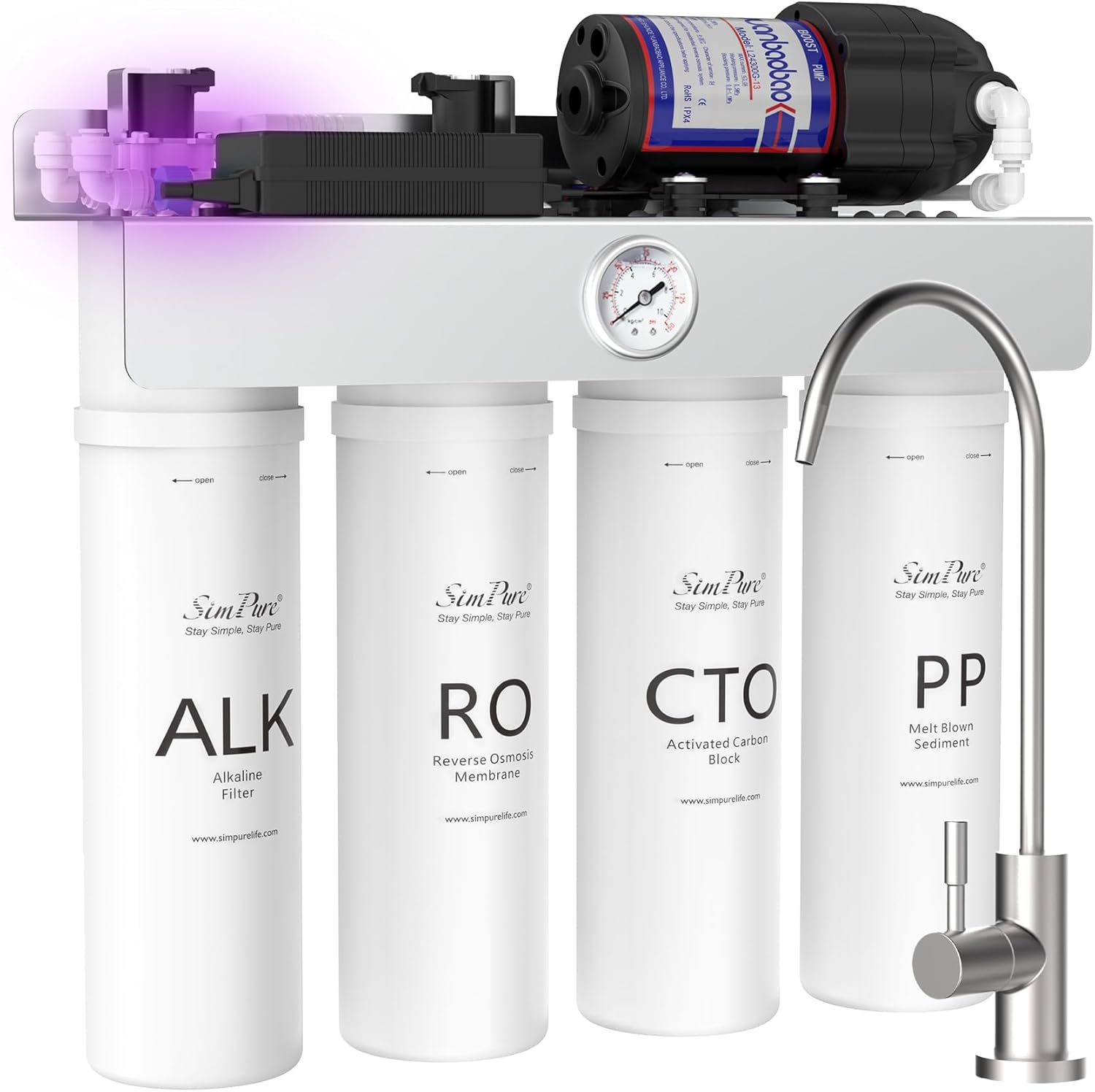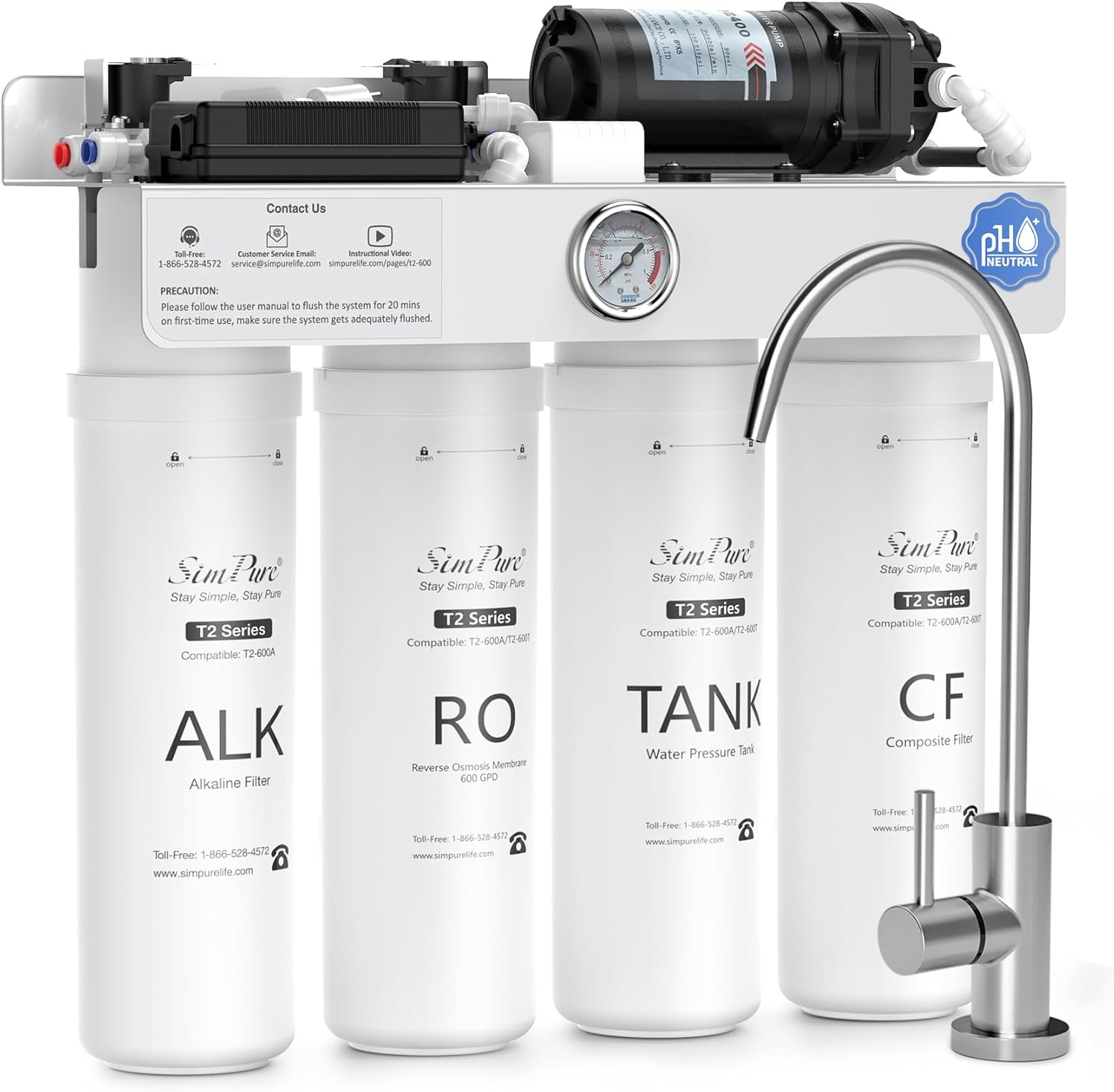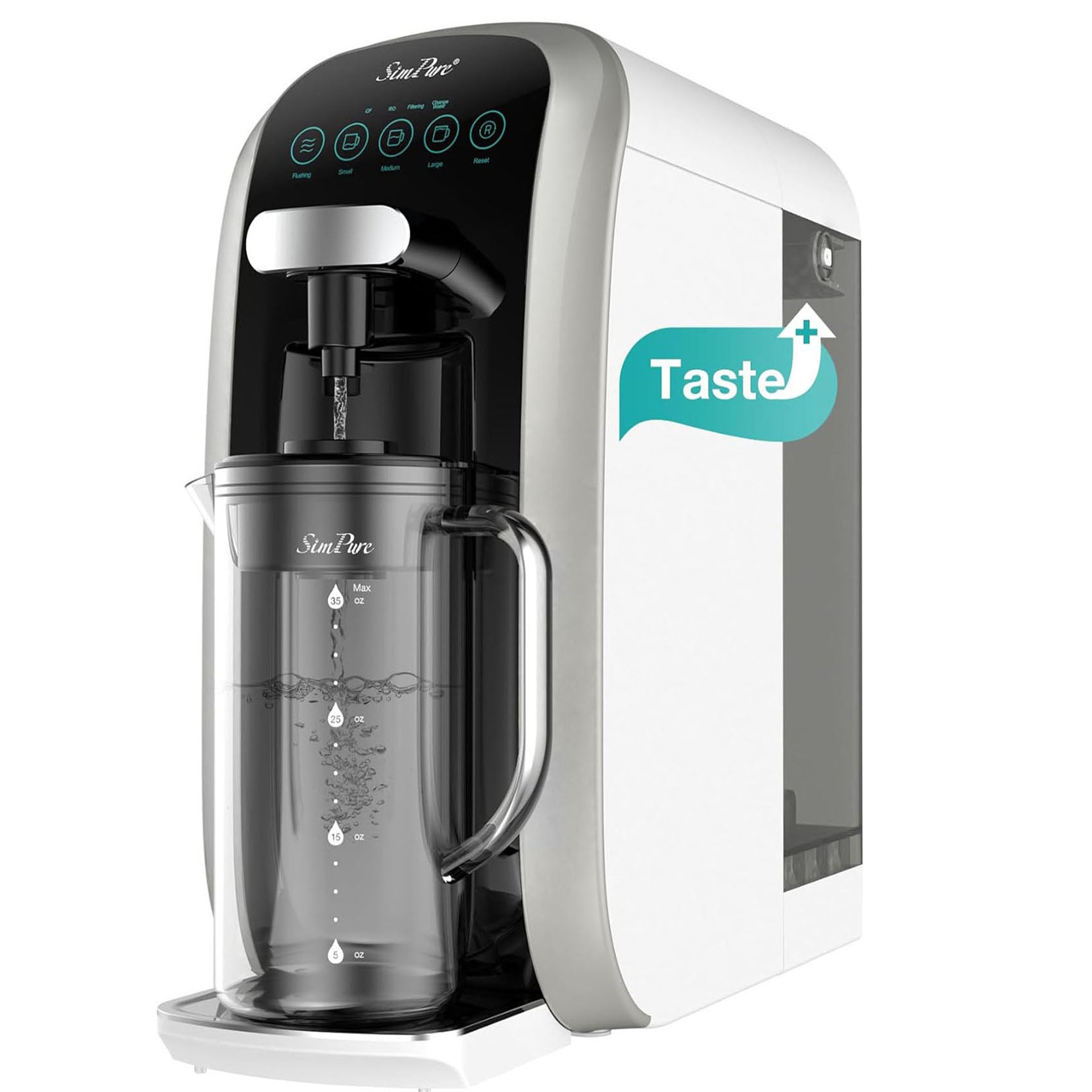
As the demand for high-quality water filtration continues to rise, more households and industrial facilities are relying on advanced high-performance Reverse Osmosis Systems. The heart of these systems is the RO membrane—a sophisticated component that requires regular upkeep to maintain optimal efficiency. Whether in a residential kitchen or a large-scale industrial setting, knowing how to flush an RO membrane correctly is vital for extending its service life and ensuring consistent flow.

When Does Your RO Membrane Require Cleaning?
Over time, various impurities—including calcium carbonate, metal oxides, and organic matter—can accumulate on the membrane surface. If these are not addressed through regular flushing cycles, the performance of your replacement RO membrane element will decline, eventually leading to permanent damage. You should consider a thorough cleaning if you notice the following indicators:
- The permeate flow rate drops by 10-15% under normal operating pressure.
- Supply pressure must be increased by 10-15% to maintain standard flow.
- Salt passage (TDS levels in filtered water) increases by 10-15%.
- A noticeable increase in the pressure differential between the inlet and concentrate stages.
Method 1: Physical Flushing & Mechanical Scouring
Physical cleaning involves using high-velocity turbulence or mechanical scouring to dislodge particulate matter from the membrane surface. Techniques such as gas-water mixing or ultrasonic vibrations can effectively loosen adsorbed pollutants without the use of chemicals.
Note: While effective for surface debris, improper physical cleaning can lead to mechanical stress on the fragile membrane layers. It is best used as a preventative measure rather than a deep-cleaning solution.
Method 2: Chemical Cleaning for Deep Restoration
Chemical cleaning involves using specific reagents to react with and dissolve stubborn scale and organic buildup. This process is typically broken down into four essential stages:
1. Reagent Preparation
Determine the correct chemical formula based on the type of contaminants present (e.g., acidic solutions for mineral scale). Use filtered product water to mix the cleaning agents, ensuring the pH level is adjusted to the manufacturer's specified range.
2. The Rinsing Phase
An initial rinse brushes away loose surface sediment. After the chemical soak, a final rinse is mandatory to ensure all cleaning agents are fully discharged from the system before resuming regular use.
3. The Soaking Phase
This is the critical step where the chemical solution sits within the membrane housing. This allows enough time for the reagents to penetrate and break down complex pollutants and biological buildup.
4. The Circulation Phase
By circulating the solution, you create dynamic contact between the chemicals and the membrane surface. The resulting friction and shearing force help achieve superior cleaning results.
Conclusion: Protecting Your Investment
Regular maintenance of your high-precision RO membrane ensures that your system continues to provide refreshing, high-quality water for years to come. By combining physical flushing with periodic chemical deep-cleaning, you can maximize the efficiency of your home RO water filtration system.