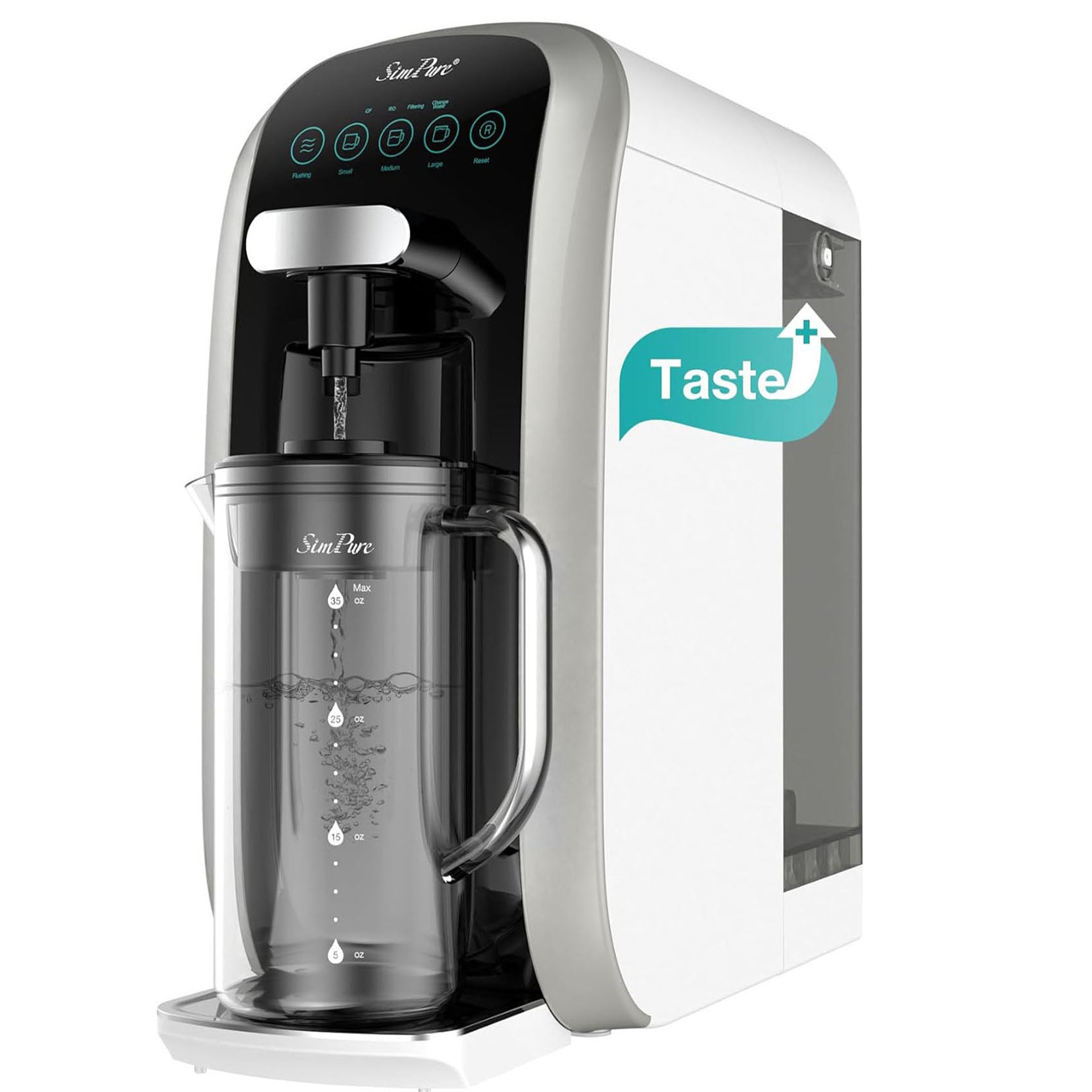

A good water filter is defined by its filtration precision (typically 0.0001μm for RO), the quality of its filter media (such as acid-washed coconut shell carbon), and independent certifications like NSF/ANSI 42, 53, or 58. High-quality systems prioritize multi-stage contaminant removal while ensuring user-friendly maintenance and high water efficiency.
Based on our engineering standards, a filter's effectiveness is only as good as its housing and seals. We've observed that "bargain" filters often use low-grade plastics that can leach BPA or phthalates back into the purified water. Always verify that your system uses food-grade, BPA-free materials and 100% pure coconut shell carbon for the best adsorption performance.
What Makes a Good Water Filter? 8 Essential Factors
1. Precision Filtration Technology
The "heart" of any system is its membrane. While microfiltration and ultrafiltration are suitable for basic sediment and bacteria, Reverse Osmosis remains the industry benchmark with a precision of 0.0001μm. This allows for the removal of dissolved solids, heavy metals, and fluoride that other filters miss.
2. Multi-Stage Synergy
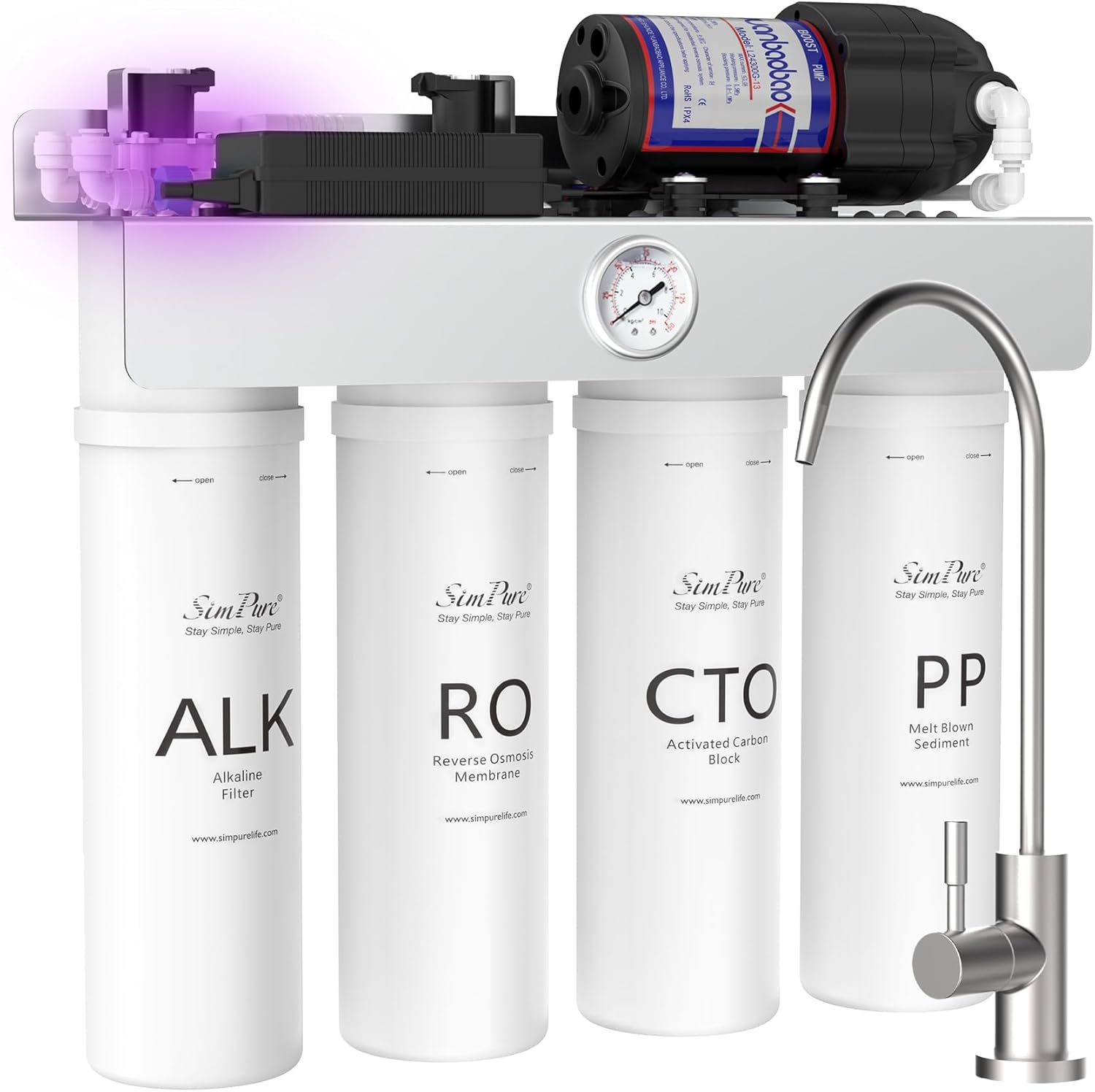
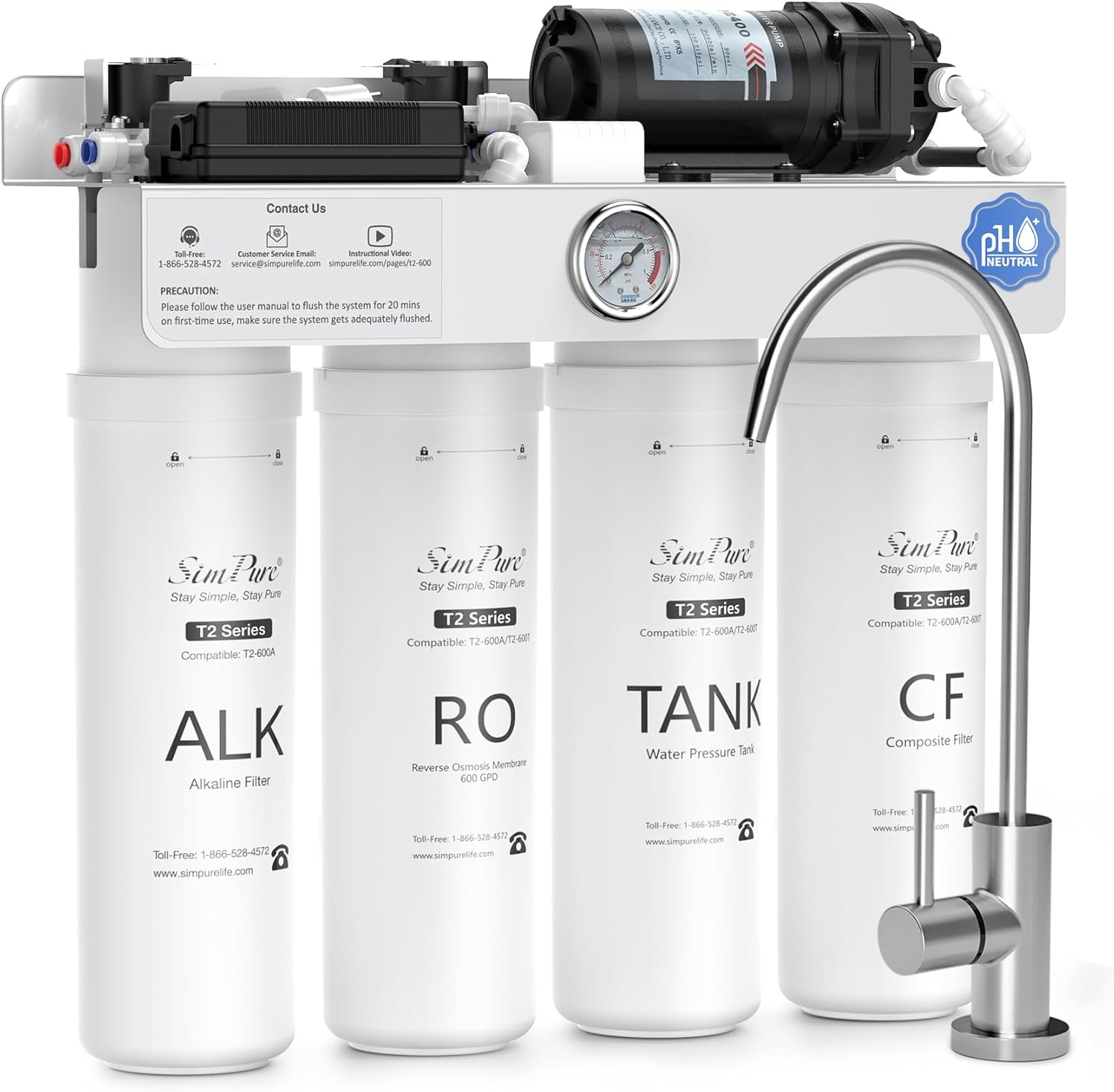
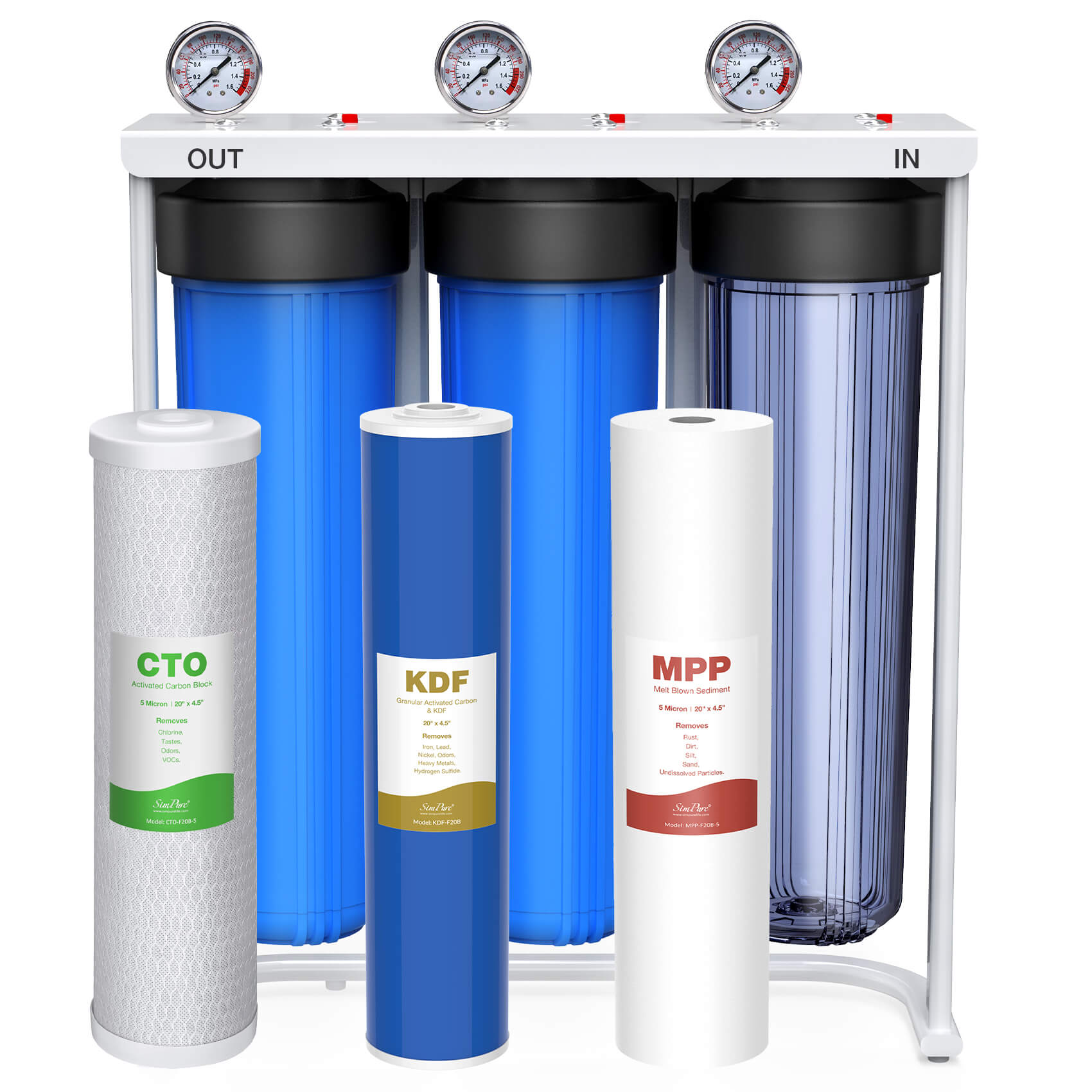
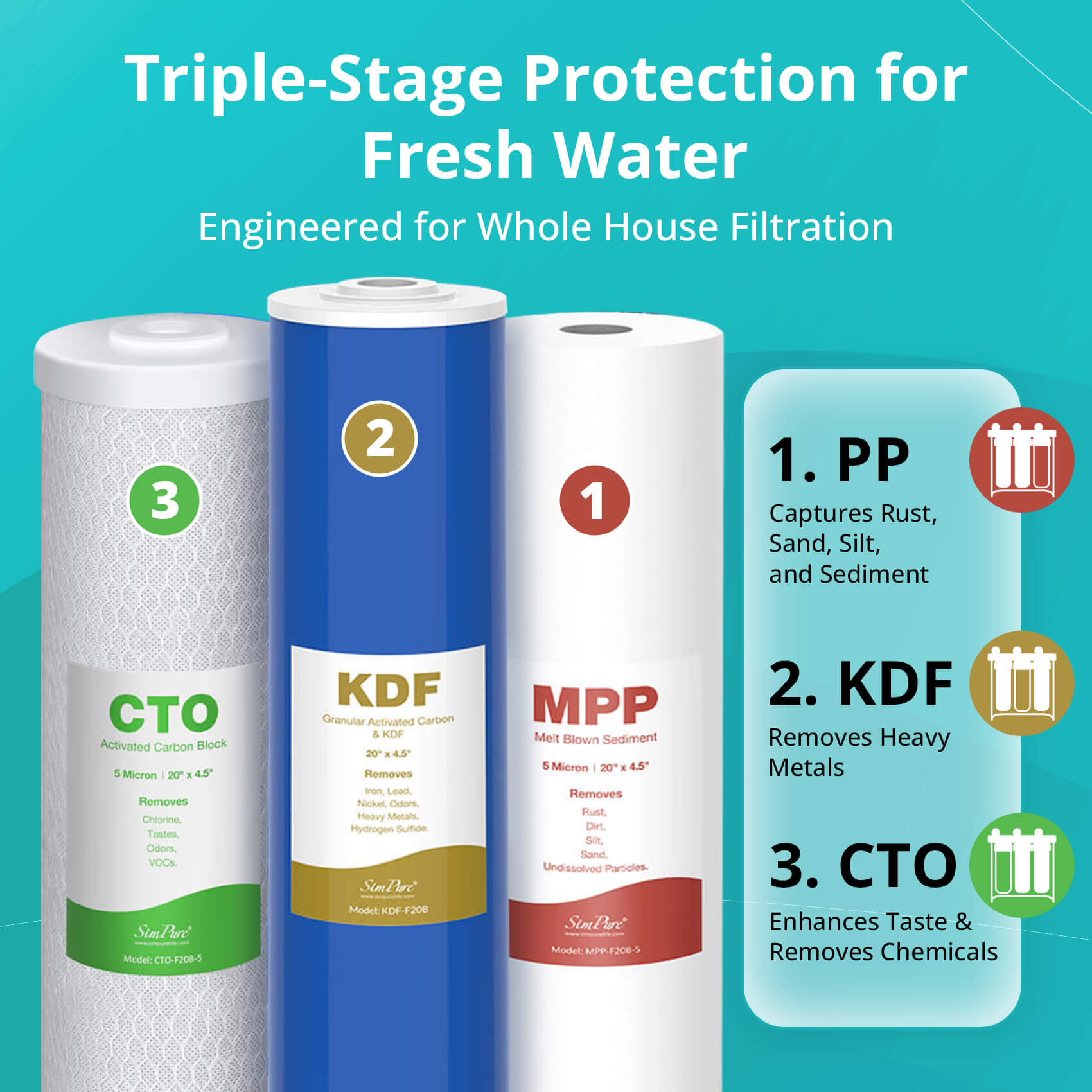
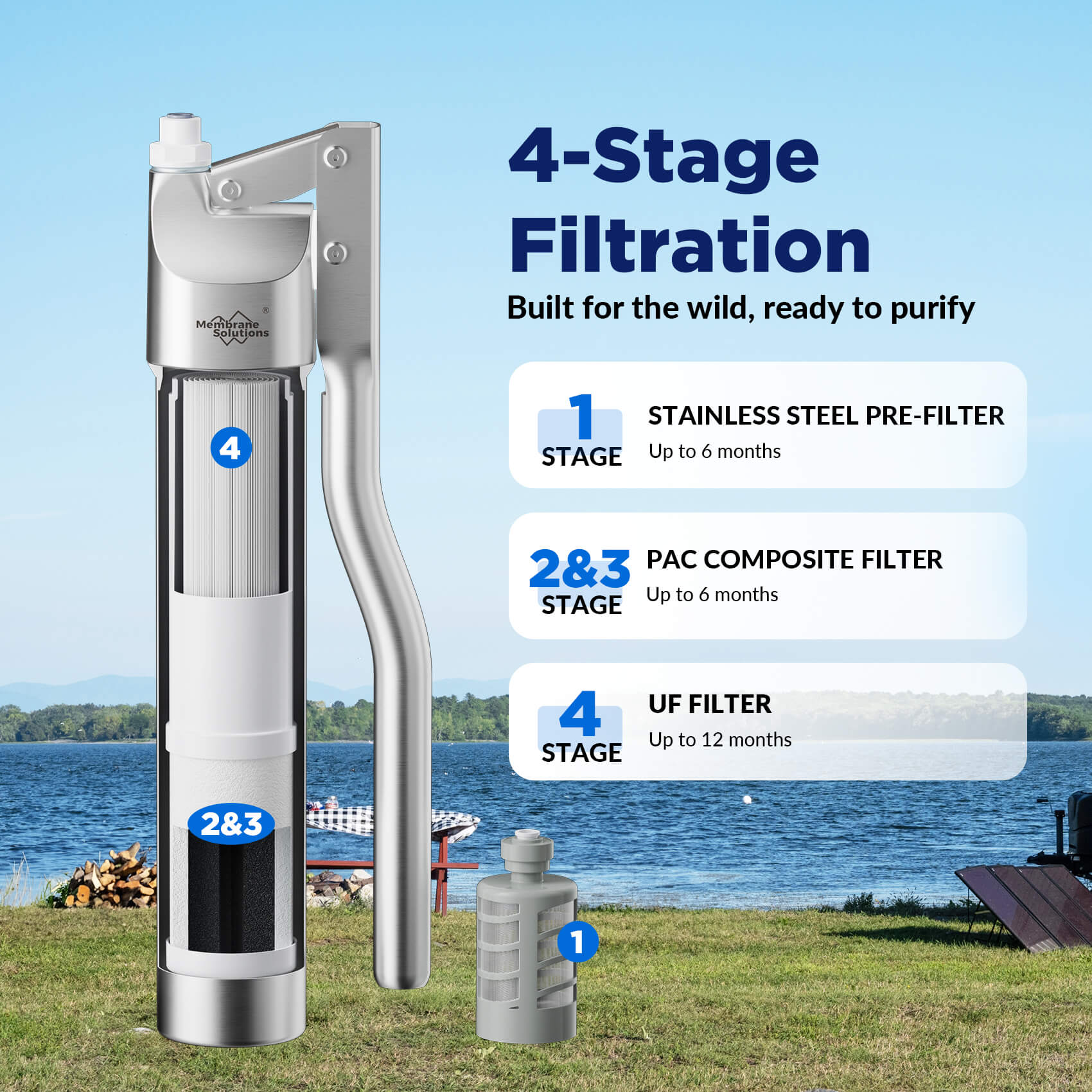
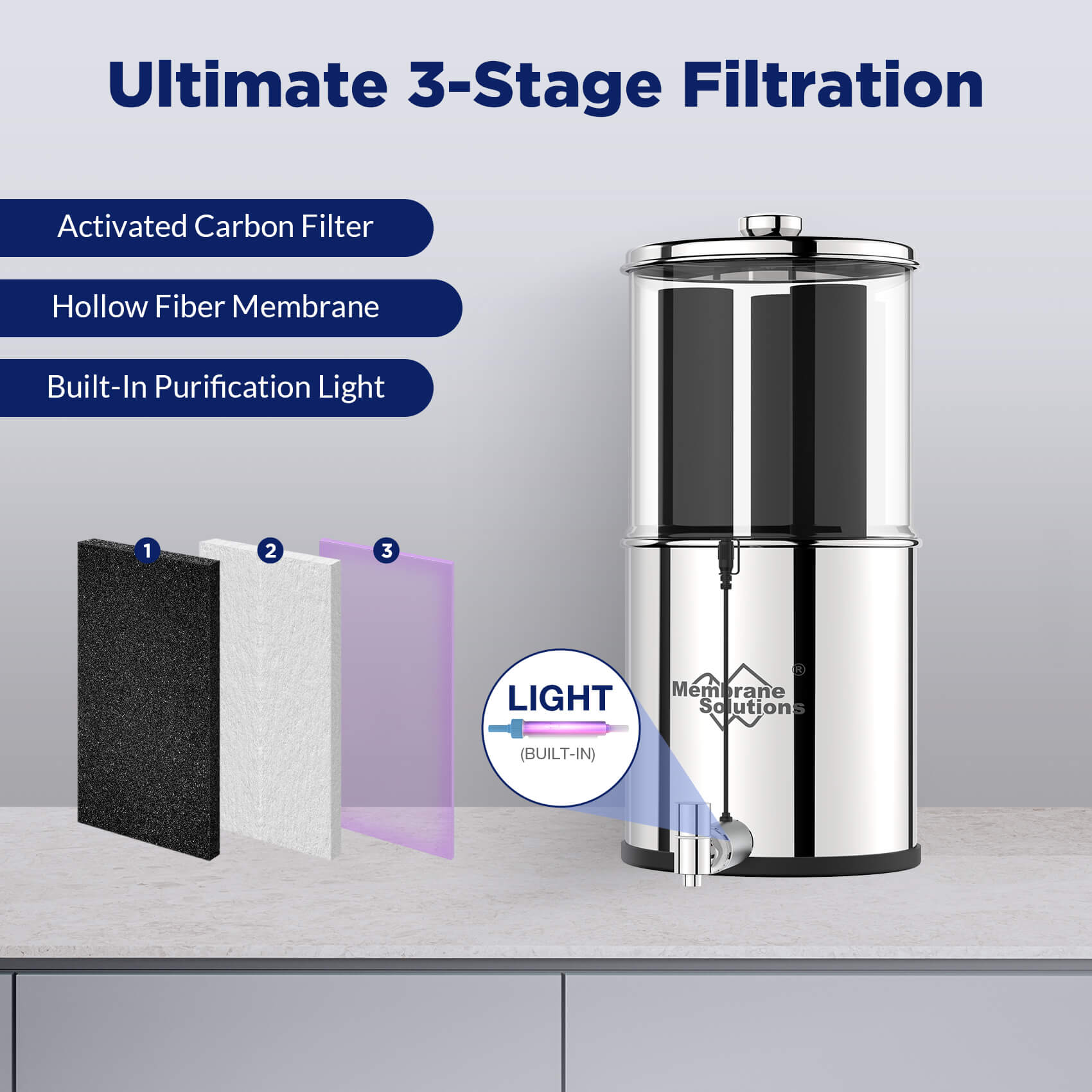
A single-stage filter often clogs prematurely. A good system uses a logical sequence: PP Cotton (sediment) → Activated Carbon (chlorine/taste) → RO Membrane (TDS/heavy metals) → Post-Carbon/UV (polishing & sterilization). This ensures each stage protects the next, extending filter life.
3. Certified Safety Standards (NSF/ANSI)
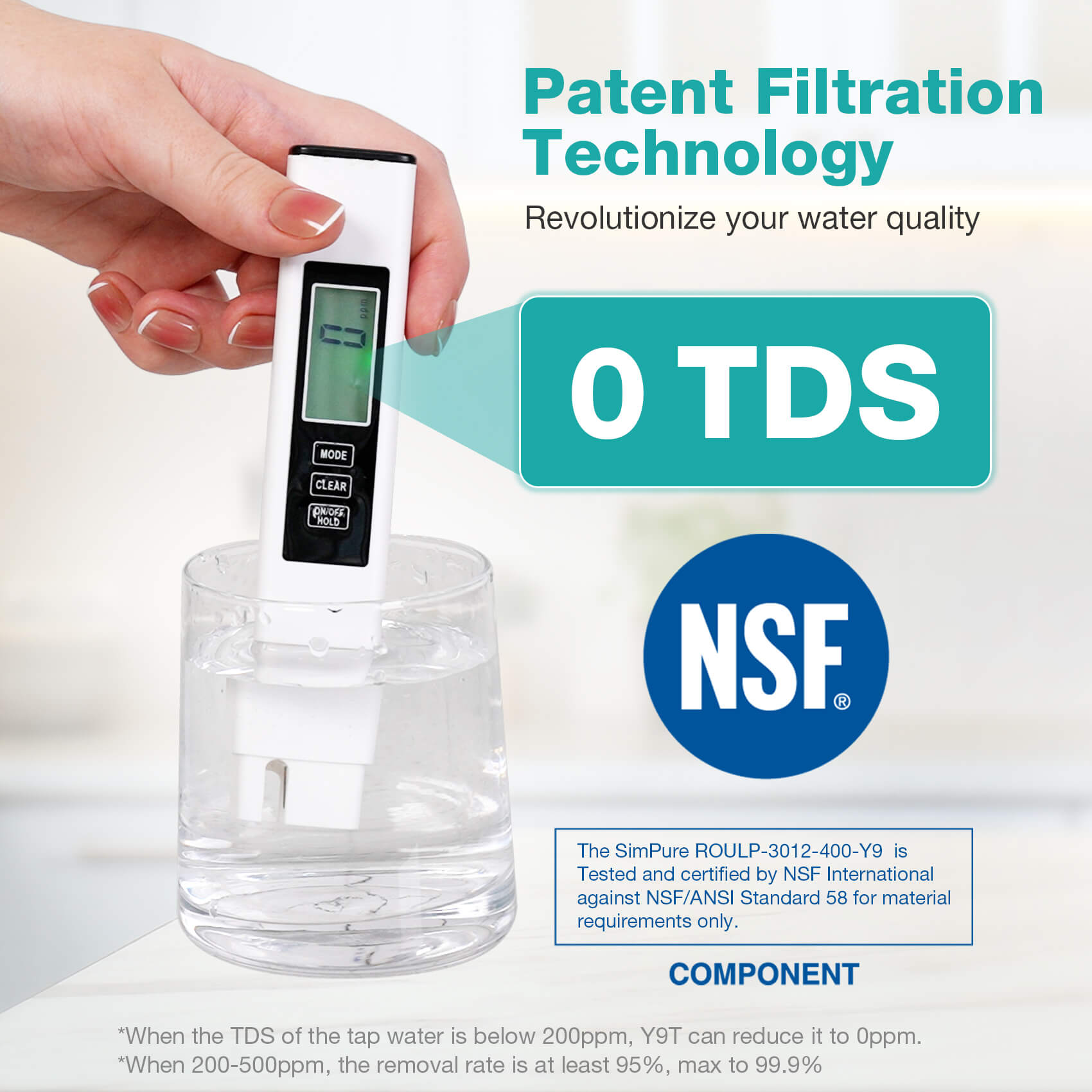
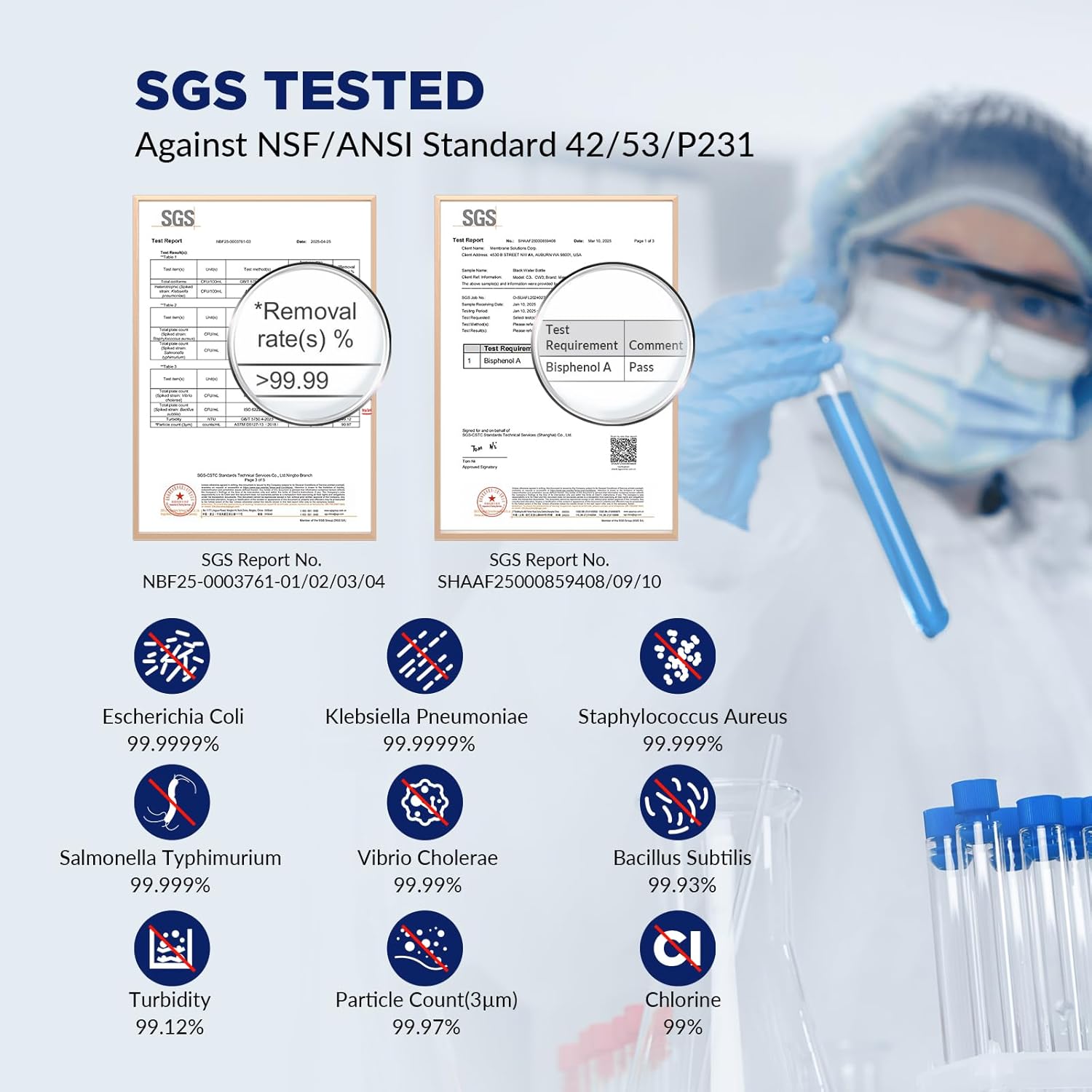
Never rely solely on a brand's claims. Look for recognized certifications like NSF:
- NSF 42: Aesthetic effects (Chlorine, Taste, Odor).
- NSF 53: Health effects (Lead, VOCs, PFAS).
- NSF 58: The specific standard for Reverse Osmosis systems.
4. Intelligent Maintenance Design
Modern "Smart" filters eliminate guesswork. Features like Filter Life Indicators, real-time TDS Monitoring, and water shortage alerts ensure you never drink from an expired membrane, preventing secondary pollution.
Best Materials for Water Filtration
Coconut Shell Activated Carbon
Superior to coal or wood-based carbon. It features higher micro-porosity, making it highly effective at adsorbing chemical contaminants and VOCs.
0.0001μm RO Membrane
The ultimate barrier. It physically separates pure water molecules from contaminants like arsenic, lead, and microplastics.
Food-Grade SUS304 Steel
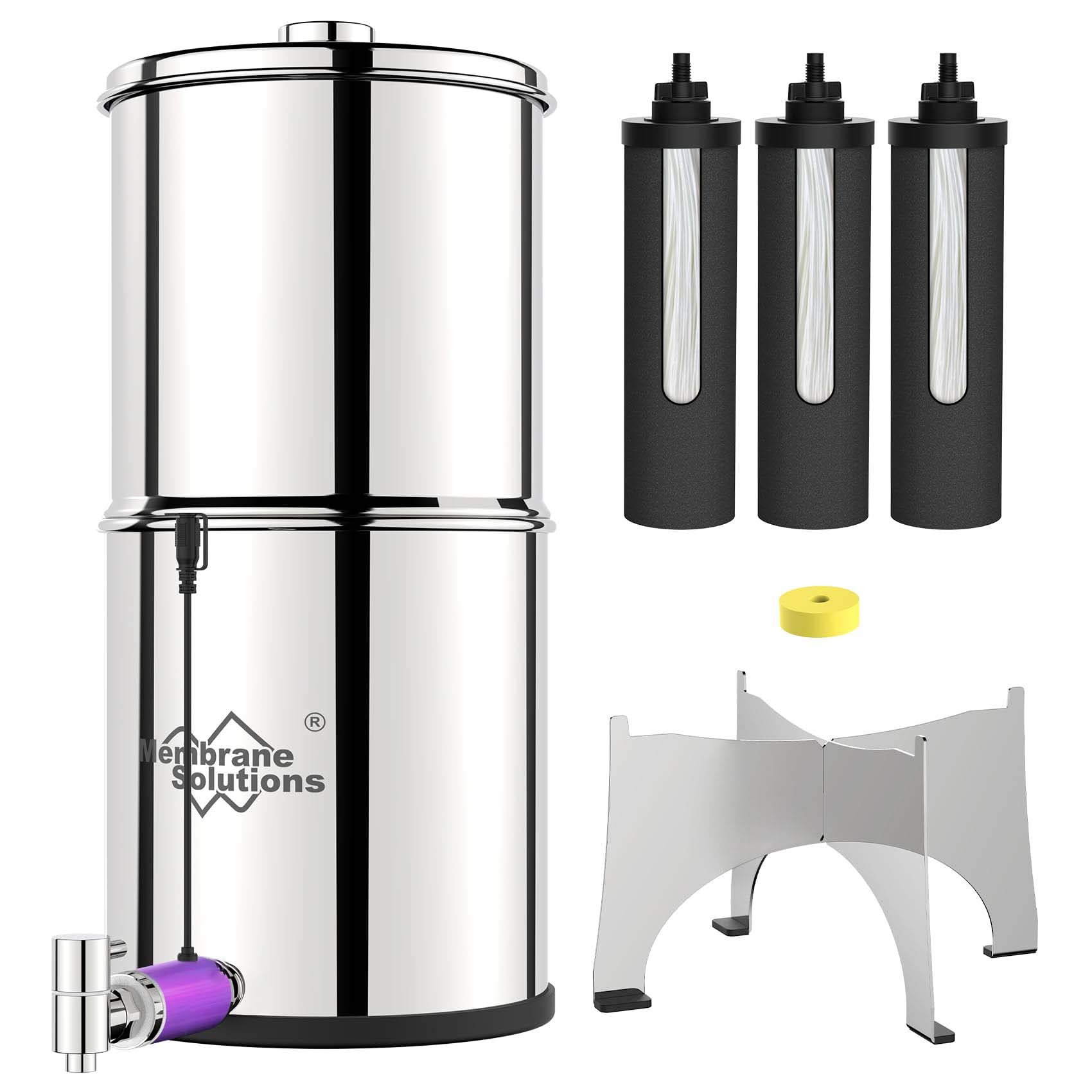
Used in high-end gravity systems. It is corrosion-resistant, durable, and ensures zero chemical leaching over years of use.
UV-C Sterilization
A non-chemical material-less stage that neutralizes 99.99% of viruses and bacteria by disrupting their DNA/RNA.
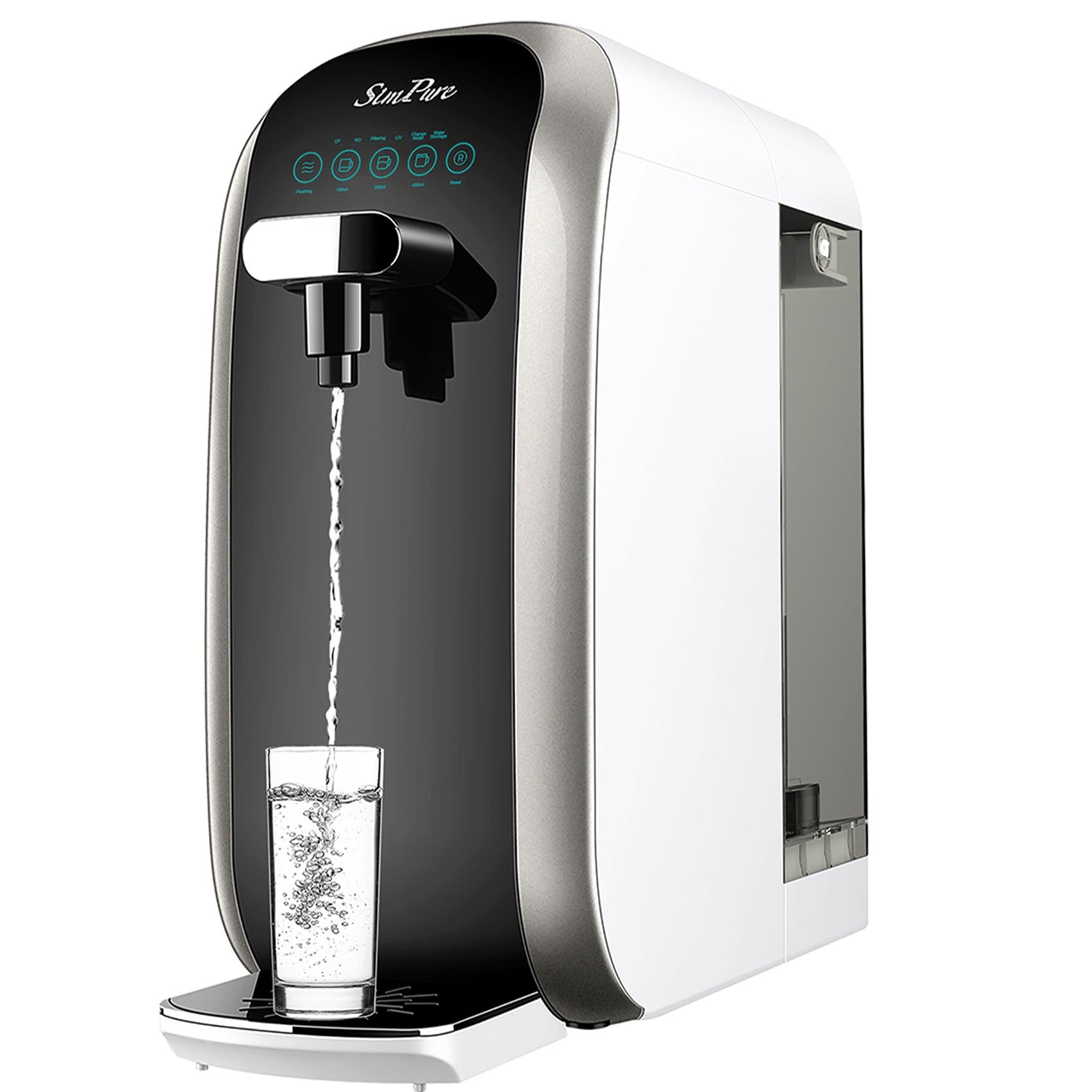
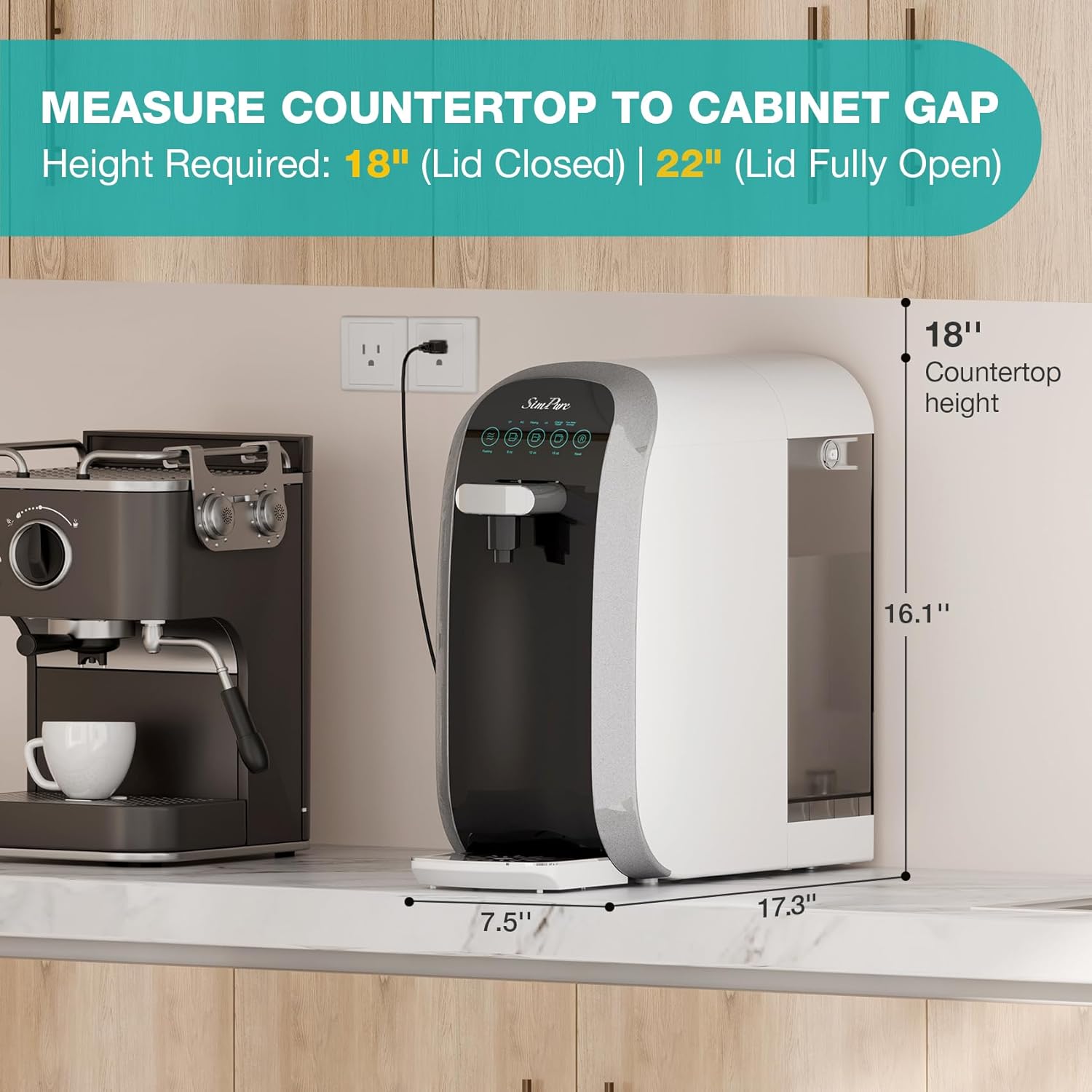
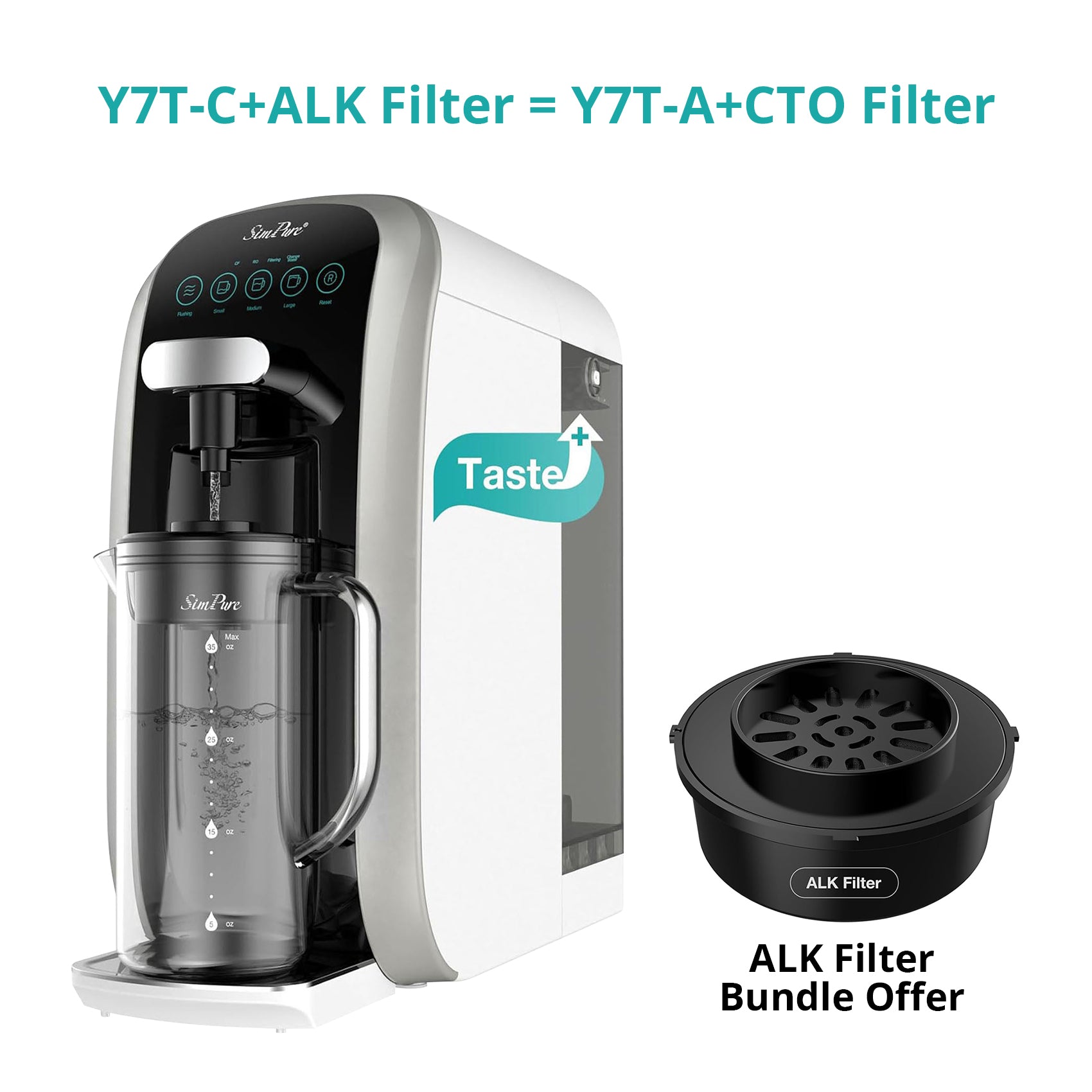
SimPure Y7P Countertop RO Series
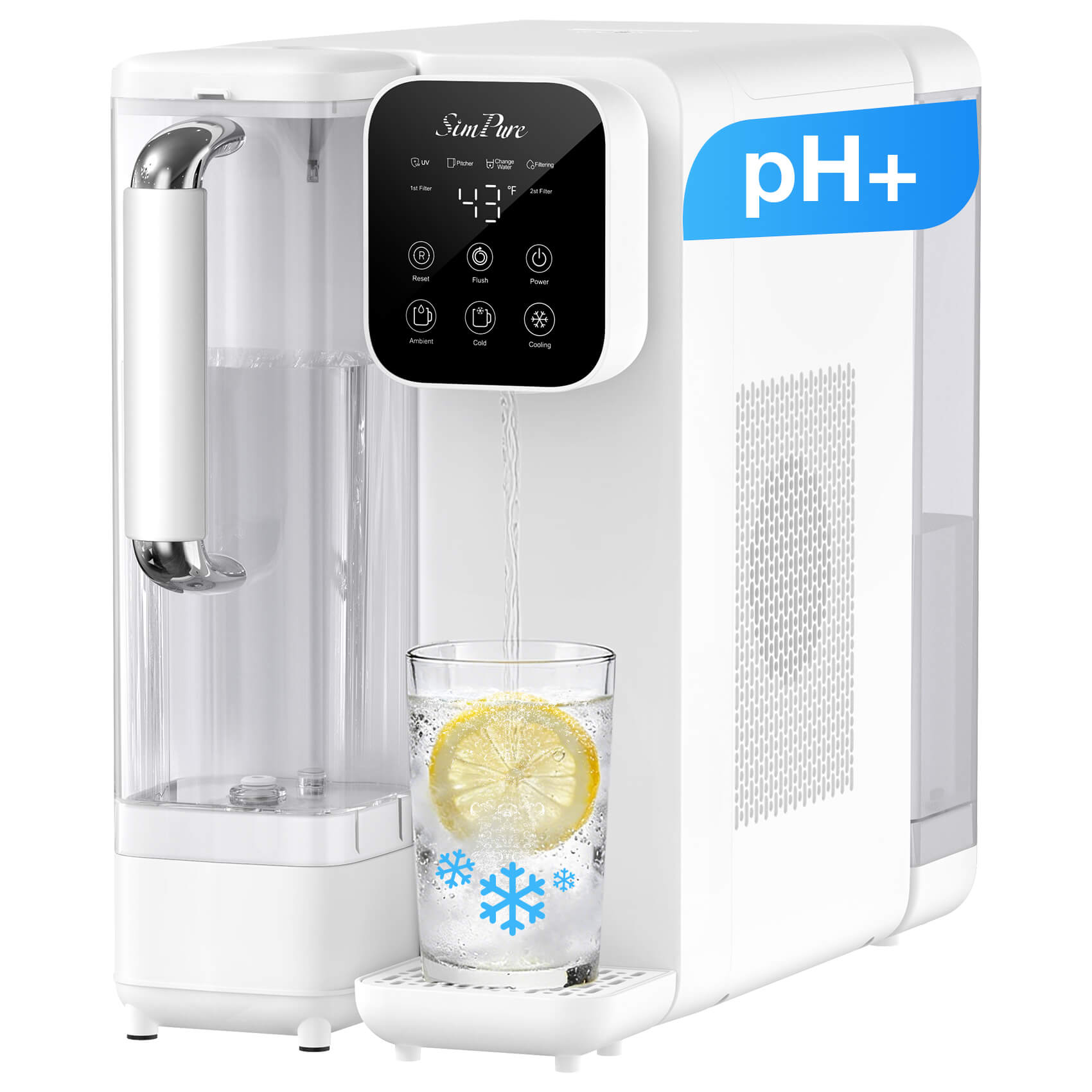
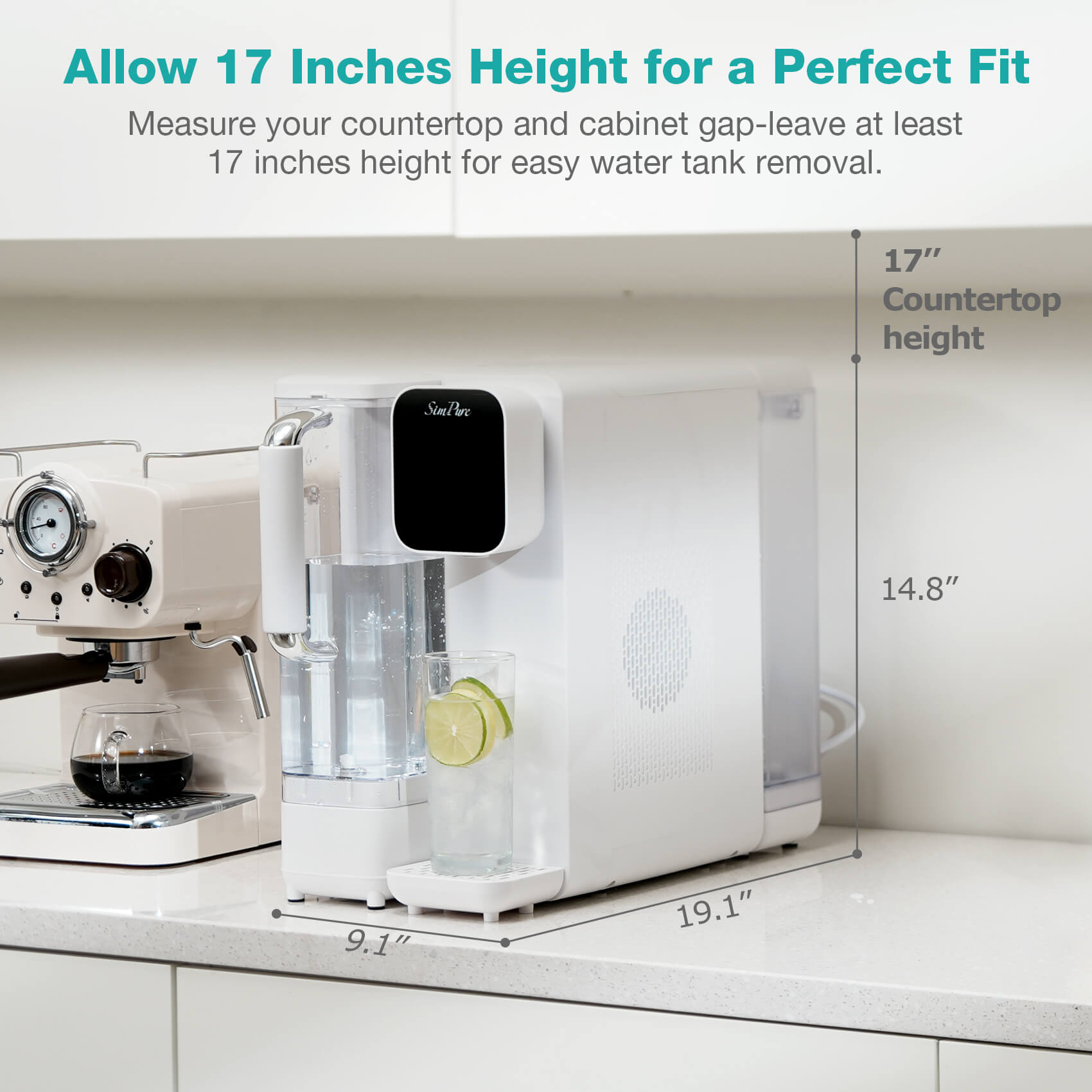
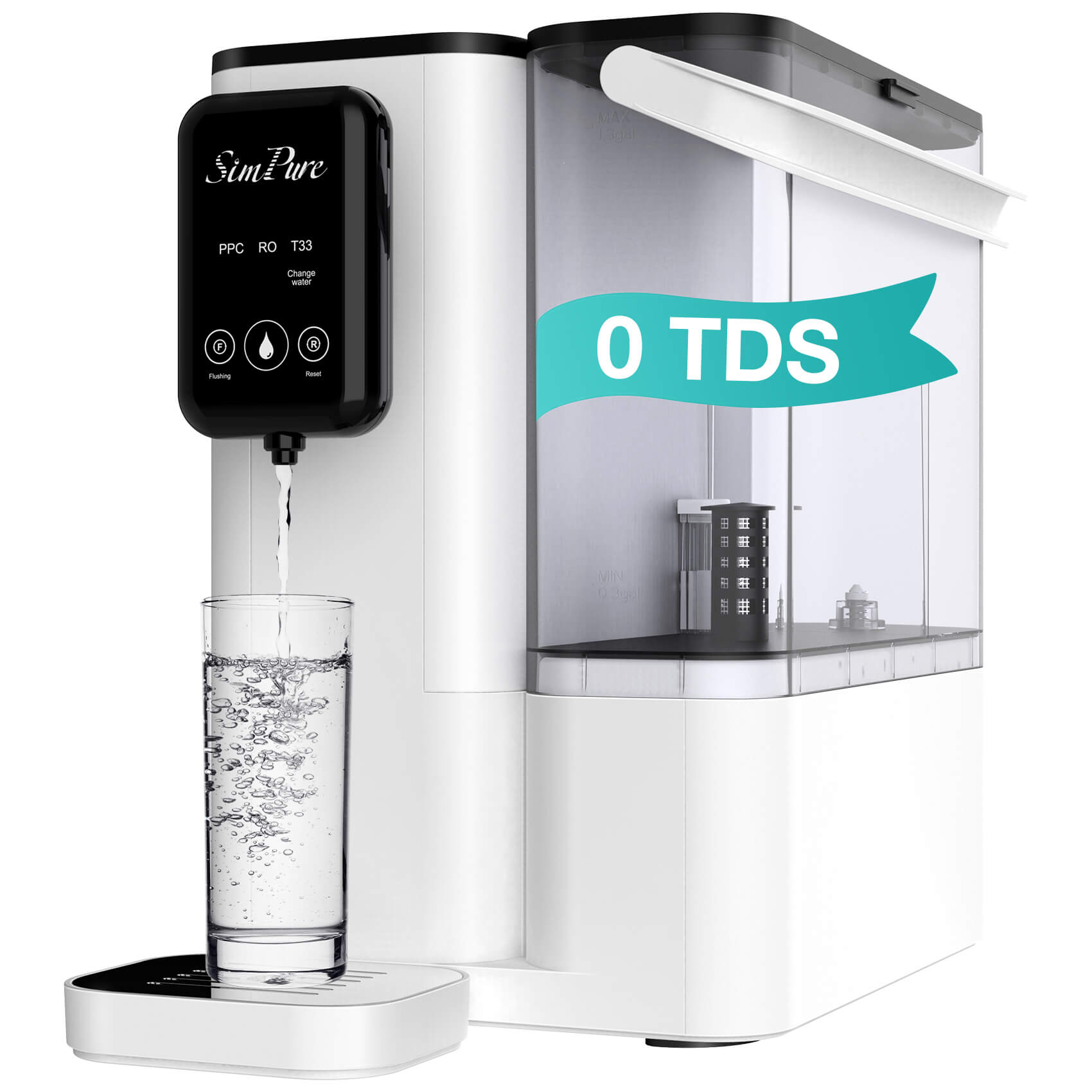
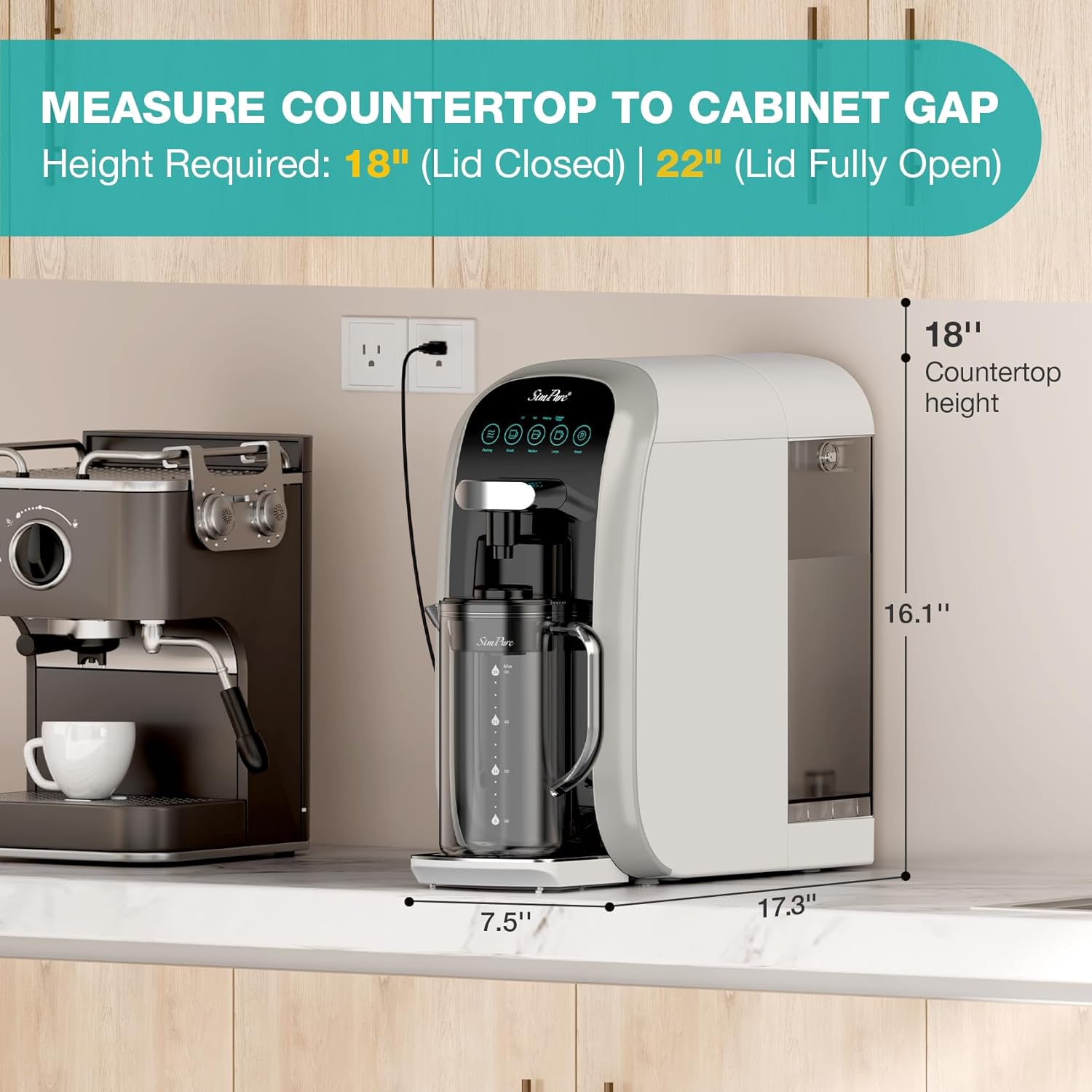
Engineered for urban households, the Y7P combines 5-stage RO filtration with UV sterilization in a sleek, plug-and-play design. No plumbing required.

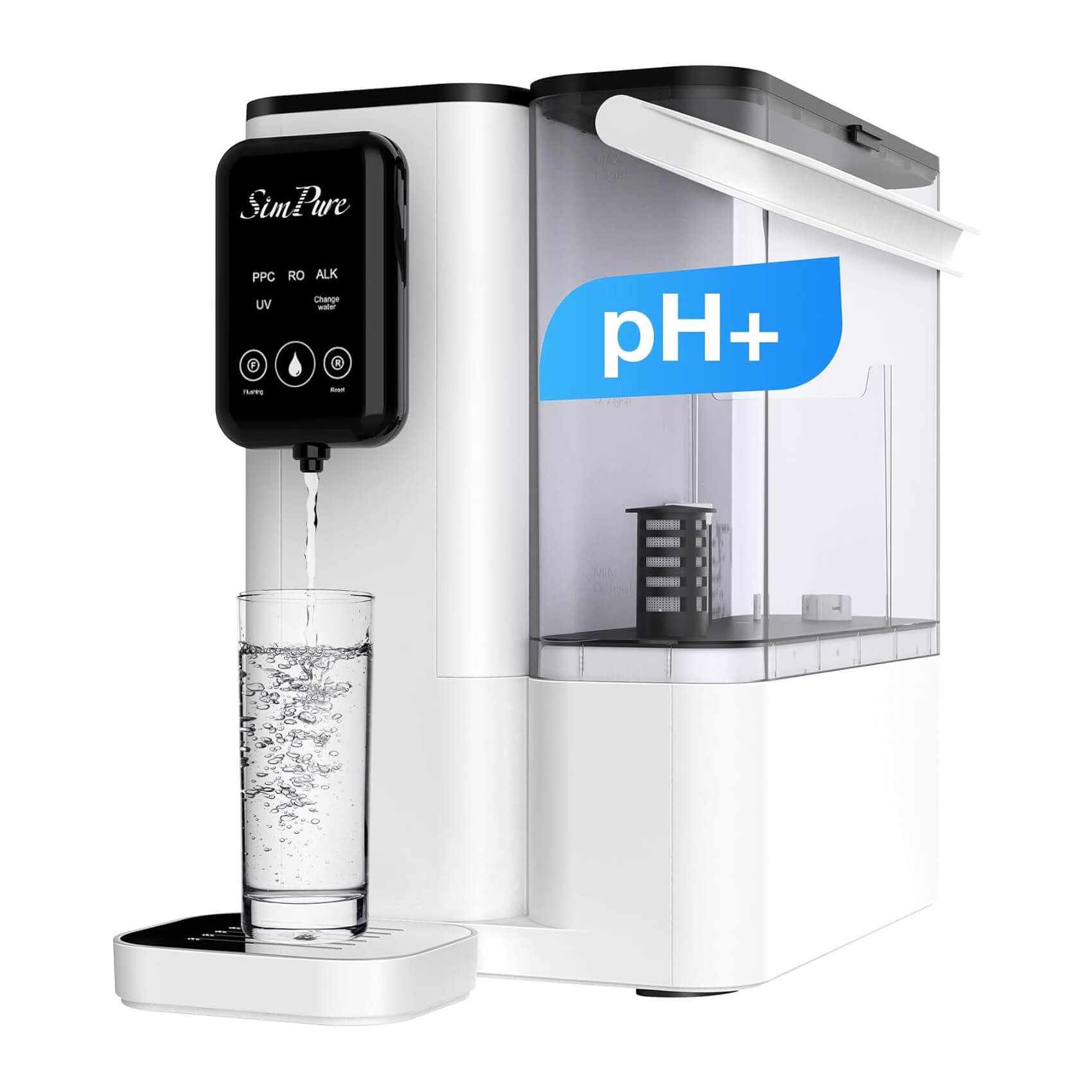
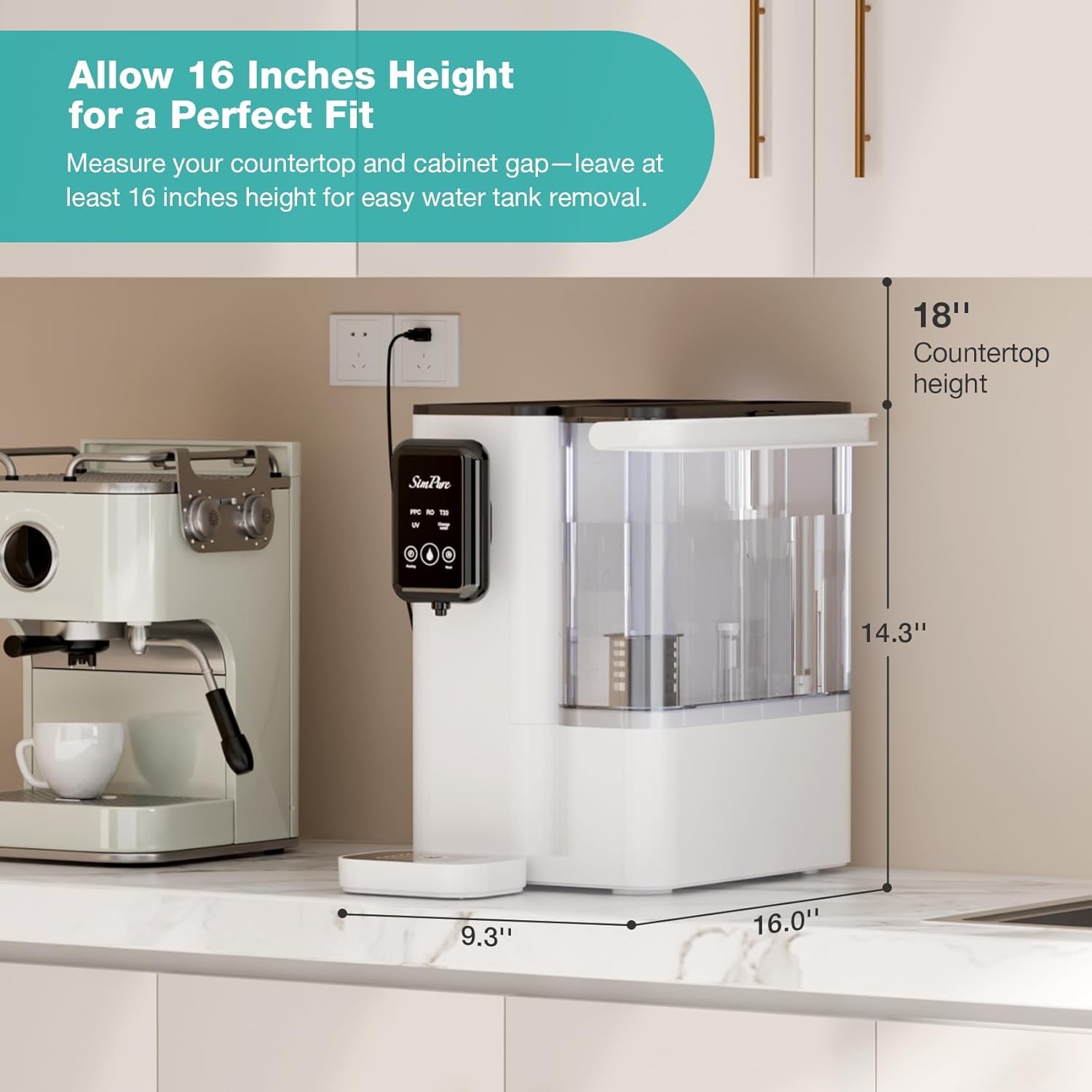
SimPure Y9A Alkaline RO System
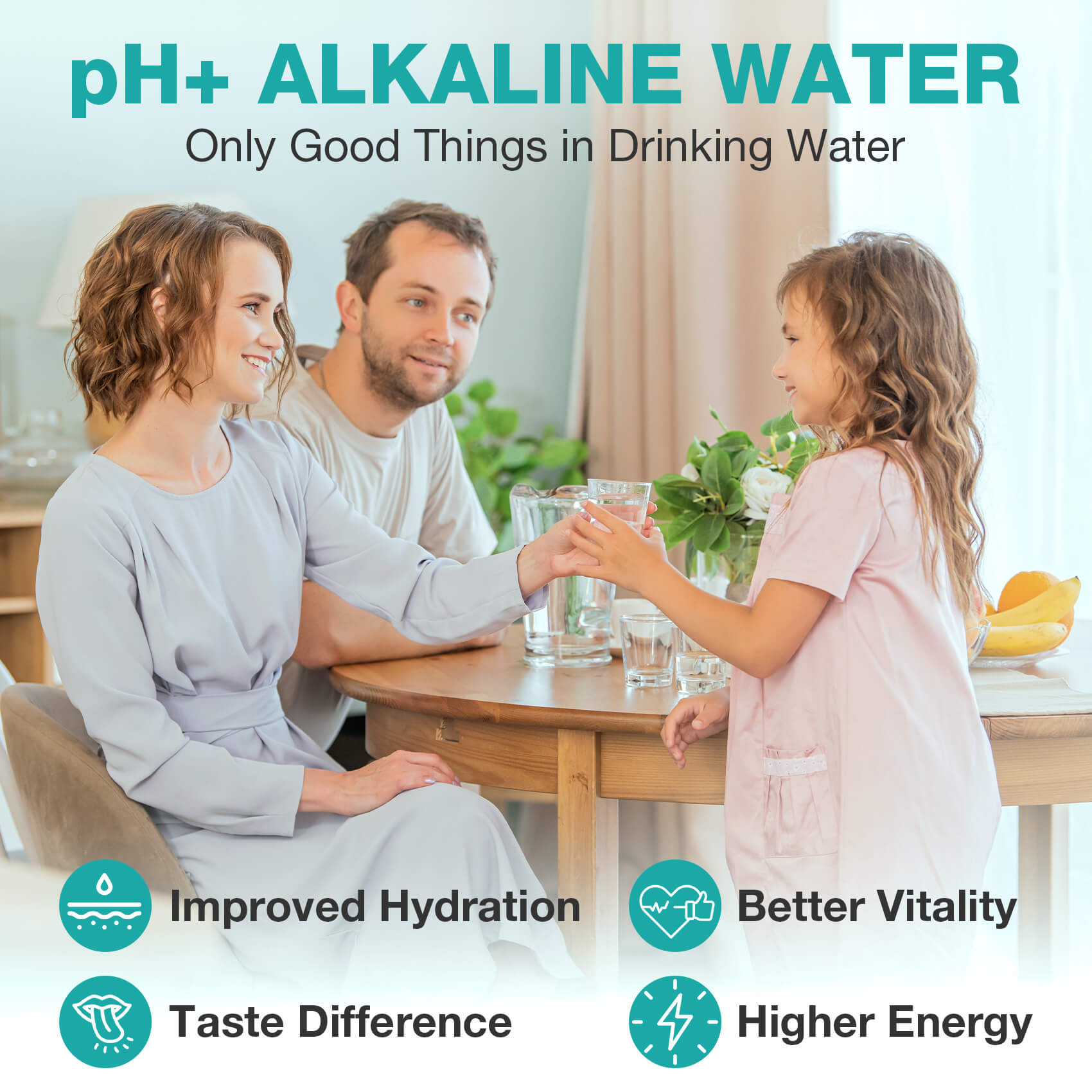
The Y9A is for users who want the purity of RO with the taste of natural spring water. Its 6-stage system includes a remineralization filter to balance pH levels.

Expert FAQs: Choosing Your Filter
A: It depends on the stage. PP sediment and carbon filters typically last 6-12 months, while a high-quality RO membrane should last 12-24 months. Smart systems with monitoring will tell you exactly when based on your actual water usage.
A: RO systems are so effective they remove almost everything, including minerals. This is why premium "Good" filters like the SimPure Y9A include a remineralization stage to add back essential Calcium and Magnesium.
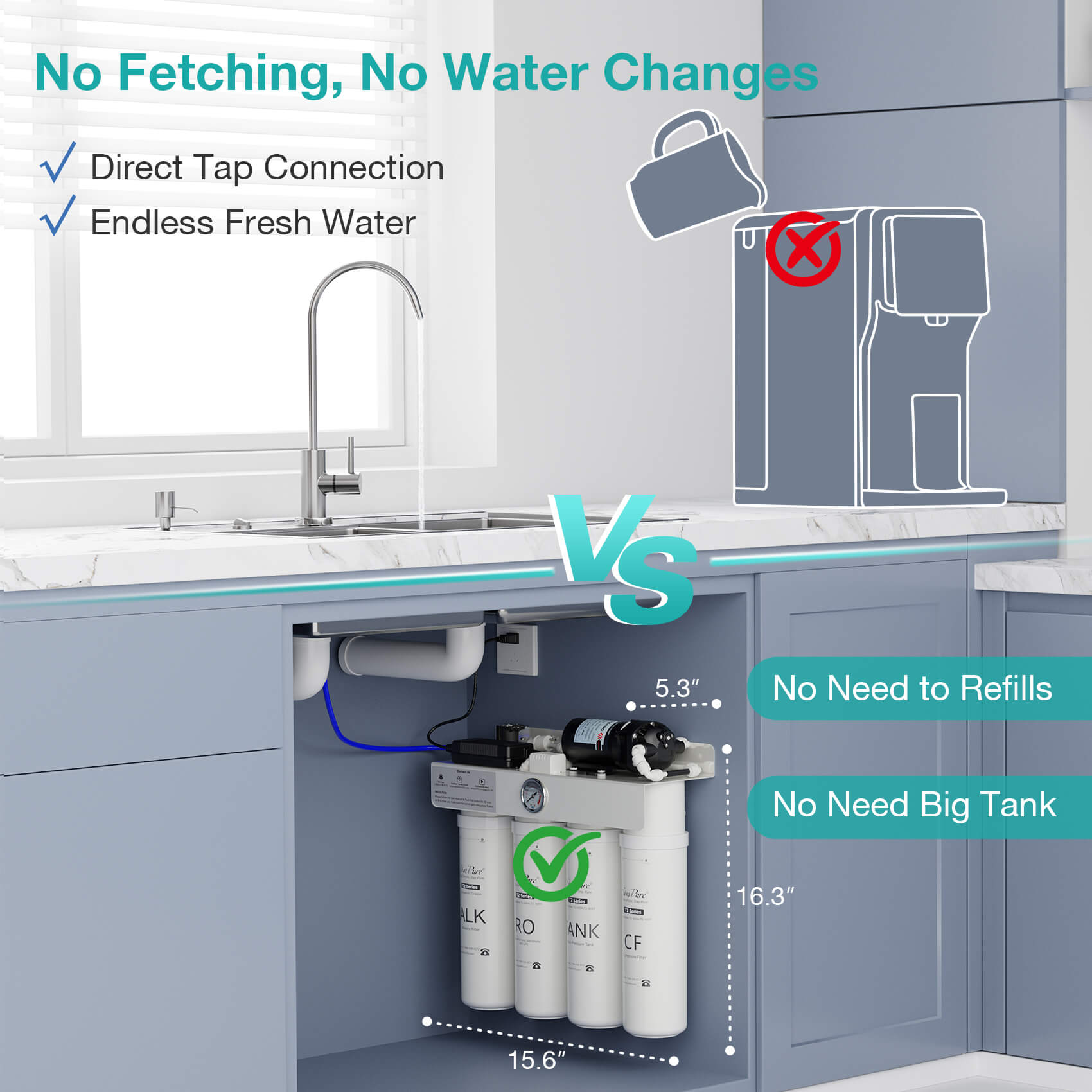
A: Pitchers are great for basic taste/odor but lack the pressure and membrane density to remove heavy metals, fluoride, or PFAS. For true health safety, a countertop or under-sink RO system is recommended.
Summary: Investing in Your Health
Ultimately, a good water filter is an investment in your long-term wellness. By choosing a system with certified RO technology, high-grade coconut carbon, and smart monitoring, you ensure that every drop of water your family consumes is pure, safe, and refreshing. Explore the full SimPure collection to find the perfect match for your home today.