
Boiling water has long been hailed as a simple and effective way to disinfect and purify. From sterilizing drinking water in emergencies to making food safe, it is often seen as a universal disinfectant. But is boiling water truly as effective as we believe? Does it kill everything harmful lurking in our water or food? This blog will uncover the science behind boiling water, its capabilities, and its limitations so you’ll know exactly when boiling is enough and when alternative methods are needed. Let’s explore whether does boiling water kill everything.
What Happens When Water Boils?
Boiling water is a physical process that is accomplished at sea level when water becomes heated to a temperature of 100°C (212°F). The water molecules then acquire sufficient energy to make the transition from liquid to gaseous state, with resulting steam. This is a process, however, struggling with more than just the bubbly show. It is fairly effective in killing germicidal microorganisms. It denatures, thus damaging the cell structure of such microorganisms as bacteria and viruses.
In boiling water, high temperatures denature the protein components of the microorganisms, which deprives them of their normal function, making them either inactive or dead. For most harmful pathogens, exposure to boiling water is sufficient to destroy their cellular integrity.
Boiling also oxidizes organic impurities, improving water safety. In emergencies when all other mechanisms, such as filtration or chemical treatment, cannot apply, boiling water is almost precisely the best for disinfecting water and food. Heat destroys most dangerous bacteria, viruses, and parasites. However, the efficiency of boiling water decreases with increasing temperature and time depending on the specific microorganism.
Takeaway: The beginning of a physical and chemical process that takes place in boiling water destroys the majority of wicked pathogens, making it thus a reliable, although not infallible, disinfecting method.
Does Boiling Water Kill Bacteria and Viruses?
Yes, most illnesses caused by bacteria and viruses respond well to boiling. E. coli, Salmonella, and Listeria are pathogens that succumb en mass at high temperatures. Some viruses, especially rotavirus and norovirus, are also involved.
To make the boiled water safe for drinking purposes, it has to roll for at least one minute at sea level. If on a higher altitude, when water boils at lower temperatures, this should be increased to three to ensure that even the most resistant microorganisms to heat are killed. You may wonder how long does it take to boil water to kill everything.
-
E. coli: Typically killed at 60°C (150°F), but boiling guarantees eradication.
-
Salmonella: Eliminated at temperatures above 60°C (150°F) with prolonged exposure.
-
Listeria: Sensitive to heat; boiling destroys it within seconds.
-
Viruses: Most waterborne viruses, including Hepatitis A, cannot withstand boiling temperatures.
While most common bacteria and viruses are eradicated by boiling, it's important to note that the effectiveness also depends on the duration of boiling and the altitude where you are located. For example, at higher elevations, water boils at a lower temperature, so the time for boiling must be extended.
What Does Boiling Water Not Kill?
Boiling water is wonderfully effective, but it is not enough to fight all the contaminants. Some microorganisms and contaminants can withstand boiling temperatures.
-
Endospores: If you wonder what bacteria cannot be killed by boiling water, it's their spores. Bacteria such as Clostridium and Bacillus develop spores resistant to boiling conditions. Higher temperatures than those achieved in a household kitchen, such as in pressure cookers (121°C or 250°F), are required to destroy these spores.
If you think, what does boiling water not kill? These include heavy metals and other contaminants.
-
Toxins: Some bacteria produce poisons that need heat without damaging heat stability, thus remaining even after boiling.
-
Heavy metals: Boiling will not clean lead, arsenic, and mercury, in fact, it concentrates these contaminants even further.
-
Chemical Pollutants: Such chemicals as pesticides, herbicides, and those manufactured industrially are boiling-resistant.
-
Microplastics: Microplastics in water cannot be boiled away or broken down anymore.
While boiling is a simple and accessible method for disinfecting water and food, certain hazardous substances, such as heavy metals and some toxins, require different approaches. In fact, boiling can sometimes make these problems worse by concentrating the contaminants in the water.
Boiling Water for Our Food Safety
In our daily life, boil drinking water and provide simple safety measures for food. For example, young vegetables are just boiled for soups, stews, and other mixtures, with the aim of getting rid of harmful microorganisms that might already have been transported into the foods. The food must be boiled within 1-10 minutes, depending on the type and size of the object, to prevent cases of foodborne diseases.
For instance, a rolling boil would be achieved for soups, while shellfish may take longer to boil to get rid of such pathogens as Vibrio.
Some common pathogens targeted by boiling water are:
-
Campylobacter: Found in poultry; boiling meat ensures safety.
-
Vibrio: Present in seafood; requires thorough boiling.
However, in cases involving raw meat or produce, boiling alone might not suffice, necessitating additional cleaning or cooking methods.
When Boiling Water Isn't Enough for Sanitizing
Does boiling water kill everything? Boiling water has its limits. Certain scenarios require more comprehensive methods:
-
Raw Meat: Surface boiling isn’t enough to eliminate all pathogens. Proper cooking to internal temperatures is necessary.
-
Fruits and Vegetables: Boiling can’t remove pesticide residues. Wash thoroughly with safe cleaning solutions.
-
Contaminated Sources: In heavily polluted water, boiling won’t eliminate chemical toxins or heavy metals.
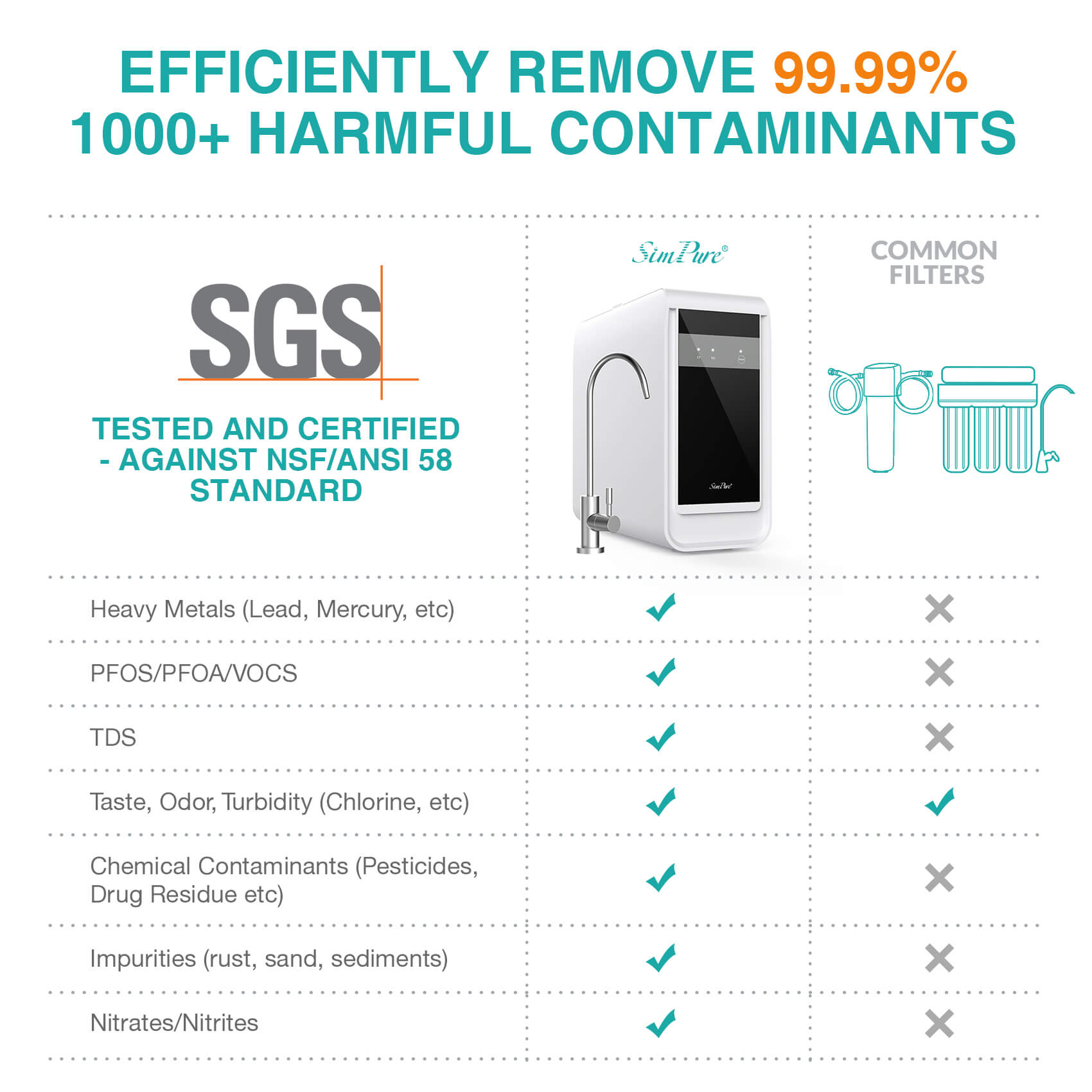
While boiling will kill most harmful bacteria, viruses, and parasites, it cannot break down chemical pollutants such as pesticides or heavy metals like lead and mercury. For such contamination, advanced filtration systems like reverse osmosis or activated carbon filtration are more effective.
Best Alternative Methods to Boiling Water for Germ Control: RO System with UV Sterilization
Although boiling water is certainly beneficial, advanced water purification systems deliver high efficiencies when it comes to providing clean and safe drinking water. From reverse osmosis (RO) to ultra-violet (UV) sterilization, the most advanced water purifying systems eliminate nearly all pathogens and contaminants. Speaking of advanced water purification systems, the one that stands out is SimPure.
SimPure Y7P Series Countertop RO+UV System
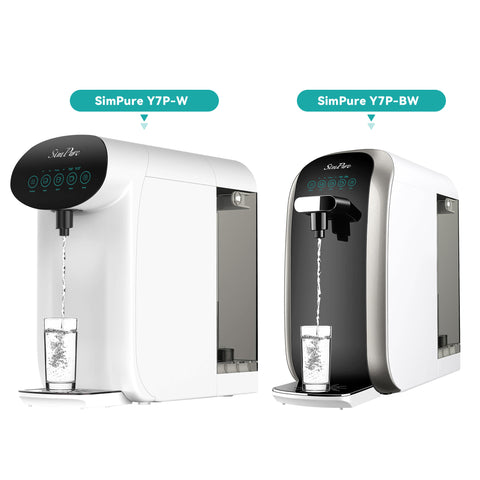
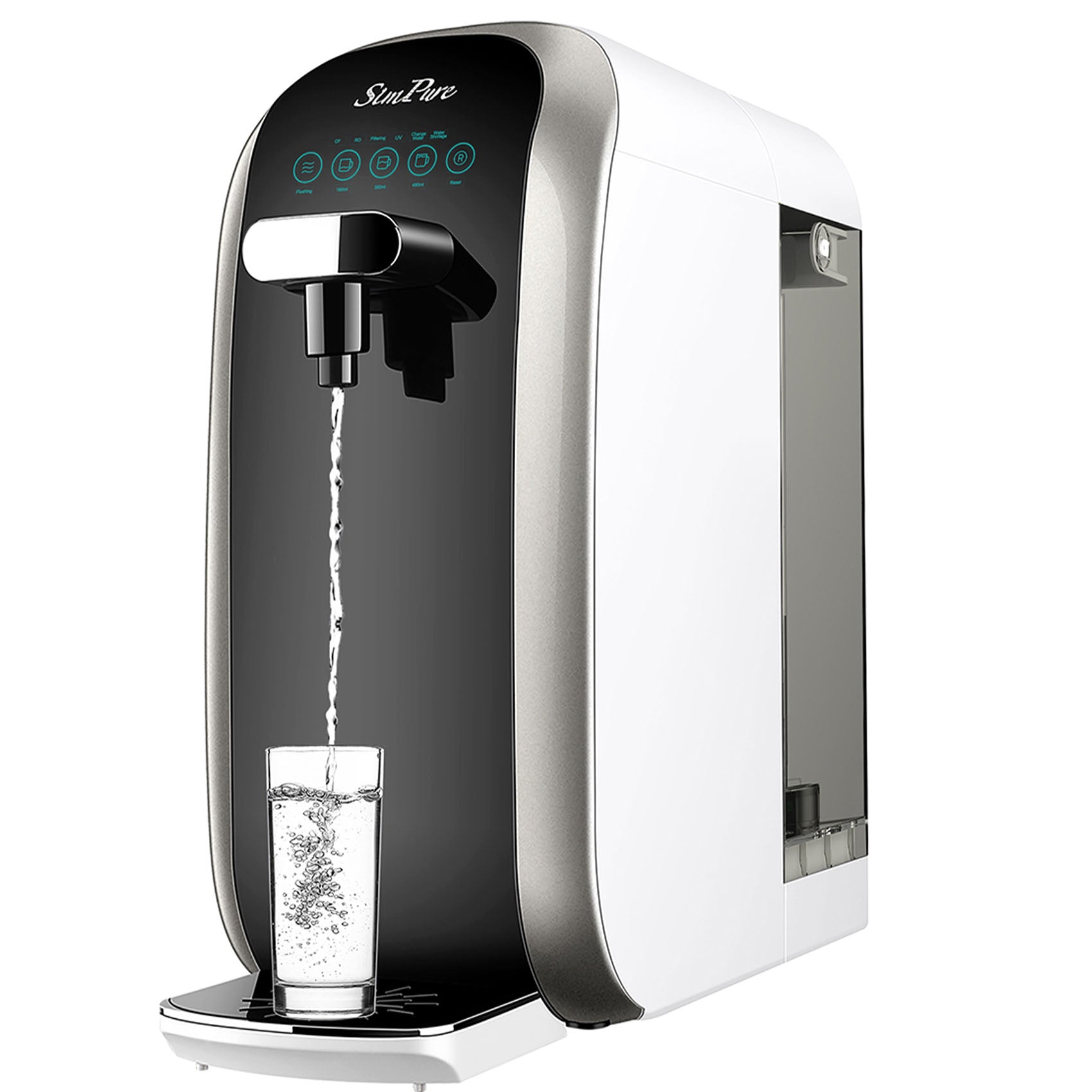
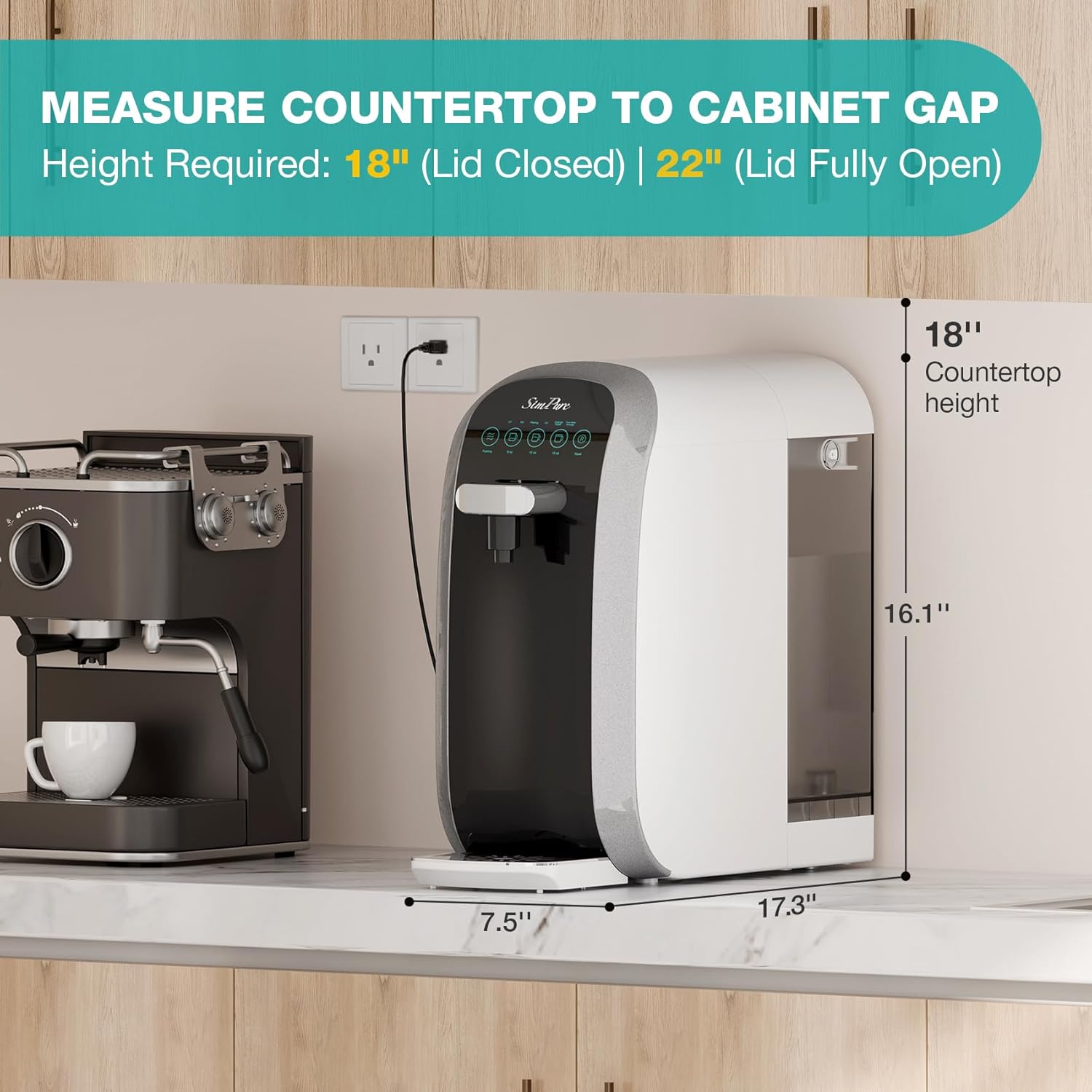
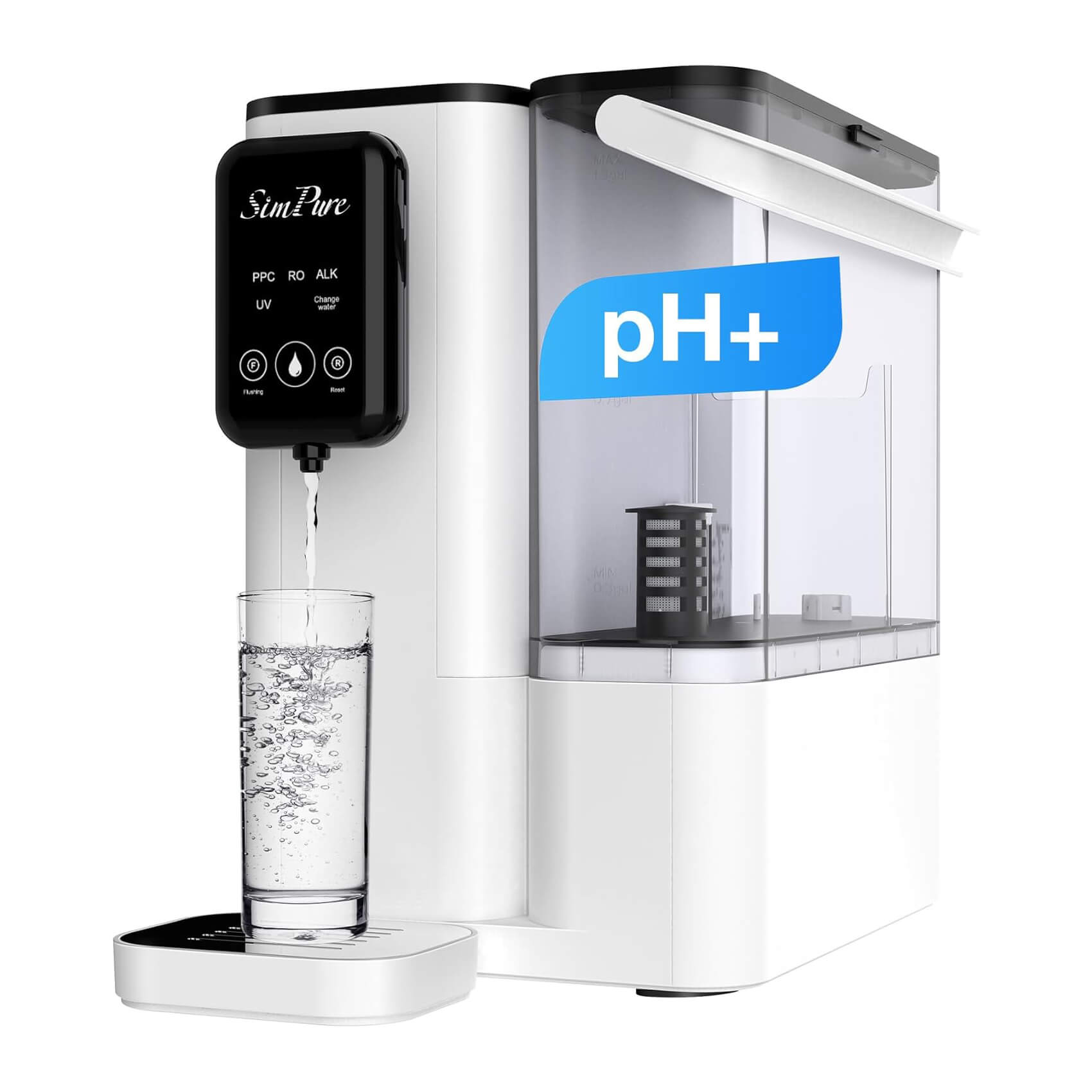
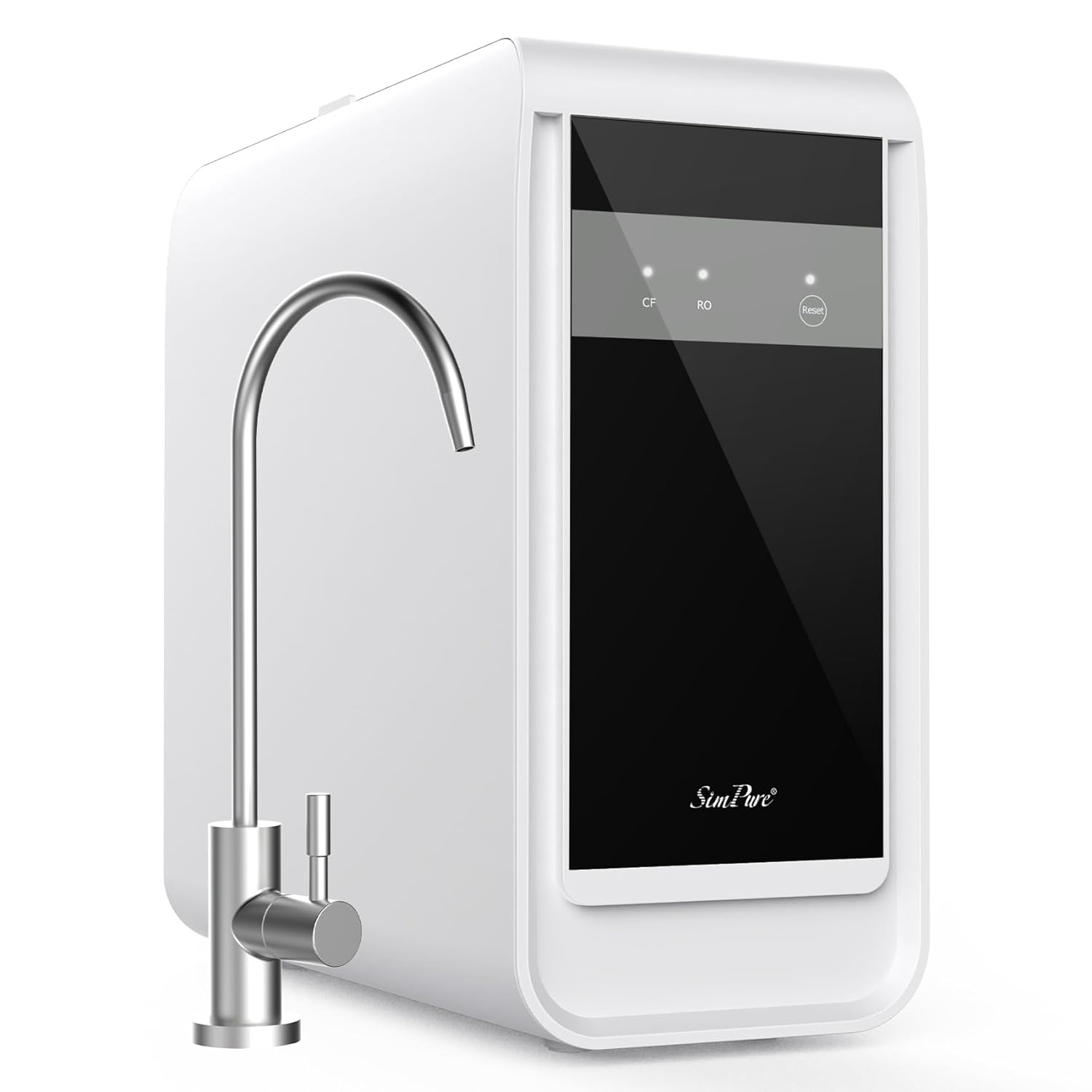
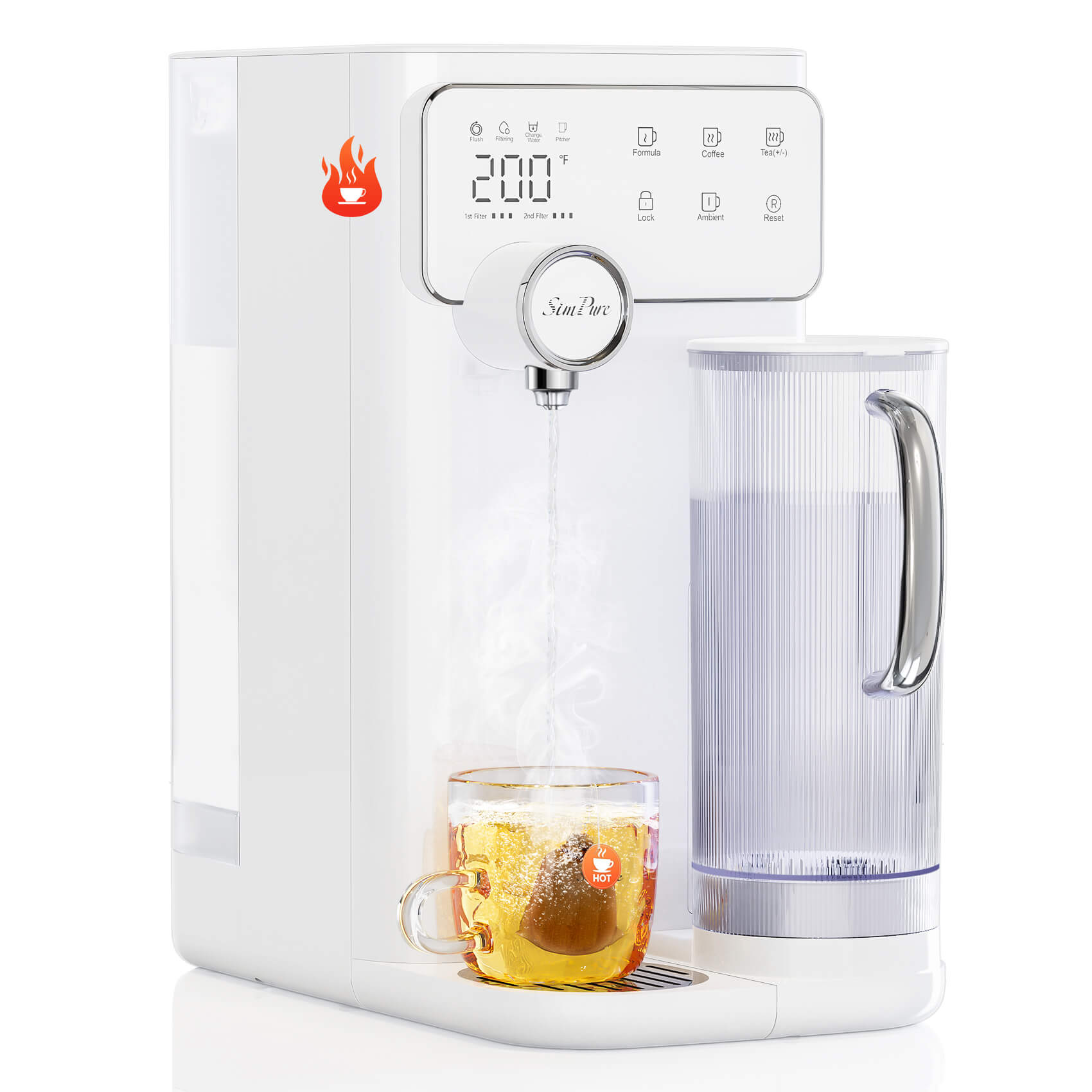
SimPure Y7P-BW Countertop Reverse Osmosis Water Filter Dispenser is as high technology as it gets for design, convenience, and performance in water filtration. The system integrates RO filtration with advanced UV sterilization while being compact and stylishly designed for countertop use, making for truly clean and safe drinking water.
-
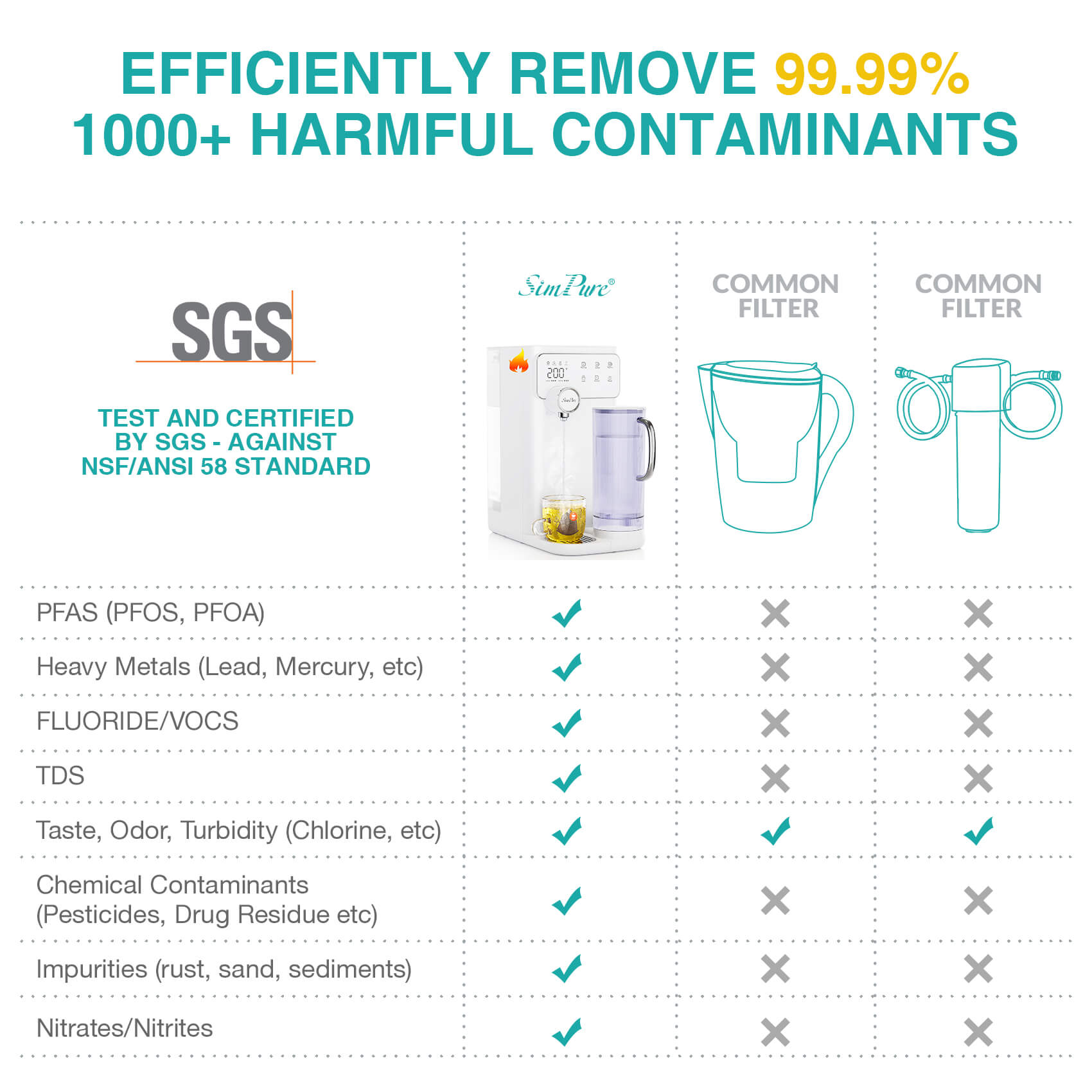
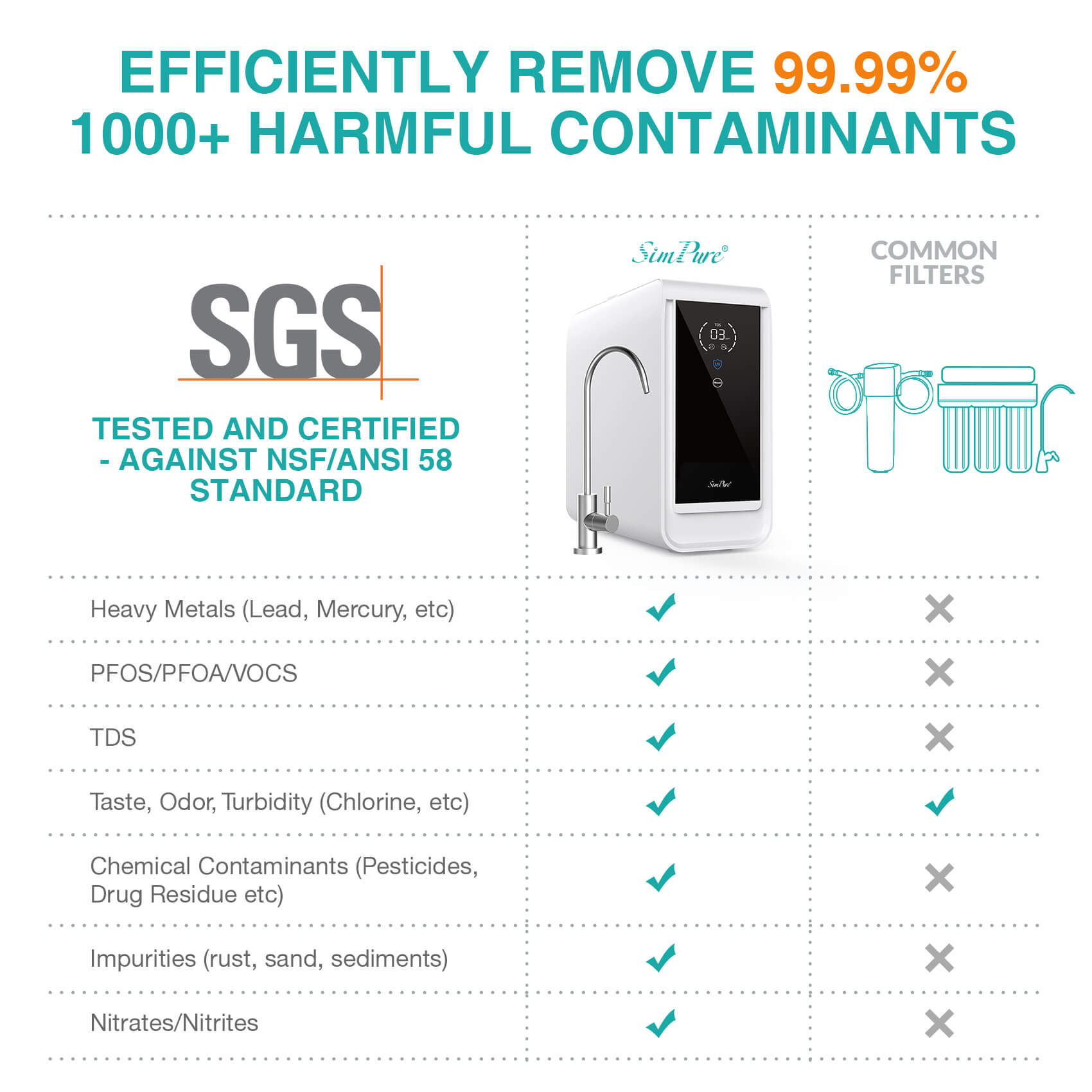
Removes 99.99% of contaminants such as microplastics, bacteria, viruses, heavy metals, PFAS, and chlorine, TDS.
-
NSF/ANSI 58 certified for superior water purification.
-
No installation required – plug-and-play functionality.
-
The tankless design ensures fresh water on demand.
-
The 4:1 pure-to-drain ratio minimizes water wastage.
-
UV sterilization adds a layer of protection against bacteria and viruses.
SimPure T1-400 UV Under Sink RO+UV System
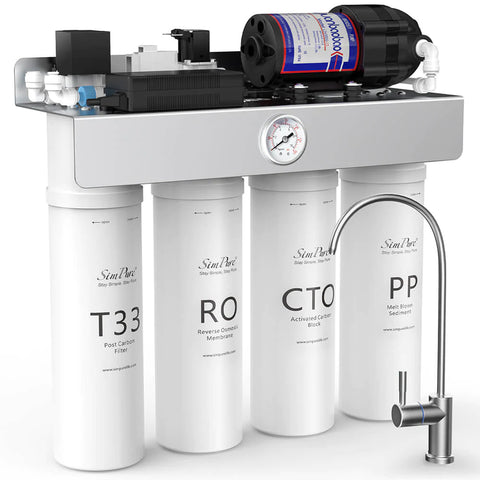
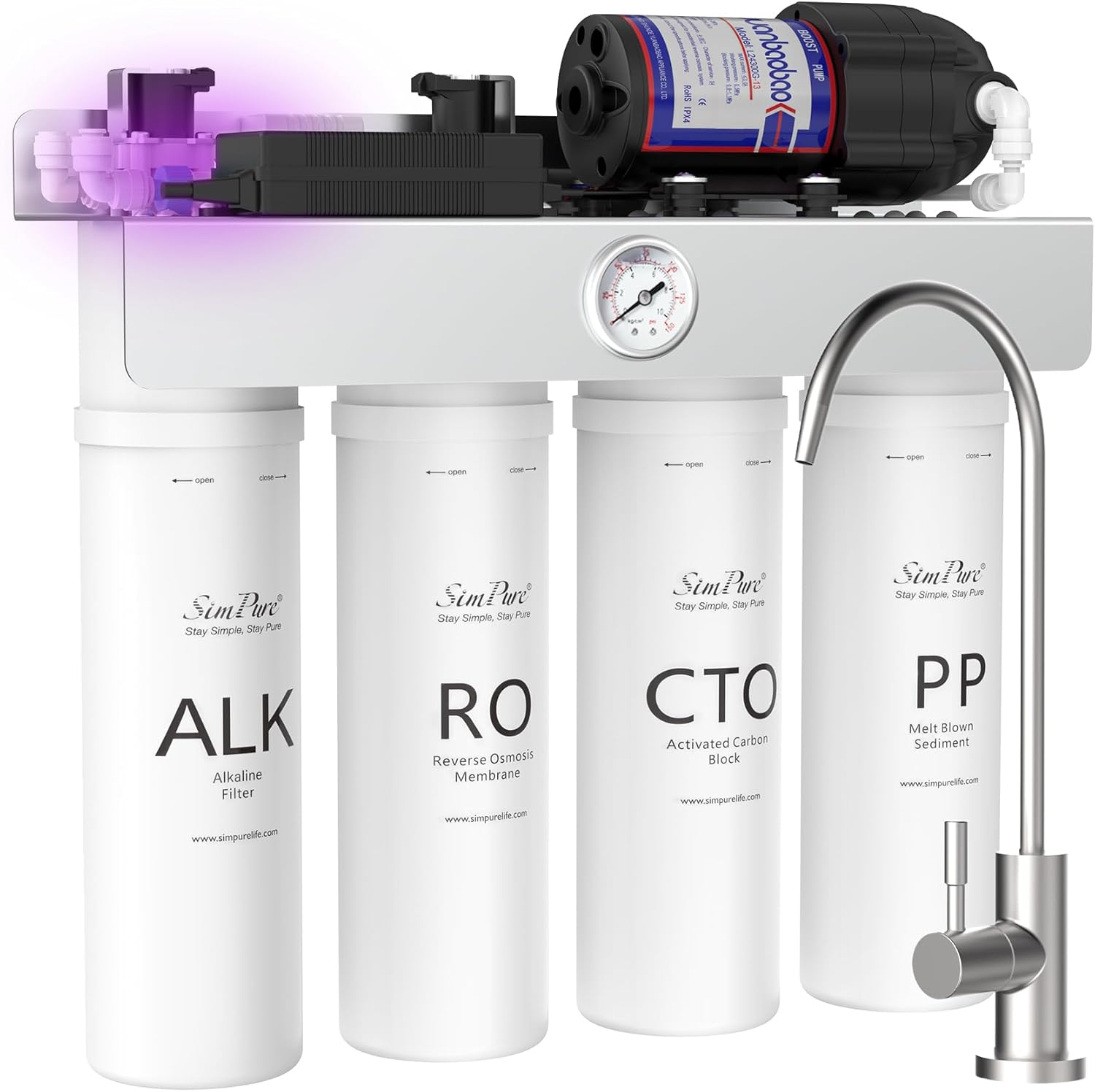
SimPure T1-400 UV Under Sink RO+UV System is a state-of-the-art under-sink water filtration system designed for pure and safe drinking water. The filtration system performs its function using an 8-stage filtration process that can remove 99.99% contaminants, including heavy metals, PFAS, chlorine, and bacteria, as per the provisions set in NSF/ANSI 58 standards.
-
Reduced TDS levels to almost zero, producing ultra-pure water.
-
It achieves a low 1.5:1 pure-to-drain ratio minimizing wastage of water.
-
Purifies up to 400 gallons per day of treated water.
-
Optimizes under-sink space with a compact setup.
-
Provides an additional layer of protection against bacteria and viruses with UV sterilization.
Conclusion
In fact, boiling water has been a practice since long ago, for it has been the best way to kill harmful bacteria and viruses. This would definitely require tedious efforts, showing that it is one of the most convenient ways in terms of safety. However, it’s not a universal solution if you think, does boiling water kill everything? Then you might need a more advanced purification system like SimPure's RO+UV systems. The SimPure Y7P Series and the SimPure T1-400 UV would surely be great aids in pathogen and contaminant elimination. The best safety in food and water may be obtained through combining old and modern means.
Related Blogs:
Does Boiling Water Make It Distilled?
Does Boiling Water Kill Brain Eating Amoeba?
Does Boiling Water Remove Chlorine?
Does Boiling Water Kill Fluoride?