

Why Is My Reverse Osmosis System So Slow?
At some point, almost every RO system owner has the same moment.
You turn on the faucet… and wait.
And wait a little more.
What used to feel normal suddenly feels slower than you remember.
Not broken. Not completely stopped. Just… slow.
And that’s usually when the questions start:
Is something wrong with the system?
Did I install it incorrectly?
Do I need a new filter already?
The truth is, in most cases, nothing is actually “wrong.” It’s usually a combination of small, very normal things that quietly affect performance over time.
It often doesn’t feel slow at the beginning
When people first install a reverse osmosis system, they tend to remember one thing:
It felt fine at first.
Water filled the tank at a reasonable pace. Everything seemed normal.
So when it slows down later, it feels sudden—even though the change actually happens gradually.
That’s why it catches people off guard.
RO systems don’t usually fail in a dramatic way. They just slowly lose efficiency.
Water pressure plays a bigger role than most people think
One of the most common reasons for slow RO output is water pressure.
And the interesting part is, most people don’t even realize their household pressure has changed.
You might not notice it in your shower or sink, but RO systems are sensitive to it.
If pressure drops slightly—due to plumbing conditions, seasonal changes, or even municipal adjustments—the system simply produces water more slowly.
Nothing is broken. It’s just reacting to what it’s given.
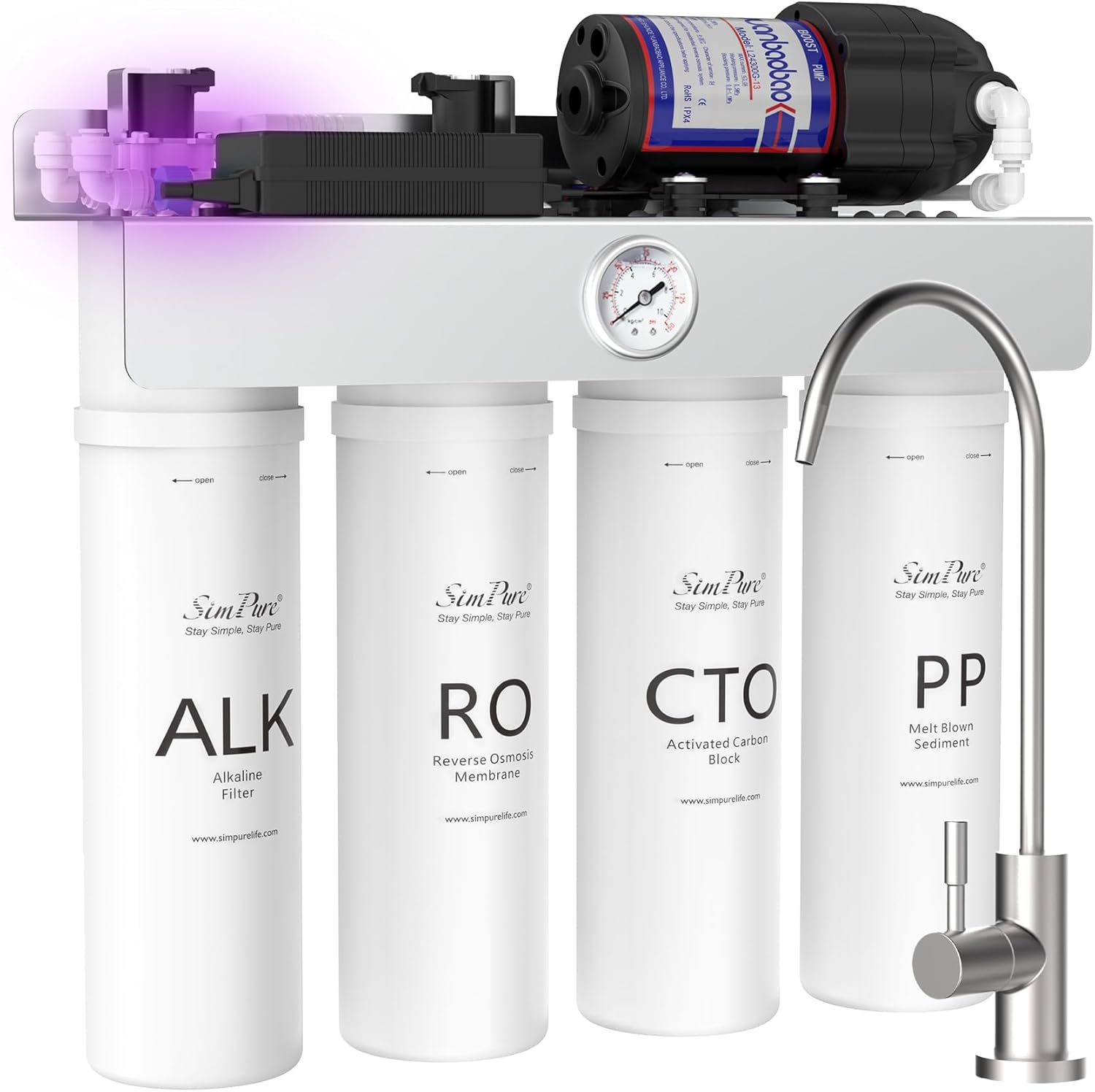
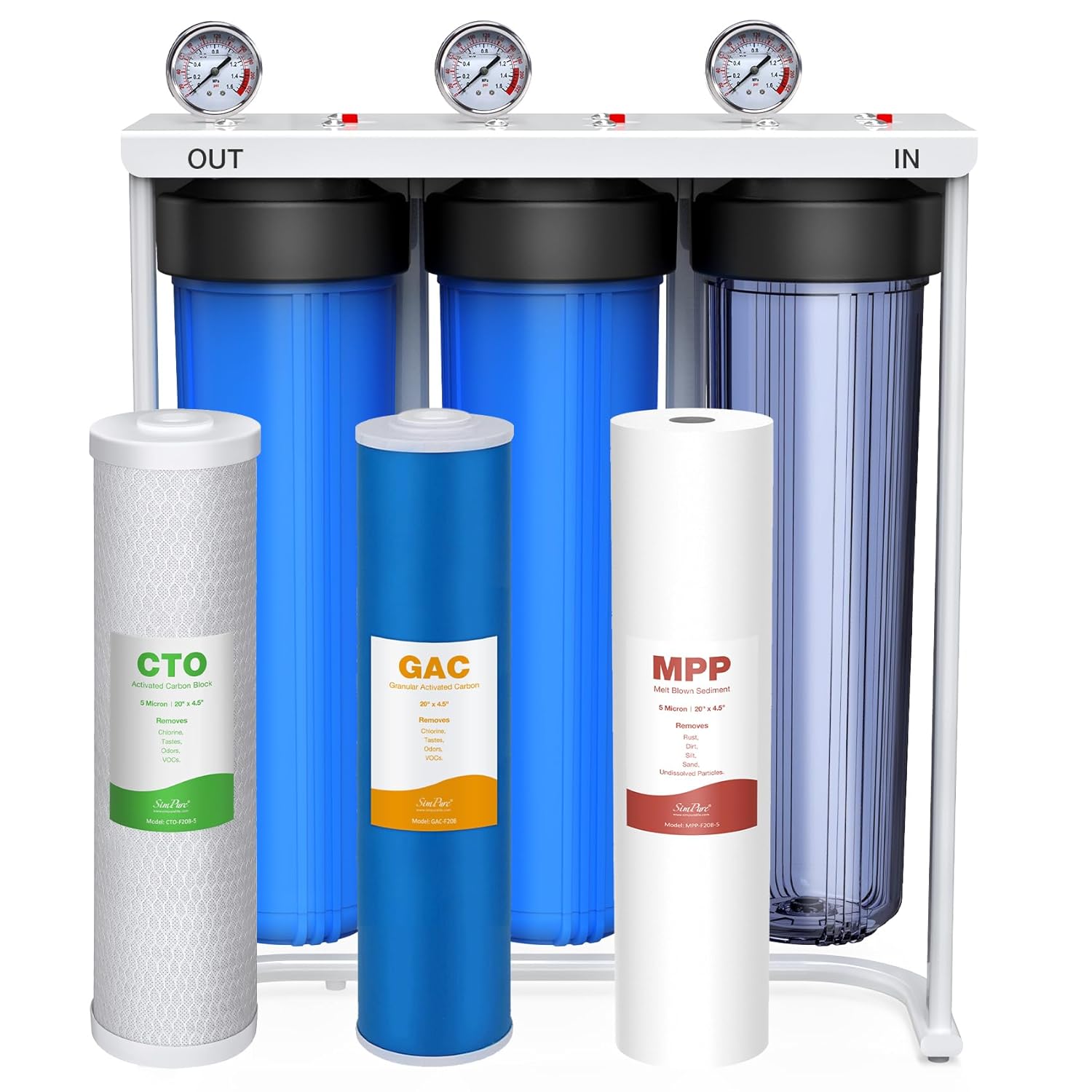
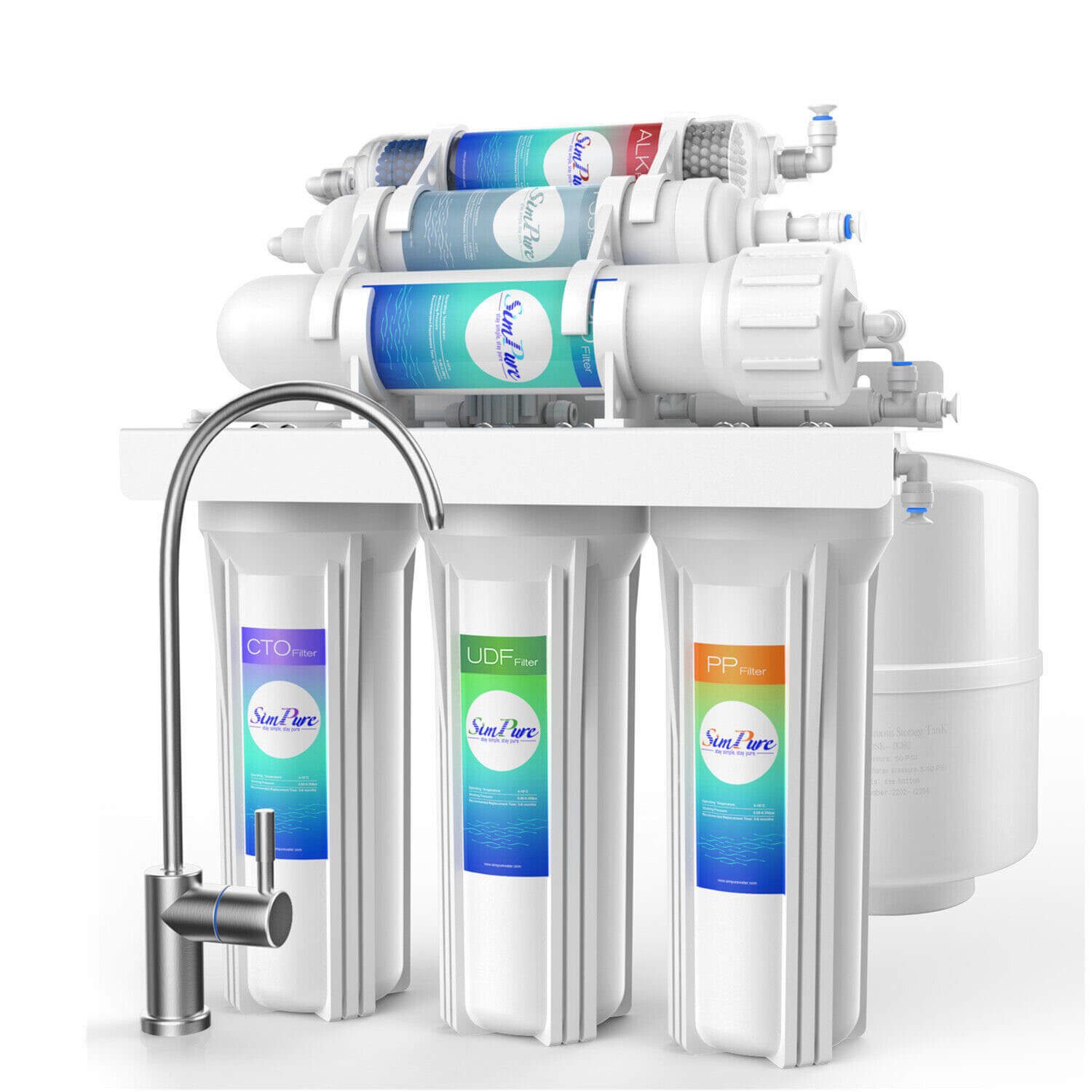
Filters don’t just clean water—they also slow it down over time
This is the part many people forget.
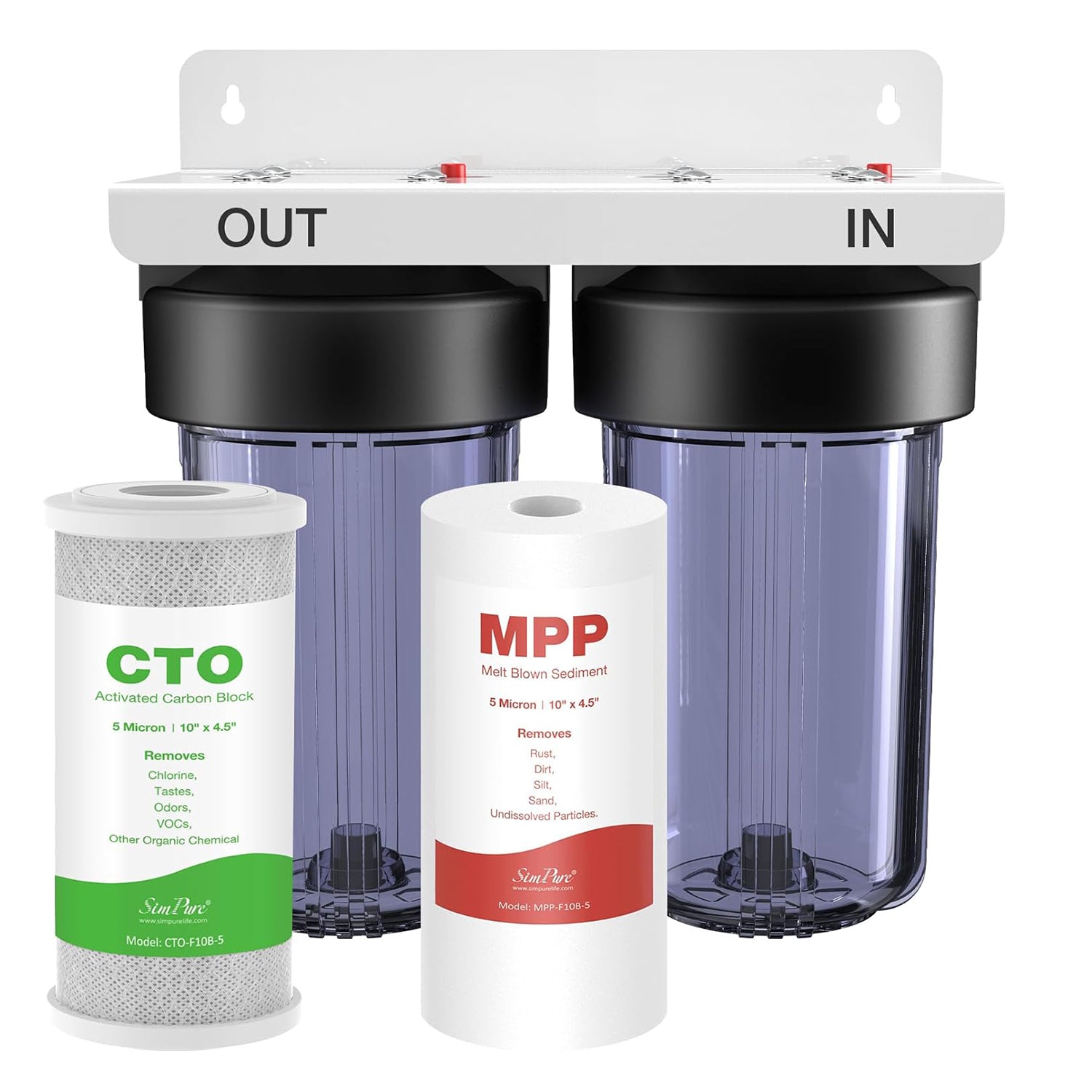
Filters are designed to capture things.
Sediment, chlorine, dissolved particles… all of that has to go somewhere.
Over time, those materials build up inside the filter.
So even if your system is still working, the flow naturally becomes more restricted.
It doesn’t happen overnight, which is why people often don’t connect it to the filter at first.
They just notice the result: slower water.
The membrane might be doing its job a little too well
The RO membrane is the heart of the system.
And it’s also the most precise part.
It filters at a very fine level, which is exactly why it takes time.
But as it ages—or if the incoming water quality changes—it can become less efficient.
Sometimes it clogs slightly. Sometimes it just becomes less responsive.
Either way, output slows down.
It’s not failure. It’s gradual resistance building up.
Temperature matters more than people expect
This one surprises a lot of users.
Reverse osmosis systems work more slowly in cold water conditions.
If your tap water temperature drops—especially in winter—you may notice slower filtration.
It’s not a defect. It’s just physics.
Colder water moves through the membrane more slowly.
So the system feels “lazy,” even though it’s functioning normally.
Storage tank behavior can be misleading
Many RO systems use a pressurized tank to store filtered water.
Over time, the tank pressure can shift slightly.
When that happens, you may notice:
-
slower refill speed
-
less water coming out at once
-
longer waiting time between uses
It often feels like the system itself is slowing down, when in reality it’s just the storage balance changing.
Sometimes it’s simply the stage of maintenance you’re in
Most people don’t track filter replacement dates closely.
And RO systems don’t always give obvious warnings.
So what often happens is:
Everything feels fine → gradually slows down → becomes noticeable → then finally gets attention.
At that point, a simple filter change often restores performance.
It’s one of those maintenance things that’s easy to postpone until it becomes noticeable in daily life.
When people start thinking about upgrading
If you’ve already checked filters, pressure, and basic maintenance, but the system still feels slow, that’s usually when people start considering alternatives.
Not because RO systems are bad—but because older setups can feel less convenient over time.
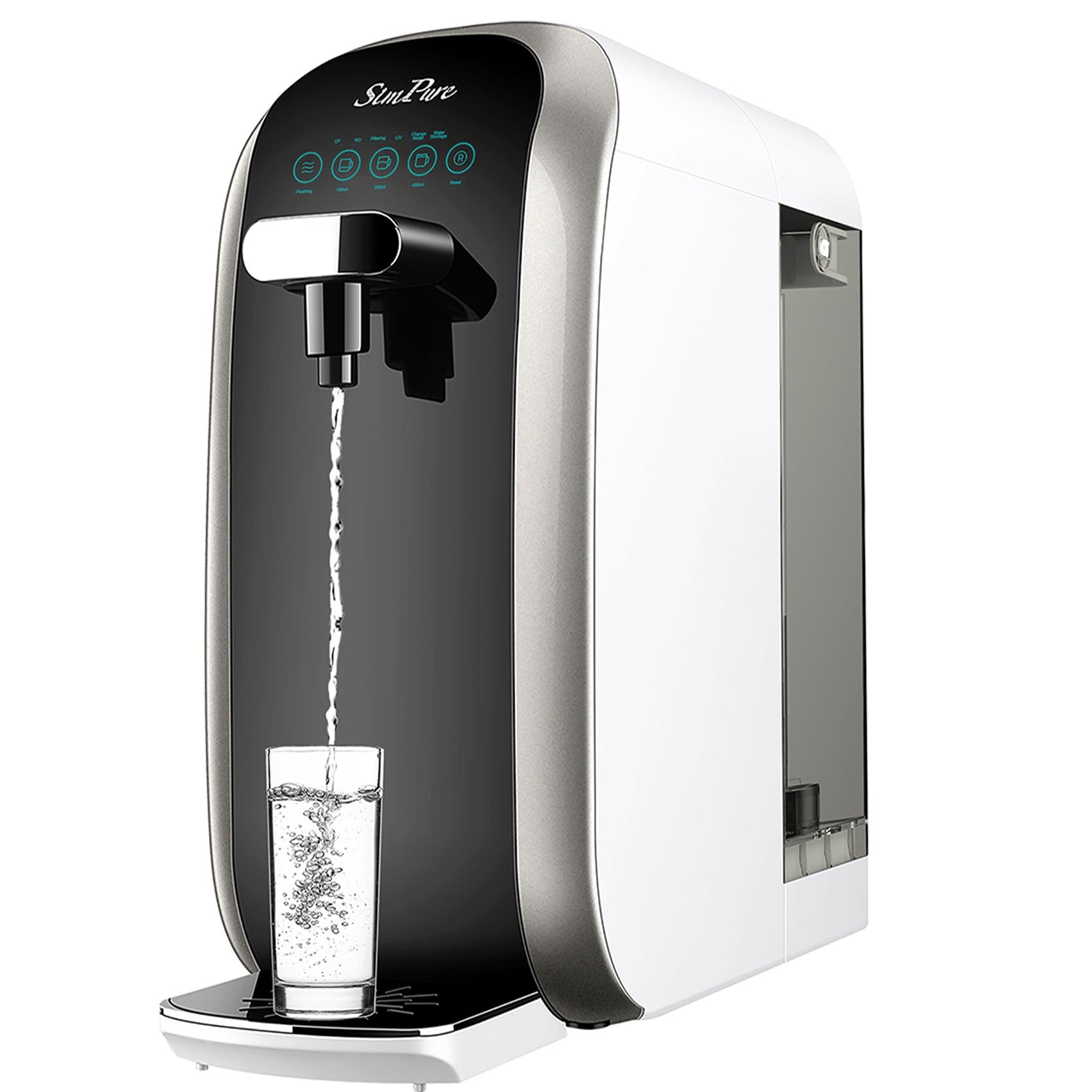
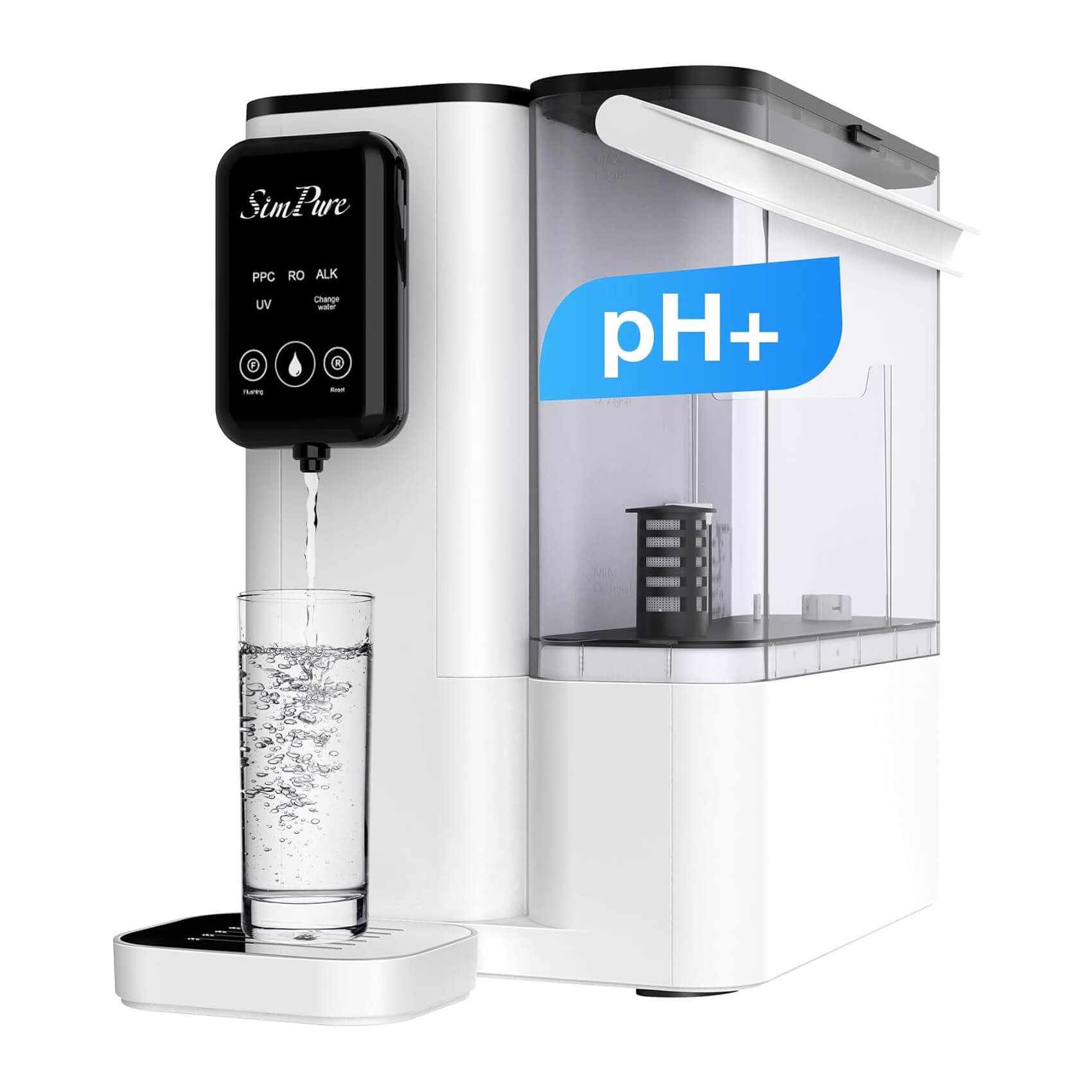
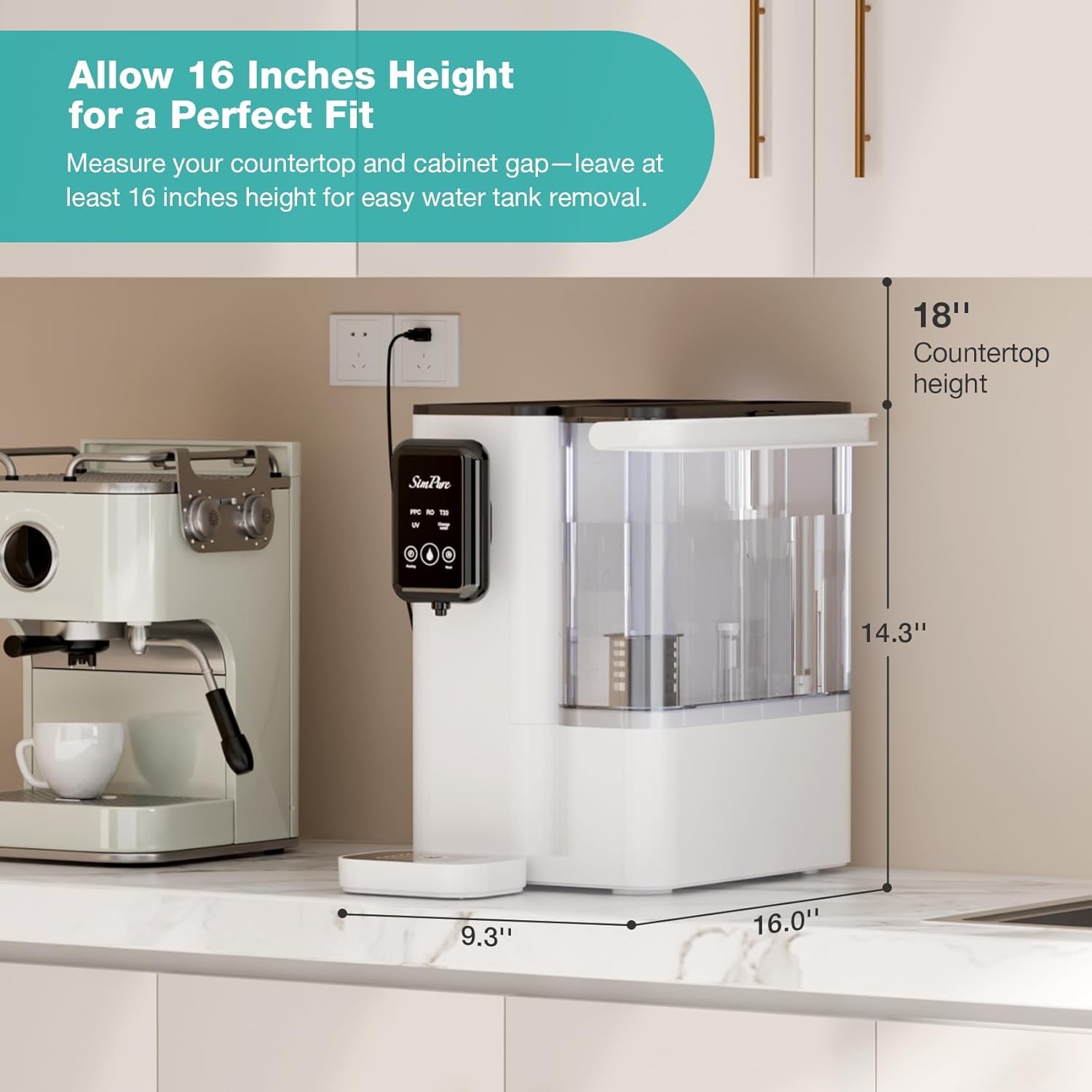
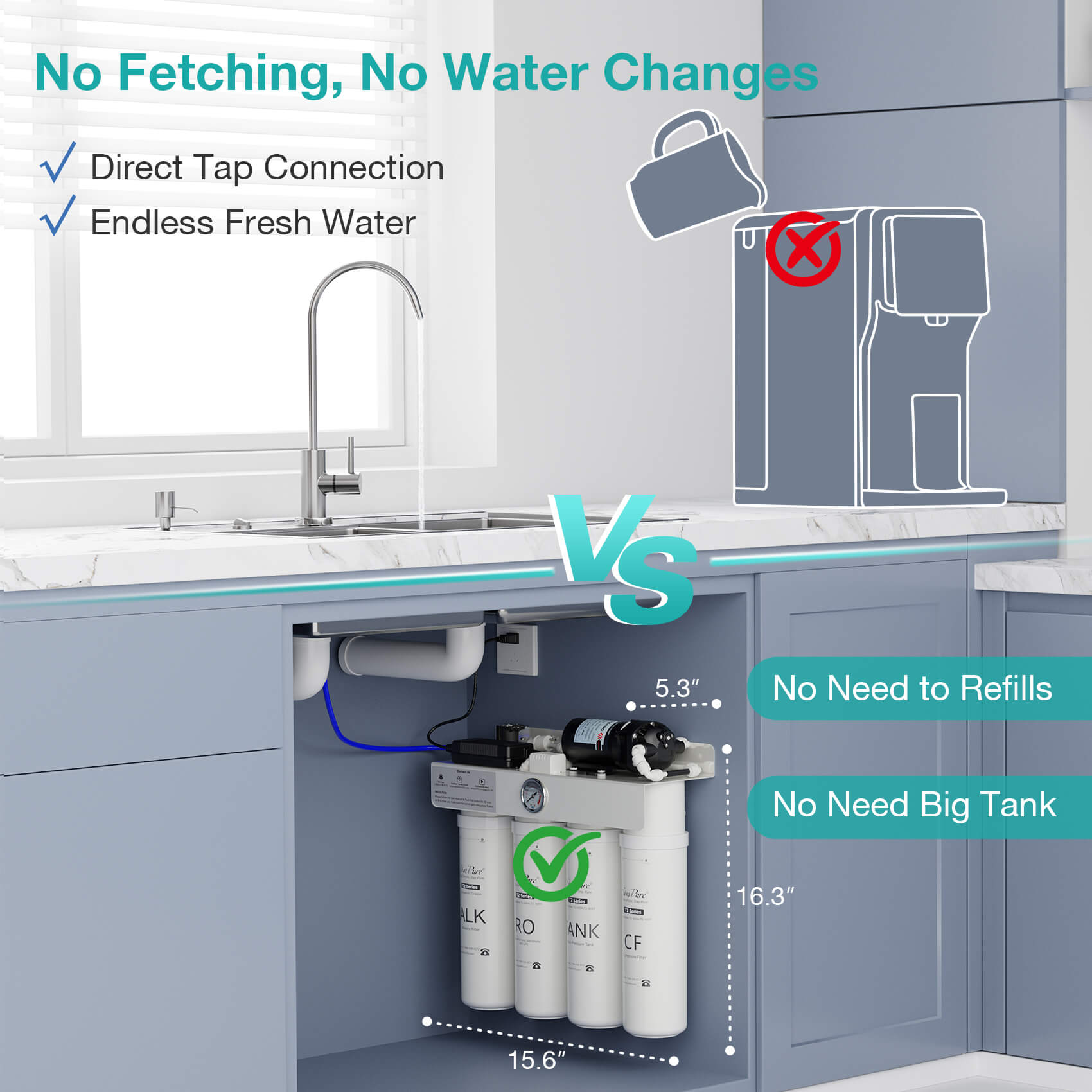
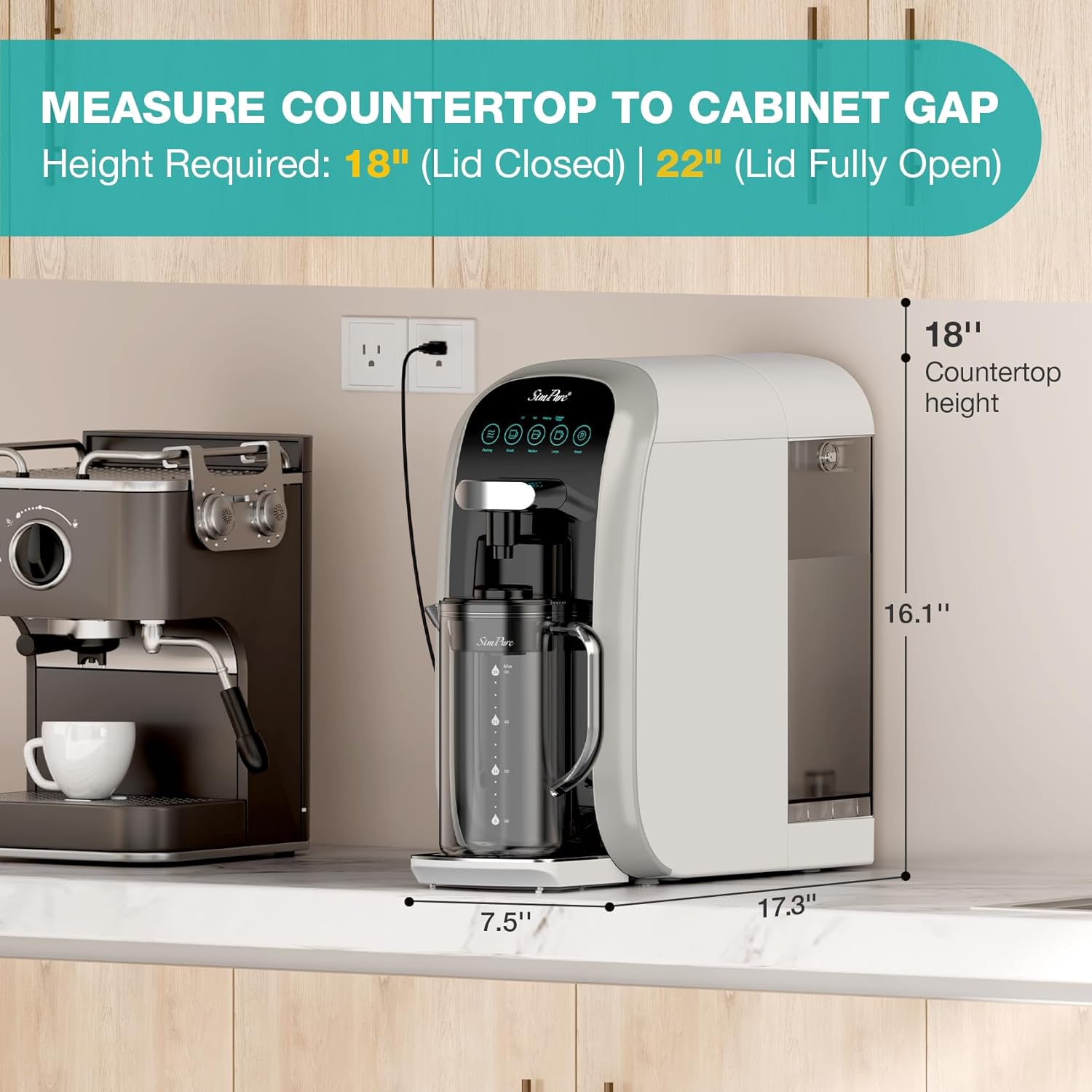
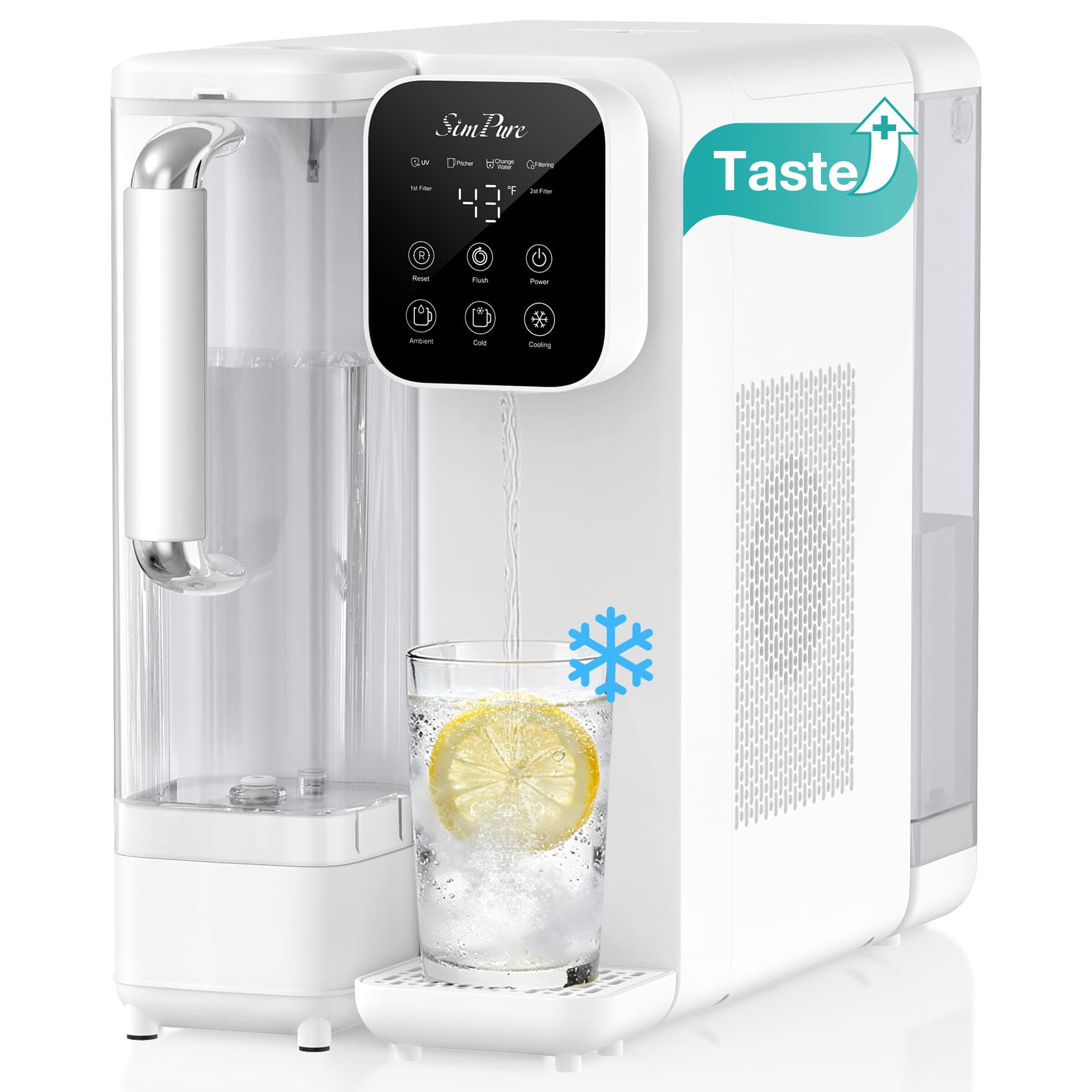
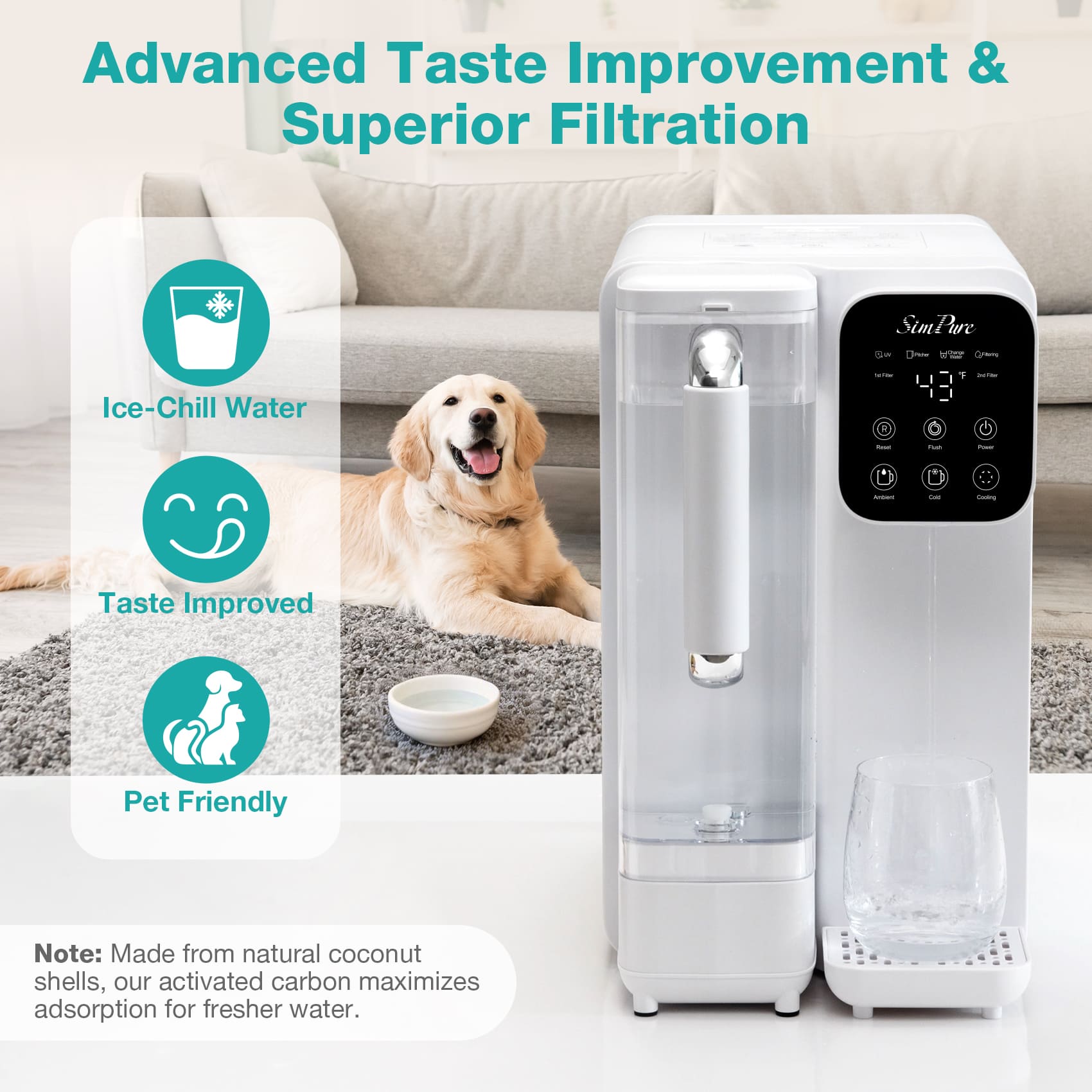
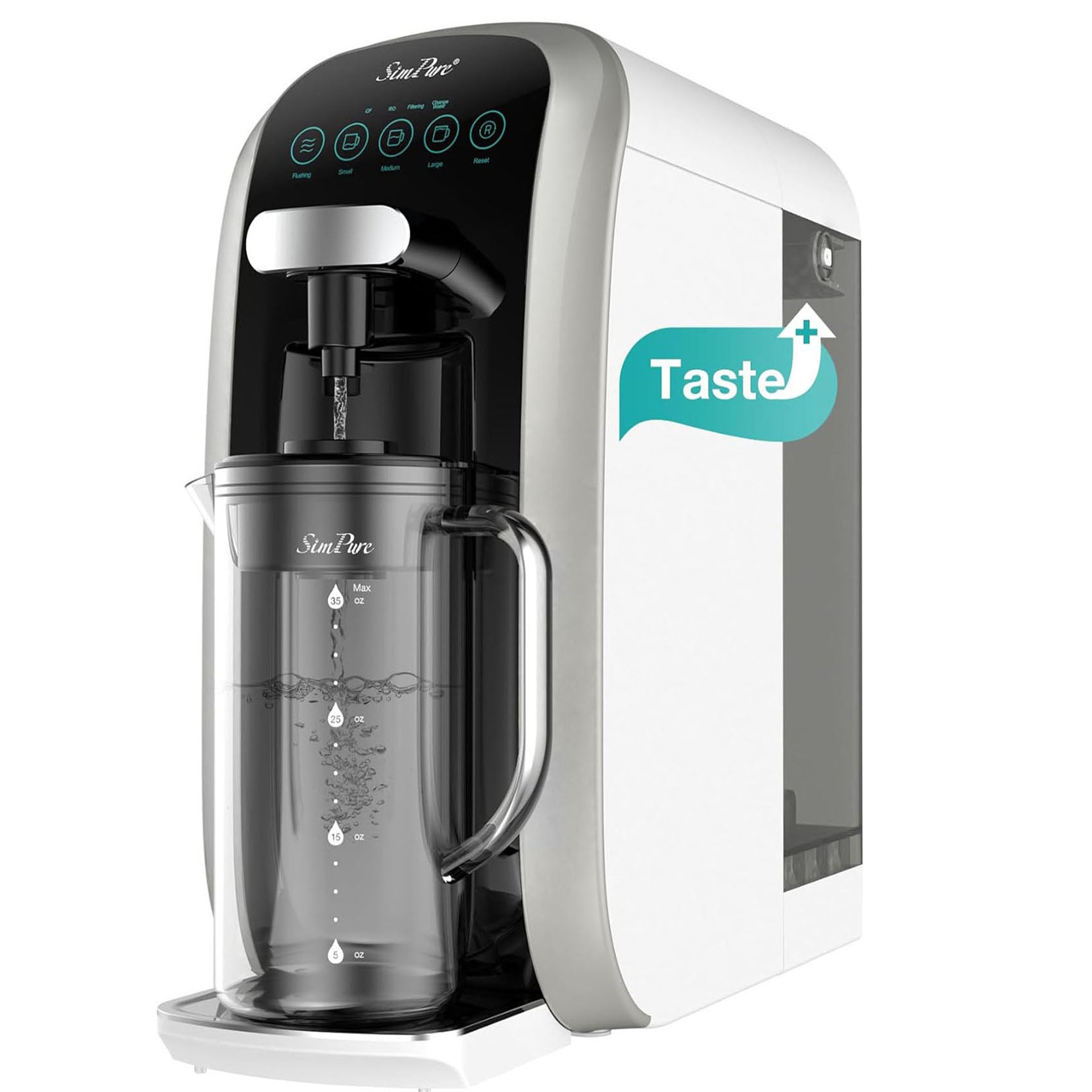
This is also why countertop RO systems have become more popular recently.
They’re designed to simplify the experience:
less installation complexity
fewer hidden plumbing variables
more consistent day-to-day use
Brands like SimPure focus on that kind of design approach—keeping things simple so users don’t have to think too much about maintenance or setup issues in daily life.
It’s less about “better filtration,” and more about reducing friction.
A small reality most people notice later
Something interesting happens after people use RO systems for a while.
At first, they focus on speed.
Later, they care more about consistency.
Slow water is annoying—but unreliable water is worse.
Once the system becomes stable again, most people stop thinking about speed altogether.
That’s usually the real goal, even if it doesn’t feel like it at the beginning.
Final thoughts
If your reverse osmosis system feels slow, it’s usually not a sign that something is broken.
It’s more often a mix of normal factors:
water pressure changes
filter buildup
membrane aging
temperature differences
tank pressure shifts
None of these are unusual.
They’re just part of how RO systems work over time.
The key is not to panic when flow slows down slightly—but to understand what’s likely behind it.
Because once you know that, it becomes a lot easier to decide whether it just needs maintenance… or simply a better setup for your daily routine.