
Are you experiencing persistent stickiness and oiliness in your hair even after showering? This can be quite frustrating and distressing because we all expect to feel refreshed after washing our hair. In this blog, SimPure will address the common reasons behind sticky and oily hair after bathing, providing you with valuable suggestions. Additionally, we will offer practical solutions to help you achieve that fresh feeling after washing your hair.
| Causes of Sticky Hair at a Glance |
|---|
| 1. Washing Your Hair Too Frequently |
| 2. Excessive Oiliness in the Scalp Caused by a Poor Diet |
| 3. Using Inappropriate or Low-Quality Shampoo Products |
| 4. Inadequate Rinsing of Shampoo or Conditioner |
| 5. Accumulation of Commonly Used Styling Products like Hairspray |
| 6. Endocrine Disorders Resulting from Lifestyle Habits |
| 7. Washing Hair and Bathing with Hard Water |
Cause 1. Washing Your Hair Too Frequently
Washing your hair too often can potentially result in increased oiliness. The hair follicles can naturally secrete sebum to maintain a healthy oil balance and promote scalp health. However, frequent hair washing removes the scalp's natural oils, causing hair follicles to ramp up sebum production to maintain the oil balance of the hair and compensate for the loss. Ultimately, it can lead to greasy and sticky hair.
- Reduce washing frequency: try every 2–3 days.
- Focus shampoo on the scalp, not the entire hair length.
- Avoid over-conditioning hair strands.
Cause 2. Excessive Oiliness in the Scalp Caused by a Poor Diet
An improper diet can contribute to excessive oil secretion in the scalp, potentially leading to seborrheic dermatitis. Excessive high-fat diets, including foods like meat and nuts, can cause sebaceous gland hypertrophy, hyperfunction, and increased oil secretion. Additionally, high-sugar and highly stimulating foods can also stimulate sebaceous gland activity. As a result of excessive sebum production, the hair may feel sticky shortly after washing.
- Cut back on fried, high-fat, and sugary foods.
- Eat more vegetables, fruits, and whole foods.
- Maintain a relaxed, stress-free lifestyle.
- Use high-quality shampoo suited for oily hair.
Cause 3. Using Inappropriate or Low-Quality Shampoo
Low-quality shampoos can contribute to sticky hair because they often fail to effectively cleanse your hair and scalp, leaving behind dirt, oil, and product build-up. Additionally, certain ingredients in some shampoos may not be suitable for your hair type, further contributing to a sticky residue. For instance, if you have oily hair and opt for a shampoo containing silicone oil, it may initially give your hair a shiny and smooth appearance due to its viscous and moisturizing properties. However, prolonged use can result in silicone oil buildup on the scalp, leading to clogged pores, folliculitis, dandruff, and a sticky sensation in your hair after bathing.
- Choose shampoo formulated for your hair type.
- Test alternative brands if stickiness persists.
- Consult a dermatologist if issues continue.
Cause 4. Inadequate Rinsing of Shampoo or Conditioner
Insufficient rinsing of shampoo or conditioner can leave residue in your hair, resulting in a sticky feeling after showering. When shampoo or conditioner is not thoroughly rinsed out, it can accumulate on the strands, collecting dirt, oil, and other impurities. This residue not only weighs down the hair but also attracts additional dirt, leading to stickiness.
- Rinse thoroughly with plenty of water.
- Focus on washing roots and scalp.
- Ensure no shampoo or conditioner remains.
Cause 5. Accumulation of Commonly Used Styling Products like Hairspray
The accumulation of your regular styling products, like hairspray, can result in sticky hair after showering. This is because certain styling products, particularly those with thick or sticky ingredients, are not easily washed off with regular shampoos. As a result, sticky residue builds up over time and attracts dirt, dust, and oil from the surroundings, causing the hair to feel even stickier.
- Use styling products sparingly.
- Massage scalp gently while washing.
- Apply clarifying shampoo once a week to remove buildup.
Cause 6. Endocrine Disorders Resulting from Lifestyle Habits
If you often experience nervousness, stress, or frequently stay up late, it can easily lead to endocrine disorders, causing hormonal imbalances in the body, which can also result in sticky hair after washing. Staying up late or experiencing prolonged insomnia can disrupt the body's natural biological clock, leading to irregular sleep patterns and hormone levels, ultimately resulting in endocrine disorders and impacting the body's metabolism. The secretion of hypothalamic and pituitary hormones in the human body is closely tied to the circadian rhythm of sleep, so irregular sleep patterns can disrupt hormone secretion. Therefore, individuals who regularly stay up late are more susceptible to experiencing endocrine disorders.
- Maintain a regular sleep schedule.
- Manage stress with relaxation techniques.
- Eat a balanced diet and stay hydrated.
- Seek medical advice if symptoms persist.
Cause 7. Washing Hair and Bathing with Hard Water
Washing and bathing in hard water, which is rich in minerals like calcium and magnesium ions, can lead to the issue of sticky hair after showering. The presence of minerals such as calcium, magnesium, and iron in hard water creates a reaction known as "soap scum" when it interacts with shampoo or soap. This soap scum makes it challenging to completely rinse out the shampoo or soap from your hair, resulting in a sticky residue. Additionally, the minerals in hard water can disrupt the pH balance of your scalp, making it more alkaline. An imbalanced pH level can cause dryness and irritation, triggering your scalp to produce excess sebum (oil) as a protective response. The excess oil can then contribute to the sticky sensation in your hair.
- Install a water filter or RO system to soften water.
- Rinse hair thoroughly after washing.
- Use clarifying shampoo periodically to remove mineral buildup.
Here Are Detailed Solutions for Hair Sticky After Shower
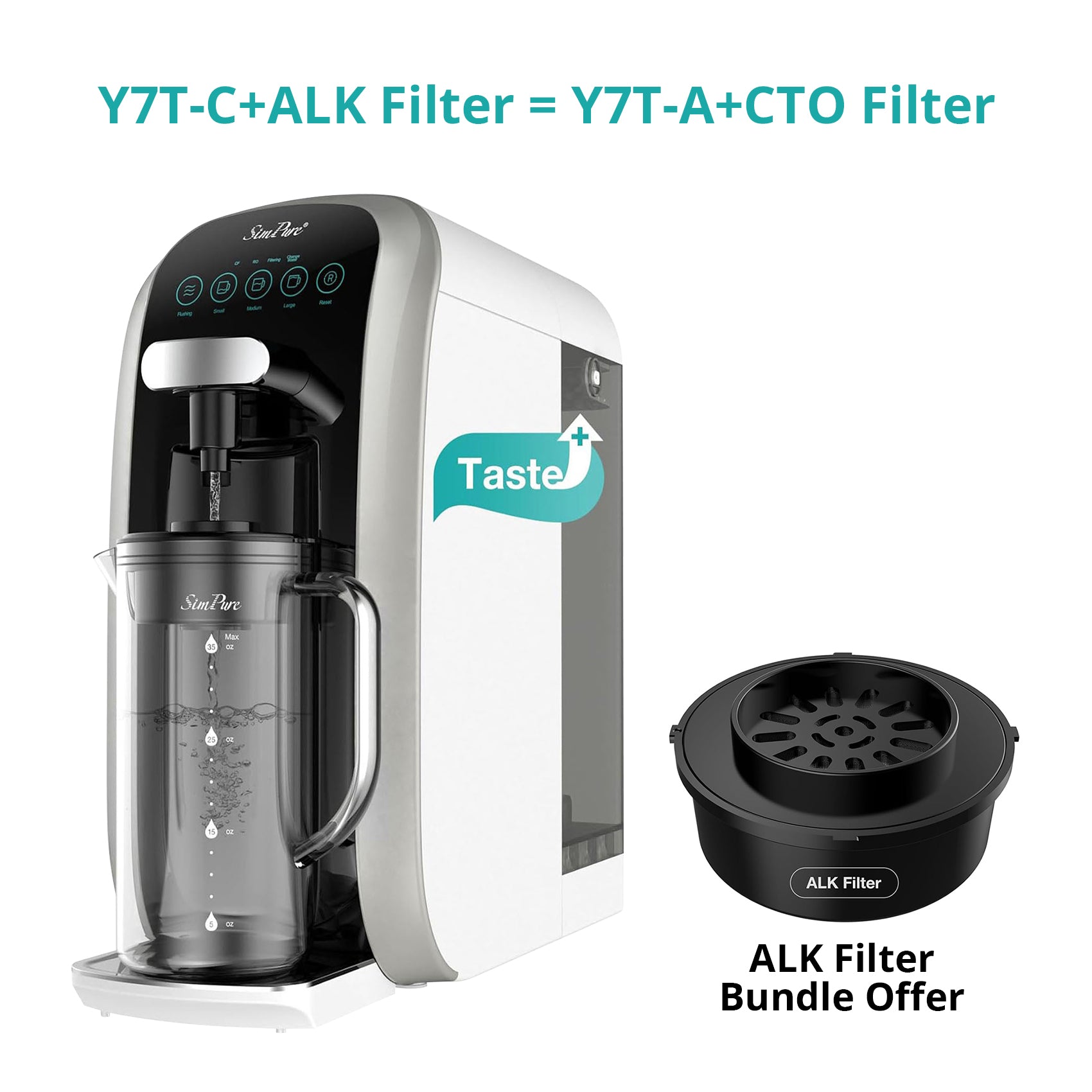
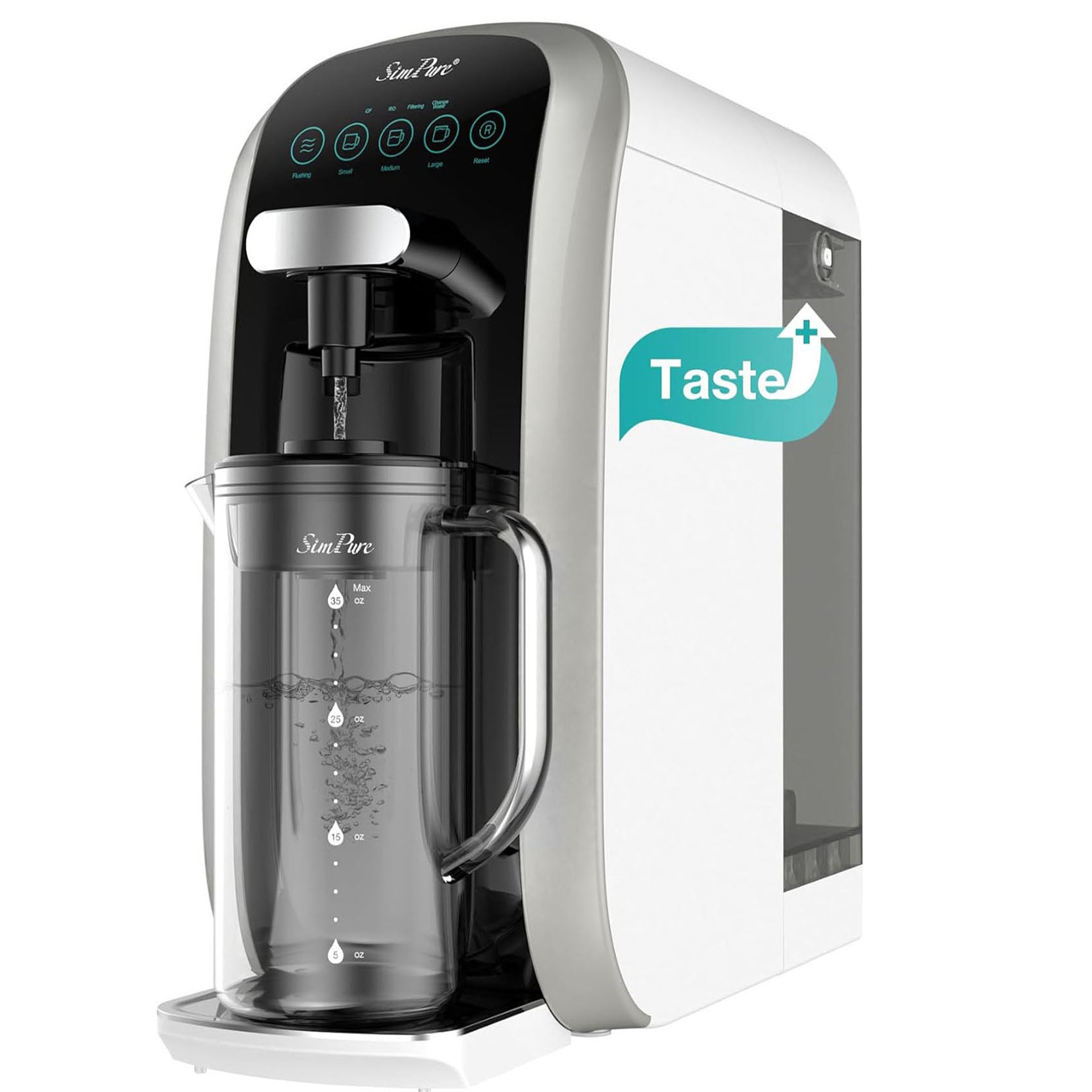
1. Remove mineral buildup – SimPure RO

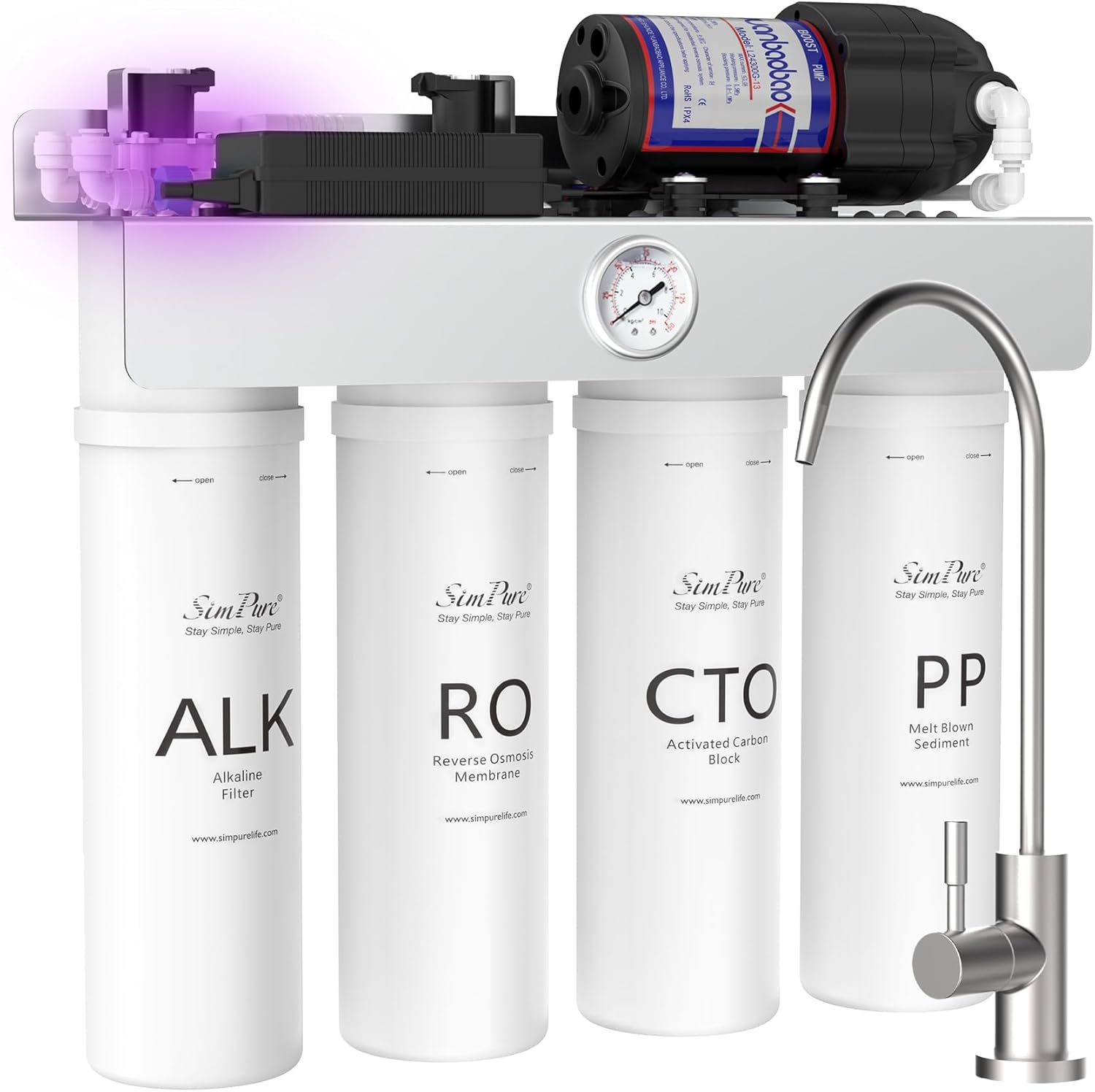
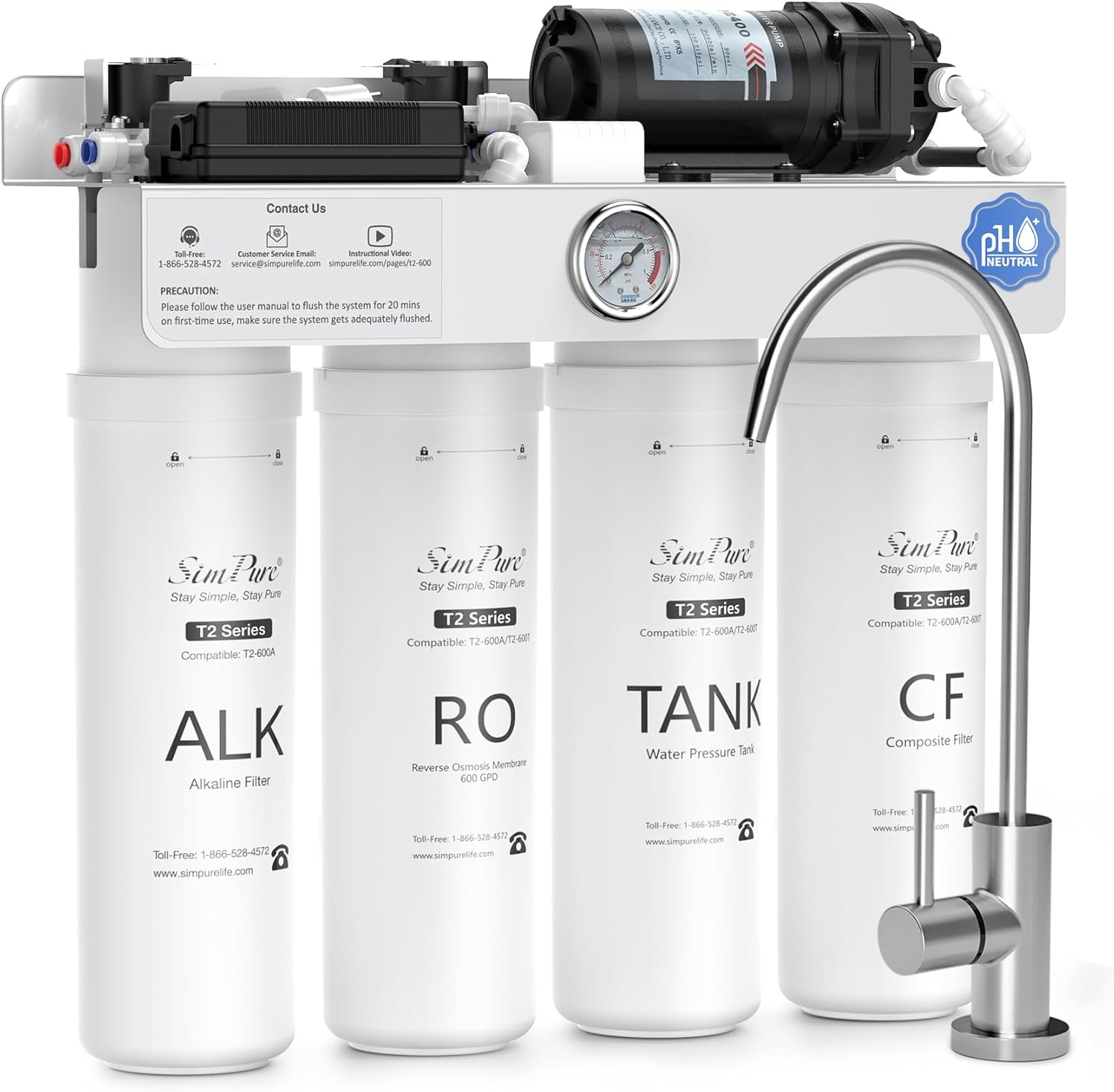
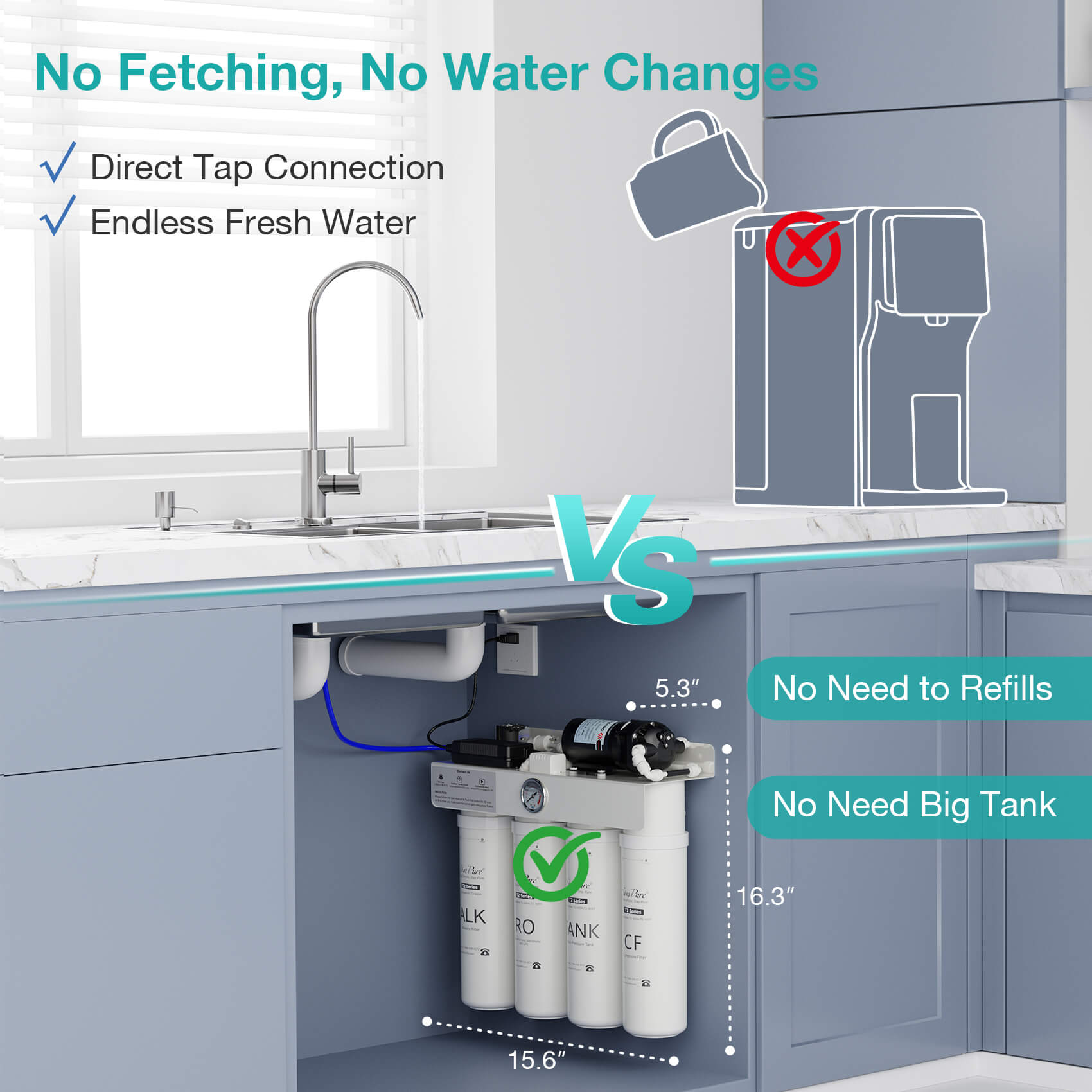
SimPure Reverse Osmosis systems remove minerals like calcium and magnesium that cause sticky hair. Using RO water for washing and rinsing prevents residue buildup on scalp and hair strands, leaving hair soft, manageable, and less oily.
2. Affordable water softening – Shower filter
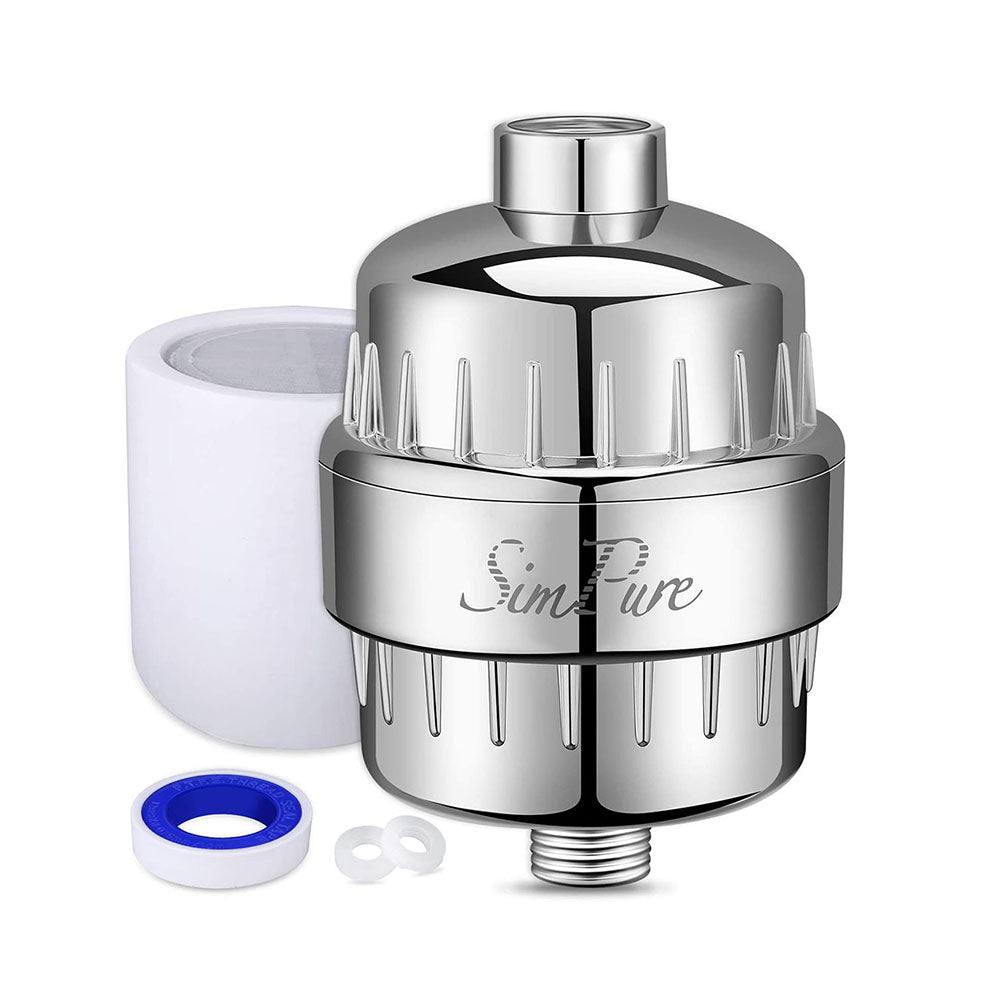
Shower filter a cost-effective solution to hard water. You can consider installing a shower water filter specifically designed for hard water issues. Such as SimPure shower water filter for hard water, which contains 20 stages (including KDF 55, alkaline ceramic balls, activated carbon, calcium sulfate, and other filter materials). The water filter includes a resin filter layer that effectively softens the water quality, addressing the challenges of washing hair and bathing with hard water. By utilizing a shower head water softener during bathing, you can enhance your overall bathing experience.
3. Proper hair washing techniques – Focus on scalp
- Wet hair thoroughly with filtered or RO water if possible.
- Apply shampoo only to the scalp; massage gently for 2–3 minutes.
- Rinse thoroughly, ensuring no shampoo residue remains.
- Apply a small amount of conditioner only to mid-lengths and ends; avoid roots.
Tip: For oily scalp, use lightweight or clarifying shampoo; for dry scalp, hydrating shampoo is best.
4. Choose the right shampoo & conditioner – Tailored formulas
Oily hair: Use lightweight, sulfate-free, clarifying shampoos. Avoid silicones.
Dry/damaged hair: Use hydrating shampoos and conditioners with keratin, argan oil, or plant proteins.
Colored hair: Use color-safe formulas to avoid residue.
- Rotate between regular and clarifying shampoos weekly.
5. Clarifying shampoo or vinegar rinse – Break buildup
- Once a week, use clarifying shampoo to remove styling product and mineral buildup.
- Optional: Rinse with 1–2 tbsp apple cider vinegar in 1 cup water for 2 minutes, then rinse thoroughly.
- Follow with lightweight conditioner on ends only.
Tip: Hard water areas may need more frequent clarification; fine hair should avoid over-drying.
6. Hair masks and treatments – Repair & smooth
- Apply deep conditioning mask 1–2 times per month.
- Focus on mid-lengths to ends; leave 5–15 minutes based on thickness.
- Rinse thoroughly with filtered or soft water.
Tip: Protein or keratin masks for chemically treated hair; moisture-rich masks for dry/frizzy hair.
FAQs on Sticky Hair
1. Can sticky hair be prevented?
Yes, using proper washing techniques, tailored products, and installing a water filter can help prevent sticky hair.
2. How often should I clarify my hair?
Once every 1–2 weeks depending on water hardness and product use.
3. Does conditioner cause sticky hair?
Overuse or leaving conditioner on hair contributes to stickiness.
4. Does filtered water help reduce sticky hair?
Yes, using SimPure RO Systems or shower filters prevents mineral and residue buildup.
5. What hair types are more prone to sticky hair?
Fine, curly, or oily hair types are more likely to experience stickiness.
6. What does overhydrated hair look like?
Overhydrated hair often appears limp, overly soft, mushy, and prone to tangling or breakage.
7. Can hair be both dry and overhydrated?
Yes. Hair can feel dry on the surface but overhydrated internally. Balance moisture and protein treatments to correct.
8. What products cause sticky residue in hair?
Hair gels, heavy oils, silicones, or frequent styling products. Clarifying shampoos help remove buildup.
Conclusion
Sticky hair after showering is often caused by a combination of factors: scalp oil, hard water, over-washing, and product buildup. By identifying the specific cause and using practical solutions such as RO water, shower filters, proper washing techniques, and suitable hair care products, you can achieve fresh, soft, and manageable hair. For more solutions, explore SimPure Home.
Related Blog: Why Does My Skin Feel Sticky After a Shower?