

Why Does My Water Smell Like Sulfur? Here's What Could Be Causing It
You turn on the faucet expecting a glass of fresh water, but instead you're met with an unpleasant smell that reminds you of rotten eggs.
It's not only unpleasant—it can also be concerning.
Many homeowners immediately wonder whether the water is still safe to drink or if there's something wrong with their plumbing. Fortunately, a sulfur smell doesn't always indicate a serious problem. In many cases, it's caused by naturally occurring compounds or conditions that can be identified and addressed.
If you've been asking, "Why does my water smell like sulfur?" understanding where the odor comes from is the first step toward finding the right solution.
What Causes Sulfur Smells in Tap Water?
The most common reason for a sulfur odor is hydrogen sulfide gas (H₂S).
Hydrogen sulfide forms naturally when sulfur-containing organic matter breaks down in environments with little oxygen. As groundwater moves through rock and soil, small amounts of this gas can dissolve into the water before it reaches your home.
Even at very low concentrations, hydrogen sulfide has a strong odor, which is why the smell is often much more noticeable than the actual amount present in the water.
Although well water is more likely to contain hydrogen sulfide, some homeowners using municipal water may occasionally notice similar odors due to plumbing conditions or water heater issues.
Is Sulfur-Smelling Water Safe?
For most households, sulfur odors are more of a nuisance than a health concern.
Hydrogen sulfide at low levels mainly affects the smell and taste of water rather than making it unsafe to drink. However, if the odor appears suddenly, becomes much stronger, or is accompanied by discoloration, cloudy water, or visible particles, it's a good idea to investigate further.
If you're unsure about your water quality, having your water professionally tested is the most reliable way to identify the source of the problem.
Knowing what's actually in your water is far more helpful than relying on smell alone.
Your Water Heater Might Be the Real Problem
If you only notice the odor when using hot water, your water heater could be responsible.
Inside some water heaters, naturally occurring bacteria can react with the magnesium anode rod, producing hydrogen sulfide gas. This is especially common when hot water has been sitting in the tank for long periods.
A simple test can help narrow it down.
Turn on the cold water first.
If it smells normal but the hot water has a sulfur odor, the issue is likely inside the water heater rather than coming from your water supply.
Routine maintenance or replacing the anode rod may solve the problem.
Well Water and City Water Don't Have the Same Challenges
Where your water comes from makes a difference.
Private wells draw groundwater directly from underground aquifers, where naturally occurring sulfur compounds are more common.
Municipal water, on the other hand, goes through multiple treatment processes before reaching your home, making persistent sulfur odors much less common.
If you're connected to a public water system and suddenly notice a rotten egg smell, it's worth checking whether your neighbors are experiencing the same issue or contacting your local utility for updates.
If the odor is limited to your home, your plumbing or water heater is often the more likely cause.
Can a Water Filter Remove Sulfur Odors?
The answer depends on what's causing the smell.
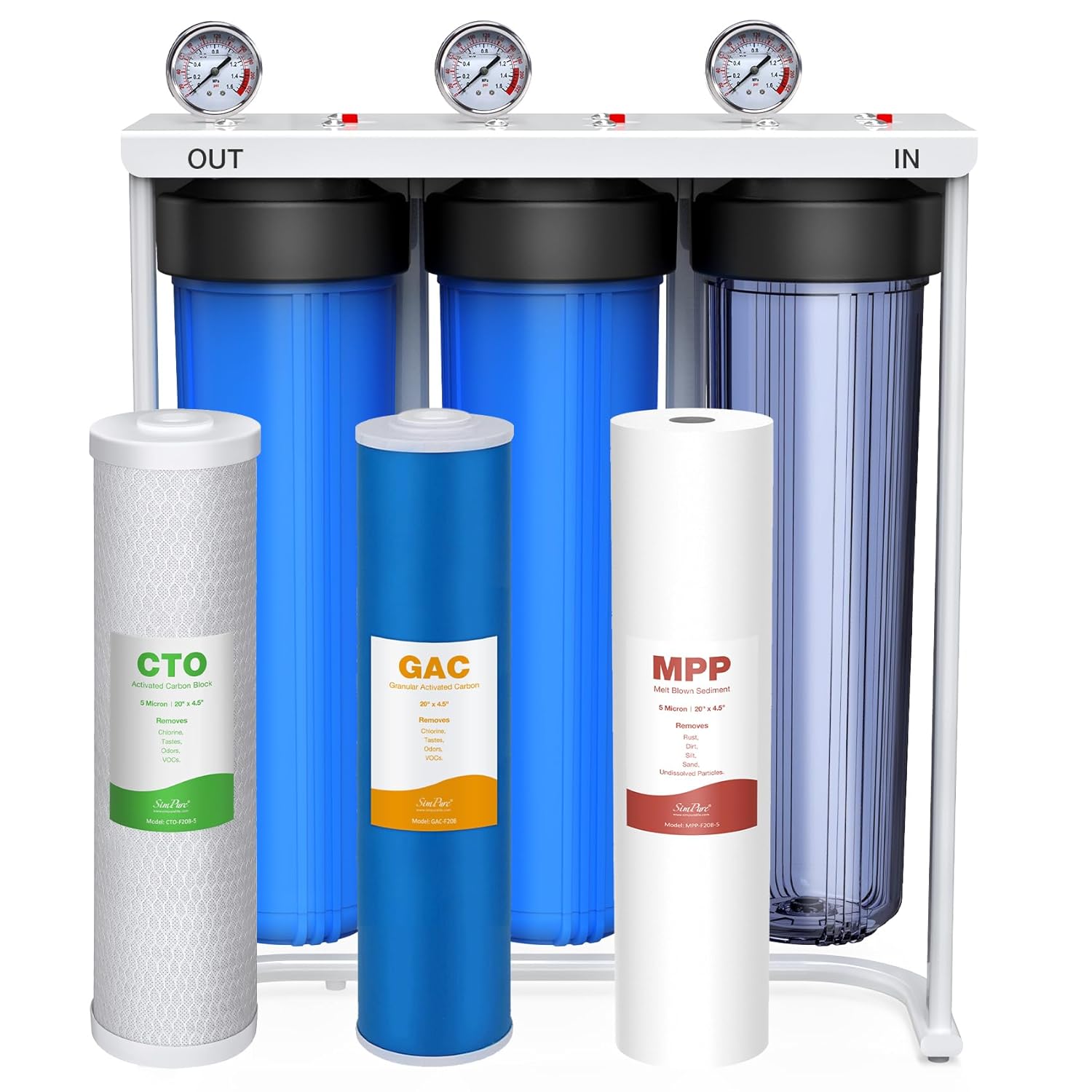
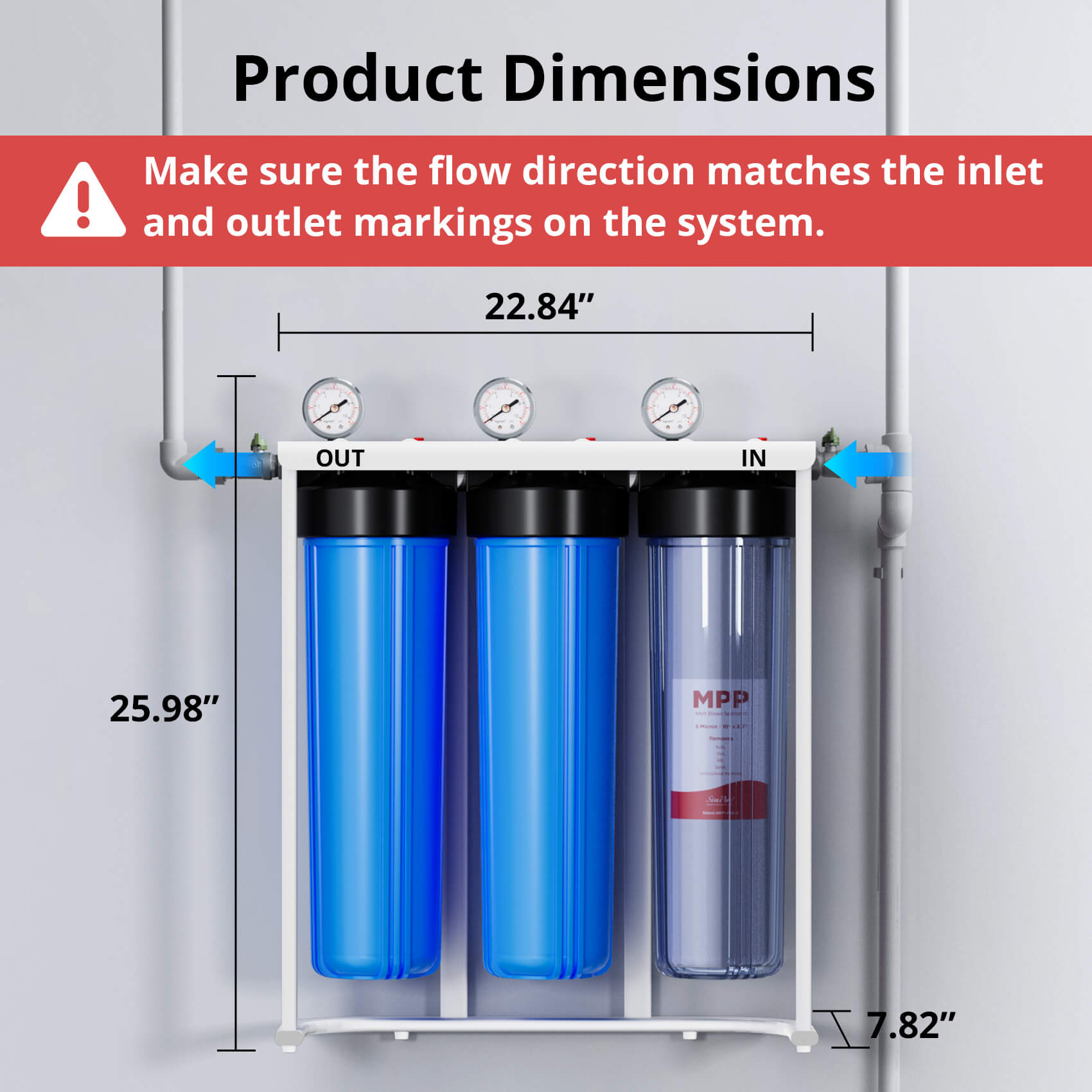
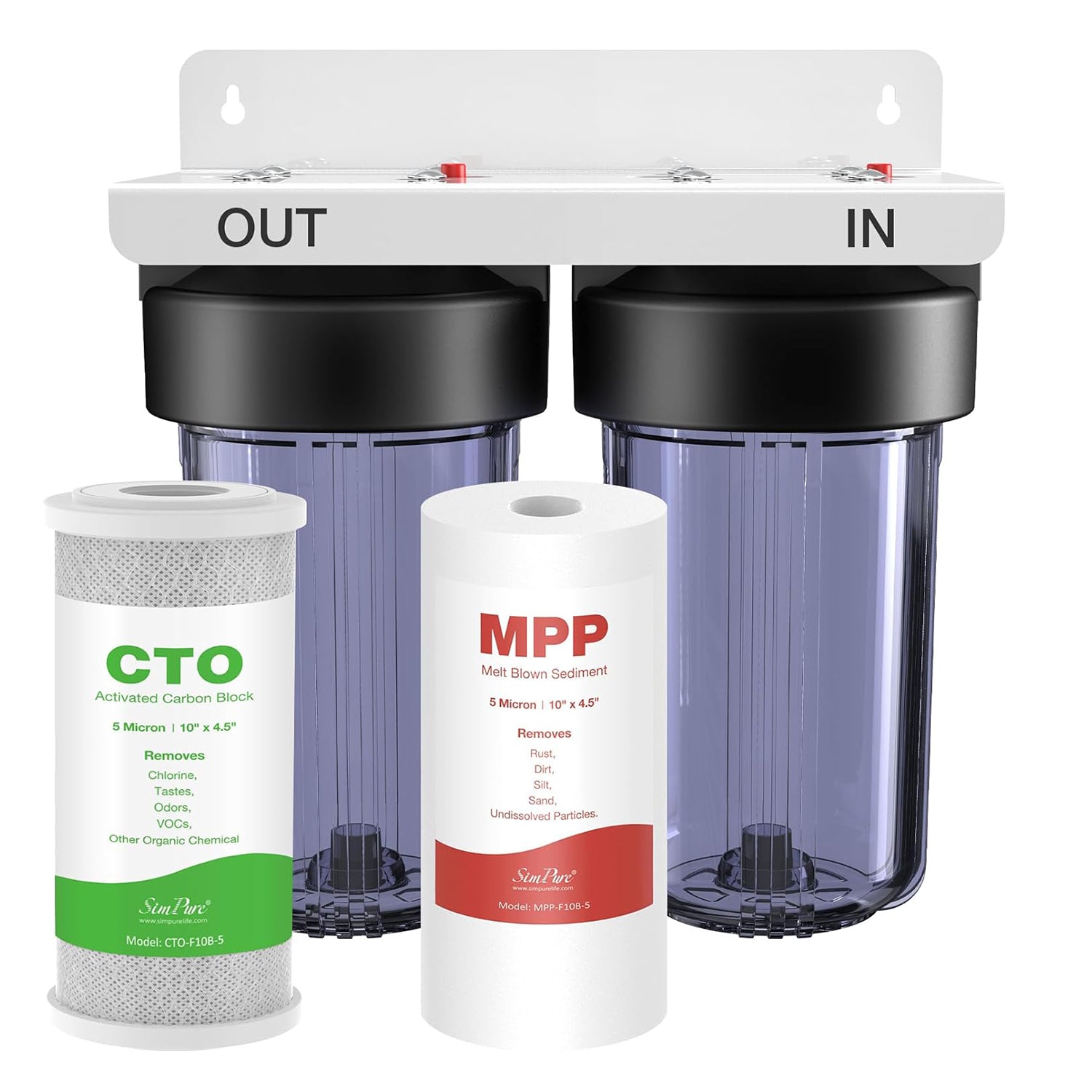
If hydrogen sulfide levels are high, specialized treatment systems designed for sulfur removal are usually the most effective solution. These systems often use oxidation followed by filtration to remove the gas before the water enters your home.
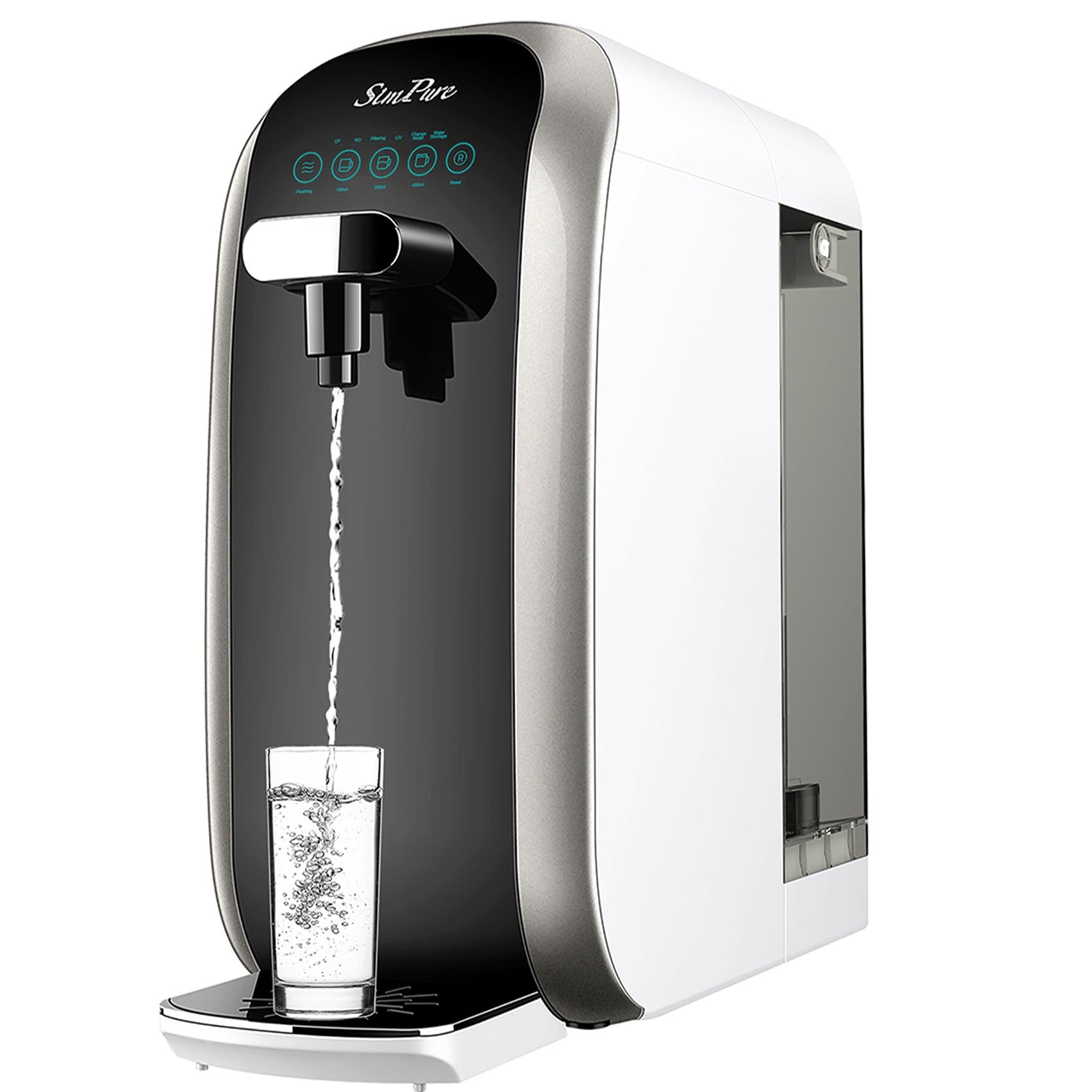
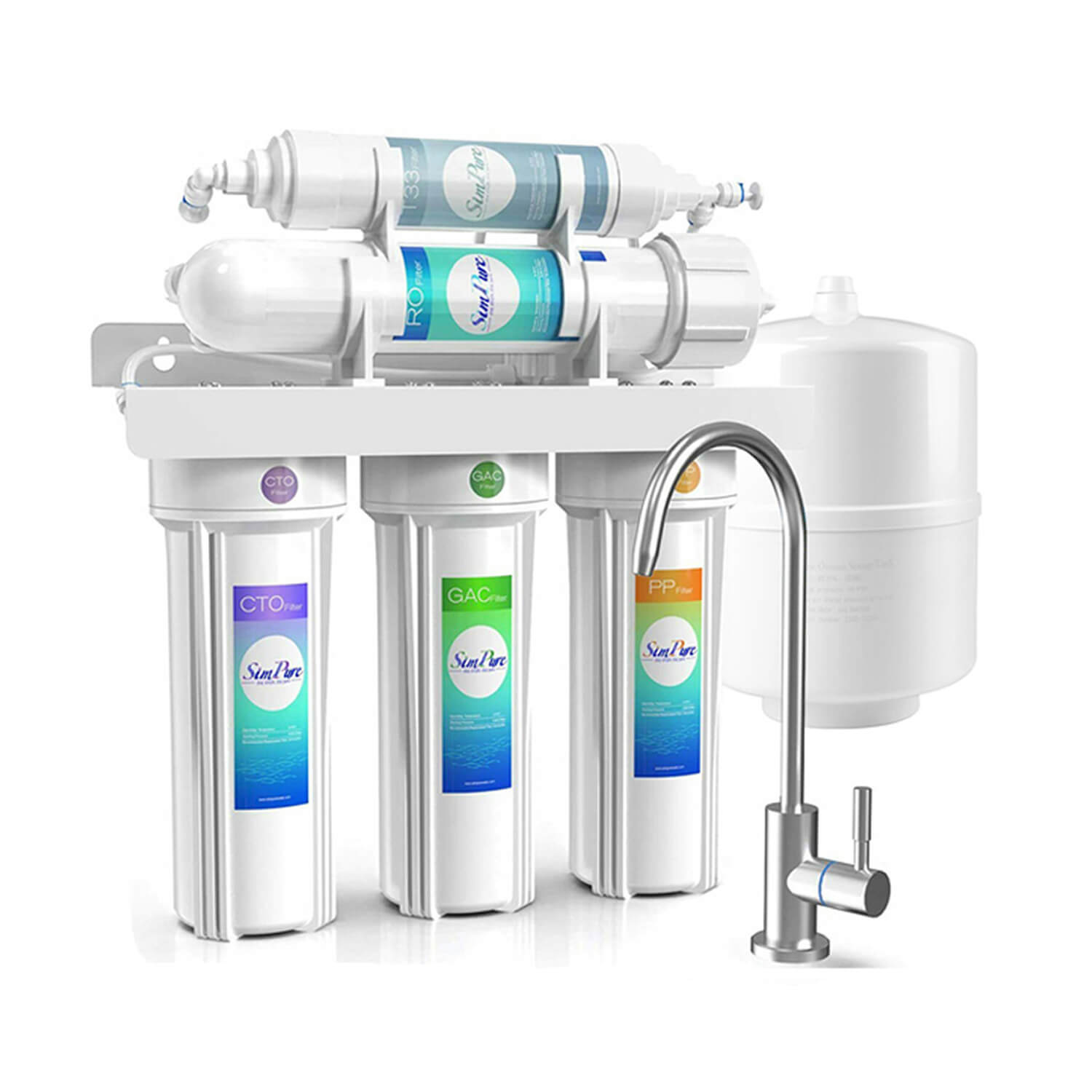
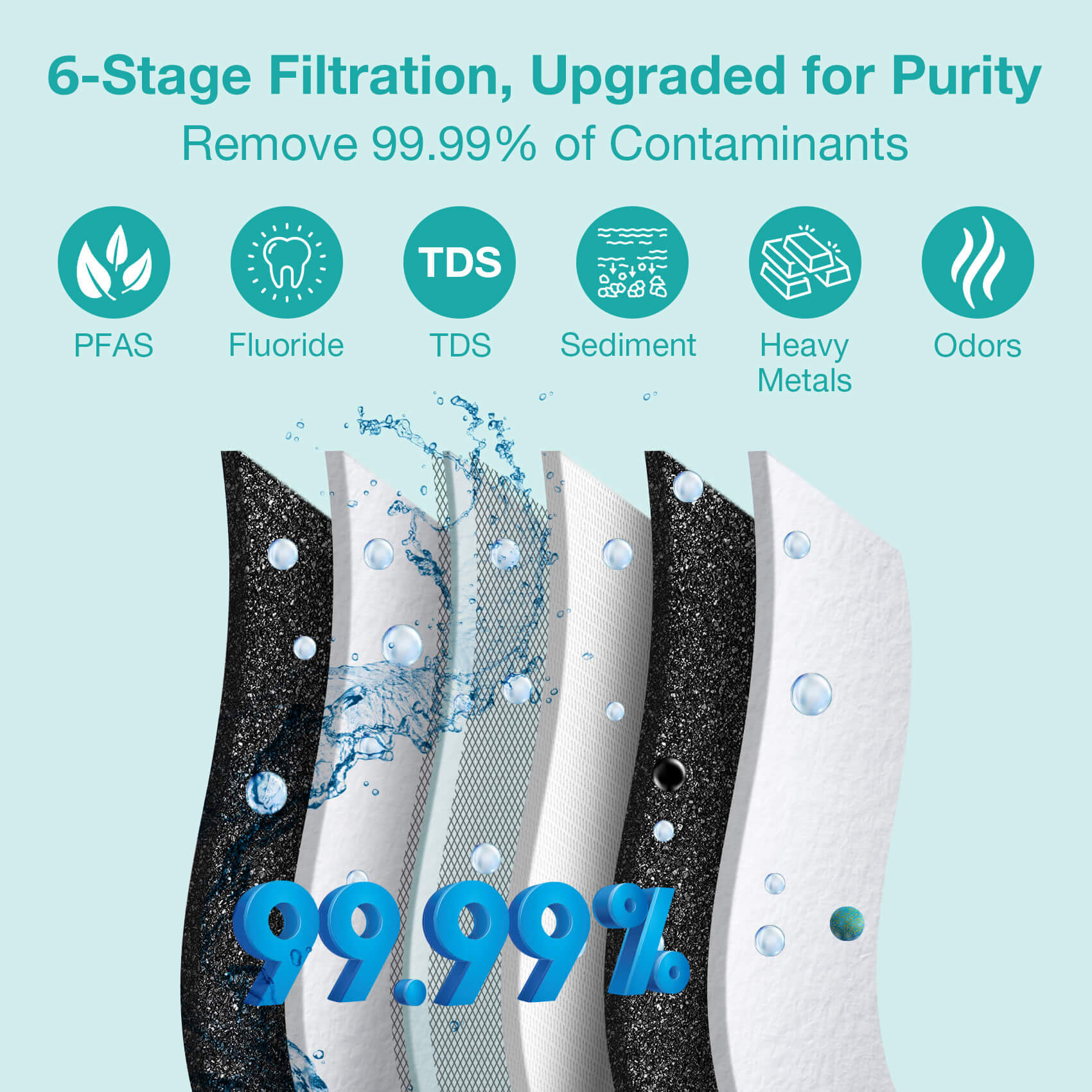
However, if your goal is to improve the quality of the water you drink every day, a reverse osmosis system can be an excellent addition to your kitchen.
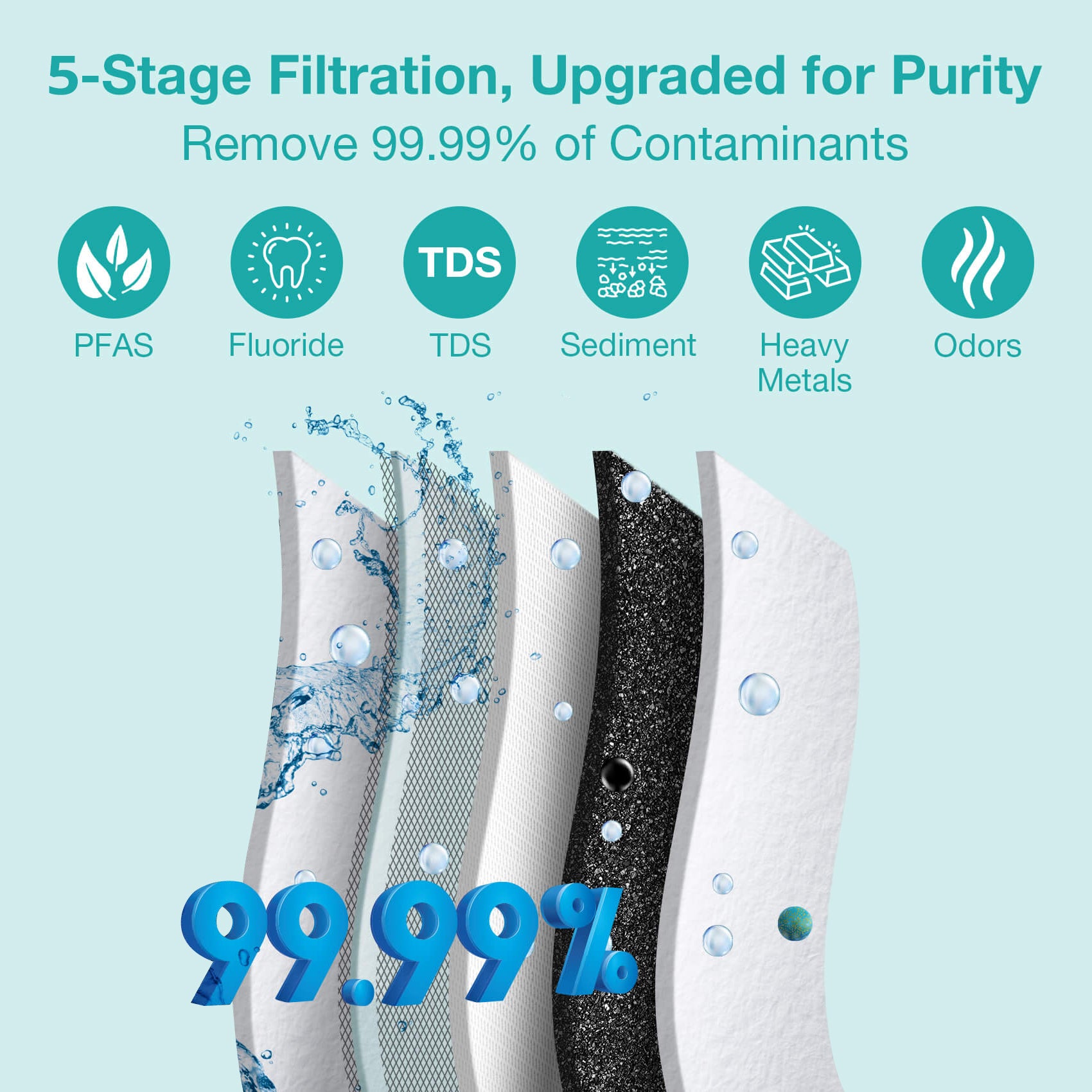
A reverse osmosis system isn't intended to replace a whole-house sulfur treatment system, but it can provide purified drinking water by reducing a wide range of dissolved contaminants while improving overall taste.
If you're exploring reliable home filtration options, SimPure offers solutions designed for different households, whether you live in an apartment, a suburban home, or rely on well water.
Choosing the Right Drinking Water System
The best filtration system depends on your household's needs.
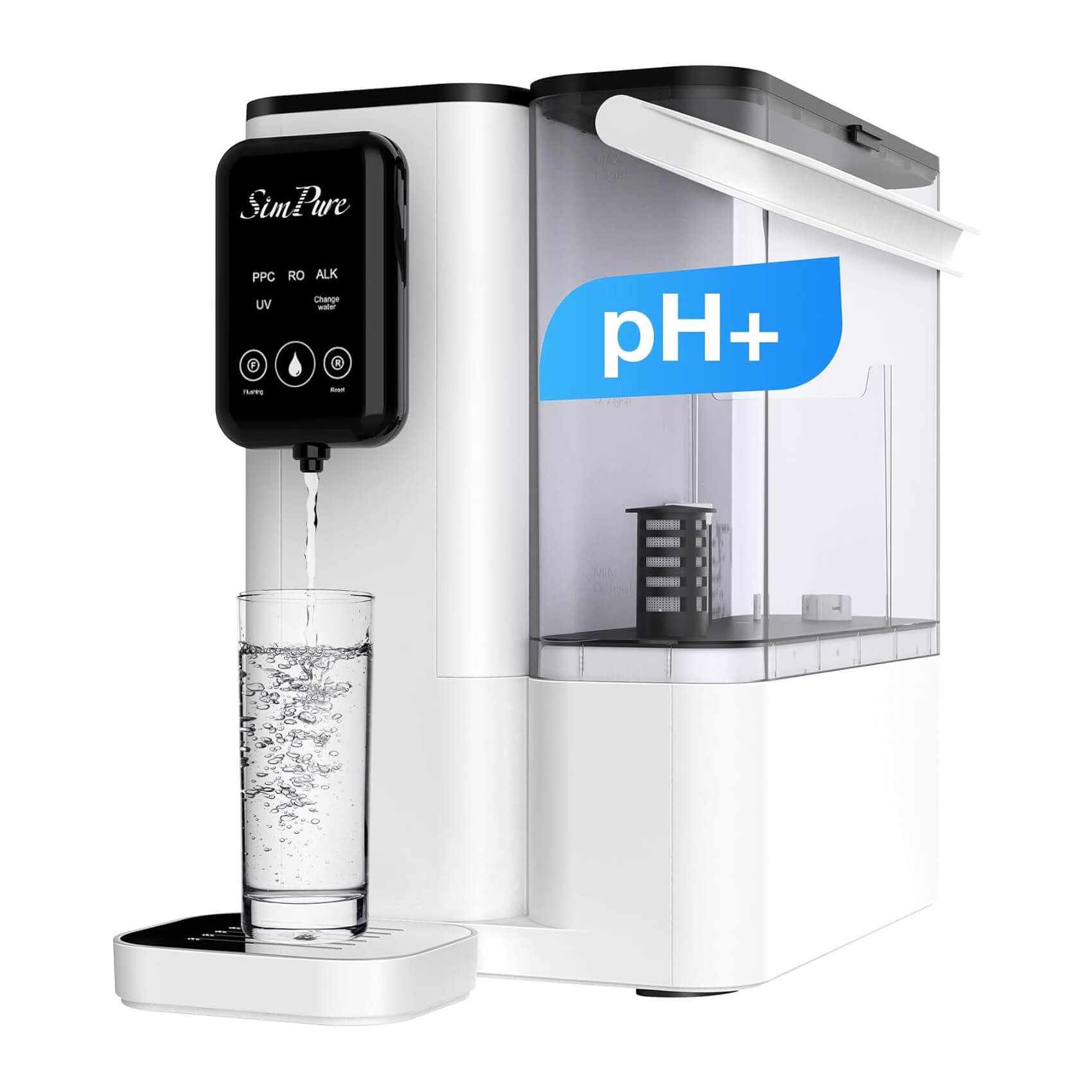
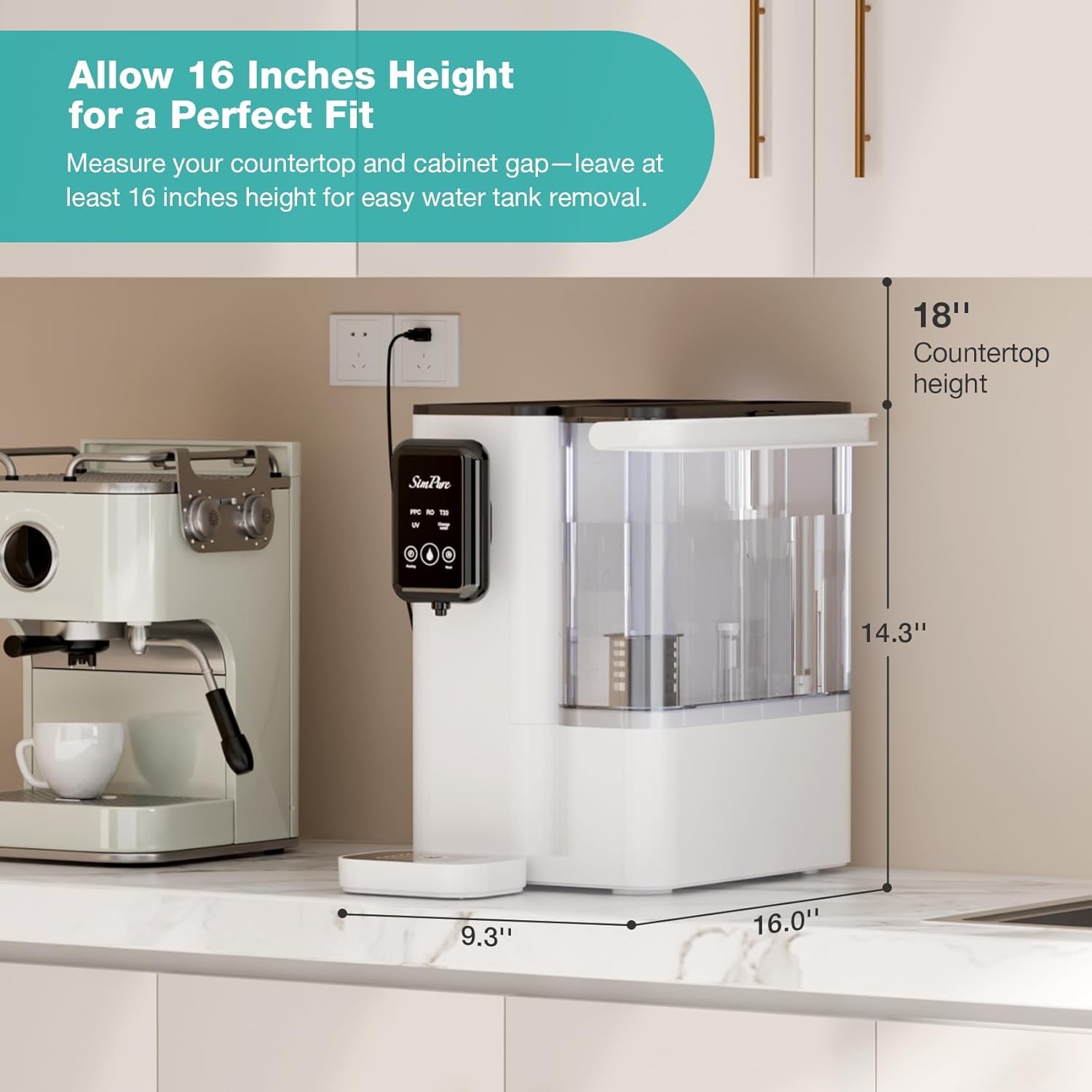
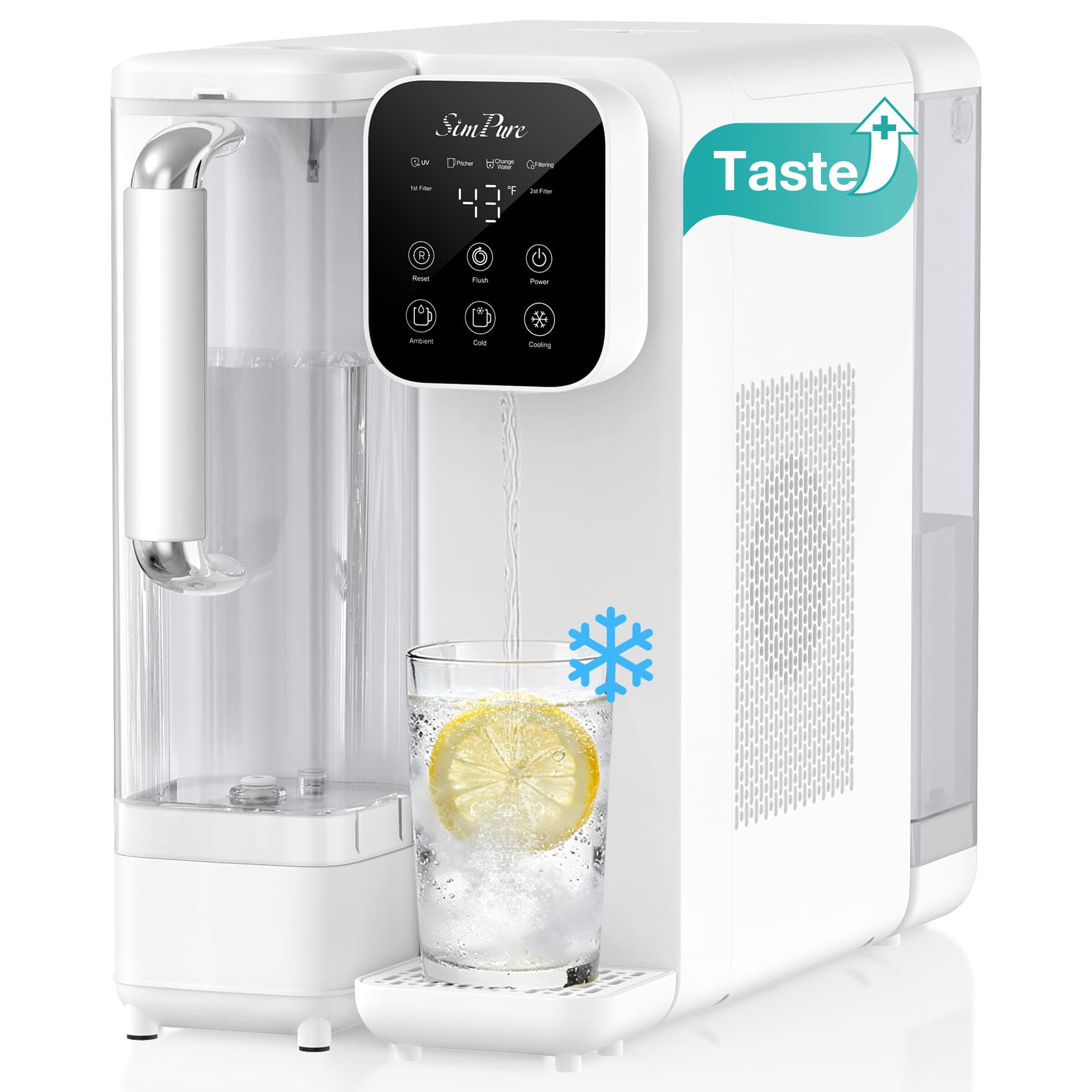
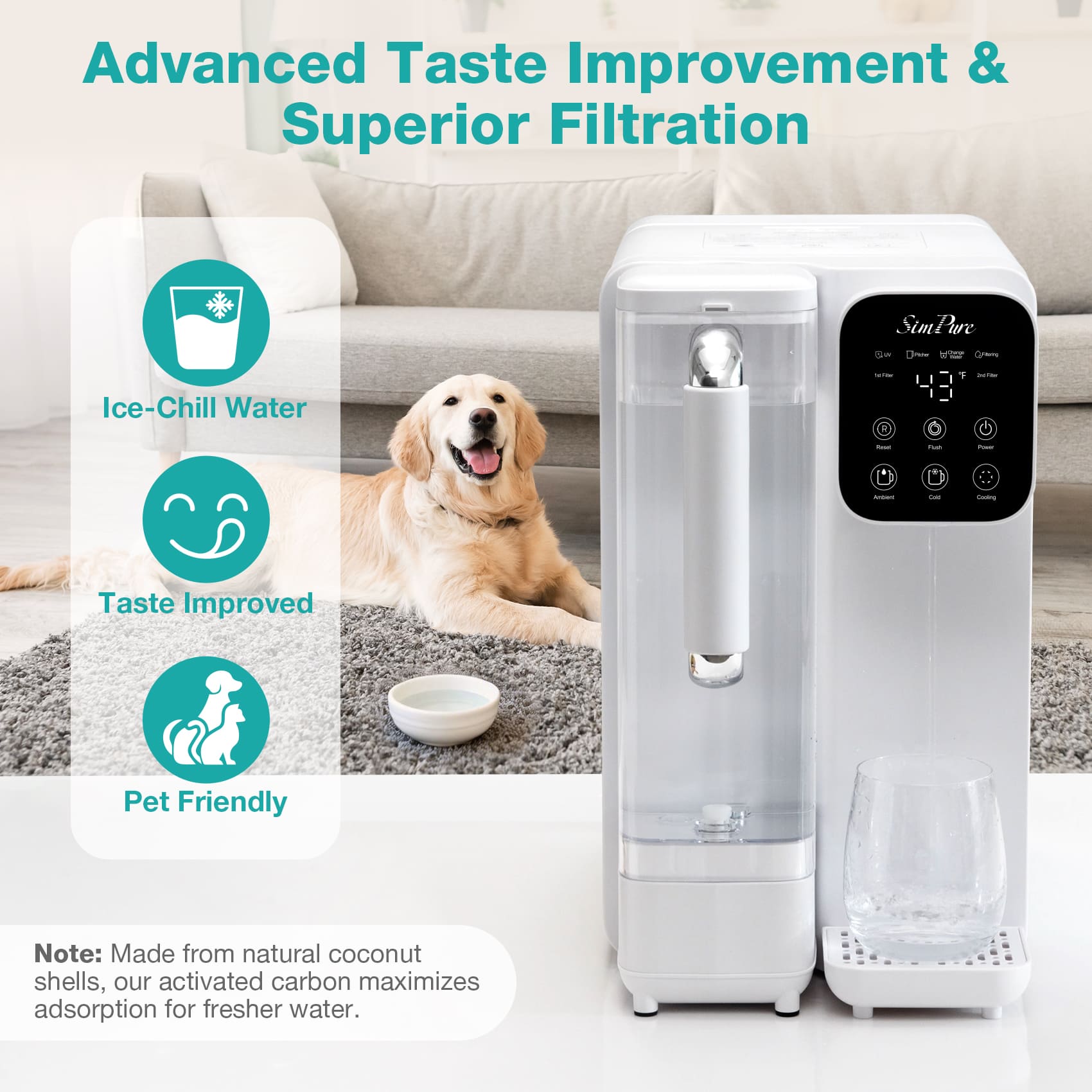
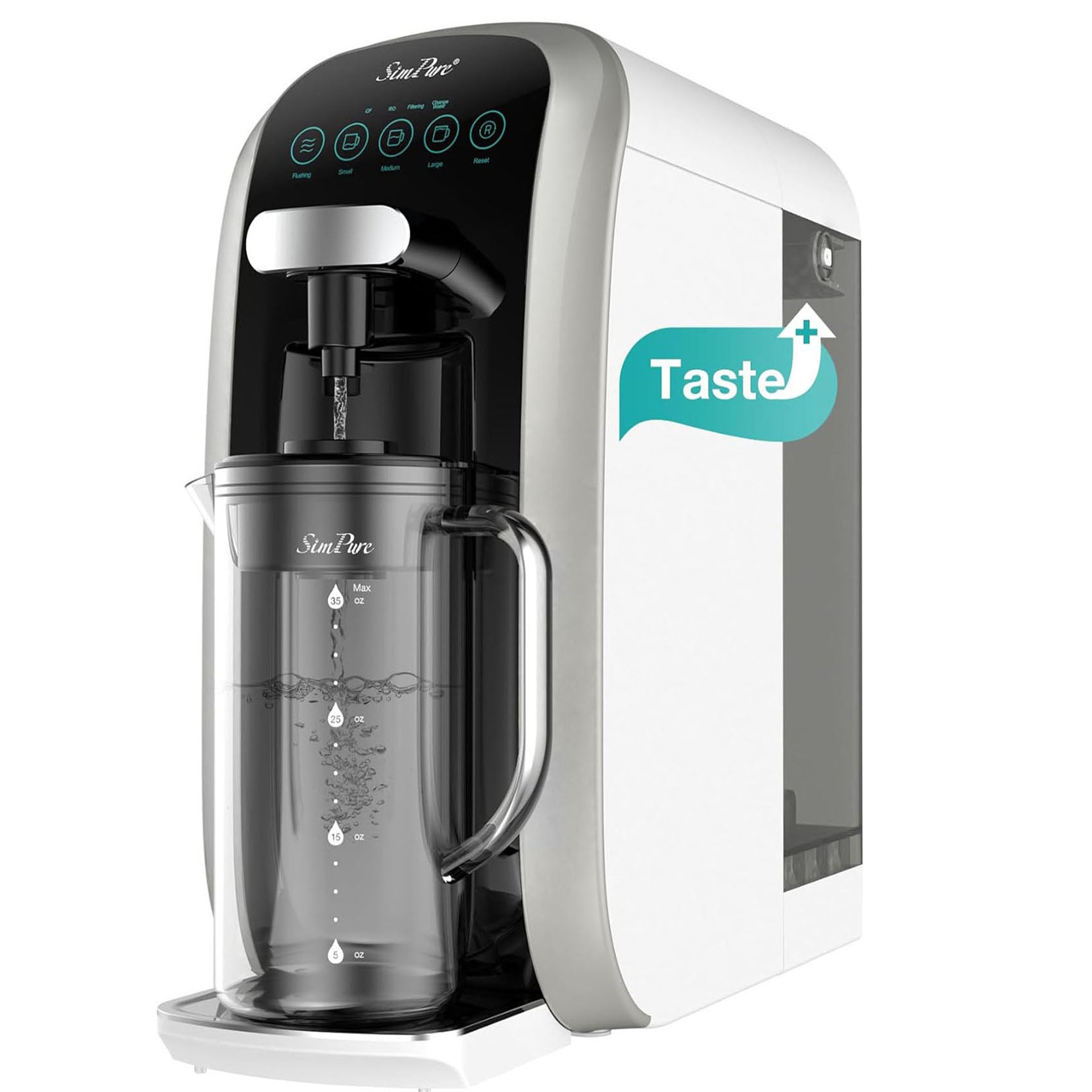
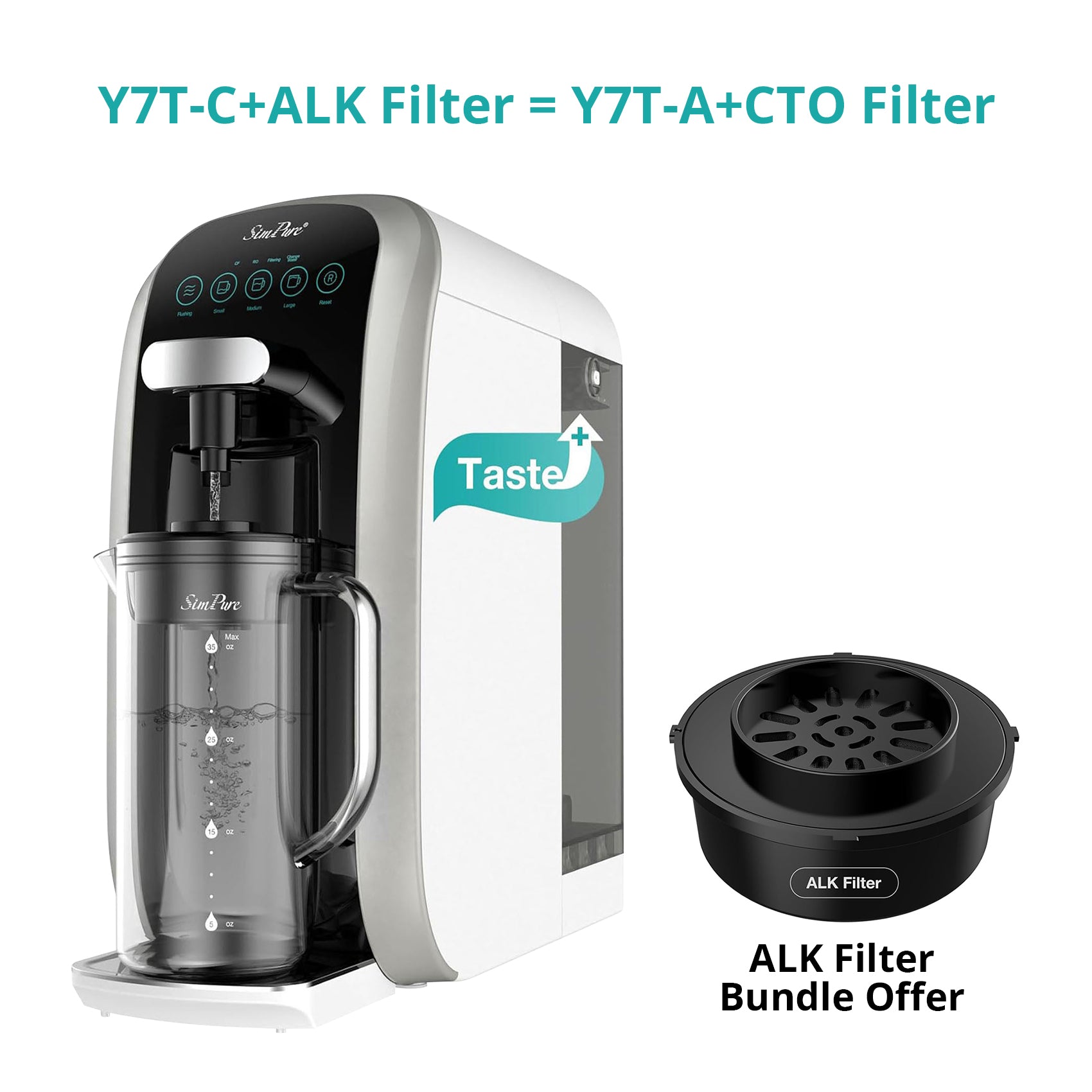
If you're renting, living in an apartment, or simply don't want to modify your plumbing, the SimPure Y7P-BW Countertop Reverse Osmosis System provides purified drinking water without installation. Simply fill the tank, plug it in, and enjoy fresh water whenever you need it.
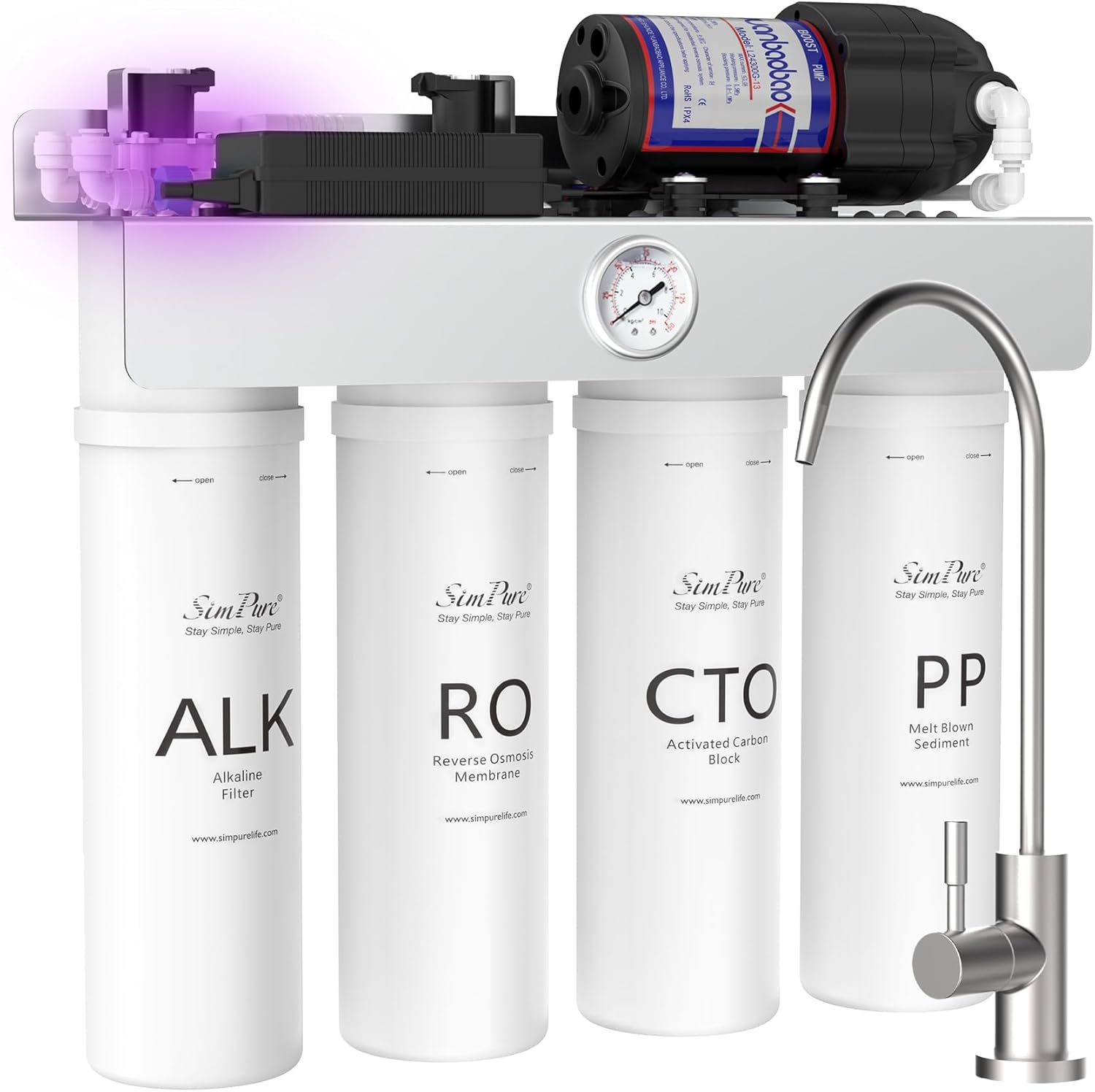
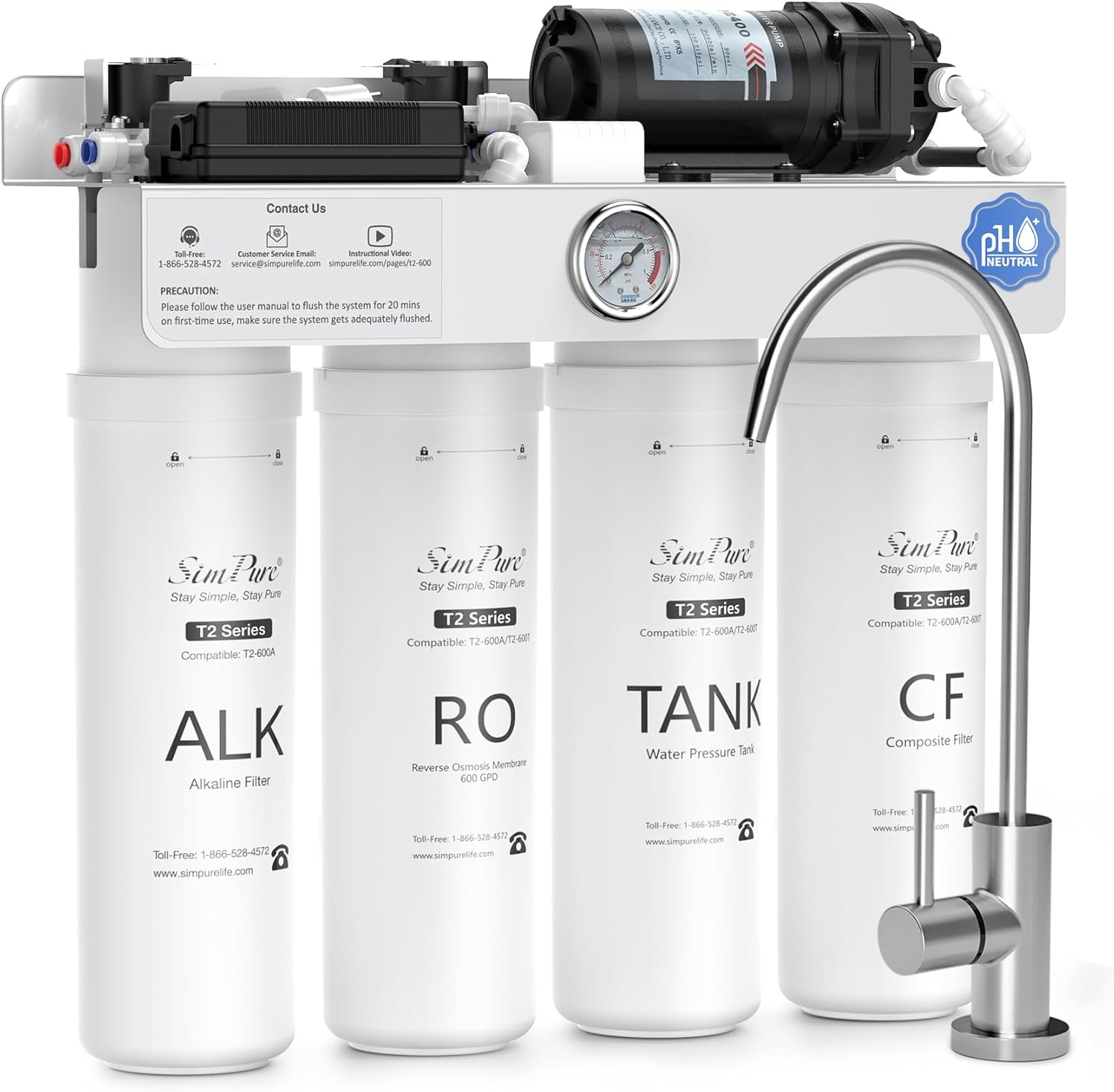
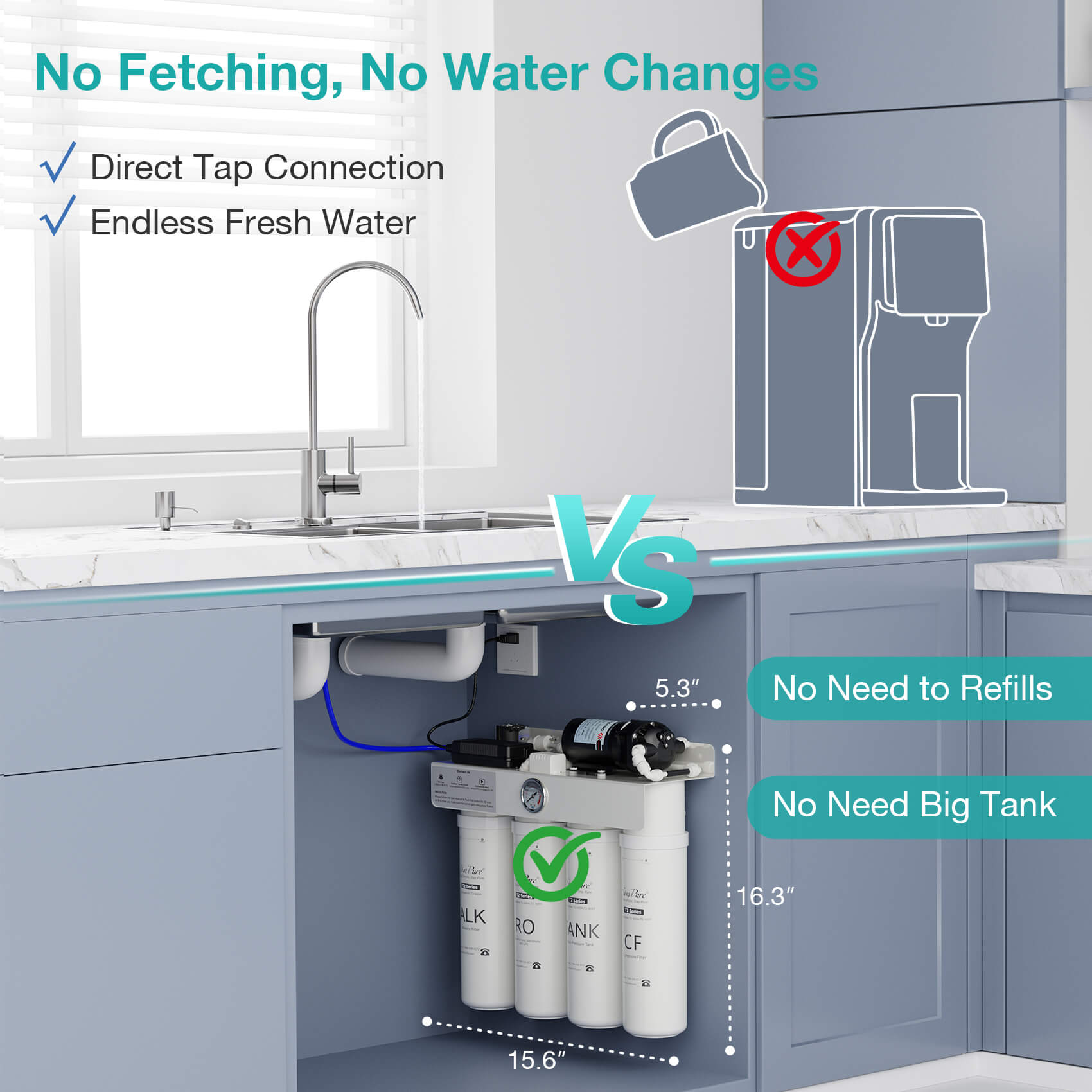
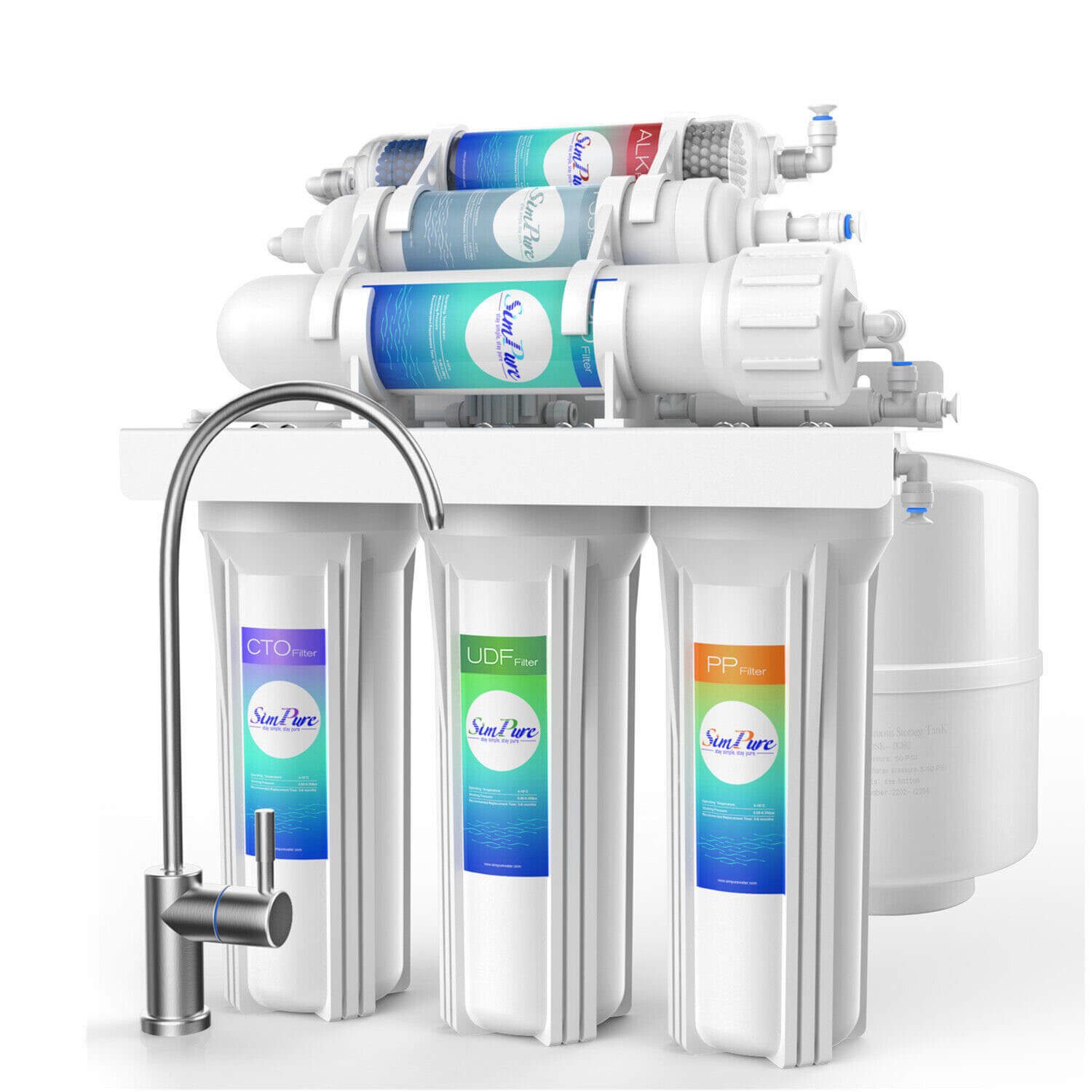
For homeowners looking for a built-in solution, the SimPure Q3-600 Reverse Osmosis System delivers purified water directly from a dedicated faucet while saving valuable cabinet space.
If you'd like to compare different models before deciding, you can browse SimPure's complete collection of reverse osmosis water filters to find the system that best fits your household.
Other Simple Checks Before Buying New Equipment
Before investing in a filtration system, it's worth doing a few basic checks.
-
Test both hot and cold water separately.
-
Check whether every faucet has the same odor.
-
Fill a clean glass with water and move away from the sink. If the smell disappears, the drain—not the water—may be the source.
-
If you use well water, schedule a laboratory water test to identify hydrogen sulfide and other naturally occurring contaminants.
These simple steps can save time and help you choose the most appropriate solution.
Frequently Asked Questions
Does boiling water remove sulfur smell?
Boiling may temporarily reduce hydrogen sulfide because the gas can escape into the air. However, it doesn't solve the underlying cause if sulfur is continuously present in your water supply.
Why does only my hot water smell like sulfur?
This is commonly related to the water heater, particularly the interaction between bacteria and the magnesium anode rod inside the tank.
Will reverse osmosis completely remove sulfur?
Reverse osmosis is designed to improve drinking water quality and reduce many dissolved contaminants. For high concentrations of hydrogen sulfide affecting the entire home, a dedicated sulfur treatment system is usually recommended before the water reaches your taps.
Final Thoughts
A sulfur smell in your water can be unpleasant, but it doesn't always mean your water is unsafe.
The odor may come from naturally occurring hydrogen sulfide, your home's plumbing, or even the water heater. Taking a little time to identify the source can help you avoid unnecessary repairs and choose the right treatment solution.
For households that want cleaner, better-tasting drinking water every day, pairing the right treatment approach with a quality reverse osmosis system can make a noticeable difference. The goal isn't simply to remove an odor—it's to enjoy water that you're comfortable drinking, cooking with, and sharing with your family.