

A lot of people start with a simple goal: they just want their tap water to taste better.
So they buy a filter pitcher, usually something like Brita, put it in the fridge, and move on with life.
And honestly, for some households, that’s enough.
But after using it for a while, many people start wondering the following:
“Is there something better than this?”
That’s usually when reverse osmosis starts appearing in search results.
Then the confusion begins.
Some people say Brita is completely enough. Others swear that once they switched to RO water, they never wanted to go back.
So which one actually makes more sense?
Brita vs. reverse osmosis—which is better?
The answer really depends on what matters most to you:
-
Water taste
-
Filtration level
-
Convenience
-
Your local water quality
-
Budget
-
Living situation
Because Brita and reverse osmosis are built for very different levels of filtration.
What Does a Brita Filter Actually Do?
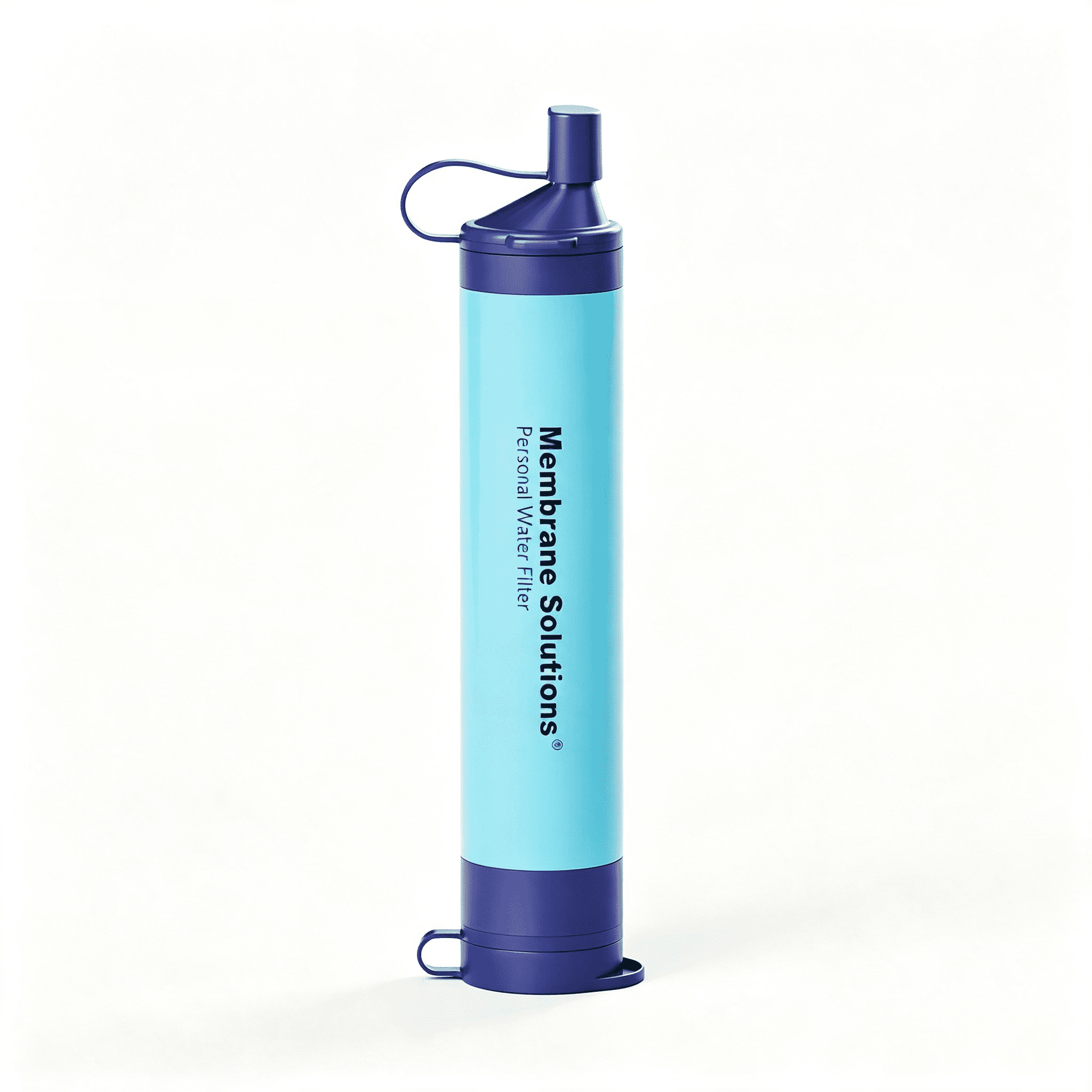
Brita-style pitcher filters mainly use activated carbon filtration.
Their main purpose is to help reduce:
-
Chlorine taste and odor
-
Some sediment
-
Minor impurities that affect flavor
That’s why many people immediately notice the water tastes smoother or less “chemical” compared to regular tap water.
For basic everyday improvement, Brita can absolutely help.
Especially if:
-
Your tap water is already fairly clean
-
You mostly dislike chlorine taste
-
You want something affordable and simple
And to be fair, pitcher filters became popular for a reason: they’re incredibly easy to use.
No installation. No plumbing. No complicated setup.
Where Brita Filters Start Feeling Limited
The problem is that many people eventually realize a pitcher filter only improves water to a certain point.
Especially in homes with:
-
Hard water
-
Strong mineral taste
-
Older plumbing
-
Heavy chlorine smell
-
Sediment problems
-
Noticeable water quality fluctuations
That’s usually when people begin researching reverse osmosis systems.
Because at that point, they’re no longer looking for water that tastes “a little better.”
They want water that feels consistently cleaner.
What Makes Reverse Osmosis Different?
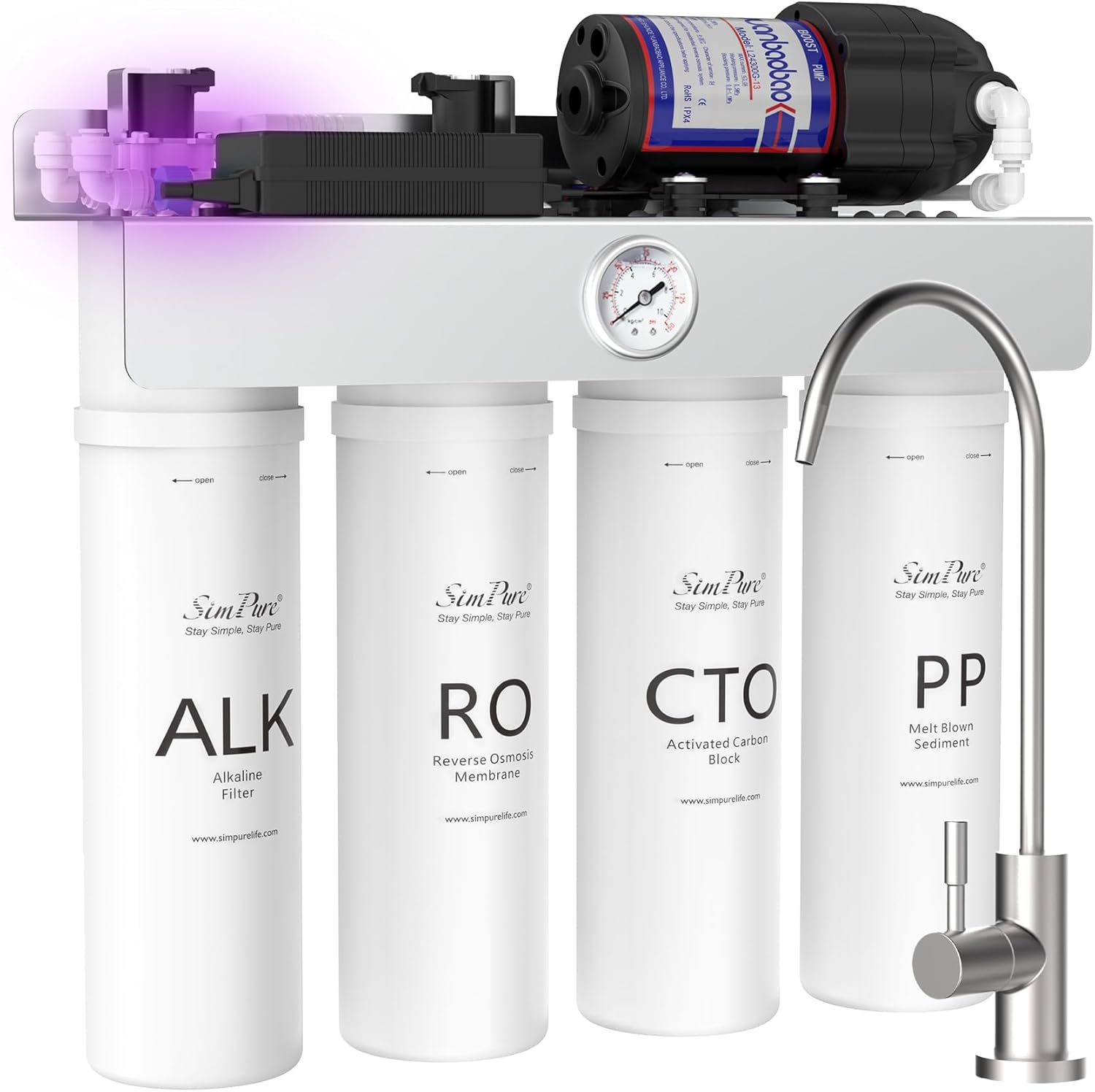
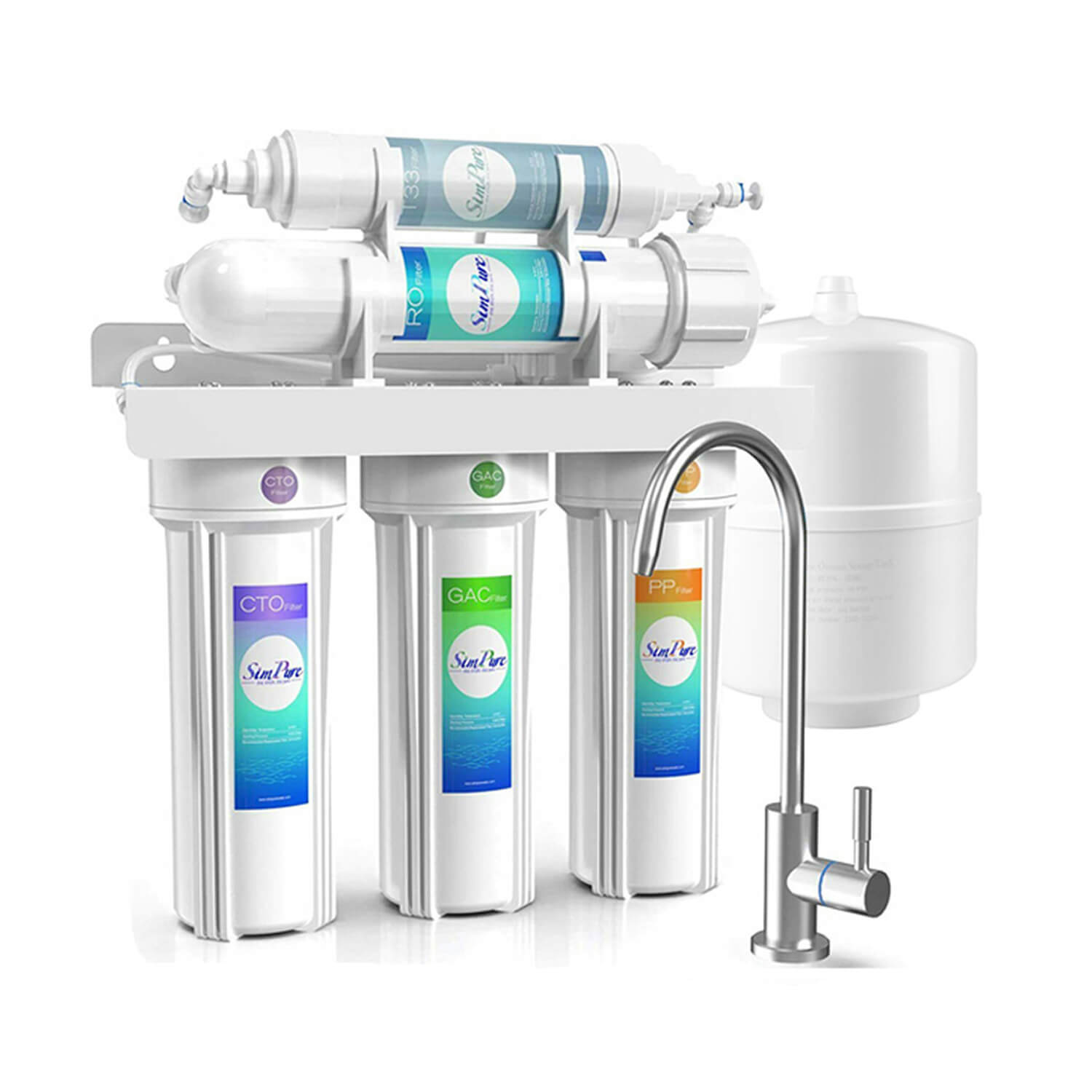
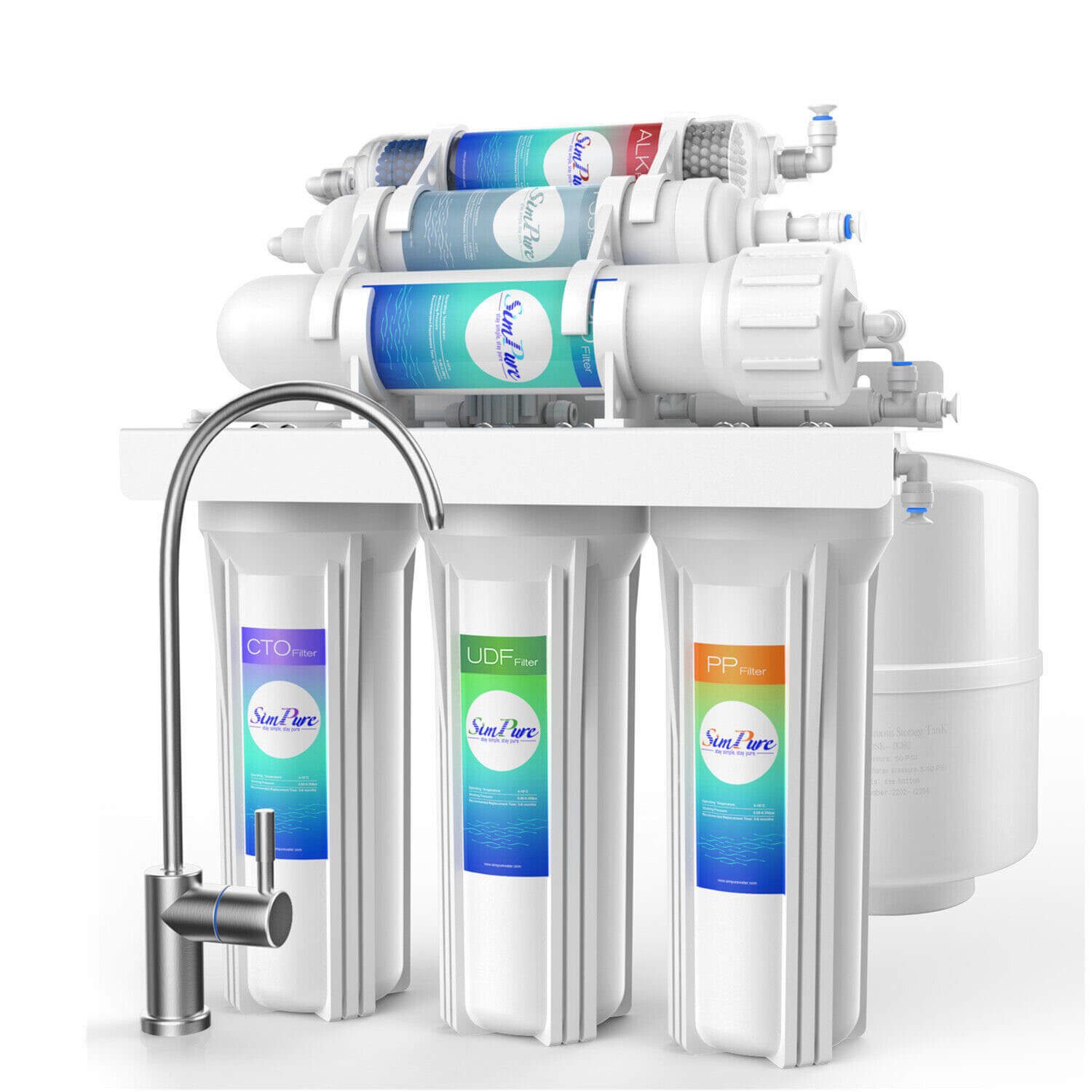
Reverse osmosis (RO) uses a much finer filtration process than a standard pitcher filter.
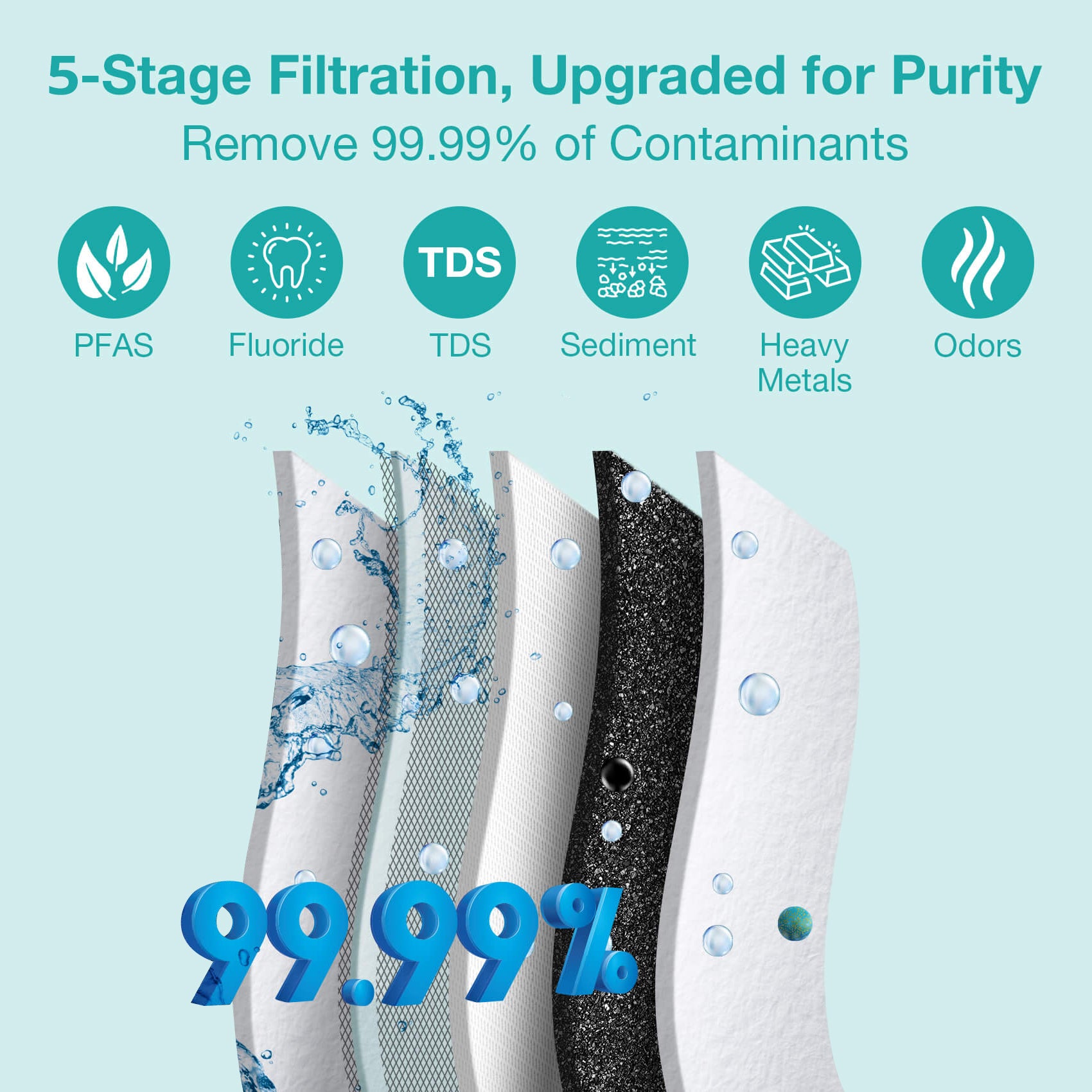
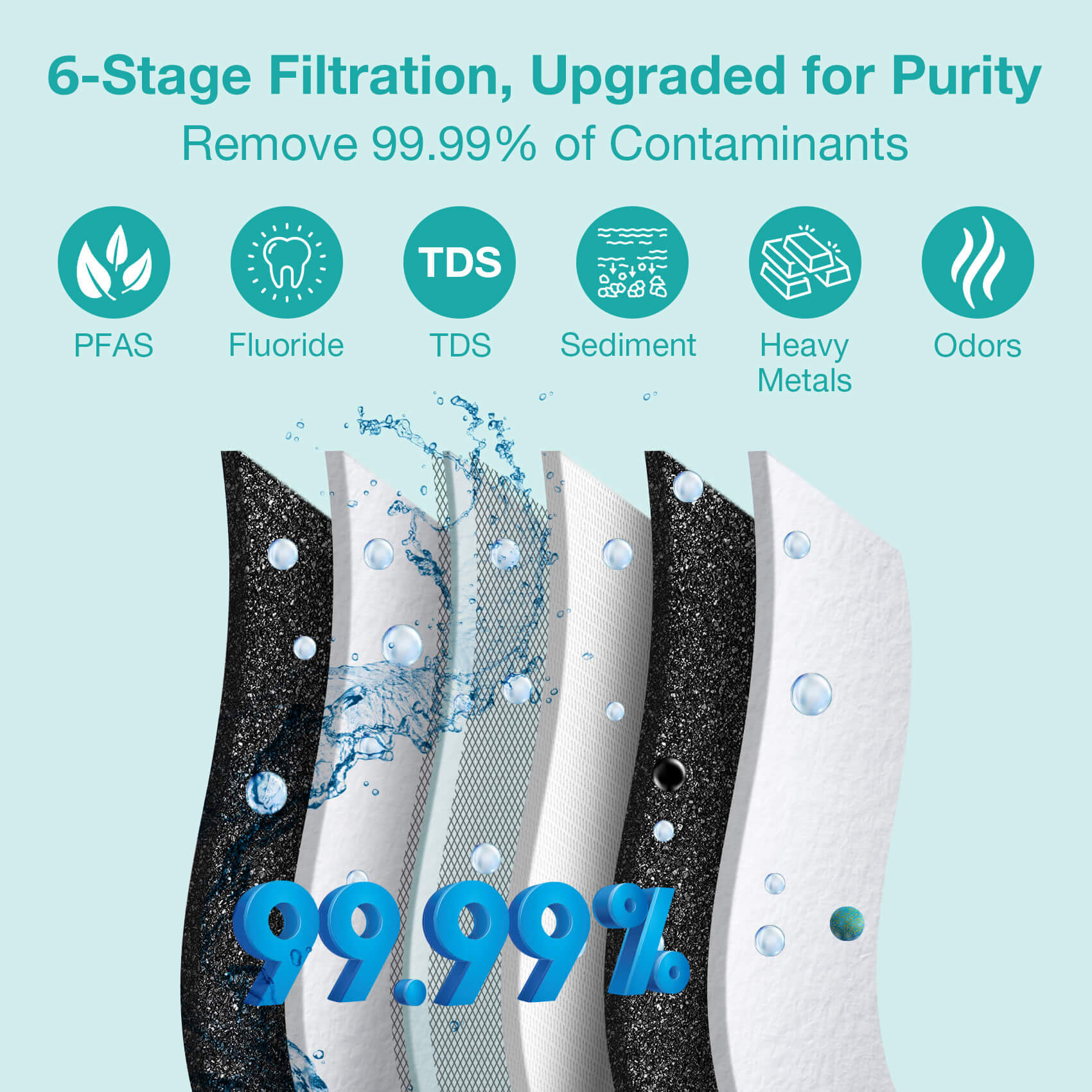
Instead of mainly improving flavor, RO systems are designed to reduce a much wider range of dissolved impurities and contaminants.
Depending on the system, RO can help reduce the following:
-
Chlorine
-
Sediment
-
Heavy metals
-
Dissolved solids
-
Certain chemicals
-
Hard water minerals
-
Rust particles
That’s why the taste difference between standard filtered water and RO water is often surprisingly noticeable.
Many people describe RO water as
-
Cleaner
-
Lighter
-
Fresher
-
More neutral
-
Less “heavy” tasting
Taste Is Usually the Biggest Difference People Notice
This is honestly the moment that changes most people’s opinions.
With a basic pitcher filter, the water may taste somewhat better.
With reverse osmosis, people often feel like the water tastes completely different.
Especially when making:
-
Coffee
-
Tea
-
Ice
-
Baby formula
-
Soup or cooking water
Many households notice fewer odors, less aftertaste, and a much cleaner overall taste.
Which One Removes More?
If we’re talking strictly about filtration capability, reverse osmosis removes significantly more than a standard pitcher filter.
Brita filters are mainly designed for basic taste improvement.
RO systems are designed for deeper purification.
So if your main goal is
Better taste only
Brita may be enough.
More complete filtration
Reverse osmosis usually makes more sense.
What About Convenience?
This is where Brita still works well for many people.
Pitcher filters are
-
Affordable
-
Portable
-
Easy to replace
-
Beginner-friendly
But they also come with downsides:
-
Constant refilling
-
Slower filtration
-
Frequent cartridge changes
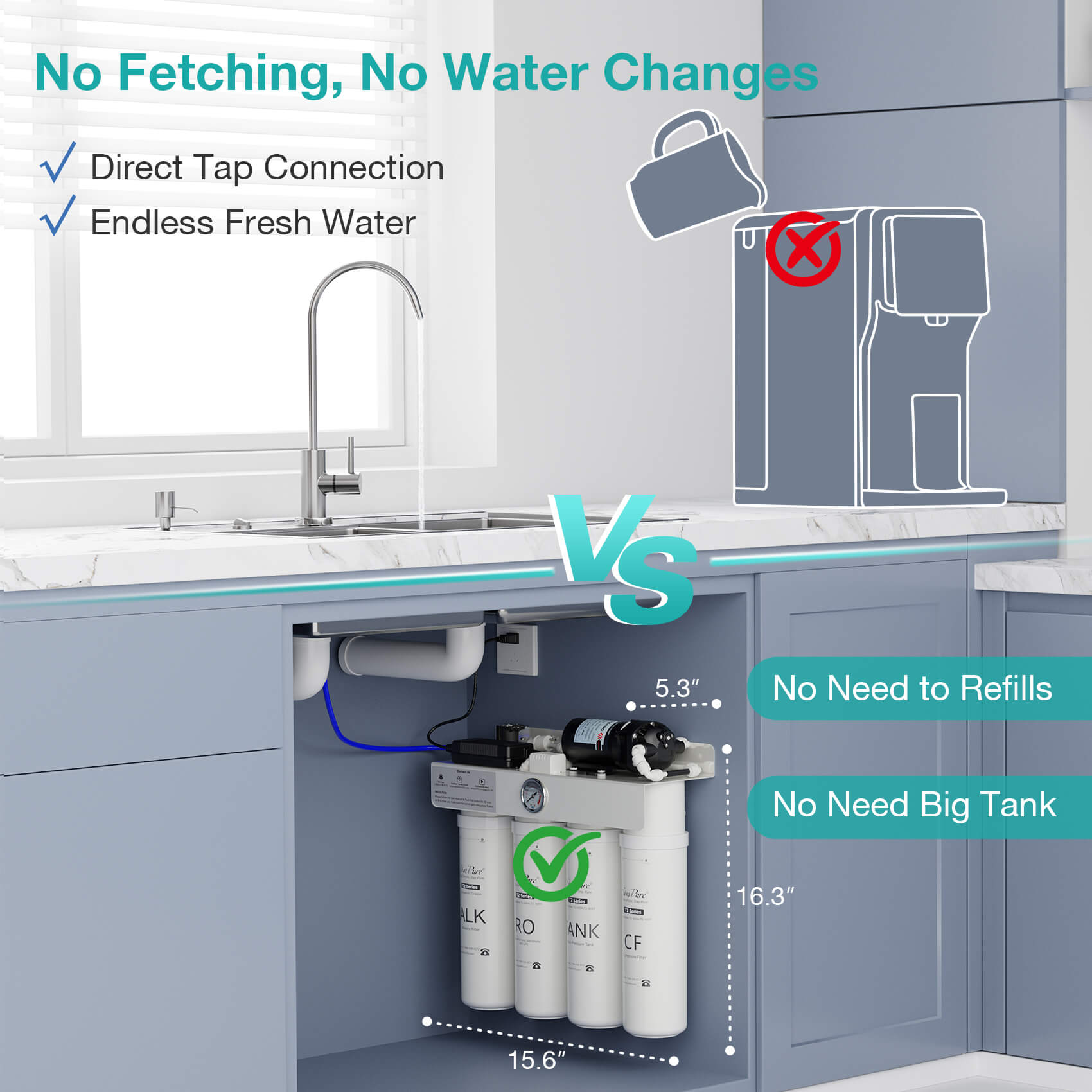
Traditional RO systems used to feel bulky or difficult to install, which pushed many people away from them.
But that’s changed quite a bit in recent years.
Why SimPure Countertop Reverse Osmosis Systems Are Becoming More Popular
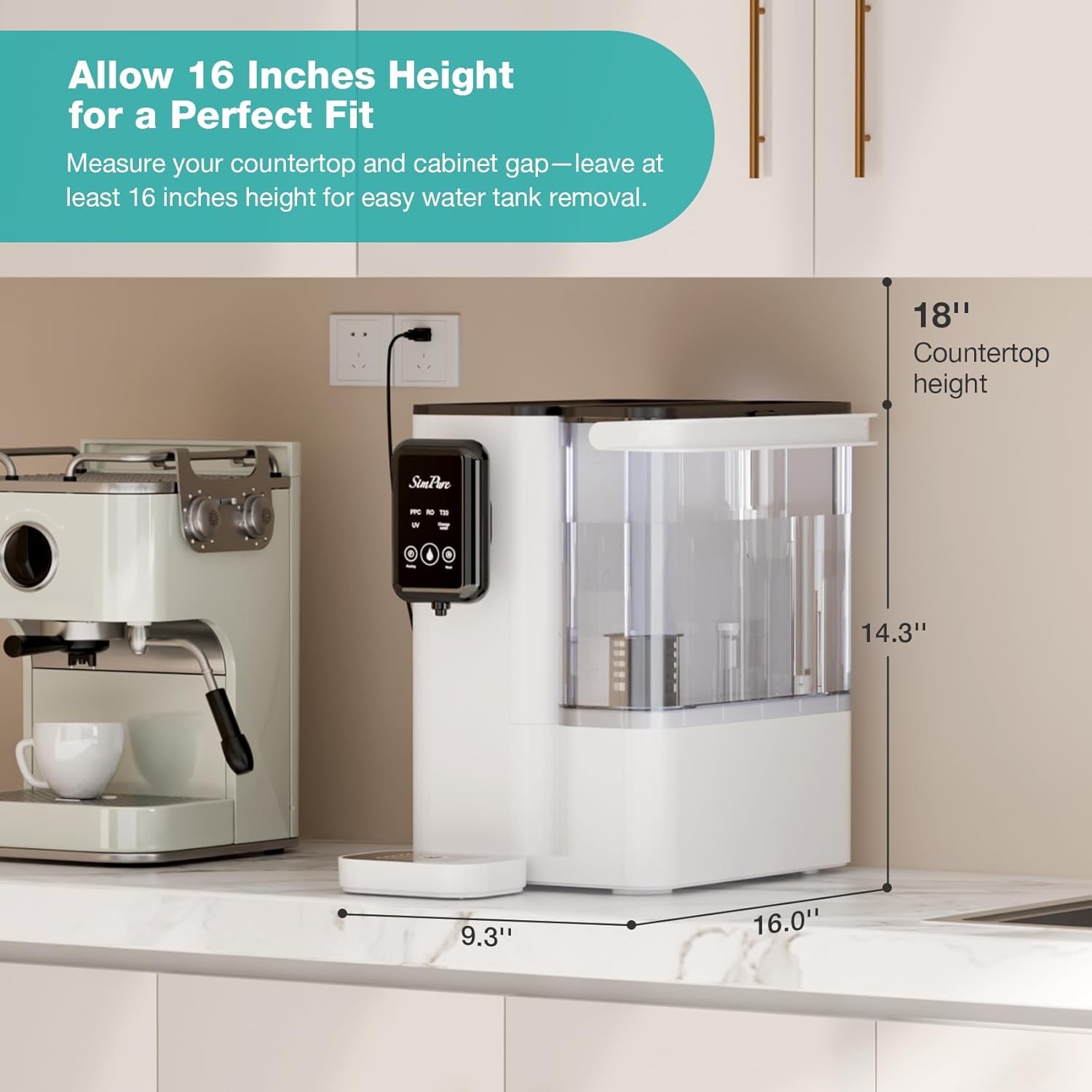
A lot of households want stronger filtration without dealing with permanent plumbing installation.
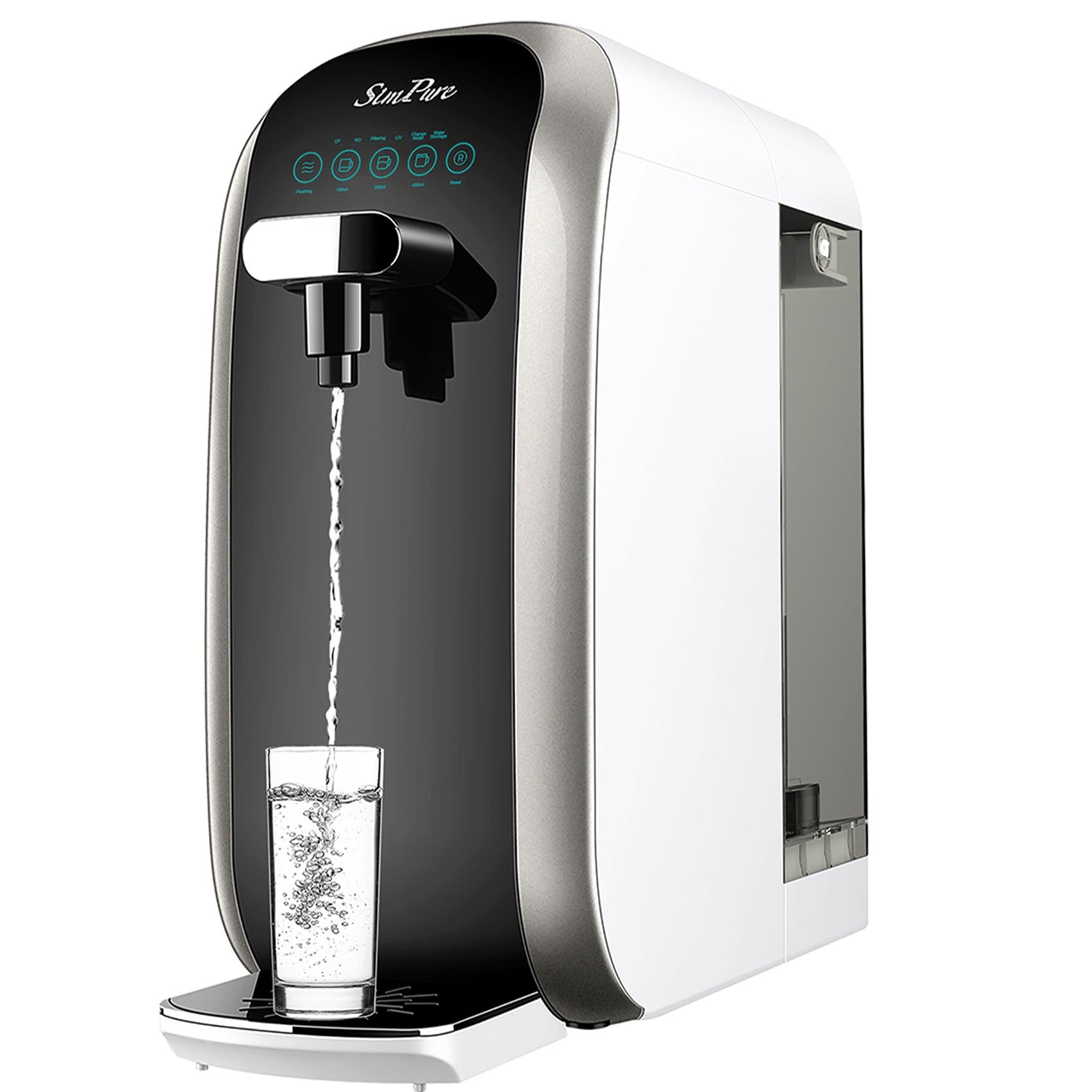
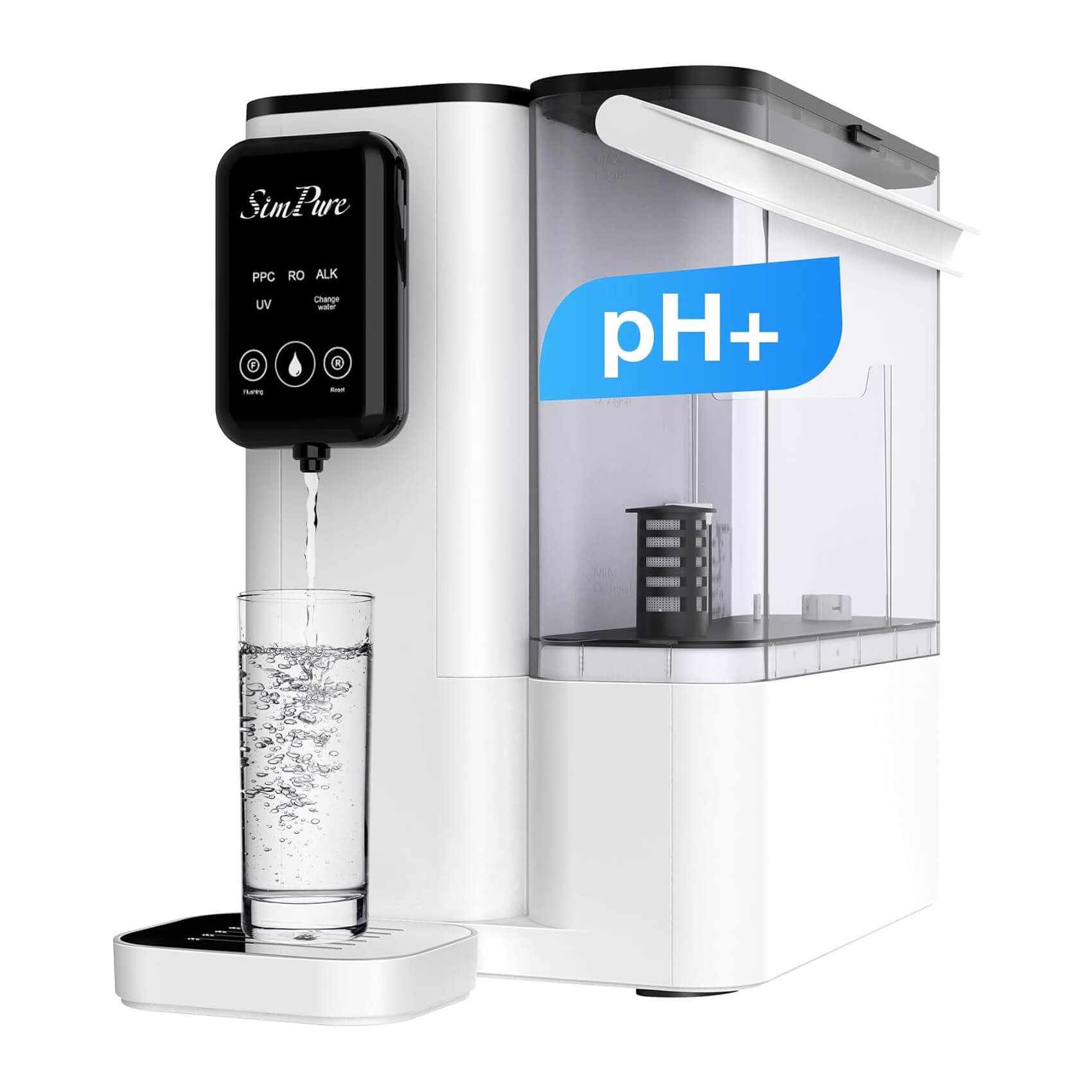
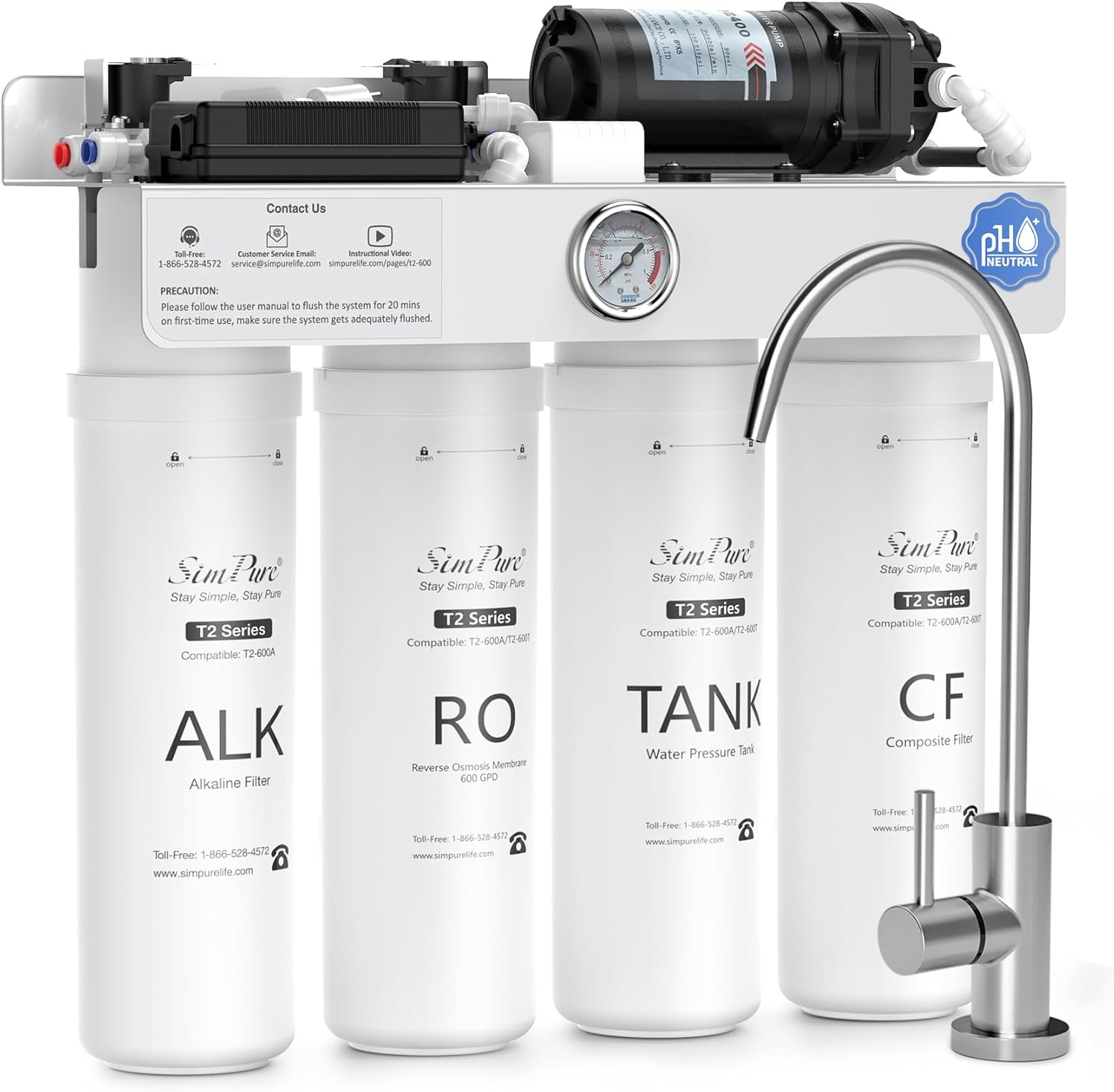
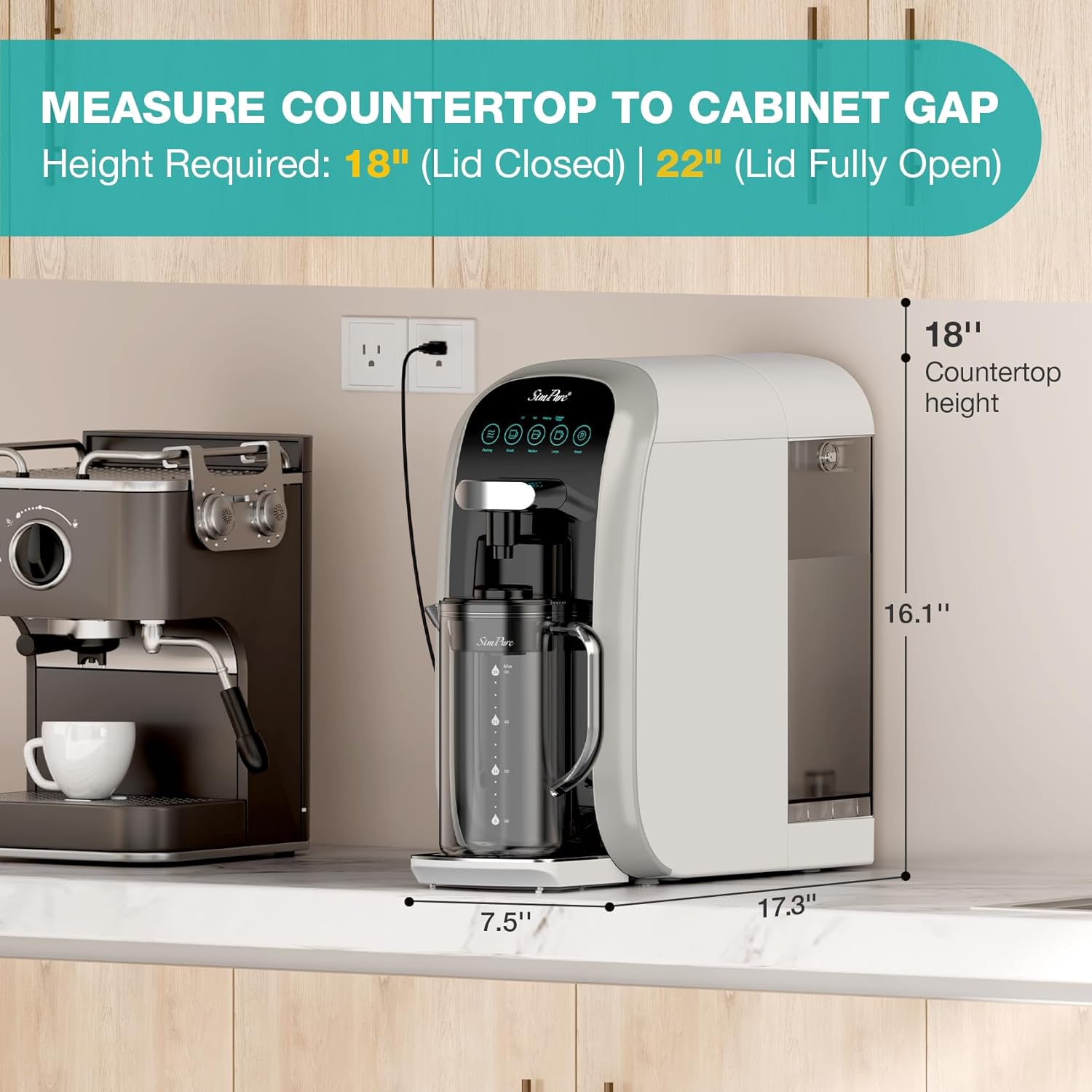
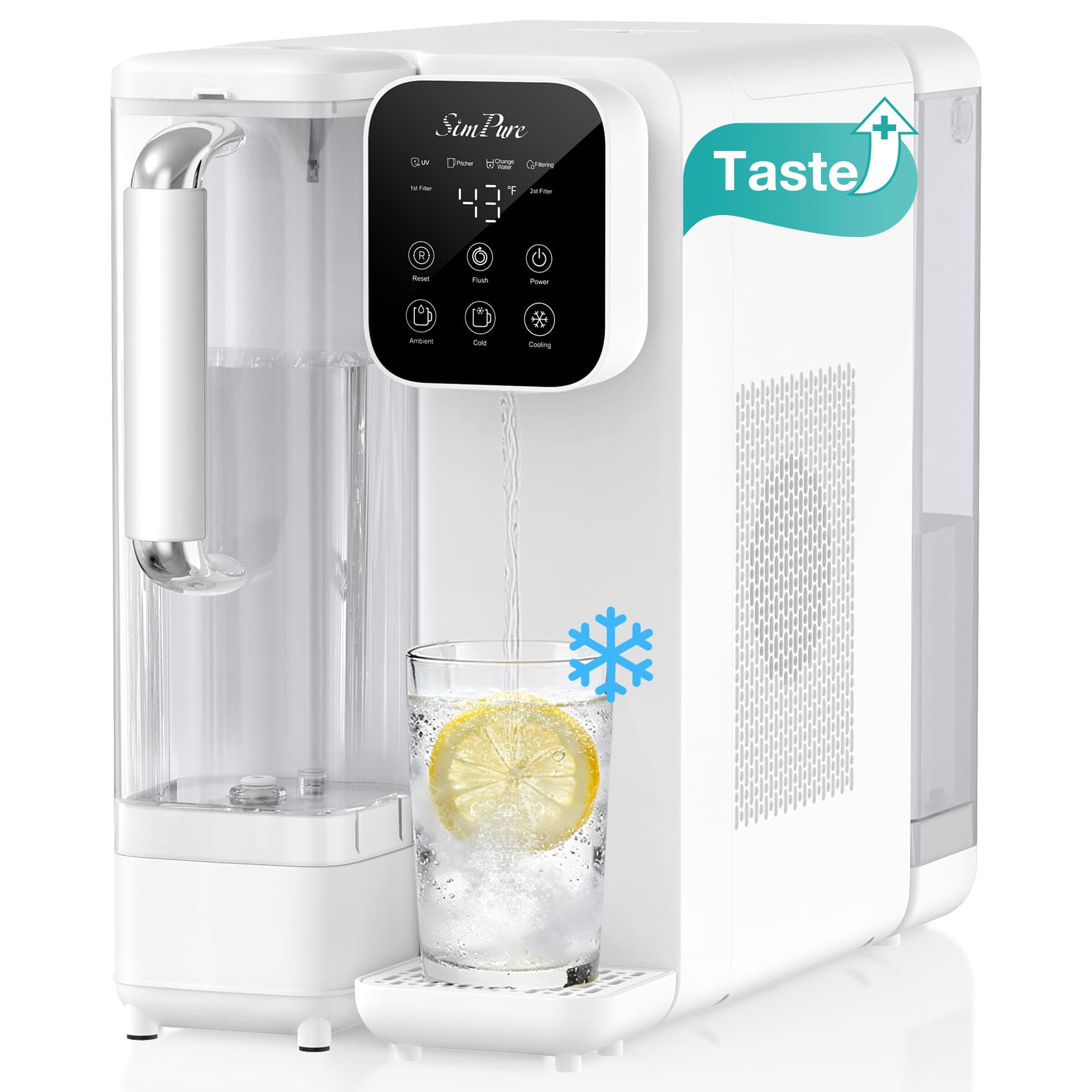
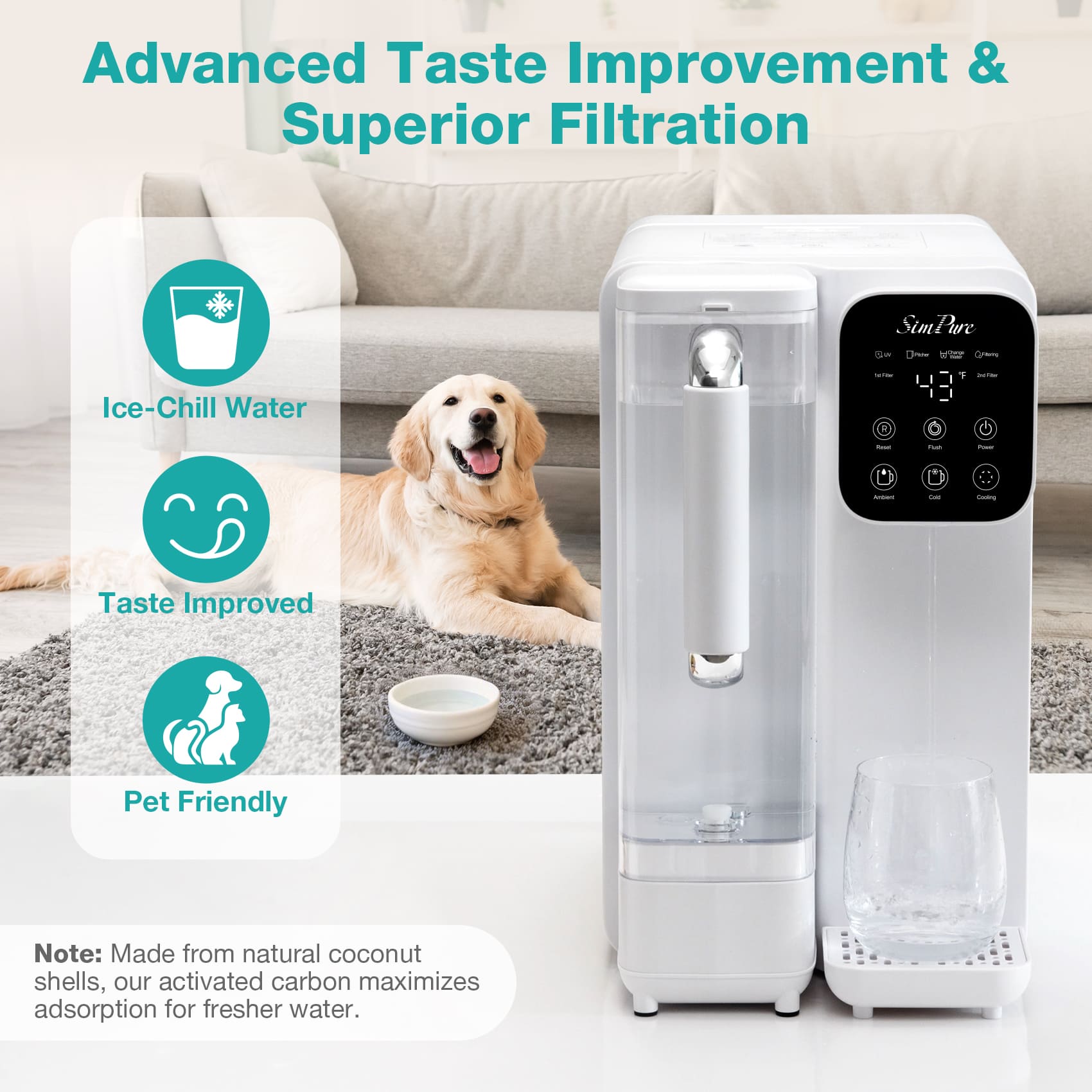
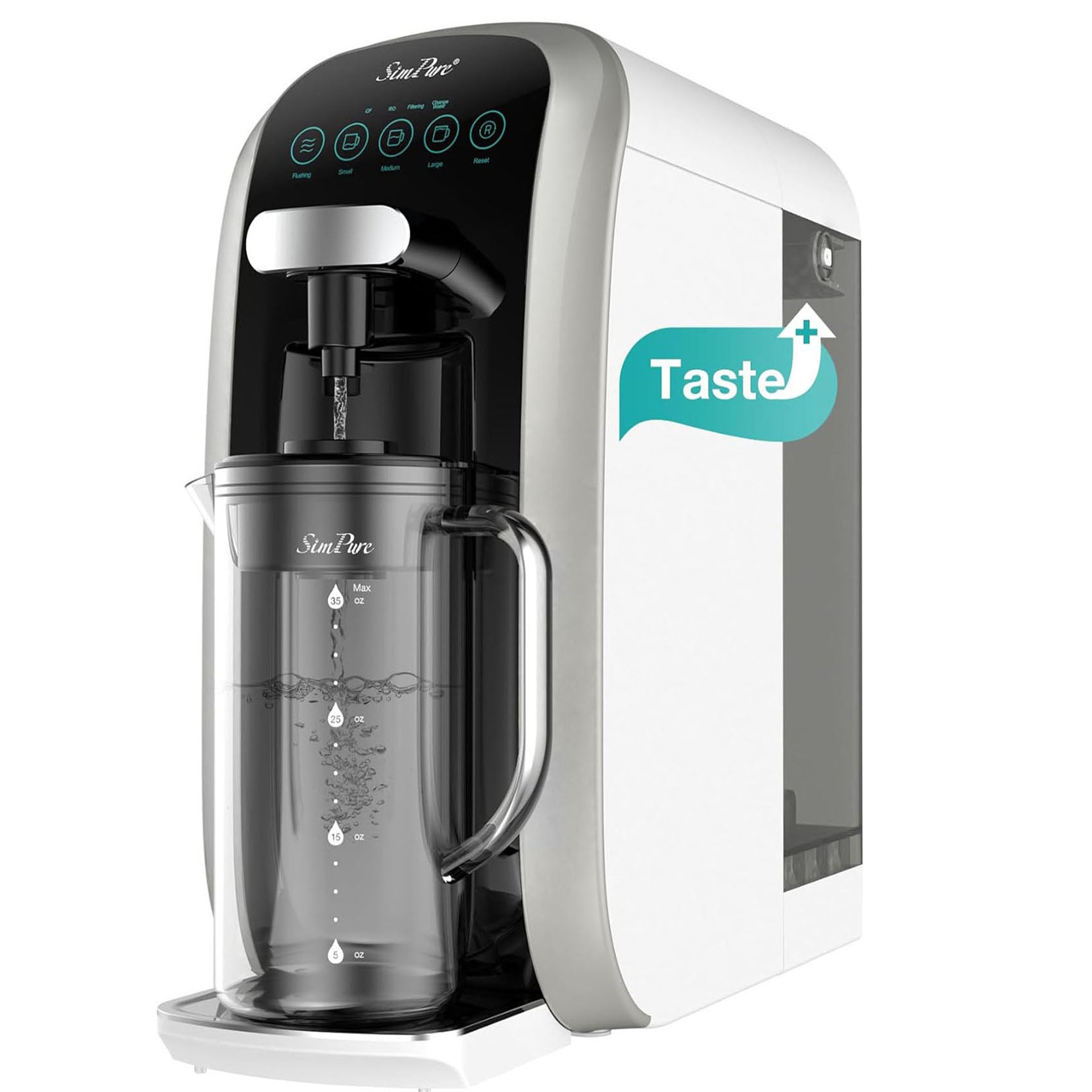
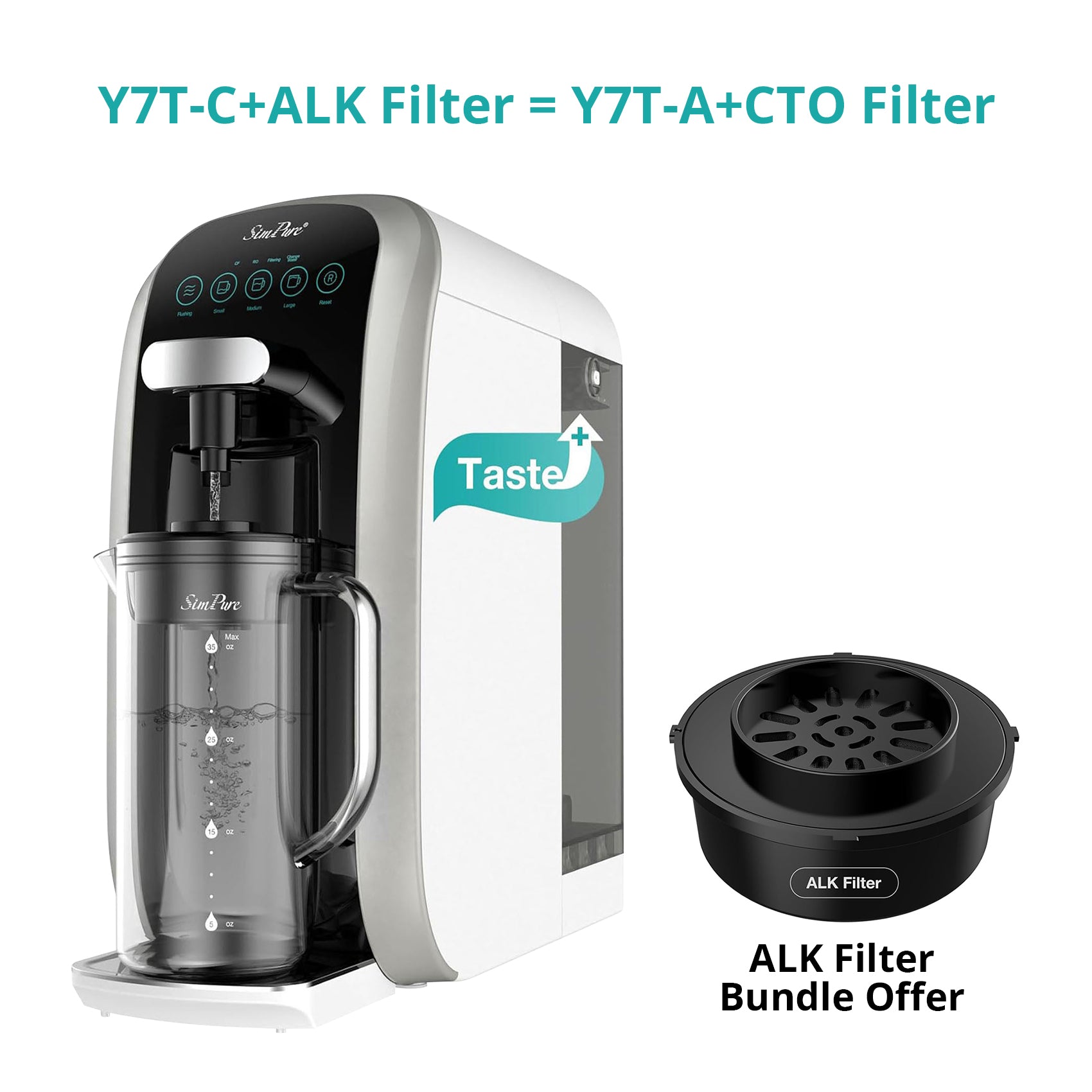
That’s exactly why SimPure Countertop Reverse Osmosis Systems have become increasingly popular.
Especially in:
-
Apartments
-
Rentals
-
Condos
-
Smaller kitchens
They offer a middle ground: more advanced filtration than a pitcher filter, without requiring major kitchen modifications.
A More Convenient Alternative to Traditional Pitcher Filters
For households looking for stronger filtration and more consistent-tasting water, SimPure countertop reverse osmosis systems are designed to provide cleaner drinking water in a simple, apartment-friendly format.
Many people choose these systems because they:
-
Help reduce chlorine taste and odor
-
Improve overall water consistency
-
Require little or no installation
-
Fit well in modern kitchens and apartments
-
Reduce dependence on bottled water
For many users, the biggest difference is surprisingly simple:
The water finally tastes clean instead of just “less bad.”
So… Which One Is Better?
Honestly, both options have their place.
Brita works well for people who:
-
Want a basic upgrade from tap water
-
Mainly care about chlorine taste
-
Need something inexpensive and simple
Reverse osmosis makes more sense for people who:
-
Want deeper filtration
-
Dislike hard water taste
-
Notice strong odors or sediment
-
Want more consistent water quality
-
Drink a lot of water daily
At the end of the day, it depends on how much improvement you’re looking for.
Final Thoughts
If you’ve been searching:
“Which is better, Brita or reverse osmosis?”
The real answer comes down to whether you want the following:
-
Basic taste improvement
or -
More complete water filtration
For many households, pitcher filters are a good starting point.
But once people experience cleaner, more consistent RO water, many of them don’t end up going back.
Especially with modern options like SimPure Countertop Reverse Osmosis Systems, getting better-tasting water no longer has to mean complicated installation or major kitchen modifications.
Because once your daily drinking water actually tastes fresh, you notice the difference pretty quickly.