

Most people don’t wake up one morning suddenly excited to buy a water purifier.
Usually, it starts with something much smaller.
Maybe your tap water tastes slightly metallic.
Maybe you’ve been buying bottled water for months and finally realized how expensive that habit has become.
Or maybe you recently moved into a new apartment or house and started paying more attention to your water for the first time.
At first, you probably think:
“I’ll just get something simple.”
Then you start searching online.
And somehow, within twenty minutes, you’re comparing systems that cost the following:
-
$80
-
$300
-
$1,200
-
or somehow even more than your refrigerator
That’s usually when people start wondering the following:
Do I actually need to spend a fortune to get clean water?
Honestly, not really.
For most households, there are already plenty of solid water purification options under $300 — if you focus on the things that actually matter instead of getting distracted by marketing language.
Because in real life, the “best” water purifier usually isn’t the one with the most features.
It’s the one that:
-
Fits your lifestyle
-
Feels easy to use
-
Improves your daily water experience
-
And doesn’t become annoying after two weeks
So let’s simplify things a little.
What People Actually Want From a Water Purifier
Most people aren’t looking for laboratory-grade equipment.
They simply want water that:
-
Tastes cleaner
-
Smells better
-
Feels safer to drink
-
Requires less effort than constantly buying bottled water
That’s really the core of it.
And under $300, there are already several categories that can do this surprisingly well.
The trick is understanding what type of system actually fits your situation.
Because not every household needs the exact same setup.
The Biggest Mistake People Make Under $300
A lot of buyers focus only on the upfront price.
Ironically, that’s often what leads to disappointment.
Because some extremely cheap systems:
-
Have expensive replacement filters
-
Filter very slowly
-
Feel inconvenient to use
-
Or simply don’t improve water quality enough to notice a difference
And when that happens, people stop using them consistently.
The goal isn’t finding the cheapest purifier possible.
It’s finding the one that still feels worth using six months later.
The Main Types of Water Purifiers in This Price Range
Before comparing products, it’s much easier to understand the categories first.
Because daily experience matters more than spec sheets.
1. Water Filter Pitchers — Affordable, but Basic
This is where many people start.
Pitchers are:
-
Inexpensive
-
Easy to use
-
Simple to replace
And for improving:
-
Taste
-
Chlorine odor
-
Basic filtration
They can work reasonably well.
But they also come with limitations.
Over time, many people get tired of the following:
-
Constant refilling
-
Slow filtration
-
Limited contaminant reduction
For one person, it may be enough.
For larger households, it often starts feeling temporary.
2. Faucet Filters — Convenient, but Limited
Faucet-mounted systems are popular because they feel easy.
You attach them directly to the sink, and filtered water comes out instantly.
Compared to pitchers:
-
They’re faster
-
More convenient
-
Better for daily cooking and rinsing
But they still mainly focus on:
-
Taste improvement
-
Chlorine reduction
-
Basic filtration
They’re not always ideal for people looking for deeper purification.
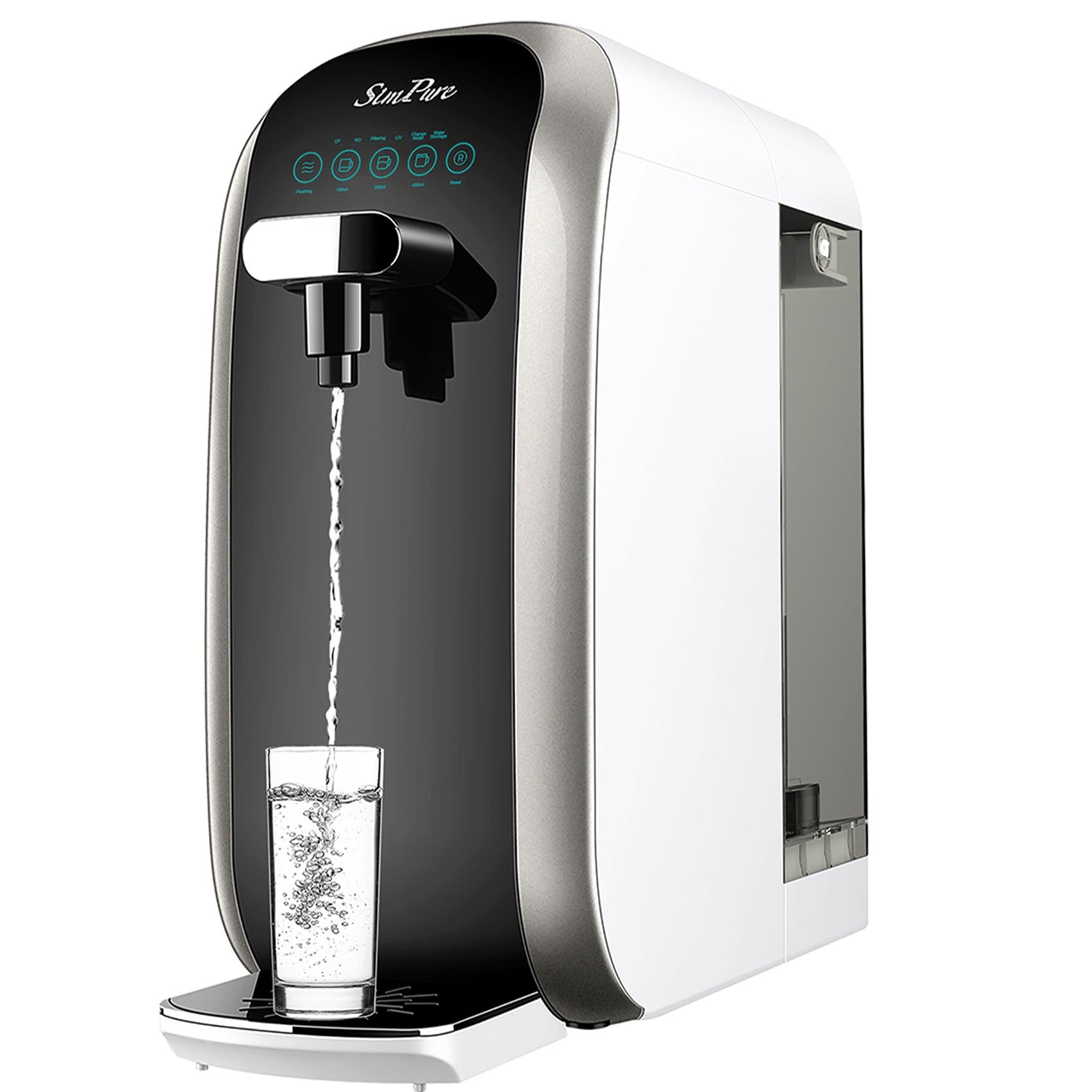
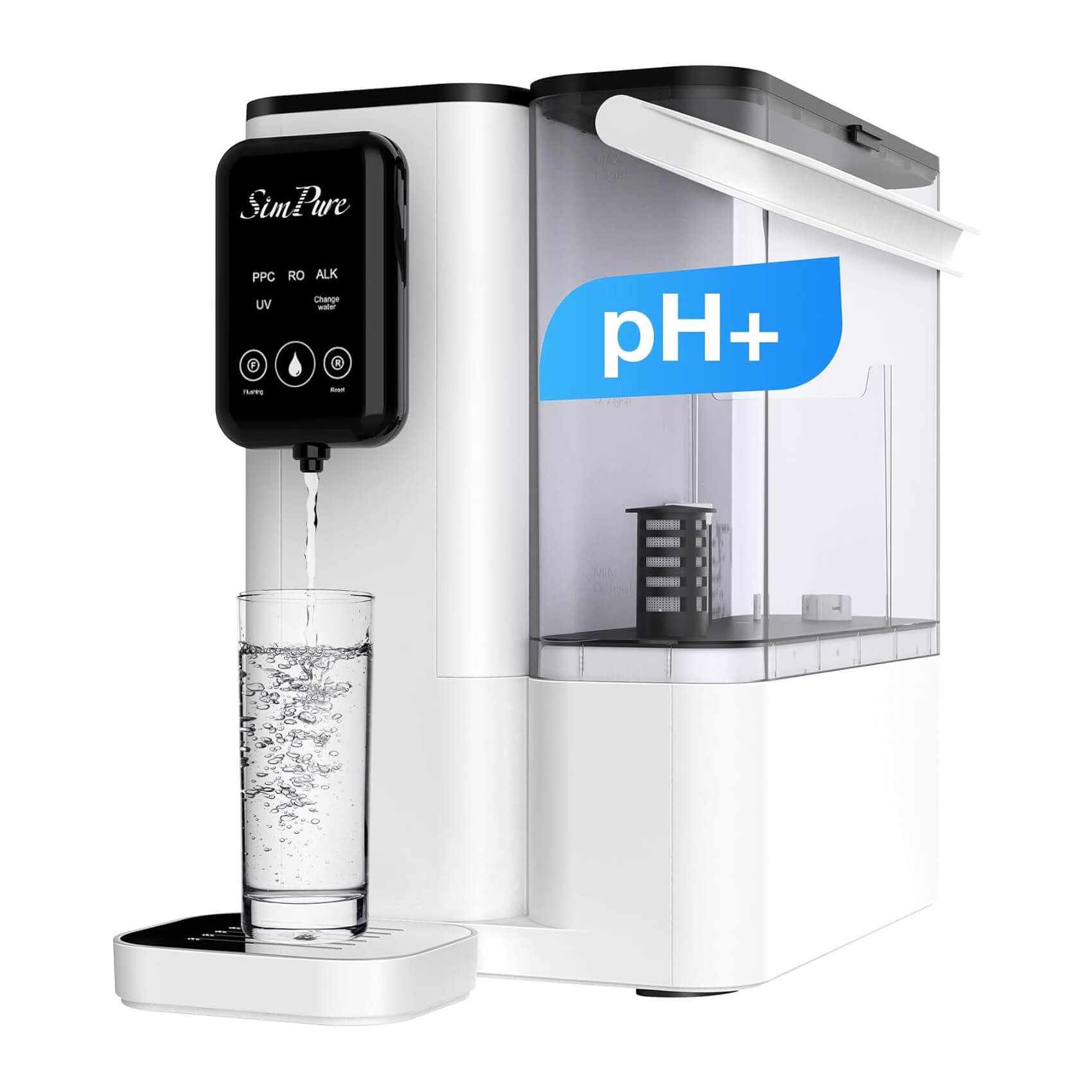
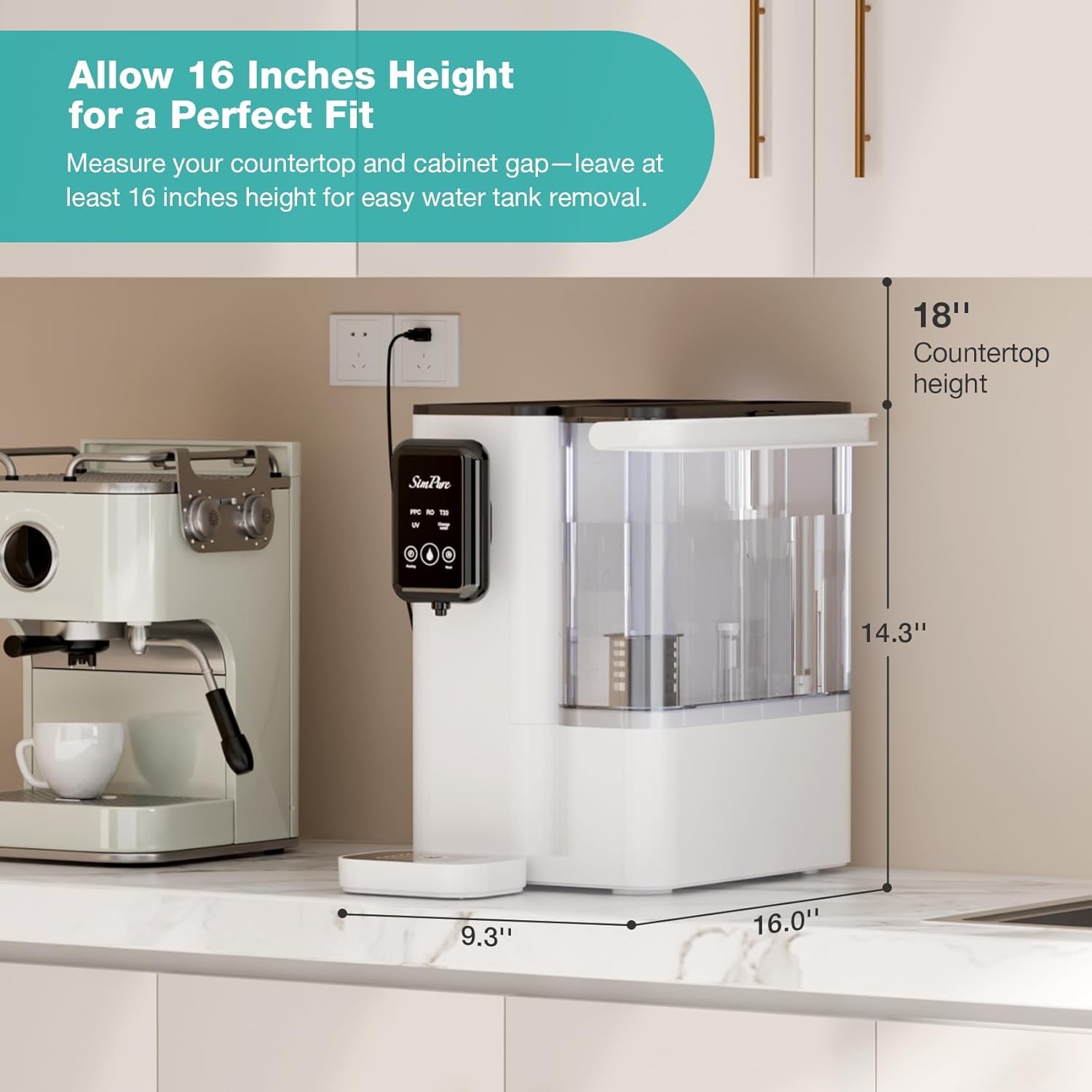
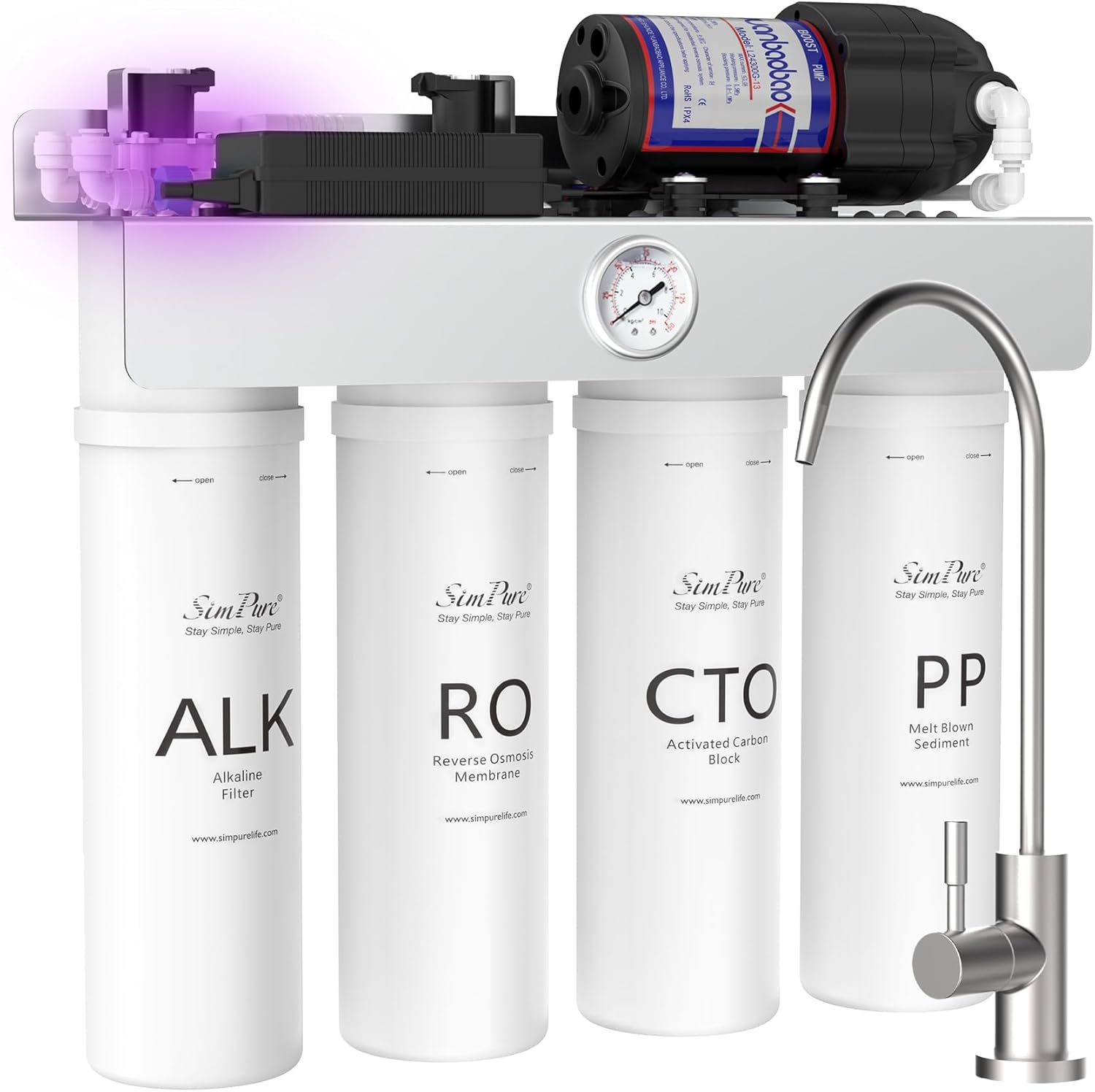
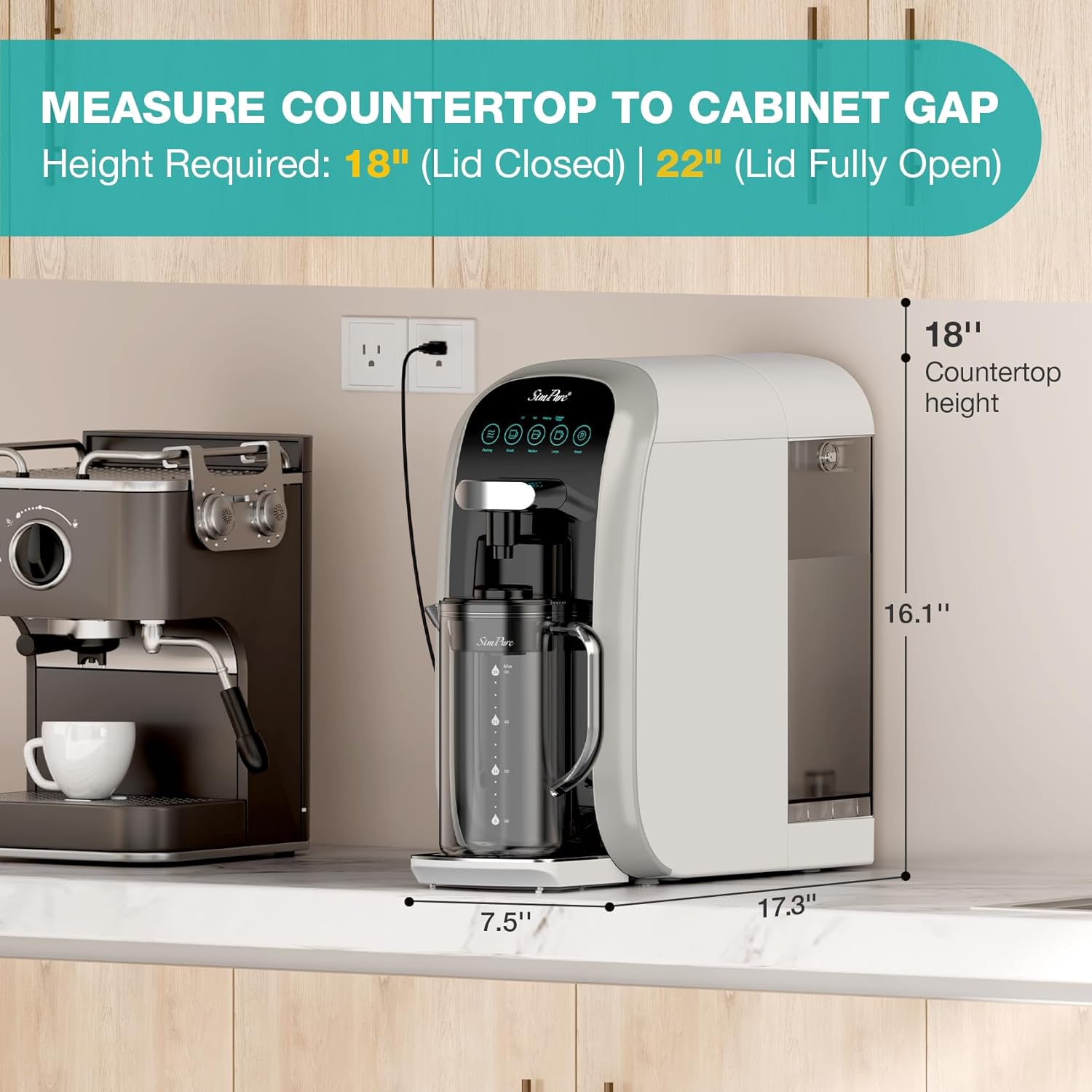
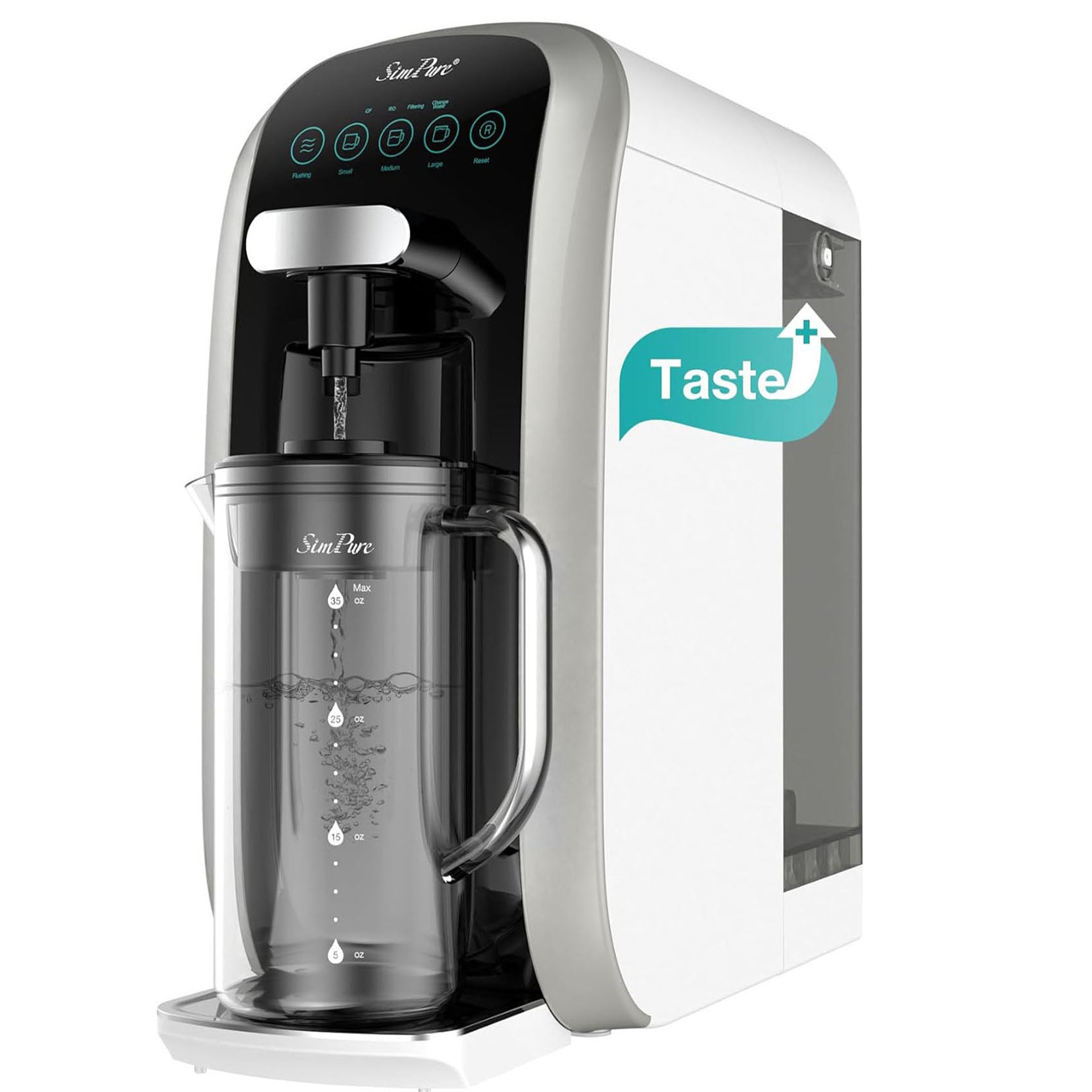
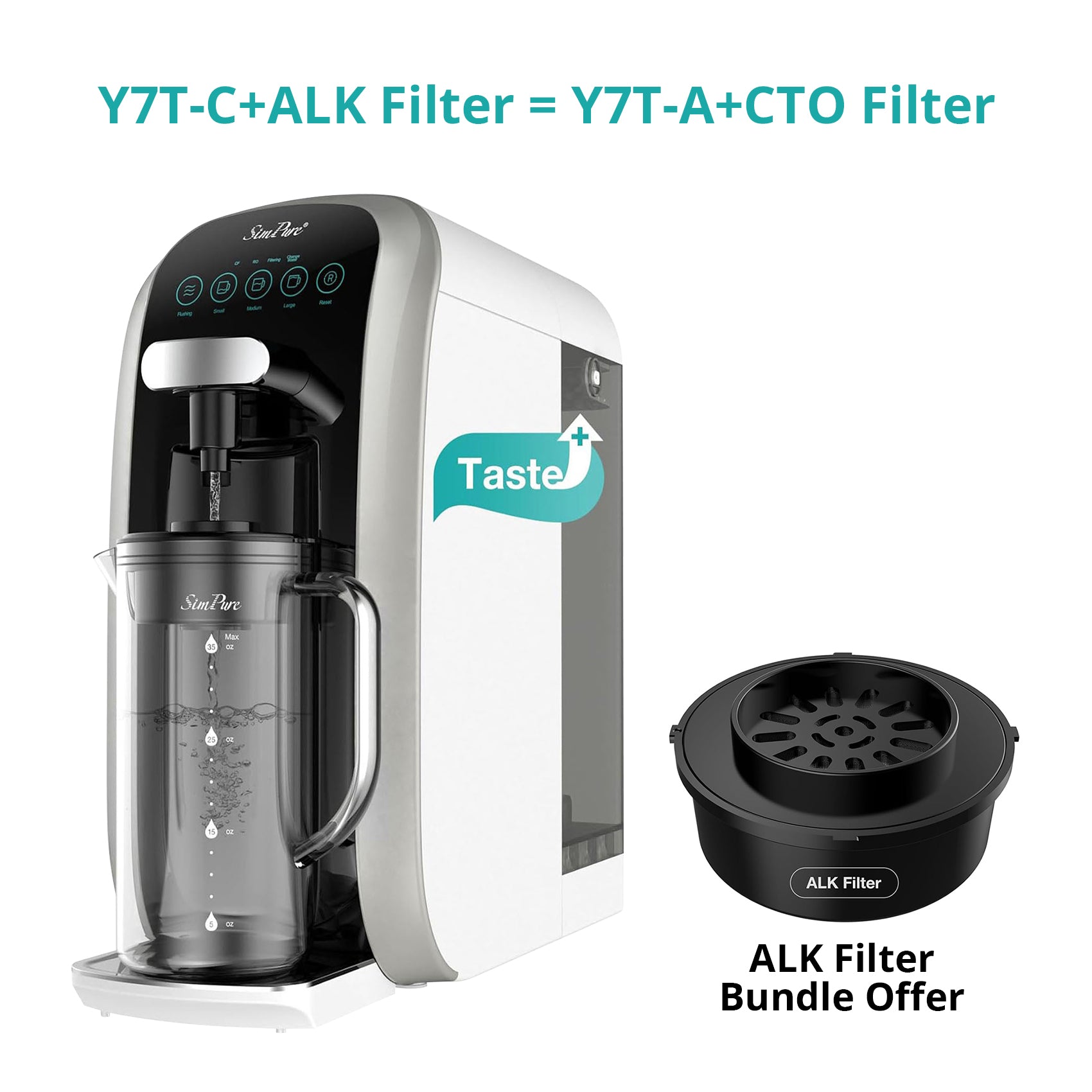
3. Countertop Water Purifiers — Where Things Get More Interesting
This is where many people under the $300 budget start finding the best balance.
Countertop systems have become increasingly popular because they combine the following:
-
Better filtration
-
Easy installation
-
Everyday convenience
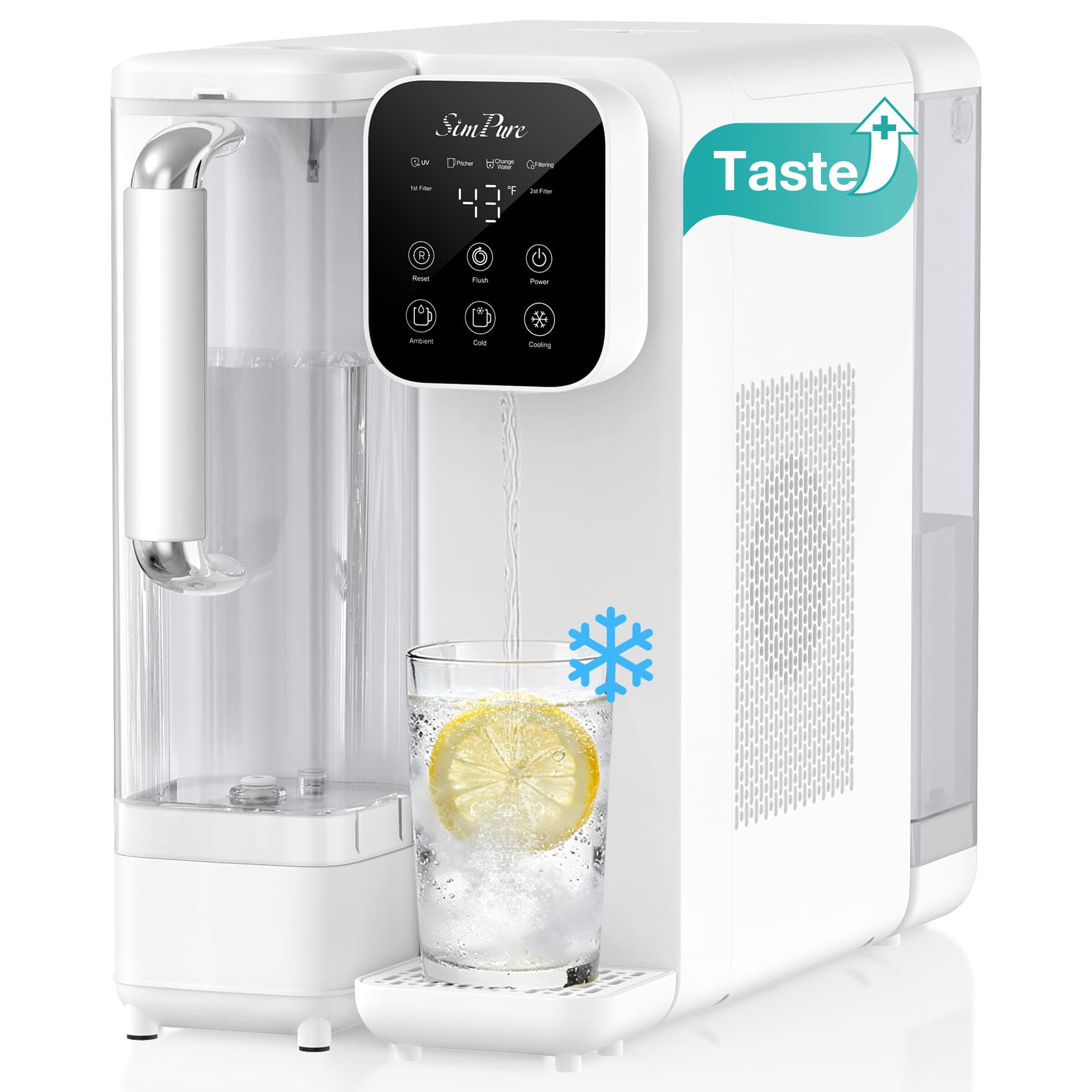
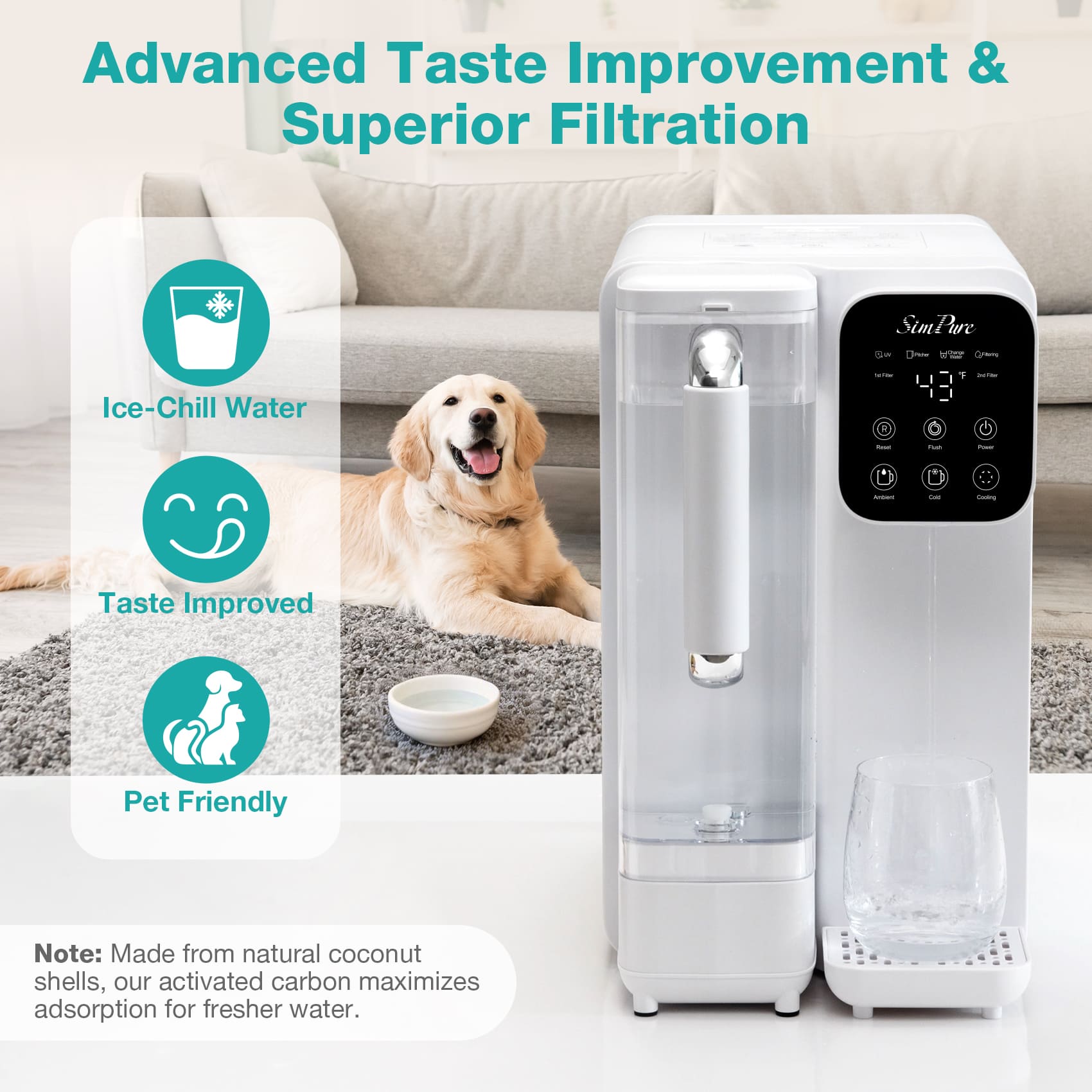
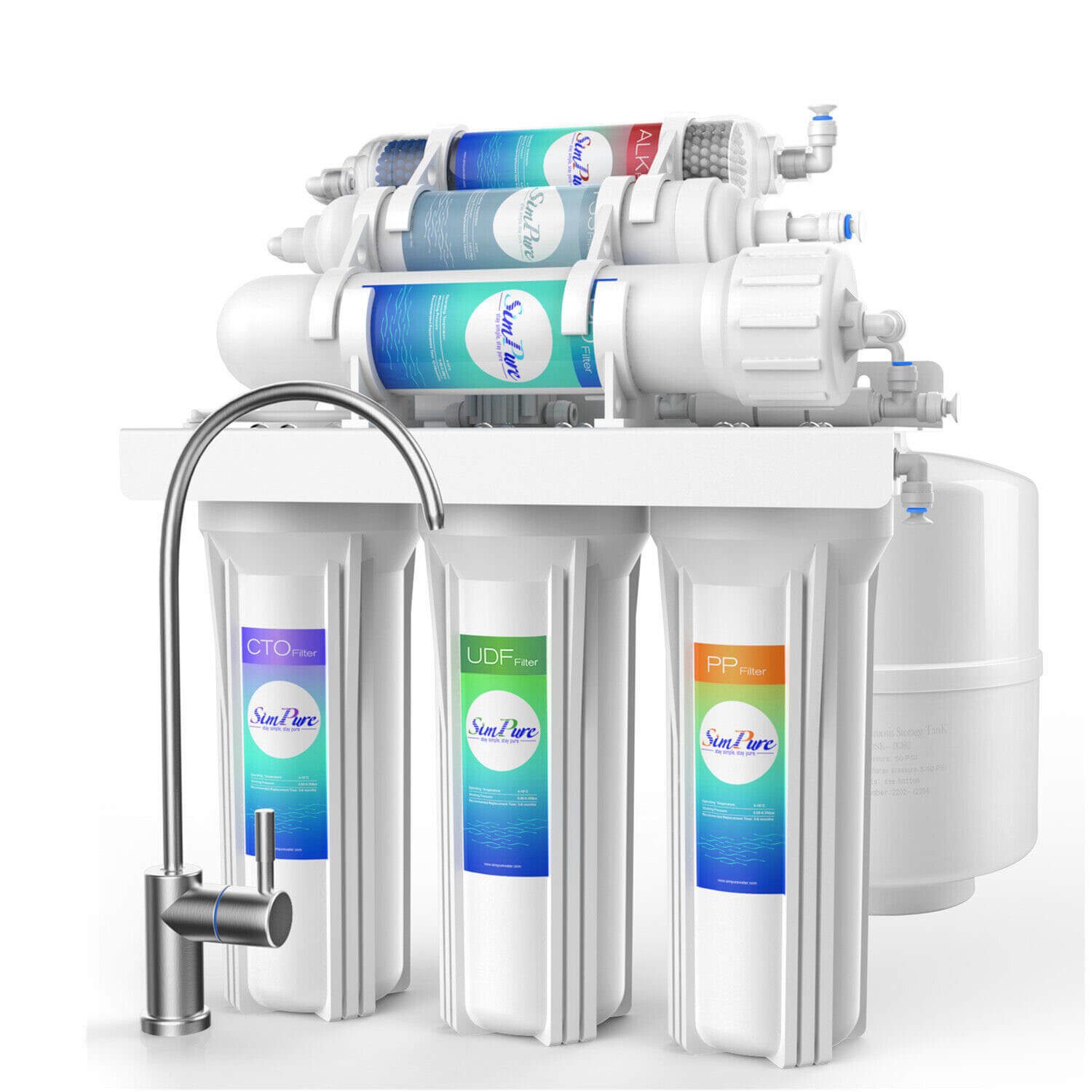
Especially modern countertop RO systems.
Unlike older filtration systems, newer countertop designs usually
-
Require little or no installation
-
Work well in apartments and rentals
-
Avoid permanent plumbing changes
-
Offer noticeably cleaner taste
For many households, this starts feeling less like a “filter” and more like an actual upgrade to daily life.
So What’s the Best Water Purifier Under $300?
Honestly, the answer depends on your priorities.
If your main concern is
-
Saving money → a pitcher may be enough
-
Simplicity → faucet filters work well
-
Better overall water quality → countertop systems stand out
But for most people today, the sweet spot is usually something that balances the following:
-
Good filtration
-
Easy maintenance
-
Reasonable long-term cost
-
Everyday convenience
That’s why countertop purification systems have become much more popular over the past few years.
What Actually Matters More Than Marketing
A lot of product pages focus on technical buzzwords.
But real-life experience usually comes down to a few simple things.
1. Does the Water Taste Better?
This sounds obvious, but it matters.
Most people notice taste before anything else.
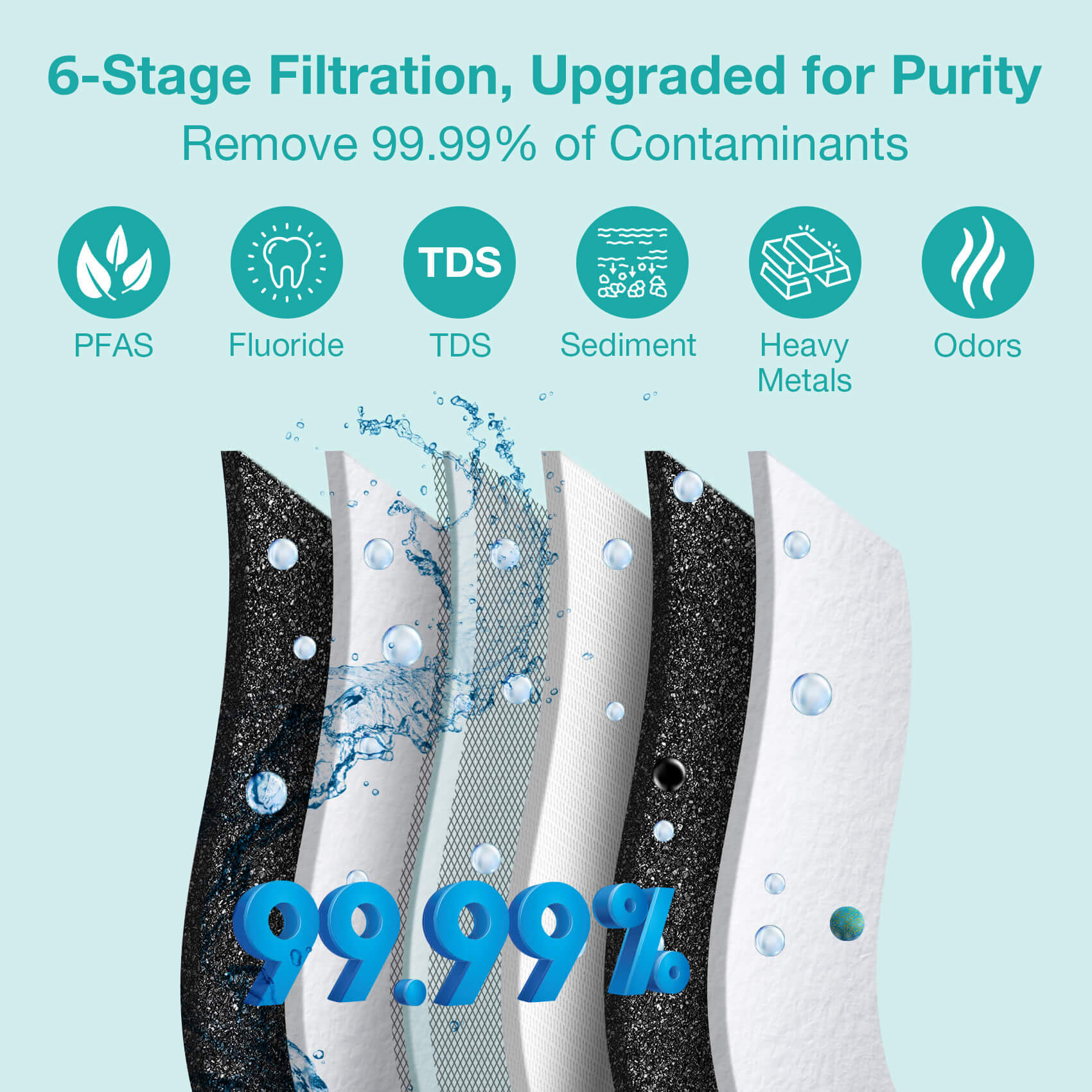
Cleaner water often means:
-
Less chlorine smell
-
Smoother coffee and tea
-
Better-tasting ice
-
More willingness to drink water regularly
And honestly, that daily difference matters more than complicated technical claims.
2. Is It Easy to Live With?
This part gets overlooked constantly.
Ask yourself:
-
How often do filters need replacing?
-
Does it take up too much space?
-
Is daily use annoying?
-
Will everyone in the house actually use it?
Because convenience is what determines whether a system becomes part of your routine or ends up ignored.
3. Long-Term Costs Matter Too
Sometimes a cheaper purifier becomes more expensive over time because of the following:
-
Frequent filter changes
-
High replacement costs
-
Poor durability
That’s why looking only at upfront price rarely tells the full story.
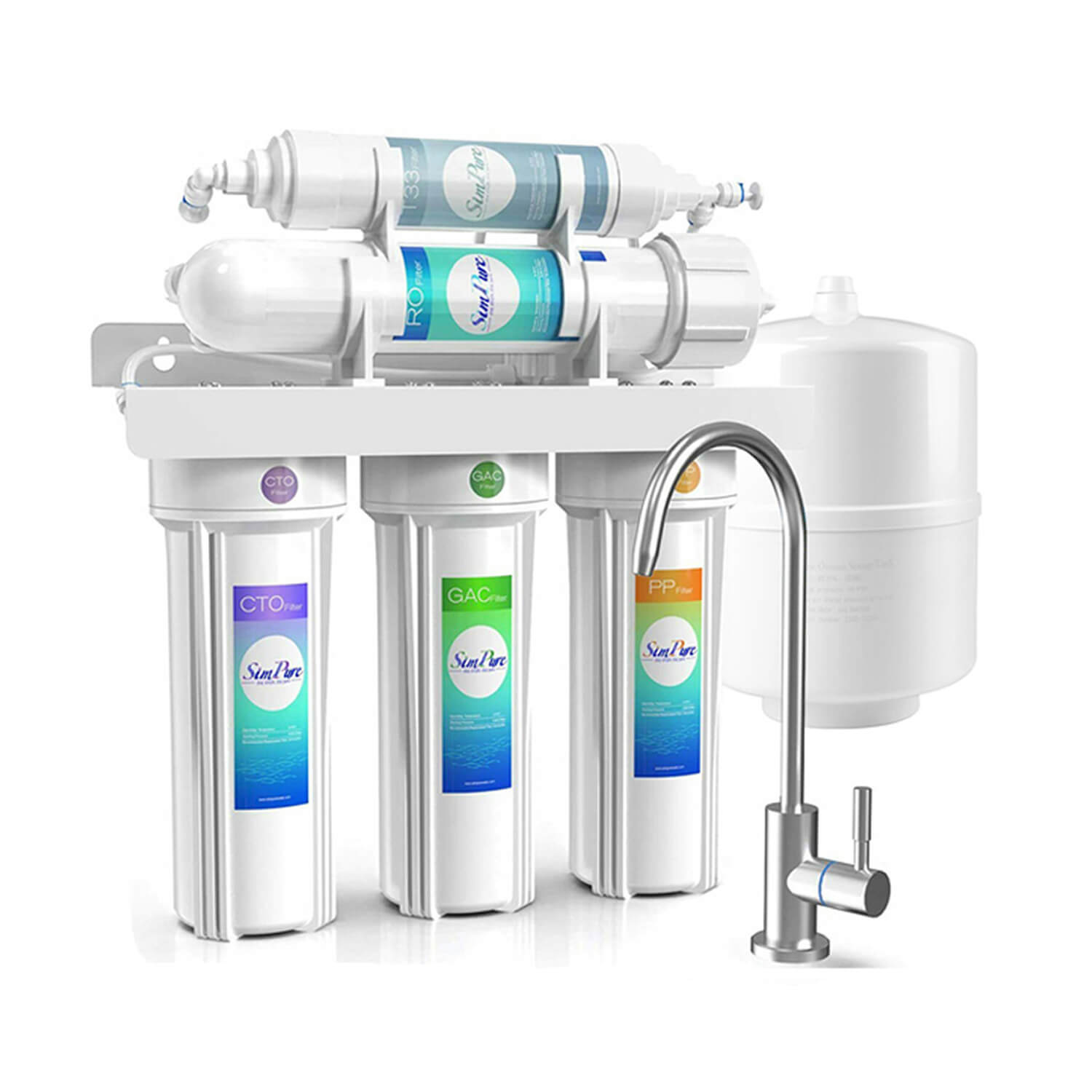
Where Brands Like SimPure Fit In
Not everyone wants to spend days researching water filtration technology.
Most people simply want something reliable that fits naturally into daily life.
That’s where brands like SimPure fit in quite naturally.
Their systems tend to focus on:
-
Straightforward setup
-
Cleaner-tasting water
-
Compact, modern designs
-
Practical everyday usability
Instead of making filtration feel overly technical, the goal is usually to make clean water easier and more accessible for normal households.
And honestly, for many people, that’s exactly the balance they’re looking for.
When You Might Not Need a More Advanced Purifier
To keep things realistic, not every home needs a high-end system.
If:
-
Your local tap water is already high quality
-
You mainly want slight taste improvement
-
You live alone and drink little water at home
Then a simple filter may already be enough.
But if you’ve ever
-
Questioned your water quality
-
Noticed unusual taste or odor
-
Wanted to reduce bottled water use
-
Become more conscious about contaminants
Then upgrading your filtration setup can make a surprisingly noticeable difference.
Final Thoughts
The best water purifier under $300 usually isn’t the flashiest system online.
It’s the one that quietly improves daily life without becoming complicated or expensive to maintain.
Cleaner taste.
Less hassle.
Better drinking habits.
More confidence in your power.
And for many households, that kind of improvement matters far more than having the most advanced specs on paper.