
Have you ever poured a glass of tap water and detected a chemical taste or strong odor? That’s often chlorine — added by municipal water systems to disinfect water and ensure safety. While chlorine helps minimize microbial risks, it can affect taste, smell, and daily water use for drinking, cooking, or bathing.
So, do water filters remove chlorine? how do you remove chlorine from water effectively?any chlorine water filters recommendation? This blog will analyze proven methods, examines whether water filters can reduce chlorine, and presents data-informed home solutions that improve water quality.
Background on Chlorine Is Added to Tap Water

Before discussing removal methods, it’s important to understand why chlorine is present and how it affects water quality.
Purpose of Chlorine in Water
Municipal water systems add chlorine to kill bacteria and pathogens, ensuring regulatory water-safety standards are met. Residual chlorine helps maintain water disinfection throughout the distribution system.
However, chlorinated water often has a noticeable taste or smell (check the blog: Does Chlorine Have a Smell). Some people may notice mild skin or eye irritation, or find water less suitable for cooking, coffee, or tea. So, there comes the need for removing chlorine from water.
Do Water Filters Really Remove Chlorine?

If you read our previous blog how to remove chlorine from water, you will know water filters do remove chlorine; there are many types of water filters and methods can move chlorine from water, you can check the below:
Common Chlorine Removal Methods
1. Boiling Water
Efficiency: ~80–90% free chlorine
Boiling water causes free chlorine to evaporate as gas. While effective for free chlorine, it does not remove chloramine or other disinfectant by-products. Typically, boiling 1–2 liters of water for 15–20 minutes can achieve this reduction. However, this method is impractical for daily household consumption and does not improve overall water quality for heavy metals or dissolved solids.
2. Letting Water Sit / Aeration
Efficiency: ~50–70% free chlorine
Allowing water to stand exposed to air can reduce free chlorine over several hours through natural off-gassing. While simple, this method does not effectively remove chloramine or other disinfectants. Results vary depending on water temperature, surface area, and exposure time. It is suitable for small amounts of water but not for large-scale or whole-house use.
3. Chemical Neutralization (Vitamin C)
Efficiency: ~90–95% free chlorine
Vitamin C (ascorbic acid) can chemically convert free chlorine into chloride, neutralizing its effects. This method is practical for small batches of water such as baths, pitchers, or pet water bowls. It is fast-acting and safe, but not suitable for treating entire household water supply. Overuse may slightly alter water pH, so dosing should follow manufacturer recommendations.
4. Activated Carbon / Carbon-Block Filters
Efficiency: ~95–99% free chlorine
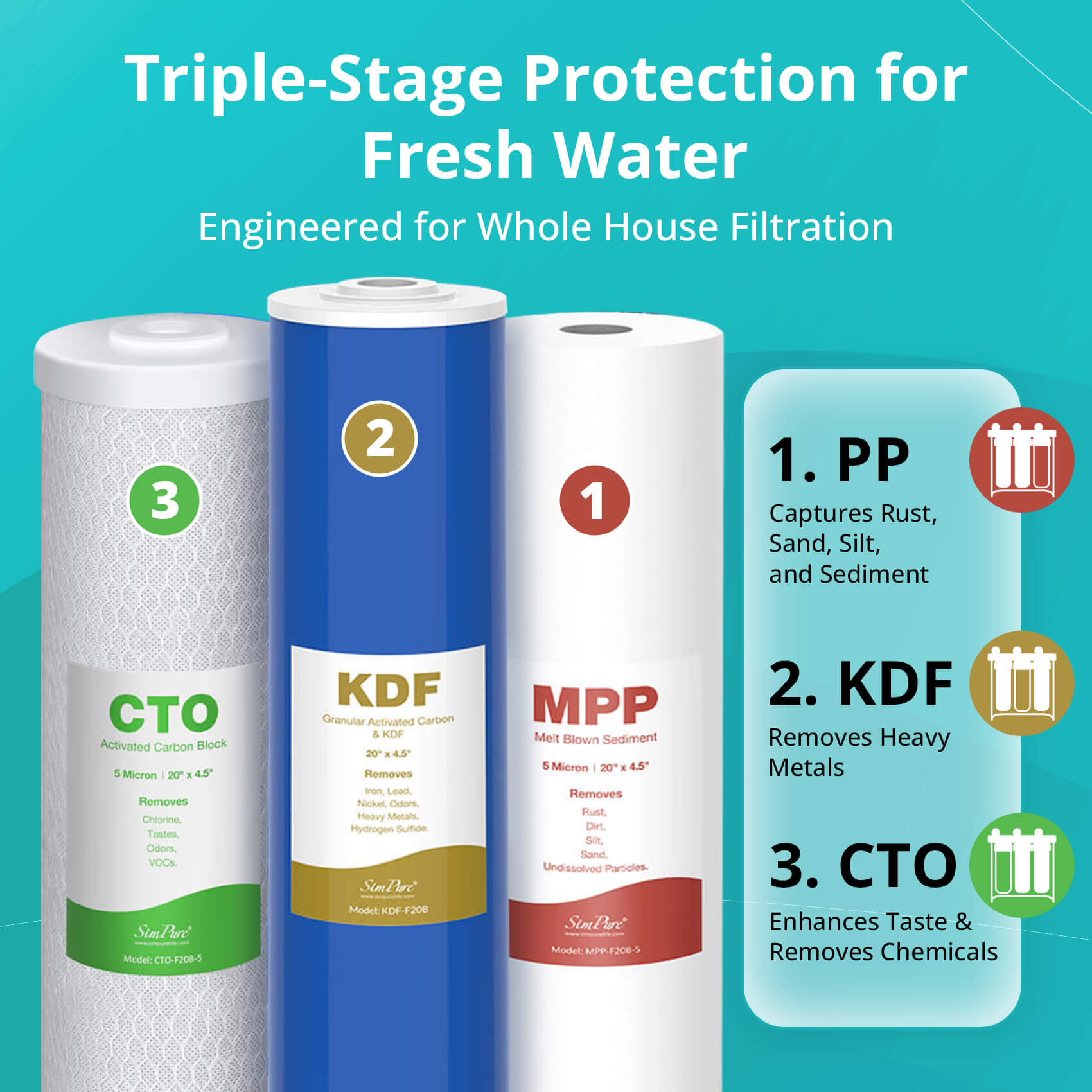
Activated carbon filters adsorb chlorine efficiently, removing most free chlorine from tap water. New filters provide the highest efficiency (~99%), but effectiveness decreases as the filter approaches the end of its service life. Carbon-block filters also reduce certain volatile organic compounds and improve taste and odor.
5. Reverse Osmosis with Carbon Pre-Filter
Efficiency: ~95–99% free chlorine
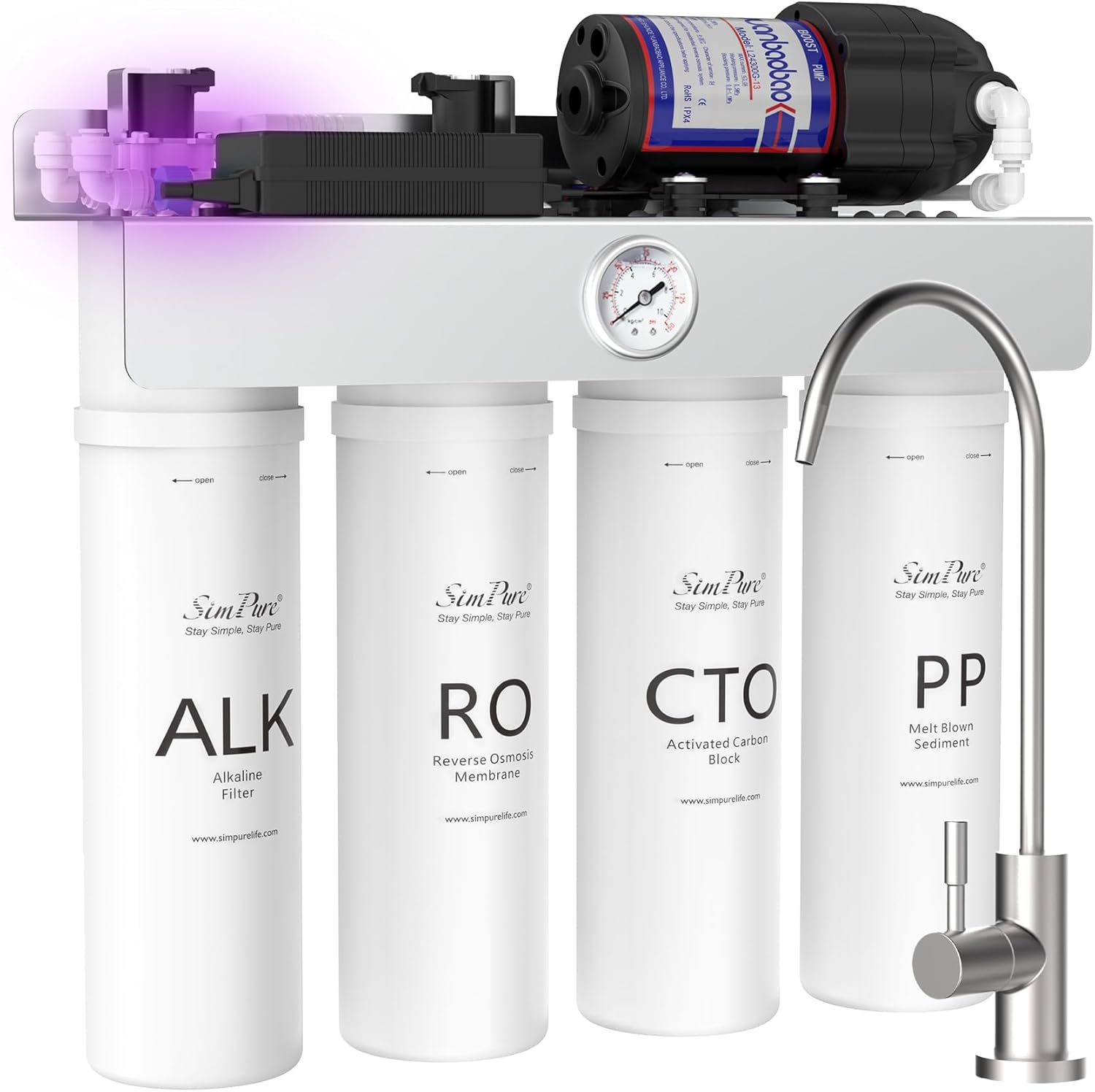
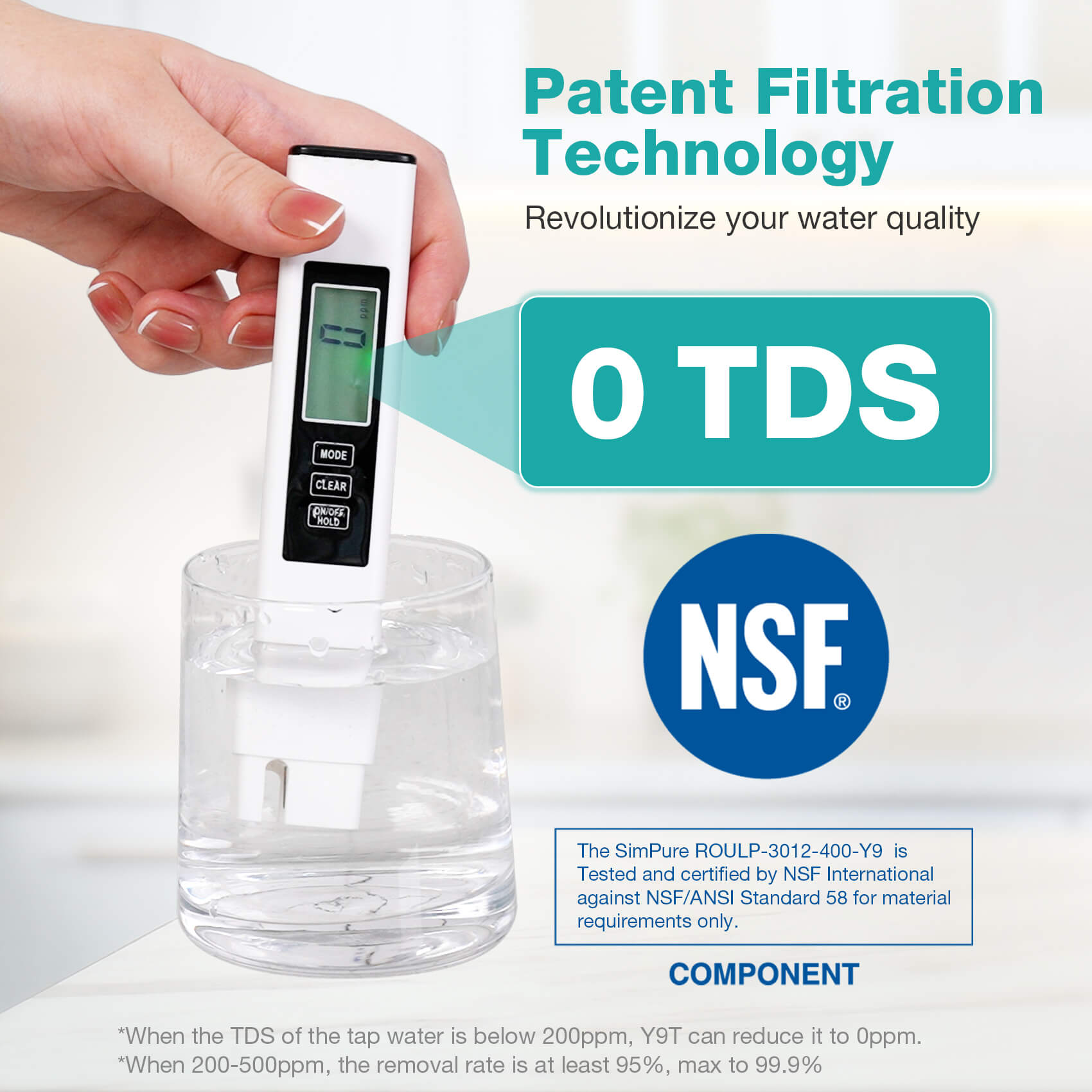
Reverse osmosis membranes do not remove chlorine, but when combined with a carbon pre-filter, they provide high-efficiency chlorine removal along with reduction of TDS, heavy metals, and some organic contaminants.
Best Recommendation: SimPure Multi-Stage RO Systems — Tested Residual Chlorine Removal Performance

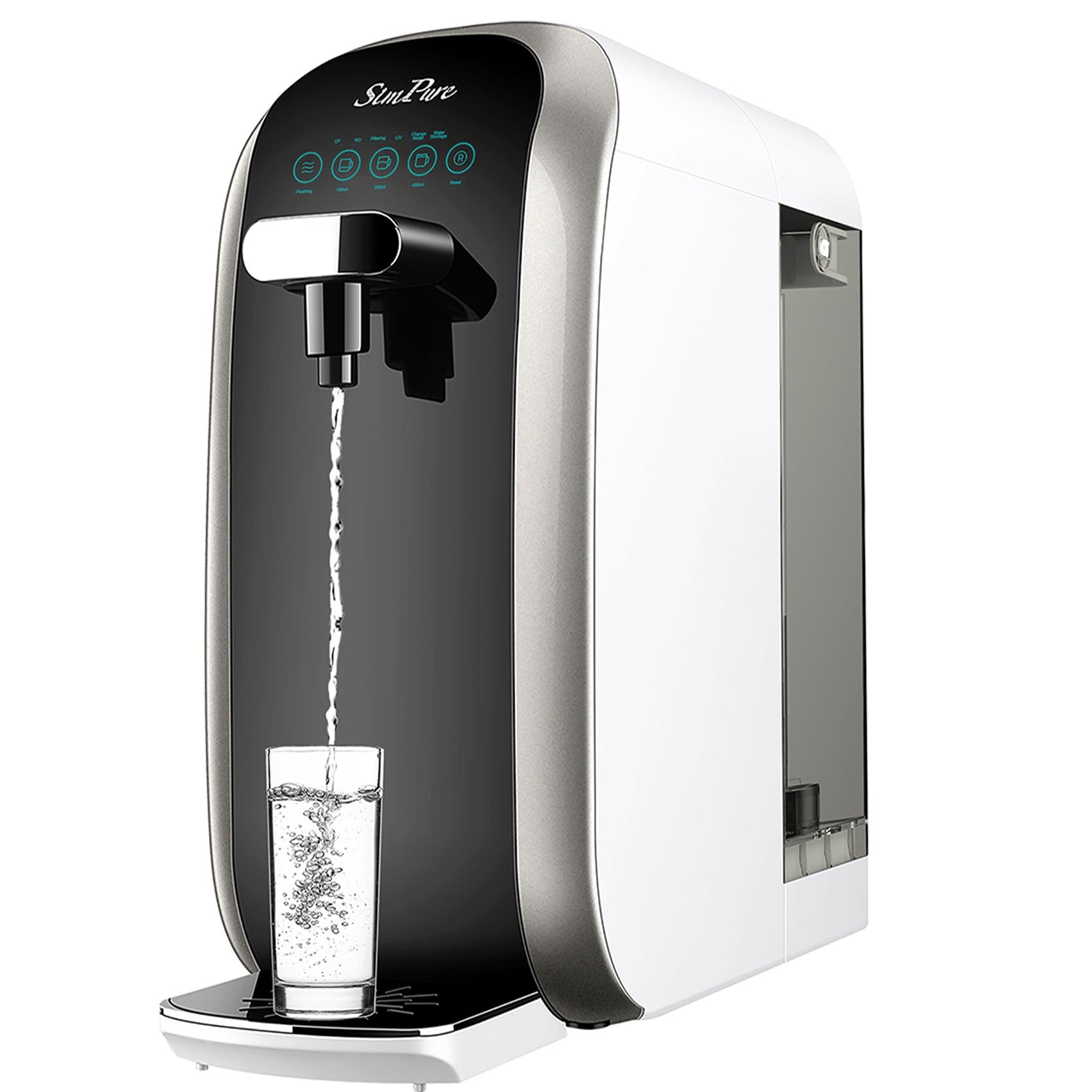
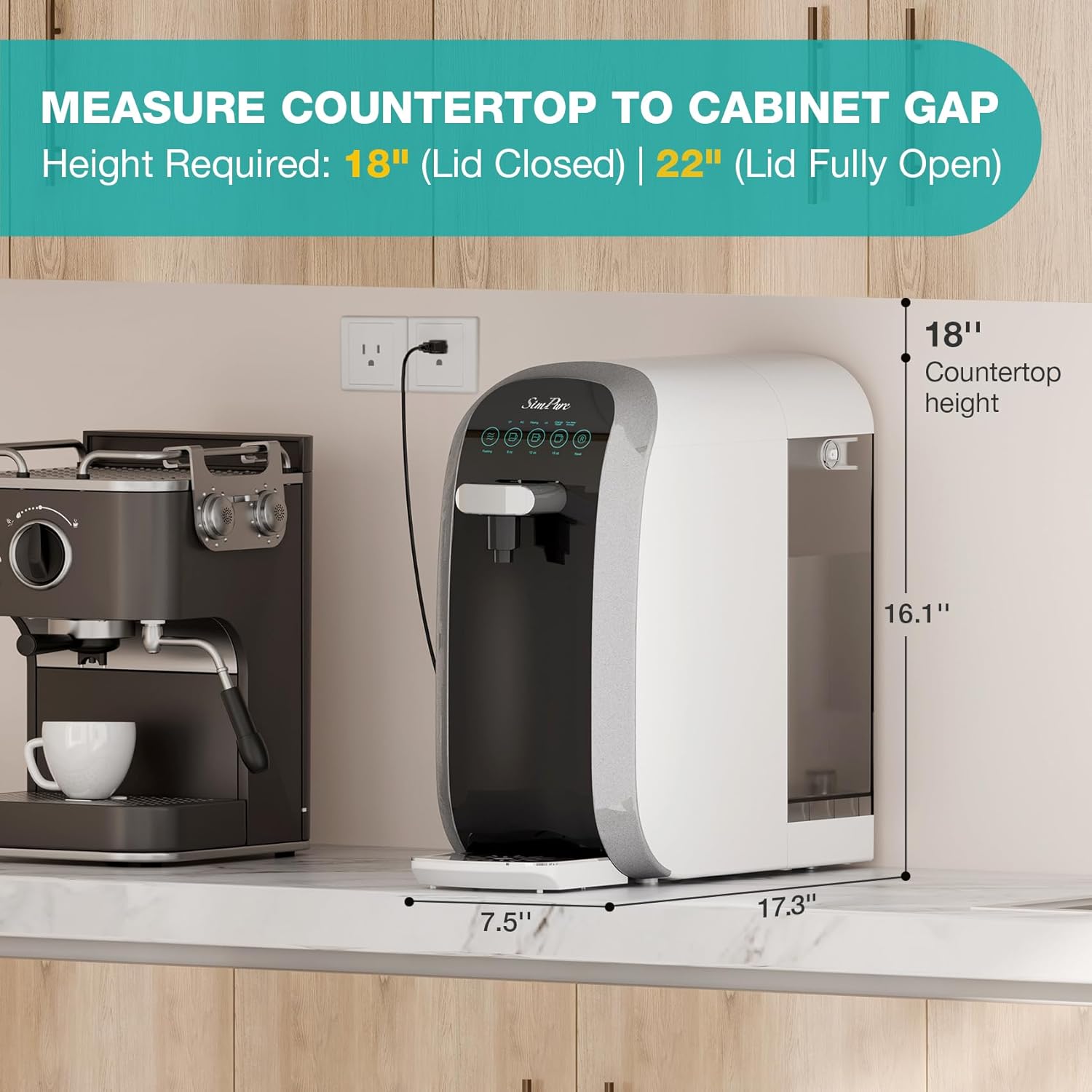
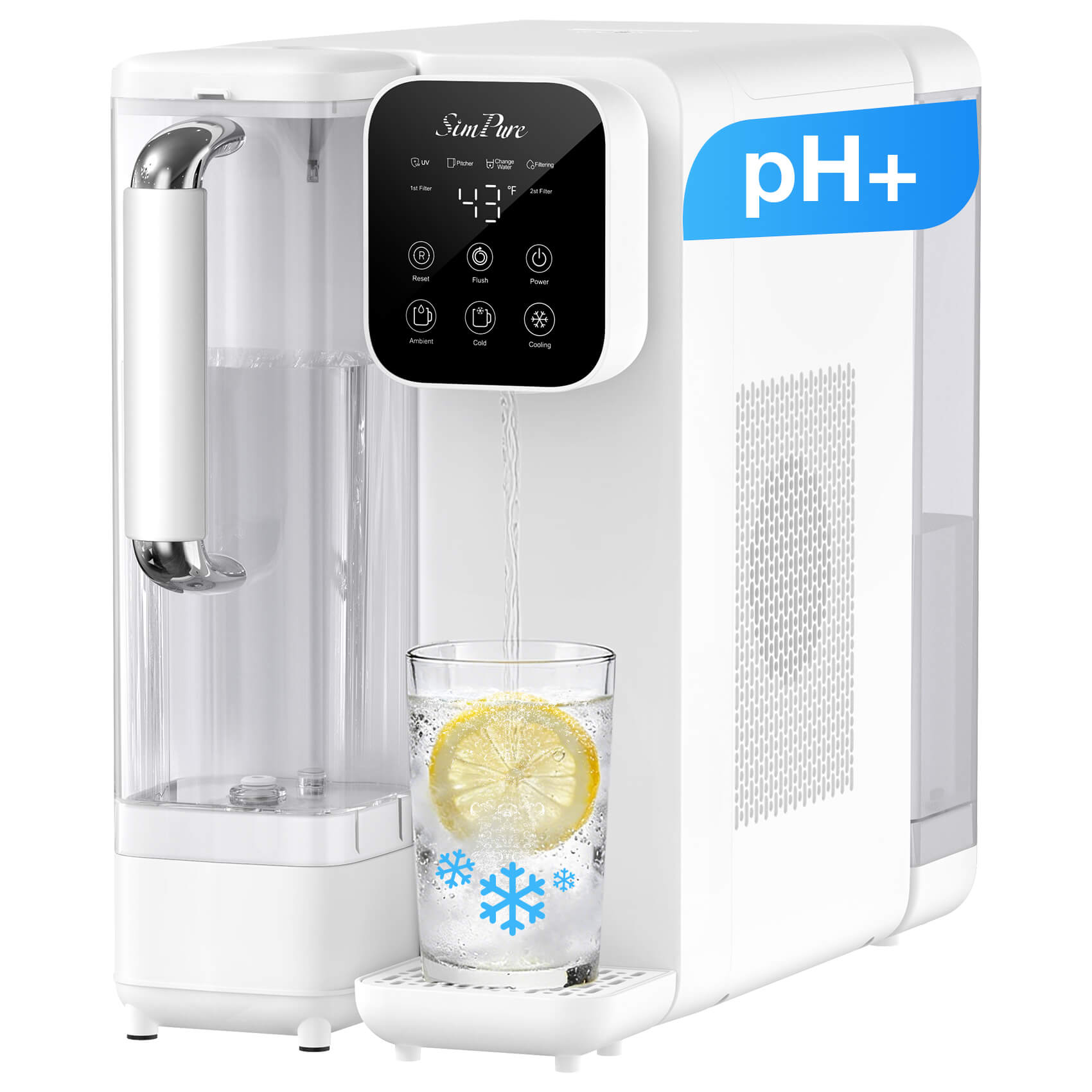
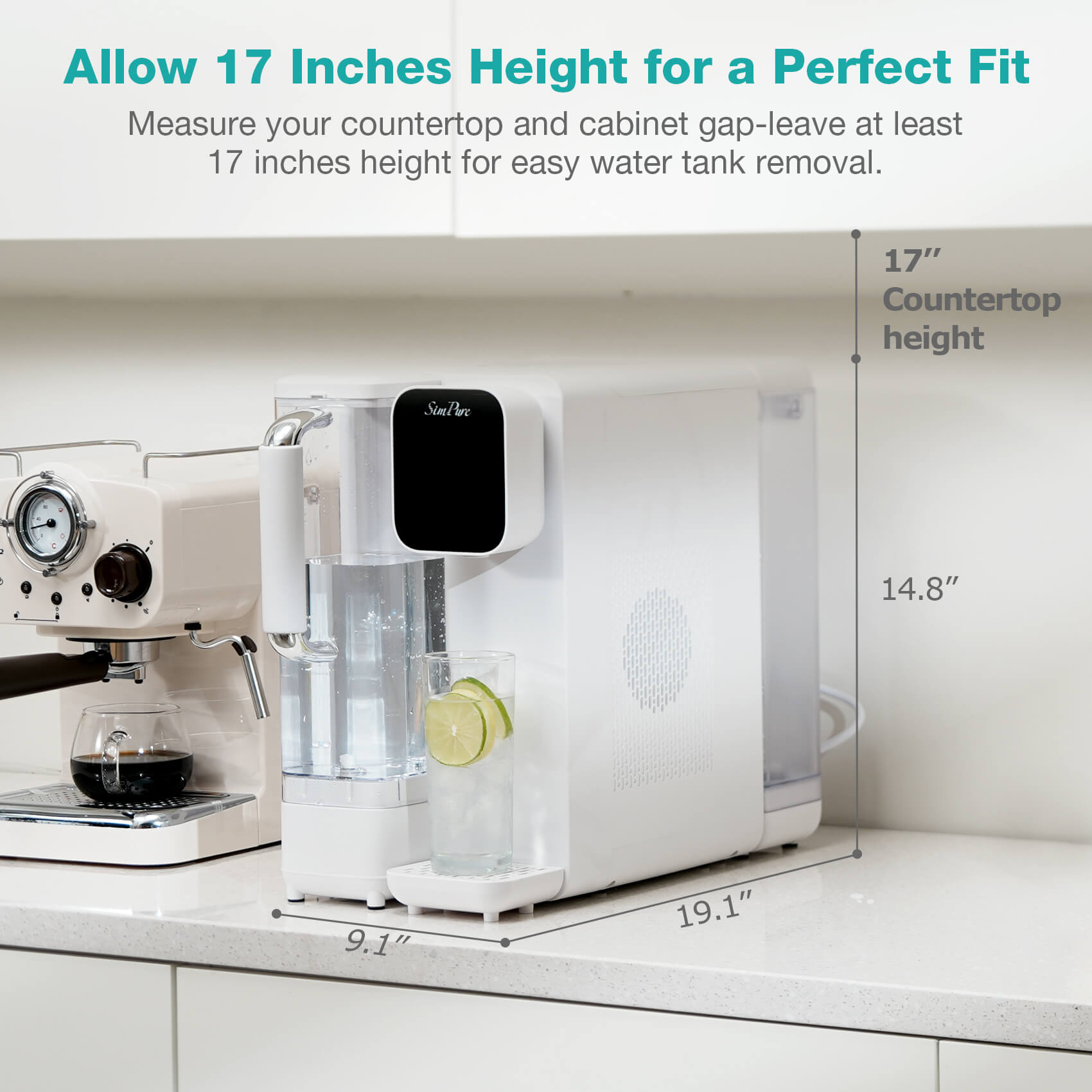
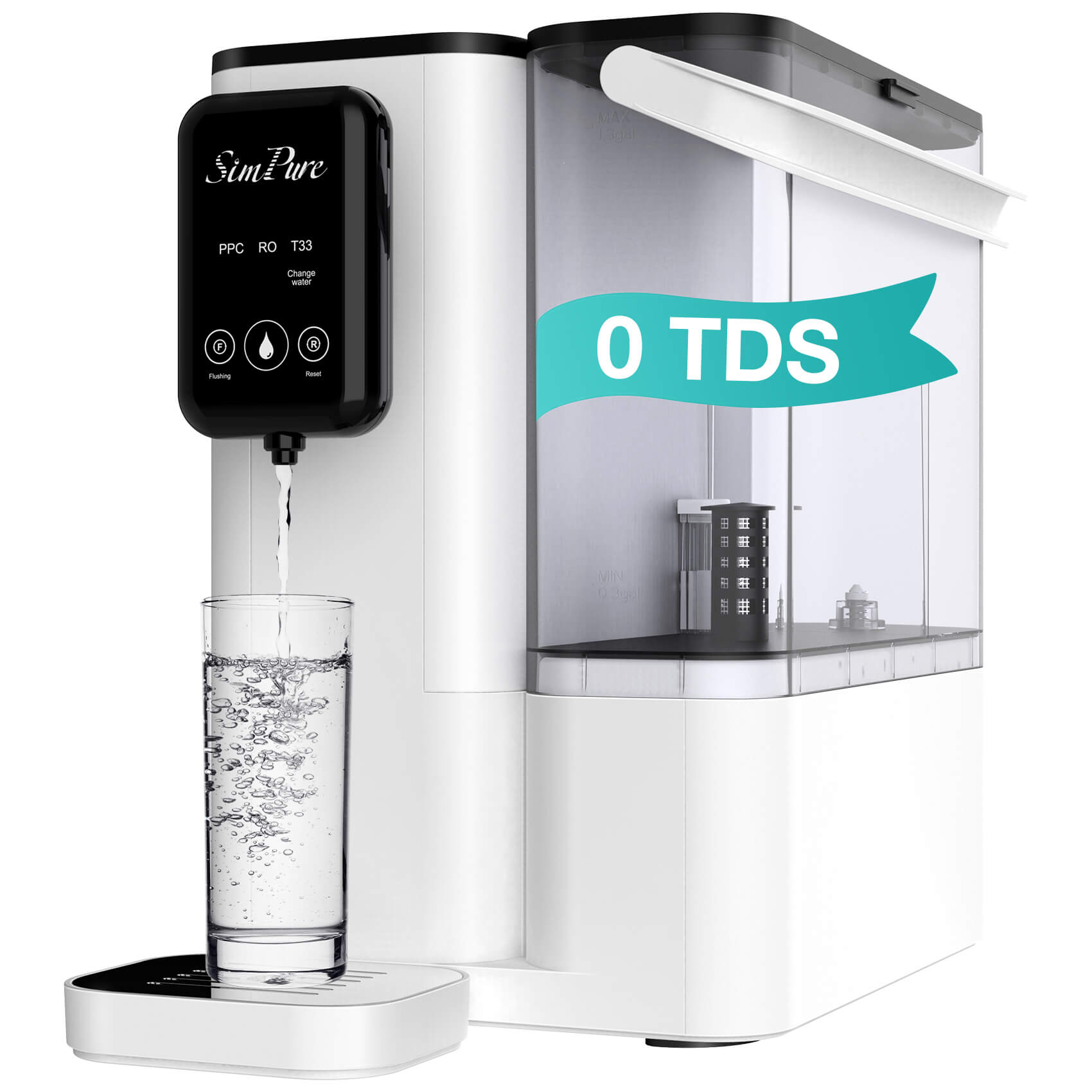
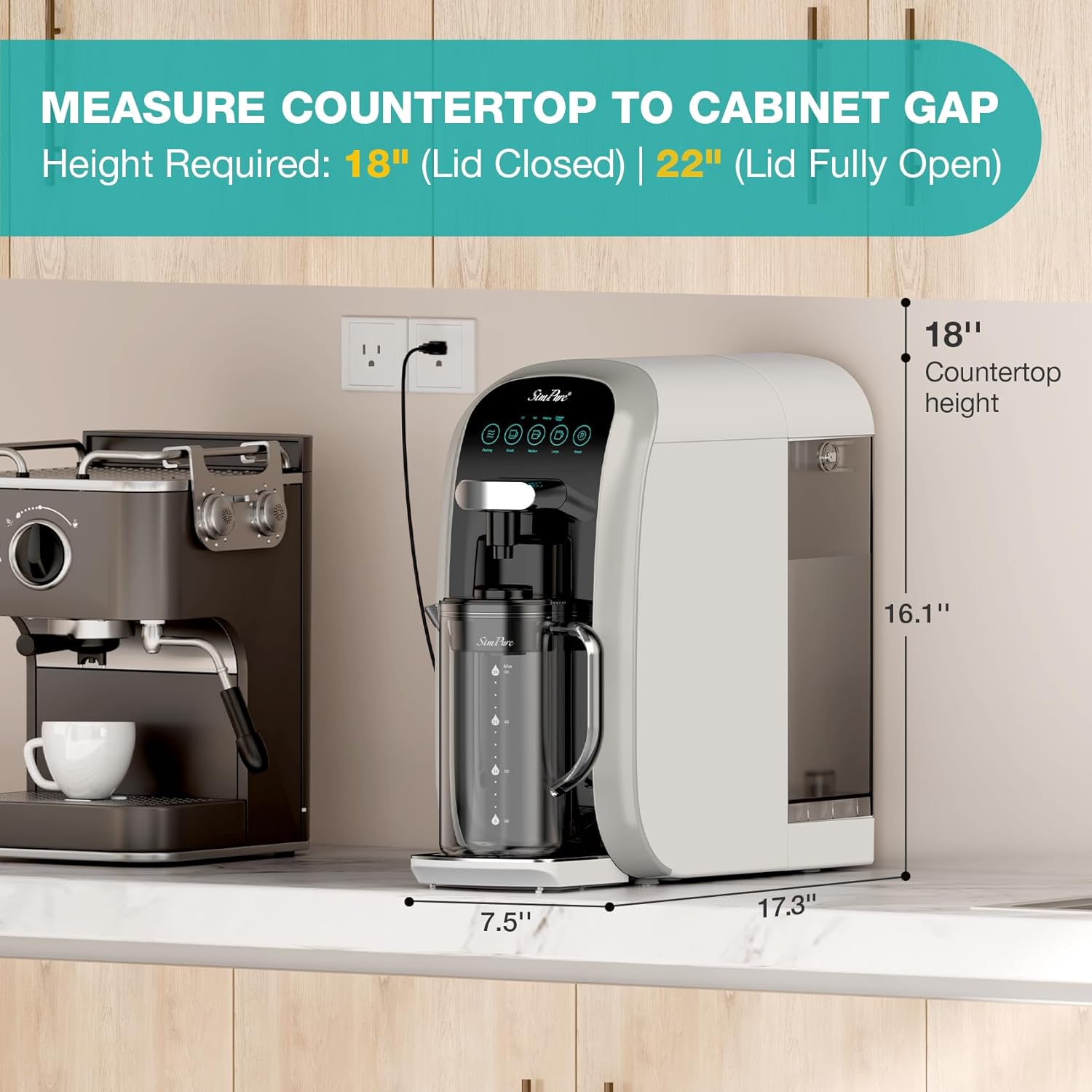
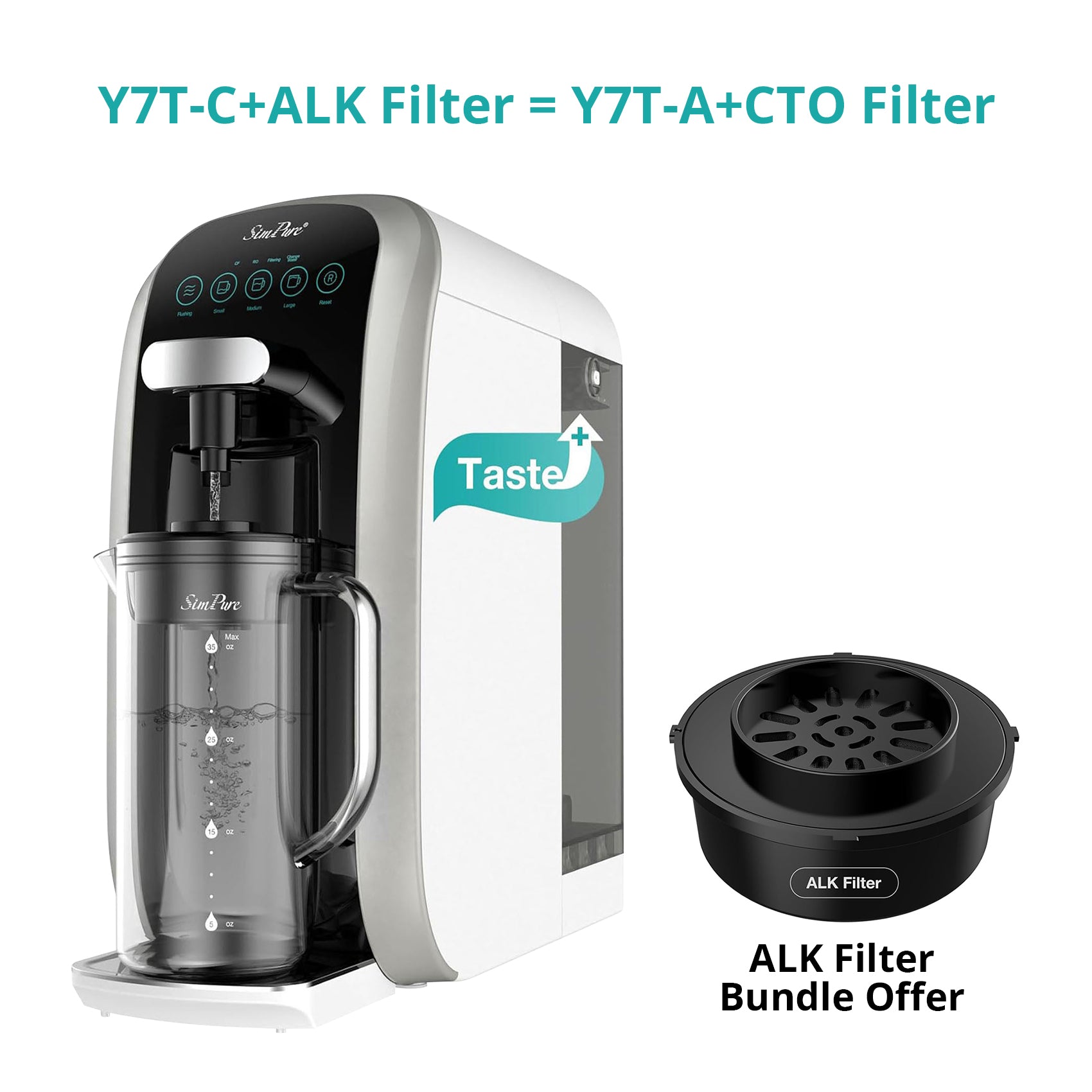
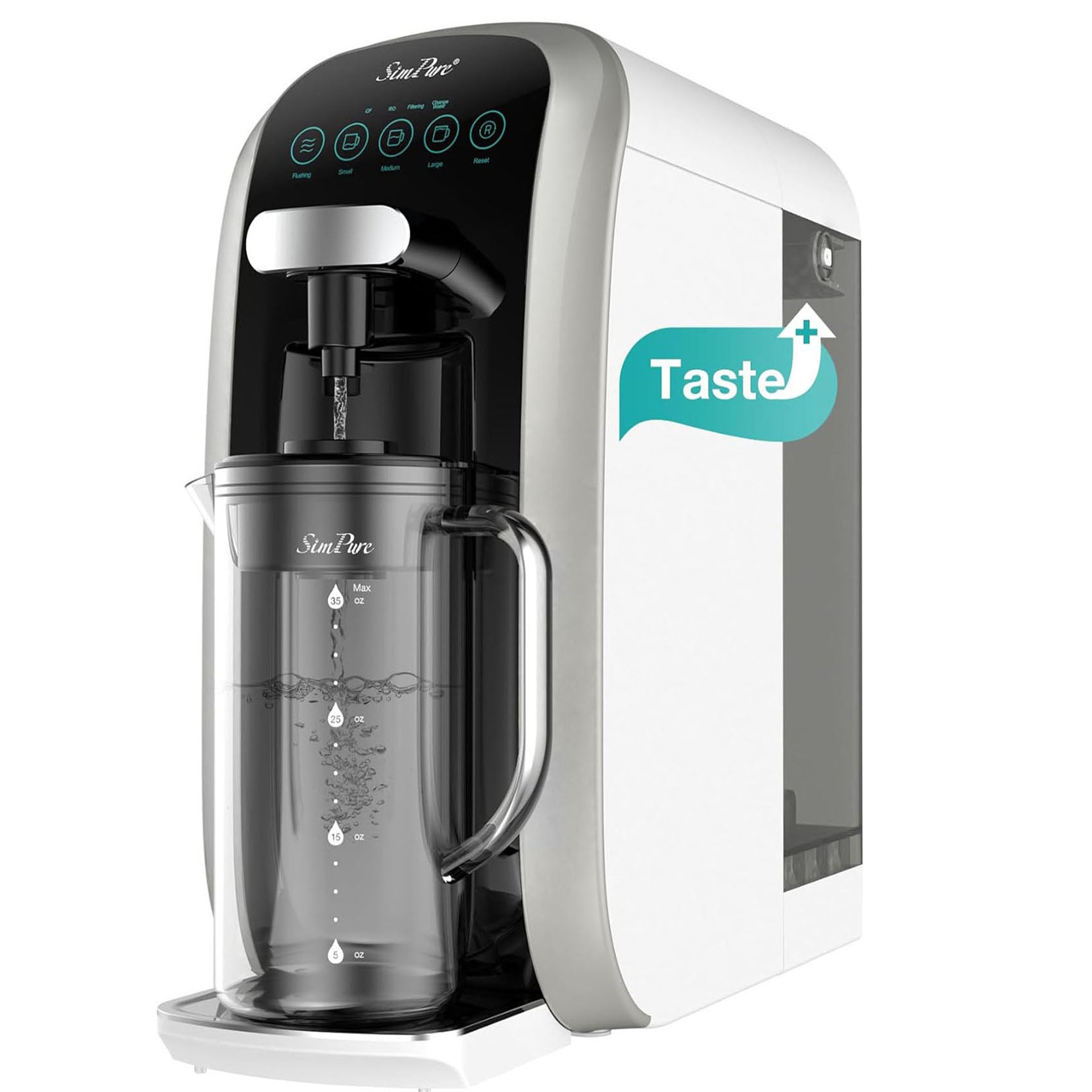
For households seeking reliable chlorine removal, SimPure multi-stage RO systems offer a scientifically validated solution. For example, SimPure Y9A Countertop RO System demonstrates exceptional performance in reducing residual chlorine, verified by independent SGS laboratory testing.
Countertop RO Systems (SimPure Y9A Example)

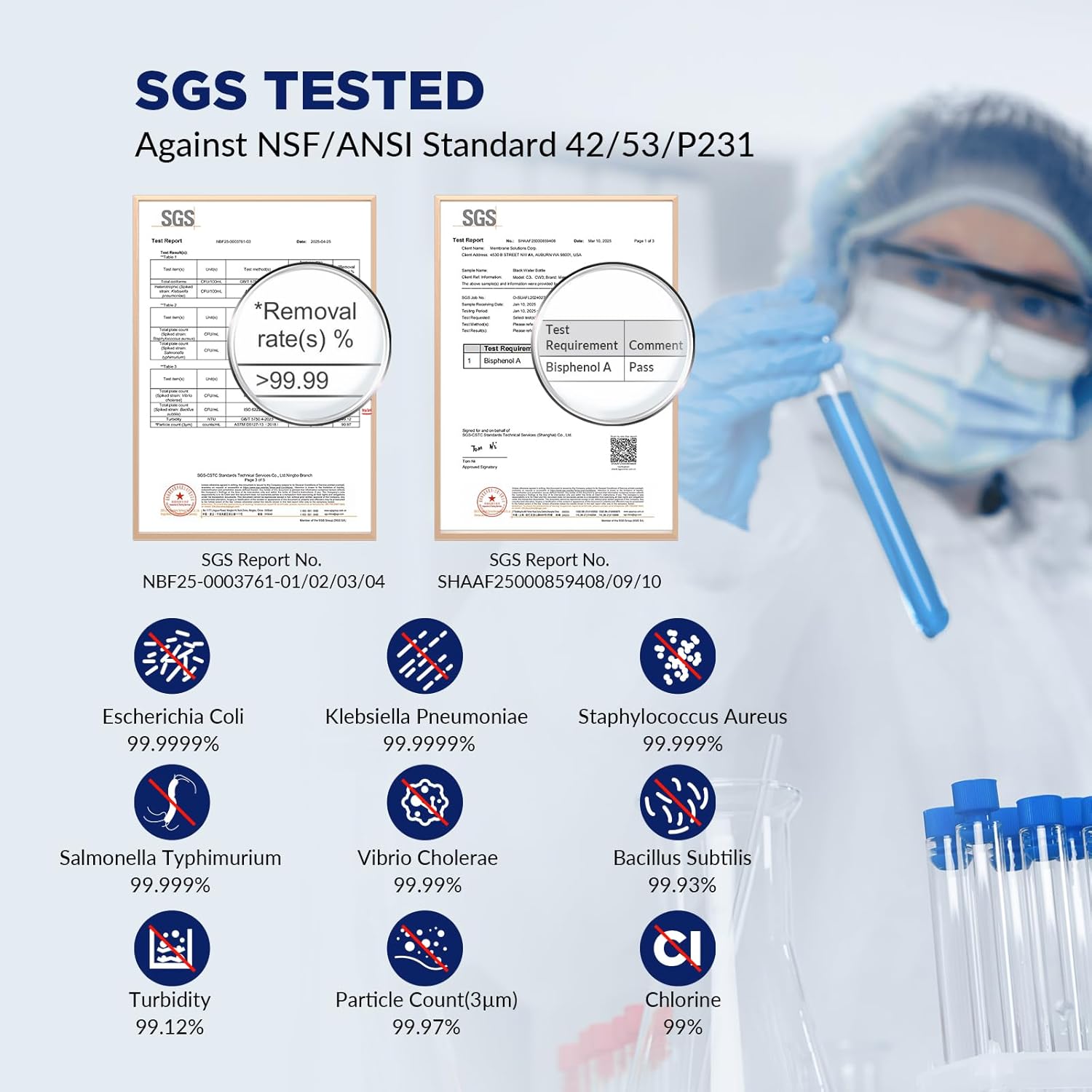
SGS-Tested Efficiency: The SimPure Y9A removes more than 99.47% of residual chlorine from tap water, ensuring significantly improved taste and odor.

Multi-Stage Filtration Process:

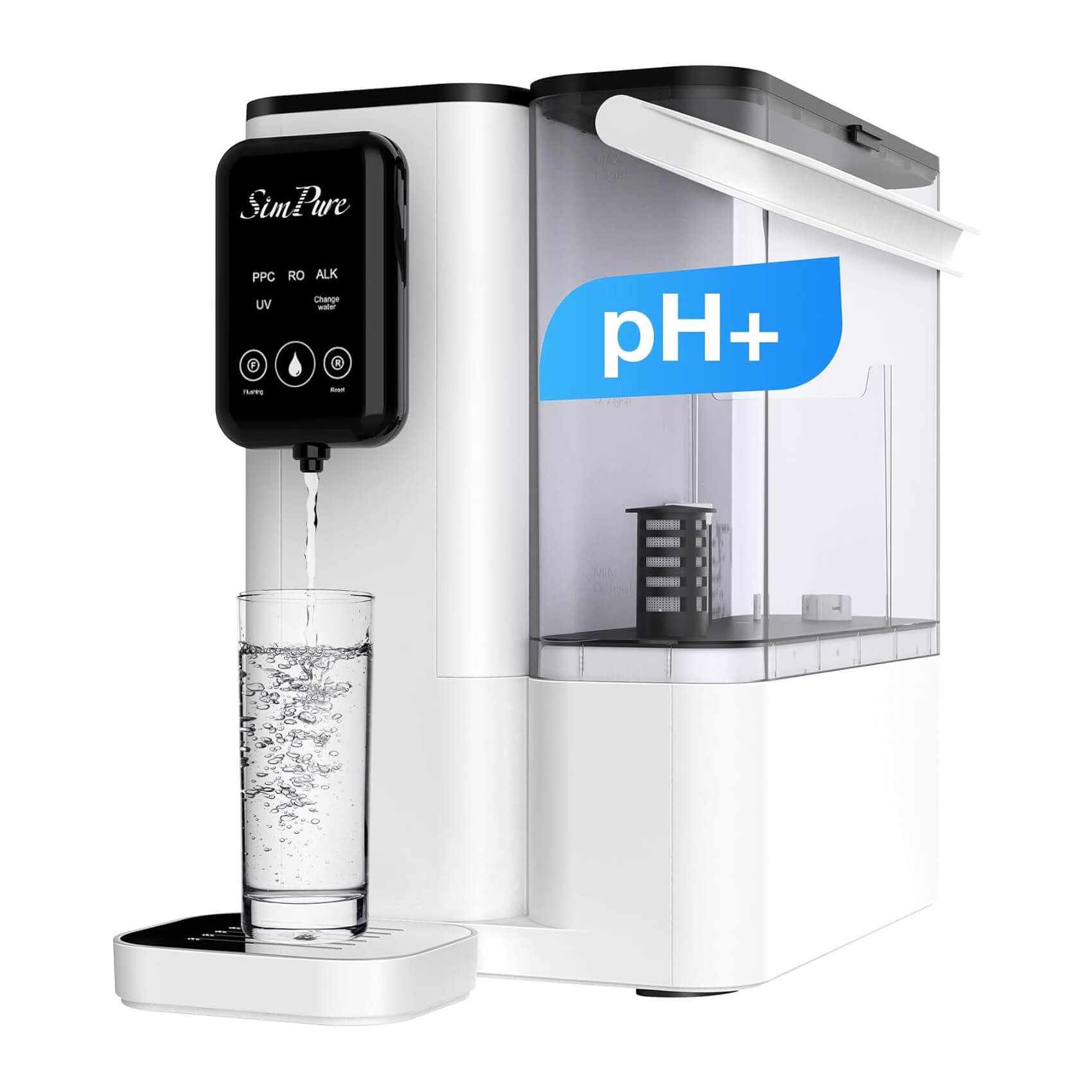
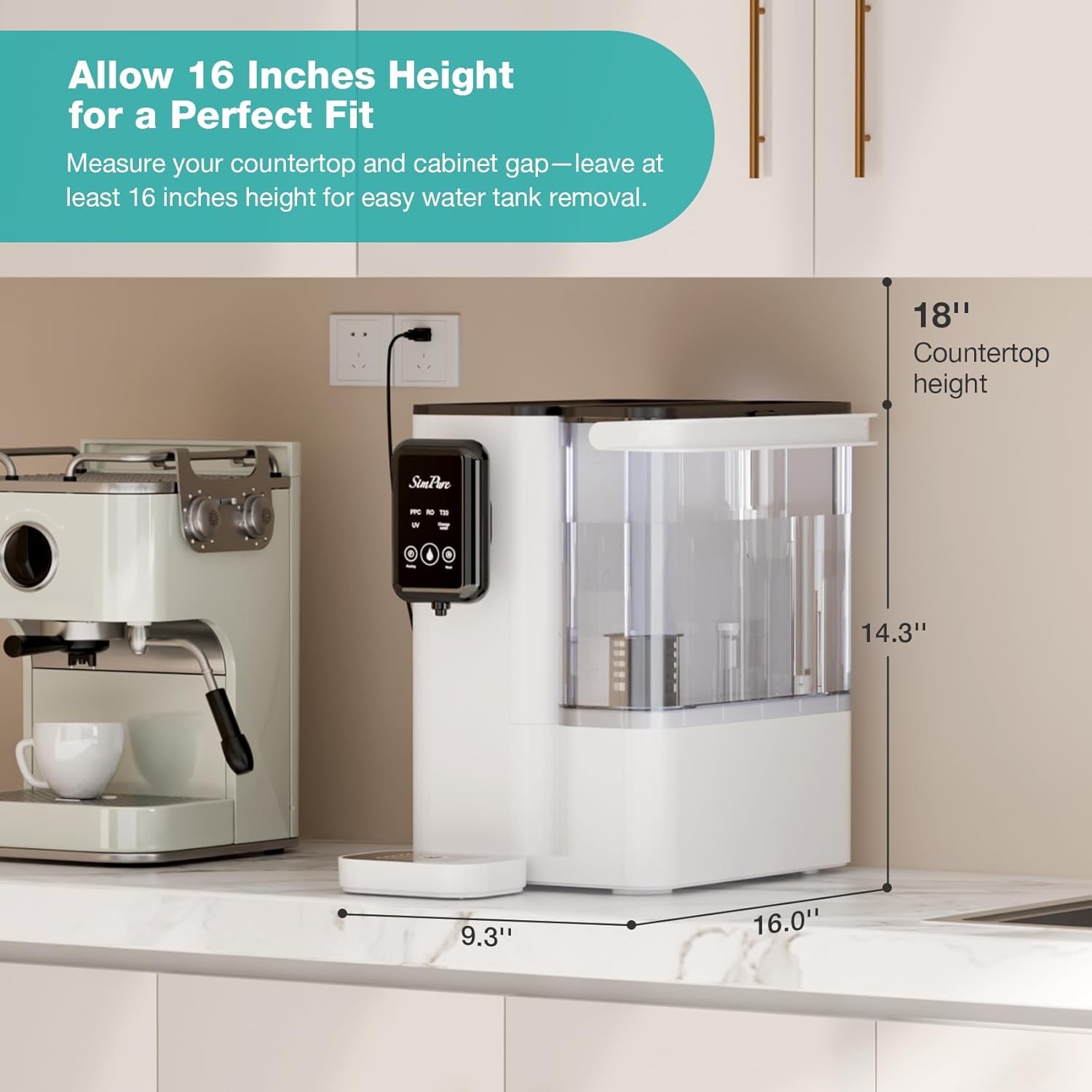
For more SimPure multi-stage RO systems, visit this page or chech our best picks water filter for chlorine removal, which contains the following different type and budgets like below:
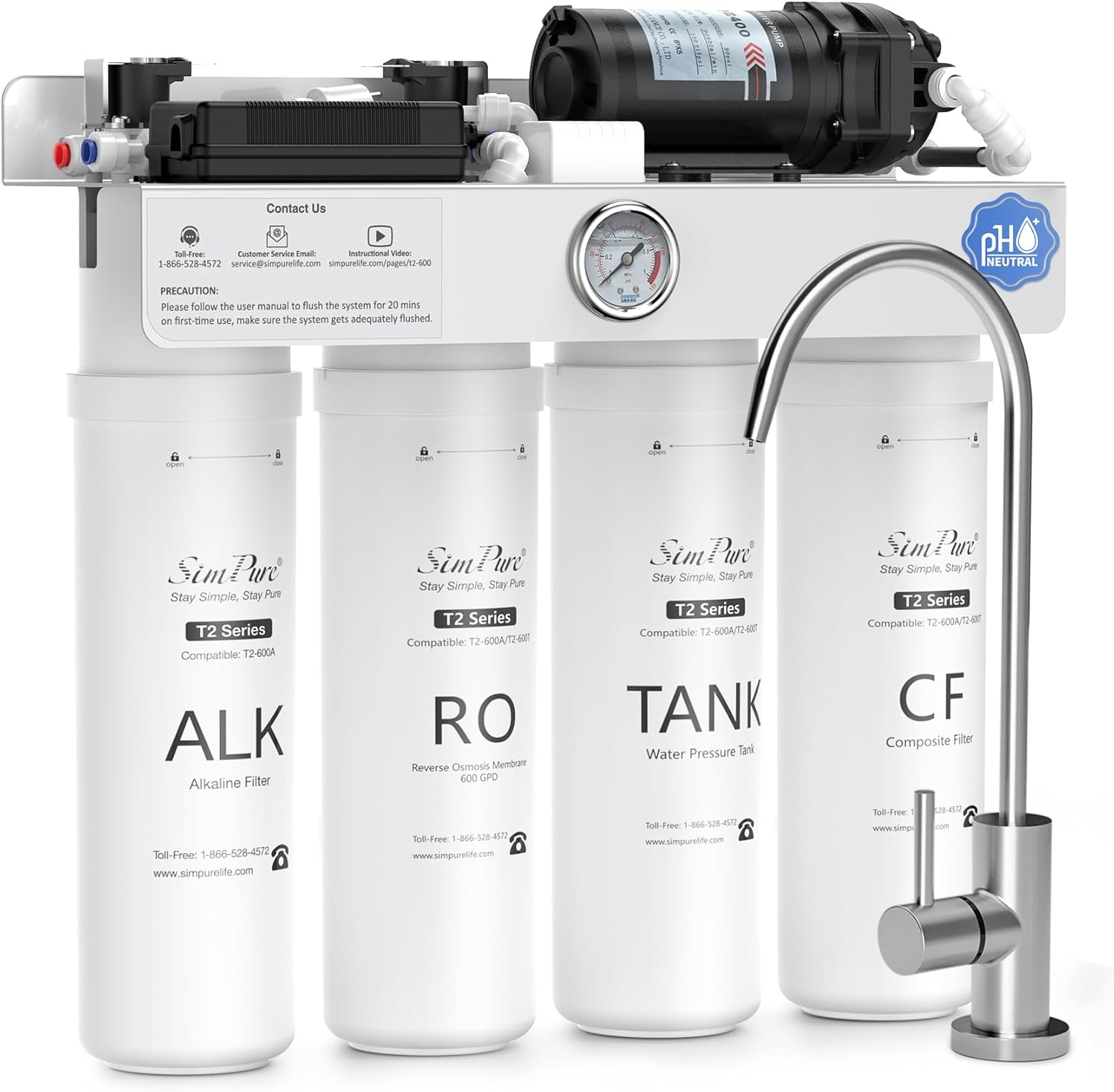
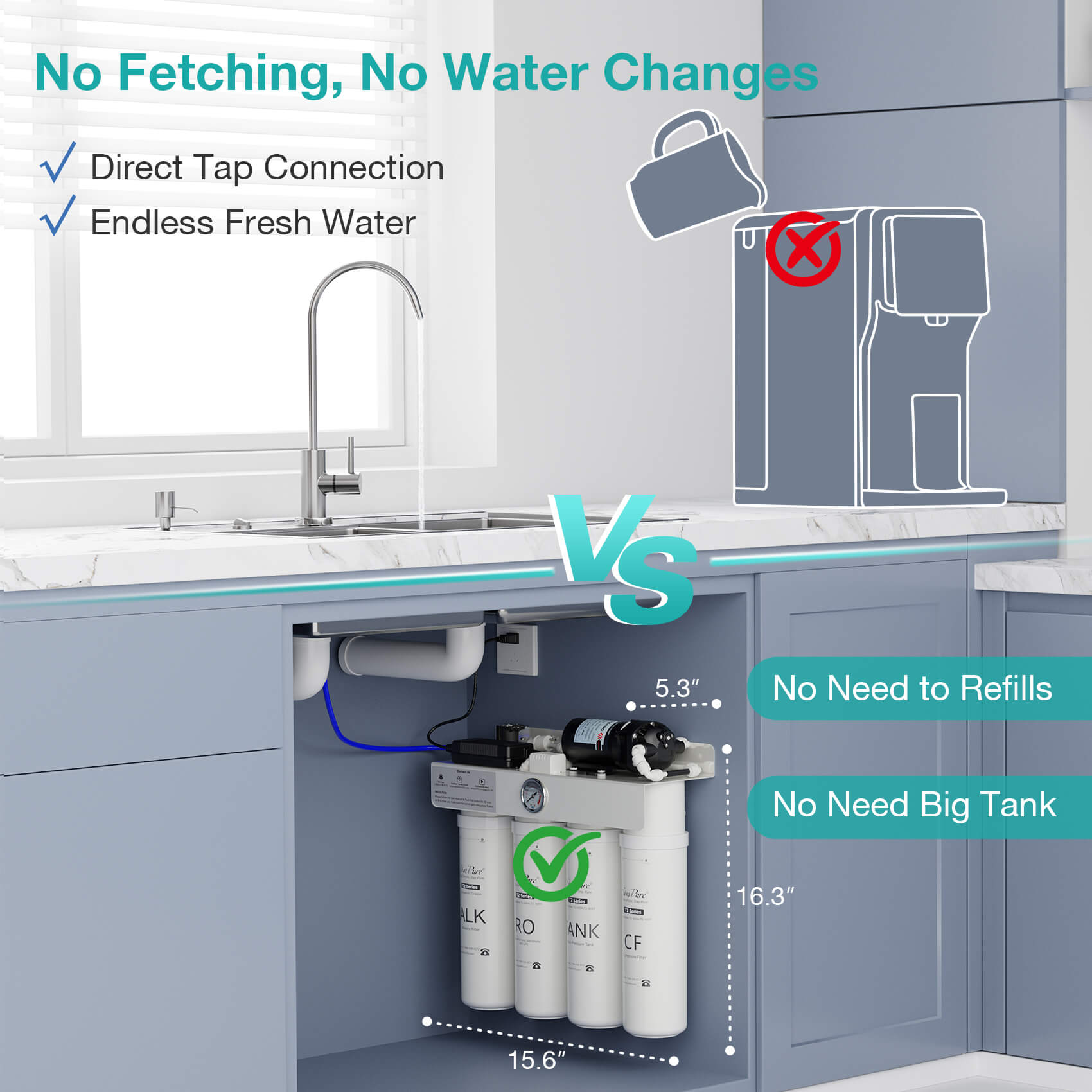
- Under-Sink RO Systems (with carbon pre-filter): Removes ~95–99% chlorine, also reduces TDS and other contaminants.
- Countertop / Faucet Carbon Filters: Suitable for small households; typically remove 90–95% chlorine.
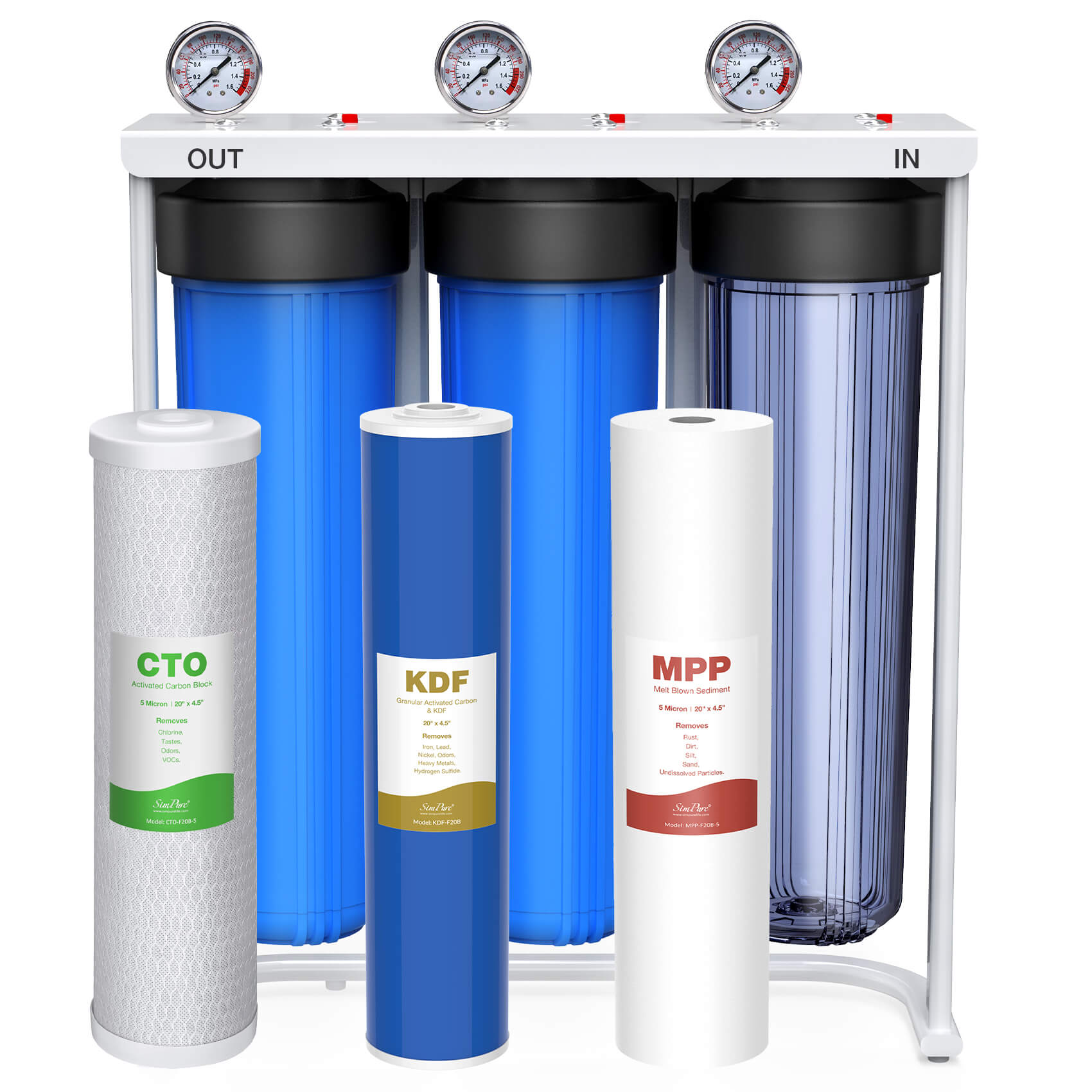
- Whole-House Carbon / Carbon+KDF Systems: Covers showers, baths, laundry; reduces chlorine throughout the home.
FAQ
Q1: Can activated carbon filters remove most chlorine?
Yes — under proper conditions, they reduce chlorine by ~90–99%. Replacement is essential.
Q2: Does RO always remove chlorine?
Only if equipped with a carbon pre-filter (~95–99% removal). RO membrane alone does not.
Q3: What affects real-world chlorine removal?
Water chemistry, flow rate, filter age, and chloramine presence.
Q4: Are cheap pitcher filters effective?
Can reduce chlorine (~75–95%) and improve taste; less effective than high-quality carbon or RO systems.
Q5: How to remove chloramine?
Catalytic carbon or multi-stage filters are recommended.
In conclusion, chlorine ensures safe municipal water but can affect taste, odor, and household water use. Understanding how to remove chlorine from water and the certain type of chlorine water filter allows households to choose effective solutions. High-quality filtration systems SimPure whole house water filter system solutions can significantly reduce chlorine while improving overall water quality.