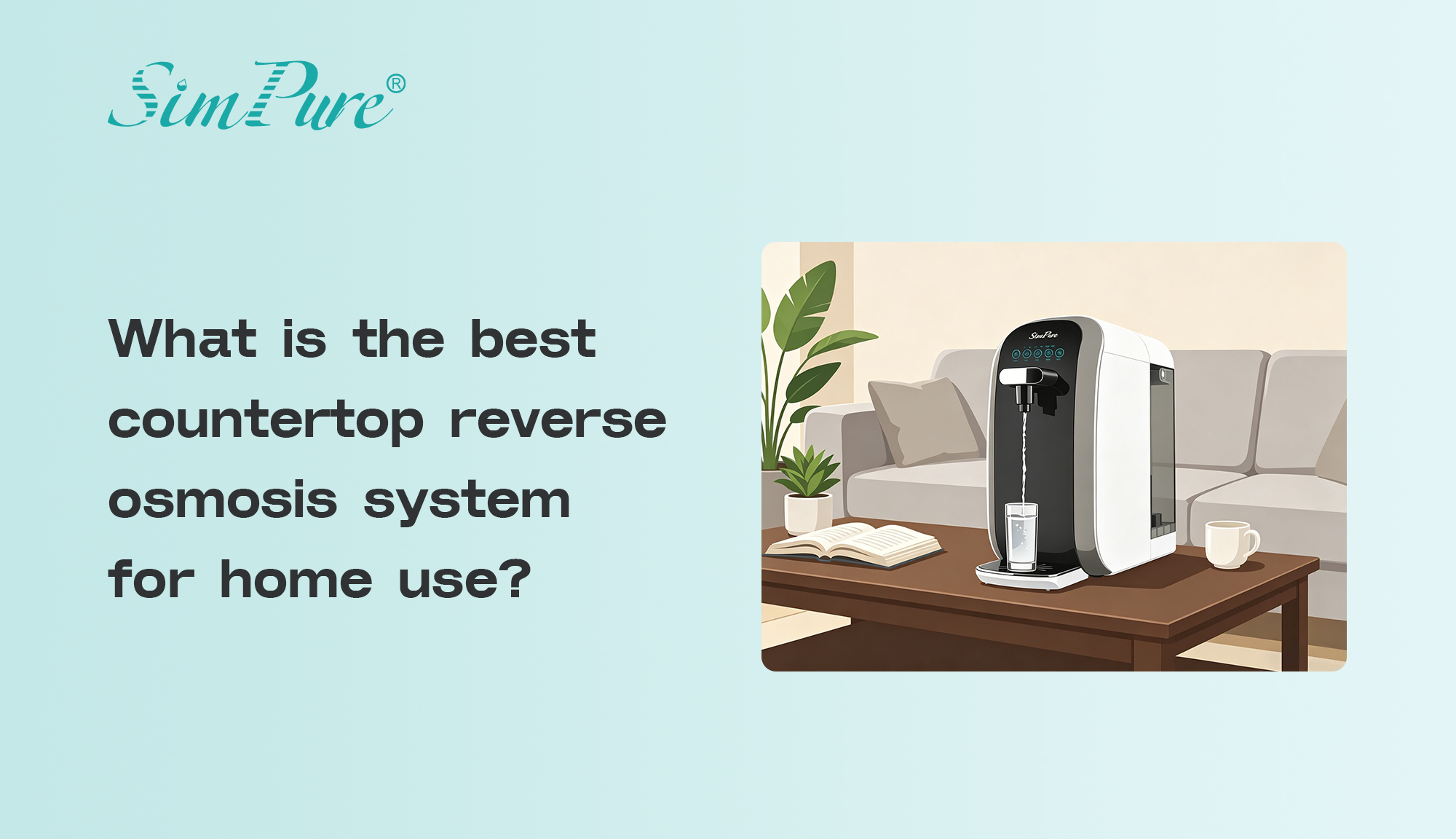
You’ve probably searched something like “what is the best countertop reverse osmosis system for home use” and immediately got overwhelmed.
Too many specs.
Too many certifications.
Too many “best of” lists that all sound the same.
And honestly, most people don’t want to become water quality experts.
You just want something simple:
clean water, no installation drama, no plumber, no weekend lost figuring things out.
So let’s slow it down and make it practical.
What a Countertop RO System Actually Is
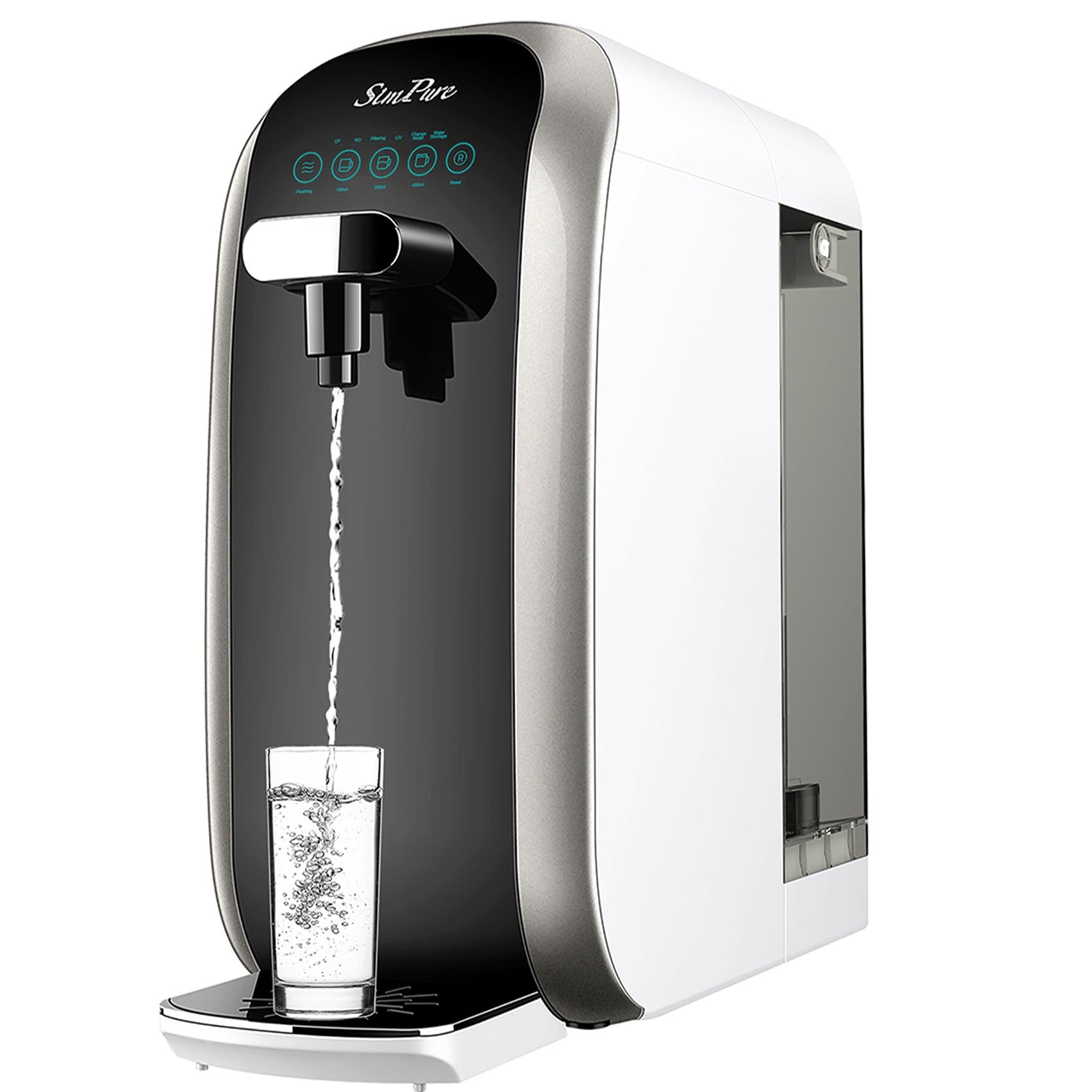
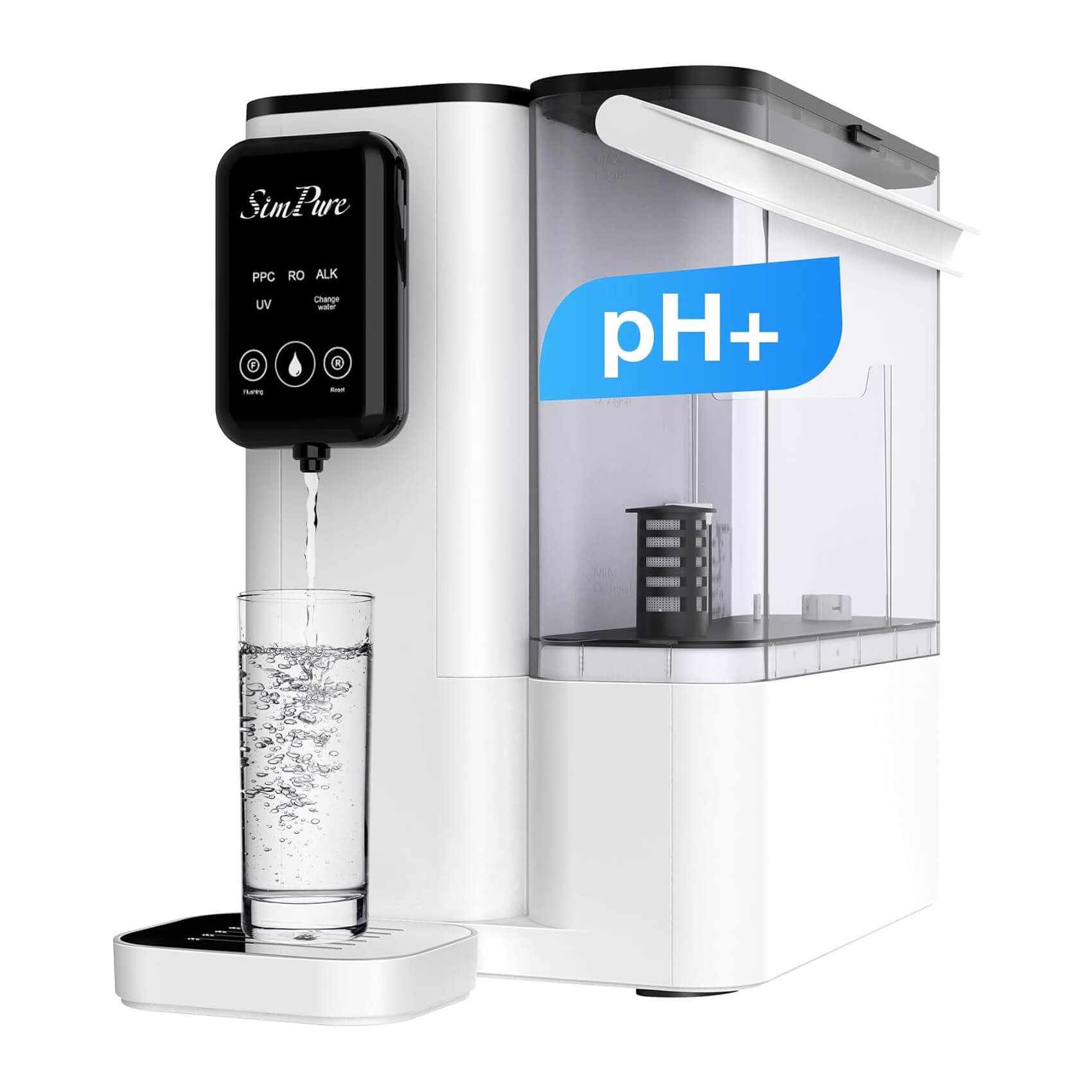
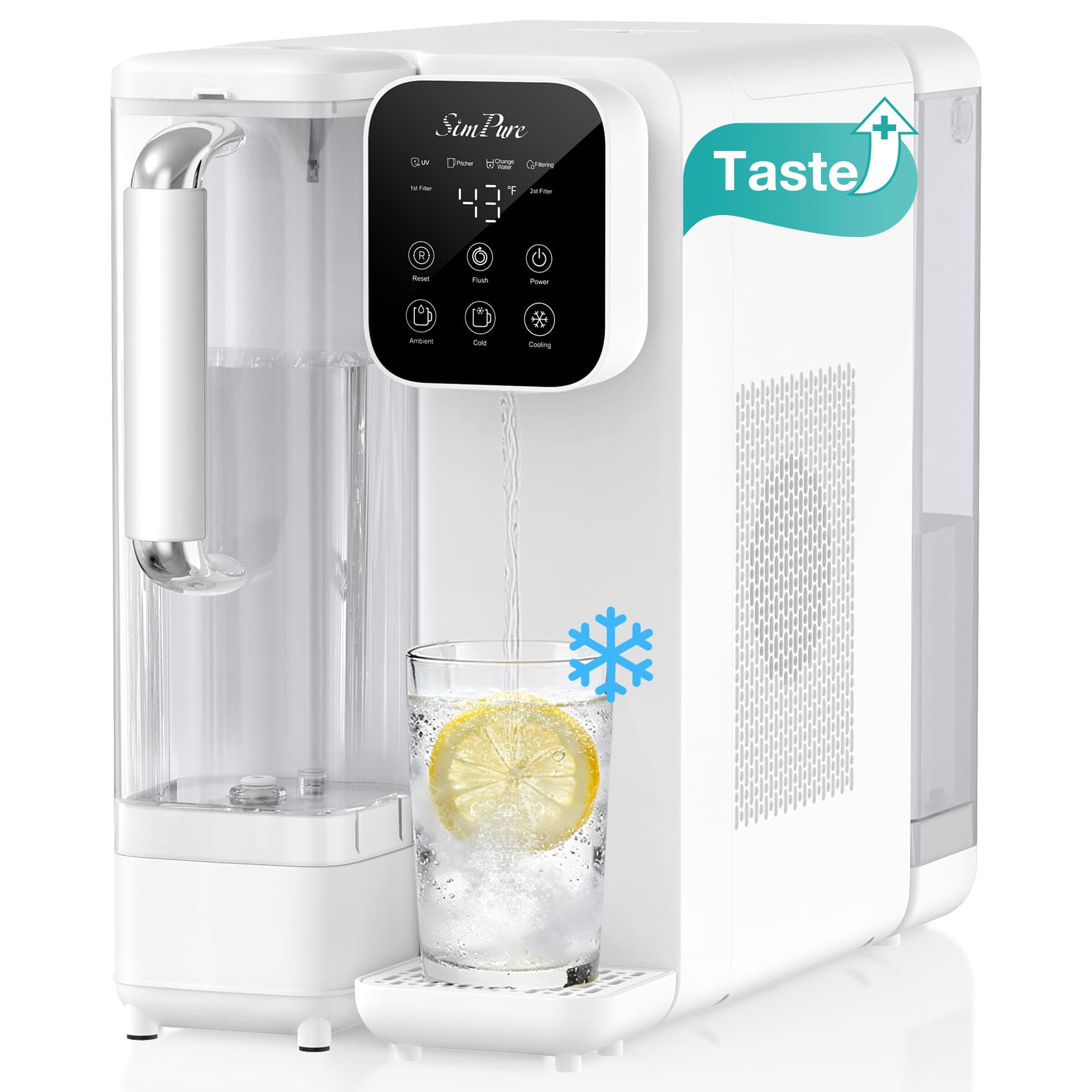
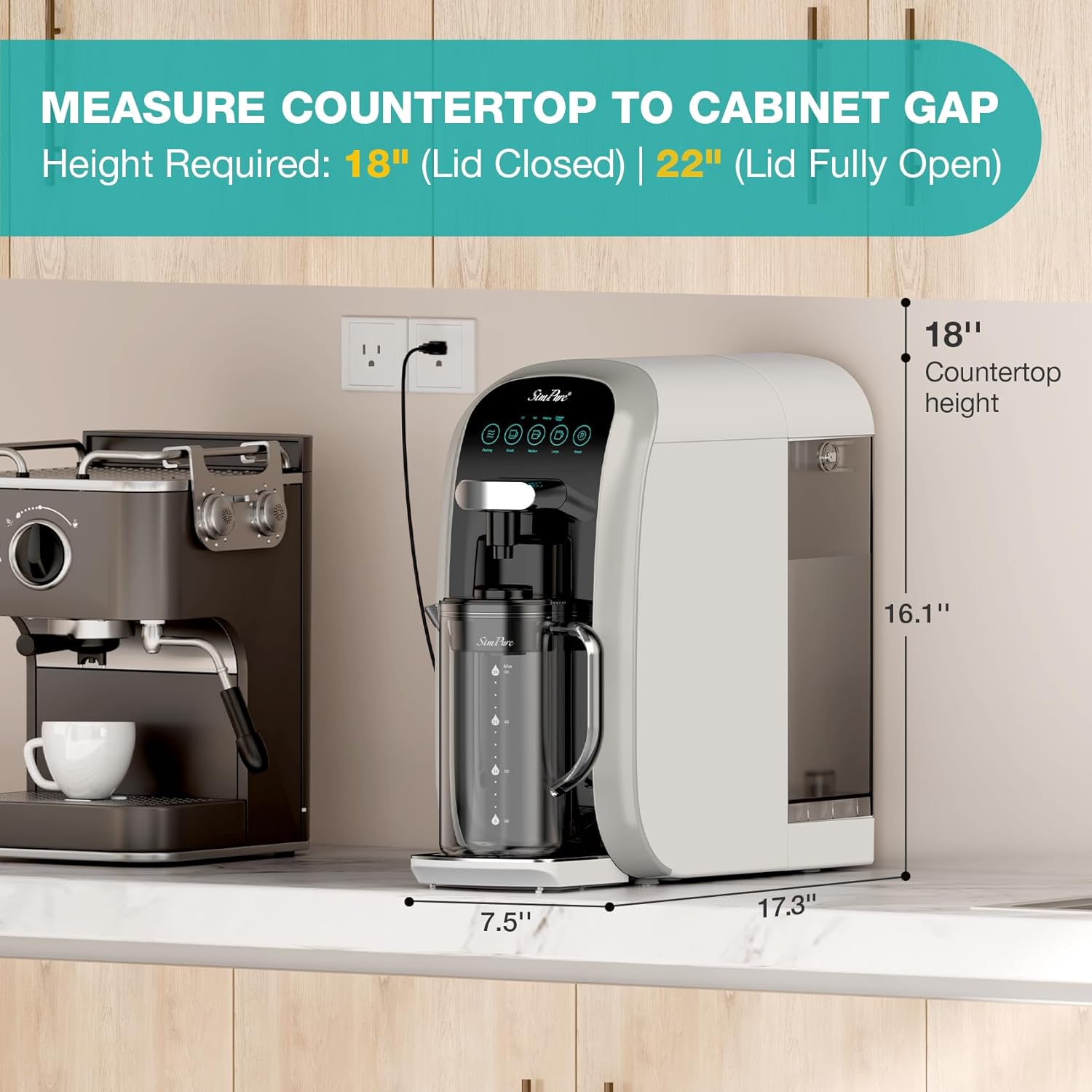
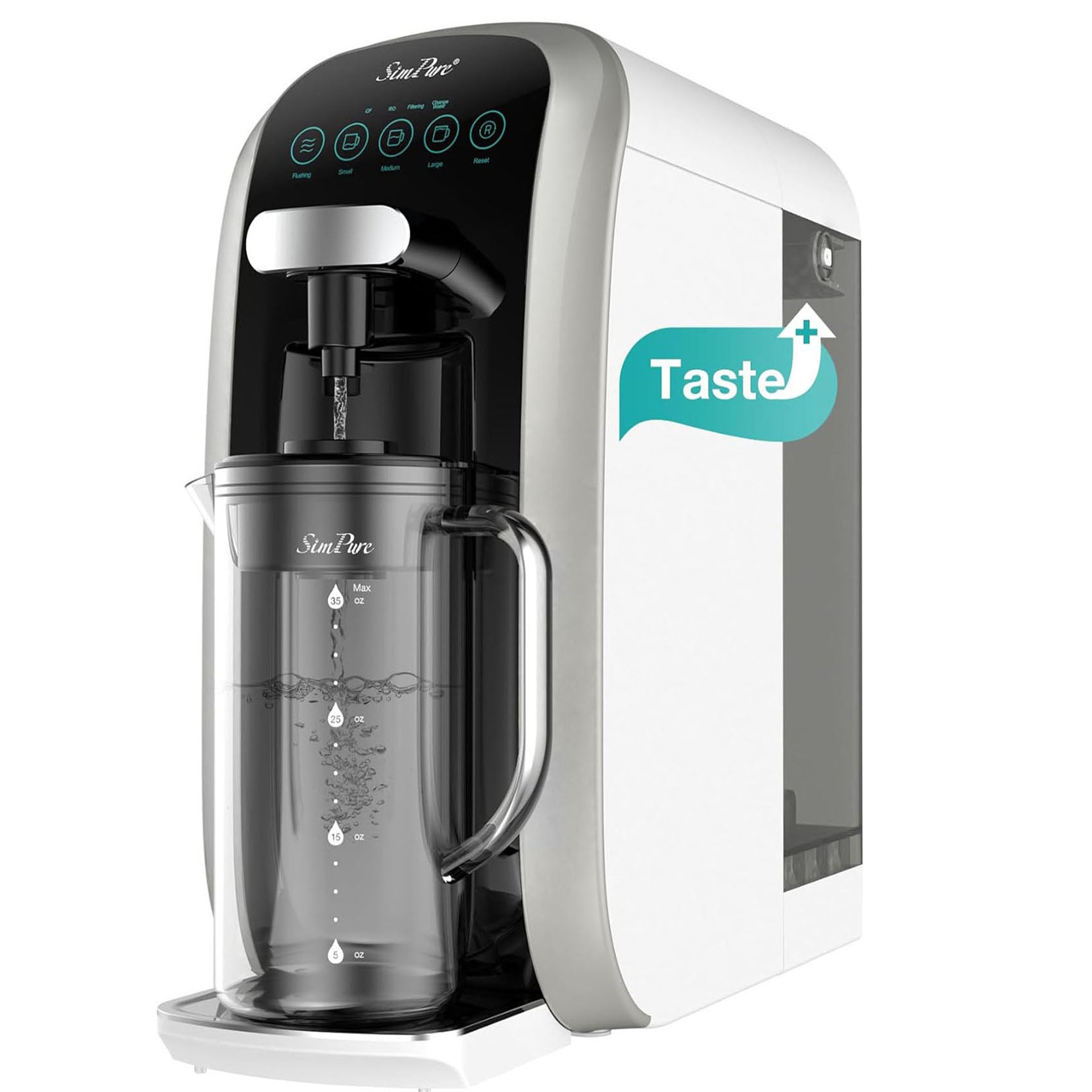
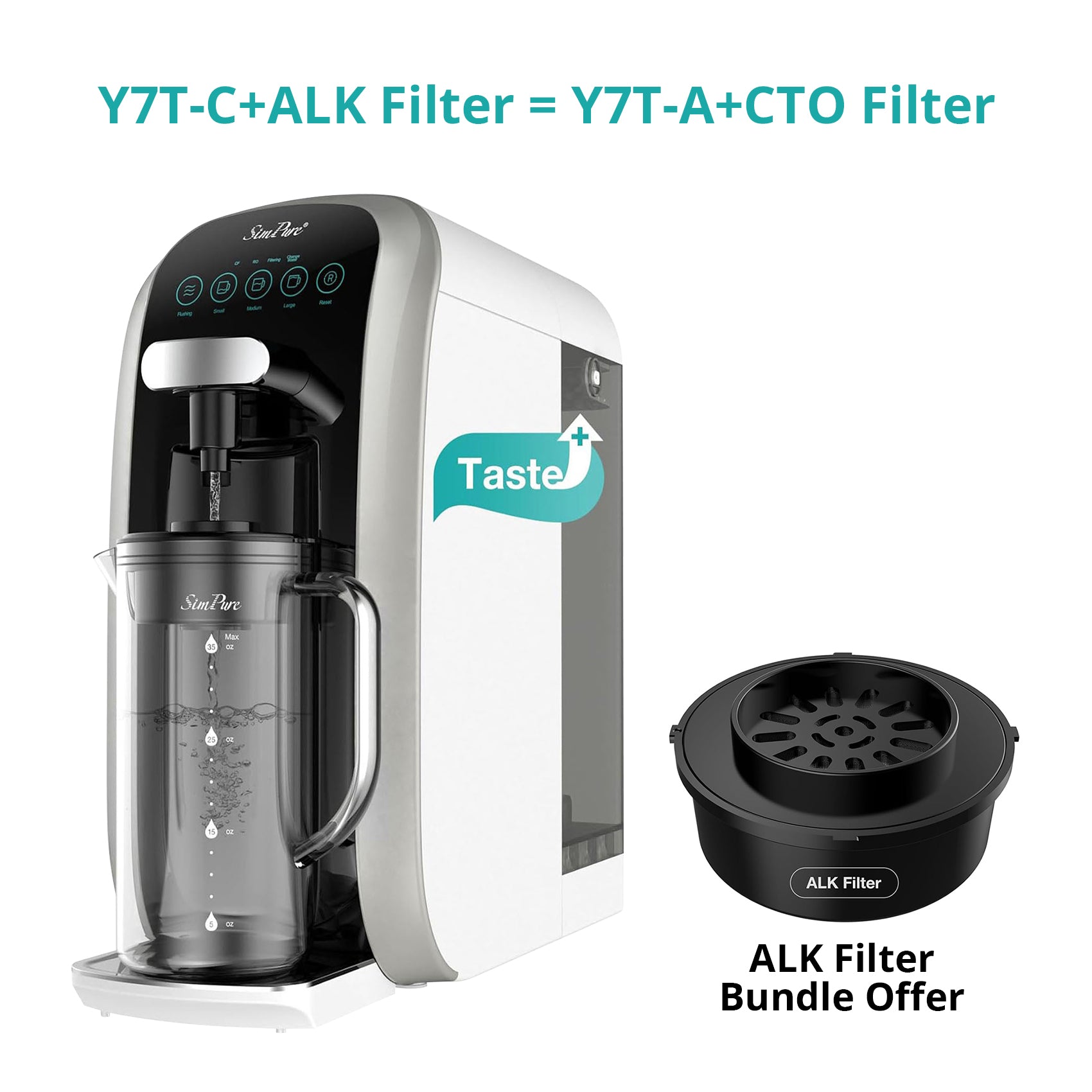
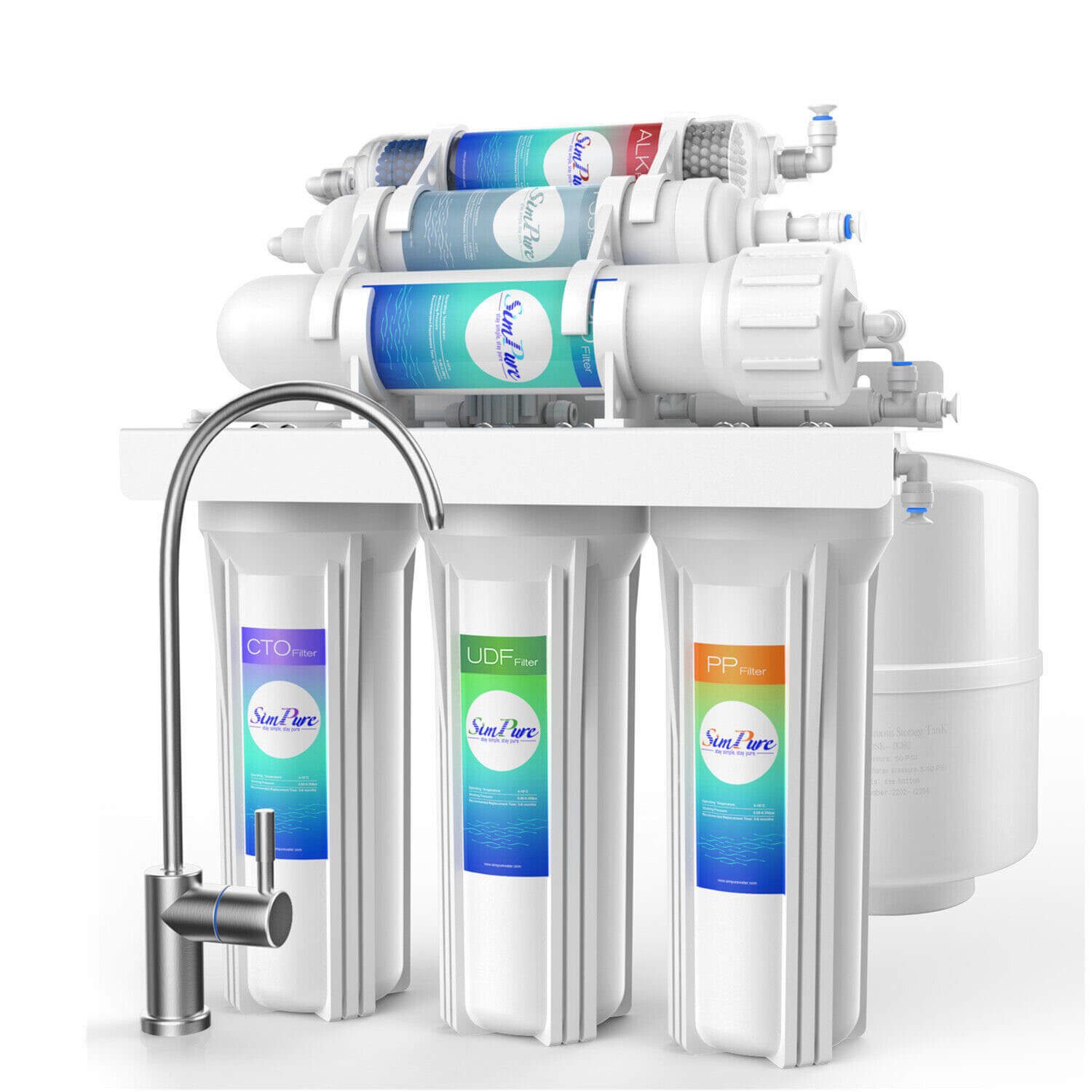
A countertop reverse osmosis system is basically a small machine that sits on your kitchen counter and filters tap water through a very fine membrane.
That’s the technical part.
But in real life, what it means is:
-
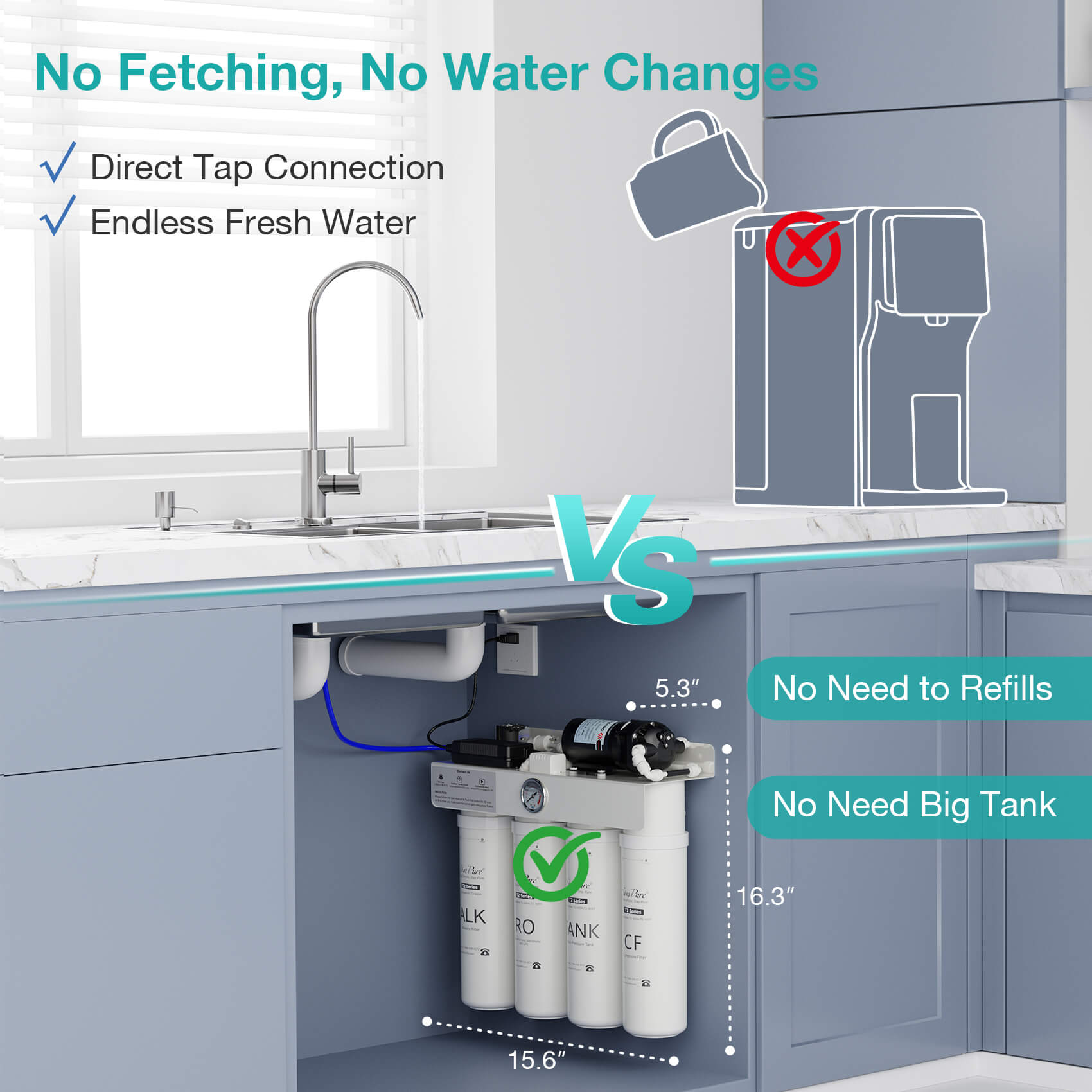
You don’t install anything under the sink
-
You don’t modify plumbing
-
You just fill it, plug it in, and use it
It’s especially popular in apartments or rented homes, where drilling or permanent changes usually aren’t an option.
Think of it less like a “home appliance project”
and more like a plug-and-play water upgrade.
The Real Question: What Makes One “Best”?
Here’s something most product pages won’t tell you:
There is no single “best” countertop RO system.
Because people don’t live the same way.
What matters is whether it fits your routine without becoming something you think about every day.
So instead of chasing perfection, it helps to look at a few practical points.
1. Filtration Performance (The Core of It)
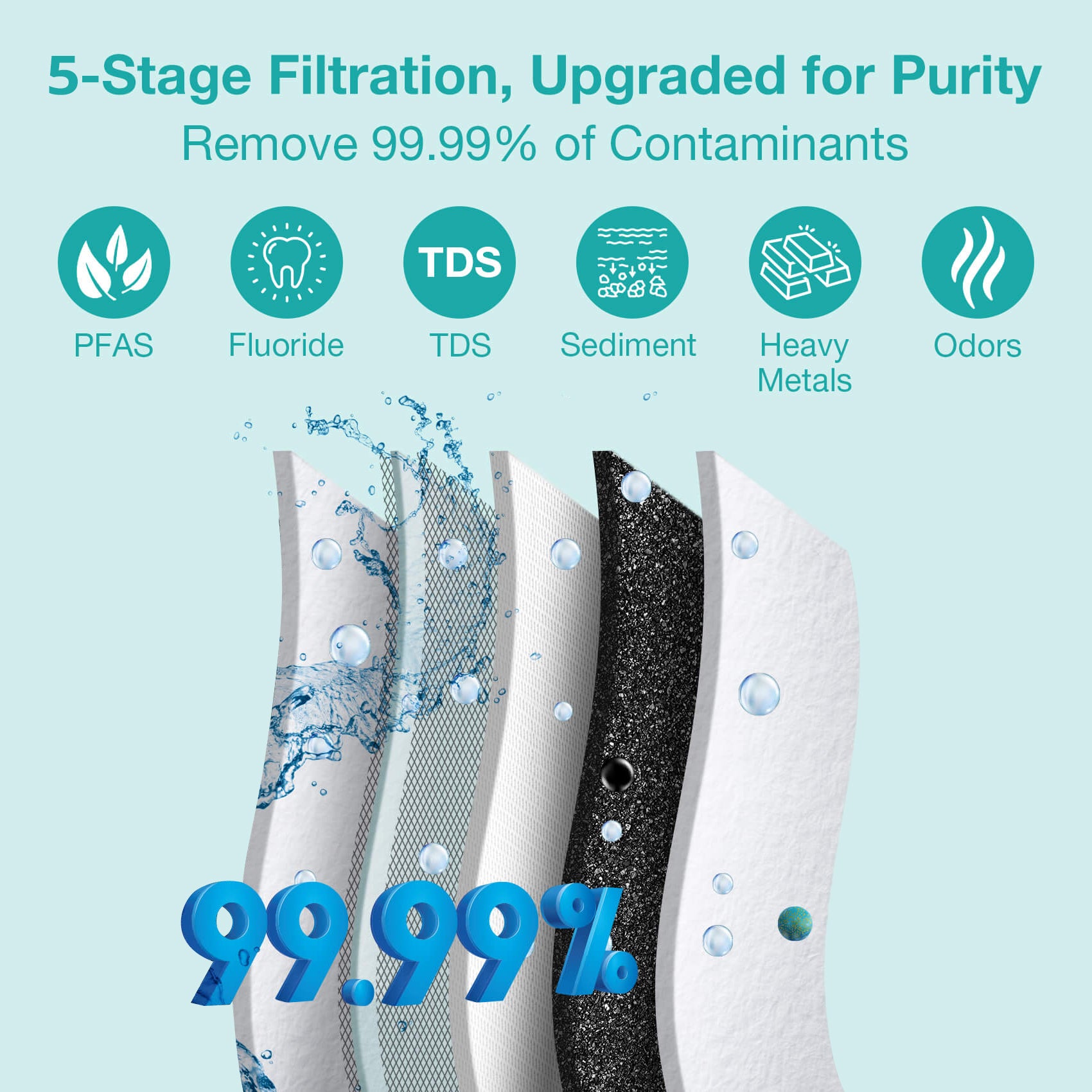
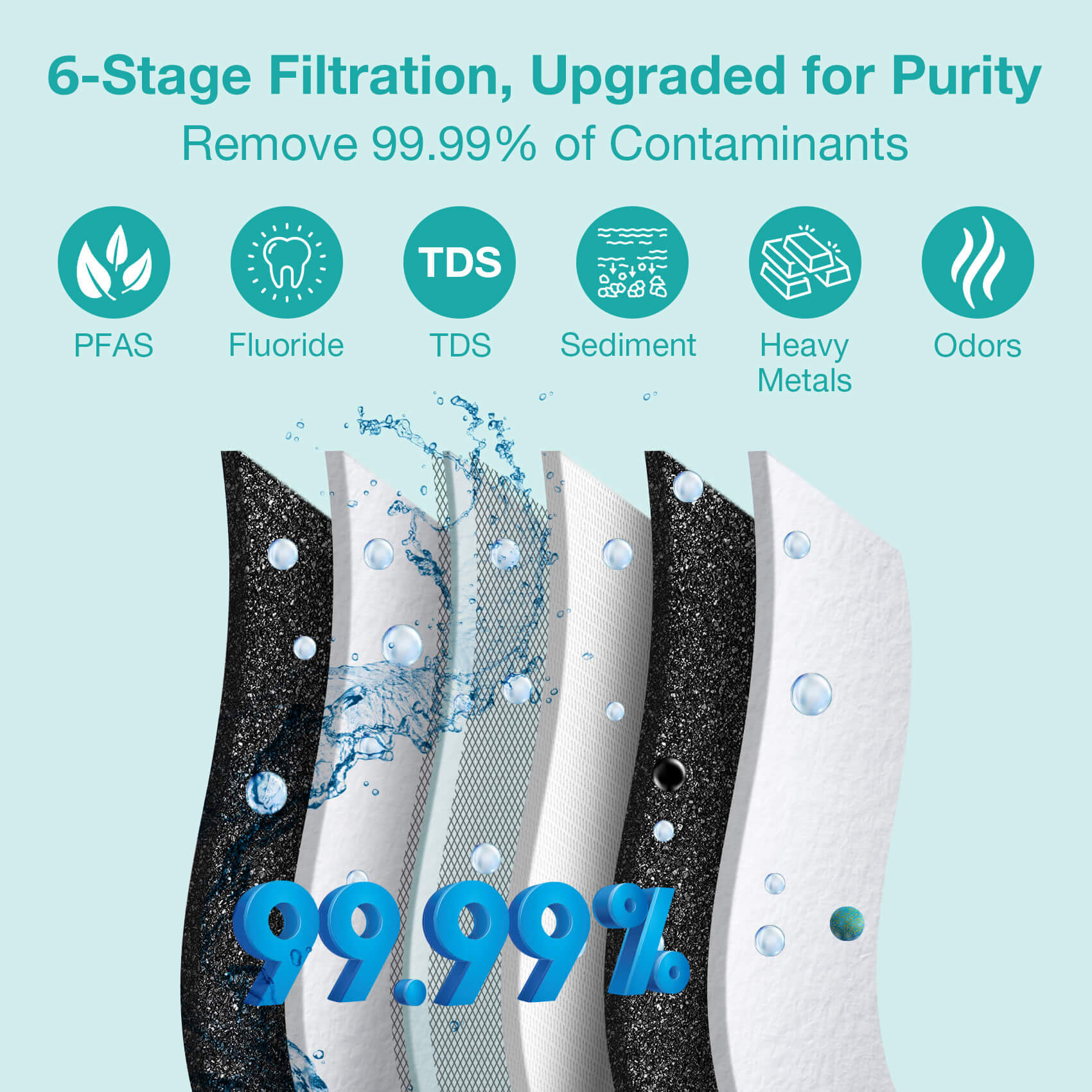
Most good RO systems filter down to around 0.0001 microns.
That sounds technical, but the idea is simple:
it removes extremely small impurities from water.
This can include things like:
-
Heavy metals
-
Chlorine
-
Microplastics
-
Dissolved solids
The key here isn’t just the number—it’s whether the system is transparent about what it removes.
If a product is vague about filtration, that’s usually not a great sign.
2. Water Waste (Something People Ignore Too Often)
Traditional RO systems waste water. Sometimes quite a lot.
You might not notice it at first, but over time it adds up.
Older systems can waste several liters just to produce one liter of clean water.
Newer countertop models are improving this a lot.
What you want to look for is:
-
More efficient water use
-
Lower wastewater ratio
-
Better recovery rate
It’s not just about environmental impact—it also affects how practical the system feels long term.
3. Daily Convenience (This Is Where Most Systems Fail)
On paper, many systems look great.
In real life, small annoyances matter more:
-
How often do you refill it?
-
Is the interface simple or confusing?
-
Do filters need frequent changes?
-
Does it fit into your kitchen routine naturally?
The best system is usually the one you stop noticing after a week.
If it becomes a “task,” it’s probably not the right fit.
4. Taste Difference (What You Actually Notice First)
Most people don’t test water scientifically.
They just drink it.
So taste matters more than specs.
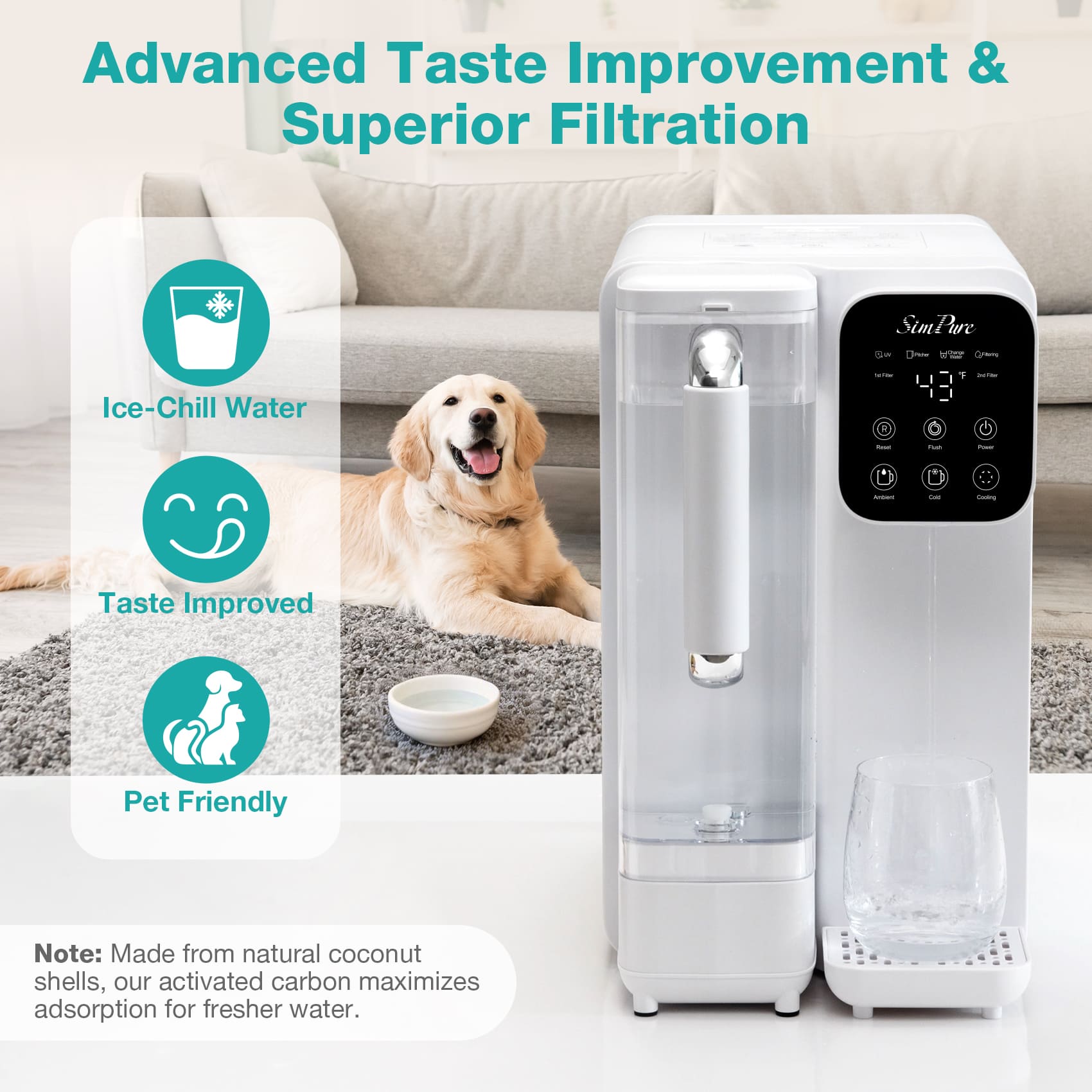
A good RO system usually makes water:
-
Cleaner tasting
-
Less “chlorine-like”
-
Better for coffee and tea
It’s not a dramatic change.
It’s more like “this just feels better to drink.”
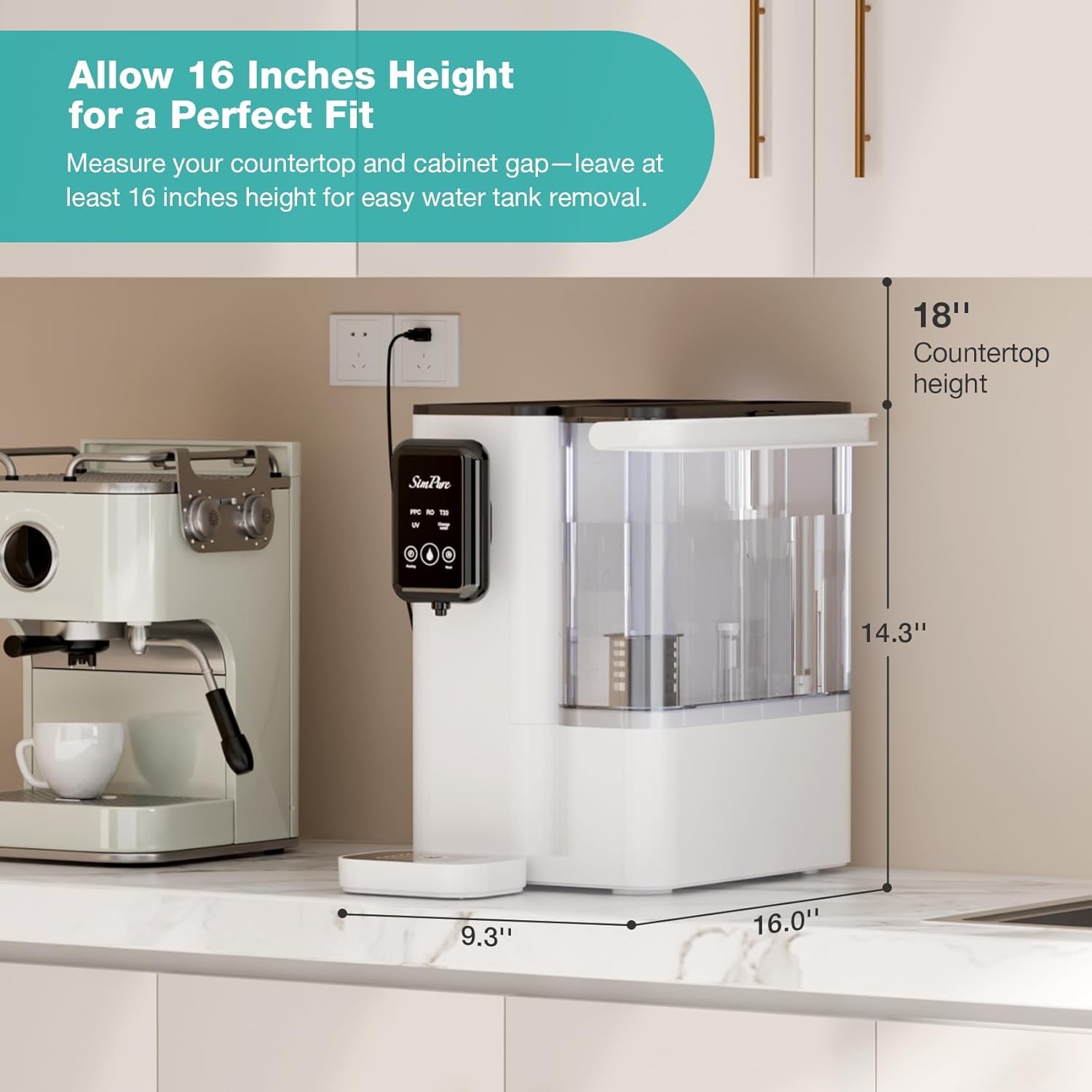
5. Size and Real Kitchen Life
Countertops are always more crowded than they look in product photos.
So size matters more than people expect.
A good countertop RO system should:
-
Not take over the entire counter
-
Be easy to refill
-
Not feel like a machine you need to work around
In small apartments, this becomes even more important.
Common Mistakes People Make
Most regrets come from a few simple decisions:
Buying based only on price
→ cheaper often means more maintenance later
Ignoring filter cost
→ replacement filters matter more than upfront cost
Overvaluing features
→ most people only use basic functions anyway
It’s easy to get distracted by “specs,” but daily use matters more.
So What’s Actually the Best Choice?
If you step back, most good systems share the same balance:
-
Reliable filtration
-
Reasonable water efficiency
-
Easy daily use
-
Stable performance over time
That’s why countertop RO systems are becoming more common in modern homes, especially where space and flexibility matter.
A More Practical Way to Think About It
Instead of asking:
“What is the absolute best system?”
A better question might be:
“What system will I still be happy using six months from now?”
Because that’s where most products succeed or fail.
Where SimPure Fits Into This Picture
Some brands focus less on complexity and more on making things easier to actually live with.
SimPure is one of those.
The idea is not to overwhelm users with settings or installation steps, but to make clean water something you don’t have to think about too much.
-
No plumbing changes
-
Simple setup
-
Designed for daily use rather than technical tuning
It’s less about “high-end engineering feeling”
and more about “it just works in a normal kitchen.”
When You Might Not Need One
To be fair, not everyone needs a full RO system.
If your tap water already:
-
Tastes fine
-
Has no noticeable issues
-
Is regularly tested
Then a basic filter might be enough.
But once you start questioning your water—even occasionally—that’s usually when people start looking for better options.
Final Thoughts
Choosing the best countertop reverse osmosis system isn’t really about chasing the highest specs.
It’s about something much simpler:
Does it fit into your life without making things harder?
The right system is usually the one that quietly becomes part of your routine—no effort, no thinking, just clean water when you need it.
And once that happens, it’s hard to go back to anything else.