There was a time when bottled water felt like the “safe” option.
People bought cases of it without thinking much about it. A few bottles stayed in the car, some went into the fridge, and another pack sat in the pantry “just in case.”
And honestly, a lot of households still do this today.
But over the last few years, more people have started questioning whether bottled water is really the best long-term choice anymore.
Not just because of cost.
But because people are paying closer attention to the following:
-
Daily water quality
-
Plastic waste
-
Water taste
-
Storage conditions
-
Long-term convenience
That’s usually when reverse osmosis starts entering the conversation.
And eventually people ask,
RO vs. bottled water: Which is healthier?
The answer is a little more nuanced than most marketing claims make it sound.
Because both options can provide cleaner drinking water than untreated tap water — but they solve the problem in very different ways.
Why People Started Relying on Bottled Water in the First Place
For many families, bottled water became popular for one simple reason:
Trust.
People didn’t always trust the taste or quality of their local tap water, especially in older buildings or areas with a strong chlorine smell.
So bottled water became the easy solution.
Grab a bottle. Open it. Drink it.
No installation. No maintenance. No research.
And for years, that convenience made bottled water feel like the “healthier” choice almost automatically.
But Bottled Water Isn’t Always as Perfect as People Think
This is where opinions started changing.
A lot of people eventually realized that bottled water quality can vary more than expected.
Depending on the brand and source, bottled water may come from:
-
Natural spring water
-
Purified municipal water
-
Mineral water sources
-
Reverse osmosis filtration systems
In fact, some bottled water is essentially filtered tap water sold in plastic bottles.
That doesn’t automatically make it bad.
But it does make people wonder whether constantly buying bottled water is really necessary anymore.
Storage Conditions Matter More Than Most People Realize
One thing people rarely think about is what happens to bottled water before it reaches the store shelf.
Casks of water may spend time
-
In hot delivery trucks
-
Inside warehouses
-
In direct sunlight
-
Stored for long periods
And while bottled water is regulated, many consumers still feel more comfortable controlling their own drinking water at home instead of relying entirely on packaged products.
Especially families who drink a lot of water every day.
What Makes Reverse Osmosis Different?
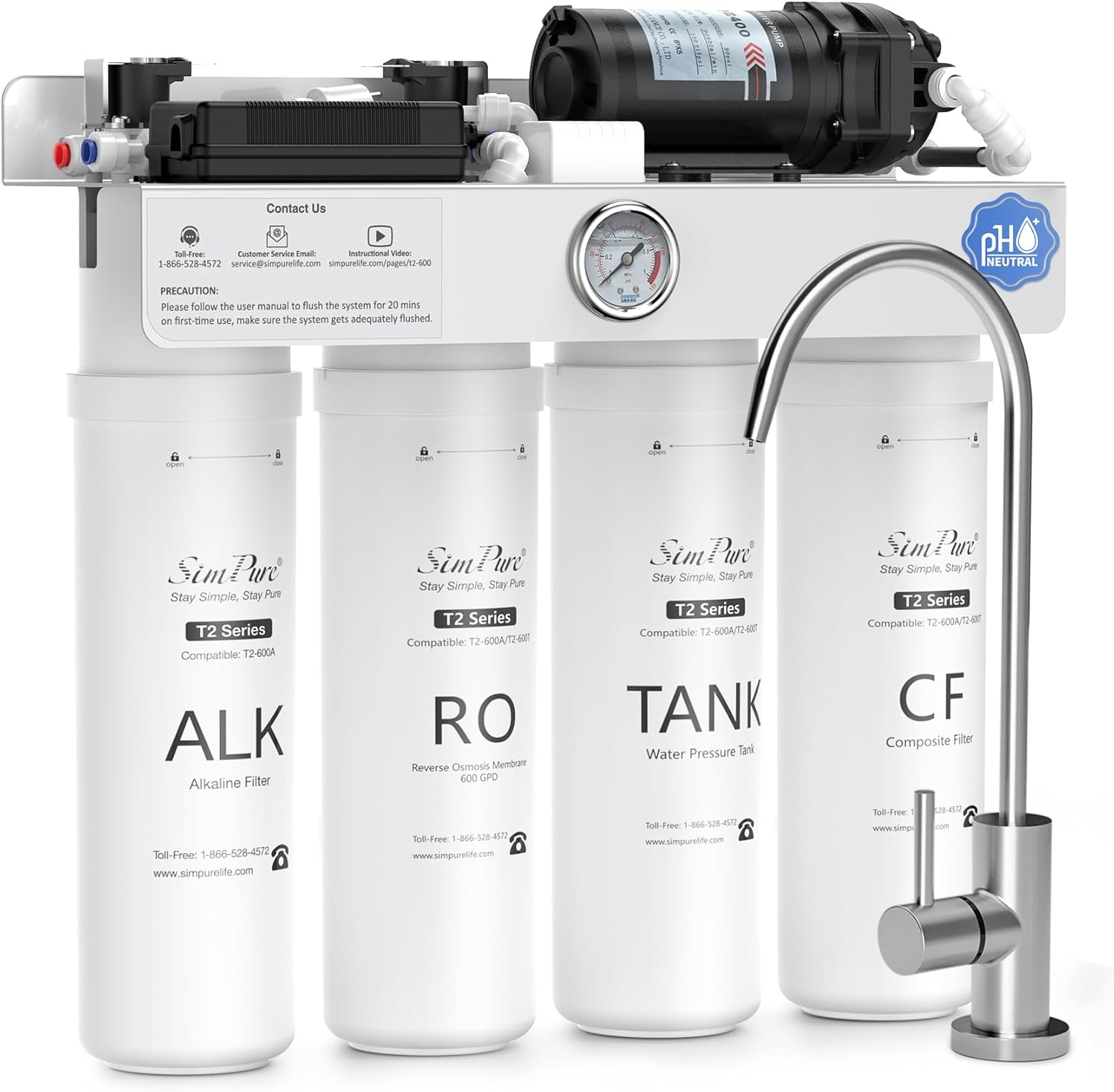
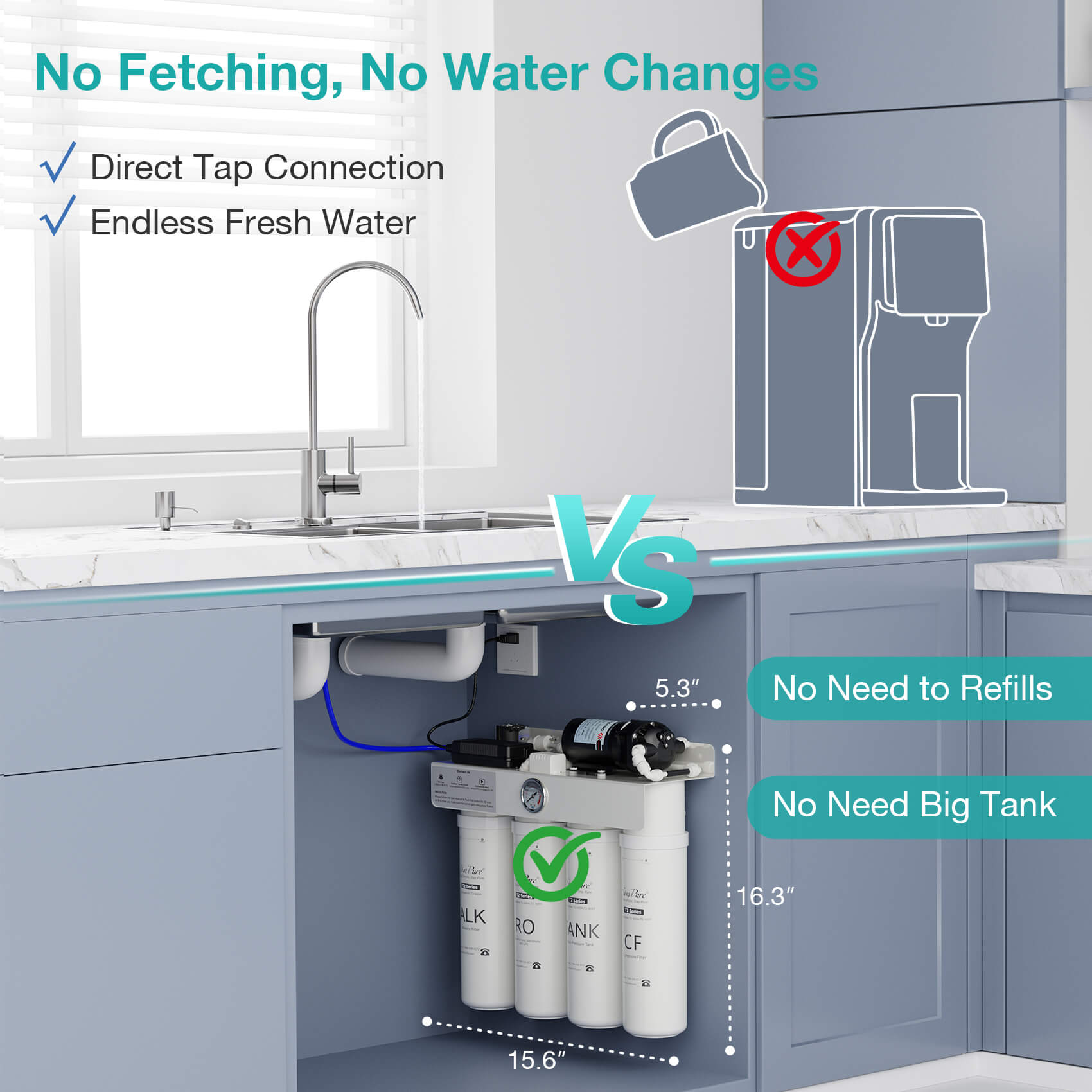
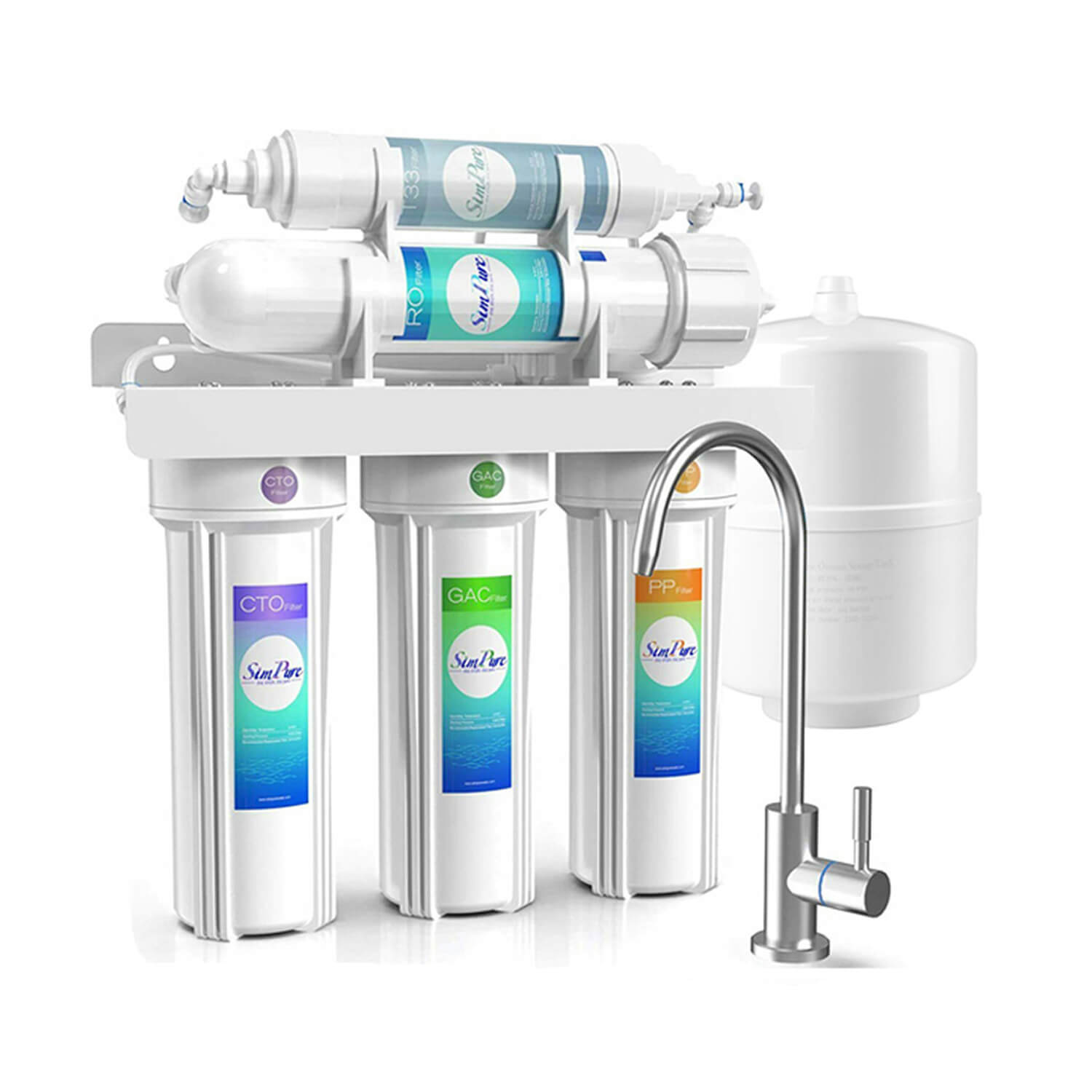
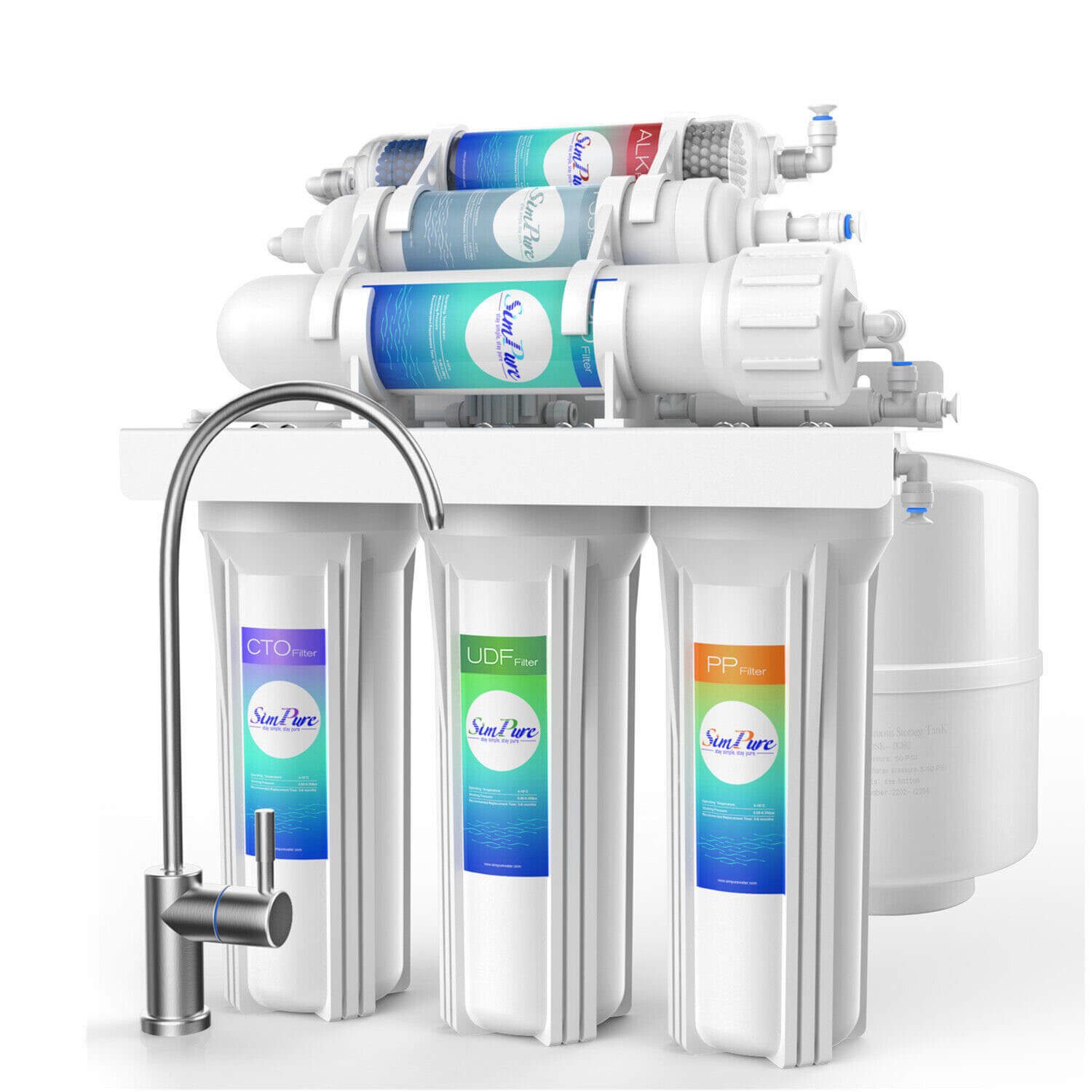
Reverse osmosis systems work differently because they filter water directly where it’s used.
Instead of buying pre-packaged water, RO systems help reduce impurities at home before the water reaches your glass.
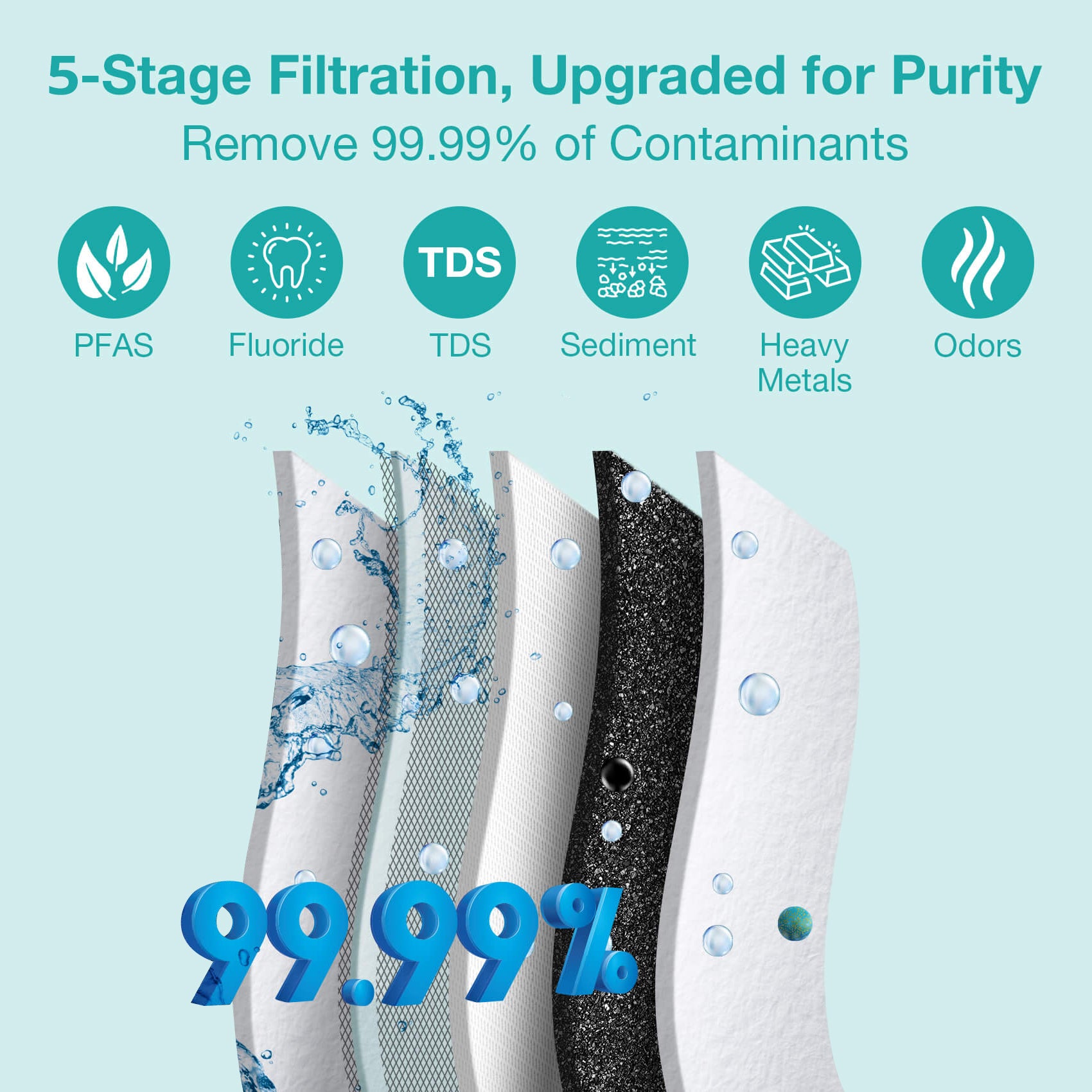
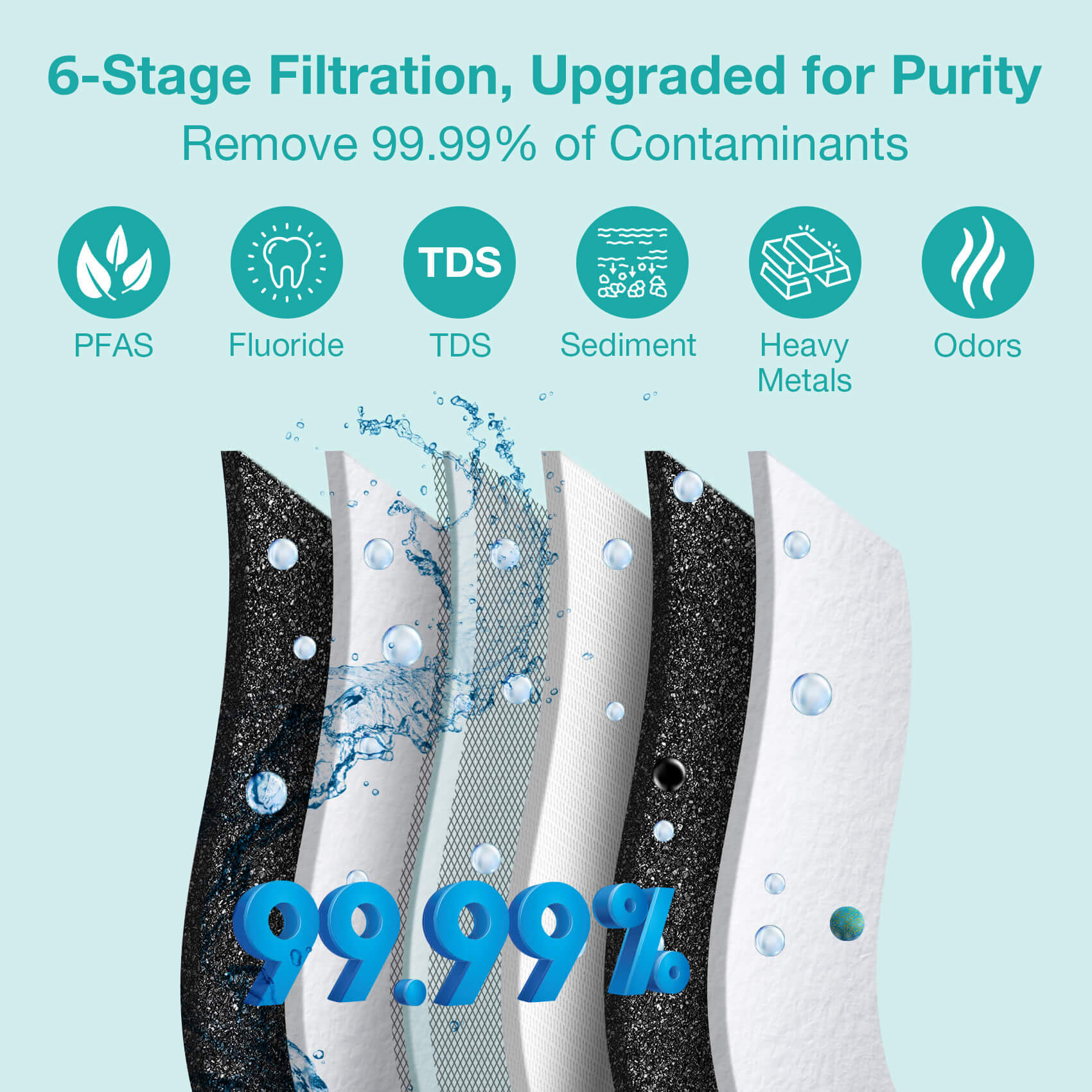
Depending on the system, reverse osmosis can help reduce the following:
-
Chlorine
-
Sediment
-
Heavy metals
-
Dissolved solids
-
Certain chemicals
-
Rust particles
-
Some contaminants that affect taste and odor
That’s one reason many people describe RO water as tasting:
-
Cleaner
-
Fresher
-
More neutral
-
Less “heavy”
Especially compared to regular tap water.
So Which One Is Actually Healthier?
Realistically, both bottled water and RO water can be perfectly safe options for daily drinking.
But many households eventually lean toward reverse osmosis for one major reason:
Consistency.
With bottled water, quality can vary between brands, storage conditions, and sources.
With a home RO system, people feel like they have more direct control over their own drinking water.
That peace of mind matters more than people think.
Taste Plays a Bigger Role Than People Admit
A funny thing happens when water tastes better:
People usually drink more of it.
And that’s honestly one of the biggest reasons many households switch to RO systems.
Not because they suddenly became “water experts.”
But because:
-
Coffee tastes cleaner
-
Ice smells fresher
-
Tea tastes smoother
-
Plain water becomes easier to drink
A lot of families discover they stop buying sugary drinks as often simply because their water finally tastes good.
What About Cost Over Time?
This is another reason many people move away from bottled water.
At first, bottled water doesn’t seem expensive.
But month after month, it adds up surprisingly fast.
Especially for larger households.
Meanwhile, many people view RO systems as more of a long-term drinking water solution instead of a recurring grocery expense.
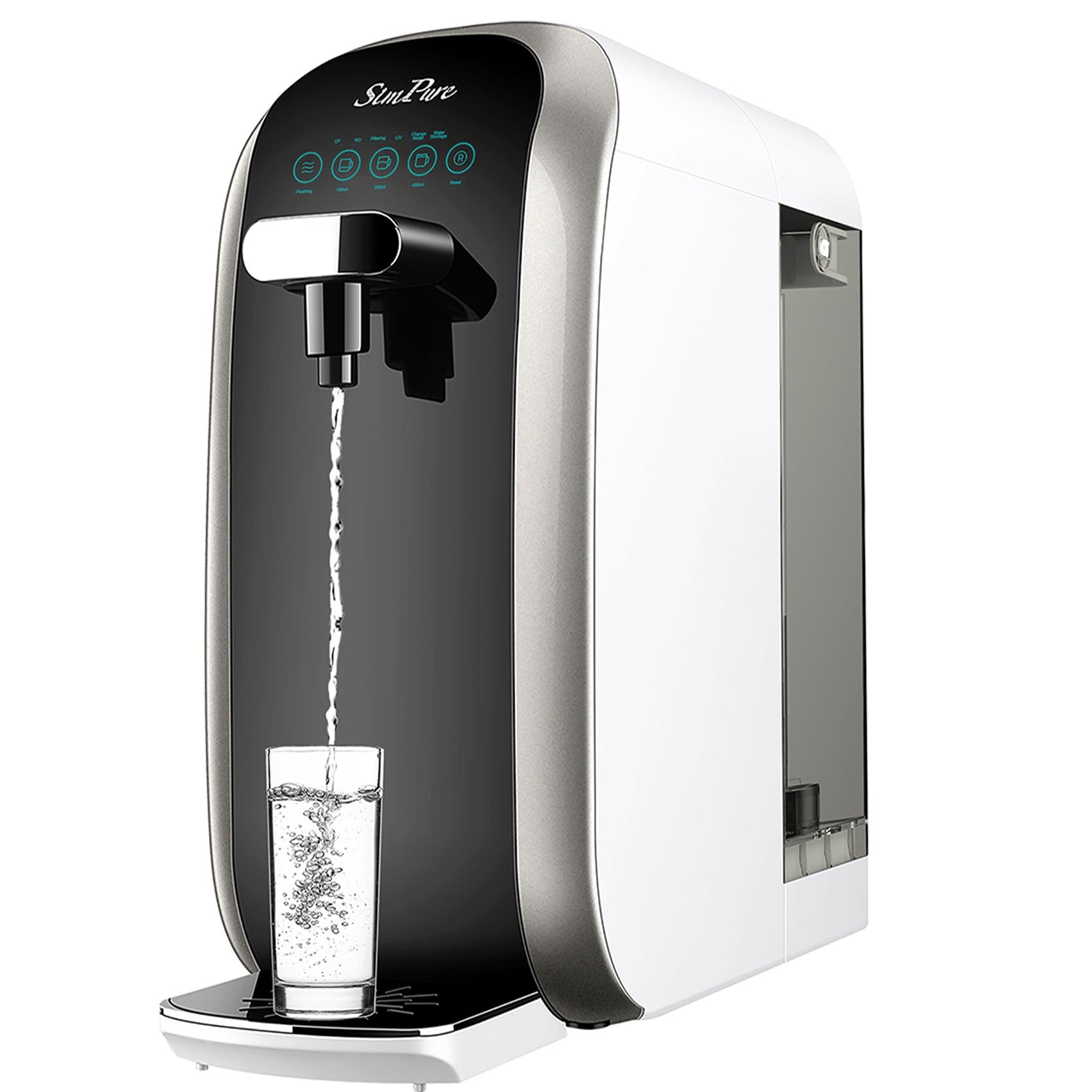
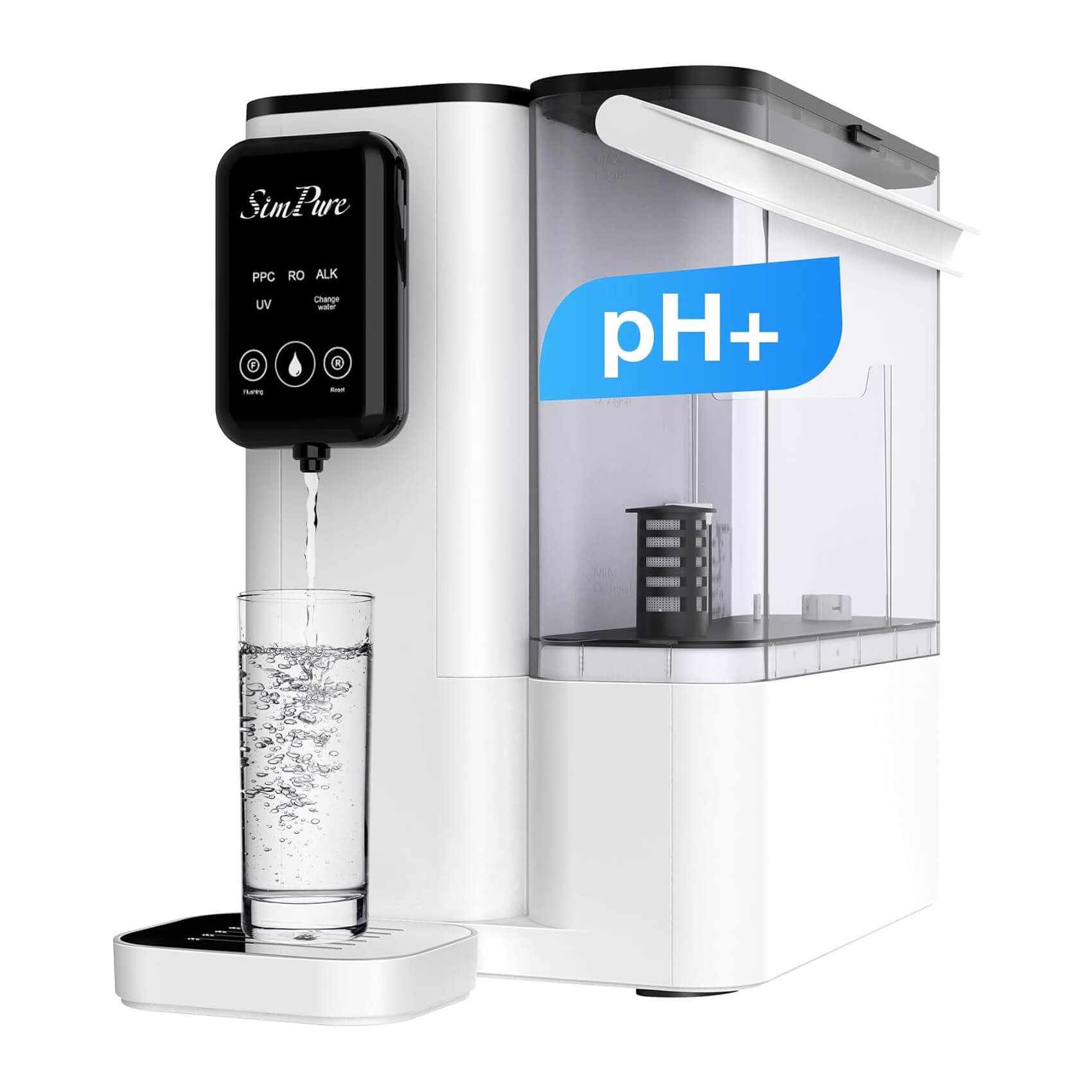
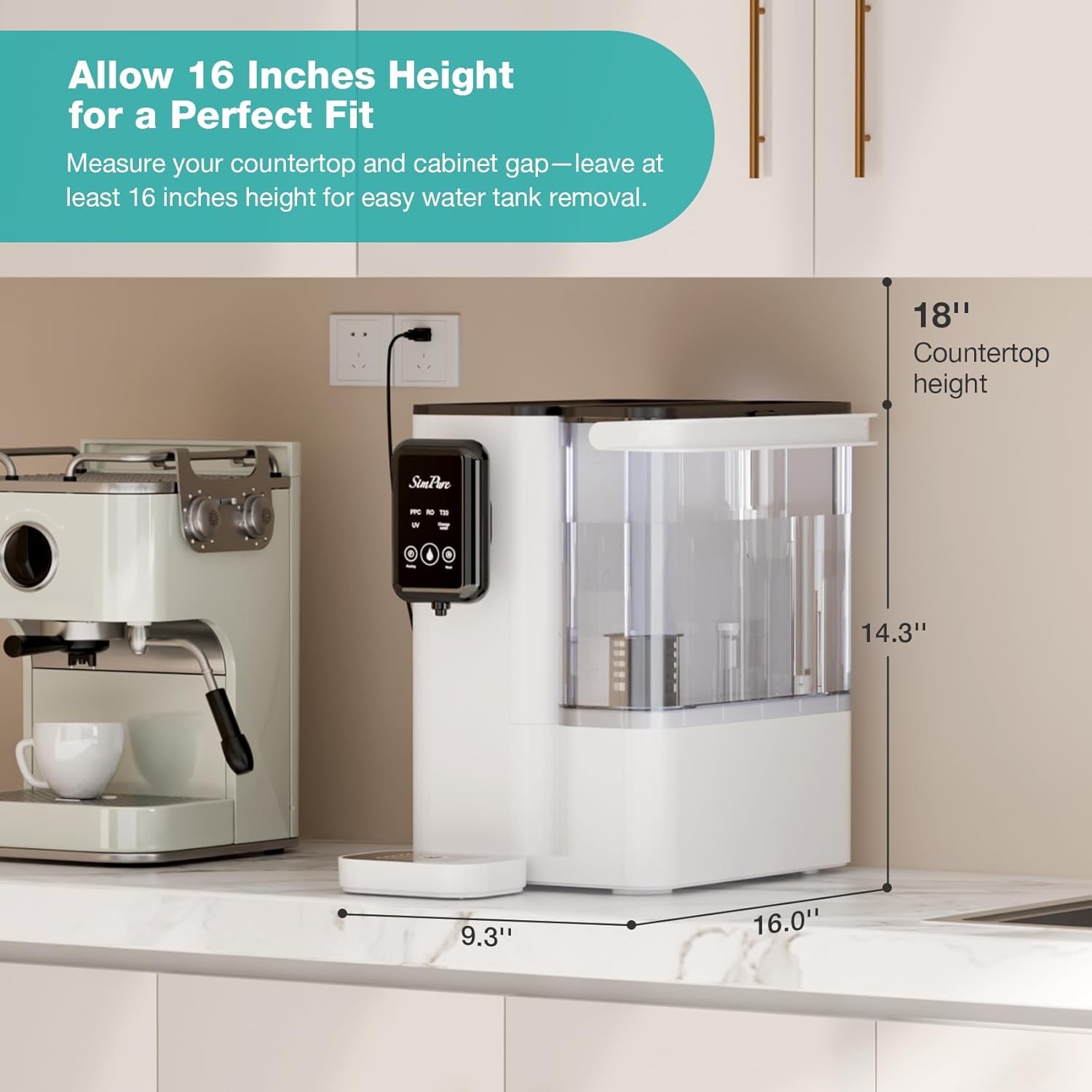
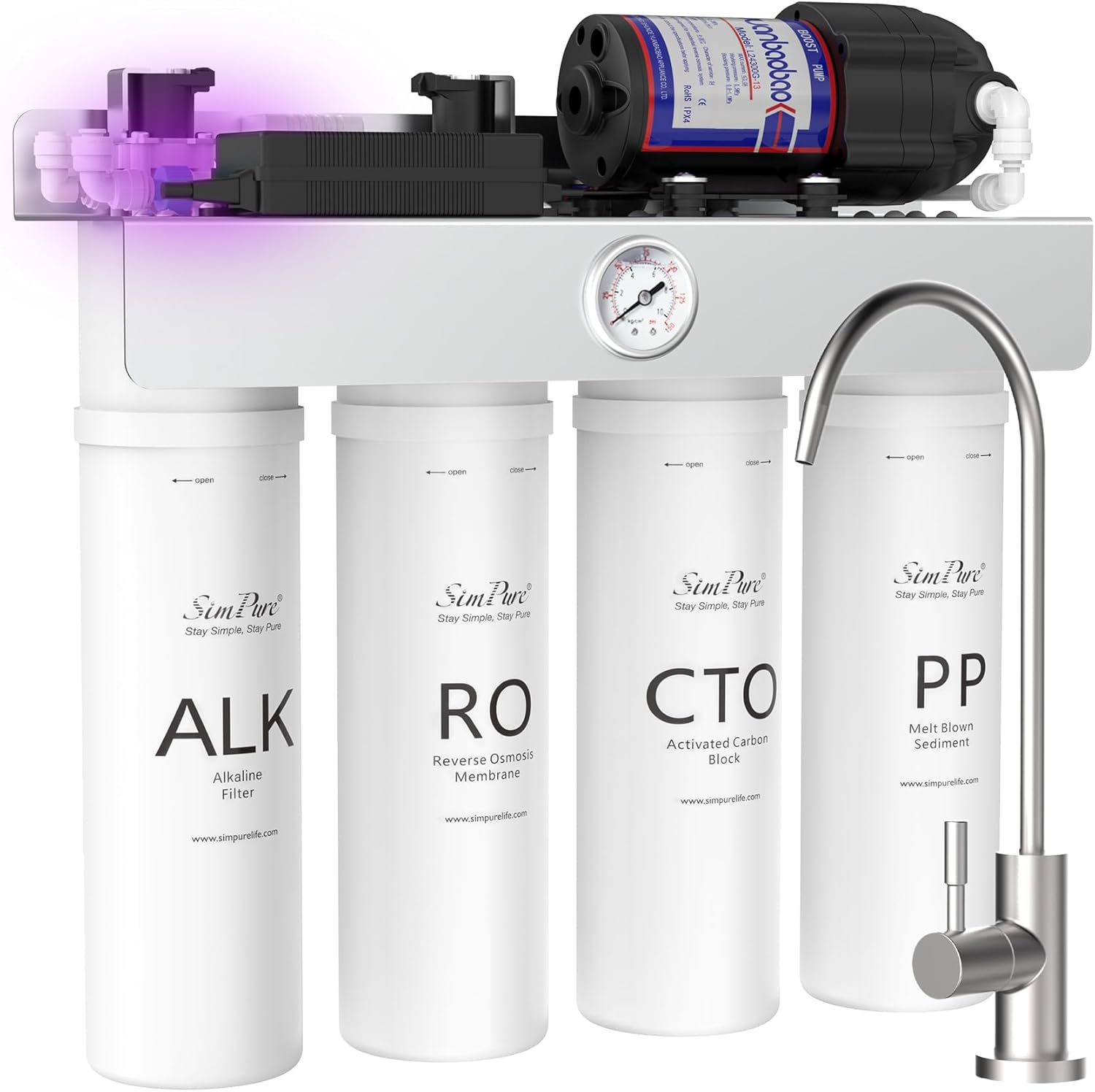
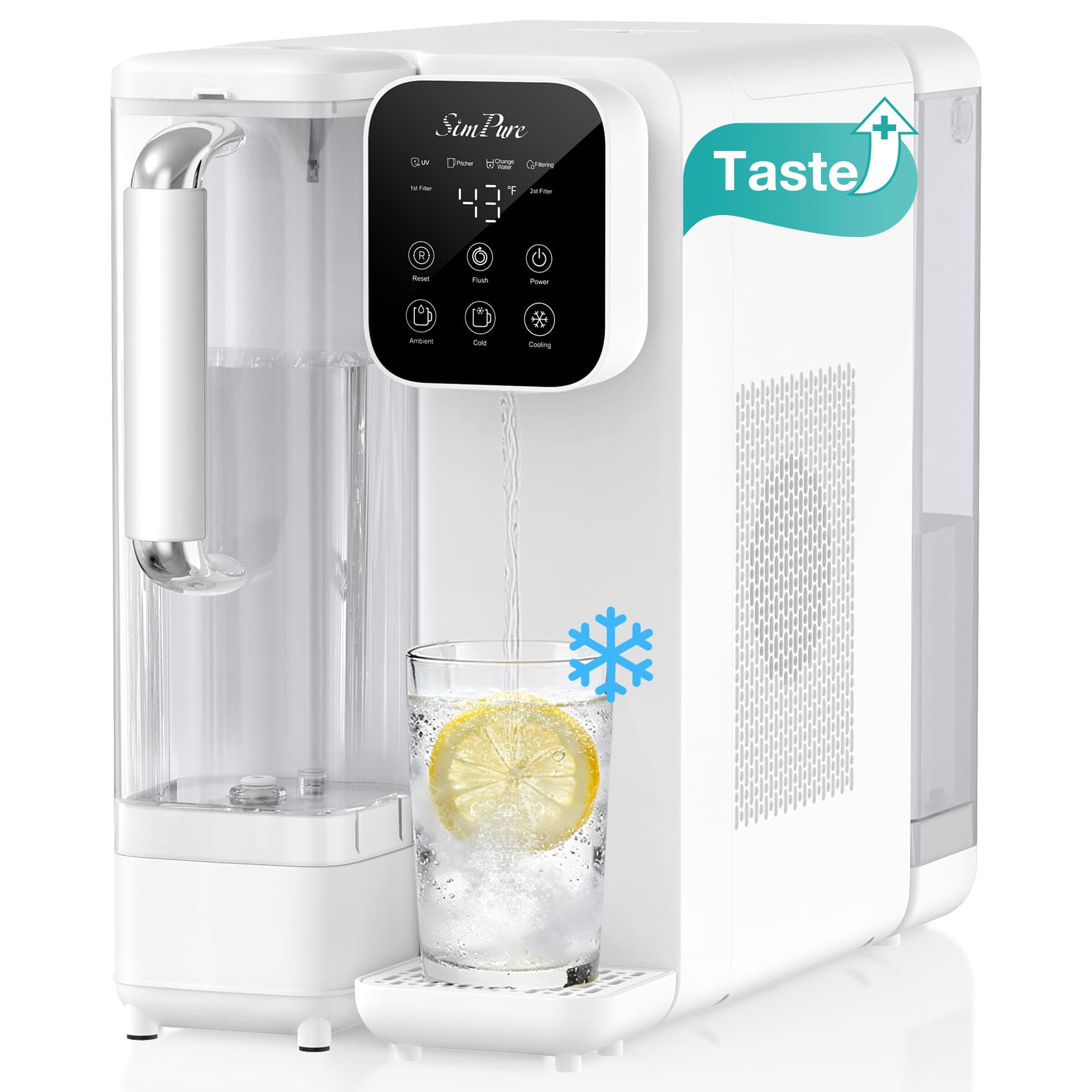
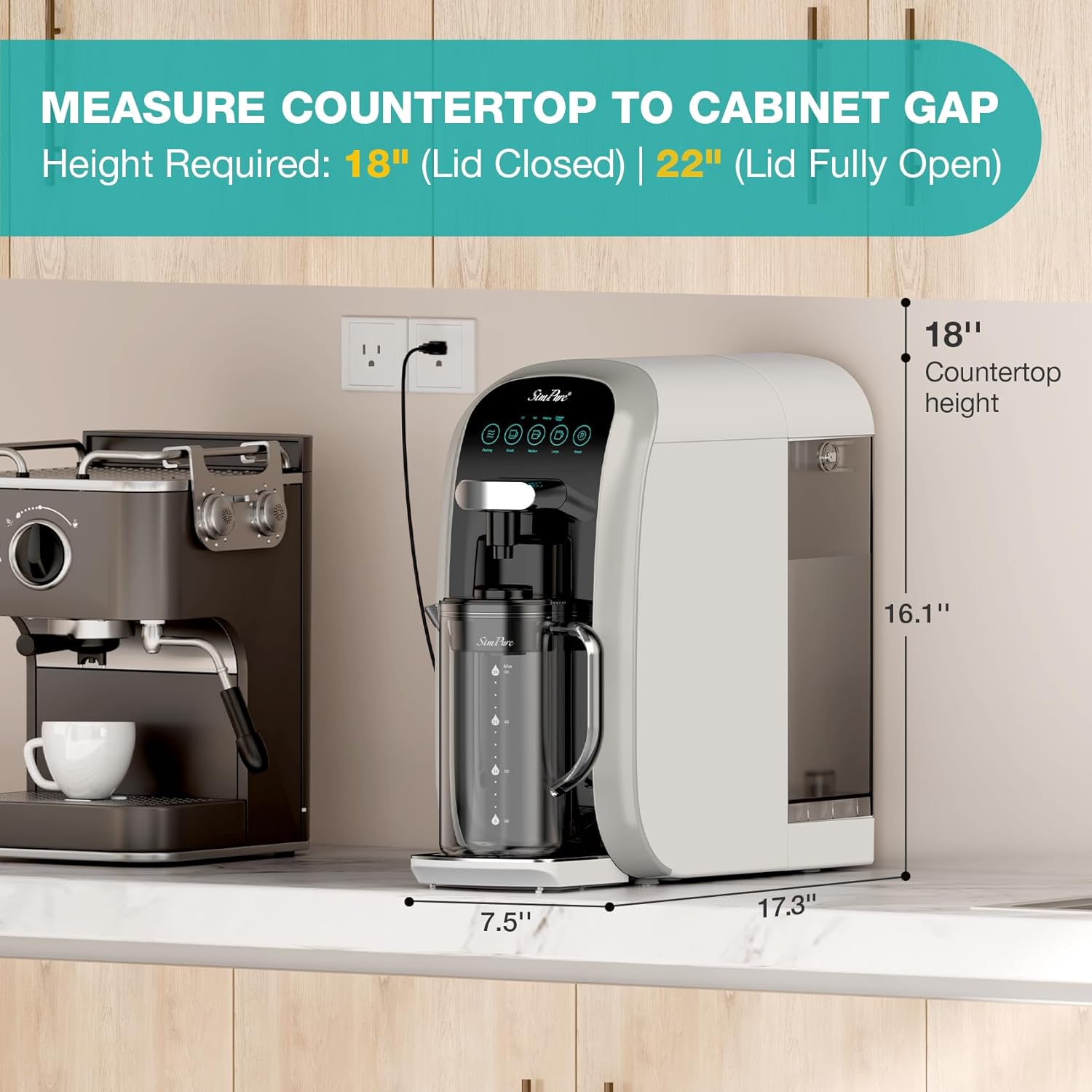
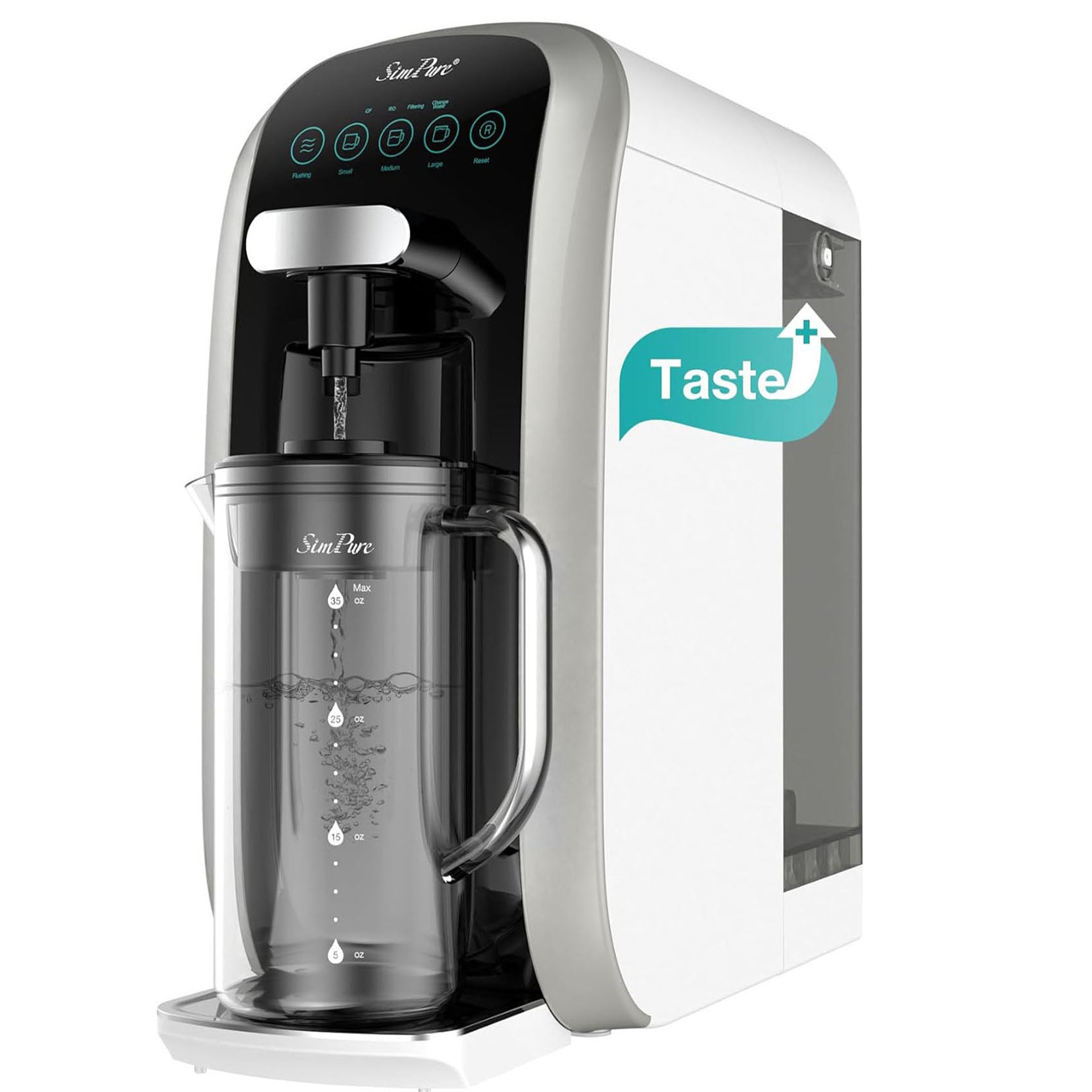
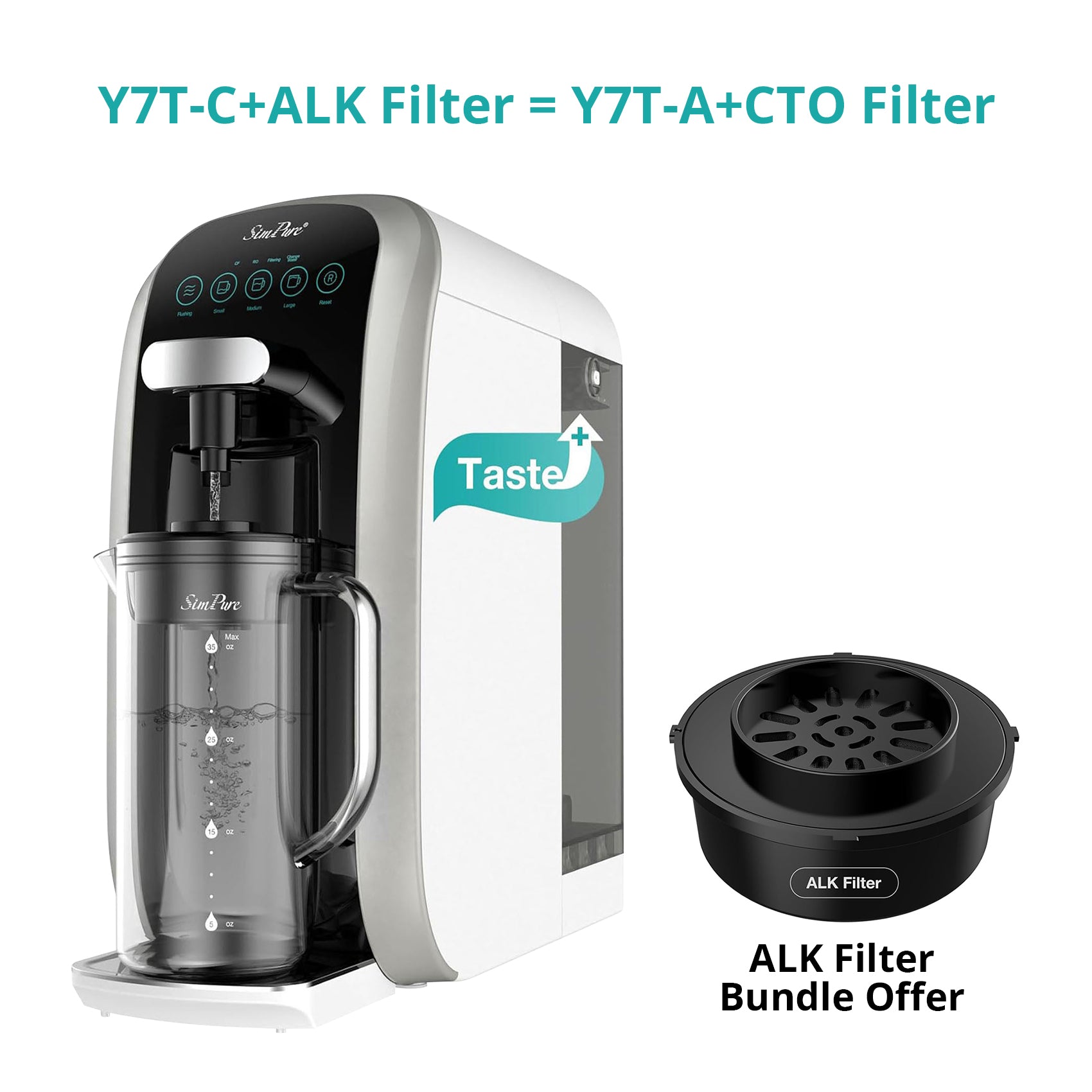
Why More Households Are Choosing SimPure Countertop Reverse Osmosis Systems
Traditional RO systems used to feel intimidating.
People imagined:
-
Complex plumbing
-
Under-sink installation
-
Permanent kitchen modifications
But that’s exactly why SimPure Countertop Reverse Osmosis Systems have become increasingly popular.
Especially for:
-
Apartments
-
Rentals
-
Condos
-
Smaller kitchens
Many households choose these systems because they:
-
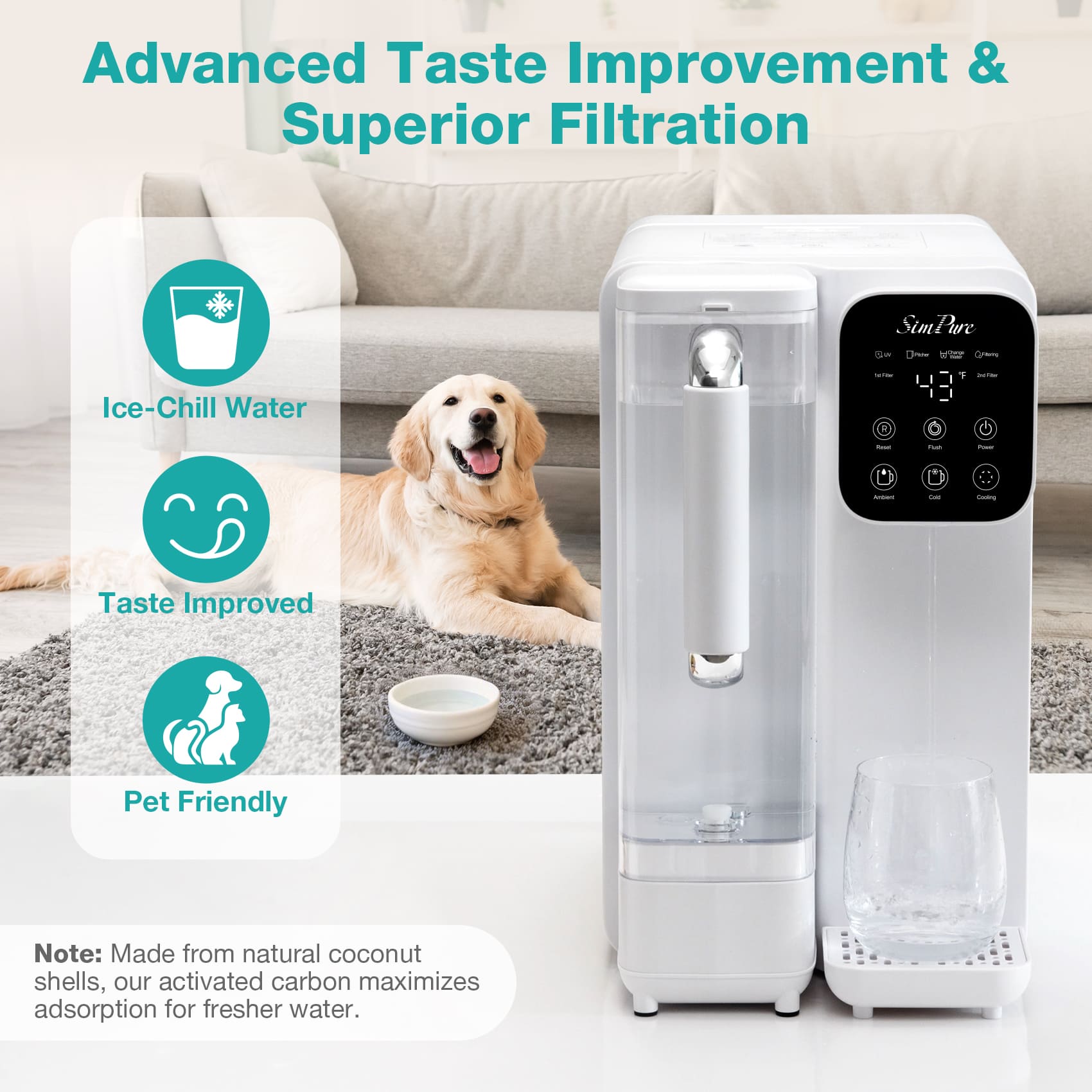
Help improve drinking water taste
-
Reduce chlorine and unwanted odors
-
Require little or no installation
-
Work well in modern living spaces
-
Reduce dependence on bottled water
For many users, the biggest difference is convenience.
Instead of constantly buying, carrying, and storing cases of bottled water, cleaner water is simply available every day at home.
Environmental Concerns Are Part of the Conversation Too
A lot of people originally switched to reusable bottles for environmental reasons.
Then they realized they were still buying large amounts of bottled water every month.
That’s another reason home filtration systems have become more appealing.
Less plastic waste. Less storage. Less hassle.
And for many households, that simply feels more sustainable long-term.
Final Thoughts
So, RO vs bottled water: which is healthier?
In reality, both can provide safe drinking water.
But many people eventually prefer reverse osmosis because it offers the following:
-
More control over water quality
-
Consistent taste
-
Better long-term convenience
-
Less dependence on bottled products
And with modern options like SimPure Countertop Reverse Osmosis Systems, getting cleaner drinking water at home no longer requires complicated installation or a complete kitchen remodel.
At the end of the day, the healthiest water is usually the water you actually enjoy drinking consistently.
And for many households, that’s exactly why RO systems have become part of everyday life.