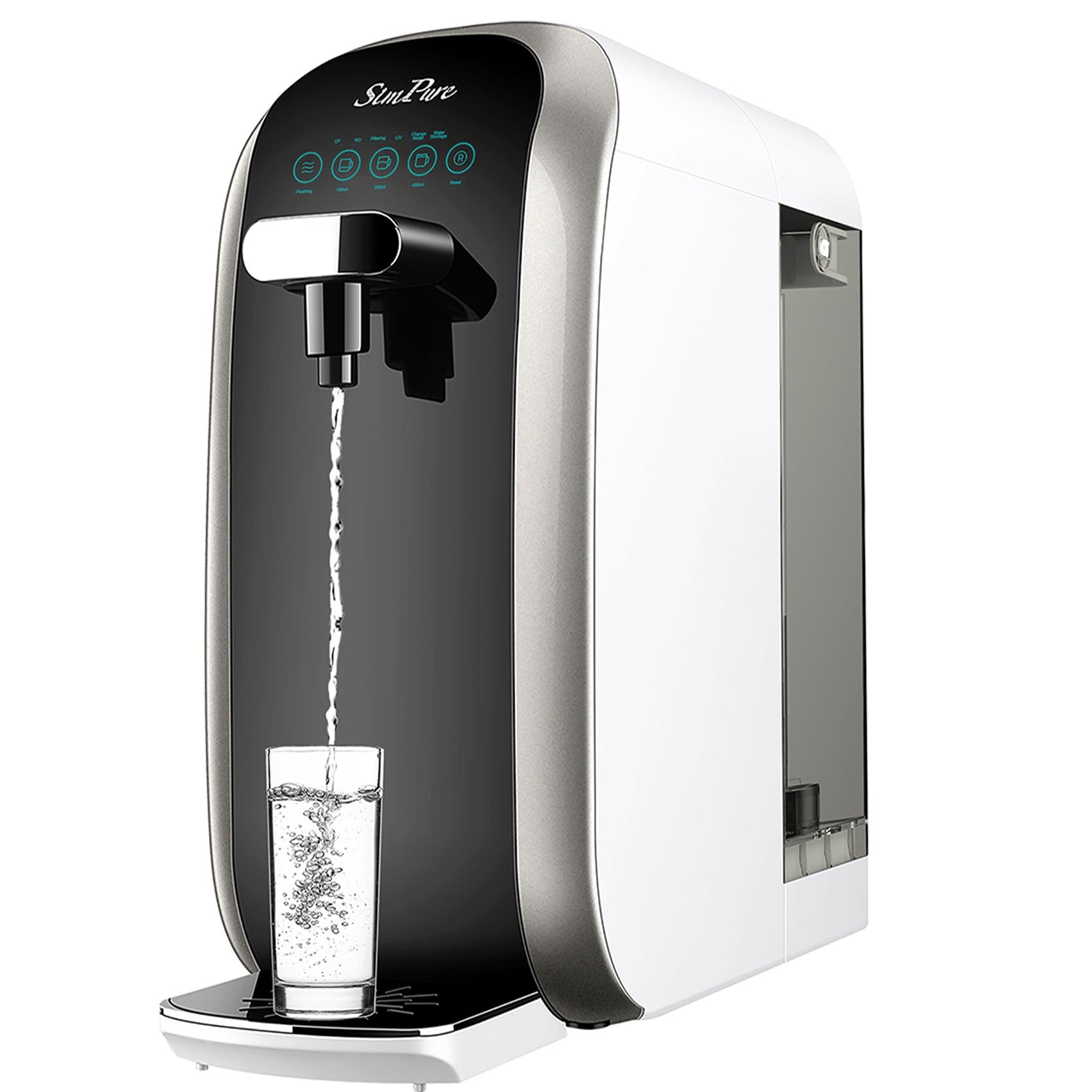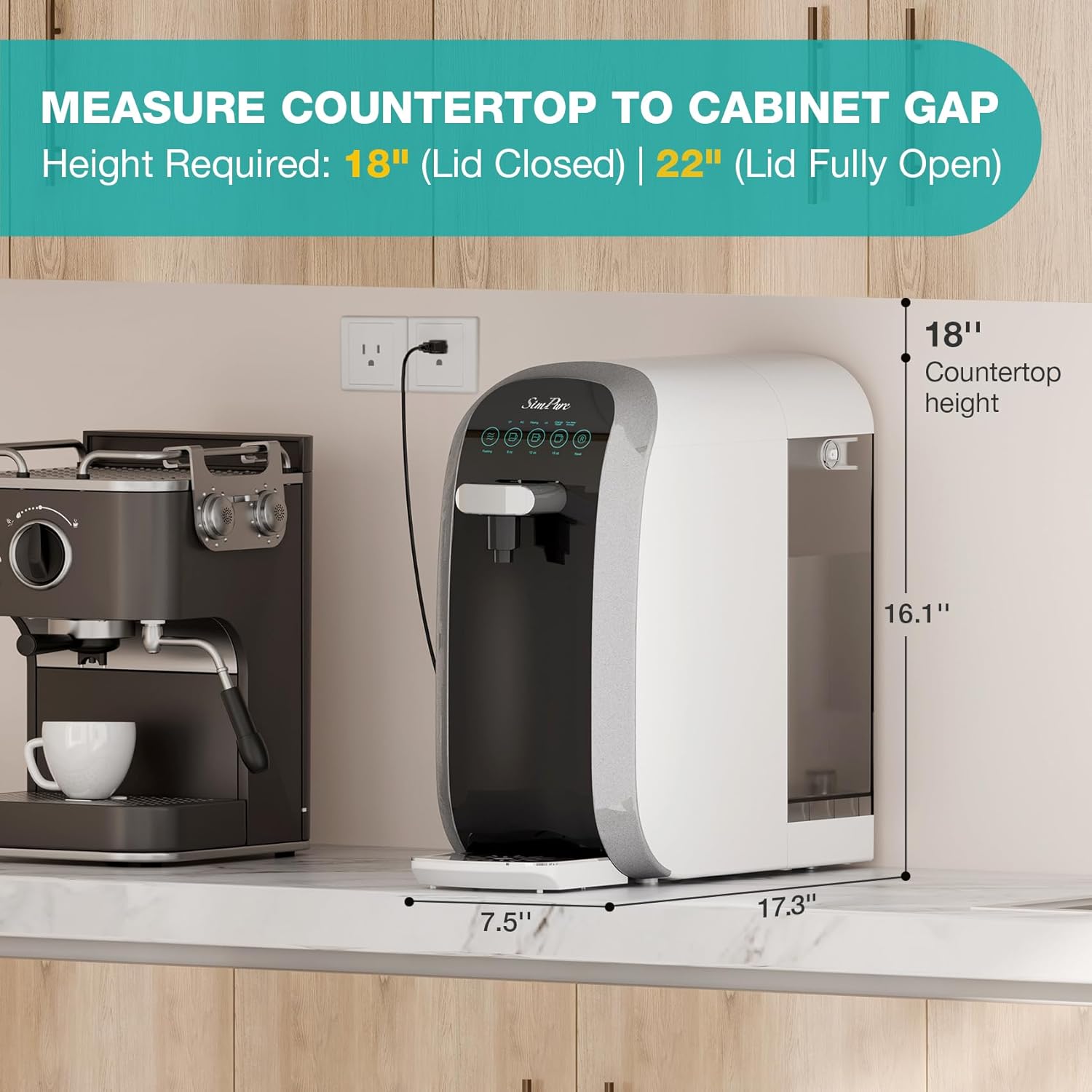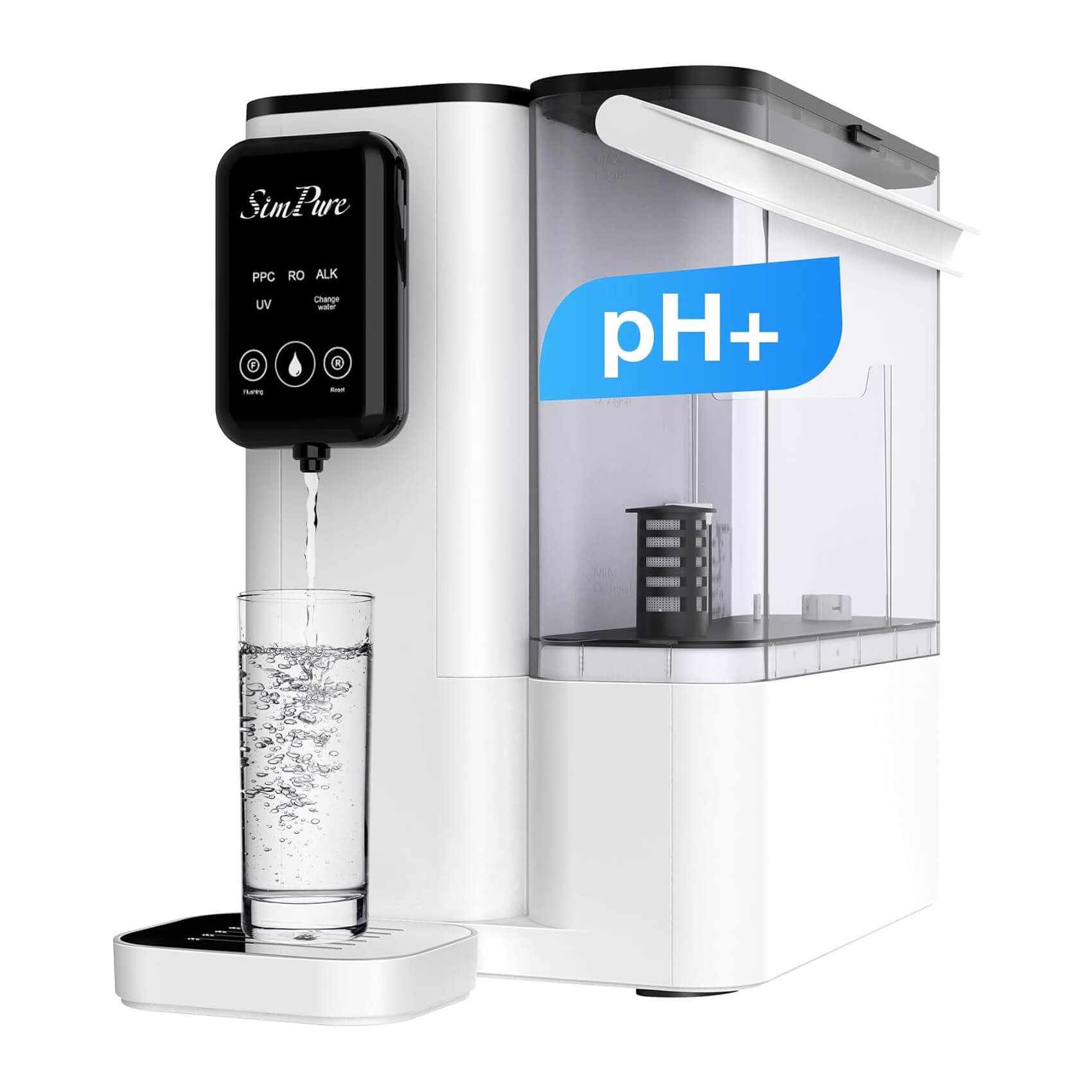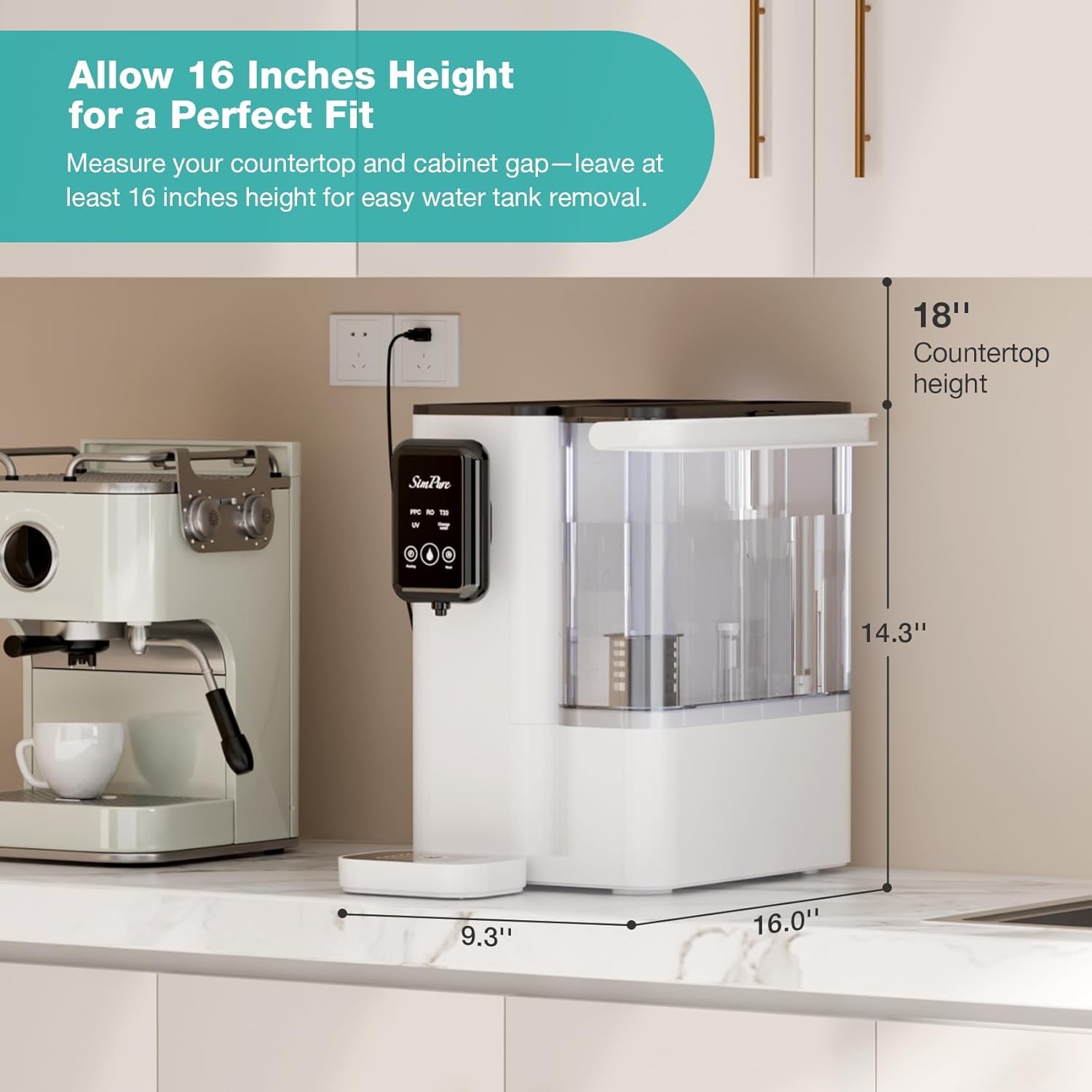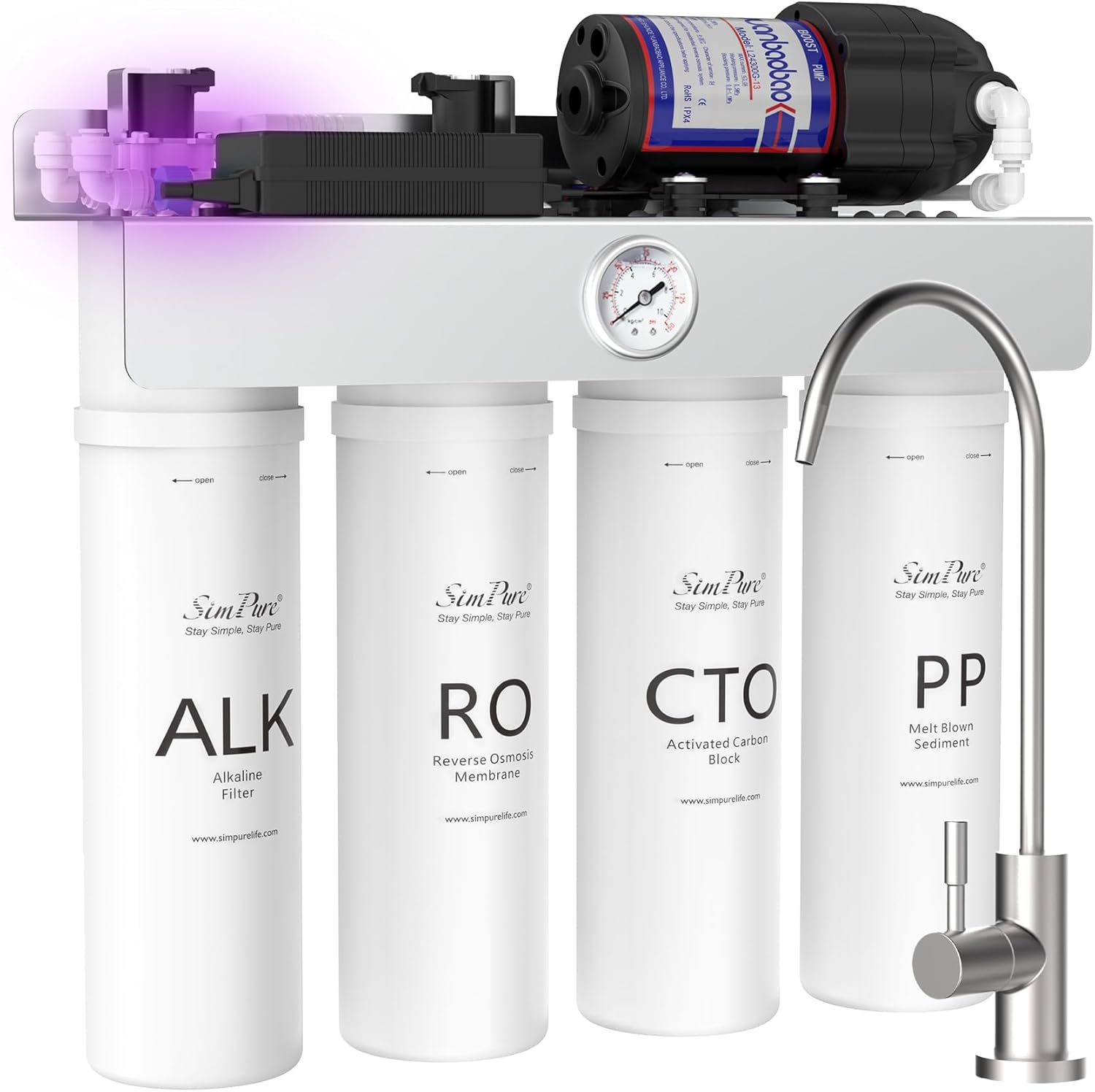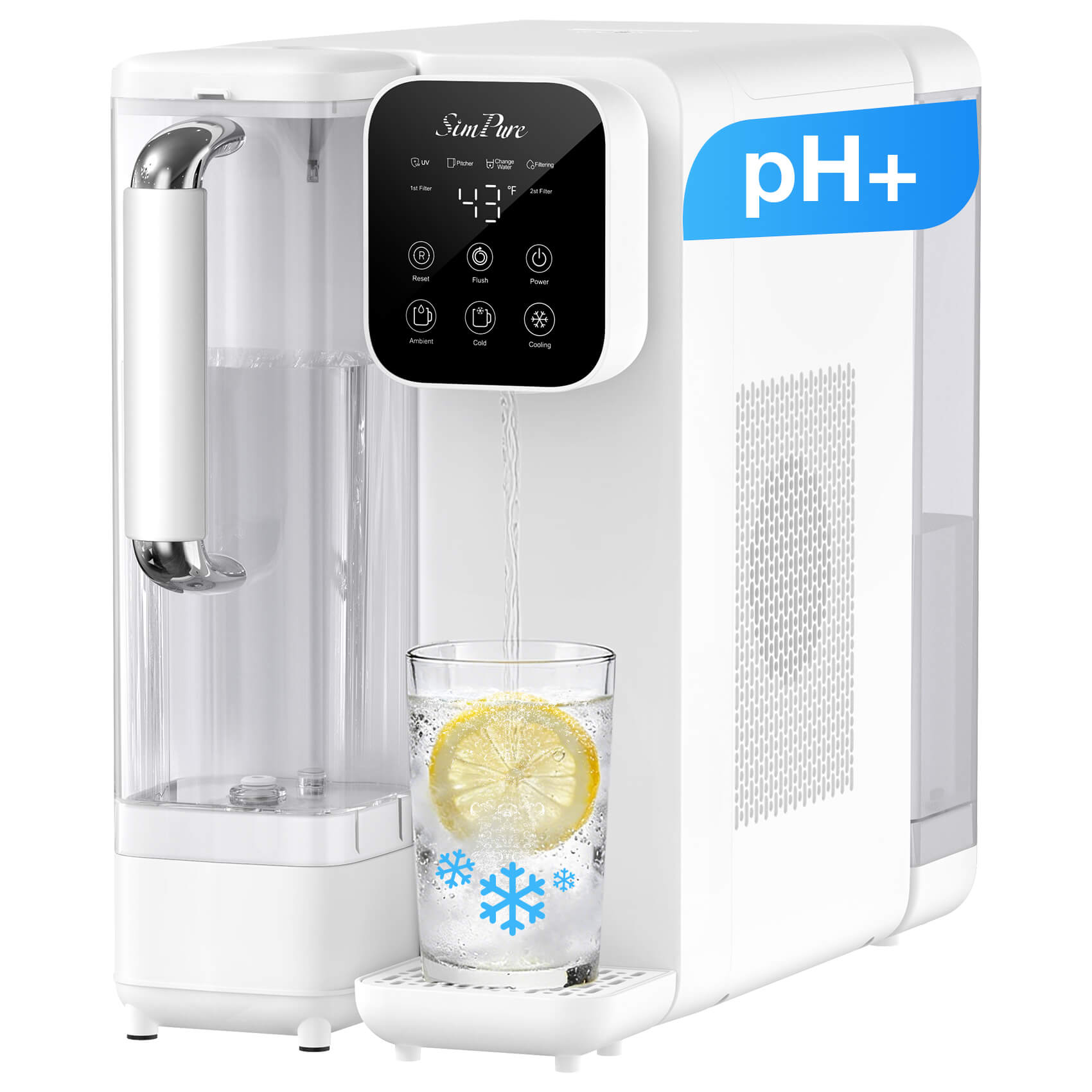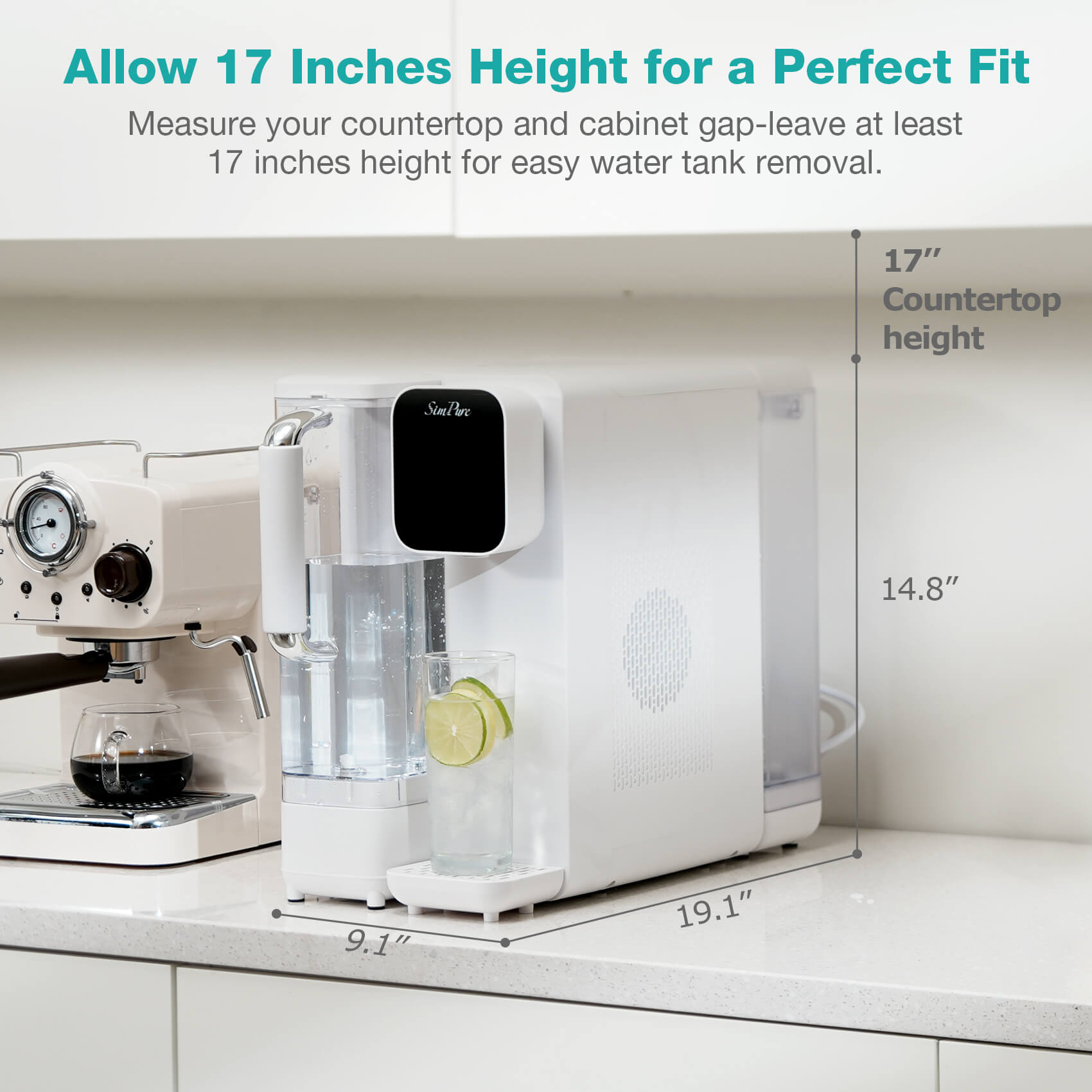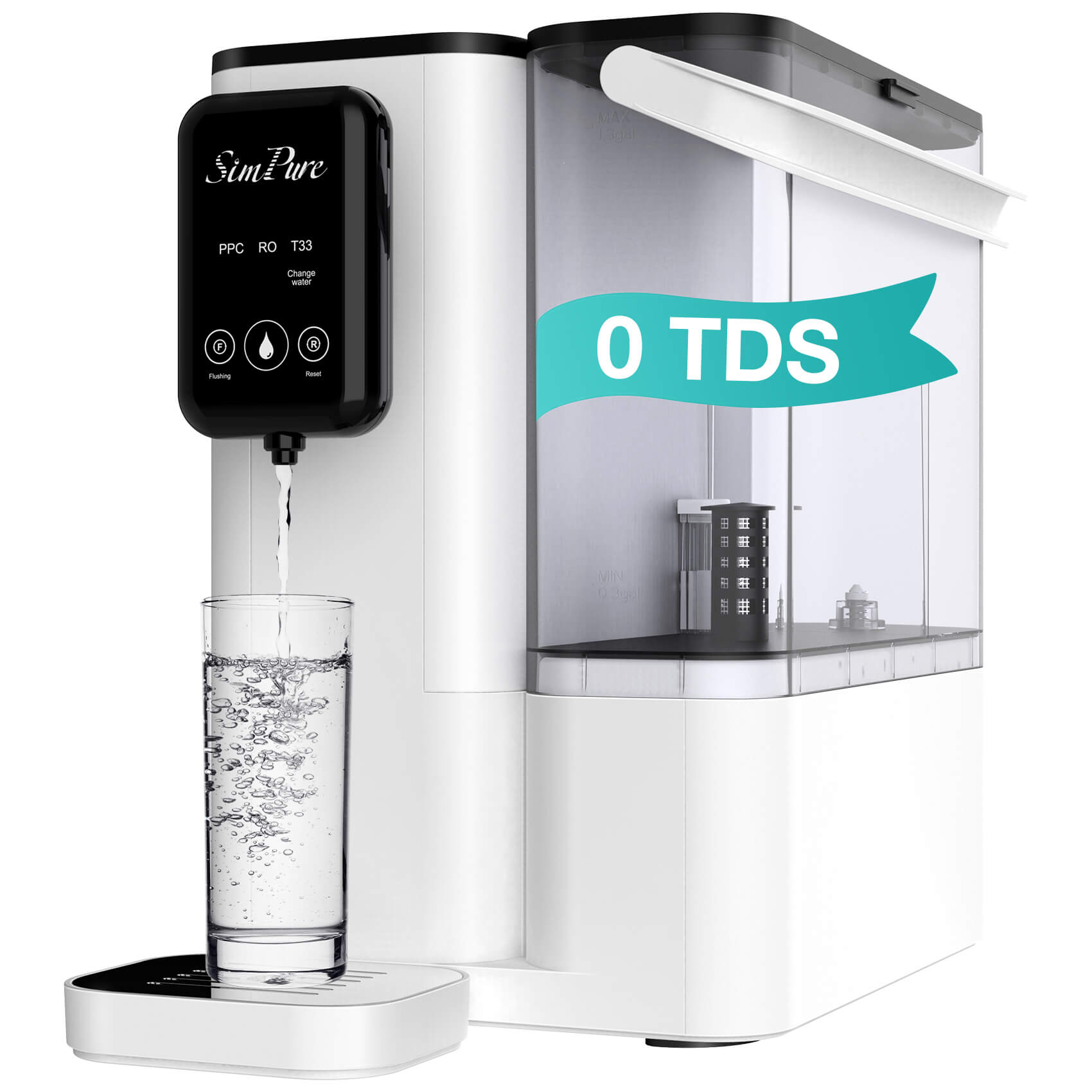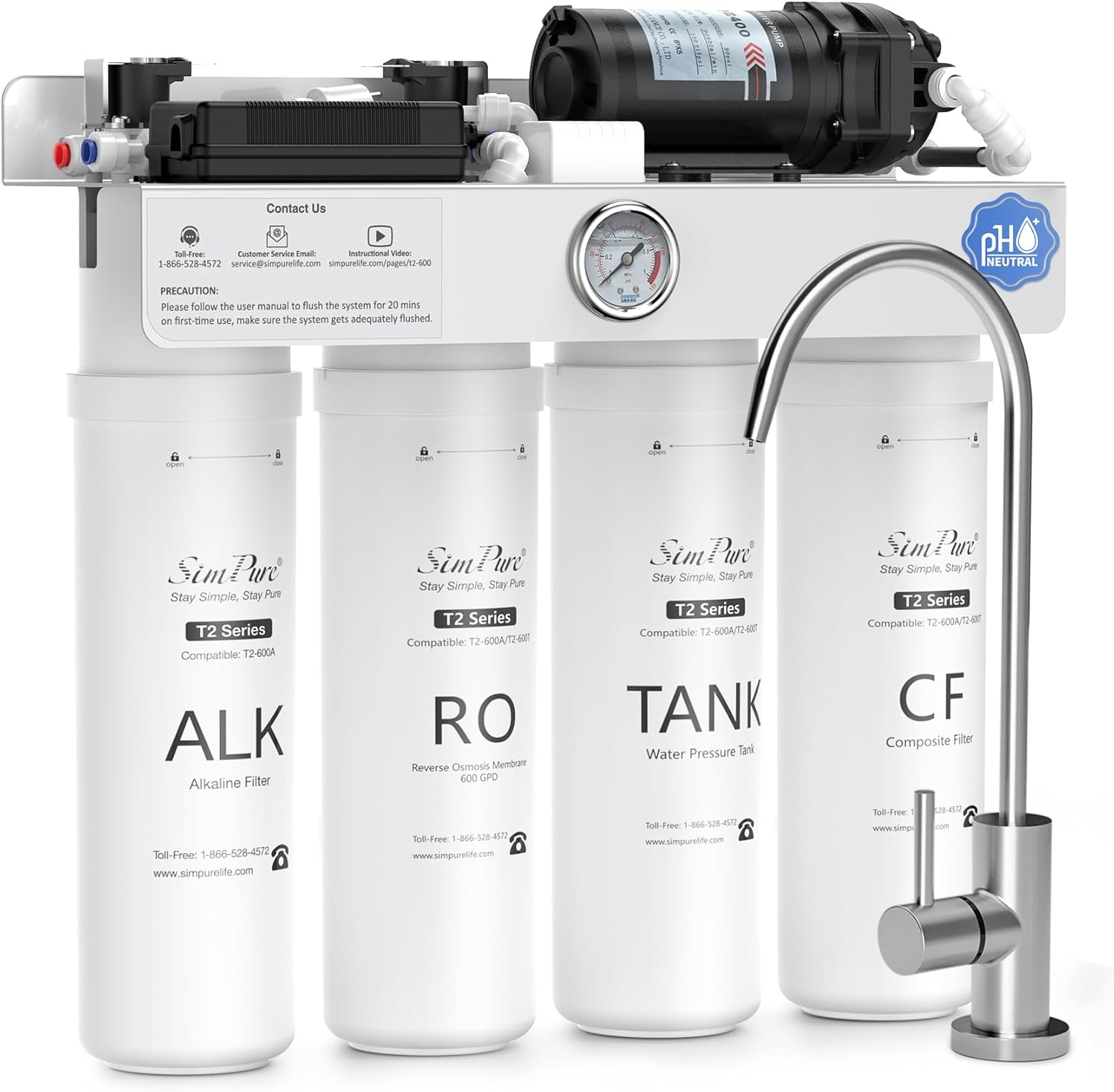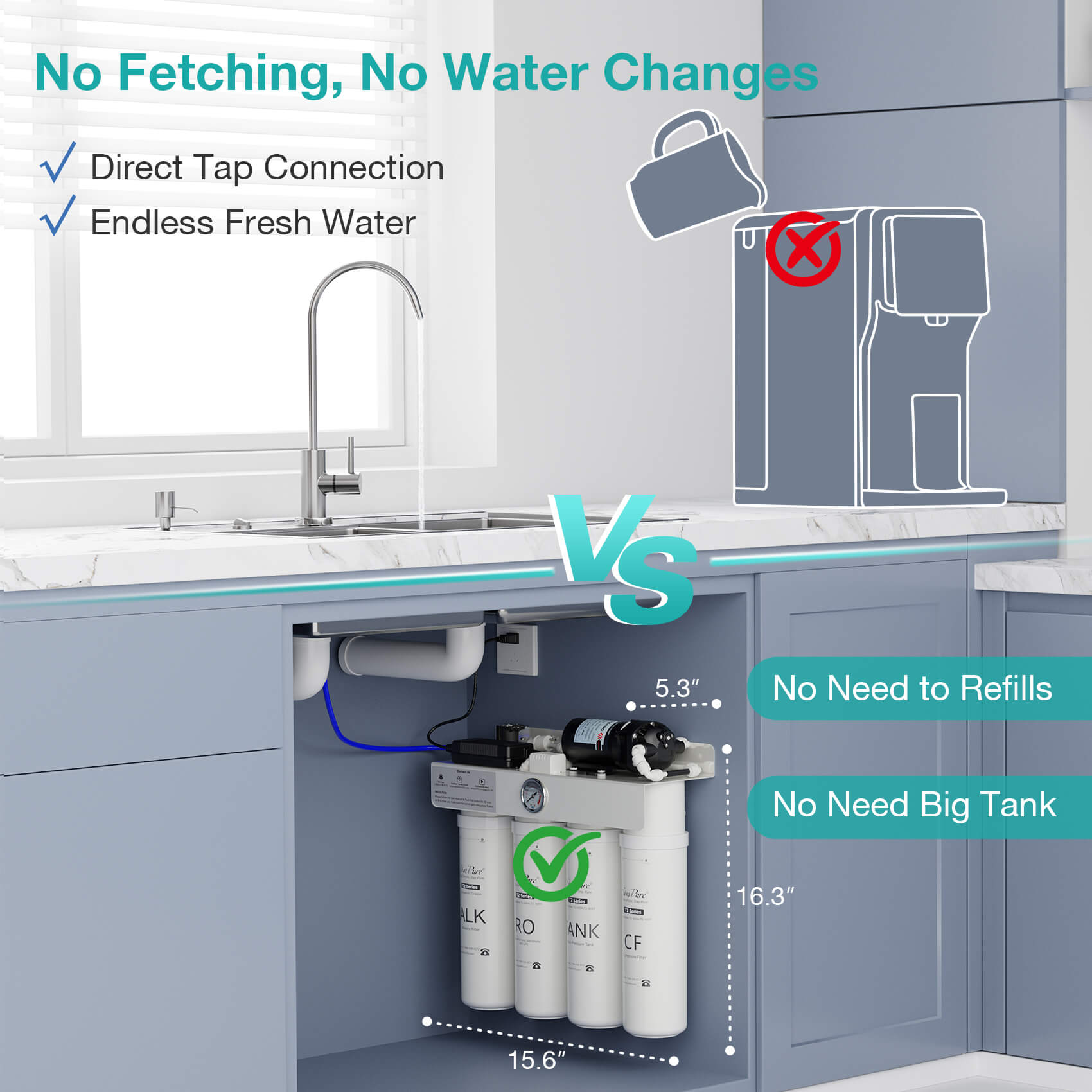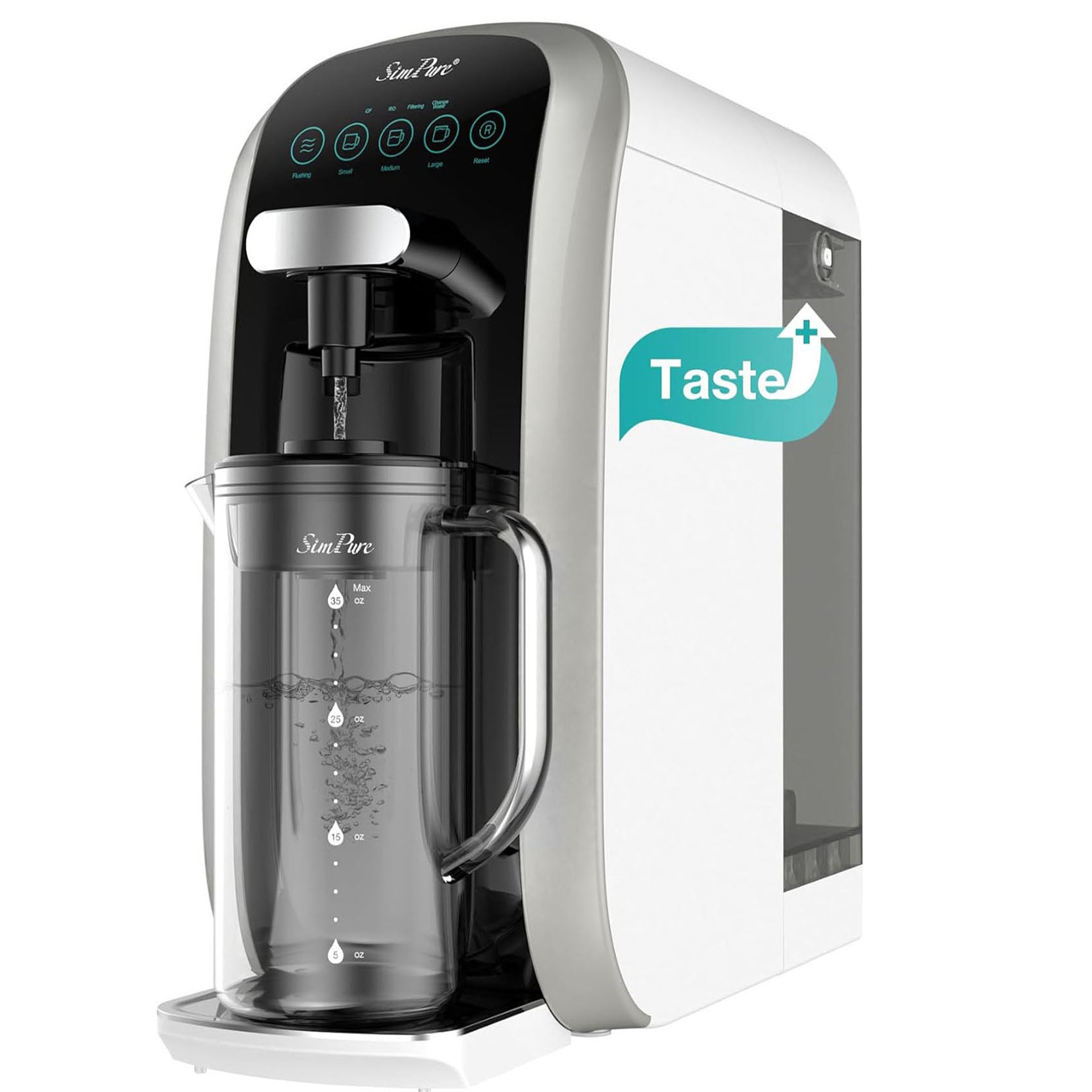

It’s a common sight: you pour a glass from your newly installed Reverse Osmosis system, and the water looks cloudy or "milky" with tiny bubbles. While this might seem concerning, these bubbles in reverse osmosis water are typically a normal part of the physical filtration process and not a sign of contamination.
To verify the clarity of your water, let the glass sit for 2–3 minutes. If the cloudiness clears from the bottom up and the bubbles disappear, it is simply trapped air or dissolved oxygen. This is a common occurrence in high-pressure, 0 TDS filtration systems.
Top 2 Reasons for Bubbles in RO Water
1. Instantaneous Pressure Changes
Municipal water is delivered under high pressure, which increases the solubility of gases. When your system's booster pump drives water through the 0.0001-micron RO membrane, more gas molecules are forced into the liquid.
The moment you open the faucet, that pressure is released instantly, and dissolved gases expand back into the tiny white bubbles you see. This indicates that your system is maintaining the high-performance pressure levels required for 99.9% pollutant removal.
2. Membrane Conditioning (New Filters)
High-quality membranes often use a food-grade modifier to keep them effective during storage. When a new filter is first activated, trace amounts of this conditioning liquid may create a slight effervescence.
This is why we recommend flushing the system by draining the first 2 tanks. After a proper rinse, the clarity and refreshing taste will reach optimal quality.
How to Handle RO Water Bubbles
If you have recently installed a SimPure RO System, follow these steps for the best results:

- Initial Flush: Drain at least two full tanks to clear air pockets and conditioning agents.
- System Stabilization: Air can remain trapped in filter housings for the first 48–72 hours. The bubbles will naturally decrease as the system settles.
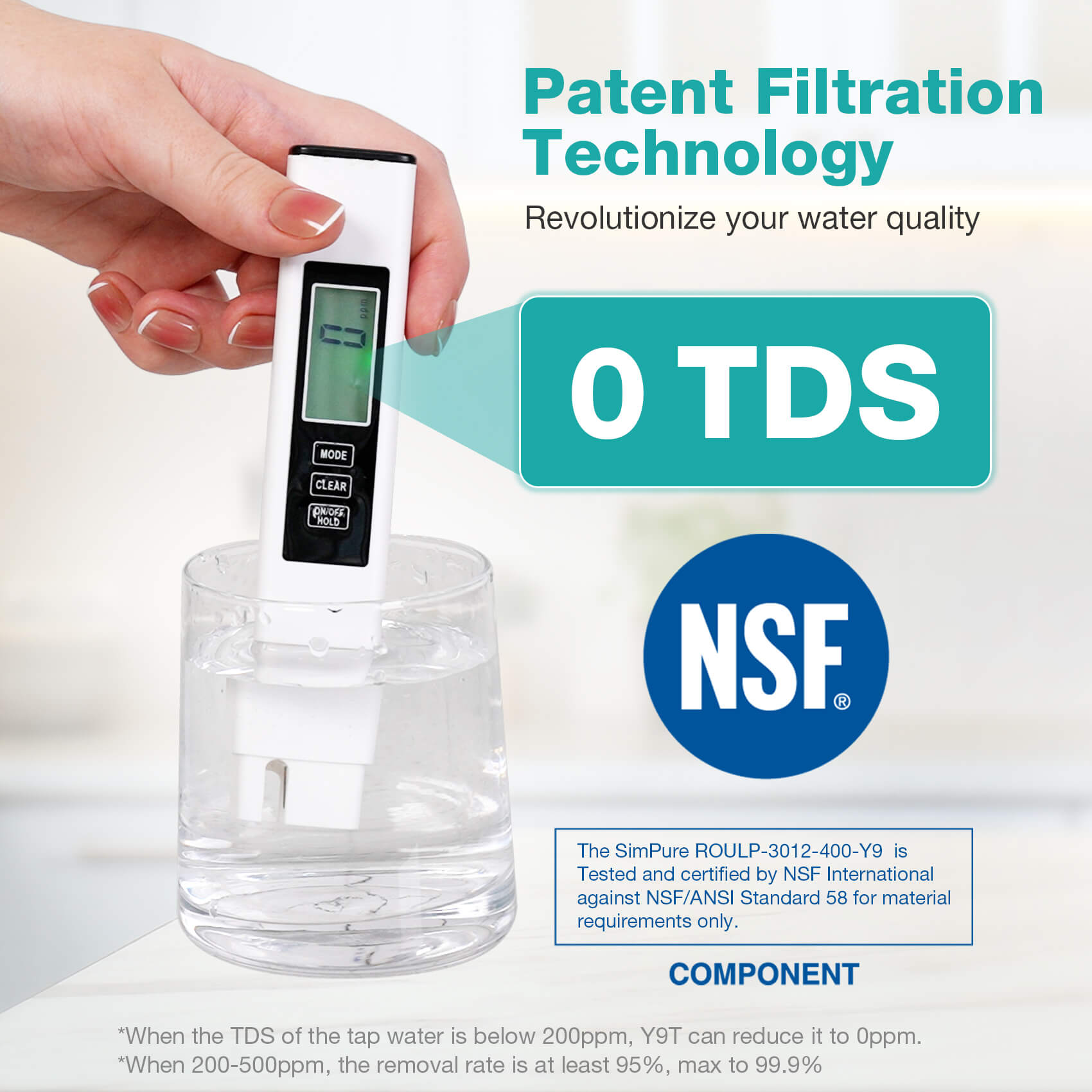
- Verify with TDS: For ultimate reliability, use a TDS meter. A low reading (near 0-10 TDS) confirms that despite the bubbles, your system is effectively removing pollutants.
Special Note for Instant Hot/Cold RO Systems
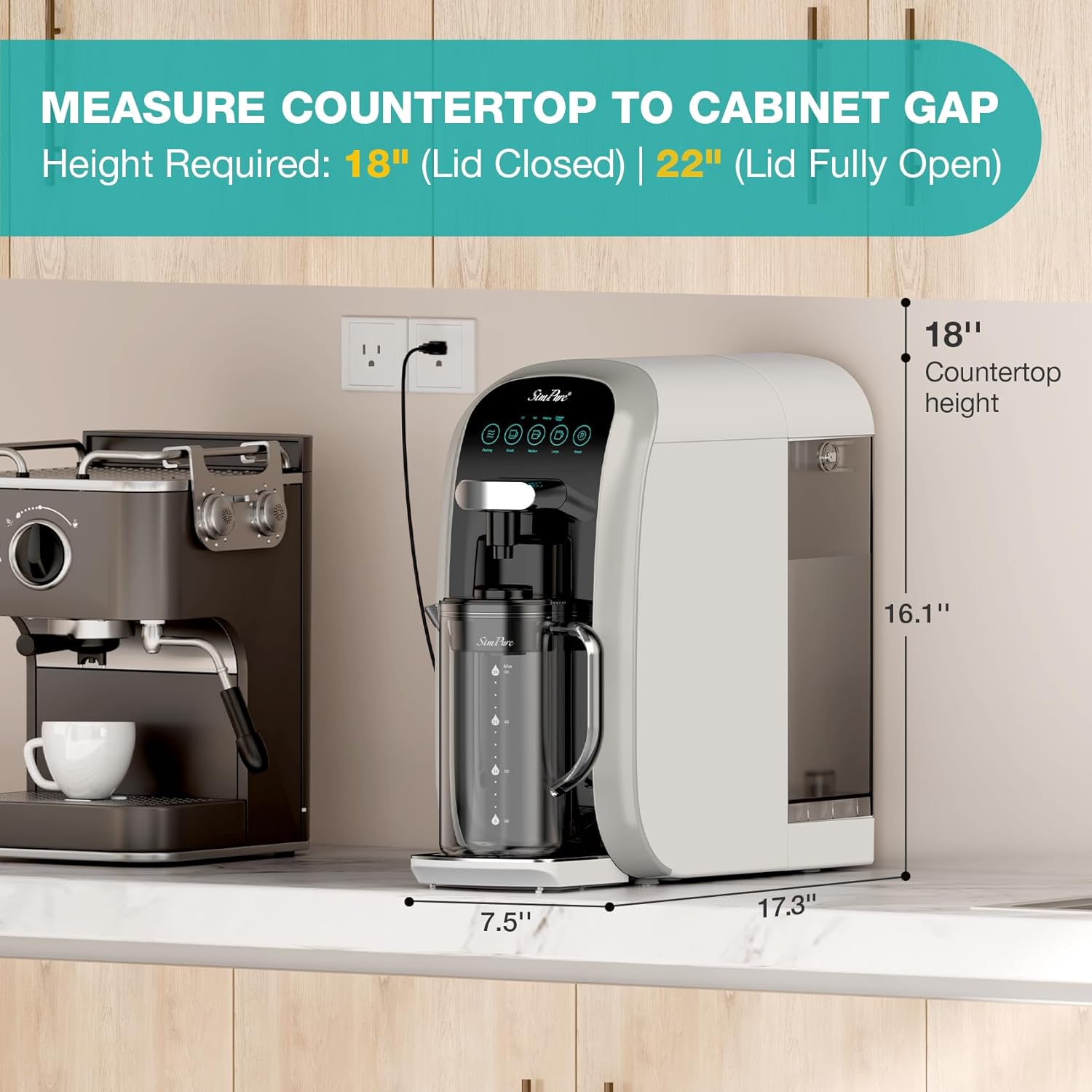
If you are using an advanced system like the SimPure Y10H, you may notice more bubbles when dispensing hot water. This is a scientific certainty: as water temperature rises, its ability to hold dissolved oxygen decreases. The 3-second instant heating technology causes micro-bubbles to form as oxygen is rapidly released—this is a sign of fresh, oxygen-rich water, not a filter issue.
Pro-Tip: Dealing with "Air Lock" After Filter Changes
Sometimes, too much air trapped in the system can lead to a "spitting" faucet or even no water flow at all. This is called an Air Lock. To resolve this:
- For Tank Systems: Turn off the tank valve and open the faucet to let the air bleed out directly from the membrane for 2 minutes.
- For Tankless Systems: Simply run the water for 5-10 minutes continuously. The high-pressure 400GPD+ flow will naturally purge the air pockets.

Example: SimPure T1-400 ALK
Even with temporary bubbles, the T1-400 ALK is proven to remove 98%+ of Lead and PFAS, as verified in our SGS Test Report.
View System DetailsFAQs: Cloudy RO Water
Q: Why do bubbles appear after a long period of use?This often happens after a filter replacement or if the city has performed maintenance on water mains, introducing new air into the lines.
Q: Can modern tech like UV or Instant Heating cause bubbles?Yes. Instant Heating reduces the solubility of oxygen rapidly, creating micro-bubbles, while UV-C LED ensures that even with air in the system, the water remains sterile.
Q: Is milky-looking water safe?Yes, if the bubbles dissipate quickly. It’s a dependable sign of a high-pressure, high-purity filtration process.
Q: Can I stop the bubbles from forming?Since it's a result of water pressure, you cannot completely stop it, but ensuring your system is correctly installed and fully flushed will minimize the occurrence.
Experience the clarity of premium filtration.
Shop Reliable SimPure RO Systems →