
You’ve likely spent years curating your brewing ritual—sourcing seasonal single-origin beans, investing in precision grinders, and perfecting your pouring technique. Yet, there is a silent variable that ultimately defines your cup’s ceiling: the water.
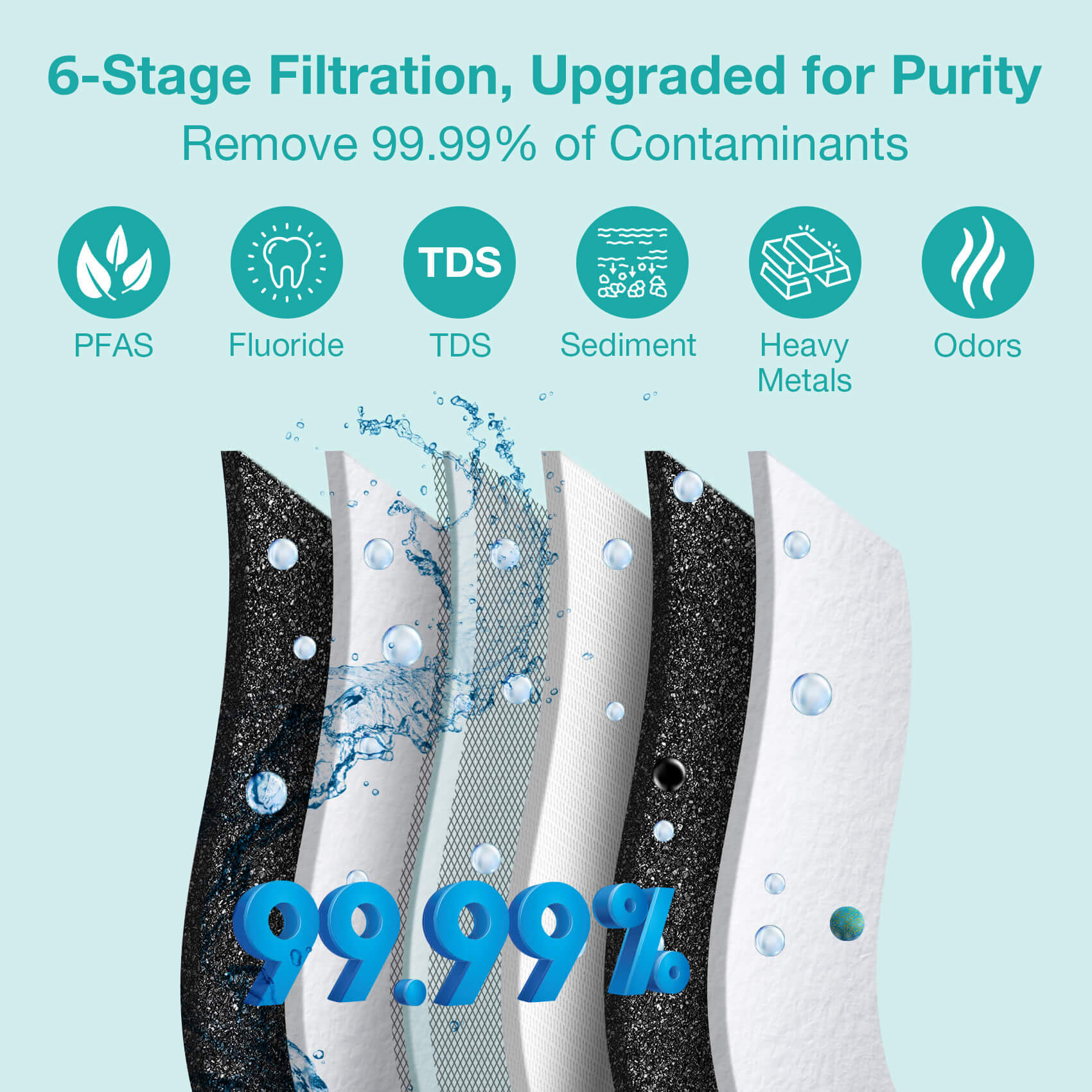
Since coffee is over 98% water, it’s not just an ingredient; it’s the solvent. Its job is to pull oils, acids, and sugars out of the grounds and into your carafe. Without a properly tuned RO water filter for coffee, even the most expensive Geisha beans can end up tasting muted, flat, or unexpectedly harsh.
What’s Actually Happening During Extraction?
Baristas treat water as a variable, not a constant. According to SCA standards, water needs a very specific "mineral hunger" to pull flavors out efficiently. If your water is too crowded with minerals (High TDS), it’s too "full" to pick up the coffee's nuances. If it's too empty (distilled), it becomes aggressive, resulting in a cup that's sharp or hollow.
| Metric | SCA "Sweet Spot" | Why It Matters for Flavor |
|---|---|---|
| Chlorine | 0 mg/L | Even a trace can kill delicate floral aromas. |
| TDS | 75 – 150 mg/L | The balance between "muddy" and "vibrant" flavors. |
| pH Level | ~7.0 (Neutral) | Prevents your light roast from tasting like vinegar. |
Magnesium vs. Calcium: The Flavor Tug-of-War
It’s not just about how many minerals are in your water, but which ones. They interact with coffee solubles in very different ways:
- Magnesium: The heavy hitter for acidity. It helps pull out the bright, fruity notes in light roasts.
- Calcium: The texture specialist. It’s what gives a great espresso that creamy, lingering mouthfeel.
• Coffee tastes flat/dull? Your water is likely too soft; it lacks the mineral "pull" to get the flavor out.
• Sharp, vinegar-like acidity? You're likely dealing with temperature instability or a lack of mineral buffers.
• White flakes in your kettle? This is scale—and it's currently attacking the heating elements in your machine.
The Equipment Tax: Protecting Your Espresso Investment
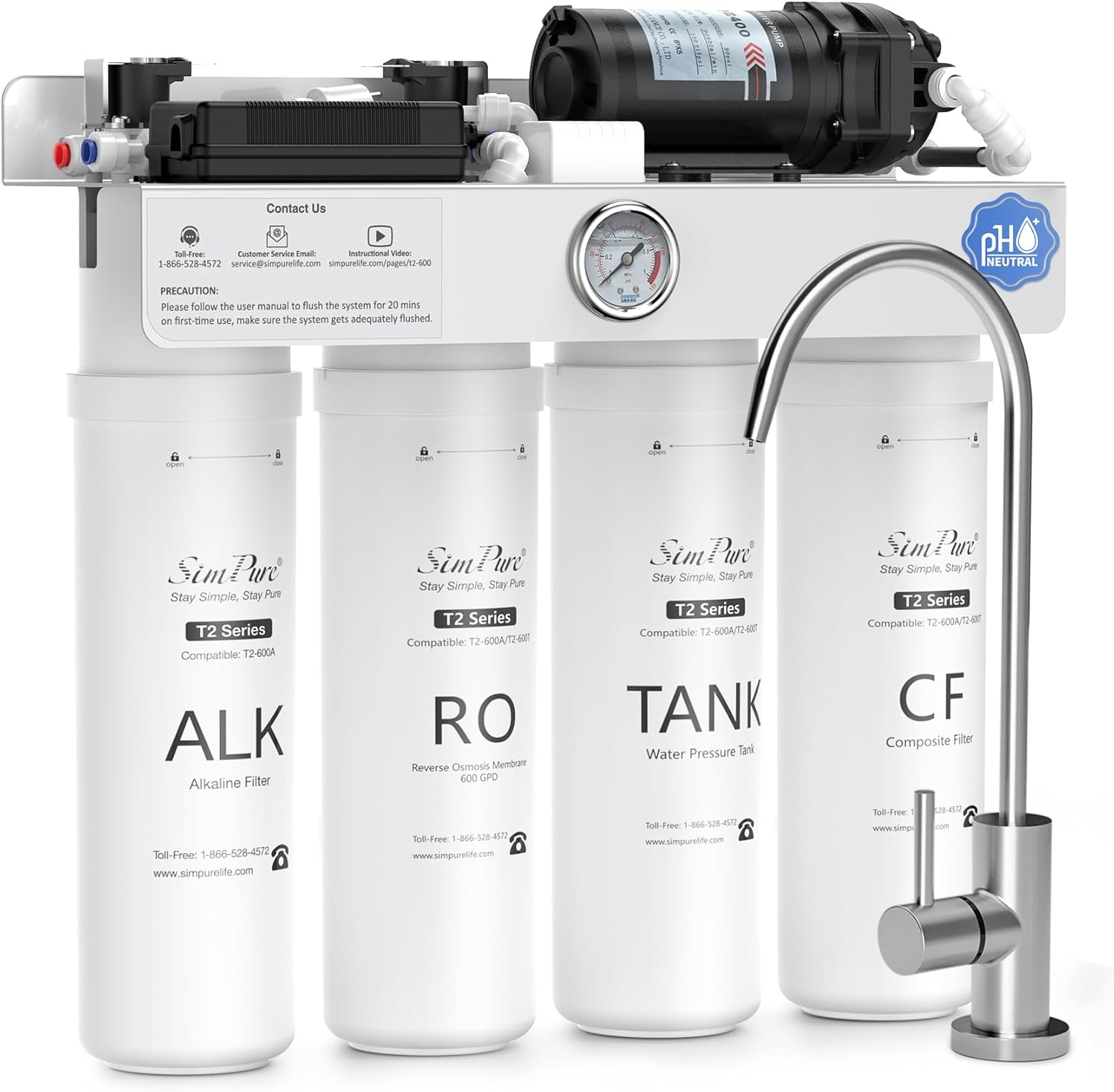
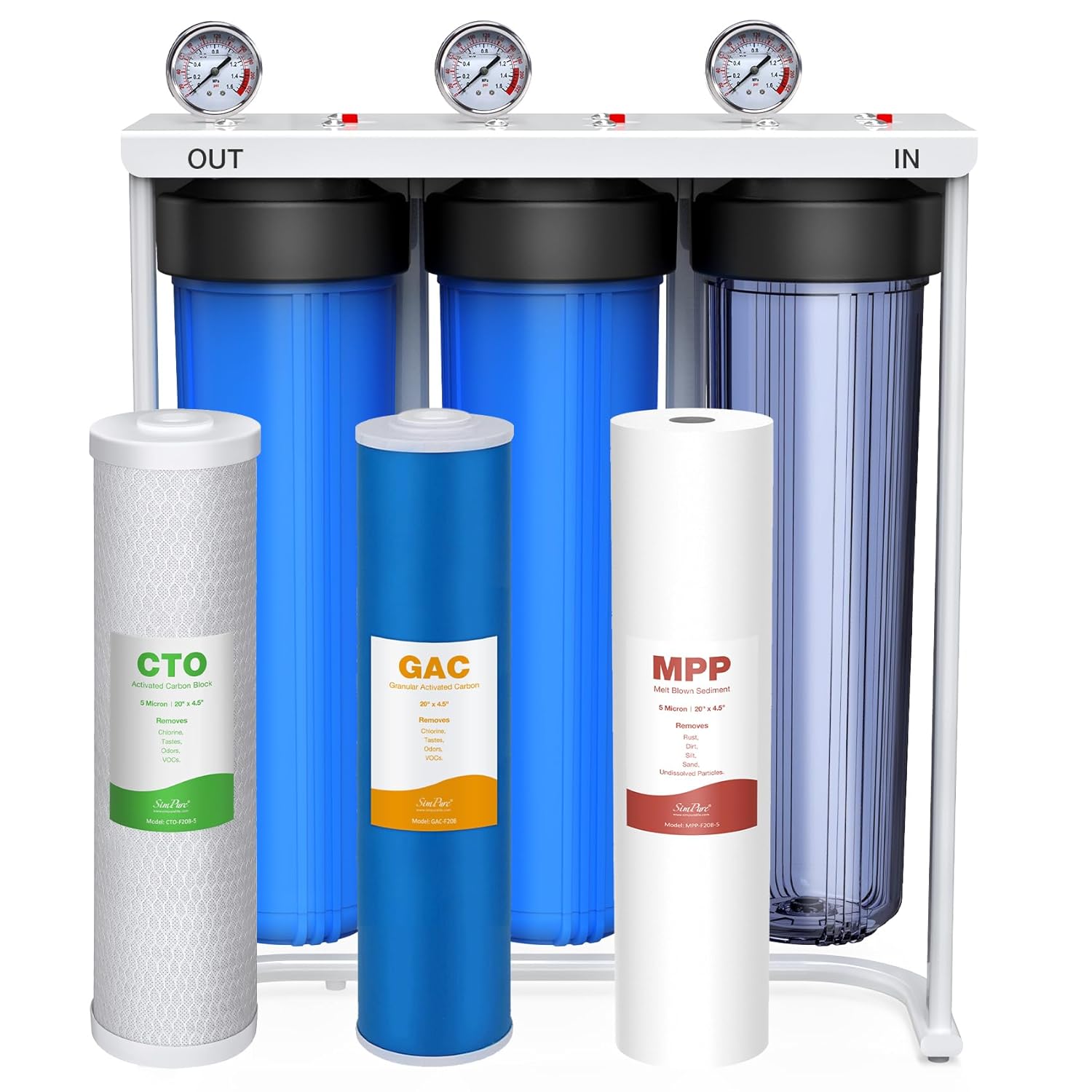
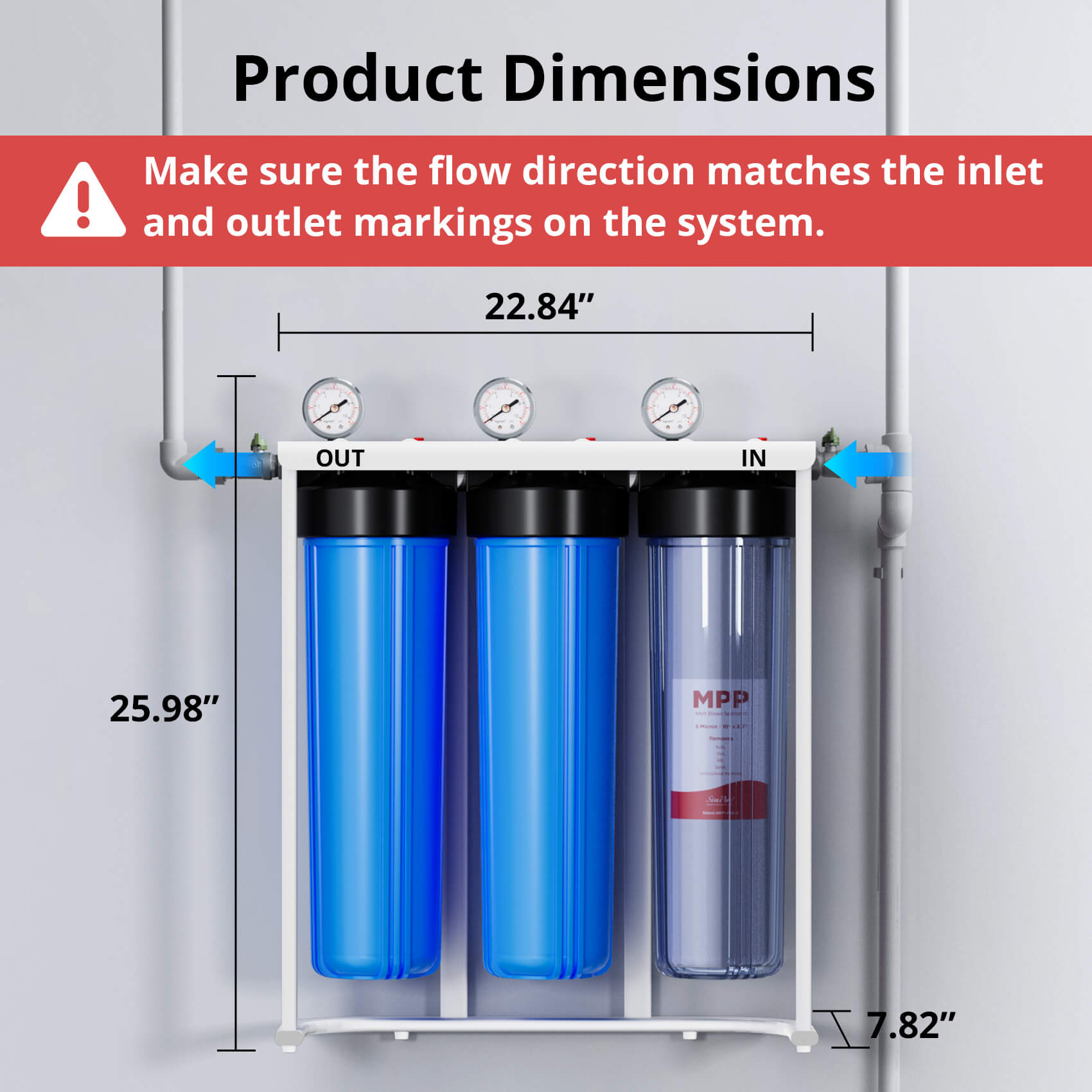
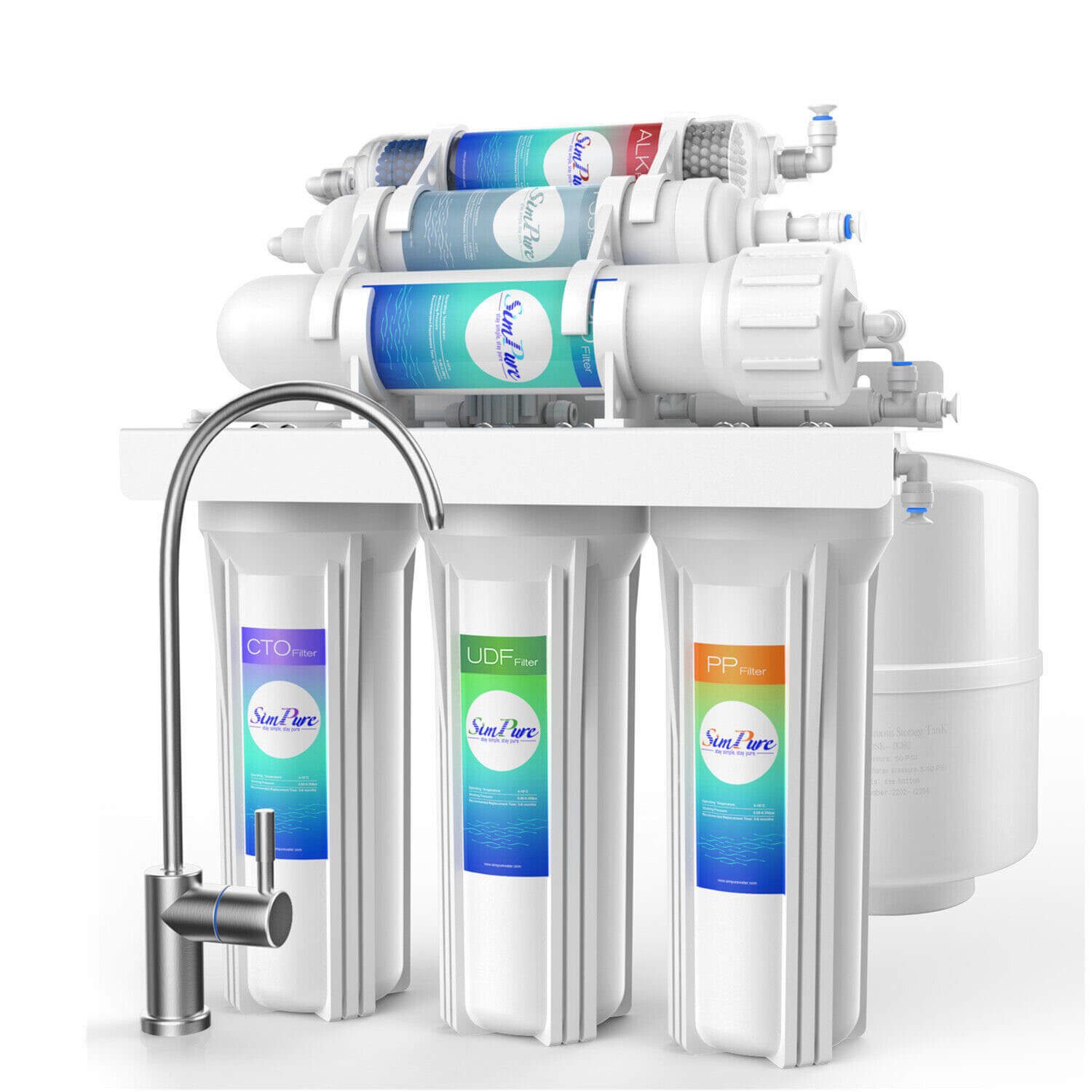
If you own an espresso machine, water quality is about more than just taste—it’s about survival. Limescale is the #1 reason for machine repairs. It clogs boilers, confuses sensors, and forces your pump to work twice as hard. A high-quality home water filter for espresso machines isn't an accessory; it’s an insurance policy for your gear.
The Best Setup for Pour-Over Enthusiasts
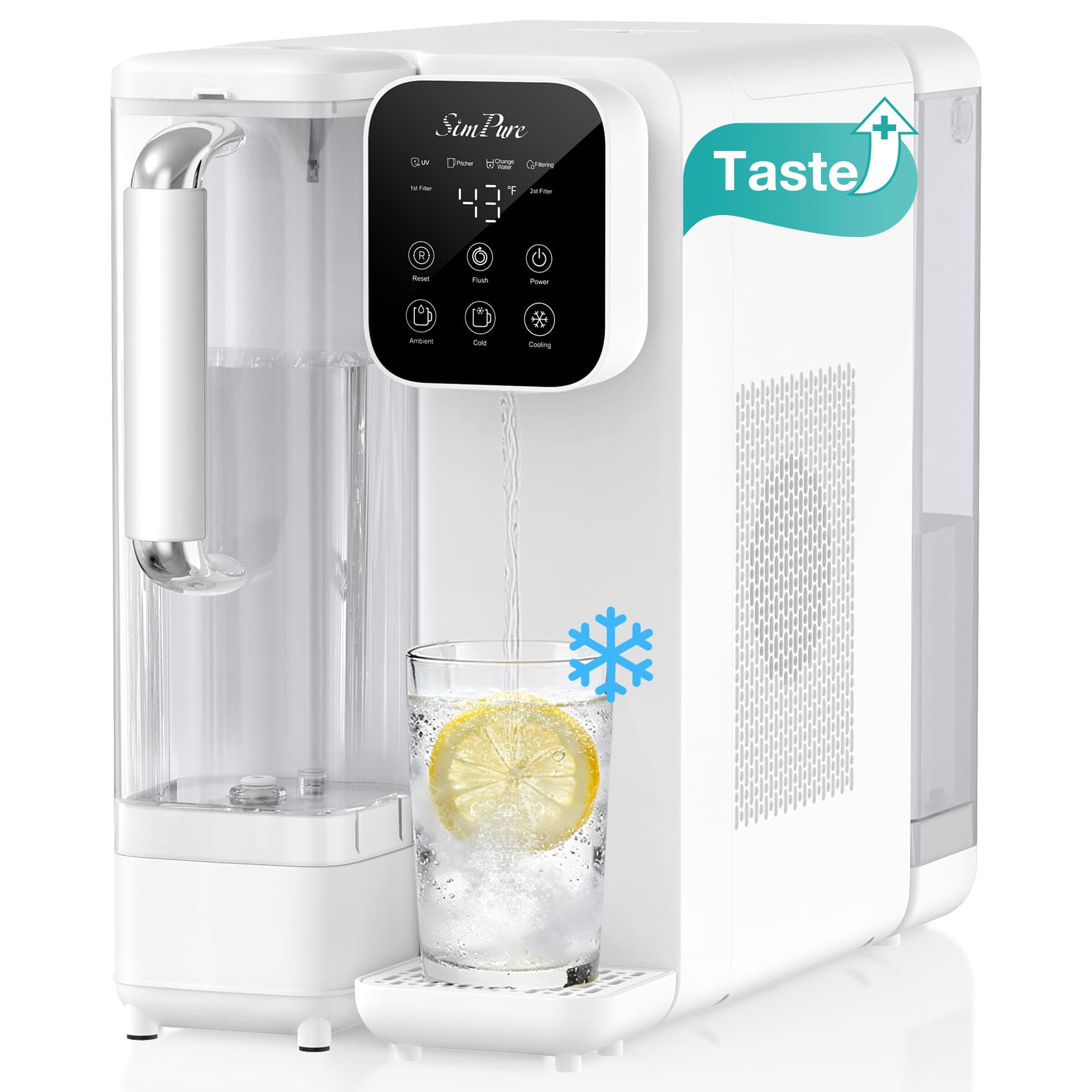
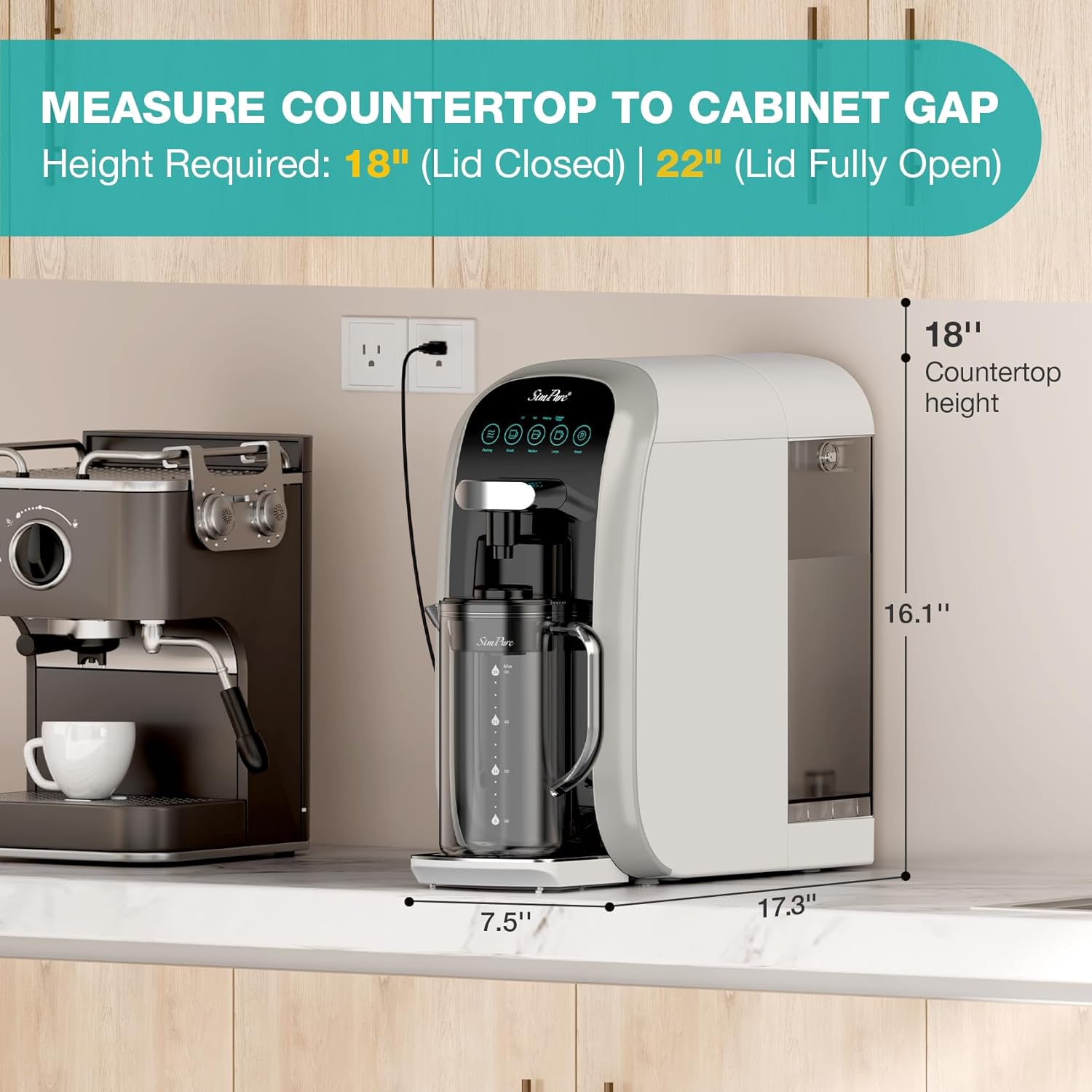
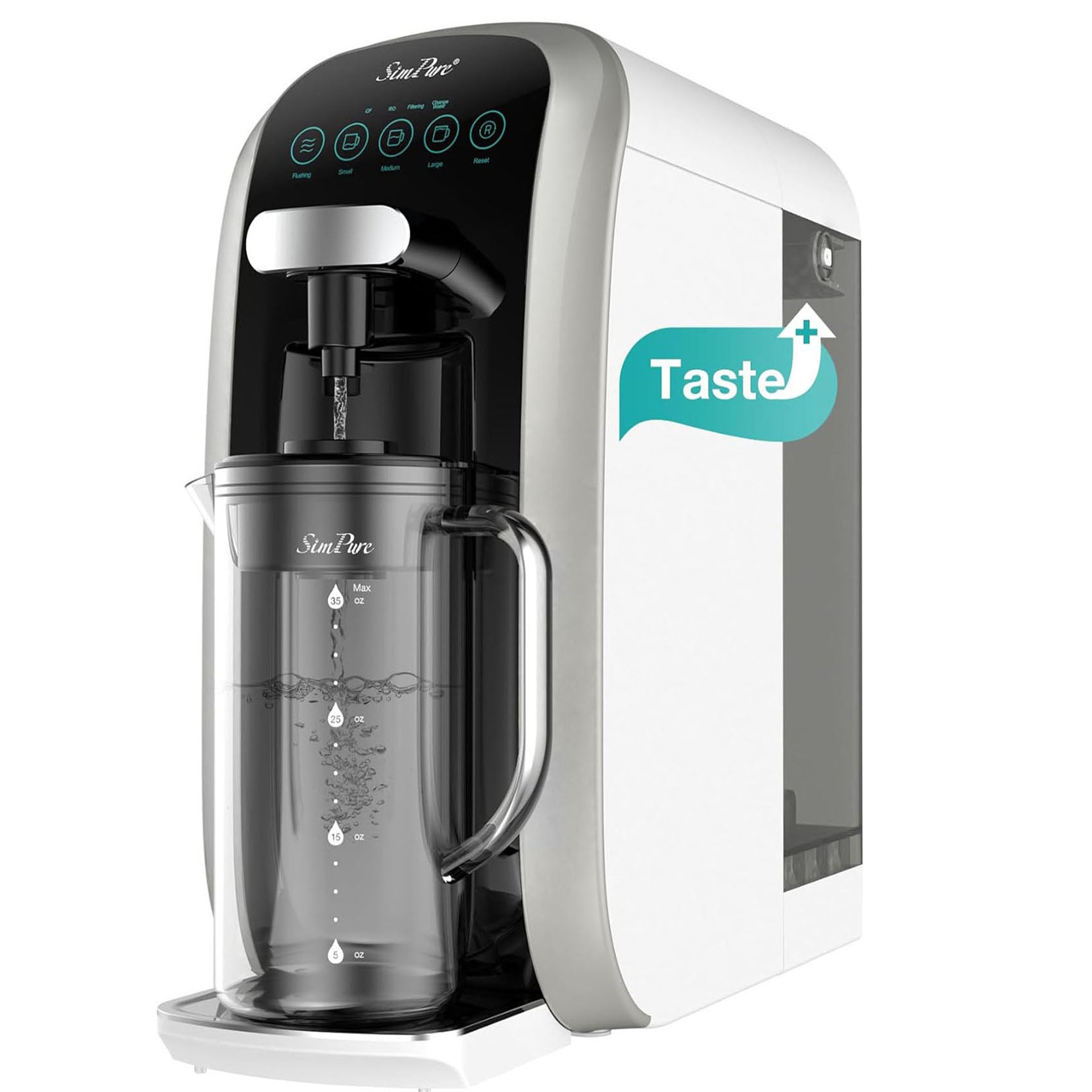
Pour-over is all about clarity and precision. Waiting for a kettle to hit the exact degree for a light roast can be a bottleneck in your morning flow. This is where an integrated station changes the game.

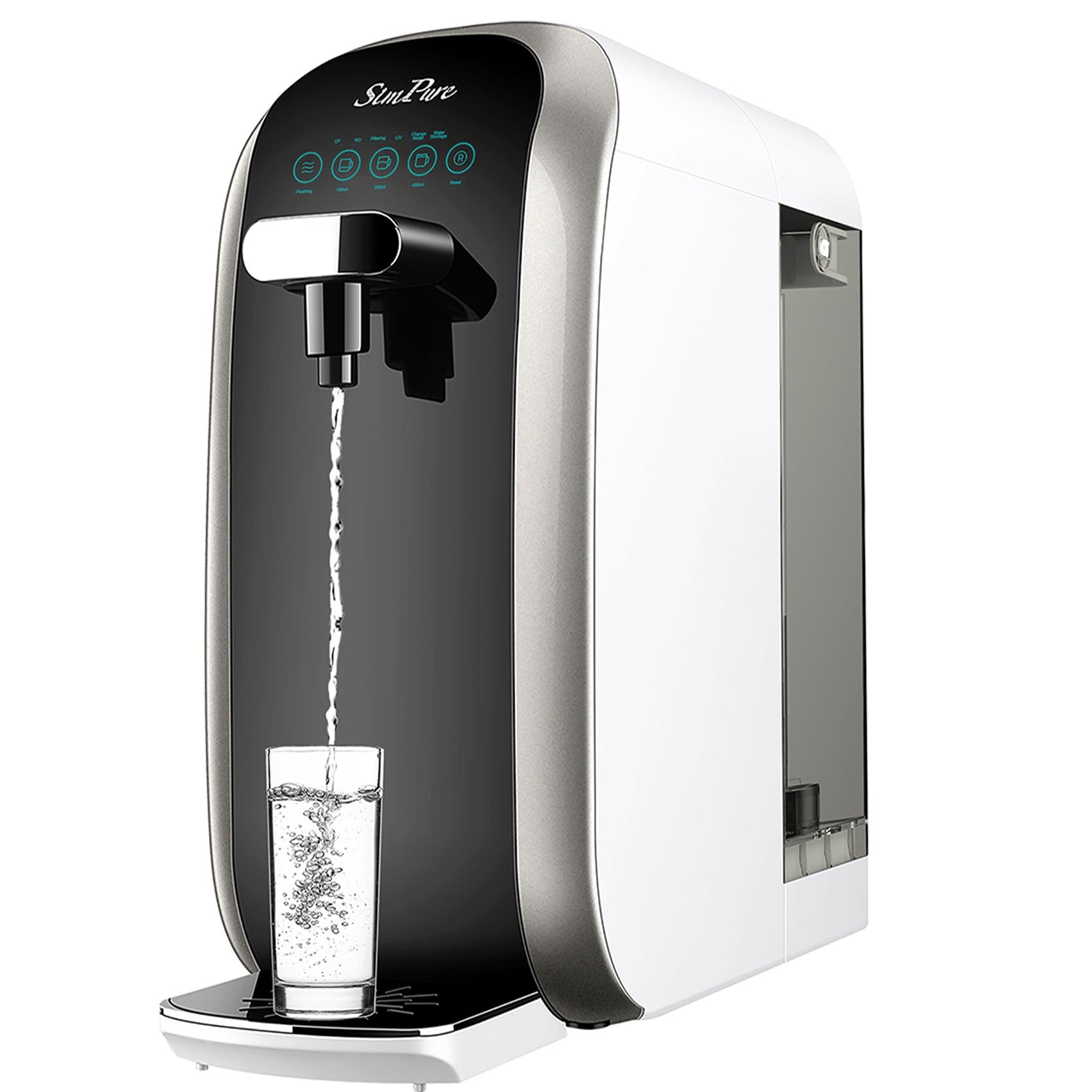
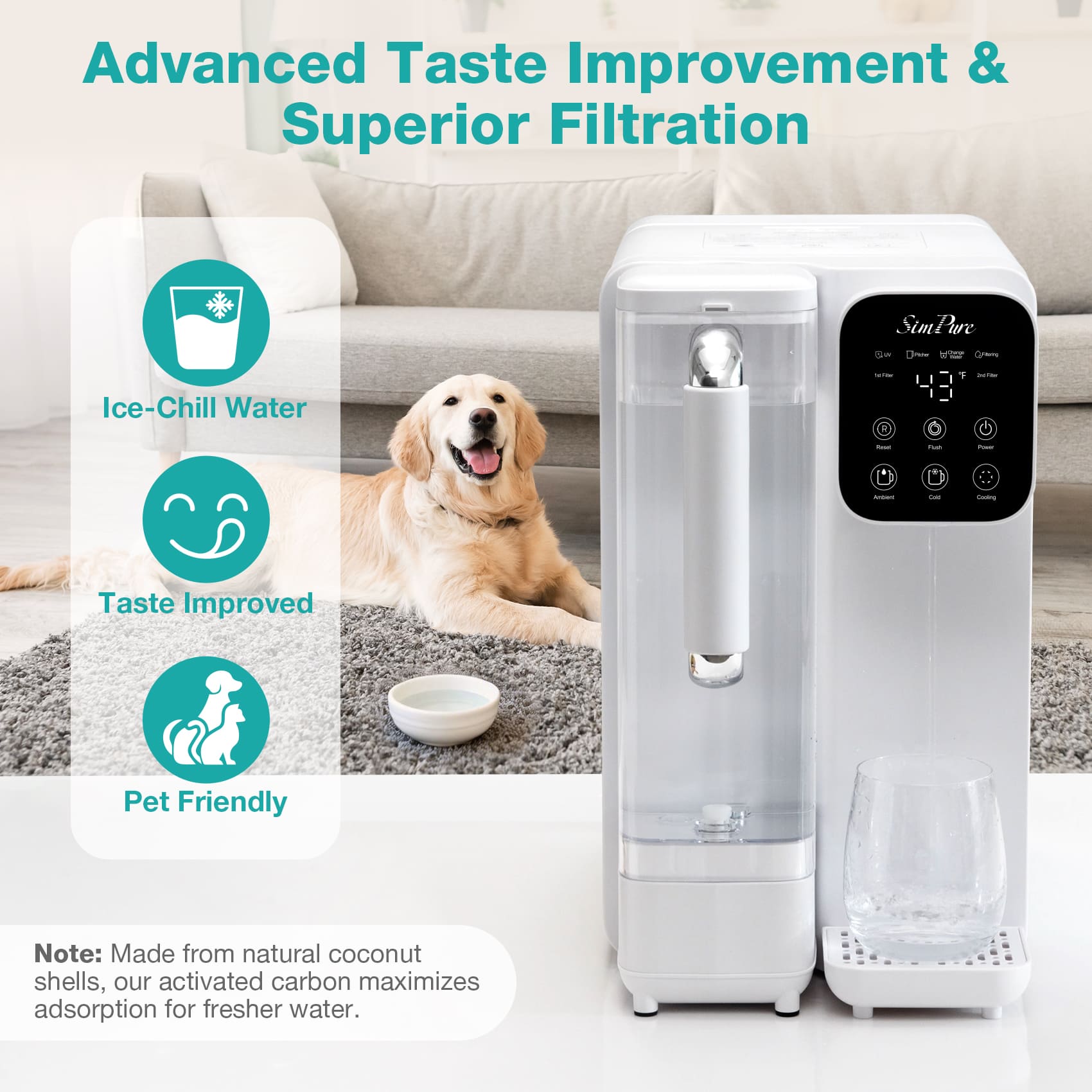
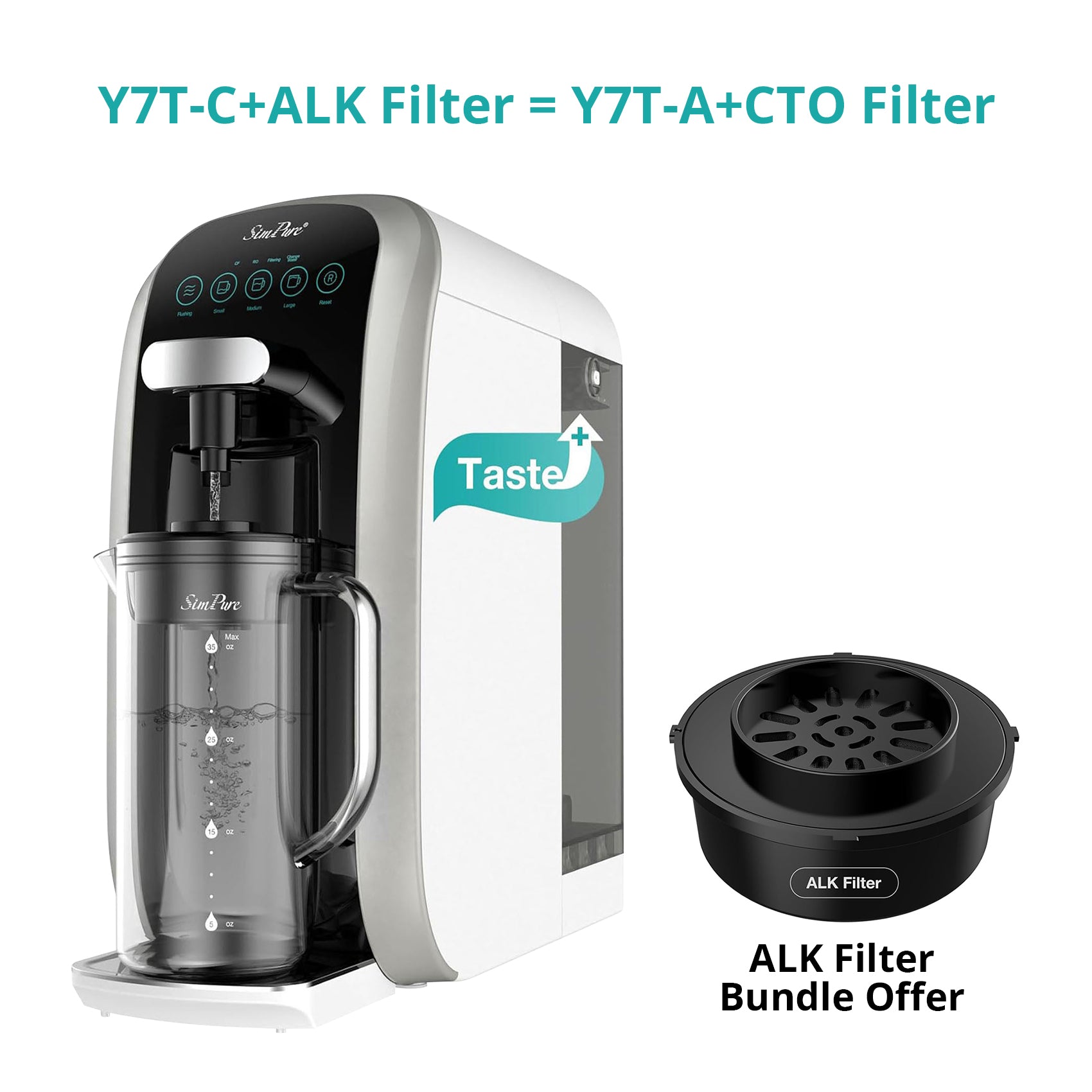
Precision water, instantly. The Y10H delivers RO-filtered water at your exact required temperature, letting you skip the kettle and go straight to the bloom without losing extraction accuracy.
View Setup Details →The Setup for Espresso & Cold Brew Lovers
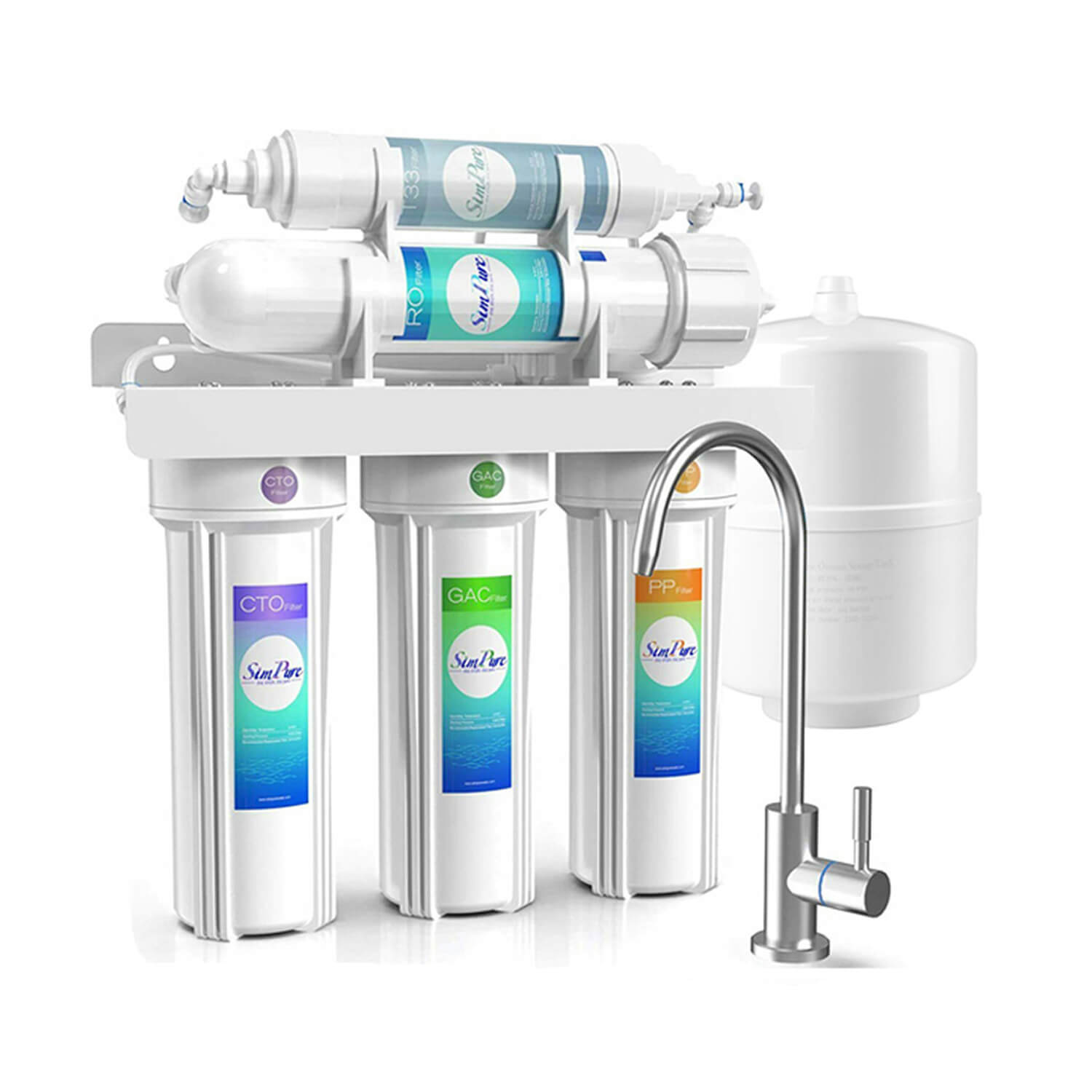
Espresso needs boiler protection, while Cold Brew shines with a slightly alkaline profile to round out the long extraction. Matching your water to these specific needs is how you get professional results at home.
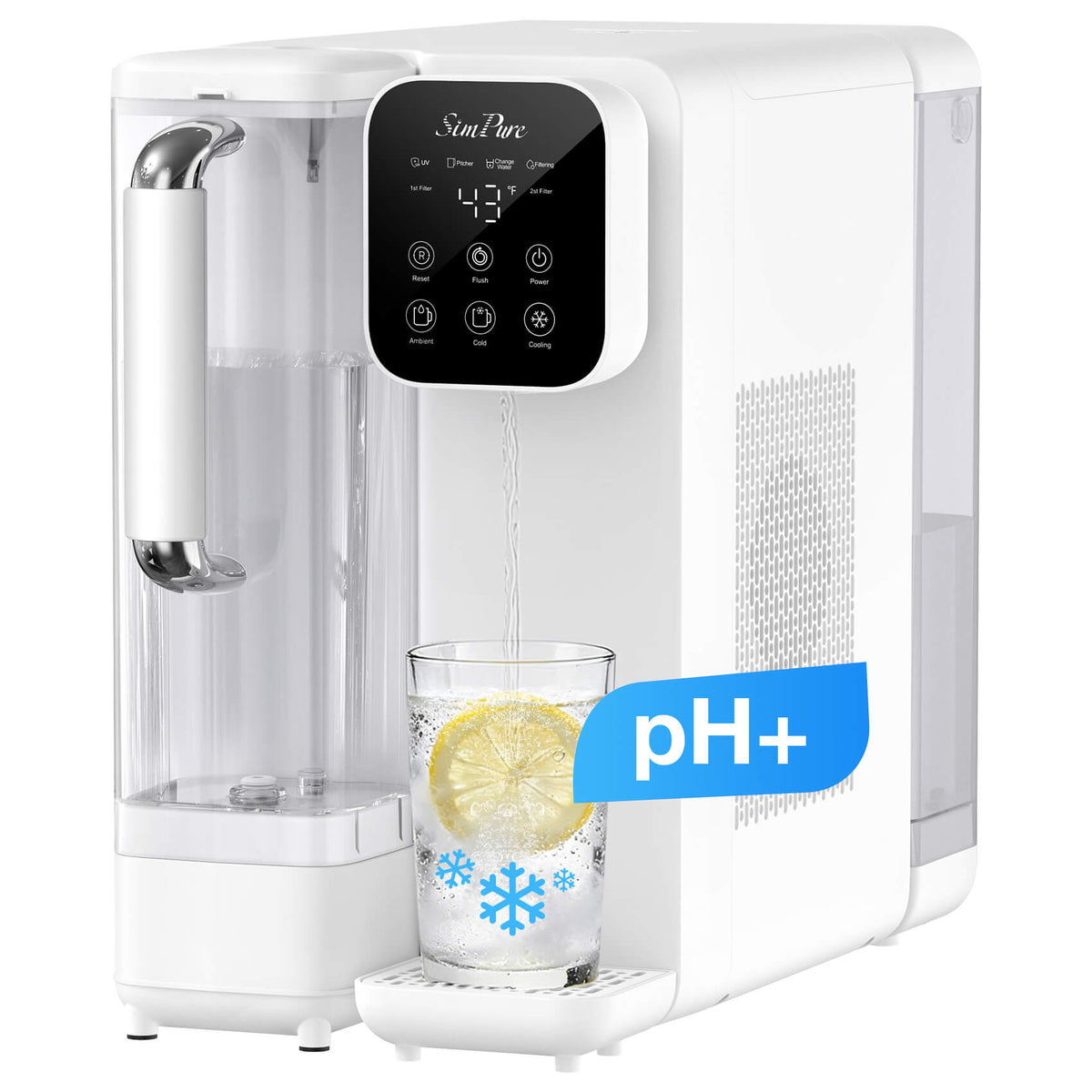
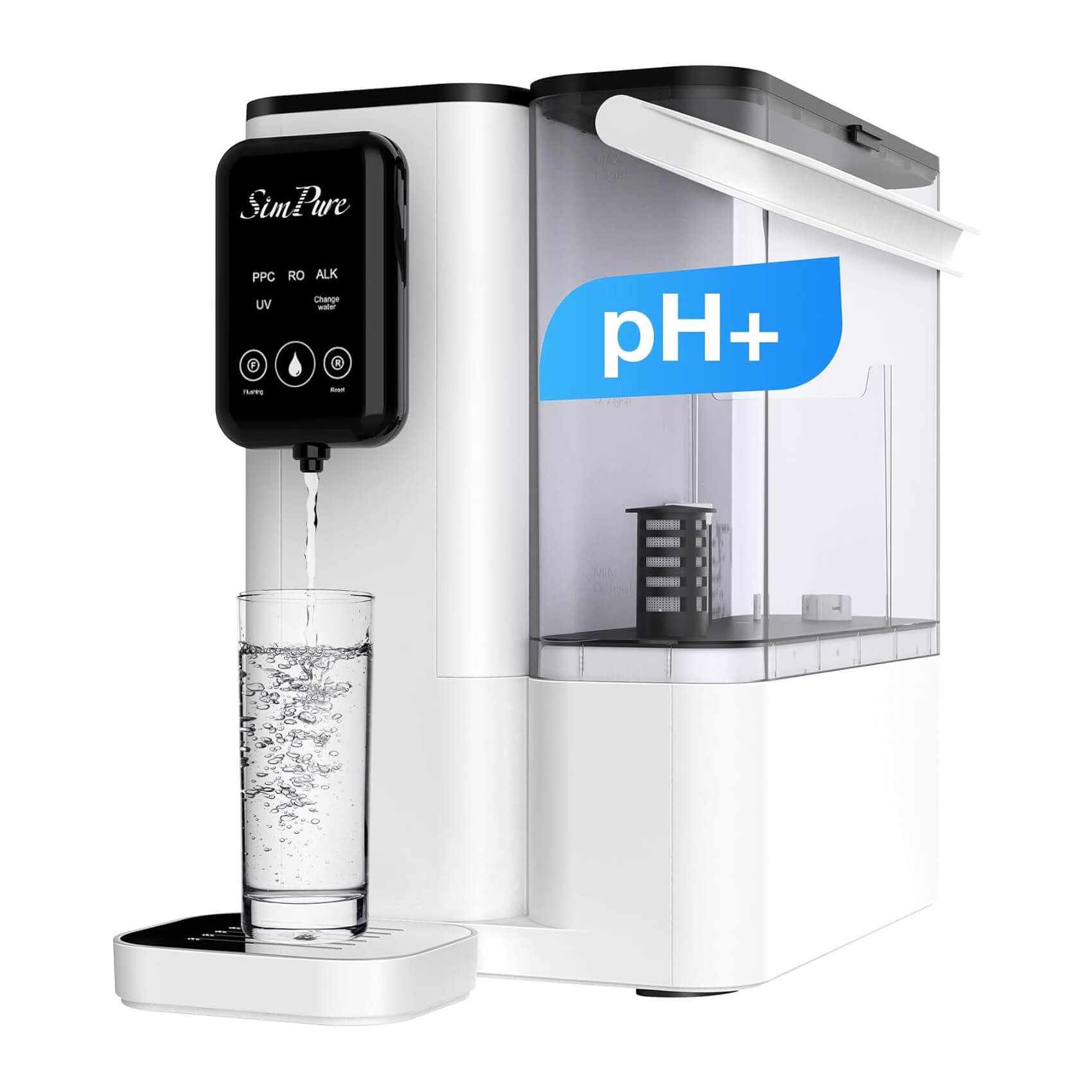
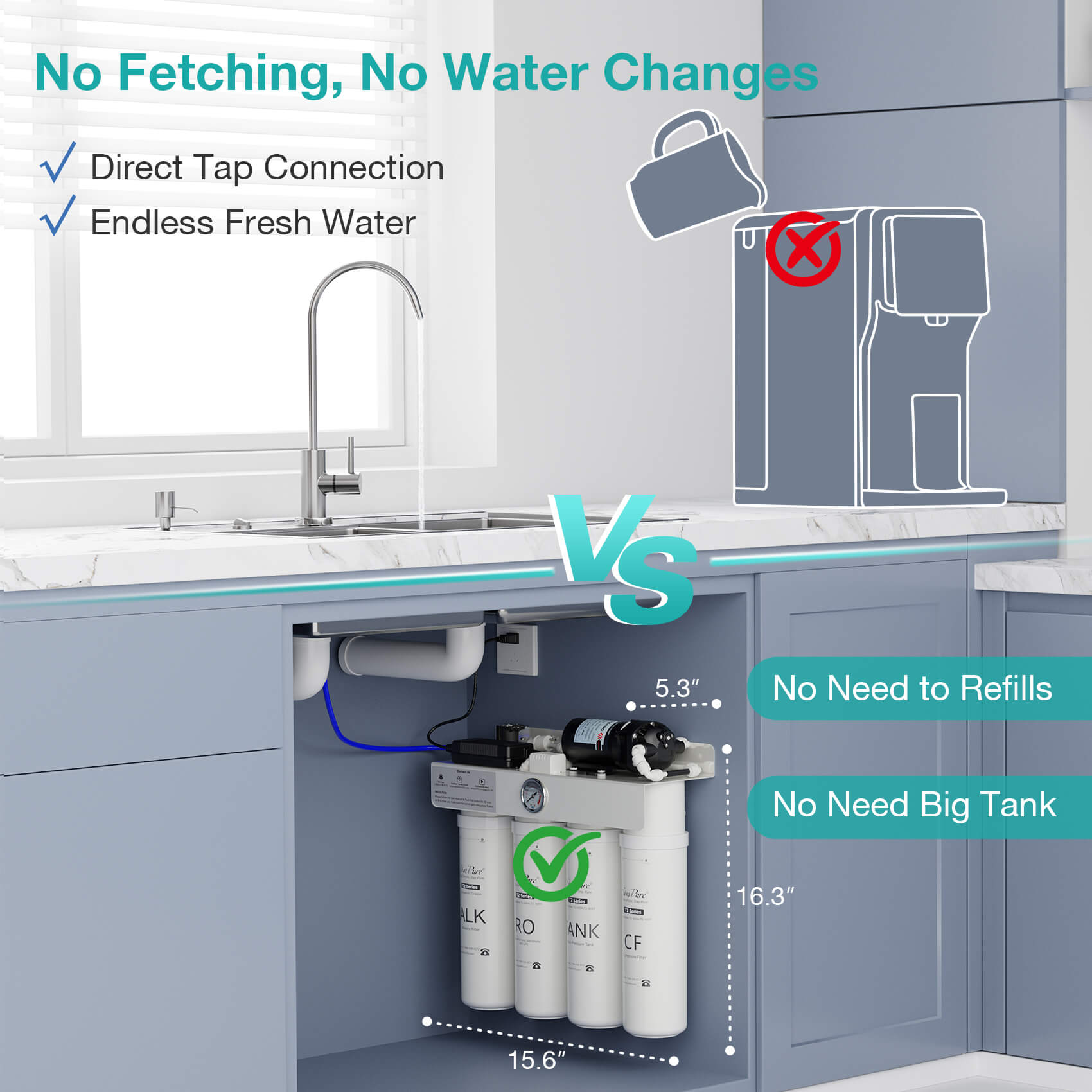
The specialist for espresso and cold extraction. This system provides chilled, refined water that boosts mouthfeel while keeping your internal machine parts pristine.
View Setup Details →The Little Things: Small Tweaks for a Cleaner Cup
- Rinse your filters: Always use refined hot water to wash away that "paper" taste before you add your coffee grounds.
- Watch your TDS: Use your system's display to stay in that 75–150ppm sweet spot. If it drifts, it’s time for a filter change.
- Freshness matters: Avoid using water that’s been sitting in a kettle. Freshly oxygenated water makes for a more vibrant extraction.
Coffee Water Science & Maintenance FAQ
Your beans have a story to tell. Don't let your tap water drown it out.
Explore Coffee-Ready Water Systems →