
Is Reverse Osmosis Water Safe for Dogs?
Most dog owners don’t think twice when they fill up a bowl of water.
It’s usually just part of the routine—food, walk, water, sleep.
But sometimes a simple question shows up in a very ordinary moment.
Like when you’re changing the water bowl and suddenly think:
Is reverse osmosis water actually safe for dogs?
It sounds like a technical question, but most people don’t ask it because they’re worried about chemistry.
They ask it because they care about their dog.
Why this question comes up more often now
Pet care has changed a lot in the last few years.
Dogs are no longer just “pets” for most families.
They’re part of daily life.
They sleep in the same rooms, travel with us, and sometimes eat better than we do.
So naturally, people start paying attention to details they ignored before.
Water is one of those details.
Especially when you start filtering your own drinking water at home, it’s normal to wonder:
If I’m drinking RO water, should my dog also drink it?
So… can dogs drink reverse osmosis water?
Yes, in most cases, reverse osmosis water is safe for dogs.
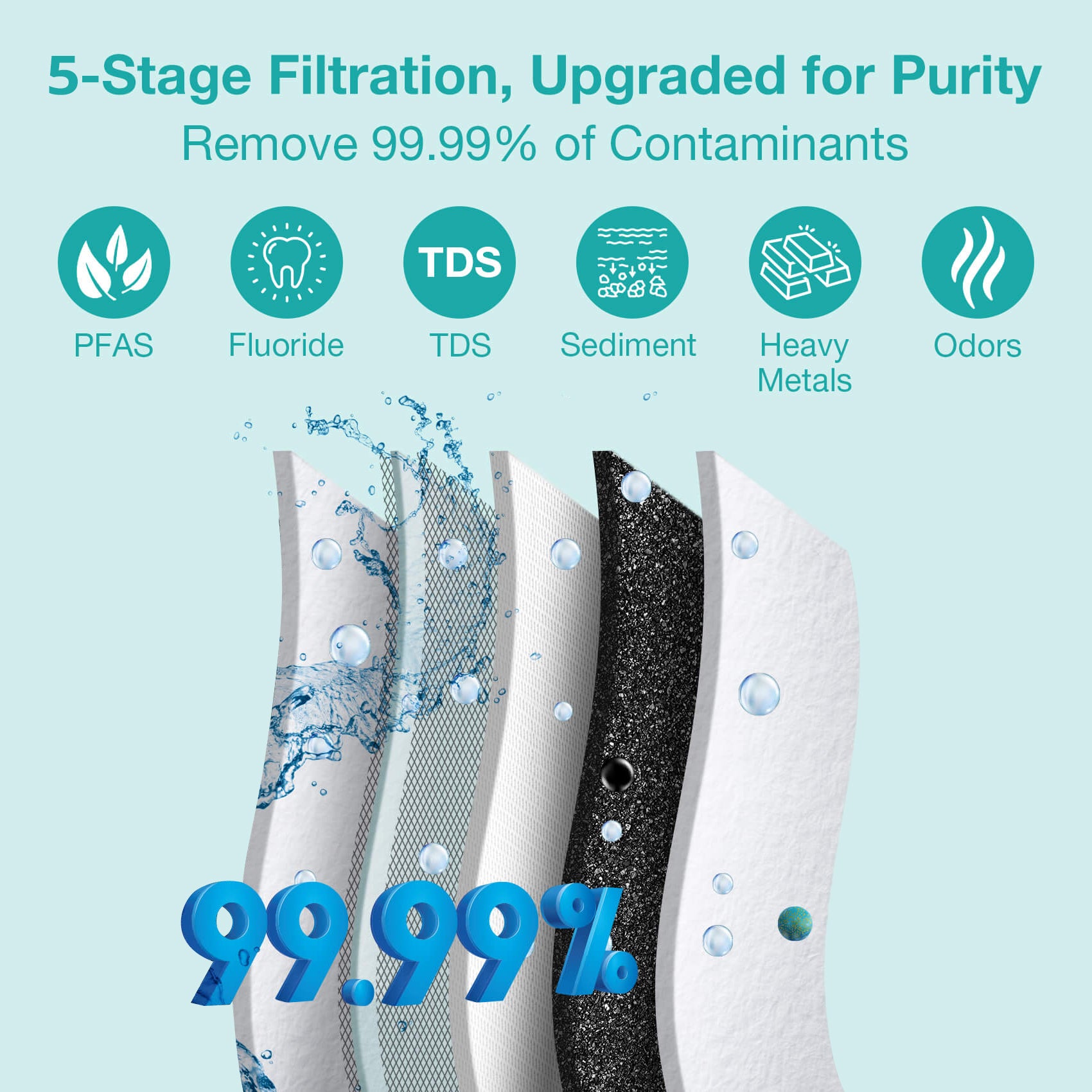
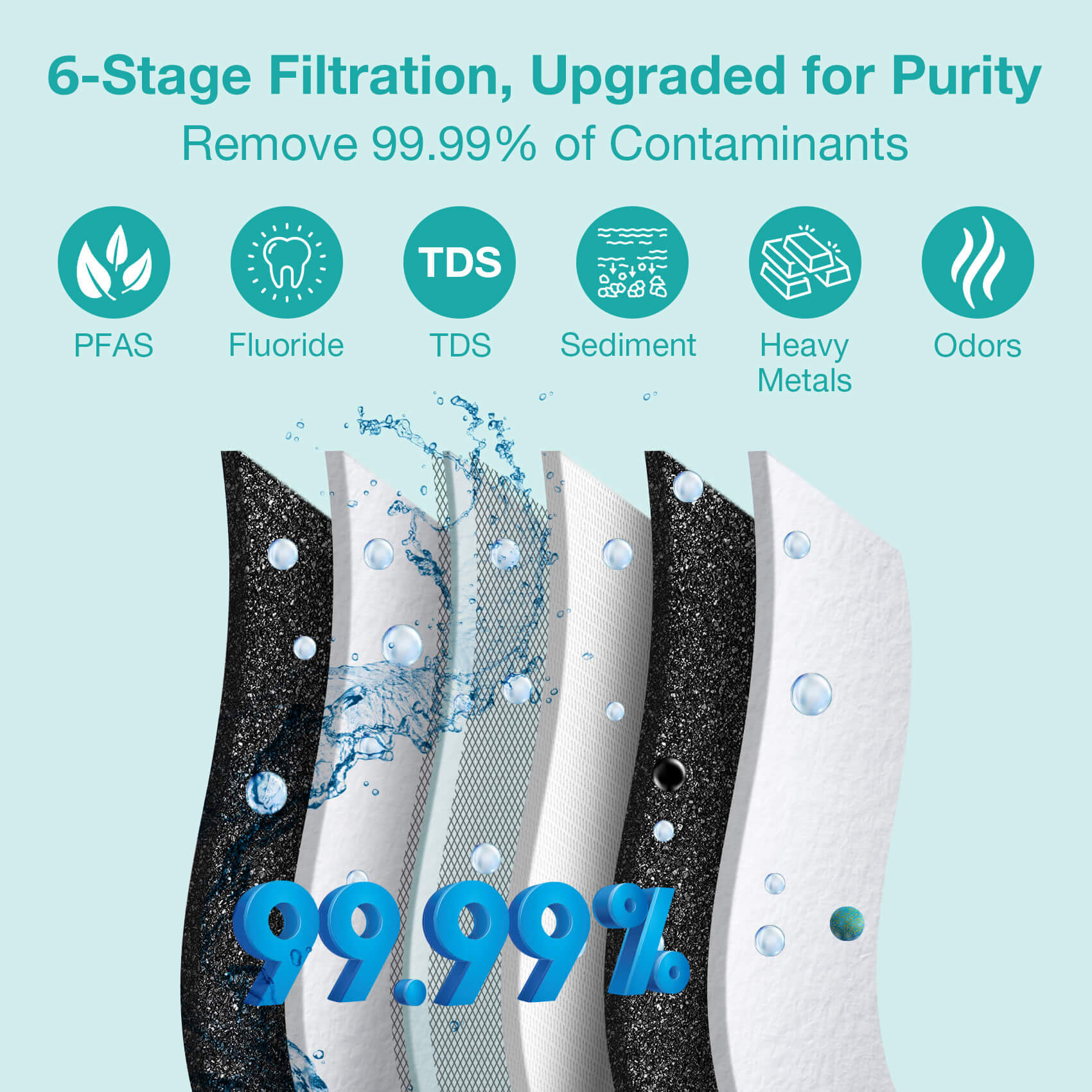
RO water is simply water that has been filtered through a very fine membrane that reduces many dissolved substances such as chlorine, heavy metals, and other impurities commonly found in tap water.
What remains is clean, neutral-tasting water.
Dogs can drink it just fine.
In fact, many pets around the world already do—without any issues.
But like most things in pet care, the full answer depends on balance, not extremes.
The real concern: minerals
This is where most of the confusion starts.
People hear:
“RO water removes minerals.”
And then immediately wonder if that’s bad for dogs.
Here’s the simple version:
Dogs do get some minerals from water, but not nearly enough for it to be their primary source.
Most of their nutrition comes from dog food.
Good-quality pet food already contains essential minerals like calcium, potassium, and magnesium.
So even if the water is filtered, it’s not replacing their nutritional intake.
Water is mainly about hydration, not nutrition.
Tap water vs RO water for dogs
Tap water is generally safe in many cities.
It’s treated and regulated.
Most dogs drink it their entire lives without issues.
But pet owners sometimes start noticing small things:
-
chlorine smell
-
changes in taste depending on location
-
old plumbing in certain homes
-
sensitivity in some dogs (stomach or digestion changes)
Not every dog reacts the same way.
Some are completely fine with anything.
Others are a bit more sensitive.
So switching to filtered water is often less about “fixing a problem” and more about reducing unknowns.
What about bottled water for dogs?
Bottled water seems like an easy option.
Just open and pour.
But for daily use, it’s not always practical:
-
it gets expensive over time
-
storage becomes annoying
-
plastic exposure is not ideal for long-term routine
-
not all bottled water is better than tap
For most pet owners, bottled water ends up being a temporary solution rather than a lifestyle choice.
Why many pet owners switch to filtered water at home
At some point, convenience becomes the deciding factor.
Nobody wants to overthink a water bowl every day.
That’s why home filtration systems have quietly become more common in pet-friendly households.
It’s not really about “premium water.”
It’s about consistency.
Same water every day. No guessing.
And that’s usually better for both pets and owners.
Where reverse osmosis fits in
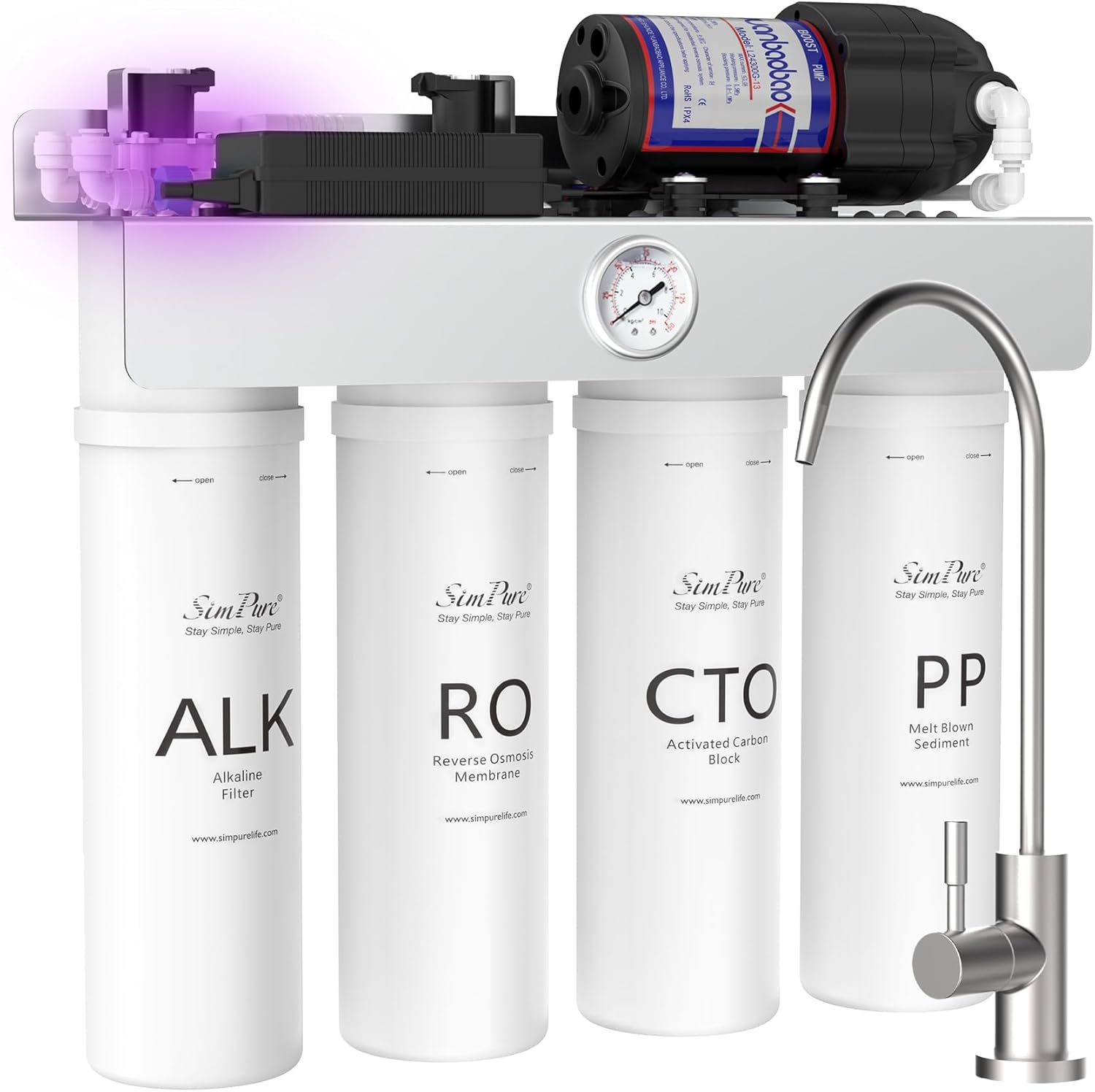
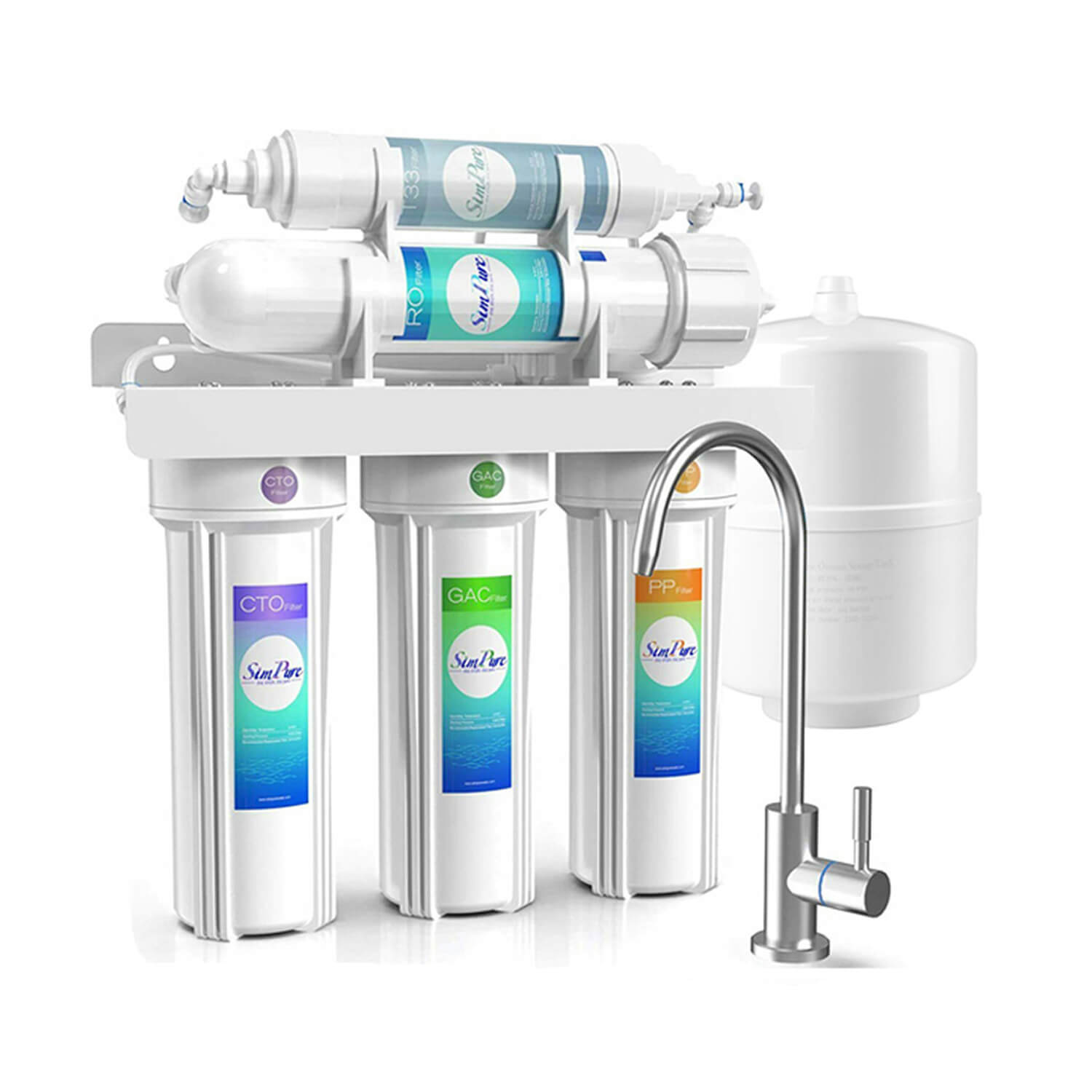
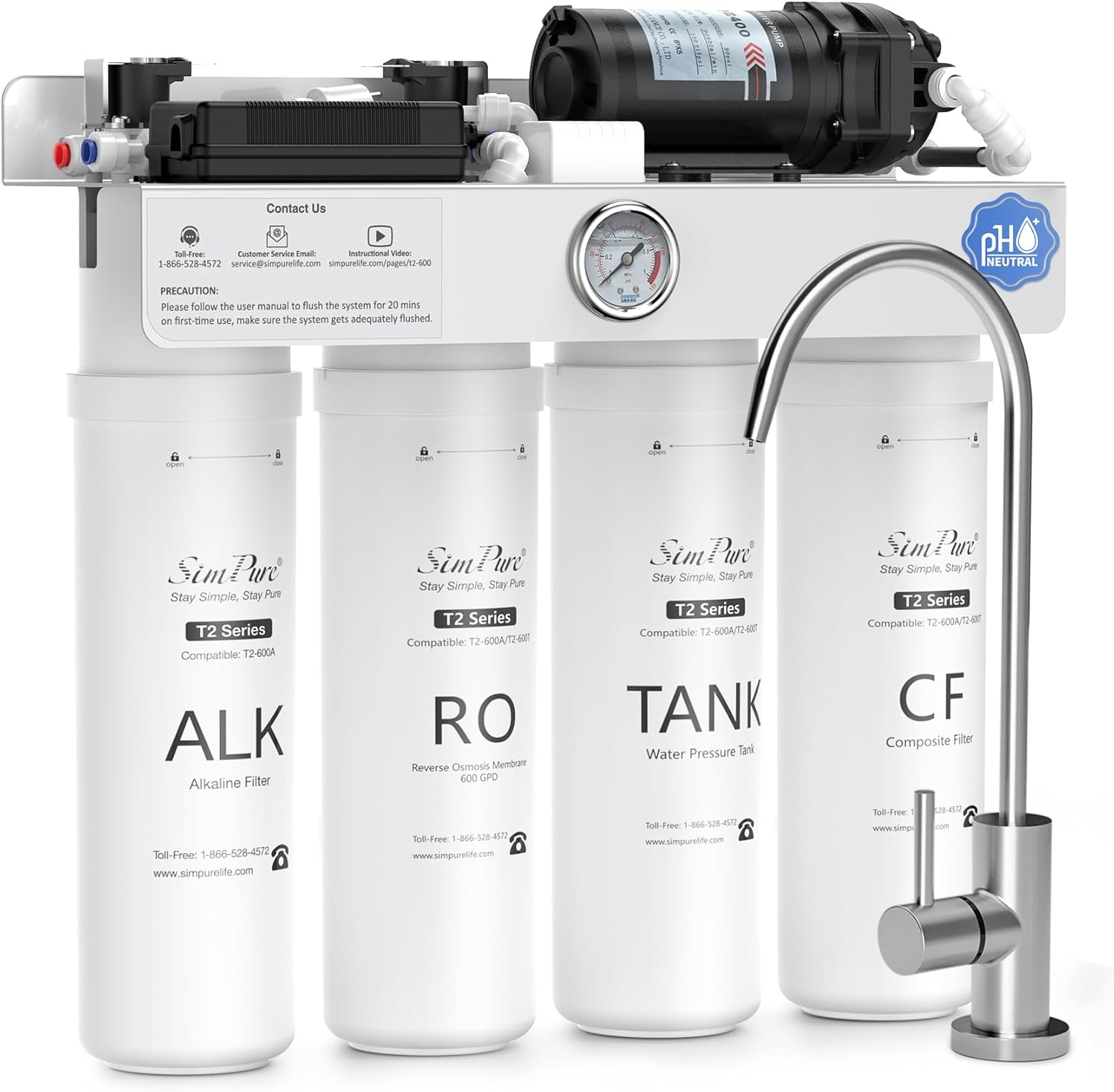
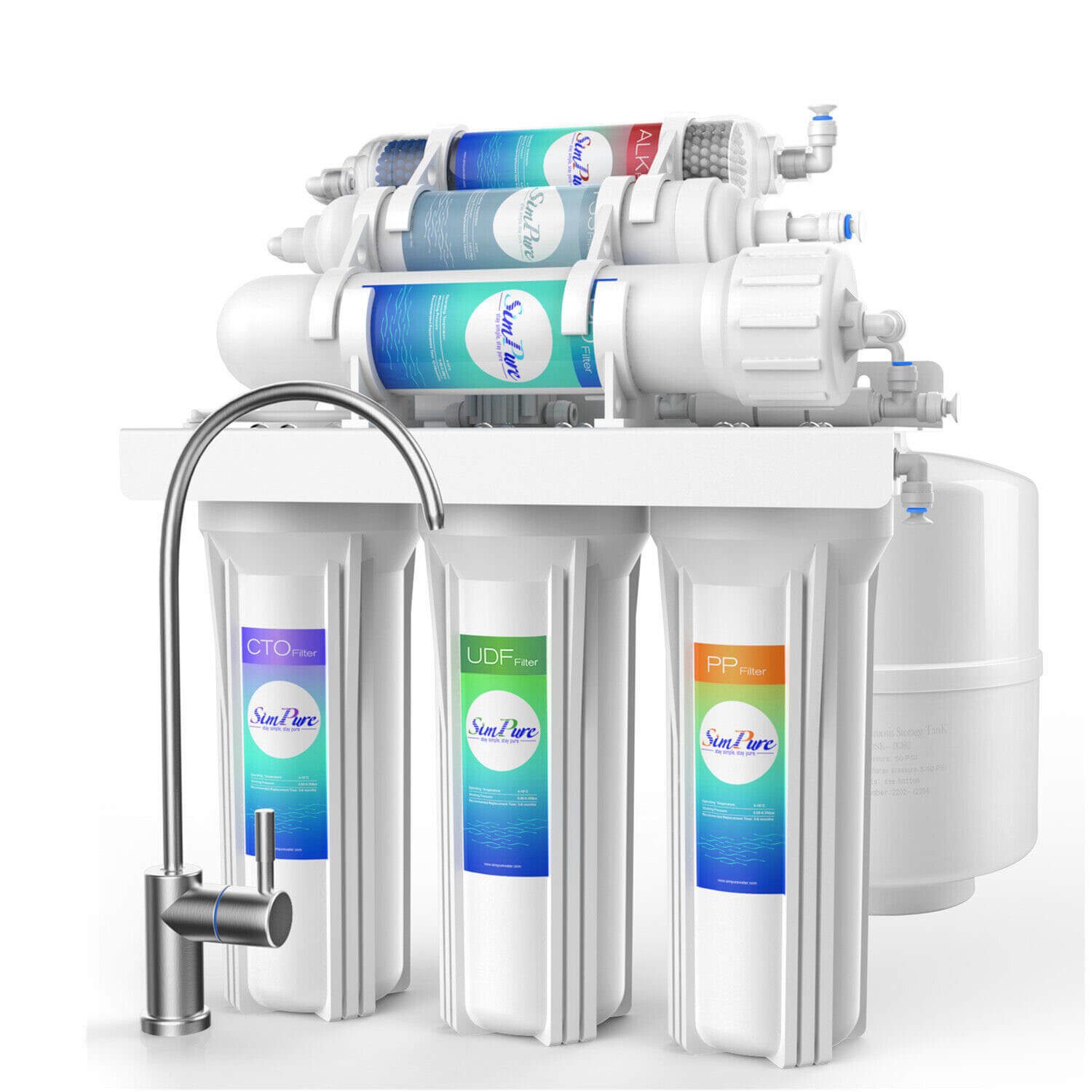
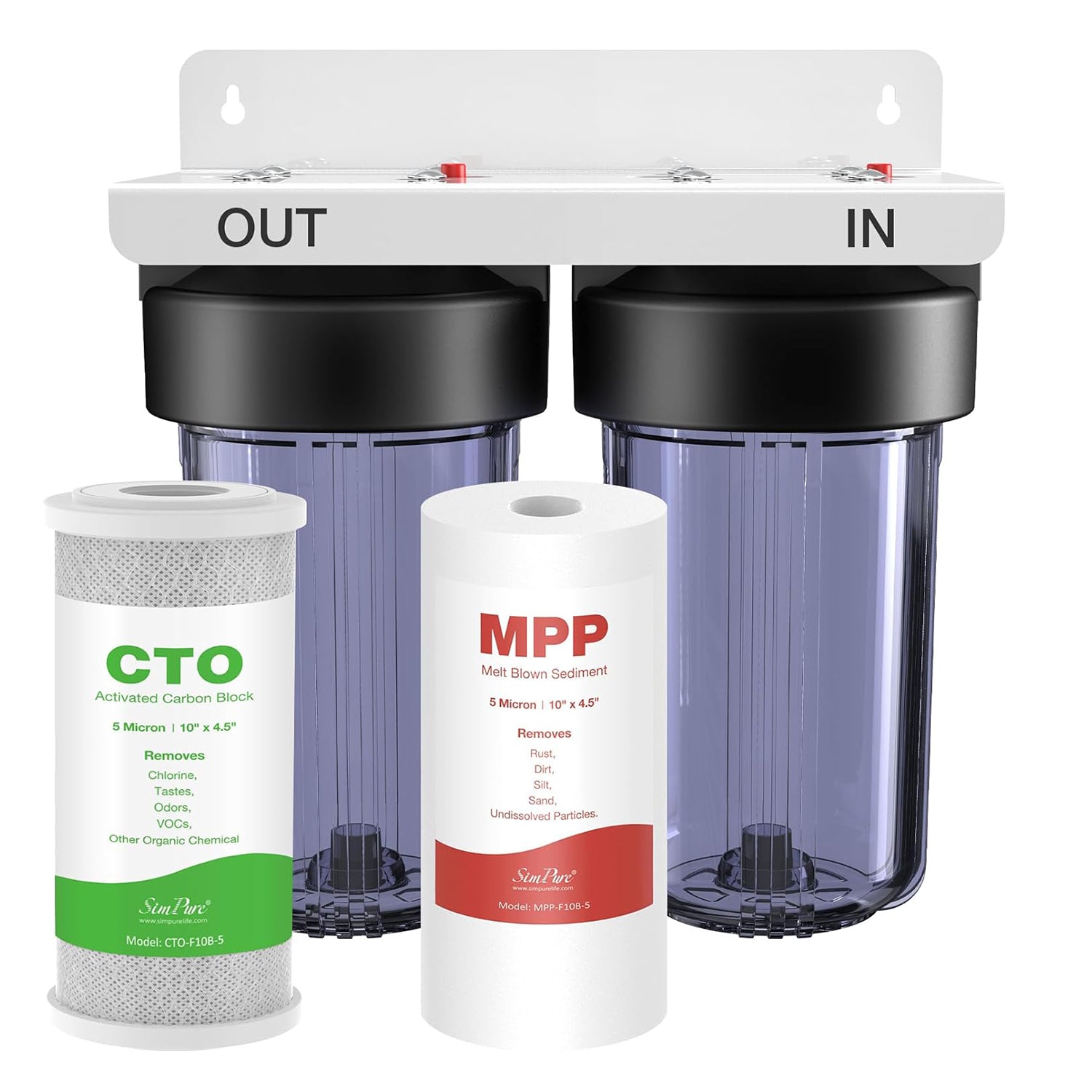
Reverse osmosis systems are popular because they provide a stable level of filtration.
They reduce many common contaminants found in household water, and the result is clean, neutral water that works for both humans and pets.
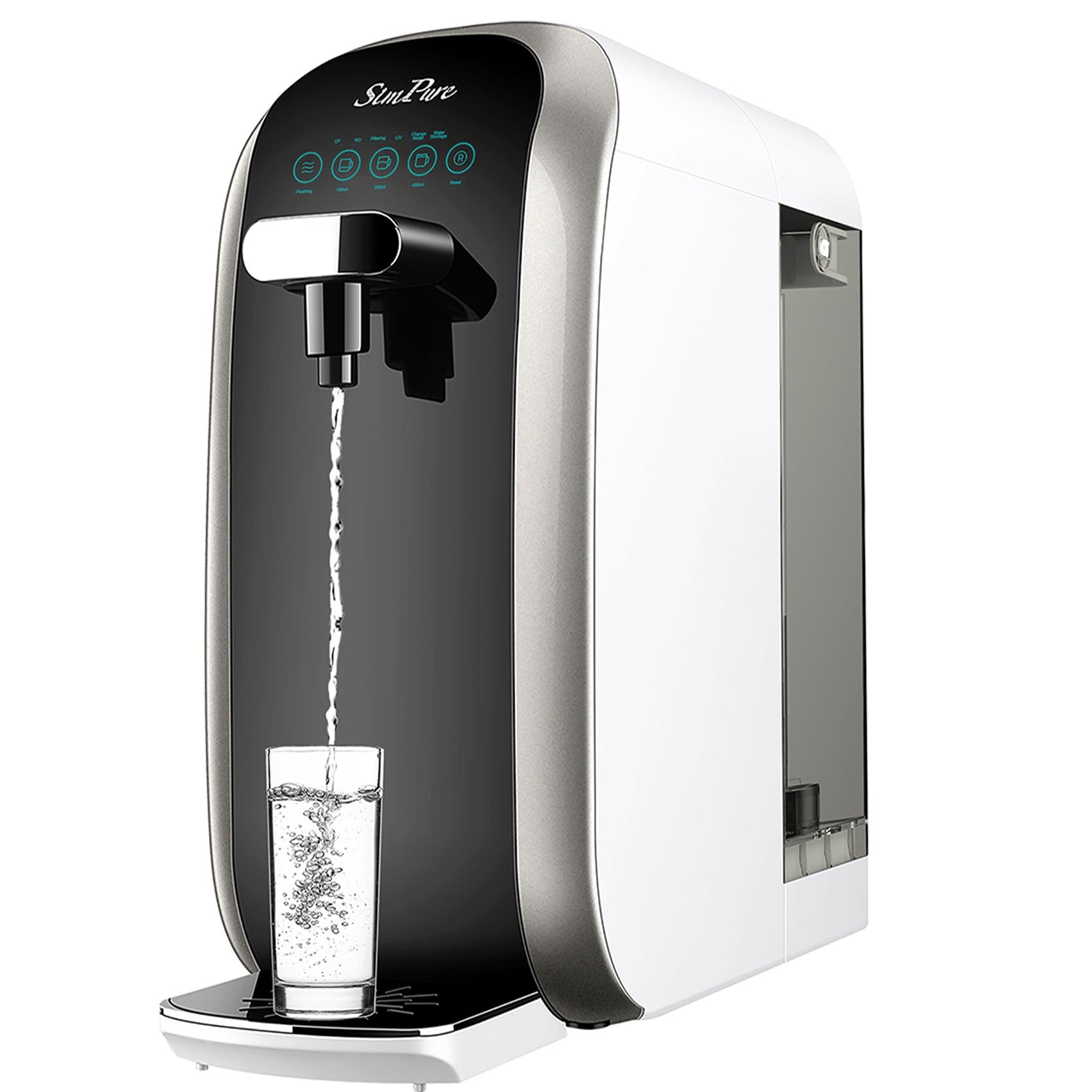
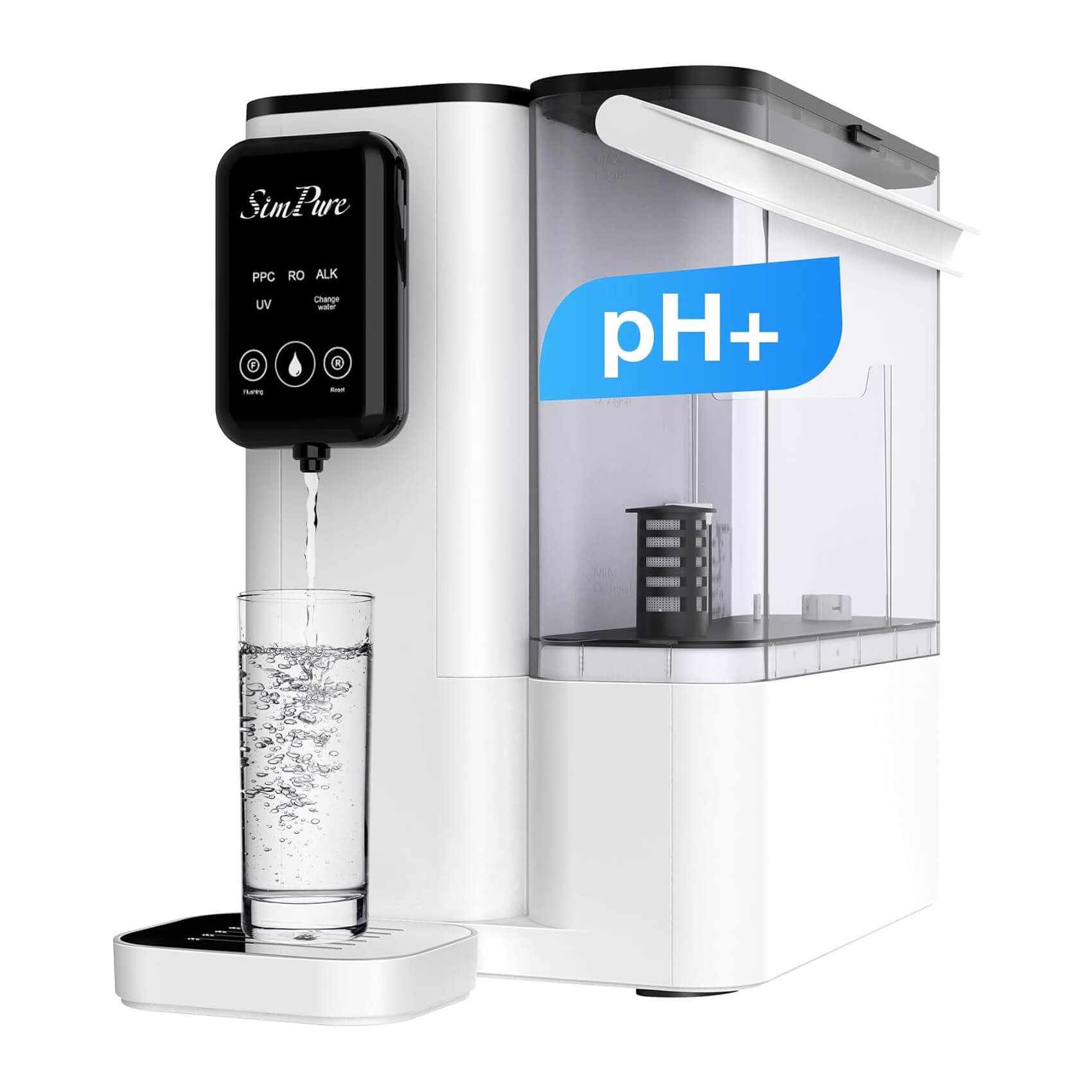
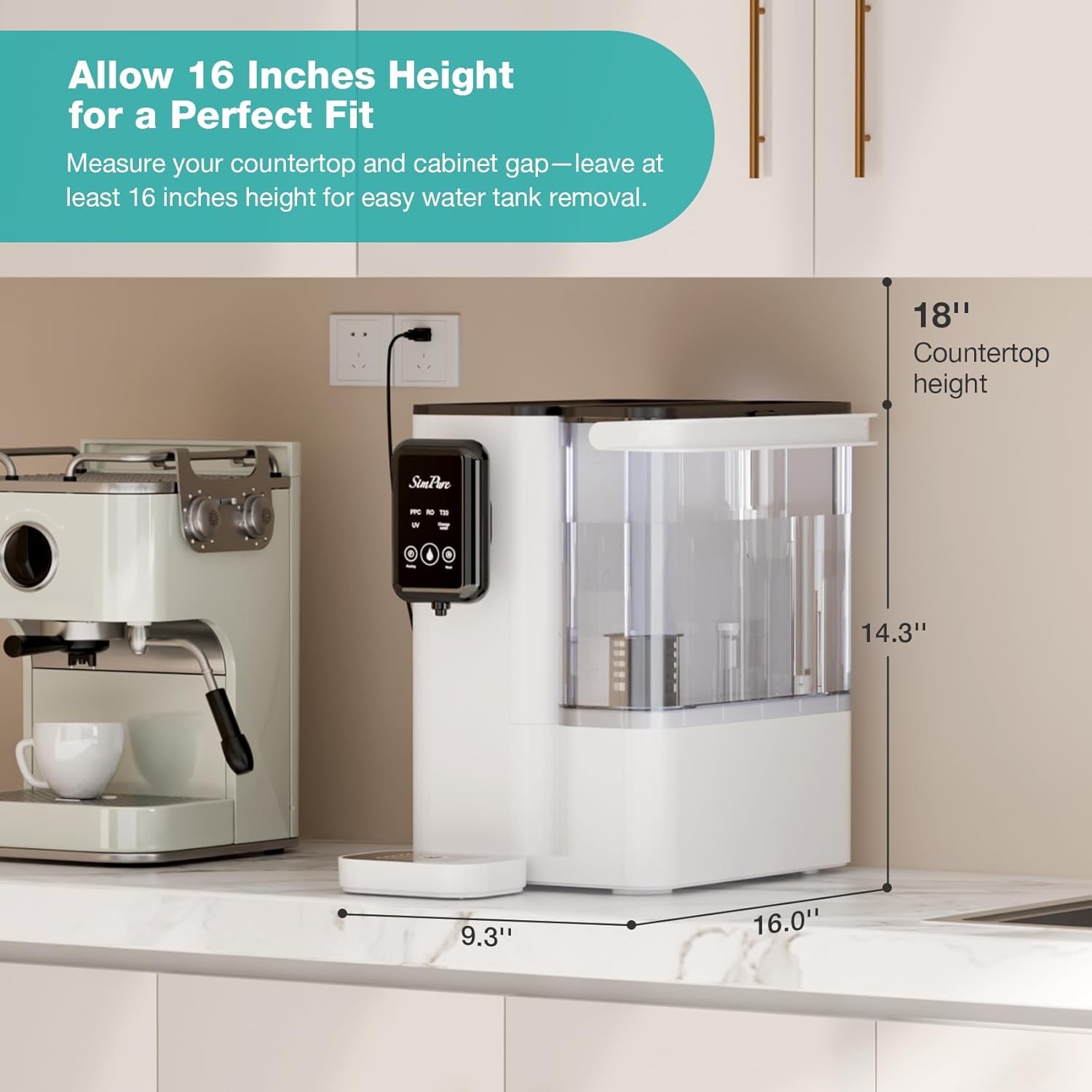
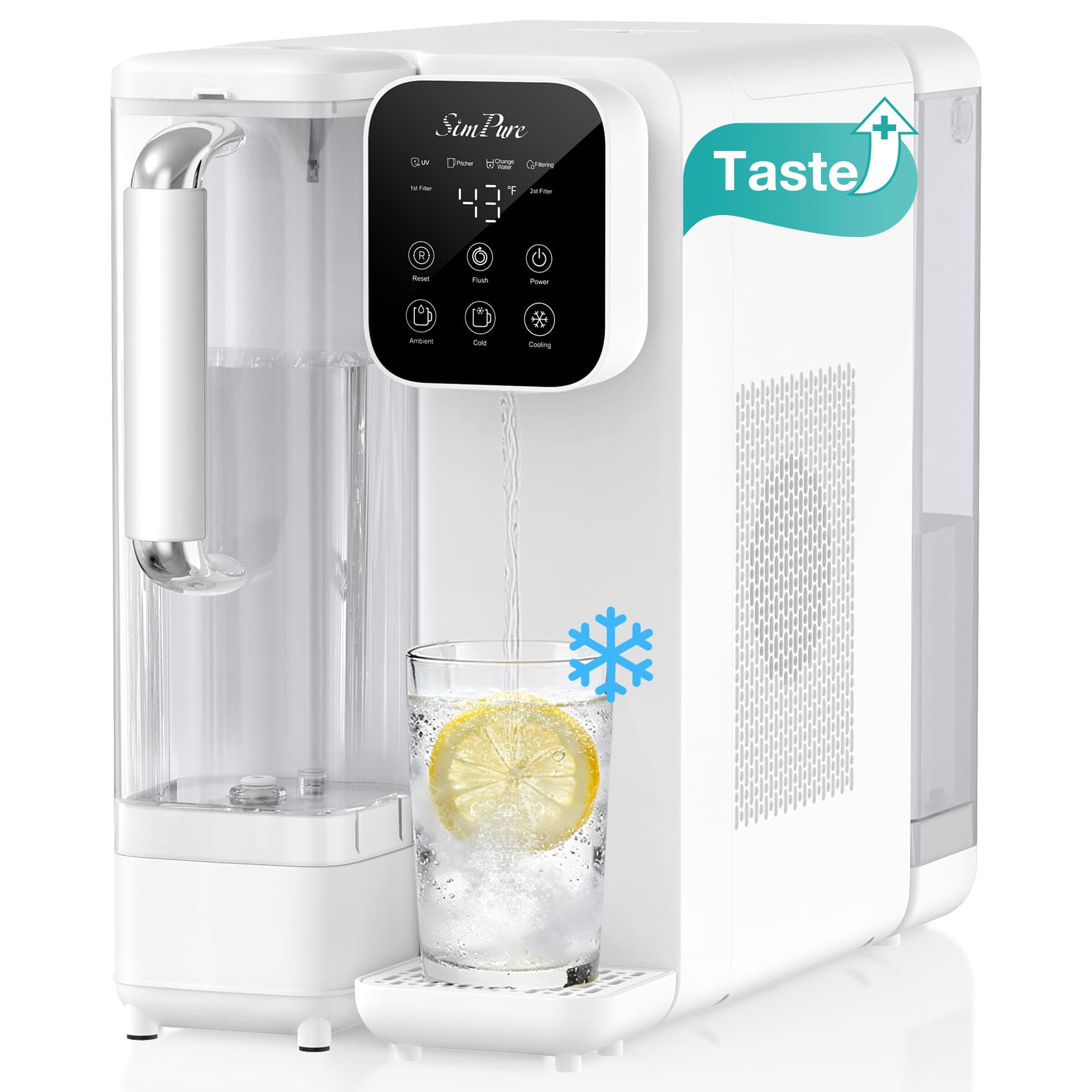
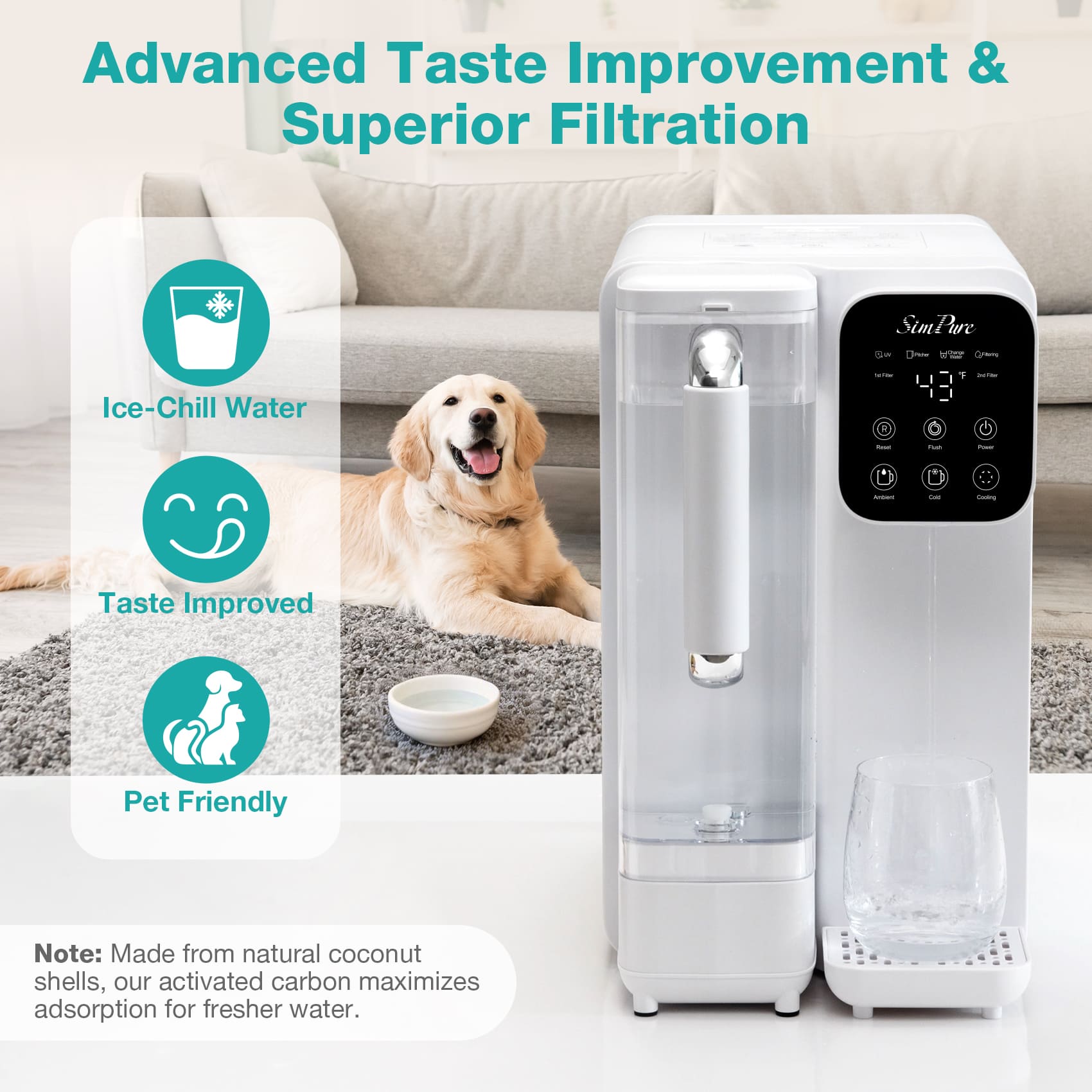
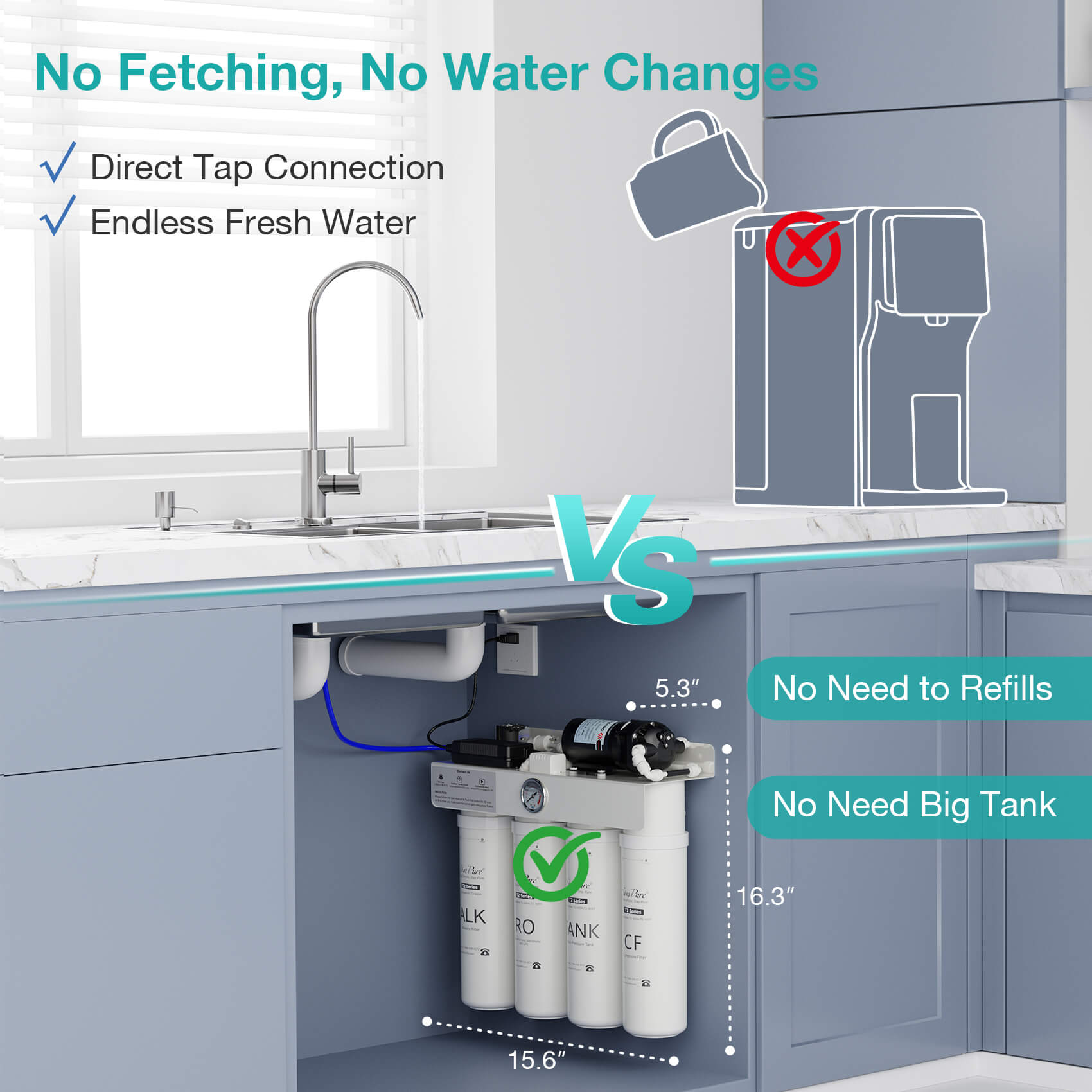
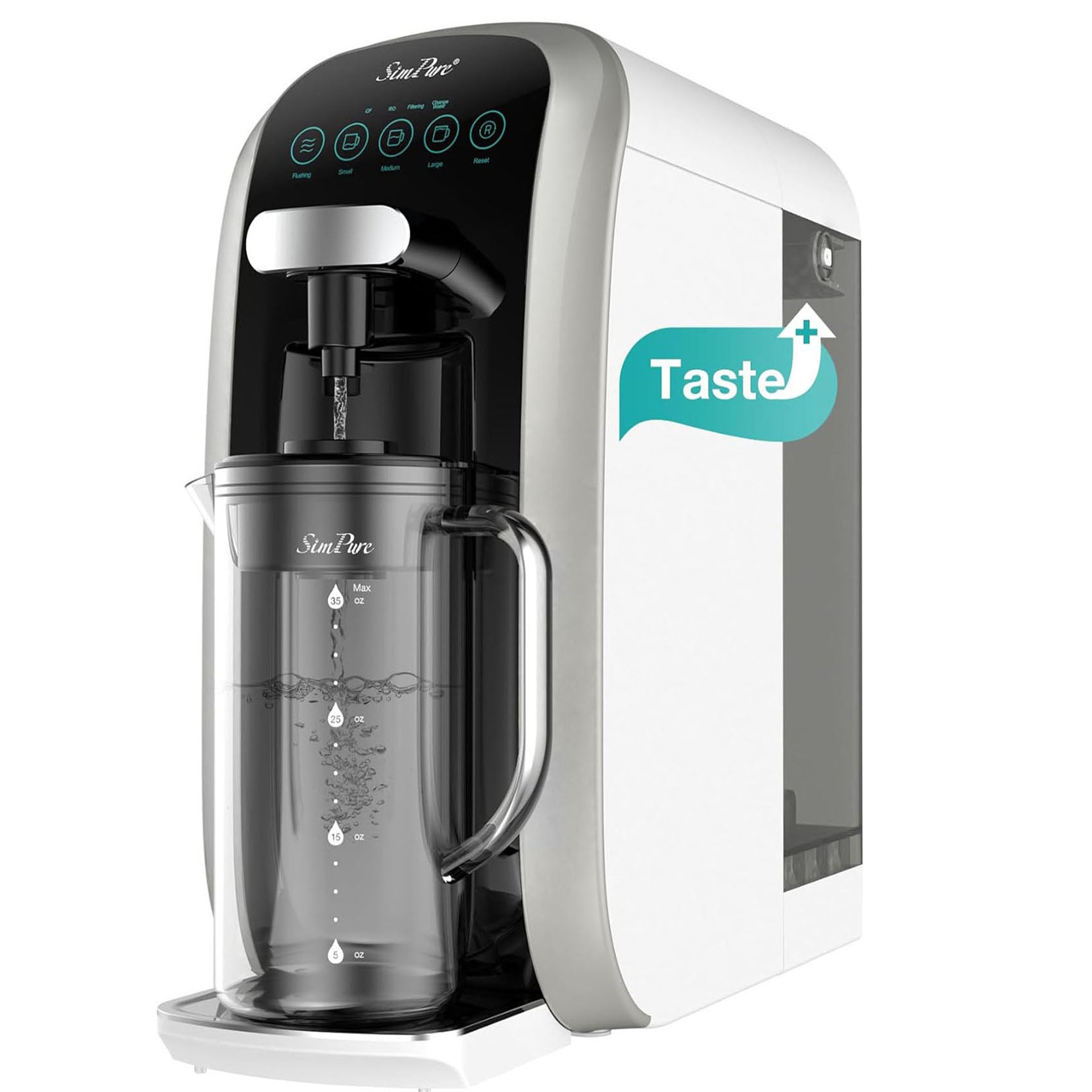
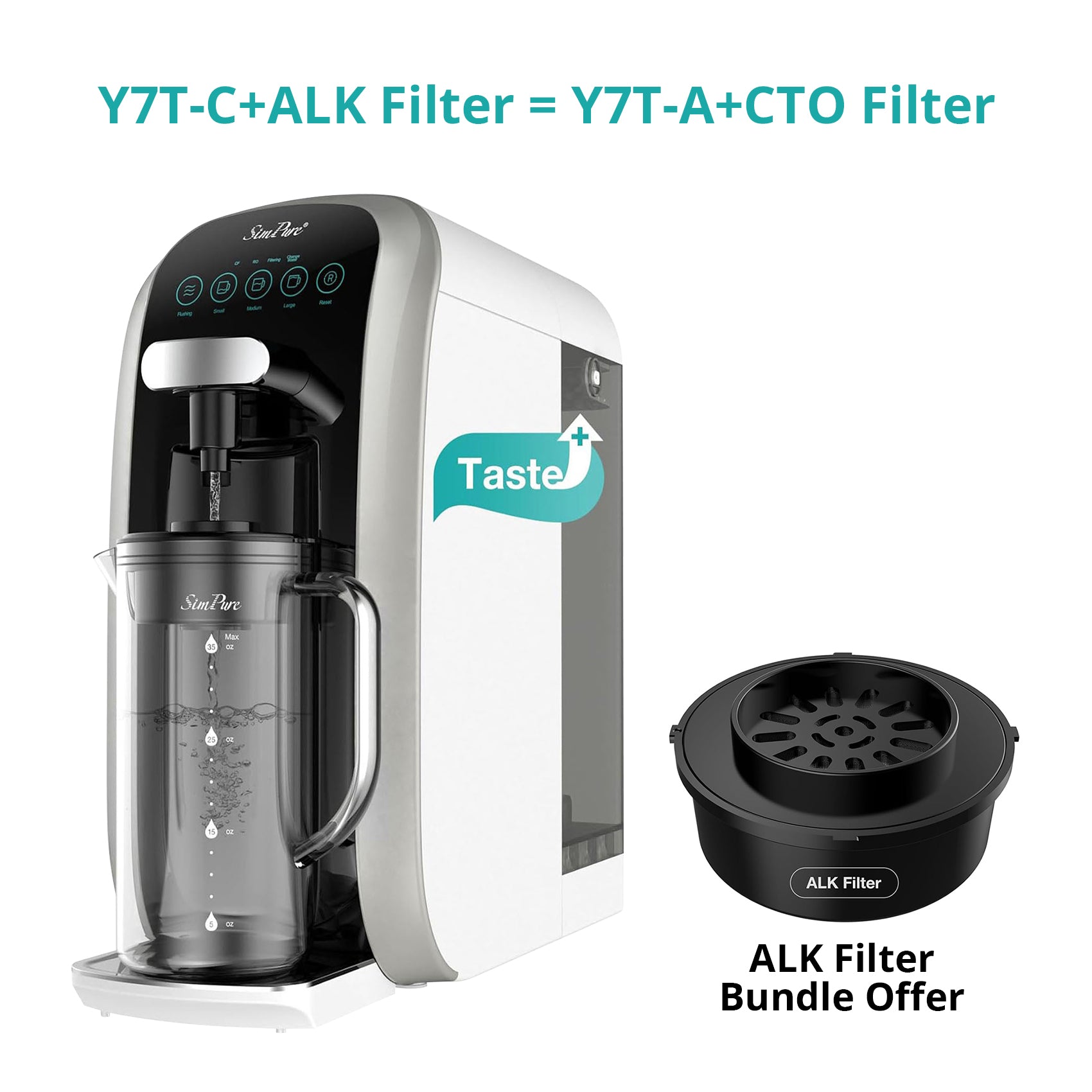
Some families use countertop RO systems because they don’t require installation or plumbing changes.
You just fill, filter, and use it.
Brands like SimPure focus on this kind of setup—simple systems that fit into daily routines without turning into a project.
For pet owners, that simplicity matters more than technical specs.
Because nobody wants to think about filtration every time they refill a dog bowl.
One thing most vets would agree on
If you talk to most veterinarians, you’ll hear something surprisingly simple:
Dogs don’t need “special water.”
They need:
-
clean water
-
consistent access
-
and hydration throughout the day
Everything else is secondary.
So whether it’s tap, filtered, or RO, the most important thing is that your dog drinks enough water regularly.
When RO water might be especially useful
There are a few situations where pet owners tend to prefer RO water:
-
old plumbing in the home
-
noticeable chlorine taste in tap water
-
sensitive dogs with digestion issues
-
multi-pet households where consistency matters
-
owners already using RO water themselves
In these cases, using the same water for both humans and pets just feels simpler.
A small but real-life observation
Many pet owners don’t switch water because of science.
They switch because of routine.
Once you already have filtered water in your kitchen, it becomes natural to pour the same water into your dog’s bowl.
Not because you’re trying to optimize their health to the extreme, but because it removes one more decision from your day.
And pet care, at its core, is full of small daily routines.
FAQ
Can dogs drink reverse osmosis water every day?
Yes. RO water is generally safe for daily hydration in dogs.
Does RO water remove too many minerals for dogs?
Not in a meaningful way. Dogs get essential minerals from their regular food, not water.
Is RO water better than tap water for dogs?
It depends on your local water quality and your dog’s sensitivity. Both can be fine.
Final thoughts
So, is reverse osmosis water safe for dogs?
For most pets, yes—it’s completely safe.
But the more honest answer is this:
It’s not really about whether RO water is “better.”
It’s about what feels consistent and reliable in your home.
Dogs don’t need complicated water choices.
They just need a bowl that’s filled, clean, and refilled without thinking too much about it.
And for many households, RO water simply makes that routine easier.