
MiO is a popular water enhancer that adds flavor to plain water without sugar or calories. But is MiO bad for you? With growing concerns about artificial sweeteners and chemical additives, many people are asking whether MiO is safe for regular use. In this article, we’ll break down MiO’s ingredients, its pros and cons, potential side effects, and whether it's harmful to your kidneys, weight loss goals, or overall health.
1. What is MiO and How Does It Work?
MiO is a liquid water enhancer created by Kraft Heinz, first launched in 2011. It’s designed to add flavor to plain water with zero sugar and zero calories. The product comes in small squeeze bottles and includes several varieties like:
- MiO Original – standard flavors
- MiO Energy – with caffeine and B vitamins
- MiO Vitamins – with added vitamins
To use MiO, simply squirt a few drops into water, stir or shake, and enjoy a customizable beverage. Its portability and flavor range have made it popular among people looking to stay hydrated in a more enjoyable way.
2. What's Inside MiO? Common Ingredients Explained
MiO uses a combination of sweeteners, flavor carriers, and preservatives to deliver concentrated flavor in a small squeeze format. While formulations may vary slightly by flavor, most MiO products share a similar ingredient structure.
2.1 Ingredients Found in Regular MiO
| Ingredient | Primary Role in the Formula |
|---|---|
| Propylene Glycol | Helps dissolve and evenly distribute flavors throughout the liquid |
| Citric Acid | Adds tartness and helps maintain product stability |
| Sucralose | Provides sweetness without adding sugar or calories |
| Acesulfame Potassium | Enhances sweetness and balances overall flavor |
| Potassium Sorbate | Used to preserve freshness and extend shelf life |
| Natural & Artificial Flavors | Create a wide range of taste profiles |
2.2 Additional Ingredients in MiO Energy (Caffeine & B Vitamins)
| Ingredient | Function |
|---|---|
| Caffeine | Added to provide a mild energy boost |
| Vitamin B3 (Niacin) | Supports normal energy metabolism |
| Vitamin B6 | Plays a role in nutrient processing and energy release |
| Vitamin B12 | Involved in red blood cell formation and energy pathways |
💡 Ingredient lists can vary slightly by flavor and product line. Always refer to the label on your specific MiO product for the most accurate information.
3. The Pros and Cons of Drinking Water with MiO
Pros:
✅ Convenient and portable
✅ Customizable flavor options
✅ Low calorie and sugar-free
✅ Encourages hydration
Cons:
⚠️ Contains artificial sweeteners
⚠️ Risk of overconsumption and potential health issues
⚠️ May cause allergic reactions in sensitive individuals
⚠️ More expensive than plain water
4. Why Some People Question Whether MiO Is Good for Regular Use
While MiO is marketed as a convenient and calorie-free way to flavor water, some consumers have questions about how it fits into regular hydration habits. These questions often focus on ingredient types, usage frequency, and differences between MiO products.
For most healthy adults, MiO is generally used without issue when consumed occasionally and according to label directions.
MiO Energy is often discussed separately from regular MiO because it includes added caffeine and B vitamins. While these ingredients are commonly used for short-term energy support, frequent use may contribute to higher caffeine intake, especially when combined with coffee, tea, or other caffeinated beverages. Individuals who are sensitive to caffeine may notice effects such as restlessness, sleep disruption, or mild digestive discomfort.
Potential Considerations with Frequent or Excessive Use
- Discussions around ingredient accumulation with frequent use
- Ongoing research into how artificial sweeteners interact with gut bacteria
- Digestive discomfort, such as bloating or headaches, reported by some individuals
- Increased preference for sweet flavors over time
- Sensitivity reactions reported to certain preservatives
Some studies have explored how sweeteners such as sucralose and acesulfame potassium may interact with insulin response and gut bacteria. However, findings vary by study design, dosage, and individual factors, and there is no universal consensus for typical consumer use.
5. Is MiO Just as Bad as Soda?
Answer: No, MiO is less harmful than soda regarding sugar.
MiO contains no high fructose corn syrup or added sugar, unlike soda. It uses artificial sweeteners (sucralose, acesulfame potassium), which may affect gut metabolism if consumed excessively, but occasional use is far safer than drinking sugary soda regularly.
6. Is MiO Bad for Your Kidneys?
Answer: Yes, MiO, like other water enhancers, can put a strain on your kidneys if consumed in excess.
MiO contains propylene glycol and sweeteners, which only pose kidney concerns at very high consumption levels. Drinking normal amounts and staying hydrated with plain water keeps kidney impact minimal.
7. Does MiO Hurt Weight Loss?
Answer: Not directly.
Why: MiO is zero-calorie, so occasional use won’t affect weight. Overuse or reliance on sweet flavors could slightly influence cravings or water intake patterns, but normal use fits within a balanced diet and won’t derail weight loss goals.
8. How Much MiO is Too Much Per Day?
Recommended Serving: ~5 mL (1 teaspoon) per 8 oz / 240 mL of water.
Maximum Safe Daily Intake: ≤30 mL/day (~6 glasses) for healthy adults.
Why This Matters
- Propylene Glycol: FDA limit ~25 mg/kg body weight; excessive intake may strain kidneys.
-
Artificial Sweeteners:
- Sucralose ADI = 5 mg/kg
- Acesulfame Potassium ADI = 15 mg/kg
- Typical use ≤30 mL/day stays well below these limits
Practical Guide
- 1–2 glasses/day → Very safe
- 3–6 glasses/day → Safe, but near upper limit
- >6 glasses/day → Not recommended; may increase gut or kidney stress
9. Alternatives to MiO for Flavoring Your Water
- Infused water
Adding fresh fruits, herbs, and spices to your water can be a great way to add flavor without any artificial additives. Try combinations like cucumber and mint, lemon and ginger, or watermelon and basil.
- Sparkling water
If you're looking for a little fizz in your water, sparkling water can be a great option. Look for varieties that are flavored with natural ingredients, or add your own fruit or herbs for extra flavor.
- Coconut water
Coconut water is a natural and hydrating alternative to sports drinks and other flavored beverages. It's also naturally sweet and packed with electrolytes.
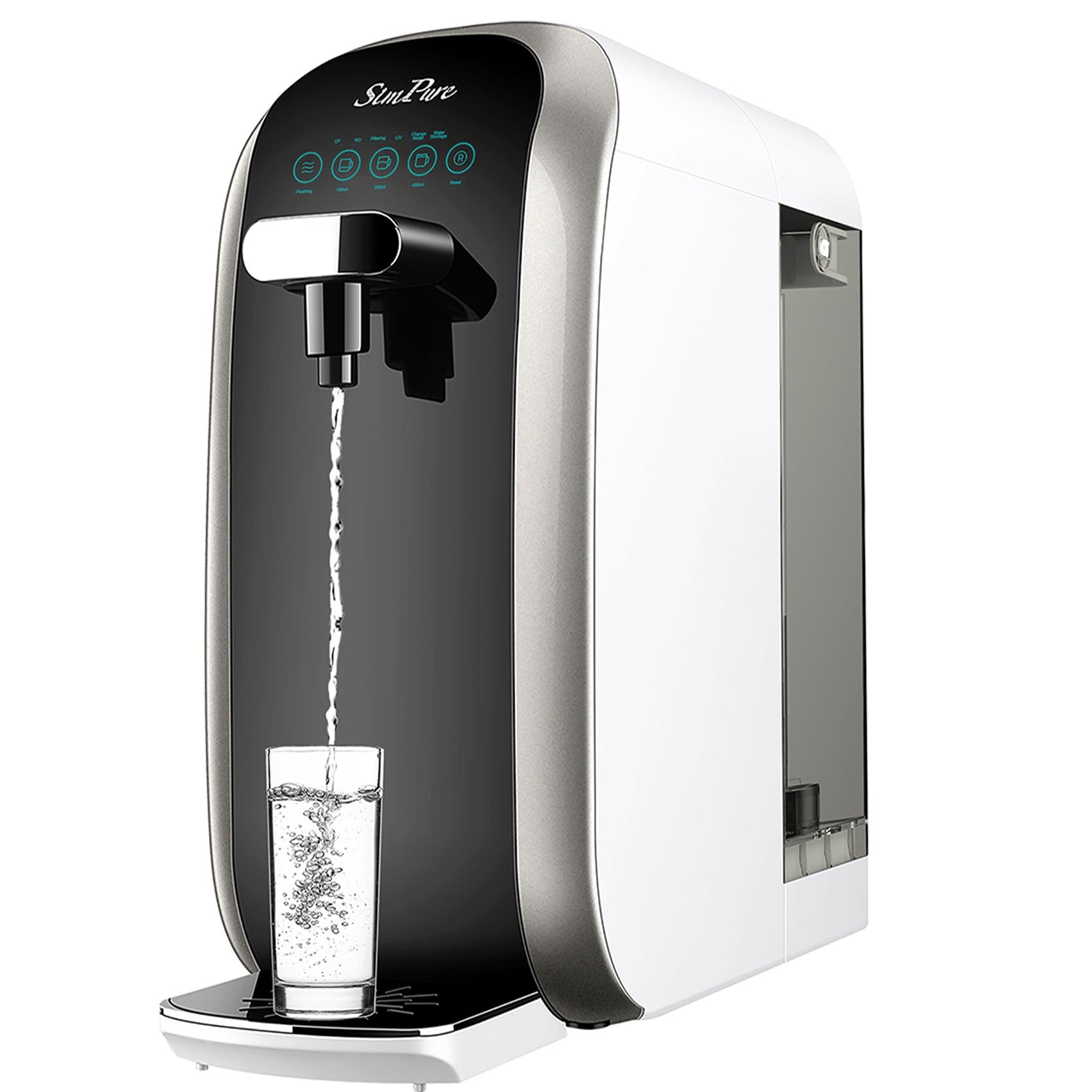
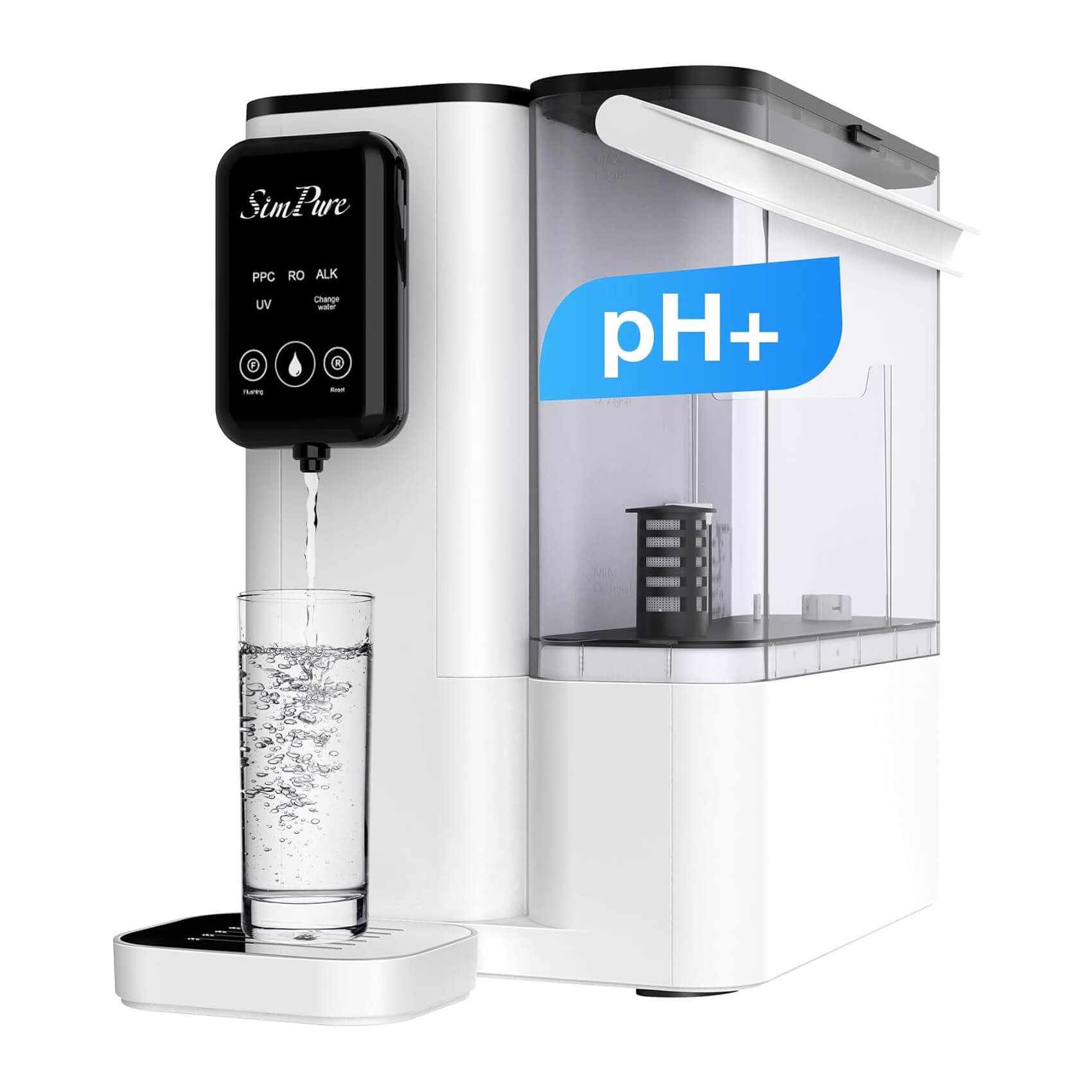
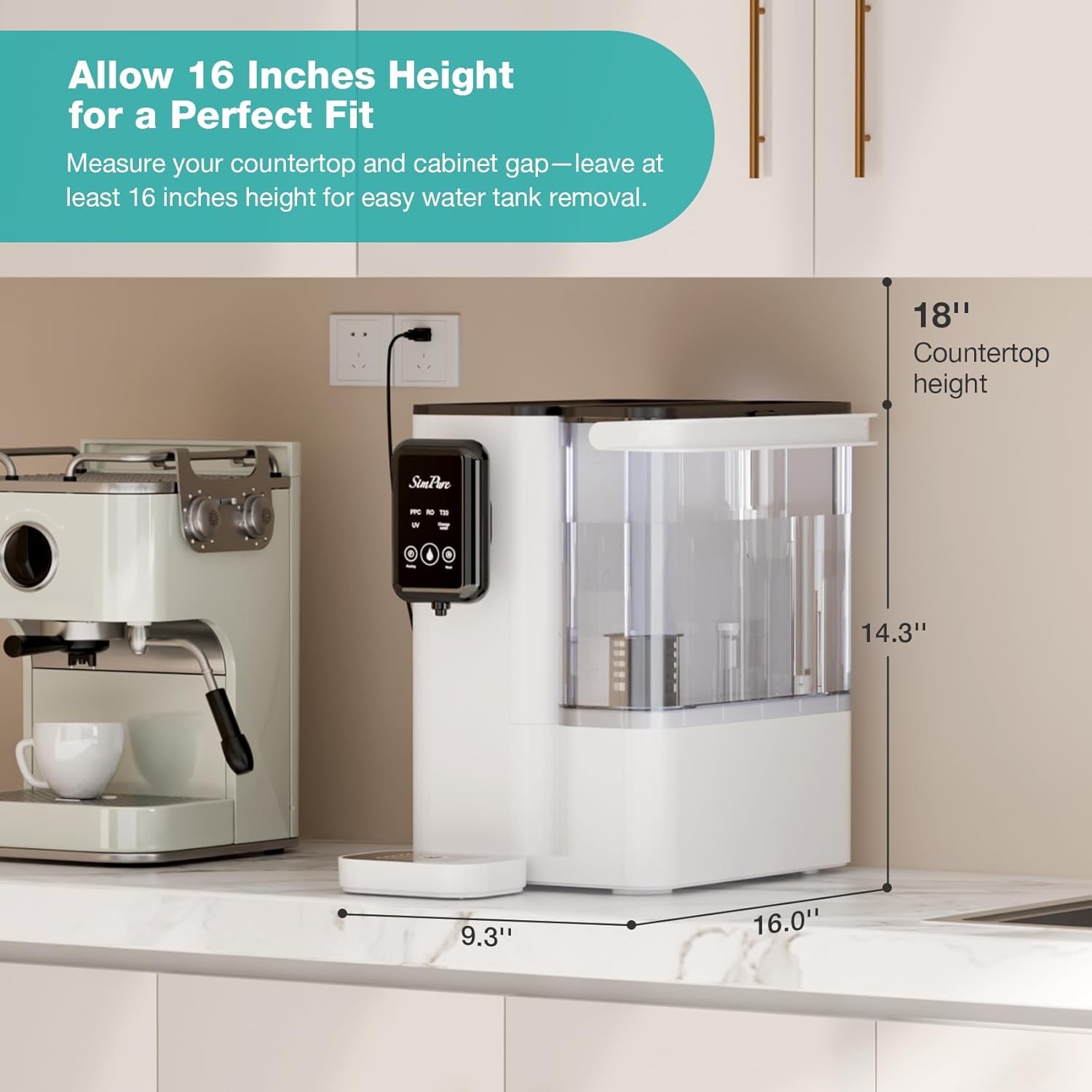
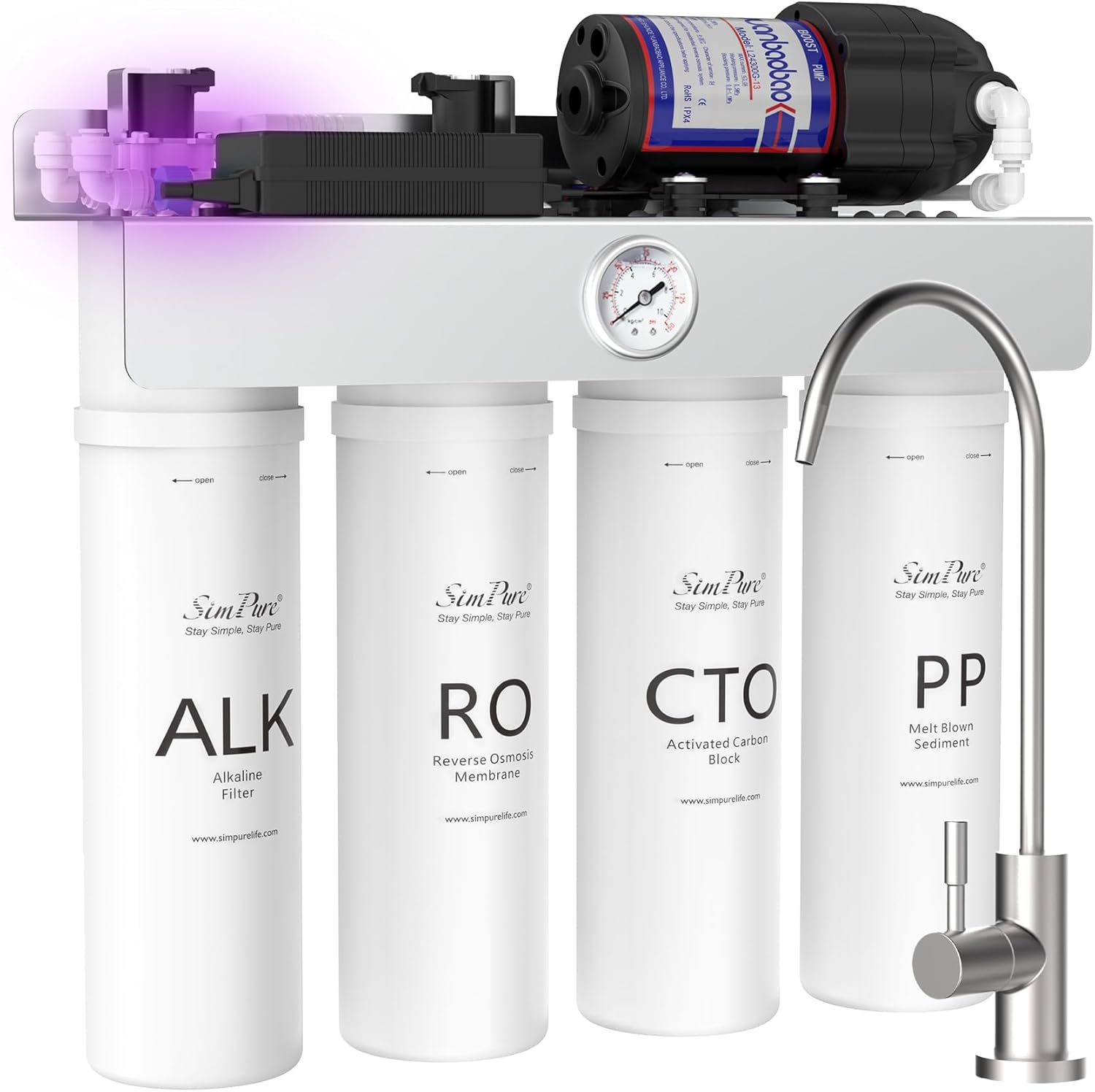
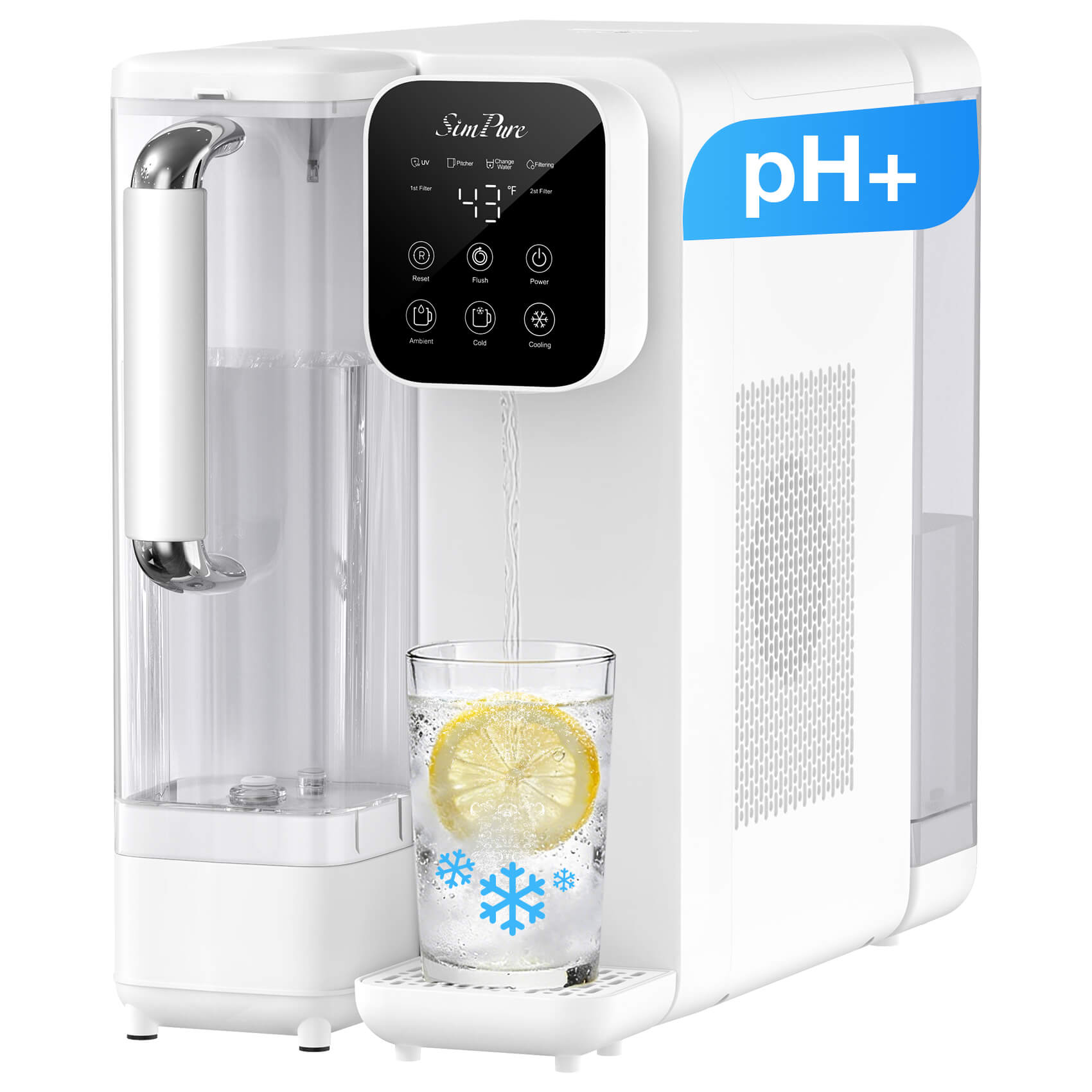
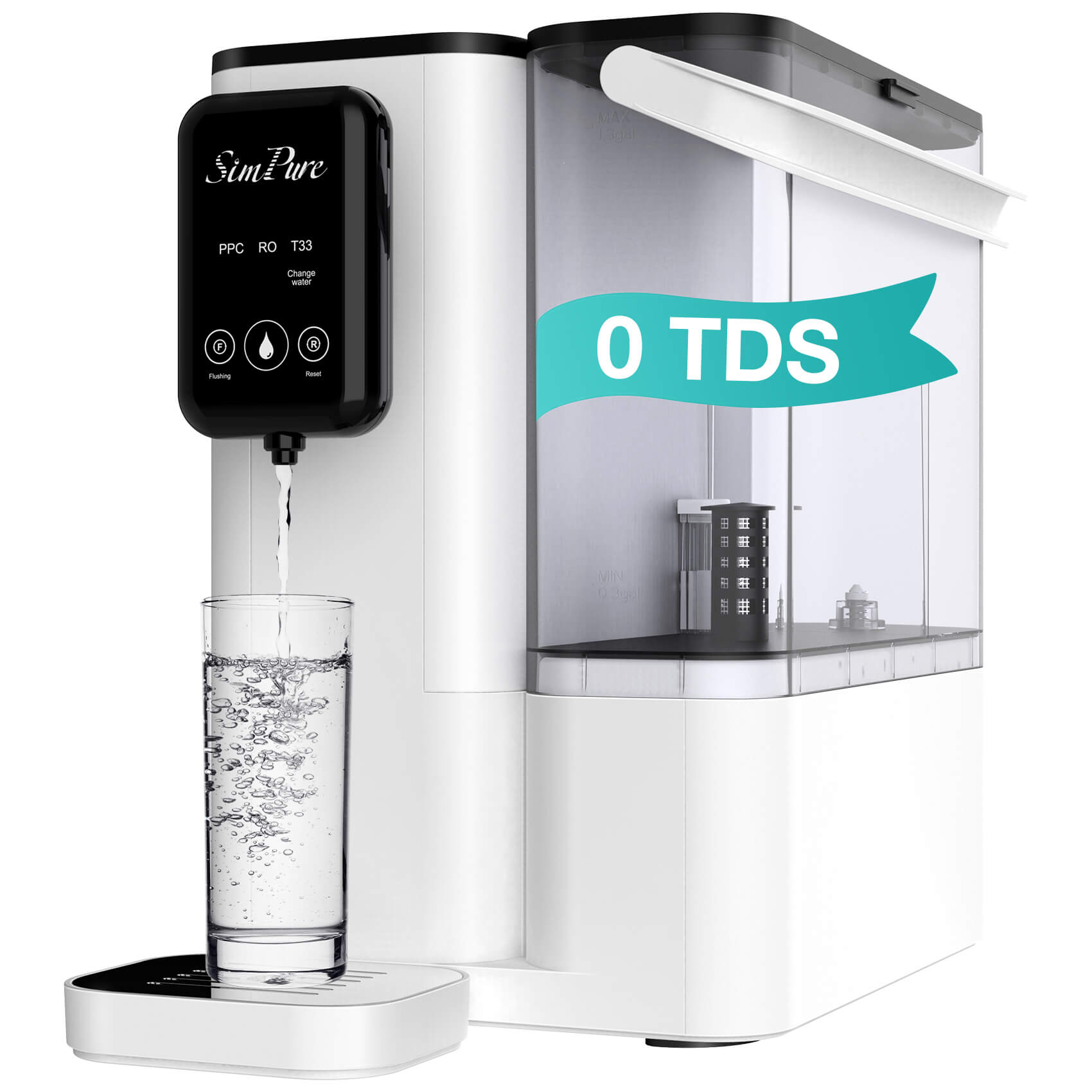
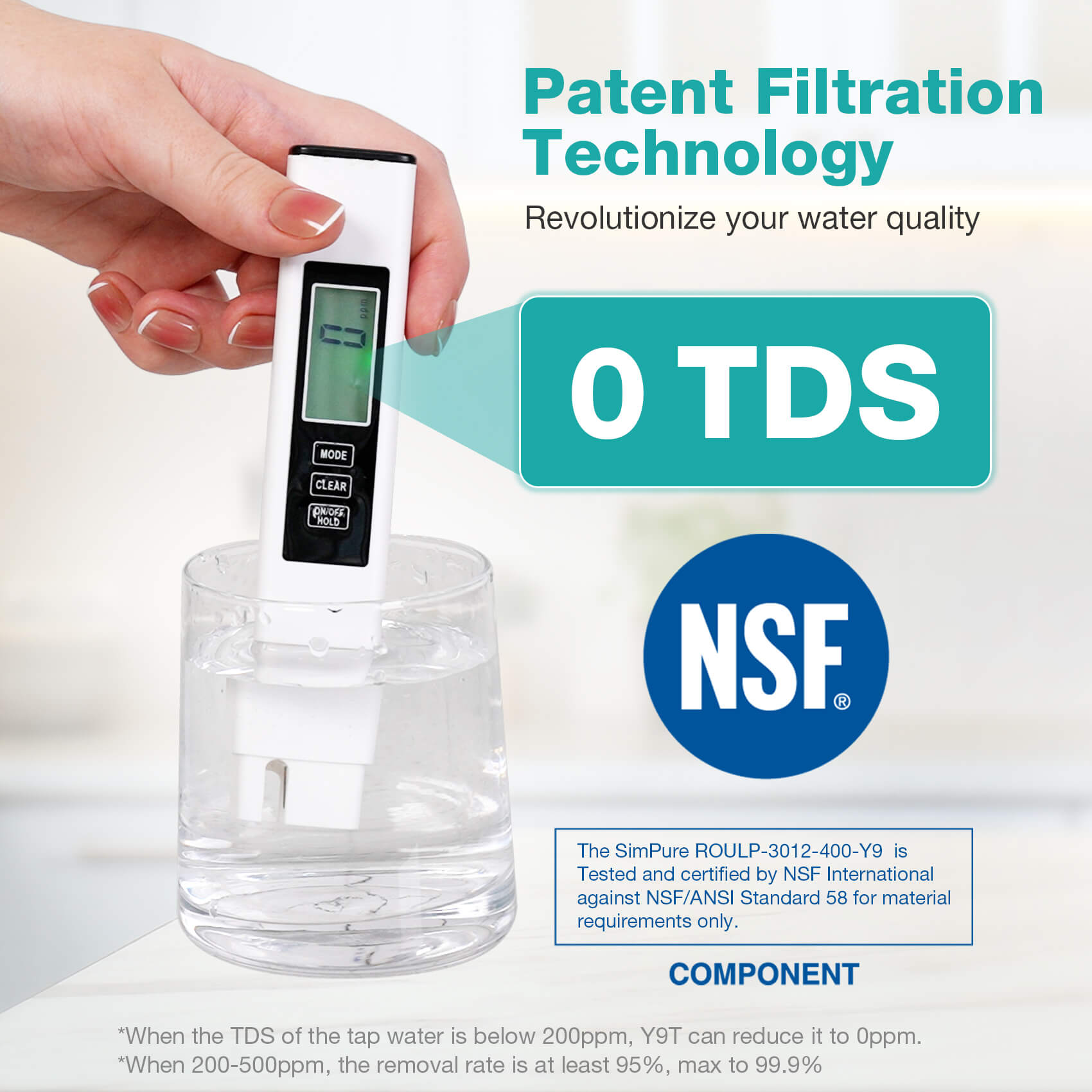
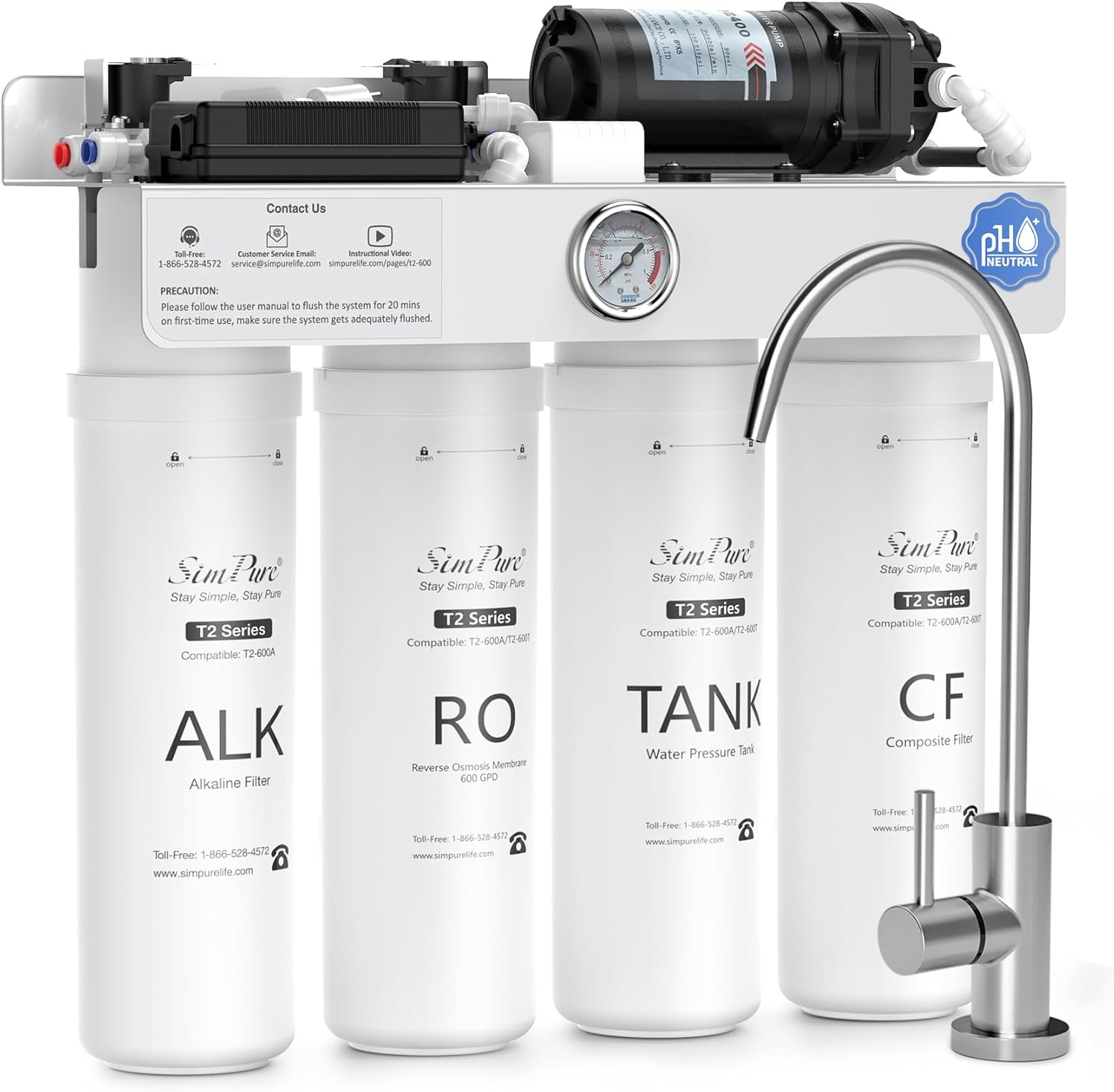
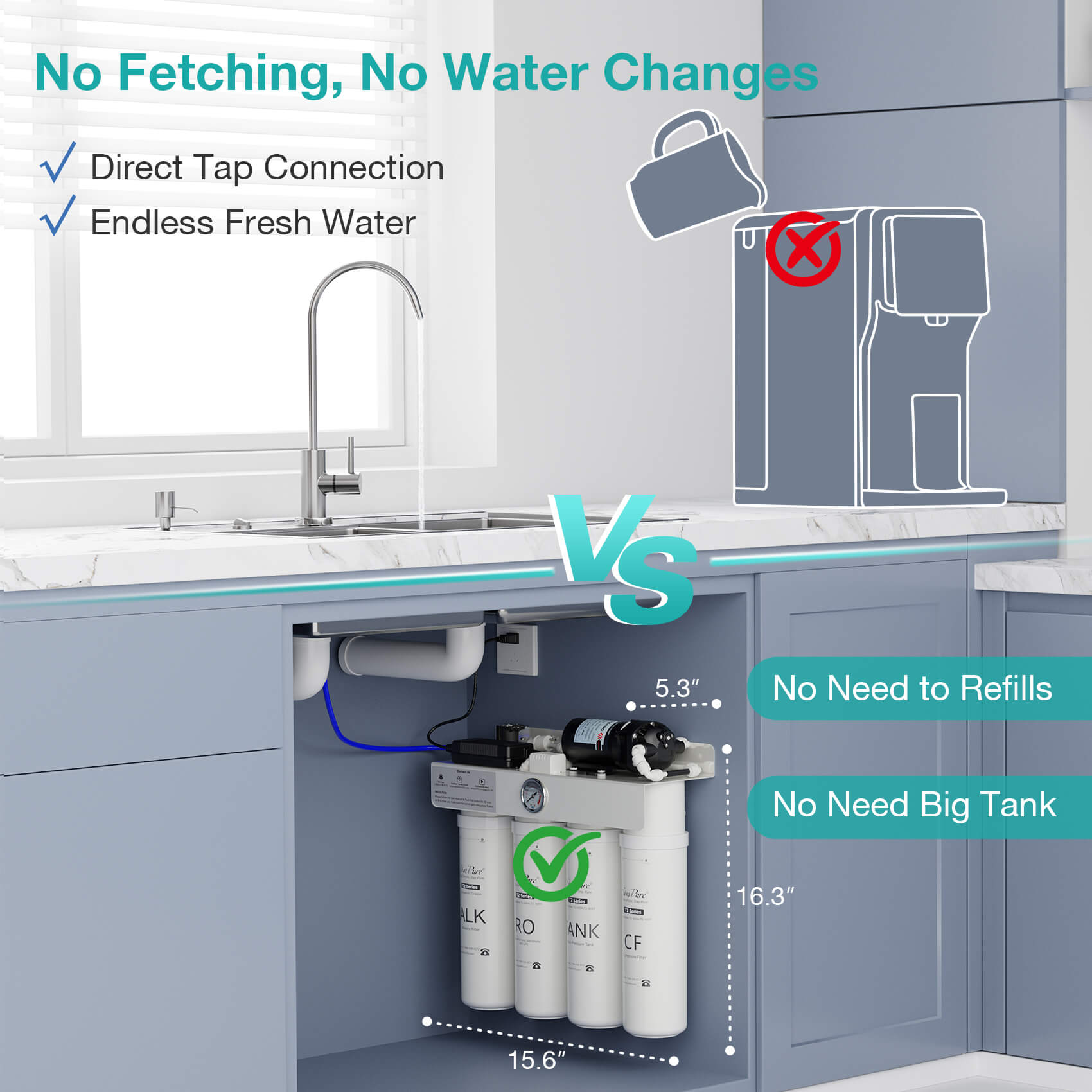
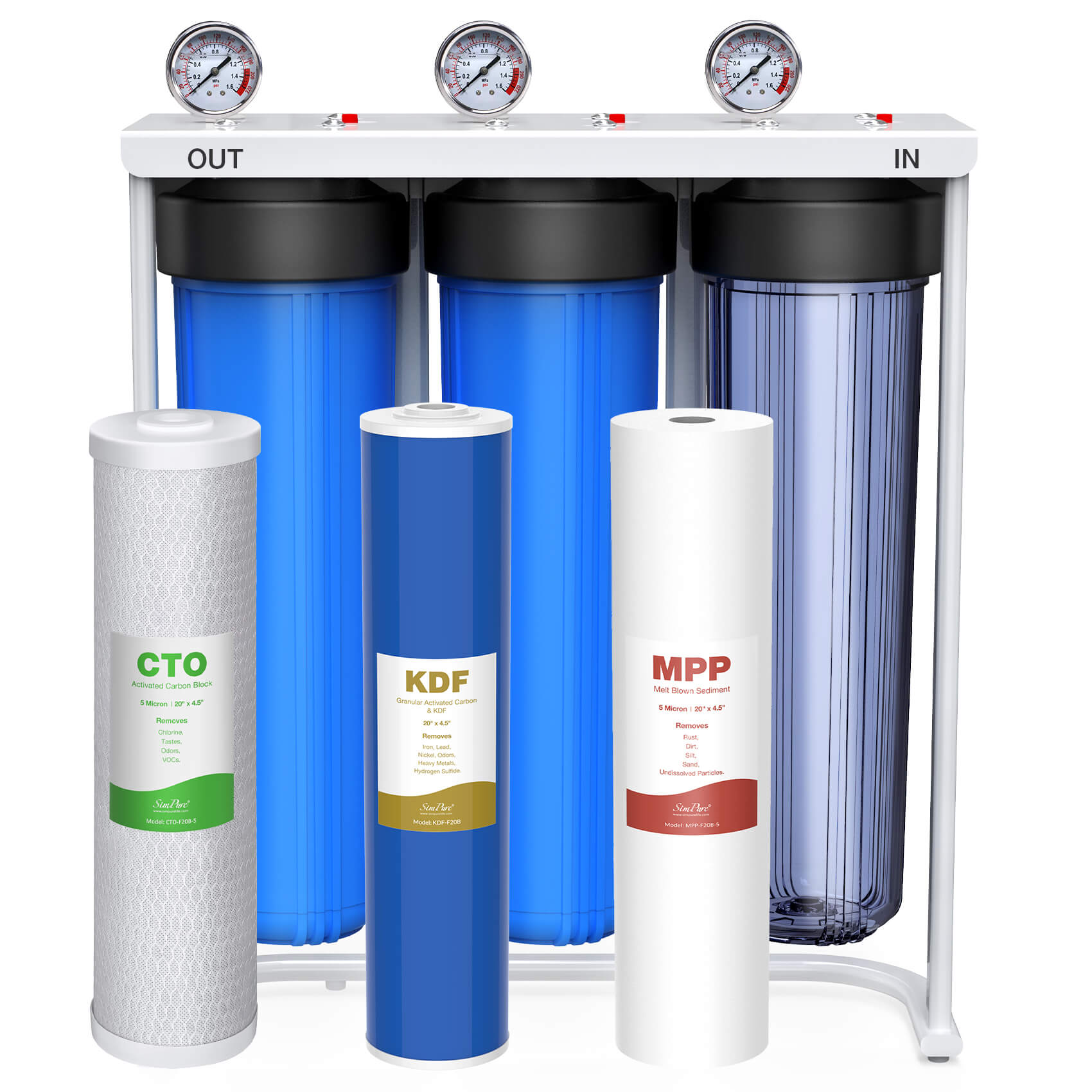
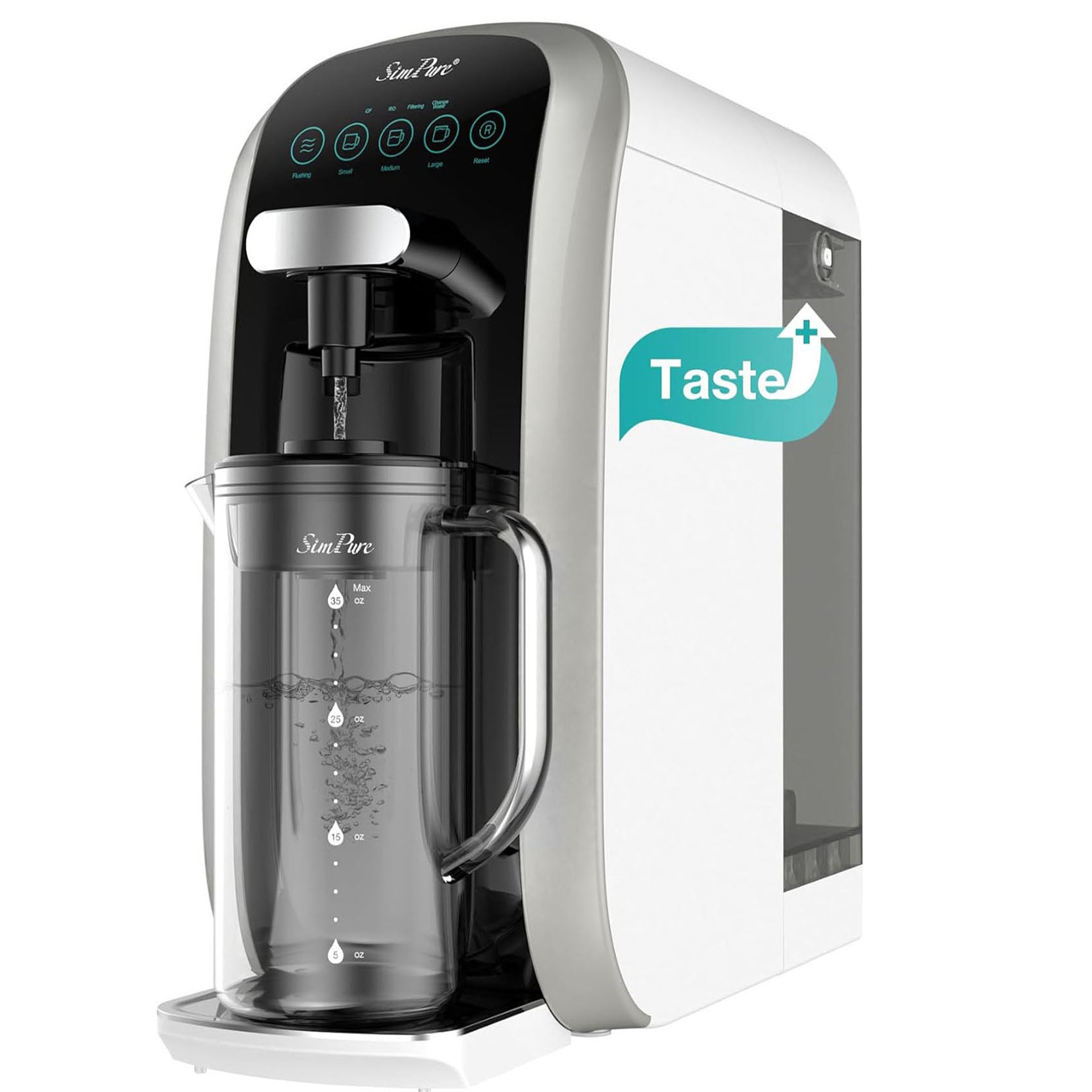
If you want to minimize unwanted flavors from tap water without relying on additives, a water filtration system can help. SimPure’s range of filtration units helps lower typical tap water contaminants and provides consistently better-tasting water. Combining this with naturally flavored options, like cucumber or lemon slices, makes it easy to stay hydrated while limiting exposure to artificial sweeteners or additives.

SimPure – Advanced Water Solutions for Every Space
Explore SimPure's reverse osmosis systems, from sleek countertop RO units to tankless under-sink. Choose nearly 0 TDS and alkaline water at your preference; Designed for efficiency and consistent performance, our units let you enjoy flavorful water without relying on added enhancers.
So, is MiO bad for you? The answer depends on how often and how much you consume. Occasional use is likely safe, but daily overuse may carry risks related to kidney health, weight management, and long-term exposure to artificial ingredients.
Choose plain water or other natural, low-calorie alternatives when possible. It is the same as the vitamin water on the market. If you also interested in this topic, just read more in our blog: Is Vitamin Water Good for You? Detailed Analysis.
Reference: