
At SimPure, our mission is to provide the best-tasting drinking water solutions, and we often hear from homeowners who are frustrated by a common issue: their water tastes like the ocean despite having a softener installed. You expected refreshing water, but instead, you're left wondering how to fix the salty water taste from your water softener.
While SimPure specializes in advanced filtration rather than softeners, we understand how these systems interact. A salty taste often indicates a mechanical glitch or is simply a byproduct of the softening process in high-hardness areas. In this guide, we' ll explain how to fix salty water taste from a water softener by troubleshooting the unit. Just keep reading~
⚡ Quick Troubleshooting Checklist
If your water suddenly tastes salty, try these quick fixes in order:
- ✔ Run an Extra Rinse: Flush out any residual brine left from a recent regeneration cycle.
- ✔ Check the Drain Line: Ensure the hose isn't kinked, frozen, or clogged with debris.
- ✔ Clean the Injector: Remove sediment buildup from the small nozzle that draws the brine.
- ✔ Inspect the Brine Tank: Break up any "salt bridges" (hard crusts) blocking water flow.
- ✔ Final Solution: Use an RO System to physically remove sodium for a better-tasting drinking water.
Common Misconceptions About Softened Water
False. A properly working softener adds a small amount of sodium, but it should be tasteless. A strong salty taste indicates a mechanical failure or rinse issue.
If the machine is fine but you are sensitive to the sodium, you need a Reverse Osmosis (RO) system to physically remove the salt. Pitcher filters won't work.
Why Does My Water Taste Salty? (5 Common Causes)
If you suddenly taste salt, one of these five culprits is likely to blame.
1. Interrupted Rinse Cycle
This is the most common cause. During regeneration, the machine draws brine to clean the resin beads and then flushes it out. If a power outage or pressure drop occurs during this stage, the salty brine sits in the tank and enters your pipes.
2. Clogged Drain Line
Your softener needs to push the dirty brine water out through a drain hose. If this hose is kinked, frozen, or clogged with debris, the salty water has nowhere to go but back into your home's supply.
3. Injector (Venturi) Clogging
The injector is a small nozzle that creates the suction to draw brine. It is prone to clogging with sediment or salt crystals. A clogged injector messes up the suction, leaving excess salt in the tank.
4. Incorrect Hardness Settings
If you set your hardness level too high, the machine will use excessive salt during regeneration. Double-check your local water hardness (grains per gallon) and adjust the settings accordingly.
5. Salt Bridges
Sometimes, a hard crust forms in the salt tank (a "bridge"), creating an empty space below. While this usually causes hard water, breaking a bridge can sometimes dump sudden excess salt into the bottom, leading to a temporary salty spike.
Step-by-Step: How to Fix the Salty Taste
Step 1: Check the Drain Line
Inspect the drain hose behind the unit. Ensure it isn't bent or blocked. If it flows into a floor drain, check that the air gap is clear.
Step 2: Clean the Injector
Consult your manual to locate the injector/venturi valve. Turn off the bypass valve, depressurize the unit, and clean this small nozzle with a pin or toothbrush and warm water.

💡 Pro Tip: Prevent Clogs Before They Happen
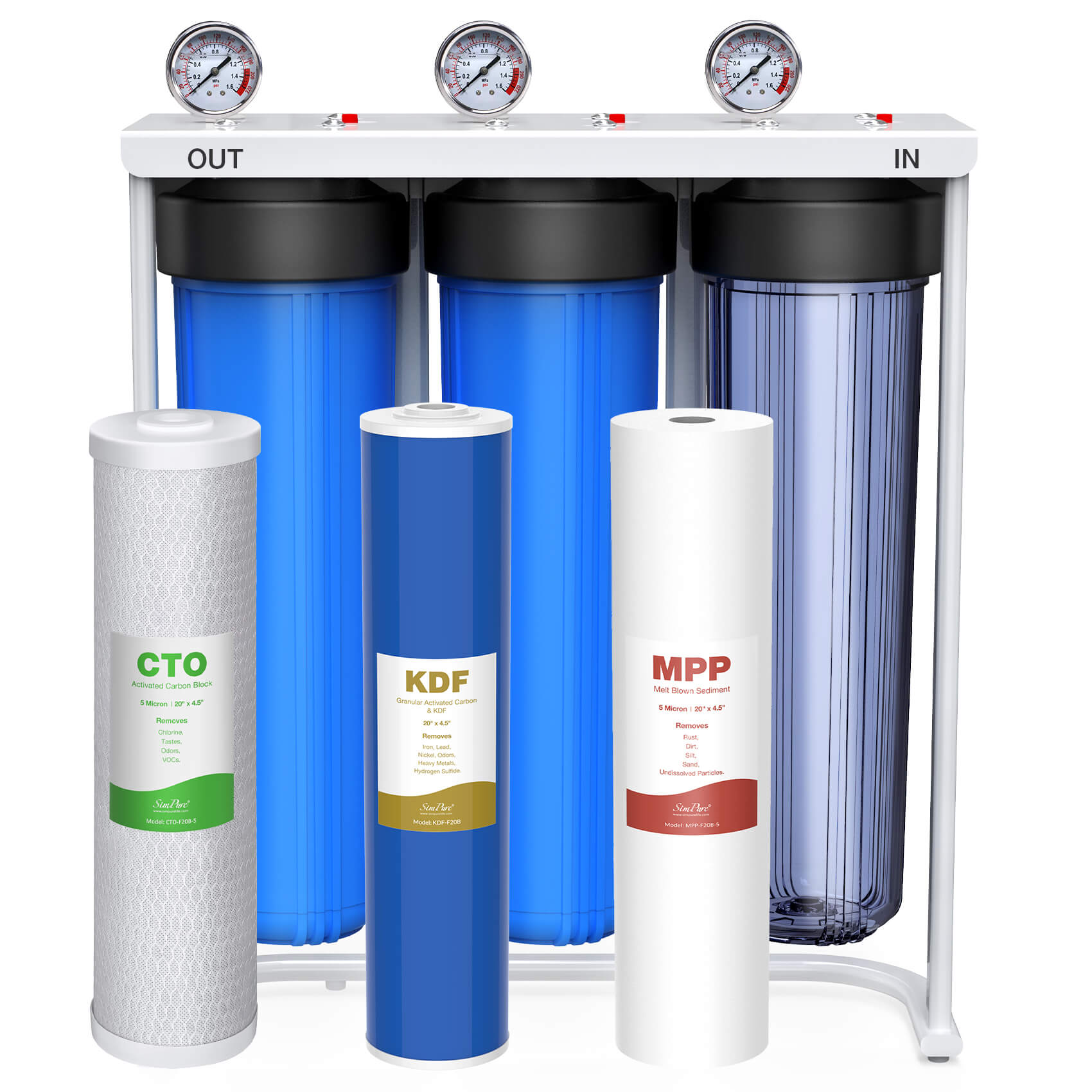
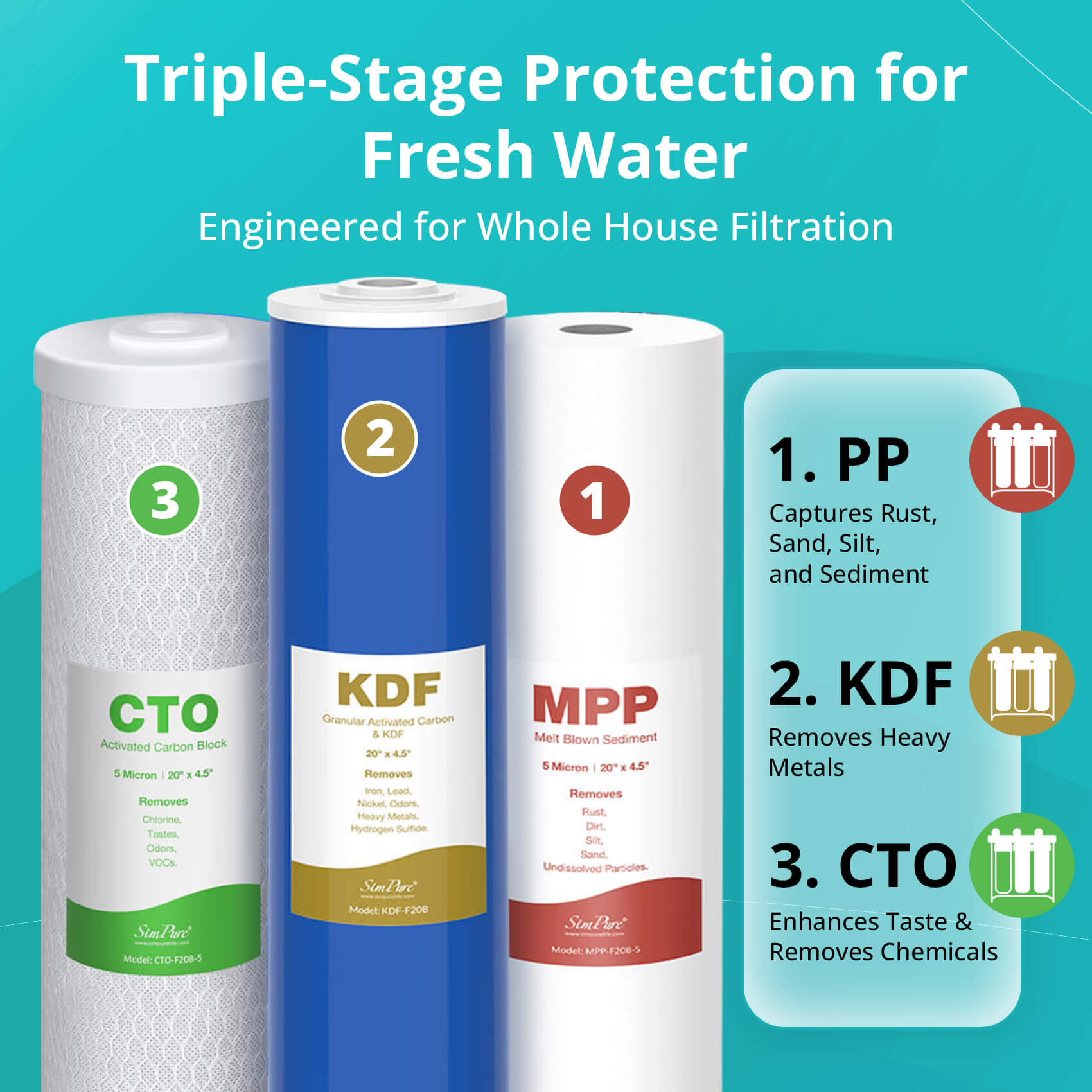
SimPure DB20P-3 Whole House Filter
Most softener malfunctions (and the resulting salty taste) are caused by sediment clogging the control valve. Installing this pre-filter before your softener protects the machine from dirt and extends its lifespan.
(Note: This protects the machine but does not remove salt from the water itself.)
Step 3: Run a Manual Regeneration
Force the system to run a full cleaning cycle. Watch the "Backwash" and "Rinse" stages. If the water level in the brine tank doesn't go down, you have a suction issue. If it doesn't drain out, you have a drainage issue.
Ultimate Solution: Remove the Sodium Entirely
What if your softener is working perfectly, but you still taste a hint of salt? This happens in areas with extremely hard water. Because softeners trade Calcium for Sodium, very hard water results in higher sodium content.
Standard filters (like fridge filters) cannot remove sodium. To get bottled-quality taste, you need a Reverse Osmosis system. This is the perfect partner for a water softener.
Sodium ions are dissolved solids, meaning they are too small to be trapped by standard carbon or sediment filters used in pitchers and refrigerators. A RO system uses a semi-permeable membrane with microscopic pores (0.0001 microns). It physically pushes water molecules through while rejecting up to 99% of dissolved salts and sodium, transforming 'slick' or brackish softened water into bottled-quality water that is crisp, refreshing, and completely free of that metallic or salty aftertaste.

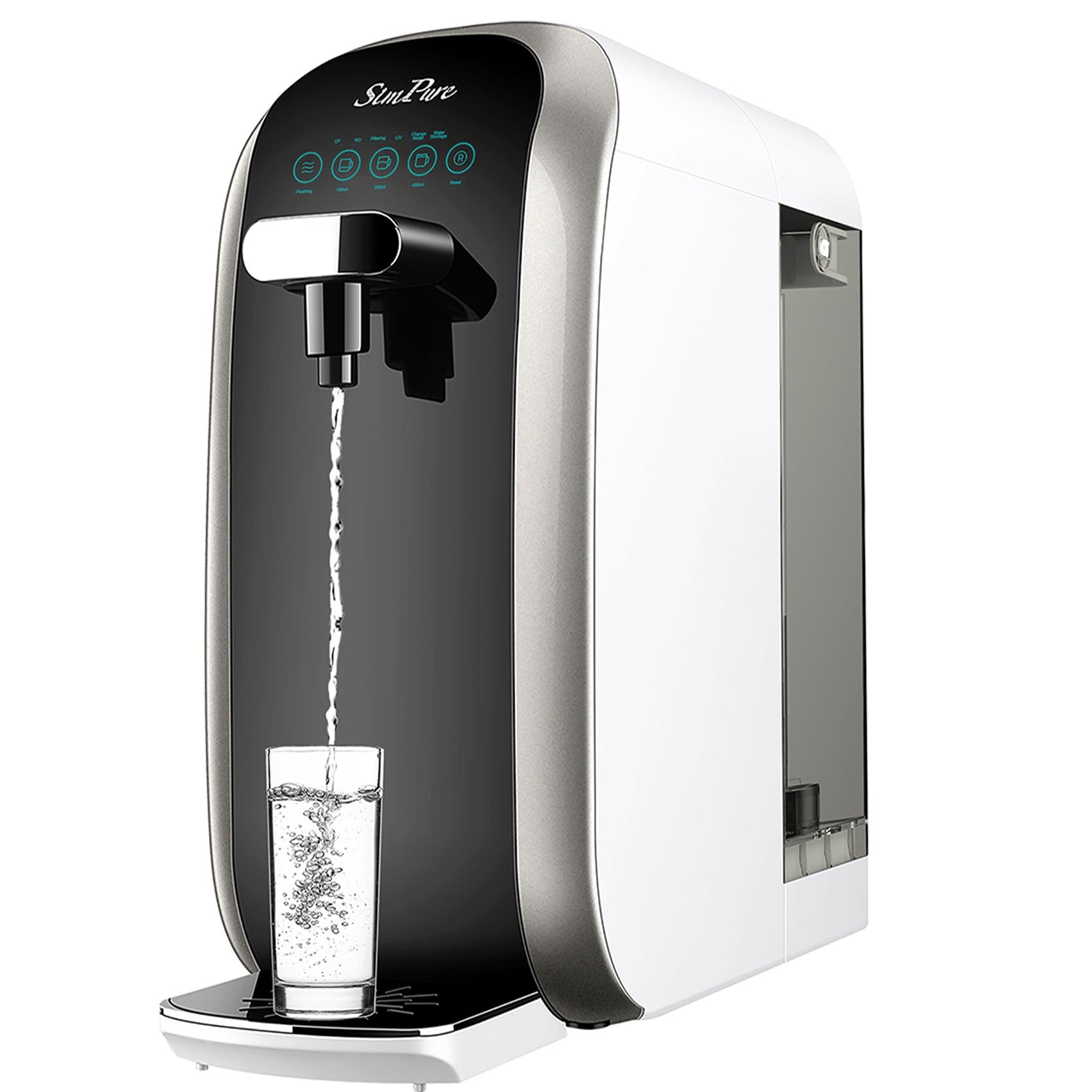
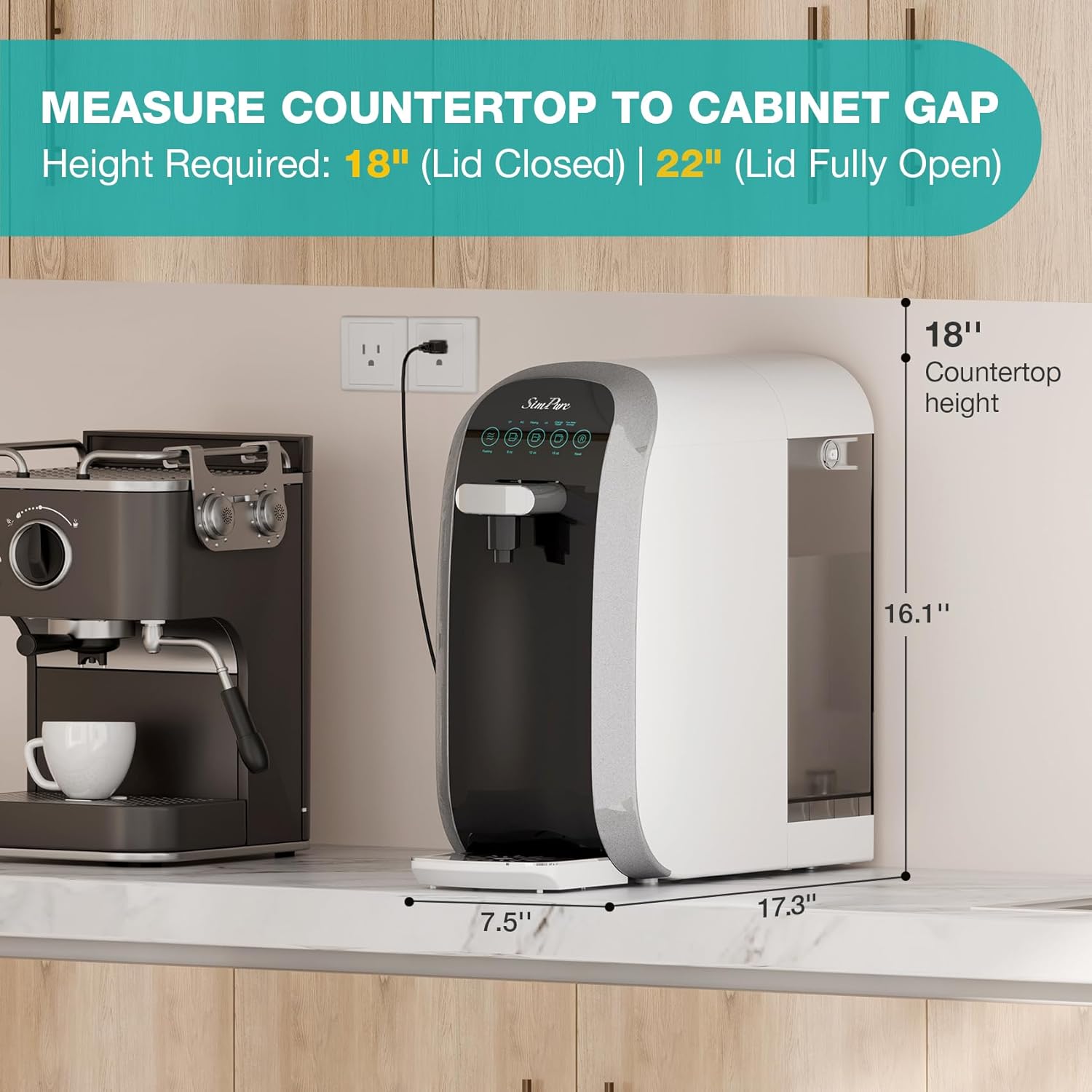
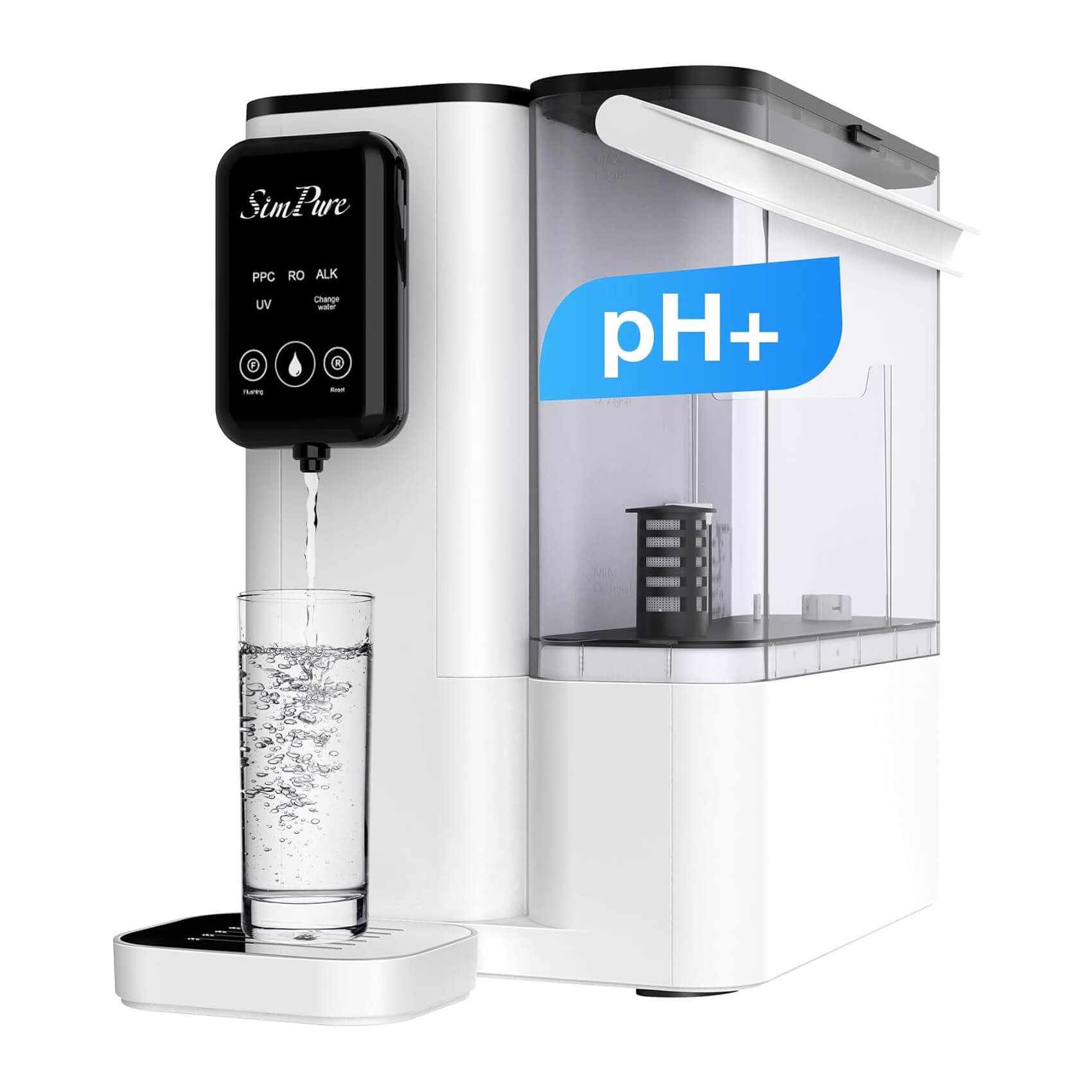
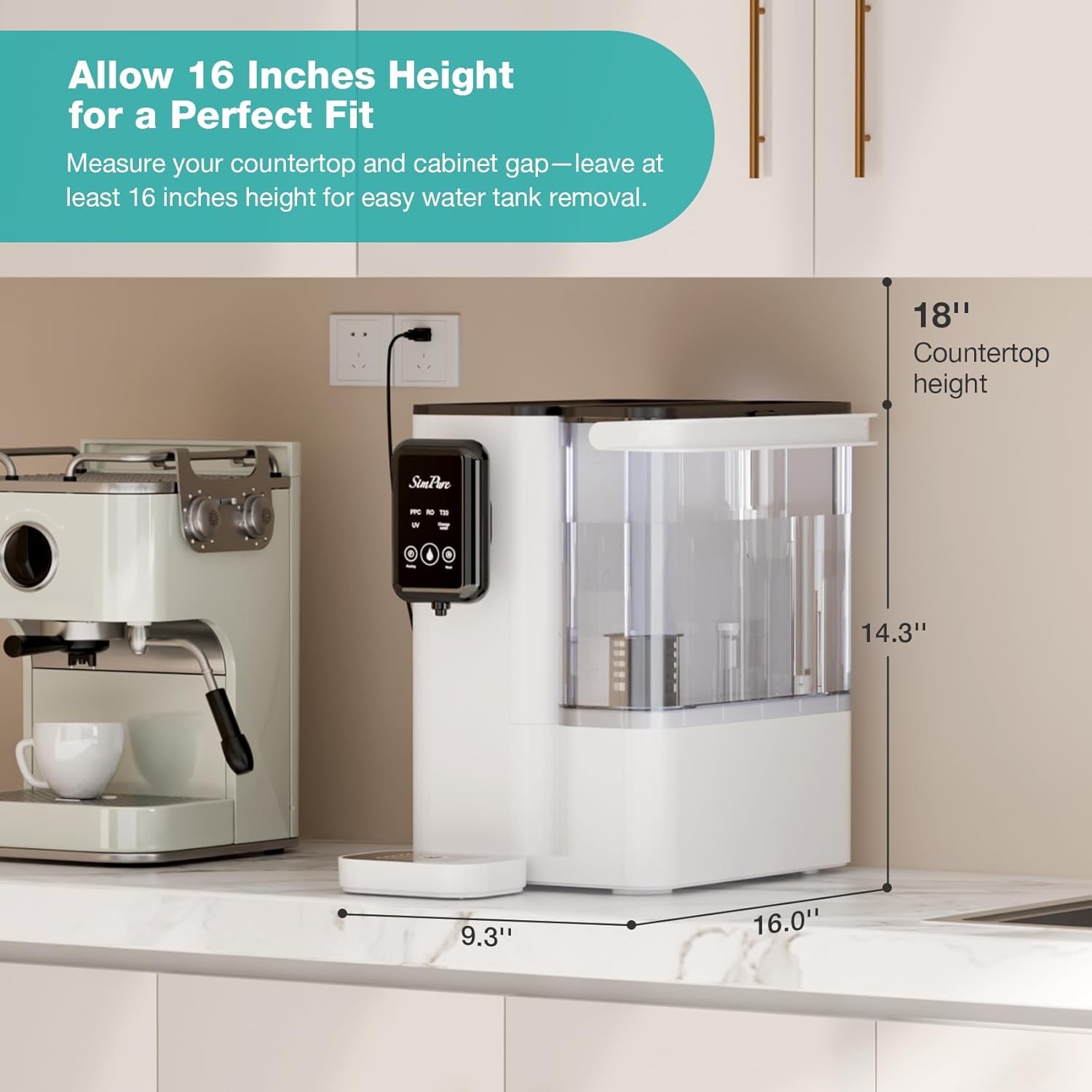
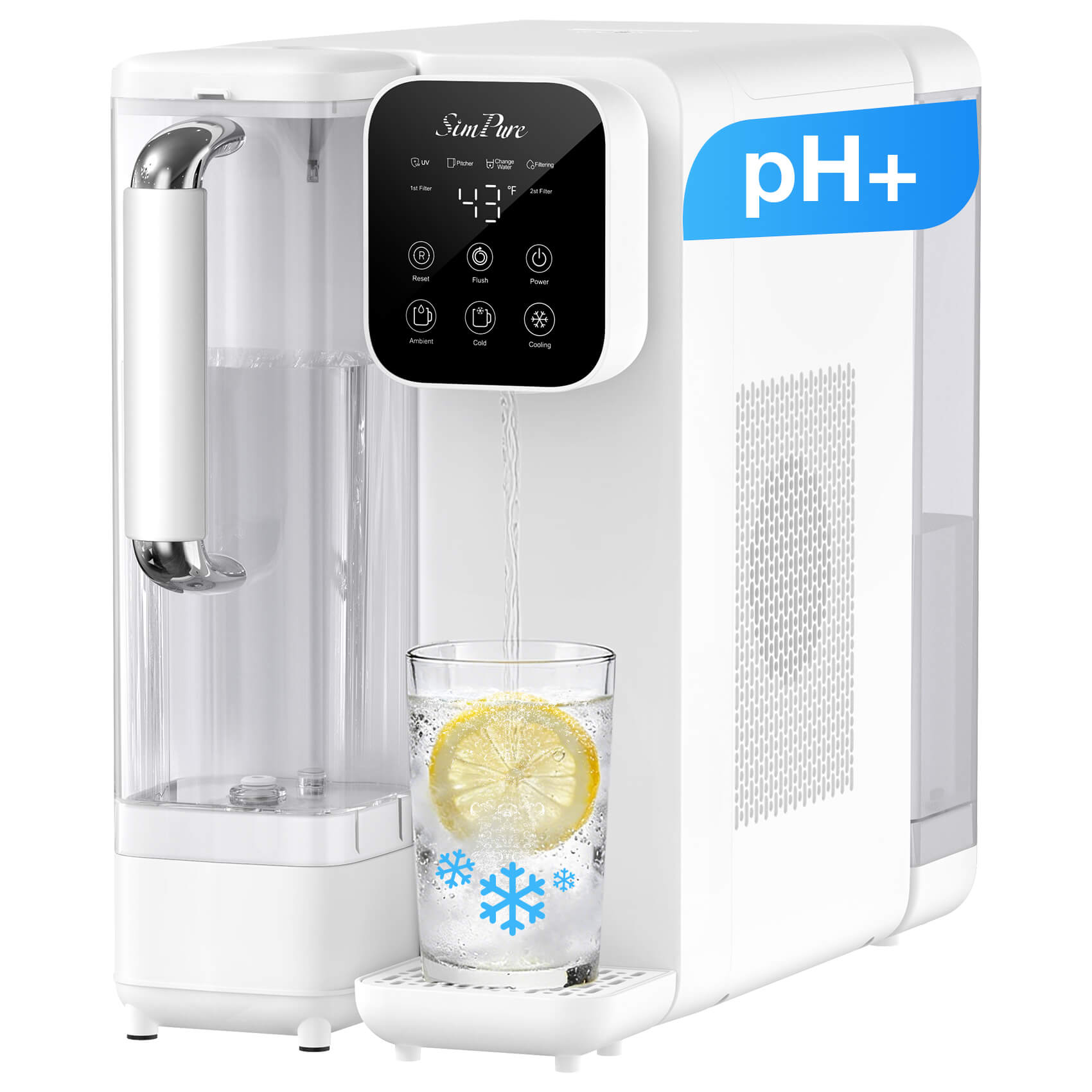
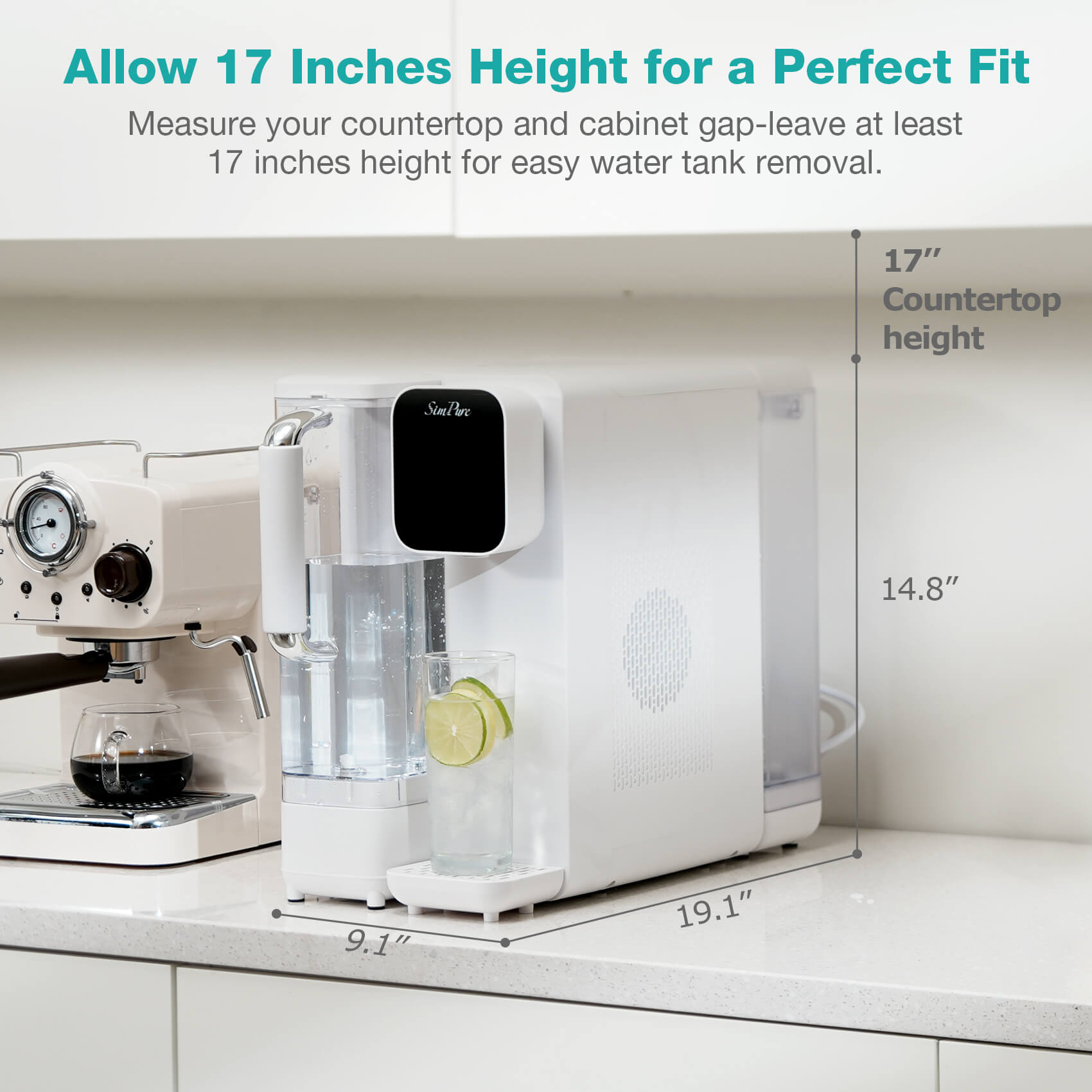
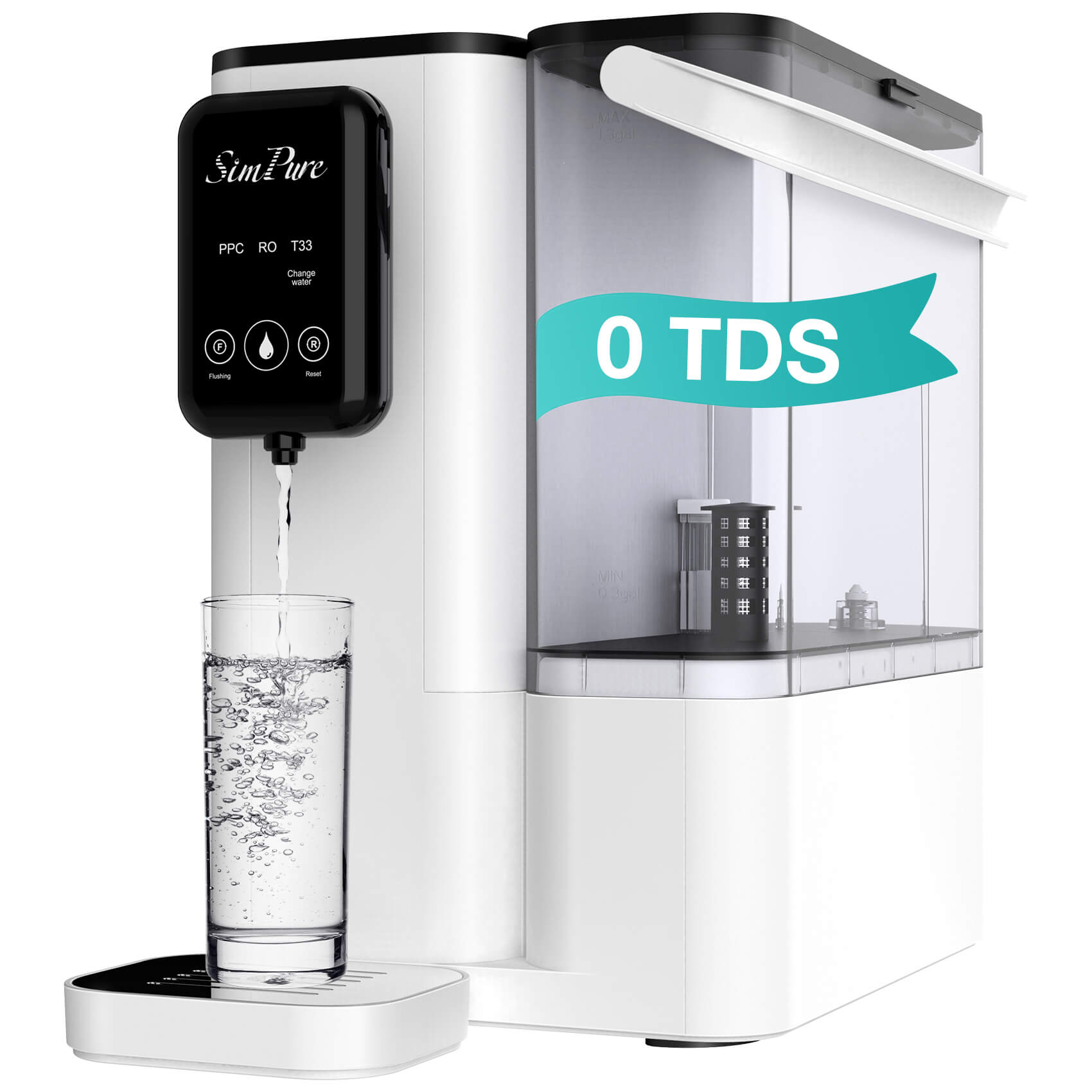
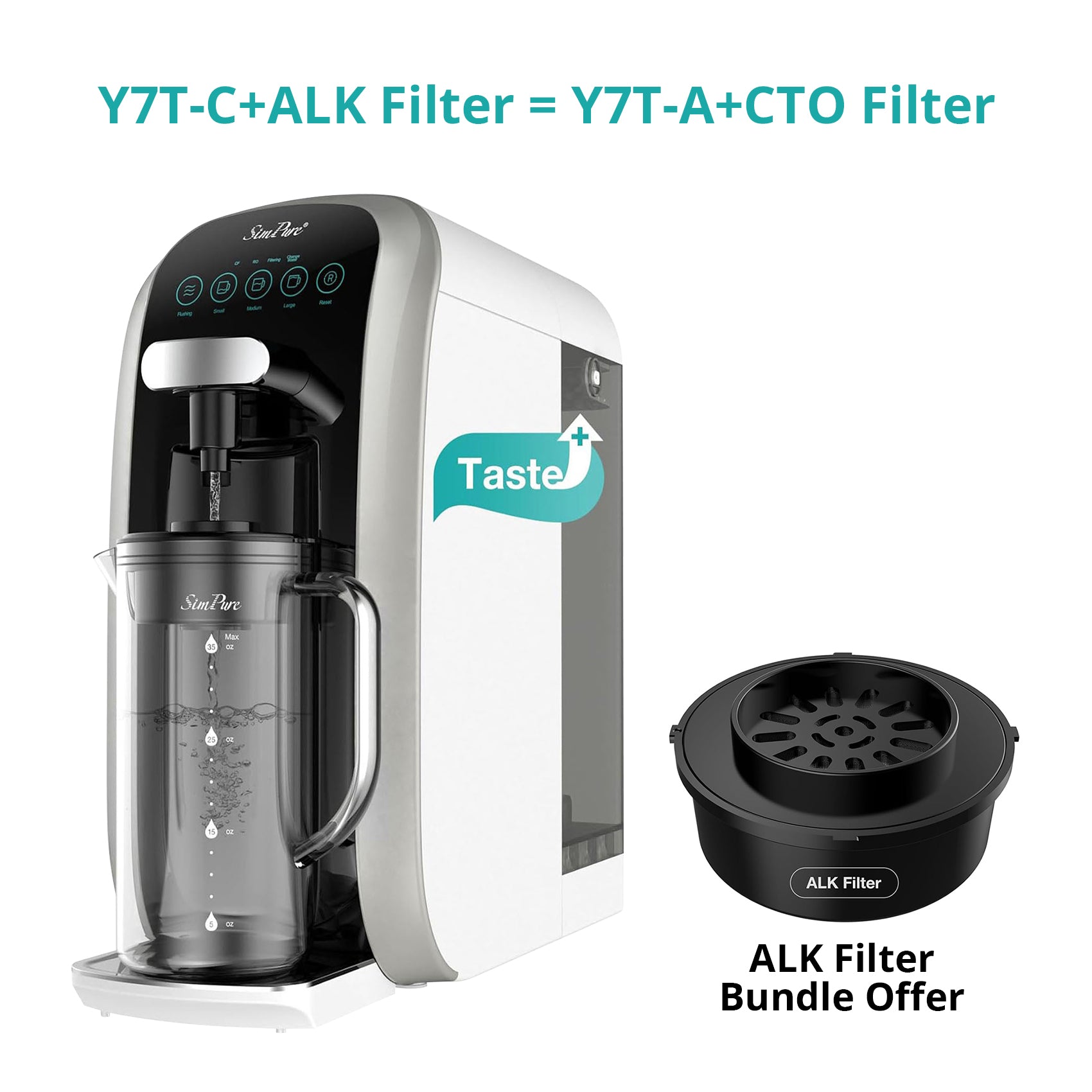
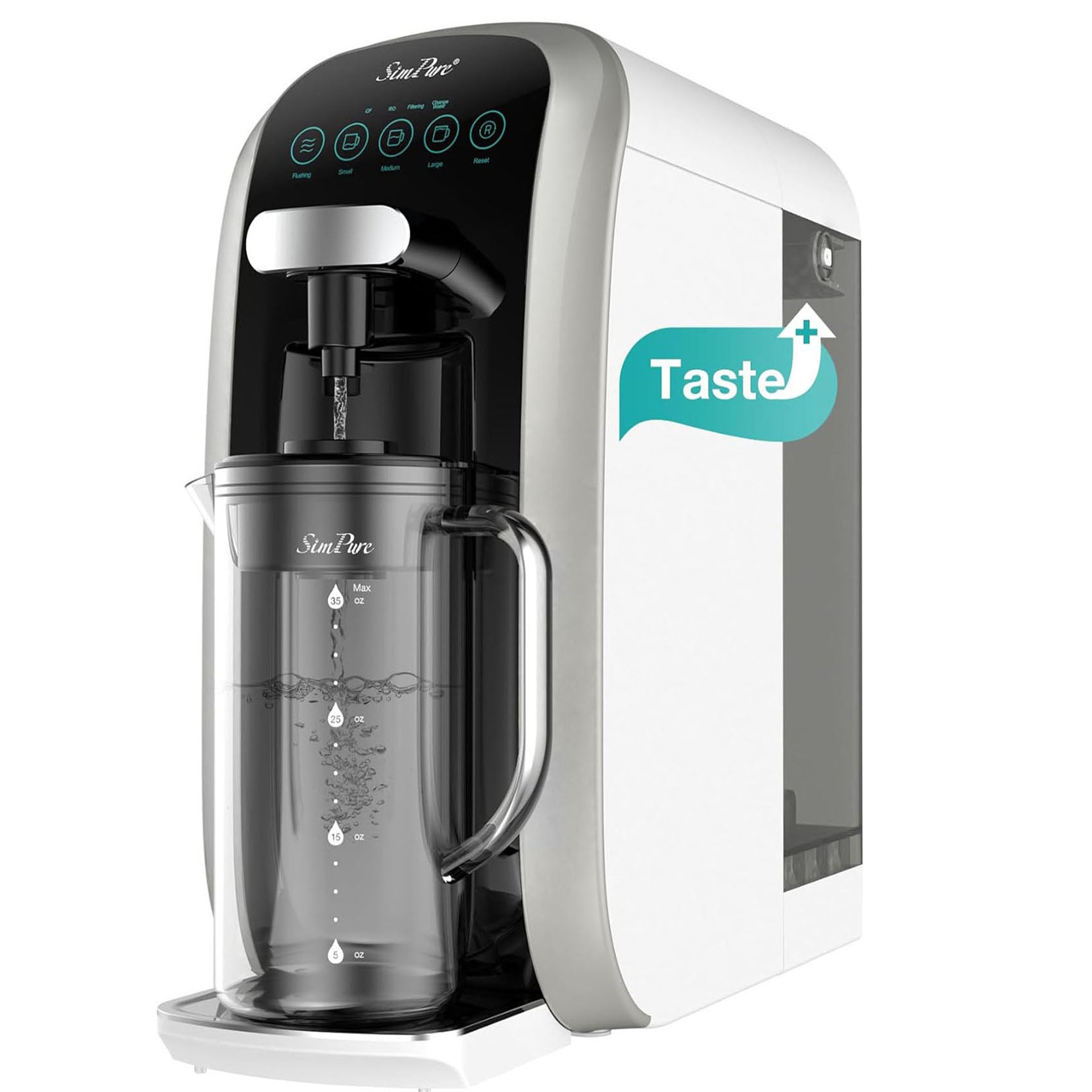
Best Countertop Solution: SimPure Y9 Series
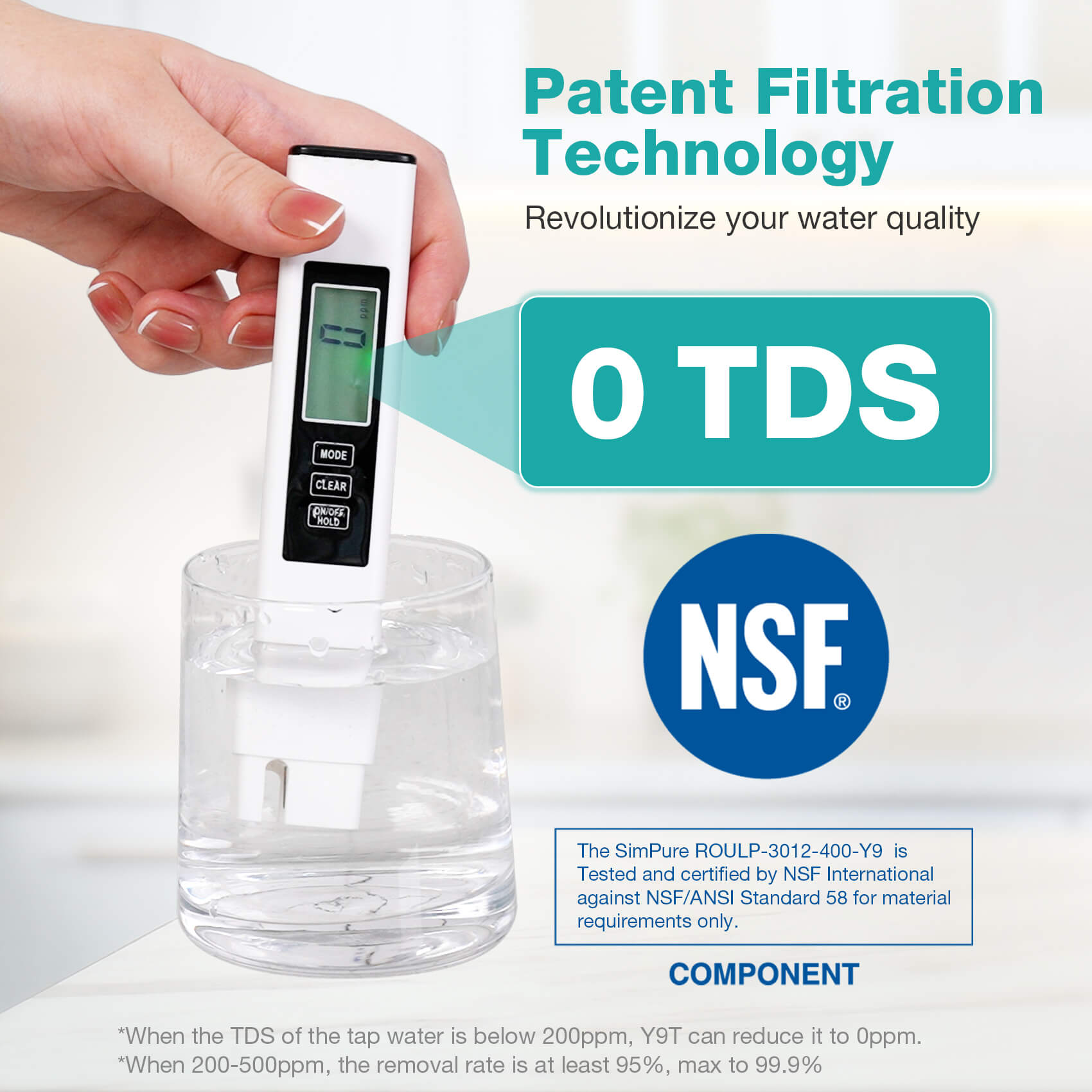
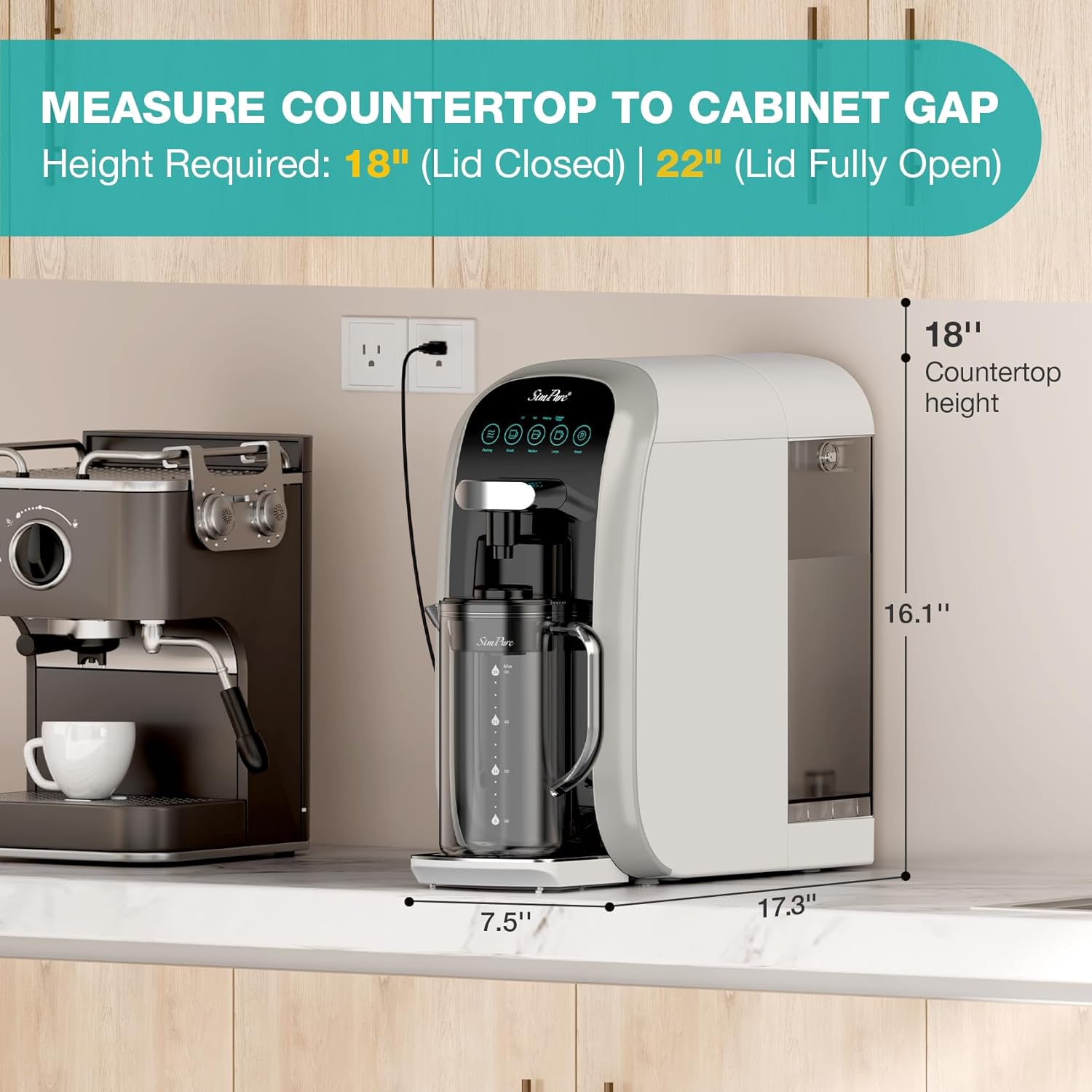
No installation required. This system takes your softened tap water and pushes it through an RO membrane, removing 99% of sodium and contaminants. Perfect for renters or anyone who wants instant clear water without plumbing work.
View Product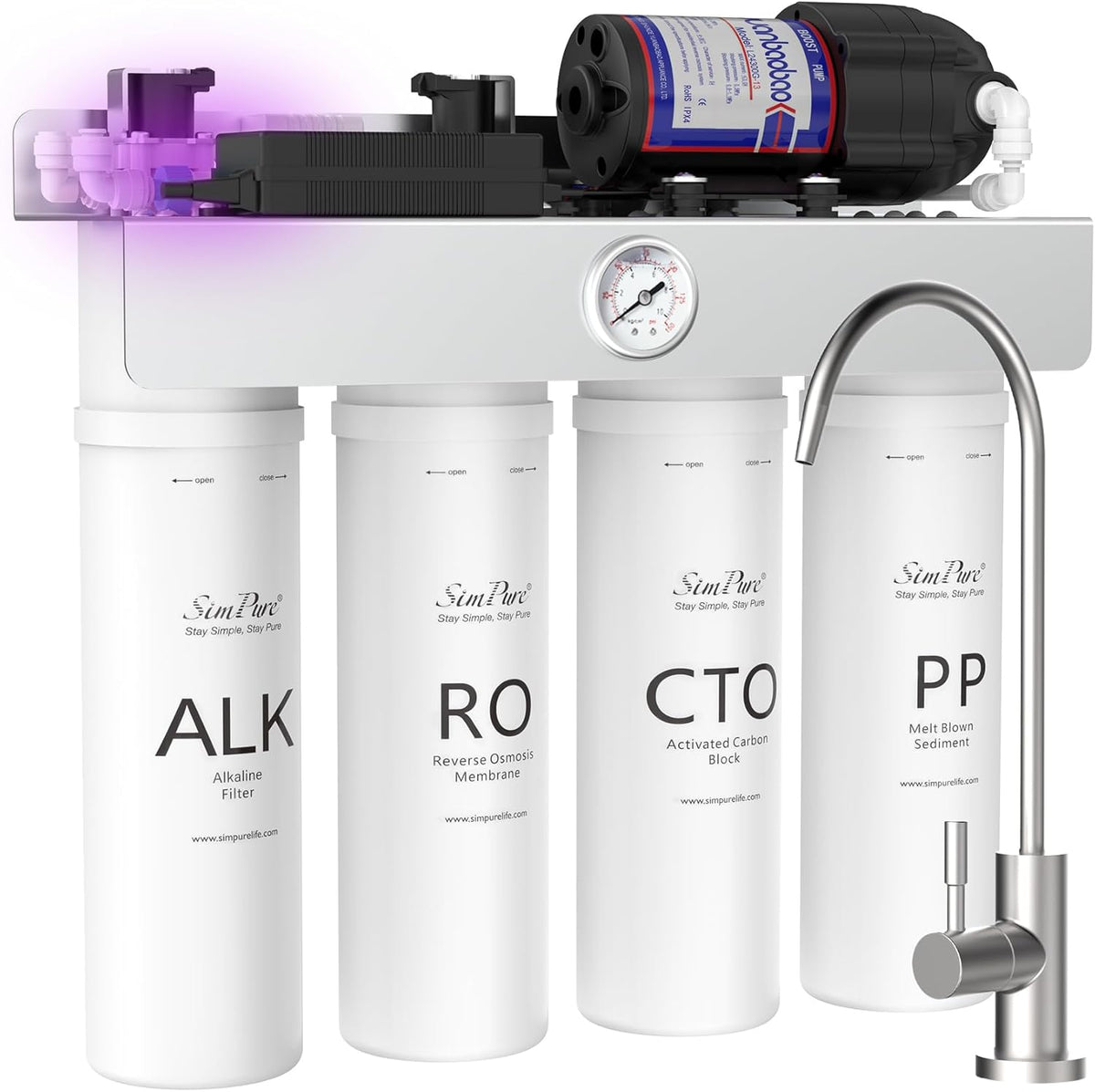
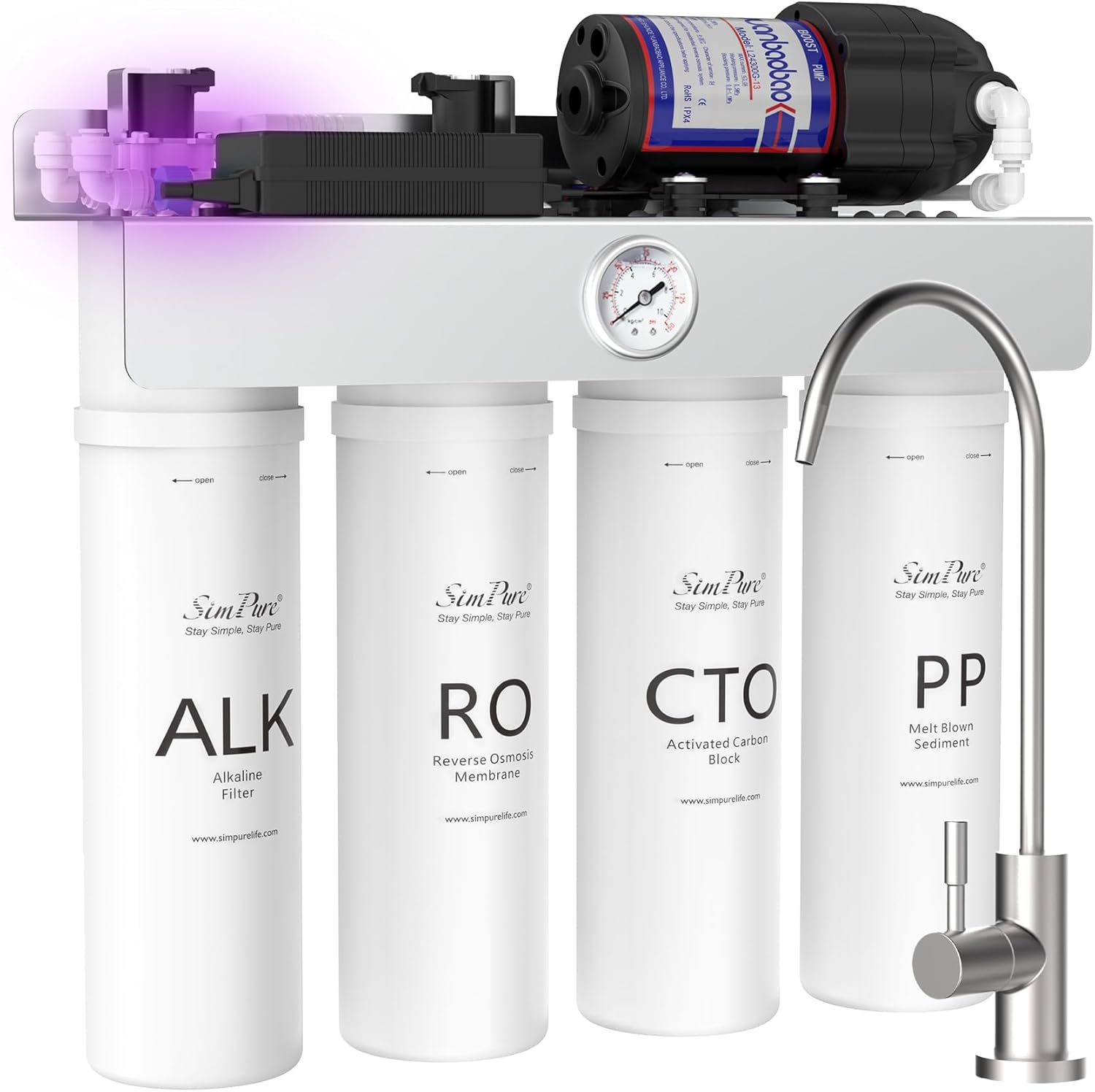
Best Under-Sink Solution: SimPure T1-400 Series
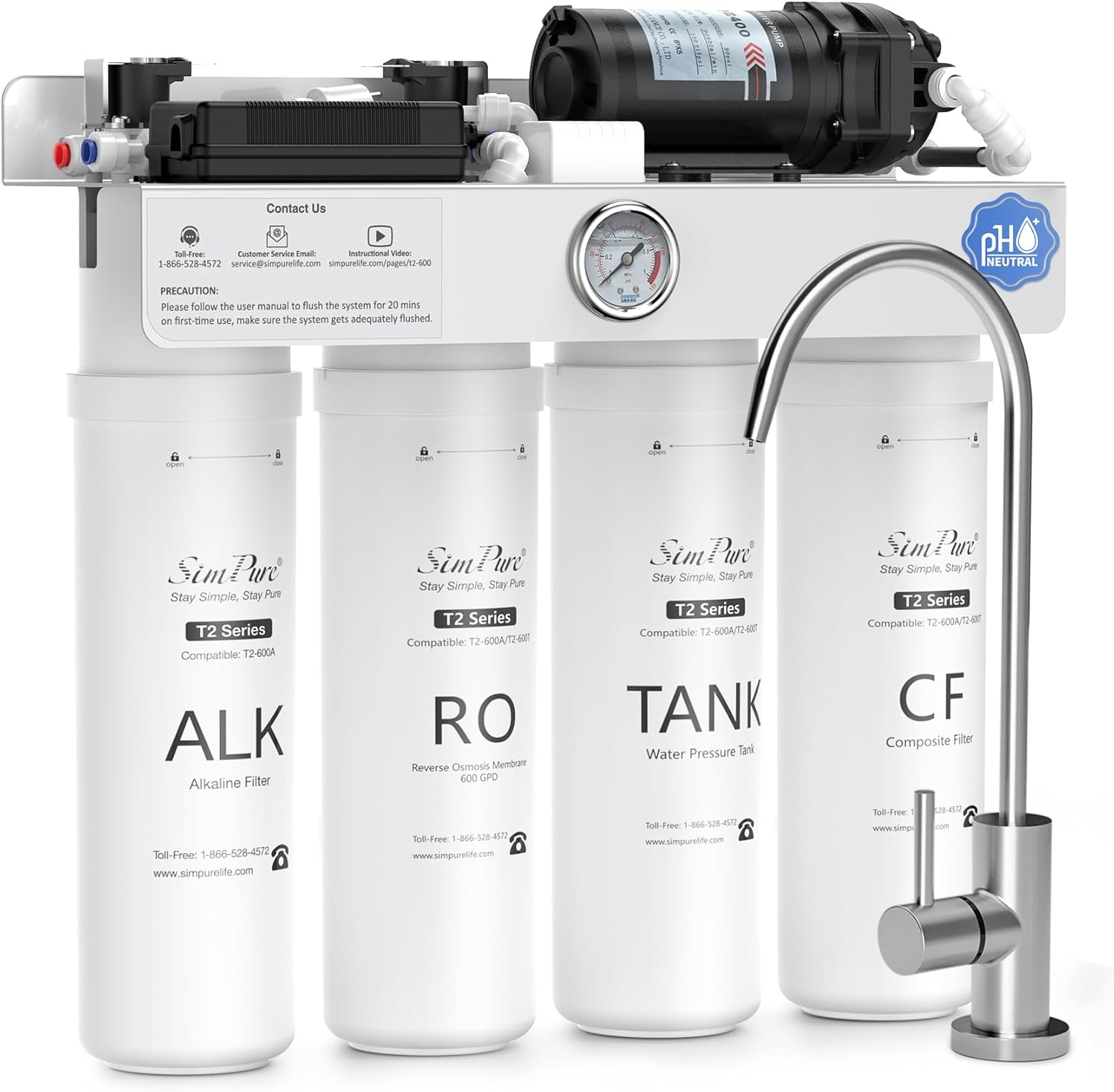
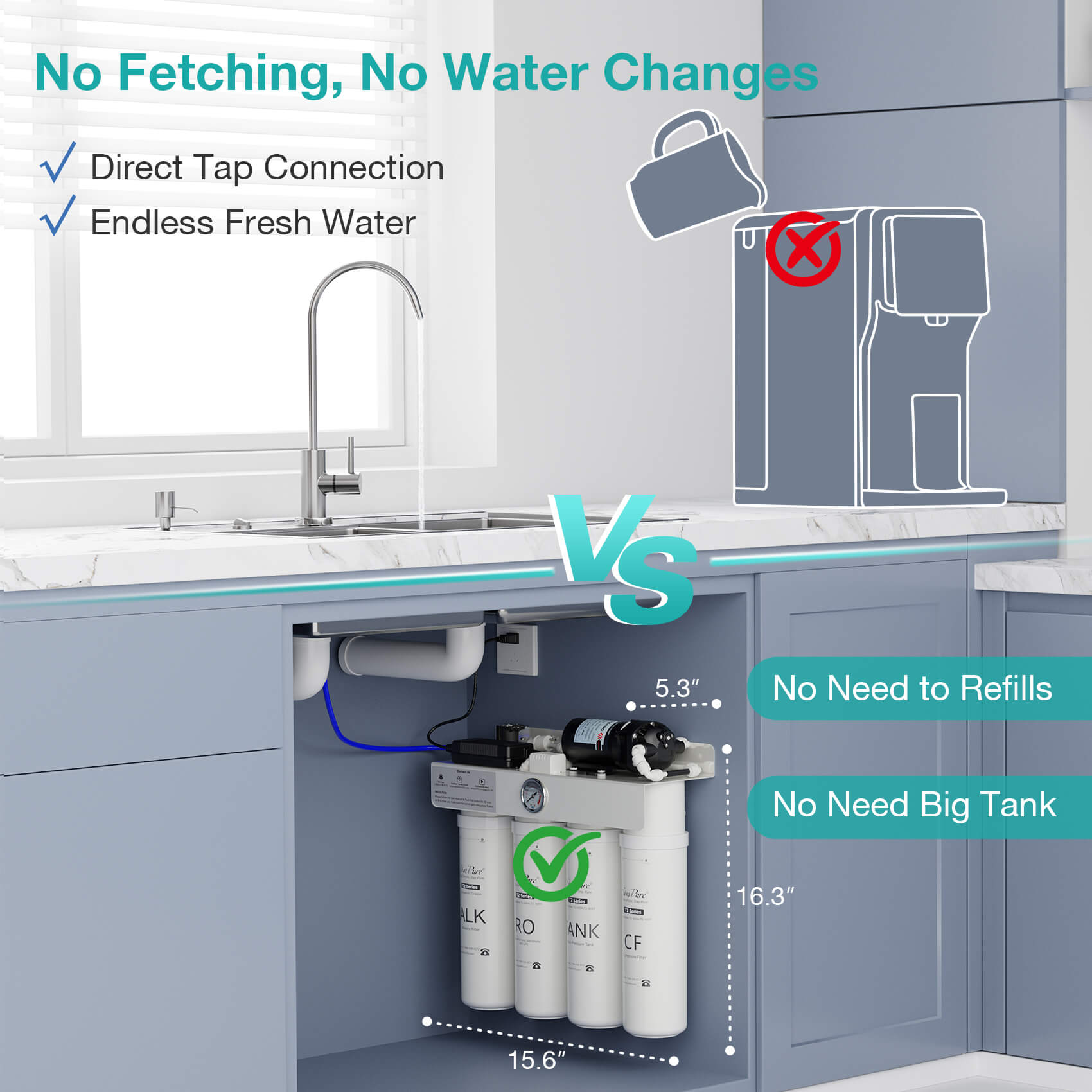
For a permanent fix, install this tankless RO system under your kitchen sink. It connects directly to your cold water line, ensuring that every glass of water you drink is free from that slick, salty softener taste.
View ProductFAQs About Salty Water After Softening
In most cases, it is not harmful to healthy adults, but it indicates a system malfunction. However, for individuals on low-sodium diets or those with high blood pressure, this excess salt intake can be a health concern. If the water tastes significantly like brine, avoid drinking it until the system is serviced.
This usually means the rinse cycle was interrupted or failed. If the control valve doesn't allow enough fresh water to flush out the brine, residual salt stays in the tank. Try running a manual "Extra Rinse" cycle to see if the taste clears up.
If it's just a minor hiccup, it might clear after running the cold water tap for 10-15 minutes. However, if the cause is a clogged drain line or a broken valve seal, the salty taste will persist or return after the next regeneration.
No. Standard carbon pitcher filters or refrigerator filters are not designed to remove dissolved salts or sodium. To effectively remove the sodium added by a softener, you need a Reverse Osmosis system or a Distiller. (Discover our Countertop RO models that require zero installation).
Most indoor plants are sensitive to sodium and may die if watered with salty softened water. For pets, while small amounts are usually fine, the high sodium content can lead to dehydration or kidney issues over time. It is always better to provide filtered, non-softened water for them.