
Have you ever marveled at the human body's ability to adapt to extreme temperatures? From icy winter days to sweltering heatwaves, our bodies possess an incredible ability to maintain equilibrium. Central to this remarkable feat is the critical role of water in body temperature regulation. So, how does water regulate body temperature? In this article, we unravel the secrets of how water uses its power to ensure your body temperature remains in perfect harmony.
Understanding Body Temperature Regulation

Before answering the question of how does water regulate body temperature, let's take a look at the process of the body's thermoregulation mechanism.
The Thermoregulatory System
The regulation of human body temperature is a complex process that involves several mechanisms working together to maintain a stable internal temperature, typically around 98.6°F (37°C). The primary regulator is the hypothalamus, a region of the brain that acts as the body's thermostat.
When body temperature rises, such as during physical activity or exposure to a hot environment, the hypothalamus detects this increase. It initiates cooling mechanisms, including dilation of blood vessels in the skin to increase blood flow and promote heat loss through sweating. Sweat evaporates from the skin, dissipating heat and cooling the body.Conversely, if body temperature drops, such as in cold conditions, the hypothalamus triggers heat conservation mechanisms. These include vasoconstriction, where blood vessels in the skin constrict to reduce heat loss, and shivering, which generates heat through muscular contractions.
The Significance of Body Temperature
Thermoregulation is vital to the body as it has a major impact on various physiological processes. The following are some specific manifestations:
1. Increases Metabolic Efficiency
The regulation of body temperature is closely related to metabolic processes. The body's metabolic rate, the rate at which it converts fuel (food) into energy, is affected by body temperature. Proper temperature regulation ensures efficient production and utilization of energy within cells.
2. Promotes Nervous System Function
The nervous system, including the brain and spinal cord, is highly sensitive to changes in body temperature. Maintaining a stable body temperature is critical for optimal nervous system function, ensuring efficient neurotransmission and cognitive processes.
3. Affects Cardiovascular Health
Thermoregulation affects cardiovascular function. Blood vessels near the surface of the skin expand or contract in response to temperature changes, regulating blood flow and heat exchange with the environment. Proper temperature regulation helps maintain blood pressure, heart rate, and overall cardiovascular homeostasis.
4. Improves Athletic Performance
Proper thermoregulation is critical to physical performance during exercise. Increased body temperature during exercise helps to enhance muscle performance and blood flow, facilitating nutrient delivery and waste removal. An efficient heat dissipation mechanism also prevents overheating and potential heat-related illnesses.
5. Maintains Homeostasis
Thermoregulation is critical to maintaining overall homeostasis in the body. It contributes to the balance of various physiological parameters such as fluid balance, pH regulation and hormone secretion.
How Does Water Regulate Body Temperature?
Through reading the above content, you may have clearly understood the importance of body temperature regulation to the body. In the previous blog what does water do for the body, we have learned that water helps regulate body temperature. So how does water help regulate body temperature? Please read on!
| Mechanism | How It Works | Key Benefits | Notes |
|---|---|---|---|
| Heat Absorption | Absorbs heat from body tissues | Prevents rapid temp rise | High heat capacity |
| Sweating | Water in sweat evaporates | Cools skin, homeostasis | Most effective way |
| Blood Flow | Maintains volume for heat transfer | Dissipates core heat | Hydration is critical |
| Breathing | Exhaled vapor removes heat | Respiratory cooling | Supportive role |
| Drinking Water | Lowers temp and maintains hydration | Immediate relief | Cold water is best |
| Heat Transfer | Water conducts heat to skin | Efficient distribution | Muscles/Organs |
| Insulation | Cushions organs, barrier film | Protects vital organs | Hydrolipidic film |
1. Water Will Regulate Body Temperature Through Heat Absorption and Release.
Does water maintain body temperature? Of course! Water has a high specific heat capacity, which means it can absorb and store large amounts of heat without its own temperature changing significantly. When the body is exposed to heat, such as during physical activity or in a warm environment, the water in the body absorbs this heat, preventing a rapid rise in body temperature. Once heat is absorbed by water, it can be released from the body through various mechanisms. By absorbing heat and promoting heat release through sweating, evaporation and heat transfer, and prevent overheating. This process is critical to maintaining homeostasis and ensuring the body functions optimally, even under challenging thermal conditions.
2. Water Helps Regulate Body Temperature Through Sweating and Evaporation.
Sweating is the body's primary cooling mechanism, and water plays a central role in this process. So how does water regulate body temperature? When body temperature rises, the hypothalamus (an area in the brain) signals the sweat glands to produce sweat. Sweat is primarily composed of water with small amounts of electrolytes such as sodium and chloride. After sweat is secreted to the surface of the skin, it evaporates into the surrounding air. This transition from liquid to vapor requires energy, which comes from body heat. As sweat evaporates, it removes heat from the skin, creating a cooling effect.
The effect of sweating and evaporation on cooling the body depends on environmental conditions. Higher humidity levels reduce evaporation rates because the air already contains a lot of moisture. In this case, the body may find it more challenging to cool down just by sweating.
3. Water Regulates Body Temperature Through Blood Flow.
Water is essential to maintain proper blood volume and circulation, which is essential for thermoregulation. When body temperature rises, blood vessels near the surface of the skin dilate, allowing more blood to flow through them. This increased blood flow helps to dissipate heat from the core of the body to the surface of the skin, facilitating heat loss to the surrounding environment. Then how does a body of water regulate the temperature by blood flow? Adequate hydration ensures that there is enough fluid in the blood to support optimal blood flow and heat exchange processes. By increasing blood flow near the surface of the skin, heat is dissipated through various mechanisms, helping to cool the body and maintain thermal balance.
4. Water Could Regulate Body Temperature Through Breathing.
Is there any else way of how does water regulate body temperature? Yes, water can also regulate body temperature through breathing. During exhalation, water vapor is expelled from the lungs, a process called vaporization that takes heat away from the body. This helps dissipate heat. When cool air is inhaled, the respiratory system heats it up, preventing sudden temperature changes in the body. The water present in the respiratory system helps to humidify the air, ensuring that the lungs and airways remain properly hydrated. Adequate hydration is essential for respiratory regulation and maintaining the effectiveness of these processes. When the body is dehydrated, the respiratory system may have difficulty humidifying the air properly, leading to dryness and potential irritation of the airways.
5. Water May Regulate Body Temperature Through Cooling Effect of Drinking Water.
Drinking water helps regulate body temperature by maintaining hydration levels. When the body is well hydrated, it can effectively regulate body temperature and dissipate heat. But when the body is dehydrated, it has a harder time dissipating heat effectively. Especially drinking cold water can bring an immediate cooling sensation. The cool temperature of the water can help lower the body's overall temperature and provide relief, especially in warm or hot environments. It's important to note that while drinking water will help cool you down, it won't directly lower your core body temperature. The cooling effect is primarily achieved by improving hydration and supporting the body's natural cooling mechanisms such as sweating and evaporation.
6. Water Regulates Body Temperature Through Heat Transfer.
Water is the medium of heat transfer throughout the body. It flows through blood vessels, transporting heat from internal organs and tissues to the surface of the skin. It can transfer heat from one object to another through direct contact. In the body, water-filled tissues, such as muscles and organs, facilitate the conduction of heat. For example, when a hot object comes into contact with the skin, the water in the skin helps move the heat away from the contact site, reducing the risk of burns. By promoting heat transfer, water helps to dissipate and carry away excess heat, preventing overheating.
7. Water Can Regulate Body Temperature Through Insulation and Protection.
Water has a relatively high thermal conductivity, which means it is not a good conductor of heat. This property helps to insulate the body and protect it from rapid temperature changes in the external environment. The layer of water present in the skin, called the hydrolipidic film, acts as a barrier, reducing heat loss and preventing excessive heat gain. Water in the body also cushions and protects internal organs. It helps maintain the proper environment for organs to function optimally. Water in bodily fluids such as cerebrospinal fluid, amniotic fluid, and synovial fluid acts as a protective barrier and lubricant for vital organs and joints.
So, How To Keep Your Body Well Hydrated?

In the previous content, we have explained in detail how does water regulate body temperature. The importance of water to the human body is self-evident, so how to keep the body hydrated? Here are some tips:
1. Drink an Adequate Amount of Water
The most basic and effective way to stay hydrated is to drink enough water throughout the day. Carrying a reusable water bottle with you at all times and keeping the bottle within easy reach will make drinking water throughout the day easier. In addition, drinking the right amount of water can also help you lose weight, a general recommendation is to drink at least eight 8-ounce glasses of water (about 2 liters) per day.
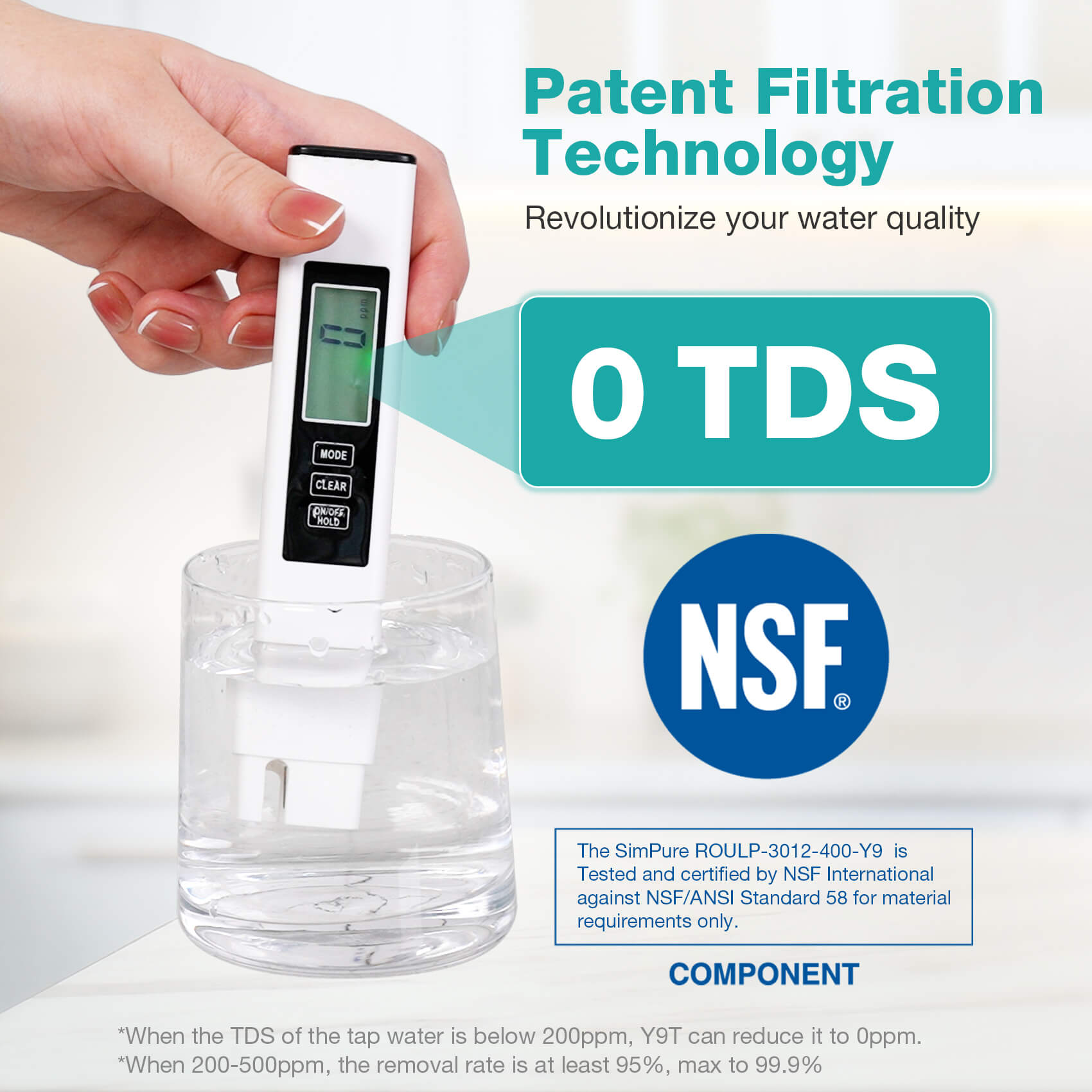
Notes: It should be noted that while drinking enough water, you must also pay attention to the quality of the water. Ordinary tap water may contain bacteria, heavy metals, viruses and other impurities, and long-term drinking will pose a potential threat to health. Therefore, we recommend that you use a water purifier to filter to obtain pure water.
2. Eat Water-Rich Fruits and Vegetables
Incorporate foods high in water content into your diet to supplement your fluid intake. Fruits and vegetables like watermelon, cucumbers, oranges, strawberries, celery, and lettuce are high in water and help with overall hydration.
3. Be Mindful in Hot Weather
In hot, humid weather, your body tends to lose more water through sweating. You need to pay extra attention to hydration and drink frequently, even if you don't feel thirsty. Avoid overexposure to the sun during the hottest hours of the day, or consider drinking electrolyte-rich drinks or sports drinks to replace minerals lost through sweating.
4. Limit Caffeine and Alcohol Intake
Alcohol and caffeinated beverages have a diuretic effect, leading to increased urination and potential dehydration, as well as impairing the body's ability to regulate fluid balance. The U.S. Centers for Disease Control and Prevention (CDC) recommends moderate alcohol consumption.
5. Monitor Urine Color
The color of your urine is a good indicator of your hydration status. Pale yellow or clear urine color usually indicates that you are well hydrated. If your urine is dark yellow or amber, it could be a sign of dehydration.
Cool Down & Stay Hydrated This Summer
Summer heat can quickly raise your body temperature, making hydration more important than ever. Maintaining this balance is easier when you have instant access to refreshing, chilled water that supports your body’s natural cooling process.
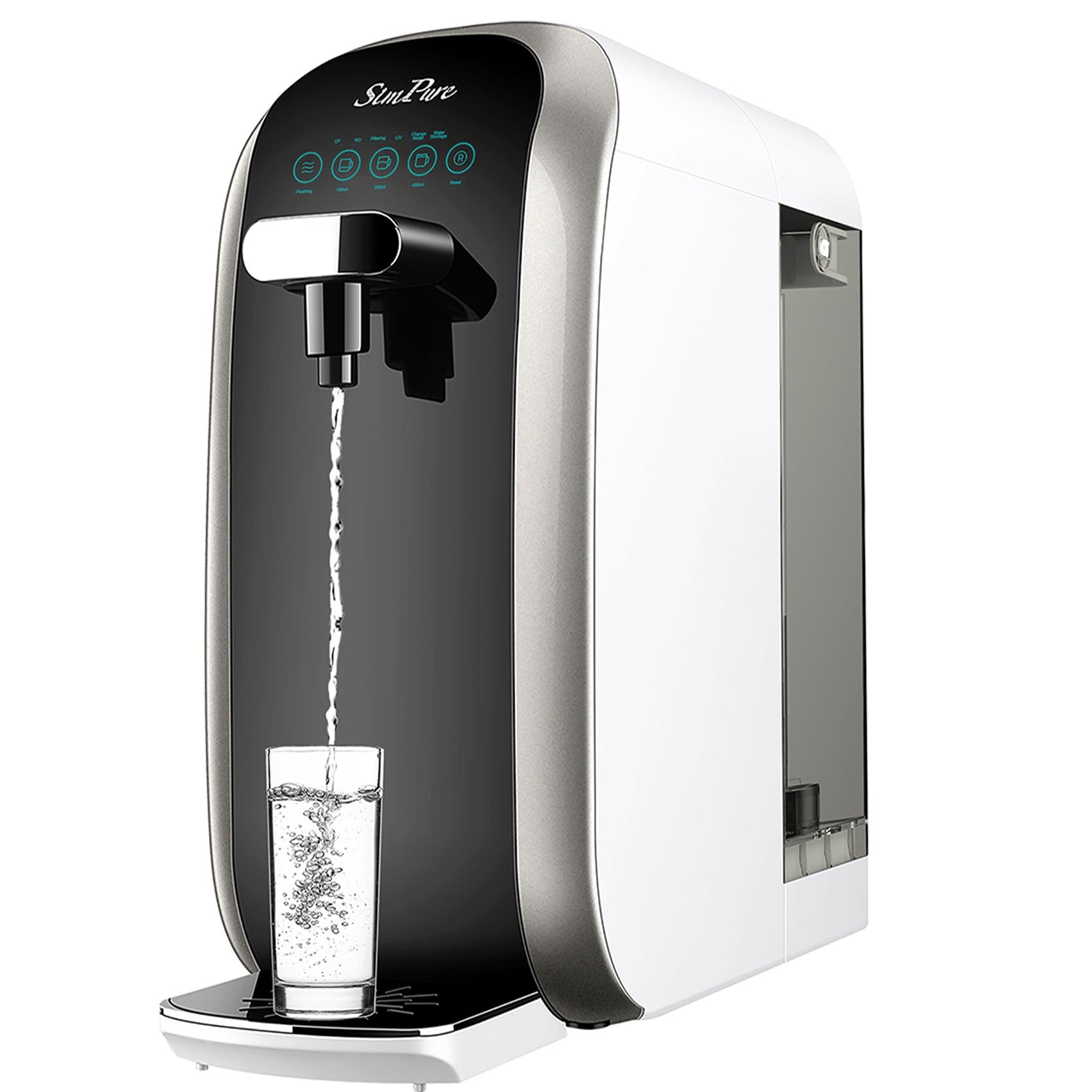
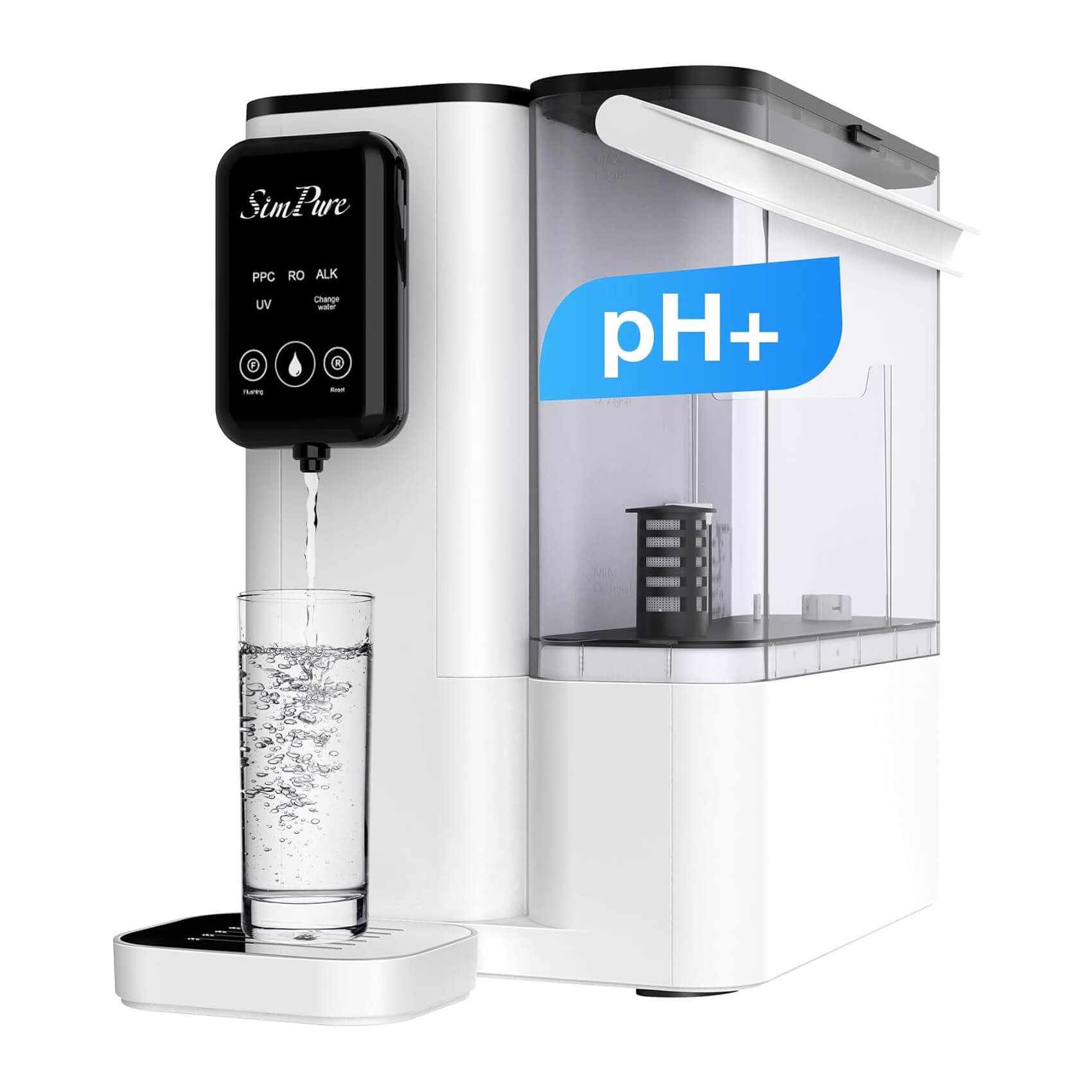
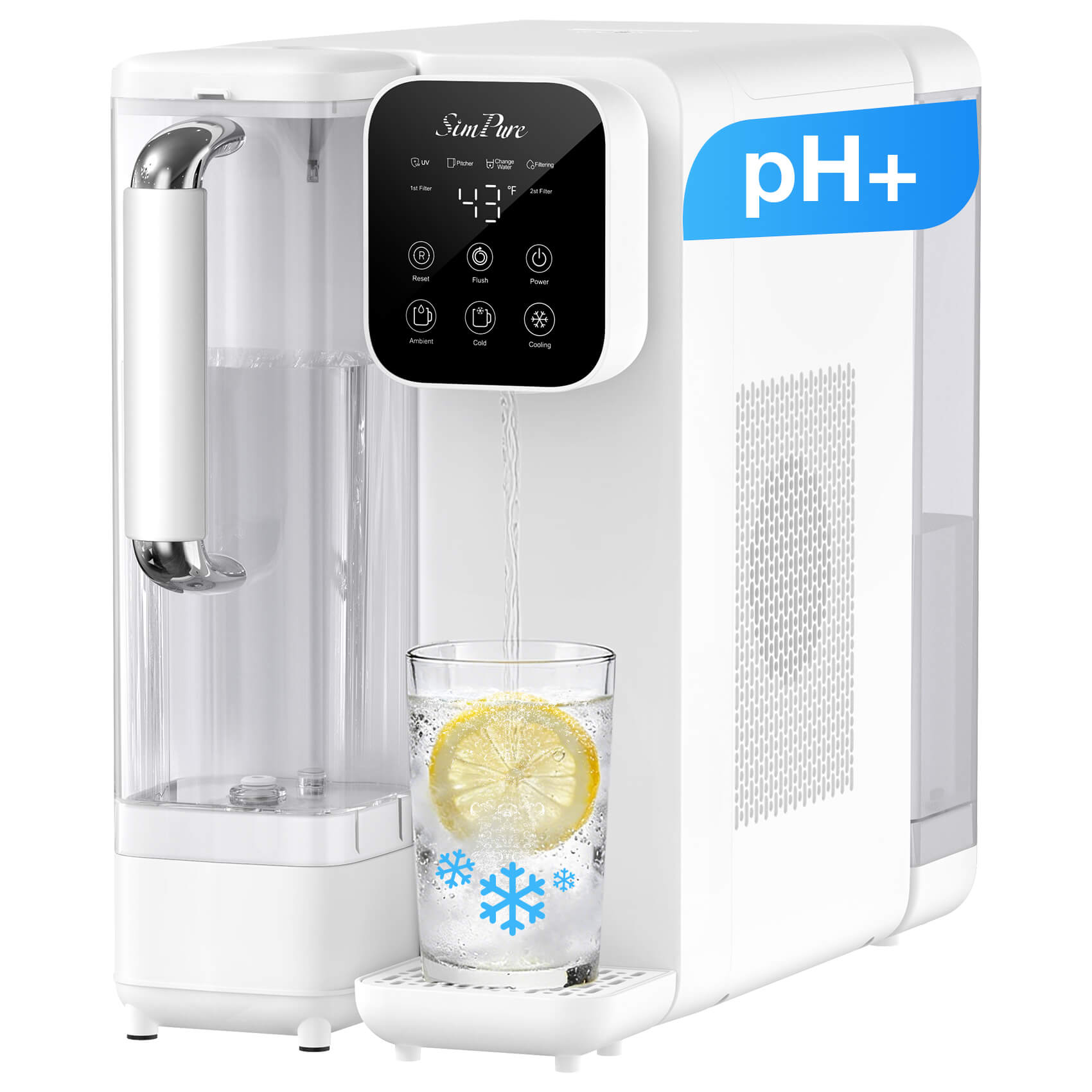
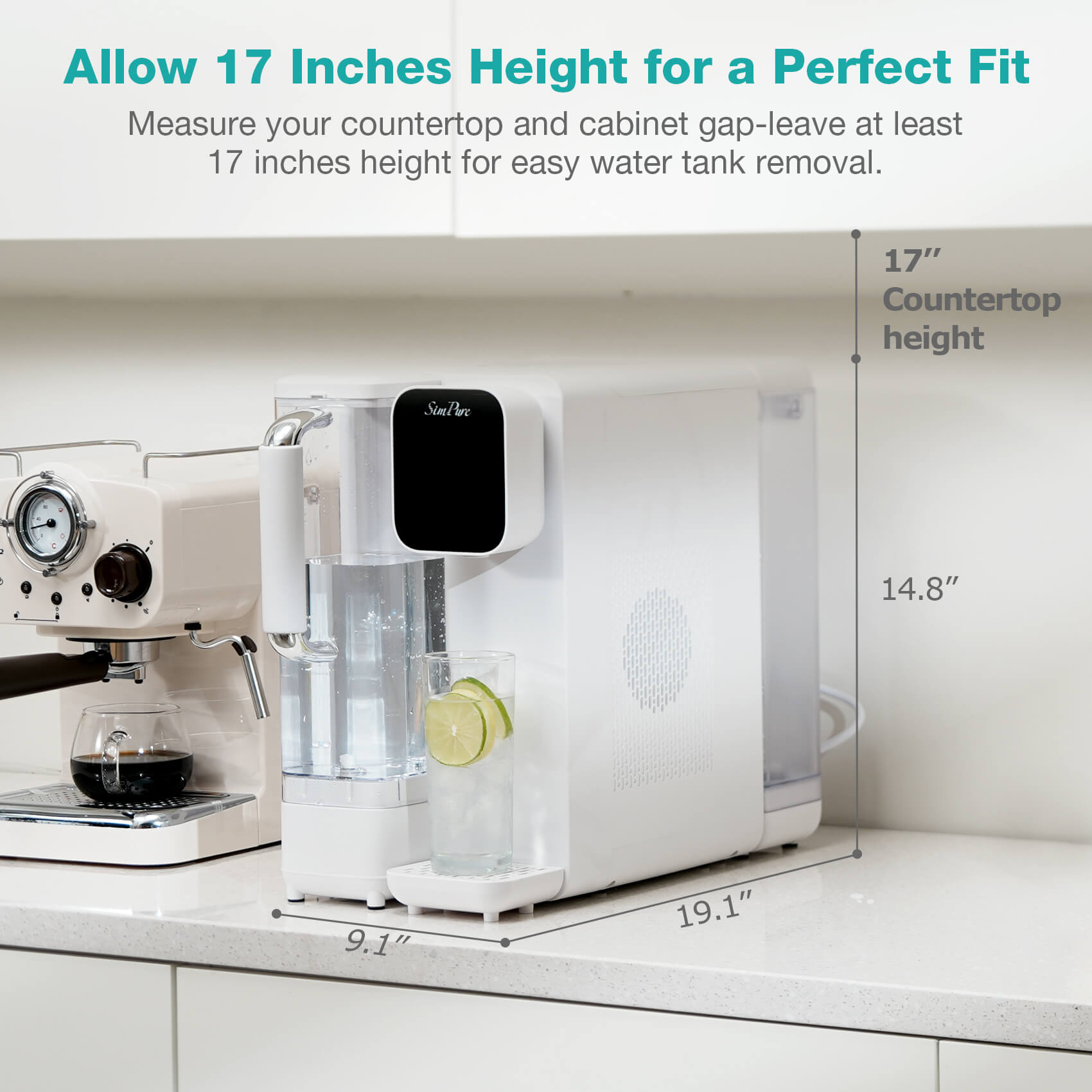
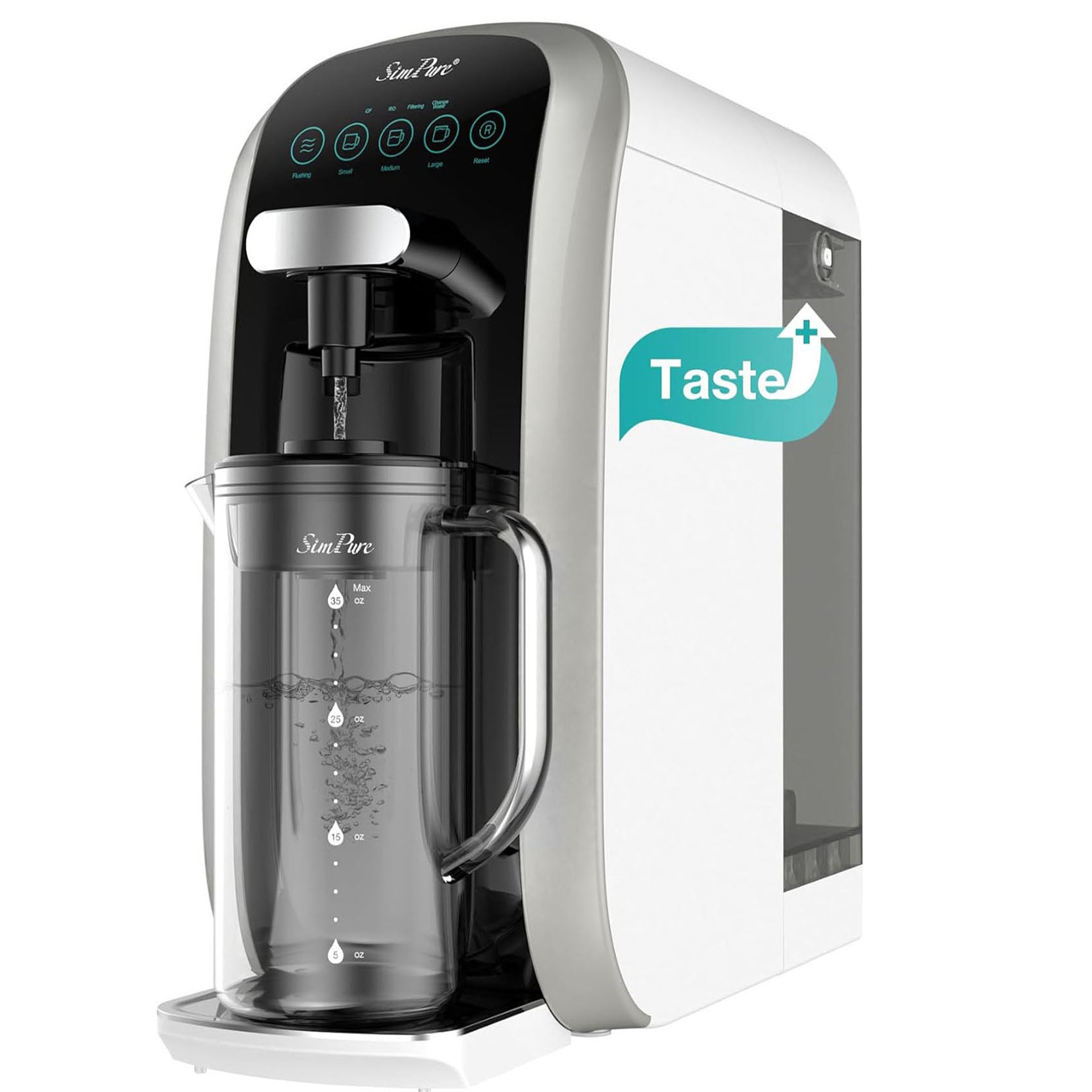
The SimPure Y11C-A 6-Stage Cold Countertop RO System delivers ice-cold, purified water instantly—helping your body stay cool, refreshed, and perfectly hydrated all day long.
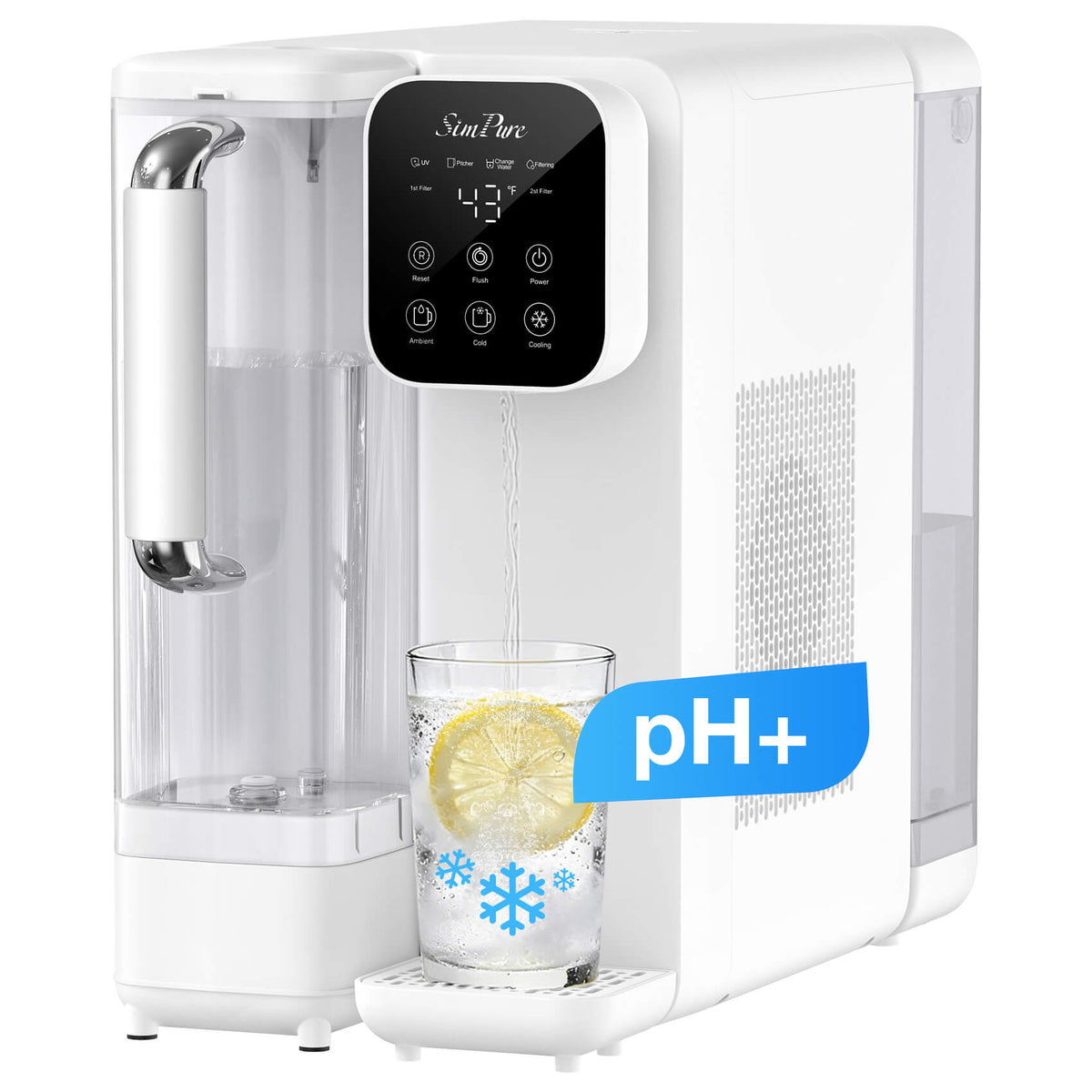
SimPure Y11C-A Cold Countertop RO System
Enjoy ice-cold, freshly filtered water anytime with 6-stage advanced purification and a portable 0.45-gallon pitcher. Perfect for staying cool and hydrated.
$499.99 USD
Buy NowFAQ on Water Regulate Body Temperature
Q1: Can drinking cold water lower body temperature?
A1: It provides temporary cooling and supports natural mechanisms like sweating and evaporation, but does not significantly change core temperature.
Q2: Will drinking water bring your temperature down?
A: Yes, by preventing dehydration. When you are dehydrated, your body stops sweating to save fluid, which causes your temperature to rise. Drinking water restarts the cooling process.
Q3: How much water is needed in hot weather?
A2: Increase daily intake by 20–30% depending on heat and activity. Monitor urine color and thirst.
Q4: Why is hydration important for thermoregulation?
A3: Water supports sweat production, blood circulation, and heat transfer, all crucial for maintaining body temperature.
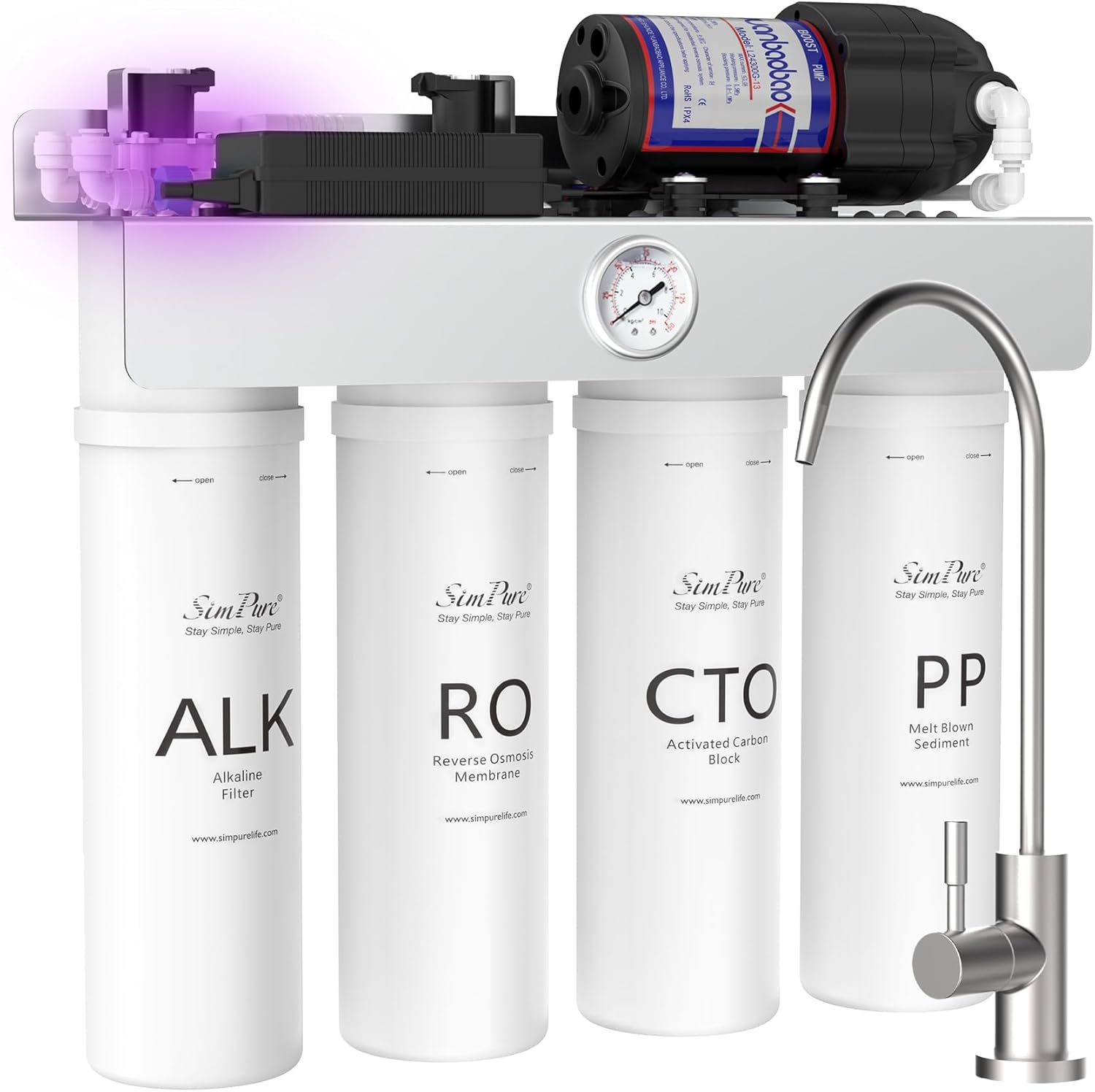
In short, through the above reading, I believe you have already understood how does water regulate body temperature. Water plays a vital role in everything from promoting perspiration to supporting efficient blood circulation and aiding in cooling. It allows us to adapt to various climatic and environmental challenges and perform at our best. To ensure your water is free from contaminants, consider using a reliable water filtration system like SimPure RO Systems. By staying well-hydrated with clear water, you can maintain a balanced body temperature and a harmonious internal environment.
References: