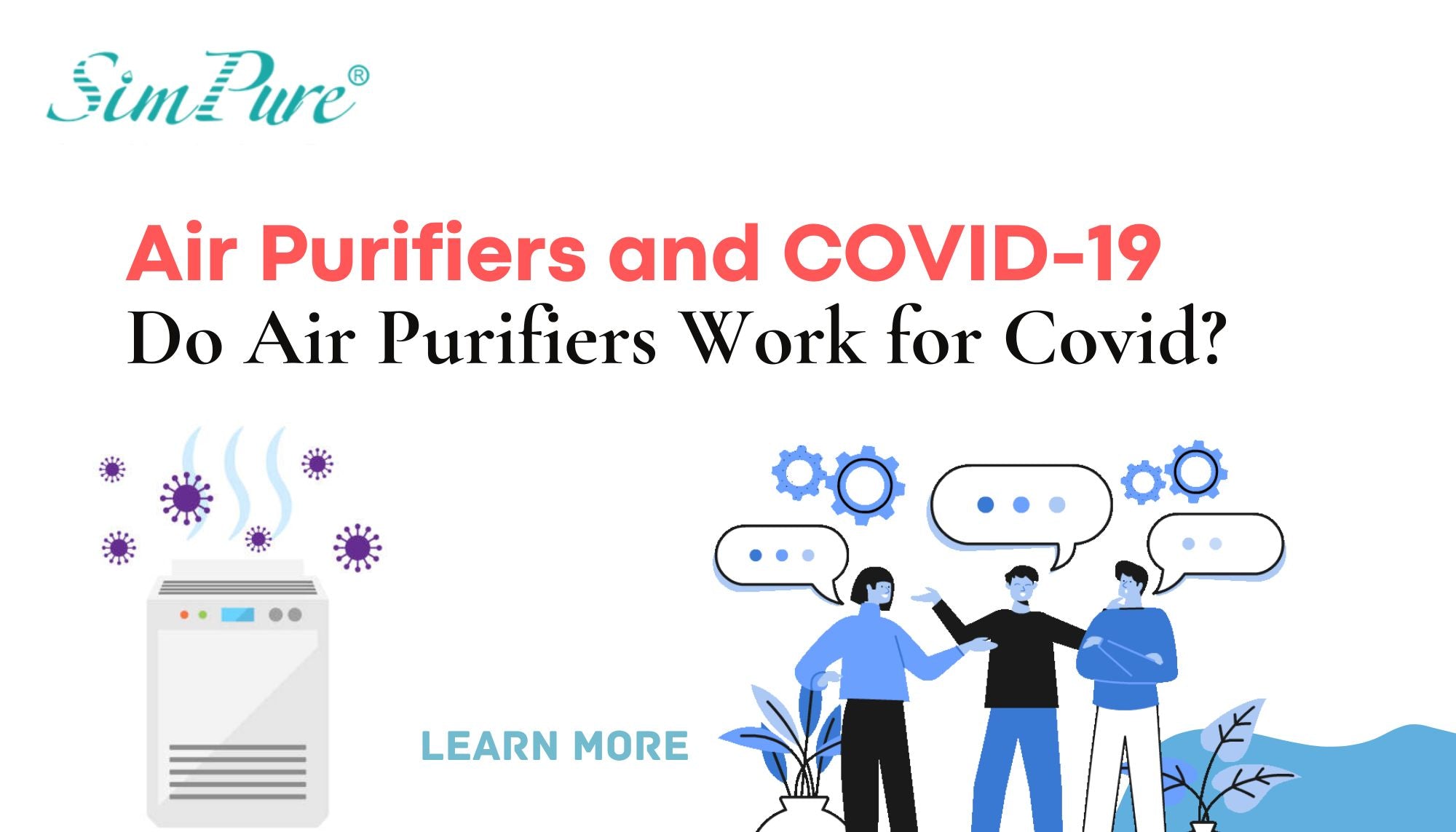
With an increased focus on indoor wellness, a common question arises: How effective are air purifiers against microscopic airborne particles? While many modern systems are designed to enhance air quality, understanding the technical capabilities of filtration is key to maintaining a high-quality home environment.
1. Enhancing Indoor Air Through Advanced Filtration
First and foremost, maintaining natural ventilation remains a primary recommendation for fresh indoor air. However, during times when outdoor air quality is low, high-performance air purifiers serve as a critical secondary layer of defense. These systems utilize electrostatic adsorption, activated carbon, and mechanical filtration to target gaseous pollutants and suspended micro-particles.
Standard filtration systems are engineered to capture a significant percentage of airborne microorganisms. By reducing the overall concentration of particulate matter, they help maintain a dependable and refreshing indoor atmosphere, though they should be used in conjunction with regular fresh air exchange.
2. Reducing the Presence of Airborne Carriers
Air purifiers play a vital role in improving the quality of life for those who spend over 80% of their time indoors. Studies suggest that indoor air can contain higher concentrations of pollutants than outdoor air in poorly ventilated spaces. This is especially impactful for sensitive groups such as the elderly, children, and those with respiratory sensitivities.
For those seeking a professional-grade solution, our MSA3 high-efficiency HEPA air purifier is designed with precision filtration to handle complex indoor environments effectively.
3. The Role of HEPA Technology in Particle Capture
Can advanced filtration systems capture ultra-fine particles? The answer is yes. High-efficiency HEPA filters (H13 grade and above) are specifically tested to intercept microscopic aerosols and droplets. To prevent secondary accumulation, premium filters often incorporate specialized coatings that help manage captured particulate matter.
While an air purifier is not a singular solution for all environmental concerns, its ability to capture and hold microscopic pollutants—such as those suspended in stagnant air—makes it an indispensable component of a modern indoor air management strategy. By alleviating the burden of allergens and pollutants, these systems support a robust and refreshing living space.
Conclusion: A Multi-Layered Approach to Wellness
Air purifiers provide a reliable way to reduce the concentration of airborne particles, including droplets and aerosols that can carry unwanted impurities. While standard models focus on dust and odors, investing in a SimPure comprehensive air filtration system ensures you are utilizing high-performance technology to maintain the quality of the air you breathe every day.
Invest in Your Indoor Environment
Discover our latest technology designed for high-efficiency particle reduction and superior air clarity.
Grab Special Offers & Explore Now! →