
Have you ever wondered if your dog can drink alkaline water? In recent years, alkaline water has surged in popularity, with many touting its potential health benefits for humans. However, as pet owners, our furry companions' well-being is a top priority. The burning question remains: Is alkaline water safe for dogs? In this comprehensive guide, we'll explore the detailed info about what's best for your canine companion!
Yes, healthy dogs can drink alkaline water, but balance is key. We recommend a pH range of 7.0–8.5. For pets with existing health issues like kidney stones, 0 TDS filtered water remains the safer choice.
How Alkaline Water Differs From Regular Tap Water?
To understand the core differences, consider the table below based on standard municipal water vs. remineralized alkaline water:
| Feature | Tap Water | Alkaline Water |
|---|---|---|
| pH Level | Neutral (Approx. 7.0) | Alkaline (8.0 - 9.5) |
| Mineral Content | Variable (Often low) | Enriched (Ca, Mg, K) |
| ORP (Antioxidant) | Positive (Oxidizing) | Negative (Antioxidant potential) |
| Taste Profile | Chlorinated/Metallic | Smooth/Sweet "Spring" taste |
The main technical difference lies in the Oxidation-Reduction Potential (ORP). While tap water is often oxidizing, our alkaline systems strive for a negative ORP, which helps in combating free radicals—a benefit we’ve seen resonate with both human and pet wellness enthusiasts.
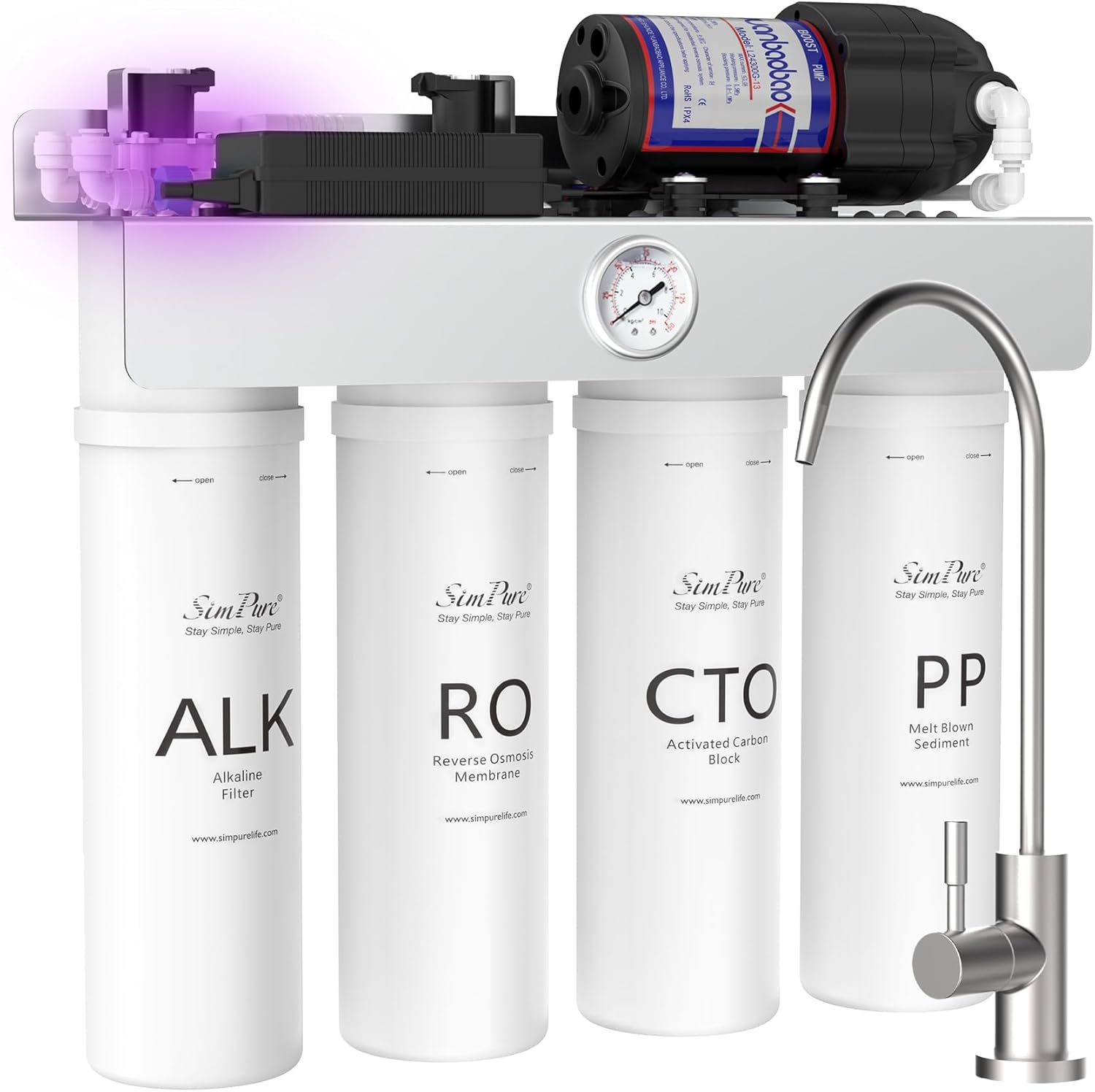
From our experience at SimPure, we know that typical RO (Reverse Osmosis) water purifiers filter out all impurities, including minerals, which can make the taste somewhat lacking. To solve this, our goal was to engineer a way to reintroduce essential minerals without overshooting the safe pH balance for pets.
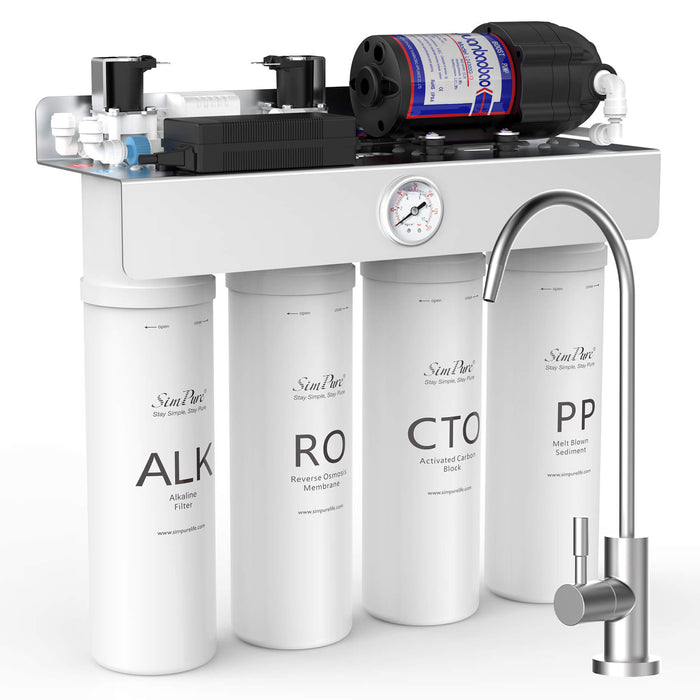
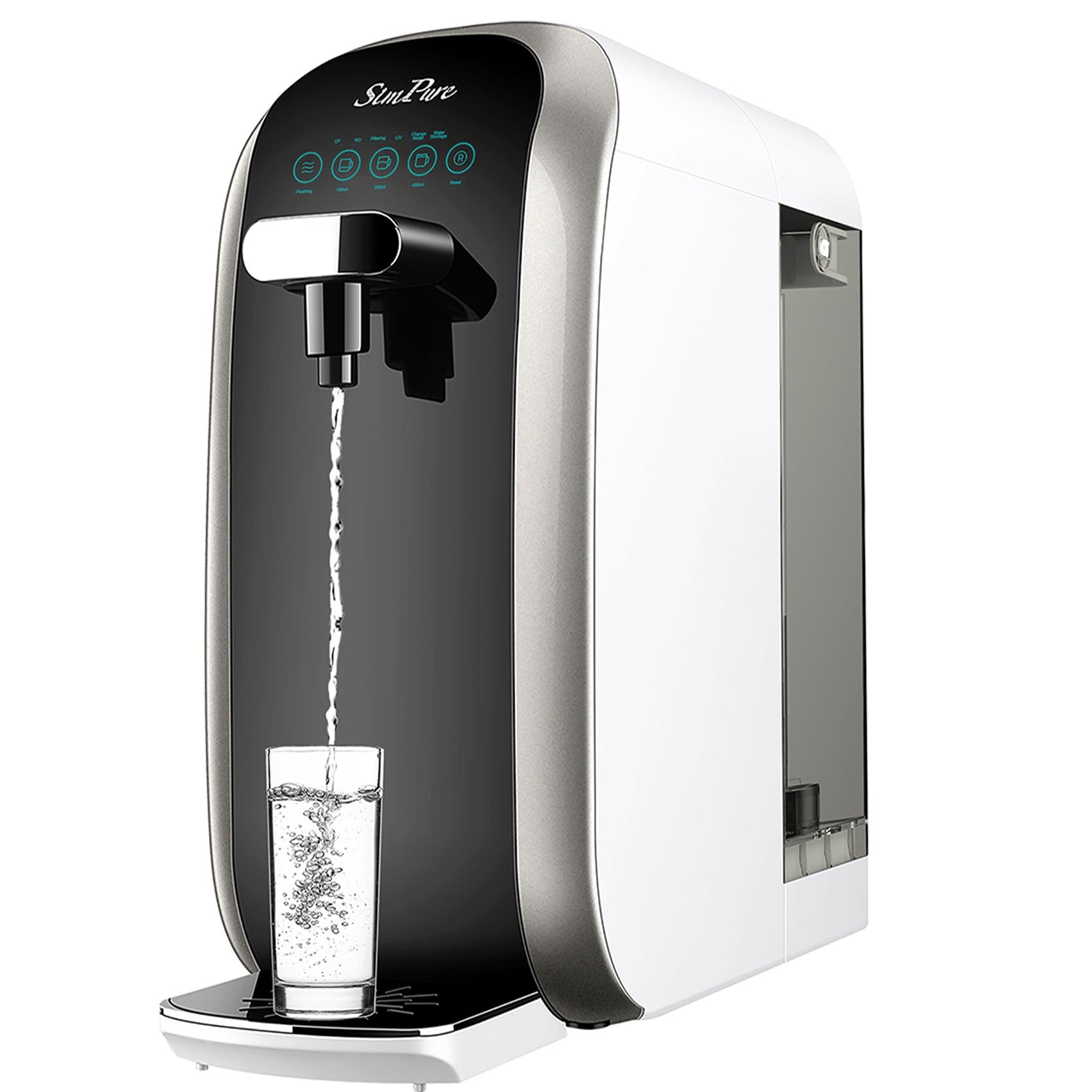
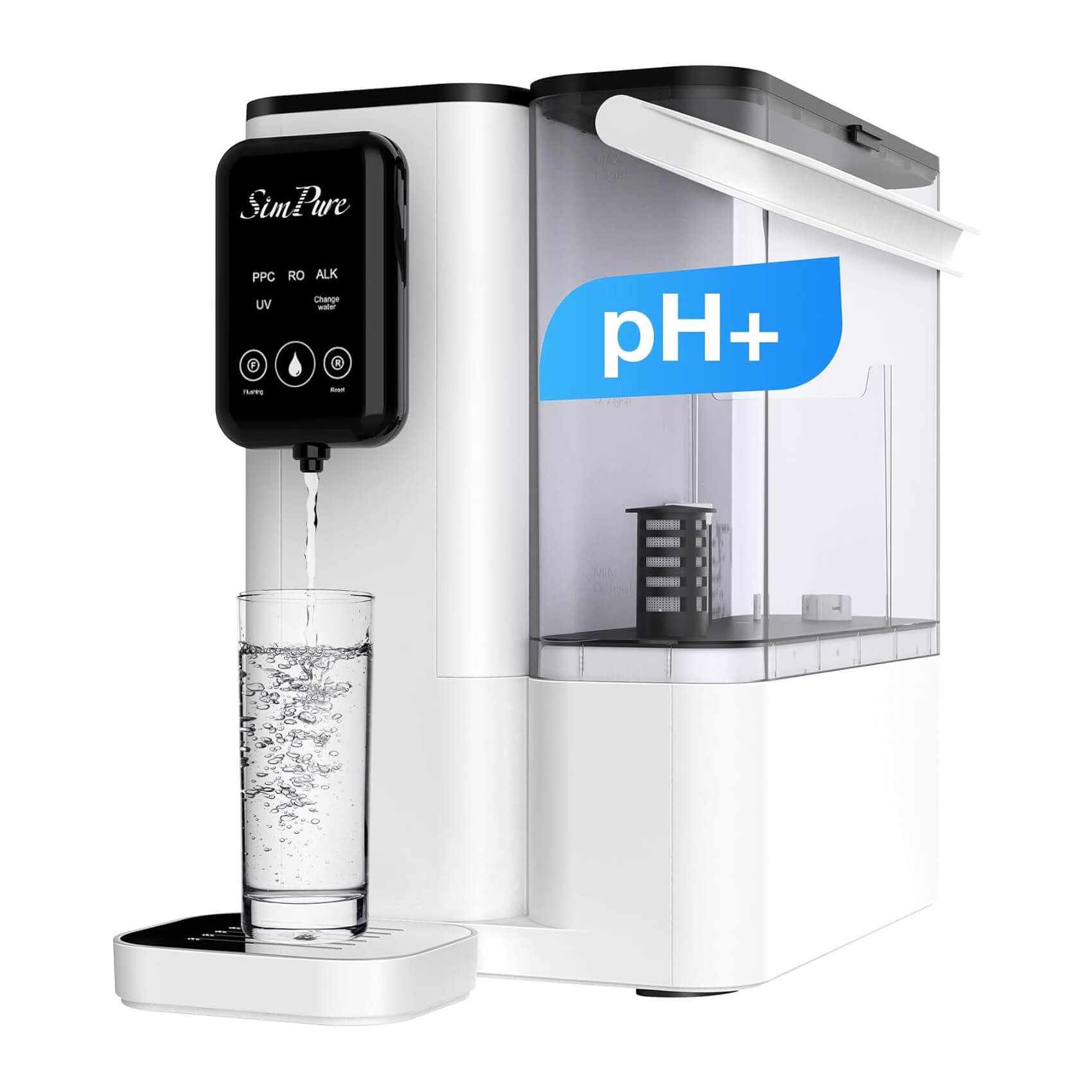
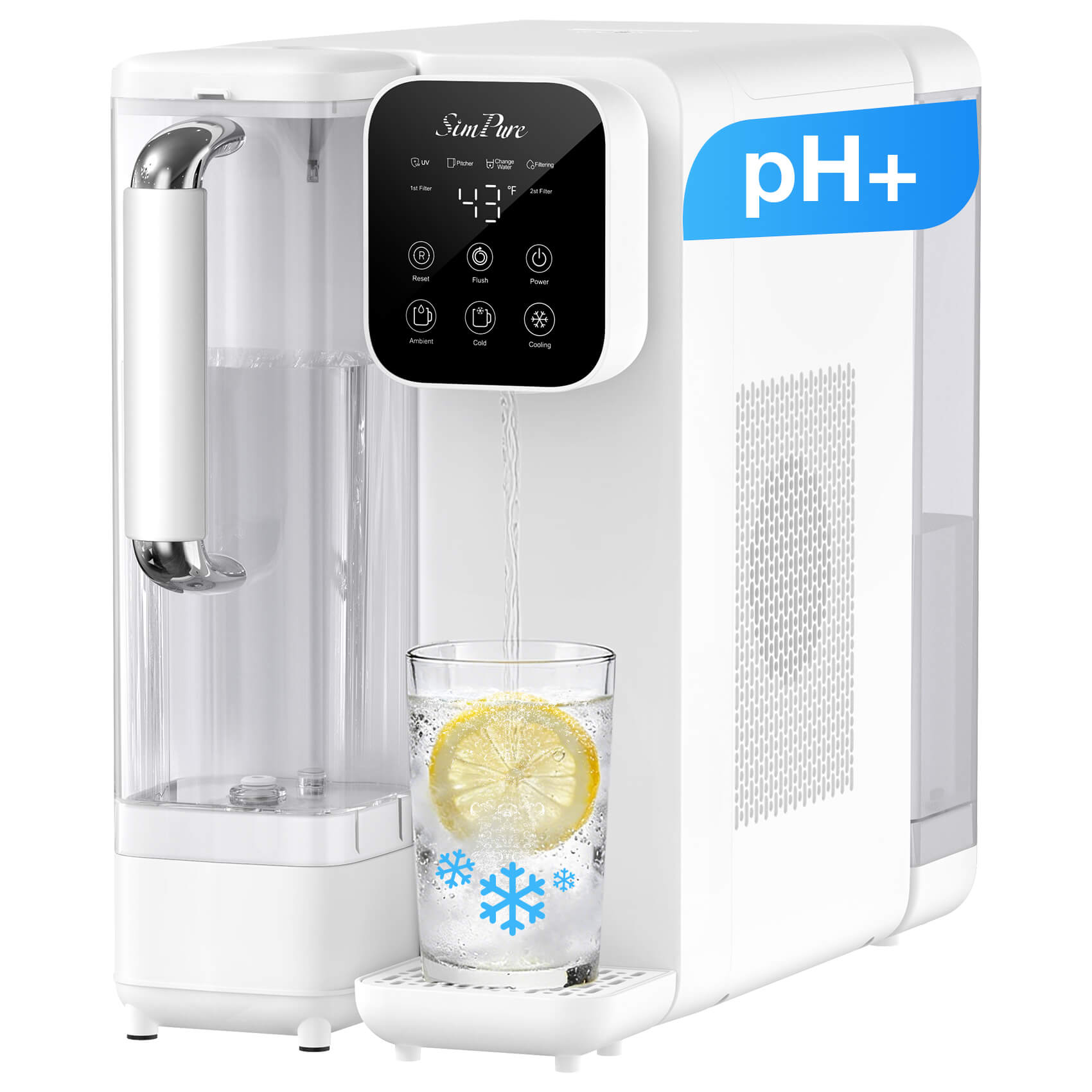
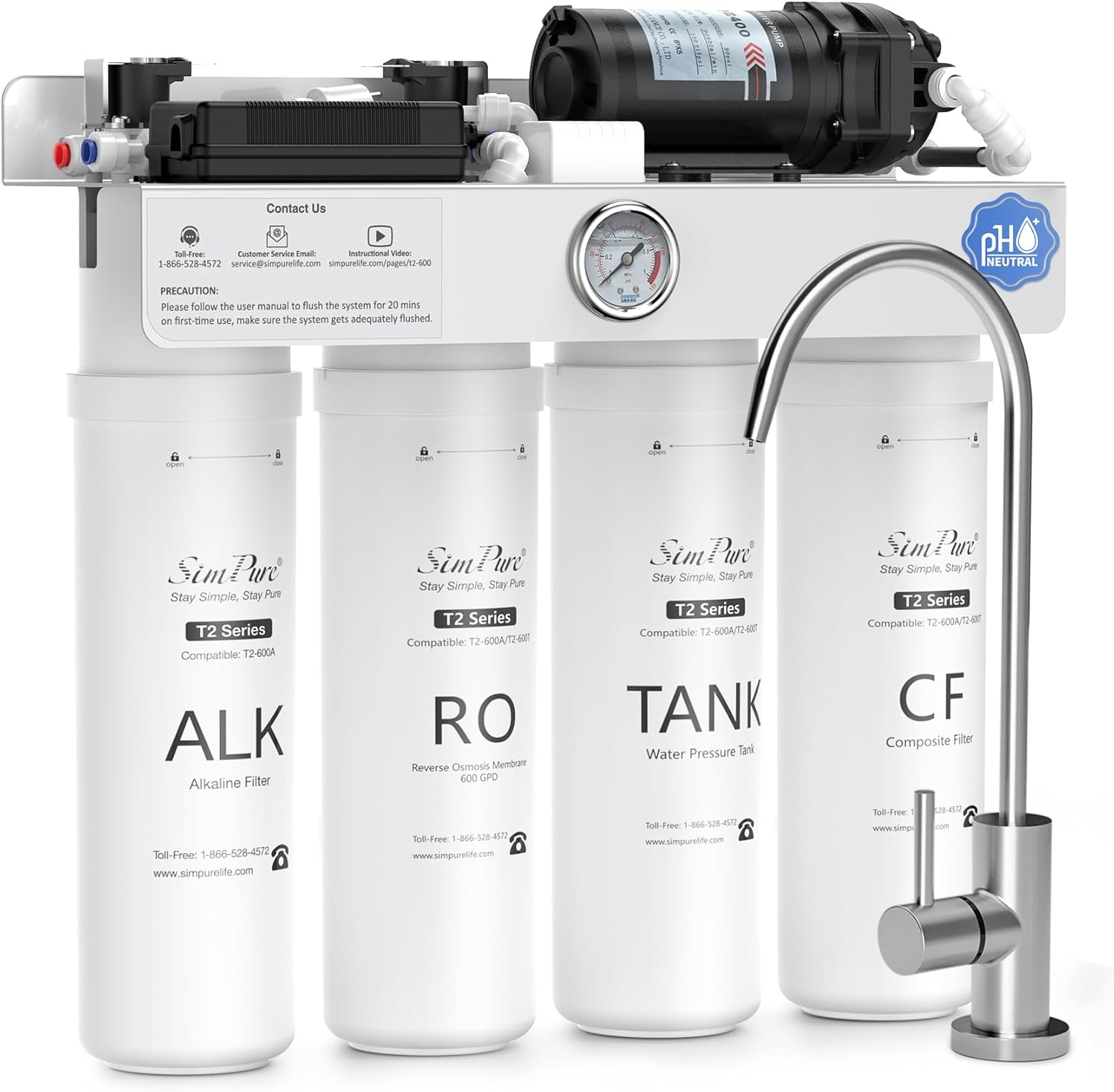
To solve the "flat taste" of pure RO water, we engineered an 8-stage system that targets a consistent pH of 7.0–8.5—the exact "Safe Zone" for multi-pet households.
See How Remineralization Works →The elevated pH level is the key differentiator. Advocates suggest it may help neutralize excess acid and reduce oxidative stress. While these assertions have sparked interest in human wellness, we must examine if they extend to our canine companions safely.
So, Can Dogs Drink Alkaline Water? Every Dog Varies.
The short answer is yes: healthy adult dogs can safely drink alkaline water, but only within a specific range. While humans sometimes consume water with a pH of 9.5 or higher, for dogs, the "safe zone" is a mildly alkaline pH of 7.0 to 8.5. Because a dog’s stomach is significantly more acidic than a human's—designed to break down raw proteins and bone—water that is too alkaline can interfere with their natural digestion.
Potential Benefits of Alkaline Water for Dogs
Some suggest it could aid in neutralizing excess acidity within their bodies. Enhanced hydration and reduced oxidative stress are also considerations, although the extent of these benefits in canines warrants further study.
Potential Risks and Considerations
Alkaline water may lead to gastrointestinal discomfort if it doesn't align with a dog's natural physiology. We advise caution: dogs have specific dietary and hydration needs, and any deviation should be approached carefully.
There is limited scientific research on the specific effects of alkaline water on dogs. Based on our observations, dogs prone to struvite crystals should stick to neutral or 0 TDS water to avoid promoting stone formation.
How to Tell if a Dog Is Adapted to Alkaline Water or Not?
Determining adaptability involves careful observation. However, the biggest challenge for owners is switching between water types if their dog shows sensitivity. This is why we prioritized flexibility in our countertop designs.

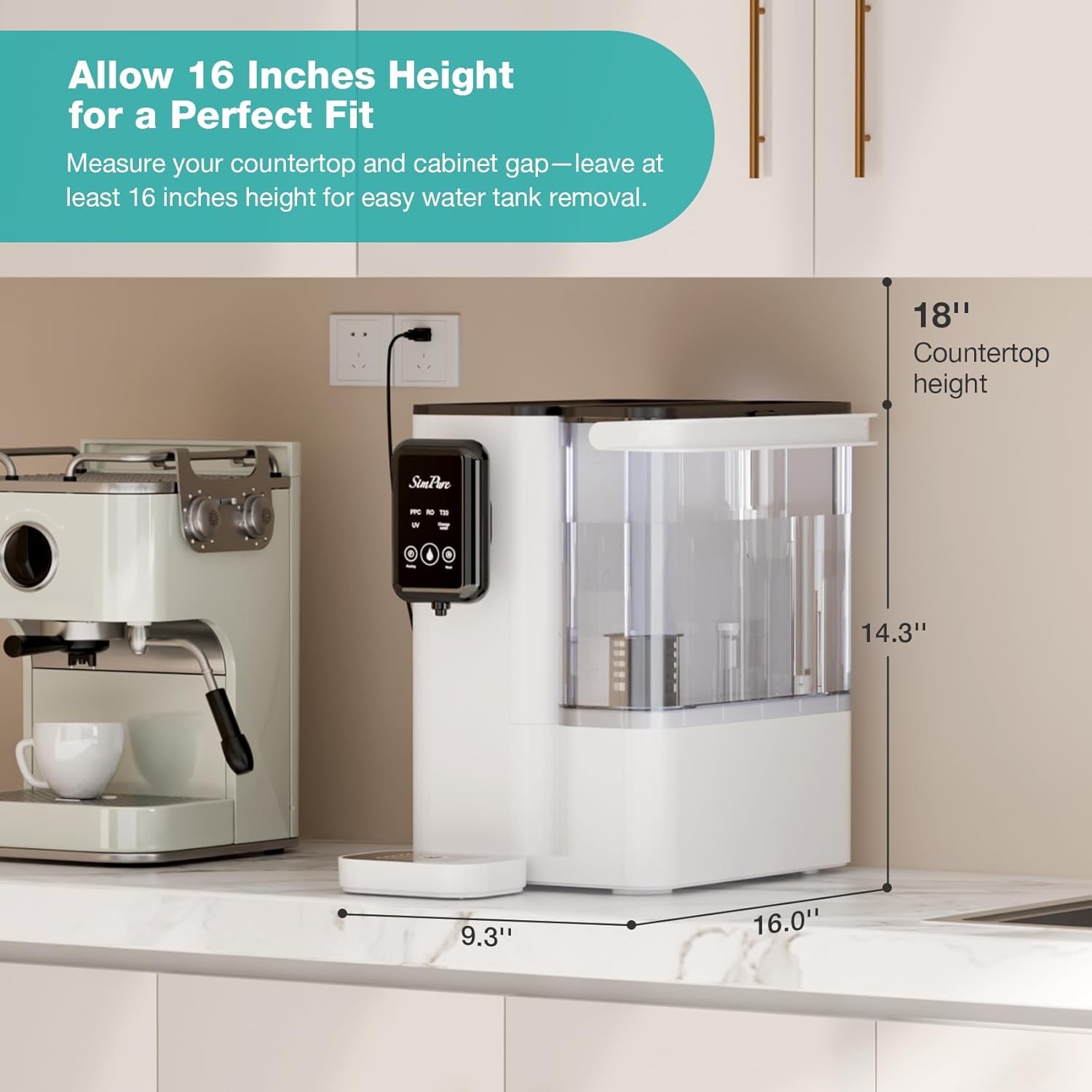
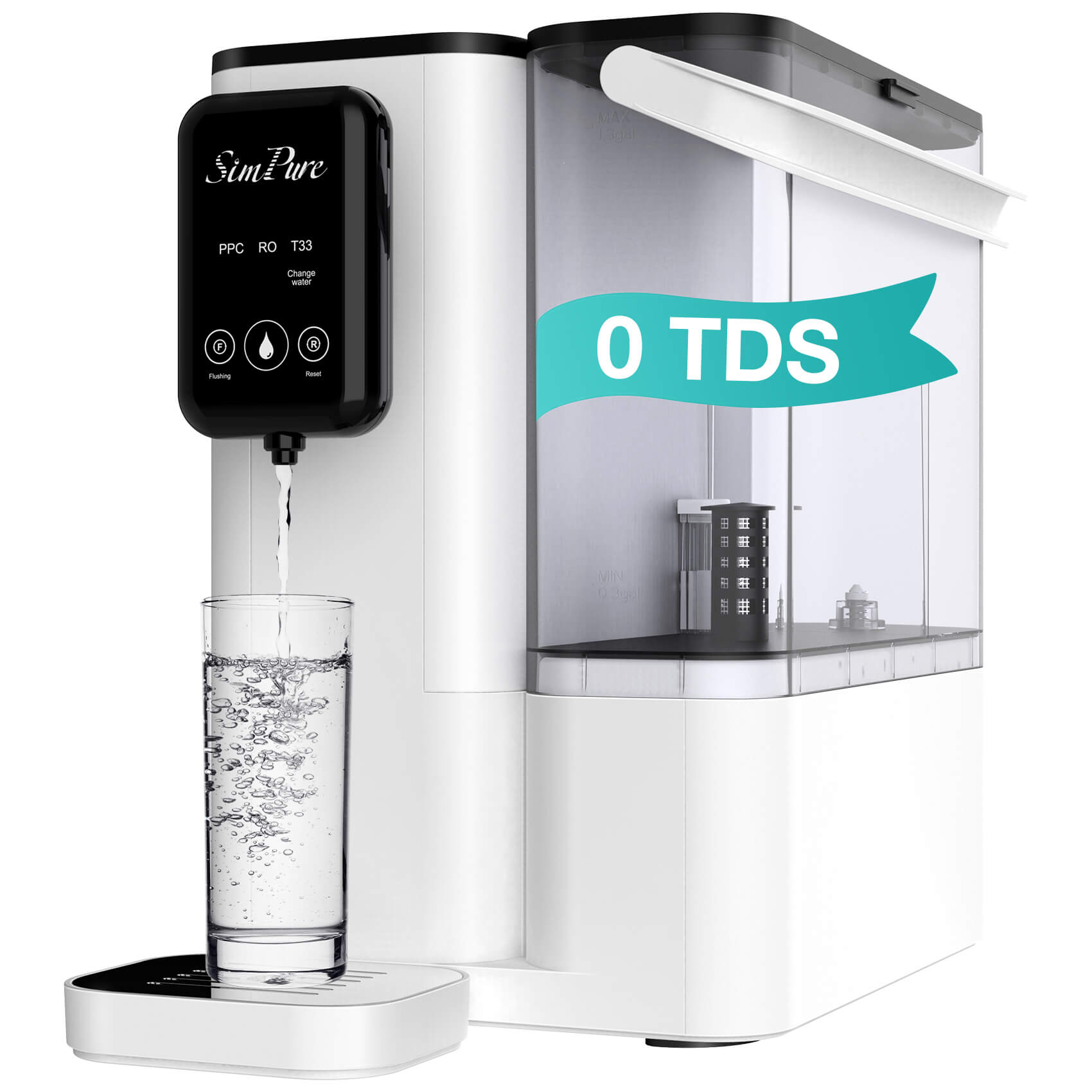
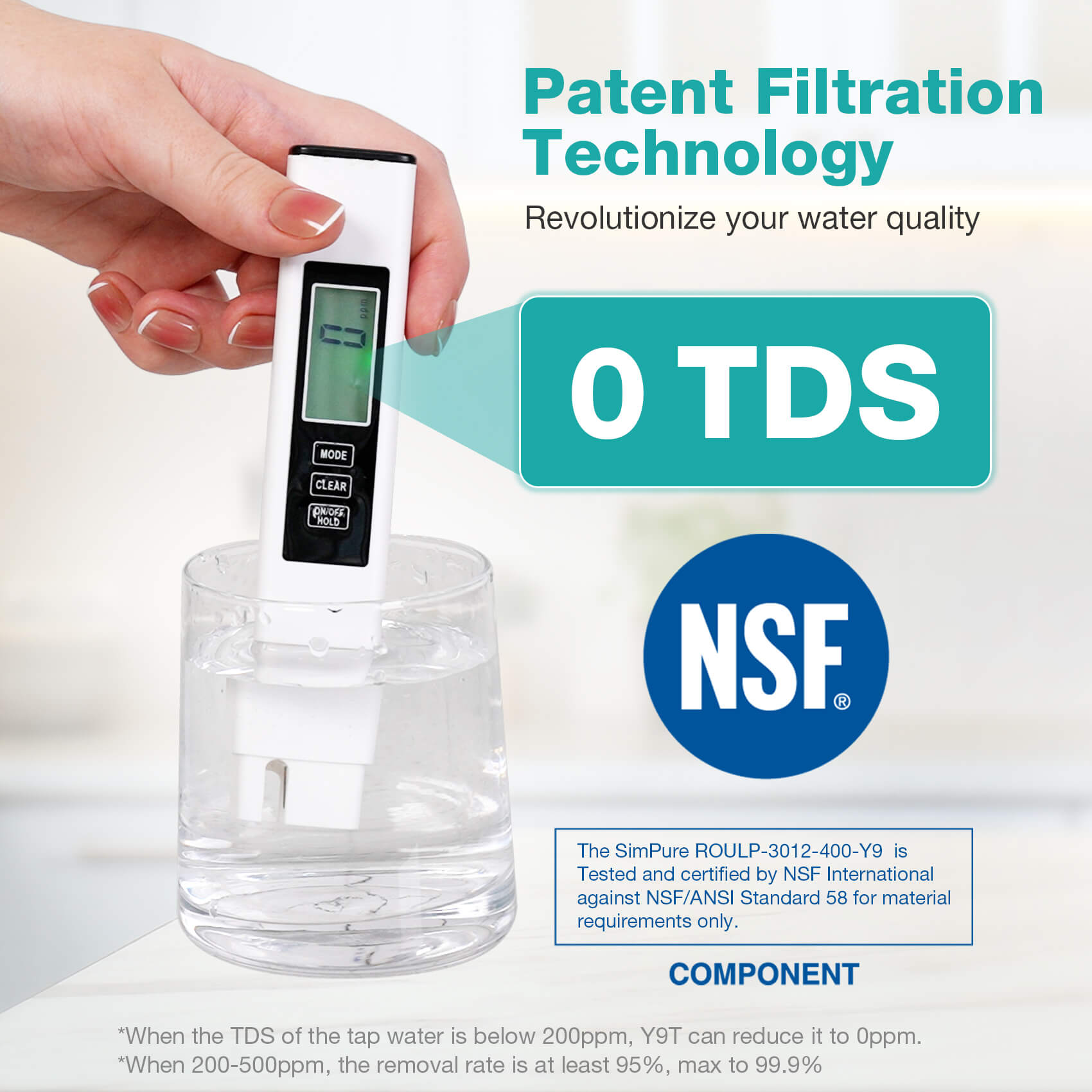
We designed the Y9 Series to be the ultimate testing station. It allows owners to easily swap between 0 TDS (for sensitive/medical needs) and Alkaline filters without plumbing changes.
Compare Y9 Filter Options →Here is our 7-step guide to help you assess suitability:
- Consult Your Veterinarian: They provide insights into your dog's specific health status.
- Consider Health Status: Age, breed, and existing conditions like kidney issues are critical.
- Monitor Digestive Health: Observe for signs like diarrhea, vomiting, or stool changes.
- Watch for Behavioral Changes: Monitor overall well-being and any unusual reactions.
- Gradual Transition: Mix small amounts with their current water over several days.
- Maintain Hydration Balance: If water consumption decreases, return to their previous source.
- Regular Check-Ups: Schedule vet visits to monitor long-term health adjustments.
Bonus: Can Dogs Drink Filtered Water?
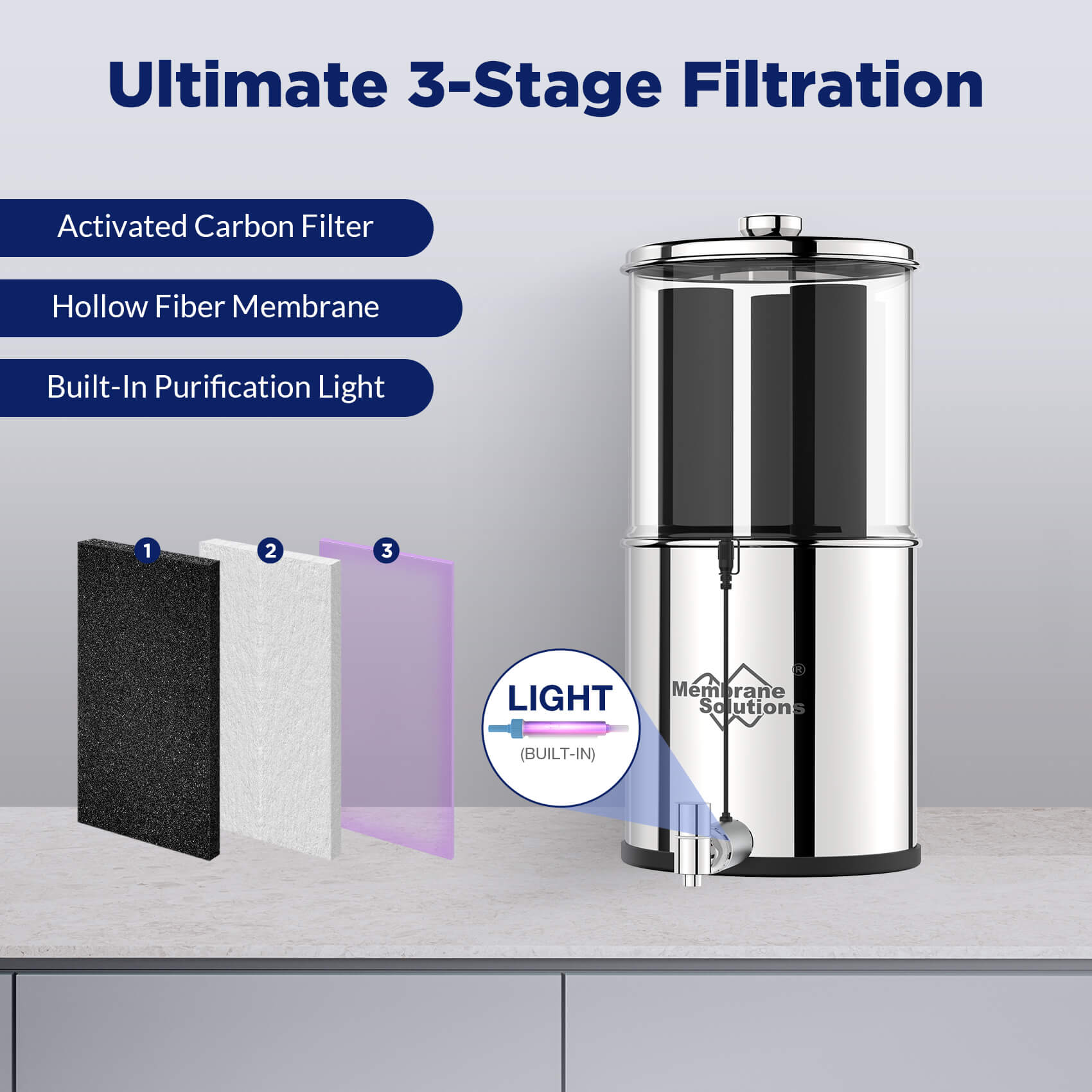
Yes, dogs can safely drink filtered water. In fact, we often find it is the preferable choice because it removes impurities like chlorine and sediment that affect taste and odor. Using a water filtration system, like a faucet filter or a pitcher, helps ensure the water is free from contaminants that could harm them.
FAQ: Common Questions About Dogs & Alkaline Water
It depends on the mineral concentration and your dog's history. Highly alkaline water with excessive magnesium can increase the risk of struvite crystals. However, for dogs prone to calcium oxalate stones, a balanced pH might be helpful. If your dog has a history of stones, we recommend using the SimPure 0 TDS RO mode to eliminate mineral precursors entirely.
Generally, we advise against it. Puppies have rapidly developing digestive and renal systems. Their stomach acidity is crucial for nutrient absorption and bacteria defense. To ensure their natural growth isn't disrupted, neutral, pure filtered water is the most stable choice until they reach adulthood.
We suggest waiting. A dog’s stomach needs a high acid environment (pH 1.0–2.0) to break down proteins effectively. Drinking high-pH water during mealtimes can theoretically buffer this acid, potentially slowing digestion. It’s best to offer water 1 hour before or after meals.
Many pet owners report a noticeable reduction in "dog breath" after switching to alkaline water. This is likely because the water helps balance internal pH and neutralizes acidic metabolic waste. However, for skin-related odors, the removal of chlorine (which all SimPure systems do) is often the more significant factor.
In our lab tests and based on vet recommendations, a pH range of 7.0 to 8.5 is considered the "Sweet Spot." This provides a healthy mineral boost without being aggressive enough to interfere with a dog's natural gastric acidity. Our SimPure ALK filters are calibrated specifically to hit this safe range.
Whether you choose Alkaline or 0 TDS, SimPure offers the technology to protect your dog's health.
Explore All Solutions