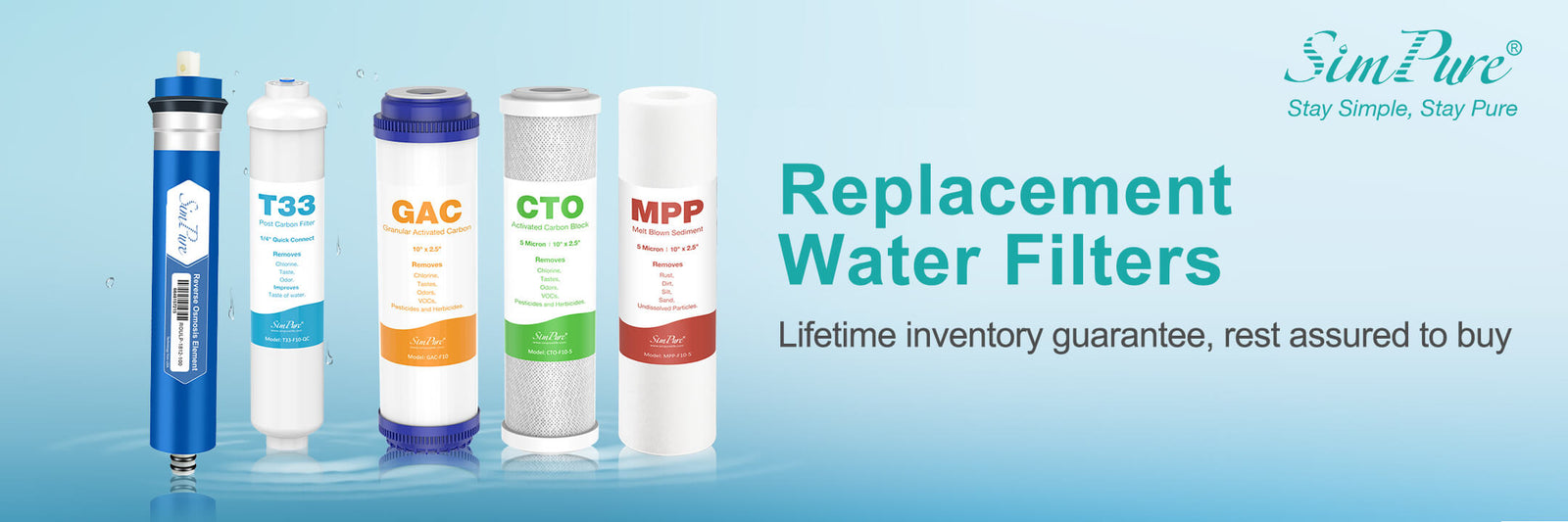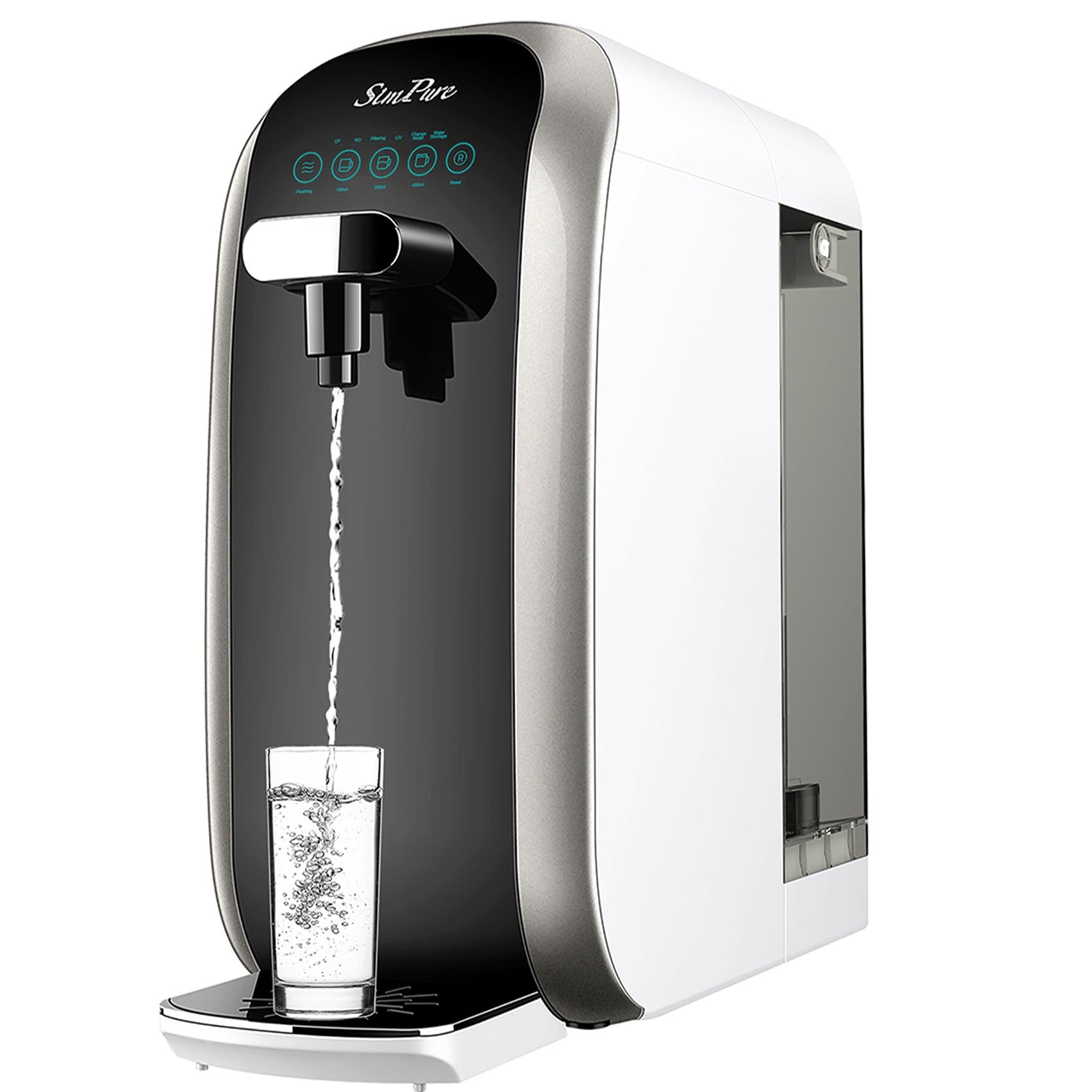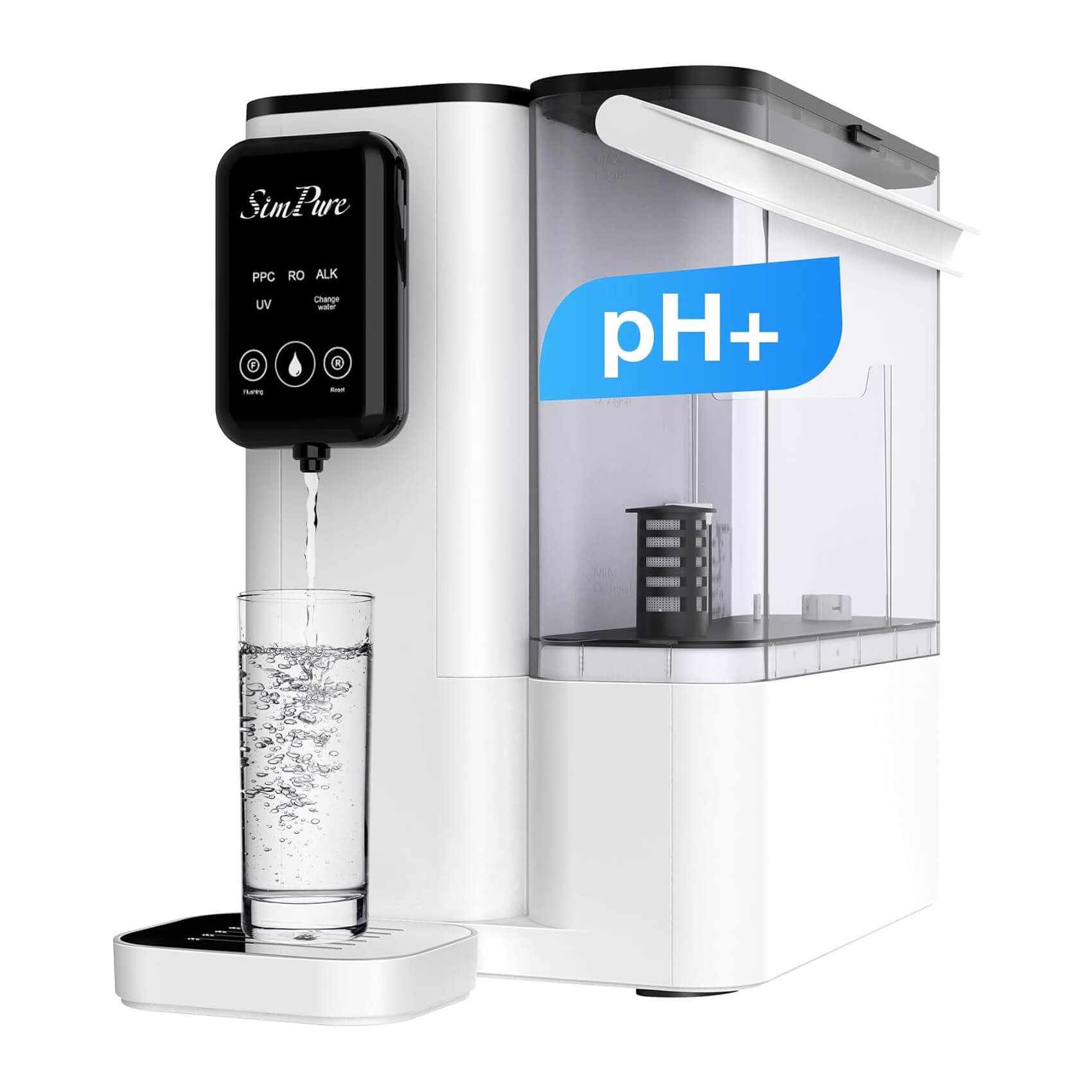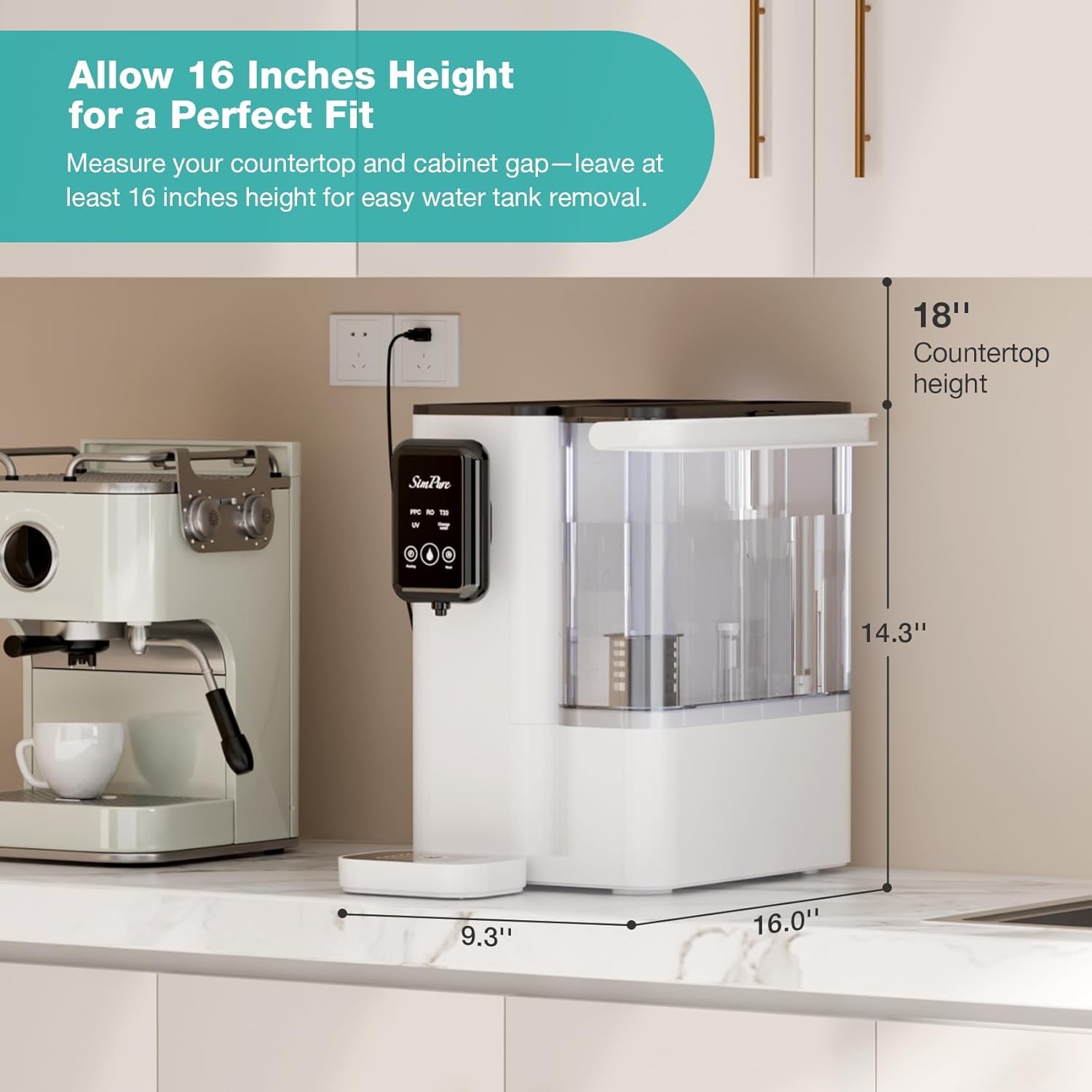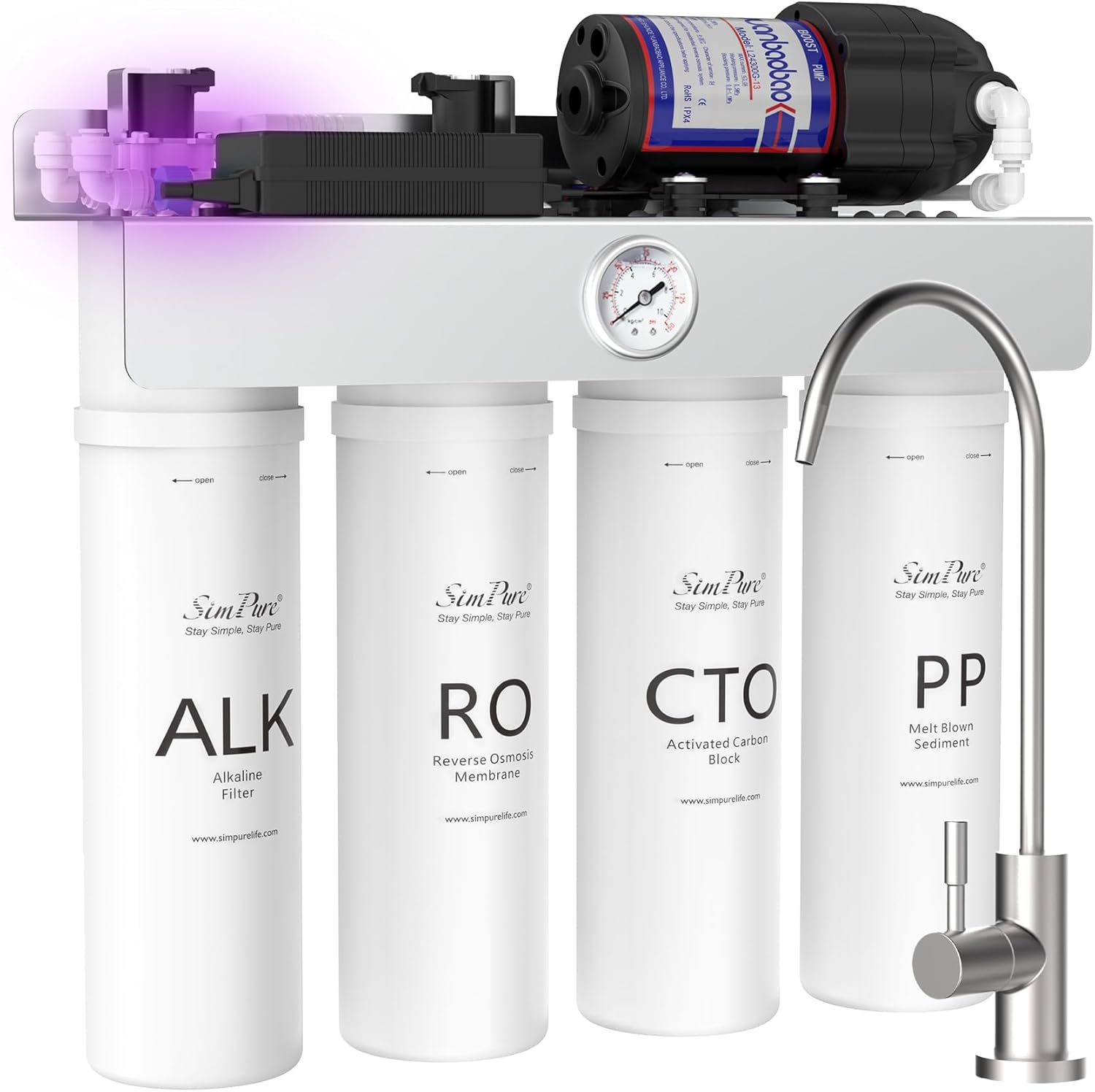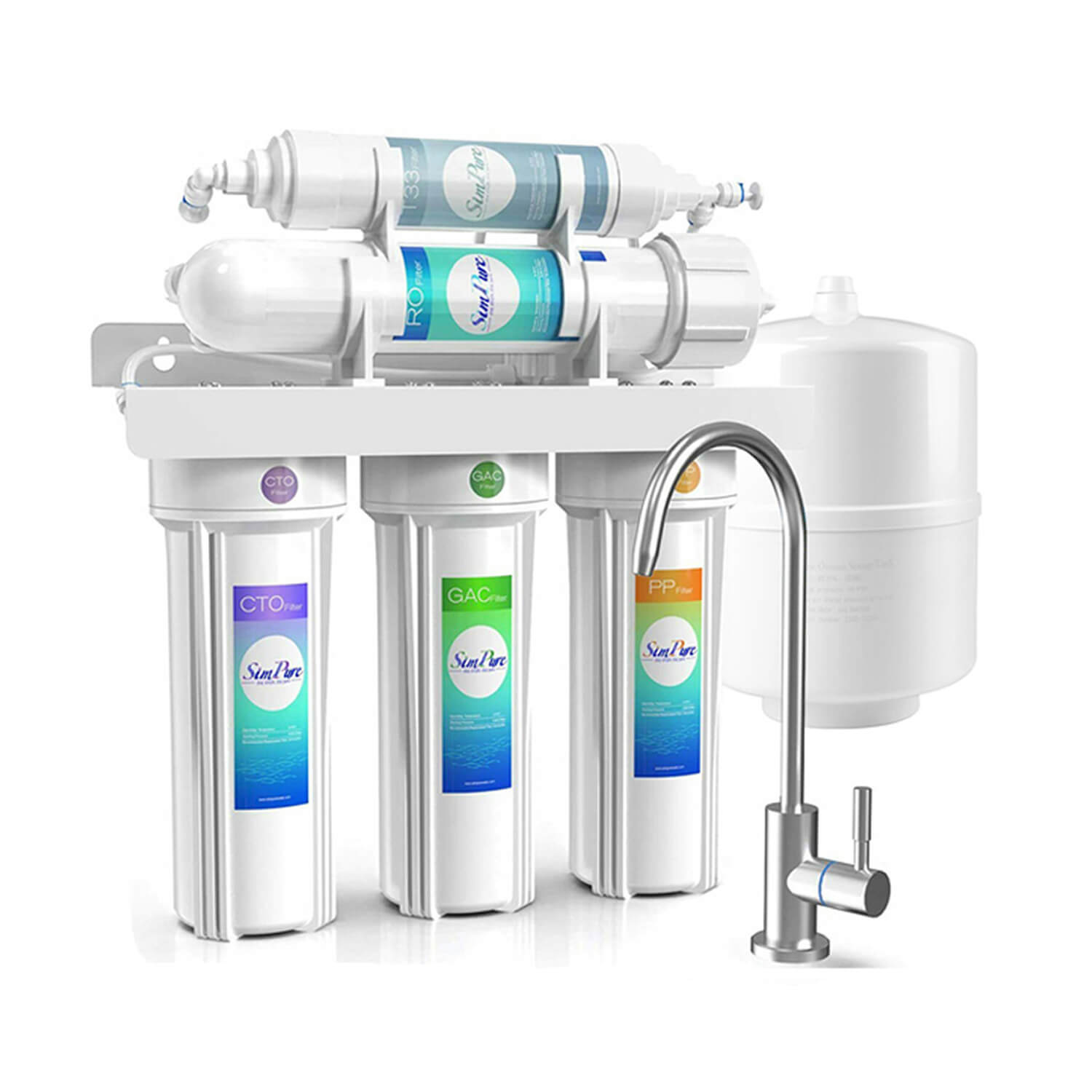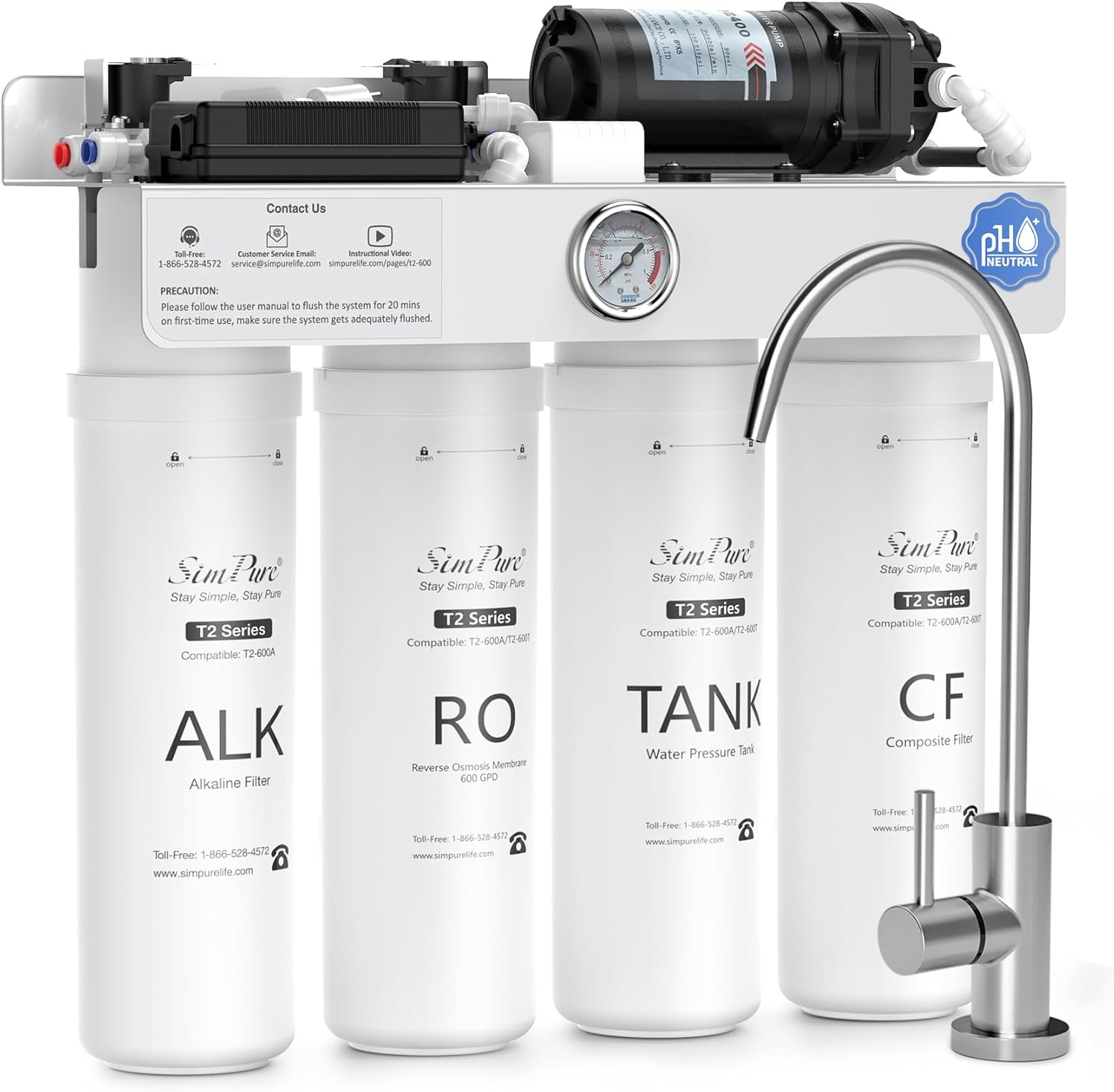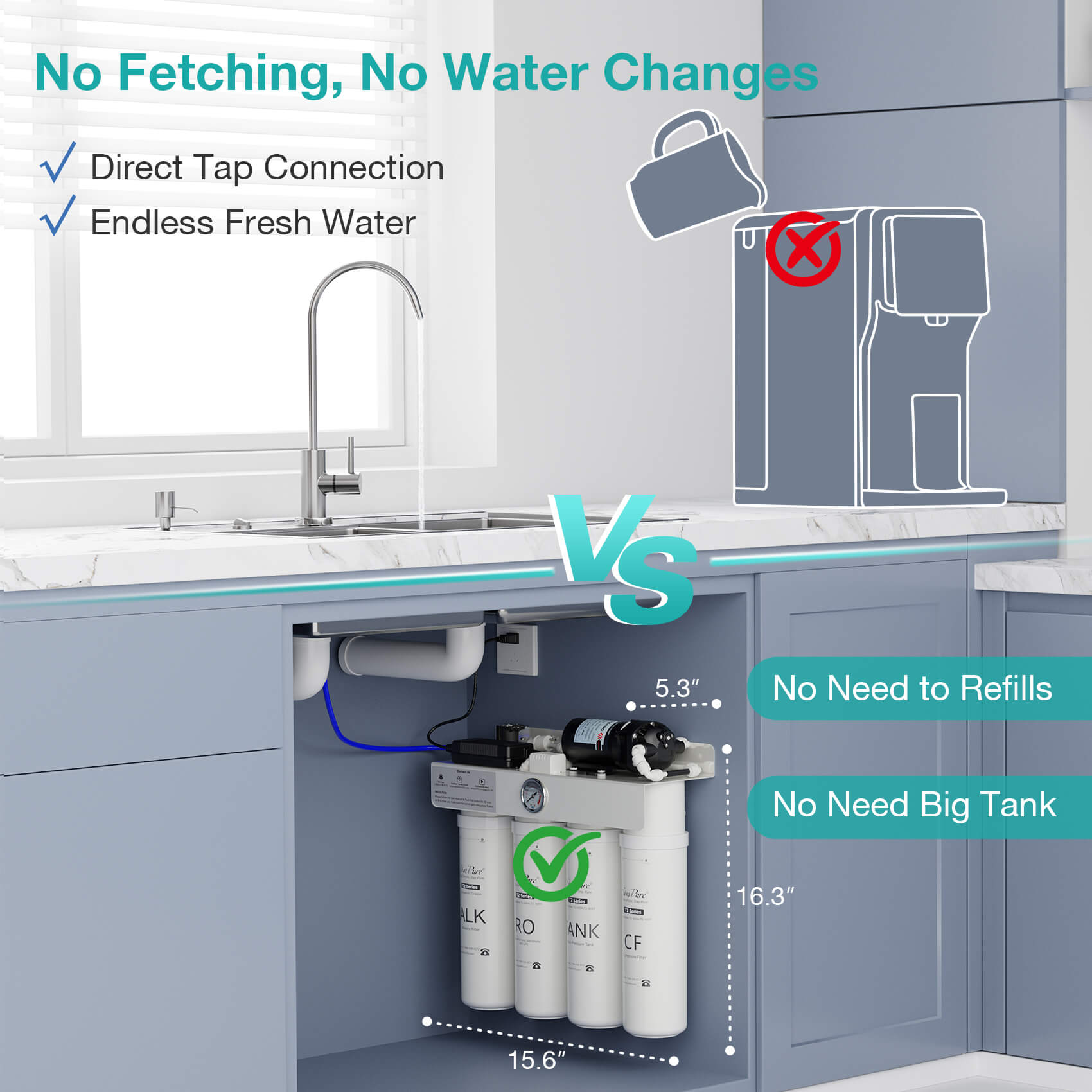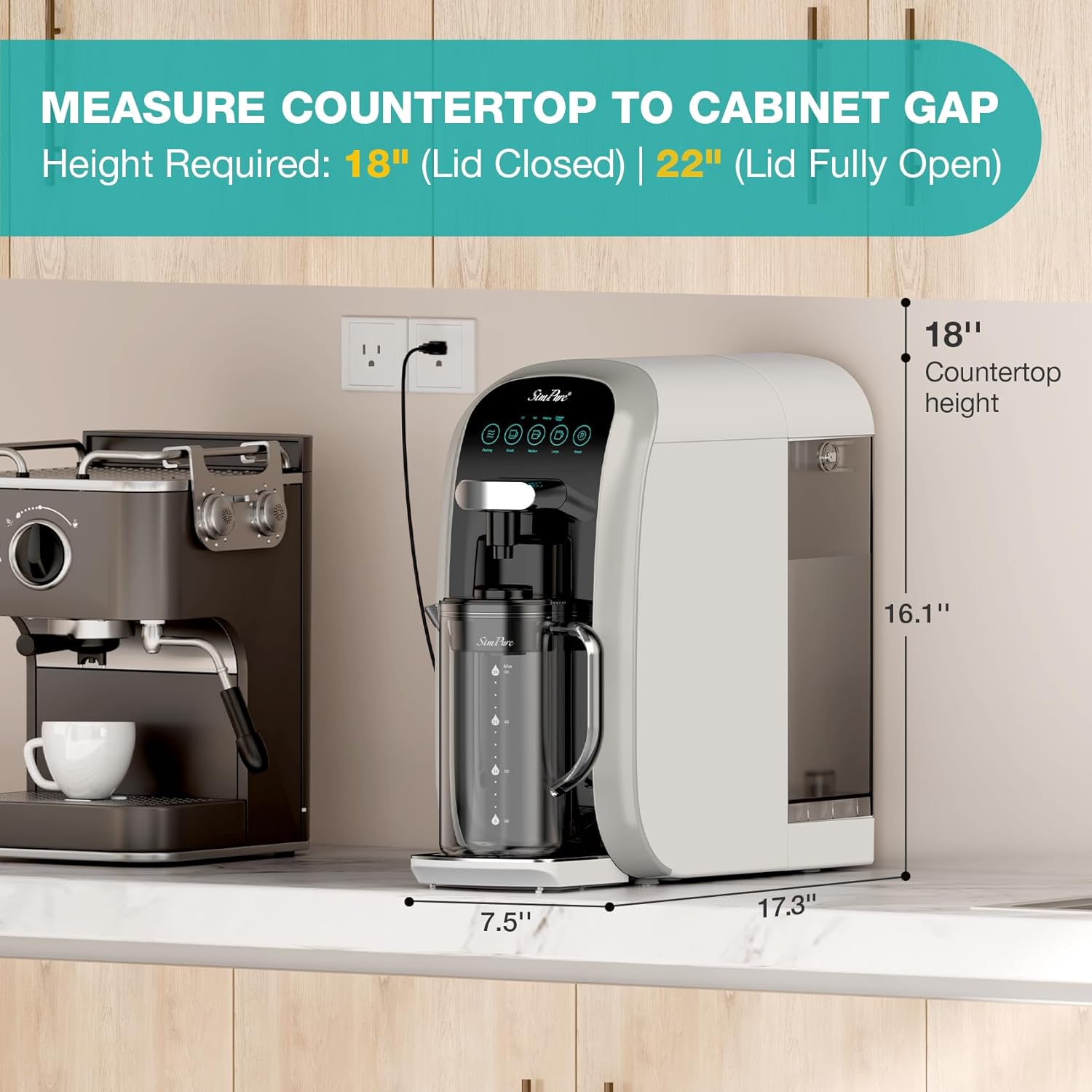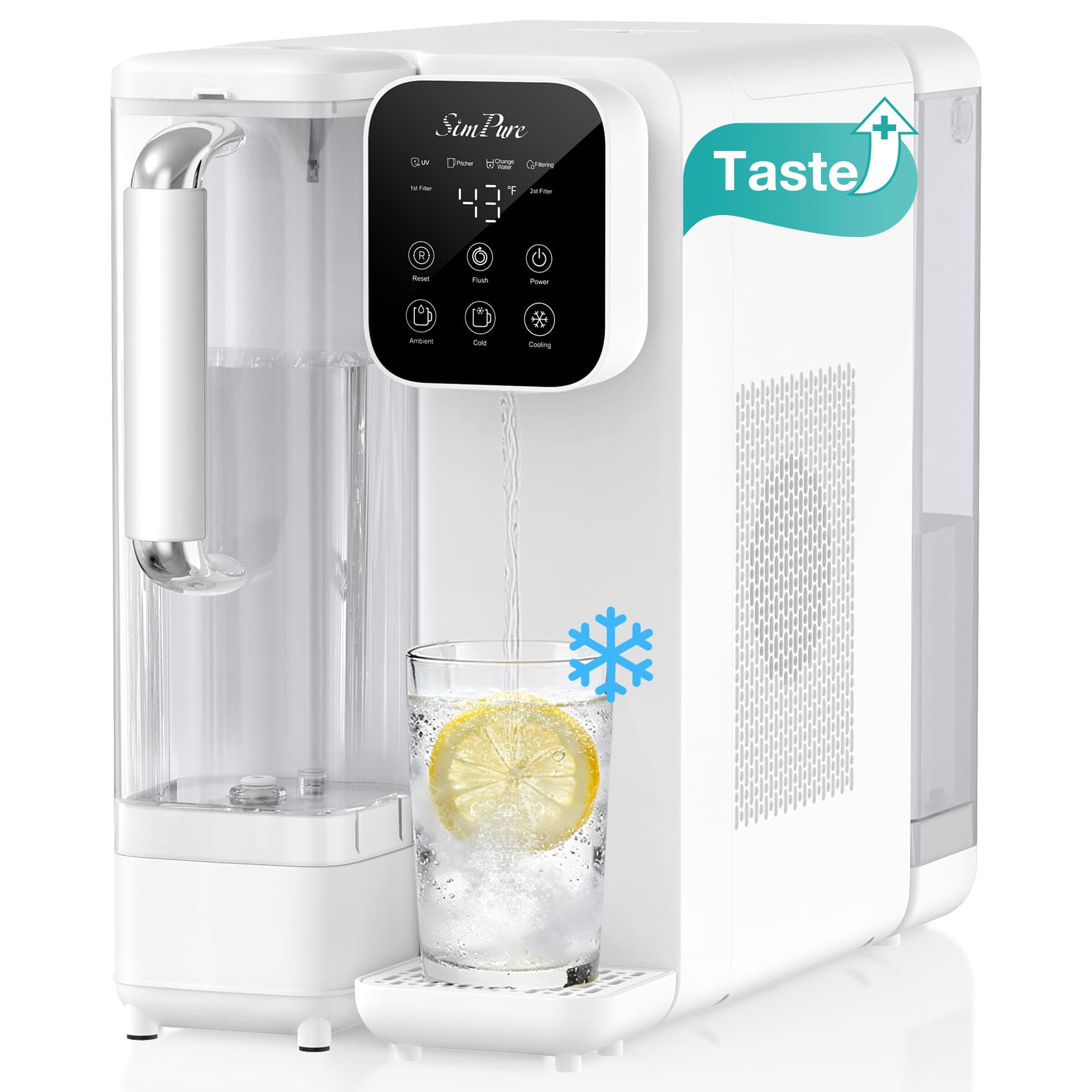


When a water filter reaches the end of its lifespan, issues like bacterial growth, decreased flow, and loss of filtration efficiency emerge. But what should you do with those old, used water filters? Can they be recycled, or are they destined for the landfill? Let's explore the most effective and eco-friendly solutions.
Why You Must Replace Old Filters Immediately
Surface appearances can be deceiving. While an old filter may still let water through, its internal safety and functionality decline over time:
- Component Aging: Internal circuits and seals in older systems degrade, especially in humid or high-temperature environments, leading to leak risks.
- Discontinued Parts: Once a filter model becomes too old, finding replacement cartridges or repair accessories becomes impossible.
- Technological Gap: Modern filters feature smart replacement reminders and leak alarms that older units lack, providing much better security for your home.
3 Effective Solutions for Old Water Filters
1. Component Replacement
If the system housing is still in good condition, replacing the internal RO membrane or Ultrafiltration (UF) membrane can restore performance. Always test the water quality after replacement to ensure the purification effect is back to standard.
2. Trade-In Programs
Many manufacturers now offer "Old-for-New" schemes. You can often trade in your old system for a significant discount on a newer, more efficient model. This helps manufacturers recycle parts and ensures you get the latest filtration technology.
3. Responsible Disposal
If recycling isn't an option, dispose of them as domestic waste. Pro Tip: Disassemble the filter if possible. The plastic shell is often recyclable, while the internal carbon or RO membrane should be treated as dry or hazardous waste depending on your local regulations.
Advocating for Better Recycling
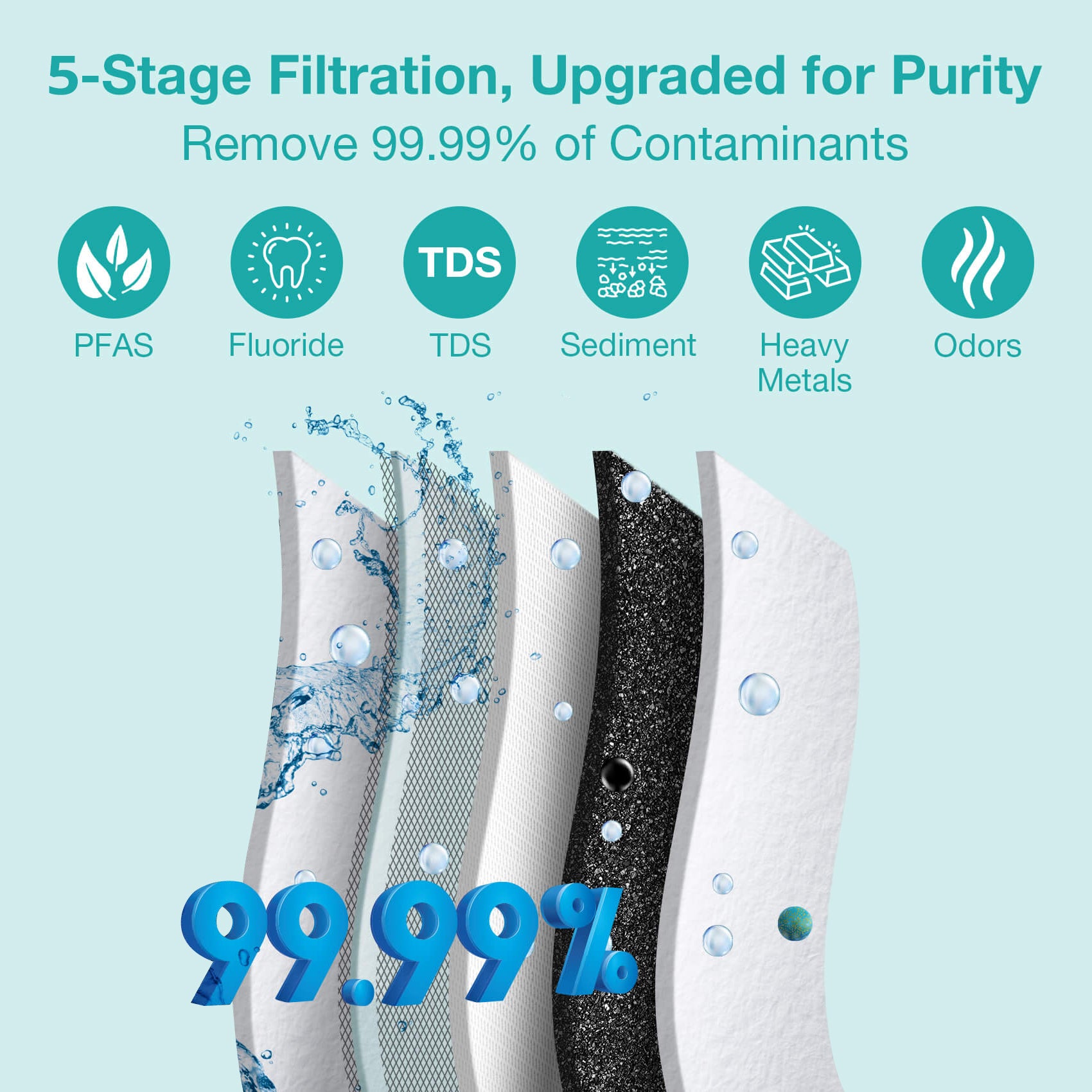
To truly achieve environmental goals, we need to improve the recycling efficiency of filter elements. At present, PP cotton, activated carbon, and RO membranes are all technically recyclable. We encourage choosing benchmark companies that take social responsibility seriously by offering centralized recycling mechanisms for scattered users.
Expert Advice: When choosing a new system, prioritize famous brands like SimPure. Larger brands invest more in reliability testing, ensuring that the plastics and carbon used don't release harmful precipitates into your water over long-term use.
FAQs: Disposing of Used Filters
Yes, but it's complicated. Most cartridges have a #5 plastic shell that is recyclable, but the internal "media" (like activated carbon or membranes) usually goes to a landfill. Check if your brand (like SimPure or Brita) has a specific mail-back recycling program.
No. While you can rinse off surface debris, the microscopic pores of an RO membrane eventually become permanently clogged or stretched. Cleaning cannot restore its original 0.0001-micron filtration accuracy.
Overdue filters can become a breeding ground for bacteria (biofilm). Additionally, the buildup of contaminants will restrict water flow, putting extra pressure on your pipes and potentially causing leaks.
Upgrade to fresh filtration today for a healthier home!