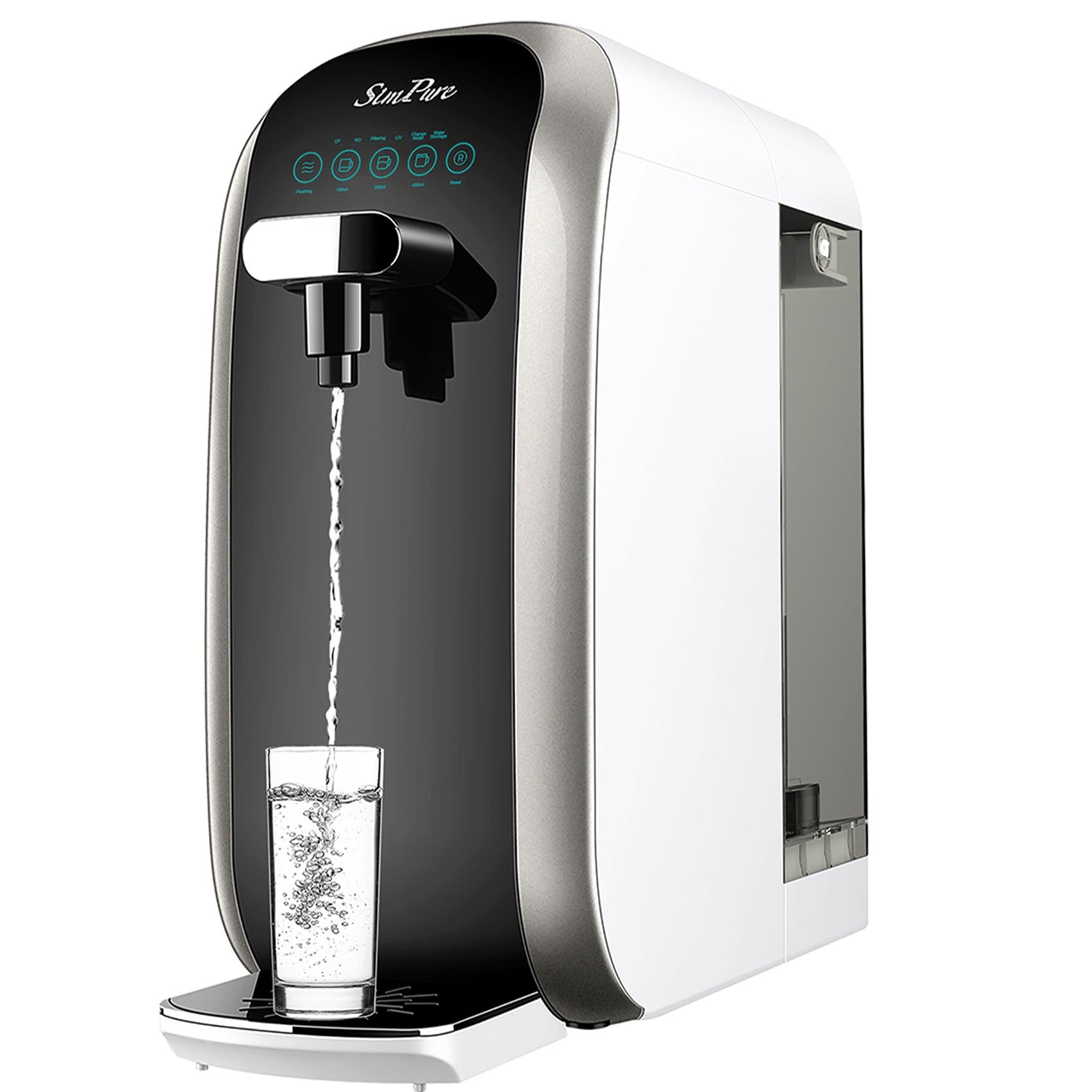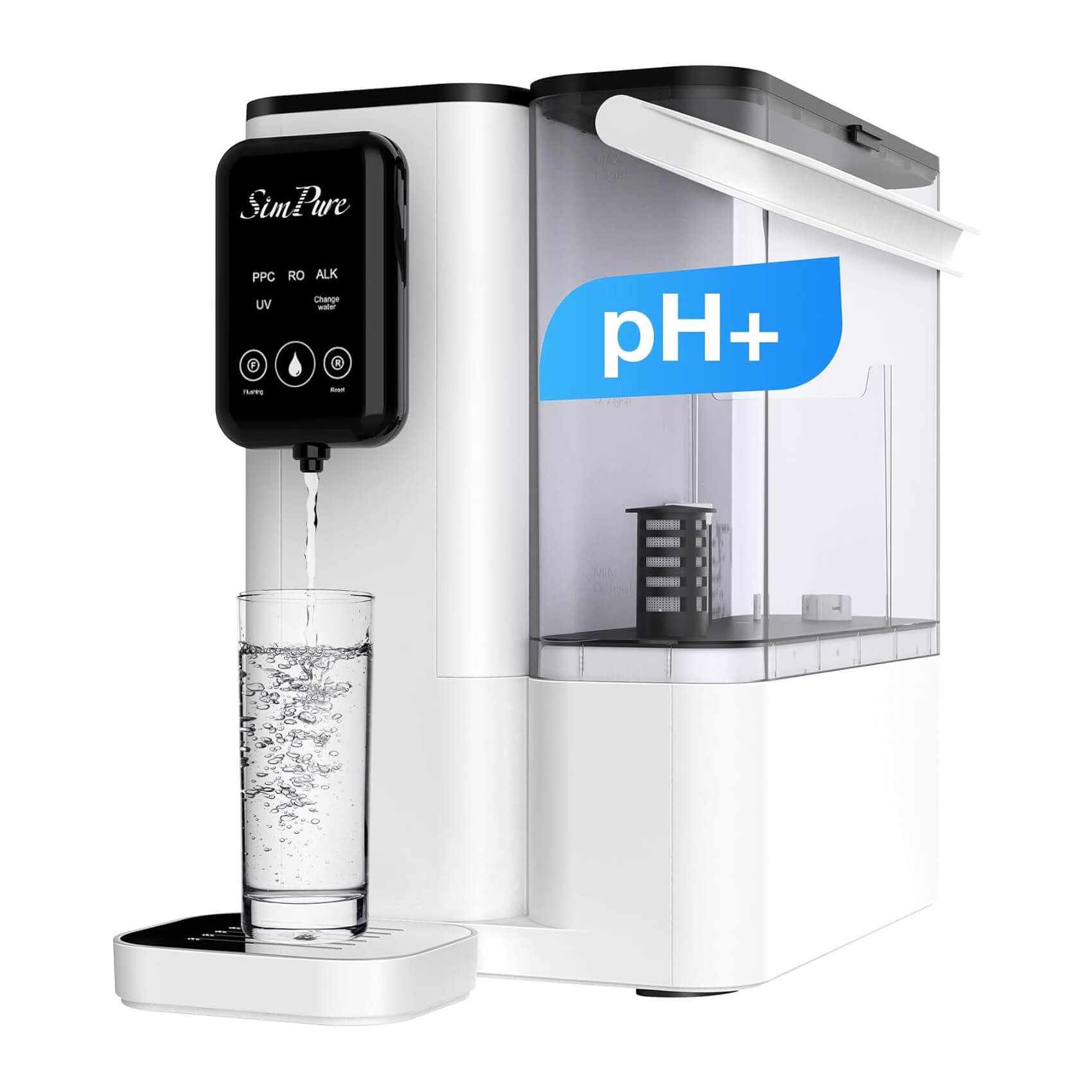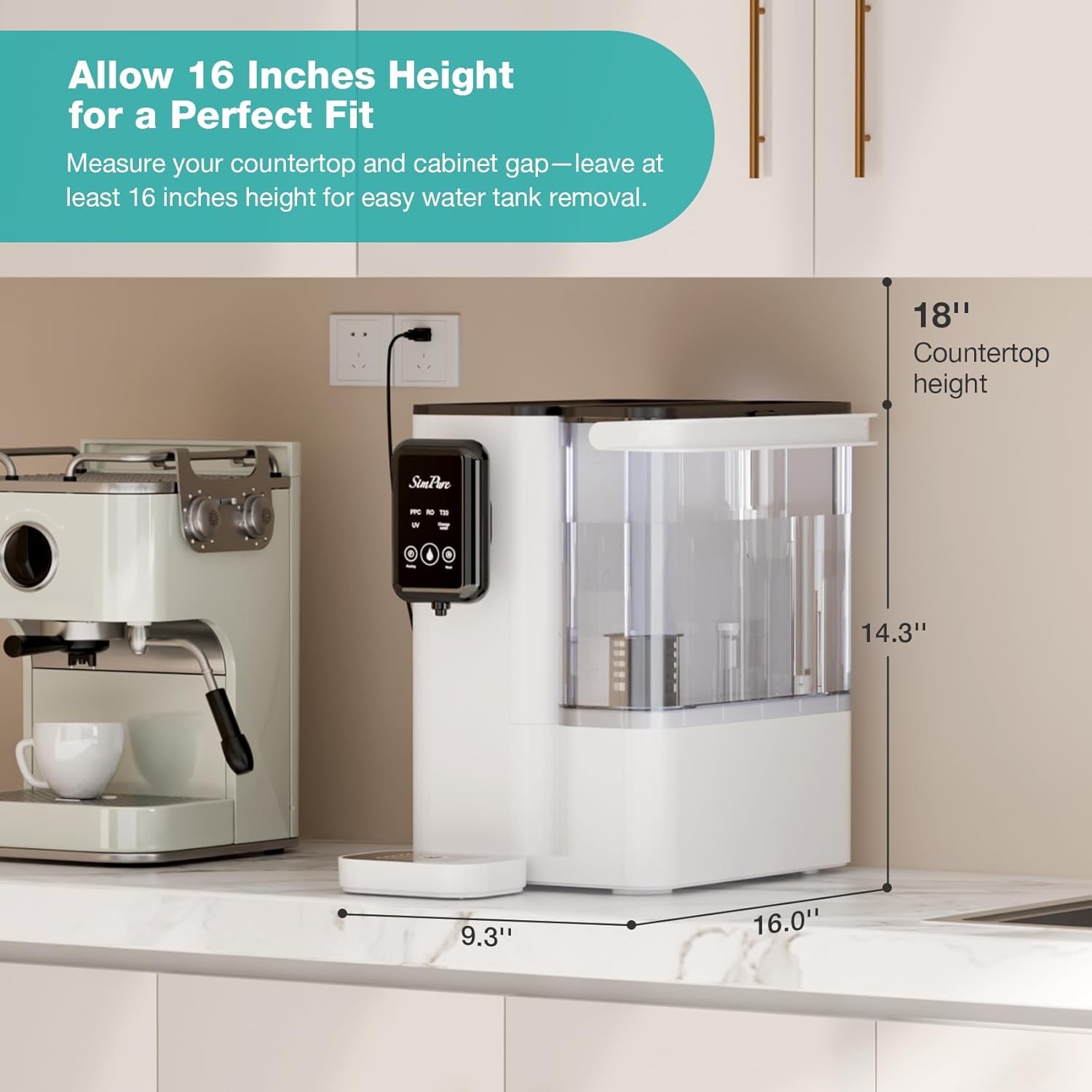
Ever wondered how your refrigerator manages to provide fresh-tasting water and crystal-clear ice? A refrigerator water filter is a small but powerful component that ensures your hydration is free from contaminants. In this guide, we’ll explore the mechanics, structure, and benefits of fridge filtration systems.
How Does a Refrigerator Water Filter Work?
The Working Principle
Even in a vacuum-sealed refrigeration system, trace amounts of moisture and dust can enter during assembly. The refrigerator water filter acts as a filter drier, installed between the condenser and the capillary tube.
As the refrigerant cycles through, a molecular sieve inside the filter adsorbs moisture, while fine metal meshes block solid debris. This prevents the tiny capillary tubes from clogging and protects the compressor from premature wear, ensuring a smooth flow throughout the system.
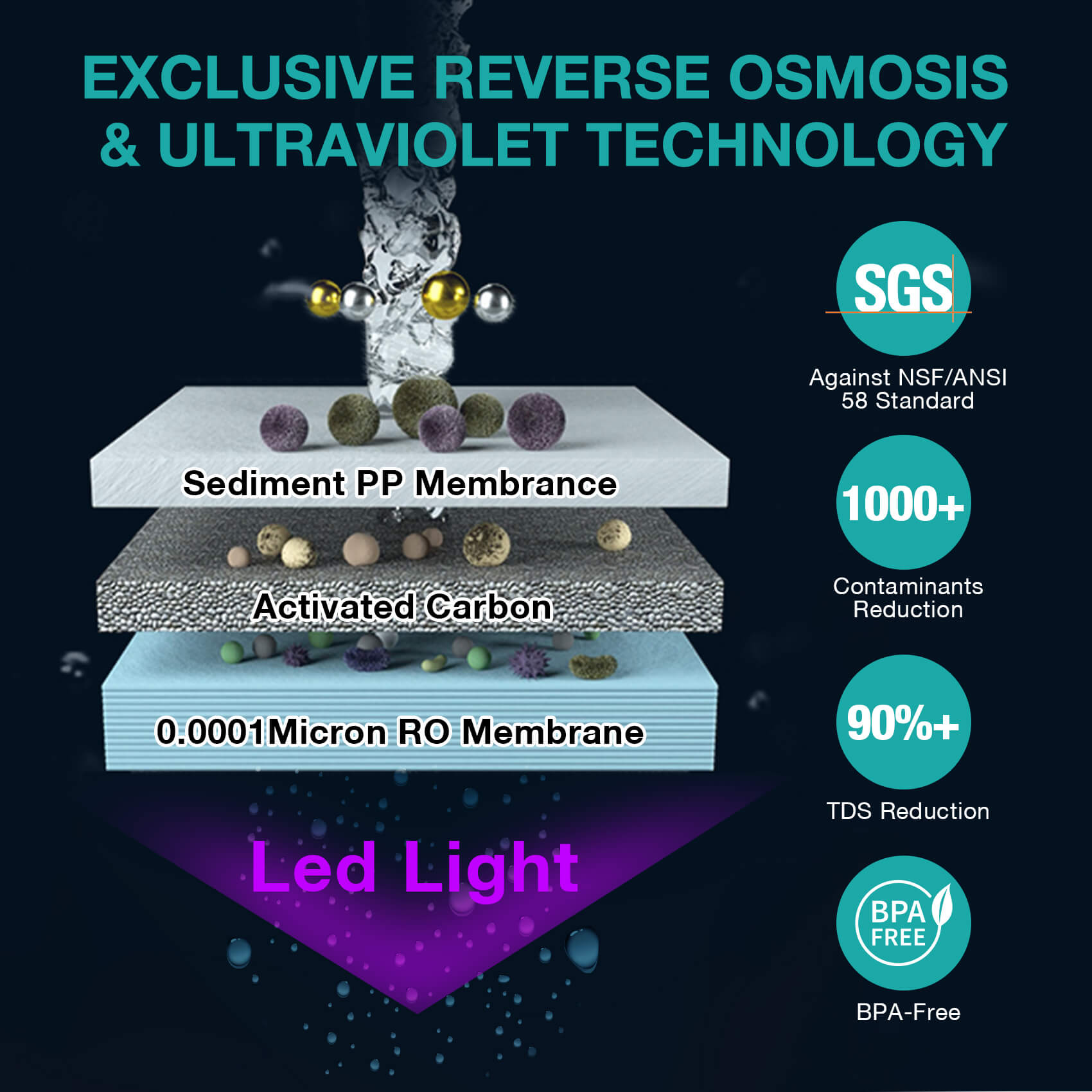
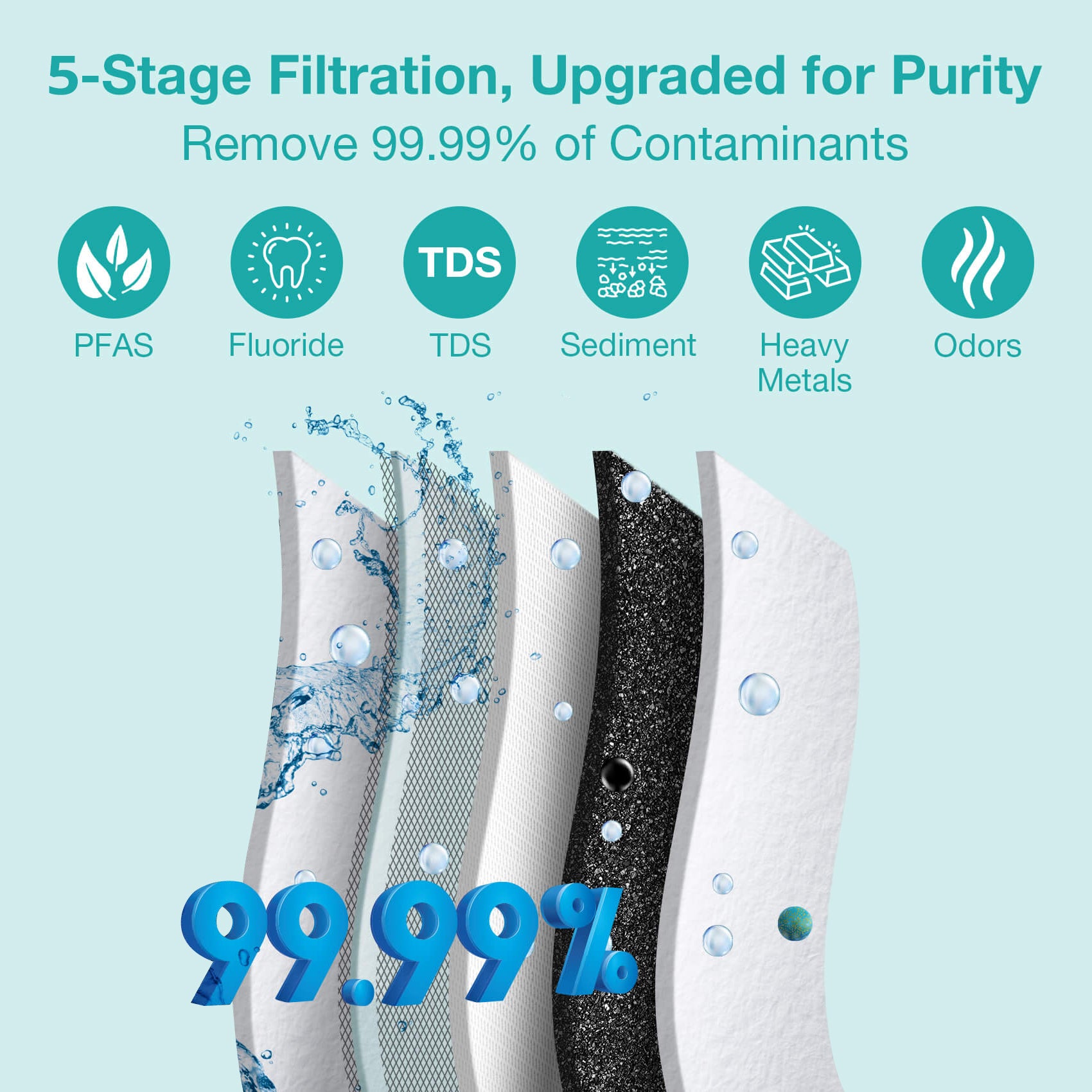
The Filtration Structure
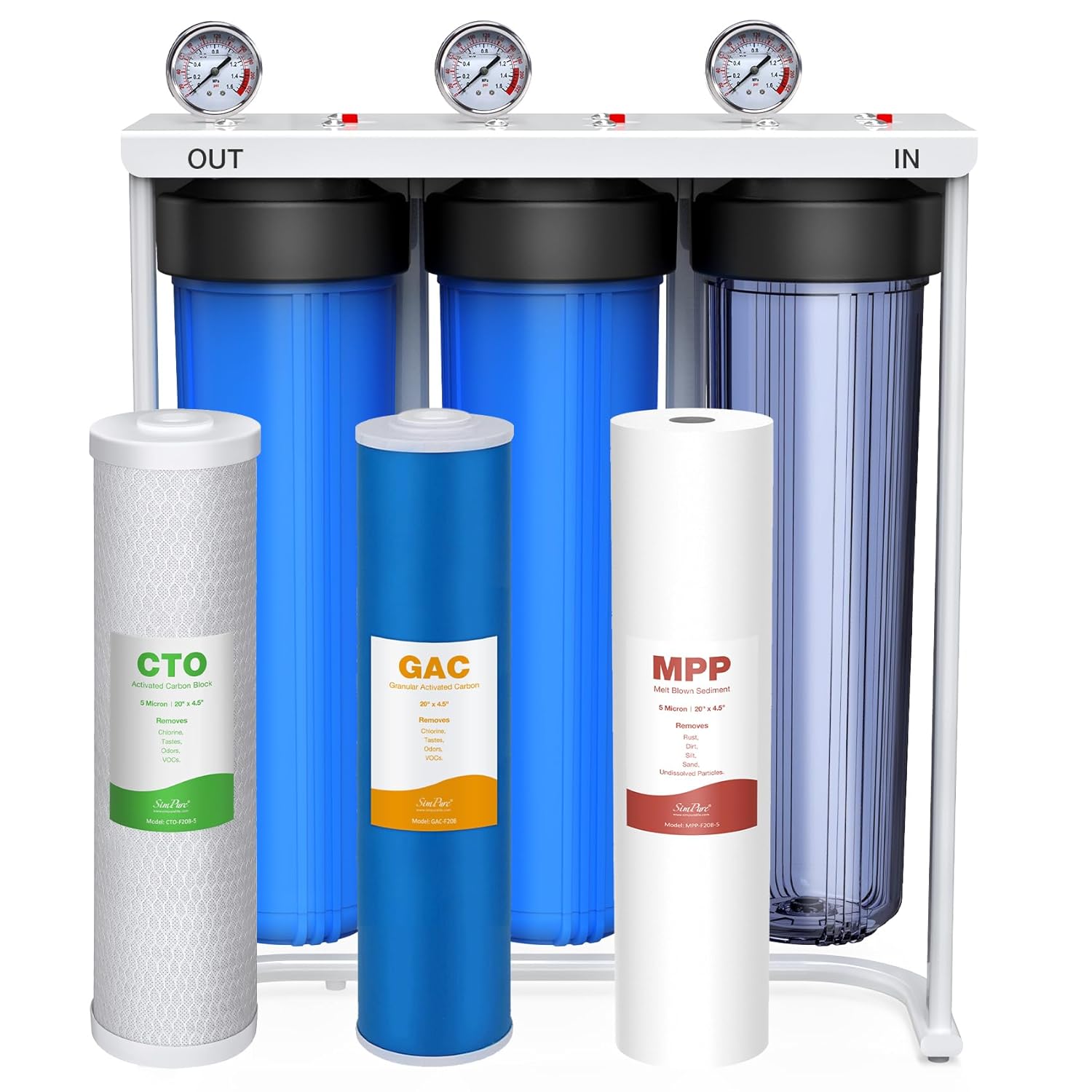
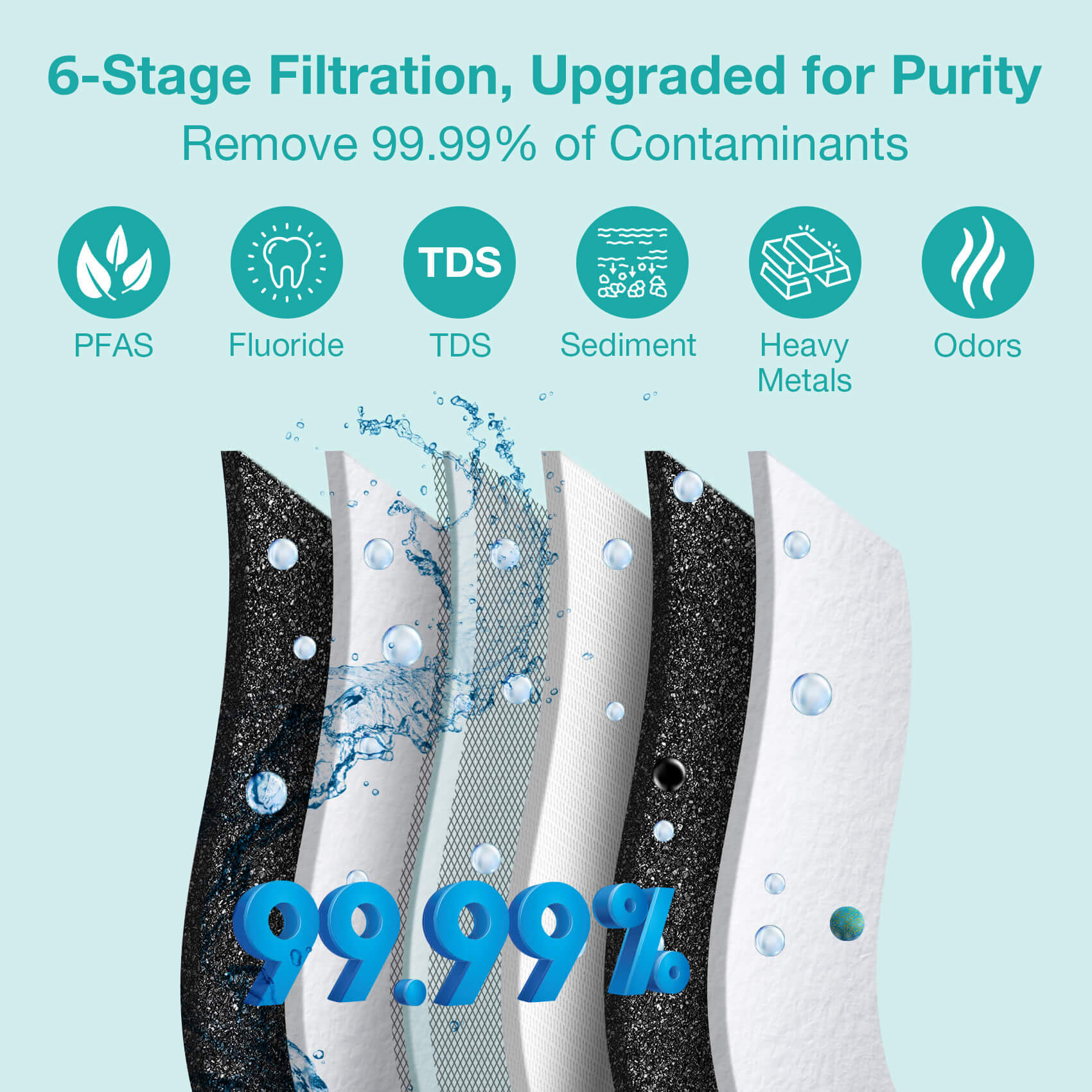
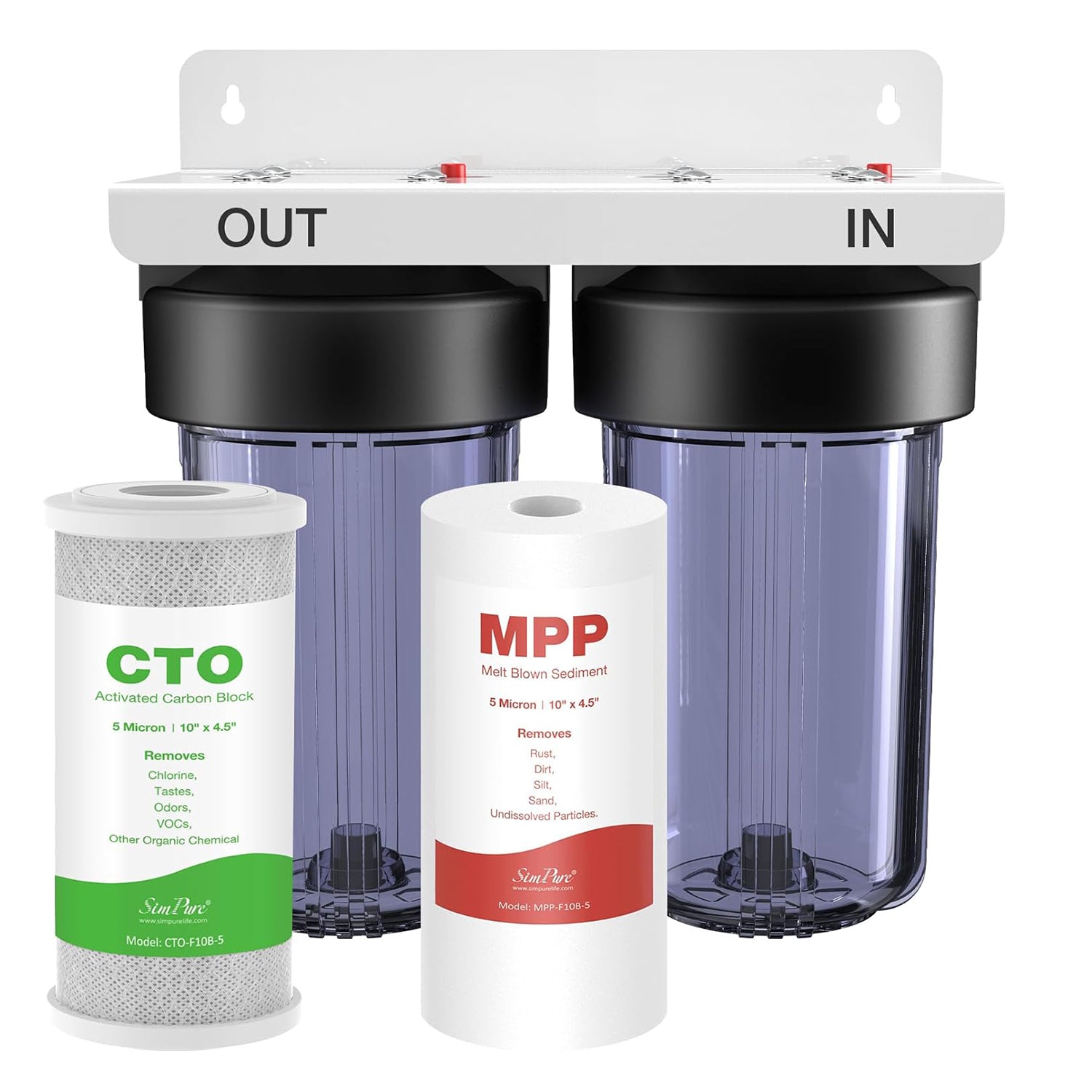
The primary defense. Highly porous carbon absorbs chemical contaminants like chlorine, pesticides, and VOCs that affect smell and flavor.
Captures larger physical particles like dirt, sand, and rust flakes from aging city pipes before they reach the carbon core.
High-end filters may include sub-micron membranes to reduce heavy metals and microplastics for maximum purity.
Pro Tips for Fridge Filter Maintenance
- Avoid Overheating: Ensure your fridge has proper ventilation. If the filter area becomes overheated due to poor airflow, it can lead to abnormal cooling performance.
- Prevent Blockages: If you notice a "cool" or frosted surface on the filter exterior, it may be clogged. This restricts refrigerant flow and puts extra strain on your compressor.
- Timely Replacement: Once the molecular sieve or activated carbon reaches saturation, it can no longer adsorb impurities. Change your filter every 6 months to maintain water safety.
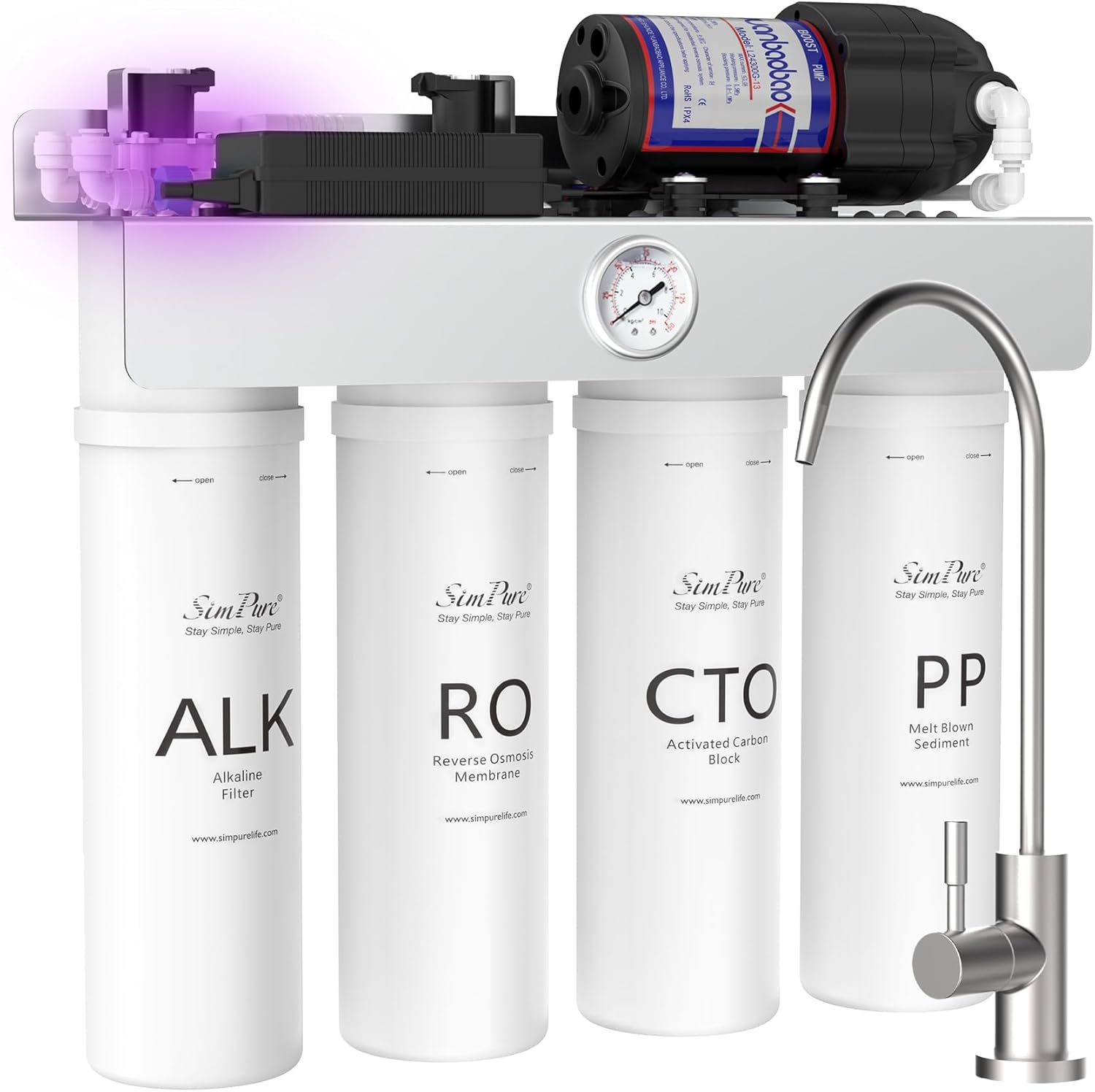
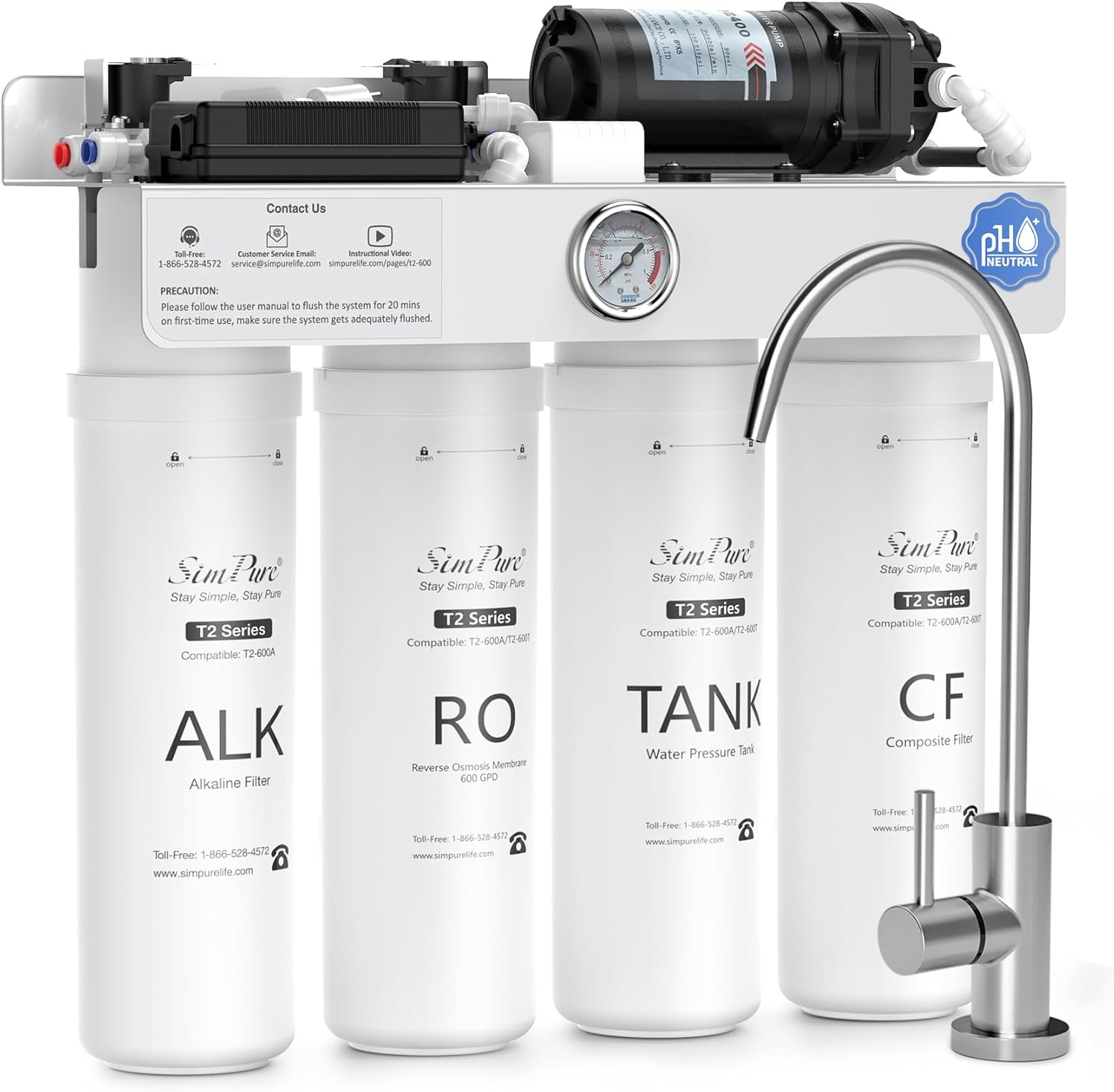
Bonus Solution: SimPure T1-400 UV Under Sink RO System
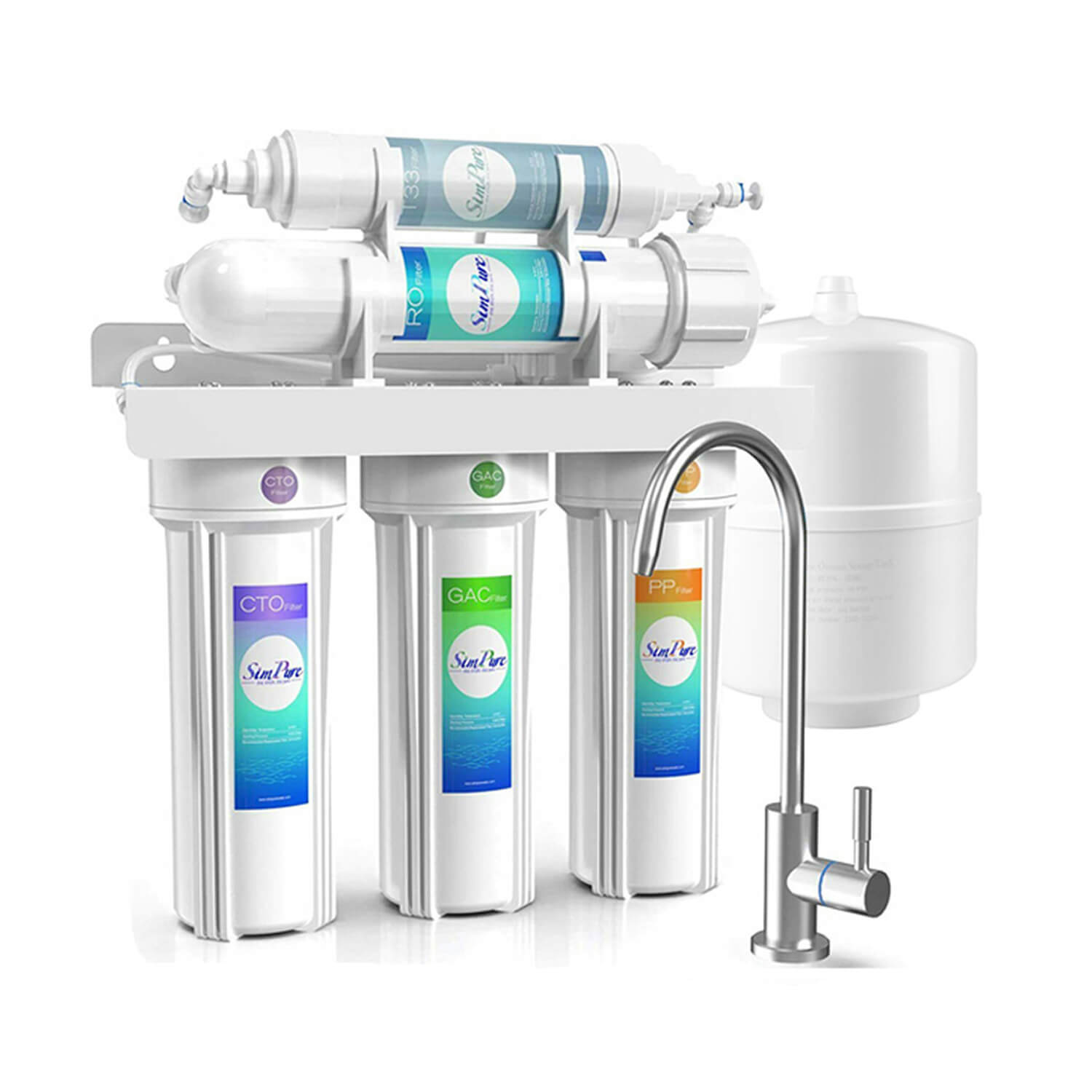
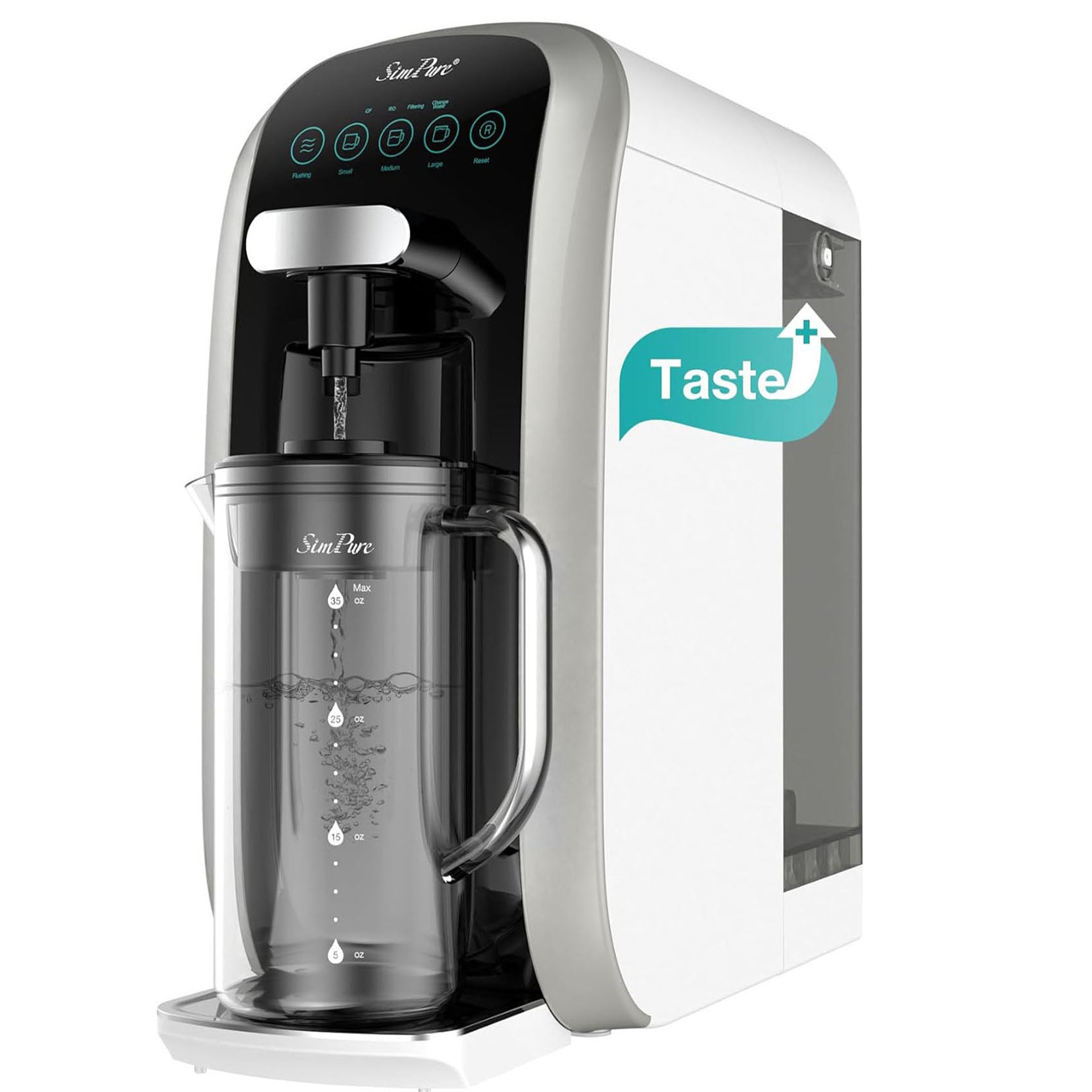
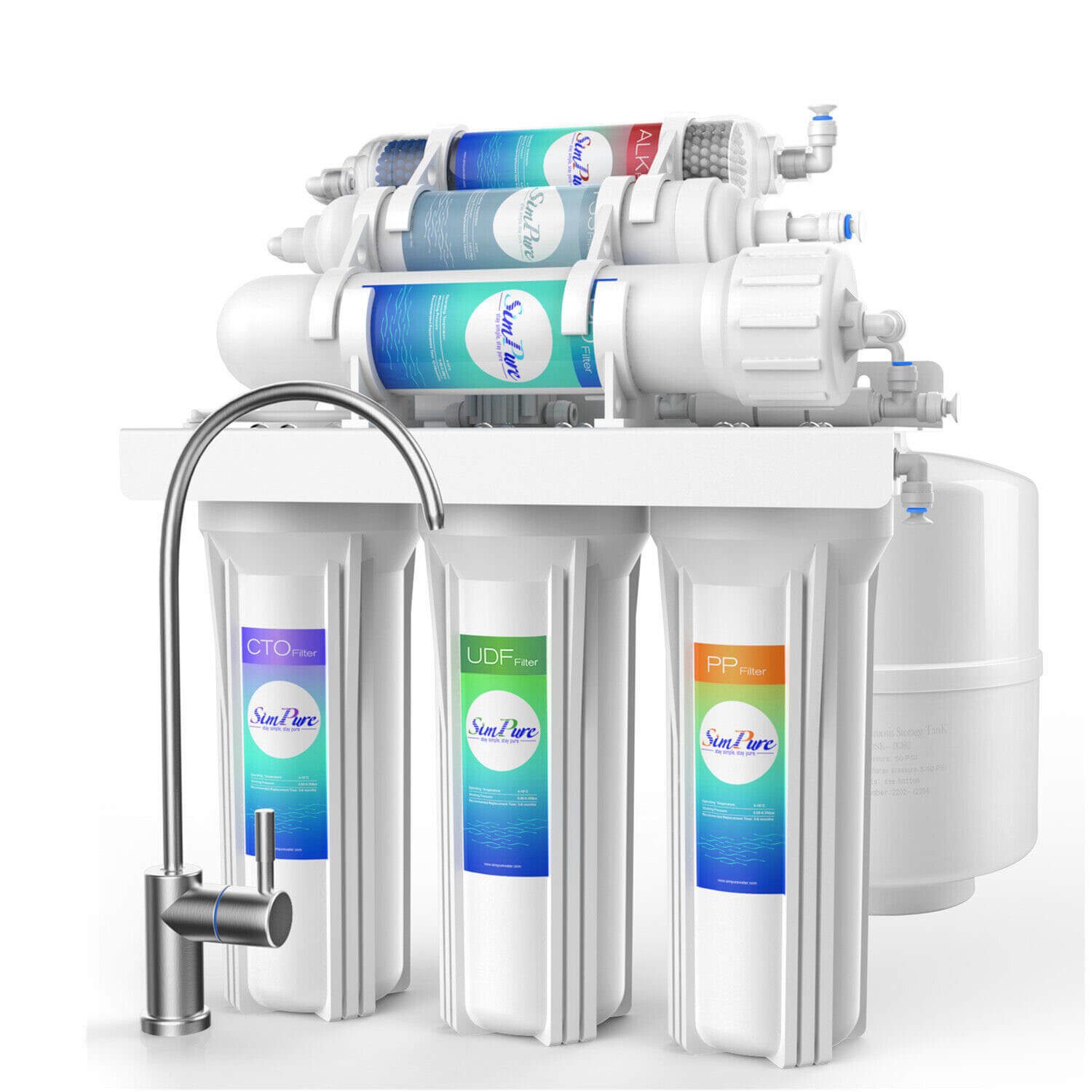
Want even better water from your fridge? The SimPure T1-400 UV can be seamlessly connected to your refrigerator and ice maker.
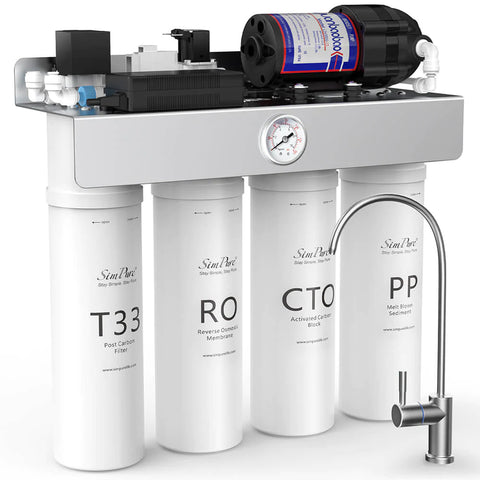
- 8-Stage Filtration: Removes up to 99.99% of bacteria, viruses, and heavy metals.
- Nearly 0 TDS: Delivers the purest possible water for your ice and drinking tray.
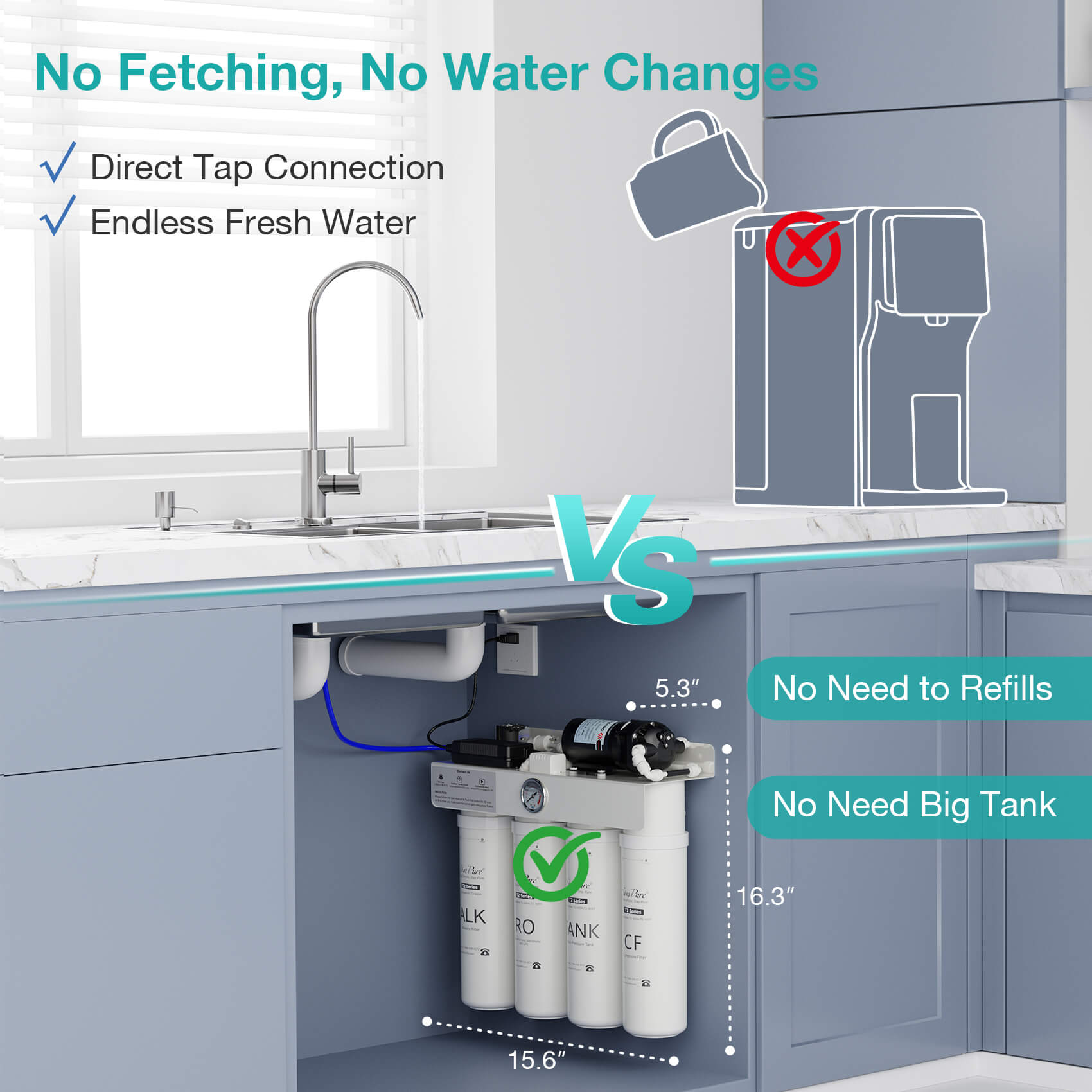
- Tankless Design: Saves 70% of under-sink space while providing instant high-flow water.
FAQs: Refrigerator Water Filters
Q1: Why is my fridge water still tasting bad after changing the filter?Need a replacement?
Find the best prices on filters for Samsung, LG, GE, and Maytag in our collection.
Shop Fridge Filter Replacements →