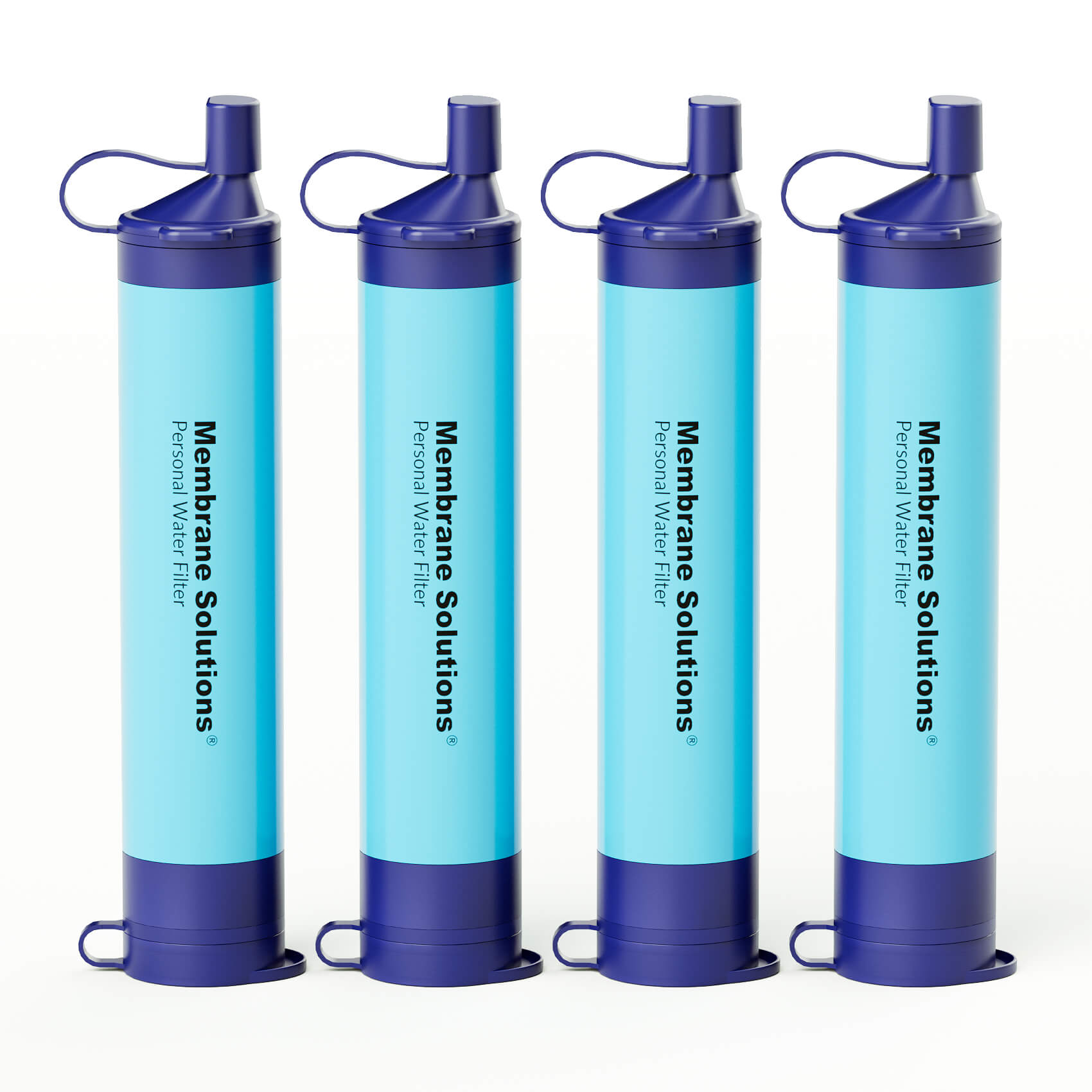


An outdoor water filter physically screens particles and provides other reductions according to its design and testing. A water purifier should have documented broader treatment, including virus reduction. That difference matters more than whether the device looks like a straw, a bottle, or a pump. Before buying, check where you will collect water, what the route conditions call for, and how much water you need at each stop.
What Is the Difference Between a Water Filter and a Water Purifier?
A filter separates material as water passes through
A typical outdoor microfilter pushes or draws water through a porous element. The element traps suspended particles within its tested range. Pore size helps explain what the filter can capture, but a micron number alone does not establish virus reduction. If the product page lists a test or certification, read what it covers and check that the listing applies to the exact cartridge you will carry.
A purifier should document broader treatment
For outdoor use, look for product-specific evidence that includes virus reduction. Some devices combine filtration and a broader treatment step. Others perform the additional treatment separately and need water to be clarified first. A name printed on a box tells you how the product is marketed. The test report and instructions tell you which claims apply and how to use the device.
|
What to check |
Typical portable filter |
Outdoor water purifier |
|
Treatment scope |
Screens out particles. Other reductions depend on the model. |
Look for documented broader treatment, including virus reduction. |
|
Setup |
Straw, squeeze, pump, or gravity. |
Varies by product. Check power, timing, and water clarity requirements. |
|
Source limits |
Ordinary units do not desalinate water. |
Select another source for suspected fuel or chemical contamination. |
When Do You Need More Than a Filter?
Hiking near streams, lakes, or springs
Water can look clear even when it needs treatment. Check the park or land manager’s notices before leaving, and mark reliable refill points on your route. If a water source is uncertain, boil the water. When boiling is impractical, filter it and then disinfect it according to product instructions. Pack enough drinking water to reach your next confirmed refill point if the stream is dry or conditions change.
Camping or traveling around developed areas
When collecting water downstream of settlements or in areas where sanitation is uncertain, plan for virus coverage. For travel, factory-sealed bottled water is a practical option when the local supply is uncertain. If you carry a purifier, read the instructions before departure so you know how much water it handles in one cycle and whether it needs power, a specific container, or prefiltration.
When to change your water source
If you suspect fuel, toxic runoff, or a harmful algal bloom, use another supply or carry water in. Ordinary portable filters and field boiling cannot make water with suspected toxic contamination suitable to drink. Also check closures and local advisories even if a source appeared usable on an earlier trip.
Which Outdoor Filter Format Fits Your Trip?
Decide how you will collect and carry water before comparing equipment. Once you know what treatment your source requires, compare camping water filter formats by how they collect, process, and dispense water.
Personal refills on the move
A water filter straw is compact for one person. A compatible squeeze bottle or pouch is more convenient when you need to carry water away from the source or fill another container. Test the bottle connection before packing. If you cannot reach the source comfortably with a straw or bottle, check whether the gear you bring can collect water from the bank without forcing you to step into the stream.
Batch refills at camp
A gravity setup can serve several bottles from one reservoir while you handle other camp chores. Check that there is a sturdy place to hang the full bag, a stable spot for the receiving container, and enough time to process the amount your group needs. Reservoir size describes how much the bag holds. It does not tell you how quickly it will deliver water or what the cartridge can reduce. For more trip-planning examples, see the backpacking water filter guide.
Two Outdoor Water Filters for Different Refill Needs
Membrane Solutions S2 Detachable Water Filter Straw
The Membrane Solutions S2 Detachable Water Filter Straw is a personal filter with a listed 0.1-micron hollow-fiber membrane. Its detachable design gives you access for servicing, and the product page describes bottle and pouch configurations. It fits a day pack where space is limited. For a route with long gaps between refills, check the bottle connection and carry enough storage for water you can take with you.

Membrane Solutions 6L Gravity Straw Water Filter System
The Membrane Solutions 6L Gravity Straw Water Filter System uses a hanging reservoir and an inline filter. The 6-liter bag holds about 1.6 U.S. gallons, making it useful for camp chores and several bottle refills from one collection trip. Keep a separate receiving container below the outlet, and measure how long it takes to fill your group’s usual bottles before relying on it at camp.

What Should You Check Before Leaving?
Test your gear with the containers you will carry
Set up the filter, attach the intended bottle or bag, and run water through it according to the instructions. This exposes mismatched threads, missing adapters, or awkward hose routing while you still have time to fix them. If using gravity, test a realistic hanging height and make sure one person can refill the bag while another handles the receiving container.
Keep source-water and drinking-water parts separate
Mark the source bag and receiving bottle. Keep the inlet and its cap away from bottle openings and outlet fittings. If the source is silty, collect from a less disturbed spot or let visible sediment settle before processing the water, following the device instructions. Prefiltration can reduce sediment load while the remaining treatment steps address the water source itself.
Have a fallback if the setup stops working
For a trip that depends on field refills, carry a backup suited to the route. If boiling is your fallback, bring enough fuel and a pot sized for the group. Keep the water at a rolling boil for one minute, or three minutes above 6,500 feet. If fuel or toxic runoff is suspected, change sources.
Conclusion
Use the source to decide what treatment you need, then use your refill routine to choose the format. An S2 straw fits a personal carry kit, while a 6L gravity bag fits batch refills at camp. Where virus coverage is needed, choose a method with documented performance for that purpose and follow its operating instructions. Build in enough carried water to skip a source if field conditions differ from your plan.
Frequently Asked Questions
Can a portable water filter remove salt from seawater?
Ordinary straw and gravity filters do not desalinate seawater. Carry drinking water or plan around a confirmed freshwater refill point if your route follows a coast.
Does a gravity filter need electricity?
A hanging system uses the height difference between the reservoir and the outlet. The Membrane Solutions 6L system sold by SimPure uses this arrangement. Test it with your own receiving bottle before packing.
How much does six liters of water weigh?
Six liters of water weighs about 13 pounds, before adding the bag, tubing, and filter. Fill the reservoir at camp if you have a suitable nearby source and your treatment plan allows it.
Can I use a filter straw with any water bottle?
Bottle threads and neck sizes vary. Check the adapters and instructions for the exact model. If you choose the S2 from SimPure, test the fit with the bottle you intend to carry.
Does a coffee filter replace a backpacking water filter?
A coffee filter can strain visible sediment before treatment. Use it only as a preliminary step, then follow the treatment method called for by the water source.