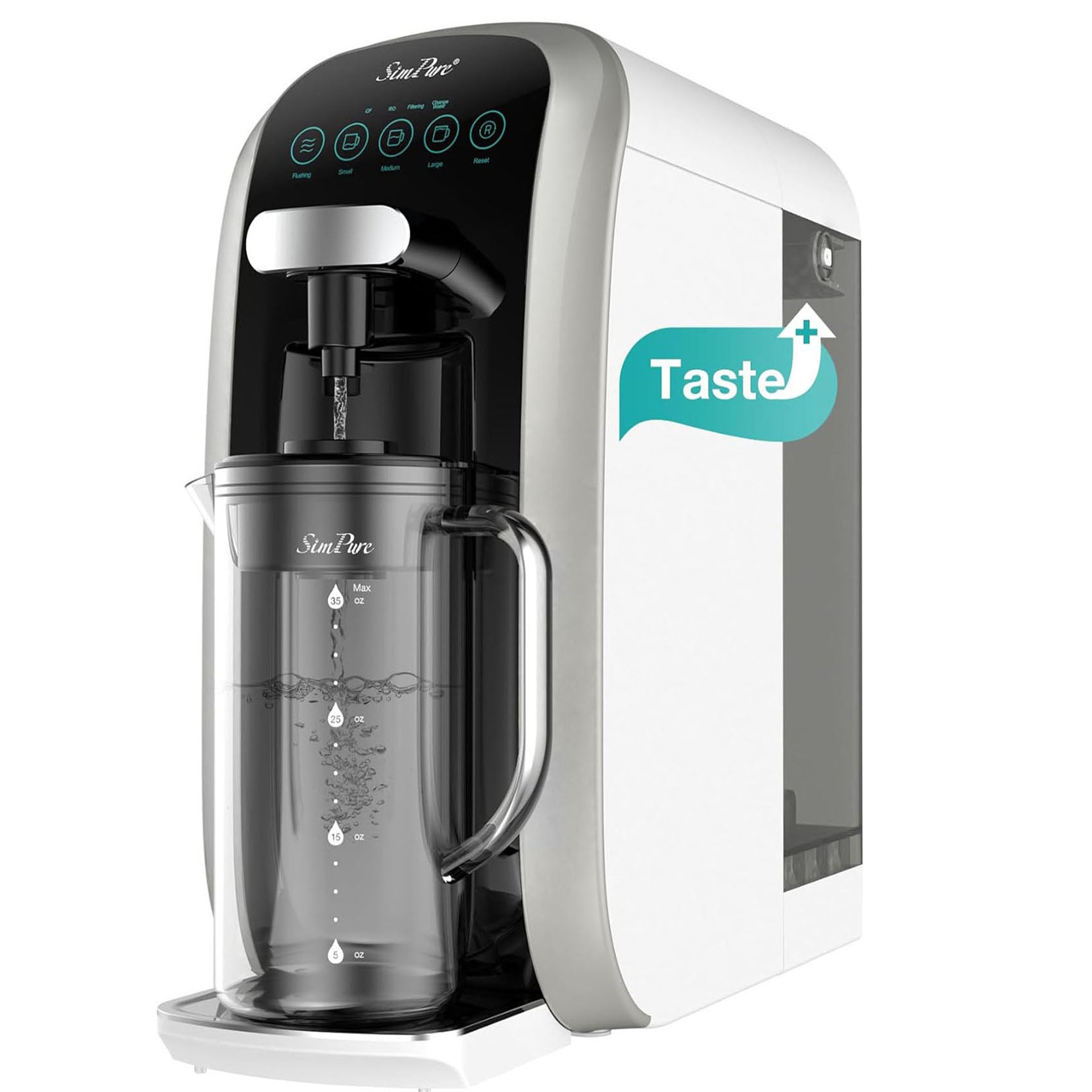

The pH value is more than just a number on a scale; it is a critical measure of the acidity or alkalinity of your drinking water. But what should the pH of drinking water be? Does the pH balance of your tap water truly affect your long-term health, metabolism, and energy levels? In the following comprehensive guide, we will explore the science of pH balance and provide actionable answers for your daily hydration.
Table of Contents
1. What Does the pH Value Actually Mean?
Before diving into the ideal levels, it's essential to understand that pH (Potential of Hydrogen) describes the concentration of hydrogen ions in an aqueous solution. It is one of the most important physicochemical parameters of water quality.
The pH scale is logarithmic and ranges from 0 to 14:
- Acidic (0 - 6.9): High concentration of hydrogen ions. Strong acids like battery acid sit at 0.
- Neutral (7.0): The perfect balance found in pure, distilled water.
- Alkaline (7.1 - 14.0): Also known as "basic." A pH of 14 represents a strong alkali like liquid drain cleaner.
For human consumption, even a slight shift of 1 unit on the pH scale represents a tenfold change in acidity or alkalinity.
2. How to Test the pH Level of Your Drinking Water
Determining your water's pH is the first step toward better health. Here are the three most reliable methods used today:
2.1 Chemical pH Indicators
These reagents change color based on the hydrogen ion concentration. By adding a few drops to your water sample, you can match the resulting color to a chart. However, since color perception is subjective, this method can lead to minor errors.
2.2 pH Test Papers (Strips)
The most accessible method. Wide-range strips (1-14) provide a rough estimate, while Precision strips can measure down to one decimal place. Simply dip the strip and compare it to the colorimetric card provided. Note: These strips cannot measure the pH of oils as they lack hydrogen ions.
2.3 Digital pH Meters (High Precision)
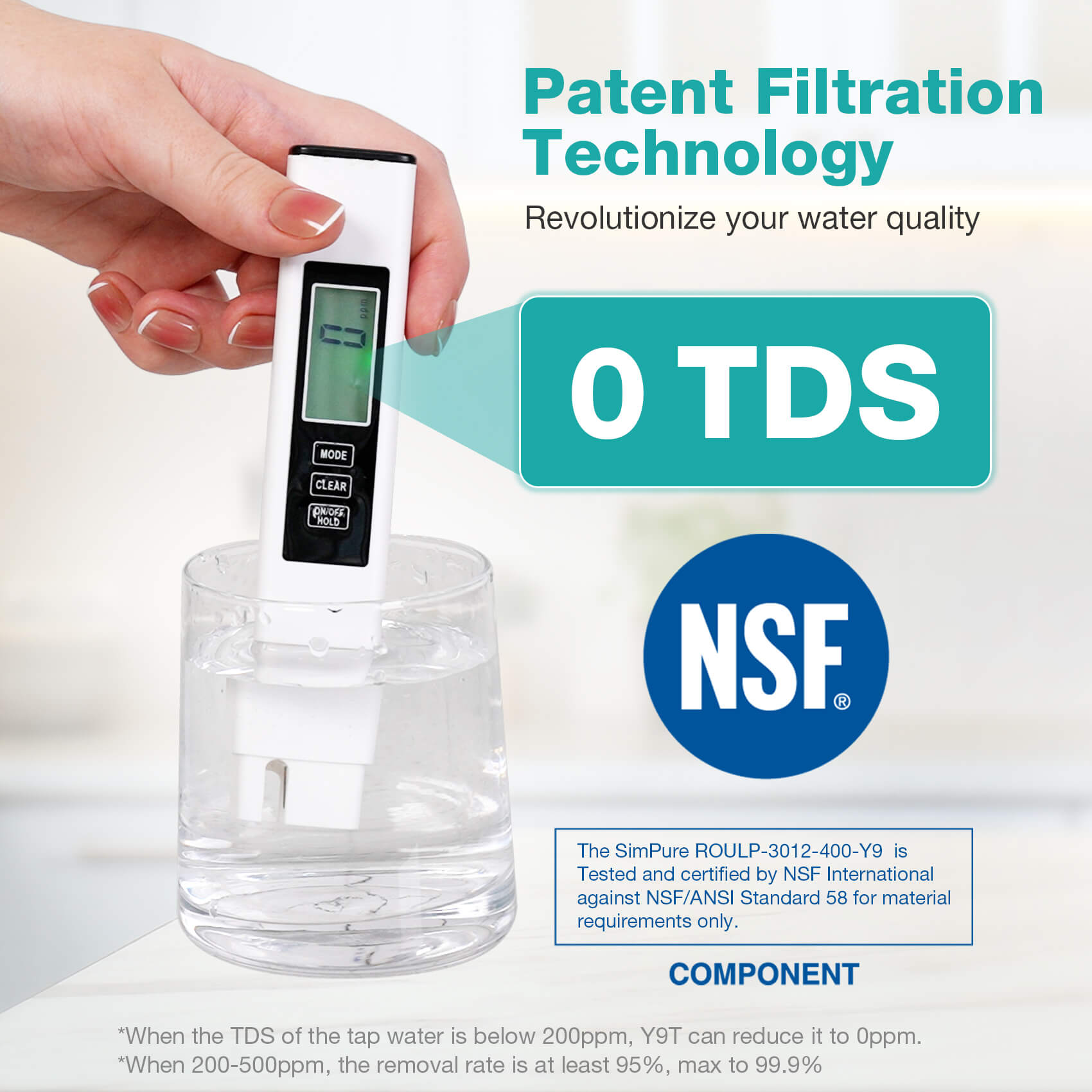
A digital pH meter operates on the principle of a primary battery, measuring the electromotive force between electrodes. It is the most accurate way to test tap water, providing readouts accurate to two decimal places.

SimPure Digital pH Meter
Monitor your water quality with laboratory precision. Perfect for testing tap water, aquariums, and RO system performance.
Shop Digital pH Meter →3. What Should the pH of Drinking Water Be? (Global Standards)
Different international bodies have established guidelines to ensure water is both safe to drink and non-corrosive to infrastructure.
| Authority | Standard pH Range | Scientific Reasoning |
|---|---|---|
| WHO (Global) | ≤ 8.0 (Optimal) | High pH causes a "soapy" taste; Low pH is corrosive to pipes. |
| EPA (USA) | 6.5 – 8.5 | A broad range allowed for both tap and well water. |
| European Union | 6.5 – 9.5 | Minimum pH for bottled water can be lower (4-5) if carbonated. |
| Japan | 5.8 – 8.6 | Strict balance between mineral content and acidity. |
The Expert Verdict: Long-term research indicates that a pH level between 6.5 and 8.5 is best for human health needs, ensuring the water is neither too aggressive for your digestive tract nor unpalatable.
4. How Water pH Affects Your Biological Health
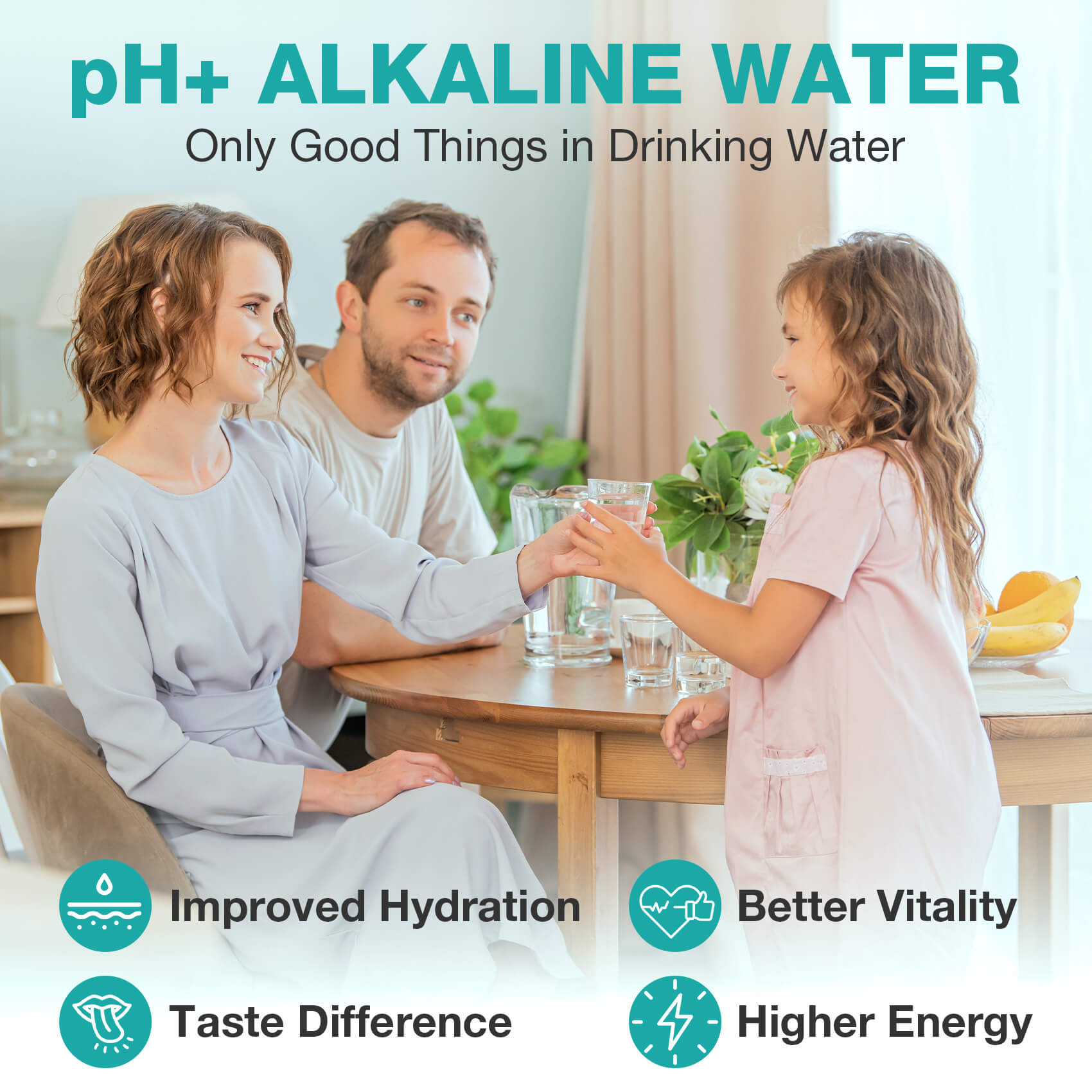
Medical studies show that the human body maintains a blood pH between 7.35 and 7.45. For our cells to maintain normal physiological functions and material metabolism, our internal fluids must remain weakly alkaline.
The Risk of an "Acidic Constitution"
Health surveys in developed urban areas show that over 80% of people exhibit an "unhealthy acidic constitution." When body fluids become too acidic:
- Cellular Decay: Cell activity weakens and metabolism slows down.
- Organ Stress: Long-term acidity puts immense pressure on vital organs.
- Critical Levels: If fluid pH drops to 6.9, it can lead to a vegetative state; 6.7 to 6.8 can be fatal.
Even a slight dip toward acidity can manifest as premature skin aging, stunted growth in children, loss of appetite, and increased risk of cardiovascular diseases in the elderly.
5. Achieving Balance with Alkaline RO Filtration
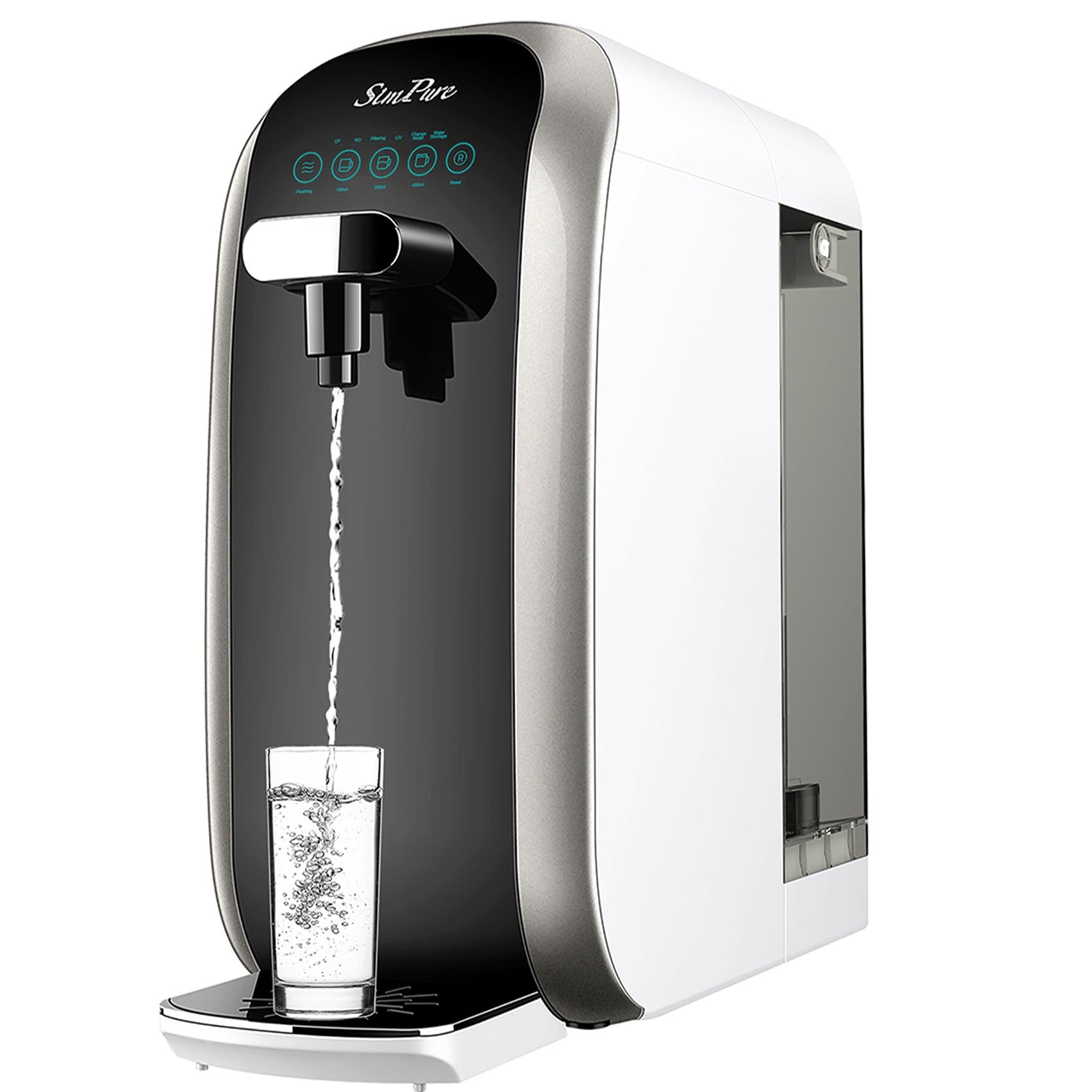
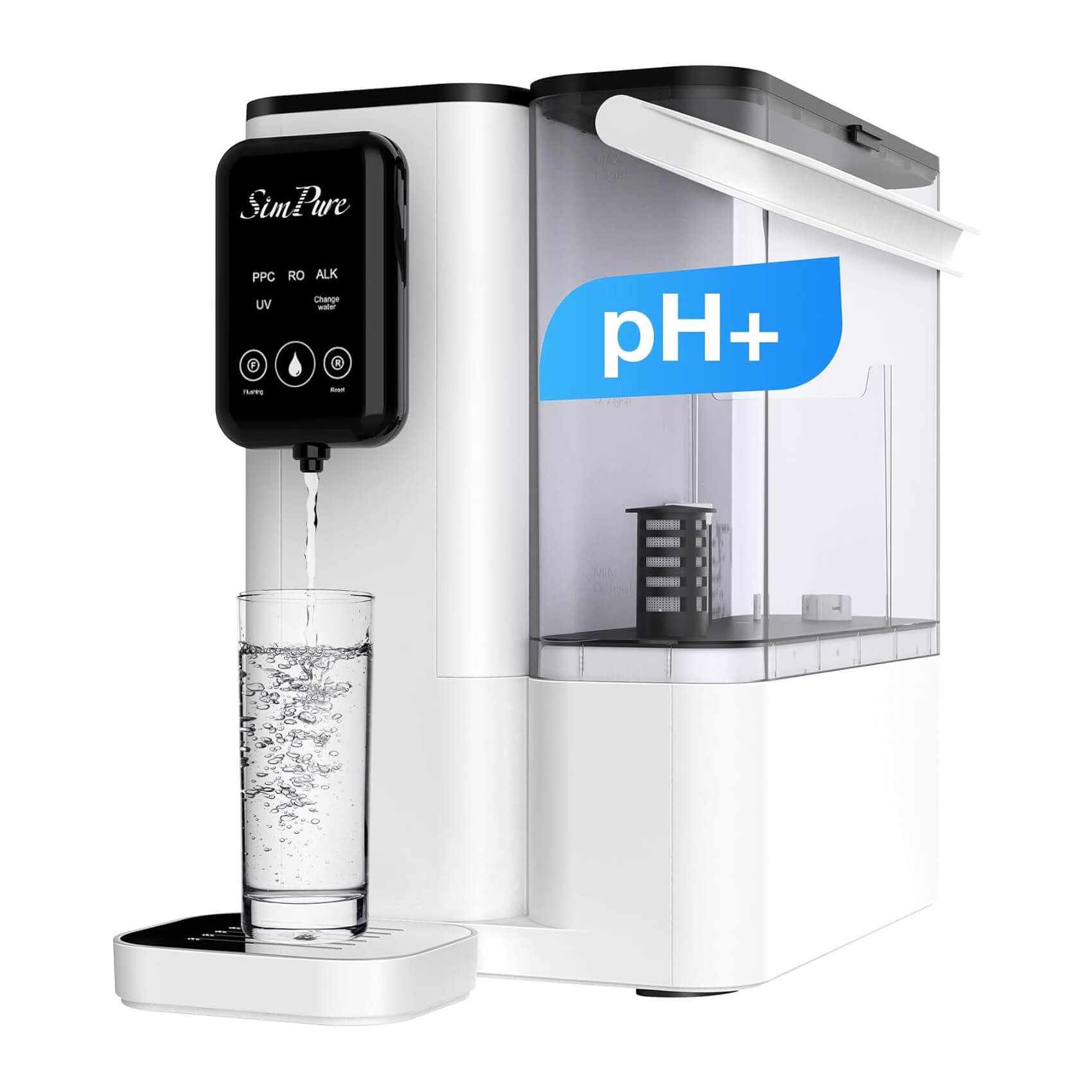
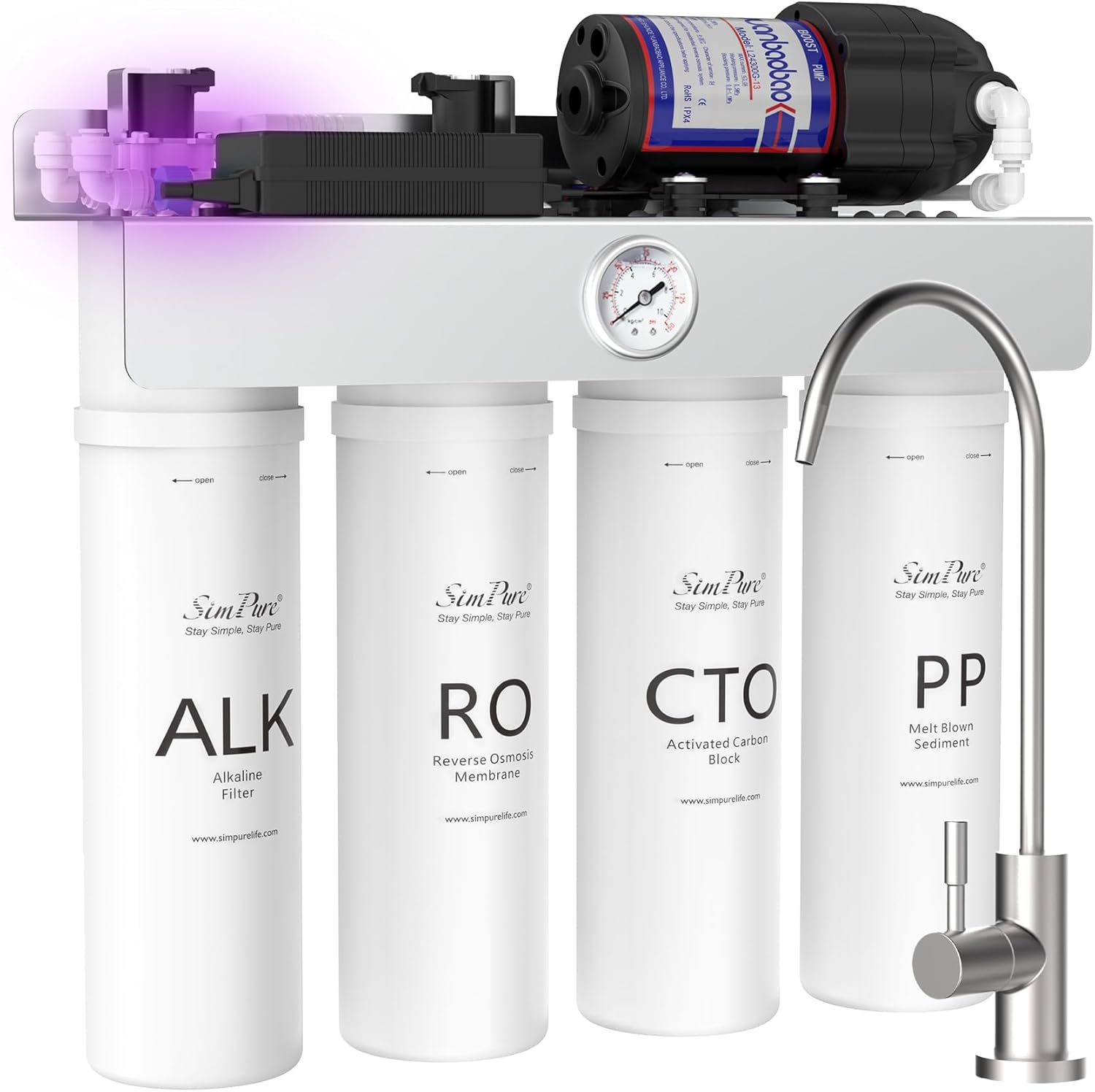
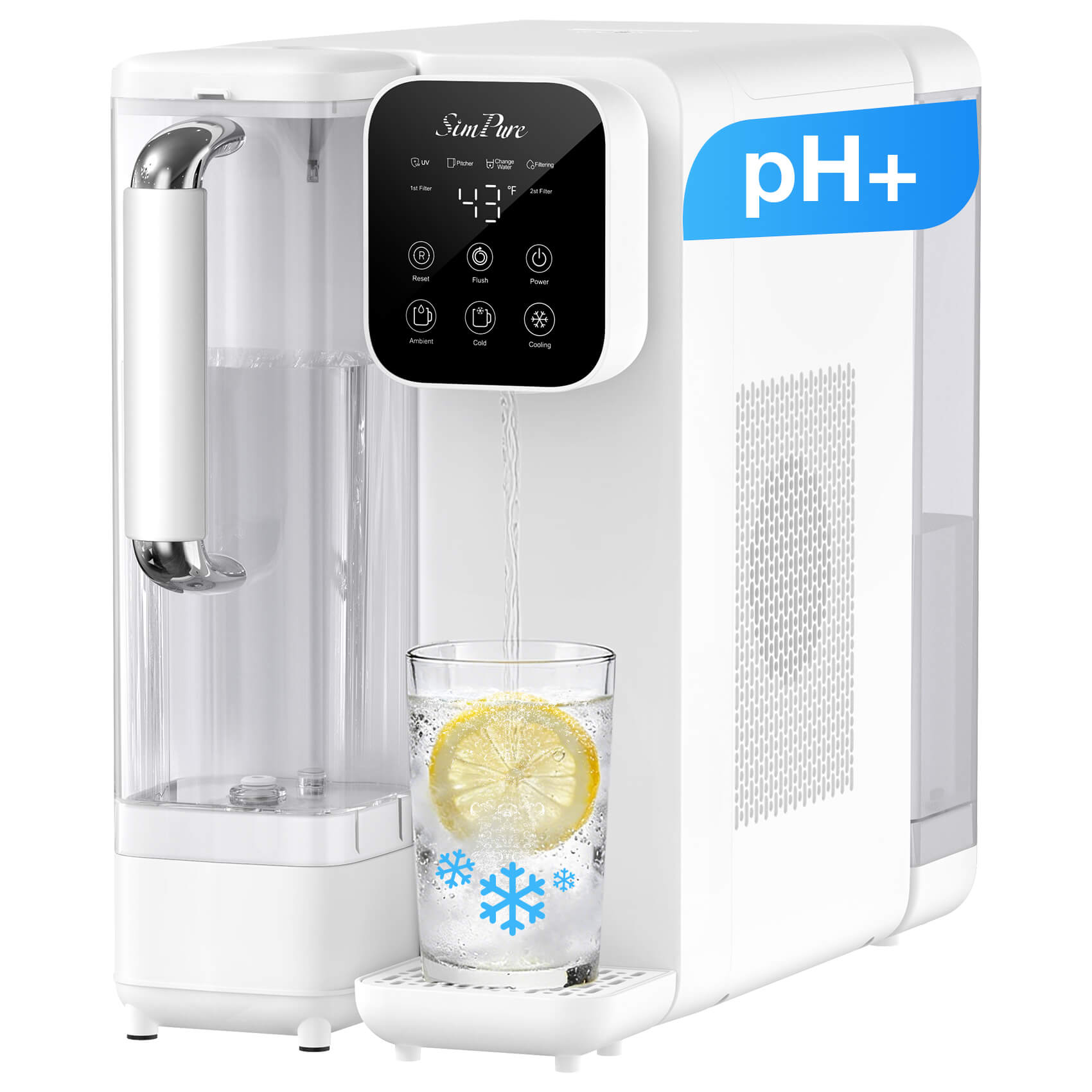
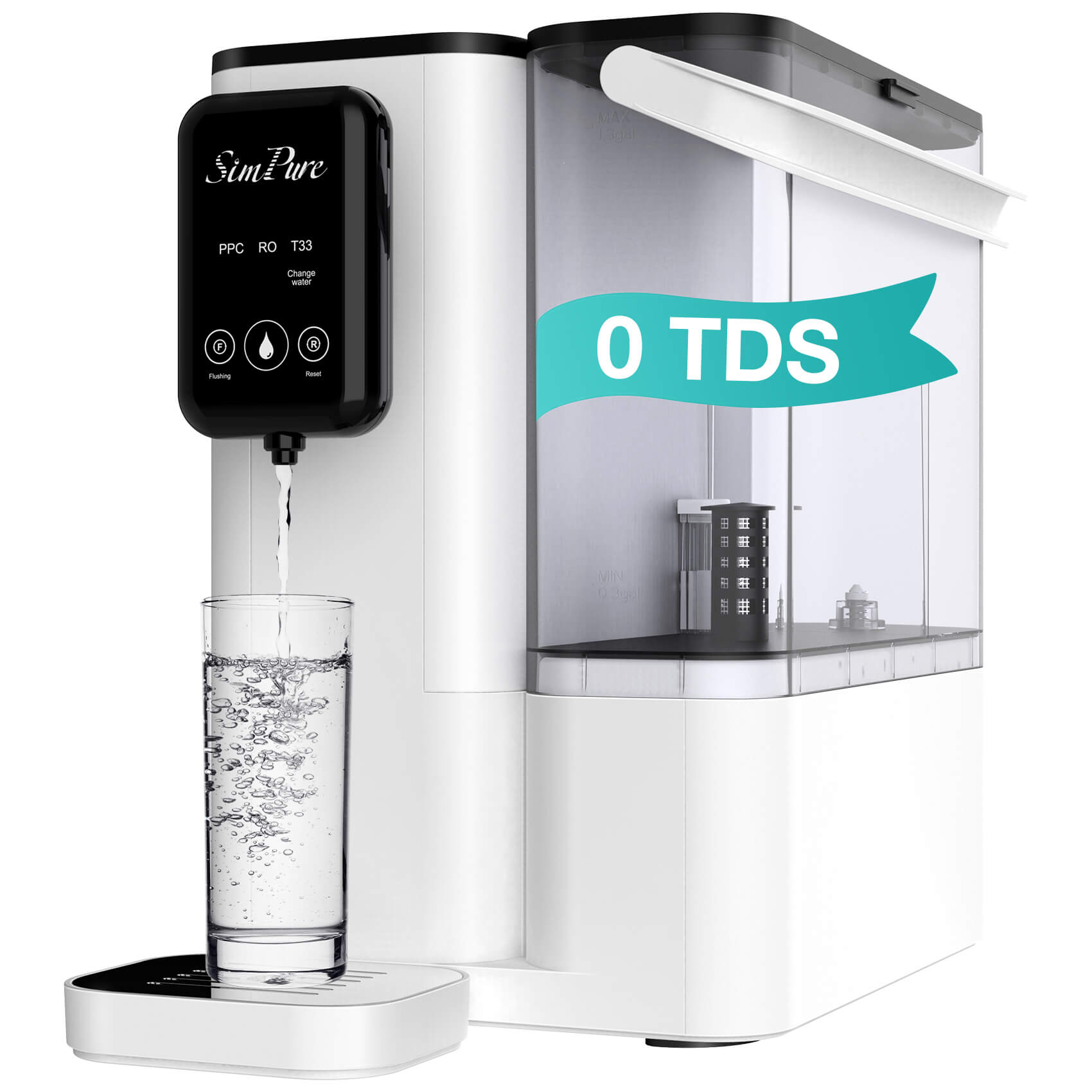
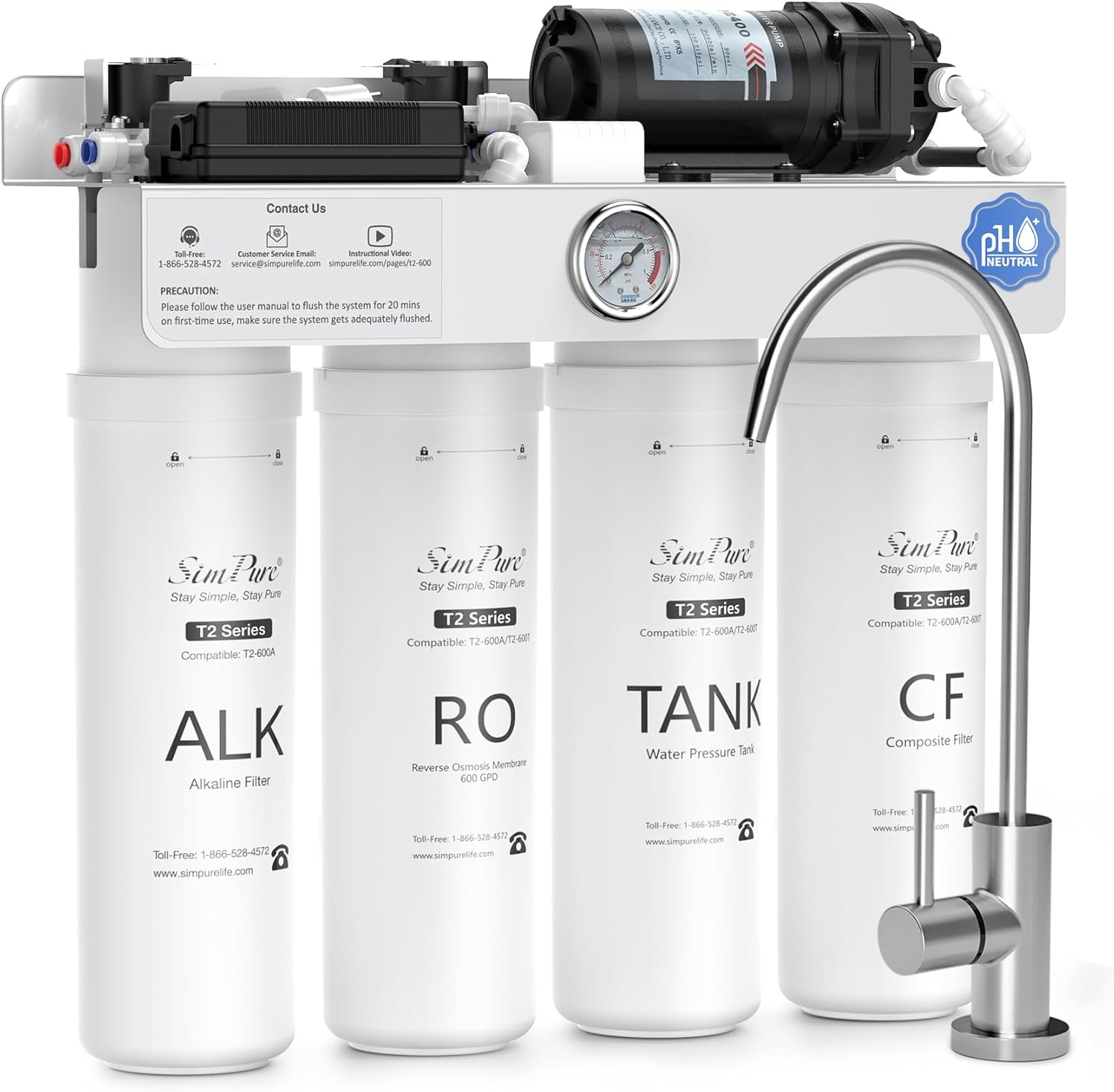
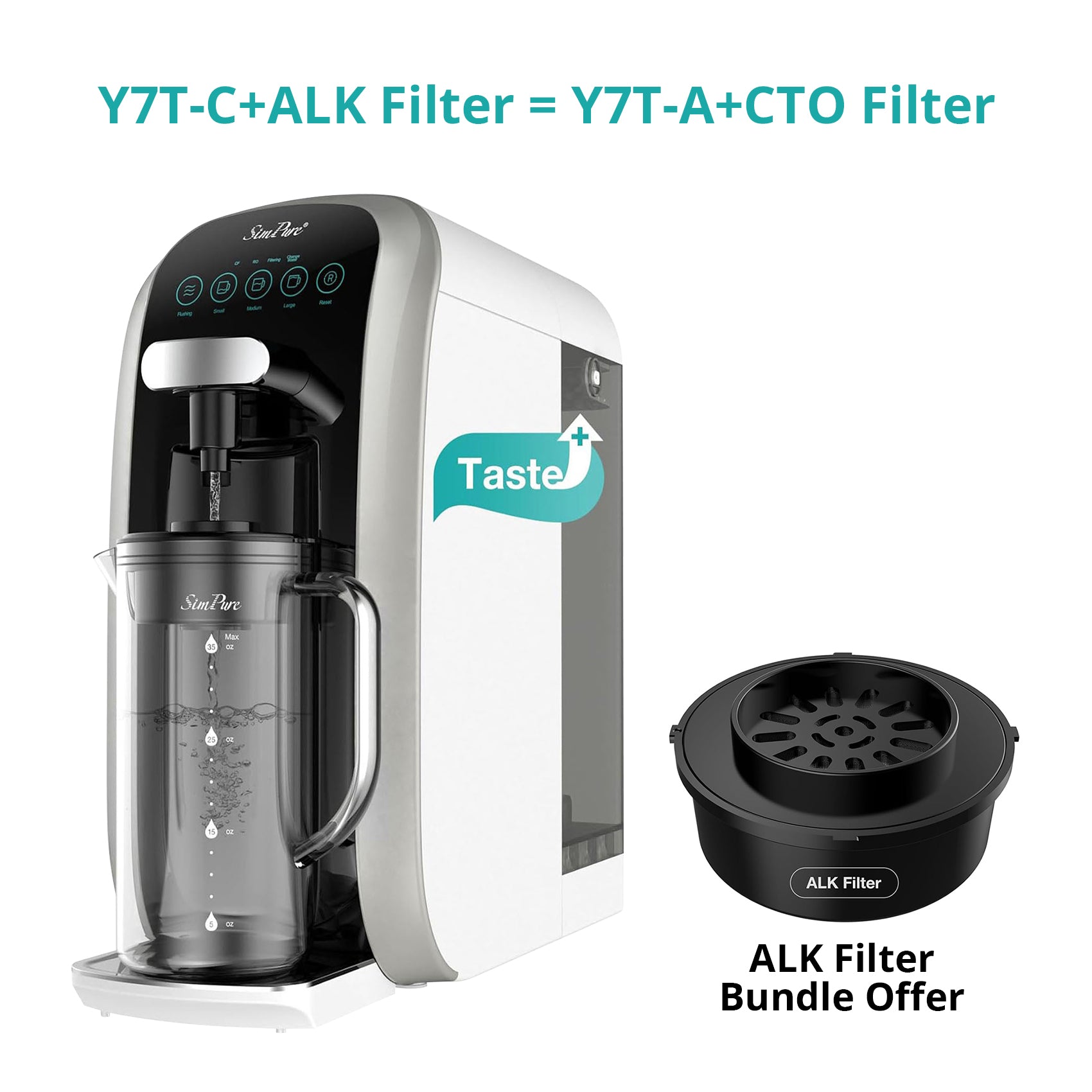
While standard Reverse Osmosis systems are excellent at removing contaminants, they often leave water slightly acidic by removing all minerals. The SimPure Y9A was specifically designed to solve this by adding a dedicated remineralization stage.

SimPure Y9A: Alkaline RO System
Experience the fastest 300 GPD flow rate. The Y9A doesn't just purify; it adds essential Calcium, Magnesium, and Potassium back into your water, delivering a healthy pH >7.5.
Get Balanced Alkaline Water →Unlike standard RO systems that produce "flat" water, the Y9A uses a specialized ALK filter to ensure your hydration supports your body's natural alkaline balance. It fills a 6 oz glass in just 12 seconds—perfect for busy, health-conscious households.
Elevate Your Hydration
Join over 100,000+ families choosing SimPure for healthy, mineral-rich water.
Explore All SimPure Solutions