Air purifiers are essential for maintaining healthy indoor air, but many users wonder: Can I use my air purifier with the windows open? The answer isn't a simple yes or no—it depends on what you are trying to filter and the technology your device uses.
Windows Open or Closed? It Depends on the Pollutant
There is a common misconception that windows must always be sealed. However, the scientific and efficient way to use your purifier varies based on your indoor environment.
1. For Haze & PM2.5 (Keep Windows Closed)
When outdoor air quality is poor (smog or haze), keep windows closed. High-efficiency HEPA filters (H13 or higher) can remove over 99.97% of PM2.5. Opening windows during a smog alert forces the purifier into an "overload" state, sucking in endless pollutants and shortening filter life.
2. For Formaldehyde & TVOCs (Open Windows)
Formaldehyde is a carcinogen often found in new furniture. Most traditional purifiers (Activated Carbon/Negative Ion) have limited capacity for chemicals. Opening windows is essential here to flush out high concentrations of toxins. Ventilation speeds up the airflow, allowing the purifier to handle the remaining traces more effectively.
How Different Filter Technologies React to Ventilation
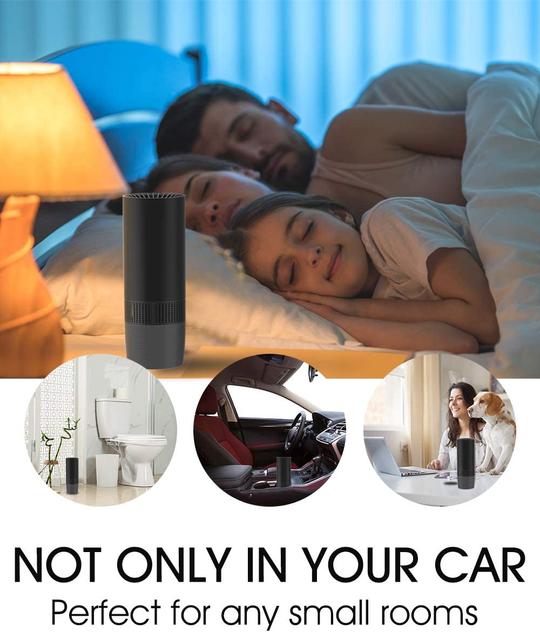
Best Air Purifiers for Different Needs

Features Smart WiFi control to monitor air quality in real-time, helping you decide exactly when to close those windows for maximum HEPA performance.

A powerhouse for pet owners. Best used with windows closed during high-pollen seasons to keep your sanctuary dander-free.

Effectively removes smoke and odors. Features a high-capacity filter that works best in enclosed smoking areas.
FAQs: Using Air Purifiers with Windows
It won't "damage" the motor, but it will significantly shorten the lifespan of your filters as they work much harder to clean the incoming outdoor air.
We recommend opening windows in the early morning or late evening when outdoor traffic and industrial pollutants are at their lowest levels.
If you are airing out the room for fresh oxygen, you can keep it on low or turn it off. If you are ventilating to remove formaldehyde, keep it running to assist the air exchange.
Ready to optimize your home air quality?
Explore All SimPure Air Purifiers →