
It is regrettable, but did you know that the world produces 400 million tonnes of plastic waste every year, and close to about 60% of the waste ends up in our landfills and natural environment? That's truly shocking, isn't it? Plastic pollution is a real issue affecting marine life and, eventually, even our health. We are more or less exposed to plastic on a daily basis. Such exposure includes using plastic containers that seep into drinking water, which contain microplastics and other chemicals like BPA, threatening very serious health risks. That is why it is necessary to adopt sustainable ways to drink water without plastic exposure. This blog will focus on the best and most sustainable methods on how to drink water without plastic in detail.

Health Risks of Plastic in Drinking Water
Consumption of plastics through water results in the following health issues as plastics contain several microplastics, nanoplastics, etc., which might create a problem or another. Here are some health dangers associated with consuming plastics through water.
Reproductive Issues
Bottles made of plastics may contain several additives, like phthalates or Bisphenol A (BPA), in addition to the microplastics. These additives create several reproductive issues that cannot be ignored.
Hormonal Disorders
BPA is an endocrine disruptor because it interferes with body functions related to the endocrine system, causing adverse developmental and neurological disorders. The endocrine system refers to glands and organs spread throughout different parts of the body; it uses hormones that control and coordinate metabolism, energy, reproduction, growth, and development in the body.
Toxicity
Microplastics contribute to toxicity because as soon as they come into contact with liquids, they easily get exposed to all types of compounds, so they function as harbingers for different contaminants including environmental pollutants, toxins, antibiotics, or bacteria.
How to Drink Water Without Plastic?
After becoming aware of health hazards due to the presence of plastic in water, we will now consider how to have a plastic-free drinking method that is sustainable and pragmatic. These methods are very simple and easy to access, so you can drink water without plastic.
1. Use Stainless Steel Reusable Water Bottles.

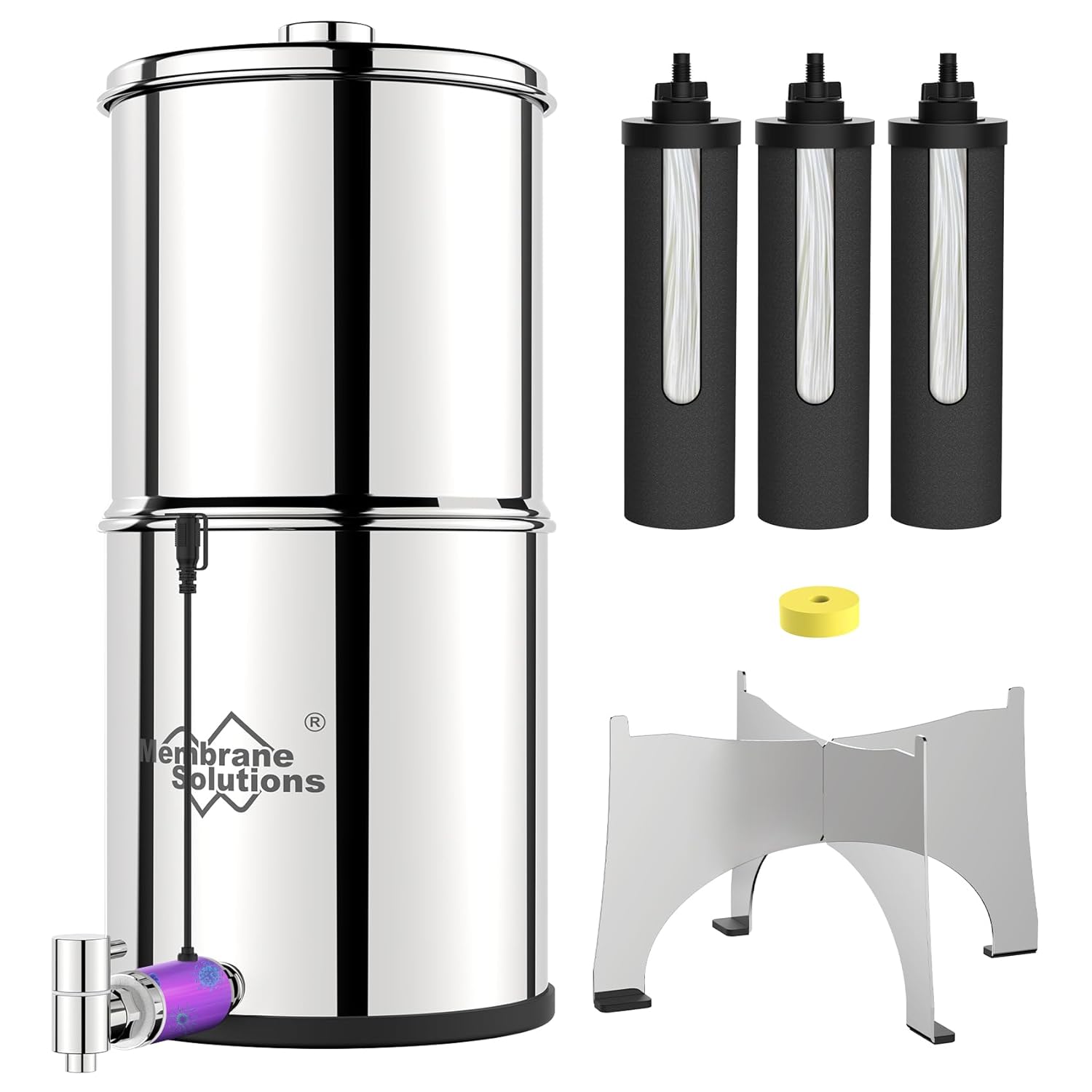
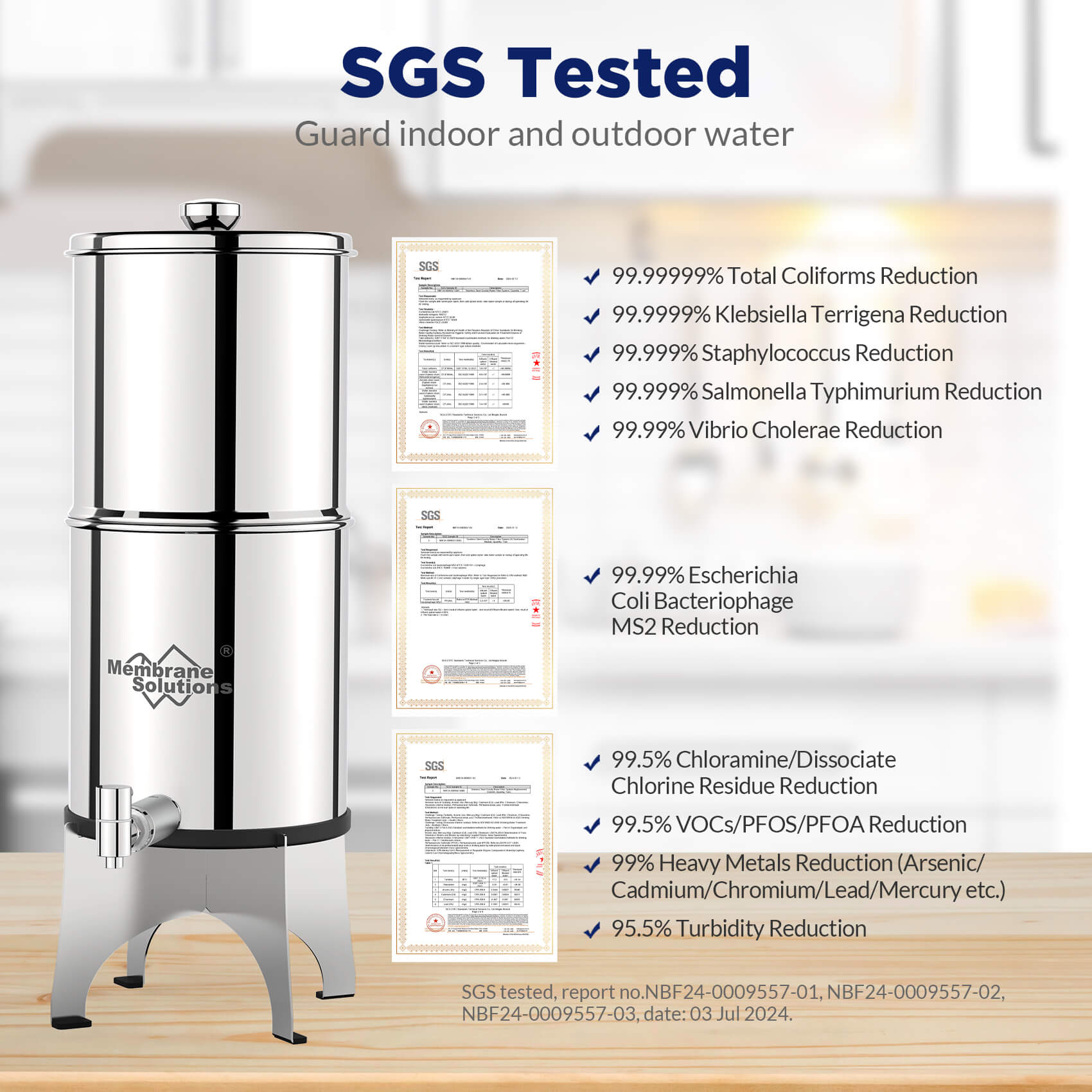
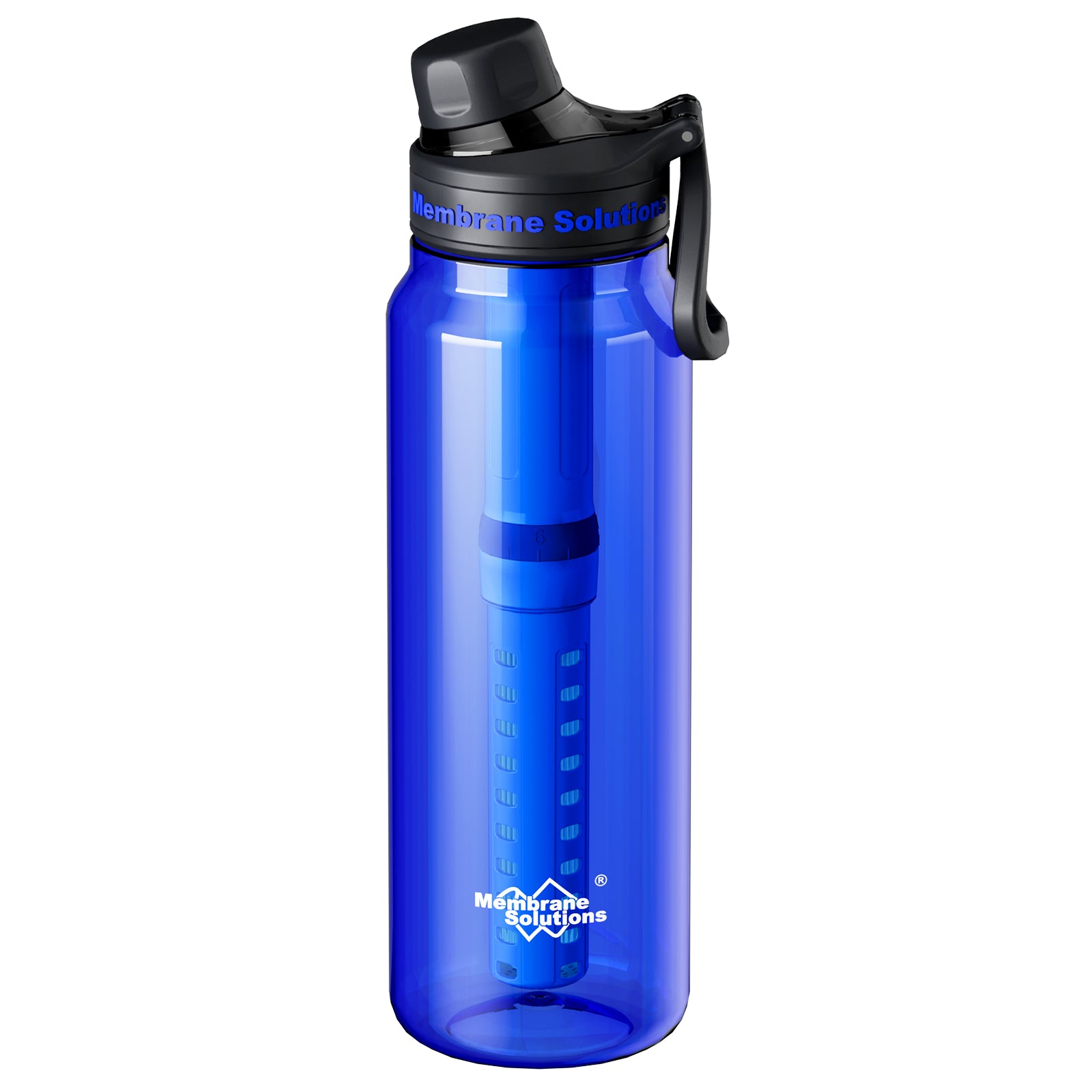
A stainless steel or aluminum water bottle would be the best material for introducing water consumption without plastic. It does not contain contaminants and could be used many times, although cleaning ought to be done to prevent bacterial growth. If you travel outdoor, Membrane Solutions C3 32oz 6-Stage Stainless Steel Water Filter Bottle will be your best choice.
2. Drink From Glass Water Bottles With Sleeves.
You could also switch to glass water bottles from plastic ones. Glass bottles are free from BPA and additives and also maintain the taste of water. Glass bottles are brittle and prone to breaking frequently. Therefore, you must spend some money on getting glass bottles with silicon sleeves for safety purposes. Using them, you can enjoy plastic-free water throughout the day.
3. Have a Home Reverse Osmosis Water Filter - best way to drink water without plastic

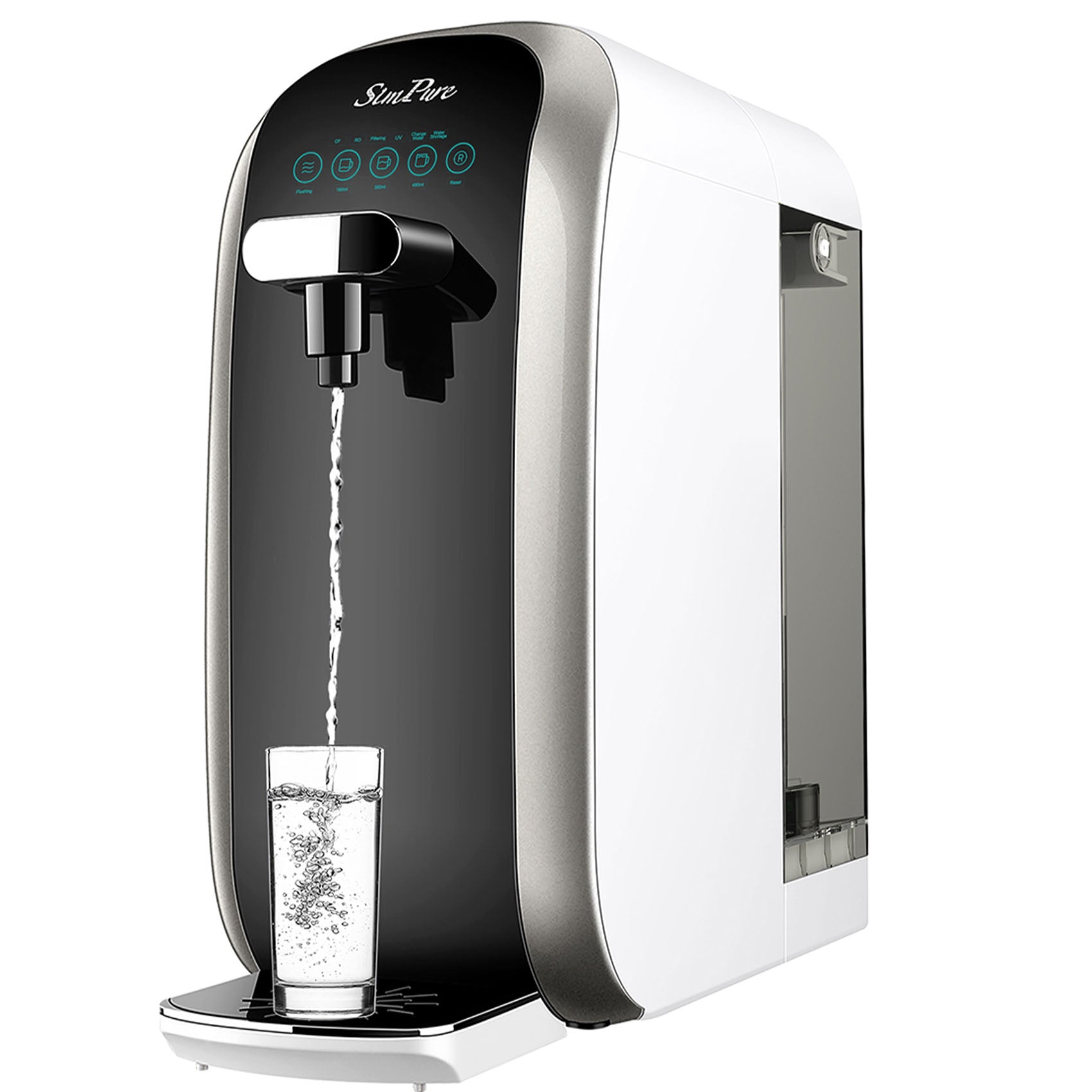
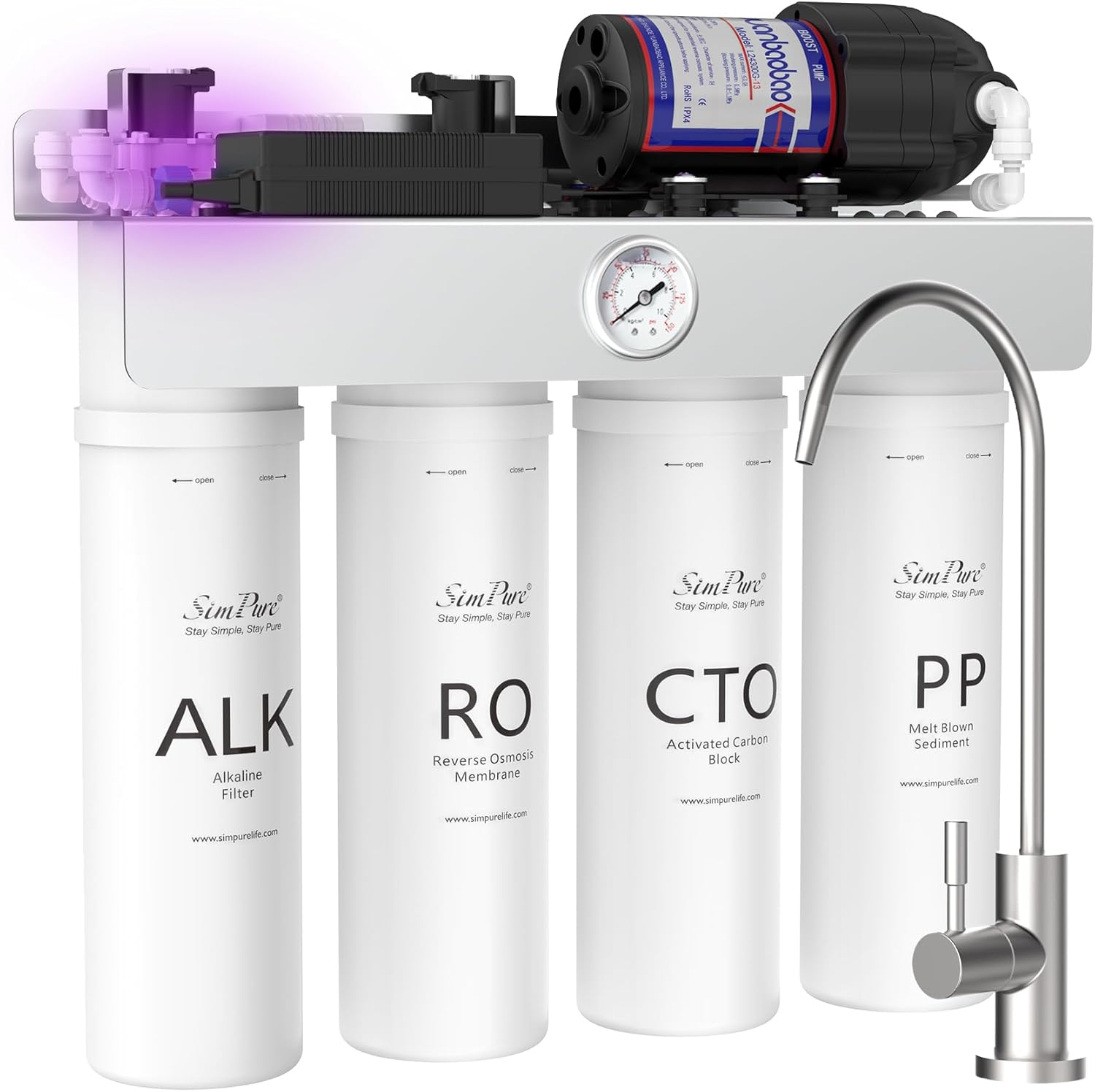
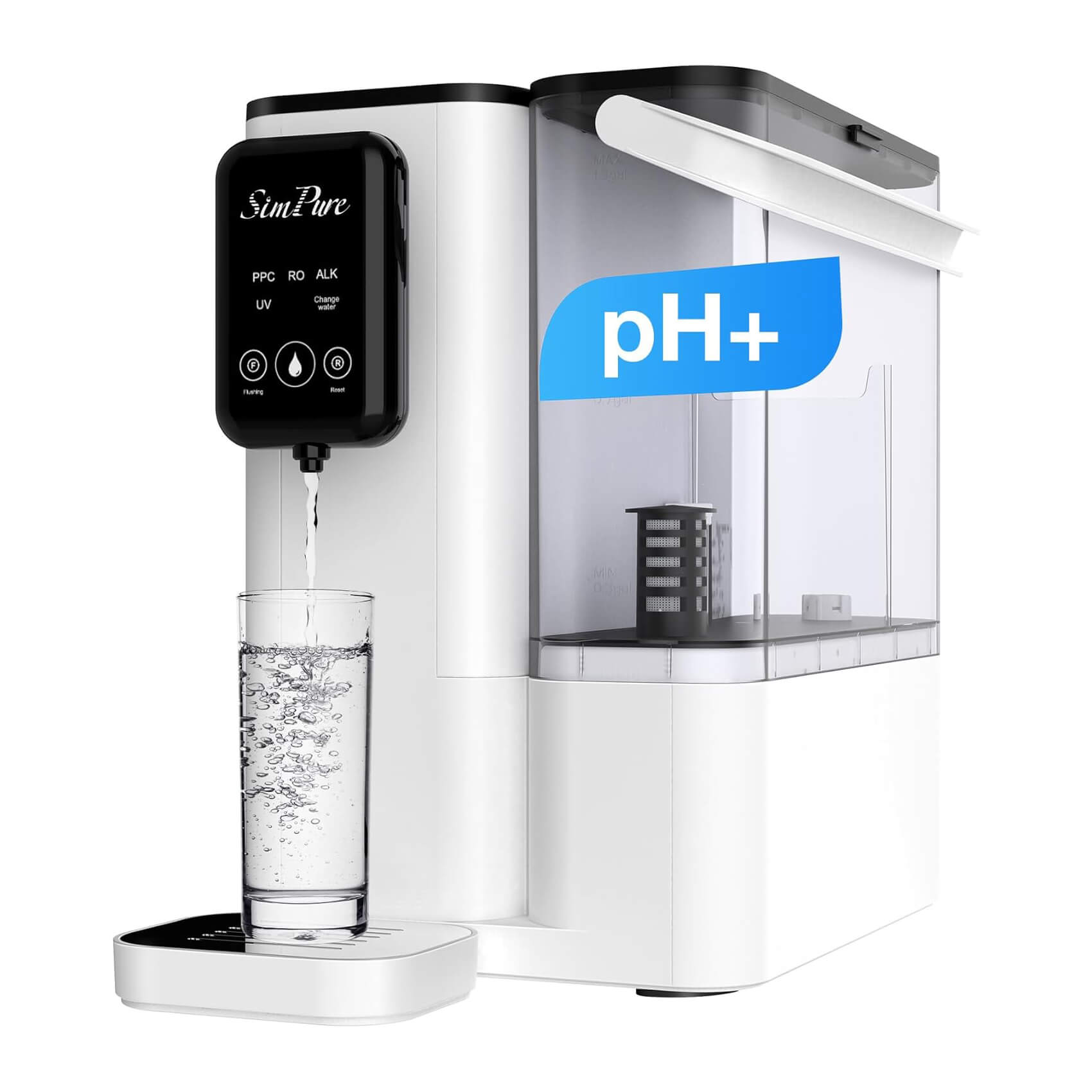
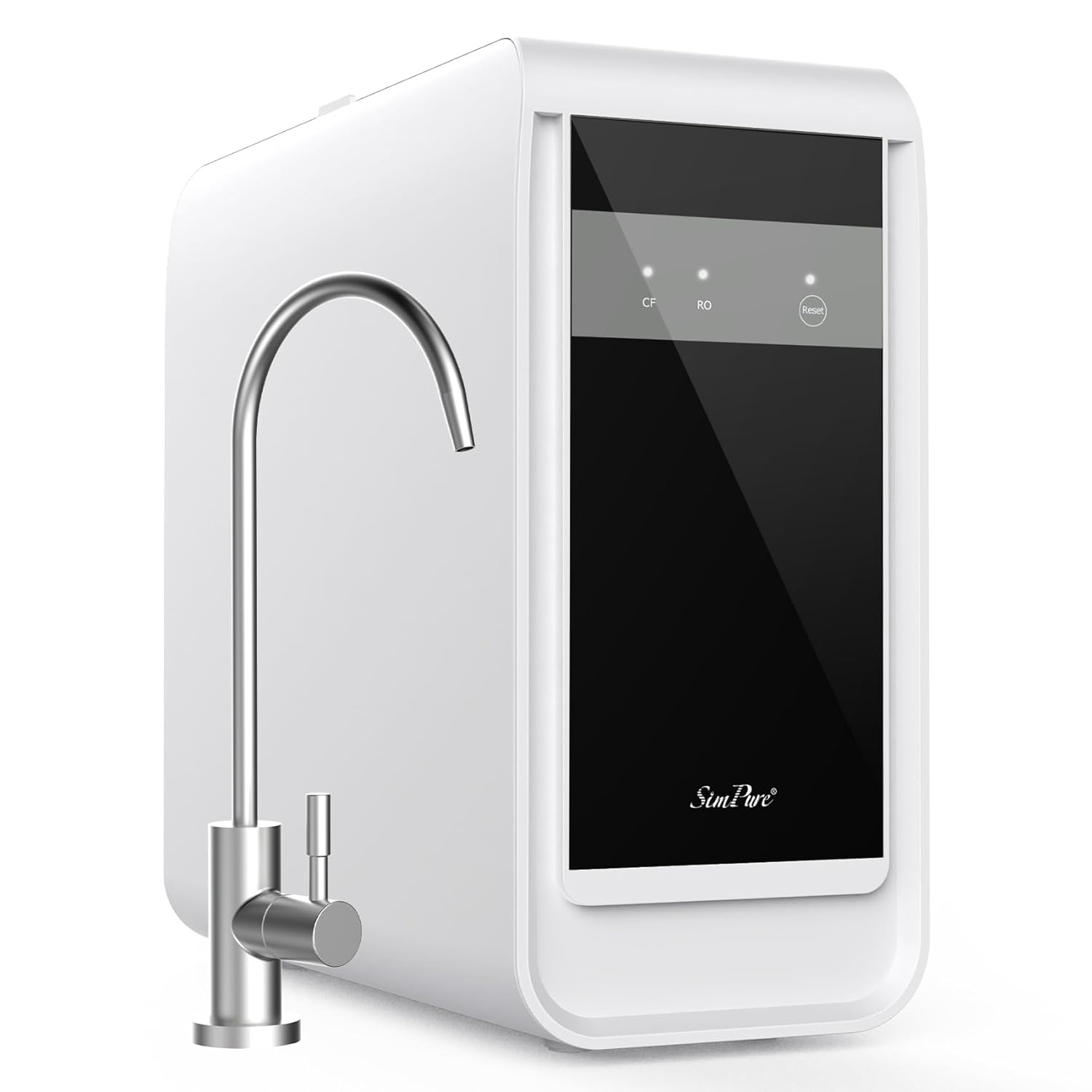
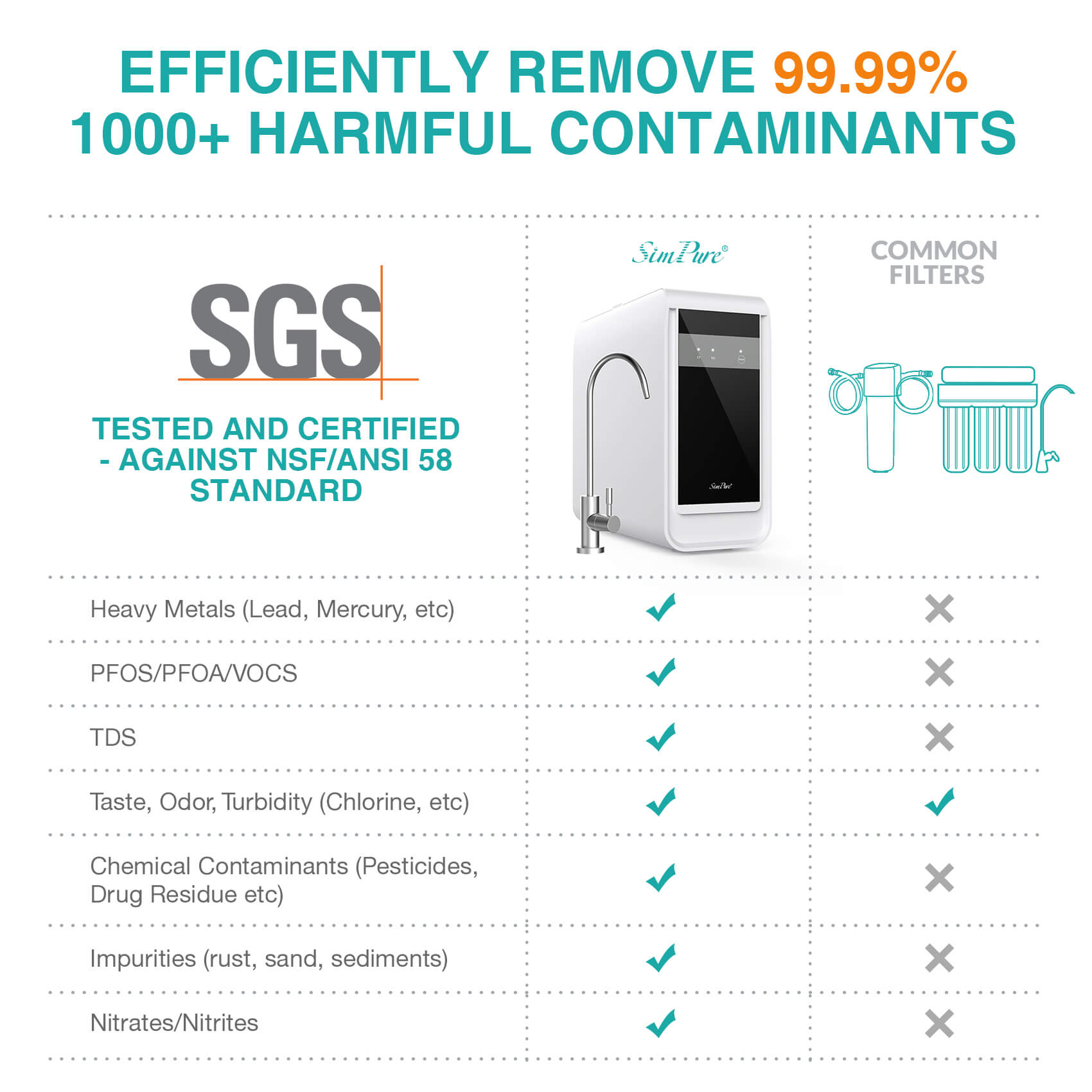
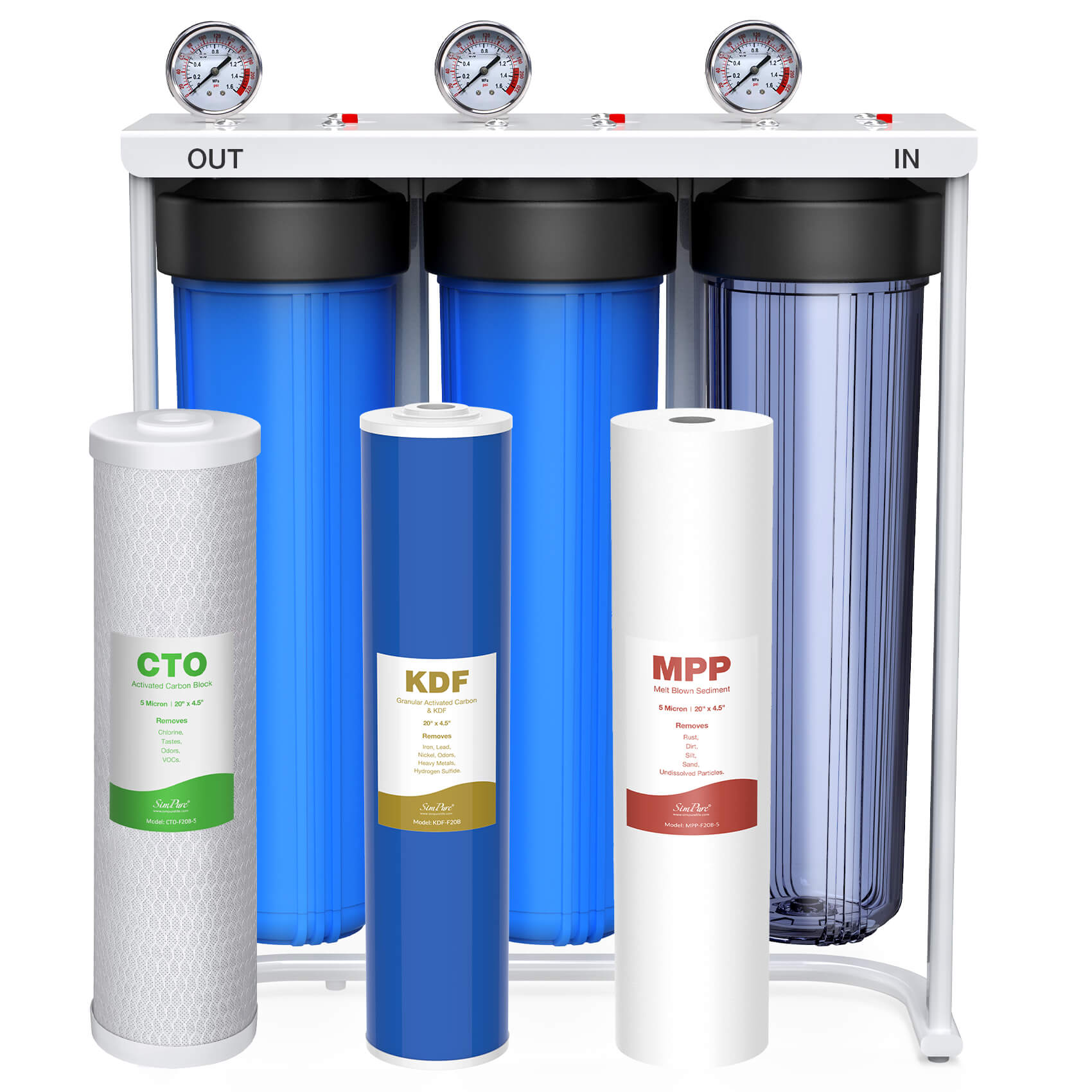
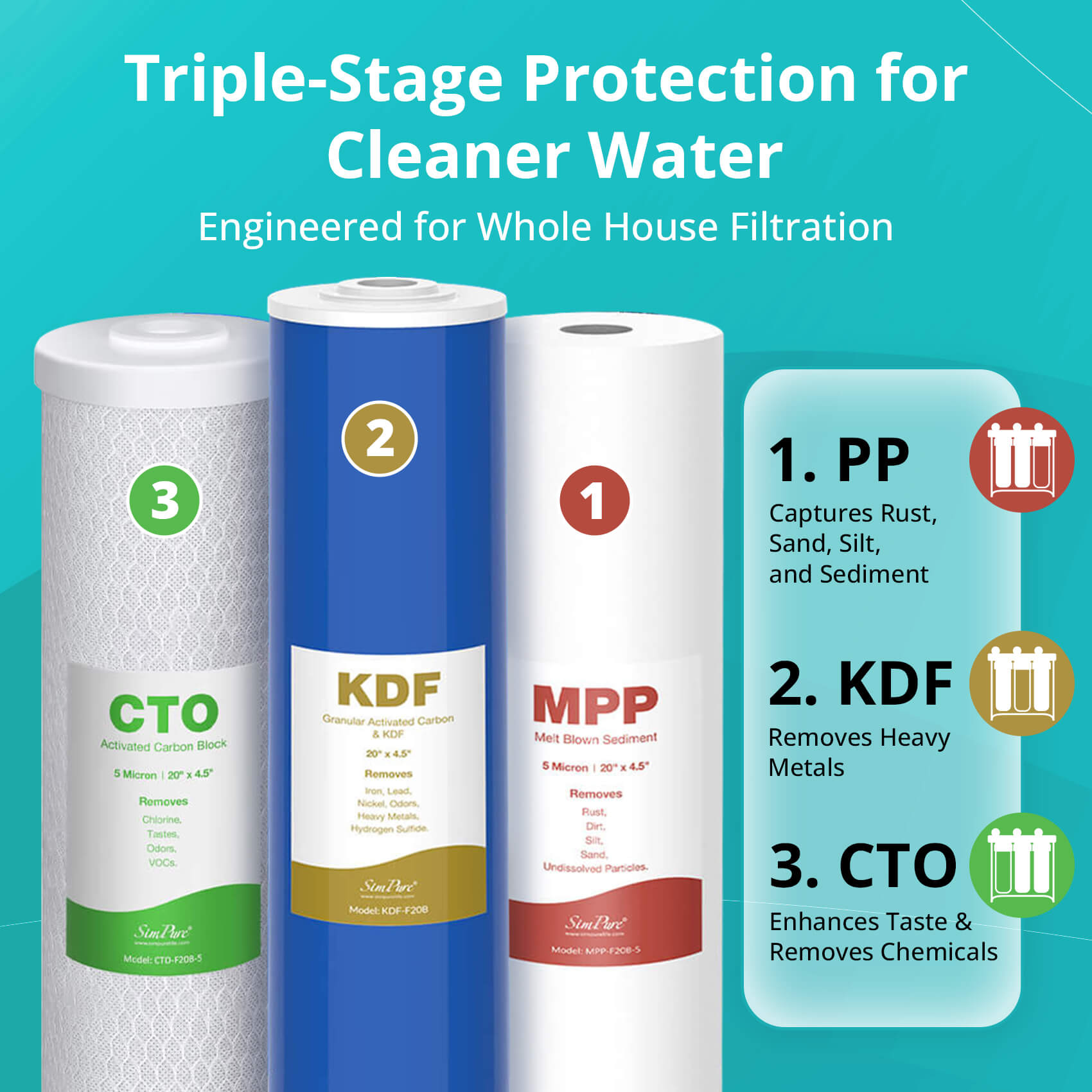
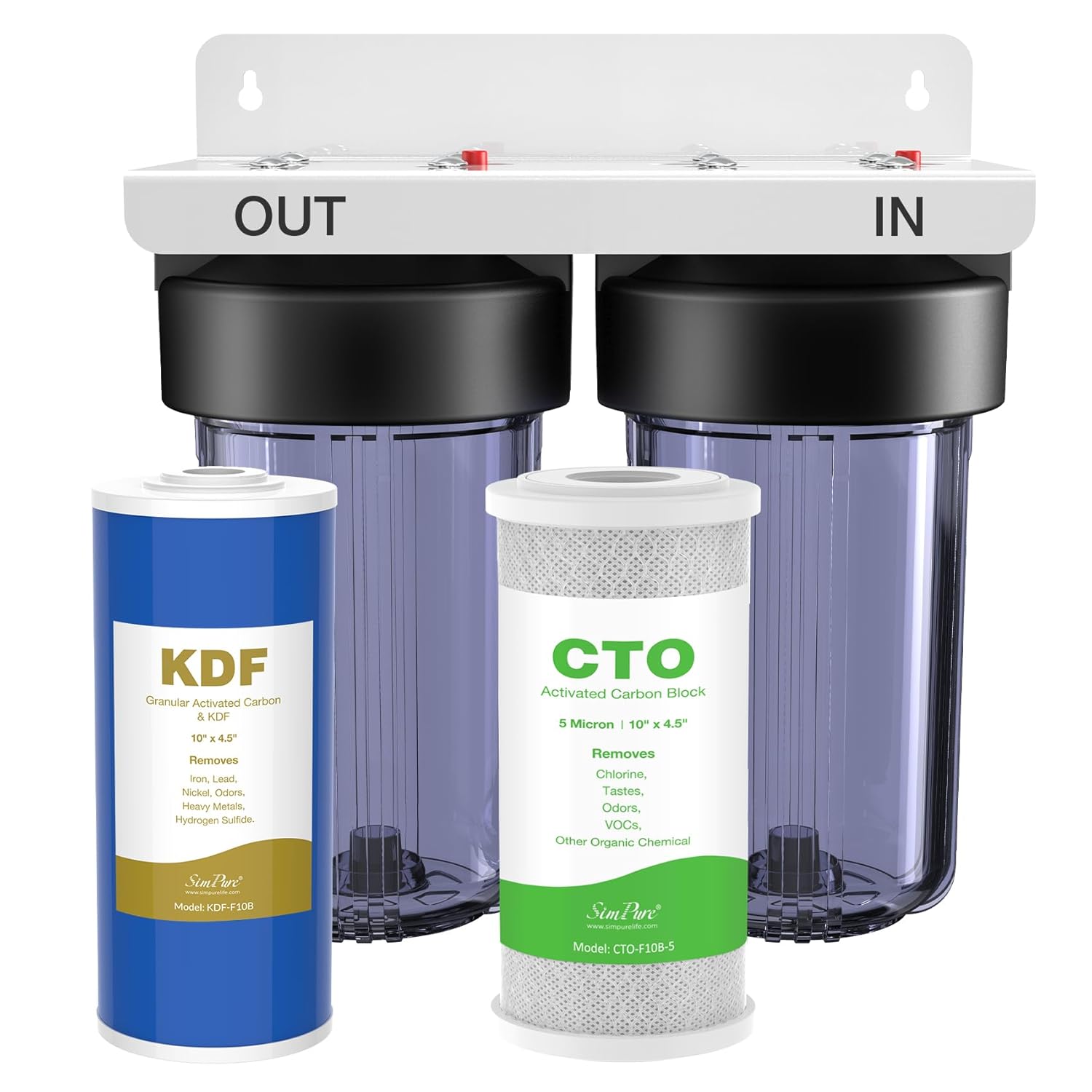
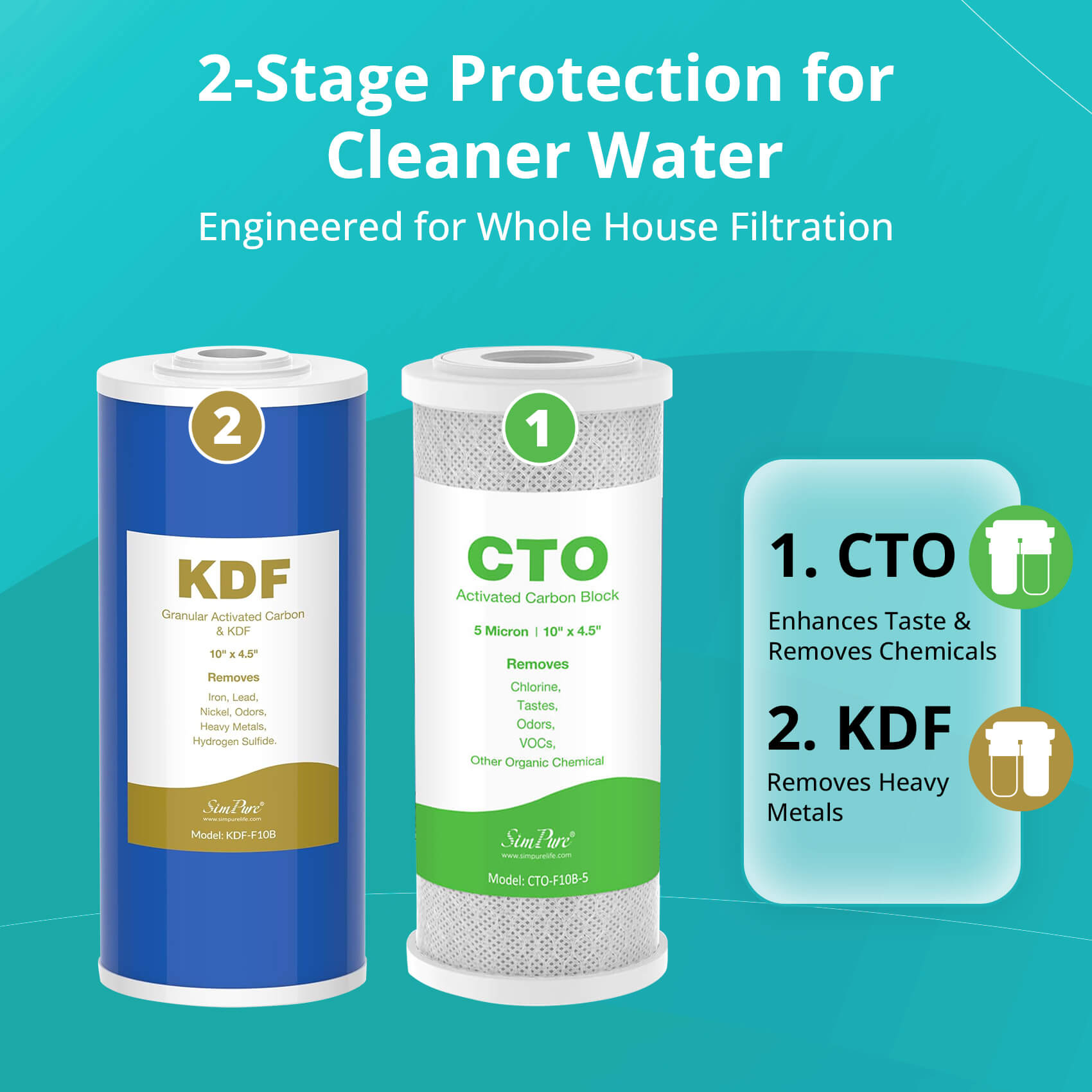
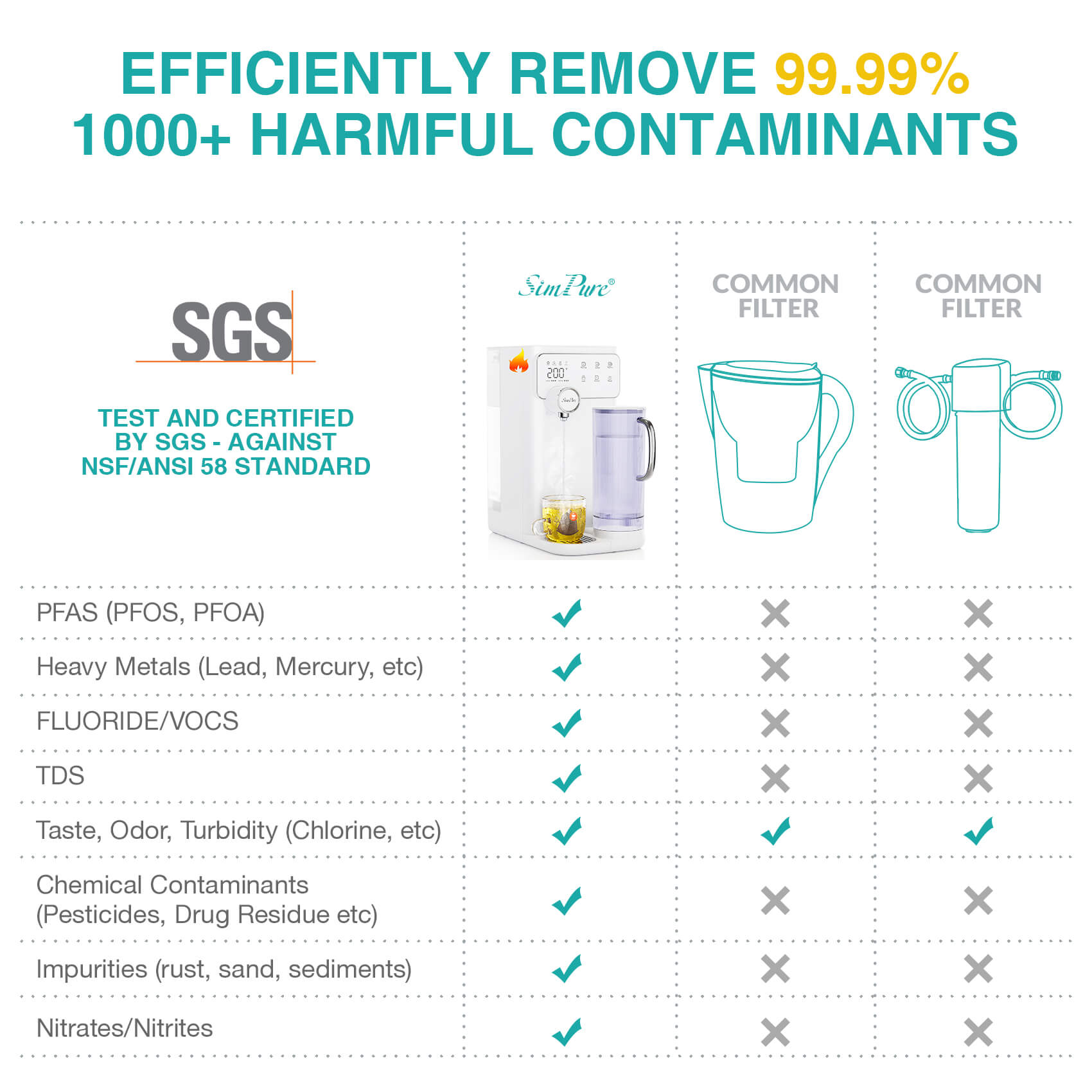
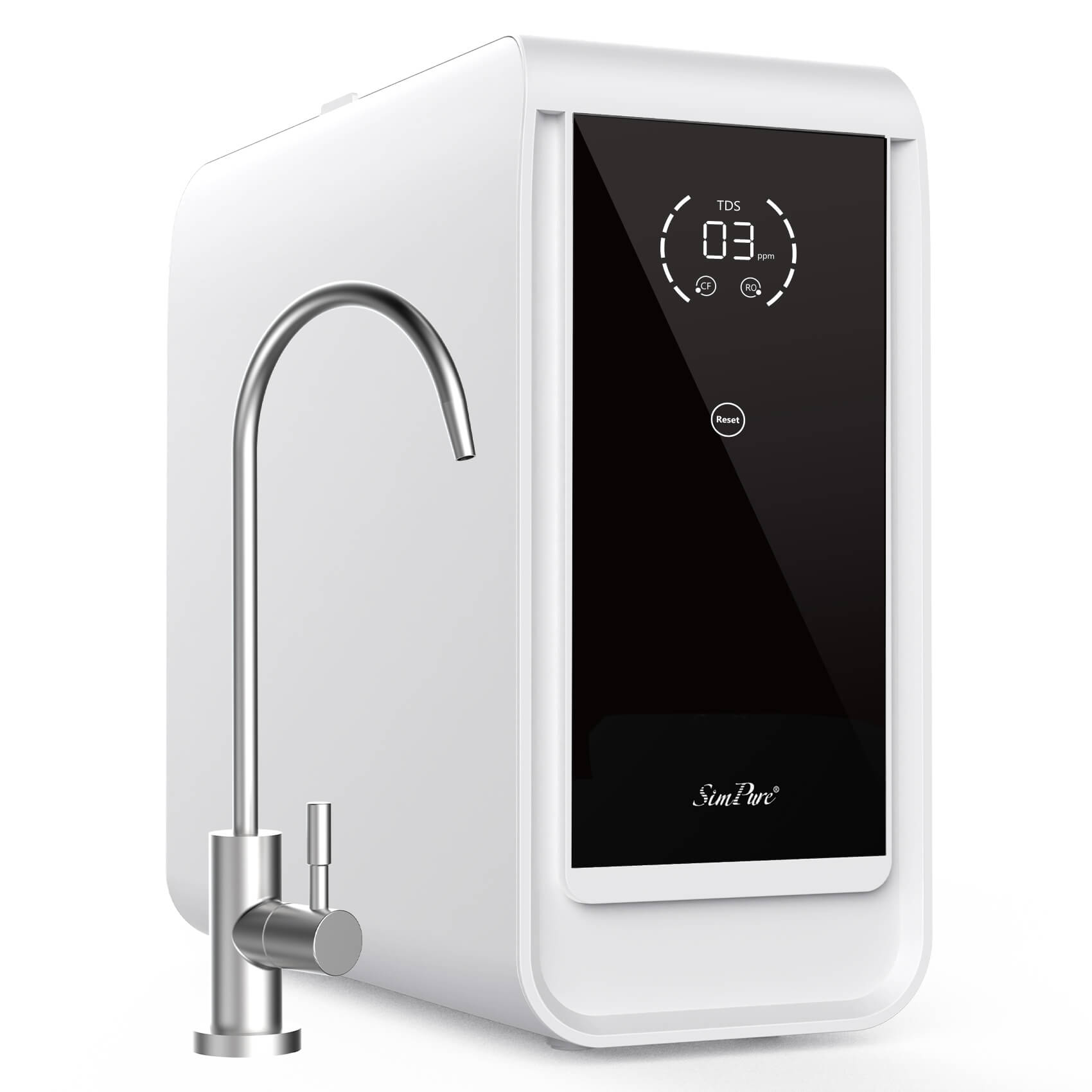
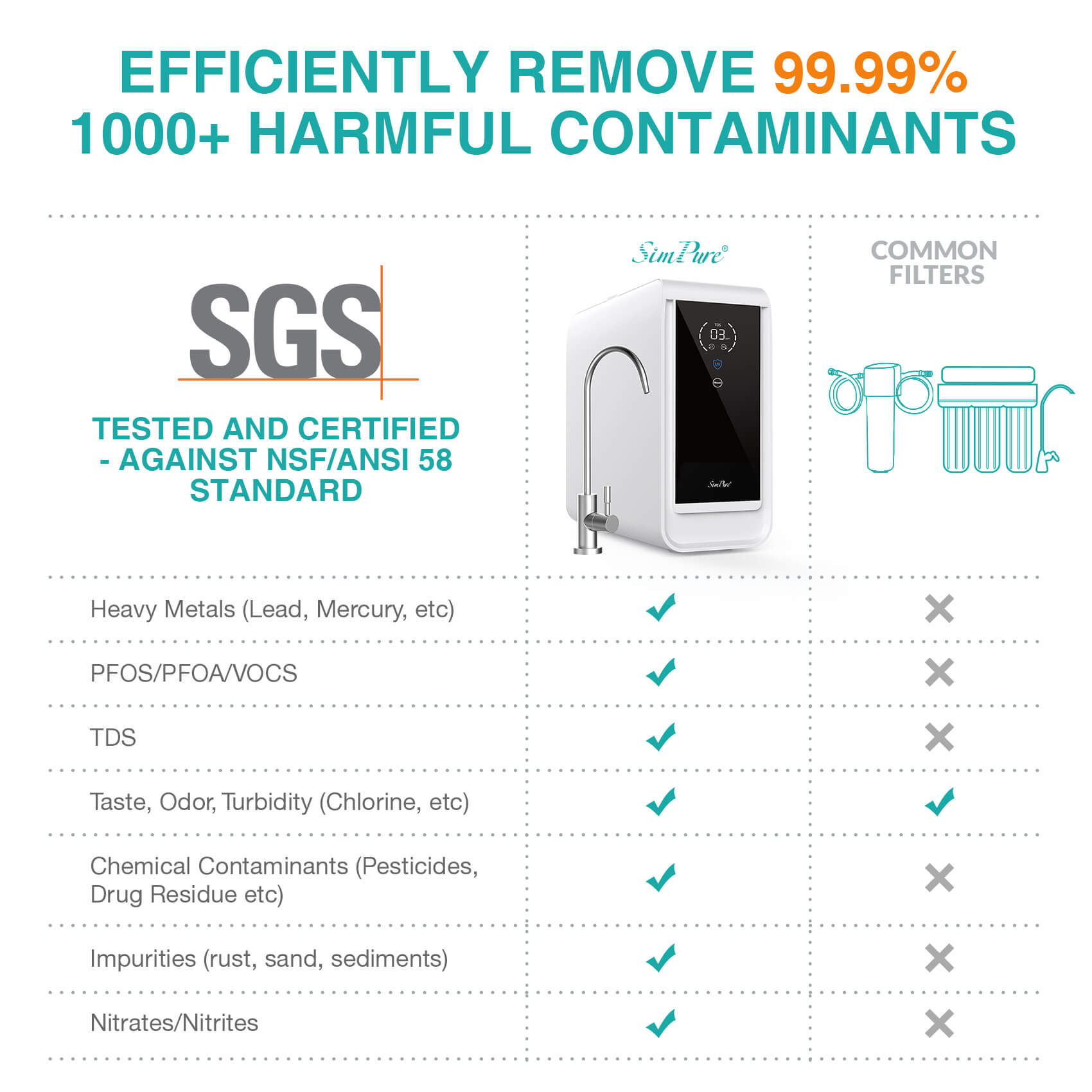
For consistent water purification, consider using reverse osmosis water filters. RO filters not only filter contaminants but also preserve water taste and purity, ensuring you and your loved ones’ health. (Read more on Does Reverse Osmosis Remove Microplastics) Reverse osmosis systems like SimPure RO systems are the most effective at filtering plastic pollutants such as microplastics and ensuring plastic-free water. You may choose to install a whole reverse osmosis water filtration system for your home to ensure a continuous supply of filtered, pure, and plastic-free water.
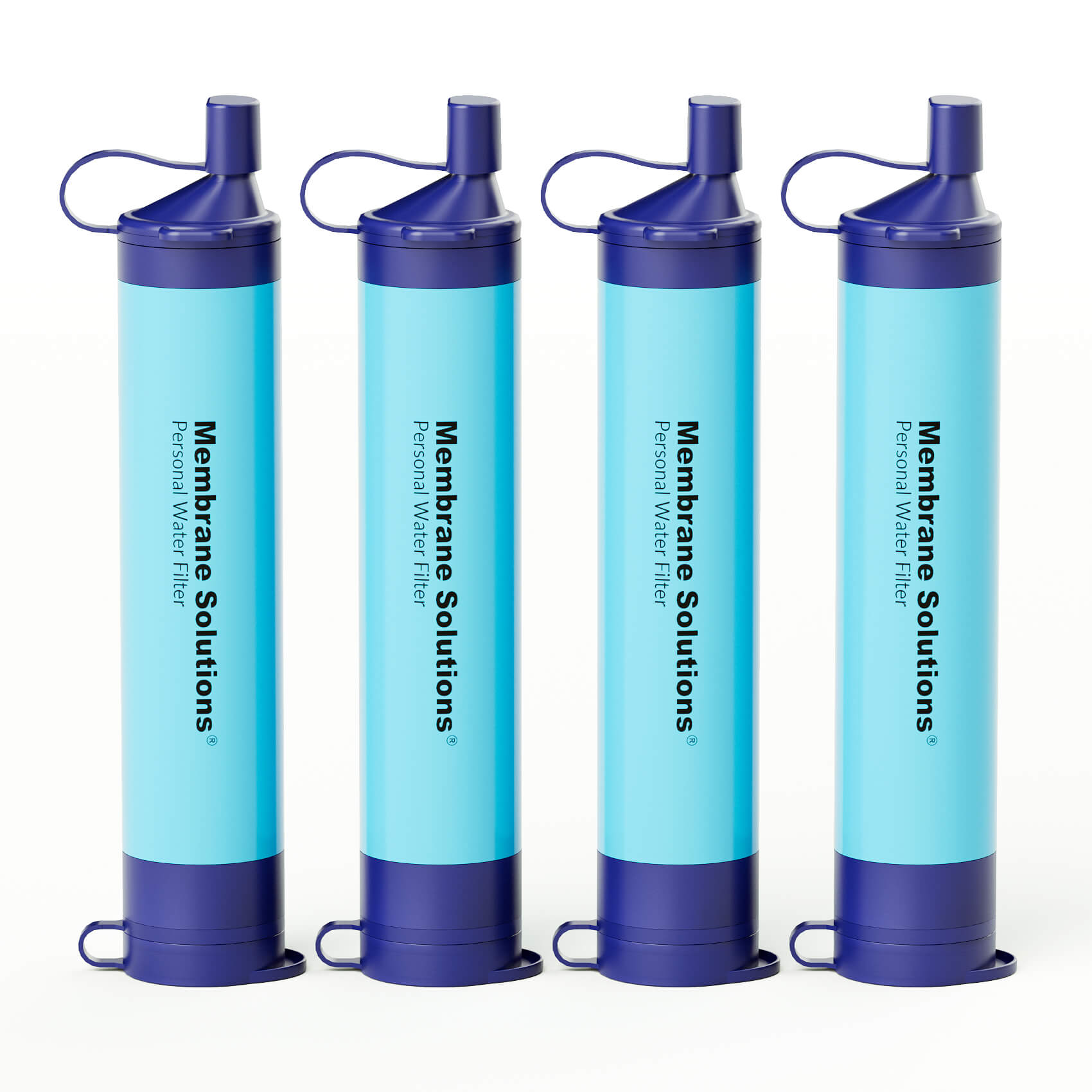
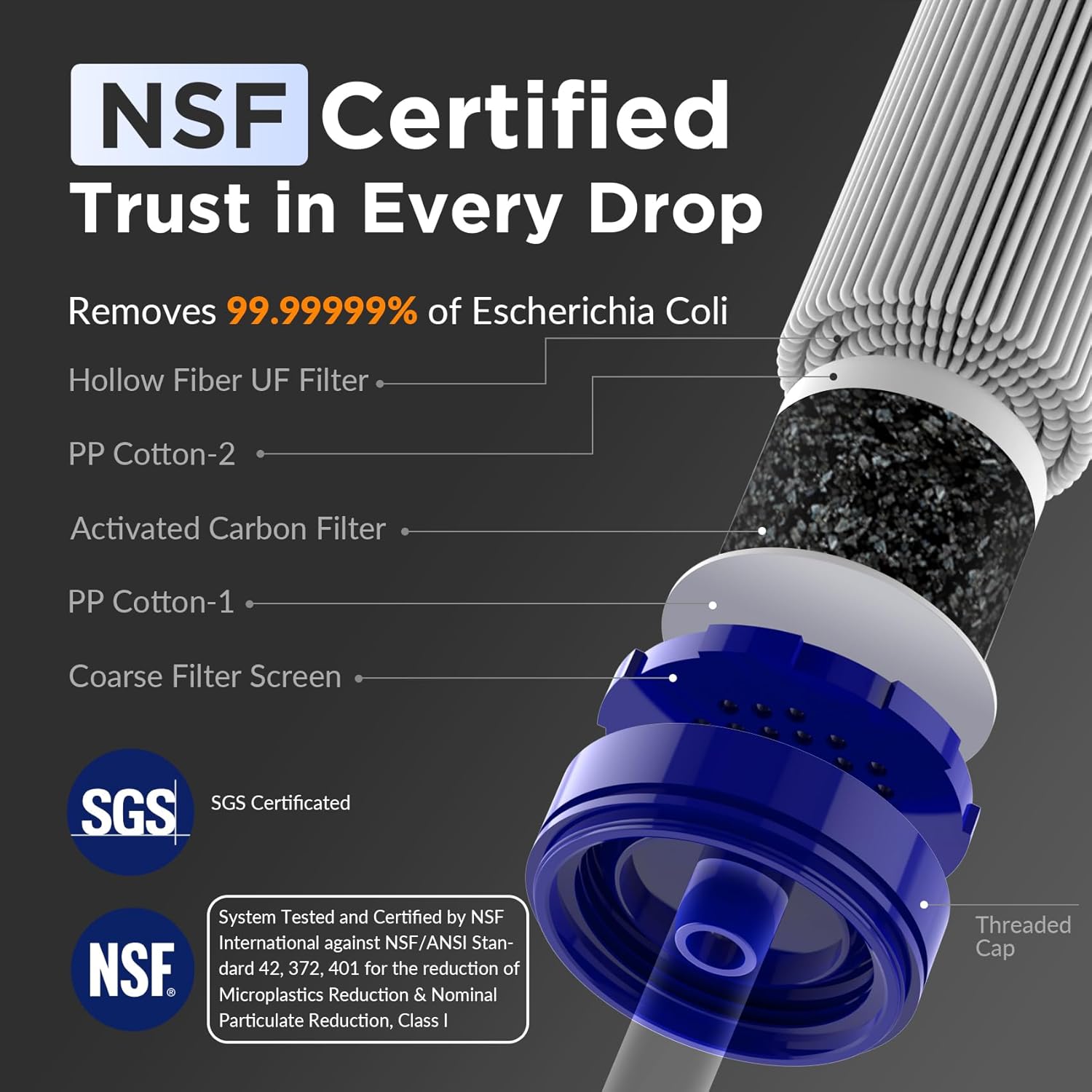
Besides reverse osmosis, many other types of filters also remove plastic from water. (Read about the Best Water Filter To Remove Microplastics to get an idea).
4. Opt for Bamboo or Metal Water Containers.
If you are looking for an eco-friendly means of how to drink water without plastic then get bamboo. The bamboo containers can be biodegradable and lightweight while the metal one keeps the water cold for a long time.
5. Use Ceramic Water Dispensers at Home.
Ceramic water bottles are also very environmentally friendly because they do not require electricity to work. Moreover, they keep the water icy fresh, and pure. Besides, most ceramic water dispensers have filter inclusion, and their consumers may get filtered plastic-free water.
6. Choose Eco-Friendly, Glass-Bottled Water Brands.
Even though it needs to be purchased bottled, make sure the container is glass, as it means access to clean, non-toxic BPA or microplastic water. It is also disposable and can be recycled several times to allow drinking water several times.
7. Use Silicone Water Bottles for Portability.
If you need to carry water somewhere, silicone water bottles are perfect. They are lightweight, portable, and do not contain additives. Take fresh water from there and drink it without additives.
8. Boil Tap Water and Store in Glass.
The last method on how to drink water without plastic is by boiling it. Boiling eliminates the dangerous microorganisms and bacteria that cause disease and sterilizes your water. In this way, you have filtered and pure water in your home. Keep the boiled water in a glass container so that no BPA or microplastics seep inside it .
Tips for Avoiding Plastic in Your Daily Water
Apart from plastic is much more about developing good habits than just drinking water. In order to stay away from plastic in your daily water, follow the guidelines below.
-
Avoid Plastic Water Bottles: We tend to tempt ourselves to buy bottled plastic water. For this reason, it is good to remain with branded glass water bottles to avoid health risks associated with plastic.
-
Carry reusable bottles: Select silicone water bottles as they are not only portable and lightweight but also can be used again and again
-
Install a water filter: Ensure plastic-free water for daily use by installing filtration systems like reverse osmosis systems in the home to get consistent, pure water.
-
Use paper straws: Give up the plastic straws for sipping some water in a glass. Instead, use paper straws that are biodegradable and suitable for the environment.
-
Store water in a glass vessel: Once you boil water, store boiled water in a glass container instead of allowing plastic contamination.
-
Take your own bottles: Even if you don't like plastic, still there will be no choice when you visit a coffee shop or restaurant. So always keep your own bottle with you while going out.
Finally, you have to raise people around you to avoid using plastic and to change and move towards environmentally friendly and sustainable practices in order to reduce their carbon footprint and plastic pollution.
Conclusion
From having read this whole blog, you must have gotten an idea of how to drink water without plastic.
What is probably wonderful is that this way of transitioning towards a plastic-free lifestyle offers health benefits as well as environmental advantages. You not only end up keeping your health but take an active role in reducing the carbon footprint and plastic waste from the world. Eco-friendly measures like reusable bottles or water filtration systems ensure that you will be safe from the health hazards posed by plastics. Every step counts, so begin today to slowly commit to building long-term habits based on sustainable alternatives that fit into your daily routine.
References:
-
https://www.homewater.com/blog/drink-water-the-eco-friendly-way
-
https://www.medicalnewstoday.com/articles/are-plastic-particles-in-bottled-water-harmful-to-health
-
https://theconversation.com/plastic-in-drinking-water-what-are-the-risks-to-human-health-83844
-
https://www.implasticfree.com/10-ways-to-say-no-to-plastic-in-your-everyday-life/