
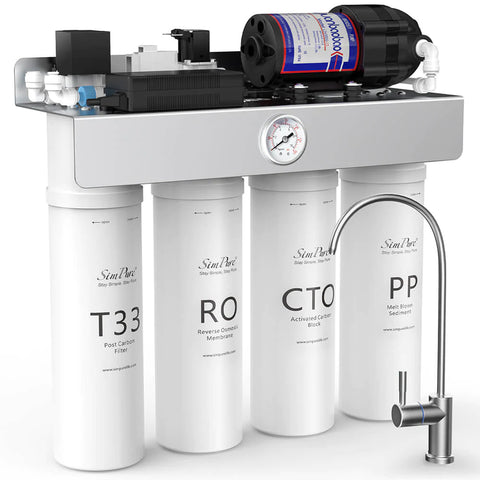
If there is a reverse osmosis system in your family, sometimes you may wonder why is my ro system so slow. A reverse osmosis system water purifier, commonly known as a "pure water machine", is a type of water purifier used in many households for direct drinking. Anyone who has used a reverse osmosis system knows that this type of water purifier has high filtration accuracy. It can be directly consumed without heating, which is very convenient. But the disadvantage is that the reverse osmosis system sometimes has a small amount of water flow and runs so slowly, it takes a long time to fill up a cup of water. In many cases, reverse osmosis systems running slow cause trouble for many people. So why is my reverse osmosis system slow? Let us explore now!
Reasons Why Is My Reverse Osmosis System Slow

The flow rate of the water produced by the reverse osmosis system is not as large as that of the ultrafiltration machine, but if the water production rate slows down due to the machine, it will affect the use of the water purifier even more. Faced with the slow flow of water production in a reverse osmosis system, many people attribute the problem to the clogging of the RO membrane, which means that the filter element needs to be replaced. Is it true?
1. Clogged filter element causes reverse osmosis slow
If the RO reverse osmosis system running slow. The first consideration is that the filter element of the pure water machine has been used for a long time, but the filter element clogging caused by the regular replacement of the filter element consumables will cause water blockage and the water flow will become smaller and smaller. In some places, the quality of tap water is not good. If there is maintenance of pipelines, floods, etc., the filter element will easily become clogged. In some rural areas, groundwater is used as the water source of the reverse osmosis water purifier. The damage to the filter element will also be great, which will block the filter element membrane and cause reverse osmosis to slow.
2. Clogged membrane results in reverse osmosis slow flow
The membrane of the reverse osmosis system has been used for too long, such as two years, three years, or longer without changing the pre-filter element. Poor quality of the raw water caused the blockage of the concentrated water solenoid valve or the flushing combination valve, and the quality of the membrane itself Poor and other reasons will cause membrane blockage, which affects the pure water mechanism and slows down the reverse osmosis water flow.
3. Malfunctioning transformer causes reverse osmosis slow flow
If the transformer fails to provide the voltage required for the normal boost of the pump, the speed will slow down, the increased pressure will be small, the boost will be small, and the pressure required for tap water to pass through the RO membrane will not be reached. In this case, the water comes out slowly.
4. The booster pump is aging and the booster pressure of the pump is small
Generally, it appears in reverse osmosis systems with a service life of more than two years, or pure water purifiers that have been working for a long time. The pump loses pressure, which is generally not easy to find, but the direct manifestation is that the membrane has little or no water and causes a slow rise.
5. The water inlet solenoid valve is out of order or blocked
If the pure water and concentrated water of the reverse osmosis are very small, after removing the clogging of the filter element, you can consider changing the water inlet solenoid valve to see if it is blocked.
6. Low temperature causes the ro system to run slow
The water production rate of the reverse osmosis system has a great relationship with temperature, the hottest temperature is not more than 40 degrees, and the minimum is not less than 5 degrees. Generally, the best temperature is 25 degrees Celsius, and the water production will decrease by 3% every time it is lowered by one degree. The drop in water temperature will slow down the viscosity and fluidity of the water. Therefore, the water production speed in winter is much slower than in summer, and it is generally reduced by half or even more.
7. Blockage of Post-active cotton causes the reverse osmosis to slow
There is a situation, if you suddenly replace the new rear-activated carbon, because the toner is too much, it will not be washed away, which will also cause the reverse osmosis system to slow. Therefore, the general granular activated carbon filter element should not be filled too full (not for cutting corners), and filling space should be reserved. On the one hand, the water flow is ensured, and on the other hand, the activated carbon itself also has an expansion coefficient.
8. Low tap water pressure results in the slow running of the RO system
The applicable water pressure of the water purifier is 0.1Mpa-0.35Mpa. Within this range, the higher the water pressure, the greater the water output; on the contrary, the lower the water pressure, the smaller the water output.
9. High TDS Levels: Excessive total dissolved solids can impede flow.
High Total Dissolved Solids levels in the water can slow down a reverse osmosis system because the RO membrane has to work harder to filter out a higher concentration of impurities. When TDS levels are elevated, the membrane becomes overloaded with contaminants, leading to a reduction in water flow and pressure. This increased resistance causes the system to process water more slowly and can also lead to more frequent clogs or the need for membrane replacements. Over time, high TDS can significantly impact the efficiency and performance of the RO system.
What We Can Do to Avoid the Reverse Osmosis System Running Slow?

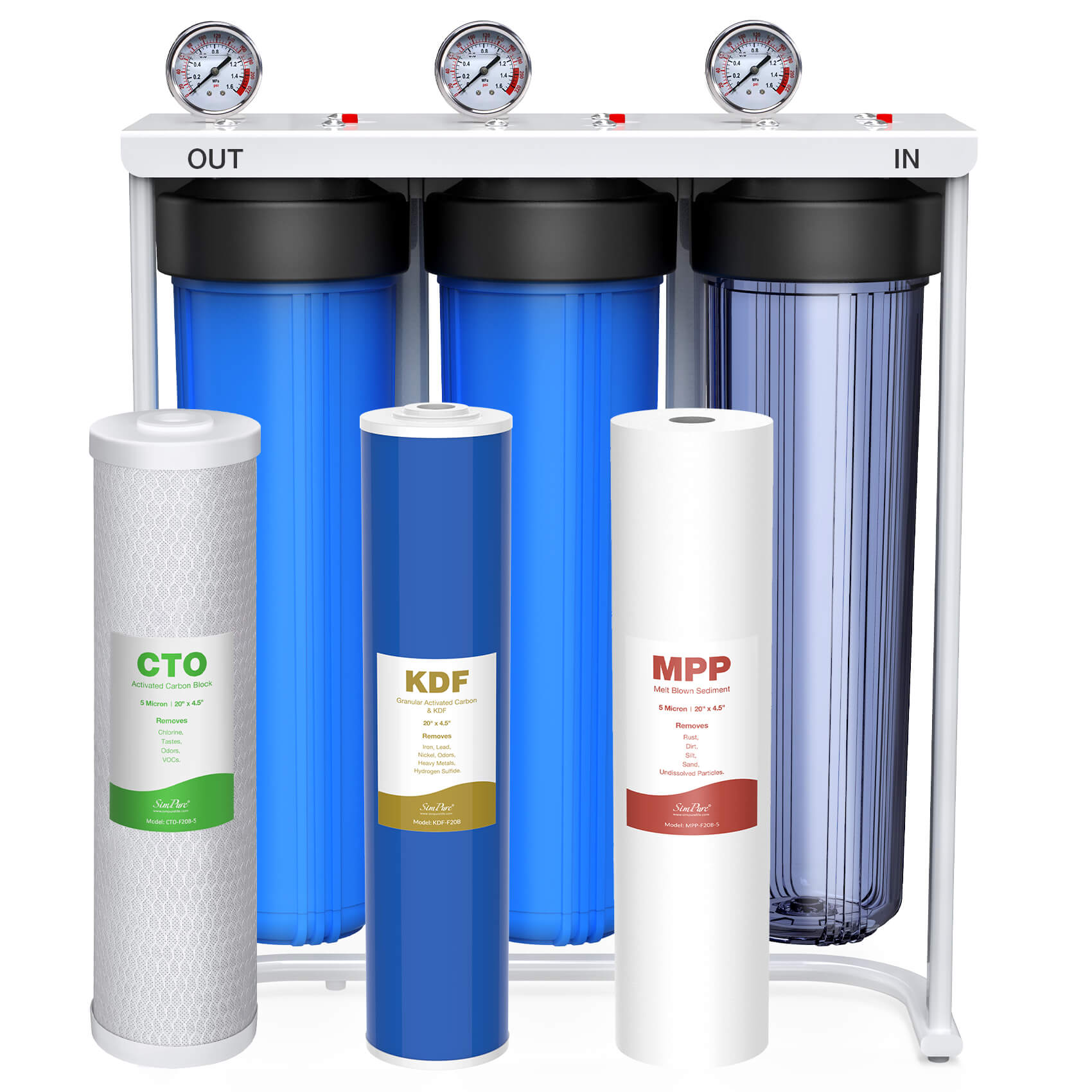
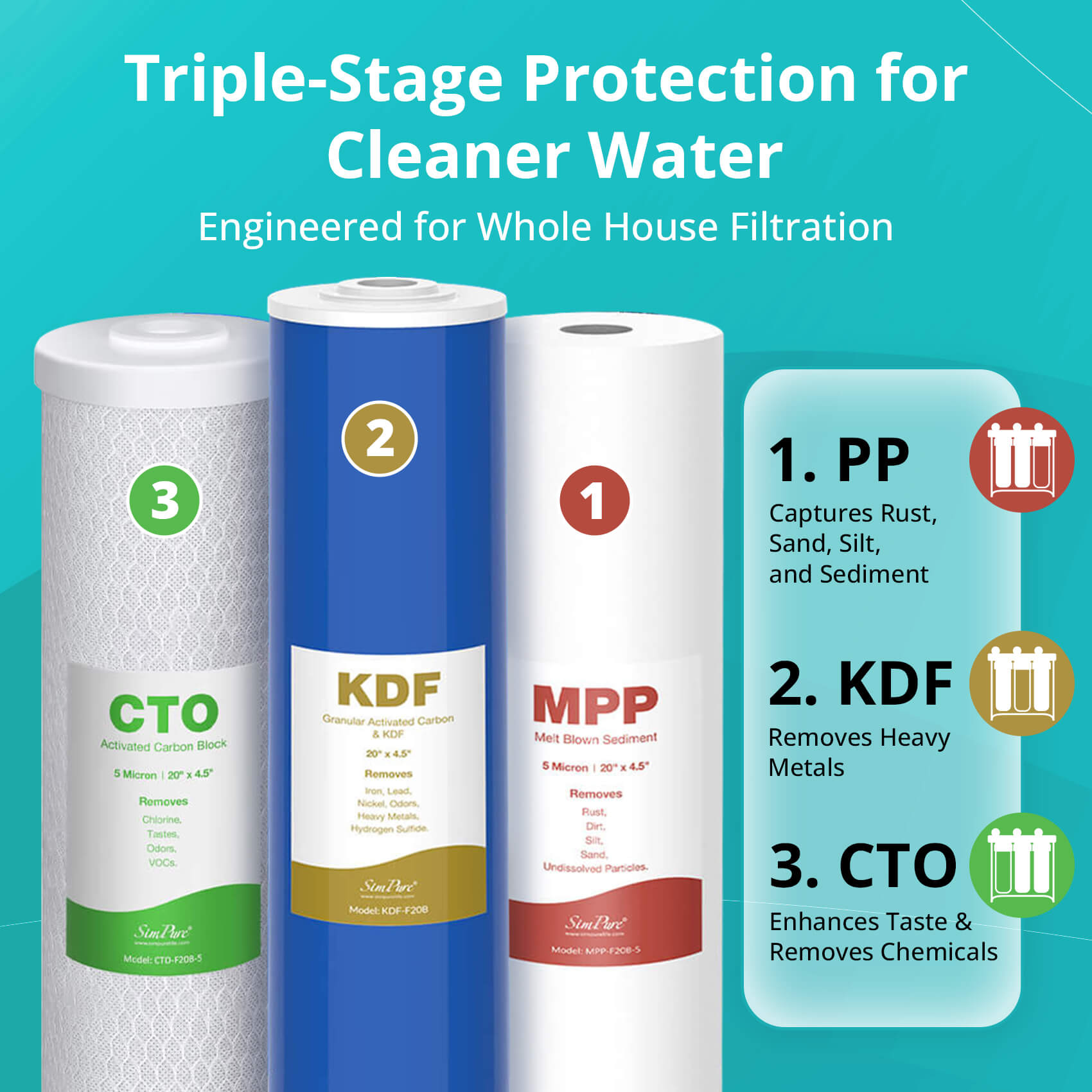
1. Use Pre-Sediment Filter: Prevents debris from clogging the RO membrane.

Using a pre-sediment filter is crucial for maintaining the efficiency of a reverse osmosis system. This filter captures larger particles, such as dirt, rust, and sand, before they reach the RO membrane. By removing these impurities early in the filtration process, the pre-sediment filter prevents clogging and extends the lifespan of the RO membrane. This not only helps maintain optimal water flow but also ensures the system operates efficiently.
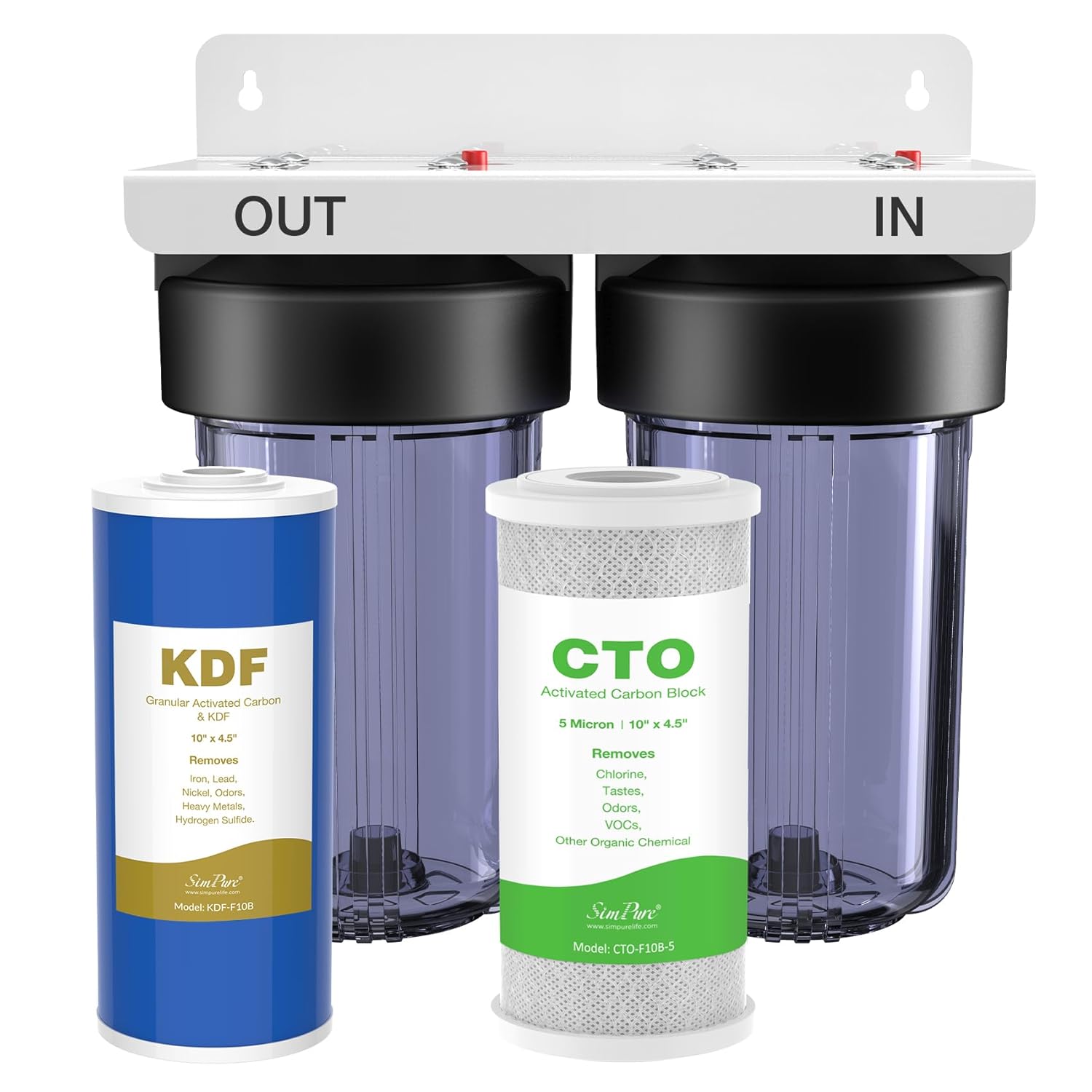
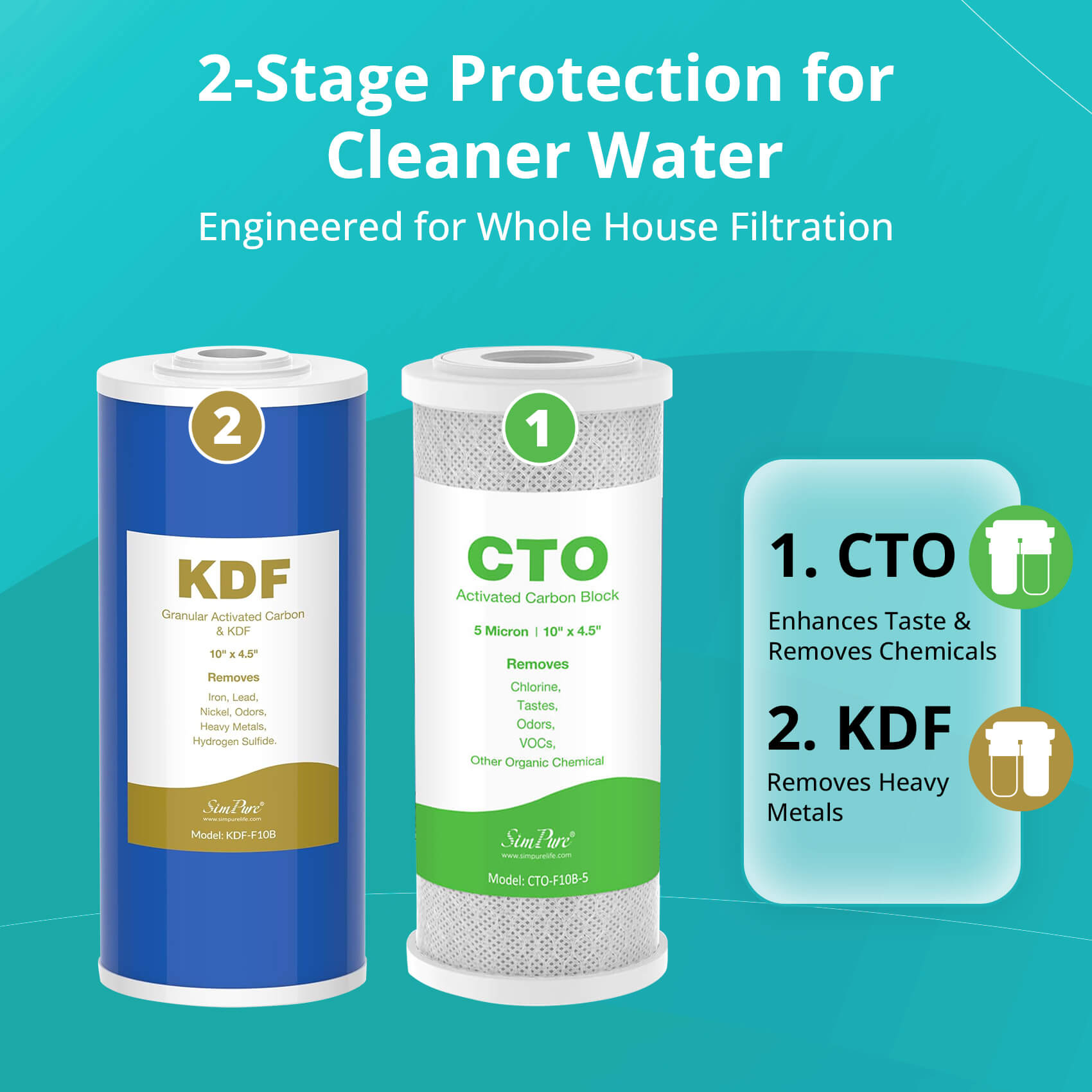
For comprehensive protection, consider the SimPure Whole House Water Filter Solutions, which provides advanced filtration for your entire home, ensuring clean, sediment-free water throughout your plumbing system.

2. Install a Resin Filter: Softens water to reduce scaling and improve flow.
Installing a resin filter in your reverse osmosis (RO) system helps to soften the water by removing calcium and magnesium ions, which are responsible for water hardness. This process, known as ion exchange, replaces these ions with sodium or potassium ions, which do not contribute to scaling. As a result, the RO membrane can function more efficiently, as it is less likely to become clogged with mineral deposits. This not only enhances the water flow rate but also prolongs the lifespan of the RO membrane, leading to a more effective and long-lasting water purification system.
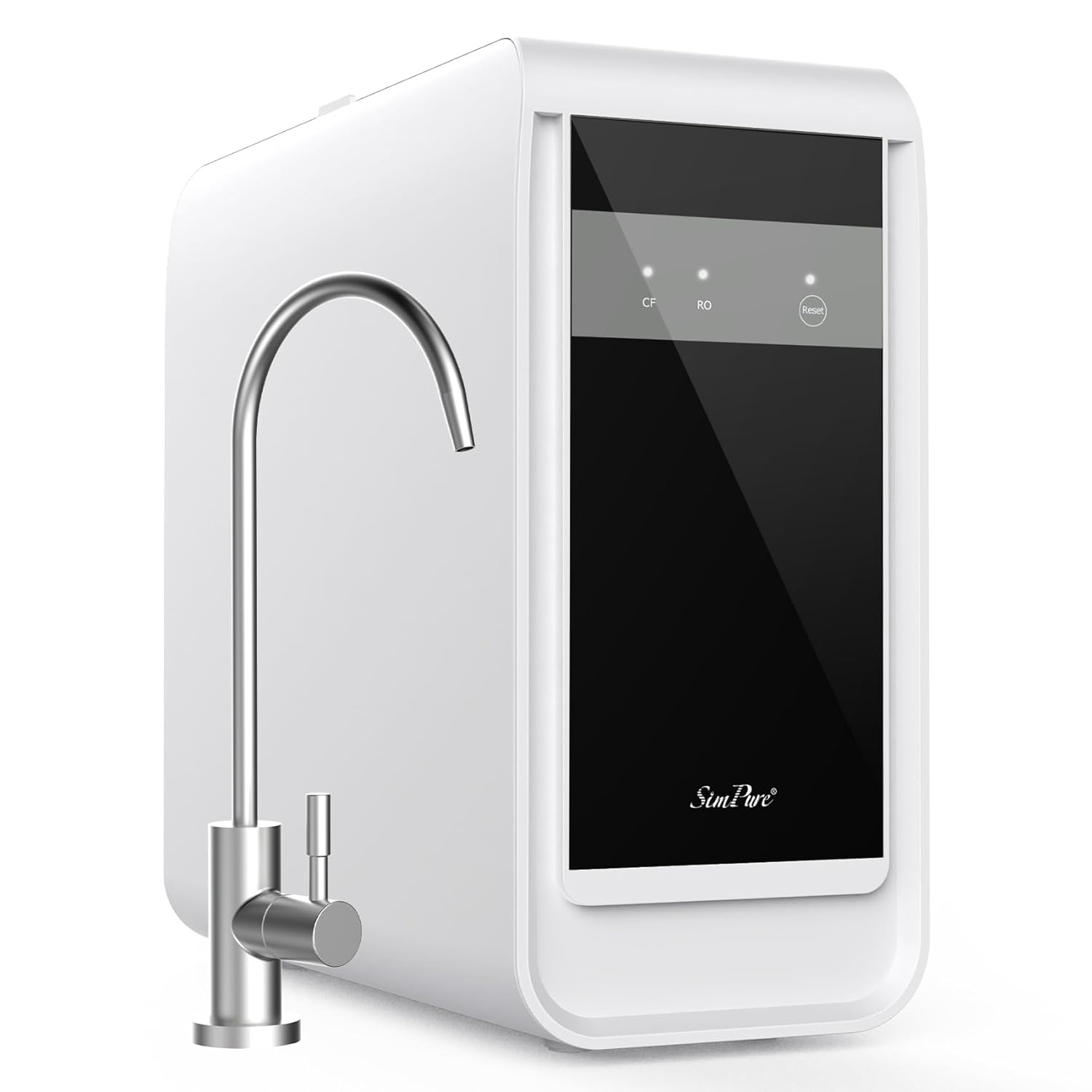
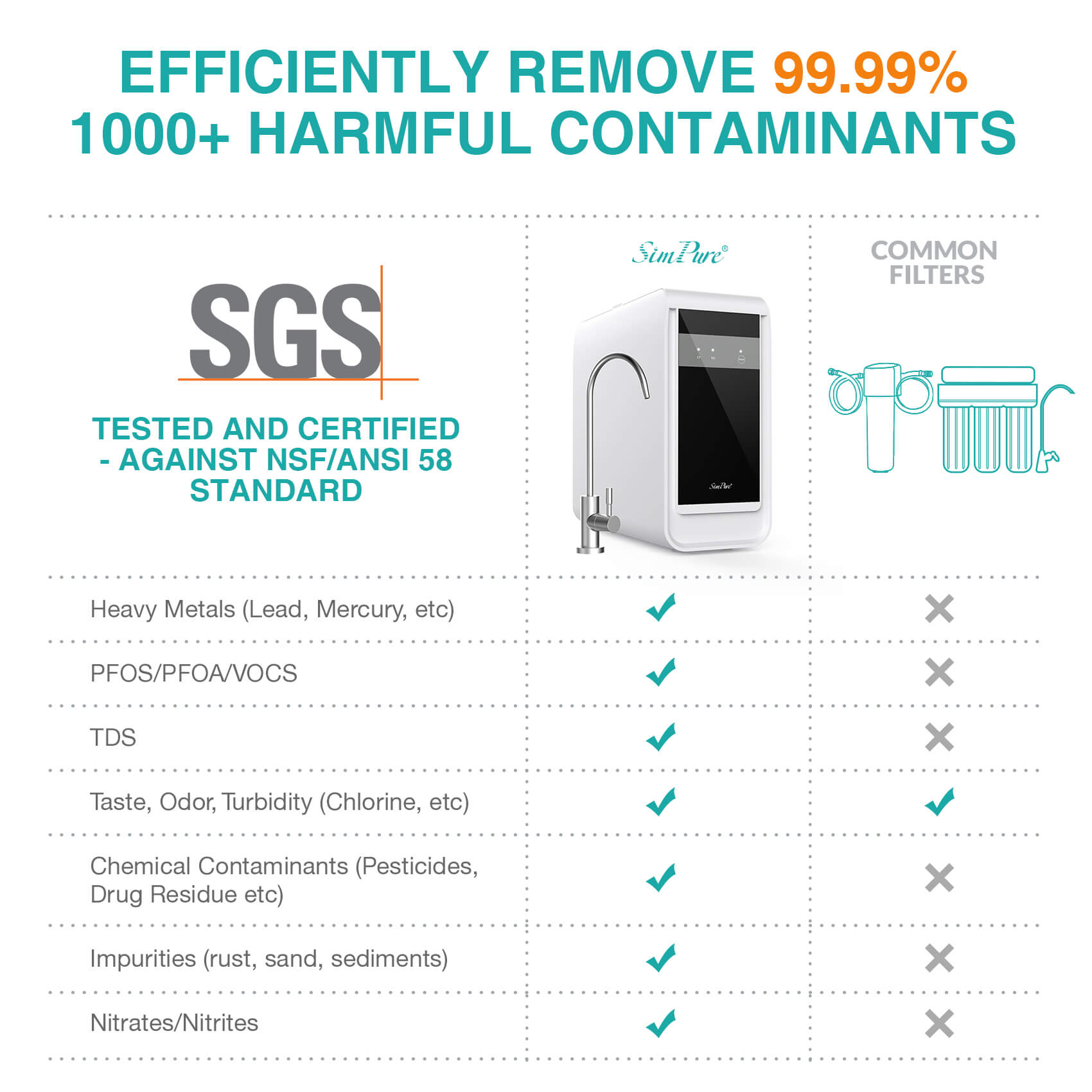
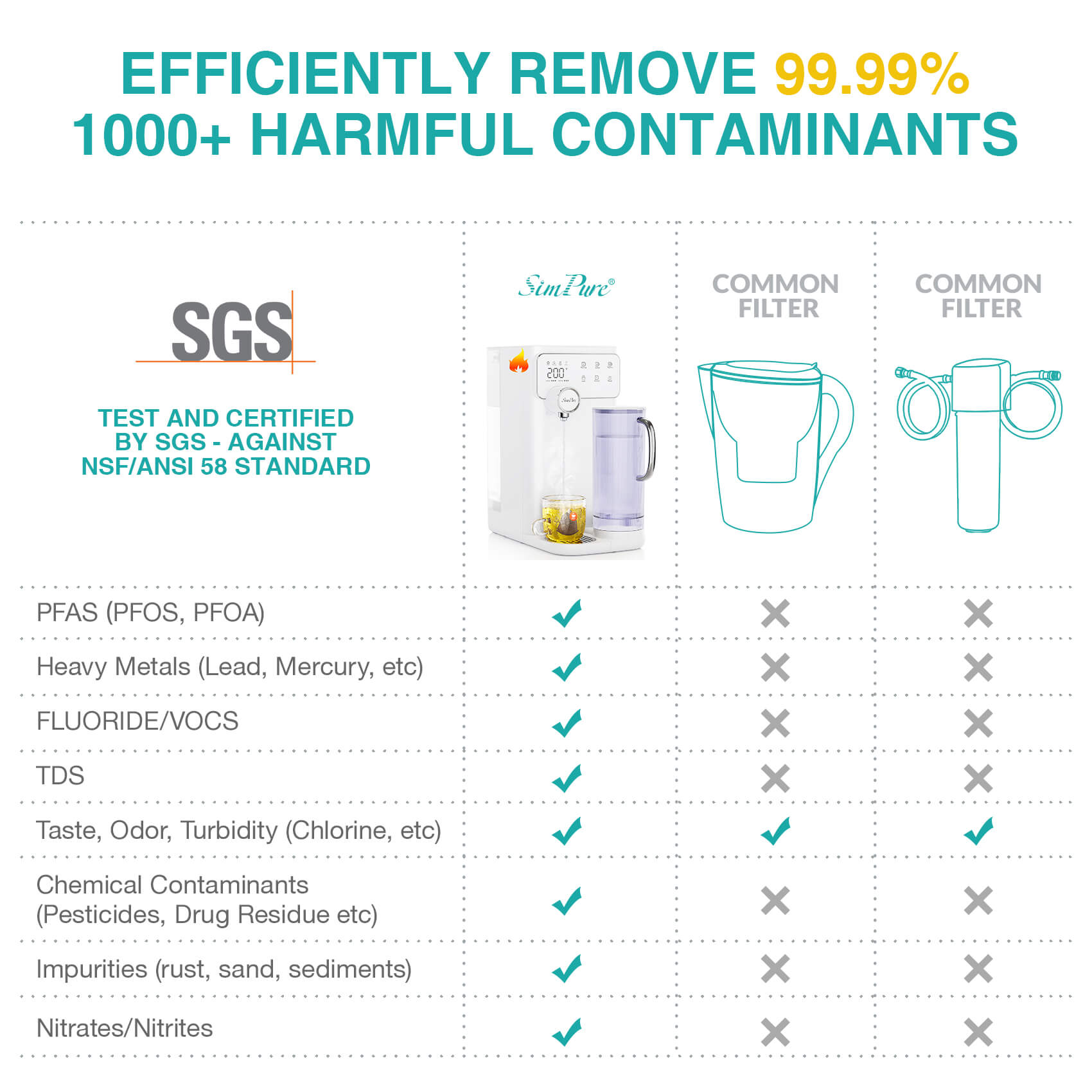
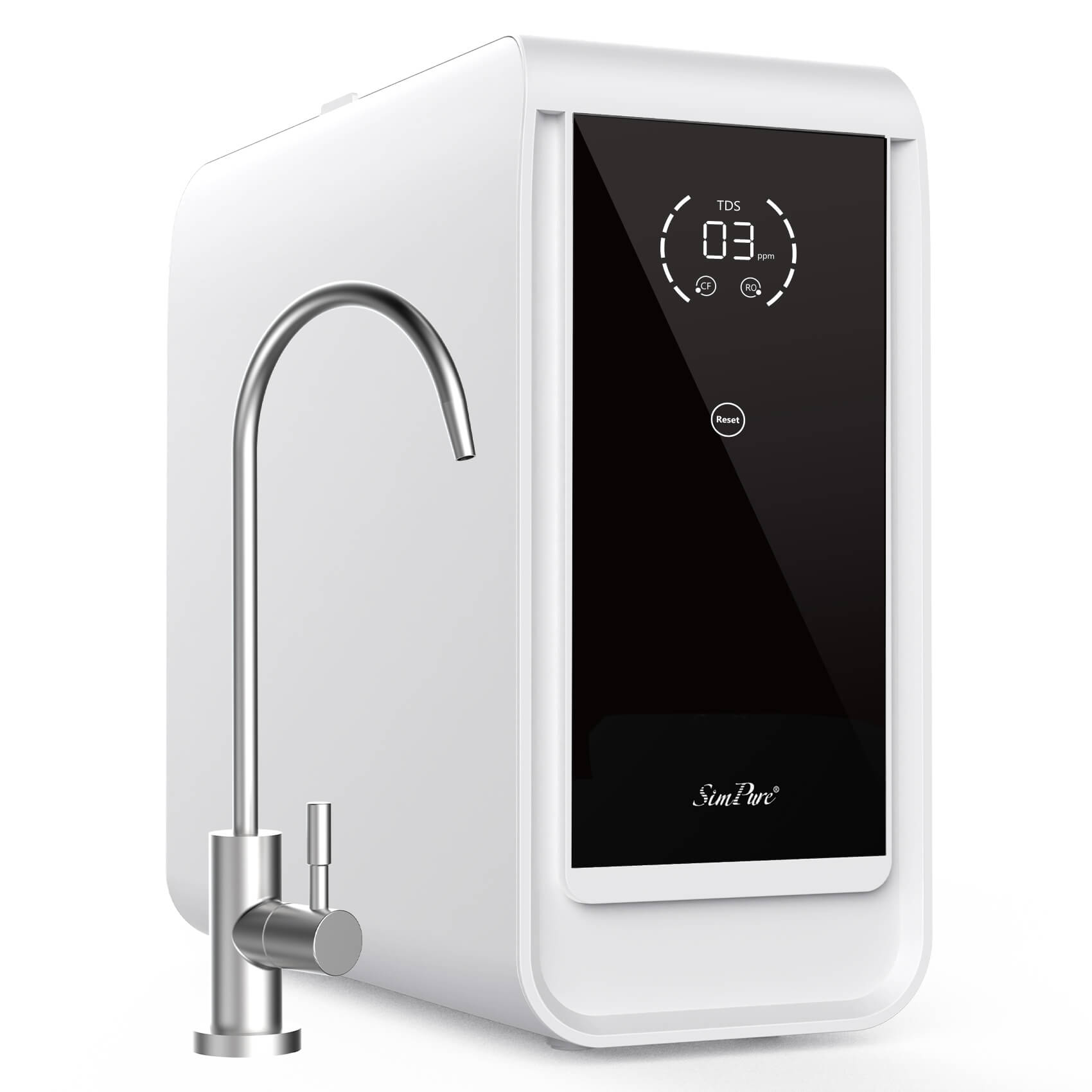
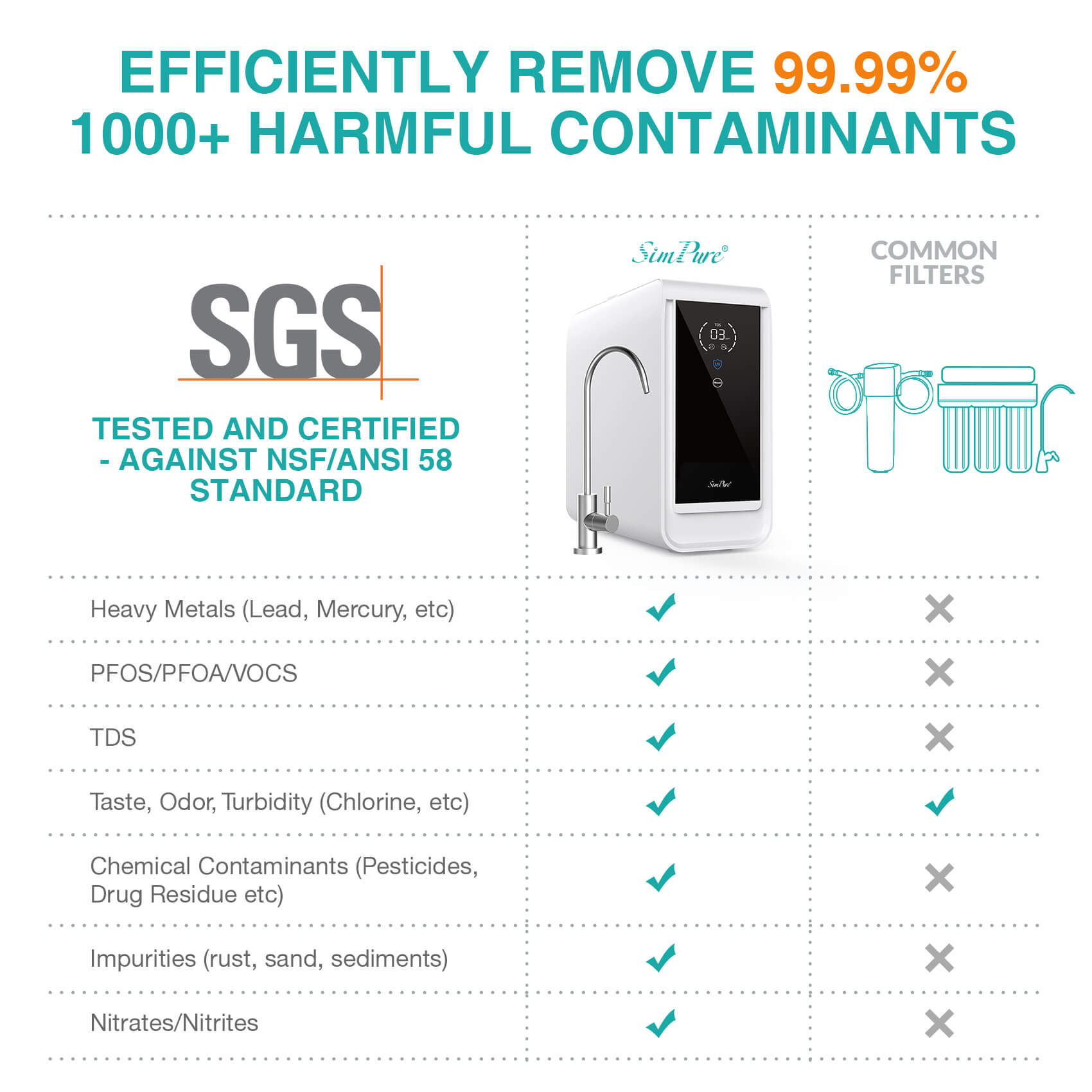
NSF/ANSI 58 Certified: Tested and certified by SGS.
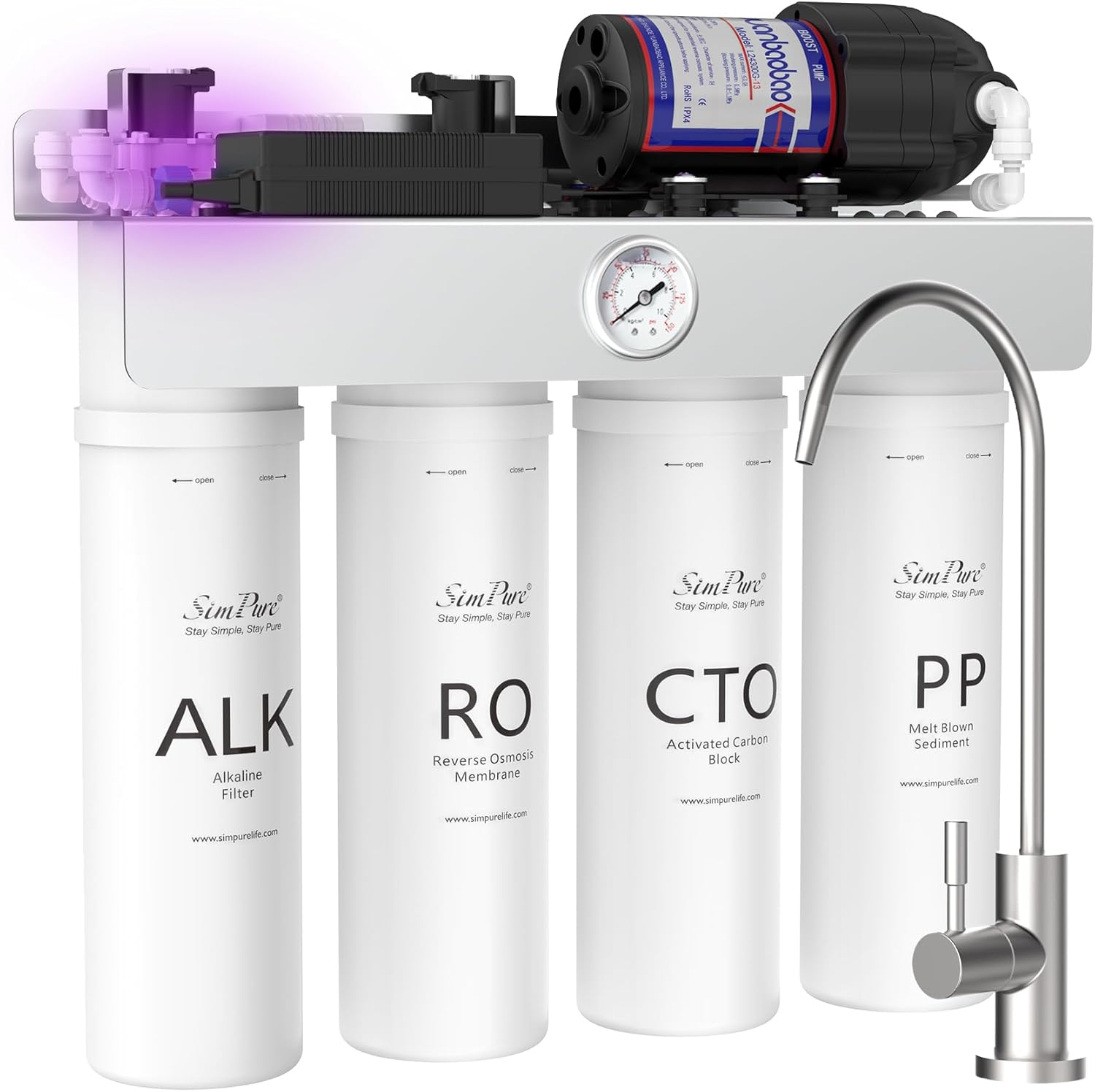
8-Stage Filtration: Removes 99.99% of over 1,000 contaminants, including viruses, bacteria, chemicals, heavy metals, TDS, microplastics, and more.
UV Sterilization: Effective against E. coli, coliforms, salmonella, and other harmful microorganisms.
High Efficiency: 400GPD flow rate, 1.5:1 pure to drain ratio, reducing water waste significantly.
User-Friendly: Filter replacement alerts, twist-in filter design for easy maintenance.
Versatile Connections: Can be connected to refrigerators and ice makers.
Efficient Water Purification: High TDS reduction, delivering nearly zero TDS water.

Space-Saving and Quick Access: Saves 70% of under-sink space and provides pure water instantly; No waiting for tank refills, instant pure water supply.
Enhanced Durability: Pre-membrane pressure detection and filter replacement reminders ensure optimal performance.
3. Regularly Replace Filters: Ensures optimal performance and prevents slowdowns.
Regularly replacing filters in a reverse osmosis system is crucial for maintaining optimal performance and preventing slowdowns. Over time, filters accumulate sediment, chlorine, and other contaminants, which can clog the system and reduce water flow. By replacing pre-filters, carbon filters, and the RO membrane according to the manufacturer’s schedule, you ensure that the system remains efficient and produces high-quality water. Regular filter maintenance also prolongs the lifespan of the entire RO system, reduces the risk of damage, and ensures consistent water pressure.
4. Maintain Proper Water Pressure: Keeps the system operating efficiently.
Maintaining proper water pressure is crucial for the efficient operation of a RO system. RO systems rely on adequate pressure to push water through the semi-permeable membrane, separating impurities from clean water. If the water pressure is too low, the system struggles to filter water effectively, resulting in slower water production and reduced efficiency. Ensuring the water pressure is within the recommended range (typically 40-80 psi) helps maintain optimal flow rates and prolongs the life of the membrane and other components. Using a booster pump can help achieve and maintain the necessary pressure for efficient RO system performance.
5. Clean Membrane Periodically: Removes buildup that can slow down filtration.
All in all, for the concern that reverse osmosis running slow, it can be attributed to several factors, including clogged filters, low water pressure, an old membrane, high TDS levels, improper installation, and cold water temperature. Regular maintenance, such as replacing filters, ensuring proper installation, and monitoring water pressure, can help mitigate these issues.
In addition, it is necessary to pay attention to the cold and frost protection of the reverse osmosis system, especially for users in rural areas. Sometimes there is a risk of freezing the filter bottle, membrane shell, and outlet of the concentrated water pipeline in winter. By tackling these factors, you can ensure your RO system runs smoothly, providing you with a consistent supply of clean, filtered water.