

Most people don’t really question their drinking water.
It’s just something you assume is fine.
You drink it at home, at work, in restaurants, and from bottles at the store.
And most of the time, nothing goes wrong.
But at some point, the question quietly shows up:
What is actually the safest drinking water option?
And once you start looking into it, the answer is not as straightforward as you’d expect.
Because “safe” depends on more than just the water itself.
It depends on where you are, how it’s treated, and even how it’s stored.
“Safest” is not a single answer
There’s no universal winner.
That’s the first thing people realize.
Different water sources have different strengths—and different weak points.
So instead of a perfect option, what you really get is a trade-off.
1. Tap water — surprisingly good, but not always consistent
In many developed cities, tap water is heavily regulated.
It goes through treatment plants, testing, and distribution systems before it reaches your home.
In general, it’s designed to be safe.
But here’s the part people don’t think about:
Even if water leaves the plant clean, it still has to travel through pipes.
And that’s where things can change.
Old pipes, building infrastructure, and local maintenance can all affect what finally comes out of your faucet.
Some people notice nothing at all.
Others notice:
-
slight chlorine taste
-
occasional cloudiness
-
variation between neighborhoods or even buildings
So tap water can be safe—but not always equally consistent everywhere.
2. Bottled water — convenient, but not always “cleaner”
A lot of people assume bottled water is automatically safer.
It feels more controlled. More reliable.
And in some cases, it is.
But bottled water also has its own questions.
For example:
-
where it’s sourced
-
how long it’s been stored
-
how plastic interacts with water over time
-
exposure to heat during transport or storage
It’s also not as tightly monitored in some regions as people assume.
And then there’s the practical side:
You’re paying for convenience, packaging, and logistics—not just water.
So while bottled water is easy, “safest” is not always guaranteed.
3. Filtered water — depends heavily on the filter itself
This is where things get more personal.
Filtered water can mean many different things:
A simple pitcher.
A faucet filter.
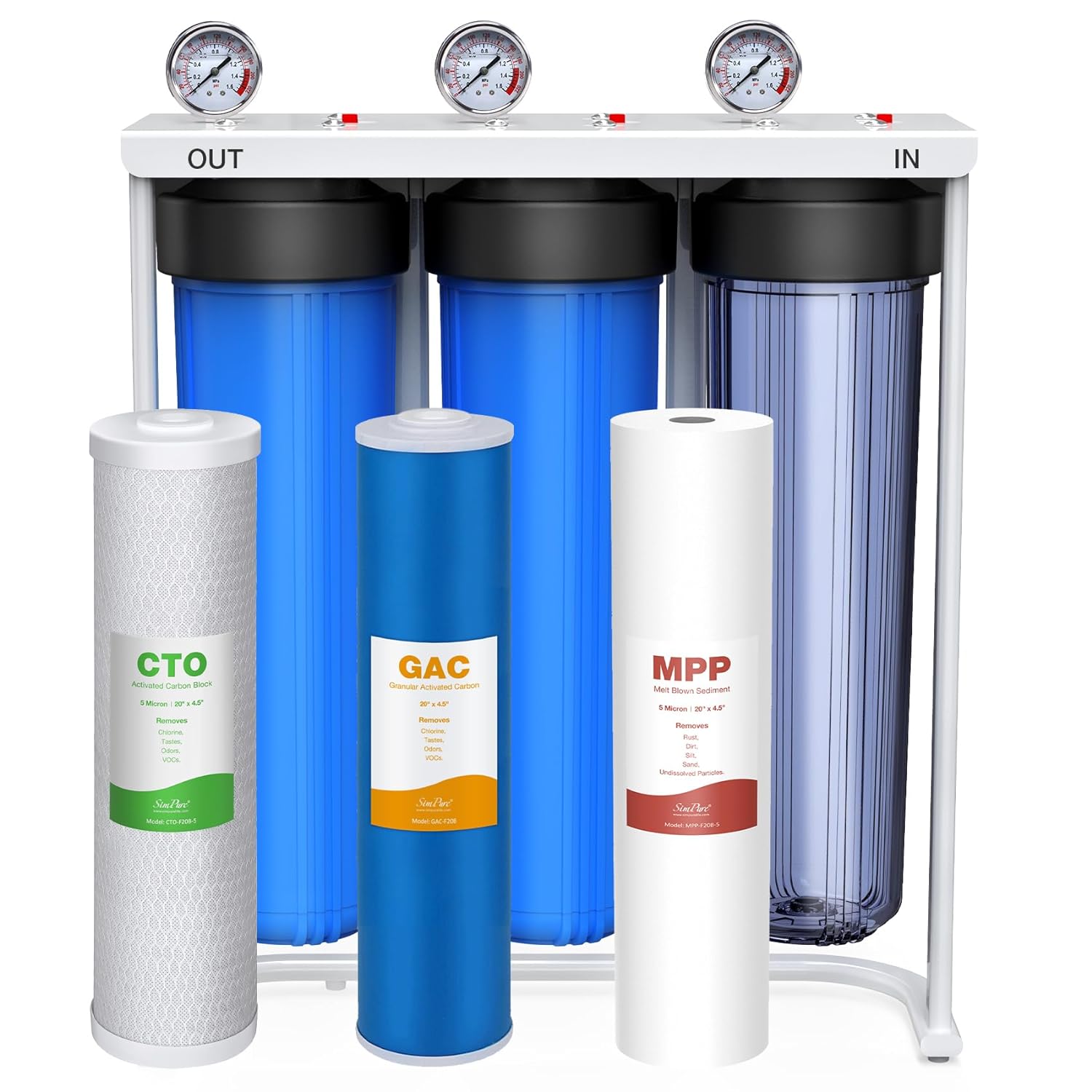
A countertop system.
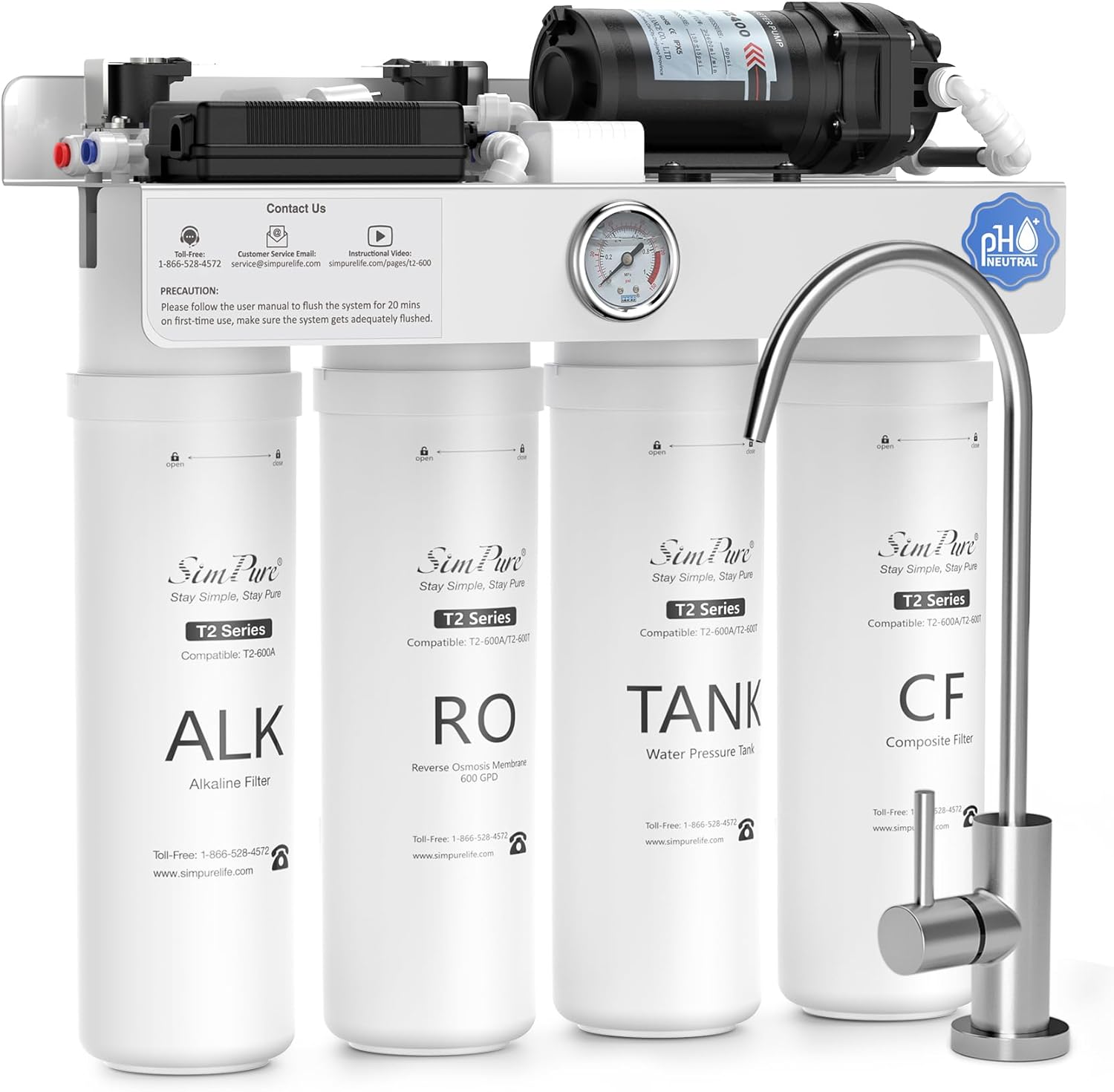
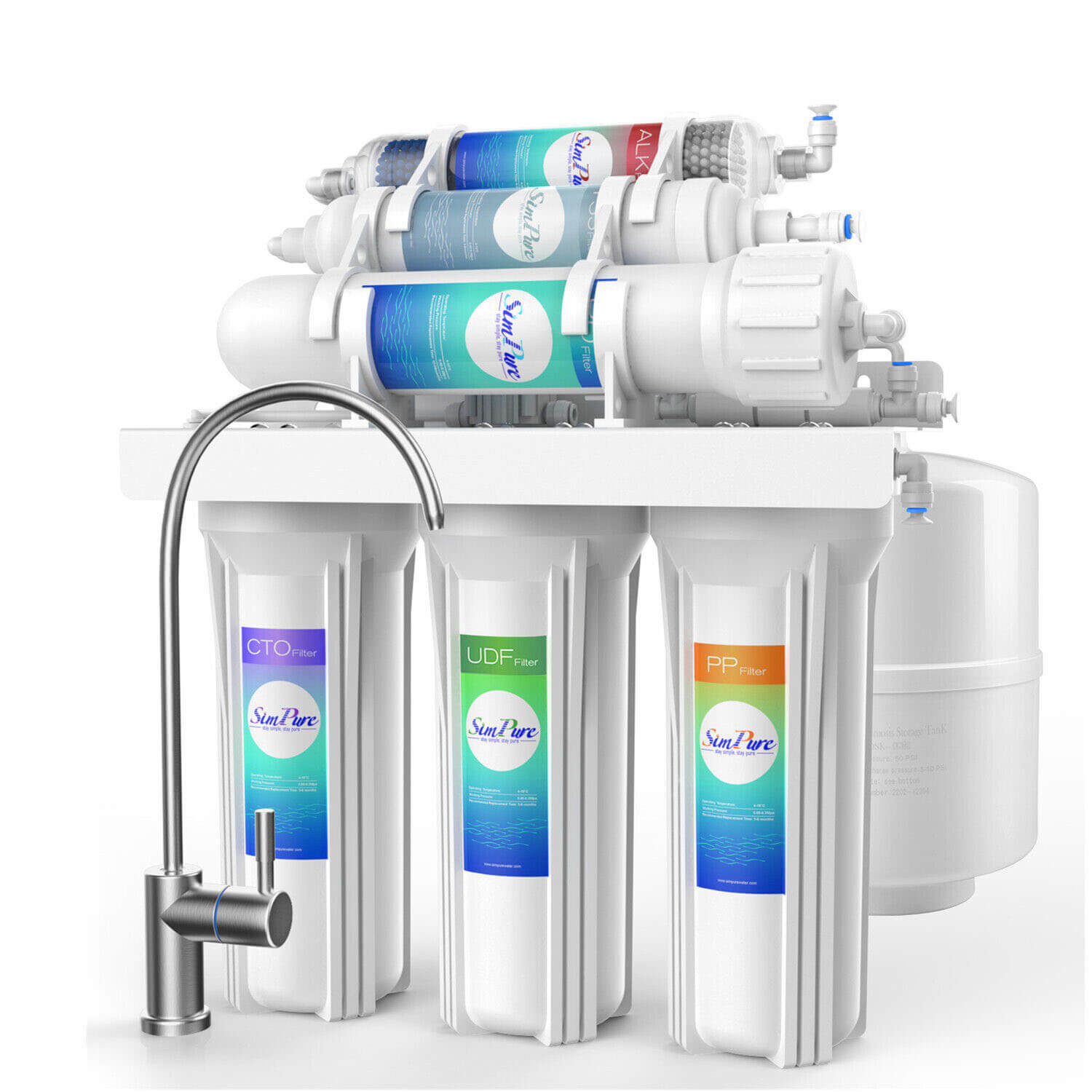
Or a reverse osmosis unit.
And the safety level changes completely depending on the system.
Basic filters usually improve taste and remove chlorine.
But they don’t always remove deeper contaminants.
So filtered water is not one category—it’s a spectrum.
The key question becomes:
What exactly is being filtered out?
4. Reverse osmosis water — the most consistent “clean” option at home
This is where things start to feel more defined.
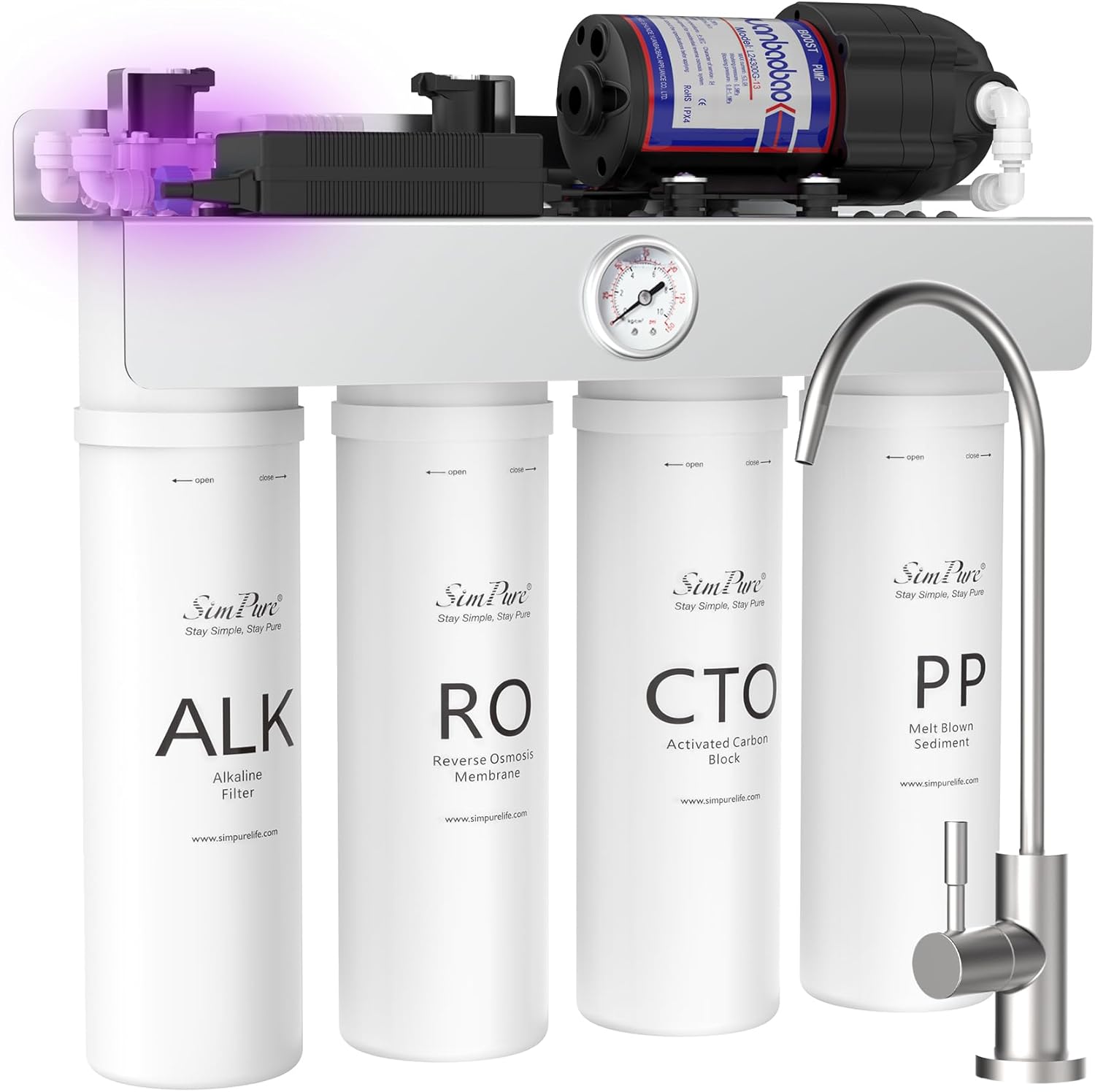
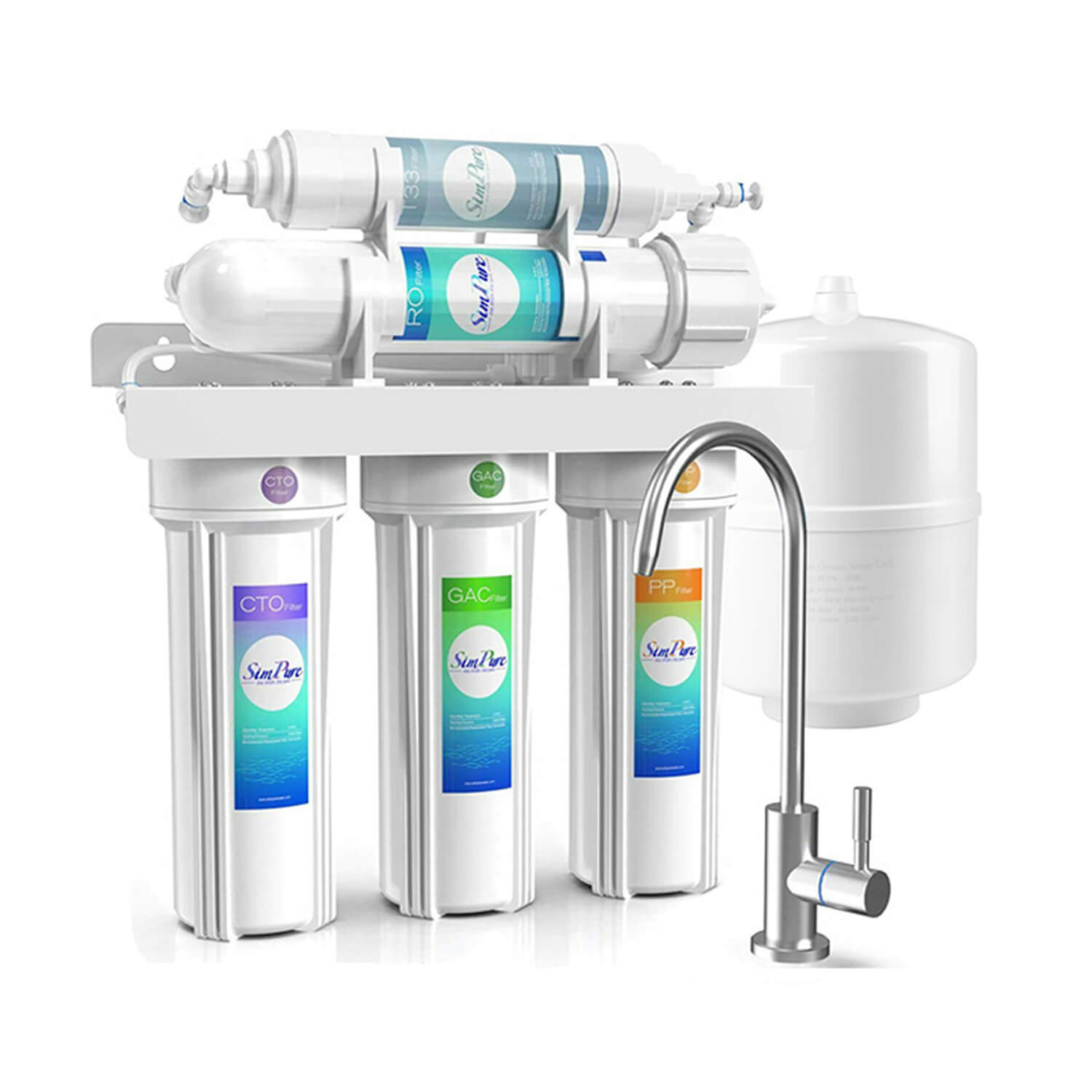
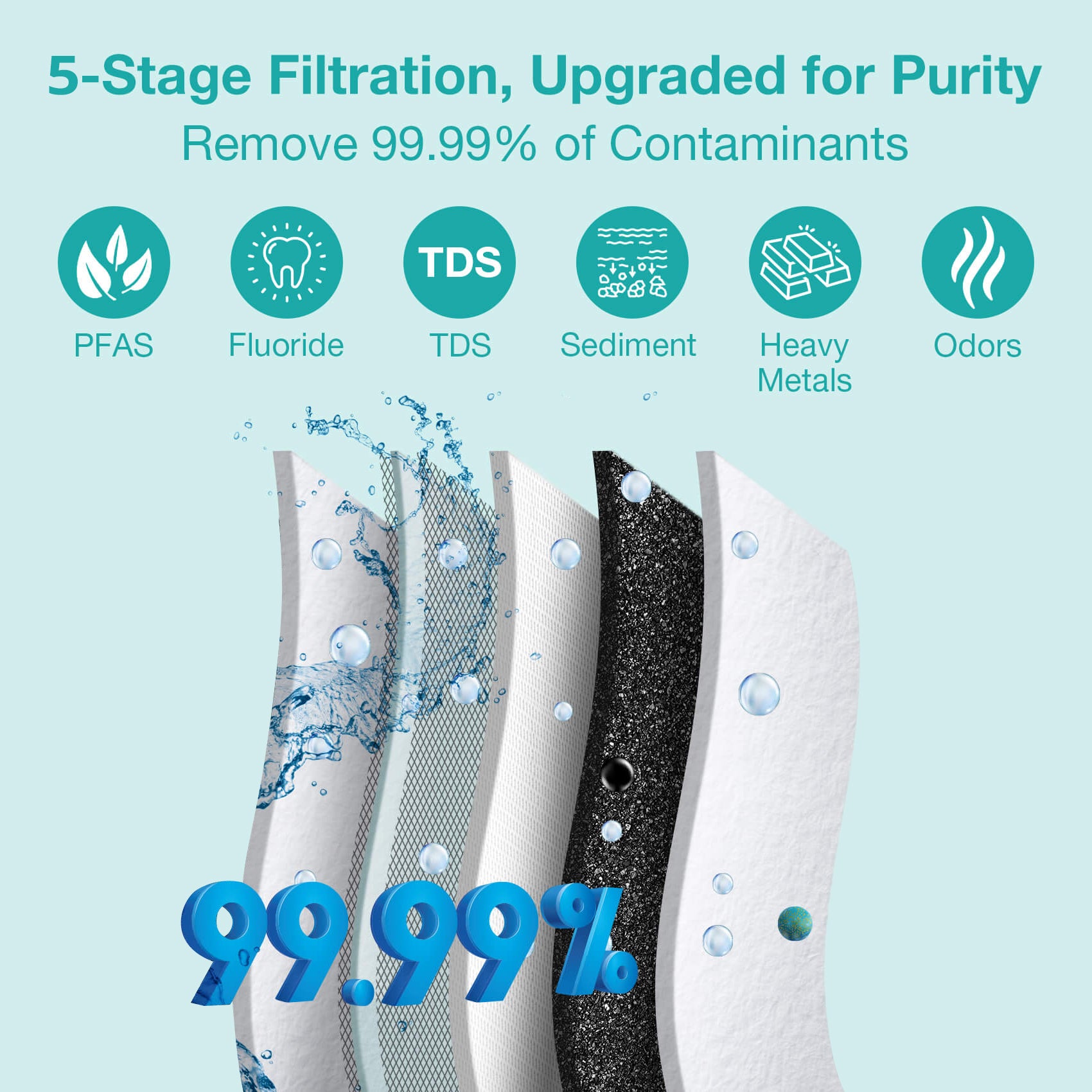
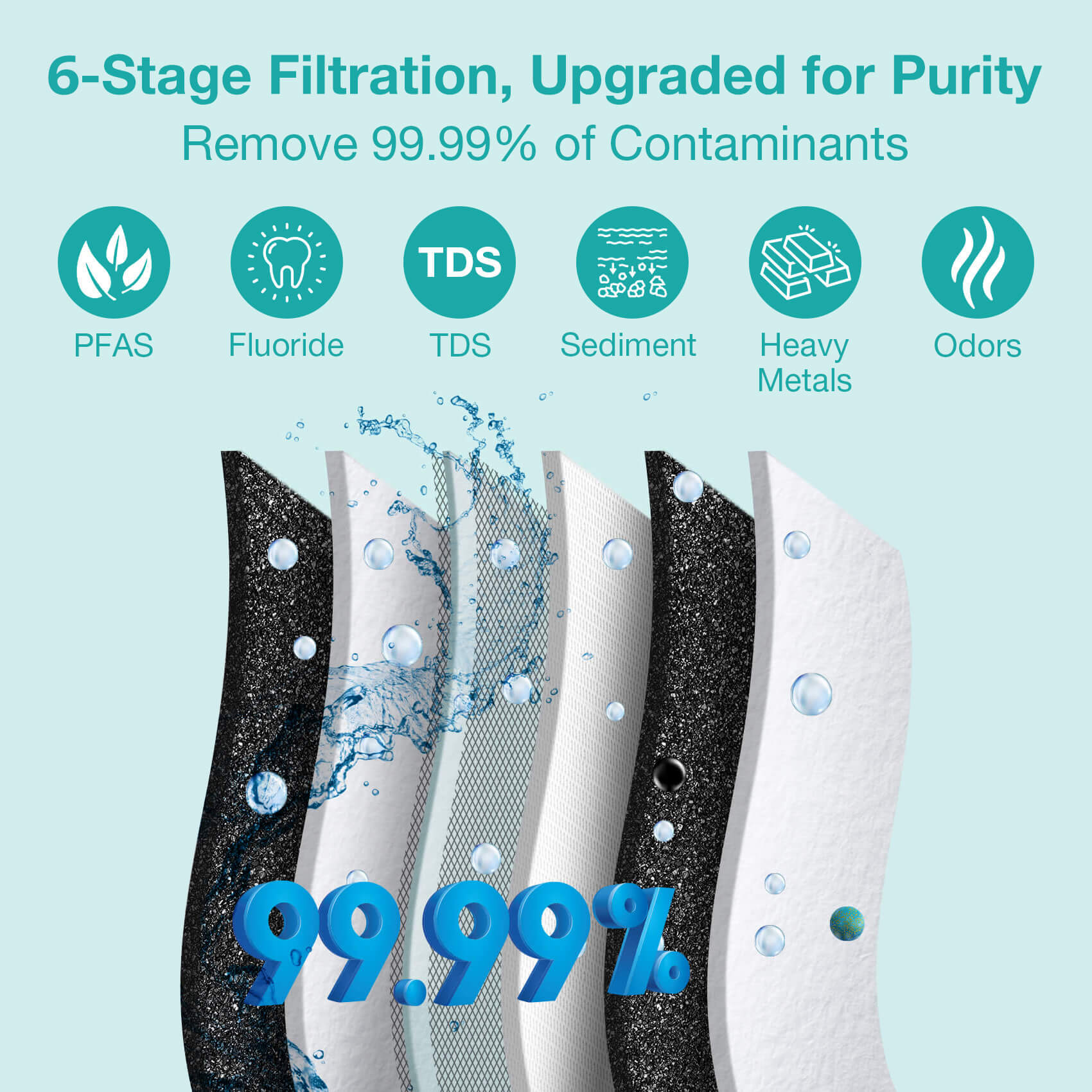
Reverse osmosis (RO) systems use a fine membrane to reduce a wide range of dissolved substances.
That includes:
-
heavy metals
-
fluoride (depending on system)
-
micro-level particles
-
many chemical residues
-
chlorine and odor
The result is very consistent water quality.
Not “better taste only,” but more complete filtration.
That’s why RO systems are often considered one of the safest home options—especially when you don’t fully trust local pipe conditions.
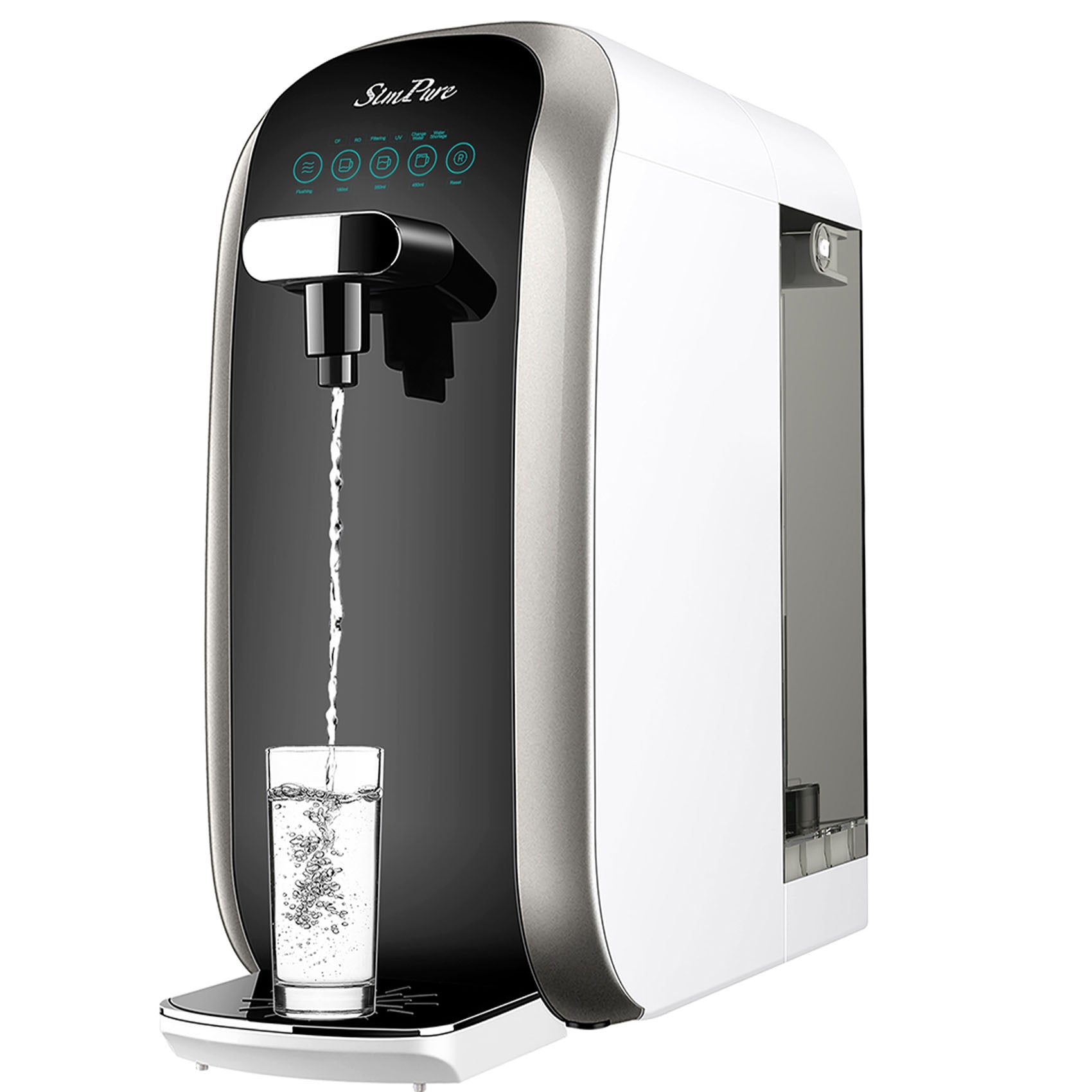
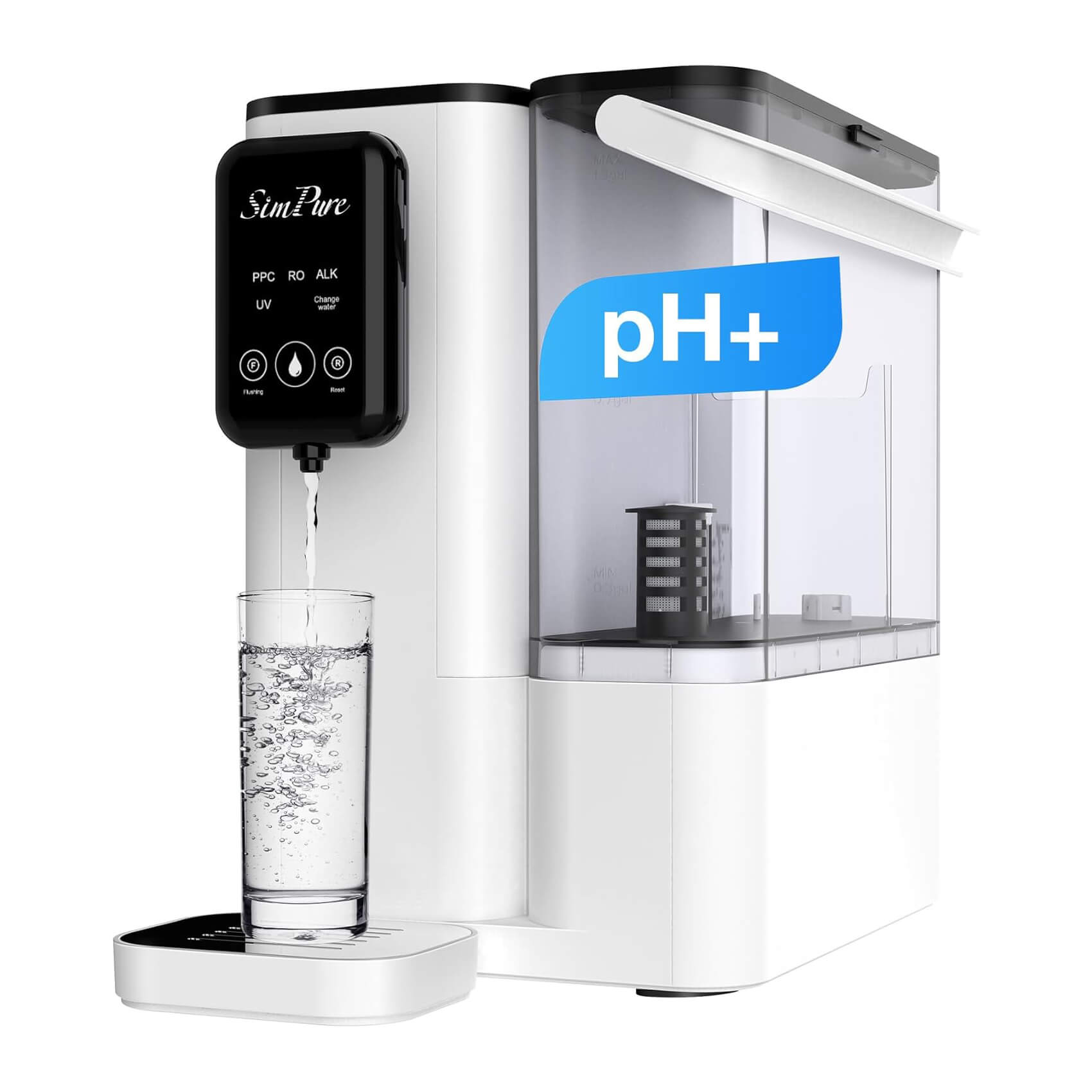
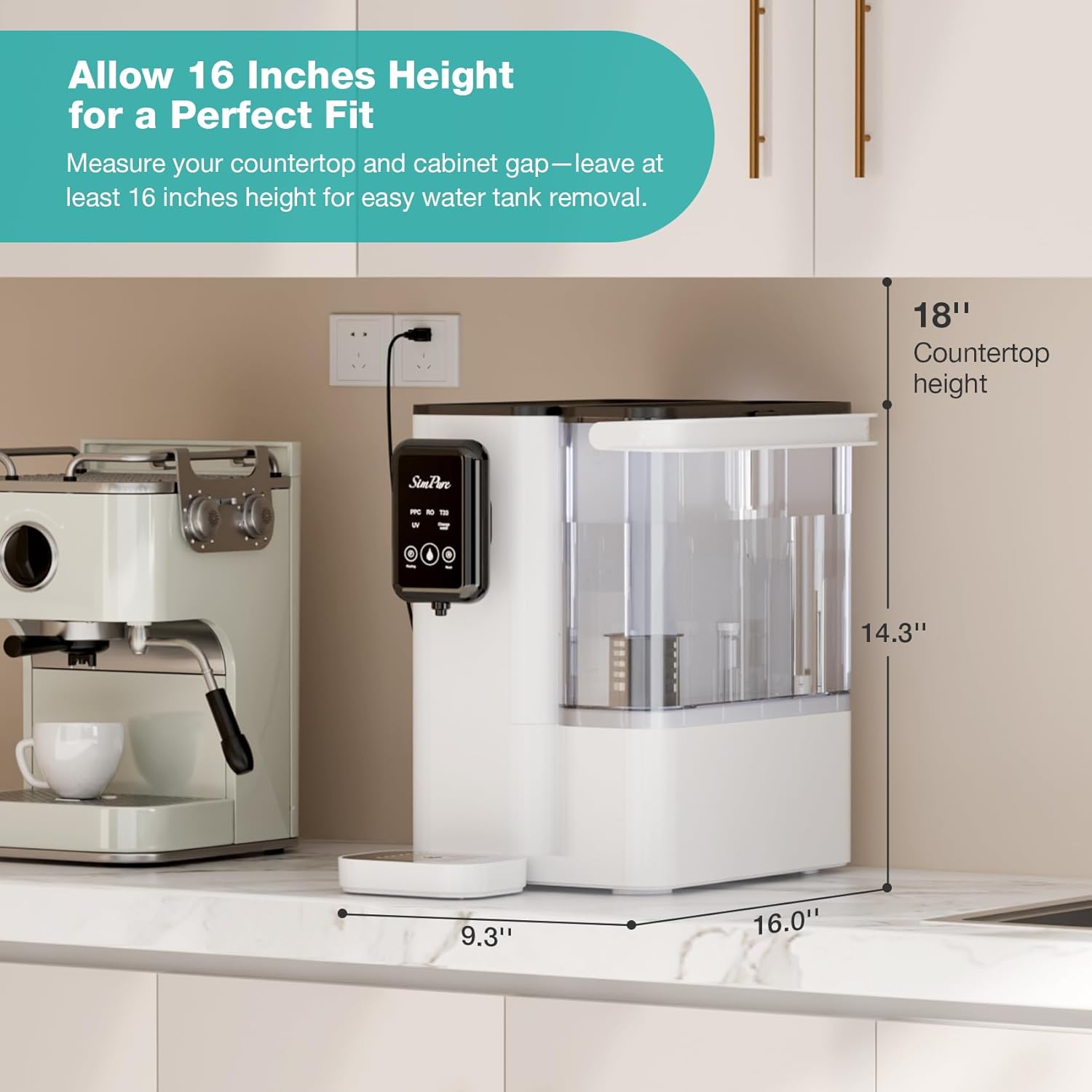
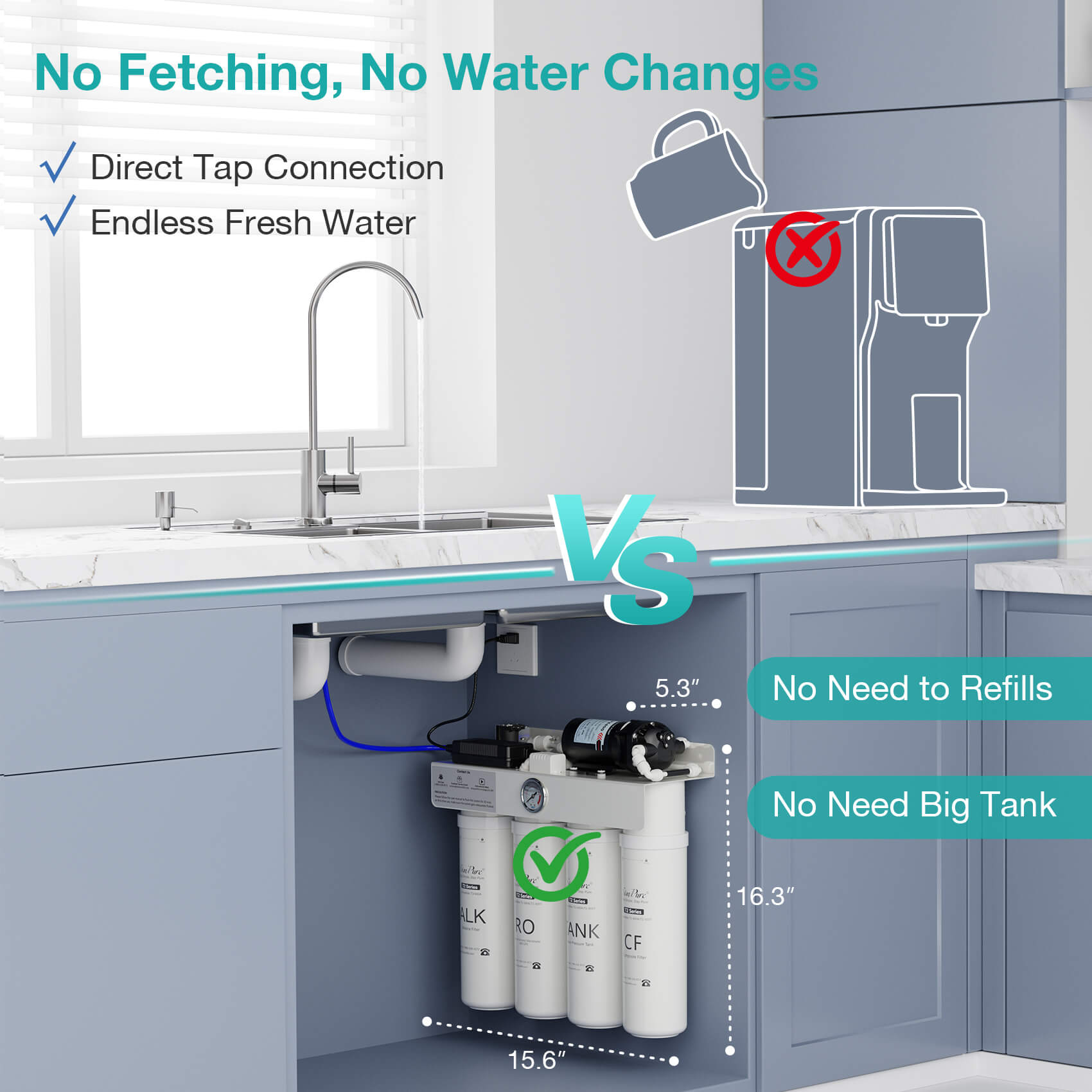
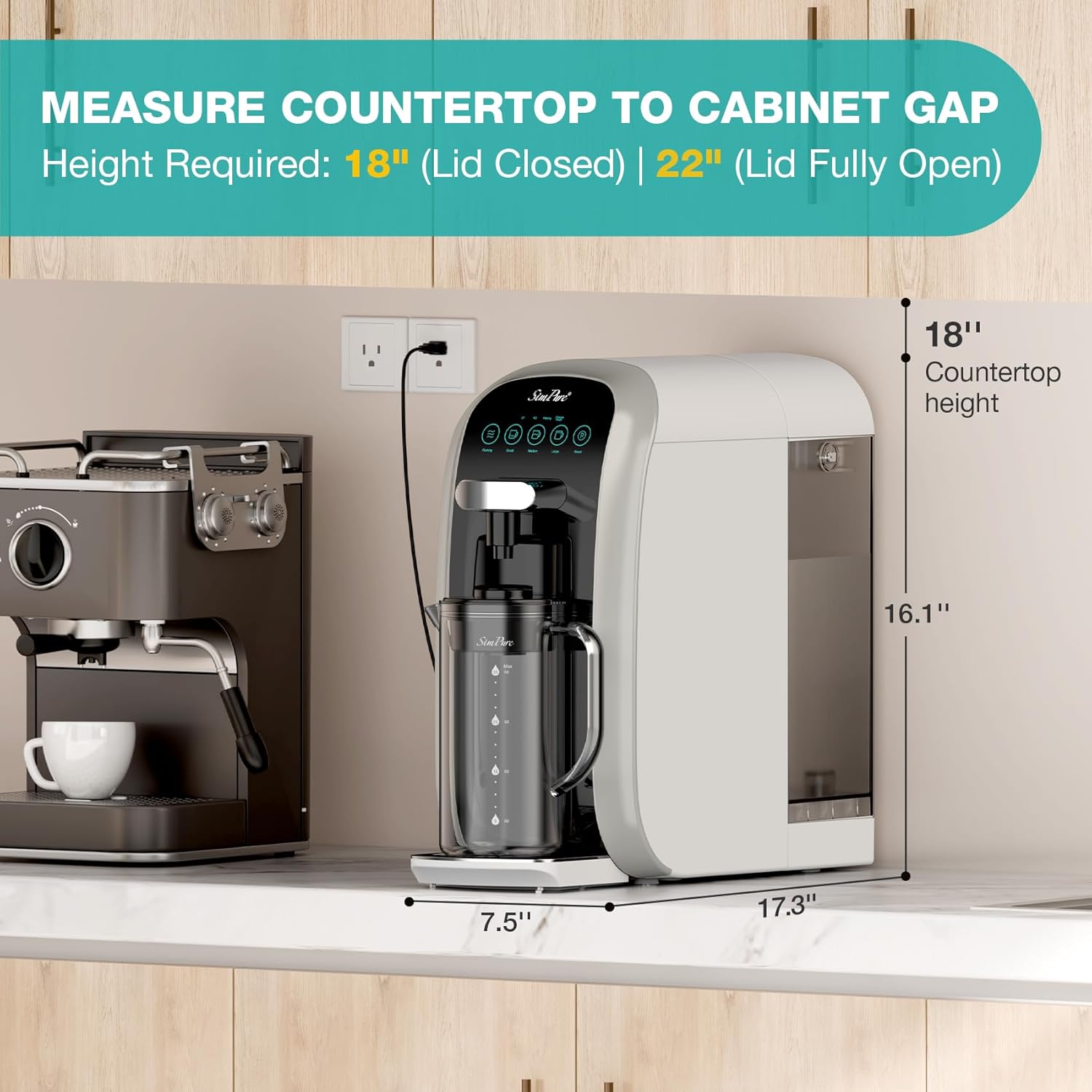
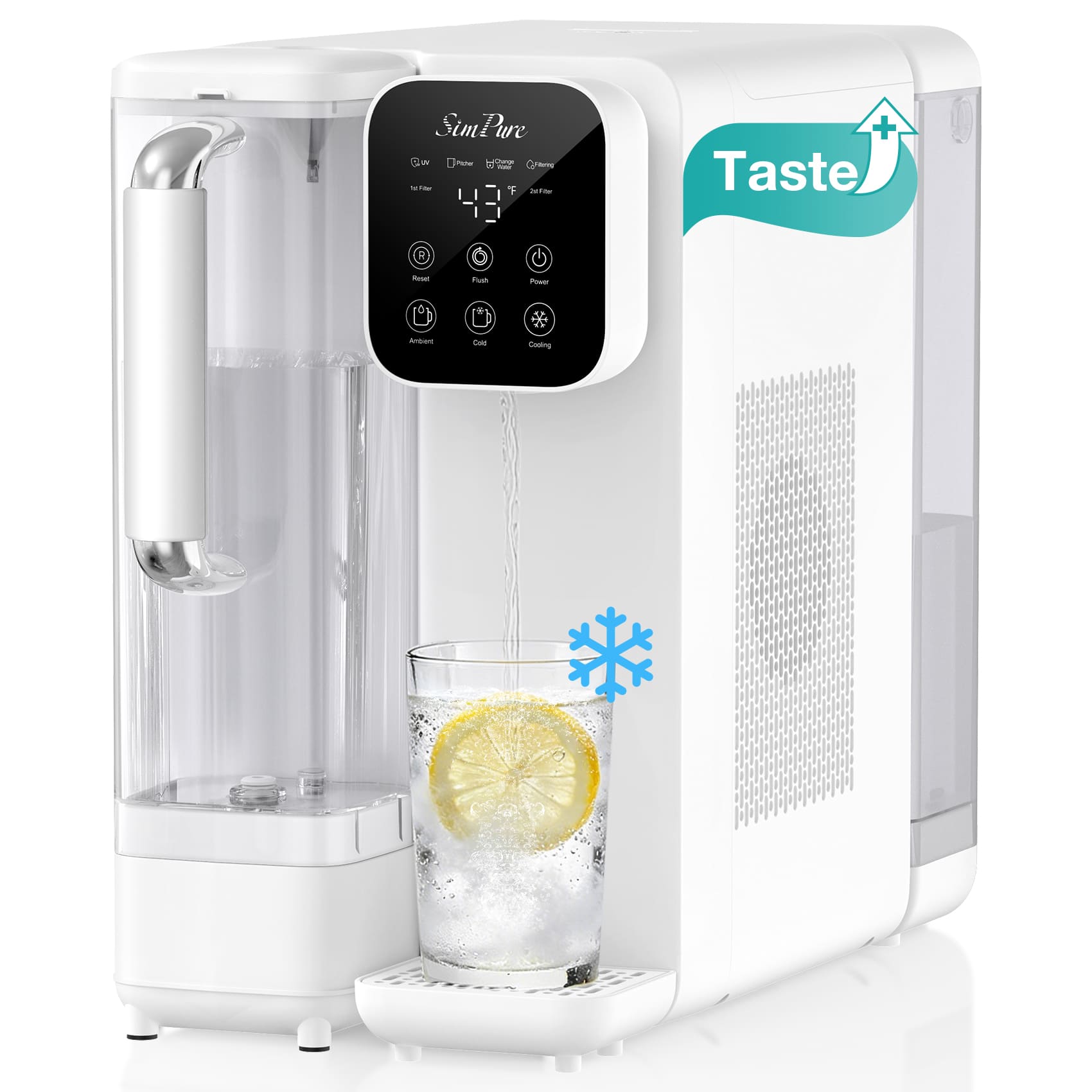
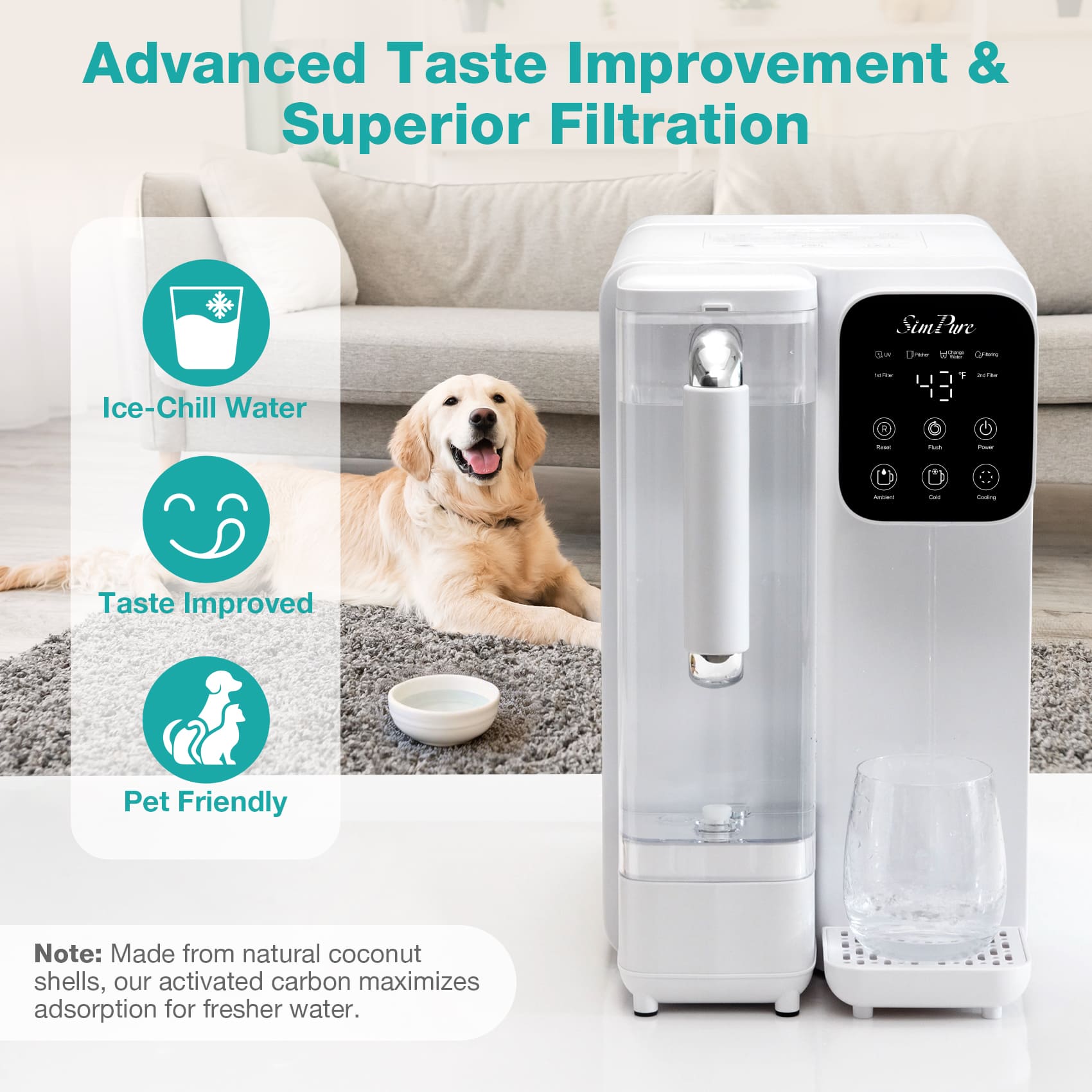
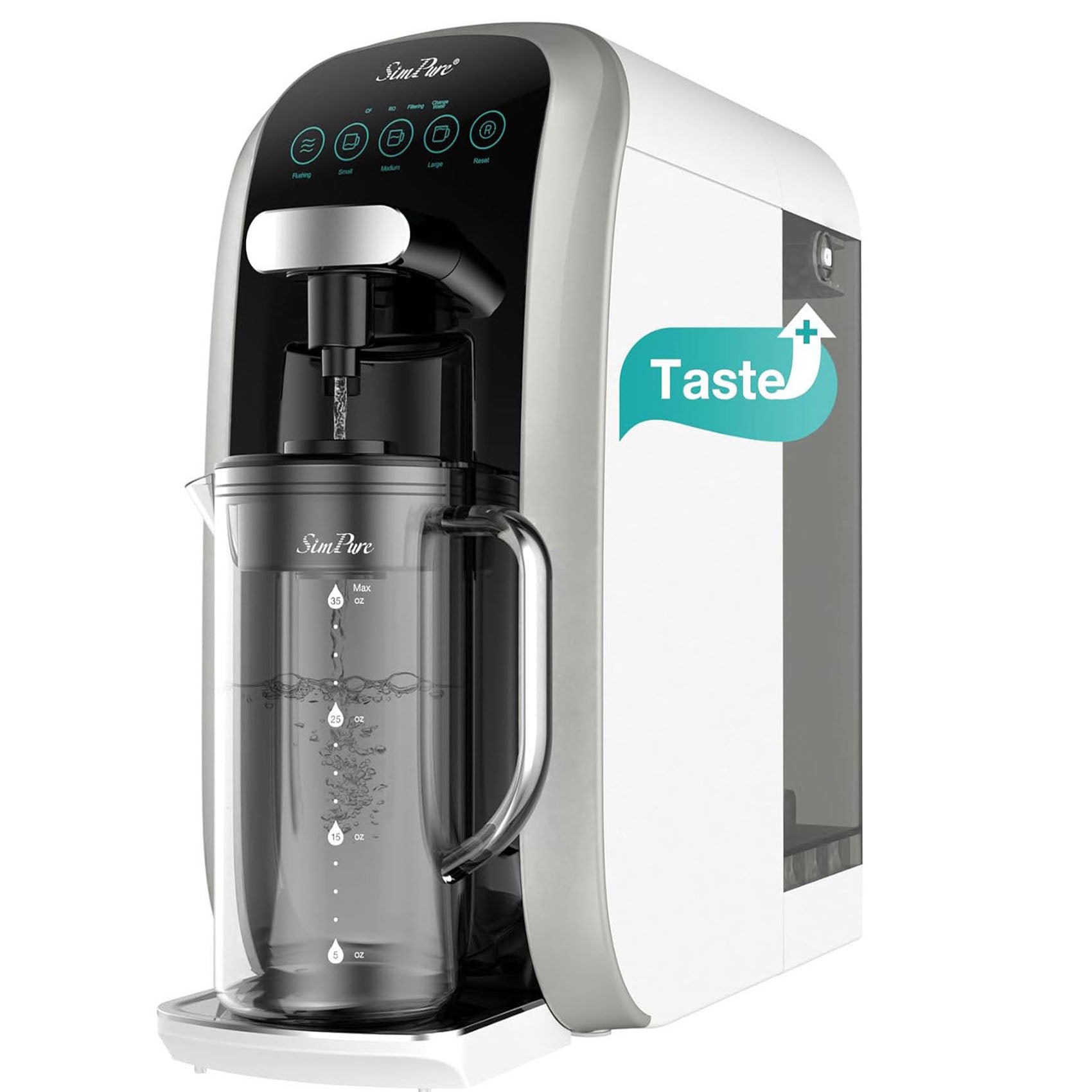
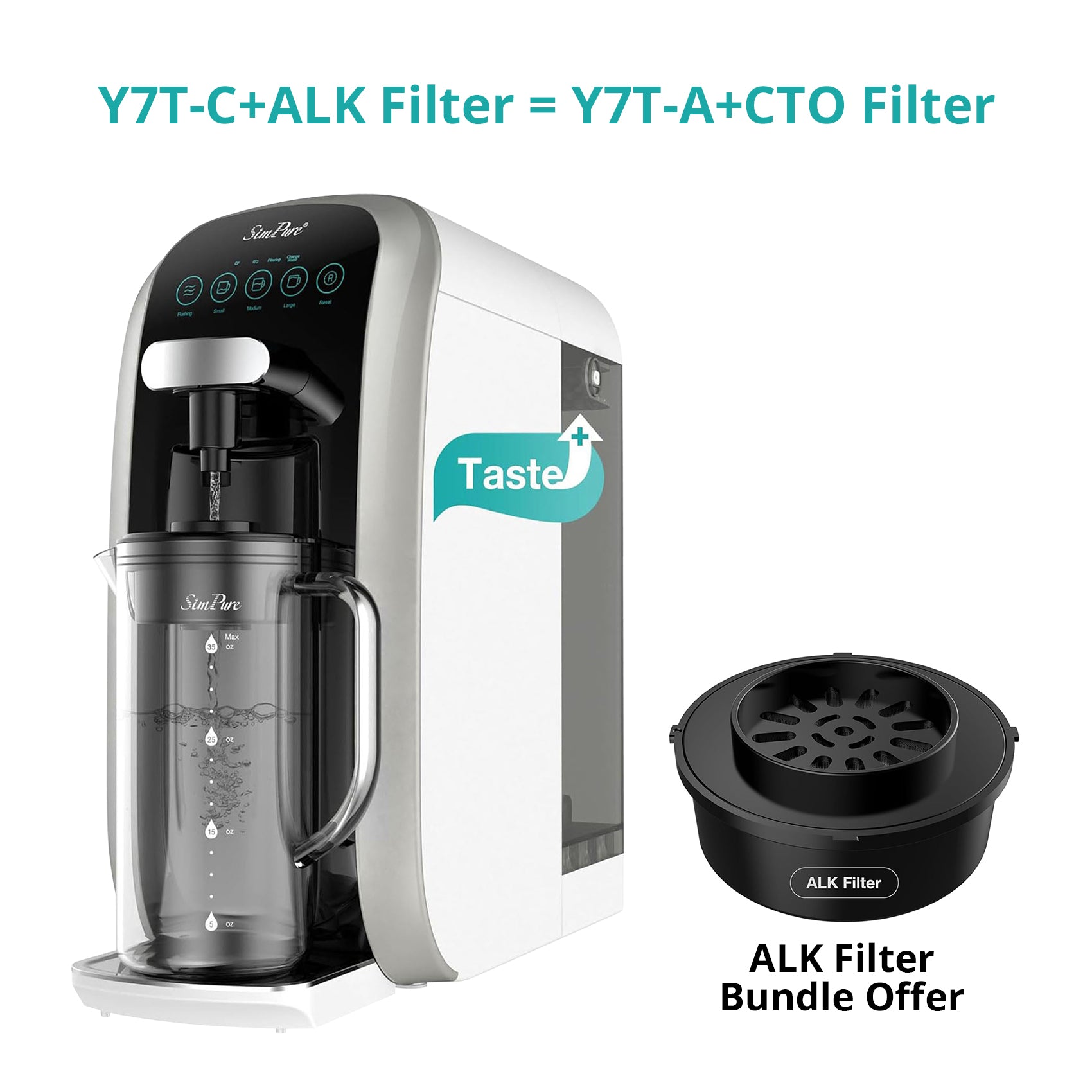
Some countertop RO systems, like SimPure, are designed for people who don’t want installation work or plumbing changes.
You don’t drill. You don’t modify anything.
You just place it on the counter and use it like part of daily life.
For many people, that simplicity is what actually makes it feel “safe.”
Because safety is not only about filtration—it’s also about consistency.
5. Spring water—sounds natural, but depends on the source
Spring water has a strong “natural” reputation.
And in many cases, it’s good quality.
But not all spring water is equal.
It depends heavily on:
-
source protection
-
bottling process
-
storage conditions
-
transportation
Some spring water is excellent.
Some is just minimally processed groundwater in a bottle.
So again, “natural” doesn’t automatically mean safest.
So what is actually the safest option?
There isn’t one perfect answer.
But there is a pattern.
People usually move toward options that give them the following:
-
control
-
consistency
-
transparency
That’s why tap water + filtration is often the direction many households end up choosing.
Because it combines:
-
regulated municipal treatment
-
plus personal control at home
Especially when using more advanced systems like reverse osmosis.
The part people don’t talk about: confidence matters
When people say “safe water,” they don’t always mean chemistry.
They also mean feeling.
Do I trust this glass of water?
Would I give it to my child?
Would I drink it every day without thinking?
That emotional layer matters more than people admit.
Because water is not something you evaluate once.
It’s something you interact with constantly.
A simple way people solve it in real life
Most people don’t end up doing complex comparisons.
They simplify.
They choose something that:
-
doesn’t require thinking
-
fits their kitchen
-
works every day without maintenance stress
That’s where countertop RO systems have been growing in popularity.
Especially brands like SimPure, which focus on making filtration part of daily routine instead of a technical project.
Not perfect marketing claims—just fewer steps in real life.
When bottled water might still make sense
To be fair, bottled water still has its place.
For example:
-
travel
-
emergencies
-
temporary situations
-
areas with known water issues
It’s convenient.
But as a long-term “safest” solution, it’s not always the most practical.
Final thoughts
There’s no single “safest drinking water option” that works for everyone.
Because safety is not just about the water itself.
It’s about where it comes from, how it’s handled, and how much uncertainty you’re willing to accept.
Tap water can be safe.
Bottled water can be convenient.
Filtered water can be flexible.
RO water can be more consistent.
Most people don’t find one perfect answer.
They find a setup that feels stable enough to stop worrying about it.
And in the end, that’s usually what “safe water” really means.